

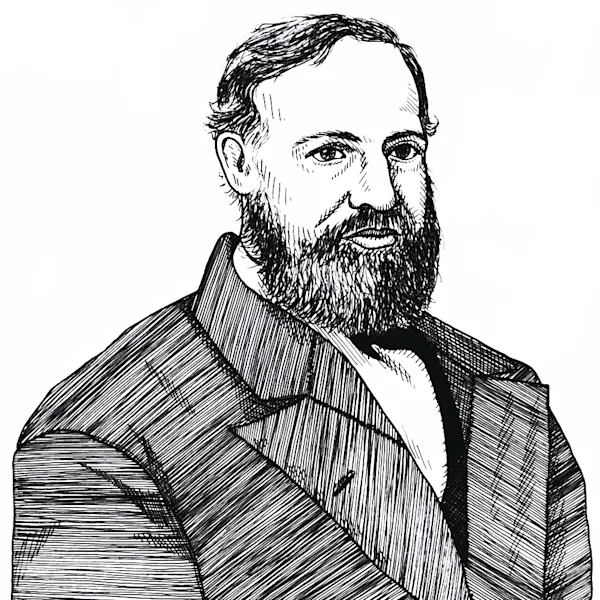
Thomas Kingsmill Abbott
1829–1913
Thomas Kingsmill Abbott was an Irish scholar who wrote on Irish history and the philosophy of Immanuel Kant.

Economic theory. Demography
867 items in this collection
Classic works in the discipline are joined by explorations of how economic reasoning applies to political science and other social sciences, as well as the relevance of economics as moral philosophy. A consistent theme is the view that economics is the study of human choice and its consequences, both intended and unintended.
In this collection
473 titles, earliest first.
Sir William Petty · 1662
A 2 volume collection of Petty’s writings, along with a lengthy introduction on Petty’s life and times and economic thought.
Sir William Petty · 1662
Vol. 1 contains a lengthy introduction on Petty’s life and times and economic thought, as well as A Treatise of Taxes (1662), Verbum sapienti (1664), The Political Anatomy of Ireland (1672), and Political Arithmetic…
Pieter de la Court · 1662
A strong defence of the benefits of free trade and an open and tolerant society in which economic, social and religious liberties go hand in hand to make a vibrant society like late 17th century Holland. The book…
Sir William Petty · 1681
Vol. 2 includes writings about the cities of London, Dublin, Paris, and Rome, as well as on money.
Nicholas Barbon · 1690
Barbon’s A Discourse of Trade, is one of the best-known early tracts for freedom of trade, it also discusses topics as varied as the nature of value, the role of fashion in economic life, the importance of moral…
Sir Dudley North · 1691
North ’s Discourses upon Trade is one of the earliest attempts to theorize as a whole the workings of a market economy in England. There are two discourses: one concerning "the abatement of interest" and the other on…
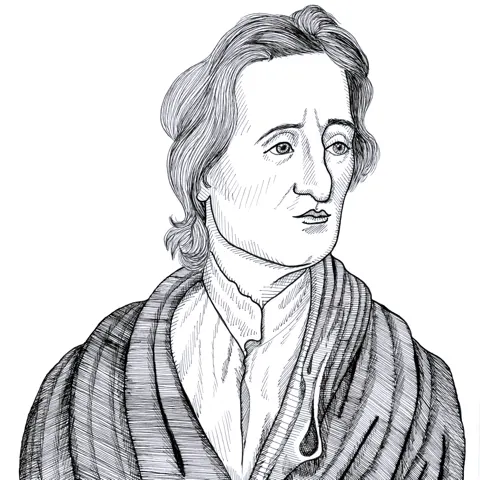
John Locke · 1691
Volume 4 of the 1824 edition of the collected works of John Locke. This volume contains his essays on money and a version of the Two Treatises of Government.
John Locke · 1697
Locke’s detailed proposals to encourage the Irish linen industry which was quoted in full in Fox Bourne’s The Life of John Locke (1876), vol. 2, pp. 363-372.
John Locke · 1697
Locke’s detailed proposals for the reform of the Poor Laws which was quoted in full in Fox Bourne’s The Life of John Locke (1876), vol. 2, pp. 377-391.
Bernard Mandeville · 1732
Mandeville is a witty satirist who used a poem to make the profound economic point that “private vices” (or self-interest) lead to “publick benefits” (such as orderly social structures like law, language, and markets).
Bernard Mandeville · 1732
Mandeville is a witty satirist who used a poem to make the profound economic point that “private vices” (or self-interest) lead to “publick benefits” (such as orderly social structures like law, language, and markets).
Bernard Mandeville · 1732
Mandeville is a witty satirist who used a poem to make the profound economic point that “private vices” (or self-interest) lead to “publick benefits” (such as orderly social structures like law, language, and markets).
Thomas Gordon · 1751
A two part collection of essays by Trenchard and Gordon which includes essays on standing armies, religion, British politics, and economics.
Thomas Gordon · 1751
Volume 1 of a two part collection of essays by Trenchard and Gordon which includes essays on standing armies, various sermons, on debt, taxation, and religion.
Richard Cantillon · 1755
Cantillon wrote one major work, Essay on the Nature of Trade in General, which was regarded by Jevons and Hayek as an important early contribution to the theory of marginal utility. It lay forgotten for over 100 years…
Jean-Jacques Rousseau · 1761
This 1913 edition of Rousseau’s works includes the famous Social Contract as well as 3 discourses on Arts and Sciences, the Origin of Inequality, and Political Economy. Rousseau’s writings inspired liberals and…
Anne-Robert-Jacques Turgot · 1770
An 1898 edition of one of the more important works on economics before Adam Smith’s Wealth of Nations. It covers a broad range of topics including money, exchange, value, and capital investment in agriculture. Turgot…
Josiah Tucker · 1774
Four essays on trade, war, and the rebellion in the American colonies.
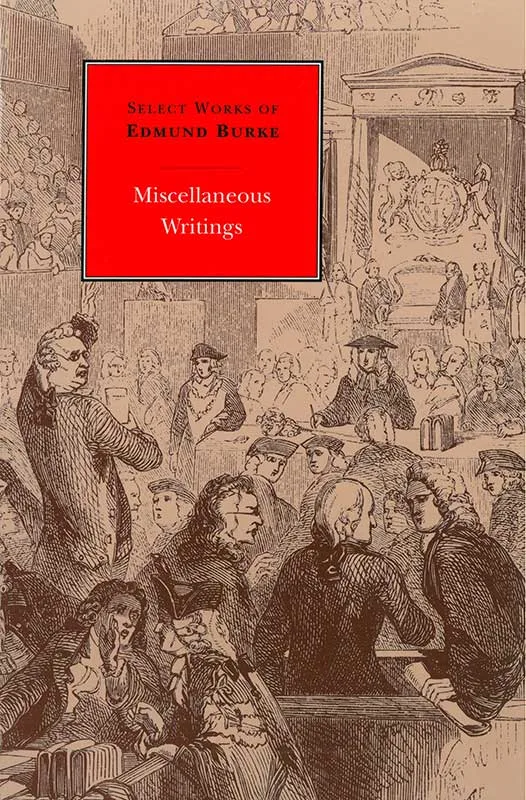
Edmund Burke · 1774
This volume contains some of Burke’s speeches on parliamentary reform, on colonial policy in India, and on economic matters.
Alexander Hamilton · 1774
Vol. VIII (Miscellaneous Papers) of a twelve volume collection of the works of Alexander Hamilton who served at a formative period of the American Republic. His papers and letters are important for understanding this…
Alexander Hamilton · 1774
Vol. IX (Miscellaneous Papers; Private Letters 1771-1792) of a twelve volume collection of the works of Alexander Hamilton who served at a formative period of the American Republic. His papers and letters are important…
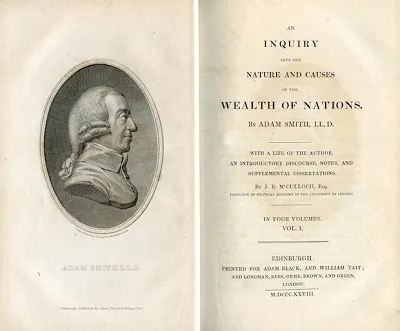
Adam Smith · 1776
Cannan’s justly famous early 20th century edition of Smith’s Wealth of Nations with his introduction and notes.
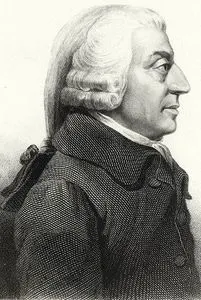
Adam Smith · 1776
Cannan’s justly famous early 20th century edition of Smith’s Wealth of Nations with his introduction and notes.
Adam Smith · 1776
Cannan’s justly famous early 20th century edition of Smith’s Wealth of Nations with his introduction and notes.
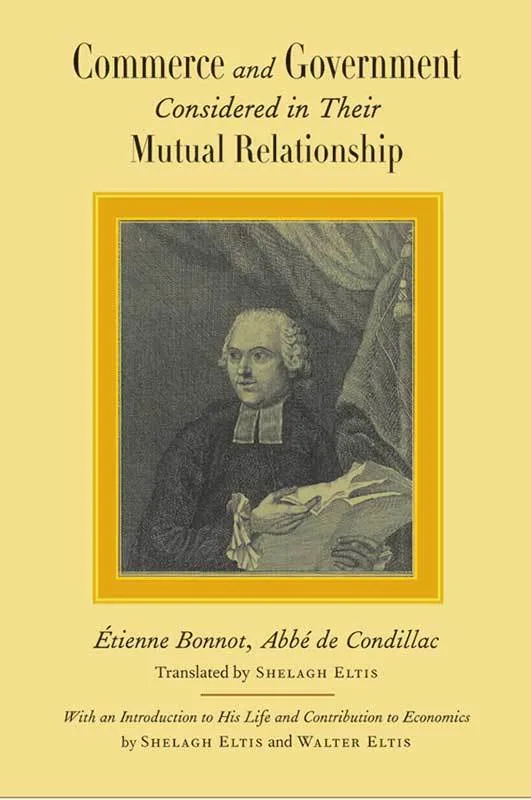
Étienne Bonnot, Abbé de Condillac · 1776
This text covers such topics as value, money, agriculture, domestic and foreign trade, war, labor, interest rates, luxuries, and the various government policies that affect these subjects.The theme that unites these…
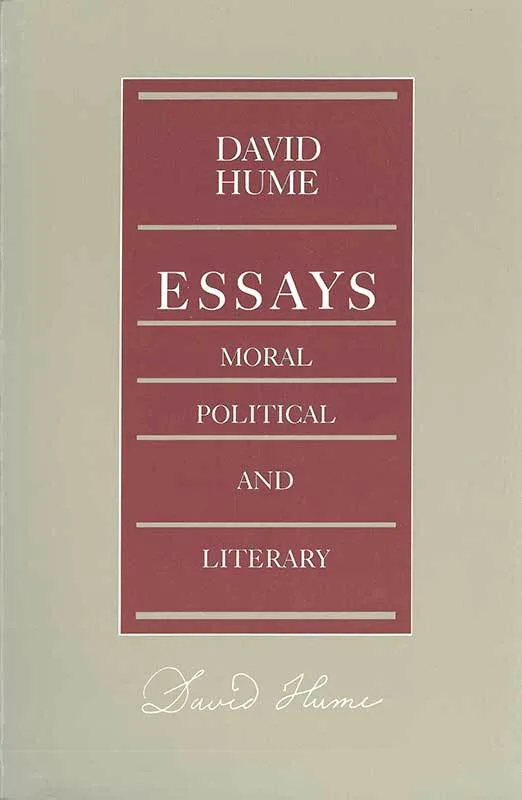
David Hume · 1777
This edition of Hume's much neglected philosophical essays contains the thirty-nine essays included in Essays, Moral, and Literary, that made up Volume I of the 1777 posthumous Essays and Treatises on Several Subjects.…
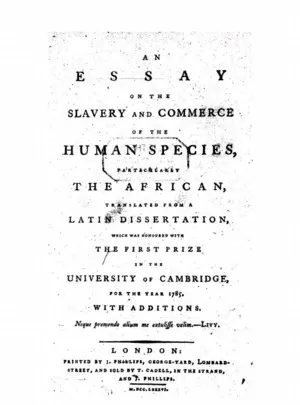
Thomas Clarkson · 1786
The first of many anti-slavery tracts written by the Quaker Thomas Clarkson. This one began as a prize-winning Latin dissertation submitted to Cambridge University in 1785. In it he examines the history of slavery, the…
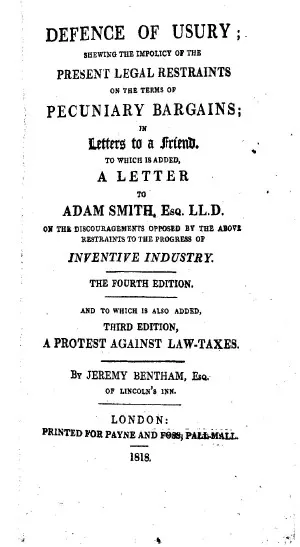
Jeremy Bentham · 1787
An 1818 edition which combines Bentham’s defence of the practice of charging interest on loans with a critique of certain taxes which increased the cost of appearing before the courts. Another copy of this book can be…
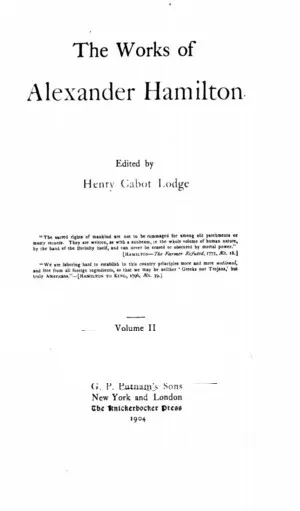
Alexander Hamilton · 1788
Vol. II (Convention of New York; Letters of H.G.; Taxation and Finance; Finance) of a twelve volume collection of the works of Alexander Hamilton who served at a formative period of the American Republic. His papers and…
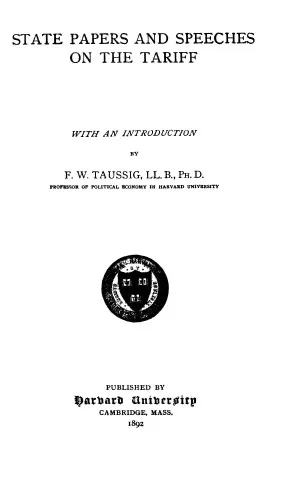
Daniel Webster · 1790
Taussig has collected speeches and reports by Alexander Hamilton, Albert Gallatin, R.J. Walker, Henry Clay, and Daniel Webster on the issue of free trade and tariffs. He used these documents in his course at Harvard…
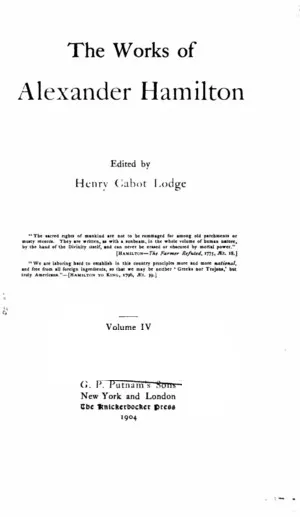
Alexander Hamilton · 1790
Vol. IV (Coinage and the Mint; Industry and Commerce; Commercial Relations; Foreign Relations) of a twelve volume collection of the works of Alexander Hamilton who served at a formative period of the American Republic.…
Pelatiah Webster · 1791
Written during the American Revolution these economic essays cover topics such as money, free trade, the rate of interest, the nature of the constitution, public debt, bank credit, and taxation.
Alexander Hamilton · 1791
Vol. III (Finance; National Bank) of a twelve volume collection of the works of Alexander Hamilton who served at a formative period of the American Republic. His papers and letters are important for understanding this…
Arthur Young · 1792
Arthur Young was an 18th century pioneer in the detailed observation of economic conditions in the countryside and the collection of statistical data relating to agriculture. He was extraordinarily lucky in being in…
David Ricardo · 1795
This volume is a collection of personal correspondence and recollections that focus on Ricardo’s life outside of his political economic endeavors. These missives concern Ricardo's character, his amiable and generous…
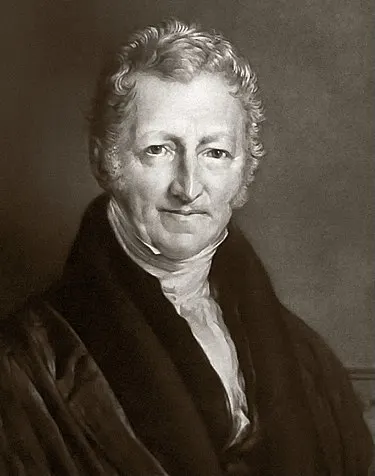
Thomas Robert Malthus · 1798
This is the first edition of Malthus’s Essay on the Principle of Population. In this work Malthus argues that there is a disparity between the rate of growth of population (which increases geometrically) and the rate of…
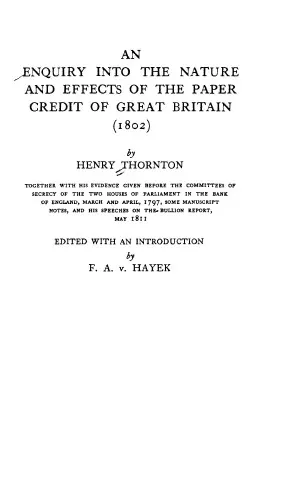
Henry Thornton · 1802
An important work on banking and money which was produced in reaction to the crisis of 1797 when the Bank of England suspended cash payments due to the costs of the wars against France. It has an equally important…
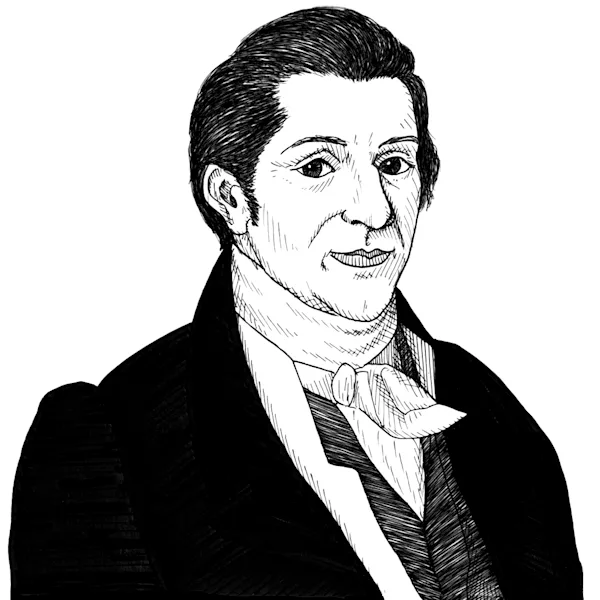
Jean-Baptiste Say · 1803
One of the most influential works on Political Economy in the 19thC. It set the stage for the development of the study of political economy in France and an early translation into English helped make it become the most…
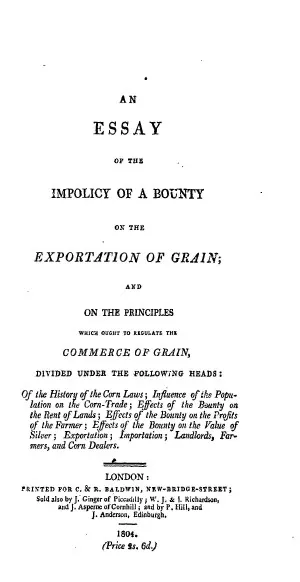
James Mill · 1804
Mill provides a brief history of the Corn Laws and argues for their abolition.
James Mill · 1808
This is a critique of both the idea that only agriculture is truly a productive activity and government war-time policy which resulted in rising food prices and taxes which had a deleterious impact on the poor.
Albert Gallatin · 1808
Gallatin was Secretary of the Treasury and in this Report urged that Congress spend over $16 million of taxpayer money on building road works and canals.
David Ricardo · 1809
This volume focuses on Ricardo’s shorter essays printed in the Morning Chronicle, which deal with his thoughts on the inflationary monetary policy of the Bank of England and the Bullion Crises. In these essays, the…
David Ricardo · 1810
The last volume of this collection is a comprehensive index to the previous ten volumes of The Works and Correspondence of David Ricardo.
David Ricardo · 1810
Volume 6 is the introductory volume to the four volumes containing relevant letters between Ricardo and many influential thinkers of his age. Many of these letters influenced the development of Ricardo’s ideas on…
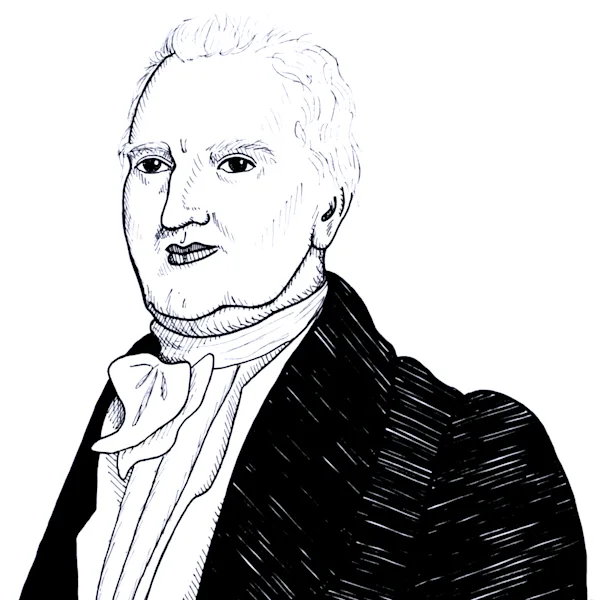
William Cobbett · 1815
Cobbett wrote the first volume of 28 Letters while in prison for two years (1810-11) for opposing the flogging of some militia men. It is a history of how Britain funded the war effort against Napoleon by increasing the…
William Cobbett · 1815
Cobbett wrote the first volume of 28 Letters while in prison for two years (1810-11) for opposing the flogging of some militia men. It it a history of how Britain funded the war effort against Napoleon by increasing the…
William Cobbett · 1815
Cobbett wrote the first volume of 28 Letters while in prison for two years (1810-11) for opposing the flogging of some militia men. It is a history of how Britain funded the war effort against Napoleon by increasing the…
David Ricardo · 1815
This volume contains a collection of assorted short essays written for publication in the latter part of David Ricardo’s life from 1815 to 1823. These essays include: An Essay on the Influence of a low Price of Corn on…
Jane Haldimand Marcet · 1816
One of Marcet’s earlier efforts at popularizing free market economic ideas for ordinary working people. It first appeared in 1816, was enlarged an reprinted in 1827, going through 6 editions (giving some indication of…
David Ricardo · 1816
Volume 7 is the second volume of four volumes comprising the collection of Ricardo's letters. It spans the years of Ricardo’s life from 1816 to 1818. This period saw the development and initial defense of his most…
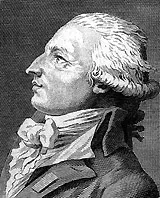
Antoine Louis Claude, Comte Destutt de Tracy · 1817
An important work in the development of French liberal thought during the Napoleonic and post-Napoleonic period. Thomas Jefferson was very impressed with his writings and had them translated in English.
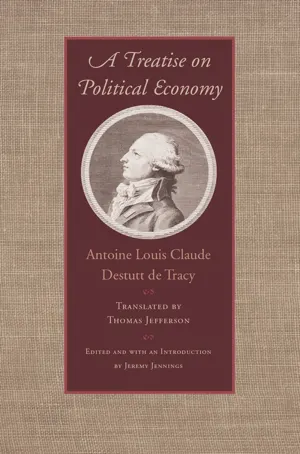
Antoine Louis Claude, Comte Destutt de Tracy · 1817
Destutt de Tracy's Treatise on Political Economy is a foundational text of nineteenth-century, free-market economic thought and remains one of the classics of nineteenth-century French economic liberalism. Destutt de…
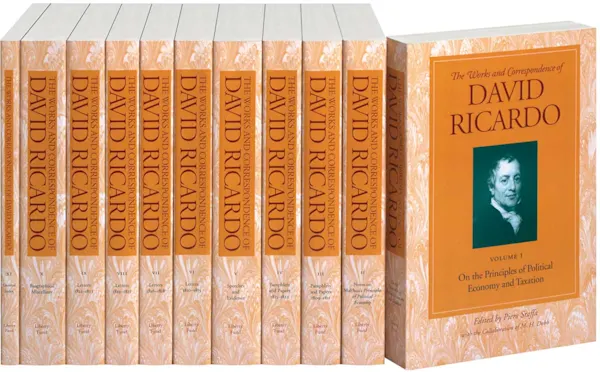
David Ricardo · 1817
On the Principles of Political Economy and Taxation provides analysis of the allocation of money between capitalists, landowners, and agricultural workers in Britain. Through this analysis, Ricardo came to advocate free…
Jeremy Bentham · 1818
From an 1818 edition which combines Bentham’s defence of the practice of charging interest on loans with a critique of certain taxes which increased the cost of appearing before the courts.
David Ricardo · 1819
Speeches and Evidence contains the texts of Ricardo’s numerous speeches. It consists of his speeches given in the House of Commons and evidentiary advocacies before Parliamentary committees. The introduction provides…
David Ricardo · 1819
This period of Ricardo’s life witnessed his entrance into Parliament as a member of the House of Commons where he became an influential advocate of free trade through his opposition to Britain’s restrictive “Corn laws.”…
John Taylor · 1820
Taylor defends a strict “states rights” interpretation of the U.S. Constitution and advocates limited republican government.
Francis W. Hirst · 1820
A collection of speeches and articles illustrating the broad range of views of the British classical liberals and free traders of the 19th century known as the Manchester School. They cover foreign policy, free trade,…
William Godwin · 1820
A lengthy and belated reply to Malthus by the radical individualist Godwin. Whereas Malthus took a pessimistic view of the pressures of population growth, Godwin was more optimistic about the capacity of people to limit…
David Ricardo · 1820
David Ricardo and T. R. Malthus were friends despite a contentious divergence of opinion on many political economic issues. This volume contains the formal remnants of their differences. Ricardo analyzes,…
Thomas Hodgskin · 1820
A two volume work in which Hodgskin describes in great detail the economic, political, legal, and social conditions he observed in his travels across northern Germany.
Thomas Hodgskin · 1820
Vol. I of a two volume work in which Hodgskin describes in great detail the economic, political, legal, and social conditions he observed in his travels across northern Germany.
Thomas Hodgskin · 1820
Vol. II of a two volume work in which Hodgskin describes in great detail the economic, political, legal, and social conditions he observed in his travels across northern Germany.
James Mill · 1821
James Mill’s work offers excellent summaries of diminishing marginal returns in Chapter II, of comparative advantage in Chapter III, Section V, of the quantity theory of money and the market for foreign exchange in…
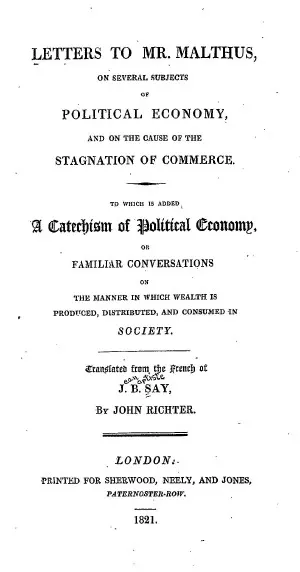
Jean-Baptiste Say · 1821
Say replies to Malthus’s negative views about the impact of population on the well-being of workers, and provides a popularization of his economic views.
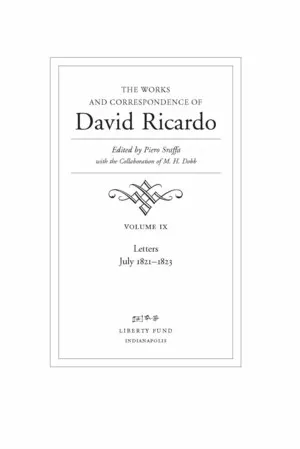
David Ricardo · 1821
The letters in this volume continue to cover Ricardo’s correspondence while a member of the House of Commons and provide subtle refinements and elaborations to his political economic thoughts. This volume includes a…
John Taylor · 1822
John Taylor of Caroline (1753-1824) was one of the foremost philosophers of the States’ rights Jeffersonians of the early national period. In keeping with his lifelong mission as a “minority man,” John Taylor wrote…
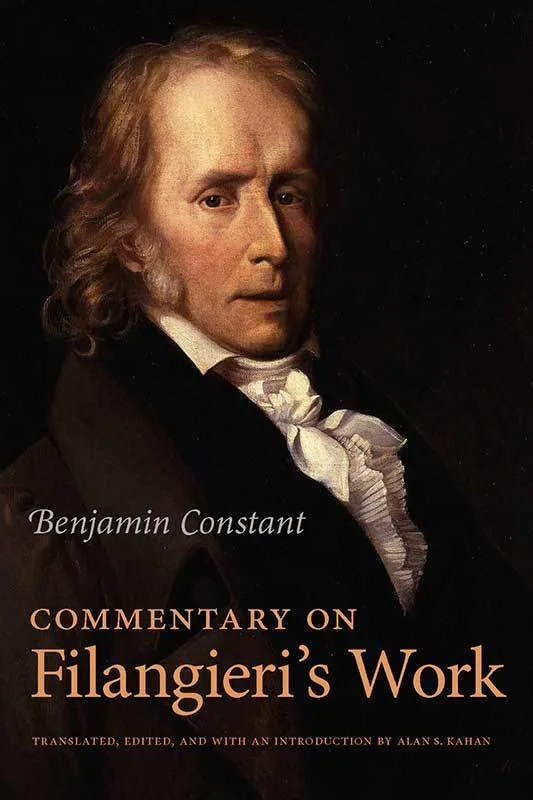
Benjamin Constant · 1824
The Commentary is Constant's most extensive treatment of economic matters. It is a response to a multi-volume work by the Italian jurist Gaetano Filangiero, The Science of Legislation (1780-88). Constant defends limited…
John Stuart Mill · 1824
Vol. 4 of the 33 vol. Collected Works contains a number of Mill’s essays on economic topics, including the collection Essays on Some Unsettled Questions of Political Economy.
John Locke · 1824
A nine volume collection of the works of John Locke.
James Mill · 1825
One of the articles James Mill wrote for the Encyclopedia Britannica.
John Ramsay McCulloch · 1825
The first edition of McCulloch’s major treatise on the principles of political economy. This became the standard text in classical political economics until it was replaced by J.S. Mill’s Principles in 1848. it went…
Thomas Robert Malthus · 1826
This is the 6th expanded edition of Essay on the Principle of Population. In this work Malthus argues that there is a disparity between the rate of growth of population (which increases geometrically) and the rate of…
Thomas Robert Malthus · 1826
Vol. 1 of the 6th expanded edition of Essay on the Principle of Population. In this work Malthus argues that there is a disparity between the rate of growth of population (which increases geometrically) and the rate of…
Thomas Robert Malthus · 1826
Vol. 2 of the 6th expanded edition of Essay on the Principle of Population. In this work Malthus argues that there is a disparity between the rate of growth of population (which increases geometrically) and the rate of…
Thomas Robert Malthus · 1827
Malthus criticises a number of classical economists (such as Smith, Say, Ricardo, McCulloch). Say is given particular attention over the idea of value. Malthus then offers his own definitions of 70 economic concepts.
Thomas Jefferson · 1827
The German political economist and protectionist List defends his views in this series of letters published in Virginia.
Thomas Hodgskin · 1827
Thomas Hodgskin, an officer in the British Navy who later worked for The Economist, was one of the earliest popularizers of economics for audiences of non-economists. He gave lectures on free trade, the corn laws, and…
Jonathan Elliot · 1827
Vol. 4 of an influential early 19th century edition of key documents about the ratification of the US Constitution by the states.
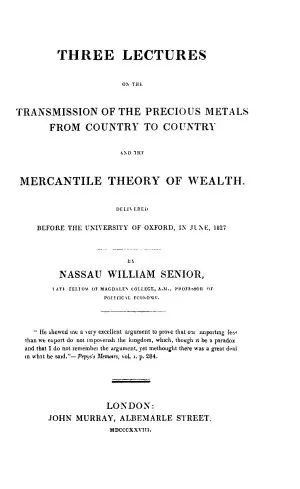
Nassau William Senior · 1828
In a rather grumpy “advertisement” Senior tells us that he rather unwillingly had to give a formal lecture as Professor of Political Economy at Oxford University and have it published. The books contains a lecture on…
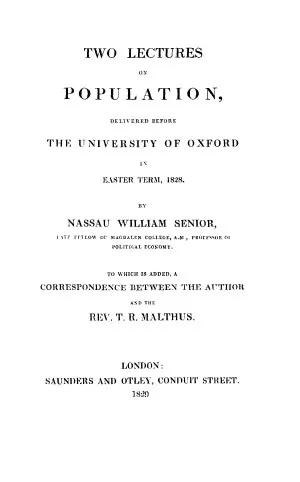
Thomas Robert Malthus · 1829
Senior generally agrees with Malthus on population but there are some differences which are brought out in the correspondence between them.
Nassau William Senior · 1830
Senior gave these lectures at the University of Oxford in Trinity Term 1829. The Third Lecture is on "Some Effects of Government Paper Money" and deals with a number of historical episodes of hyper inflation.
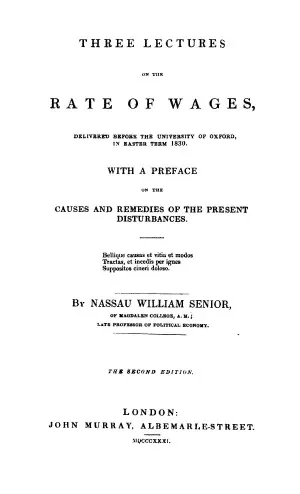
Nassau William Senior · 1830
Lectures given by Senior at the University of Oxford in 1830 to offer insights into the cause and solution of recent rioting by labourers in England.
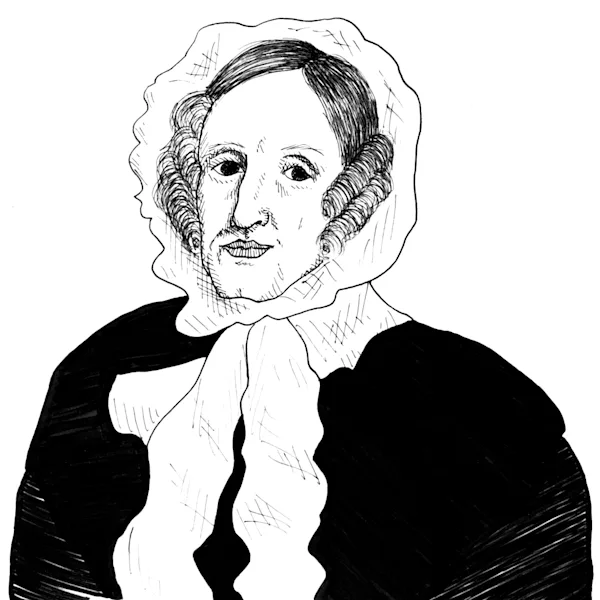
Jane Haldimand Marcet · 1831
These economic fairy tales and parables published by Jane Marcet in the 1830s charm with their light-hearted wit. IMarcet illustrates such topics as the economics of wages and income distribution. The John Hopkins…
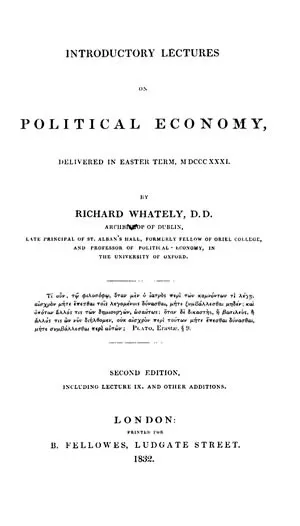
Richard Whately · 1831
Whately followed Nassau Senior as Professor of Political Economy at the University of Oxford. He brought logical clarity to the previously murky relationship between morals and the underpinnings of economics. These are…
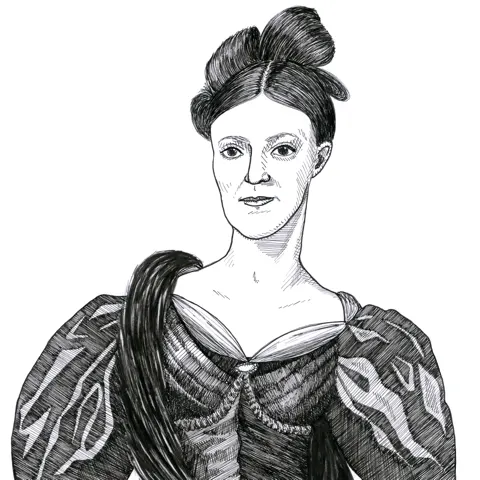
Harriet Martineau · 1832
Martineau writes short “tales” to show ordinary readers how the free market operates.
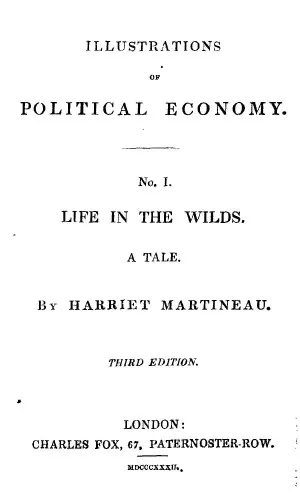
Harriet Martineau · 1832
The first volume of 9 in which Martineau writes short “tales” to show ordinary readers how the free market operates.
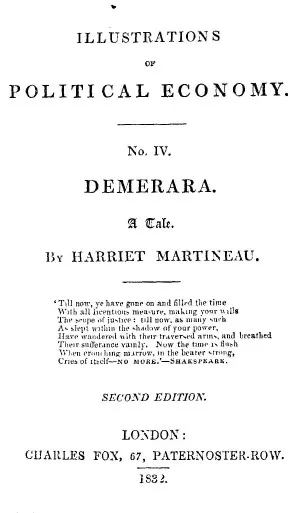
Harriet Martineau · 1832
Vol. 2 of 9 in which Martineau writes short “tales” to show ordinary readers how the free market operates. This volume contains her well known tale “Demerara” about slave labour.
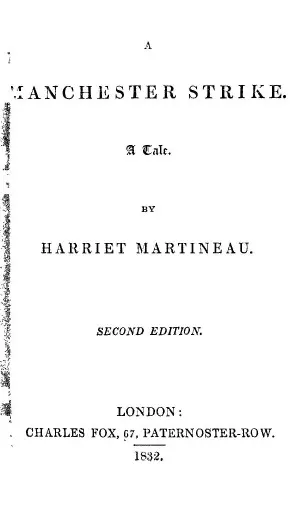
Harriet Martineau · 1832
Vol. 3 of 9 in which Martineau writes short “tales” to show ordinary readers how the free market operates.
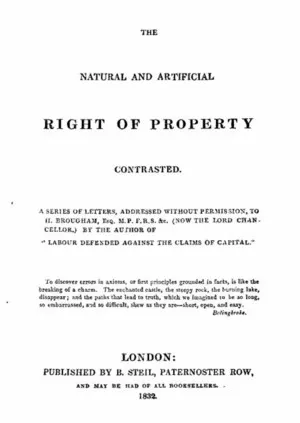
Thomas Hodgskin · 1832
In this series of letters to Lord Braugham, Hodgskin distinguishes between the natural right of property (based upon Lockean principles of natural law) and the artificial right of property (which is decreed by…
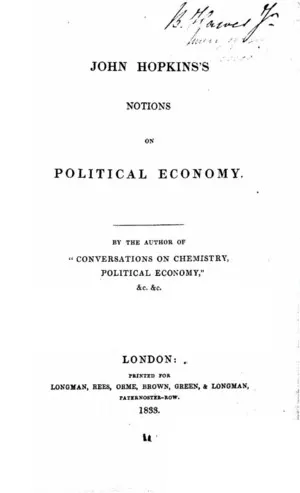
Jane Haldimand Marcet · 1833
Marcet was self-taught in many fields and became a successful popularizer of several demanding fields (such as chemistry and economics) in spite of being discriminated against as a women. This book is one of her works…
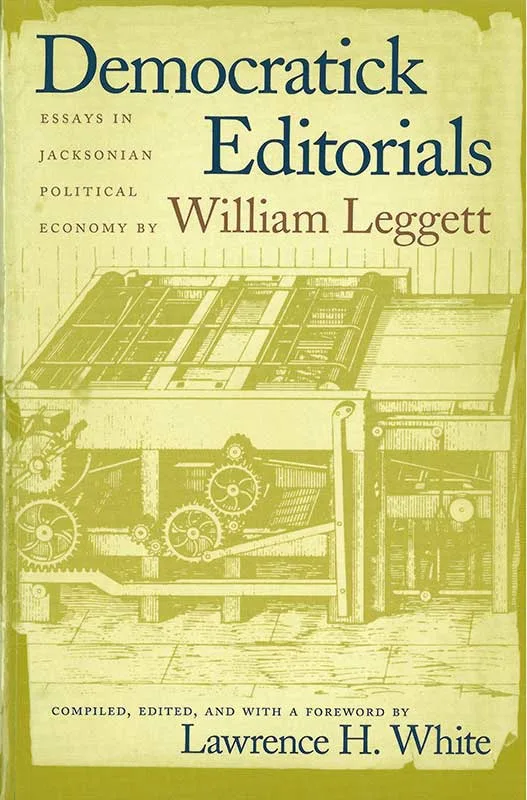
William Leggett · 1834
This volume is a collection of Leggett’s editorials and newspaper articles written during the 1830s in Jacksonian America. He is a consistent advocate of laissez-faire economic policy and limited government.
Harriet Martineau · 1834
Vol. 4 of 9 in which Martineau writes short “tales” to show ordinary readers how the free market operates.
Harriet Martineau · 1834
Vol. 5 of 9 in which Martineau writes short “tales” to show ordinary readers how the free market operates.
Harriet Martineau · 1834
Vol. 6 of 9 in which Martineau writes short “tales” to show ordinary readers how the free market operates.
Harriet Martineau · 1834
Vol. 7 of 9 in which Martineau writes short “tales” to show ordinary readers how the free market operates.
Harriet Martineau · 1834
Vol. 8 of 9 in which Martineau writes short “tales” to show ordinary readers how the free market operates.
Harriet Martineau · 1834
Vol. 9 of 9 in which Martineau writes short “tales” to show ordinary readers how the free market operates.
Harriet Martineau · 1834
Martineau continues her popularization of economic ideas which began with the Illustrations of Political Economy in this series of “Tales” addressed to the working class.
Mountifort Longfield · 1834
A series of lectures Longfield gave in 1833 at Trinity College, Dublin. One of his key points was that wages could not be raised artificially by the actions of trade unions but reflected the supply and demand for labor.
Nassau William Senior · 1834
A path-breaking British Parliamentary report, primarily written by Nassau Senior and Edwin Chadwick, into the state of public charity in Britain. It was one of the key pieces of reformist legislation during the…
William Cobbett · 1835
A six volume collection of Cobbett's essays and journalism.
William Cobbett · 1835
Volume 1 of a six volume collection. Vol. 1 contains his American writings 1794-1800 and his English writings beginning in 1801.
William Cobbett · 1835
Volume 2 of a six volume collection. Vol. 2 contains essays from 1805-1809.
William Cobbett · 1835
Volume 3 of a six volume collection. Vol. 3 contains writings from the Political Register 1809-11.
William Cobbett · 1835
Volume 4 of a six volume collection. Vol. 4 contains writings from the Political Register 18011-16.
William Cobbett · 1835
Volume 5 of a six volume collection. Vol. 5 contains essays from the Political Register between Nov. 1816 to April 1820.
William Cobbett · 1835
Volume 6 of a six volume collection. Vol. 6 contains essays from the Political Register between May 1820 to June 1835.
Condy Raguet · 1835
A collection of essays written in the early 1830s as part of a campaign in favor of free trade. The second edition of 1840 contains the minutes of a Free Trade Convention held in Philadelphia in 1831 as well as a…
Thomas Robert Malthus · 1836
The first edition was published in 1820. This is the second edition of 1836. It is one of the major works in the classical school of political economy along with Smith’s Wealth of Nations and Ricardo’s Principles of…
Nassau William Senior · 1837
A collection of letters written by Senior on the Factory Act along with replies by Horner, Ashworth, and Thomson.
Harriet Martineau · 1838
After her trip to American in 1834-36, Martineau wrote a perceptive analysis of social and economic conditions in the U.S.
Harriet Martineau · 1838
After her trip to American in 1834-36, Martineau wrote a perceptive analysis of social and economic conditions in the U.S.
Harriet Martineau · 1838
After her trip to American in 1834-36, Martineau wrote a perceptive analysis of social and economic conditions in the U.S.
Harriet Martineau · 1838
After her trip to American in 1834-36, Martineau wrote a perceptive analysis of social and economic conditions in the U.S.
Michel Chevalier · 1839
Observations by a French economist of his trip to the United States. Like Tocqueville, Chevalier was sent by the French government in 1834 to inspect American institutions - Tocqueville was sent to inspect American…
William Leggett · 1840
Volume 1 of a two volume collection of newspaper articles and other writings by the Jacksonian era journalist and advocate of free banking and other free market policies, William Leggett.
William Leggett · 1840
Volume 2 of a two volume collection of newspaper articles and other writings by the Jacksonian era journalist and advocate of free banking and other free market policies, William Leggett.
Friedrich List · 1841
A German language edition of List’s work in favor of internal free trade but high protection for the national economy.
Friedrich List · 1841
A German historian who wrote in favor of protective tariffs and trade retaliations between industrial nations, even if they maintain free trade within each country. During the 1820s, he lived in Pennsylvania, where he…
Richard Cobden · 1842
A cheap mass produced pamphlet of Cobden's speech distributed by the Anti-Corn Law League.
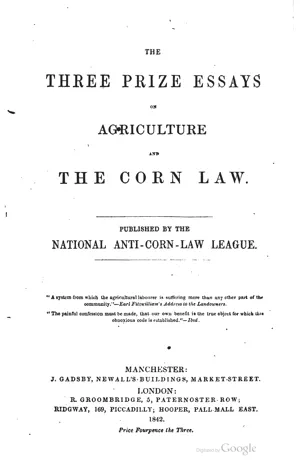
National Anti-Corn Law League · 1842
This is a collection of essays published by the National Anti-Corn Law League. It consists of three prize winning essays on the Corn Laws and a collection of other Anti-Corn Law League propaganda. It was issued as a…
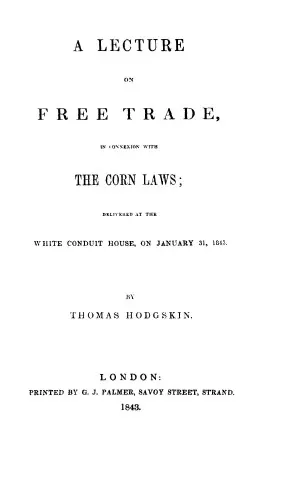
Thomas Hodgskin · 1843
An example of one of Hodgskin’s popular lectures to a working class audience, this time on the benefits of free trade.
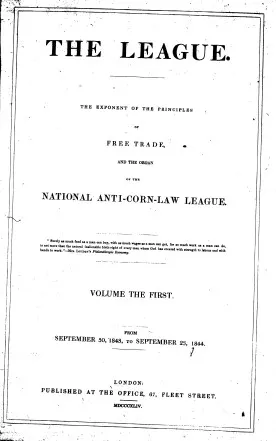
National Anti-Corn Law League · 1843
The organ of the National Anti-Corn-Law League was based in London and appeared between 1843 and 1846. It closed when the League achieved its goal of abolishing the Corn Laws in 1846. It was perhaps the first lobby…
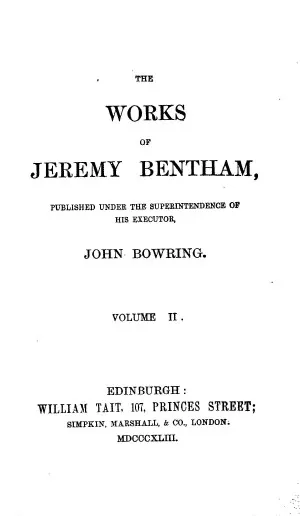
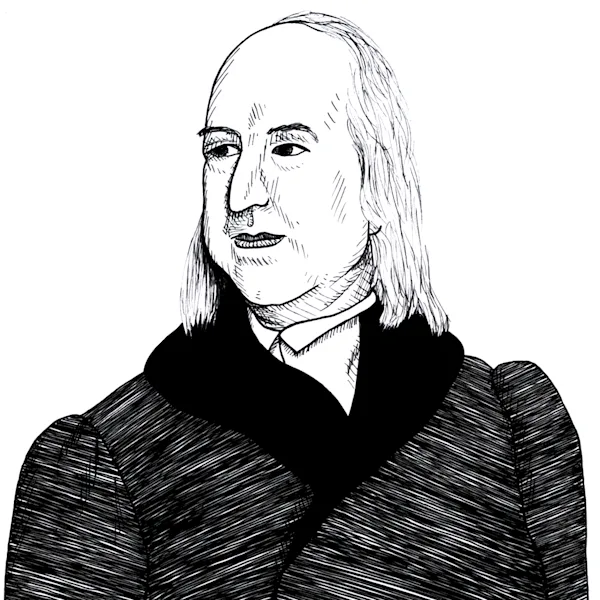
Jeremy Bentham · 1843
An 11 volume collection of the works of Jeremy Bentham edited by the philosophic radical and political reformer John Bowring.
Jeremy Bentham · 1843
An 11 volume collection of the works of Jeremy Bentham edited by the philosophic radical and political reformer John Bowring.
Jeremy Bentham · 1843
An 11 volume collection of the works of Jeremy Bentham edited by the philosophic radical and political reformer John Bowring.
Jeremy Bentham · 1843
An 11 volume collection of the works of Jeremy Bentham edited by the philosophic radical and political reformer John Bowring. For a complete list of the titles in The Works of Jeremy Bentham see this page. ### Vol. 1…
National Anti-Corn Law League · 1844
The organ of the National Anti-Corn-Law League was based in London and appeared between 1843 and 1846. It closed when the League achieved its goal of abolishing the Corn Laws in 1846. It was perhaps the first lobby…
National Anti-Corn Law League · 1844
The organ of the National Anti-Corn-Law League was based in London and appeared between 1843 and 1846. It closed when the League achieved its goal of abolishing the Corn Laws in 1846. It was perhaps the first lobby…
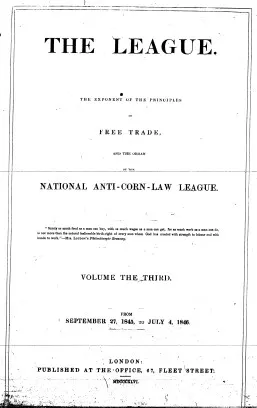
National Anti-Corn Law League · 1844
The organ of the National Anti-Corn-Law League was based in London and appeared between 1843 and 1846. It closed when the League achieved its goal of abolishing the Corn Laws in 1846. It was perhaps the first lobby…
National Anti-Corn Law League · 1846
The organ of the National Anti-Corn-Law League was based in London and appeared between 1843 and 1846. It closed when the League achieved its goal of abolishing the Corn Laws in 1846. It was perhaps the first lobby…
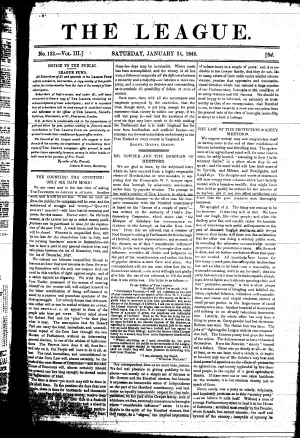
National Anti-Corn Law League · 1846
The organ of the National Anti-Corn-Law League was based in London and appeared between 1843 and 1846. It closed when the League achieved its goal of abolishing the Corn Laws in 1846. It was perhaps the first lobby…
David Ricardo · 1846
A one volume collection of Ricardo’s most important writings, edited by the great English classical economist J.R McCulloch who has a lengthy introduction on the life and work of Ricardo.
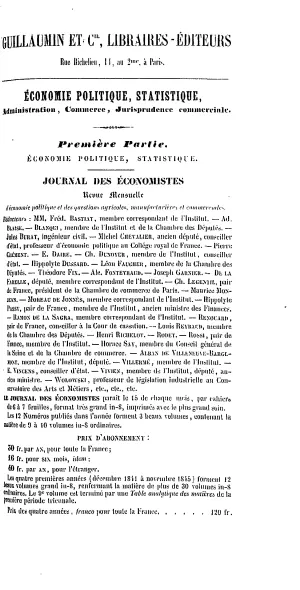
Gilbert-Urbain Guillaumin · 1847
This catalogue is 16 pages long and contains an announcement of the massive Collection des Principaux Économistes which was a multi-volume collection of the classic works of political economy, Bastiat’s Sophismes…
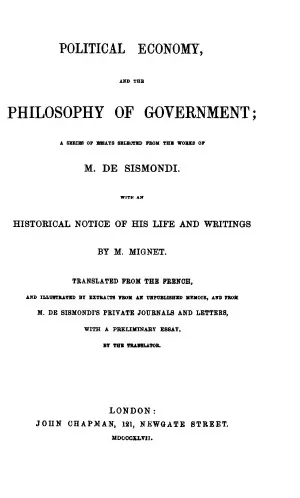
Jean Charles Léonard Simonde de Sismondi · 1847
This works contains the prefaces and introductions to Sismondi’s main economic writings, as well as numerous essays he wrote for journals on landed property, national income, the power of princes, and constitutional…
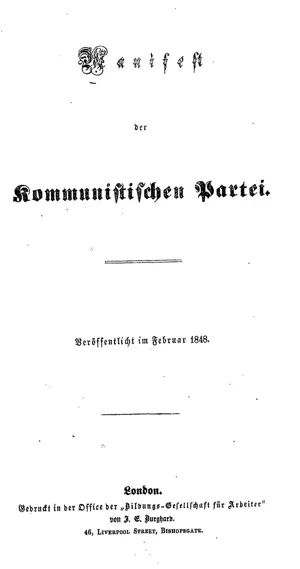
Friedrich Engels · 1848
Written in late 1847 and published during the February Revolution in 1848, this pamphlet outlines Marx's theory of history and his demands for revolution and the dictatorship of the proletariat.
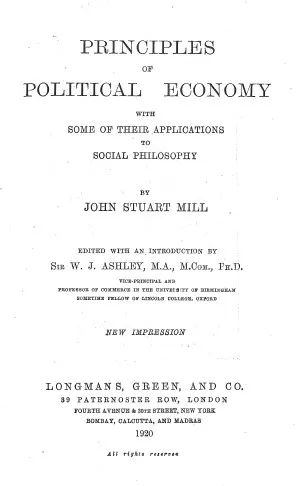
John Stuart Mill · 1848
Principles of Political Economy, with some of their Applications to Social Philosophy was published in 1848 in London and was republished with changes and updates a total of seven times in Mill’s lifetime. The edition…
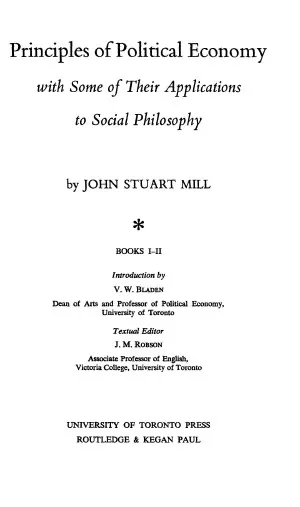
John Stuart Mill · 1848
Vol. 2 of the 33 vol. Collected Works contains Part 1 of Mill’s Principles of Political Economy.
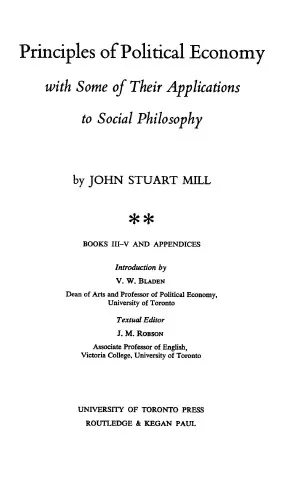
John Stuart Mill · 1848
Vol. 3 of the 33 vol. Collected Works contains Part 2 of Mill’s Principles of Political Economy.
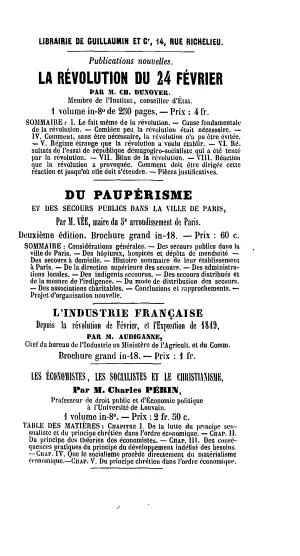
Gilbert-Urbain Guillaumin · 1849
This catalogue is 5 pages long and contains Dunoyer’s book on the February Revolution of 1848, the collection of Petits Pamphlets of Bastiat, a work collecting the debates in the National Assembly on the right to work…
Gustave de Molinari · 1849
Following the rise of socialism in France during the 1840s and the 1848 Revolution, Molinari wrote this fictitious “dialogue” between an economist, a conservative, and a socialist, to expose the folly of socialism,…
Frédéric Bastiat · 1850
This is the translation by the Foundation for Economic Education of Bastiat’s longest and best known work Economic Harmonies. A new translation of this work by Liberty Fund is in progress. See the Summary of the Bastiat…
Nassau William Senior · 1850
This work is a summary statement of the nature of economic thought by one of the leading theorists of the English classical school in the mid-19th century.
John Stuart Mill · 1850
Vol. 5 of the 33 vol. Collected Works contains a number of Mill’s essays on economic topics, including the Chapters on Socialism.
Nassau William Senior · 1852
Four lectures on political economy which Senior gave at the University of Oxford in 1847. They cover the retardation of the progress of political economy, political economy as a “mental study” and as a positive science.
John Ramsay McCulloch · 1853
A collection of essays some of which were previously published in the Encyclopedia Britannica. They cover money, exchange, rent, the history of commerce, maritime law, and biographical essays on Quesnay, Smith, and…
Gustave de Molinari · 1854
A 2 volume textbook on classical liberal political economy written by one of the leaders of the French laissez-faire school. It was written when Molinari was in exile in Belgium following the 1848 Revolution.
Gustave de Molinari · 1854
Vol. 1 of a 2 volume textbook on classical liberal political economy written by one of the leaders of the French laissez-faire school. It was written when Molinari was in exile in Belgium following the 1848 Revolution.
Gustave de Molinari · 1854
Vol. 2 of a 2 volume textbook on classical liberal political economy written by one of the leaders of the French laissez-faire school. It was written when Molinari was in exile in Belgium following the 1848 Revolution.
Herbert Spencer · 1854
Volume 3 of a three volume collection of Spencer’s essays which cover political philosophy, sociology, science, and current affairs.
Frédéric Bastiat · 1854
The 1st edition of Bastiat’s works is in 6 volumes and was published only 4 years after his death. A second edition in 1862 contained an essay on his life and work and an additional 7th volume of material.
Frédéric Bastiat · 1854
Vol.3 of the 1st edition of Bastiat’s works contains a long introduction by Bastiat on the English Anti-Corn Law League’s agitation for free trade and then Bastiat’s translation of a selection of speeches and newspaper…
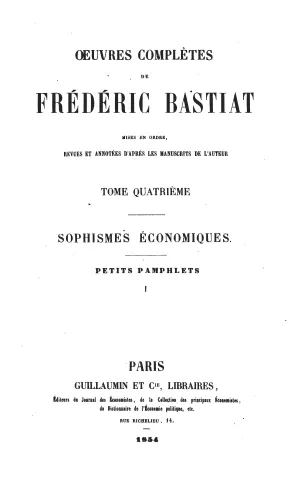
Frédéric Bastiat · 1854
Vol. 4 of the 1st edition of Bastiat’s works contains the first and second series of Economic Sophisms and a selection of shorter pamphlets such as L’État and Le Loi.
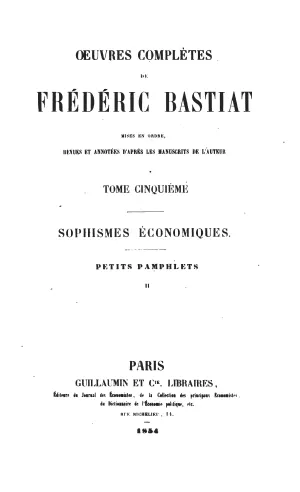
Frédéric Bastiat · 1854
Vol. 5 of the 1st edition of Bastiat’s works contains a selection of shorter pamphlets, the exchagne between Bastiat and Proudhon on Gratuité du crédit, and Ce qu’on voit et ce qu’on ne voit pas.
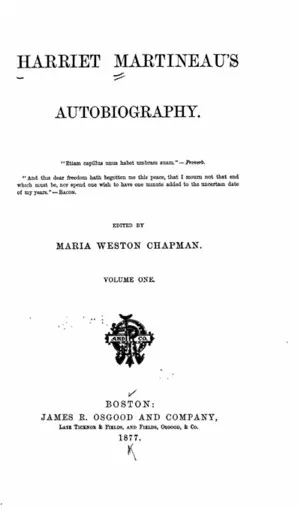
Harriet Martineau · 1855
Thinking she was close to death Martineau wrote her autobiography in 1855 but lived for another 20 years. She recounts her activities in various mid-19th century reform movements, her struggle to become a professional…
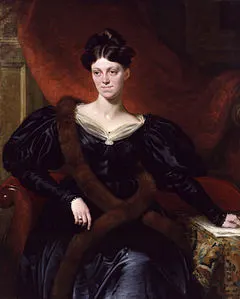
Harriet Martineau · 1855
Thinking she was close to death Martineau wrote her autobiography in 1855 but lived for another 20 years. She recounts her activities in various mid-19th century reform movements, her struggle to become a professional…
Maria Weston Chapman · 1855
Thinking she was close to death Martineau wrote her autobiography in 1855 but lived for another 20 years. She recounts her activities in various mid-19th century reform movements, her struggle to become a professional…
Dugald Stewart · 1855
Lectures given at the University of Edinburgh in the first decade of the 19th century. Volume 1 contains his lectures on population, productive and unproductive labour, and money. Volume 2 contains his lectures on free…
Dugald Stewart · 1855
Lectures given at the University of Edinburgh in the first decade of the 19th century. Volume 1 contains his lectures on population, productive and unproductive labour, and money.
Frédéric Bastiat · 1855
Vol.1 of the 1st edition of Bastiat’s works contains his correspondence, his first writings from 1830-44, and a number of essays and book reviews.
Frédéric Bastiat · 1855
Vol.2 of the 1st edition of Bastiat’s works contains his writings and speeches on the free trade movement.
Frédéric Bastiat · 1855
Vol. 6 of the 1st edition of Bastiat’s works contains the 3rd revised edition of Bastiat’s magnum opus Harmonies économiques. The first incomplete edition was published in early in 1850. The second was posthumously…
Lysander Spooner · 1855
Although this is entitled volume 1 and a proposed list of contents for a volume 2 was appended to the work, no volume 2 ever appeared. Spooner takes a strong position on the property right of an author to his ideas in…
Sir Dudley North · 1856
A collection of eight early English tracts on trade and commerce edited by John McCulloch for the Political Economy Club. It includes works by Thomas Mun, Lewes Roberts, Samuel Fortrey, and other anonymous authors.
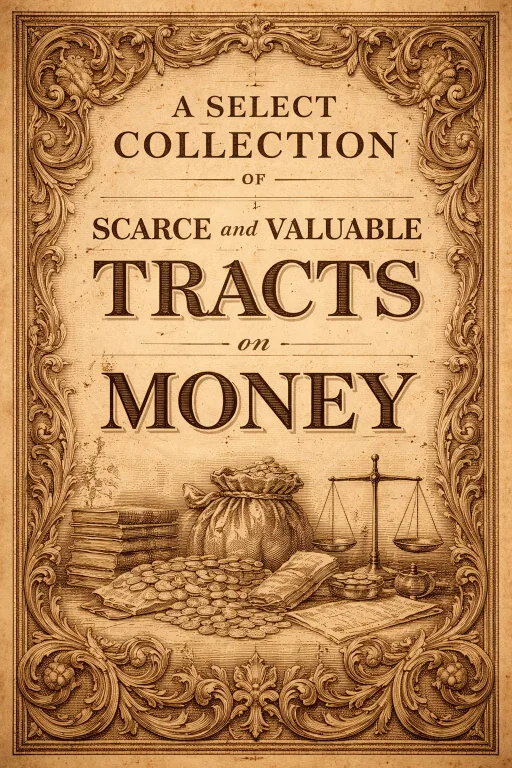
Matthew Raper · 1856
The second of two important collections of early economics works made by McCulloch. This volume deals with coins and coinage, the export of gold and silver, and the history of coinage in Scotland, Ireland, England, and…
Dugald Stewart · 1856
Lectures given at the University of Edinburgh in the first decade of the 19th century. Volume 2 contains his lectures on free trade, taxation, the Poor Laws, education, and his theory of government.
John Ramsay McCulloch · 1858
This is an 80 page encyclopedia article on money and banking which includes a discussion of gold and silver backed money, paper money, private banks, and a brief history of banking in England, France, Scotland, Ireland,…
Frédéric Bastiat · 1858
A Spanish translation of Bastiat’s best known work on “economic harmonies” in which he explains in simple terms how the free market operates to everybody’s benefit.
Michel Chevalier · 1859
As a result of Peel’s Bank Act of 1844 and the discovery of gold in California in 1848 a dramatic increase in the amount of gold entered into circulation. Richard Cobden translated an expanded version of Chevalier’s…
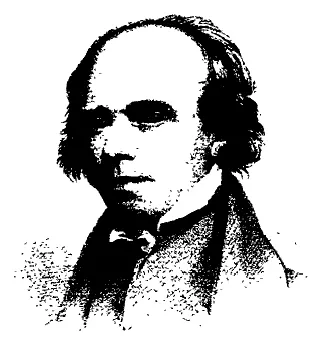
Samuel Smiles · 1859
An early Victorian self-help book that combines Victorian morality with sound free market ideas into moral tales showing the benefits of thrift, hard work, education, perseverance, and a sound character. Smiles drew…
John Elliot Cairnes · 1861
The book consists of lectures Cairnes gave to explain the basic principles behind classical economics.
Frédéric Bastiat · 1862
A 7 volume collection of Bastiat’s writings.
Frédéric Bastiat · 1862
Volume I of Bastiat’s collected writings in 7 volumes, which contains his correspondence and some of his earliest political writings.
Frédéric Bastiat · 1862
Volume II of Bastiat’s collected writings in 7 volumes, which contains his correspondence and some of his writings for the French Free Trade Assocaition.
Frédéric Bastiat · 1863
Vol. 4 of a 7 volume set of the works of Bastiat. It contains the 1st and 2nd series of Economic Sophisms and a number of pamphlets such The Law and The State.
Frédéric Bastiat · 1863
Vol. 5 of a 7 volume set of the Works of Bastiat. It contains several smaller pamphlets, his debate with Proudhon Free Credit, and What is Seen and What is Not Seen.
Frédéric Bastiat · 1864
Volume III of Bastiat’s collected writings in 7 volumes, which contains his lengthy introduction on the British Anti-Corn Law League and his translations of their material and summaries of their public meetings.
Frédéric Bastiat · 1864
Vol. 6 of a 7 volume set of the works of Bastiat. It contains the 5th edition of the Economic Harmonies.
Frédéric Bastiat · 1864
Volume VII of Bastiat’s collected writings in 7 volumes, which contains numerous shorter works, sketches, book reviews, journalism, and letters.
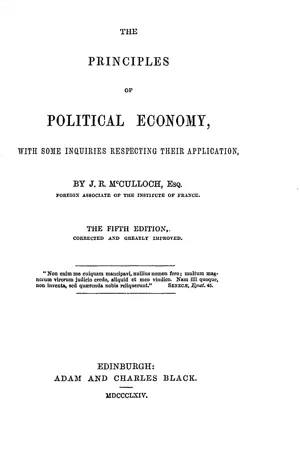
John Ramsay McCulloch · 1864
A revised and expanded edition of McCulloch’s major treatise on the principles of political economy.
William Stanley Jevons · 1865
A warning that Britain would face rising costs for coal as other nations industrialized and that this would have a deep impact on the British economy and way of life.
Gilbert-Urbain Guillaumin · 1866
This catalogue is 33 pages long and contains a large number of works by French political economists and lawyers. It also contains a French translation of J.S. Mill’s Considerations on Representative Government and On…
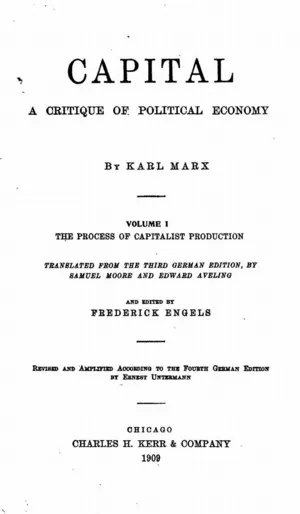
Karl Marx · 1867
Vol. I of the major work of criticism of the capitalist system by one of the leading theorists of socialism. Only vol. 1 appeared in Marx’s lifetime; the other two vols. were published postumously by Engels. Marx prided…
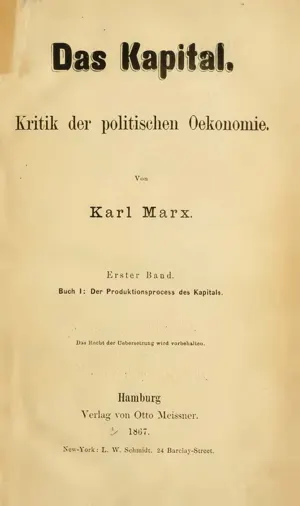
Karl Marx · 1867
This is the first German edition of volume 1 of Karl Marx’s multi-volume work Das Kapital. Kritik der politischen Ökonomie which appeared between 1867 and 1894. Only this volume appeared in Marx’s lifetime. The others…
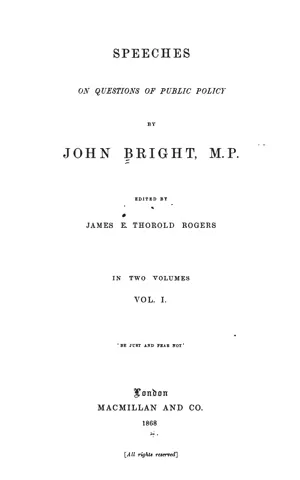
John Bright · 1868
A two volume collection of John Bright's speeches. Vol. I contains speeches on India, Canada, America, Ireland, and Russia; Vol. II contains speeches on Reform, Free Trade, Agriculture, Peace, Taxation, and other…
John Bright · 1868
Volume 1 of a 2 volume collections of Bright's speeches. Vol. 1 contain speeches on India, Canada, America, Ireland, and Russia.
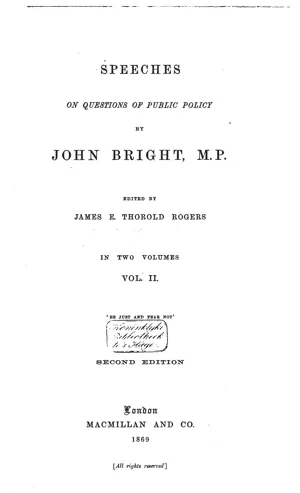
John Bright · 1868
Volume 2 of a two volume collection of Bright's speeches. Vol. 2 contains speeches on Reform, Free Trade, Agriculture, Peace, Taxation, and other matters.
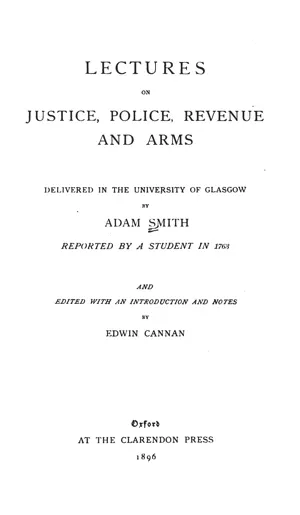
Adam Smith · 1869
Frédéric Bastiat · 1870
The third edition of the 7 volume set of the works of Bastiat.
Frédéric Bastiat · 1870
Volume VI of Bastiat’s collected writings in 7 volumes, which contains his longest and best known work Economic Harmonies.
Richard Cobden · 1870
A two volume collection of Cobden’s speeches on Free Trade, Finance, War, Foreign Policy, and Parliamentary Reform.
Richard Cobden · 1870
Volume 1 of a two volume collection of Cobden’s speeches on Free Trade, Finance, War, Foreign Policy, and Parliamentary Reform.
Carl Menger · 1871
One of the works which appeared independently in 1871 (along with a work by Jevons and Walras) which revolutionized thinking about economics. The theory of marginal utility and new ways of thinking about marginal value…
William Stanley Jevons · 1871
One of three seminal works published in 1871 (along with Walras and Menger) which introduced the idea of the marginal theory of utility and thus a revolution in economic thinking.
Nassau William Senior · 1872
A two volume collection of journal entries and letters between Tocqueville and Nassau Senior between 1834 and 1859. Vol. 1 contains material from 1834 to 1851. Vol. 2 contains material from 1851 to 1859.
Thomas Kingsmill Abbott · 1872
Volume 1 of a two volume collection of journal entries and letters between Tocqueville and Nassau Senior between 1834 and 1859. Vol. 1 contains material from 1834 to 1851.
Nassau William Senior · 1872
Volume 2 of a two volume collection of journal entries and letters between Tocqueville and Nassau Senior between 1834 and 1859. Vol. 2 contains material from 1851 and 1859.
Walter Bagehot · 1873
When Walter Bagehot wrote Lombard Street: A Description of the Money Market, in 1873, he did the unthinkable: In language as fresh and clear today as it was over 100 years ago, he respectfully dissected the Bank of…
Frédéric Bastiat · 1873
Volume IV of Bastiat’s collected writings in 7 volumes, which contains 1st and 2nd series of essays called Economic Sophisms in which Bastiat tries to refute some of the most common misunderstandings about the free…
Frédéric Bastiat · 1873
Volume V of Bastiat’s collected writings in 7 volumes, which contains more of his lengthier pamphlets such as What is Seen and What is Not Seen and his letters to Proudhon on Free Credit.
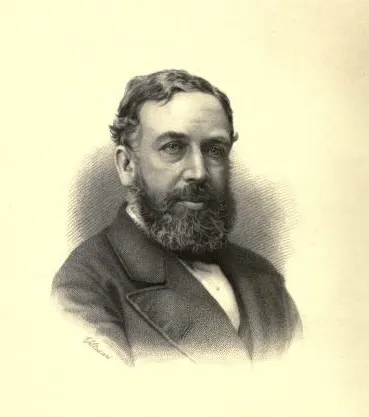
William Stanley Jevons · 1875
Jevons’s formative 1875 classic work came into print at the height of interest in gold, silver, and international monetary standards. Of particular interest are the clear discussions of Gresham's Law (Ch. VIII),…
Thomas Babington, Lord Macaulay · 1876
This work began as a paper read before the members of Congress in 1876. The later printed edition also includes a section from Macaulay's History of England on cheap coinage.
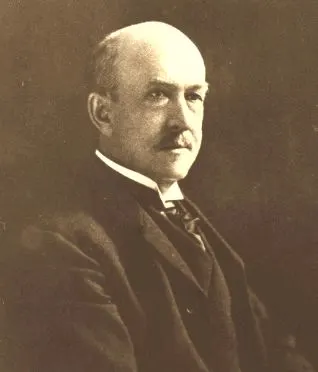
William Graham Sumner · 1876
A thought-provoking collection highlighting individual liberty, personal responsibility, and the unintended consequences of social policies. Sumner’s timeless insights challenge conventional wisdom and offer fresh…
Frédéric Bastiat · 1877
A collection of letters by Bastiat mainly to his friends the Cheuvreux family, which did not make it into the Complete Works published in 1855.
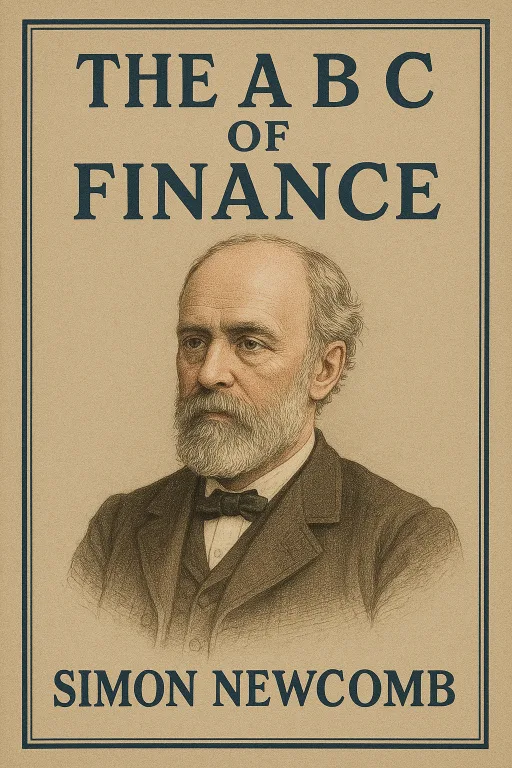
Simon Newcomb · 1877
A popularization of economic ideas which Newcomb wrote for Harpers Magazine. Another copy of this book can be found in HTML format at our sister website Econlib.
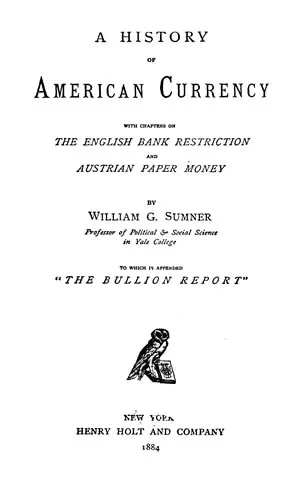
William Graham Sumner · 1878
A collection of Sumner’s writing on money and banking with a reprint of the 1810 British *Report on Bullion”.
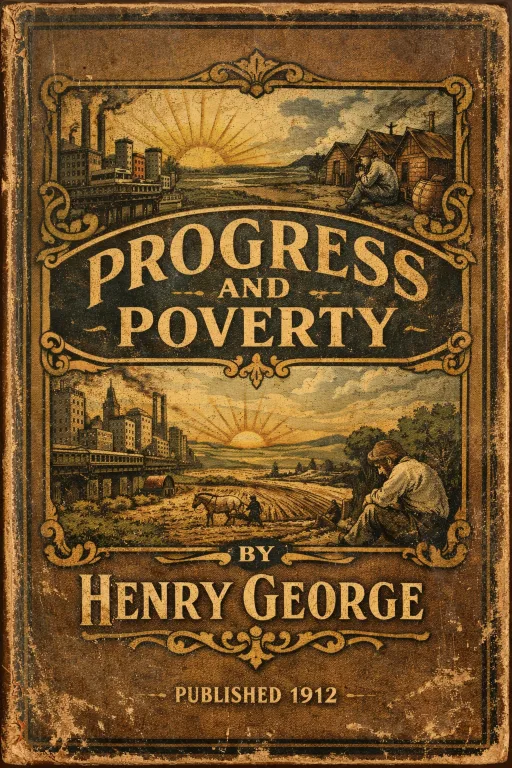
Henry George · 1879
Perhaps Henry George’s best known work in which he examines the casuses of poverty and, among other things, blames it on the monopoly of land ownership.
John Morley · 1879
A lengthy biography (along with many letters) of the leading advocate for free trade in mid-19th century Britain.
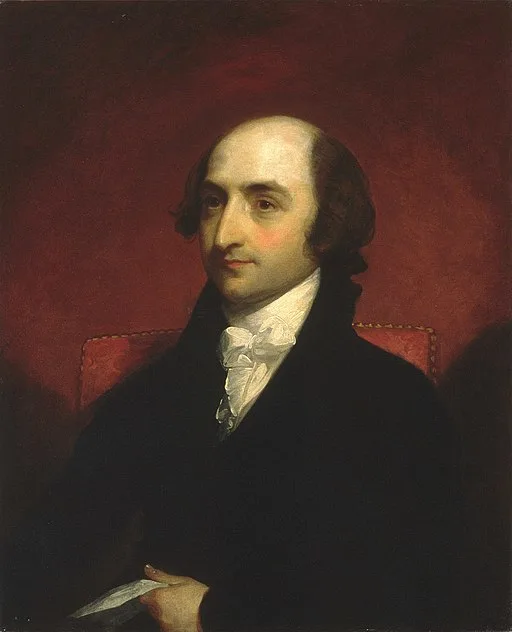
Albert Gallatin · 1879
Vols. 1 and 2 contain Gallatin's letters to people such as Jefferson, J.Q. Adams, and Henry Clay and Vol. 3 contains longer works such as speeches and reports on elections, the finances of the US, public lands, currency…
Albert Gallatin · 1879
Vol. 1 contains reports and letters written between 1788 and 1816.
Albert Gallatin · 1879
Vol. 2 contains letters written between 1816 and 1848.
Albert Gallatin · 1879
Vol. 3 contains longer works such as speeches and reports on elections, the finances of the US, public lands, currency and banking, Oregon, the war with Mexico.
Louis Wolowski · 1881
A massive 3 volume, 3,000 page compendium of nearly every aspect of 19th century American economics and political institutions. Main contributors, with 10 or more articles each, are: Alexander Johnston (293), Maurice…
John Joseph Lalor · 1881
Vol. 1 of a massive 3 volume, 3,000 page compendium of nearly every aspect of 19th century American economics and political institutions. An additional bonus are the numerous translation of articles written for the…
John Joseph Lalor · 1881
Vol. II of a massive 3 volume, 3,000 page compendium of nearly every aspect of 19th century American economics and political institutions. An additional bonus are the numerous translation of articles written for the…
John Joseph Lalor · 1881
Vol. III of a massive 3 volume, 3,000 page compendium of nearly every aspect of 19th century American economics and political institutions. An additional bonus are the numerous translation of articles written for the…
William Stanley Jevons · 1883
A collection of Jevon’s papers and addresses on topics as diverse as public libraries and museums, trade societies and partnerships, married women in factories, cruelty to animals, and the post office and railways.
Carl Menger · 1883
One of the pioneering works in Austrian economic theory of methodology.
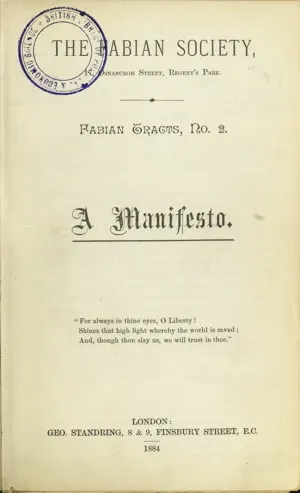
George Bernard Shaw · 1884
The “Fabian Society” was founded in England in 1884 with the aim of bringing about a socialist society by means of intellectual debate, the publication of books and pamphlets, and the “permeation” of socialist ideas…
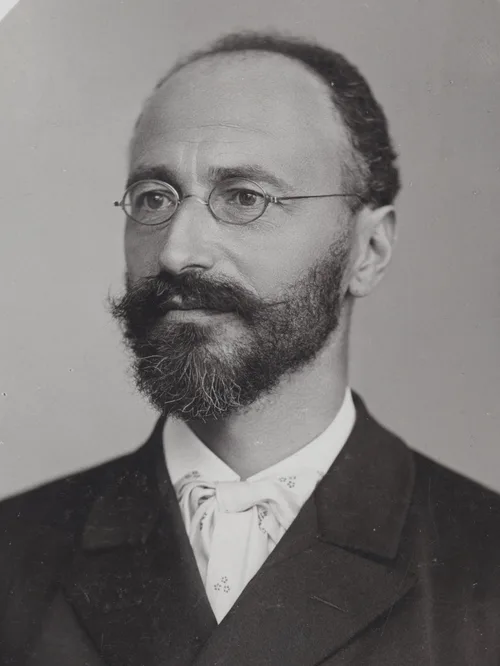
Eugen von Böhm-Bawerk · 1884
Ludwig von Mises described this as a “monumental work” which “is the most eminent contribution to economic theory”. He further stated that “a man not perfectly familiar with all the ideas advanced in theses three…
Carl Menger · 1884
One of the founders of the Austrian school of economics and the subjective theory of value takes issue with the historical school’s metholdolgy in economics.
Herbert Spencer · 1884
This volume contains the four essays that Spencer published as The Man Versus the State in 1884 as well as five essays added by later publishers. In addition, it provides “The Proper Sphere of Government,” an important…
Karl Marx · 1885
Vol. II of the major work of criticism of the capitalist system by one of the leading theorists of 19th century socialism. Only vol. 1 appeared in Marx’s lifetime; the other two vols. were published postumously by…
Karl Marx · 1885
This is the first German edition of volume 2 of Karl Marx’s multi-volume work Das Kapital. Kritik der politischen Ökonomie (1867-1894) which appeared in 1885. Here we have a facsimile PDF of the 1885 edition. An HTML…
J Laurence Laughlin · 1885
Laughlin states in the introduction that his aim is “to present only the facts bearing on the experiments of the United States with metallic money. No special attention, therefore, has been devoted to the theory of…
Walter Bagehot · 1885
Alfred Marshall, in his introduction to this book, argued that Bagehot provided a useful service to readers by removing the older and less understood Ricardian aspects from political economy and reworking them. Bagehot…
William Stanley Jevons · 1886
Extracts of many letters by Jevons edited by his wife. Includes a bibliography of his writings.
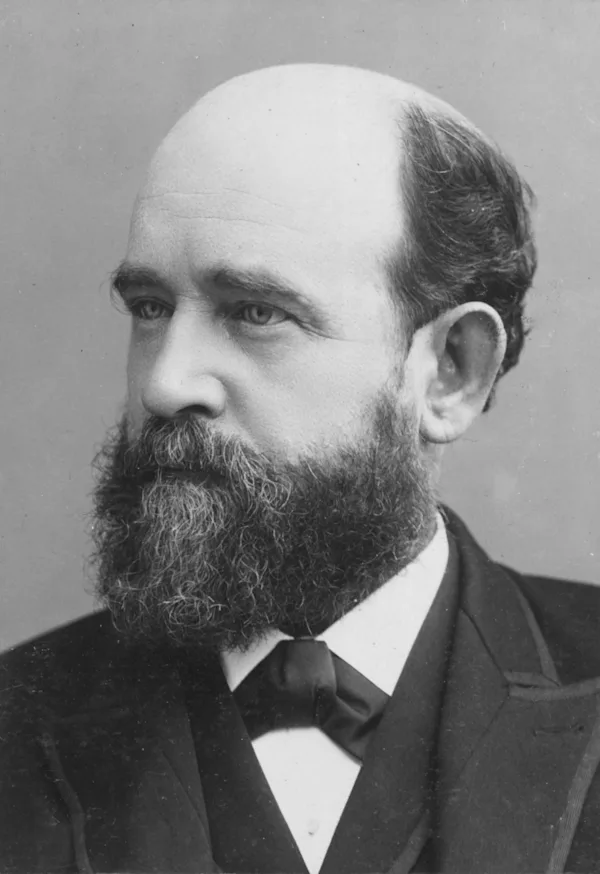
Henry George · 1886
George was not just an advocate of the single tax on the unimproved value of land, but also a strong defender of free trade, as this work demonstrates. Read the Liberty Classic on this title from Econlib
Bruce Smith · 1887
Smith was a follower of Herbert Spencer and the English Liberty and Property Defence League. His book is a critique of the growing intervention of the state in economic and civil matters in Australia and elsewhere in…
Francis Amasa Walker · 1887
One of the most widely used economics text books in 19th century America.
Carl Menger · 1887
An off-print from the journal Zeitschrift fuer das Privat- und oeffentliche Recht der Gegenwart.
John Kells Ingram · 1888
A nice older history of economic thought written when the marginal revolution and the emerging Austrian school were young and on the top of every young researcher’s agenda.
Friedrich Engels · 1888
The classic late-19th century translation of the Communist Manifesto done with the assistance of Engels. See also: - the German original - an HTML version of the English translation
William Graham Sumner · 1888
A clear and strong case for free trade against proctectionism. The chapter of the fallacies of protectionism is very thorough.
Francis Amasa Walker · 1888
Francis A. Walker’s The Wages Question is generally credited as having demolished the prior, antiquated “wages fund” theory of wages. Walker laid the groundwork for John Bates Clark’s definitive descriptions of the…
Carl Menger · 1888
An off-print from the journal Jahrbüchern für Nationalökonomie und Statistik.
George Bernard Shaw · 1889
This collection of essays by the so-called "Fabian Socialists" (who advocated socialism by means of gradual political and economic reform instead of by revolution as preferred by the Marxists) prompted a vigorous…
Carl Menger · 1889
An off-print from the journal Jahrbüchern für Nationalökonomie und Statistik.
Friedrich von Wieser · 1889
An early and significant contribution to the Austrian theory of value.
Eugen von Böhm-Bawerk · 1889
The second volume of Boehm-Bawerk’s monumental three volume work on Capital and Interest.
Karl Marx · 1890
This is the fourth German edition of volume 1 of Karl Marx’s multi-volume work Das Kapital. Kritik der politischen Ökonomie (1867-1894) which appeared in 1890. Only this volume appeared in Marx’s lifetime - see the…
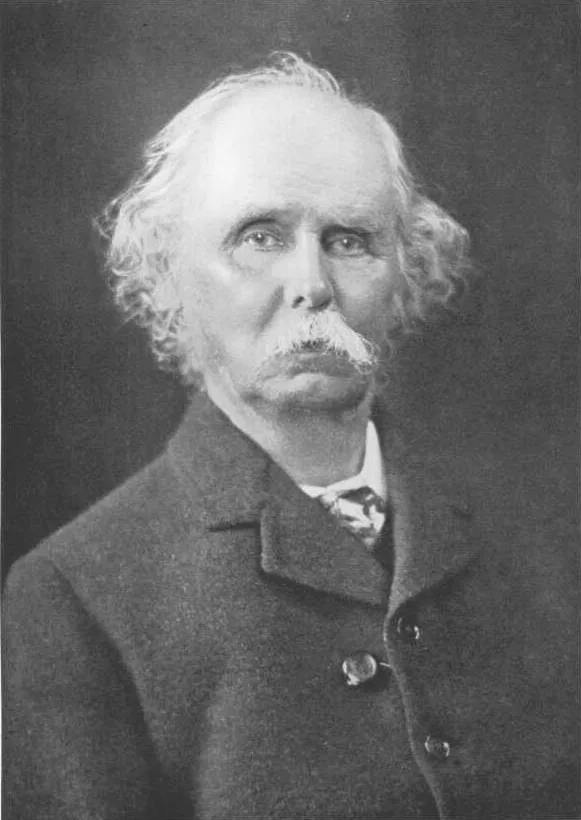
Alfred Marshall · 1890
This is the 8th edition of what is regarded to be the first “modern” economics textbook, leading in various editions from the 19th into the 20th century. The final 8th edition was Marshall’s most-used and most-cited.
Auberon Herbert · 1891
This collection of essays was originally published in 1891 in response to a collection of Fabian Essays on Socialism which advocated policies which would eventually lead to the modern welfare state. The theoretical and…
Thomas Mackay · 1891
This collection of essays was originally published in 1891 in response to a collection of Fabian Essays on Socialism which advocated policies which would eventually lead to the modern welfare state. The theoretical and…
Gustave de Molinari · 1891
Towards the end of the 19th century the doyen of laissez-faire economic thought in France evaluates the successes and failures of the liberal reform agenda.
Charles F. Bastable · 1892
One of the first textbooks ever written on the subject, and still eminently readable, with clear organization, definitions and explanations. The taxation of income, capital, imports, consumption goods, etc., and the…
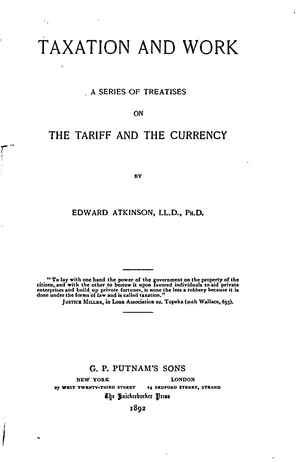
Edward Atkinson · 1892
Atkinson applies the free trade ideas of Bastiat and Cobden to the American situation. He criticizes the tradition of Hamilton, debunks the idea that protection improves the economic condition of ordinary workers,…
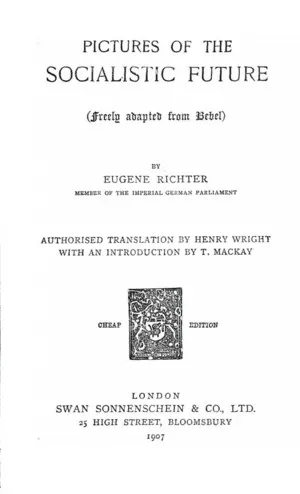
Eugen Richter · 1893
Pictures of the Socialistic Future is Richter’s satire of what would happen to Germany if the socialism espoused by the trade unionists, social democrats, and Marxists was actually put into practice. It is thus a late…
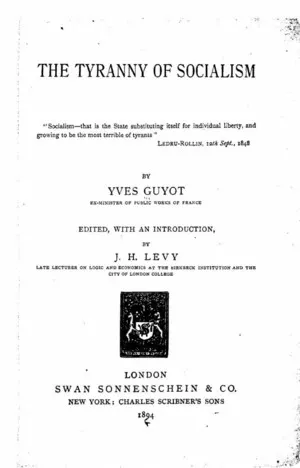
Yves Guyot · 1893
One of several books Guyot wrote attacking socialism in the late 19th and early 20th centuries. In this volume, in the tradition of Bastiat, he criticises what he calls “socialistic sophisms,” socialistic legislation,…
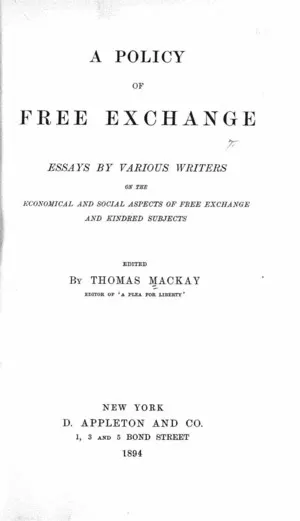
Thomas Mackay · 1894
The companion volume to A Plea for Liberty which continued the argument against the Fabian Socialists and for a policy of strict non-intervention in the economy by the government.
Karl Marx · 1894
Vol. III of the major work of criticism of the capitalist system by one of the leading theorists of socialism. Only vol. 1 appeared in Marx’s lifetime; the other two vols. were published postumously by Engels. Marx…
Karl Marx · 1894
This is a German edition of volume 3 part 1 of Karl Marx’s multi-volume work Das Kapital. Kritik der politischen Ökonomie (1867-1894) which appeared in 1894. Here we have a facsimile PDF of the 1894 edition. An HTML…
Karl Marx · 1894
This is a German edition of volume 3 part 2 of Karl Marx’s multi-volume work Das Kapital. Kritik der politischen Ökonomie (1867-1894) which appeared in 1894. Here we have a facsimile PDF of the 1894 edition. An HTML…
Karl Marx · 1895
This is a German edition of Karl Marx’s multi-volume work Das Kapital. Kritik der politischen Ökonomie which appeared between 1867 and 1894. Only the first volume appeared in Marx’s lifetime. The others were edited and…
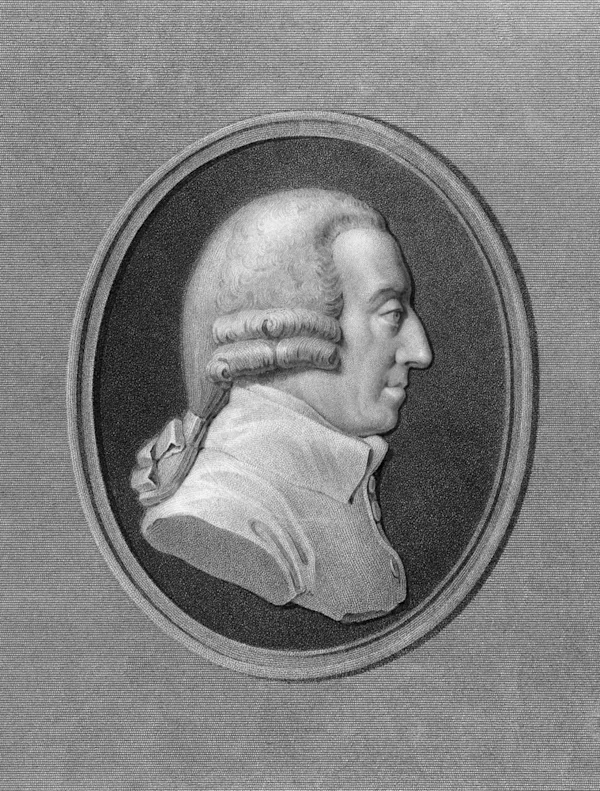
John Rae · 1895
A useful late-19th century biography of Adam Smith which was based upon research undertaken at the University of Glasgow, the Council of the Royal Society of Edinburgh (the Hume Correspondence), and the University of…
Editor of the Journal of Commerce and Commercial Bulletin · 1896
A four volume set edited by the Editor of the Journal of Commerce and Commercial Bulletin in New York city.
William Graham Sumner · 1896
A four volume set edited by the Editor of the Journal of Commerce and Commercial Bulletin in New York. Vol. 1 consists of “The United States,” by W.G. Sumner.
Antoine E. Horn · 1896
A four volume set edited by the Editor of the Journal of Commerce and Commercial Bulletin in New York city. Vol. 2 consists of: “Great Britain,” by H.D. Macleod; “The Russian Empire,” by A.E. Horn; “Savings Banks in the…
Pierre des Essars · 1896
A four volume set edited by the Editor of the Journal of Commerce and Commercial Bulletin in New York city. Vol. 3 consists of: “The Latin Nations,” by P. Des Essars; “The Banks of Alsace-Lorraine after the Annexation,”…
1896
A four volume set edited by the Editor of the Journal of Commerce and Commercial Bulletin in New York city. Vol. 4 consists of “Germany and Austria-Hungary,” by M. Wirth; “The Netherlands,” by R. van der Borght; “The…
William Brough · 1896
An analysis of money and banking from the free banking perspective, i.e. by privately owned banks which issue their own currency. Another copy of this book can be found in HTML format at our sister website Econlib.
1896
The German original of Böhm-Bawerk's devastating review of Karl Marx's Das Kapital volume 3 which had appeared posthumously in 1894. An HTML version of his essay can found here. An English translation of this can be…
Frank A. Fetter · 1897
Rothbard has collected Fetter’s journal articles and book reviews from the period 1897 to 1937 which cover the general topics of capital, interest, and rent.
Henry Higgs · 1897
The English historian of economic thought Higgs discusses iin a series of lectures given at the London School of Economics in 1896 the 18th century free market Physiocratic school, its origins, ideas, political and…
Eugen von Böhm-Bawerk · 1898
A translation of Böhm-Bawerk's devastating review of Karl Marx's Das Kapital vol. 3 which had been published posthumously in 1894 by Engels. An HTML version of the text can be found here. The German language original…
Giovanni Montemartini · 1899
An important Italian contribution to the early develoment of the marginal school of economic thought which also influenced the Public Choice school in the US.
John Bates Clark · 1899
This 1908 edition is the third reprinting of Clark’s path-breaking, yet widely under-read, 1899 textbook, in which he developed marginal productivity theory and used it to explore the way income is distributed between…
Gustave de Molinari · 1899
In this vision of a future society, the Belgian laissez-faire economist Molinari suggests how many, if not most, public goods could be provided by the free market or by radically decentralized local governments.
Thorstein Veblen · 1899
A pioneering work of sociology in which the nature of the ruling elite was explored.
Thomas Jefferson · 1900
This file contains the following extracts from the Jeffersonian Cyclopedia: the editor’s Preface, the illustrations of Jefferson, a chronology of his life and work, the appendix of key documents, and the Topical Index.
Thomas Jefferson · 1900
This is a 1,000 page alphabetical compilation of the thoughts of Thomas Jefferson. The entries are taken from the 12 volume collection of his works edited by Paul Leicester Ford. It also includes numerous illustrations…
Ludwig von Mises · 1902
This is Mises dissertation which began his academic career. It is about the liberation of the peasants in Galicia under reform minded Kaisers and bureaucrats from just before the French Revolution up to the outbreak of…
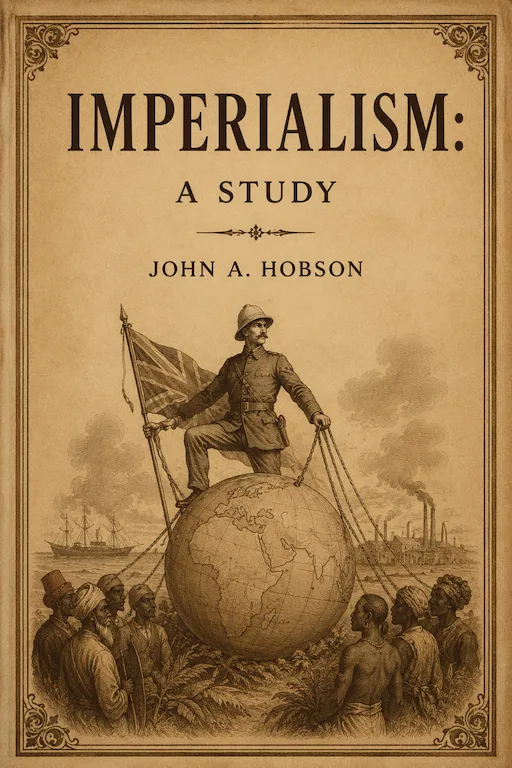
John A. Hobson · 1902
A classic analysis of imperialism by a British economic journalist who explores the way in which mercantile interests in the home country can manipulate the power of the state in order to get benefits in the colony.
Richard Cobden · 1903
A collection of 25 of Cobden’s speeches on free trade given between 1841-1853. It was a cheap reprint from the larger two volume collection of his speeches and was part of Macmillan’s Sixpenny Series of cheap books.
Herbert Spencer · 1904
Volume 1 of a 2 volume work. In volume 1 Spencer talks about the period from his early childhood up to 1856 soon after he left work on The Economist and was working on his second book.
Alexander Hamilton · 1904
A 12 volume collection of the works of Alexander Hamilton.
Benjamin Franklin · 1904
Volume 1 of a 12 volume collection of the works of Franklin edited by the New York lawyer and politician John Bigelow. The bulk of vol. 1 contains the Autobiography and a number of essays and letters written between…
Yves Guyot · 1906
Guyot provides a history of French tariff policy from the time of Colbert and a discussion of its effects on particular industries such as textiles and food. He then discusses protection in the US and Germany and…
Samuel Rawson Gardiner · 1906
A collection of constitutional documents from the English Revolution of the mid-17th century. They include parliamentary speeches, letters and declarations by the monarch, legal proceedings, and other documents. They…
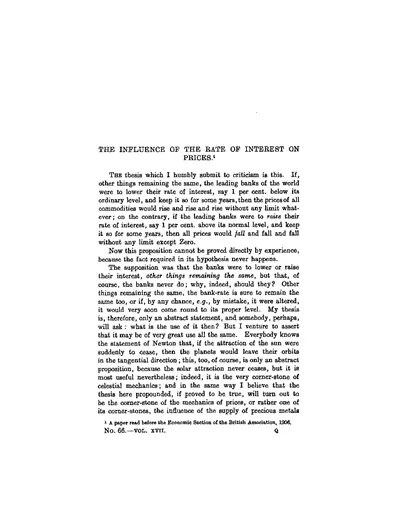
Knut Wicksell · 1907
A paper read before the Economic Section of the British Association, 1906.
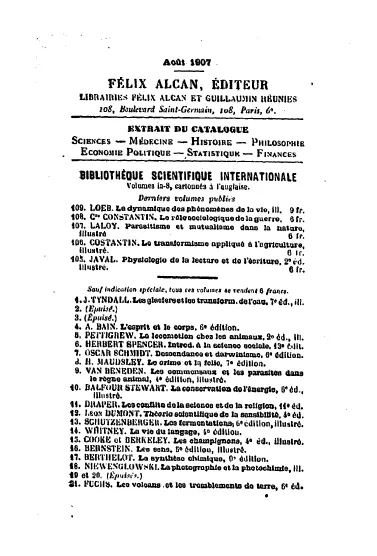
Gilbert-Urbain Guillaumin · 1907
The family owned publishing firm of Guillaumin was eventually taken over by Félix Alcan. This catalogue is a joint catalogue of the two firms and is 32 pages long. It contains works of science, medicine, social science,…
Albert Schatz · 1907
One of the few historical accounts of the development of the idea of individualism from its origins in the 18th century opposition to mercantilism to the radical individualists of the late 19th century. Schatz uncovers…
Karl Marx · 1909
A three volume criticism of the capitalist system by one of the leading theorists of socialism. Only vol. 1 appeared in Marx’s lifetime (1867); the other two vols. were published posthumously by Engels (1885, 1894).…
Yves Guyot · 1910
Guyot wrote sseveral books attacking socialism in the late 19th and early 20th centuries. Here he provides a brief history of socialist ideas, especially utopian thinking from Plato to Paraguay, and an extensive…
Philip H. Wicksteed · 1910
Contemporaneously with, though slightly following, Marshall, this book was one of the first “modern” textbooks leading from the 19th into the 20th century. Wicksteed substantively furthered the work of John Bates Clark…
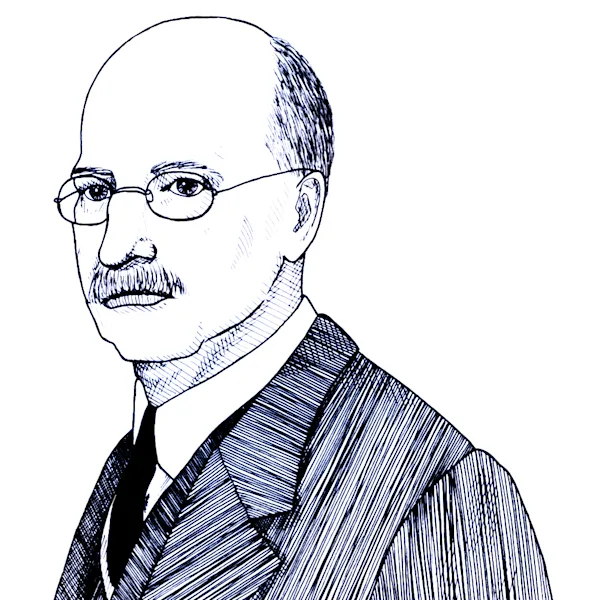
Frank William Taussig · 1911
The 11th edition of the Encyclopedia Britannica was the last edition which appeared before the First World War destroyed the old liberal order in Europe. The next edition, the 12th, reproduced the 11th edition with the…
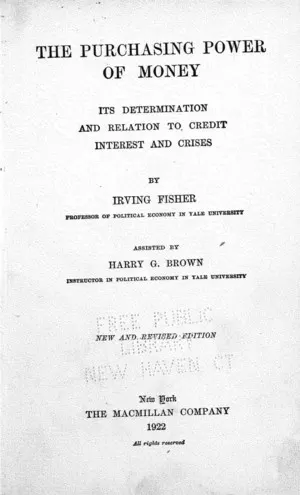
Irving Fisher · 1911
A classic book by one of America’s greatest mathematical economists. Fisher states in the introduction that “The purpose of this book is to set forth the principles determining the purchasing power of money and to apply…
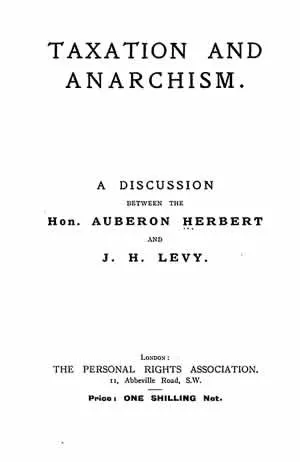
Joseph Hiam Levy · 1912
A discussion between two radical individualists under the auspices of the Personal Rights Association. The exchange took place over many years and this booklet appeared after the death of one (Herbert in 1906) and one…
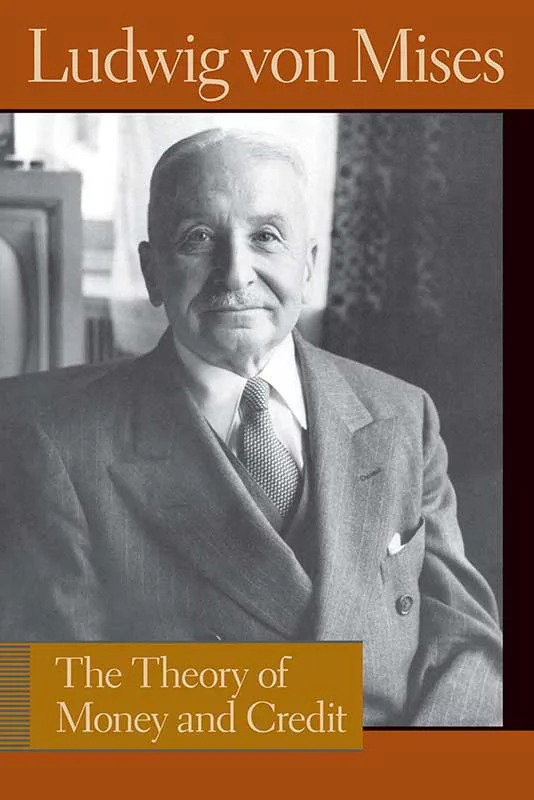
Ludwig von Mises · 1912
The Theory of Money and Credit opened new economic vistas. It integrated monetary theory into the main body of economic analysis for the first time, providing fresh new insights into the nature of money and its role in…
Yves Guyot · 1912
One of several books Guyot wrote attacking socialism in the late 19th and early 20th centuries. In this volume, drawing upon his experience as the French Minister for Public Works, Guyot discusses the differences…
William Graham Sumner · 1913
This is the first of four volumes of essays by Sumner published by Yale University Press after his death in 1910. It includes a series of 15 essays about liberty which he wrote between 1887 and 1889, along with several…
Knut Wicksell · 1913
A two volume set of lectures given by Wicksell. He bases his ideas on the idea of the marginal principle and covers topics such as population, value, production and distribution, and the growth of capital. It is in…
Knut Wicksell · 1913
Volume 1 of a two volume set of lectures given by Wicksell. He bases his ideas on the idea of the marginal principle and covers topics such as population, value, production and distribution, and the growth of capital.…
Robert Franklin Hoxie · 1914
A pioneering article on trade unions which was pubished in one of the leading professional economics journals in the early 20th century.
William Graham Sumner · 1914
A large collection of Sumner’s shorter writings, newspaper and magazine articles, speeches, etc. on socialism, economic growth, the social question, legislation, democracy, and sociology.
Edwin Cannan · 1914
Cannan provides a brief survey of the basic principles of economics, the division of labour, the nature of demand, income, and concludes with his own chapter on “the wealth of nations.” It is based upon his lectures to…
Frank A. Fetter · 1915
Fetter’s 2 volume survey of economics written while he was a professor at Princeton University.
Frank A. Fetter · 1915
Volume 1 of Fetter’s 2 volume survey of economics written while he was a professor at Princeton University. Vol. 1 contains chapters on value and price, rent, wages, time-value and interest, enterprise and profit, and…
Frank William Taussig · 1915
Taussig, a professor of economics at Harvard, wrote what has become a classic work on modern trade theory that critically examines the economic implications of tariffs and protectionism. Taussig explores how tariffs…
Walter Bagehot · 1915
This 10 volume collection consists of 9 volumes of Bagehot’s collected writings and a volume of biography.
Mrs. Russell Barrington · 1915
This volume contains a biography of Bagehot.
Walter Bagehot · 1915
This volume contains essays on Macaulay, Gibbon, Peel, Shelley, and two essays on banking and the currency crisis.
Walter Bagehot · 1915
This volume contains essays on Money, Grote, and The English Constitution.
Walter Bagehot · 1915
This volume contains Lombard Street, essays on Guizot & Cairnes, and The Depreciation of Silver.
Walter Bagehot · 1915
This volume contains various essays on Smith, Disraeli, Arnold, and Senior, as well as the Economic Studies.
Walter Bagehot · 1915
This volume contains Physics and Politics, The Currency Monopoly, Principles of Political Economy, and other essays.
Walter Bagehot · 1915
This volume contains essays published in The Economist from 1859-1877 and The Saturday Review (1856-1859).
Frank A. Fetter · 1916
Vol. 2 of Fetter’s 2 volume survey of economics written while he was a professor at Princeton University. In this volume he deals the following problems: money and princes, banking and insurance, tariffs and taxation,…
Jacob Viner · 1917
Source: http://de.academic.ru/dic.nsf/dewiki/1410388
Eli F. Heckscher · 1918
The great Swedish economist, Heckscher’s, first effort to show how interventionist economic policies fail. He began with this 1918 study of Napoleon’s effort to wage economic warfare against the British known as The…
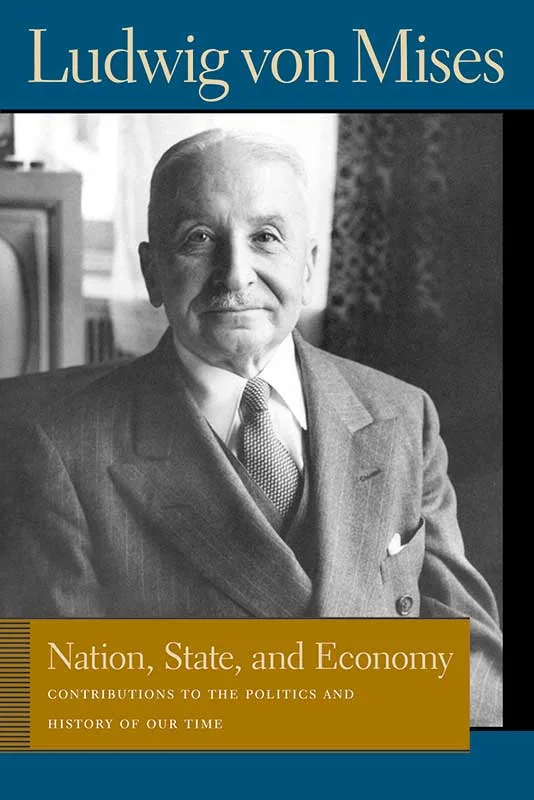
Ludwig von Mises · 1919
Nation, State, and Economy, published less than a year after Austria’s defeat in World War I, examines and compares prewar and postwar economic conditions and explicates Mises’s theory that each country’s prosperity…
John Maynard Keynes · 1920
As part of the British delegation to the Versailles Peace Conference after WW1 Keynes had detailed knowledge of the debates about reparations which were demanded of Germany. He believed the demands on defeated Germany…
Arthur Cecil Pigou · 1920
Pigou develops the concept of externalities at some length and uses their existence as a justification for government intervention.
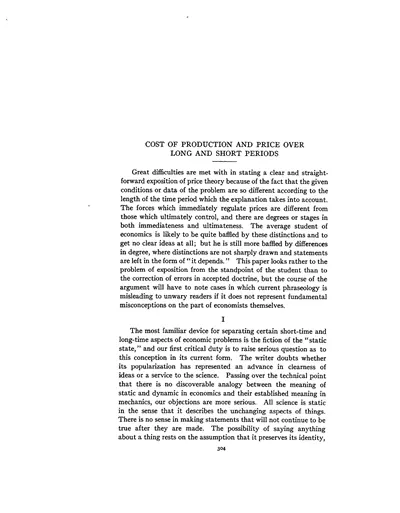
Frank H. Knight · 1921
A pioneering artcile on the cost of production which was pubished in one of the leading professional economics journals in the early 20th century.
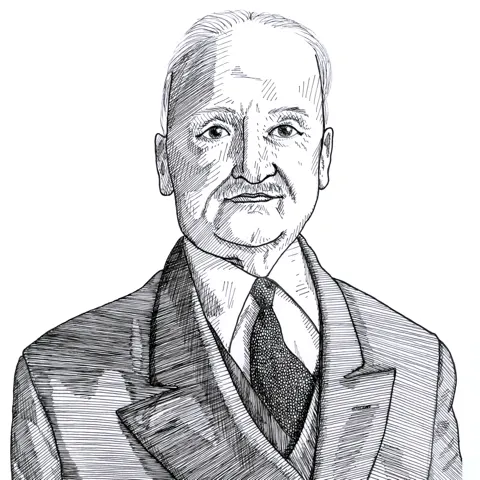
Ludwig von Mises · 1921
The 11th edition of the Encyclopedia Britannica was the last edition which appeared before the First World War destroyed the old liberal order in Europe. The next edition, the 12th, reproduced the 11th edition with the…
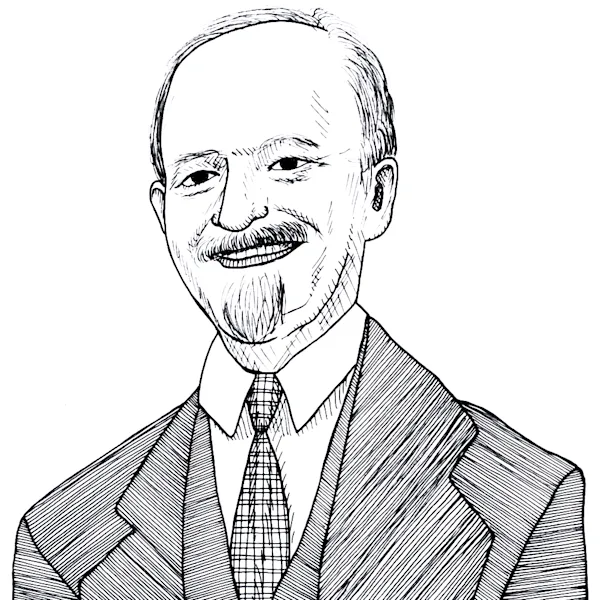
Irving Fisher · 1921
The 11th edition of the Encyclopedia Britannica was the last edition which appeared before the First World War destroyed the old liberal order in Europe. The next edition, the 12th, reproduced the 11th edition with the…
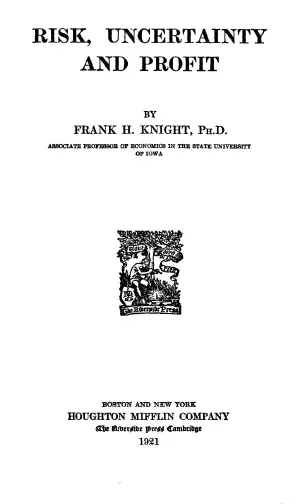
Frank H. Knight · 1921
This careful work investigating the nature of profits also includes material on the institutional structure of firms and the distribution of residuals, particularly in Part III, Chapter IX-X. It contains an interesting…
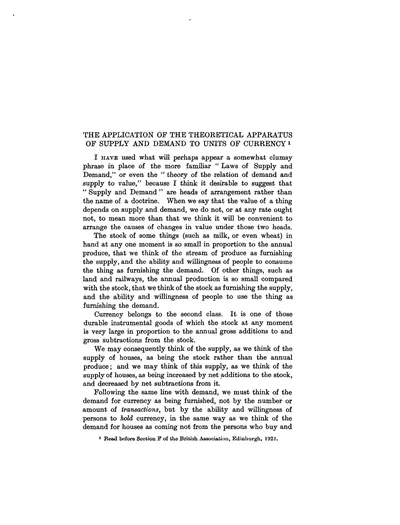
Edwin Cannan · 1921
A pioneering article on currency which was pubished in one of the leading professional economics journals in the early 20th century.
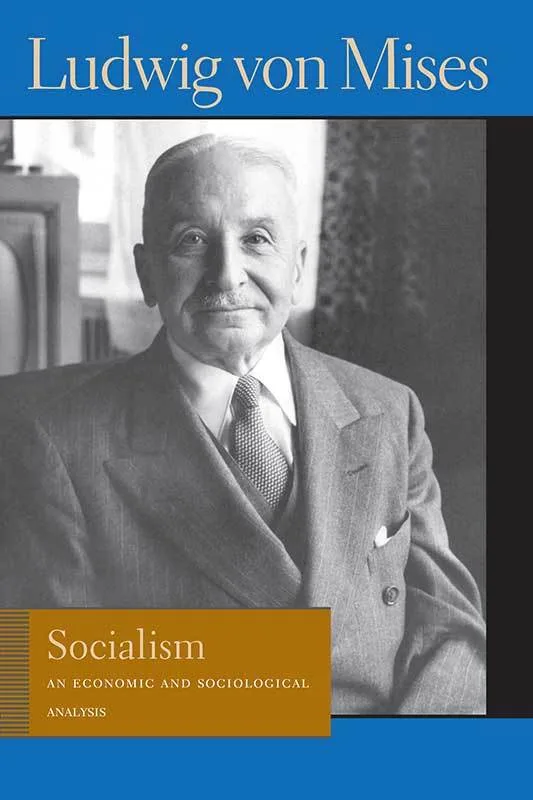
Ludwig von Mises · 1922
This is a newly annotated edition of the classic first published in German in 1922. It is the definitive refutation of nearly every type of socialism ever devised. Mises presents a wide-ranging analysis of society,…
Knut Wicksell · 1922
Volume 2 of a two volume set of lectures given by Wicksell. He bases his ideas on the idea of the marginal principle and covers topics such as money, credit, and banking. It is in German.
Irving Fisher · 1930
Fisher was one of America’s greatest mathematical economists. This book is still used a textbook and is an outstanding example of clearly written economic theory.
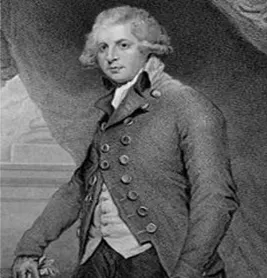
Friedrich August von Hayek · 1931
Such was Hayek’s interest in the writings of Richard Cantillon, whom he believed had had a number of "Austrian insights", that he introduced the German translation which appeared in 1931. This is a translation of that…
Josiah Tucker · 1931
This edition (originally published by Columbia University Press in 1931) contains seven of Tucker’s writings, two of which are of special economic interest: “The Elements of Commerce and Theory of Taxes” and…
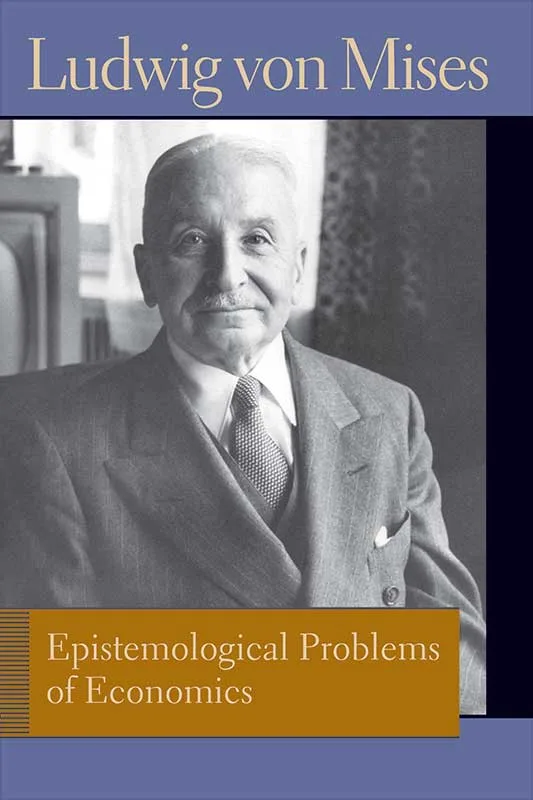
Ludwig von Mises · 1933
Epistemological Problems of Economics presents Ludwig von Mises’s views on the logical and epistemological features of social interpretation as well as his argument that the Austrian theory of value is the core element…
Vera C. Smith · 1936
Written as a doctoral dissertation under Friedrich Hayek at the London School of Economics in the early 1930s, the book covers the history of free banking in the 19th century and reviews the theoretical arguments both…
James M. Buchanan · 1937
A volume in the collection Studies in Economic Theory first published by the Institute for Humane Studies. This is a collection of essays written in the LSE opportunity cost tradition by scholars associated with the…
Jacob Viner · 1937
A magisterial history of the theory of international trade. Viner shows where economists went wrong and were they were right in the understanding of this idea. Along the way he refutes the fallacies of mercantilism,…
Ludwig M. Lachmann · 1940
This volume consists of 17 of Ludwig Lachmann’s most important papers published during the period 1940-73. Two of the articles appear here in translation for the first time. Prepared especially for this volume is a new…
Ludwig von Mises · 1940
Interventionism provides Mises’s analysis of the problems of government interference in business from the Austrian School perspective. Written in 1940, before the United States was officially involved in World War II,…
Ludwig von Mises · 1944
Originally published by Yale University Press in 1944, Bureaucracy is a classic fundamental examination of the nature of bureaucracies and free markets in juxtaposition to various political systems.
Ludwig von Mises · 1944
Published in 1944, during World War II, Omnipotent Government was written and published after Mises arrived in the United States. In this volume Mises provides in economic terms an explanation of the international…
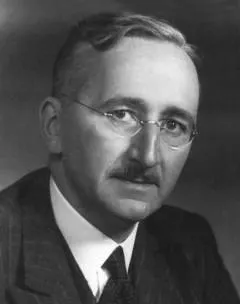
Friedrich August von Hayek · 1945
One of Hayek’s most important contributions to economic theory is his demonstration of the part prices play in disseminating widely diffused knowledge about consumer demand and the availablility of economic resources in…
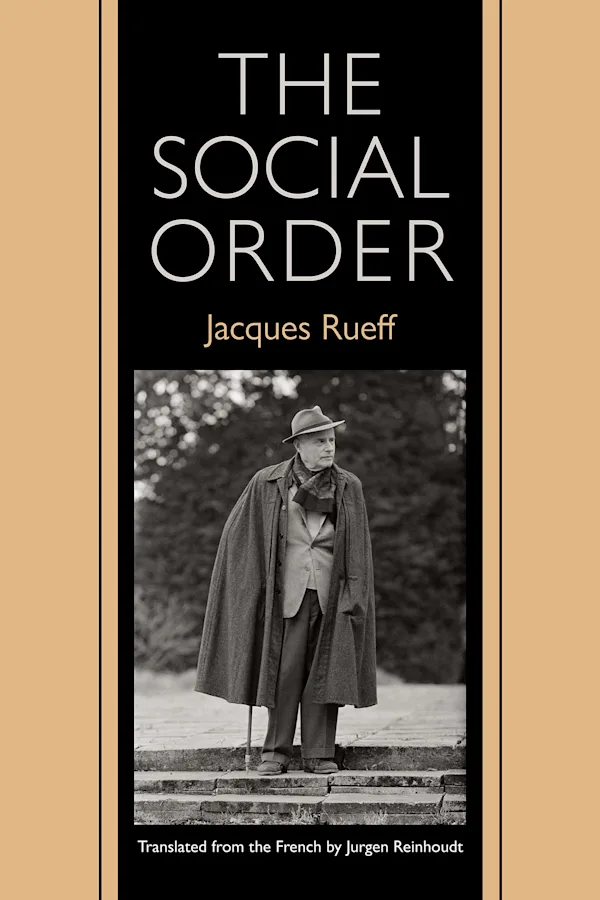
Jacques Rueff · 1945
In The Social Order, Jacques Rueff—one of France’s most distinguished twentieth-century economists—delivers a penetrating analysis of how monetary and fiscal policy shape not only economic outcomes but the very fabric…
Ludwig von Mises · 1949
The first comprehensive treatise on economics written by a leading member of the modern Austrian school of economics.
David Ricardo · 1951
This eleven-volume set of The Works and Correspondence of David Ricardo contains all of Ricardo’s published and unpublished writings, and provides great insight into the early era of political economics by chronicling…
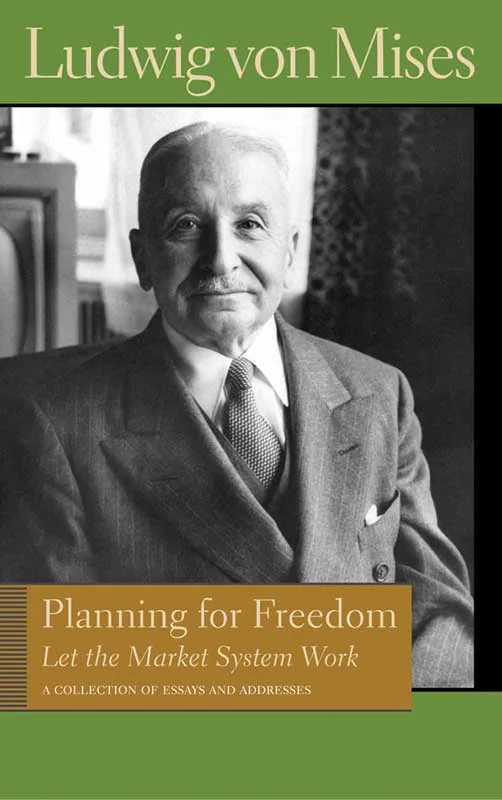
Ludwig von Mises · 1952
In this anthology, Mises offers an articulate and accessible introduction to and critique of two topics he considers especially important: inflation and government interventionism.
Leland B. Yeager · 1954
A brief and succinct defense of free trade.
Ludwig M. Lachmann · 1956
A reprint of Lachmann’s 1956 classic of Austrian capital theory. In this book Lachmann shows how firms invest to position capital goods with one another, thus creating the complex capital structure. He shows how capital…
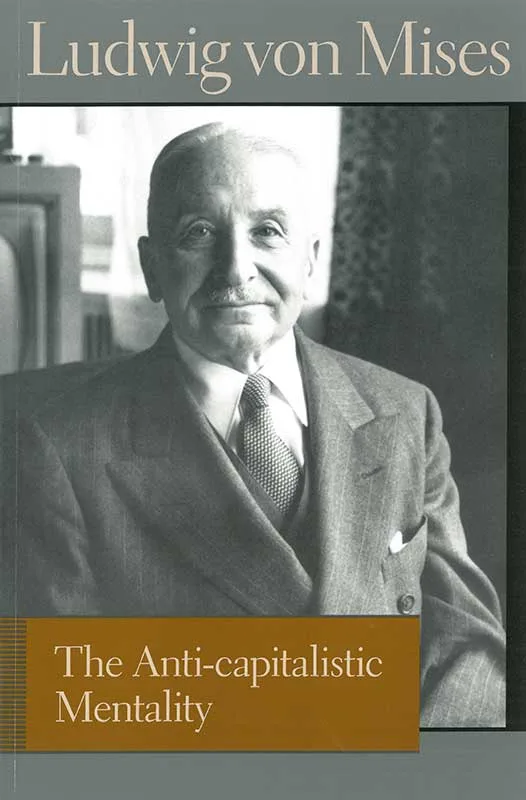
Ludwig von Mises · 1956
In The Anti-capitalistic Mentality, Ludwig von Mises explains the causes of the irrational fear and hatred many intellectuals and others feel for capitalism. Written during the heyday of twentieth-century socialism,…
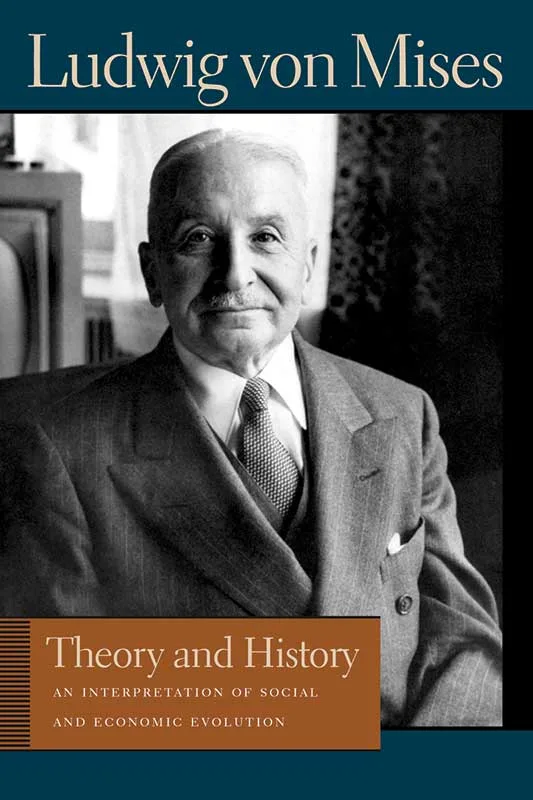
Ludwig von Mises · 1957
Mises applies his theory of methodological individualism to an analysis of history. Along the way he debunks other theories of history which are based upon notions of race, dialectical materialism (Marxism), and…
Ludwig von Mises · 1957
Theory and History is primarily a critique of Karl Marx, his materialism, and his prediction of the inevitability of socialism. This book discusses the theory of economics, i.e., the study of purposive human action, and…

Leonard E. Read · 1958
A charming story which explains how something as apparently simple as a pencil is in fact the product of a very complex economic process based upon the division of labor, international trade, and comparative advantage.
James M. Buchanan · 1958
Vol. 2 of The Collected Works. One of James M. Buchanan’s most important and influential books which is based on the then (1958) radical idea that the burden of debt is not borne by the current generation, but is…
Israel M. Kirzner · 1960
Kirzner’s The Economic Point of View is a thoughtful study of how and why economists are successful at sorting out certain issues but less successful at others, issues from welfare to wealth to human actions. Ludwig von…
William Dyer Grampp · 1960
A history of the so-called “Manchester School” of economic thought which emerged in the 19th century in order to challenge protectionism, especially the corn laws in Britain. It continued a as force after the repeal of…
Milton Friedman · 1961
Initially sponsored by the University of Chicago Chapter of the Intercollegiate Society of Individualists, the New Individualist Review was more than the usual “campus magazine.” It declared itself “founded in a…
Ludwig von Mises · 1962
The great Austrian economist Ludwig von Mises provides a concise and tightly-argued one volume defence of classical liberalism, focussing on the core concepts of private property, limited government, peace, and the free…
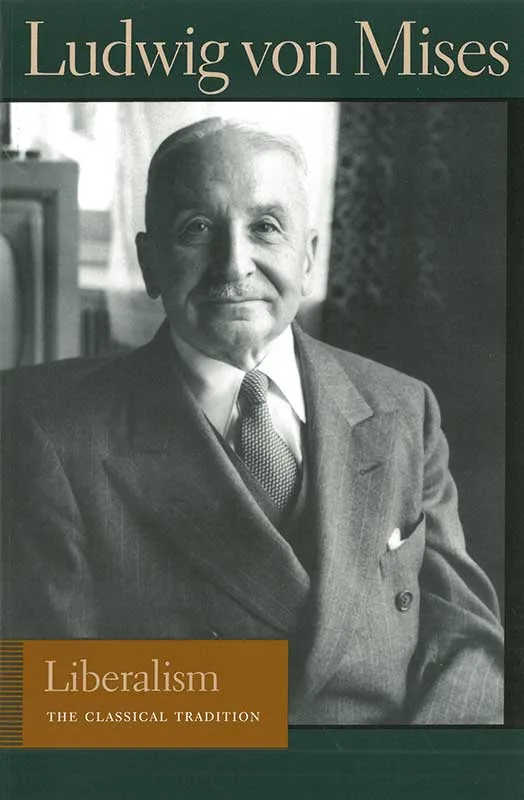
Ludwig von Mises · 1962
The great Austrian economist Ludwig von Mises provides a concise and tightly-argued one volume defense of classical liberalism, focusing on the core concepts of private property, limited government, peace, and the free…
James M. Buchanan · 1962
Vol. 3 of The Collected Works. The Calculus of Consent, is a ground-breaking economic classic written by two of the world’s preeminent economists - Gordon Tullock and Nobel Laureate James M. Buchanan. This book is a…
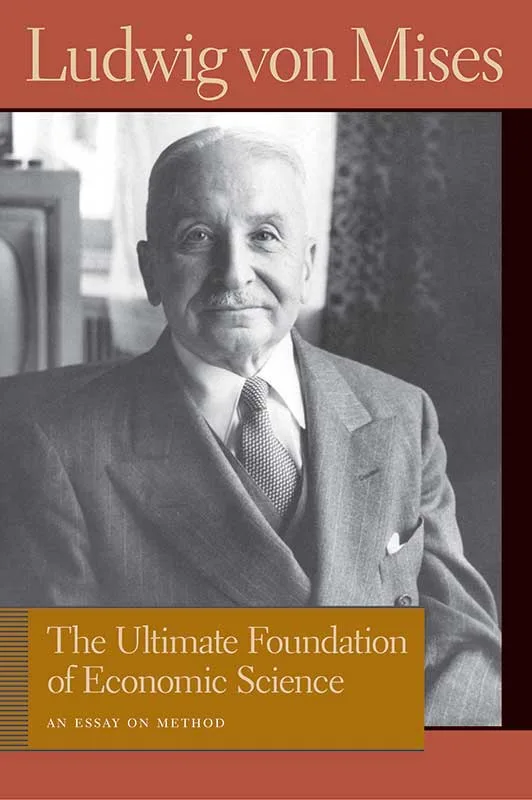
Ludwig von Mises · 1962
Written toward the end of Mises’s life, his last monograph, The Ultimate Foundation of Economic Science, returned to economics as a science based on human action.
John Stuart Mill · 1963
The Collected Works of John Stuart Mill consists of 33 volumes which contain the writings of one of the leading classical liberals of the 19th century. Mill wrote works of political economy, philosophy, history,…
Israel M. Kirzner · 1963
The second volume in Liberty Fund’s The Collected Works of Israel M. Kirzner series, Market Theory and the Price System was published in 1963 as Kirzner’s only textbook. The basic aim of Market Theory is to utilize the…
William Dyer Grampp · 1965
A two volume study of the intellectual origins of economic liberalism. Volume 1 deals with its beginnings in Stoicism, mercantilism, and the American Revolution. Volume 2 deals with the Classical School of the 19th…
William Dyer Grampp · 1965
A two volume study of the intellectual origins of economic liberalism. Volume 1 deals with its beginnings in Stoicism, mercantilism, and the American Revolution. Volume 2 deals with the Classical School of the 19th…
William Dyer Grampp · 1965
A two volume study of the intellectual origins of economic liberalism. Volume 1 deals with its beginnings in Stoicism, mercantilism, and the American Revolution. Volume 2 deals with the Classical School of the 19th…
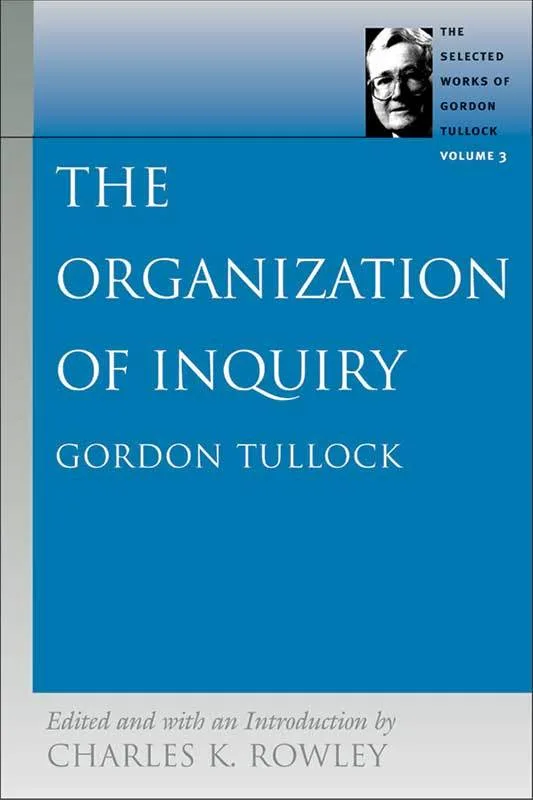
Gordon Tullock · 1966
In The Organization of Inquiry, Gordon Tullock sets out to answer such questions as: how do scientists engage in apparently cooperative contributions in the absence of hierarchic organization and why are scientific…
James M. Buchanan · 1967
Vol. 4 of The Collected Works. Public Finance in Democratic Process outlines the dynamics of individual choice as it is displayed in the process of public finance. The underlying principles of this seminal work are: an…
James M. Buchanan · 1968
Vol. 5 of The Collected Works. Originally given as a series of lectures at Cambridge University in 1961 and 1962, in The Demand and Supply of Public Goods Buchanan develops a theory of public-goods in which he compares…
James M. Buchanan · 1969
Vol. 6 of The Collected Works. A short work in which Buchanan develops his ideas on opportunity cost. He takes an individualist and subjectivist perspective and attempts to integrate this into the orthodox classical and…
Friedrich August von Hayek · 1971
Volume 1 of a 2 volume collection of essays by leading classical liberals and supporters of the free market from around the world who joined together to celebrate Mises’ accomplishments on behalf of liberty.
Gustavo R. Velasco · 1971
Volume 2 of a 2 volume collection of essays by leading classical liberals and supporters of the free market from around the world who joined together to celebrate Mises’ accomplishments on behalf of liberty.
James M. Buchanan · 1975
Vol. 7 of The Collected Works. The Limits of Liberty made James Buchanan’s name more widely known than ever before among political philosophers and theorists and established Buchanan, along with John Rawls and Robert…
Israel M. Kirzner · 1976
A collection of papers from a Symposium on the economics of Mises held at the 44th meeting of the Southern Economics Association in Atlanta, Georgia on 15 November, 1974. There are articles by Laurence Moss, Fritz…
Israel M. Kirzner · 1976
A volume in the collection Studies in Economic Theory, first published by the Institute for Humane Studies. This is a collection of papers given at a conference on Austrian economics in June 1974. They cover the…
James M. Buchanan · 1977
Vol. 8 of The Collected Works. Democracy in Deficit is one of the early comprehensive attempts to apply the basic principles of public-choice analysis to macroeconomic theory and policy. The book serves to bolster…
Gerald P. O’Driscoll · 1977
A full-length assessment of the contributions to economics of Friedrich Hayek (Nobel Prize 1974). Hayek is unique for a number of reasons: because of his emphasis on the function of institutions in coordinating the…
Ludwig M. Lachmann · 1978
A collection of papers which explores methodoogy, econometrics, social cost, monopoly theory, the supply of money, interest theory, and macroeconomics.
Ludwig von Mises · 1978
On the Manipulation of Money and Credit includes some of Mises’s most important contributions to monetary and trade-cycle theories. “Stabilization of the Monetary Unit from the Viewpoint of Theory,” discusses the…
Benjamin A. Rogge · 1979
The nineteen essays in this volume explore the philosophy of freedom, the nature of economics, the business system, labor markets, money and inflation, the problems of cities, education, and what must be done to ensure…
Ludwig von Mises · 1979
Economic Policy contains six lectures Ludwig von Mises delivered in 1959 for the Centro de Estudios sobre la Libertad in Argentina. This volume serves as an excellent introduction to what Mises sees as the simple truths…
Frank Chodorov · 1980
A collection of Chodorov’s essays selected from The Freeman and Human Events and other publications.
Geoffrey Brennan · 1980
Vol. 9 of The Collected Works. Originally published in 1980, The Power to Tax was a much-needed answer to the tax revolts sweeping across the United States. The public-choice approach to taxation which Buchanan had…
James M. Buchanan · 1985
Vol. 10 of The Collected Works. In his foreword, Robert D. Tollison identifies the main objective of Geoffrey Brennan and James M. Buchanan’s The Reason of Rules: ” . . a book-length attempt to focus the energies of…
Anthony de Jasay · 1985
The State is a brilliant analysis of modern political arrangements that views the state as acting in its own interest contrary to the interests of individuals and even of an entire society. Read the Liberty Classic on…
George A. Selgin · 1988
This is a defense of the theory and practice of free banking, i.e. the competitive issue of money by private banks as opposed to the centralised and monopolised issuance of currency under a system of central banking.
Anthony de Jasay · 1989
Jasay refutes the common idea that we need a government as a provider of public goods. He argues that without taxation voluntary contributions to provide freely accessible benefits would be made by some members of…
Ludwig von Mises · 1990
Economic Freedom and Interventionism is a primer of the thought of Ludwig von Mises and an anthology of his writings. This volume contains forty-seven articles edited by Mises scholar Bettina Bien Greaves. Among them…
David R. Henderson · 1993
The Fortune Encyclopedia of Economics was published in 1993. It went online in 2003 as The Concise Encyclopedia of Economics. It contains articles by leading economists on basic concepts of economics, economic systems…
Frédéric Bastiat · 1995
The Foundation for Economic Education translated some of Bastiat’s most famous pamphlets, written as part of his opposition to the growth of socialism in France in the 1840s. The volume contains “What is Seen and What…
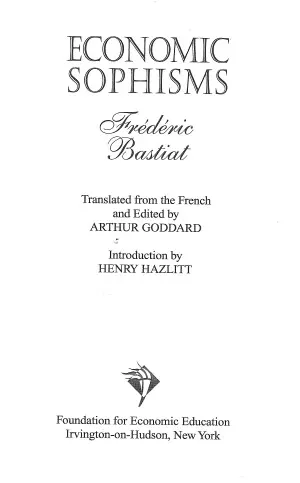
Frédéric Bastiat · 1996
The Foundation for Economic Education's translation of Bastiat’s series of short essays in which he tries to correct common misunderstandings about the free market.
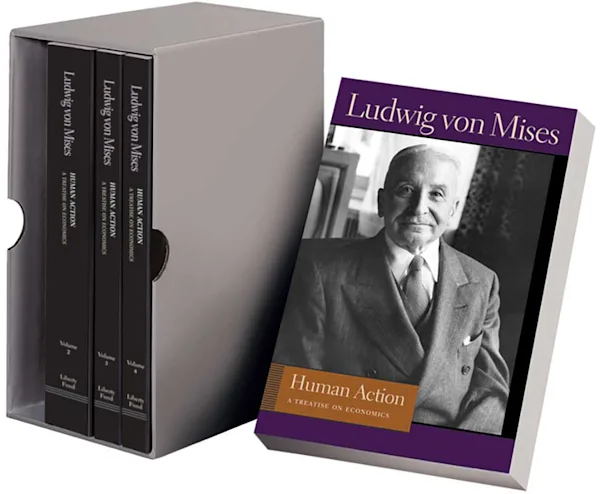
Ludwig von Mises · 1996
In the foreword to Human Action: A Treatise on Economics, Mises explains complex market phenomena as “the outcomes of countless conscious, purposive actions, choices, and preferences of individuals, each of whom was…
Ludwig von Mises · 1996
In the foreword to Human Action: A Treatise on Economics, Mises explains complex market phenomena as “the outcomes of countless conscious, purposive actions, choices, and preferences of individuals, each of whom was…
Ludwig von Mises · 1996
In the foreword to Human Action: A Treatise on Economics, Mises explains complex market phenomena as “the outcomes of countless conscious, purposive actions, choices, and preferences of individuals, each of whom was…
Ludwig von Mises · 1996
In the foreword to Human Action: A Treatise on Economics, Mises explains complex market phenomena as “the outcomes of countless conscious, purposive actions, choices, and preferences of individuals, each of whom was…
Ludwig von Mises · 1996
The 4th and final volume contains a brief appendix by Mises on the work of Boehm-Bawerk and a glossary of terms prepared by the editor.

James M. Buchanan · 1999
The Collected Works of James M. Buchanan is a twenty-volume series published by Liberty Fund that includes ten monographs and all of the important journal articles, papers, and essays that Buchanan has produced in a…
Ludwig von Mises · 2000
Vol. 3 of a three volume collection of Mises' essays found in Moscow in 1996. Vol. 3 contains essays on postwar reconstruction, American foreign trade policy, monetary policy, and plans for European union.
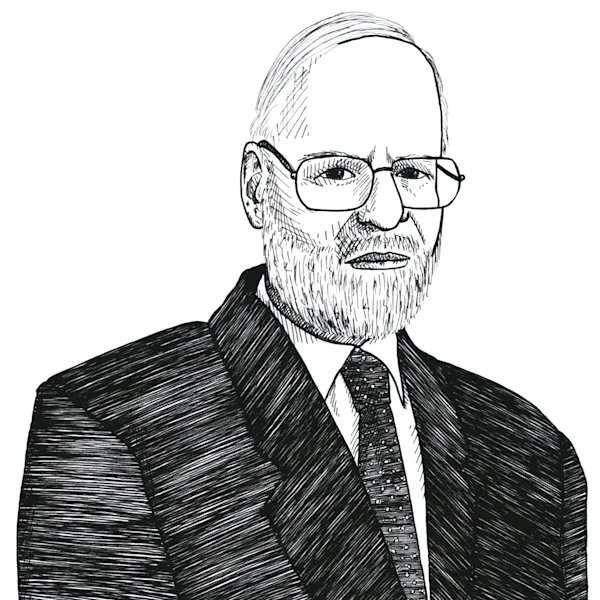
Israel M. Kirzner · 2000
Israel Kirzner discusses the differences between Austrian Economics and neo-classical economics, his experiences as a student of Ludwig von Mises, and his careeer as a professor of economics at New York University.
Lord Peter Thomas Bauer · 2000
One of the twentieth century’s leading thinkers on the relationship between free trade and the economics of developing countries, Lord Peter Thomas Bauer discusses his clear ideas on the effectiveness of government aid…
Lord Ralph Harris · 2000
As leaders of the Institute of Economic Affairs, or IEA, in London for many years, Ralph Harris and Arthur Seldon pioneered the thoughtful application of free-market principles and greatly influenced public policy and…
Gary S. Becker · 2000
This is a collection of 7 lectures which were given between October 7 and November 13 1999 to celebrate the 100th anniversary of the birth of the Austrian economist Friedrich von Hayek. The lecture series was sponsored…
Sherwin Rosen · 2000
The 1st lecture in a collection of 7 lectures which were given between October 7 and November 13 1999 to celebrate the 100th anniversary of the birth of the Austrian economist Friedrich von Hayek. The lecture is…
Richard A. Epstein · 2000
The 2nd lecture in a collection of 7 lectures which were given between October 7 and November 13 1999 to celebrate the 100th anniversary of the birth of the Austrian economist Friedrich von Hayek.
Lord Ralph Harris · 2000
The 4th lecture in a collection of 7 lectures which were given between October 7 and November 13 1999 to celebrate the 100th anniversary of the birth of the Austrian economist Friedrich von Hayek.
Kurt Leube · 2000
The 5th lecture in a collection of 7 lectures which were given between October 7 and November 13 1999 to celebrate the 100th anniversary of the birth of the Austrian economist Friedrich von Hayek.

James M. Buchanan · 2000
The 7th lecture in a collection of 7 lectures which were given between October 7 and November 13 1999 to celebrate the 100th anniversary of the birth of the Austrian economist Friedrich von Hayek.
Arthur Pollard · 2000
In The Representation of Business in English Literature, five scholars of different periods of English literature produce original essays on how business and businesspeople have been portrayed by novelists, starting in…
James M. Buchanan · 2001
The Nobel Prize winning economist, James M. Buchanan, discusses in part 1 of a two part conversation, the theory of public choice, his exchange theory of economics, and constitutional thought. Watch the video and…
James M. Buchanan · 2001
The Nobel Prize winning economist, James M. Buchanan, discusses in part 2 of a two part conversation, the work ethic, the logic of free markets, subjectivism, anarchy, federalism, the influence of philosophy, and the…

Manuel Ayau · 2001
Manuel Ayau was the founder and former rector and teacher of economics at Universidad Francisco Marroquin. In addition to being a successful businessman, Ayau was Chairman of the Guatemala Stock Exchange, a member of…
Manuel Ayau · 2001
Manuel Ayau is the founder and former rector and teacher of economics at Universidad Francisco Marroquin. In addition to being a successful businessman, Ayau is a former Chairman of the Guatemala Stock Exchange, was a…
Anthony de Jasay · 2002
Author of The State, Anthony de Jasay, has been described as one of the few genuinely original minds in modern political philosophy. He breaks new ground with Justice and Its Surroundings - a new collection of essays…
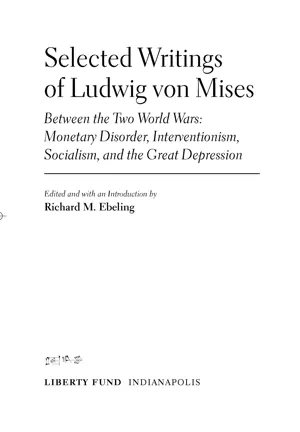
Ludwig von Mises · 2002
Vol. 2 of a three volume collection of Mises' essays found in Moscow in 1996. Vol. 2 contains essays on inflation, interventionism, the great depression, Austrian economic policy, autarchy, the theory of Austrian…
Paul W. McCracken · 2002
McCracken, the Edmund Ezra Day Distinguished University Professor of Business Administration at the University of Michigan, discusses his activities as a member of the President’s Council of Economic Advisors under…
Richard Cornuelle · 2002
Cornuelle talks about the vital role voluntary institutions have played in American society and how they might be further encouraged to solve social problems without resorting to the state. Watch the video on our…
Ronald H. Coase · 2002
Ronald Coase talks about his life work, his contributions to economics, and the law and economics movement which he helped create as editor of the Journal of law of Economics from 1964 to 1982. Watch the video and…
Sir Alan Walters · 2002
Alan Walters discusses his role in the transformation of the British economy during the 1980s as economic advisor to British Prime Minister Margaret Thatcher.
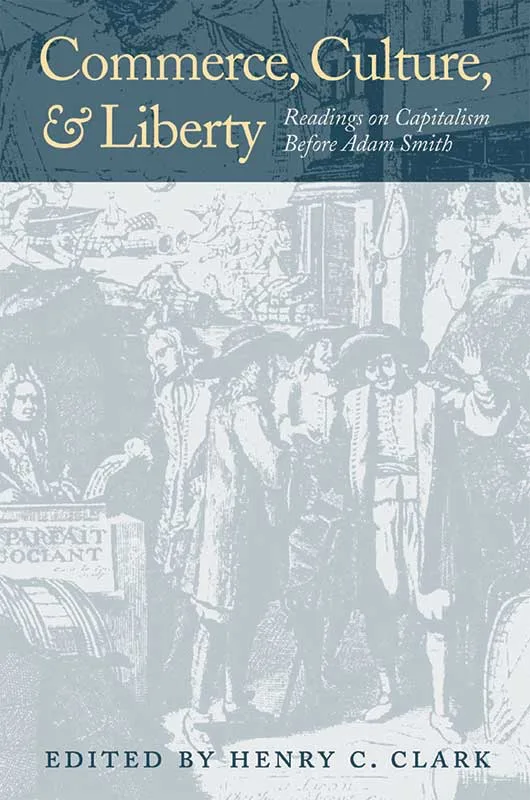
Henry C. Clark · 2003
In this Liberty Fund book the editor has compiled some of the more important writings on economics before the appearance of Smith’s Wealth of Nations in 1776. It is particularly strong on the French contribution. Not…
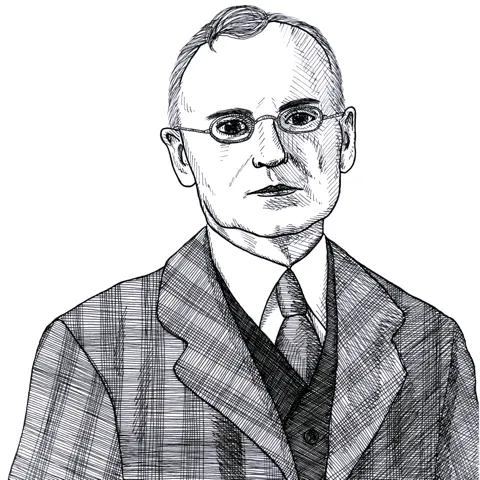
Gary S. Becker · 2003
Gary S. Becker discusses his economic ideas with Edward Glaeser, Judge Richard A. Posner, and Edward Lazear. Gary Becker is one of the most original and pathbreaking economists in recent times. When he was named the…
Ljubo Sirc · 2003
Sirc draws upon his experiences of fighting in the Resistance and the Yugoslav Army, his political opposition and arrest under communism to discuss the economics of socialism and life under communism.
Milton Friedman · 2003
Milton Friedman discusses his economic ideas with Gary S. Becker. Recipient of the 1976 Nobel Memorial Prize in Economics, Milton Friedman was a leader of the Chicago school of monetary economics. He was also the Paul…
Friedrich August von Hayek · 2003
F. A. Hayek was one of the most important economists of the 20th century, winning the Nobel Prize for Economic Science in 1974. A member of the Austrian school of economics, he taught at the London School of Economics…
Arthur Seldon · 2004
The Collected Works of Arthur Seldon spans 65 years of Seldon’s influential thought and includes all his pivotal works that helped to shape current economic thought. His arguments are as compelling and relevant today as…
Arthur Seldon · 2004
The Virtues of Capitalism, lays the foundation of Seldon’s views and theories of capitalism and its alternatives. The first part, Corrigible Capitalism; Incorrigible Socialism, was first published in 1980. It explains…
Arthur Seldon · 2005
This is the fourth volume in Liberty Fund’s The Collected Works of Arthur Seldon. It brings together six of Seldon’s essays that discuss his alternative proposals for paying for “public” services rather than through…
Arthur Seldon · 2005
In the fifth volume of The Collected Works of Arthur Seldon, Arthur Seldon uses public choice economics research to support his theory of over-government. The term “over-government” was coined by Seldon and is defined…
Arthur Seldon · 2005
Volume 6 of The Collected Works of Arthur Seldon examines the failure of state-supported welfare programs to benefit the people most in need of help. The eight articles and one book in this volume encompass almost forty…
Arthur Seldon · 2005
Volume 7 of The Collected Works of Arthur Seldon includes six works that discuss the role of the Institute of Economic Affairs, where Seldon spent most of his working life. For copyright reasons, only “The Making of the…

Henry C. Clark · 2006
Liberty Fund author Henry C. Clark, discusses his book Commerce, Culture, and Liberty: Readings on Capitalism before Adam Smith (2003). He discusses the rich intellectual history of capitalism in the 17th and 18th…
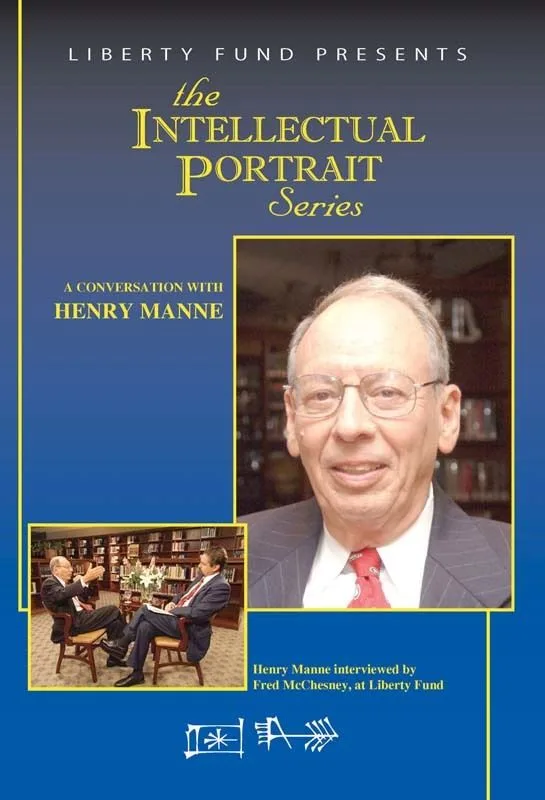
Henry Manne · 2006
Fred McChesney, the James B. Haddad Professor at Northwestern University School of Law, interviews Henry Manne who founded the Center for Law and Economics, now at George Mason University, and has directed scores of law…
Paul Heyne · 2008
Heyne’s writings are unique in that he takes the critics of the free market order seriously and addresses their arguments directly, showing how they are defective in their understanding of economics and in their ethical…
Anthony de Jasay · 2009
A collection of Jasay’s articles written for Liberty Fund’s website, the Library of Economics and Liberty (Econlib), between 2003 and 2007. They have been organized into the following categories: Property Rights, the…
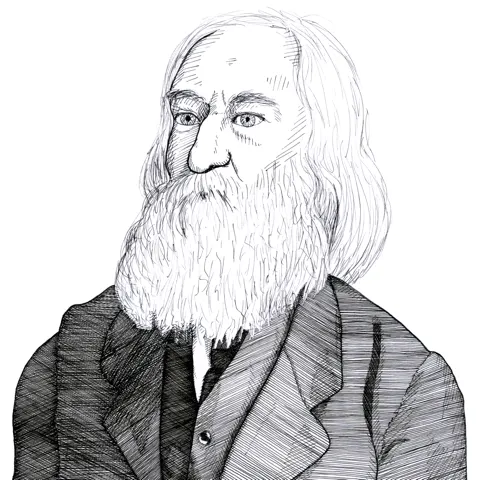
Lysander Spooner · 2010
This is a compilation of Spooner’s shorter works and pamphlets. Vol. 1 contains works on deism, law, poverty, the post office, and money, which were published between 1834 and 1861. Vol. 2 contains works on money and…
Lysander Spooner · 2010
This is a compilation of Spooner’s shorter works on deism, law, poverty, the post office, and money, which were published between 1834 and 1861.
Lysander Spooner · 2010
This is a compilation of Spooner’s shorter works and pamphlets. Vol. 2 contains works on money and banking, copyright, law, and political philosophy, which were published between 1861 and 1884. The essay “Vices are not…
Robert Molesworth · 2011
Molesworth’s An Account of Denmark was one of the canonical works of 18th century Whiggism. It is a detailed description of how tyranny and corruption worked, the institutions that made this possible, and the ideas that…
Frédéric Bastiat · 2011
A 6 vol. collection of the works of the 19th century French political economist Frédéric Bastiat. More than half of the material has never been translated into English before. The texts are accompanied by extensive…
Frédéric Bastiat · 2011
Vol. 1 of a 6 vol. collection of the works of the 19th century French political economist Frédéric Bastiat. This volume contains 209 letters and a selection of his articles on politics. A detailed glossary contains…
Ludwig von Mises · 2012
A three volume collection of Mises's writings from the so-called "lost papers" found in a Moscow archive in 1996. These were seized by the Gestapo and then taken back to Russia after the war by the Russian government.
Ludwig von Mises · 2012
Vol. 1 of a three volume collection. The articles that comprise this book include Mises’s policy memoranda, essays, and speeches that were found in a formerly secret KGB archive in Moscow. They deal with Mises’s…
Frédéric Bastiat · 2012
Volume 2 of a collection of the works of the 19th century French political economist Frédéric Bastiat. This volume contains 19 essays on political theory, including “The State,” “The Law,” and “Property and Plunder.” A…
John Stuart Mill · 2013
This is a collation of the 19 lengthy scholarly Introductions which preceded key volumes in the 33 volume Collected Works of John Stuart Mill edited by John M. Robson for the University of Toronto Press between 1963 and…
John Blundell · 2013
This online discussion addresses the contribution of Arthur Seldon ((1916-2005) to the success of the London based Institute of Economic Affairs in spreading free market ideas in Britain. Much of its success can be…
Robert Leroux · 2013
This online discussion is part of the series “Liberty Matters: A Forum for the Discussion of Matters pertaining to Liberty.” Robert Leroux discusses the work of the French political economist Frédéric Bastiat…
Roderick T. Long · 2013
This online discussion is part of the series “Liberty Matters: A Forum for the Discussion of Matters pertaining to Liberty.” Roderick T. Long assesses the work of the French political economist Gustave de Molinari…
Geoffrey Brennan · 2013
This online discussion is part of the series “Liberty Matters: A Forum for the Discussion of Matters pertaining to Liberty.” Geoffrey Brennan assesses the work of the Nobel Prize winning economist James Buchanan with…
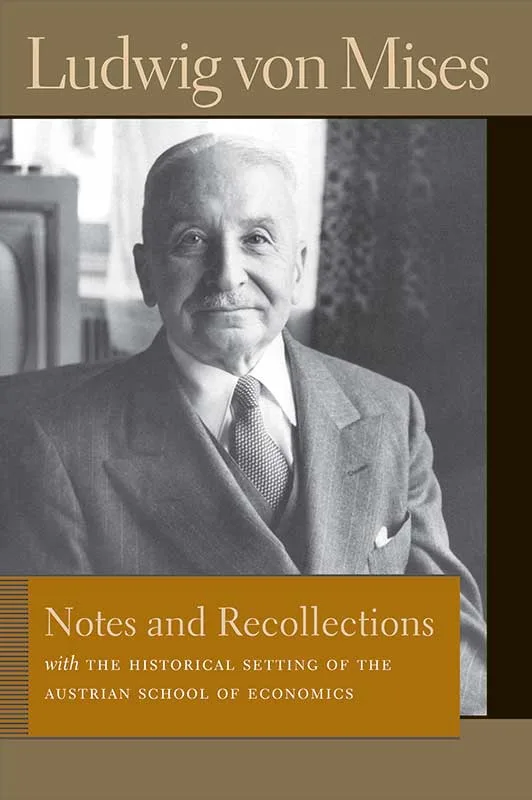
Ludwig von Mises · 2013
This volume contains Mises' brief memoir Notes and Recollections he wrote just prior to migrating to the U.S. in 1940 and an essay on the history of the Austrian school of economics from 1962. His memoir is accompanied…
Frédéric Bastiat · 2013
The Best of Bastiat (BOB) is a collection of some of the best material in Liberty Fund’s 6 volume edition of The Collected Works of Frédéric Bastiat (2011-). They are chapter length extracts and have been edited as…

Frédéric Bastiat · 2013
The Best of Bastiat (BOB) is a collection of some of the best material in Liberty Fund’s 6 volume edition of The Collected Works of Frédéric Bastiat (2011-). They are chapter length extracts and have been edited as…
Frédéric Bastiat · 2013
The Best of Bastiat (BOB) is a collection of some of the best material in Liberty Fund’s 6 volume edition of The Collected Works of Frédéric Bastiat (2011-). They are chapter length extracts and have been formatted as…
Frédéric Bastiat · 2013
The Best of Bastiat (BOB) is a collection of some of the best material in Liberty Fund’s 6 volume edition of The Collected Works of Frédéric Bastiat (2011-). They are chapter length extracts and have been edited as…
Frédéric Bastiat · 2013
The Best of Bastiat (BOB) is a collection of some of the best material in Liberty Fund’s 6 volume edition of The Collected Works of Frédéric Bastiat (2011-). They are chapter length extracts and have been edited as…

Frédéric Bastiat · 2013
The Best of Bastiat (BOB) is a collection of some of the best material in Liberty Fund’s 6 volume edition of The Collected Works of Frédéric Bastiat (2011-). They are chapter length extracts and have been edited as…
Frédéric Bastiat · 2013
The Best of Bastiat (BOB) is a collection of some of the best material in Liberty Fund’s 6 volume edition of The Collected Works of Frédéric Bastiat (2011-). They are chapter length extracts and have been edited as…
Frédéric Bastiat · 2013
The Best of Bastiat (BOB) is a collection of some of the best material in Liberty Fund’s edition of The Collected Works of Frédéric Bastiat (2011-). These extracts should be useful in the classroom, or discussion…
James Mill · 2013
This is an anthology of James Mill’s writings compiled from The British Review, and London Critical Journal [1815], the Supplement to the 4th, 5th and 6th editions of the Encyclopaedia Britannica [1815-1824],…
David M. Hart · 2014
This is a collection of classic works on liberty from the Online Library of Liberty collection which have been "enhanced" to assist readers is learning more about these important works. The enhancements include, in…
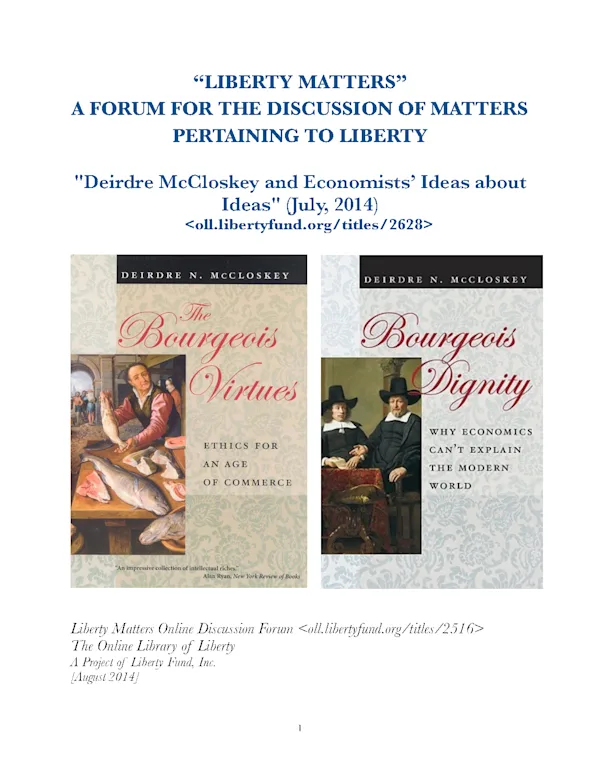
Donald J. Boudreaux · 2014
The key issue of this Liberty Matters discussion is to try to explain why "the Great Enrichment" of the past 150 years occurred when and where it did. McCloskey argues that a fundamental change in ideas took place which…
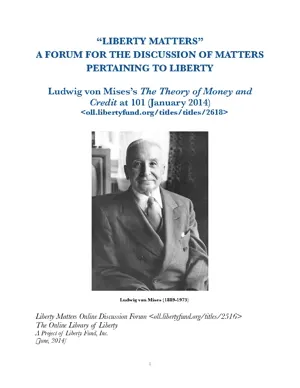
Lawrence H. White · 2014
This online discussion is part of the series “Liberty Matters: A Forum for the Discussion of Matters pertaining to Liberty.” Lawrence H. White revisits Mises' pathbreaking 1912 book on Mises’ book The Theory of Money…
David M. Hart · 2015
This is a guide to the material on the economist Ludwig von Mises in the OLL collection.
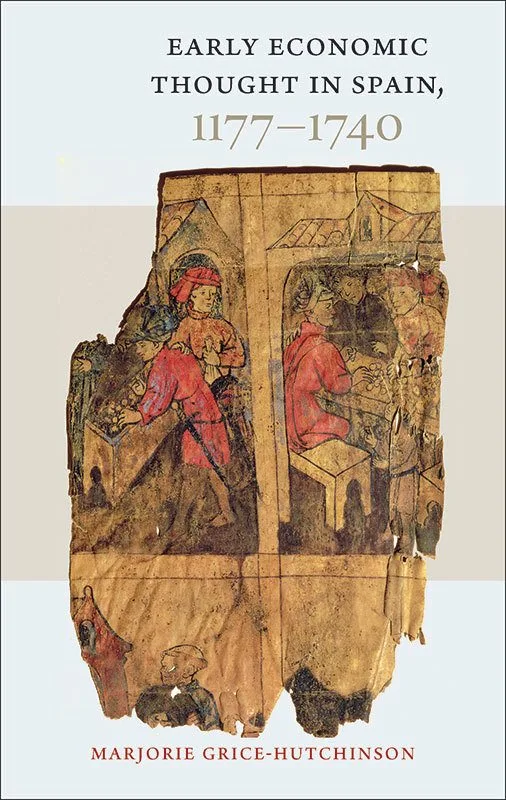
Marjorie Grice-Hutchinson · 2015
In the sixteenth and early seventeenth centuries, clerics gave lectures at the University of Salamanca on such topics as the varying purchasing power of money, the morality of money, and how price is determined.…
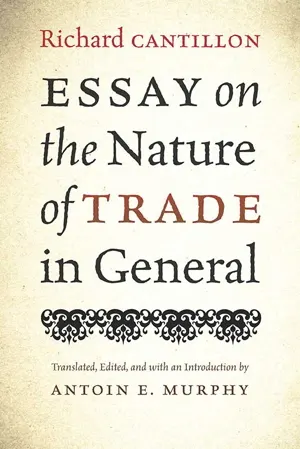
Richard Cantillon · 2015
The Liberty Fund edition is a modernized translation of Richard Cantillon’s Essai sur la nature du commerce en général (1755) with a new introduction by Antoin E. Murphy. Cantillon outlined an extraordinary…
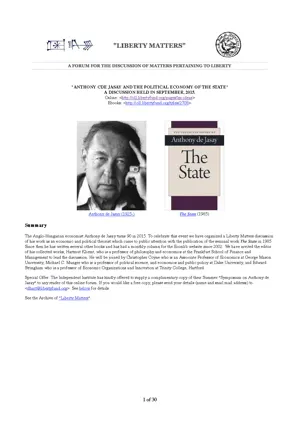
Hartmut Kliemt · 2015
The Anglo-Hungarian economist Anthony de Jasay turned 90 in 2015. To celebrate this event Liberty Fund organized a Liberty Matters discussion of his work as an economic and political theorist which came to public…
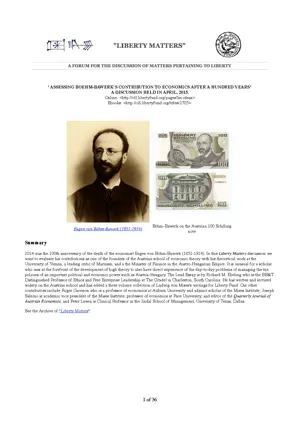
Richard Ebeling · 2015
This online discussion is part of the series “Liberty Matters: A Forum for the Discussion of Matters pertaining to Liberty.” In this discussion the contributors evaluate the contributions of Eugen von Böhm-Bawerk…
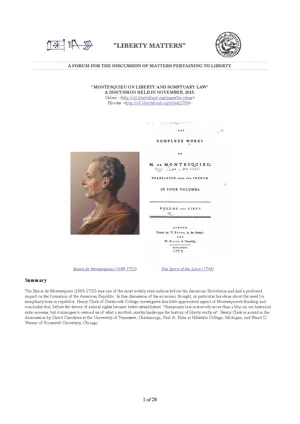
Henry C. Clark · 2015
In this discussion of Montesquieu's economic thought, in particular his ideas about the need for sumptuary laws in republics, Henry Clark of Dartmouth College investigates this little appreciated aspect of Montesquieu's…
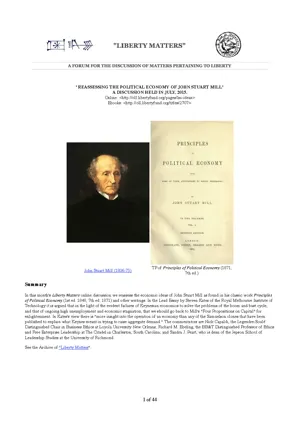
Steven Kates · 2015
In this month's Liberty Matters online discussion we reassess the economic ideas of John Stuart Mill as found in his classic work Principles of Political Economy and other writings. The Lead Essay by Steven Kates argues…
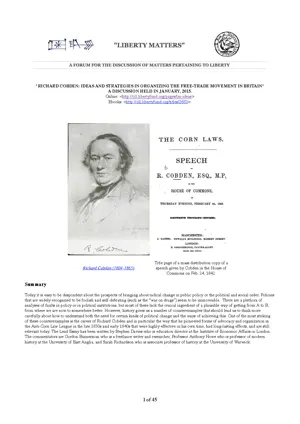
Stephen Davies · 2015
This online discussion is part of the series “Liberty Matters: A Forum for the Discussion of Matters pertaining to Liberty.” Here we examine the career of Richard Cobden and in particular the way that he pioneered forms…
Lysander Spooner · 2015
This a draft of the second edition of the collected works of the 19th century American legal theorist and abolitionist Lysander Spooner in chronological order of the year of publication. It is in a single large file in…
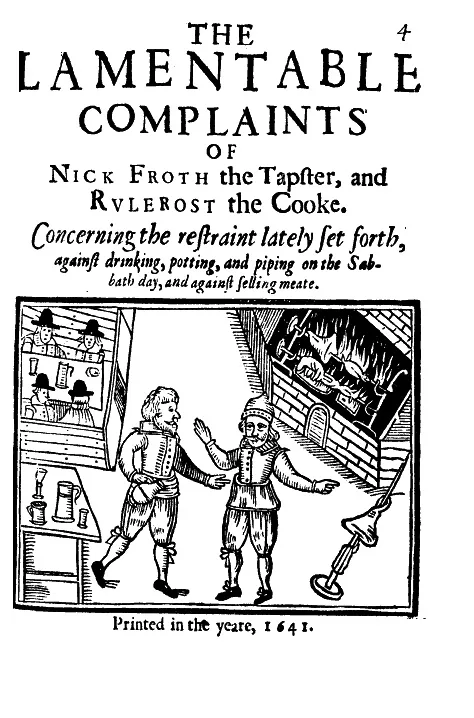
Ross Kenyon · 2015
The Levellers were a political movement active in England from 1646 to 1649. They were a populist movement that emphasized equal rights, religious toleration, and reformation of political and judicial corruption. They…
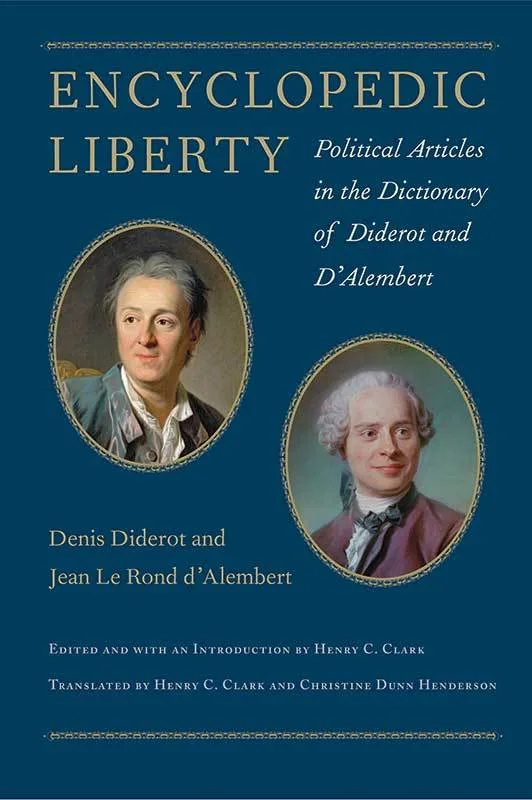
Denis Diderot · 2016
This anthology unites the most significant political writing from the compendium known as The Encyclopedia. It includes eighty-one of the most original, controversial and representative articles on political ideas,…
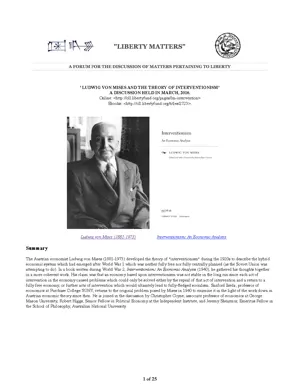
Sanford Ikeda · 2016
ty.” In this discussion Sanford Ikeda returns to the original theory of interventionism posed by Mises in 1940 to examine it in the light of the work done in Austrian economic theory since then.
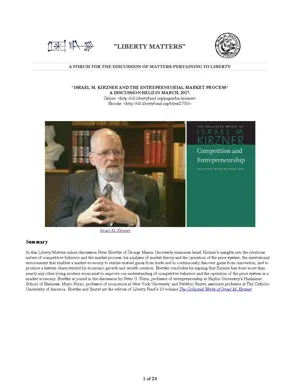
Peter J. Boettke · 2017
This Liberty Matters online discussion examines Israel Kirzner’s insights into the rivalrous nature of competitive behavior and the market process, his analysis of market theory and the operation of the price system,…
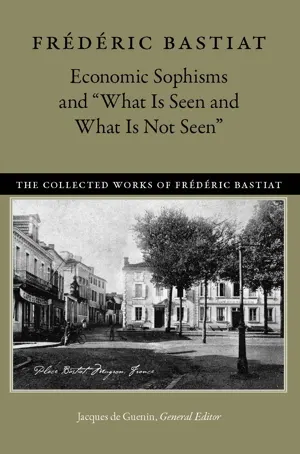
Frédéric Bastiat · 2017
Volume 3 of a 6 volume collection of the works of the 19th century French political economist Frédéric Bastiat. This volume contains the complete collection of Economic Sophisms, a third of which have never been…
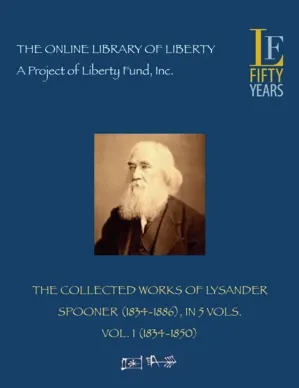
Lysander Spooner · 2018
This is a five volume collection of the works of the 19th century American legal theorist and abolitionist Lysander Spooner. It is in chronological order of the year of publication. A full list of Spooner's works in…
Lysander Spooner · 2018
This a 5 volume collection of the works of the 19th century American legal theorist and abolitionist in chronological order of the year of publication. Vol. 1 contains 10 pieces from the period 1834-1850.
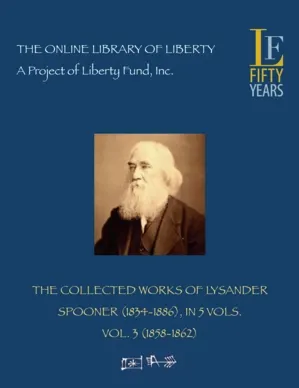
Lysander Spooner · 2018
This a 5 volume collection of the works of the 19th century American legal theorist and abolitionist in chronological order of the year of publication. Vol. 3 contains material from 1858-1862, including works on the…
Lysander Spooner · 2018
This a 5 volume collection of the works of the 19th century American legal theorist and abolitionist in chronological order of the year of publication. Vol. 4 contains material from 1863-1873.
Lysander Spooner · 2018
This a 5 volume collection of the works of the 19th century American legal theorist and abolitionist in chronological order of the year of publication. Vol. 5 contains material from 1875-1886. The essay "Vices are not…
Frédéric Bastiat · 2018
This is a revised edition of Liberty Fund's translation of Bastiat's famous essay on The State which was one of the last things he wrote before he died in 1850.
Frédéric Bastiat · 2018
This is a thoroughly revised edition of one of Bastiat’s best known essays. It is the third and longest version he wrote between June 1848 and April 1849 when he was engaged in challenging the growing socialist movement…
Armen A. Alchian · 2018
Universal Economics shows the critical importance of property rights to the existence and success of market economies.
James Mill
A collection of Mill’s writings on economics, including his early essays on The Impolicy of a Bounty on the Exportation of Grain, Commerce Defended, and selections from his Elements of Political Economy and his History…
In this collection
172 people central to Economics.
1829–1913
Thomas Kingsmill Abbott was an Irish scholar who wrote on Irish history and the philosophy of Immanuel Kant.

1914–2013
Armen A. Alchian was one of the 20th century’s great teachers of economic science, and the co-author, with William R. Allen, of the classic…

1924–2021
William R. Allen taught at Washington University prior to joining the UCLA faculty in 1952. Along with research primarily in international…

Joshua D. Ammons is a Scholar in Residence Post Doctoral Fellow at the Stephenson Institute for Classical Liberalism at Wabash College.

b. 1952
Nigel Ashford is the Senior Program Officer at the Institute for Humane Studies.

1860–1927
Ashley was a prolific economic historian who wrote on the English coal industry, the British empire, German economic history, tariffs, and…

1826–1877
Walter Bagehot (1826-1877), a British journalist and early editor of The Economist, specialized in institutional economic issues. He had a…

1855–1945
Charles Francis Bastable, Professor of Political Economy at the University of Dublin, was a proponent of free trade. His works included…

1915–2003
Bauer was a Hungarian-born economist who emigrated to England in the 1930s. He is considered one of the leading free market theorists of…

Giandomenica Becchio (Ph.D. University of Florence) is Professor of history of economic thought, methodology of economics, and theory of…

1930–2014
Gary Becker (1930 - 2014) is one of the most original and pathbreaking economists in recent times. When he was named the 1992 Nobel…

b. 1945
Harold A. Black is is Emeritus Professor of Finance at the University of Tennessee.

1952–2014
John Blundell was the Director General of the Institute for Economic Affairs in London and a director of the Atlas Economic Research…

b. 1960
Peter Boettke is University Professor of Economics and Philosophy at George Mason University and the BB&T Professor for the Study of…

1851–1914
Eugen von Böhm-Bawerk, Austrian economist at the University of Vienna, and Austrian finance minister, made the modern intertemporal theory…

b. 1958
Donald J. Boudreaux is Professor of Economics at George Mason University and Getchell Chair at George Mason's Mercatus Center. He is the…

1944–2022
Geoffrey Brennan was a Professor of Economics at the Australian National University and one of the leading figures in the Public Choice…

Jason Brennan is assistant professor of strategy, economics, ethics, and public policy at Georgetown University.

Tarnell S. Brown is an Atlanta, GA area economist and public policy analyst. He is a periodic contributor to Liberty Fund's EconLog.

1919–2013
In 1986, James M. Buchanan (1919-2013) was awarded the Alfred Nobel Memorial Prize in Economic Sciences. Universally respected as one of…

Joy Buchanan is an assistant professor of economics at Samford University. She has published research in journals such as Experimental…

b. 1984
Janet Bufton is an educational consultant and copy editor in Ottawa, Ontario, working primarily on projects involving Adam Smith, trade and…

b. 1947
John Sibley Butler is the Emeritus J. Marion West Chair in Constructive Capitalism and Professor of Management and Sociology at the…

Rosolino Candela is an associate director of academic and student programs as well as a senior fellow of the F.A. Hayek Program for…

Yana Chernyak is Director of Strategic Initiatives at the American Enterprise Institute. She works closely with the Institute’s scholars…

1847–1938
John Bates Clark, American economist, was the first to develop marginal productivity theory, using it to explore the distribution of income…

Dr. Paul Cleveland is a Professor of Economics and Finance at Birmingham-Southern College. He earned his Ph.D. in Economics from Texas A&M…

1910–2013
Ronald Coase (1910-2013) received the Nobel Prize in Economic Science in 1991. His articles “The Problem of Social Cost” and “The Nature of…

b. 1977
Christopher Coyne is an associate professor of economics at George Mason University and the associate director of the F. A. Hayek Program…

Ramon P. DeGennaro is the Haslam College of Business Professor of Banking and Finance (emeritus) at the University of Tennessee. He holds a…

1854–1943
Ely was a professor of political economy at the University of Wisconsin and a contributor to Infram's History of Political Economy.

Andrew Farrant is associate professor of economics at Dickinson College.

1867–1947
Irving Fisher was one of America’s greatest mathematical economists and one of the clearest economics writers of all time.

b. 1945
David Friedman, son of Milton and Rose Friedman, is an academic economist with a doctorate in physics whose current specialty is the…

1912–2006
Milton Friedman (1912-2007) was the author of many books and articles in economics, including A Theory of the Consumption Function, The…

1761–1849
Gallatin was a Swiss-American ethnologist, linguist, diplomat, and politician. He founded New York University and was Secretary of the…
b. 1944
Roger W. Garrison received his doctorate from the University of Virginia in 1981 and is now Emeritus Professor of Economics at Auburn…

Vincent Geloso is an Assistant Professor of Economics at George Mason University. He holds a PhD in economic history from the London School…

1839–1897
A prolific author who was a strong defender of free trade and an advocate of the idea of a single tax on land. George believed that a…
Vance Ginn, Ph.D., is president of Ginn Economic Consulting and chief economist or senior fellow at multiple think tanks across the country.
Judge Glock is the Senior Policy Advisor at the Cicero Institute. He was formerly a visiting professor at the Department of Economics at…

Robert Graboyes is a economist/journalist/musician in Alexandria, Virginia. Author of Fortress and Frontier in American Health Care, Bob…

1914–2019
William Grampp (1914-2019) was an economist with a strong interest in the history of economic thought. He wrote on the history of economic…

Samuel Gregg is Distinguished Fellow in Political Economy and Senior Research Faculty at the American Institute for Economic Research. He…

1909–2003
Marjorie Grice-Hutchinson taught Spanish at King’s College, London, was head of the Spanish department and lecturer in Spanish at Birkbeck…

1801–1864
Gilbert-Urbain Guillaumin (1801-64) was a mid-19th century French classical liberal publisher who became active in liberal politics during…

Abigail R. Hall is an Associate Professor in economics at the University of Tampa and Senior Fellow at the Independent Institute in…


b. 1894
Hazlitt was a well-known journalist who wrote on economic affairs for the New York Times, the Wall Street Journal, and Newsweek among many.…

1879–1952
Heckscher was a Swedish economist who, along with his student, Bertil Ohlin, explored trade in goods along with the factors of production -…

1931–2000
Paul Heyne taught at Valparaiso University (1957–66), Southern Methodist University (1966–76), and the University of Washington…

1864–1940
Higgs was an English economist who wrote on the history of economic thought (he rediscovered the importance of Richard Cantillon) and was…
Robert Higgs is the Senior Fellow in Political Economy at the Independent Institute and the F. A. Hayek Distinguished Visiting Professor at…

1787–1869
Thomas Hodgskin (1787-1869) was an officer in the British Navy before leaving because of his opposition to the brutal treatment of sailors.…
b. 1946
Geoffrey M. Hodgson is a Research Professor of Business Studies in the University of Hertfordshire and also the editor-in-chief of the…

Owen Holzbach is a student at the Miller Miller College of Business at Ball State University.

Christy Horpedahl was a managing editor at Liberty Fund. She worked on the Liberty Matters series and the AdamSmithWorks website. She also…

1964–2021
Steven Horwitz (1964 - 2021) was a Distinguished Professor of Free Enterprise and Director of the Institute for the Study of Political…

1868–1916
Robert F. Hoxie was a U.S. economist at the University of Chicago with a particular interest in trade and labor unions. In 1914, he…
b. 1966
Jörg Guido Hülsmann is a professor of economics at the University of Angers in France, corresponding member of the Pontifical Academy for…

b. 1949
Jeffrey Rogers Hummel is retired and a professor emeritus in the economics department at San Jose State University and has taught both…
Jimena Hurtado is professor of economics at the Universidad de Los Andes in Bogota, Colombia. She specializes in the field of economic…

b. 1957
Sanford Ikeda is professor emeritus of economics at Purchase College of the State University of New York, a research fellow at New York…

1823–1907
Ingram was a Fellow of Trinity College, Dublin and the author of the standard 19th century history of political economy.

1925–2019
Anthony de Jasay was an Anglo-Hungarian economist living in France. He trained as an economist in Western Australia and then at Oxford…

1835–1882
Jevons was born in Liverpool, England and studied chemistry and botany at University College, London before taking up the position of…

Isadore Johnson graduated from the University of Connecticut with a Bachelor of Arts in Economics.

b. 1941
Jerry L. Jordan wrote his doctoral dissertation under the direction of Armen Alchian. He was Dean of the School of Management at the…

Steven Kates is an associate professor of economics at RMIT University in Melbourne. He has written Free Market Economics: An Introduction…

1883–1946
Keynes studied mathematics and economics (under Marshall and Pigou) at King’s College, Cambridge before going to work in the British Civil…

b. 1930
Israel Kirzner (b. 1930) is among the foremost scholars in the Austrian School of economic thought. He studied at the University of Cape…

b. 1962
Daniel B. Klein is a Professor of Economics and JIN Chair at the Mercatus Center, George Mason University. He is currently the chief editor…

b. 1966
Peter G. Klein is professor of entrepreneurship at Baylor University’s Hankamer School of Business and senior research fellow at the Baugh…

b. 1949
Hartmut Kliemt is a philosopher economist working on foundational issues of rational choice and game theory as well as applied ethics and…

b. 1954
Arnold Kling earned a Ph.D in economics from the Massachusetts Institute of Technology.

1885–1972
Frank Knight went from a farming childhood in Illinois to teaching at the University of Chicago, where he influenced many modern…

Roger Koppl is professor of finance in the Whitman School of Management of Syracuse University and a faculty fellow in the University's…

1906–1990
Lachmann was a German born member of the Austrian school of economics founded by Carl Menger and Boehm-Bawerk. He studied at the London…
1850–1933
Laughlin was head of the University of Chicago Economics Department, founder of its Graduate School of Business, and founder of the Journal…

Harrison Layman is an Economics major at Hillsdale College.

Geoffrey Lea is a Lecturer in the department of Economics at the University of Tennessee's Haslam College of Business.

b. 1979
Peter T. Leeson is the Duncan Black Professor of Economics and Law at George Mason University. He is author of the award-winning The…

Jayme Lemke (Ph.D., Economics, George Mason University) is a Senior Research Fellow at the Mercatus Center at George Mason University and a…

b. 1944
David M. Levy is Professor of Economics at George Mason University. The 2005 Vanity of the Philosopher, written with Sandra J. Peart, was…
b. 1948
Peter Lewin is Clinical Professor in the Jindal School of Management, University of Texas, Dallas. He received a Ph.D. in economics at the…

Paul Lewis is Reader in Economics and Public Policy at King's College London and an affiliated fellow with the F. A. Hayek Program for…

1789–1846
Friedrich List (1789-1846) was one of the leading German economists in the first half of the 19th century. Best known for his book The…

Loren Lomasky has been Cory Professor of Political Philosophy at the University of Virginia, Charlottesville, VA. since 2003.

b. 2006
Chris Loukas is currently a high school student and has taken part in a number of school competitions on the topic of economics.

1814–1889
Charles Mackay was a famous song-writer and poet, journal editor and colleague of Charles Dickens, and a reporter whose joy was to take the…

Phillip W. Magness is a Senior Fellow at the Independent Institute and the David J. Theroux Chair in Political Economy. He has served as…

1766–1834
Following his success with his work on population, Thomas Malthus (1766-1823) published often from his economics position on the faculty at…

b. 1928
Henry Manne was one of the early proponents of the study of law and economics. He founded the Center for Law and Economics, now at George…

1769–1858
Jane Haldimand Marcet (1769-1858) was home-educated and became an author of popular works of chemistry, botany, religion, and economics.…

1842–1924
Alfred Marshall, English economist at the University of Cambridge, reconciled many neoclassical economic concepts and introduced many of…

Adam Martin is a Political Economy Research Fellow at the Free Market Institute and an assistant professor in the department of…

1818–1883
Karl Marx was one of the leading 19th Century theorists of socialism. He prided himself on having discovered the “laws” which governed the…

Matthew McCaffrey is assistant professor of enterprise at the University of Manchester and editor of the scholarly journal Libertarian…

b. 1942
Deirdre N. McCloskey is Distinguished Professor of Economics, History, English, and Communication at the University of Illinois at Chicago…

Gary McGath is a freelance writer and retired software developer. He has written for the Foundation for Economic Education, Aristos,…

b. 1942
Richard McKenzie is the Walter B. Gerken Professor of Economics Emeritus in the Merage School of Business at the University of California,…

1840–1921
Carl Menger (1840-1921) was one of the founders of the Austrian School of economics. Menger, along with Jevons and Walras, published a work…
Lawrence Meyers is a writer, and policy and financial analyst. His work has appeared at Breitbart.com, TownHall.com, RedState.com, and…
b. 1946
Joel Mokyr is the Robert H. Strotz Professor of Arts and Sciences and a professor of economics and history at Northwestern University and…

1819–1912
Gustave de Molinari was born in Liège on March 3, 1819 and died in Adinkerque on January 28, 1912. He was the leading representative of the…

Leonidas Montes is director of Centro de Estudios Públicos (www.cepchile.cl) and Adam Smith Professor at Universidad Adolfo Ibáñez…
1571–1641
Mun was a successful London trader and a director of the East India Company. He was a mercantilist who defended the right of the East India…

b. 1958
Michael Munger is director of the PPE Program at Duke University, where he holds faculty appointments in political science, economics, and…

Jon Murphy is currently an assistant professor of economics at Nicholls State University and Fellow at the Institute for an Entrepreneurial…

1732–1804
Jacques Necker was a Swiss banker and statesman who served as finance minister for Louis XVI.

Antoine Noël is an assistant professor of economics at Université Laval (in Quebec city).

Carlos Alejandro Noyola Contreras an economist and Ph.D. student in Iberian and Latin American Studies at Notre Dame.

1923–1979
G Warren Nutter (1923 – 1979) was an American economist and a former assistant secretary of defense for national security affairs. He was…

John V. C. Nye holds the Fredéric Bastiat Chair in Political Economy at the Mercatus Center and is a professor of economics at George Mason…

Henry Oliver is a Research Fellow at the Mercatus Center. He writes The Common Reader.

Maria Pia Paganelli is a Professor of Economics at Trinity University.

1623–1687
One of the pioneers of economic thought well before Adam Smith. He was a secretary to Thomas Hobbes.

1877–1959
Pigou is best known for his work on welfare economics. He developed the concept of externalities from Marshall and used it to justify…

b. 1962
David L. Prychitko is a professor of economics at Northern Michigan University. He earned his M.A. and Ph.D. in economics from George Mason…

1772–1823
David Ricardo (1772-1823) was born in London of parents recently emigrated from Amsterdam, where he was educated as a youth in yeshivas. He…
Sheldon Richman runs the blog Free Association and is a frequent columnist for several websites.
Richter translated some works by J.B. Say into English in the early 19th century.

1898–1984
Robbins was one of the leading English economists of the 20th century. He wrote on wages, iinflation, the economics of war, and the history…

1920–1980
Benjamin A. Rogge (1920-1980) was Distinguished Professor of Political Economy at Wabash College, Crawfordsville, Indiana. He held degrees…
1938–2001
Sherwin Rosen was the Edwin A. and Betty L. Bergman Distinguished Service Professor in the Department of Economics at the University of…

b. 1939
Charles K. Rowley is Duncan Black Professor of Economics at George Mason University and a Senior Fellow of the James M. Buchanan Center for…

1896–1978
Jacques Rueff was a French economist, statesman of finance, and outspoken defender of the gold standard.

b. 1939
Pascal Salin is Emeritus Professor of Economics, Paris University, and former president of the Mont Pelerin Society. He is the author of…

b. 1968
Frédéric Sautet is a Visiting Associate Professor of Economics at the Catholic University of America. Previously, he has taught at George…

1767–1832
Jean-Baptiste Say (1767-1832) was the leading French political economist in the first third of the 19th century. His major theoretical work…

1879–1940
Albert Schatz (1879-?) was a Professor of Law at the University of Dijon and an historian of ideas who lived in the early 20th century. He…

b. 1947
Mark C. Schug is Professor Emeritus at the University of Wisconsin Milwaukee. Mark taught for 36 years at the middle school, high school,…

1883–1950
Joseph Schumpeter (1883 – 1950) was one of the most influential economists of the early 20th century and he popularized the phrase…

1862–1944
Scott was professor of Political Economy at the University of Wisconsin and a contributor to Ingram's History of Political Economy.

1916–2005
For over thirty years from the late 1950s Arthur Seldon (1916-2005) was the Editorial Director of the London-based Institute for Economic…
George A. Selgin is a Professor of Economics at the University of Georgia’s Terry College of Business. He is a senior fellow at the Cato…

1790–1864
Nassau W. Senior (1790-1864) was a British economist who taught at Oxford University and worked on the marginal aspects of inputs to…

1920–2016
Trained in both economics and law, Ljubo Sirc united the perspective of a scholar with personal experience to observe firsthand the dangers…

1723–1790
Adam Smith (1723-1790) is commonly regarded as the first modern economist with the publication in 1776 of The Wealth of Nations. He wrote…

b. 1975
Andrew Smith is an economics instructor at New Palestine High School in Indiana and an adjunct instructor for Vincennes University. He is a…

1912–1976
Vera Smith was born in England in 1912. She spent her professional life in a variety of research positions and wrote many articles on…

b. 1927
Vernon L. Smith is a professor of economics at Chapman University’s Argyros School of Business and Economics and School of Law in Orange,…

1898–1983
The Italian-born economist was part of the Cambridge group of Marxists during the interwar period. He joind Keynes in opposing Hayek's…

1911–1991

Virgil Henry Storr is a professor of economics at George Mason University and the Vice President of Academic and Student Programs at the…
b. 1975
Edward Peter Stringham is the Davis Professor of Economic Organizations and Innovation at Trinity. He was formerly the L.V. Hackley endowed…
1943–2021
Richard Stroup was a professor at Montana State University and was active in the Political Economy Research Center (PERC) with a special…
1950–2018
Ó Súilleabháin was a member of the Department of Economics of University College, Cork when he translated Hayek's essay on Richard…

1859–1940
Frank W. Taussig (1859-1940), American economist, taught at Harvard, and worked on international trade. His articles and books on tariffs,…

Alice Temnick teaches Economics at the United Nations International School in New York City. She is an Economics examiner for the…
Thirlby was a lecturer in commerce in the University of Cape Town from 1934 to 1947 and at the London School of Economics from 1947 to…


b. 1963
Jeffrey Tucker is Chief Liberty Officer and founder of Liberty.me , the global liberty community with advanced social and publishing…

1922–2014
Gordon Tullock (1922-2014) and his 1962 coauthor, Nobel laureate James M. Buchanan, are widely recognized as co-founders of public choice,…

Bill Tulloh is a cofounder and economist at Agoric. He was a market manager at smart-contract pioneer AMiX and was cofounder of the Agorics…

b. 1943
Viktor J. Vanberg is professor emeritus, Freiburg University, Germany, and member of the board of the Walter Eucken Institute in Freiburg,…

1857–1929
A pioneer American sociologist who is best remembered for his work on the “leisure class” in America.

1892–1970
Jacob Viner was an economist who wrote on international trade, tariff policy, commercial treaties, the role of the U.S. international…

1483–1546
Francisco de Vitoria (1483 –1546) was a Spanish friar and writer. He is best remembered for defending the rights of the New World Indians…

b. 1941
Wagner is a professor of economics at George Mason University, Fairfax, Virginia.
1801–1869
Walker was an economist, a member of the Union Democrats in the U.S. Senate, and Secretary of the Treasury under Pres. Polk.

1834–1910
Léon Walras (1834 - 1910) was a French economist who developed the idea of marginal utility and is thus considered one of the founders of…

b. 1931
Waterman coedited, with Geoffrey Brennan, Paul Heyne's collected essays for Liberty Fund. He has published on the relationship between…

1864–1920
Max Weber (1864 - 1920) was a German sociologist, historian, jurist, and political economist. He was one of the founding fathers of…

1853–1936
Westergaard was Professor of Political Science at the Uiversity of Copenhagen.

1787–1863
Richard Whately (1787-1863), Archbishop of Dublin and Professor of Political Economy at the University of Oxford following Nassau Senior,…

1851–1926
Knut Wicksell, Swedish economist, was one of the founders of modern macroeconomics. His work focused on real and nominal interest rates,…

1851–1926
An Austrian economist who contributed to the early development of the marginalist or subjectivist school of economic thought in the late…

1936–2020
Walter Williams was John M. Olin Distinguished Professor of Economics at George Mason Univeristy, Fairfax, Virginia.

b. 1971
Amy Willis is a Senior Fellow and Director of Econlib Websites for Liberty Fund. She has published many academic articles, chapters, and…

Johnson Kent Wright is an associate professor in the school of civil and economic thought at Arizona State University and a former editor…
In this collection
From The Reading Room, Liberty Matters and the library’s other publications.

Caroline Breashears · Mar 10, 2026

Peter Carl Mentzel · Apr 23, 2025
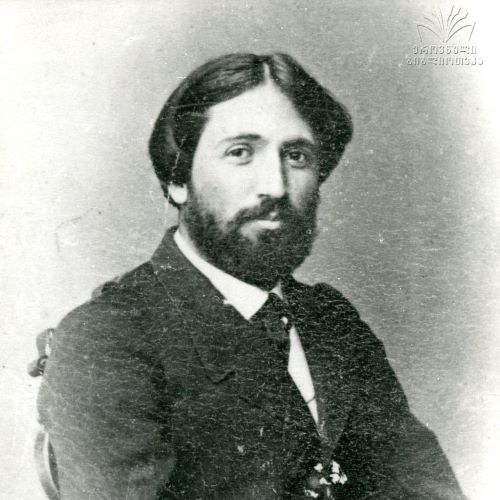
Irakli Javakhishvili · Oct 04, 2024

Ramon P. DeGennaro and others · 2024

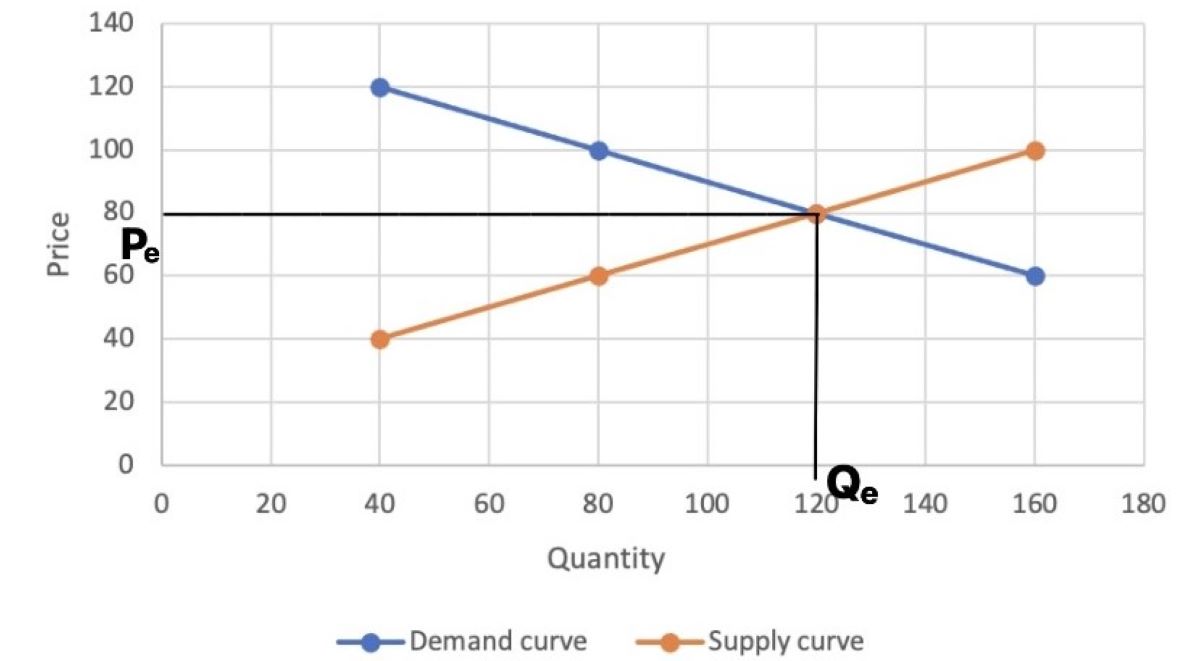
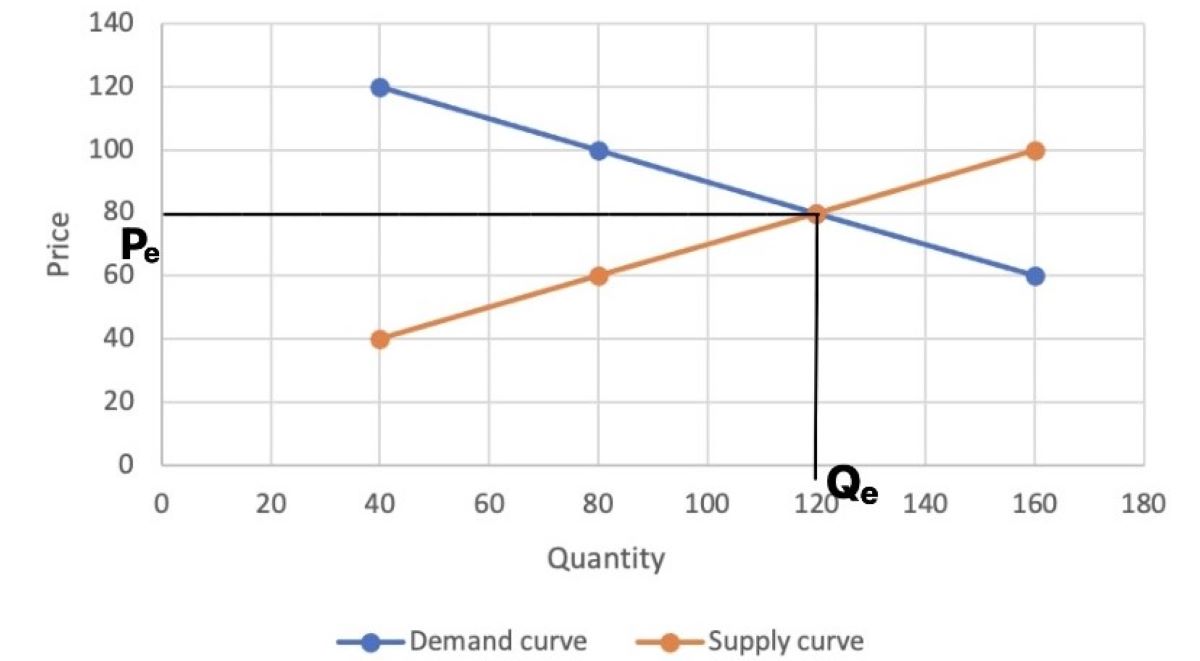
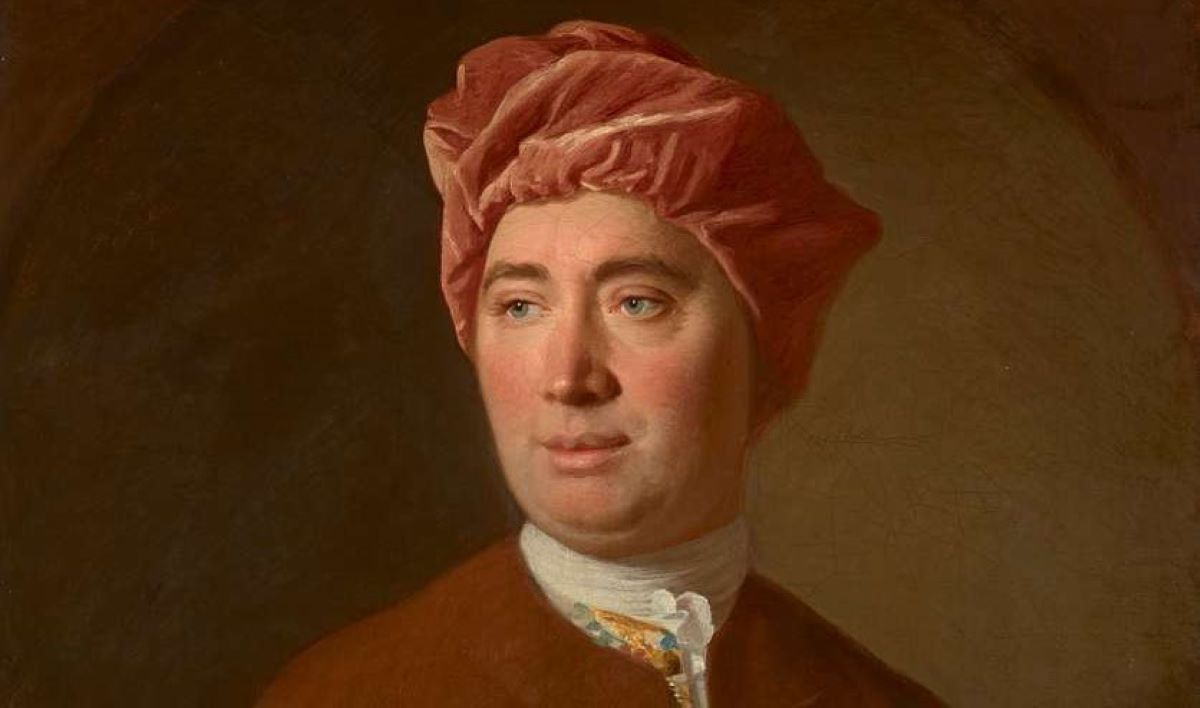

Phillip W. Magness and others · 2023

Vincent Geloso and others · 2023

Irakli Javakhishvili · Aug 01, 2023
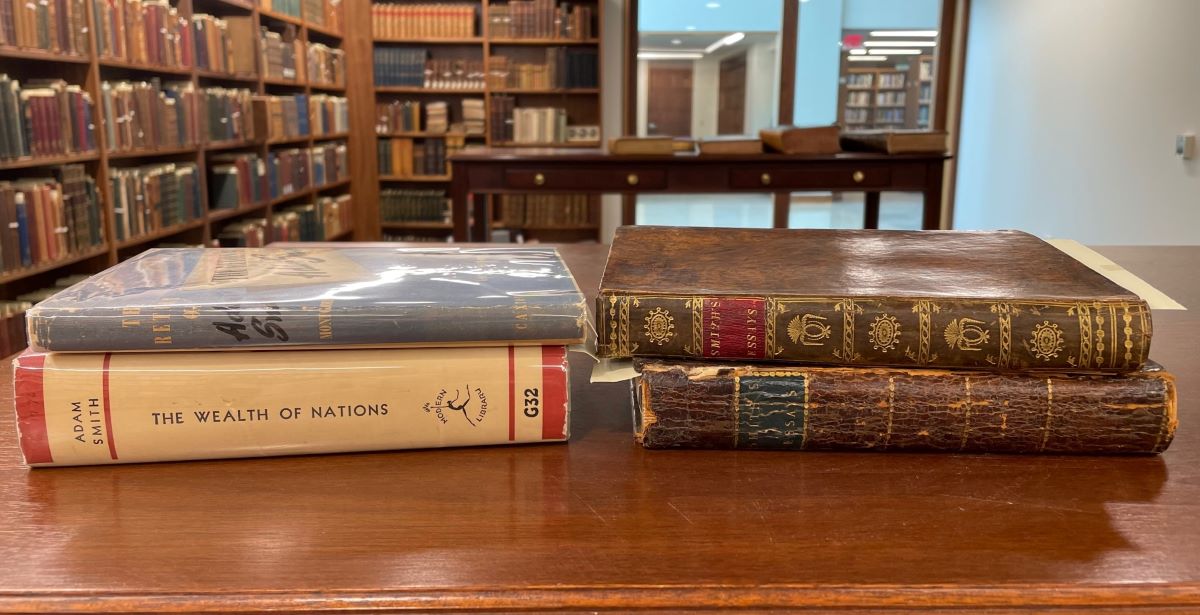
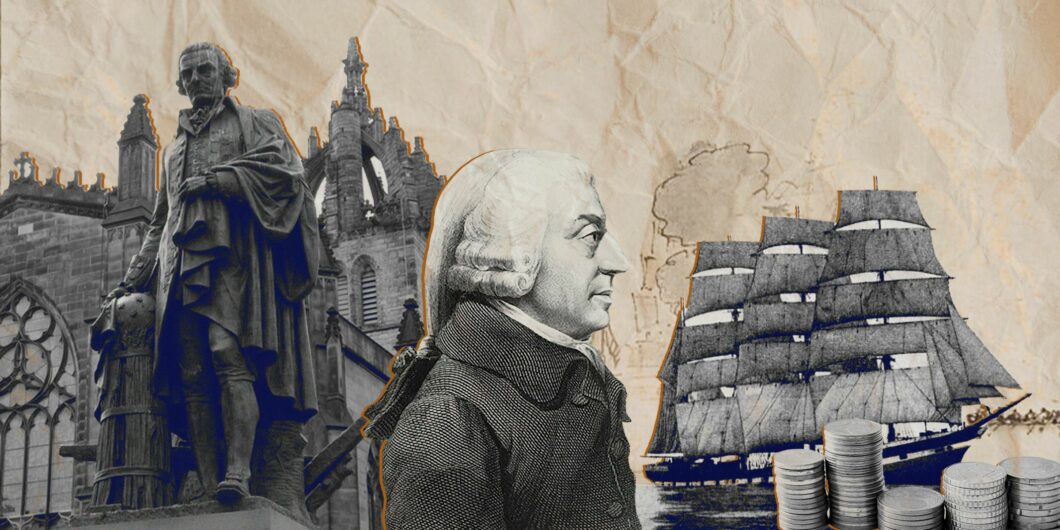
Vernon L. Smith and others · 2023
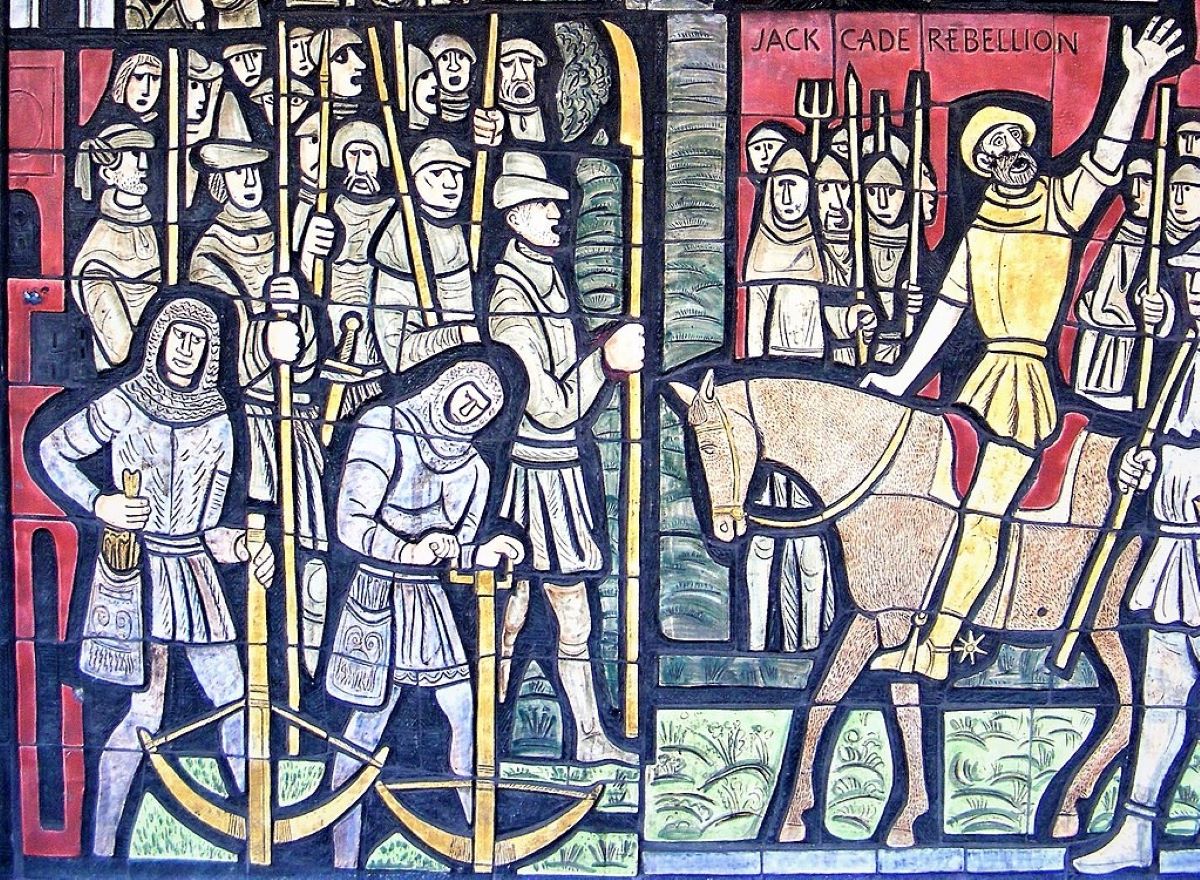

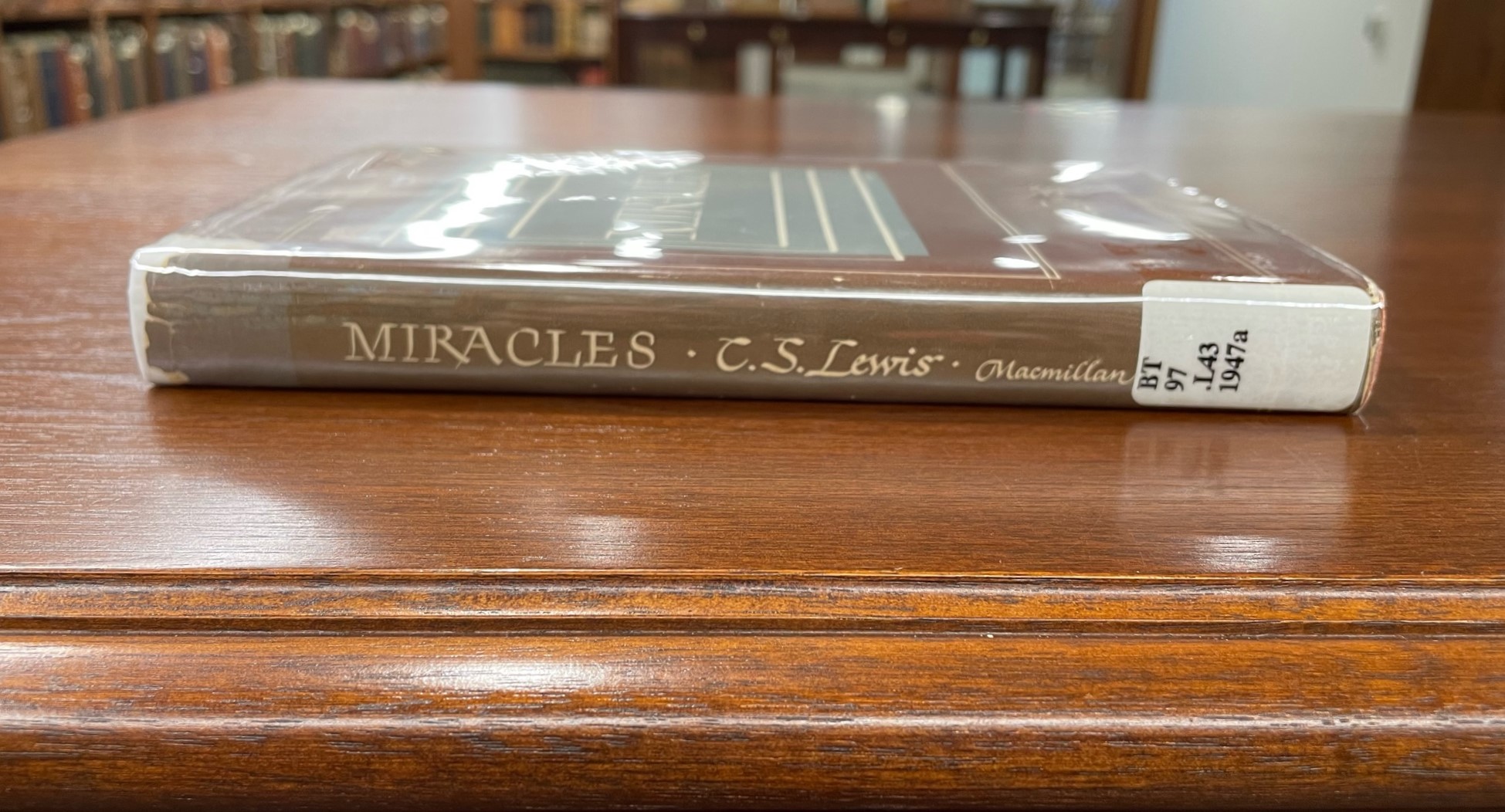
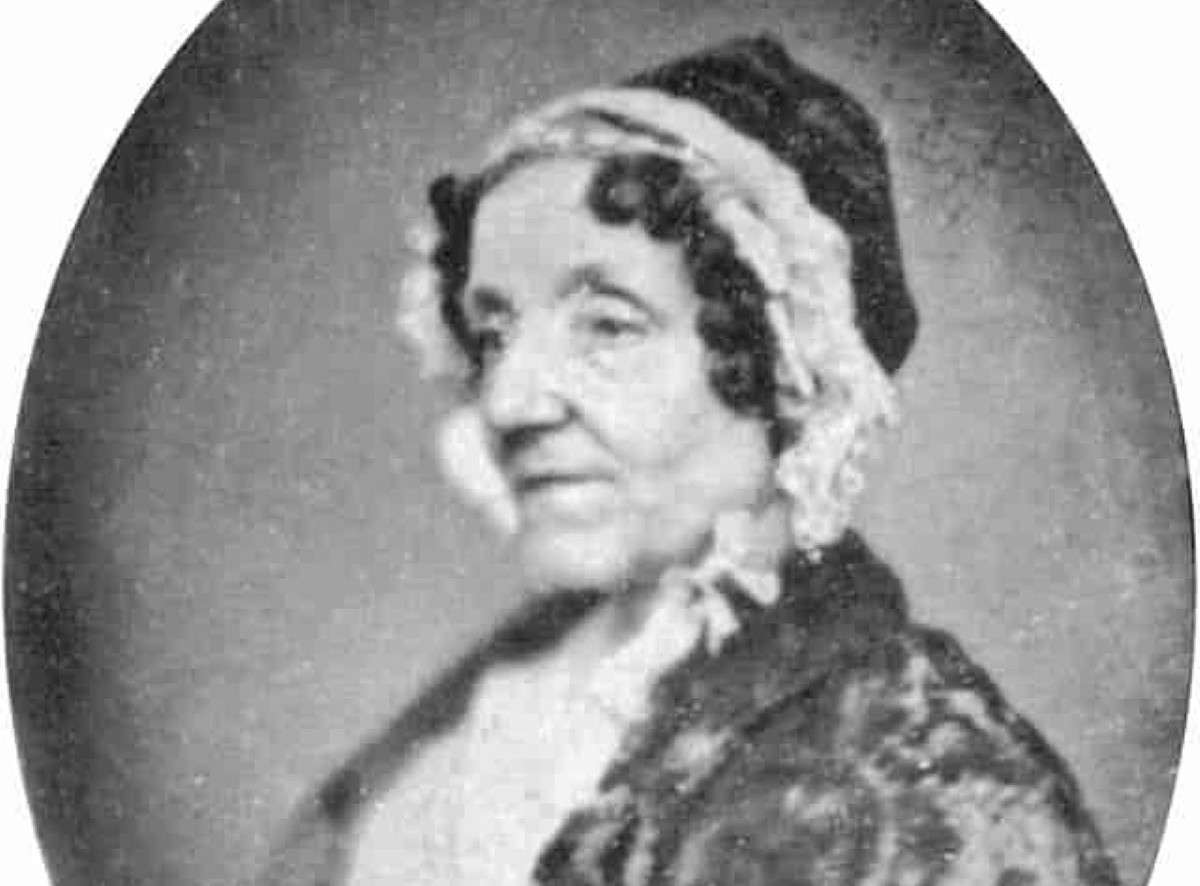
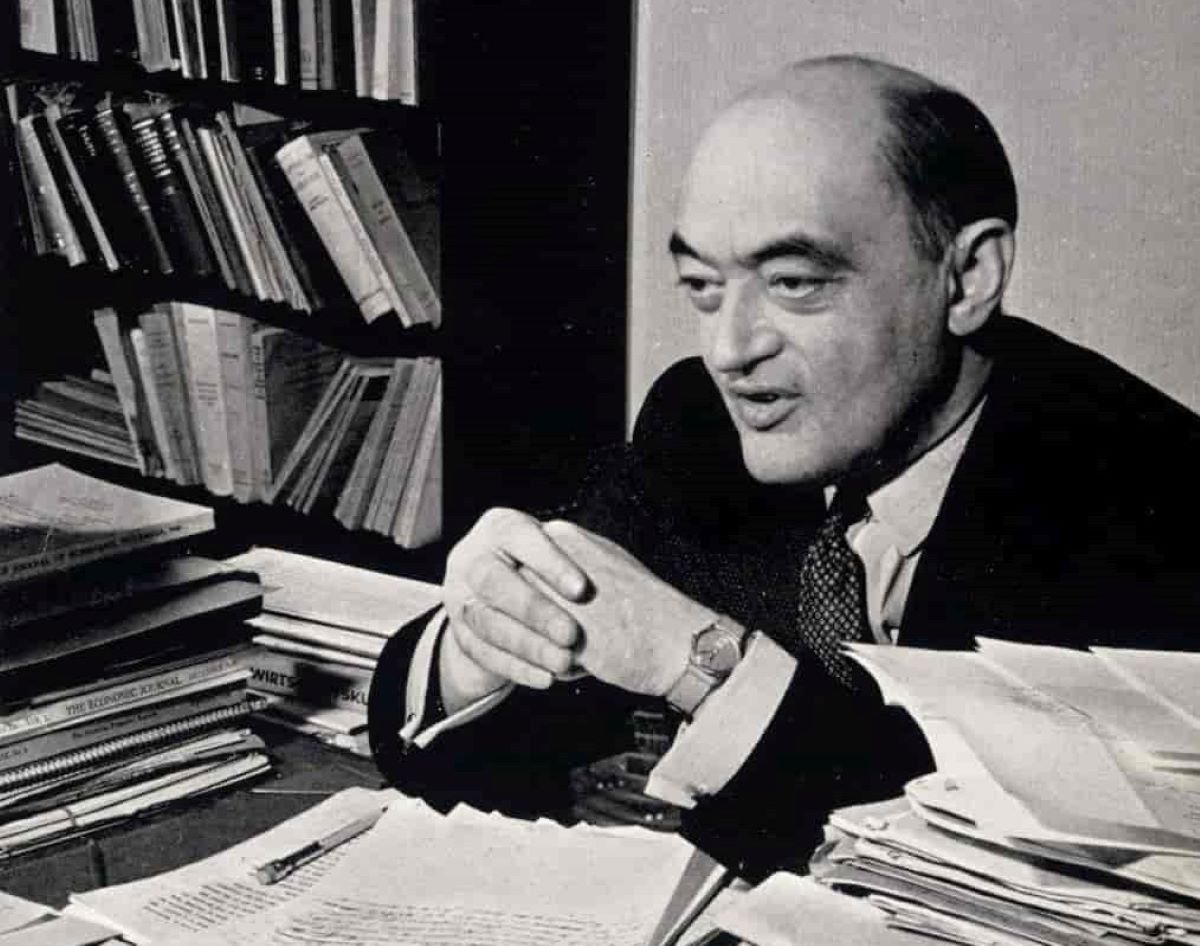

Giandomenica Becchio and others · 2023
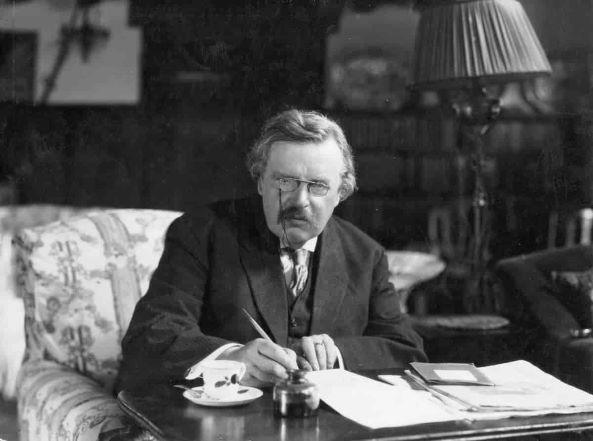






Virgil Henry Storr and others · 2022


Peter Carl Mentzel · May 30, 2022

Billy Christmas · May 03, 2022
Peter Carl Mentzel · Mar 22, 2022
Pierre Desrochers · Nov 15, 2021
Peter Carl Mentzel · Sep 26, 2021

Sarah Skwire · Sep 20, 2021
Caroline Breashears · Sep 08, 2021
James M. Buchanan · Mar 12, 2013
Jean-Baptiste Say · Mar 12, 2013

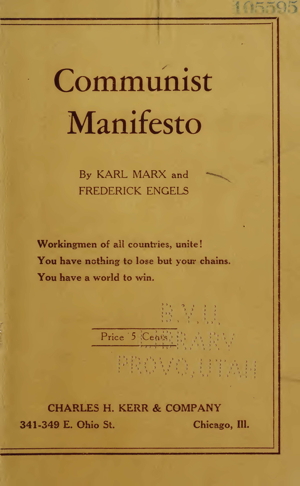

Passages on this subject, chosen by OLL editors.
Man naturally desires, not only to be loved, but to be lovely; or to be that thing which is the natural and proper object of love. He naturally dreads, not only to be hated, but to be hateful; or to be that thing which is the natural and proper object of hatred. He desires, not only praise, but praiseworthiness; or to be that thing which, though it should be praised by nobody, is, however, the natural and proper object of praise. He dreads, not only blame, but blame-worthiness; or to be that thing which, though it should be blamed by nobody, is, however, the natural and proper object of blame. (TMS III.ii.1)
This frugality and good conduct, however, is upon most occasions, it appears from experience, sufficient to compensate, not only the private prodigality and misconduct of individuals, but the public extravagance of government. The uniform, constant, and uninterrupted effort of every man to better his condition, the principle from which public and national, as well as private opulence is originally derived, is frequently powerful enough to maintain the natural progress of things towards improvement, in spite both of the extravagance of government and of the greatest errors of administration. Like the unknown principle of animal life, it frequently restores health and vigour to the constitution, in spite, not only of the disease, but of the absurd prescriptions of the doctor. (WN II.iii.31)
This division of labour, from which so many advantages are derived, is not originally the effect of any human wisdom, which foresees and intends that general opulence to which it gives occasion. It is the necessary, though very slow and gradual consequence of a certain propensity in human nature which has in view no such extensive utility; the propensity to truck, barter, and exchange one thing for another.
There may be good policy in retaliations of this kind, when there is a probability that they will procure the repeal of the high duties or prohibitions complained of. The recovery of a great foreign market will generally more than compensate the transitory inconveniency of paying dearer during a short time for some sorts of goods. To judge whether such retaliations are likely to produce such an effect, does not, perhaps, belong so much to the science of a legislator, whose deliberations ought to be governed by general principles which are always the same, as to the skill of that insidious and crafty animal, vulgarly called a statesman or politician, whose councils are directed by the momentary fluctuations of affairs. When there is no probability that any such repeal can be procured, it seems a bad method of compensating the injury done to certain classes of our people, to do another injury ourselves, not only to those classes, but to almost all the other classes of them.
(Wealth of Nations, Book IV, Chapter 2)
In the payment of the interest of the publick debt, it has been said, it is the right hand which pays the left. [52] The money does not go out of the country. It is only a part of the revenue of one set of the inhabitants which is transferred to another; and the nation is not a farthing the poorer. This apology is founded altogether in the sophistry of the mercantile system, and after the long examination which I have already bestowed upon that system, it may perhaps be unnecessary to say any thing further about it. It supposes, besides, that the whole publick debt is owing to the inhabitants of the country, which happens not to be true; the Dutch, as well as several other foreign nations, having a very considerable share in our publick funds. But though the whole debt were owing to the inhabitants of the country, it would not upon that account be less pernicious.
The sovereign himself can never have either interest or inclination to pervert the order of justice, or to oppress the great body of the people. In the capital his presence overawes more or less all his inferior officers, who in the remoter provinces, from whence the complaints of the people are less likely to reach him, can exercise their tyranny with much more safety.
In great empires the people who live in the capital, and in the provinces remote from the scene of action, feel, many of them scarce any inconveniency from the war; but enjoy, at their ease, the amusement of reading in the newspapers the exploits of their own fleets and armies. To them this amusement compensates the small difference between the taxes which they pay on account of the war, and those which they had been accustomed to pay in time of peace. They are commonly dissatisfied with the return of peace, which puts an end to their amusement, and to a thousand visionary hopes of conquest and national glory, from a longer continuance of the war.
The discipline of colleges and universities is in general contrived, not for the benefit of the students, but for the interest, or more properly speaking, for the ease of the masters. Its object is, in all cases, to maintain the authority of the master, and whether he neglects or performs his duty, to oblige the students in all cases to behave to him as if he performed it with the greatest diligence and ability. It seems to presume perfect wisdom and virtue in the one order, and the greatest weakness and folly in the other. Where the masters, however, really perform their duty, there are no examples, I believe, that the greater part of the students ever neglect theirs. No discipline is ever requisite to force attendance upon lectures which are really worth the attending, as is well known wherever any such lectures are given.
See also the extracts, chapters, and introductions in the Economics section of the Ideas page.
More material on Economics can be found at our sister website The Library of Economics and Liberty (Econlib). As its name suggests, it specializes in material relating to economics and includes over 120 titles of economic classics, monthly articles on economic topics from around the world, a blog for the discussion of economic ideas (EconLog), a collection of interviews and podcasts (EconTalk), resources for high school teachers of economics, and an Encyclopedia of Economics.

Economic theory. Demography
48 titles · 1 publication · 55 people
Economic theory. Demography
10 titles · 14 people
Socialism. Communism. Anarchism
4 titles · 16 people

Economic theory. Demography
6 titles · 30 publications · 28 people

Political Science
13 titles · 1 publication · 17 people

Language and Literature
17 titles · 3 publications · 40 people