


Author
Israel M. Kirzner
b. 1930
Israel Kirzner (b. 1930) is among the foremost scholars in the Austrian School of economic thought. He studied at the University of Cape Town, the University of London, and received his PhD studying under Ludwig von Mises at New York University where he taught for many years. One of his major areas of research concerns the role of entrepreneurship in economic activity.
Biography
See the Liberty Matters online discussion on Israel M. Kirzner on Competitive Behavior, Industrial Structure, and the Entrepreneurial Market Process
Read the Liberty Classics [What Makes Capitalism Tick?]Arnold Kling's (https://www.econlib.org/library/Columns/y2018/KlingKirzner.html), Adam Martin's What's the Economist's Point of View?, Steven Horwitz's Competition and Entrepreneurship: The Fountainhead of the Contemporary Austrian School, and Rosolino Candela's The Entrepreneurial Justice of the Market Process from Econlib
Watch the OLL Video The Intellectual Portrait Series: A Conversation with Israel Kirzner
Works by Israel M. Kirzner
5 titles in the library
Israel M. Kirzner · 1963
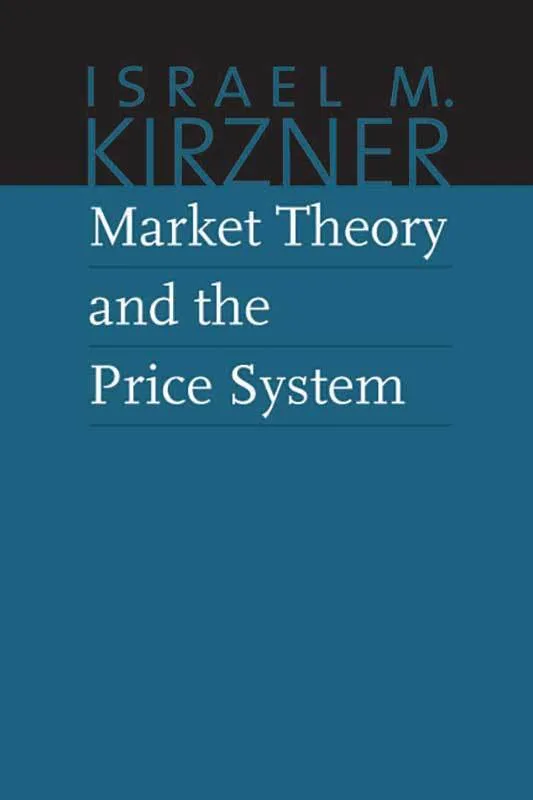
Market Theory and the Price System (2011)
The second volume in Liberty Fund’s The Collected Works of Israel M. Kirzner series, Market Theory and the Price System was published in 1963 as Kirzner’s only textbook. The basic aim of Market Theory is to utilize the…
Israel M. Kirzner · 1976
The Foundations of Modern Austrian Economics (1976)
A volume in the collection Studies in Economic Theory, first published by the Institute for Humane Studies. This is a collection of papers given at a conference on Austrian economics in June 1974. They cover the…
Israel M. Kirzner · 1960
The Economic Point of View (1976)
Kirzner’s The Economic Point of View is a thoughtful study of how and why economists are successful at sorting out certain issues but less successful at others, issues from welfare to wealth to human actions. Ludwig von…
Israel M. Kirzner · 2000
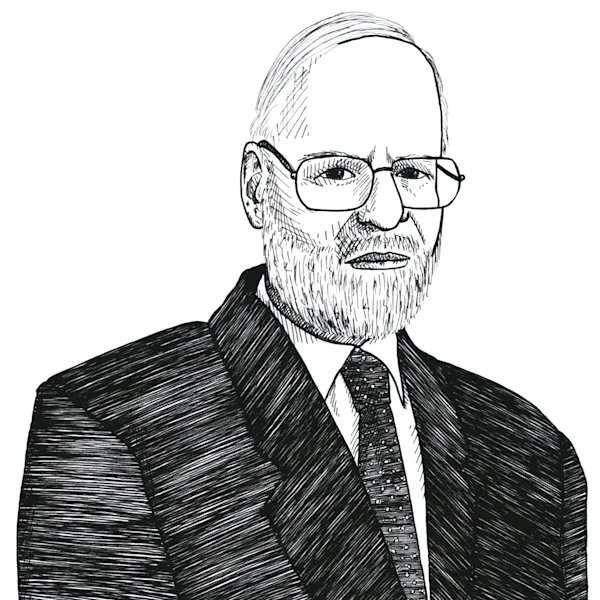
The Intellectual Portrait Series: A Conversation with Israel Kirzner
Israel Kirzner discusses the differences between Austrian Economics and neo-classical economics, his experiences as a student of Ludwig von Mises, and his careeer as a professor of economics at New York University.
Israel M. Kirzner · 1976
The Economics of Ludwig von Mises: Toward a Critical Reappraisal
A collection of papers from a Symposium on the economics of Mises held at the 44th meeting of the Southern Economics Association in Atlanta, Georgia on 15 November, 1974. There are articles by Laurence Moss, Fritz…
Quotes from Israel M. Kirzner
2 quotes from the library