


Author
James M. Buchanan
1919–2013
In 1986, James M. Buchanan (1919-2013) was awarded the Alfred Nobel Memorial Prize in Economic Sciences. Universally respected as one of the founders of the “public choice” school of economics, he authored numerous books and hundreds of articles in the areas of public finance, public choice, constitutional economics and economic philosophy.
Biography
He is best known for such works as The Calculus of Consent, The Limits of Liberty, The Power to Tax, and The Reason of Rules. Buchanan devoted himself to the study of the contractural and constitutional basis for the theory of economic and political decision making.
See the Liberty Matters online discussion of James Buchanan: An Assessment
Read the Liberty Classic Lessons and Challenges in The Limits of Liberty and What Should Economists Do? An Appreciation from Econlib
See also at our sister website Econlib:
- the Concise Encyclopedia of Economics entry on Buchanan
Watch the OLL Videos The Intellectual Portrait Series: A Conversation with James M. Buchanan (Part 1) and The Intellectual Portrait Series: A Conversation with James M. Buchanan (Part 2)
Works by James M. Buchanan
14 titles in the library
James M. Buchanan · 1985
The Collected Works of James M. Buchanan, Vol. 10 (The Reason of Rules)
Vol. 10 of The Collected Works. In his foreword, Robert D. Tollison identifies the main objective of Geoffrey Brennan and James M. Buchanan’s The Reason of Rules: ” . . a book-length attempt to focus the energies of…
James M. Buchanan · 1969
Cost and Choice: An Inquiry in Economic Theory, Vol. 6 of the Collected Works
Vol. 6 of The Collected Works. A short work in which Buchanan develops his ideas on opportunity cost. He takes an individualist and subjectivist perspective and attempts to integrate this into the orthodox classical and…
James M. Buchanan · 1968
The Collected Works of James M. Buchanan, Vol. 5. The Demand and Supply of Public Goods
Vol. 5 of The Collected Works. Originally given as a series of lectures at Cambridge University in 1961 and 1962, in The Demand and Supply of Public Goods Buchanan develops a theory of public-goods in which he compares…
Geoffrey Brennan · 1980
The Collected Works of James M. Buchanan, Vol. 9 (The Power to Tax)
Vol. 9 of The Collected Works. Originally published in 1980, The Power to Tax was a much-needed answer to the tax revolts sweeping across the United States. The public-choice approach to taxation which Buchanan had…
James M. Buchanan · 1975
The Collected Works of James M. Buchanan, vol. 7 (The Limits of Liberty)
Vol. 7 of The Collected Works. The Limits of Liberty made James Buchanan’s name more widely known than ever before among political philosophers and theorists and established Buchanan, along with John Rawls and Robert…
James M. Buchanan · 1967
The Collected Works of James M. Buchanan, Vol. 4. Public Finance in Democratic Process
Vol. 4 of The Collected Works. Public Finance in Democratic Process outlines the dynamics of individual choice as it is displayed in the process of public finance. The underlying principles of this seminal work are: an…
James M. Buchanan · 1977
Democracy in Deficit: The Political Legacy of Lord Keynes
Vol. 8 of The Collected Works. Democracy in Deficit is one of the early comprehensive attempts to apply the basic principles of public-choice analysis to macroeconomic theory and policy. The book serves to bolster…
James M. Buchanan · 1958
The Collected Works of James M. Buchanan. Vol. 2 Public Principles of Public Debt
Vol. 2 of The Collected Works. One of James M. Buchanan’s most important and influential books which is based on the then (1958) radical idea that the burden of debt is not borne by the current generation, but is…
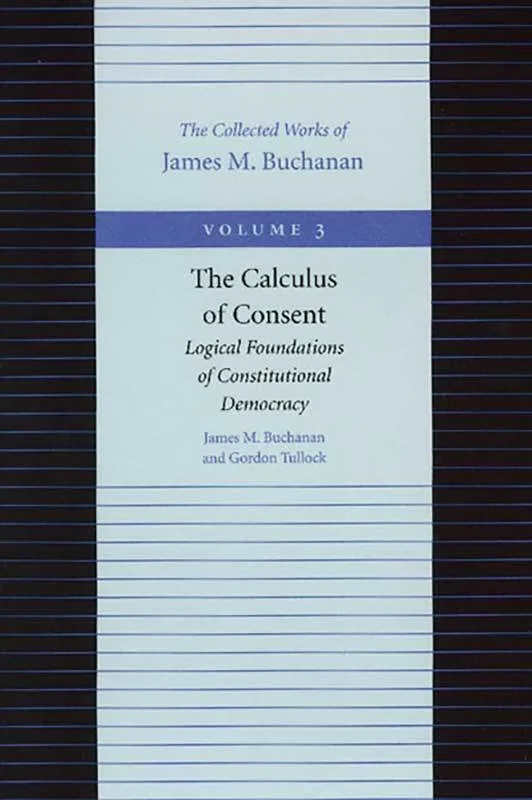
James M. Buchanan · 1962
The Calculus of Consent: Logical Foundations of Constitutional Democracy
Vol. 3 of The Collected Works. The Calculus of Consent, is a ground-breaking economic classic written by two of the world’s preeminent economists - Gordon Tullock and Nobel Laureate James M. Buchanan. This book is a…
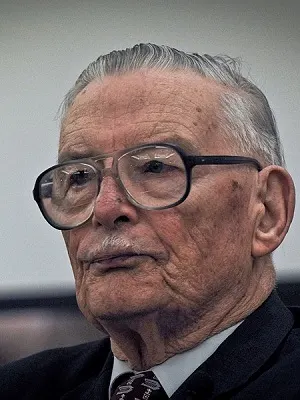
James M. Buchanan · 2001
The Intellectual Portrait Series: A Conversation with James M. Buchanan (Part 2)
The Nobel Prize winning economist, James M. Buchanan, discusses in part 2 of a two part conversation, the work ethic, the logic of free markets, subjectivism, anarchy, federalism, the influence of philosophy, and the…

James M. Buchanan · 2000
The Legacy of Friedrich von Hayek, vol. 7 Morality and Community
The 7th lecture in a collection of 7 lectures which were given between October 7 and November 13 1999 to celebrate the 100th anniversary of the birth of the Austrian economist Friedrich von Hayek.
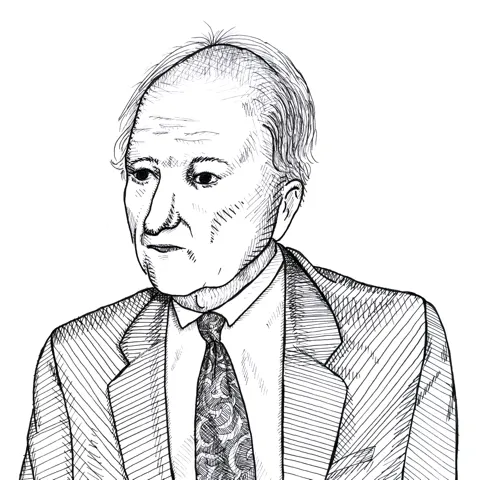
Gary S. Becker · 2000
The Legacy of Friedrich von Hayek, 7 vols.
This is a collection of 7 lectures which were given between October 7 and November 13 1999 to celebrate the 100th anniversary of the birth of the Austrian economist Friedrich von Hayek. The lecture series was sponsored…
James M. Buchanan · 2001
The Intellectual Portrait Series: A Conversation with James M. Buchanan (Part 1)
The Nobel Prize winning economist, James M. Buchanan, discusses in part 1 of a two part conversation, the theory of public choice, his exchange theory of economics, and constitutional thought. Watch the video and…

James M. Buchanan · 1999
The Collected Works of James M. Buchanan in 20 vols.
The Collected Works of James M. Buchanan is a twenty-volume series published by Liberty Fund that includes ten monographs and all of the important journal articles, papers, and essays that Buchanan has produced in a…
Edited by James M. Buchanan
1 title in the library
Quotes from James M. Buchanan
2 quotes from the library