

H.B. Acton
1908–1974
H.B. Acton (1908-1974) taught at Bedford College (London), the University of Edinburgh, and the University of Chicago; was editor of…


Language and Literature
372 items in this collection
The following titles are works published by Liberty Fund which are also available online. A full list of titles published by Liberty Fund can be found in our online catalog.
In this collection
282 titles, earliest first.
Sir Edward Coke · 1593
Vol. 3 of a 3 vol. set of The Selected Writings. This volume contains Coke’s speech in Parliament (including the Petition of Right), a number of official acts related to Coke’s career, and other matters.
Sir Edward Coke · 1600
Vol. 1 of a 3 vol. set of The Selected Writings. This volume contains a long introduction by the editor and 13 parts of the Reports.
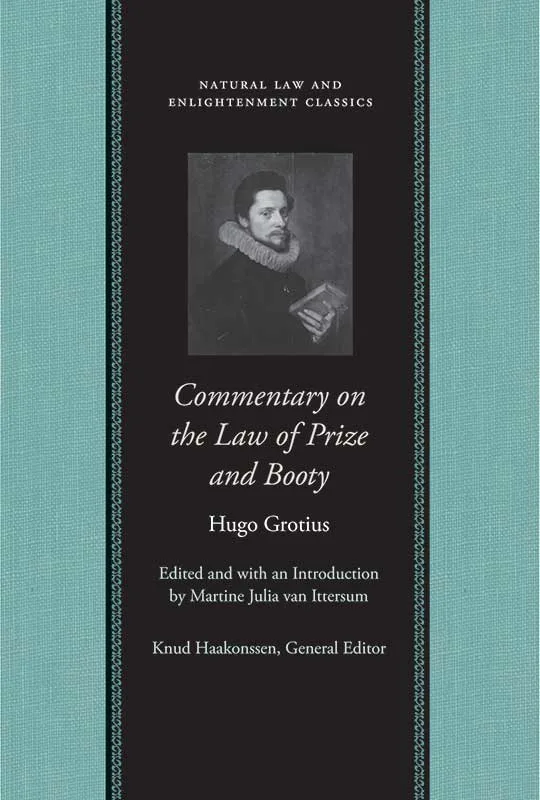
Hugo Grotius · 1603
Commentary on the Law of Prize and Booty was written in justification of the capture of the Portuguese merchantman Santa Catarina in the Strait of Singapore in February 1603. The Liberty Fund edition is based on the one…
Sir Edward Coke · 1606
Vol. 2 of a 3 vol. set of The Selected Writings. This volume contains Coke’s Speech at Norwich, excerpts from the small treatises, and excerpts from the 4 parts of the Institutes.
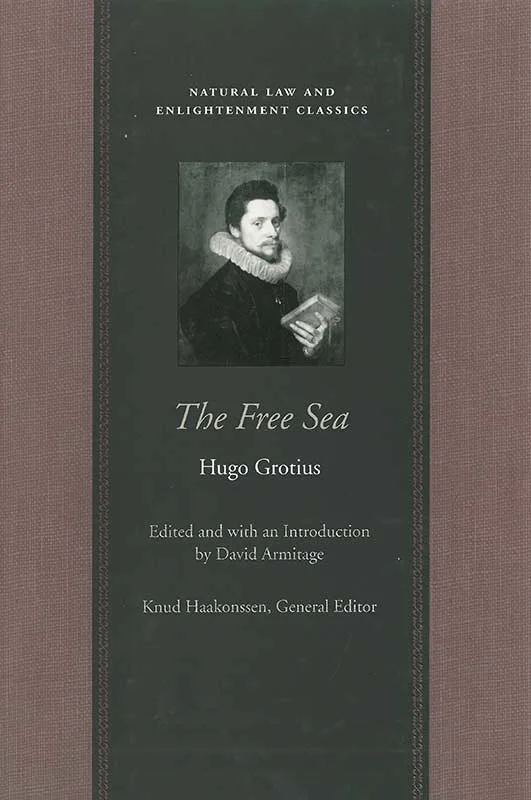
Hugo Grotius · 1609
Grotius’s influential argument in favor of freedom of navigation, trade, and fishing in Richard Hakluyt’s translation. The book also contains William Welwod’s critque and Grotius’s reply to Welwod.
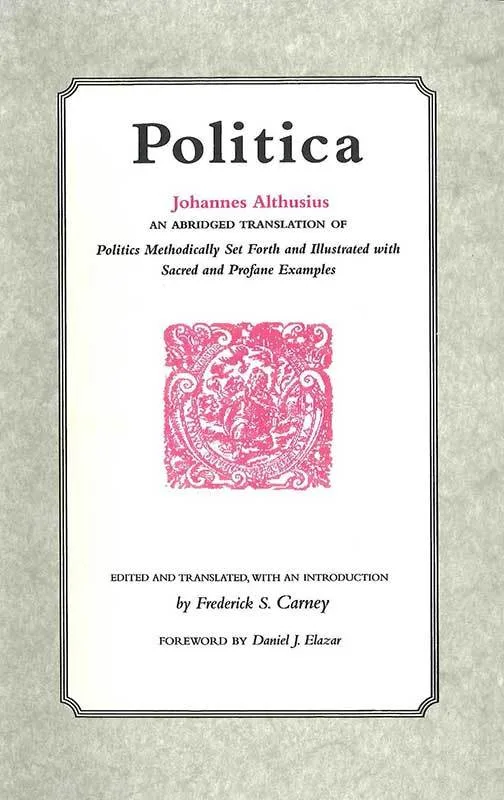
Johannes Althusius · 1614
Politica presents a unique vision of the commonwealth as a harmonious ordering of natural associations. According to Althusius, power and authority grow from more local to more general associations. Of particular…
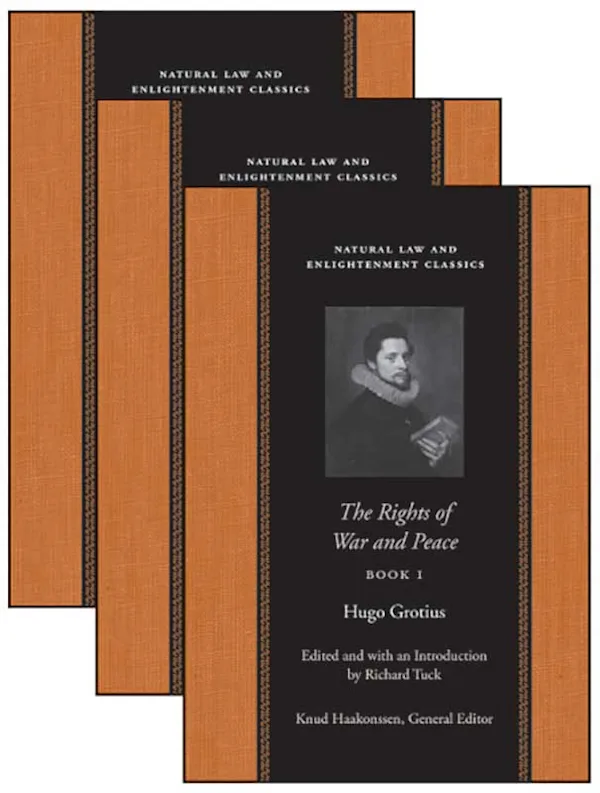
Hugo Grotius · 1625
Grotius’s Rights of War and Peace is a classic of modern public international law which lays the foundation for a universal code of law and which strongly defends the rights of individual agents - states as well as…
Hugo Grotius · 1625
Grotius’s Rights of War and Peace is a classic of modern public international law which lays the foundation for a universal code of law and which strongly defends the rights of individual agents - states as well as…
Hugo Grotius · 1625
Grotius’s Rights of War and Peace is a classic of modern public international law which lays the foundation for a universal code of law and which strongly defends the rights of individual agents - states as well as…
Hugo Grotius · 1625
Grotius’s Rights of War and Peace is a classic of modern public international law which lays the foundation for a universal code of law and which strongly defends the rights of individual agents - states as well as…
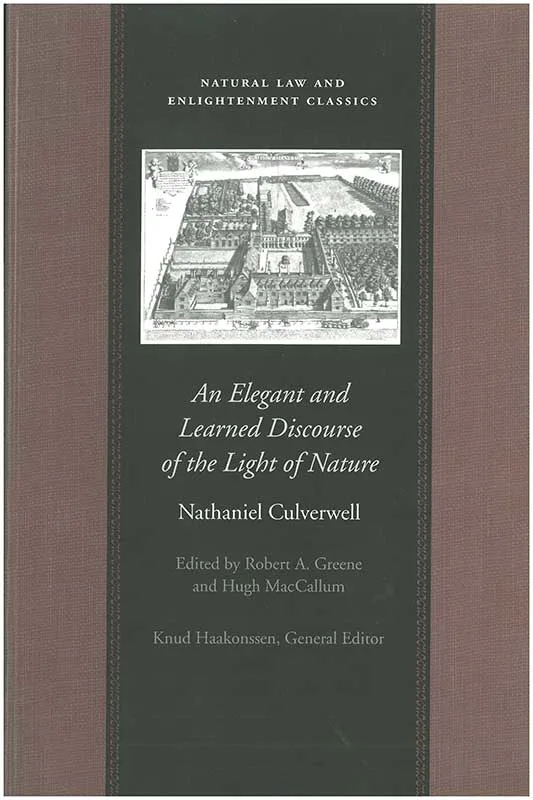
Nathaniel Culverwell · 1652
An Elegant and Learned Discourse of the Light of Nature is a concerted effort to find a middle way between the two extremes that dominated the religious dispute of the English civil war in the seventeenth century.…
Marchamont Nedham · 1656
First published in 1656, The Excellencie of a Free-State addressed a dilemma in English politics, namely, what kind of government should the Commonwealth adopt? One possibility was to revert to the ancient constitution…
Samuel von Pufendorf · 1660
This was Pufendorf’s first work, published in 1660. Its appearance inaugurated the modern natural-law movement in the German-speaking world. The work also established Pufendorf as a key figure and laid the foundations…
Henry Neville · 1668
In late 1667 or early 1668, after he had returned to England from a second trip to Italy, Neville wrote the first of the two works on which his reputation now rests. The Isle of Pines (1668) is at initial glance a…
William Penn · 1670
This volume illuminates the origins and development of Penn’s thought by presenting complete and annotated texts of all his important political works. Penn’s early political writings illuminate the Whig understanding of…
Richard Cumberland · 1672
A Treatise of the Laws of Nature, first appeared in 1672 as a theoretical response to a range of issues that came together during the late 1660s. It argued that science might offer an effective means of demonstrating…
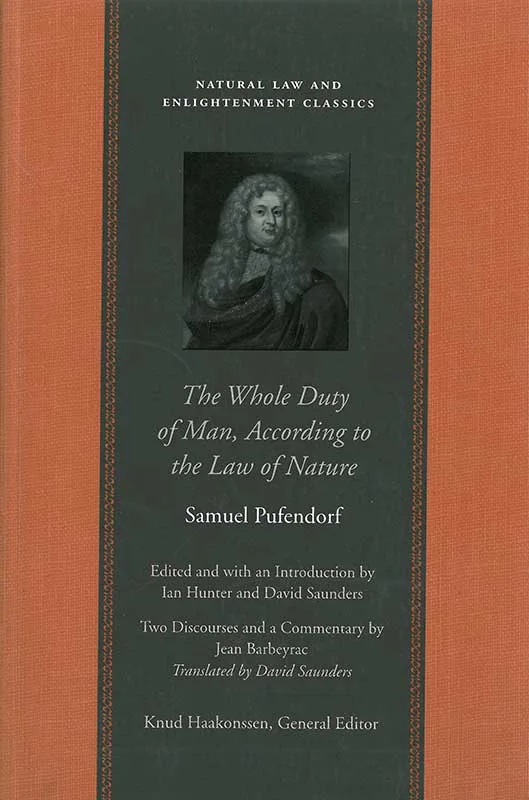
Samuel von Pufendorf · 1673
The Whole Duty of Man (first published in Latin in 1673), was among the first works to suggest a purely conventional basis for natural law. Rejecting scholasticism’s metaphysical theories, Pufendorf found the source of…
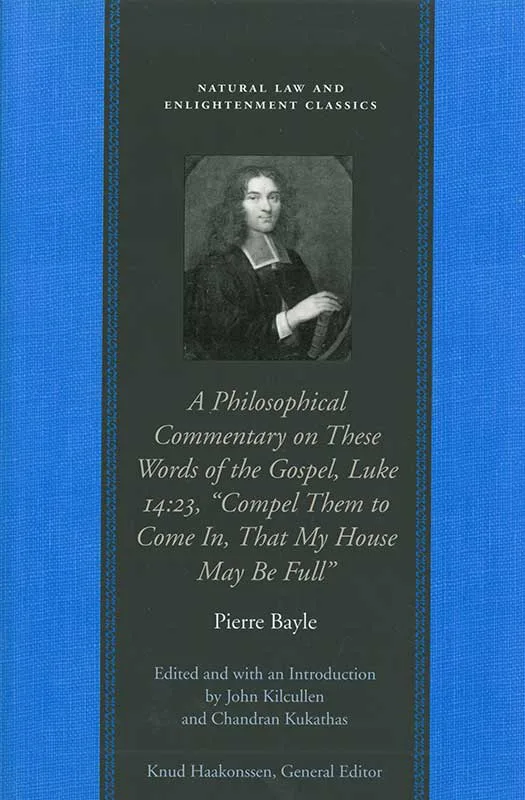
Pierre Bayle · 1686
In this defence of religious toleration, Bayle discusses the words attributed to Jesus Christ in Luke 14:23, “And the Lord said unto the servant, Go out into the highways and hedges, and compel them to come in, that my…
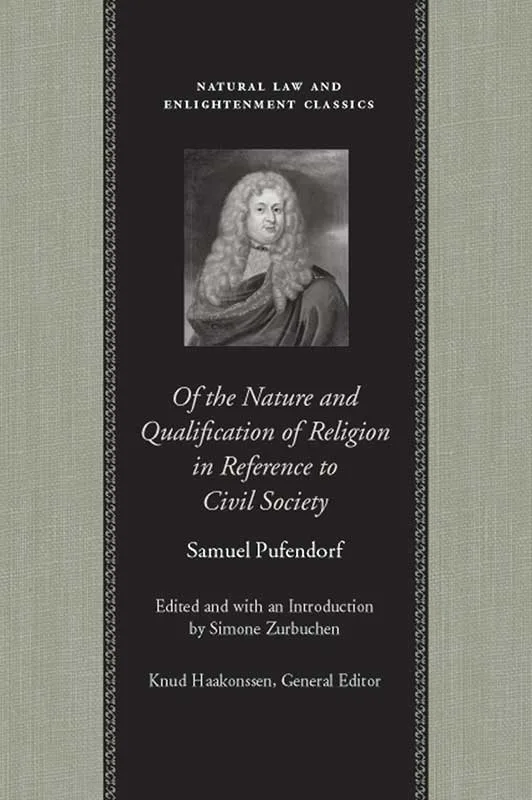
Samuel von Pufendorf · 1687
In this work Pufendorf argues for the separation of politics and religion. Written in response to the revocation of the Edict of Nantes by the French king, Louis XIV, Pufendorf contests the right of the sovereign to…
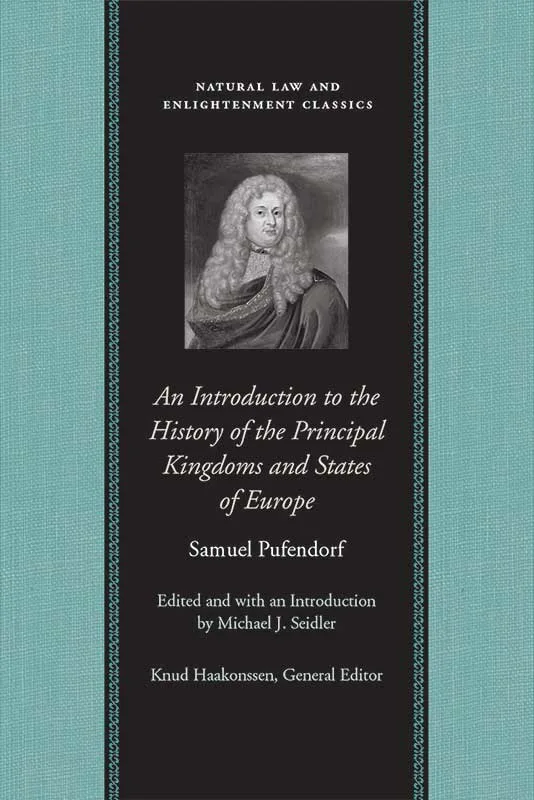
Samuel von Pufendorf · 1695
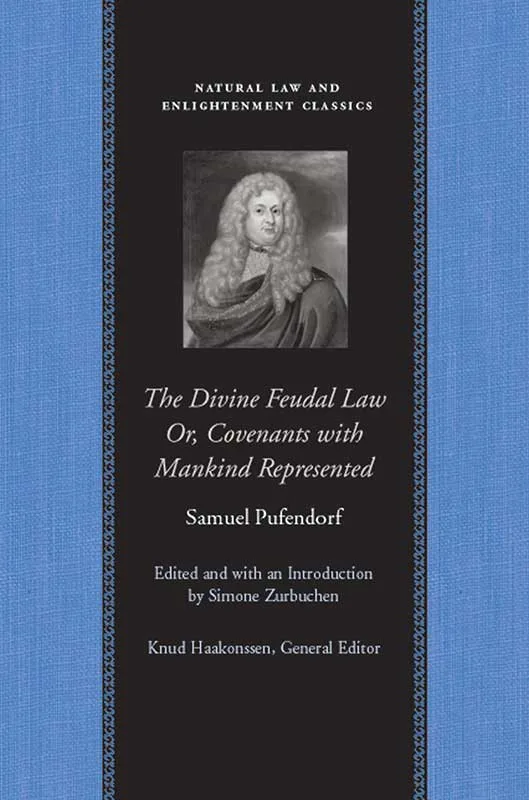
Samuel von Pufendorf · 1695
The Divine Feudal Law sets forth Pufendorf’s basis for the reunion of the Lutheran and Calvinist confessions. This attempt to seek a “conciliation” between the confessions complements the concept of toleration discussed…
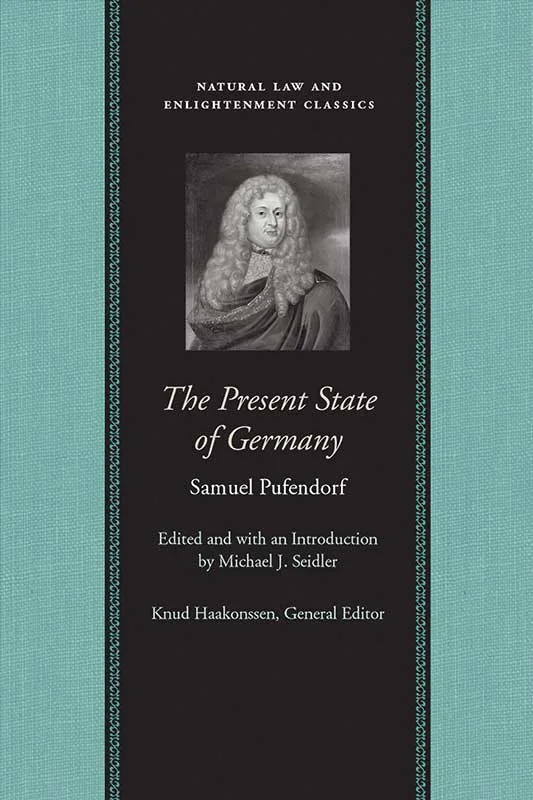
Samuel von Pufendorf · 1696
The editor of this volume, Michael J. Seidler, describes this work of Pufendorf as “an account of German constitutional law detailing the historical relations between the Emperor and the Estates as well as an…
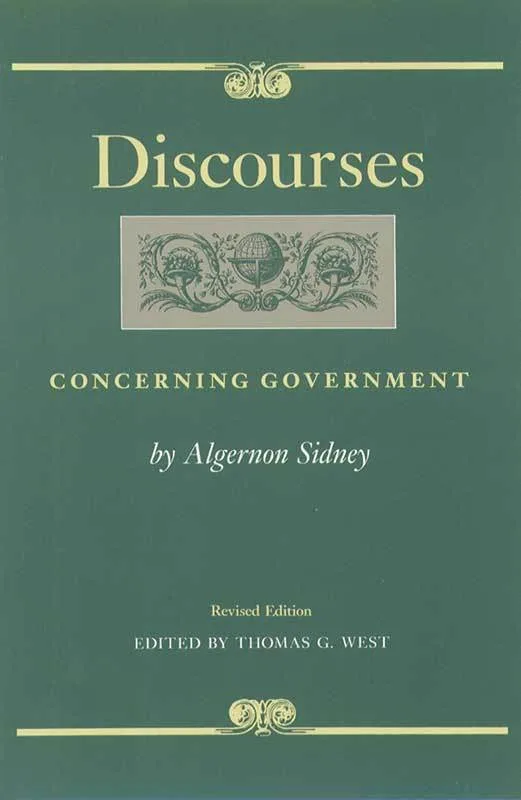
Algernon Sidney · 1698
Written in response to Sir Robert Filmer’s Patriarcha (1680), the Discourses Concerning Government is a classic defense of republicanism and popular government. Sidney rejected Filmer’s theories of royal absolutism and…
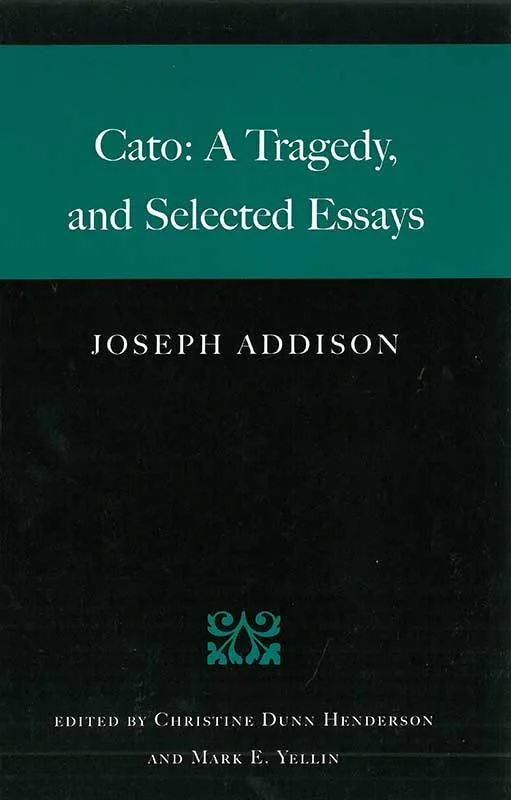
Joseph Addison · 1710
First produced in 1713, Cato, A Tragedy inspired generations toward a pursuit of liberty. Liberty Fund’s new edition of Cato: A Tragedy, and Selected Essays brings together Addison’s dramatic masterpiece along with a…
Thomas Gordon · 1724
Volume 1 of a four volumes in 2 set. Almost a generation before Washington, Henry, and Jefferson were even born, two Englishmen, concealing their identities with the honored ancient name of Cato, wrote newspaper…
Thomas Gordon · 1724
Volume 2 of a four volumes in 2 set. Almost a generation before Washington, Henry, and Jefferson were even born, two Englishmen, concealing their identities with the honored ancient name of Cato, wrote newspaper…
Thomas Gordon · 1724
Volume 3 of a four volumes in 2 set. Almost a generation before Washington, Henry, and Jefferson were even born, two Englishmen, concealing their identities with the honored ancient name of Cato, wrote newspaper…
Thomas Gordon · 1724
Volume 4 of a four volumes in 2 set. Almost a generation before Washington, Henry, and Jefferson were even born, two Englishmen, concealing their identities with the honored ancient name of Cato, wrote newspaper…
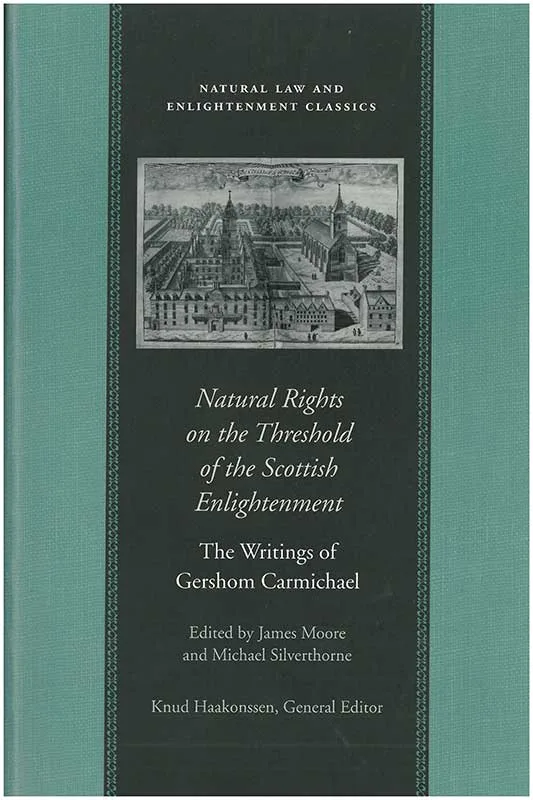
Gershom Carmichael · 1724
Carmichael was a Scottish jurist and philosopher who became the first Professor of Moral Philosophy at the University of Glasgow in 1727. His writings on natural rights theory, theology, and logic were very influential.
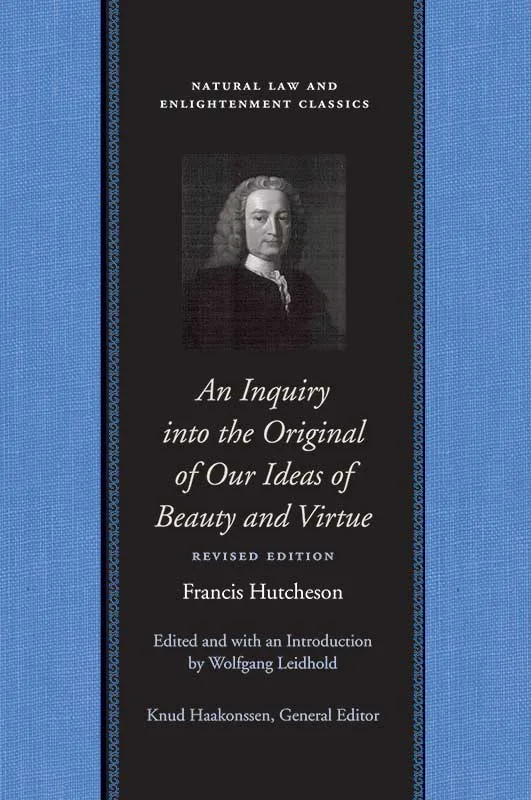
Francis Hutcheson · 1726
A seminal text of the Scottish Enlightenment which was written as a critical response to the work of Bernard Mandeville and as a defense of the ideas of Anthony Ashley Cooper, Lord Shaftesbury. It consists of two…
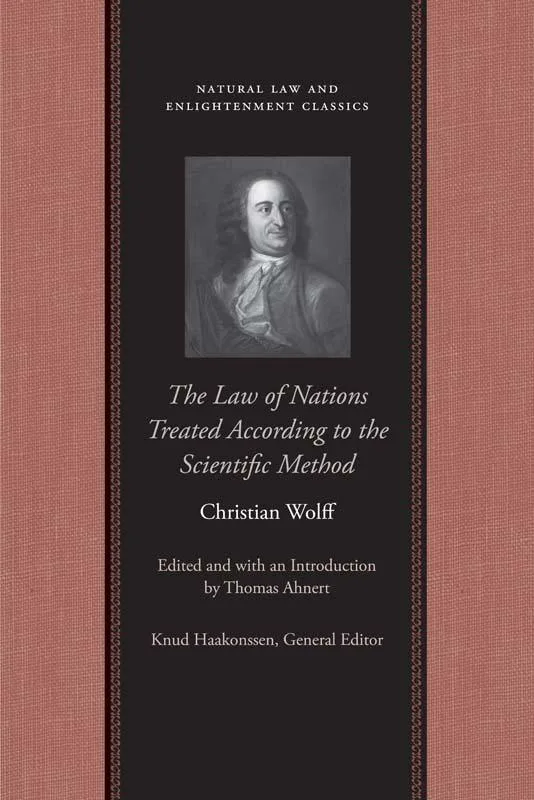
Christian Wolff · 1729
Christian Wolff’s The Law of Nations is a cornerstone of eighteenth-century thought. A treatise on the philosophy of human action, on the foundations of political communities, and on international law, it influenced…
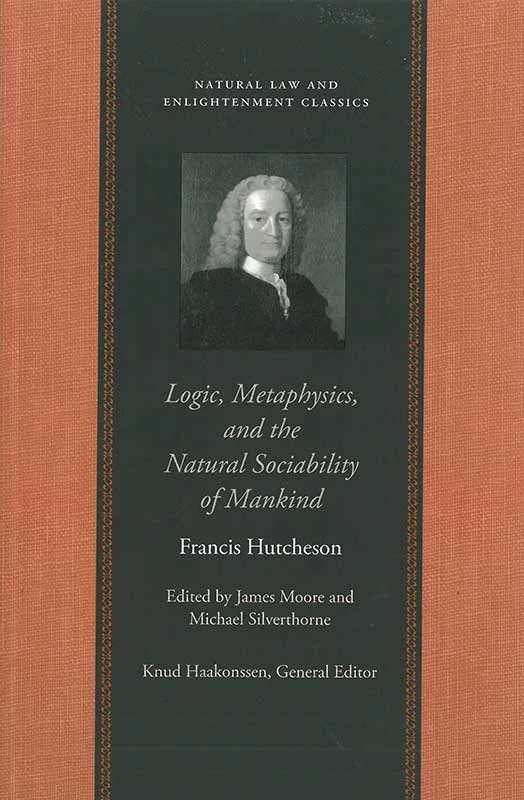
Francis Hutcheson · 1730
Until the publication of this Liberty Fund edition, all but one of the works contained in Logic, Metaphysics, and the Natural Sociability of Mankind were available only in Latin. In the words of the editors:…
Bernard Mandeville · 1732
Mandeville is a witty satirist who used a poem to make the profound economic point that “private vices” (or self-interest) lead to “publick benefits” (such as orderly social structures like law, language, and markets).
Bernard Mandeville · 1732
Mandeville is a witty satirist who used a poem to make the profound economic point that “private vices” (or self-interest) lead to “publick benefits” (such as orderly social structures like law, language, and markets).
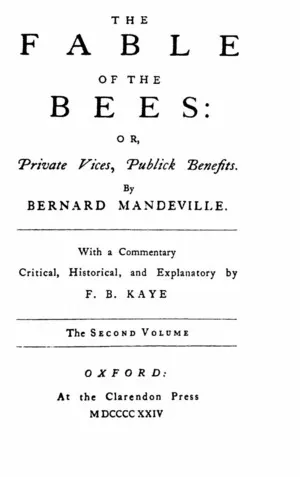
Bernard Mandeville · 1732
Mandeville is a witty satirist who used a poem to make the profound economic point that “private vices” (or self-interest) lead to “publick benefits” (such as orderly social structures like law, language, and markets).

Anthony Ashley Cooper, Earl of Shaftesbury · 1737
The Liberty Fund edition of Characteristicks presents the complete 1732 text of this classic work of philosophy and political theory. Also included are faithful reproductions of the stirring engravings that Shaftesbury…
Anthony Ashley Cooper, Earl of Shaftesbury · 1737
The Liberty Fund edition of Characteristicks presents the complete 1732 text of this classic work of philosophy and political theory. Also included are faithful reproductions of the stirring engravings that Shaftesbury…
Anthony Ashley Cooper, Earl of Shaftesbury · 1737
The Liberty Fund edition of Characteristicks presents the complete 1732 text of this classic work of philosophy and political theory. Also included are faithful reproductions of the stirring engravings that Shaftesbury…
Anthony Ashley Cooper, Earl of Shaftesbury · 1737
The Liberty Fund edition of Characteristicks presents the complete 1732 text of this classic work of philosophy and political theory. Also included are faithful reproductions of the stirring engravings that Shaftesbury…
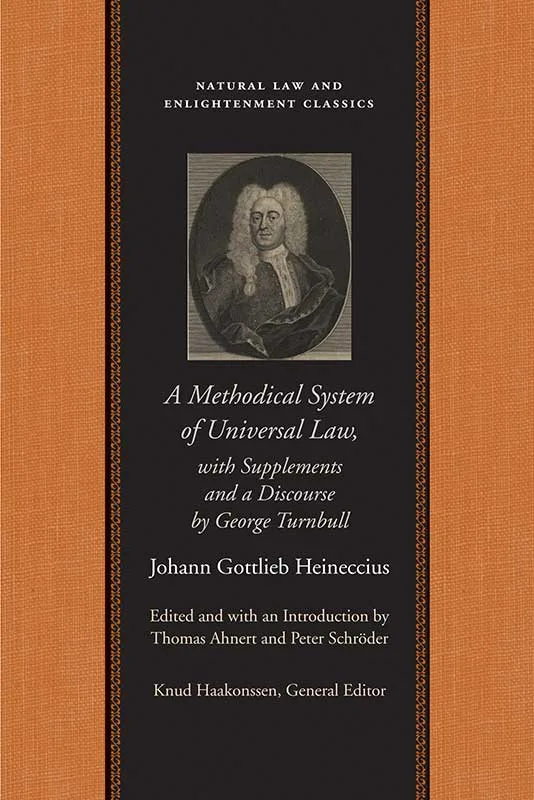
Johann Gottlieb Heineccius · 1738
The natural law theory of Johann Gottlieb Heineccius was one of the most influential to emerge from the early German Enlightenment. Heineccius continued and, in important respects, modified the ideas of his…
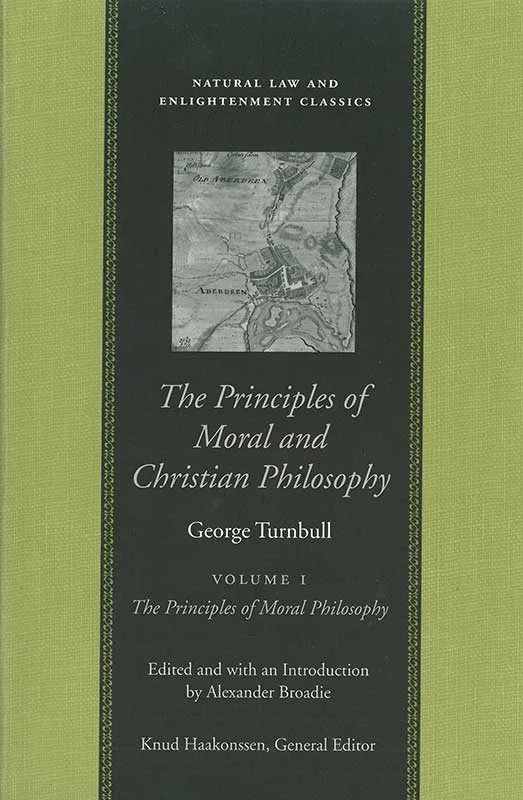
George Turnbull · 1740
The Principles of Moral and Christian Philosophy presents the first masterpiece of Scottish Common Sense philosophy. This two-volume treatise is important for its wide range of insights about the nature of the human…
George Turnbull · 1740
The Principles of Moral and Christian Philosophy presents the first masterpiece of Scottish Common Sense philosophy. This two-volume treatise is important for its wide range of insights about the nature of the human…
George Turnbull · 1740
The Principles of Moral and Christian Philosophy presents the first masterpiece of Scottish Common Sense philosophy. This two-volume treatise is important for its wide range of insights about the nature of the human…
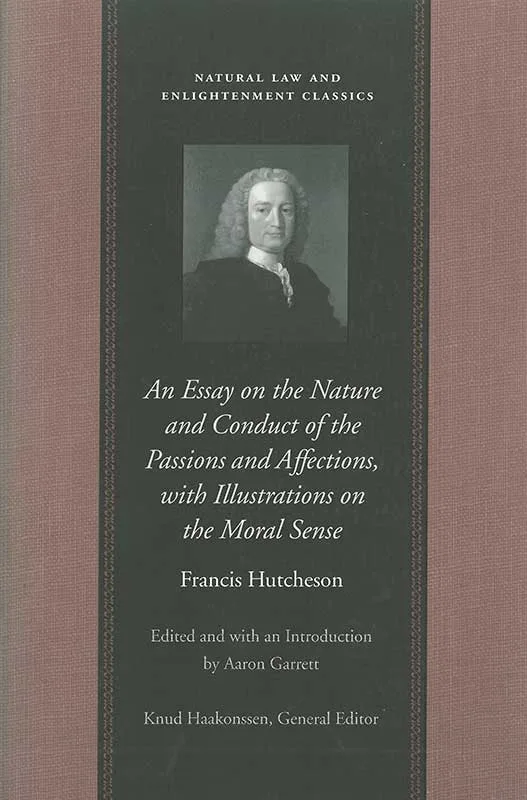
Francis Hutcheson · 1742
The first half of the work presents a rich moral psychology built on a theory of the passions and an account of motivation deepening and augmenting the doctrine of moral sense developed in the Inquiry. The second half…
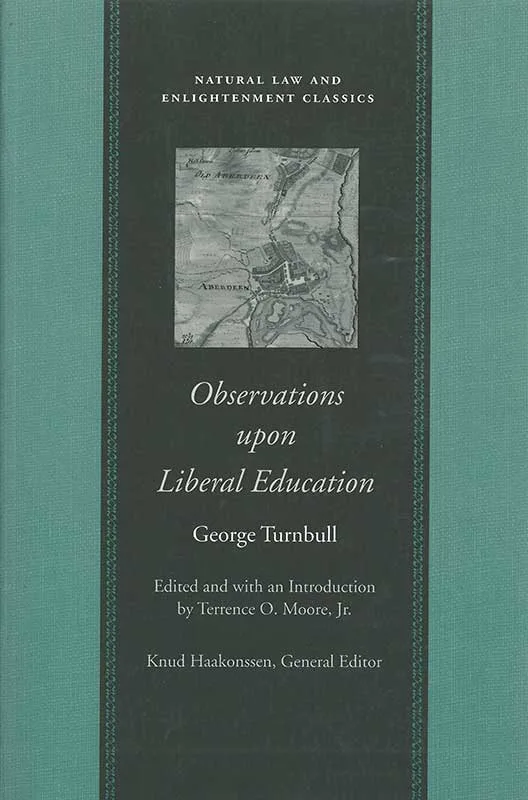
George Turnbull · 1742
Turnbull was the first member of the Scottish Enlightenment to provide a formal treatise on the theory and practice of education. He applied his ideas on the moral sense to the education of youth. Turnbull showed how a…
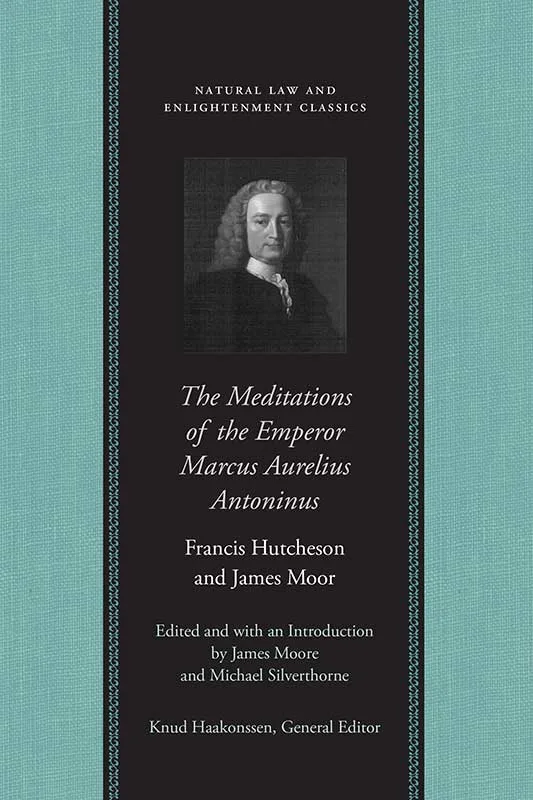
Marcus Aurelius Antoninus · 1742
This influential classical work offers a vision of a universe governed by a natural law that obliges us to love mankind and to govern our lives in accordance with the natural order of things. Editors Hutcheson and Moor…
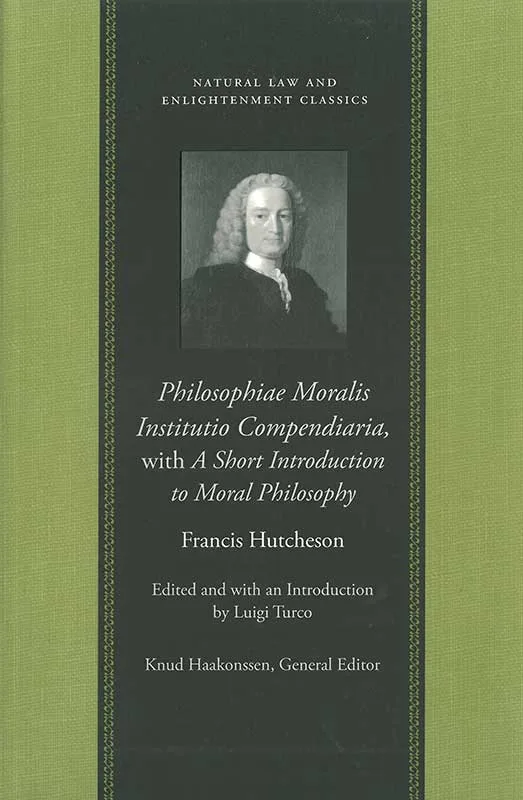
Francis Hutcheson · 1747
This Liberty Fund publication of Philosophiae Moralis Institutio Compendiaria is a parallel edition of the English and Latin versions of a book designed by Hutcheson for use in the classroom.
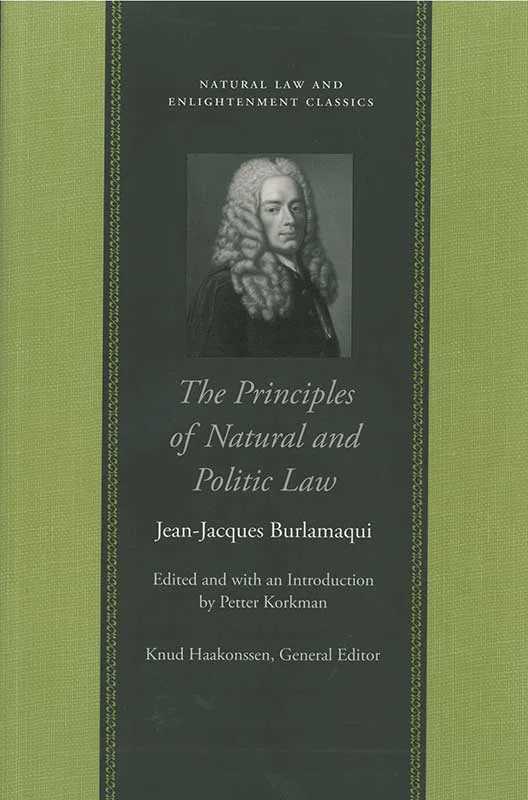
Jean-Jacques Burlamaqui · 1747
The basis of this version of The Principles of Natural and Politic Law is Thomas Nugent’s 1763 English translation. The first scholarly work on Burlamaqui was written by an American, M. Ray Forrest Harvey, who in 1937…
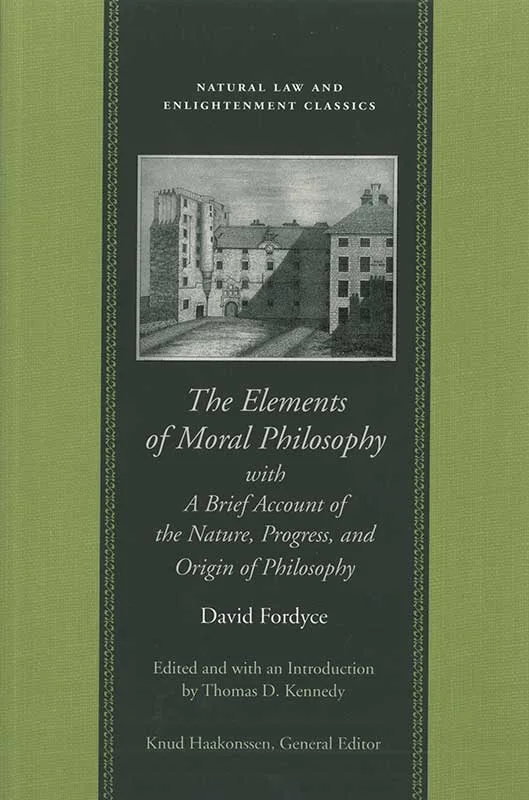
David Fordyce · 1754
Fordyce’s Elements of Moral Philosophy was a notable contribution to the curriculum in moral philosophy and was one of the most widely circulated texts in moral philosophy in the second half of the eighteenth century.
Edmund Burke · 1756
Edmund Burke’s first work, originally issued anonymously in 1756 as a letter attributed to “a late noble writer.” The Vindication is a political and social satire ridiculing the popular enlightenment notion of a…
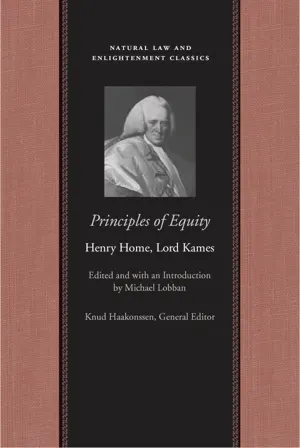
Henry Home, Lord Kames · 1760
Principles of Equity is Kames's most lasting contribution to jurisprudence. He sought to explain the distinction between the nature of equity and common law and to address related questions, such as whether equity…
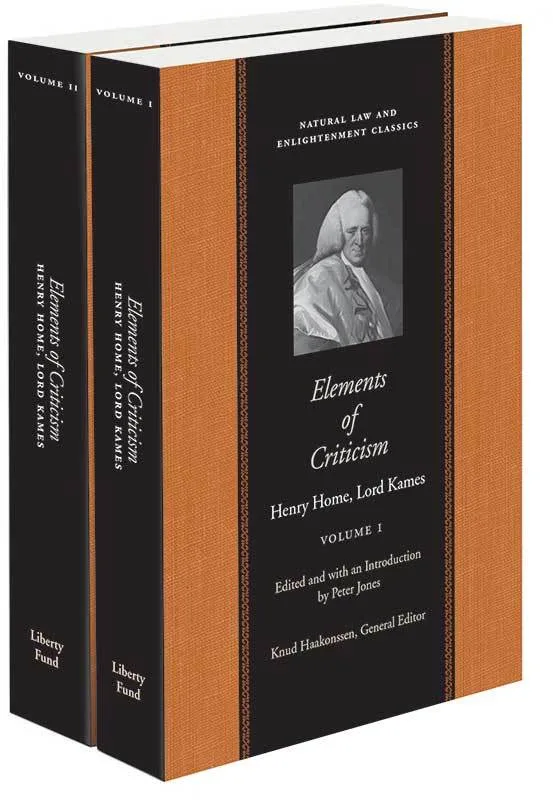
Henry Home, Lord Kames · 1762
A two volume work on the “science of criticism” by one of the leading figures of the Scottish Enlightenment. Kames argues that criticism of art and literature is a rational science as well as a matter of taste. In…
Henry Home, Lord Kames · 1762
Volume 1 of a two volume work on the “science of criticism” by one of the leading figures of the Scottish Enlightenment. Kames argues that criticism of art and literature is a rational science as well as a matter of…
Henry Home, Lord Kames · 1762
Volume 2 of a two volume work on the “science of criticism” by one of the leading figures of the Scottish Enlightenment. Kames argues that criticism of art and literature is a rational science as well as a matter of…
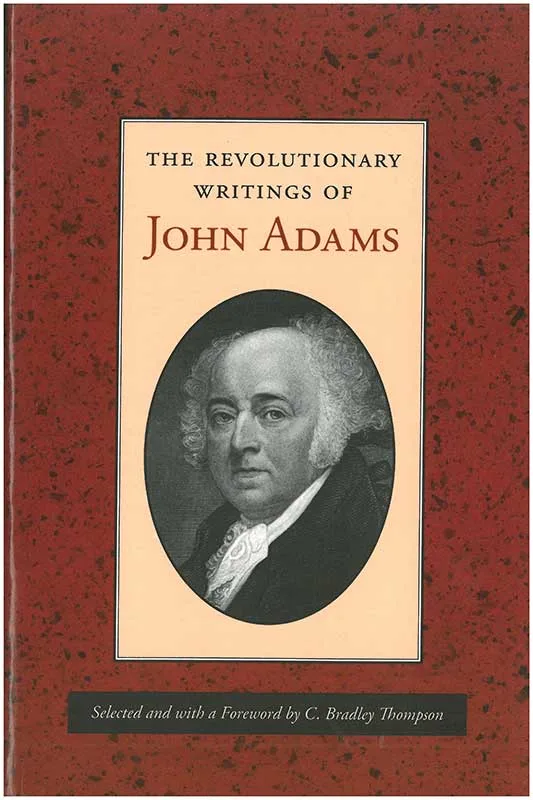
John Adams · 1763
This volume contains the principal shorter writings in which Adams addresses the prospect of revolution and the form of government proper to the new United States. There are pieces on the nature of the British…
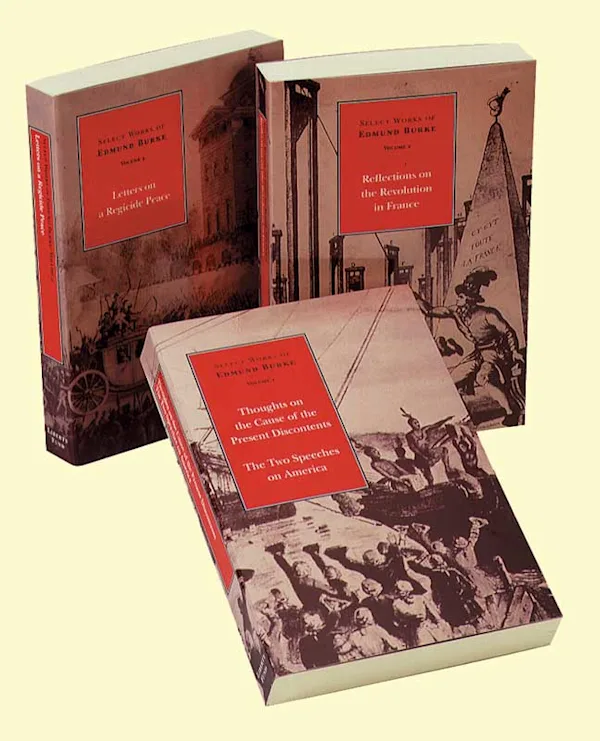
Edmund Burke · 1770
This volume contains Burke’s speeches on the crisis between Great Britain and the American colonies. He did not dispute the right of the crown to tax the colonies but objected to doing so without the consent of the…
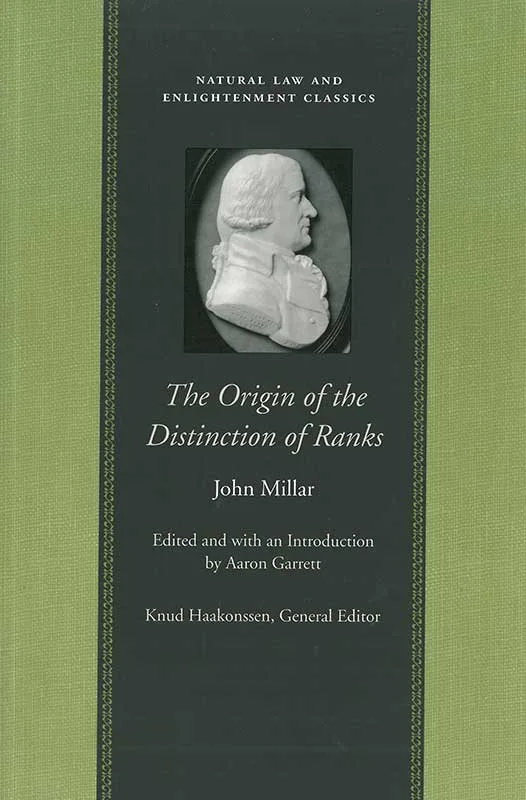
John Millar · 1771
The Origin of the Distinction of Ranks is one of the major products of the Scottish Enlightenment and a masterpiece of jurisprudence and social theory. Millar developed a progressive account of the nature of authority…
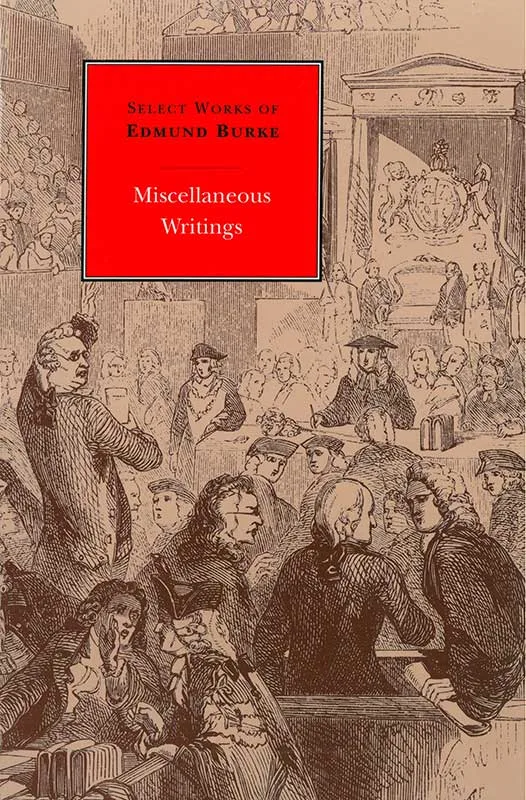
Edmund Burke · 1774
This volume contains some of Burke’s speeches on parliamentary reform, on colonial policy in India, and on economic matters.
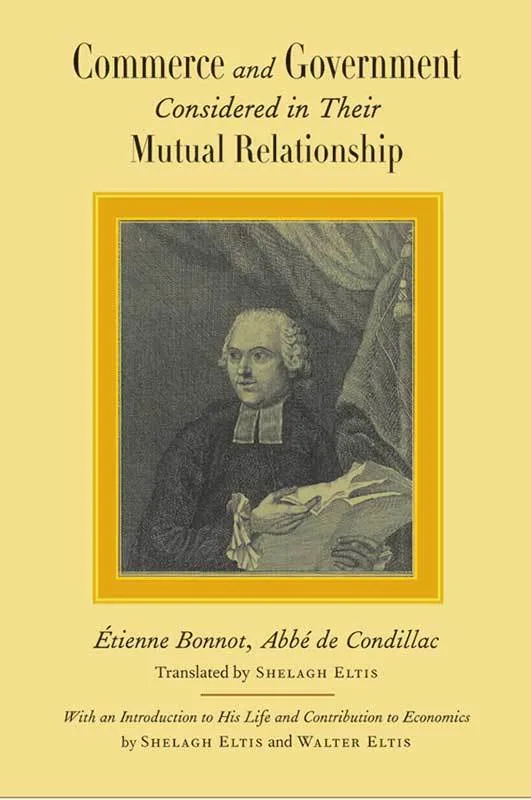
Étienne Bonnot, Abbé de Condillac · 1776
This text covers such topics as value, money, agriculture, domestic and foreign trade, war, labor, interest rates, luxuries, and the various government policies that affect these subjects.The theme that unites these…
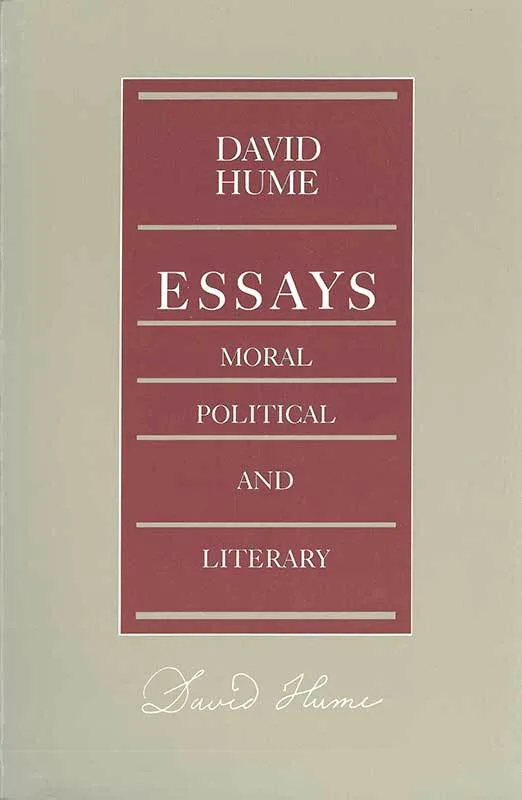
David Hume · 1777
This edition of Hume's much neglected philosophical essays contains the thirty-nine essays included in Essays, Moral, and Literary, that made up Volume I of the 1777 posthumous Essays and Treatises on Several Subjects.…
Henry Home, Lord Kames · 1778
Written late in his life, this 3 volume work deals with the idea of human progress. Vol. 1 deals with progress in property law, commerce, the treatment of women, and luxury. Vol. 2 deals with the development of states,…
Henry Home, Lord Kames · 1778
Written late in his life, this 3 volume work deals with the idea of human progress. Vol. 1 deals with progress in property law, commerce, the treatment of women, and luxury. Vol. 2 deals with the development of states,…
Henry Home, Lord Kames · 1778
Written late in his life, this 3 volume work deals with the idea of human progress. Vol. 1 deals with progress in property law, commerce, the treatment of women, and luxury. Vol. 2 deals with the development of states,…
Henry Home, Lord Kames · 1778
Written late in his life, this 3 volume work deals with the idea of human progress. Vol. 1 deals with progress in property law, commerce, the treatment of women, and luxury. Vol. 2 deals with the development of states,…
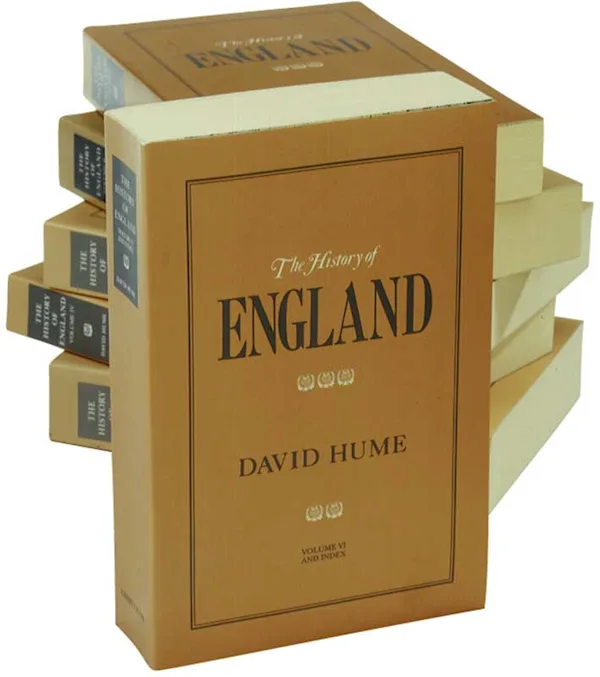
David Hume · 1778
Hume’s great History of England the theme of which is liberty, above all English constitutional development from the Anglo-Saxon period to the Revolution of 1688. This Liberty Fund edition is based on the edition of…
David Hume · 1778
Volume 1 of “Hume’s great History of England the theme of which is liberty, above all English constitutional development from the Anglo-Saxon period to the Revolution of 1688. This Liberty Fund edition is based on the…
David Hume · 1778
Volume 2 of “Hume’s great History of England the theme of which is liberty, above all English constitutional development from the Anglo-Saxon period to the Revolution of 1688. This Liberty Fund edition is based on the…
David Hume · 1778
Volume 3 of “Hume’s great History of England the theme of which is liberty, above all English constitutional development from the Anglo-Saxon period to the Revolution of 1688. This Liberty Fund edition is based on the…
David Hume · 1778
Volume 4 of “Hume’s great History of England the theme of which is liberty, above all English constitutional development from the Anglo-Saxon period to the Revolution of 1688. This Liberty Fund edition is based on the…
David Hume · 1778
Volume 5 of “Hume’s great History of England the theme of which is liberty, above all English constitutional development from the Anglo-Saxon period to the Revolution of 1688. This Liberty Fund edition is based on the…
David Hume · 1778
Volume 6 of “Hume’s great History of England the theme of which is liberty, above all English constitutional development from the Anglo-Saxon period to the Revolution of 1688. This Liberty Fund edition is based on the…
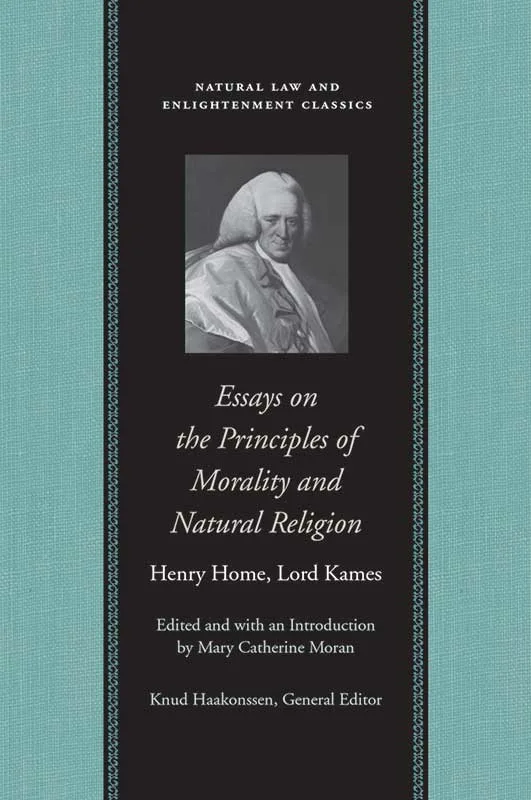
Henry Home, Lord Kames · 1779
The Essays is commonly considered Kames’s most important philosophical work. In the first part, he sets forth the principles and foundations of morality and justice, attacking Hume’s moral skepticism and addressing the…
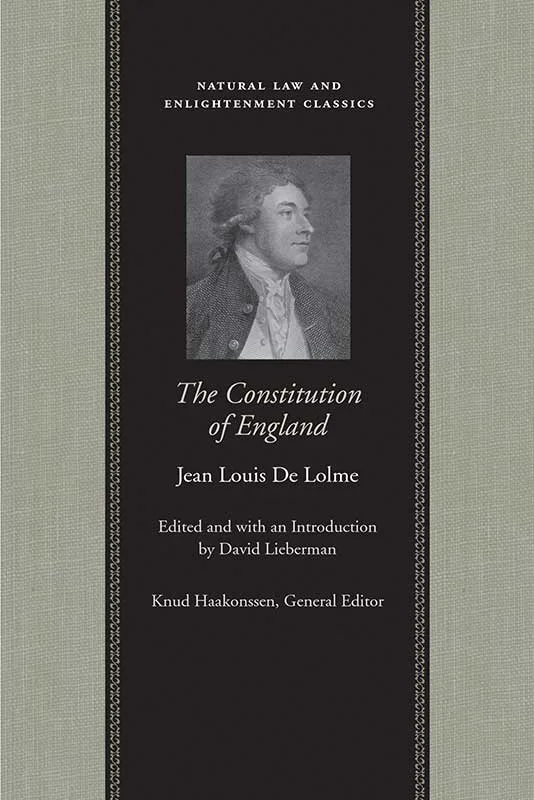
Jean Louis De Lolme · 1784
The Constitution of England is one of the most distinguished eighteenth-century treatises on English political liberty. Like Montesquieu’s Spirit of the Laws (1748) and Blackstone’s Commentaries on the Laws of England…
William Paley · 1785
This classic work by William Paley was one of the most popular books in England and America in the early nineteenth century. Its significance lies in the fact that it marks an important point at which eighteenth century…
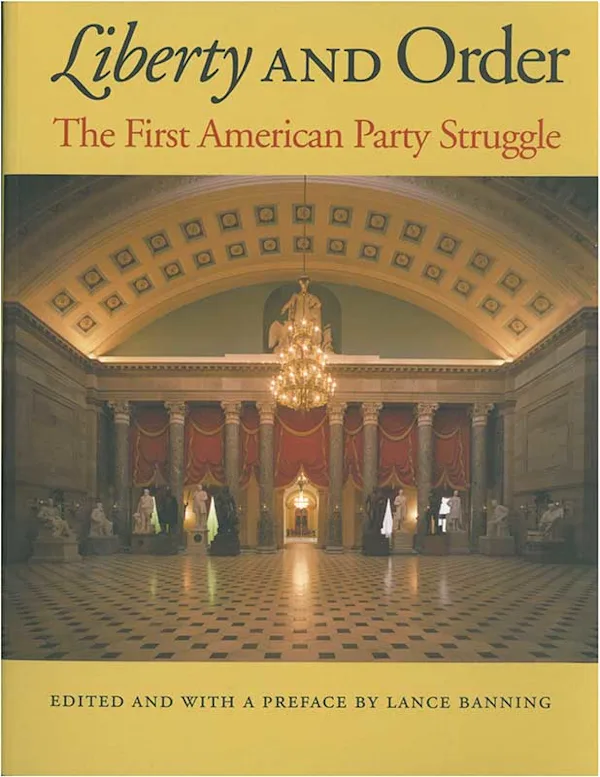
Lance Banning · 1787
An anthology of primary sources which documents the first great party struggle in American history between the Federalists and the Anti-Federalists over the proper construction of the new Constitution, political…
David Ramsay · 1789
David Ramsay’s History of the American Revolution appeared in 1789 during an enthusiastic celebration of nationhood. It is the first American national history written by an American revolutionary and printed in America.…
David Ramsay · 1789
Vol. 1 of a 2 volume work. David Ramsay’s History of the American Revolution appeared in 1789 during an enthusiastic celebration of nationhood. It is the first American national history written by an American…
David Ramsay · 1789
Vol. 2 of a 2 volume work. David Ramsay’s History of the American Revolution appeared in 1789 during an enthusiastic celebration of nationhood. It is the first American national history written by an American…
Edmund Burke · 1790
Burke continued arguing about the French Revolution throughout the 1790s in a series of letters and pamphlets, the most significant being “An Appeal from the New to the Old Whigs”.
Edmund Burke · 1790
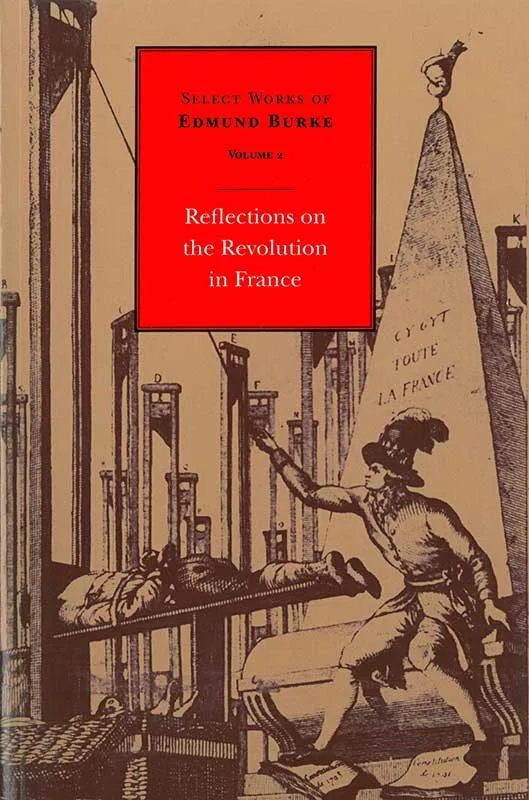
Burke’s classic criticism of the French Revolution. It provoked many replies and Burke returned to the issue again and again.
Sir James Mackintosh · 1791
Vindiciae Gallicae was Mackintosh’s contribution to the debate begun by Burke’s Reflections on the Revolution in France. A Discourse on the Law of Nature and Nations was the introduction to a popular course of public…
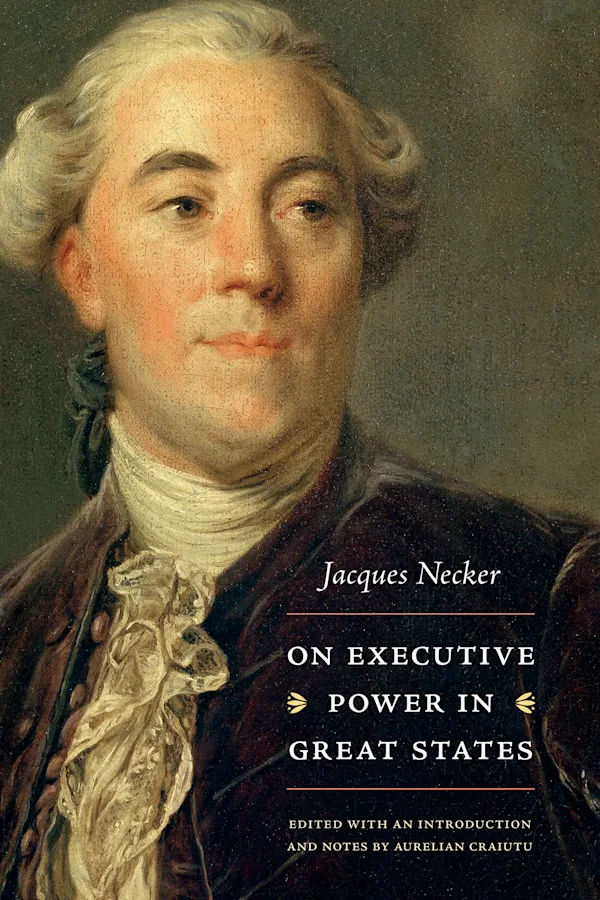
Jacques Necker · 1792
On Executive Power in Great States (1792) is arguably one of the most important texts ever written on the issue of executive power in modern society. It includes memorable formulations regarding liberty and public…
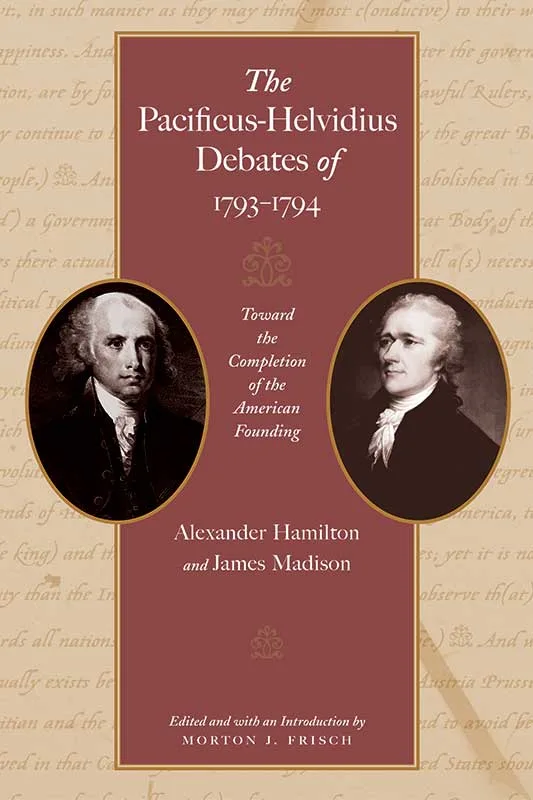
Alexander Hamilton · 1793
The Pacificus–Helvidius Debates of 1793–1794 matched Hamilton and Madison in the first chapter of an enduring discussion about the proper roles of the executive and legislative branches in the conduct of American…
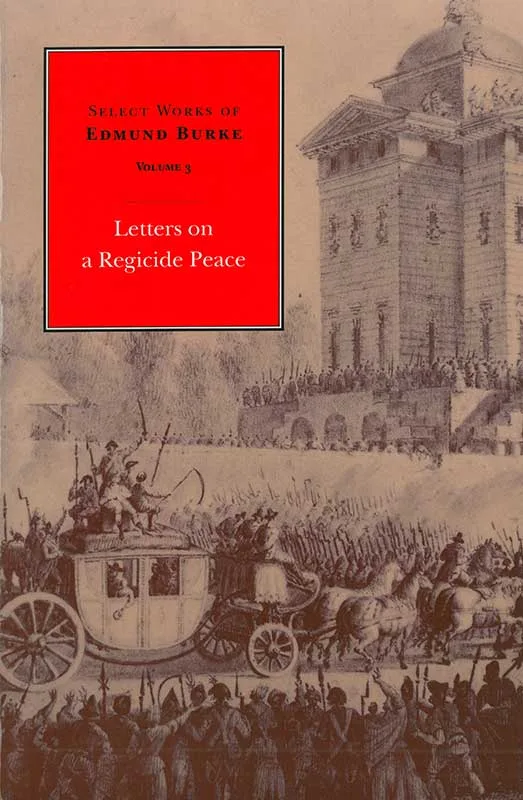
Edmund Burke · 1795
The four letters in this volume (1795) were Burke’s last writings on the French Revolution. Even though the Terror had come to an end and a more moderate government known as the Directory had come to power Burke still…
David Ricardo · 1795
This volume is a collection of personal correspondence and recollections that focus on Ricardo’s life outside of his political economic endeavors. These missives concern Ricardo's character, his amiable and generous…
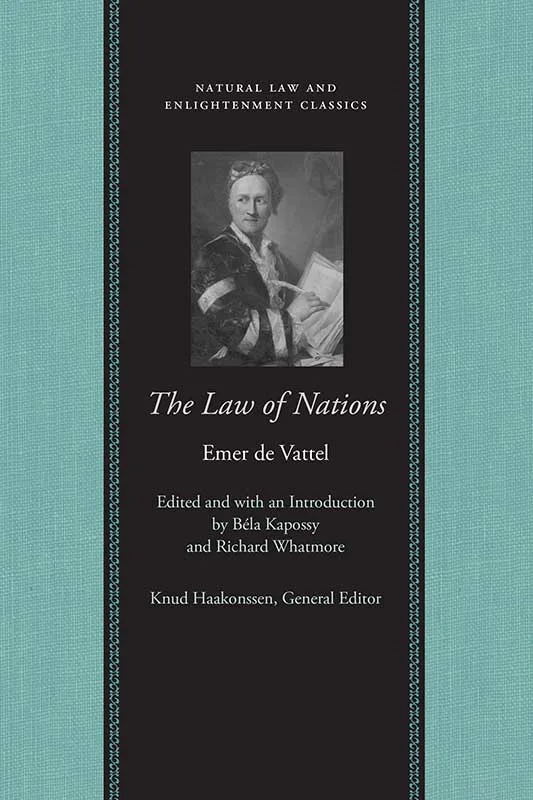
Emer de Vattel · 1797
A republication of the 1797 translation of Vattel’s work, along with new English translations of 3 early essays. Read the Liberty Classic on this title from Law & Liberty
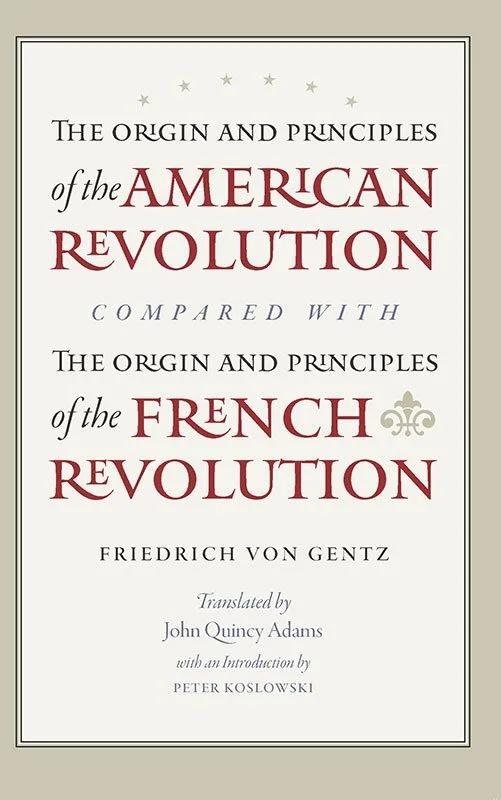
Friedrich von Gentz · 1800
Gentz was a conservative German who supported the American Revolution but strongly opposed the French. This work was originally published in a journal Gentz edited in May and June 1800 and was translated by John Quincy…
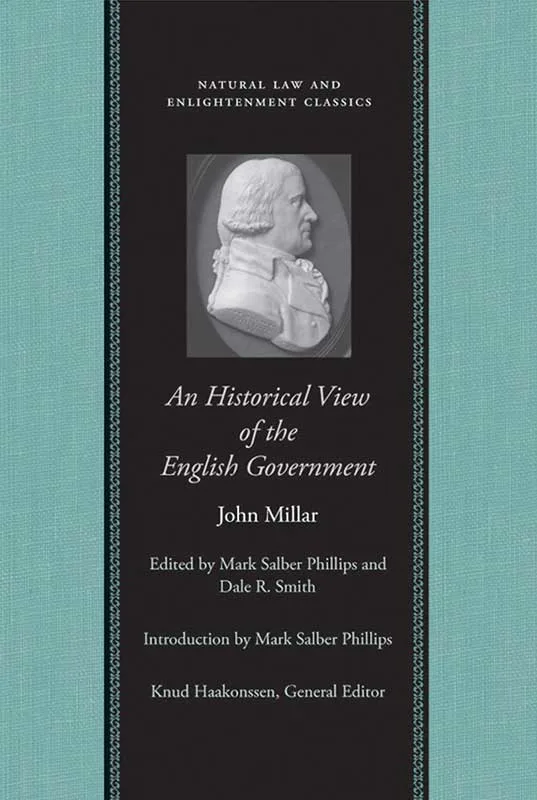
John Millar · 1803
An Historical View of the English Government consists of three parts, concerned with the most substantive revolutions in English government and manners: from the Saxon settlement to the Norman Conquest, from the Norman…
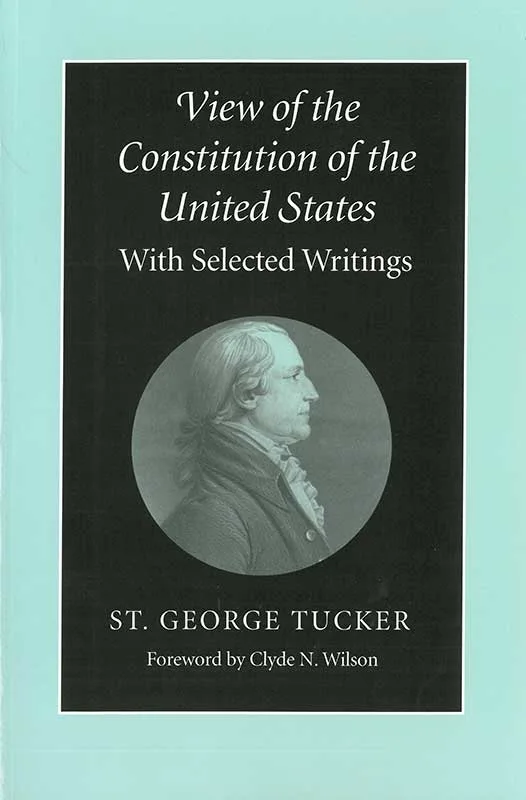
St. George Tucker · 1803
View of the Constitutionwas the first extended, systematic commentary on the United States Constitution after its ratification and later its amendment by the Bill of Rights. As Clyde N. Wilson notes, “Tucker is the…
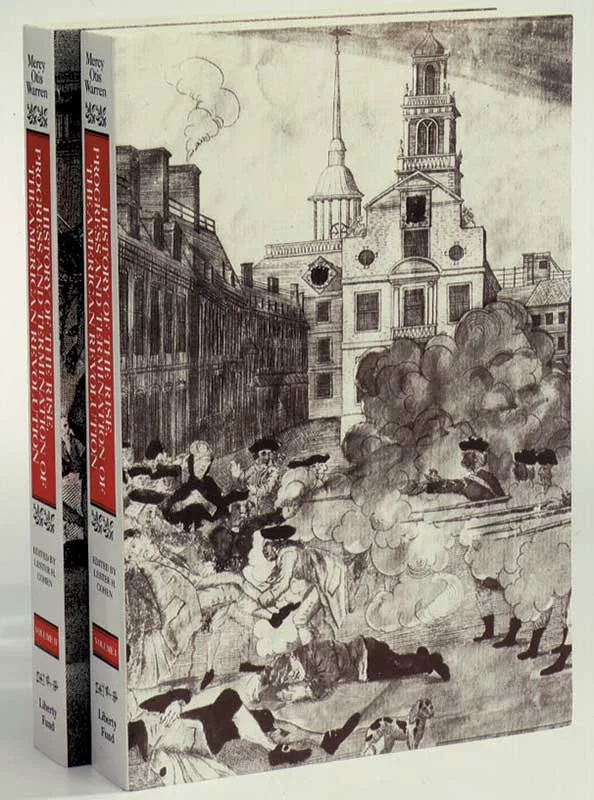
Mercy Otis Warren · 1805
Mercy Otis Warren has been described as perhaps the most formidable female intellectual in eighteenth-century America. This work (in the first new edition since 1805) is an exciting and comprehensive study of the events…
Mercy Otis Warren · 1805
Vol. 1 of a 2 volume work. Mercy Otis Warren has been described as perhaps the most formidable female intellectual in eighteenth-century America. This work (in the first new edition since 1805) is an exciting and…
Mercy Otis Warren · 1805
Vol. 2 of a 2 volume work. Mercy Otis Warren has been described as perhaps the most formidable female intellectual in eighteenth-century America. This work (in the first new edition since 1805) is an exciting and…
David Ricardo · 1809
This volume focuses on Ricardo’s shorter essays printed in the Morning Chronicle, which deal with his thoughts on the inflationary monetary policy of the Bank of England and the Bullion Crises. In these essays, the…
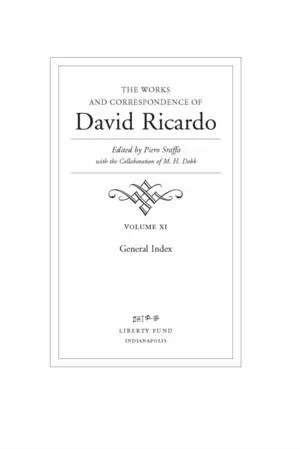
David Ricardo · 1810
The last volume of this collection is a comprehensive index to the previous ten volumes of The Works and Correspondence of David Ricardo.
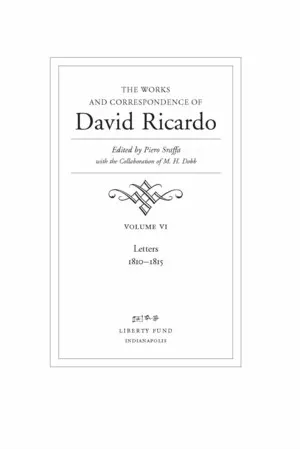
David Ricardo · 1810
Volume 6 is the introductory volume to the four volumes containing relevant letters between Ricardo and many influential thinkers of his age. Many of these letters influenced the development of Ricardo’s ideas on…
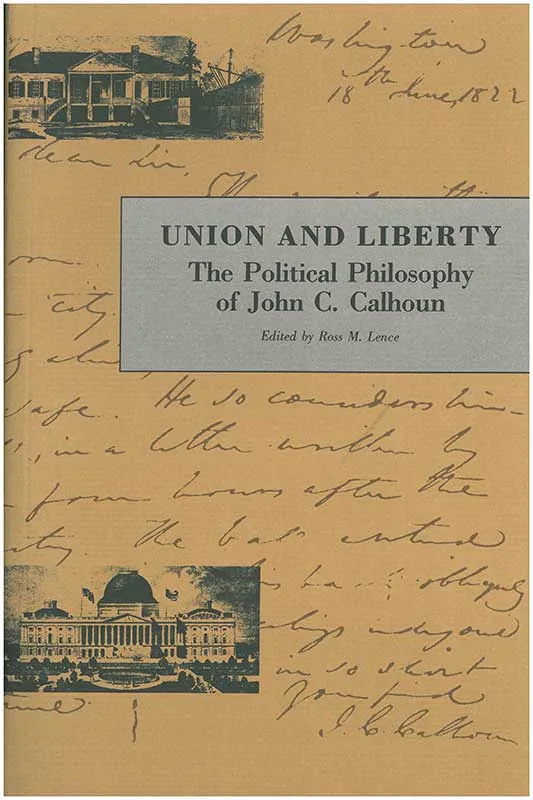
John C. Calhoun · 1811
These writings address such issues as states’ rights and nullification, slavery, the growth of the Federal judicial power, and Calhoun’s doctrine of the “concurrent majority.” This selection presents twelve notable…
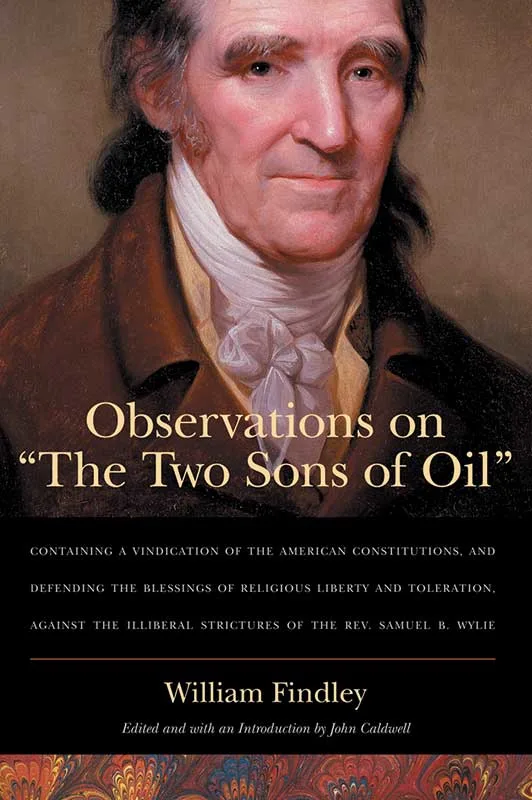
William Findley · 1812
Observations on “The Two Sons of Oil” was written in 1811 in response to the Reverend Samuel B. Wylie’s work, The Two Sons of Oil, , Wylie pointed out what he considered to be deficiencies in the constitutions of both…
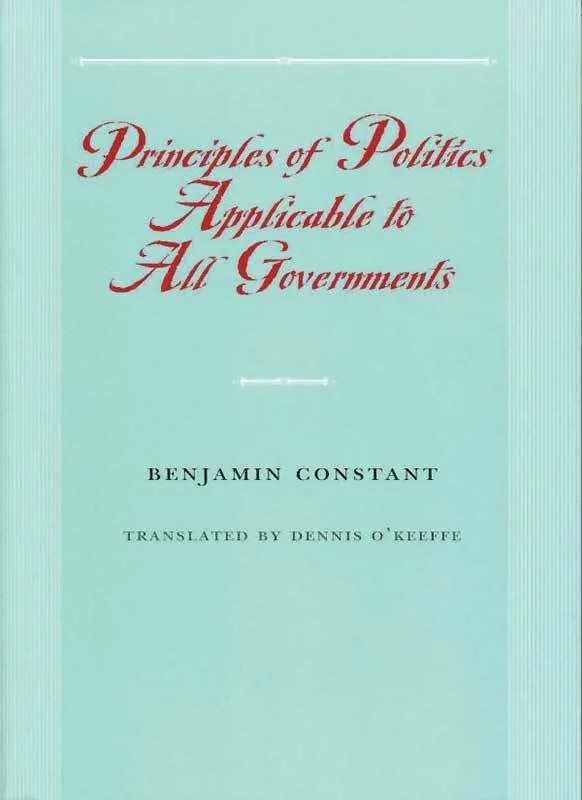
Benjamin Constant · 1815
In Principles of Politics, Constant “explores many subjects: law, sovereignty, and representation; power and accountability; government, property and taxation; wealth and poverty; war, peace, and the maintenance of…
David Ricardo · 1815
This volume contains a collection of assorted short essays written for publication in the latter part of David Ricardo’s life from 1815 to 1823. These essays include: An Essay on the Influence of a low Price of Corn on…
David Ricardo · 1816
Volume 7 is the second volume of four volumes comprising the collection of Ricardo's letters. It spans the years of Ricardo’s life from 1816 to 1818. This period saw the development and initial defense of his most…
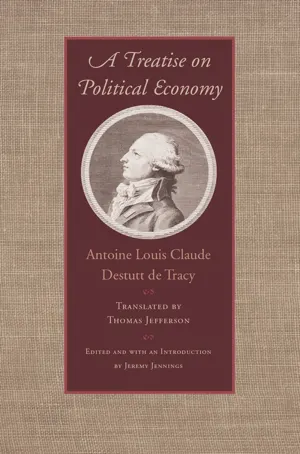
Antoine Louis Claude, Comte Destutt de Tracy · 1817
Destutt de Tracy's Treatise on Political Economy is a foundational text of nineteenth-century, free-market economic thought and remains one of the classics of nineteenth-century French economic liberalism. Destutt de…
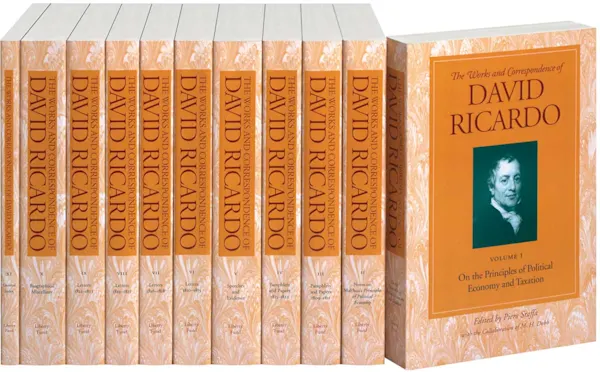
David Ricardo · 1817
On the Principles of Political Economy and Taxation provides analysis of the allocation of money between capitalists, landowners, and agricultural workers in Britain. Through this analysis, Ricardo came to advocate free…
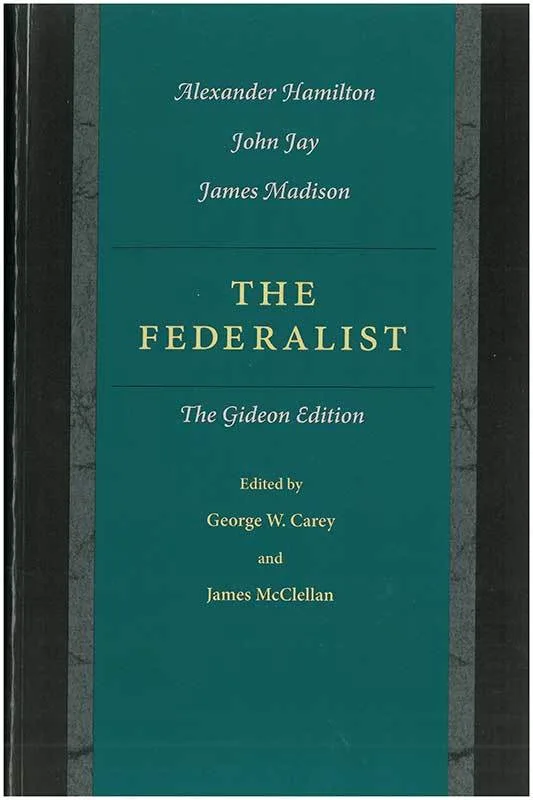
Alexander Hamilton · 1818
The Federalist, by Alexander Hamilton, James Madison, and John Jay, constitutes a text central to the American political tradition. Published in newspapers in 1787 and 1788 to explain and promote ratification of the…
David Ricardo · 1819
Speeches and Evidence contains the texts of Ricardo’s numerous speeches. It consists of his speeches given in the House of Commons and evidentiary advocacies before Parliamentary committees. The introduction provides…
David Ricardo · 1819
This period of Ricardo’s life witnessed his entrance into Parliament as a member of the House of Commons where he became an influential advocate of free trade through his opposition to Britain’s restrictive “Corn laws.”…
David Ricardo · 1820
David Ricardo and T. R. Malthus were friends despite a contentious divergence of opinion on many political economic issues. This volume contains the formal remnants of their differences. Ricardo analyzes,…
David Ricardo · 1821
The letters in this volume continue to cover Ricardo’s correspondence while a member of the House of Commons and provide subtle refinements and elaborations to his political economic thoughts. This volume includes a…
John Taylor · 1822
John Taylor of Caroline (1753-1824) was one of the foremost philosophers of the States’ rights Jeffersonians of the early national period. In keeping with his lifelong mission as a “minority man,” John Taylor wrote…
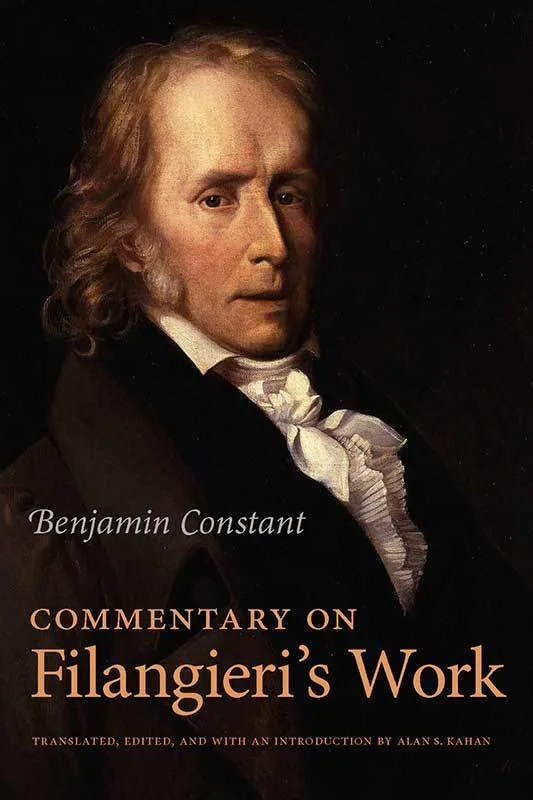
Benjamin Constant · 1824
The Commentary is Constant's most extensive treatment of economic matters. It is a response to a multi-volume work by the Italian jurist Gaetano Filangiero, The Science of Legislation (1780-88). Constant defends limited…
John Stuart Mill · 1824
Vol. 1 of the 33 vol. Collected Works contains Mill’s autobiography and some literary essays mostly from the 1830s.
John Stuart Mill · 1824
Vol. 4 of the 33 vol. Collected Works contains a number of Mill’s essays on economic topics, including the collection Essays on Some Unsettled Questions of Political Economy.
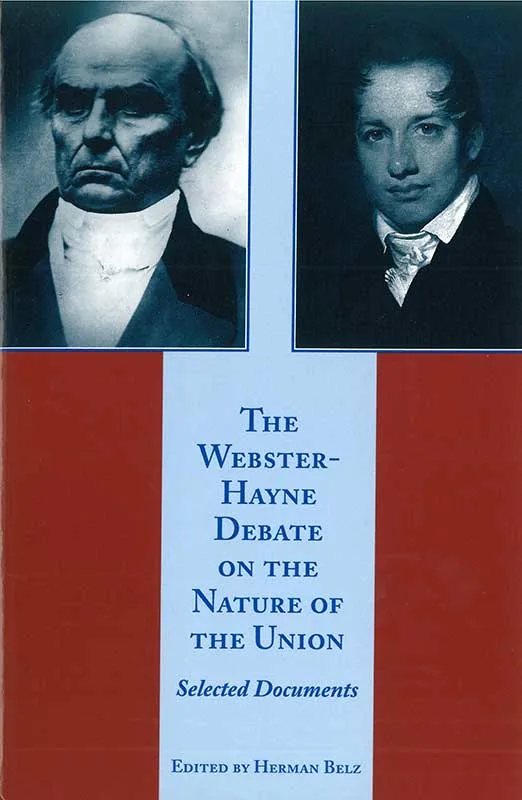
Edward Livingston · 1830
The debates between Daniel Webster and Robert Hayne gave utterance to the differing understandings of the nature of the American Union that had come to predominate in the North and the South by 1830. To Webster the…
John Stuart Mill · 1833
Vol. 10 of the 33 vol. Collected Works contains a number of Mill’s essays on religion and moral philosophy as well as his works on Utilitarianism and Auguste Comte.
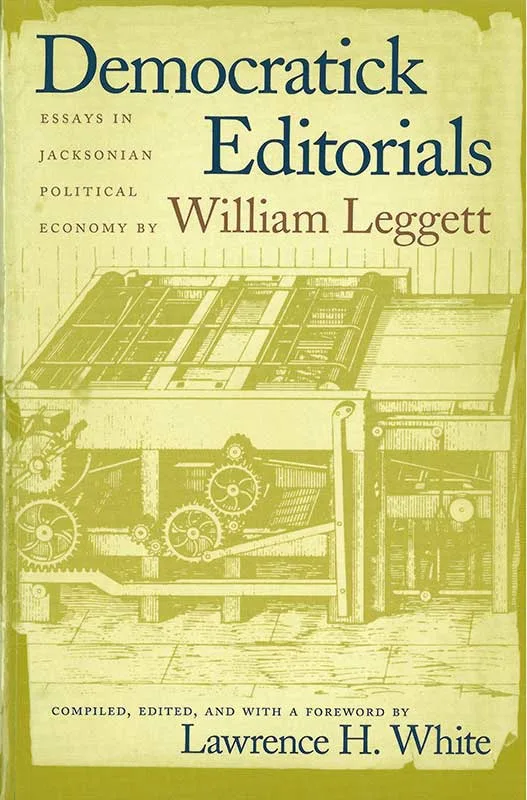
William Leggett · 1834
This volume is a collection of Leggett’s editorials and newspaper articles written during the 1830s in Jacksonian America. He is a consistent advocate of laissez-faire economic policy and limited government.
Alexis de Tocqueville · 1835
A new 4 volume edition of Tocqueville’s classic text De la Démocratie en Amérique. The original was published in two large volumes, the first in 1835, the second in 1840. The first volume focused primarily on political…
Alexis de Tocqueville · 1835
A new 4 volume edition of Tocqueville’s classic text De la Démocratie en Amérique. The original was published in two large volumes, the first in 1835, the second in 1840. The first volume focused primarily on political…
John Marshall · 1838
A one volume abridgement of the first major biography of Washington by John Marshall who became the third Chief Justice of the Supreme Court. An influential conservative interpretation. The volume also contains 5 of the…
Alexis de Tocqueville · 1840
A new 4 volume edition of Tocqueville’s classic text De la Démocratie en Amérique. The original was published in two large volumes, the first in 1835, the second in 1840. The first volume focused primarily on political…
Alexis de Tocqueville · 1840
A new 4 volume edition of Tocqueville’s classic text De la Démocratie en Amérique. The original was published in two large volumes, the first in 1835, the second in 1840. The first volume focused primarily on political…
John Stuart Mill · 1843
Vol. 7 of the 33 vol. Collected Works contains Part 1 of Mill’s System of Logic. It contains chapters on reasoning, induction, the laws of nature, causation, and disbelief.
John Stuart Mill · 1843
Vol. 8 of the 33 vol. Collected Works contains Part 2 of Mill’s System of Logic. It contains chapters on fallacies, methodology of the social sciences, and the science of history.
John Stuart Mill · 1848
Vol. 2 of the 33 vol. Collected Works contains Part 1 of Mill’s Principles of Political Economy.
John Stuart Mill · 1848
Vol. 3 of the 33 vol. Collected Works contains Part 2 of Mill’s Principles of Political Economy.
John Stuart Mill · 1850
Vol. 5 of the 33 vol. Collected Works contains a number of Mill’s essays on economic topics, including the Chapters on Socialism.
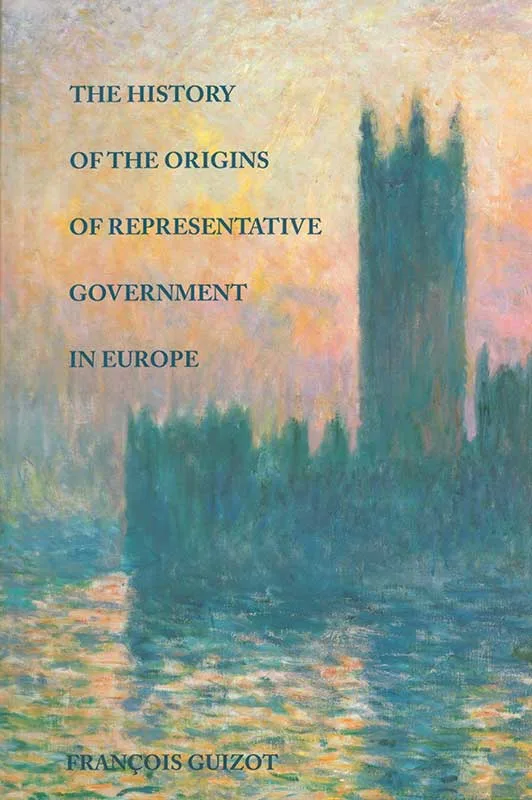
François Guizot · 1861
Guizot reflects on the principles, goals, and institutions of representative government in Europe from the fifth to the reign of the Tudors in England. In Part 1 he examines such topics as the “true” principles of…
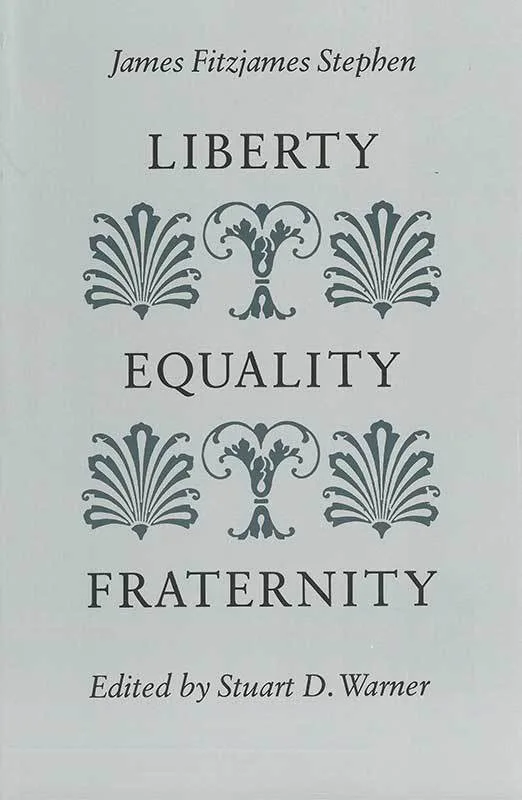
James Fitzjames Stephen · 1874
The Liberty Fund edition of this work. Impugning John Stuart Mill’s famous treatise, On Liberty, Stephen criticized Mill for turning abstract doctrines of the French Revolution into “the creed of a religion.” Only the…
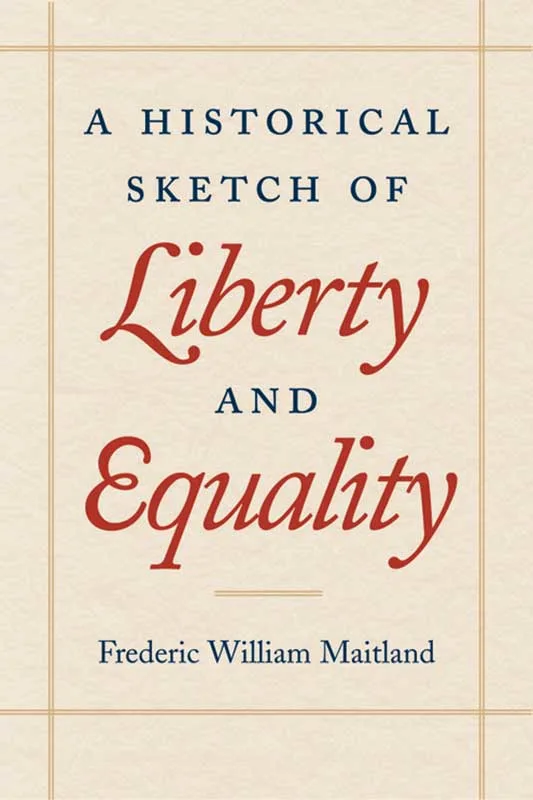
Frederic William Maitland · 1875
In 1875, at only twenty-five years of age, Maitland, in pursuit of a fellowship in Cambridge University, submitted a this remarkable work. He went on to become one of greatest legal historians of his time.
Hippolyte Taine · 1878
Taine’s 3 volume history of the French Revolution, written from a conservative perspective.
Hippolyte Taine · 1878
The 1st volume of Hippolyte Taine’s 3 volume history of the French Revolution which is part of his history of modern France, The Origins of Contemporary France
Hippolyte Taine · 1878
The 2nd volume of Hippolyte Taine’s 3 volume history of the French Revolution which is part of his 5 part history of modern France, The Origins of Contemporary France.
Hippolyte Taine · 1878
The 3rd volume of Hippolyte Taine’s 3 volume history of the French Revolution which is part of his history of modern France, The Origins of Contemporary France.
Herbert Spencer · 1884
This volume contains the four essays that Spencer published as The Man Versus the State in 1884 as well as five essays added by later publishers. In addition, it provides “The Proper Sphere of Government,” an important…
Auberon Herbert · 1885
A collection of essays by a leading late-19th century radical individualist and follower of the ideas of Herbert Spencer. Herbert discusses the moral problems of state coercion, especially when applied to state…
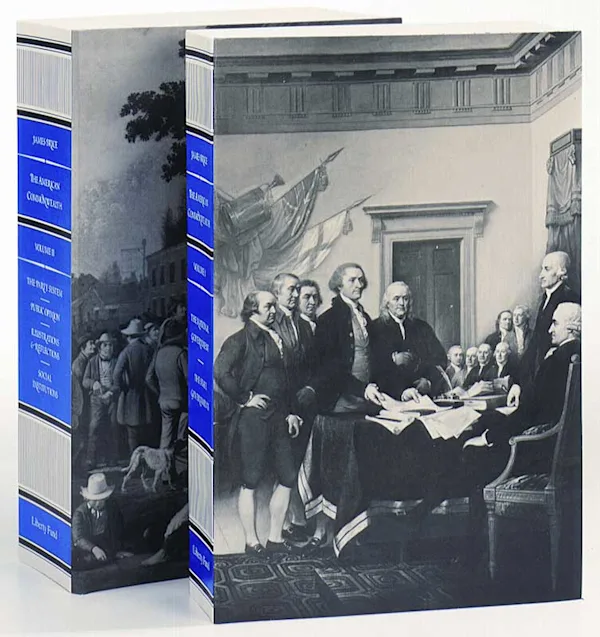
Viscount James Bryce · 1888
In Democracy in America (1835) the Frenchman Alexis de Tocqueville interpreted American society through the lens of democratic political theory. A half-century later the Scotsman James Bryce examined “the institutions…
Viscount James Bryce · 1888
James Bryce examined “the institutions and the people of America as they are.” in The American Commonwealth, first published in London in three volumes in 1888. This edition's expanded appendix includes Bryce’s 1887…
Viscount James Bryce · 1888
James Bryce examined “the institutions and the people of America as they are.” in The American Commonwealth, first published in London in three volumes in 1888. This edition's expanded appendix includes Bryce’s 1887…
Thomas Mackay · 1891
This collection of essays was originally published in 1891 in response to a collection of Fabian Essays on Socialism which advocated policies which would eventually lead to the modern welfare state. The theoretical and…
William Edward Hartpole Lecky · 1896
A two volume work in which Lecky explores how the growing tendency towards untrammeled democracy might undermine individual liberty in the coming century.
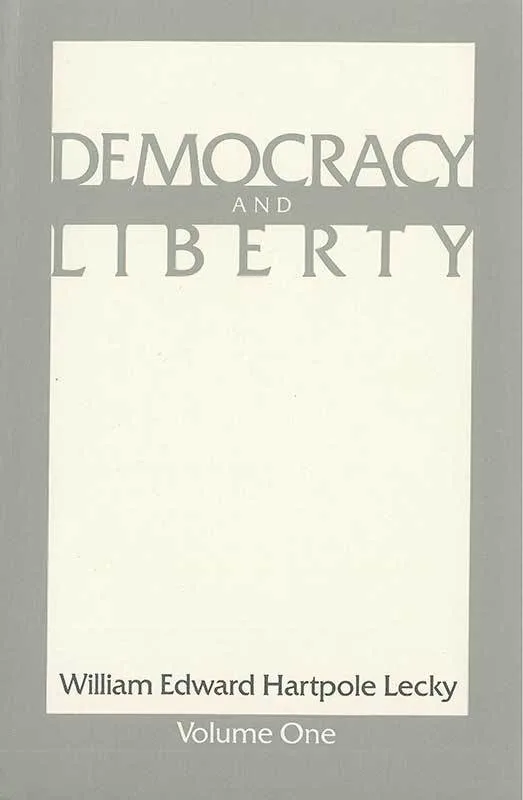
William Edward Hartpole Lecky · 1896
Vol. 1 of a two volume work in which Lecky explores how the growing tendency towards untrammeled democracy might undermine individual liberty in the coming century.
William Edward Hartpole Lecky · 1896
Vol. 2 of a two volume work in which Lecky explores how the growing tendency towards untrammeled democracy might undermine individual liberty in the coming century.
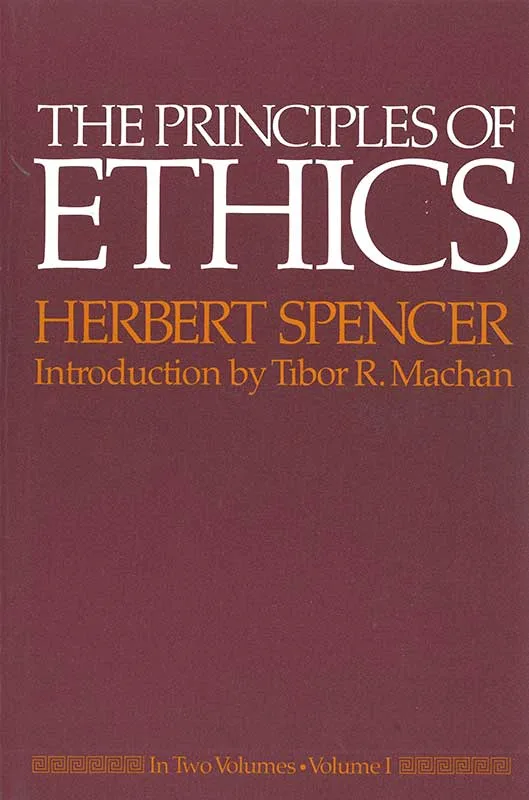
Herbert Spencer · 1897
A two volume work which Spencer considered to be his finest work. In volume I he covers the data of ethics, the inductions of ethics, and the ethics of individual life. In the second volume he covers the ethics of…
Herbert Spencer · 1897
Vol. I of a two volume work which Spencer considered to be his finest work. In volume I he covers the data of ethics, the inductions of ethics, and the ethics of individual life. Read the Liberty Classic on this title…
Herbert Spencer · 1897
Spencer considered The Principles of Ethics to be his finest work. In the second volume he covers the ethics of social life (or justice), negative beneficence, positive beneficence, and a number of topics in several…
Frederic William Maitland · 1898
First published in 1895, Sir Frederick Pollock and Frederic William Maitland’s legal classic The History of English Law before the Time of Edward I expanded the work of Sir Edward Coke and William Blackstone by…
Frederic William Maitland · 1898
First published in 1895, Sir Frederick Pollock and Frederic William Maitland’s legal classic The History of English Law before the Time of Edward I expanded the work of Sir Edward Coke and William Blackstone by…
John Emerich Edward Dalberg, Lord Acton · 1910
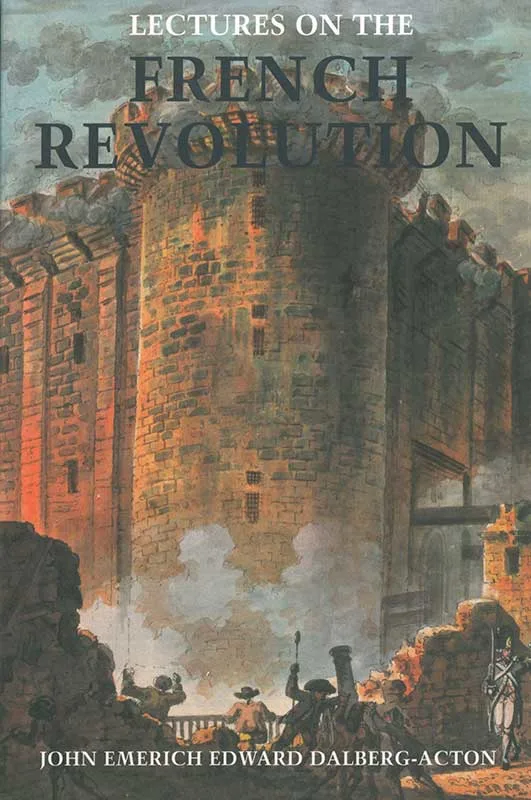
Delivered at Cambridge University between 1895 and 1899, Lectures on the French Revolution is a distinguished account of the entire epochal chapter in French experience by one of the most remarkable English historians…
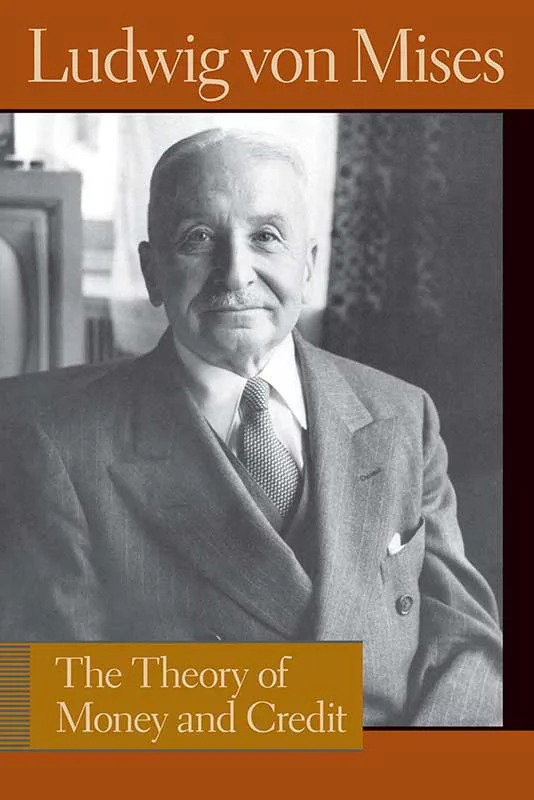
Ludwig von Mises · 1912
The Theory of Money and Credit opened new economic vistas. It integrated monetary theory into the main body of economic analysis for the first time, providing fresh new insights into the nature of money and its role in…
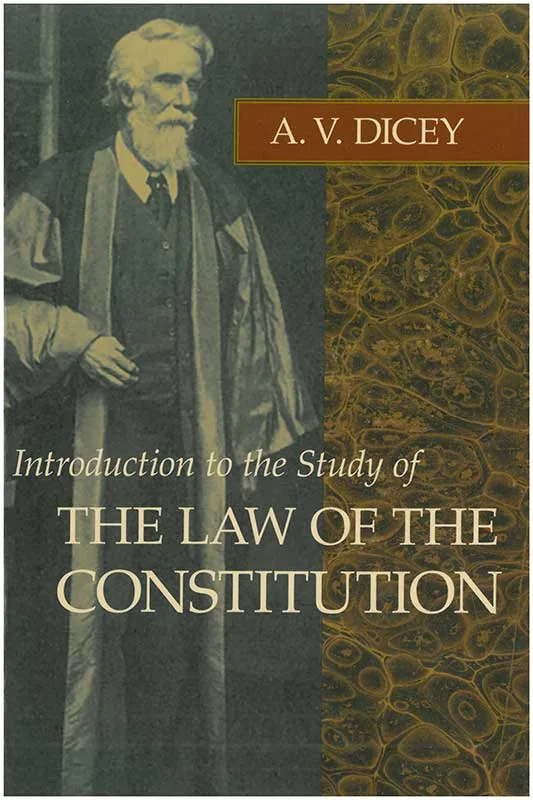
Albert Venn Dicey · 1915
Liberty Fund’s edition of Dicey’s most famous work on English constitutional law in which he defended the idea of the sovereignty of parliament under an independent judiciary and the rule of law.
Albert Venn Dicey · 1917
This volume brings together a series of lectures A. V. Dicey first gave at Harvard Law School on the influence of public opinion in England during the nineteenth century and its impact on legislation. It is an…
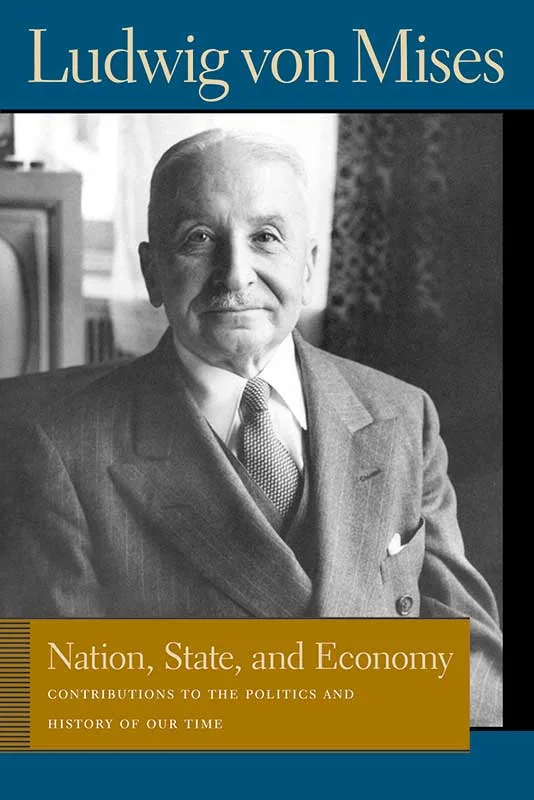
Ludwig von Mises · 1919
Nation, State, and Economy, published less than a year after Austria’s defeat in World War I, examines and compares prewar and postwar economic conditions and explicates Mises’s theory that each country’s prosperity…
Ludwig von Mises · 1922
This is a newly annotated edition of the classic first published in German in 1922. It is the definitive refutation of nearly every type of socialism ever devised. Mises presents a wide-ranging analysis of society,…
John Maxcy Zane · 1927
Written for the layman as well as the attorney, The Story of Law is the only complete outline history of the law ever published. Zane lucidly describes the growth and improvement of the law over thousands of years, and…
Jacob Burckhardt · 1929
Judgments on History and Historians consists of records collected by Emil Dürr from Burckhardt’s lecture notes for history courses at the University of Basel from 1865 to 1885. The notes span five eras: Antiquity, the…
Ludwig von Mises · 1933
Epistemological Problems of Economics presents Ludwig von Mises’s views on the logical and epistemological features of social interpretation as well as his argument that the Austrian theory of value is the core element…
Heinrich Rommen · 1936
Originally published in German in 1936, The Natural Law is the first work to clarify the differences between traditional natural law as represented in the writings of Cicero, Aquinas, and Hooker and the revolutionary…
Vera C. Smith · 1936
Written as a doctoral dissertation under Friedrich Hayek at the London School of Economics in the early 1930s, the book covers the history of free banking in the 19th century and reviews the theoretical arguments both…
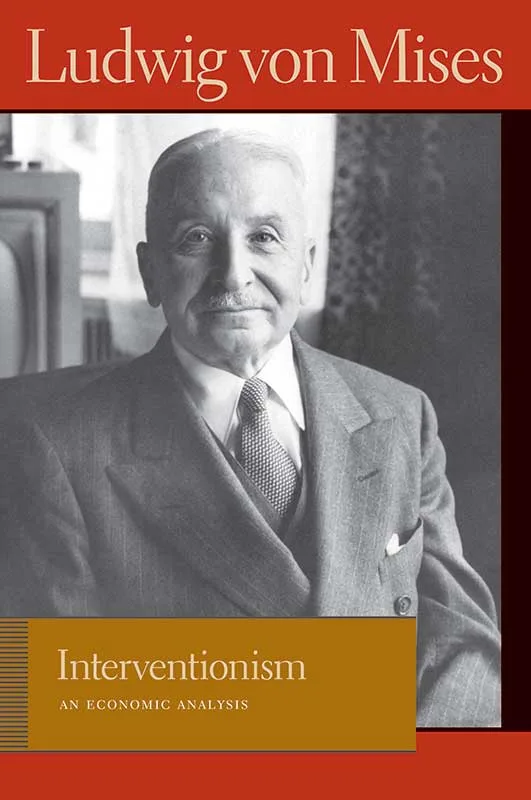
Ludwig von Mises · 1940
Interventionism provides Mises’s analysis of the problems of government interference in business from the Austrian School perspective. Written in 1940, before the United States was officially involved in World War II,…
Jacques Maritain · 1940
Scholasticism and Politics, first published in 1940, is a collection of nine lectures Jacques Maritain delivered at the University of Chicago in 1938. Maritain championed the cause of what he called personalist…
Ludwig von Mises · 1944
Originally published by Yale University Press in 1944, Bureaucracy is a classic fundamental examination of the nature of bureaucracies and free markets in juxtaposition to various political systems.
Ludwig von Mises · 1944
Published in 1944, during World War II, Omnipotent Government was written and published after Mises arrived in the United States. In this volume Mises provides in economic terms an explanation of the international…
Jacques Rueff · 1945
In The Social Order, Jacques Rueff—one of France’s most distinguished twentieth-century economists—delivers a penetrating analysis of how monetary and fiscal policy shape not only economic outcomes but the very fabric…
Charles Howard McIlwain · 1947
Constitutionalism: Ancient and Modern explores the very roots of liberty by examining the development of modern constitutionalism from its ancient and medieval origins. Derived from a series of lectures delivered by…
William Henry Chamberlin · 1950
Chamberlin wrote this volume on the role of the United States in World War II just a few years after the surrender of the Axis forces in 1945. This reprint is designed to give history students and scholars a more…
David Ricardo · 1951
This eleven-volume set of The Works and Correspondence of David Ricardo contains all of Ricardo’s published and unpublished writings, and provides great insight into the early era of political economics by chronicling…
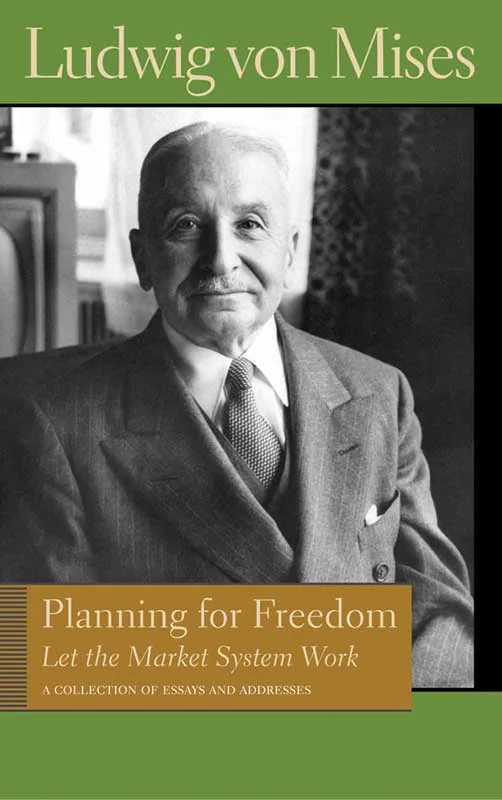
Ludwig von Mises · 1952
In this anthology, Mises offers an articulate and accessible introduction to and critique of two topics he considers especially important: inflation and government interventionism.
H.B. Acton · 1955
Written nearly fifty years ago, at a time when the world was still wrestling with the concepts of Marx and Lenin, The Illusion of the Epoch is the perfect resource for understanding the roots of Marxism-Leninism and its…
Theodore Frank Thomas Plucknett · 1956
Plucknett’s work provides a common-law understanding of individual rights, not in theory only, but protected through the confusing and messy evolution of courts, and their administration as they struggled to resolve…
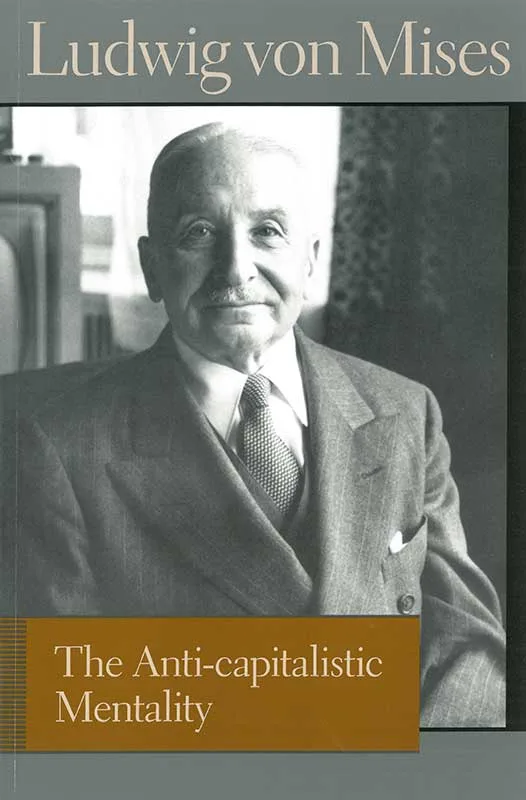
Ludwig von Mises · 1956
In The Anti-capitalistic Mentality, Ludwig von Mises explains the causes of the irrational fear and hatred many intellectuals and others feel for capitalism. Written during the heyday of twentieth-century socialism,…
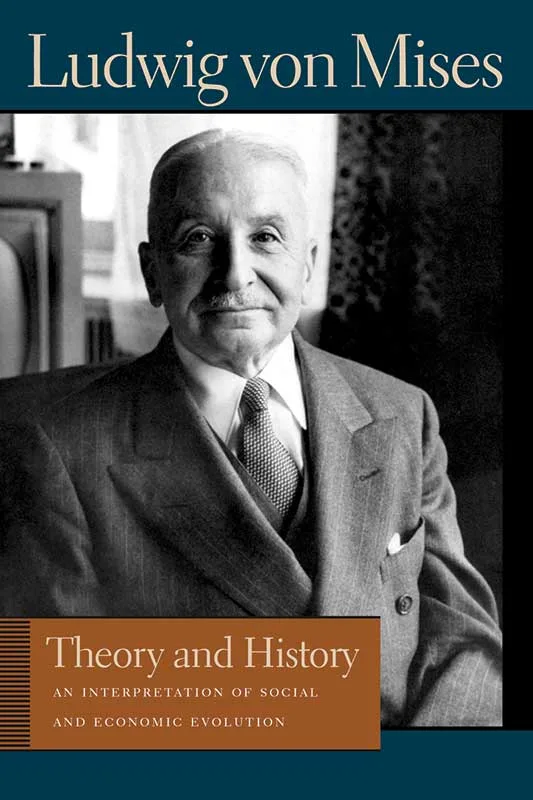
Ludwig von Mises · 1957
Theory and History is primarily a critique of Karl Marx, his materialism, and his prediction of the inevitability of socialism. This book discusses the theory of economics, i.e., the study of purposive human action, and…
James M. Buchanan · 1958
Vol. 2 of The Collected Works. One of James M. Buchanan’s most important and influential books which is based on the then (1958) radical idea that the burden of debt is not borne by the current generation, but is…
Roscoe Pound · 1958
Roscoe Pound, former dean of Harvard Law School, delivered a series of lectures at the University of Calcutta in 1948. In these lectures, he criticized virtually every modern mode of interpreting the law because he…
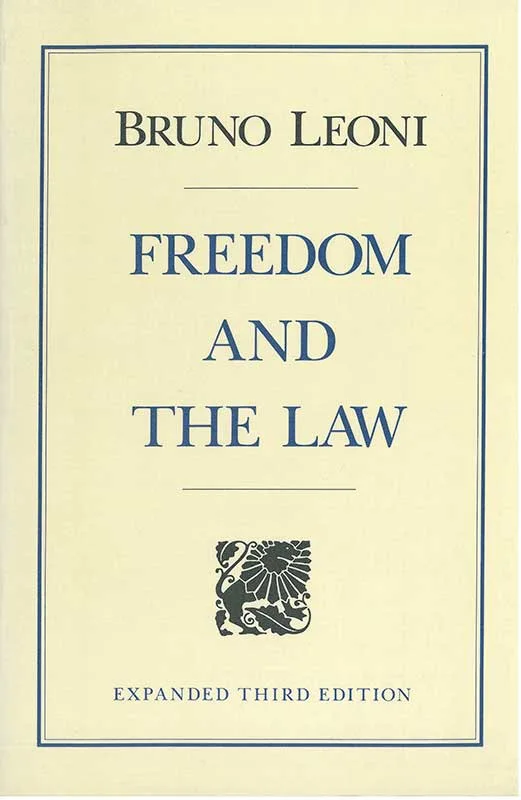
Bruno Leoni · 1961
The greatest obstacle to rule of law in our time, contends Bruno Leoni, is the problem of overlegislation. In modern democratic societies, legislative bodies are increasingly usurping functions that were and should be…
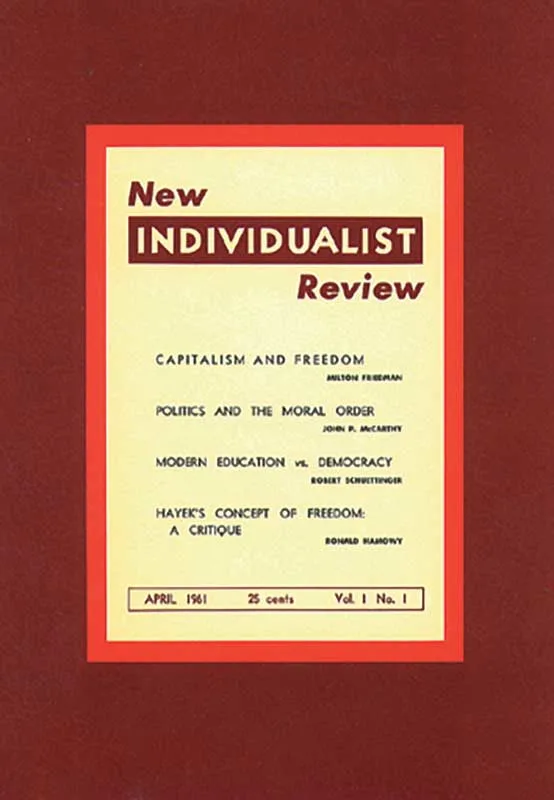
Milton Friedman · 1961
Initially sponsored by the University of Chicago Chapter of the Intercollegiate Society of Individualists, the New Individualist Review was more than the usual “campus magazine.” It declared itself “founded in a…
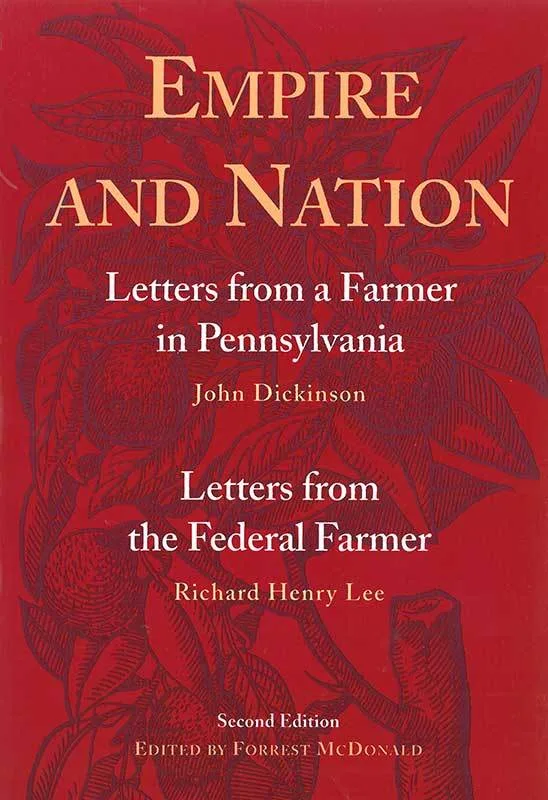
John Dickinson · 1962
Two sets of letters that have been described as “the wellsprings of nearly all ensuing debate on the limits of governmental power in the United States” are collected in this volume. They include Letters from a Farmer in…
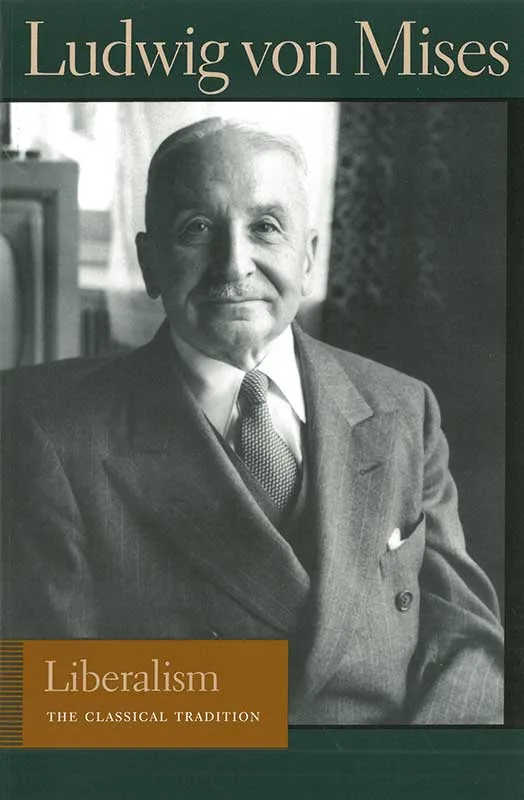
Ludwig von Mises · 1962
The great Austrian economist Ludwig von Mises provides a concise and tightly-argued one volume defense of classical liberalism, focusing on the core concepts of private property, limited government, peace, and the free…
James M. Buchanan · 1962
Vol. 3 of The Collected Works. The Calculus of Consent, is a ground-breaking economic classic written by two of the world’s preeminent economists - Gordon Tullock and Nobel Laureate James M. Buchanan. This book is a…
Ludwig von Mises · 1962
Written toward the end of Mises’s life, his last monograph, The Ultimate Foundation of Economic Science, returned to economics as a science based on human action.
Israel M. Kirzner · 1963
The second volume in Liberty Fund’s The Collected Works of Israel M. Kirzner series, Market Theory and the Price System was published in 1963 as Kirzner’s only textbook. The basic aim of Market Theory is to utilize the…
Kenneth Minogue · 1963
Kenneth Minogue offers a brilliant and provocative exploration of liberalism in the Western world today: its roots and its influences, its present state, and its prospects in the new century. Minogue argues most…
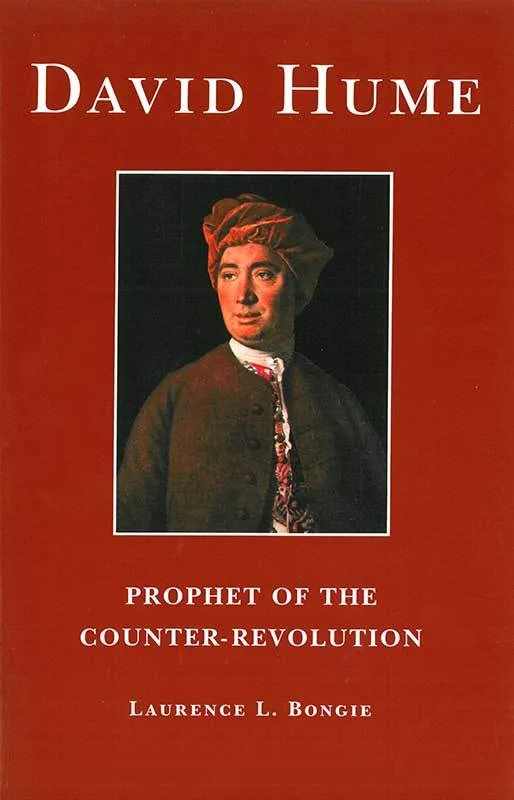
Laurence L. Bongie · 1965
The bulk of Bongie’s work consists of the writings of French readers of Hume who were confronted, first, by the ideology of human perfection and, finally, by the actual terrors of the French Revolution. These vitally…
Trevor Colbourn · 1965
In a landmark work, a leading scholar of the eighteenth century examines the ways in which an understanding of the nature of history, seen as as a continual struggle between liberty and virtue on one hand and arbitrary…
Gordon Tullock · 1966
In The Organization of Inquiry, Gordon Tullock sets out to answer such questions as: how do scientists engage in apparently cooperative contributions in the absence of hierarchic organization and why are scientific…
M.J.C. Vile · 1967
Arguably no political principle has been more central than the separation of powers to the evolution of constitutional governance in Western democracies. M. J. C. Vile traces the history of the doctrine from its rise…
James M. Buchanan · 1967
Vol. 4 of The Collected Works. Public Finance in Democratic Process outlines the dynamics of individual choice as it is displayed in the process of public finance. The underlying principles of this seminal work are: an…
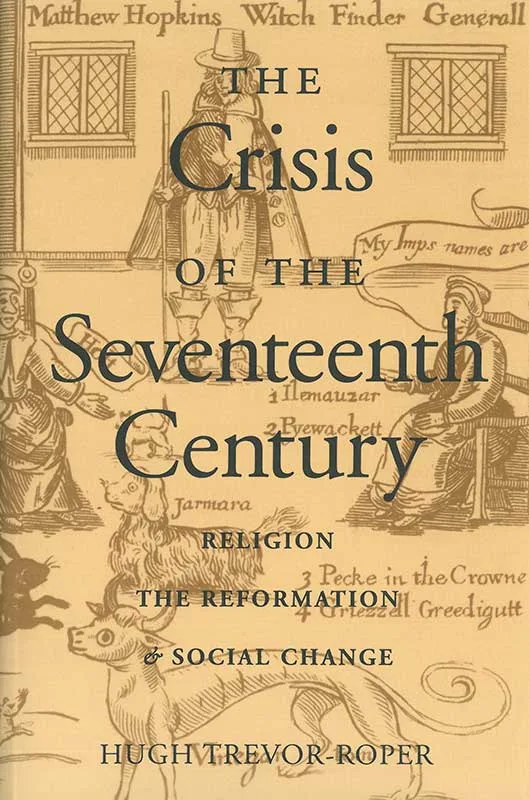
Hugh Trevor-Roper · 1967
The Crisis of the Seventeenth Century collects nine essays by Trevor-Roper on the themes of religion, the Reformation, and social change. As Trevor-Roper explains in his preface, “the crisis in government, society, and…
James M. Buchanan · 1968
Vol. 5 of The Collected Works. Originally given as a series of lectures at Cambridge University in 1961 and 1962, in The Demand and Supply of Public Goods Buchanan develops a theory of public-goods in which he compares…
James M. Buchanan · 1969
Vol. 6 of The Collected Works. A short work in which Buchanan develops his ideas on opportunity cost. He takes an individualist and subjectivist perspective and attempts to integrate this into the orthodox classical and…
John Passmore · 1969
Thoroughly and elegantly, Passmore explores the history of the idea of perfectibility - manifest in the ideology of perfectibilism - and its consequences, which have invariably been catastrophic for individual liberty…
Michael Oakeshott · 1975
Hobbes on Civil Association consists of Oakeshott’s four principal essays on Hobbes and on the nature of civil association as civil association pertains to ordered liberty. The essays are “Introduction to Leviathan”…
James M. Buchanan · 1975
Vol. 7 of The Collected Works. The Limits of Liberty made James Buchanan’s name more widely known than ever before among political philosophers and theorists and established Buchanan, along with John Rawls and Robert…
James M. Buchanan · 1977
Vol. 8 of The Collected Works. Democracy in Deficit is one of the early comprehensive attempts to apply the basic principles of public-choice analysis to macroeconomic theory and policy. The book serves to bolster…
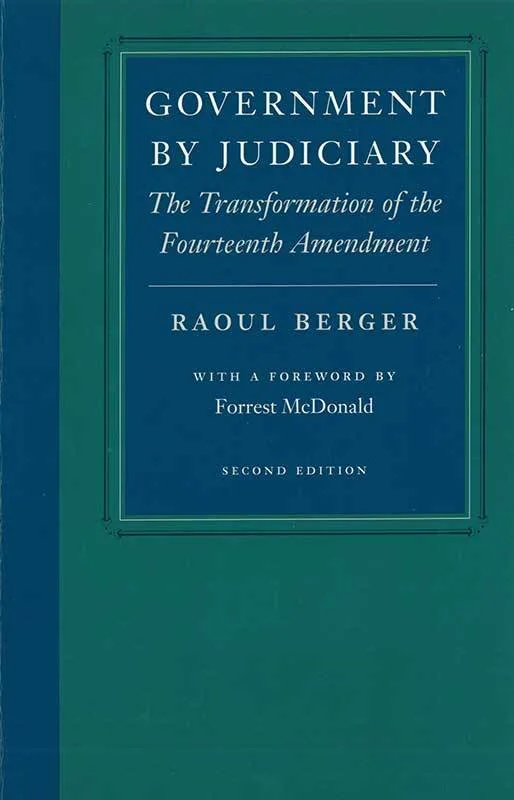
Raoul Berger · 1977
It is the thesis of this monumentally argued book that the United States Supreme Court - largely through abuses of the Fourteenth Amendment to the Constitution has embarked on “a continuing revision of the Constitution,…
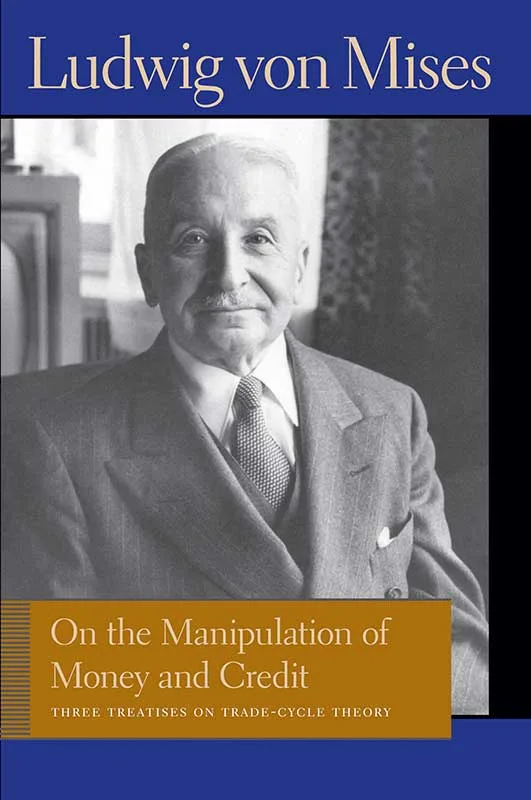
Ludwig von Mises · 1978
On the Manipulation of Money and Credit includes some of Mises’s most important contributions to monetary and trade-cycle theories. “Stabilization of the Monetary Unit from the Viewpoint of Theory,” discusses the…
Benjamin A. Rogge · 1979
The nineteen essays in this volume explore the philosophy of freedom, the nature of economics, the business system, labor markets, money and inflation, the problems of cities, education, and what must be done to ensure…
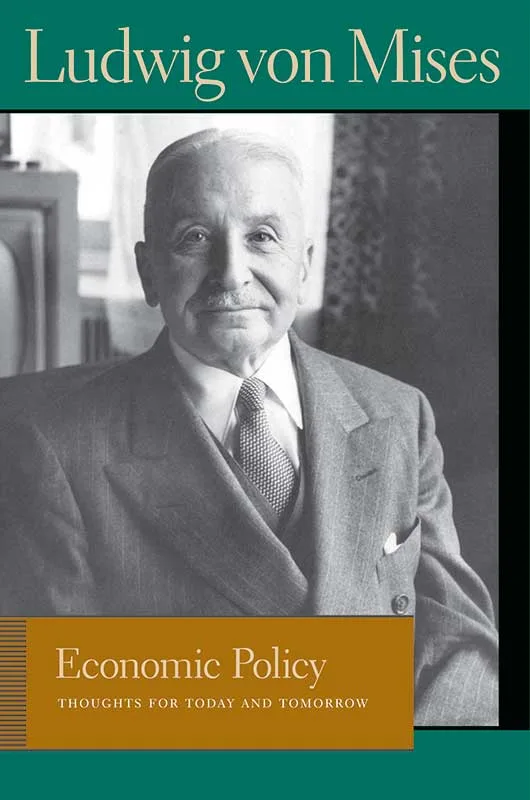
Ludwig von Mises · 1979
Economic Policy contains six lectures Ludwig von Mises delivered in 1959 for the Centro de Estudios sobre la Libertad in Argentina. This volume serves as an excellent introduction to what Mises sees as the simple truths…
Frank Chodorov · 1980
A collection of Chodorov’s essays selected from The Freeman and Human Events and other publications.
Geoffrey Brennan · 1980
Vol. 9 of The Collected Works. Originally published in 1980, The Power to Tax was a much-needed answer to the tax revolts sweeping across the United States. The public-choice approach to taxation which Buchanan had…
James T. Schleifer · 1980
A model of intellectual history which documents where, when, and under what influences Alexis de Tocqueville wrote different sections of his Democracy in America and how the central themes of that work - democracy,…
Charles S. Hyneman · 1983
These volumes provide a selection of seventy-six essays, pamphlets, speeches, and letters to newspapers written between 1760 and 1805 by American political and religious leaders. Many are obscure pieces, but all…
Charles S. Hyneman · 1983
These volumes provide a selection of seventy-six essays, pamphlets, speeches, and letters to newspapers written between 1760 and 1805 by American political and religious leaders. Many are obscure pieces, but all…
Charles S. Hyneman · 1983
These volumes provide a selection of seventy-six essays, pamphlets, speeches, and letters to newspapers written between 1760 and 1805 by American political and religious leaders. Many are obscure pieces , but all…
James M. Buchanan · 1985
Vol. 10 of The Collected Works. In his foreword, Robert D. Tollison identifies the main objective of Geoffrey Brennan and James M. Buchanan’s The Reason of Rules: ” . . a book-length attempt to focus the energies of…
Anthony de Jasay · 1985
The State is a brilliant analysis of modern political arrangements that views the state as acting in its own interest contrary to the interests of individuals and even of an entire society. Read the Liberty Classic on…
Helmut Schoeck · 1987
This classic study is one of the few books to explore extensively the many facets of envy—“a drive which lies at the core of man’s life as a social being.” Ranging widely over literature, philosophy, psychology, and the…

George Washington · 1988
George Washington speaks for himself on behalf of liberty and the emerging American republic. Drawing extensively on his correspondence, this volume includes all of his presidential addresses, various public…
Robert A. Nisbet · 1988
Nisbet examines the role of the United States in the world since World War I focusing on the threats that the unprecedented militarization of American life in the decades after 1914, bureaucracy, centralization, and…
George W. Carey · 1989
In Defense of the Constitution refutes modern critics of the Constitution who assail it as “reactionary” or “undemocratic.” The author argues that modern disciples of Progressivism are determined to centralize political…
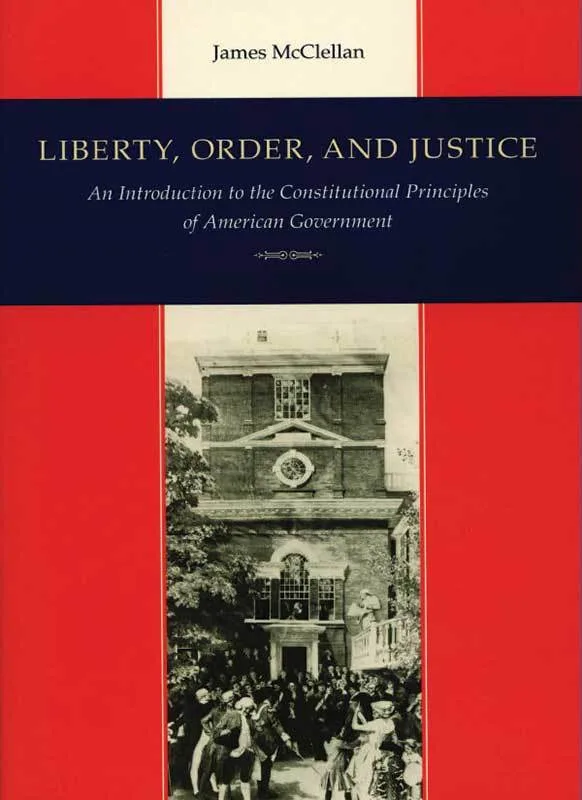
James McClellan · 1989
Liberty, Order, and Justice seeks to familiarize students with the basic principles of the Constitution, and to explain their origin, meaning, and purpose. Particular emphasis is placed on federalism and the separation…
Anthony de Jasay · 1989
Jasay refutes the common idea that we need a government as a provider of public goods. He argues that without taxation voluntary contributions to provide freely accessible benefits would be made by some members of…
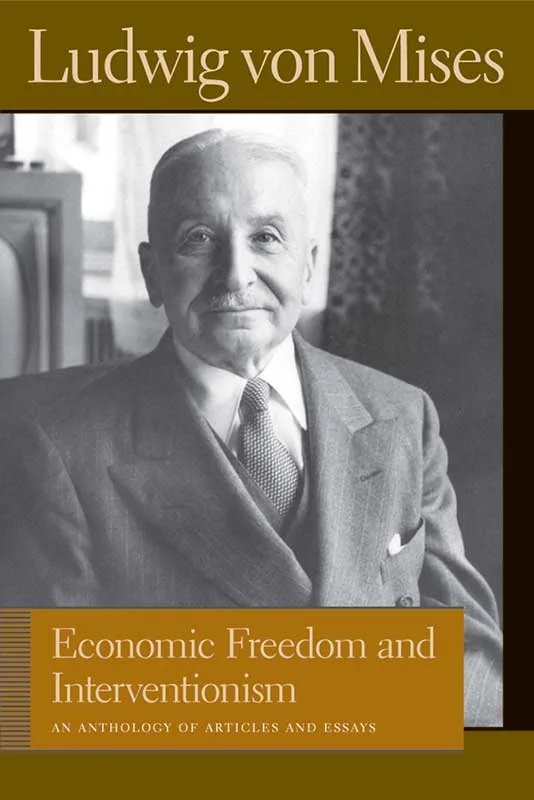
Ludwig von Mises · 1990
Economic Freedom and Interventionism is a primer of the thought of Ludwig von Mises and an anthology of his writings. This volume contains forty-seven articles edited by Mises scholar Bettina Bien Greaves. Among them…
Ellis Sandoz · 1991
Volume I of a large two volume collection of sermons written between 1730-1805 by people such as Jonathan Mayhew, John Wesley, Moses Mather, John Witherspoon, Richard Price, Jonathan Edwards, and Noah Webster.
William Emerson · 1991
Volume 2 of a large two volume collection of sermons written between 1730-1805 by people such as Jonathan Mayhew, John Wesley, Moses Mather, John Witherspoon, Richard Price, Jonathan Edwards, and Noah Webster.
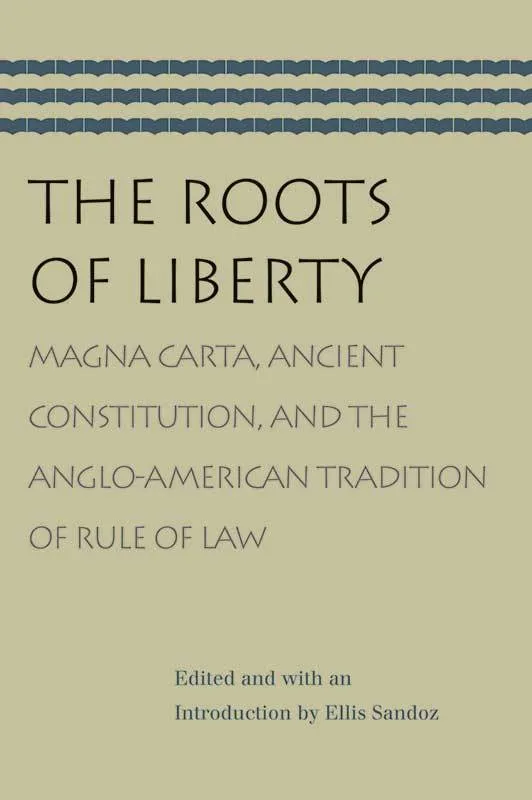
John Phillip Reid · 1993
This is a critical collection of essays on the origin and nature of the idea of liberty. The authors explore the development of English ideas of liberty and the relationship those ideas hold to modern conceptions of…
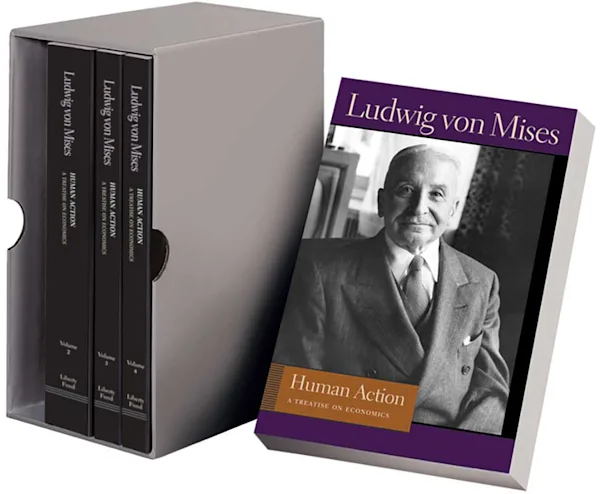
Ludwig von Mises · 1996
In the foreword to Human Action: A Treatise on Economics, Mises explains complex market phenomena as “the outcomes of countless conscious, purposive actions, choices, and preferences of individuals, each of whom was…
Ludwig von Mises · 1996
In the foreword to Human Action: A Treatise on Economics, Mises explains complex market phenomena as “the outcomes of countless conscious, purposive actions, choices, and preferences of individuals, each of whom was…
Ludwig von Mises · 1996
In the foreword to Human Action: A Treatise on Economics, Mises explains complex market phenomena as “the outcomes of countless conscious, purposive actions, choices, and preferences of individuals, each of whom was…
Ludwig von Mises · 1996
In the foreword to Human Action: A Treatise on Economics, Mises explains complex market phenomena as “the outcomes of countless conscious, purposive actions, choices, and preferences of individuals, each of whom was…
Ludwig von Mises · 1996
The 4th and final volume contains a brief appendix by Mises on the work of Boehm-Bawerk and a glossary of terms prepared by the editor.
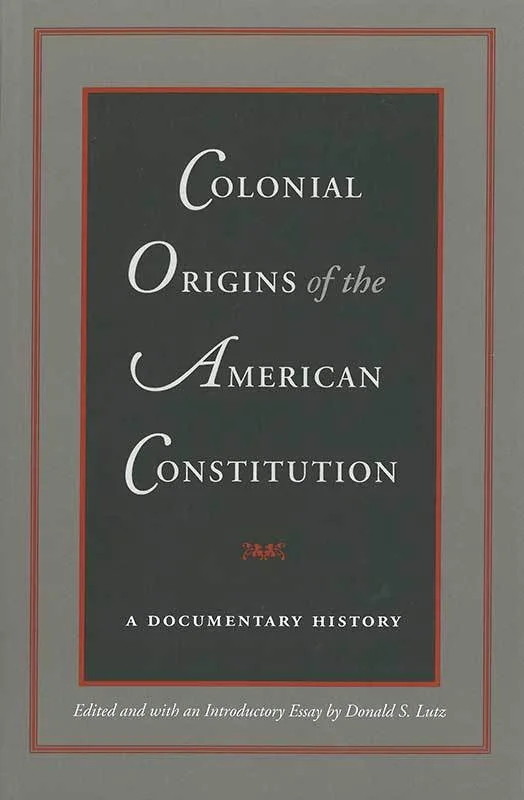
Donald S. Lutz · 1998
A collection of eighty documents which demonstrate how local government in colonial America was the seedbed of American constitutionalism. Most of these documents, commencing with the Agreement of the Settlers at Exeter…
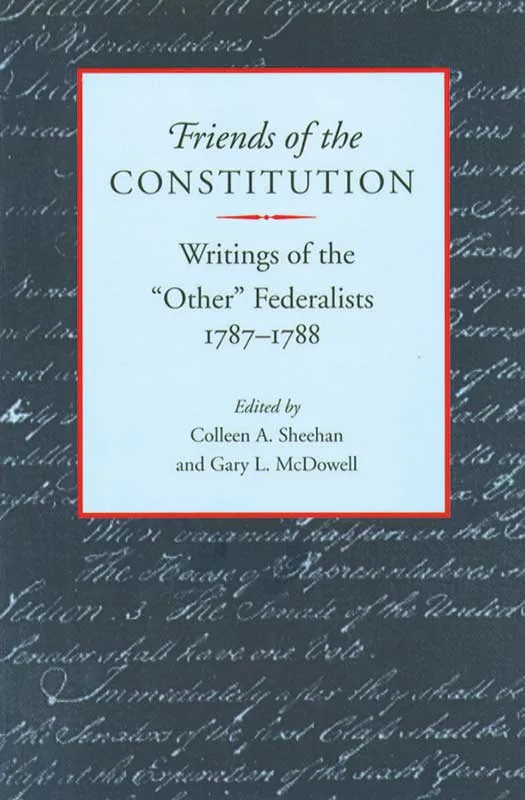
Colleen A. Sheehan · 1998
A collection of pamphlets, speeches, and other pro-ratification writings of George Washington, Benjamin Rush, Nicholas Collin, John Dickinson, James Wilson, Tench Coxe, Benjamin Franklin, Noah Webster, Roger Sherman,…

James M. Buchanan · 1999
The Collected Works of James M. Buchanan is a twenty-volume series published by Liberty Fund that includes ten monographs and all of the important journal articles, papers, and essays that Buchanan has produced in a…
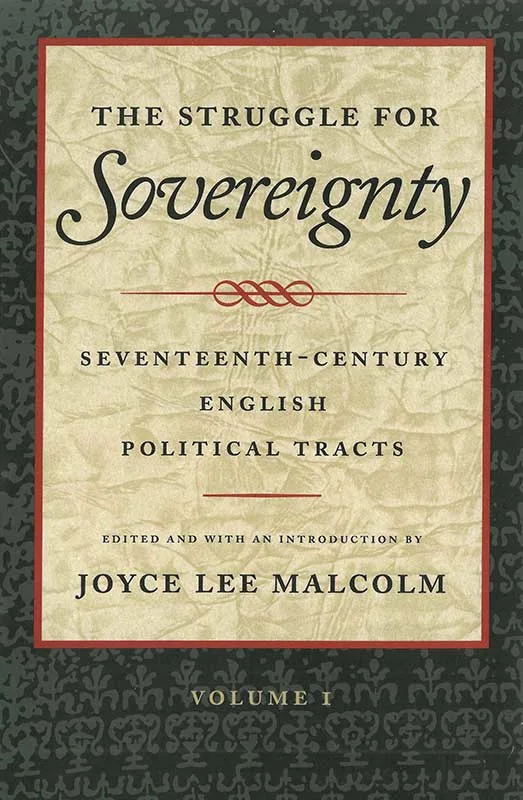
Joyce Lee Malcolm · 1999
The political tracts of the English peoples in the seventeenth century established enduring principles of governance and of liberty that benefited not only themselves but the founders of the American republic. These…
Joyce Lee Malcolm · 1999
The political tracts of the English peoples in the seventeenth century established principles of governance and of liberty that benefited not only themselves but the founders of the American republic. These writings, by…
Joyce Lee Malcolm · 1999
The political tracts of the English peoples in the seventeenth century established principles of governance and of liberty that benefited not only themselves but the founders of the American republic. These writings, by…
Ludwig von Mises · 2000
Vol. 3 of a three volume collection of Mises' essays found in Moscow in 1996. Vol. 3 contains essays on postwar reconstruction, American foreign trade policy, monetary policy, and plans for European union.
Arthur Pollard · 2000
In The Representation of Business in English Literature, five scholars of different periods of English literature produce original essays on how business and businesspeople have been portrayed by novelists, starting in…
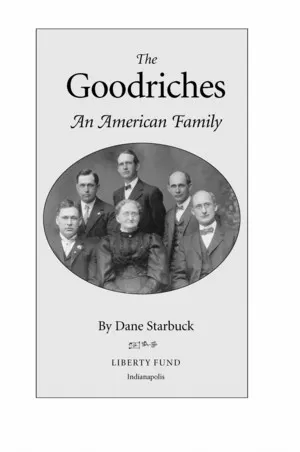
Dane Starbuck · 2001
A biography of one of Indiana’s most prominent twentieth-century families. It begins with the birth of James P. Goodrich in 1864 and continues through the death of his son Pierre F. Goodrich in 1973. James Goodrich…
Anthony de Jasay · 2002
Author of The State, Anthony de Jasay, has been described as one of the few genuinely original minds in modern political philosophy. He breaks new ground with Justice and Its Surroundings - a new collection of essays…
Ludwig von Mises · 2002
Vol. 2 of a three volume collection of Mises' essays found in Moscow in 1996. Vol. 2 contains essays on inflation, interventionism, the great depression, Austrian economic policy, autarchy, the theory of Austrian…
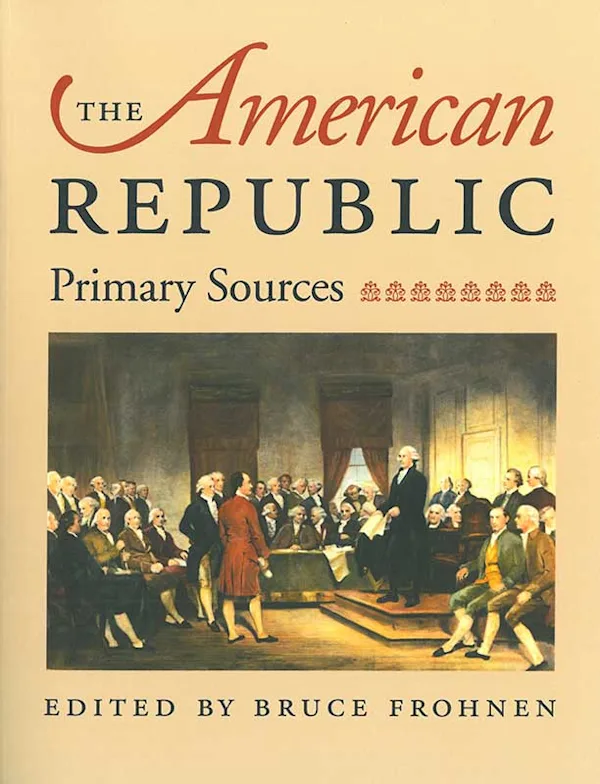
Bruce Frohnen · 2002
The American Republic is an excellent textbook for classroom use which provides, in a single volume, critical, original documents revealing the character of American discourse on the nature and importance of local…
Henry C. Clark · 2003
In this Liberty Fund book the editor has compiled some of the more important writings on economics before the appearance of Smith’s Wealth of Nations in 1776. It is particularly strong on the French contribution. Not…
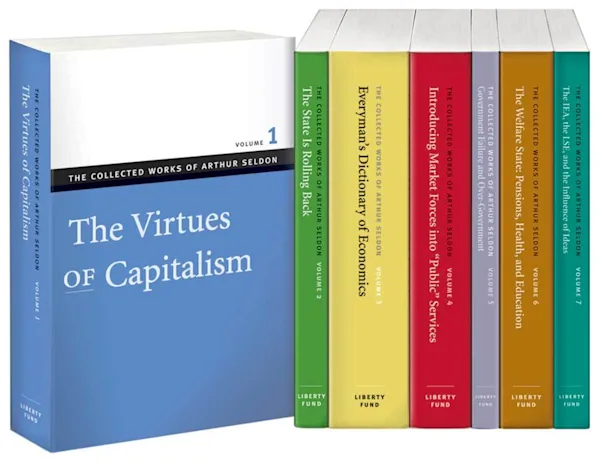
Arthur Seldon · 2004
The Collected Works of Arthur Seldon spans 65 years of Seldon’s influential thought and includes all his pivotal works that helped to shape current economic thought. His arguments are as compelling and relevant today as…
Arthur Seldon · 2004
The Virtues of Capitalism, lays the foundation of Seldon’s views and theories of capitalism and its alternatives. The first part, Corrigible Capitalism; Incorrigible Socialism, was first published in 1980. It explains…
Arthur Seldon · 2005
This is the fourth volume in Liberty Fund’s The Collected Works of Arthur Seldon. It brings together six of Seldon’s essays that discuss his alternative proposals for paying for “public” services rather than through…
Arthur Seldon · 2005
In the fifth volume of The Collected Works of Arthur Seldon, Arthur Seldon uses public choice economics research to support his theory of over-government. The term “over-government” was coined by Seldon and is defined…
Arthur Seldon · 2005
Volume 6 of The Collected Works of Arthur Seldon examines the failure of state-supported welfare programs to benefit the people most in need of help. The eight articles and one book in this volume encompass almost forty…
Arthur Seldon · 2005
Volume 7 of The Collected Works of Arthur Seldon includes six works that discuss the role of the Institute of Economic Affairs, where Seldon spent most of his working life. For copyright reasons, only “The Making of the…
David Womersley · 2006
This collection examines themes and ideologies central to the formation of the United States including Edmund Burke’s theories on property rights and government, the influence of Jamaica on the American colonies, the…
James Wilson · 2007
This two-volume set brings together a collection of writings and speeches of James Wilson, one of only six signers of both the Declaration of Independence and the Constitution, and one of the most influential members of…
James Wilson · 2007
This two-volume set brings together a collection of writings and speeches of James Wilson, one of only six signers of both the Declaration of Independence and the Constitution, and one of the most influential members of…
James Wilson · 2007
This two-volume set brings together a collection of writings and speeches of James Wilson, one of only six signers of both the Declaration of Independence and the Constitution, and one of the most influential members of…
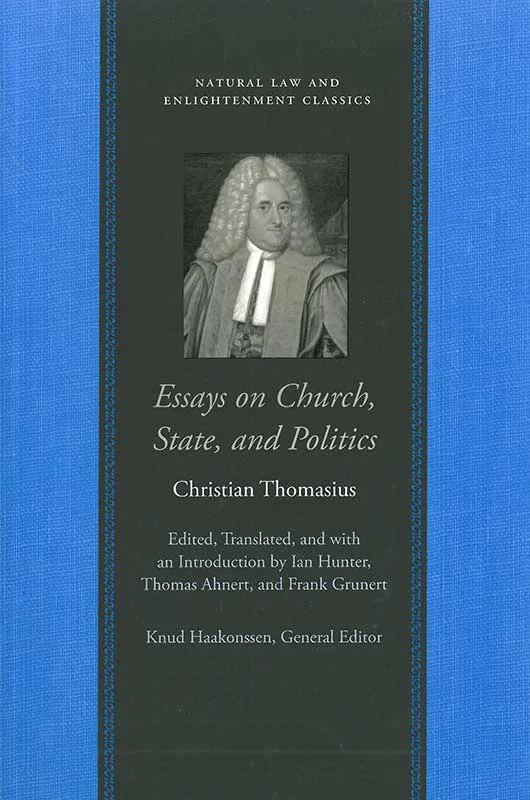
Christian Thomasius · 2007
The essays selected here for translation derive largely from Thomasius’s work on Staatskirchenrecht, or the political jurisprudence of church law. These works, originating as disputations, theses, and pamphlets, were…
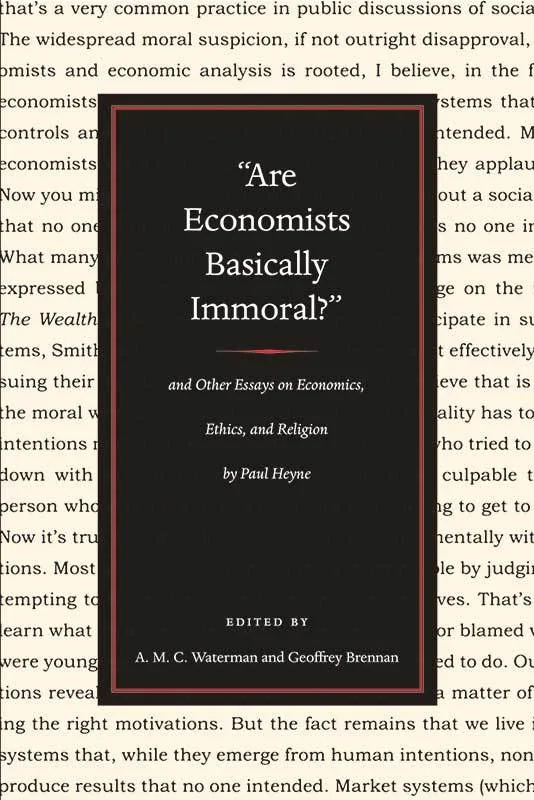
Paul Heyne · 2008
Heyne’s writings are unique in that he takes the critics of the free market order seriously and addresses their arguments directly, showing how they are defective in their understanding of economics and in their ethical…
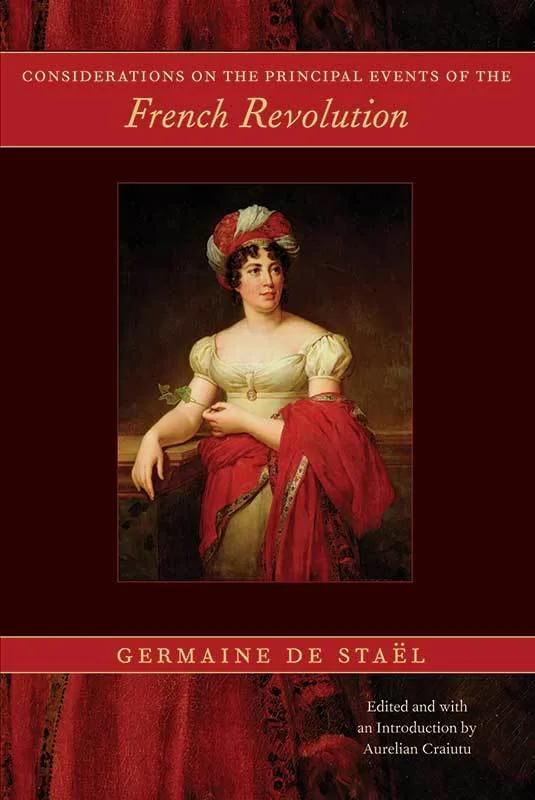
Germaine de Staël · 2008
Considerations is considered de Staël’s magnum opus and sheds renewed light on the familiar figures and events of the Revolution, among them, the financier and statesman Jacques Necker, her father.
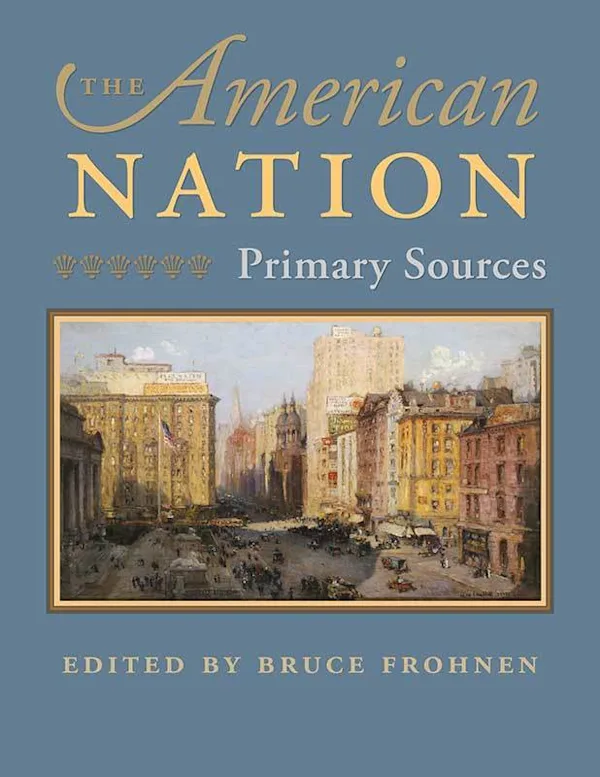
Bruce Frohnen · 2008
This volume is a continuation of Frohnen’s earlier collection of primary sources The American Republic. It contains material from the Civil War to the outbreak of World War Two in the Pacific.
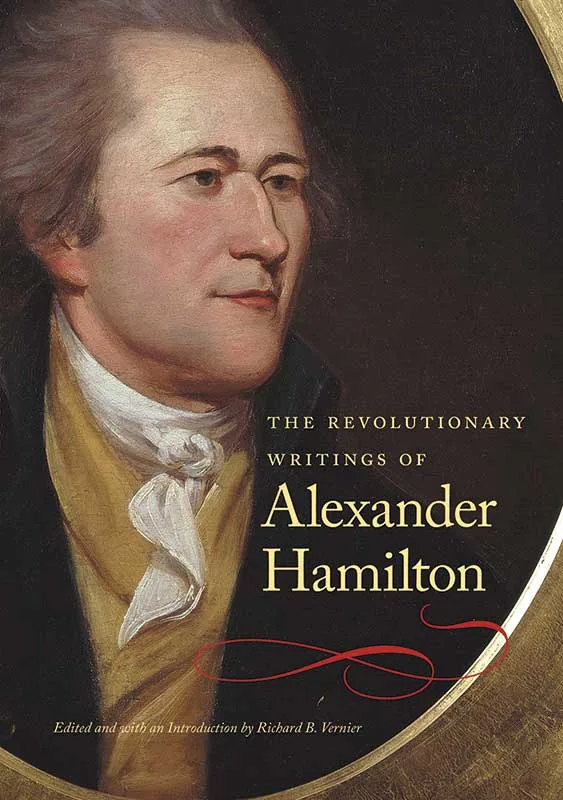
Alexander Hamilton · 2008
This is a comprehensive collection of Hamilton’s early writings, from the period before and during the Revolutionary War, and includes The Continentalist, lettters by Publius, and Remarks on the Quebec Bill.
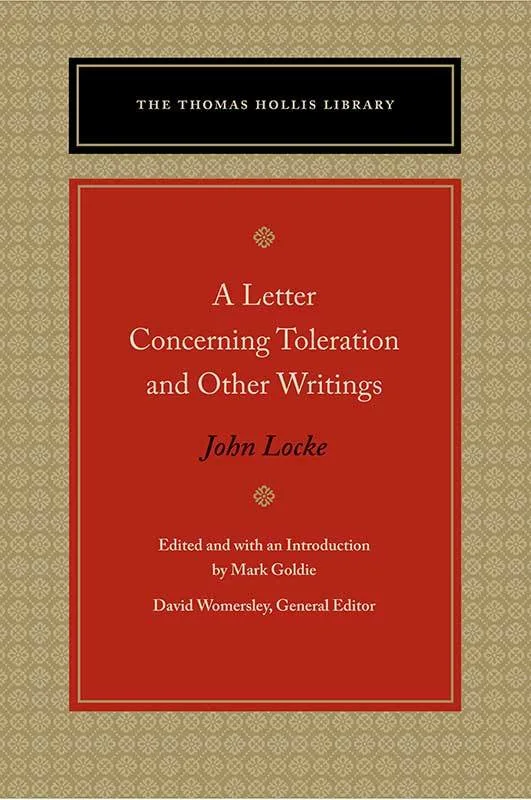
John Locke · 2010
Part of the Thomas Hollis Library published by Liberty Fund. This volume contains A Letter Concerning Toleration, excerpts of the Third Letter, An Essay on Toleration, and various fragments.
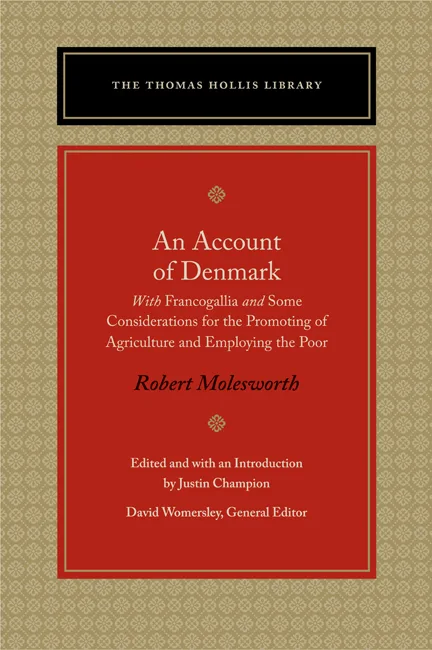
Robert Molesworth · 2011
Molesworth’s An Account of Denmark was one of the canonical works of 18th century Whiggism. It is a detailed description of how tyranny and corruption worked, the institutions that made this possible, and the ideas that…
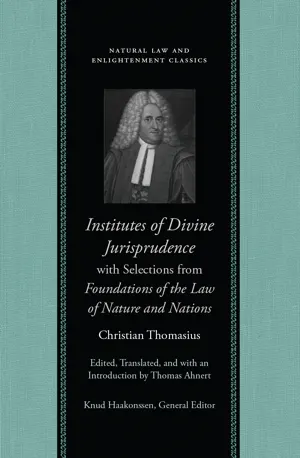
Christian Thomasius · 2011
First published in 1688, Thomasius’s Institutes attempted to draw a clear distinction between natural and revealed law and to emphasize that human reason was able to know the precepts of natural law without the aid of…
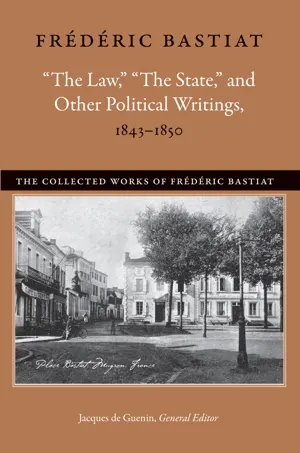
Frédéric Bastiat · 2011
A 6 vol. collection of the works of the 19th century French political economist Frédéric Bastiat. More than half of the material has never been translated into English before. The texts are accompanied by extensive…
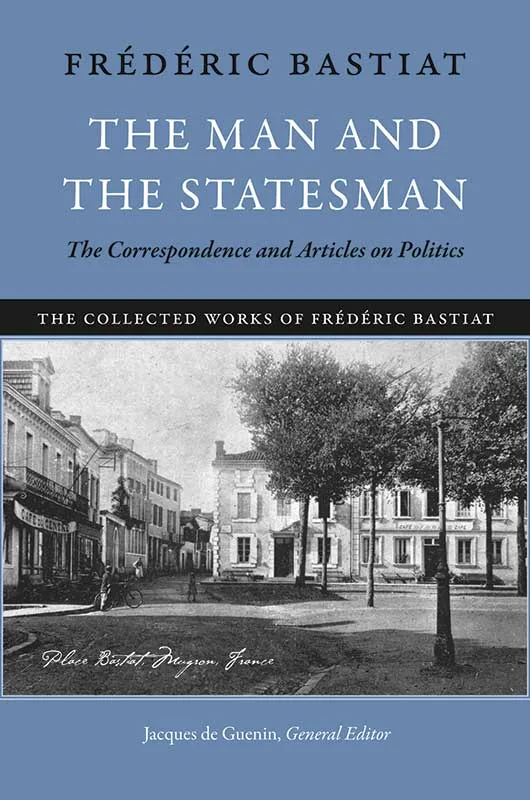
Frédéric Bastiat · 2011
Vol. 1 of a 6 vol. collection of the works of the 19th century French political economist Frédéric Bastiat. This volume contains 209 letters and a selection of his articles on politics. A detailed glossary contains…
Alexis de Tocqueville · 2012
A two volume English only version of Liberty Fund's 4 volume bi-lingual critical edition. In 1831, Alexis de Tocqueville and his friend Gustave de Beaumont visited the United States. From Tocqueville’s copious notes of…
Alexis de Tocqueville · 2012
Volume 1 of a two volume English only version of Liberty Fund's 4 volume bi-lingual critical edition. In 1831, Alexis de Tocqueville and his friend Gustave de Beaumont visited the United States. From Tocqueville’s…
Alexis de Tocqueville · 2012
Volume 2 of a two volume English only version of Liberty Fund's 4 volume bi-lingual critical edition. In 1831, Alexis de Tocqueville and his friend Gustave de Beaumont visited the United States. From Tocqueville’s…
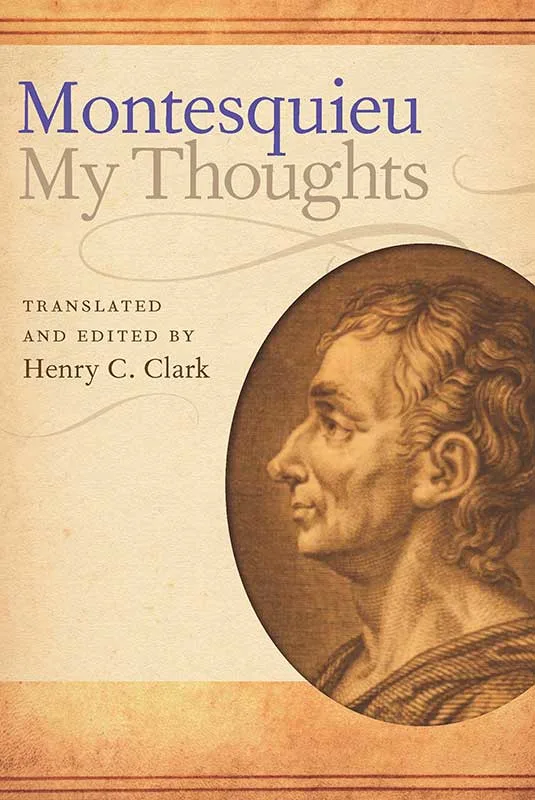
Charles Louis de Secondat, Baron de Montesquieu · 2012
My Thoughts provides a unique window into the mind of the author of The Spirit of the Laws. From the publication of his first masterpiece, Persian Letters, in 1721, until his death in 1755, Montesquieu maintained…
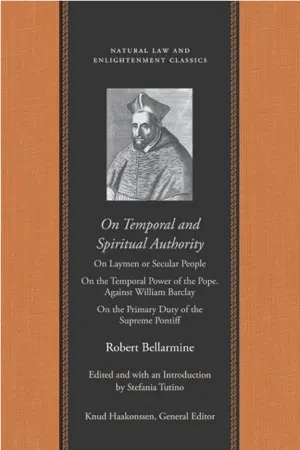
Robert Bellarmine · 2012
The political thought of Bellarmine was at the center of post-Reformation debates on the relationship between state and church; on the nature, aim, and limits of temporal government; and on the relation between religion…
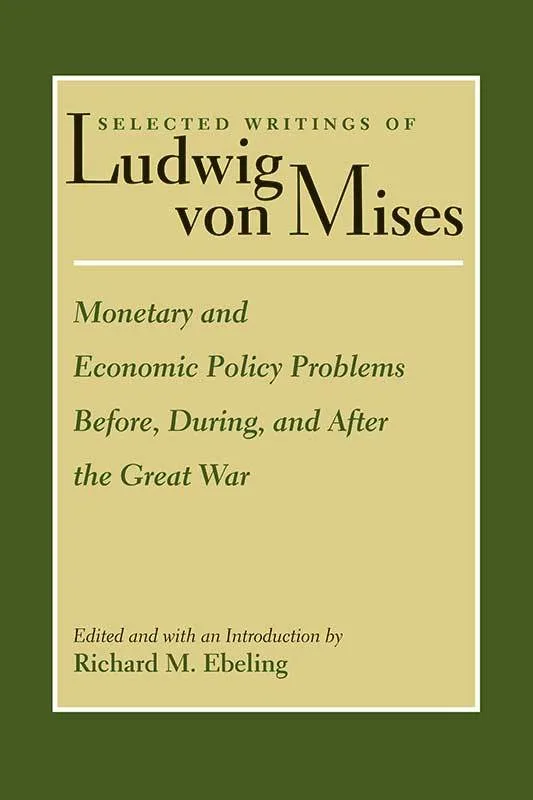
Ludwig von Mises · 2012
A three volume collection of Mises's writings from the so-called "lost papers" found in a Moscow archive in 1996. These were seized by the Gestapo and then taken back to Russia after the war by the Russian government.
Ludwig von Mises · 2012
Vol. 1 of a three volume collection. The articles that comprise this book include Mises’s policy memoranda, essays, and speeches that were found in a formerly secret KGB archive in Moscow. They deal with Mises’s…
Frédéric Bastiat · 2012
Volume 2 of a collection of the works of the 19th century French political economist Frédéric Bastiat. This volume contains 19 essays on political theory, including “The State,” “The Law,” and “Property and Plunder.” A…
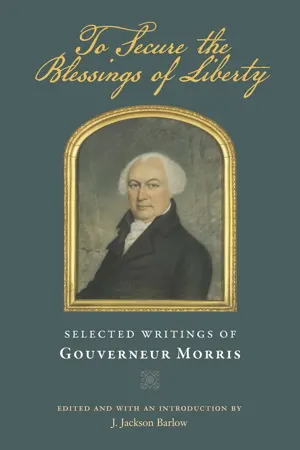
Gouverneur Morris · 2012
Morris served as Deputy Superintendent of Finance during the American Revolution and devised the system of decimal coinage. As a member of the Committee on Style and Arrangement, he put the Constitution in its present…
Charles Murray · 2013
In Pursuit: Of Happiness and Good Government begins by examining James Madison’s statement: “A good government implies two things; first, fidelity to the object of government, which is the happiness of the people;…
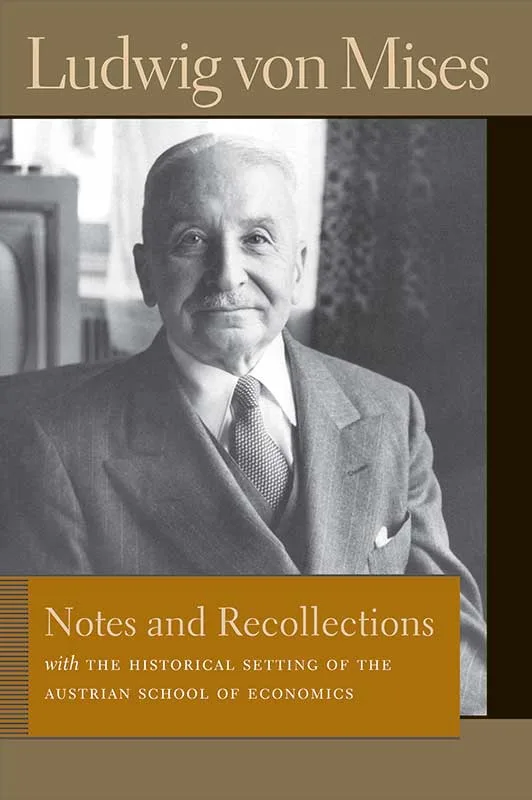
Ludwig von Mises · 2013
This volume contains Mises' brief memoir Notes and Recollections he wrote just prior to migrating to the U.S. in 1940 and an essay on the history of the Austrian school of economics from 1962. His memoir is accompanied…
Christine Dunn Henderson · 2014
Tocqueville’s Voyages is a collection of newly written essays by some of the most well-known Tocquevillian scholars today. The essays in the first part of the volume explore the development of Tocqueville’s thought, his…
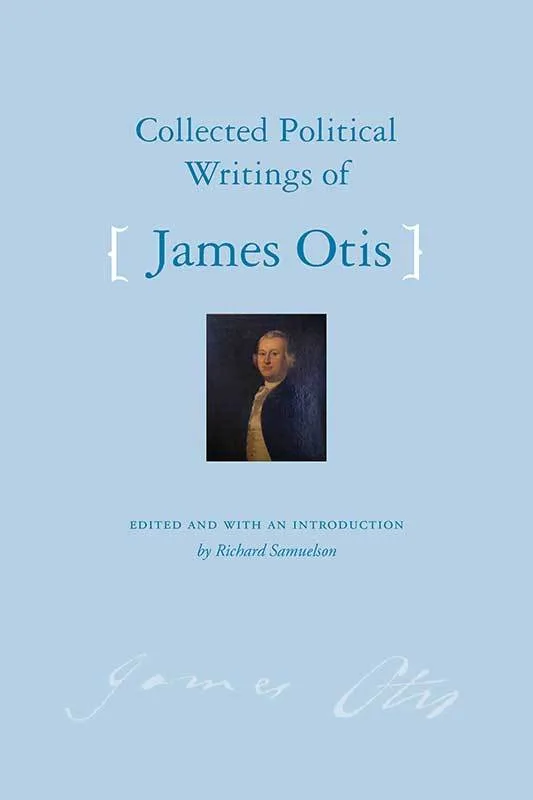
James Otis · 2015
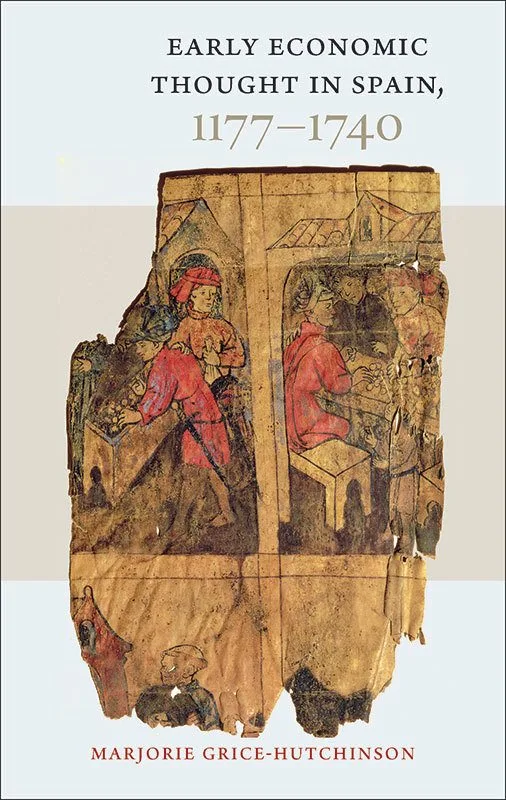
Marjorie Grice-Hutchinson · 2015
In the sixteenth and early seventeenth centuries, clerics gave lectures at the University of Salamanca on such topics as the varying purchasing power of money, the morality of money, and how price is determined.…
Richard Cantillon · 2015
The Liberty Fund edition is a modernized translation of Richard Cantillon’s Essai sur la nature du commerce en général (1755) with a new introduction by Antoin E. Murphy. Cantillon outlined an extraordinary…
Edward Wortley Montagu · 2015
Montagu’s warnings in Reflections on the Rise and Fall of the Ancient Republicks are unusual in that each of the five states he examines supplies a separate lesson adapted to the needs of Britain during the crisis.…
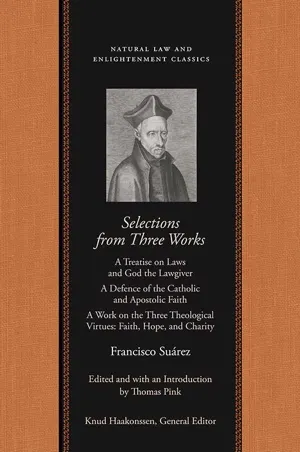
Francisco Suárez · 2015
The bulk of the selections in this volume are from A Treatise on Laws and God the Lawgiver (1612). In the Treatise Suárez presented a systematic account of human moral activity in all its dimensions, synthesizing the…
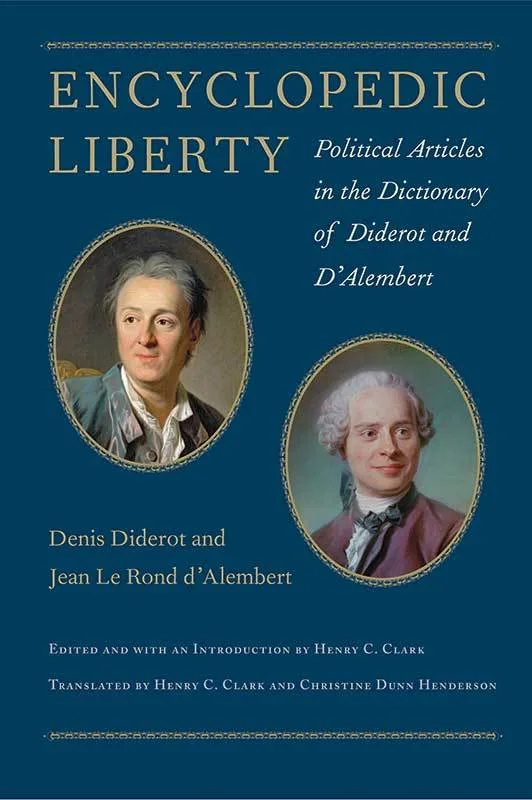
Denis Diderot · 2016
This anthology unites the most significant political writing from the compendium known as The Encyclopedia. It includes eighty-one of the most original, controversial and representative articles on political ideas,…
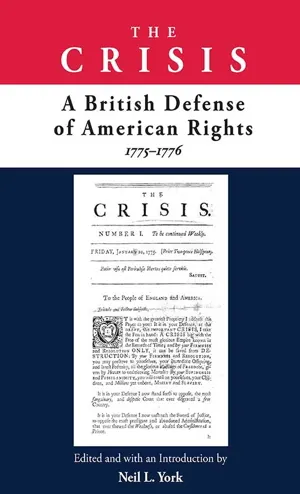
Neil L. York · 2016
The Crisis was a London weekly published between January 1775 and October 1776. It was the longest-running weekly pamphlet series printed in the British Atlantic world during those years, and it used unusually bold,…
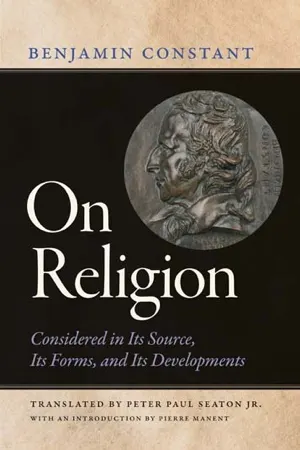
Benjamin Constant · 2017
Constant worked on this study of humanity’s religious forms and development throughout his life, publishing five volumes between 1824 and 1831. He sought to relate religious forms to historical contexts and…
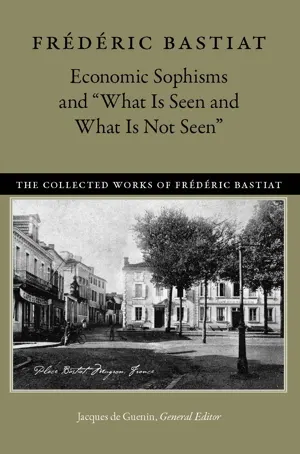
Frédéric Bastiat · 2017
Volume 3 of a 6 volume collection of the works of the 19th century French political economist Frédéric Bastiat. This volume contains the complete collection of Economic Sophisms, a third of which have never been…
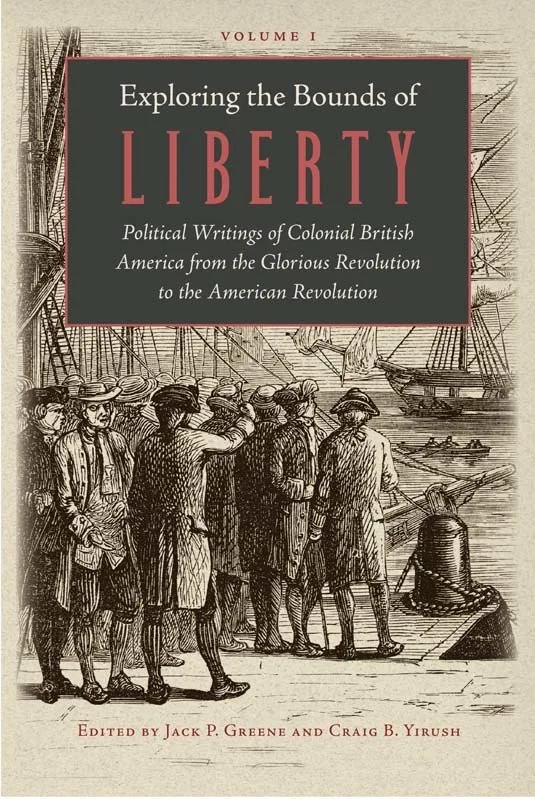
Jack P. Greene · 2018
Exploring the Bounds of Liberty is a 3-volume collection of political writings from colonial British America in the century before the Revolution. First printed mainly in London, pamphlets and broadsides soon spread as…
Jack P. Greene · 2018
Exploring the Bounds of Liberty is a 3 vol. collection which presents a rich and extensive selection of the political literature produced in and about colonial British America during the century before the American…
Jack P. Greene · 2018
Exploring the Bounds of Liberty is a 3 vol. collection which presents a rich and extensive selection of the political literature produced in and about colonial British America during the century before the American…
Jack P. Greene · 2018
Exploring the Bounds of Liberty is a 3 vol. collection which presents a rich and extensive selection of the political literature produced in and about colonial British America during the century before the American…
Armen A. Alchian · 2018
Universal Economics shows the critical importance of property rights to the existence and success of market economies.
John Brown · 2019
The central text of this volume, An Estimate of the Manners and Principles of the Times (1757), is a vigorous attack on the “vain, luxurious, and selfish effeminacy” of England’s higher ranks, in the wake of the loss of…
Henry Home, Lord Kames · 2019
In Historical Law-Tracts, Kames combined the natural law framework that underlies his Essays on the Principles of Morality and Natural Religion with the “conjectural,” or philosophical, approach to history that would…
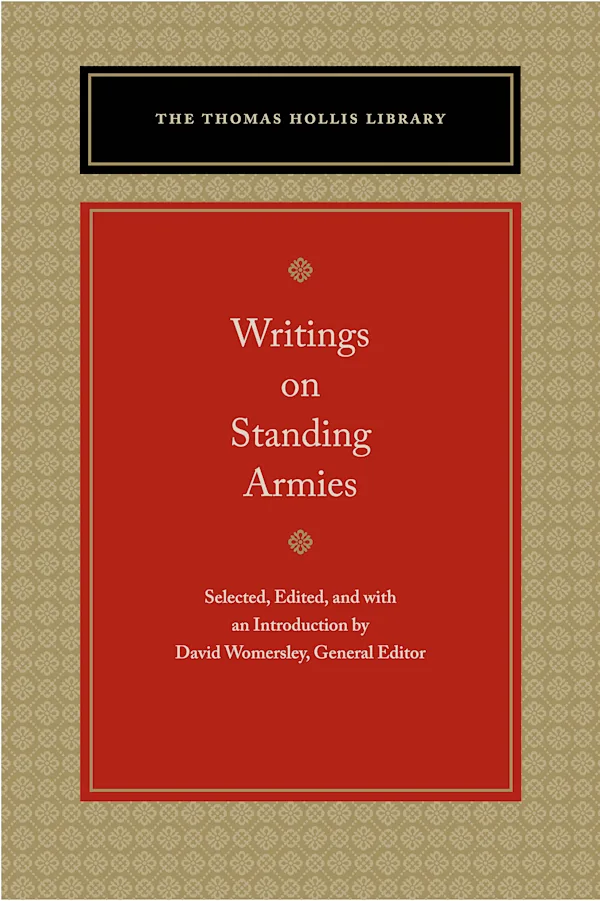
David Womersley · 2020
The questions of where to locate, in whose hands to place, and how to exercise the state’s powers of deadly military force inform a perennial topic in political theory and coalesce into a recurrent problem in political…
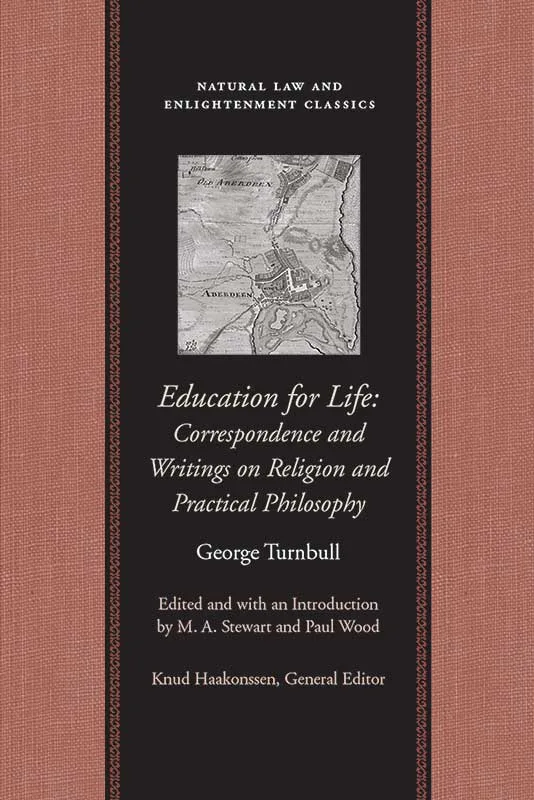
George Turnbull
George Turnbull belongs with a group of early Scottish Enlightenment thinkers, including Francis Hutcheson, who found their native Calvinism too repressive. They sought to relocate religion within a context of reason…
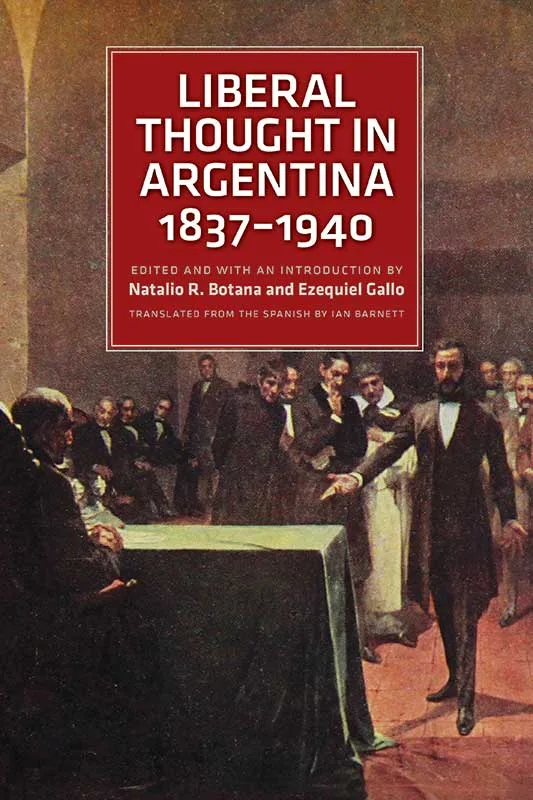
Natalio R. Botana
Liberal ideas were very important in Argentina from the time of independence. The Argentine constitution (1853–60), in force for a long time, was based on liberal principles taken from both the North American and the…
In this collection
25 people central to Books Published by Liberty Fund.
1908–1974
H.B. Acton (1908-1974) taught at Bedford College (London), the University of Edinburgh, and the University of Chicago; was editor of…

1902–2001
Mortimer J. Adler (1902-2001) was an American philosopher and educator who worked within the Aristotelian and Thomistic traditions. He…

1810–1871
One of the authors in the volume of anti-socialist essays edited by Thomas Mackay and published by the Liberty and Property Defence League.

1924–2021
William R. Allen taught at Washington University prior to joining the UCLA faculty in 1952. Along with research primarily in international…

1557–1638
Johannes Althusius was a German political and legal philosopher whose ideal commonwealth was a harmonious ordering of natural associations,…

1907–2012
Jacques Barzun was a French-born cultural historian who taught for many years at Columbia University. He also wrote widely on liberal…
Natalio R. Botana is Emeritus Professor at Universidad Torcuato Di Tella, Departamento de Ciencia Política y Relaciones Internacionales, in…

1694–1748
Jean-Jacques Burlamaqui (1694-1748) was born in Geneva to a wealthy and politically well-connected patrician family. He became professor of…

1897–1969
William Henry Chamberlin (1897–1969) was an American journalist best known for his writings on the Cold War, Communism, and U.S. foreign…

1887–1966
Chodorov was an advocate of the free market, individualism, and peace. He began as a supporter of Henry George and edited the Georgeist…

b. 1951
Henry C. Clark has been a visiting professor in the Political Economy Project at Dartmouth College since 2014. Before then, he taught at…

1835–1922
Albert Venn Dicey (1835-1922) was a leading constitutional lawyer and Vinerian Professor of English Law at Oxford University from 1882 to…

1761–1805
One of the authors in the volume of anti-socialist essays edited by Thomas Mackay and published by the Liberty and Property Defence League.
Ezequiel Gallo is Emeritus Professor at Universidad Torcuato Di Tella, Departamento de Historia, in Buenos Aires, Argentina.

1764–1832
Friedrich von Gentz (1764-1832) came under the influence of the classical liberal philosopher Immanuel Kant at the University of Königsberg…

1894–1973
Pierre F. Goodrich (1894-1973) was a successful Indiana businessman and lawyer who founded Liberty Fund in 1960. His aim was to promote…

1583–1645
Hugo Grotius (1583-1645) was a Dutch scholar and jurist whose legal masterpiece, De Jure Belli ac Pacis (On the law of war and peace)…

1524–1590
François Hotman (1524-1590) was a French Protestant political theorist who was part of the monarchomach group who were opponents of…

1845–1937
Sir Frederick Pollock (1845–1937) was educated at Eton before going to Trinity College, Cambridge. He was admitted to the bar in 1871 and…

1903–1999
Caroline Robbins (1903–1999) was educated at the University of London, receiving her Ph.D. there before going to the United States. She…
b. 1960
Robinson edited the Liberty Fund's edition of the Collected Works of Arthur Seldon.
b. 1980
Romero was a lawyer in the Colegio de Madrid and translated Frédéric Bastiat's Economic Harmonies into Spanish.
1578–1622
A Scottish jurist who opposed Grotius’s defense of the freedom of the seas. Welwod used Scripture to argue that in some cases the sea could…
b. 1941
Clyde N. Wilson is Professor of History and Editor of The Papers of John C. Calhoun at the University of South Carolina.
In this collection
From The Reading Room, Liberty Matters and the library’s other publications.

Peter Carl Mentzel · May 20, 2024
Walter Donway · May 09, 2024

Walter Donway · May 07, 2024

James M. Buchanan · Mar 12, 2013

Passages on this subject, chosen by OLL editors.
No one has to teach people how to pursue happiness. Unless impeded, people form communities that allow them to get the most satisfaction from the material resources they have. Unless impeded, they enforce norms of safety that they find adequate. Unless impeded, they develop norms of self-respect that are satisfying and realistic for the members of that community. Unless impeded, people engage in activities that they find to be intrinsically rewarding, and they know (without being taught) how to invest uninteresting activities with intrinsic rewards.
Among the many interesting objects which will engage your attention, that of providing for the common defence will merit particular regard. To be prepared for war, is one of the most effectual means of preserving peace...The welfare of our country is the great object to which our cares and efforts ought to be directed. (FROM 169: FIRST ANNUAL MESSAGE, Friday, January 8, 1790)
If, however, the collectivity is empowered to enforce individual rights, how is it to be prevented from going beyond these limits? What are the “rights” of the enforcing agent itself, the state? If we are able, conceptually, to discuss the enforcement of rights and of contracts involving exchanges of rights among persons apart from questions involving exogenous changes in the assignment of rights, we must also be able to specify, again conceptually, the rights of the collectivity to do things. We cannot simply move one step further back and conceive of the appointment or selection of some superior enforcing agent, one that will protect and limit the rights of both individuals and the state. The enforcement hierarchy must stop somewhere, and for our purpose it is well to restrict discussion to the first level. It is relatively easy to think of the collectivity fulfilling its role in protecting person and property from “unlawful” acts carried out by persons. It becomes much more difficult to think of means through which individuals can enforce and protect their rights from “unlawful” acts on behalf of the collectivity itself. How can Leviathan be chained? This problem has worried political philosophers of all ages, but no fully satisfactory answer has been advanced, either as an ideal to be approached or as a practical program to be experienced.
Complaints are every where heard from our most considerate and virtuous citizens, equally the friends of public and private faith, and of public and personal liberty, that our governments are too unstable; that the public good is disregarded in the conflicts of rival parties; and that measures are too often decided, not according to the rules of justice, and the rights of the minor party, but by the superior force of an interested and overbearing majority.
The internal effects of a mutable policy are still more calamitous. It poisons the blessings of liberty itself. It will be of little avail to the people, that the laws are made by men of their own choice, if the laws be so voluminous that they cannot be read, or so incoherent that they cannot be understood: if they be repealed or revised before they are promulg[at]ed, or undergo such incessant changes, that no man who knows what the law is to-day, can guess what it will be to-morrow.
But the great security against a gradual concentration of the several powers in the same department, consists in giving to those who administer each department, the necessary constitutional means, and personal motives, to resist encroachments of the others... Ambition must be made to counteract ambition. The interest of the man, must be connected with the constitutional rights of the place. It may be a reflection on human nature, that such devices should be necessary to control the abuses of government.
Here we reach the nub of the problem of why people in some societies behave mostly well, while in others they so often misbehave. Law even at its best controls only a small part of human behavior. At its worst, it aspires to control a great part, but largely fails. Vastly more important than the legal system is the much older and more deeply rooted set of unwritten rules (technically, spontaneous conventions) barring and sanctioning torts, nuisances, and incivilities that together define what each of us is free to do and by the same token what no one is free to do to us. If these rules are kept, everyone is free, property is safe, and every two-person transaction is mutually beneficial (though third persons may be exposed to negative externalities—for the rules are no bar to competition or the general rough-and-tumble of ordinary life).
I see my way in the constitution. I cannot in a compromise. A compromise is but an act of Congress. It may be overruled at any time. It gives us no security. But the constitution is stable. It is a rock. On it we can stand, and on it we can meet our friends from the non-slaveholding States. It is a firm and stable ground, on which we can better stand in opposition to fanaticism, than on the shifting sands of compromise. Let us be done with compromises. Let us go back and stand upon the constitution! (FROM: SPEECH ON THE INTRODUCTION OF HIS RESOLUTIONS ON THE SLAVE QUESTION)