

François Hotman
1524–1590
François Hotman (1524-1590) was a French Protestant political theorist who was part of the monarchomach group who were opponents of…


Collection
8 items in this collection
Thomas Hollis (1720-74) was an eighteenth-century Englishman who dedicated his life to the cause of liberty. He believed that citizens should educate themselves so they could hold their governments to account. To that end, he distributed books that he believed would assist in that project. The Thomas Hollis Library makes available a selection of those titles that comprise the best of the books distributed by Hollis.
In this collection
6 titles, earliest first.
Marchamont Nedham · 1656
First published in 1656, The Excellencie of a Free-State addressed a dilemma in English politics, namely, what kind of government should the Commonwealth adopt? One possibility was to revert to the ancient constitution…
Henry Neville · 1668
In late 1667 or early 1668, after he had returned to England from a second trip to Italy, Neville wrote the first of the two works on which his reputation now rests. The Isle of Pines (1668) is at initial glance a…
John Locke · 2010
Part of the Thomas Hollis Library published by Liberty Fund. This volume contains A Letter Concerning Toleration, excerpts of the Third Letter, An Essay on Toleration, and various fragments.
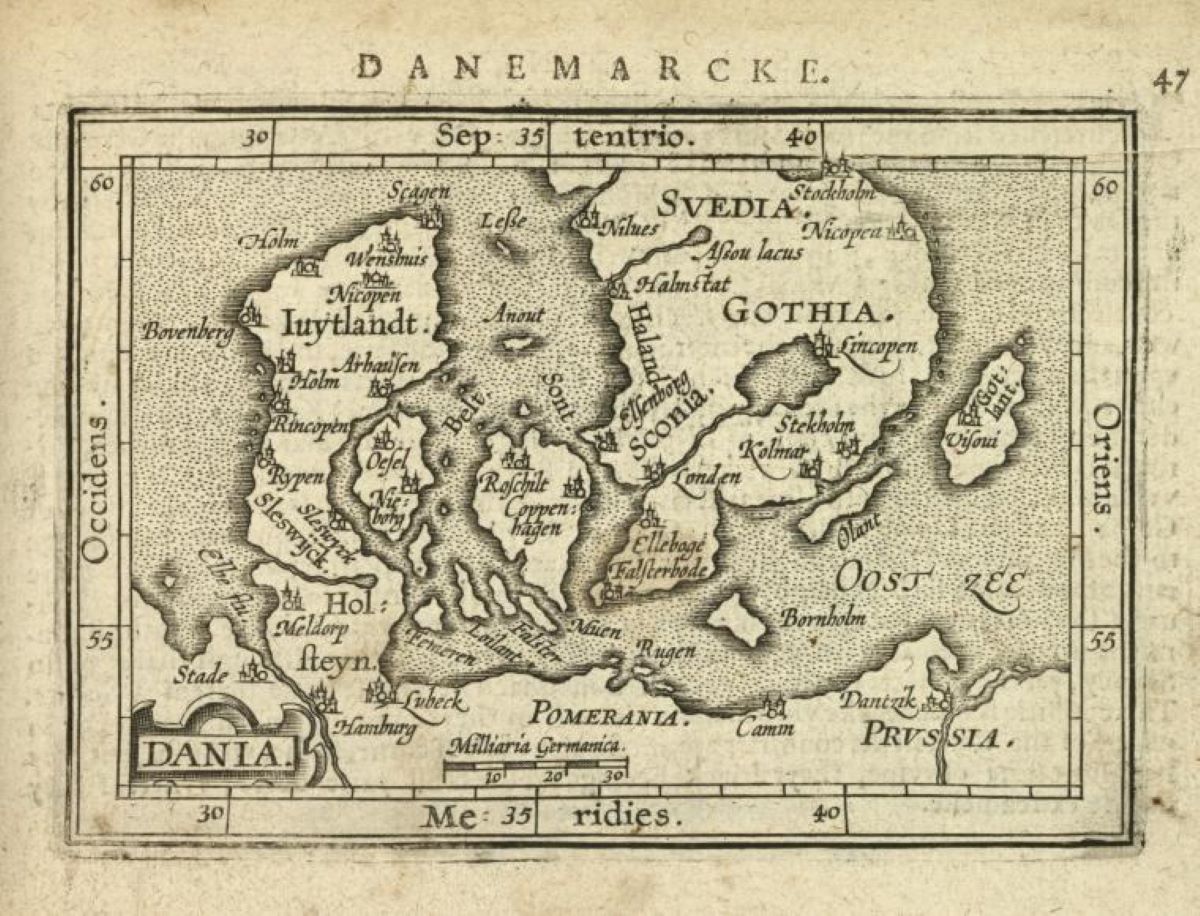
Robert Molesworth · 2011
Molesworth’s An Account of Denmark was one of the canonical works of 18th century Whiggism. It is a detailed description of how tyranny and corruption worked, the institutions that made this possible, and the ideas that…
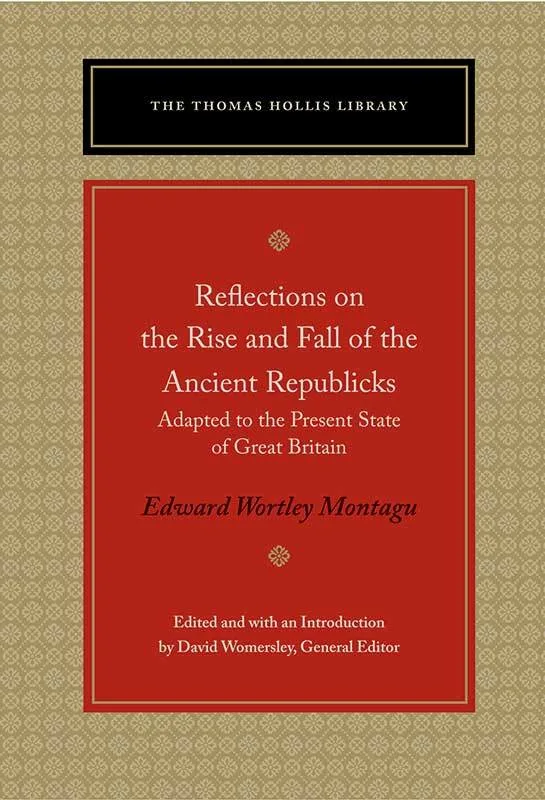
Edward Wortley Montagu · 2015
Montagu’s warnings in Reflections on the Rise and Fall of the Ancient Republicks are unusual in that each of the five states he examines supplies a separate lesson adapted to the needs of Britain during the crisis.…
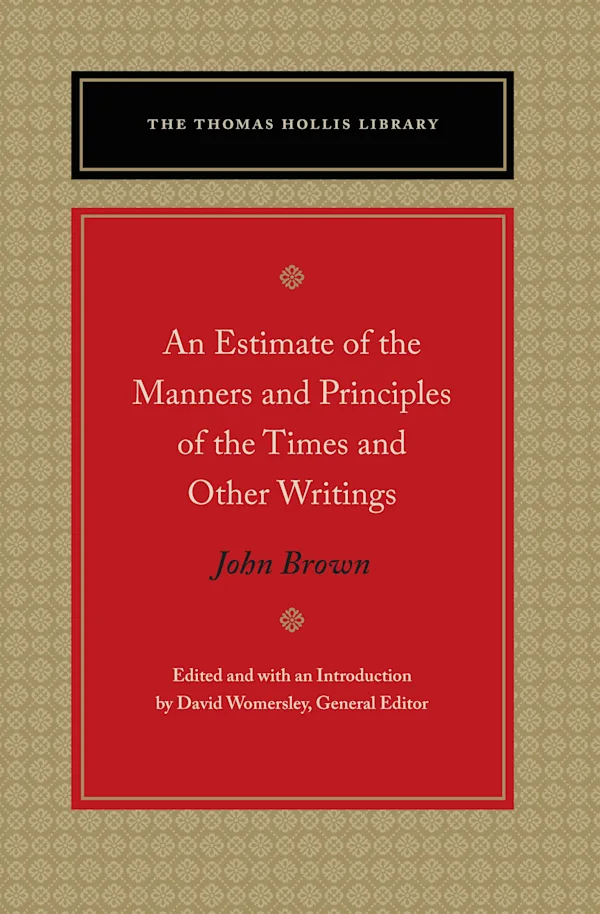
John Brown · 2019
The central text of this volume, An Estimate of the Manners and Principles of the Times (1757), is a vigorous attack on the “vain, luxurious, and selfish effeminacy” of England’s higher ranks, in the wake of the loss of…
In this collection
1 person central to Thomas Hollis Library (LF).
1524–1590
François Hotman (1524-1590) was a French Protestant political theorist who was part of the monarchomach group who were opponents of…
In this collection
From The Reading Room, Liberty Matters and the library’s other publications.
Eric Schliesser · Sep 29, 2021
Passages from titles in this collection, chosen by OLL editors.
(T)he Security of Civil and Religious Liberty, and of Property, which through God's great Mercy is firmly establish'd among us, (and) will invite new Comers as fast as we can entertain them; that most of the rest of the World groans under the Weight of Tyranny, which will cause all that have Substance, and a Sense of Honour and Liberty, to fly to Places of Shelter; which consequently would thoroughly people us with useful and profitable Hands in a few Years.
Thomas Hollis (172074) was an eighteenth-century Englishman who devoted his energies, his fortune, and his life to the cause of liberty. Hollis was trained for a business career, but a series of inheritances allowed him to pursue instead a career of public service. He believed that citizenship demanded activity and that it was incumbent on citizens to put themselves in a position, by reflection and reading, in which they could hold their governments to account. To that end for many years he distributed books that he believed explained the nature of liberty and revealed how liberty might best be defended and promoted.
A particular beneficiary of Holliss generosity was Harvard College. In the years preceding the Declaration of Independence, Hollis was assiduous in sending over to America boxes of books, many of which he had had specially printed and bound, to encourage the colonists in their struggle against Great Britain. At the same time, he took pains to explain the colonists grievances and concerns to his fellow Englishmen.
The Thomas Hollis Library makes freshly available a selection of titles that, because of their intellectual power, or the influence they exerted on the public life of their own time, or the distinctiveness of their approach to the topic of liberty, constitute the cream of the books distributed by Hollis. Many of these works have been either out of print since the eighteenth [viii] century or available only in very expensive and scarce editions. The highest standards of scholarship and production ensure that these classic texts can be as salutary and influential today as they were two hundred and fifty years ago.
David Womersley, Series Editor

Language and Literature
282 titles · 6 publications · 321 people

Political Science
618 titles · 60 publications · 383 people

5 titles · 4 publications · 7 people
Economic theory. Demography
473 titles · 88 publications · 293 people

History of the Americas
343 titles · 67 publications · 239 people

Philosophy, Psychology, and Religion
209 titles · 81 publications · 198 people