


Law
Natural Law and Enlightenment Series
74 items in this collection
About this collection
The intellectual struggle to articulate the theory of classical liberalism was often as hard fought as the physical battle for its political realization. The Natural Law and Enlightenment Classics Series presents not only some of the most famous figures from this history but also the lesser-known theorists who contributed their part to the contest of ideas. Through some of the Enlightenment’s most significant and most unusual works on natural law, moral philosophy, political theory, jurisprudence, and theology, this series offers readers a deep and nuanced understanding of classical liberal ideas and their development.
In this collection
Titles
49 titles, earliest first.
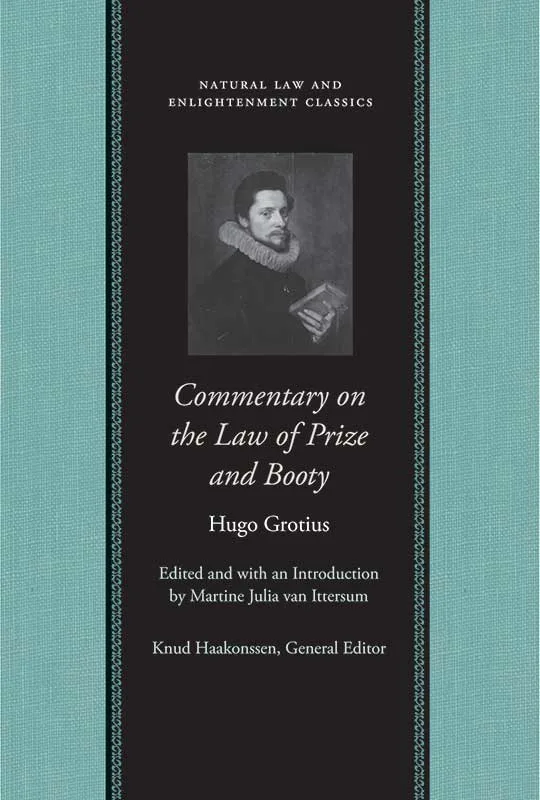
Hugo Grotius · 1603
Commentary on the Law of Prize and Booty
Commentary on the Law of Prize and Booty was written in justification of the capture of the Portuguese merchantman Santa Catarina in the Strait of Singapore in February 1603. The Liberty Fund edition is based on the one…
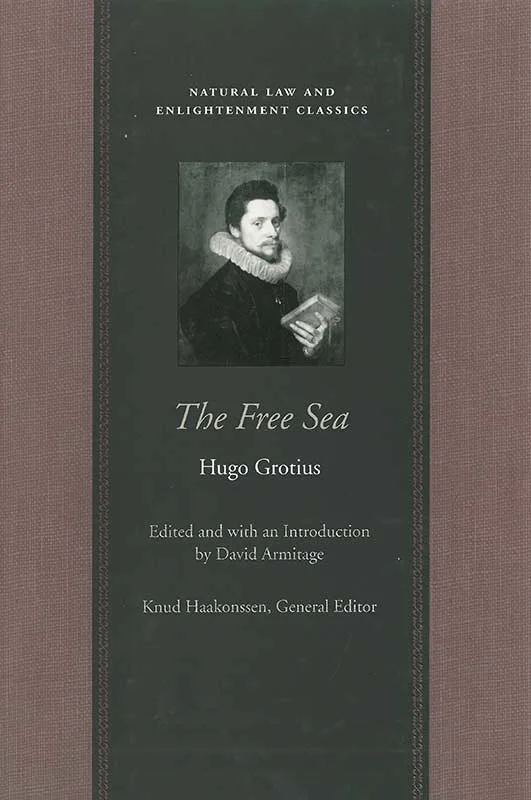
Hugo Grotius · 1609
The Free Sea (Hakluyt trans.)
Grotius’s influential argument in favor of freedom of navigation, trade, and fishing in Richard Hakluyt’s translation. The book also contains William Welwod’s critque and Grotius’s reply to Welwod.
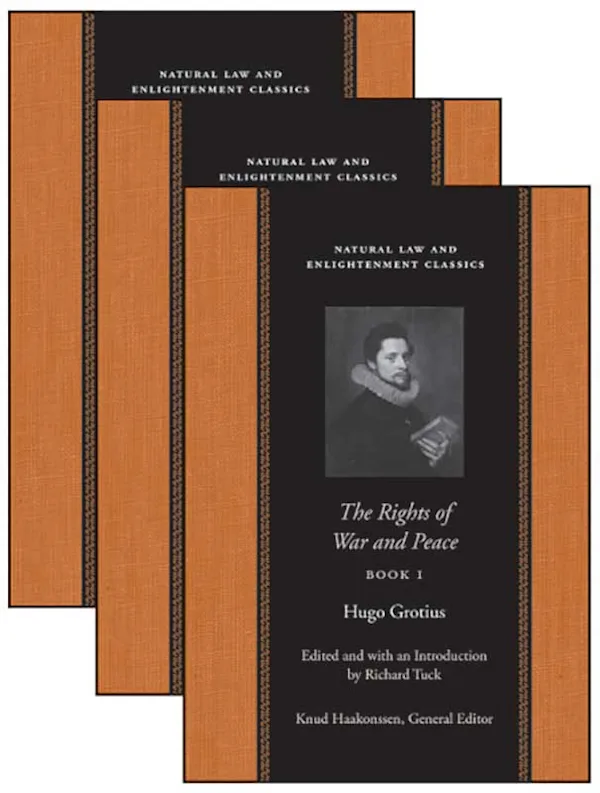
Hugo Grotius · 1625
The Rights of War and Peace (2005 ed.) 3 vols
Grotius’s Rights of War and Peace is a classic of modern public international law which lays the foundation for a universal code of law and which strongly defends the rights of individual agents - states as well as…
Hugo Grotius · 1625
The Rights of War and Peace (2005 ed.) vol. 1 (Book I)
Grotius’s Rights of War and Peace is a classic of modern public international law which lays the foundation for a universal code of law and which strongly defends the rights of individual agents - states as well as…
Hugo Grotius · 1625
The Rights of War and Peace (2005 ed.) vol. 2 (Book II)
Grotius’s Rights of War and Peace is a classic of modern public international law which lays the foundation for a universal code of law and which strongly defends the rights of individual agents - states as well as…
Hugo Grotius · 1625
The Rights of War and Peace (2005 ed.) vol. 3 (Book III)
Grotius’s Rights of War and Peace is a classic of modern public international law which lays the foundation for a universal code of law and which strongly defends the rights of individual agents - states as well as…
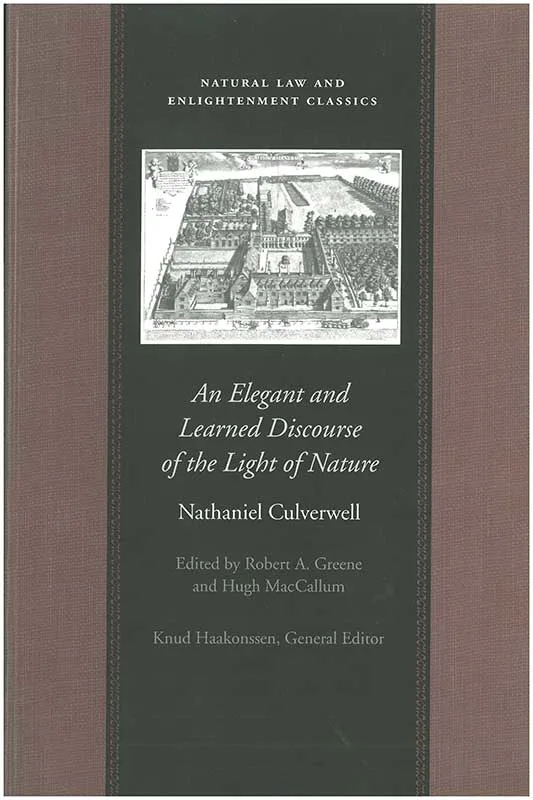
Nathaniel Culverwell · 1652
An Elegant and Learned Discourse of the Light of Nature
An Elegant and Learned Discourse of the Light of Nature is a concerted effort to find a middle way between the two extremes that dominated the religious dispute of the English civil war in the seventeenth century.…
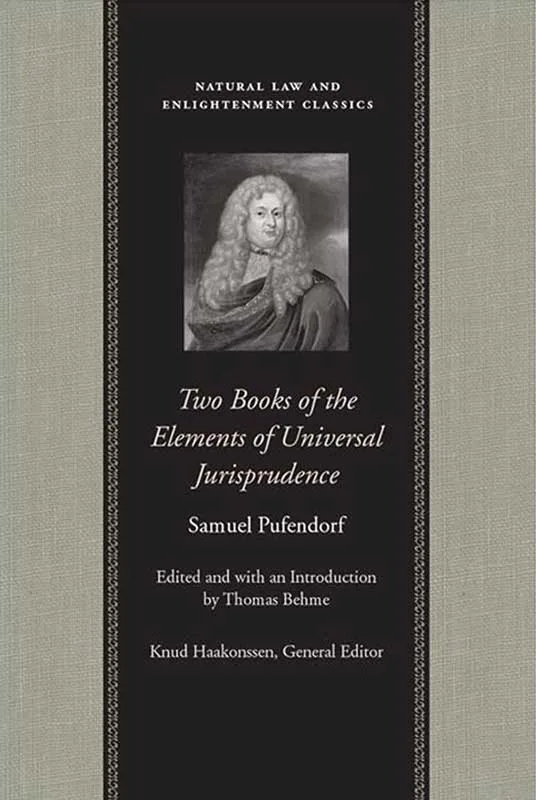
Samuel von Pufendorf · 1660
Two Books of the Elements of Universal Jurisprudence
This was Pufendorf’s first work, published in 1660. Its appearance inaugurated the modern natural-law movement in the German-speaking world. The work also established Pufendorf as a key figure and laid the foundations…
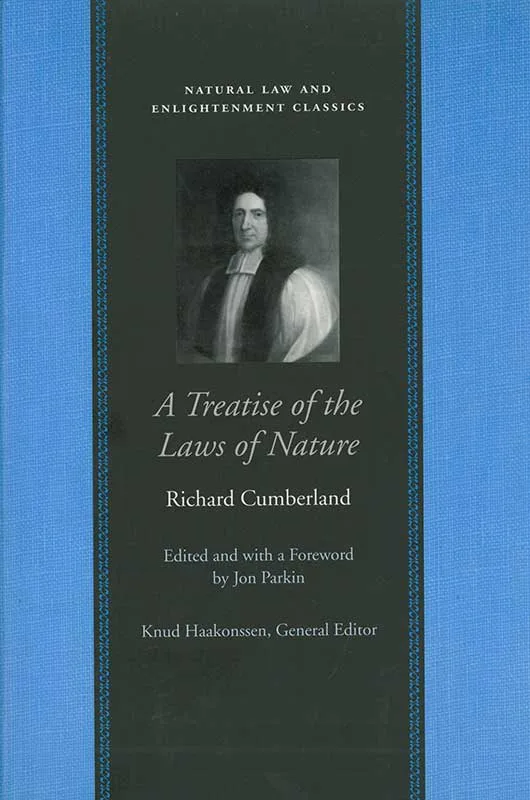
Richard Cumberland · 1672
A Treatise of the Laws of Nature
A Treatise of the Laws of Nature, first appeared in 1672 as a theoretical response to a range of issues that came together during the late 1660s. It argued that science might offer an effective means of demonstrating…
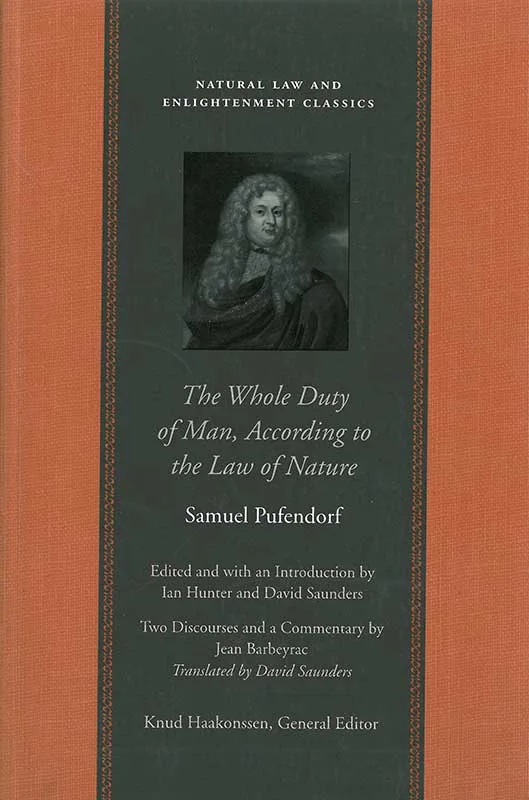
Samuel von Pufendorf · 1673
The Whole Duty of Man According to the Law of Nature (1673, 2003)
The Whole Duty of Man (first published in Latin in 1673), was among the first works to suggest a purely conventional basis for natural law. Rejecting scholasticism’s metaphysical theories, Pufendorf found the source of…
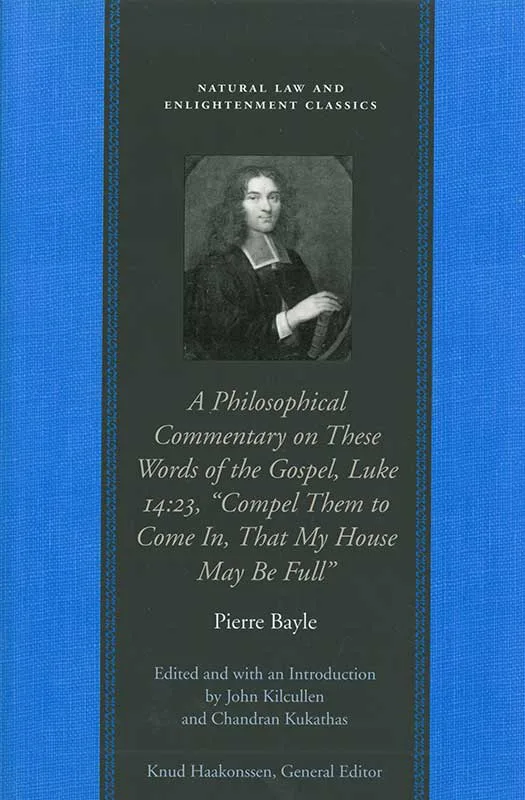
Pierre Bayle · 1686
A Philosophical Commentary on These Words of the Gospel
In this defence of religious toleration, Bayle discusses the words attributed to Jesus Christ in Luke 14:23, “And the Lord said unto the servant, Go out into the highways and hedges, and compel them to come in, that my…
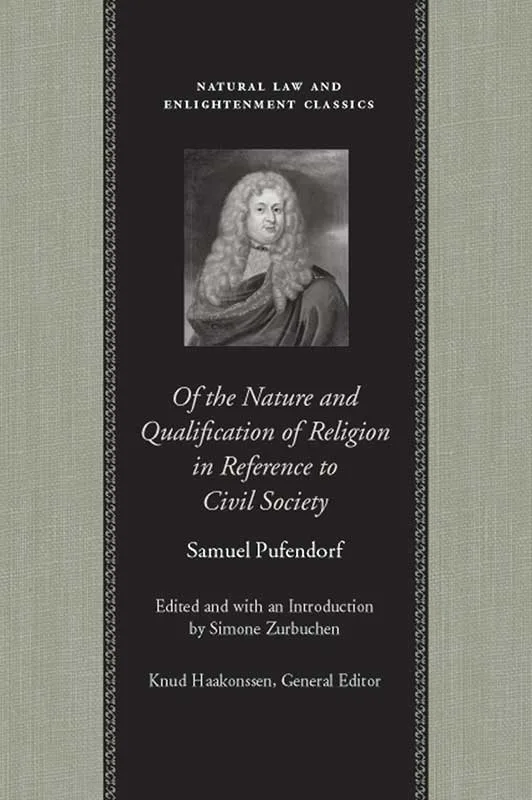
Samuel von Pufendorf · 1687
Of the Nature and Qualification of Religion, in Reference to Civil Society
In this work Pufendorf argues for the separation of politics and religion. Written in response to the revocation of the Edict of Nantes by the French king, Louis XIV, Pufendorf contests the right of the sovereign to…
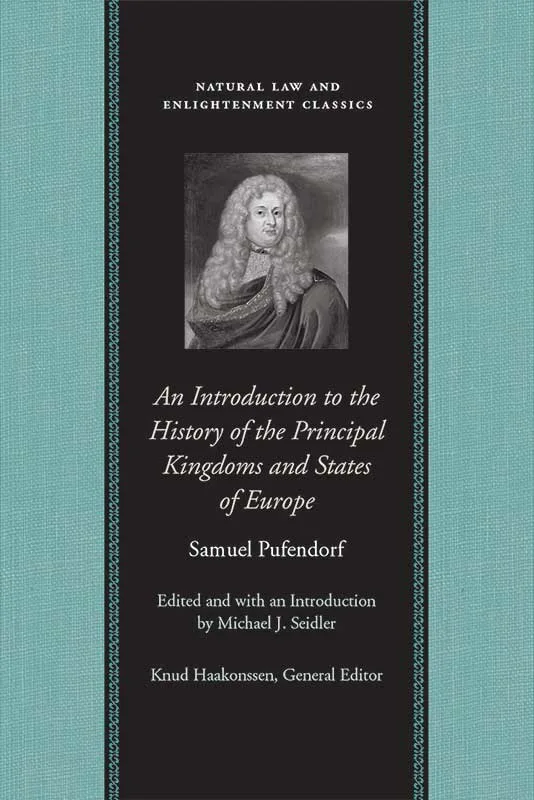
Samuel von Pufendorf · 1695
An Introduction to the History of the Principal Kingdoms and States of Europe (1682, 2013)
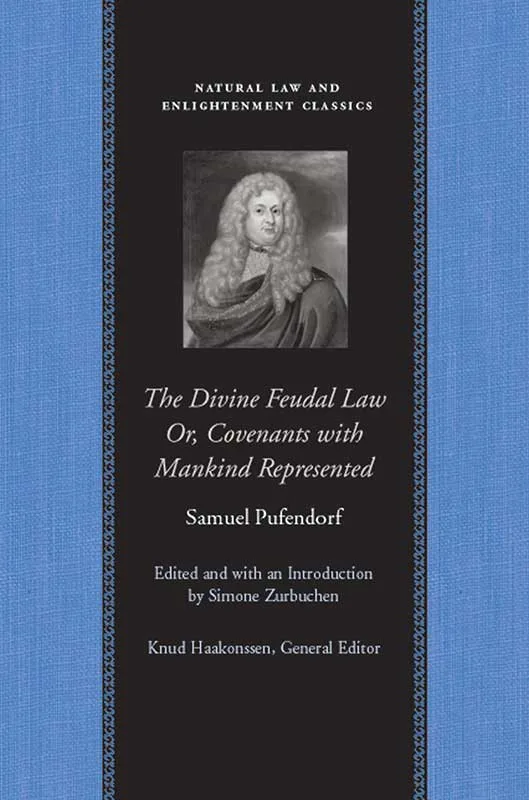
Samuel von Pufendorf · 1695
The Divine Feudal Law: Or, Covenants with Mankind, Represented
The Divine Feudal Law sets forth Pufendorf’s basis for the reunion of the Lutheran and Calvinist confessions. This attempt to seek a “conciliation” between the confessions complements the concept of toleration discussed…
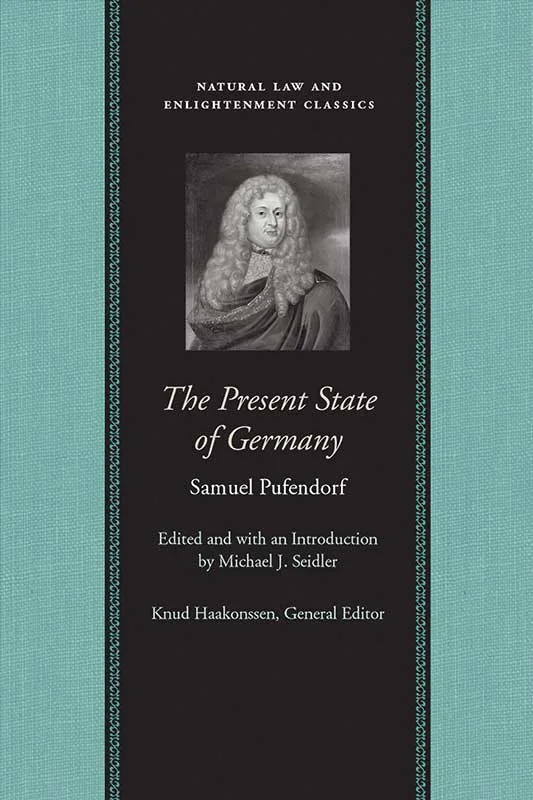
Samuel von Pufendorf · 1696
The Present State of Germany
The editor of this volume, Michael J. Seidler, describes this work of Pufendorf as “an account of German constitutional law detailing the historical relations between the Emperor and the Estates as well as an…
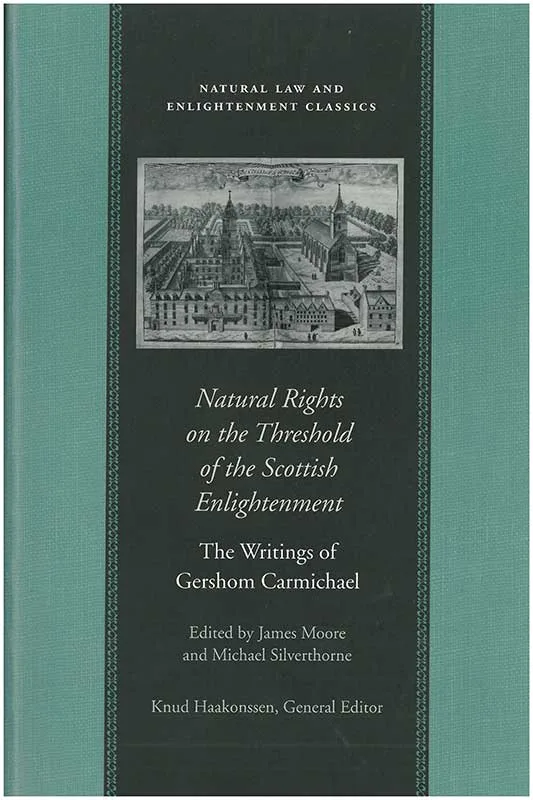
Gershom Carmichael · 1724
The Writings of Gershom Carmichael
Carmichael was a Scottish jurist and philosopher who became the first Professor of Moral Philosophy at the University of Glasgow in 1727. His writings on natural rights theory, theology, and logic were very influential.
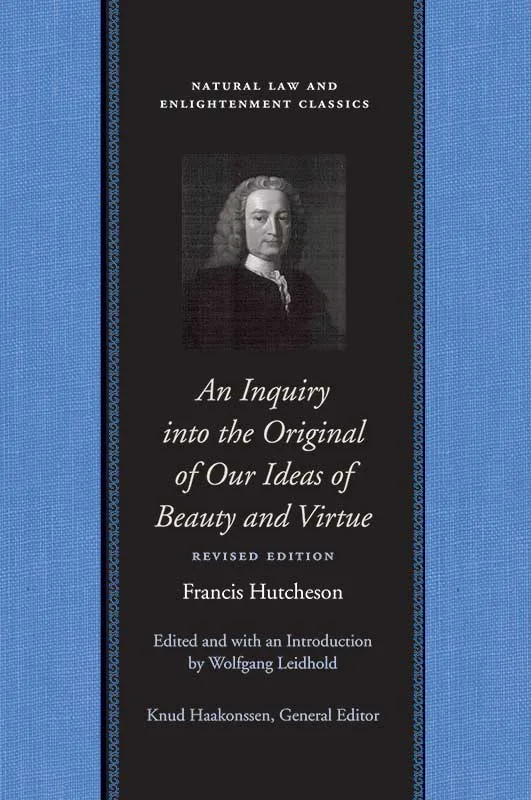
Francis Hutcheson · 1726
An Inquiry into the Original of Our Ideas of Beauty and Virtue (1726, 2004)
A seminal text of the Scottish Enlightenment which was written as a critical response to the work of Bernard Mandeville and as a defense of the ideas of Anthony Ashley Cooper, Lord Shaftesbury. It consists of two…
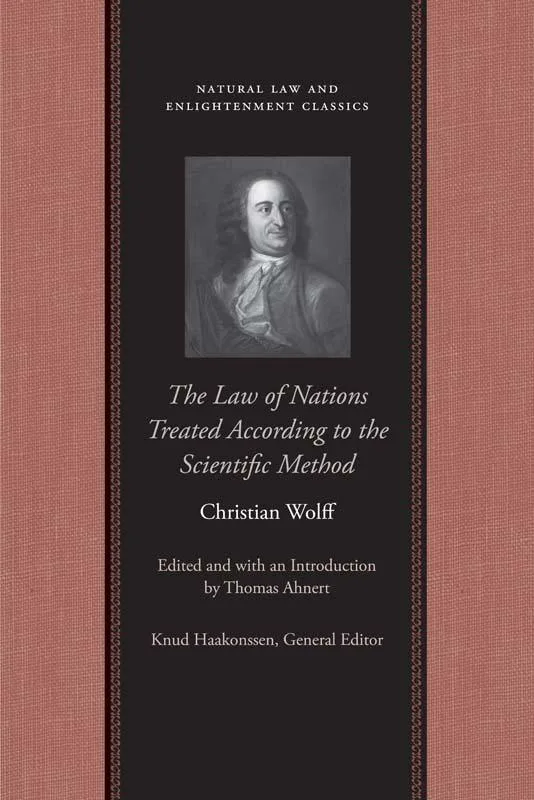
Christian Wolff · 1729
The Law of Nations Treated According to the Scientific Method
Christian Wolff’s The Law of Nations is a cornerstone of eighteenth-century thought. A treatise on the philosophy of human action, on the foundations of political communities, and on international law, it influenced…
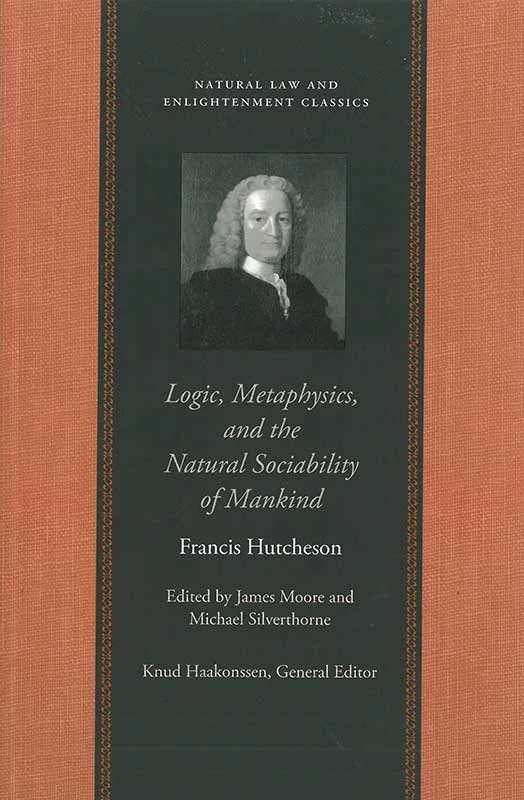
Francis Hutcheson · 1730
Logic, Metaphysics, and the Natural Sociability of Mankind
Until the publication of this Liberty Fund edition, all but one of the works contained in Logic, Metaphysics, and the Natural Sociability of Mankind were available only in Latin. In the words of the editors:…
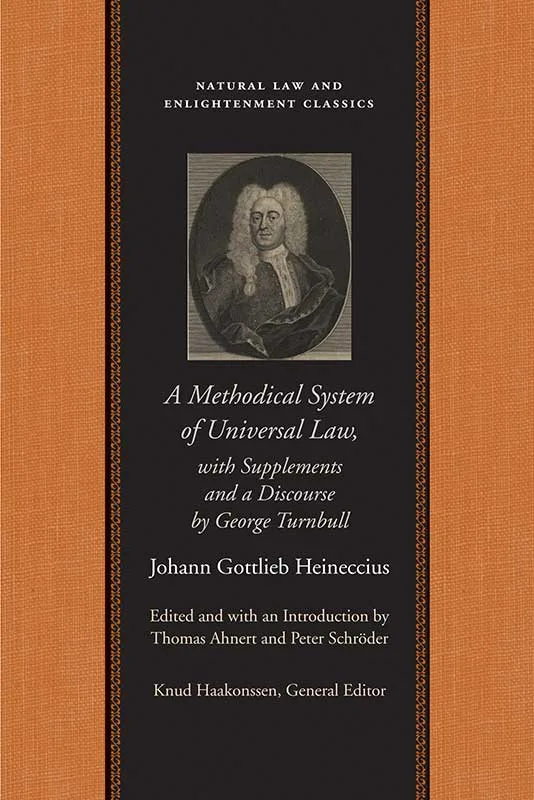
Johann Gottlieb Heineccius · 1738
A Methodical System of Universal Law: Or, the Laws of Nature and Nations
The natural law theory of Johann Gottlieb Heineccius was one of the most influential to emerge from the early German Enlightenment. Heineccius continued and, in important respects, modified the ideas of his…
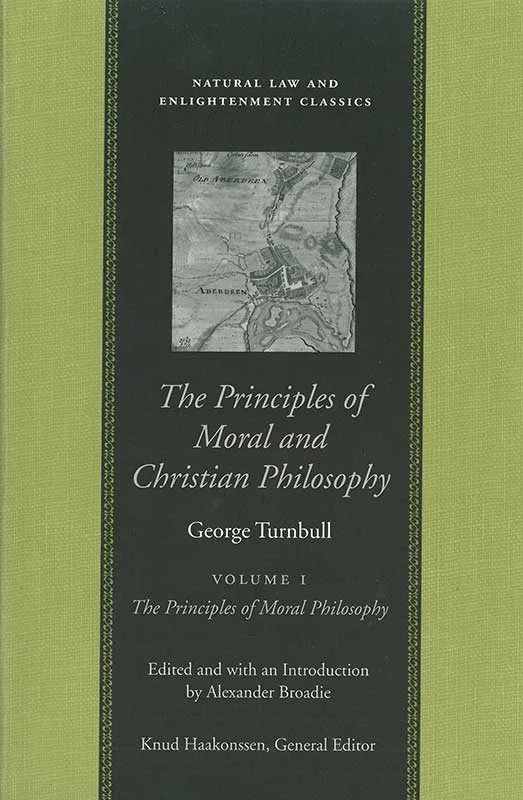
George Turnbull · 1740
The Principles of Moral and Christian Philosophy, 2 vols.
The Principles of Moral and Christian Philosophy presents the first masterpiece of Scottish Common Sense philosophy. This two-volume treatise is important for its wide range of insights about the nature of the human…
George Turnbull · 1740
The Principles of Moral and Christian Philosophy. Vol. 1
The Principles of Moral and Christian Philosophy presents the first masterpiece of Scottish Common Sense philosophy. This two-volume treatise is important for its wide range of insights about the nature of the human…
George Turnbull · 1740
The Principles of Moral and Christian Philosophy. Vol. 2: Christian Philosophy
The Principles of Moral and Christian Philosophy presents the first masterpiece of Scottish Common Sense philosophy. This two-volume treatise is important for its wide range of insights about the nature of the human…
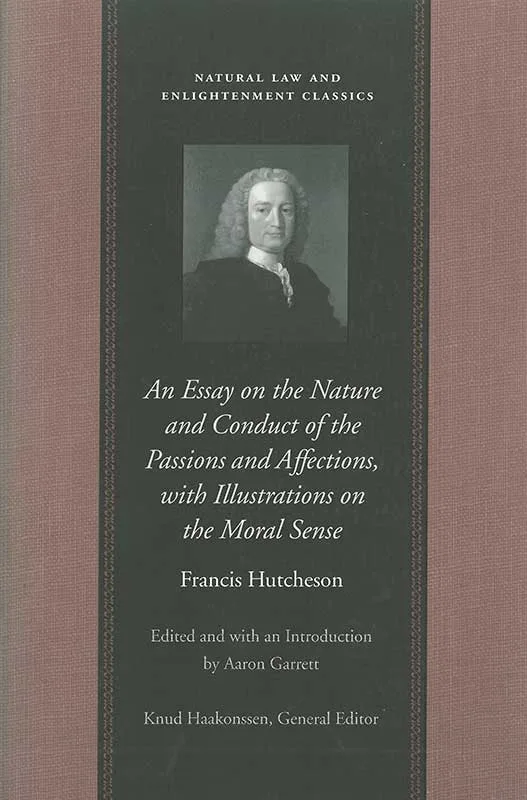
Francis Hutcheson · 1742
An Essay on the Nature and Conduct of the Passions and Affections (1742, 2002)
The first half of the work presents a rich moral psychology built on a theory of the passions and an account of motivation deepening and augmenting the doctrine of moral sense developed in the Inquiry. The second half…
George Turnbull · 1742
Observations upon Liberal Education, in All its Branches
Turnbull was the first member of the Scottish Enlightenment to provide a formal treatise on the theory and practice of education. He applied his ideas on the moral sense to the education of youth. Turnbull showed how a…
Marcus Aurelius Antoninus · 1742
The Meditations of the Emperor Marcus Aurelius Antoninus (2008)
This influential classical work offers a vision of a universe governed by a natural law that obliges us to love mankind and to govern our lives in accordance with the natural order of things. Editors Hutcheson and Moor…
Francis Hutcheson · 1747
A Short Introduction to Moral Philosophy (LF bi-lingual ed.) (1747)
This Liberty Fund publication of Philosophiae Moralis Institutio Compendiaria is a parallel edition of the English and Latin versions of a book designed by Hutcheson for use in the classroom.
Jean-Jacques Burlamaqui · 1747
The Principles of Natural and Politic Law
The basis of this version of The Principles of Natural and Politic Law is Thomas Nugent’s 1763 English translation. The first scholarly work on Burlamaqui was written by an American, M. Ray Forrest Harvey, who in 1937…
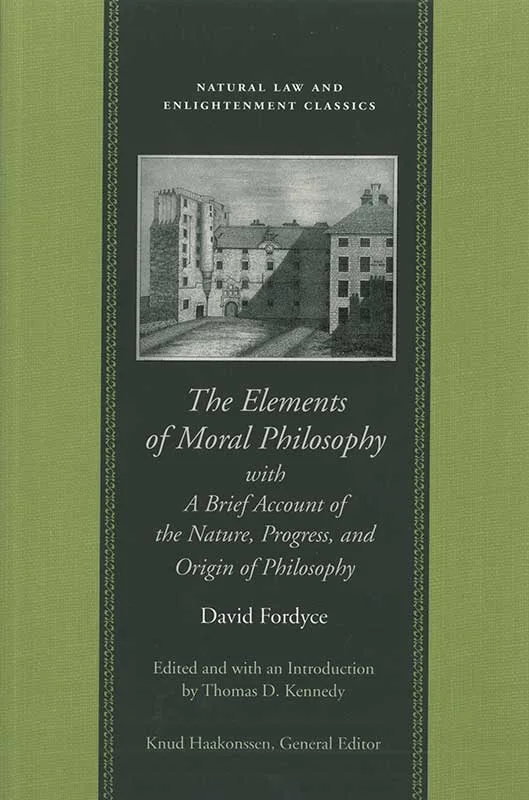
David Fordyce · 1754
The Elements of Moral Philosophy
Fordyce’s Elements of Moral Philosophy was a notable contribution to the curriculum in moral philosophy and was one of the most widely circulated texts in moral philosophy in the second half of the eighteenth century.
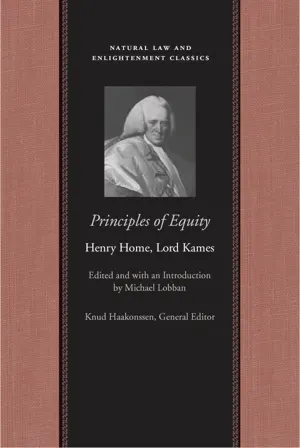
Henry Home, Lord Kames · 1760
Principles of Equity
Principles of Equity is Kames's most lasting contribution to jurisprudence. He sought to explain the distinction between the nature of equity and common law and to address related questions, such as whether equity…
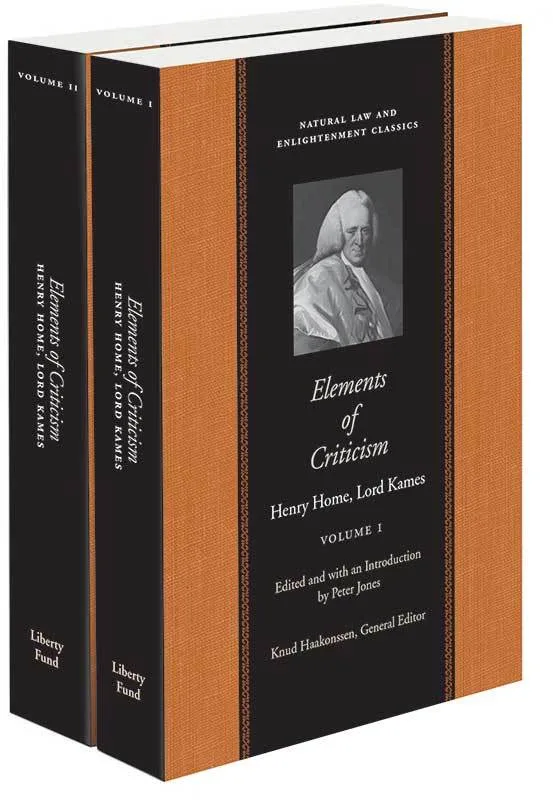
Henry Home, Lord Kames · 1762
Elements of Criticism, 2 vols.
A two volume work on the “science of criticism” by one of the leading figures of the Scottish Enlightenment. Kames argues that criticism of art and literature is a rational science as well as a matter of taste. In…
Henry Home, Lord Kames · 1762
Elements of Criticism, vol. 1
Volume 1 of a two volume work on the “science of criticism” by one of the leading figures of the Scottish Enlightenment. Kames argues that criticism of art and literature is a rational science as well as a matter of…
Henry Home, Lord Kames · 1762
Elements of Criticism, vol. 2
Volume 2 of a two volume work on the “science of criticism” by one of the leading figures of the Scottish Enlightenment. Kames argues that criticism of art and literature is a rational science as well as a matter of…
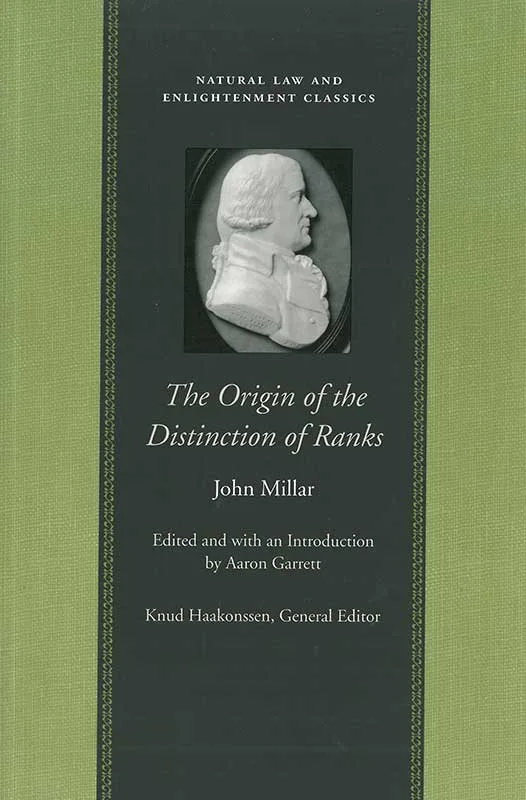
John Millar · 1771
The Origin of the Distinction of Ranks
The Origin of the Distinction of Ranks is one of the major products of the Scottish Enlightenment and a masterpiece of jurisprudence and social theory. Millar developed a progressive account of the nature of authority…
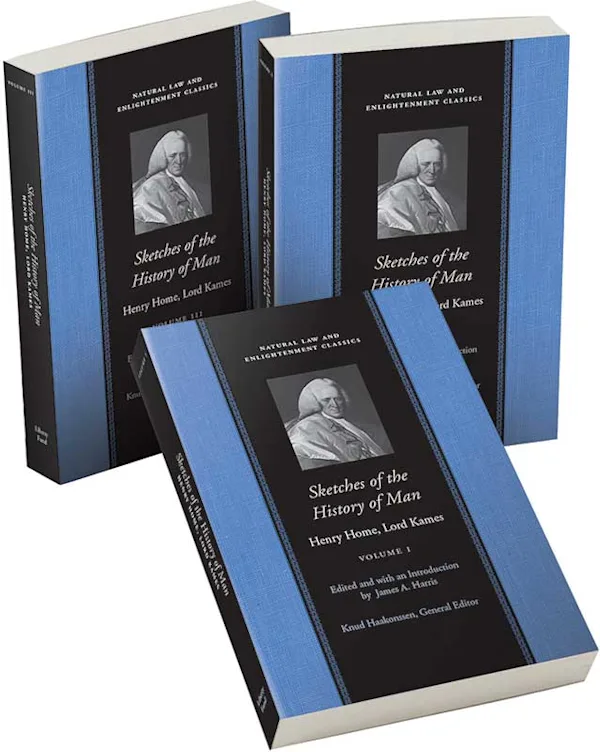
Henry Home, Lord Kames · 1778
Sketches of the History of Man, 3 vols.
Written late in his life, this 3 volume work deals with the idea of human progress. Vol. 1 deals with progress in property law, commerce, the treatment of women, and luxury. Vol. 2 deals with the development of states,…
Henry Home, Lord Kames · 1778
Sketches of the History of Man, vol. 1
Written late in his life, this 3 volume work deals with the idea of human progress. Vol. 1 deals with progress in property law, commerce, the treatment of women, and luxury. Vol. 2 deals with the development of states,…
Henry Home, Lord Kames · 1778
Sketches of the History of Man, vol. 2
Written late in his life, this 3 volume work deals with the idea of human progress. Vol. 1 deals with progress in property law, commerce, the treatment of women, and luxury. Vol. 2 deals with the development of states,…
Henry Home, Lord Kames · 1778
Sketches of the History of Man, vol. 3
Written late in his life, this 3 volume work deals with the idea of human progress. Vol. 1 deals with progress in property law, commerce, the treatment of women, and luxury. Vol. 2 deals with the development of states,…
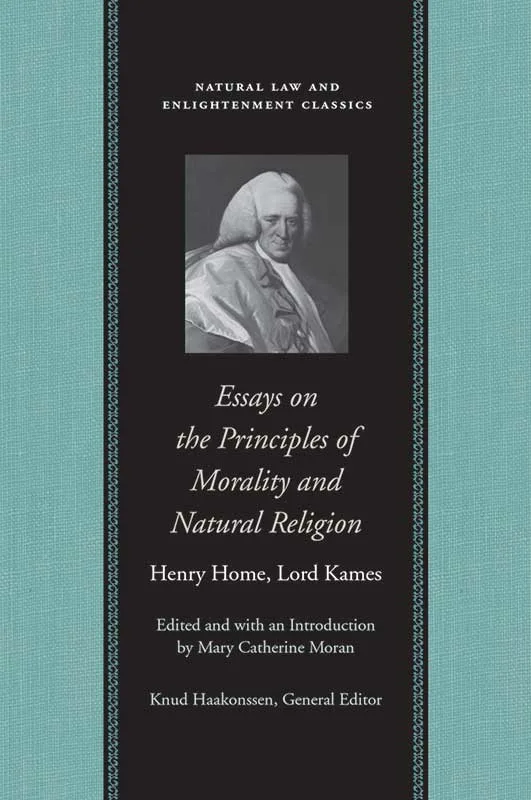
Henry Home, Lord Kames · 1779
Essays on the Principles of Morality and Natural Religion
The Essays is commonly considered Kames’s most important philosophical work. In the first part, he sets forth the principles and foundations of morality and justice, attacking Hume’s moral skepticism and addressing the…
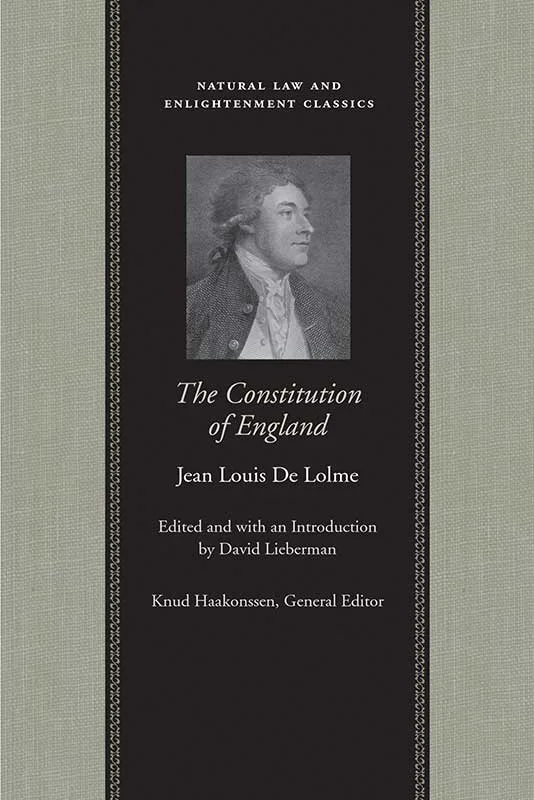
Jean Louis De Lolme · 1784
The Constitution of England; Or, an Account of the English Government
The Constitution of England is one of the most distinguished eighteenth-century treatises on English political liberty. Like Montesquieu’s Spirit of the Laws (1748) and Blackstone’s Commentaries on the Laws of England…
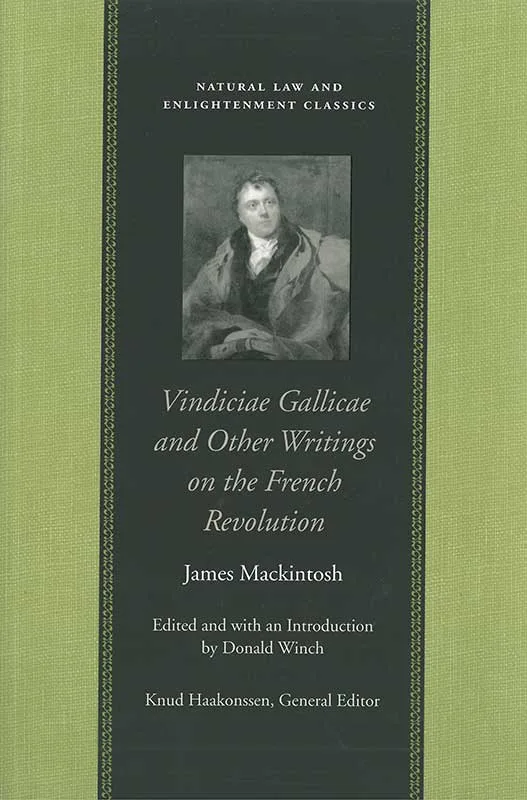
Sir James Mackintosh · 1791
Vindiciae Gallicae and Other Writings on the French Revolution
Vindiciae Gallicae was Mackintosh’s contribution to the debate begun by Burke’s Reflections on the Revolution in France. A Discourse on the Law of Nature and Nations was the introduction to a popular course of public…
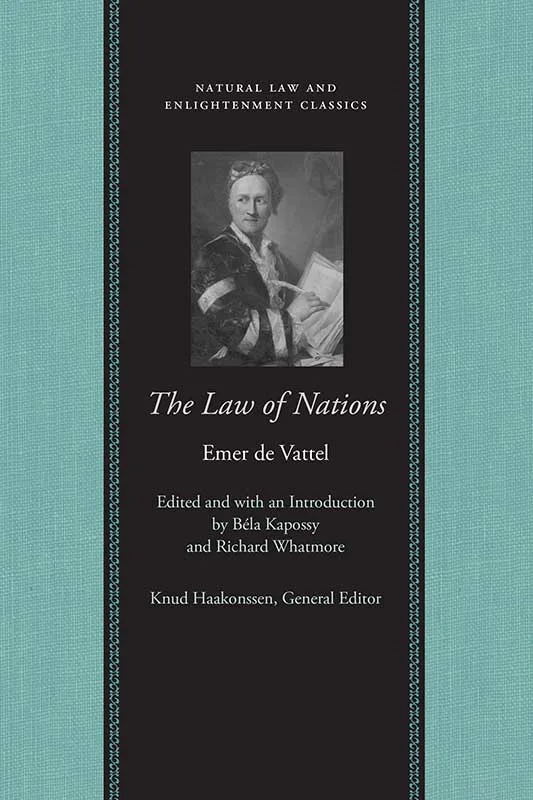
Emer de Vattel · 1797
The Law of Nations (LF ed.)
A republication of the 1797 translation of Vattel’s work, along with new English translations of 3 early essays. Read the Liberty Classic on this title from Law & Liberty
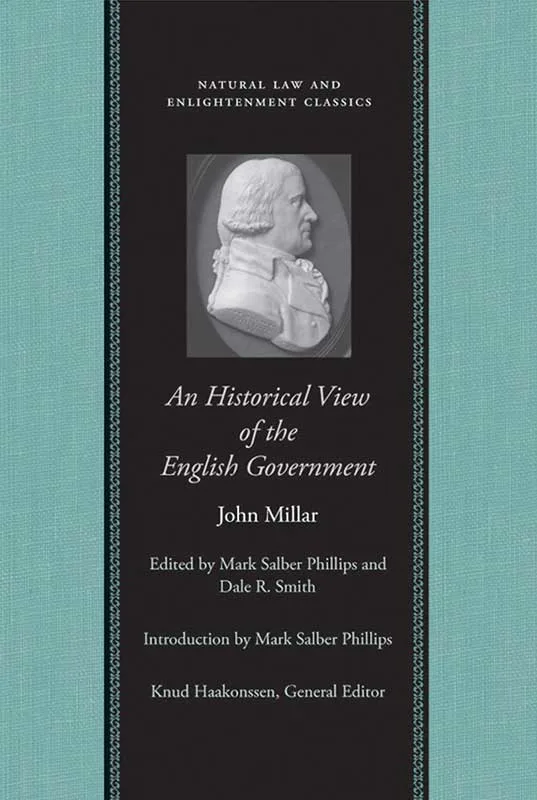
John Millar · 1803
An Historical View of the English Government
An Historical View of the English Government consists of three parts, concerned with the most substantive revolutions in English government and manners: from the Saxon settlement to the Norman Conquest, from the Norman…
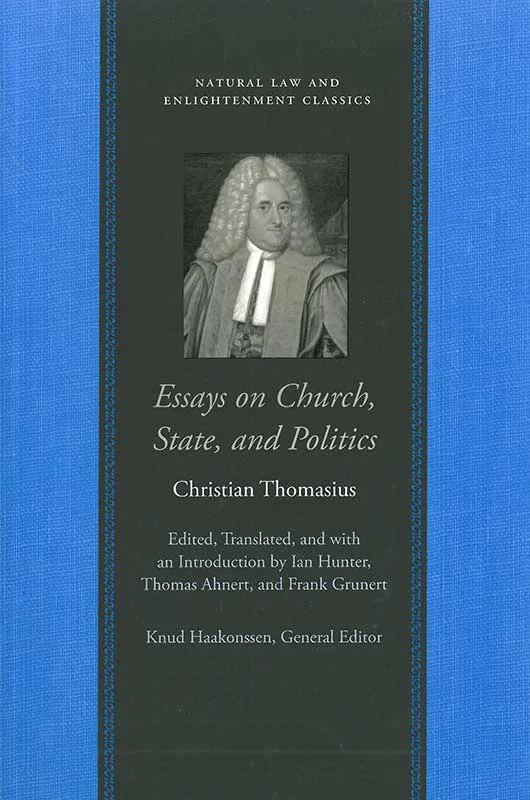
Christian Thomasius · 2007
Essays on Church, State, and Politics
The essays selected here for translation derive largely from Thomasius’s work on Staatskirchenrecht, or the political jurisprudence of church law. These works, originating as disputations, theses, and pamphlets, were…
Christian Thomasius · 2011
Institutes of Divine Jurisprudence. With Selections from Foundations of the Law of Nature and Nations
First published in 1688, Thomasius’s Institutes attempted to draw a clear distinction between natural and revealed law and to emphasize that human reason was able to know the precepts of natural law without the aid of…
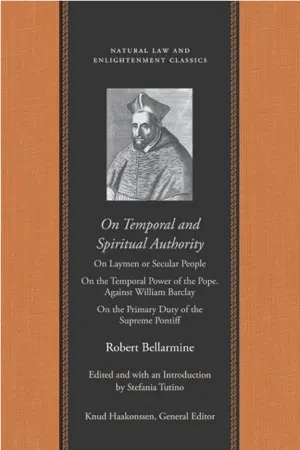
Robert Bellarmine · 2012
On Temporal and Spiritual Authority
The political thought of Bellarmine was at the center of post-Reformation debates on the relationship between state and church; on the nature, aim, and limits of temporal government; and on the relation between religion…
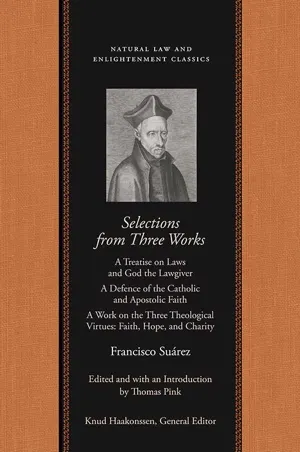
Francisco Suárez · 2015
Selections from Three Works
The bulk of the selections in this volume are from A Treatise on Laws and God the Lawgiver (1612). In the Treatise Suárez presented a systematic account of human moral activity in all its dimensions, synthesizing the…
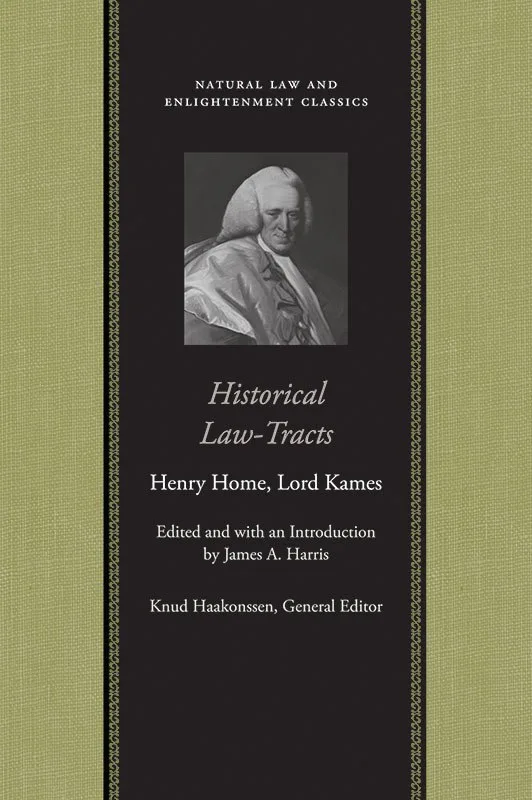
Henry Home, Lord Kames · 2019
Historical Law-Tracts
In Historical Law-Tracts, Kames combined the natural law framework that underlies his Essays on the Principles of Morality and Natural Religion with the “conjectural,” or philosophical, approach to history that would…
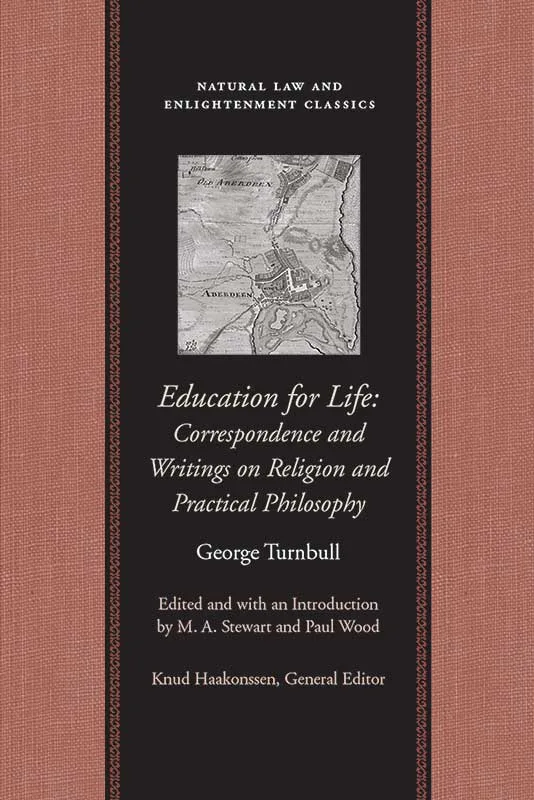
George Turnbull
Education for Life
George Turnbull belongs with a group of early Scottish Enlightenment thinkers, including Francis Hutcheson, who found their native Calvinism too repressive. They sought to relocate religion within a context of reason…
In this collection
Key People
8 people central to Natural Law and Enlightenment Series.
Jean-Jacques Burlamaqui
1694–1748
Jean-Jacques Burlamaqui (1694-1748) was born in Geneva to a wealthy and politically well-connected patrician family. He became professor of…
Knud Haakonssen
b. 1947
Knud Haakonssen is Director of the Research Centre for Early-Modern Natural Law at the Max Weber Centre for Advanced Cultural & Social…
Robert Molesworth
1650–1725
Robert Molesworth (1650-1725) was a staunch defender of the Glorious Revolution of 1689 and a consistent critic of political and religious…
William Abbott Oldfather
1880–1945
William Abbott Oldfather was Professor of Classics at the University of Illinois at Urbana-Champaign.

Richard Whatmore
Richard Whatmore is a Reader in Intellectual History at the University of Sussex.
Christian Wolff
1679–1754
Christian Wolff was a prominent German philosopher, mathematician, and jurist, recognized as a leading figure in the Enlightenment and a…
In this collection
Essays and Publications
From The Reading Room, Liberty Matters and the library’s other publications.
Quotes
Passages on this subject, chosen by OLL editors.
- Natural Rights“
The Rights call’d perfect, are of such necessity to the publick Good, that the universal Violation of them would make human Life intolerable; and it actually makes those miserable, whose Rights are thus violated. On the contrary, to fulfil these Rights in every Instance, tends to the publick Good, either directly, or by promoting the innocent Advantage of a Part. Hence it plainly follows, “That to allow a violent Defence, or Prosecution of such Rights, before Civil Government be constituted, cannot in any particular Case be more detrimental to the Publick, than the Violation of them with Impunity.” And as to the general Consequences, the universal use of Force in a State of Nature, in pursuance of perfect Rights, seems exceedingly advantageous to the Whole, by making every one dread any Attempts against the perfect Rights of others.
- War & Peace“
Thus Alexander the Great, as Justin relates it, hindered his Soldiers from wasting Asia, declaring to them, that they should spare their own, and not destroy those Things, which they came to possess...
They who do otherwise, may apply to themselves the Words of Jocasta to Polynices in Seneca’s Thebais: "You ruin your Country whilst you seek it; to make it yours / Its Being you destroy; it defeats your Claim / To level, thus in Arms, the ripen’d Harvest; / Is Fire and Sword, the Vengeance of an Enemy, / Applied to Spoil and Ravage what’s ones own? / No, our deadliest Foes we thus afflict"...
Philip dared not engage in a fair Field-fight, nor come to a pitch’d Battle, but flying away burned and plundered Cities; so that the Conquered rendered useless to the Conquerors what should have been the Recompence of Victory. But the old Kings of Macedon did not use to do so, they used to come to a fair Engagement, to spare Cities as much as possible, that they might have the more wealthy Dominion. For it is not a strange Conduct, to make War in such a Manner, that at the same Time, we dispute the Possession of a Thing, we leave nothing for ourselves but War.
- Natural Rights“
SECTION CLXXVII. First of all, it ought to be laid down as a maxim, that men are by nature equal, being composed of the same essential parts; and because tho’ one man may share perfections, as it were by his good lot, above others, yet different degrees of perfection do not alter the essence of man, but all men are equally men: whence it follows, that every one ought to treat every other as equally a man with himself, and not to arrogate to himself any privilege in things belonging to many by perfect right, without a just cause; and therefore not to do to any other what he would not have done to himself.
SECTION CLXXVIII. Since therefore we ought not to do to any one what we would not have done to ourselves; but none of us would like to be deprived by any other of our perfection and happiness which we have by nature, or have justly acquired; i.e. to be injured or hurt… - War & Peace“
First therefore, the Dread (as we before observed) of our Neighbour's encreasing Strength, is not a warrantable Ground for making War upon him. To justify taking up Arms in our own Defence, there ought to be a Necessity for so doing, which there is not, unless we are sure, with a moral Certainty, that he has not only Forces sufficient, but a full Intention to injure us.
- War & Peace“
"We will begin with the human as more generally known. Now this is either a civil right, or a right more or less extensive than the civil right. The civil right is that which is derived from the civil power. The civil power is the sovereign power of the state. A state is a perfect body of free men, united together in order to enjoy common rights and advantages. The less extensive right, and not derived from the civil power itself, although subject to it, is various, comprehending the authority of parents over children, masters over servants, and the like. But the law of nations is a more extensive right, deriving its authority from the consent of all, or at least of many nations."
- War & Peace“
There are some things of such a nature, as to contribute, no way, to the support and prolongation of war: things which reason itself requires to be spared even during the heat and continuance of war: ... Such are Porticos, Temples, statues, and all other elegant works and monuments of art... As this rule of moderation is observed towards other ornamental works of art, for the reasons before stated, there is still greater reason, why it should be obeyed in respect to things devoted to the purposes of religion.
- Property Rights“
Now amongst the Things peculiar to Man, is his Desire of Society, that is, a certain Inclination to live with those of his own Kind, not in any Manner whatever, but peaceably, and in a Community regulated according to the best of his Understanding… This Sociability, which we have now described in general, or this Care of maintaining Society in a Manner conformable to the Light of human Understanding, is the Fountain of Right, properly so called; to which belongs the Abstaining from that which is another’s, and the Restitution of what we have of another’s, or of the Profit we have made by it, the Obligation of fulfilling Promises, the Reparation of a Damage done through our own Default, and the Merit of Punishment among Men.
- War & Peace“
III. We then first declare, if the Cause of the War be unjust, tho’ it be undertaken in a solemn Manner, yet all the Acts of Hostility done in it are unjust in themselves. So that they who knowingly do these Acts, or join in the acting of them, Are to be accounted in the Number of those, who without Repentance cannot enter into the Kingdom of Heaven, 1 Cor. vi. 10. But true Repentance, if Opportunity and Ability will allow, absolutely requires that he who has done any Damage, either by killing, ravaging or plundering, should make full Restitution.
Notes and Further Reading
See the listing of current and proposed titles in the Series with the expected date of publication.
For additional information about the Natural Law and Enlightenment Series see in the Forum: Timeline on Natural Law and Enlightenment.
Related Collections
 Explore →
Political Science
Natural Law and Natural Rights
17 titles · 1 publication · 35 people
 Explore →
Language and Literature
Books Published by Liberty Fund
282 titles · 6 publications · 321 people
 Explore →
Scottish Enlightenment
1 title · 12 publications · 14 people
 Explore →
Philosophy (General)
Philosophy
184 titles · 74 publications · 159 people
 Explore →
Law
Law
140 titles · 14 publications · 134 people
 Explore →
Philosophy, Psychology, and Religion
Religion
209 titles · 81 publications · 198 people