

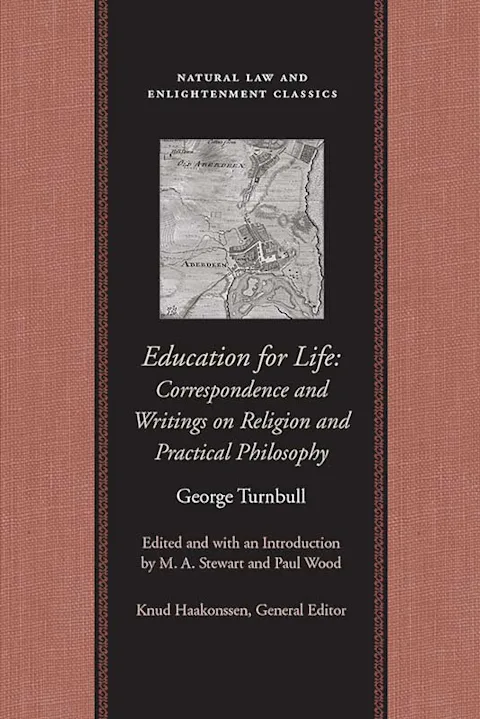
Education for Life
- George Turnbull(author)
- Knud Haakonssen(editor)
George Turnbull belongs with a group of early Scottish Enlightenment thinkers, including Francis Hutcheson, who found their native Calvinism too repressive. They sought to relocate religion within a context of reason and science and to establish a tolerant and humane ethic upon values rooted in classical ideals.
About This Edition
Citation
Turnbull, George. Education for Life. Indianapolis: Liberty Fund, 2014.
Turnbull, George. Education for Life. Edited by Knud Haakonssen, Liberty Fund, 2014. Online Library of Liberty, https://oll.libertyfund.org/titles/education-for-life.
Turnbull, G. (2014). Education for Life. Liberty Fund. https://oll.libertyfund.org/titles/education-for-life
@book{turnbull2014life,
  author = {George Turnbull},
  editor = {Knud Haakonssen},
  title = {Education for Life},
  publisher = {Liberty Fund},
  address = {Indianapolis},
  year = {2014},
  url = {https://oll.libertyfund.org/titles/education-for-life},
  note = {Online Library of Liberty}
}TY - BOOK AU - Turnbull, George A2 - Haakonssen, Knud TI - Education for Life PY - 2014 CY - Indianapolis PB - Liberty Fund UR - https://oll.libertyfund.org/titles/education-for-life DB - Online Library of Liberty ER -
Copyright
The copyright to this edition, in both print and electronic forms, is held by Liberty Fund, Inc.

About the author
George Turnbull 1698–1748
George Turnbull (1698-1748) was a lesser-known contemporary of Hutcheson, Hume, and Smith. He taught at Marischal College, Aberdeen, then became a traveling tutor, and ended his career as an Anglican clergyman, first as a chaplain to the Prince of Wales, then as a minister in Ireland. Turnbull was the first member of the Scottish Enlightenment to provide a formal treatise on the theory and practice of education.
Related People
John Locke
Author
Turnbull was deeply influenced by Locke’s Some Thoughts Concerning Education (1693), particularly the idea that education should shape virtue and character, not just impart knowledge. Both emphasized early moral training and the cultivation of rational self-control.
Francis Hutcheson
Author
Turnbull admired and built on Hutcheson’s moral sense theory. Both viewed education as a means to develop innate moral faculties and foster benevolence. Hutcheson’s A System of Moral Philosophy was highly influential in Turnbull’s conception of moral education.
Adam Smith
Author
While Smith focused less directly on education, his moral theory in The Theory of Moral Sentiments shares Turnbull’s interest in character formation and sympathy. Both saw education as necessary to cultivate judgment and virtue in a commercial society.


Critical Responses
Works that answer or challenge this text.
 Book
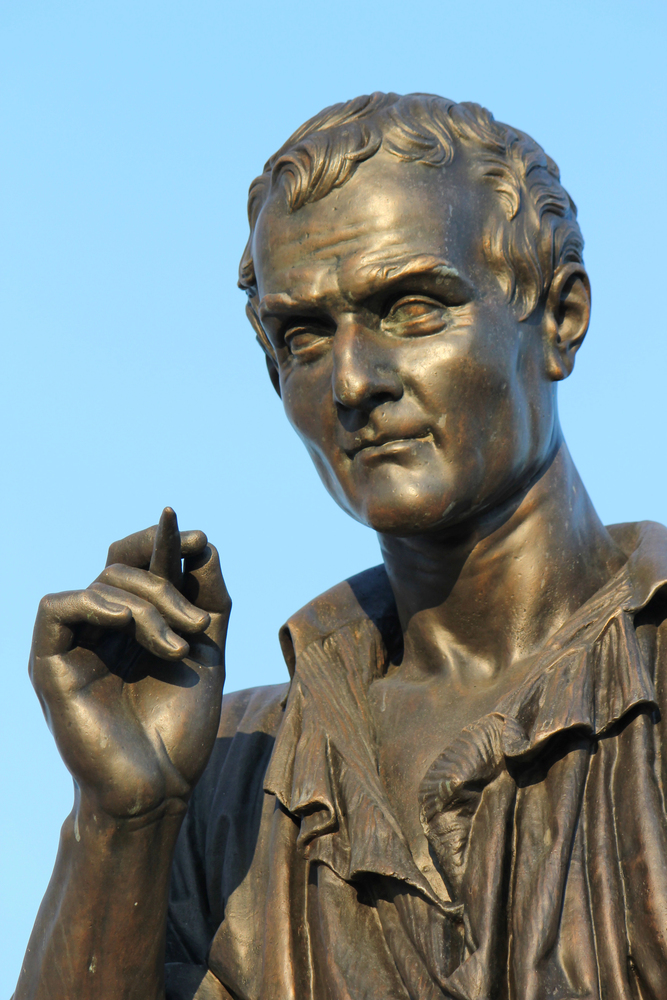
Emile, or Education
Jean-Jacques RousseauView title >Turnbull’s educational philosophy emphasizes early moral instruction and the development of civic virtue through discipline and structure. Rousseau challenges the very foundation of Turnbull’s project, claiming that imposed moral instruction stifles authenticity and self-development.
 Book
A Vindication of the Rights of Woman
Mary WollstonecraftView title >Turnbull’s educational ideal reflects an 18th-century masculine civic model of virtue, often excluding or stereotyping women. Wollstonecraft exposes the gender bias in moral education frameworks like Turnbull’s, challenging the assumption that virtue is gendered or that women’s moral agency is lesser.
Connected Readings
What to read next.
 Book
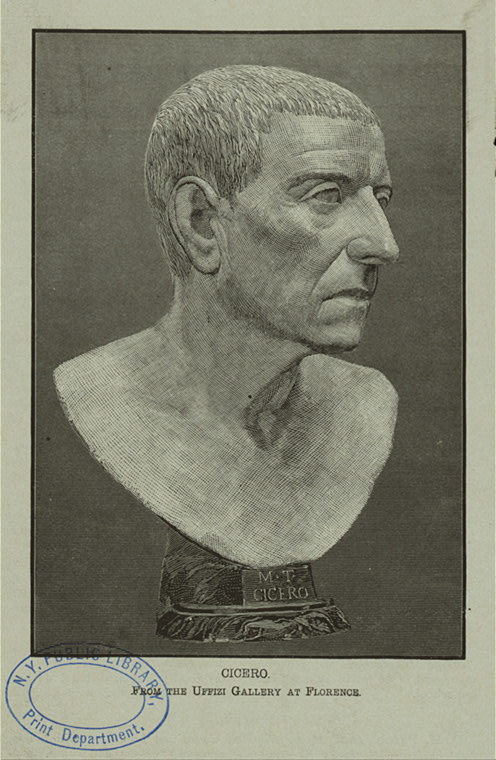
On Moral Duties (De Officiis)
Marcus Tullius CiceroView title >Since Turnbull often references classical moral thought, Cicero provides a compelling classical complement. His Stoic-infused view of virtue, duty, and public life aligns well with Turnbull’s vision of education for citizenship and moral action.
 Book
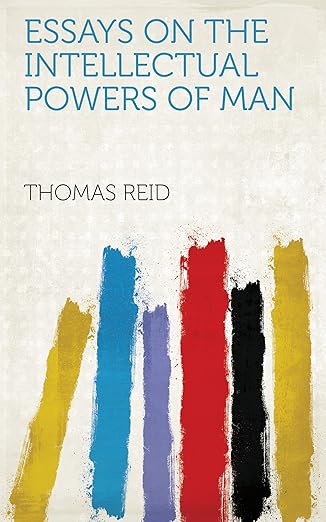
Essays on the Intellectual Powers of Man
Thomas ReidVisit site ↗As another member of the Scottish Enlightenment, Reid builds on ideas of moral agency and reason. His work focuses more on epistemology and psychology, but it supports Turnbull’s view of education as the development of rational and moral powers.
 Book
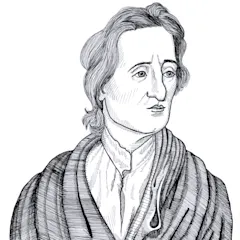
The Works of John Locke in Nine Volumes
John LockeVolume 8 (Some Thoughts Concerning Education)
View title >An essential predecessor. Locke’s work focuses on shaping virtue and practical wisdom, especially in the young. His ideas about self-discipline, character, and rationality resonate strongly with Turnbull’s approach.
 Book
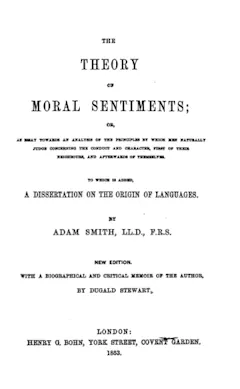
The Theory of Moral Sentiments and on the Origins of Languages (Stewart ed.)
Adam SmithView title >Smith offers a more psychologically rich and socially embedded view of moral development. For readers interested in how education and social life shape virtue and judgment, this is a powerful next step.


