

Bettina Bien Greaves
1917–2019 · 11 titles


Language and Literature
268 items in this collection
These titles are in a very attractive typeset, text-based PDF format and were used in the printing of the book. They are ideal for reading on portable devices like the iPad. They are listed as "LF Printer PDF" on the book table of contents page. Other formats suitable for reading on these devices are the "EBook PDF" (which has been created from the HTML version of the book) and the "ePub" format.
In this collection
112 titles, earliest first.
Sir Edward Coke · 1593
Vol. 3 of a 3 vol. set of The Selected Writings. This volume contains Coke’s speech in Parliament (including the Petition of Right), a number of official acts related to Coke’s career, and other matters.
Sir Edward Coke · 1600
Vol. 1 of a 3 vol. set of The Selected Writings. This volume contains a long introduction by the editor and 13 parts of the Reports.
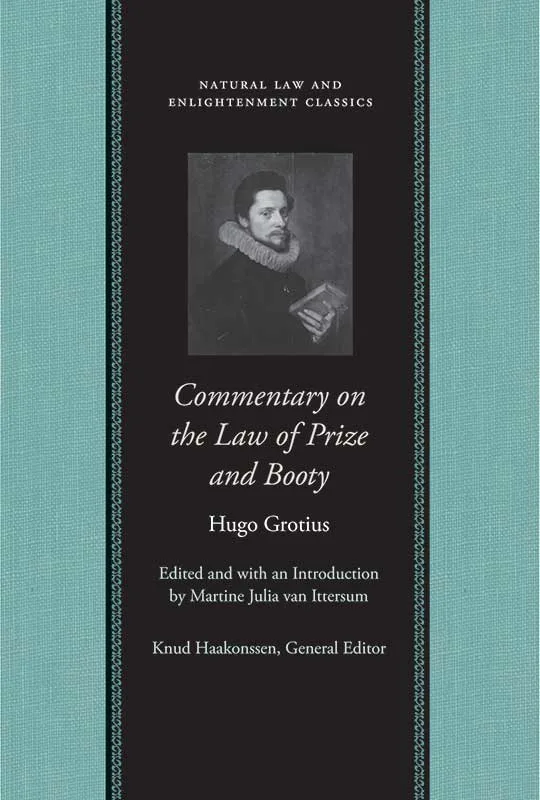
Hugo Grotius · 1603
Commentary on the Law of Prize and Booty was written in justification of the capture of the Portuguese merchantman Santa Catarina in the Strait of Singapore in February 1603. The Liberty Fund edition is based on the one…
Sir Edward Coke · 1606
Vol. 2 of a 3 vol. set of The Selected Writings. This volume contains Coke’s Speech at Norwich, excerpts from the small treatises, and excerpts from the 4 parts of the Institutes.
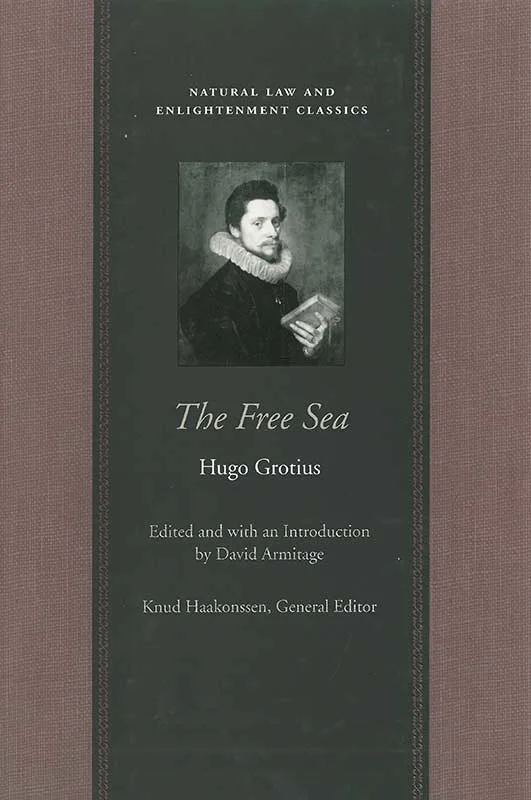
Hugo Grotius · 1609
Grotius’s influential argument in favor of freedom of navigation, trade, and fishing in Richard Hakluyt’s translation. The book also contains William Welwod’s critque and Grotius’s reply to Welwod.
Hugo Grotius · 1625
Grotius’s Rights of War and Peace is a classic of modern public international law which lays the foundation for a universal code of law and which strongly defends the rights of individual agents - states as well as…
Hugo Grotius · 1625
Grotius’s Rights of War and Peace is a classic of modern public international law which lays the foundation for a universal code of law and which strongly defends the rights of individual agents - states as well as…
Hugo Grotius · 1625
Grotius’s Rights of War and Peace is a classic of modern public international law which lays the foundation for a universal code of law and which strongly defends the rights of individual agents - states as well as…
Nathaniel Culverwell · 1652
An Elegant and Learned Discourse of the Light of Nature is a concerted effort to find a middle way between the two extremes that dominated the religious dispute of the English civil war in the seventeenth century.…
Samuel von Pufendorf · 1660
This was Pufendorf’s first work, published in 1660. Its appearance inaugurated the modern natural-law movement in the German-speaking world. The work also established Pufendorf as a key figure and laid the foundations…
Richard Cumberland · 1672
A Treatise of the Laws of Nature, first appeared in 1672 as a theoretical response to a range of issues that came together during the late 1660s. It argued that science might offer an effective means of demonstrating…
Samuel von Pufendorf · 1695
The Divine Feudal Law sets forth Pufendorf’s basis for the reunion of the Lutheran and Calvinist confessions. This attempt to seek a “conciliation” between the confessions complements the concept of toleration discussed…
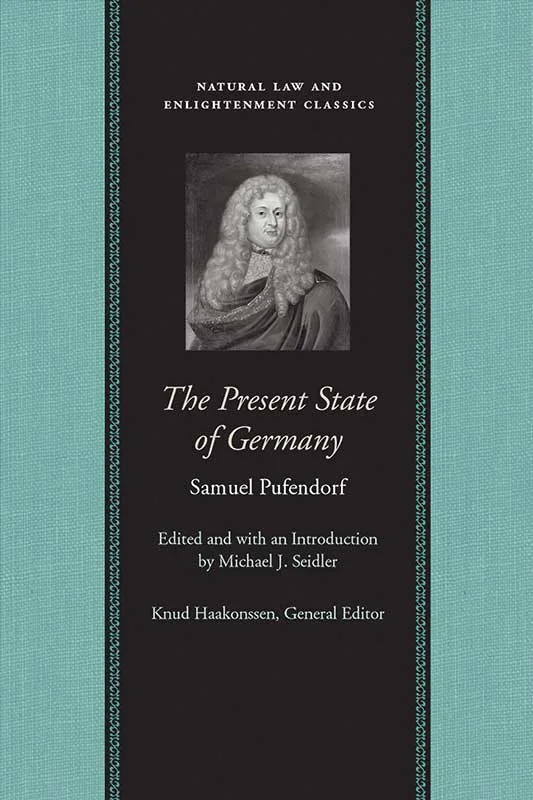
Samuel von Pufendorf · 1696
The editor of this volume, Michael J. Seidler, describes this work of Pufendorf as “an account of German constitutional law detailing the historical relations between the Emperor and the Estates as well as an…
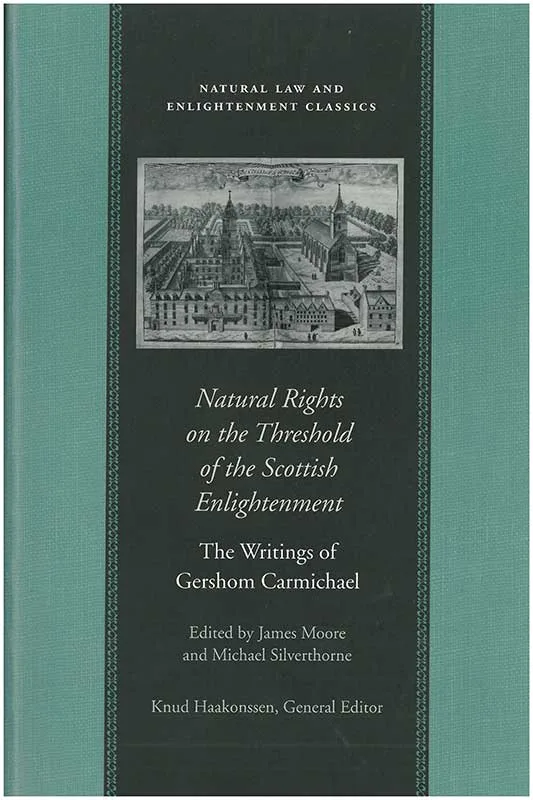
Gershom Carmichael · 1724
Carmichael was a Scottish jurist and philosopher who became the first Professor of Moral Philosophy at the University of Glasgow in 1727. His writings on natural rights theory, theology, and logic were very influential.
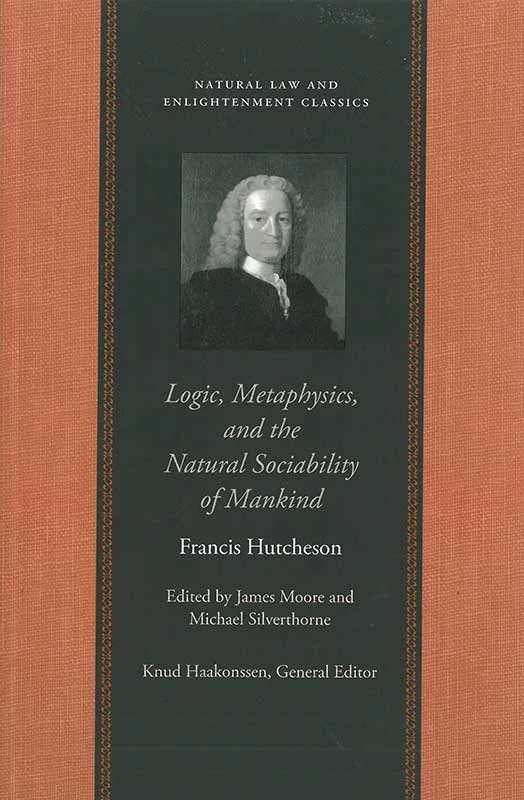
Francis Hutcheson · 1730
Until the publication of this Liberty Fund edition, all but one of the works contained in Logic, Metaphysics, and the Natural Sociability of Mankind were available only in Latin. In the words of the editors:…

Anthony Ashley Cooper, Earl of Shaftesbury · 1737
The Liberty Fund edition of Characteristicks presents the complete 1732 text of this classic work of philosophy and political theory. Also included are faithful reproductions of the stirring engravings that Shaftesbury…
Anthony Ashley Cooper, Earl of Shaftesbury · 1737
The Liberty Fund edition of Characteristicks presents the complete 1732 text of this classic work of philosophy and political theory. Also included are faithful reproductions of the stirring engravings that Shaftesbury…
Anthony Ashley Cooper, Earl of Shaftesbury · 1737
The Liberty Fund edition of Characteristicks presents the complete 1732 text of this classic work of philosophy and political theory. Also included are faithful reproductions of the stirring engravings that Shaftesbury…
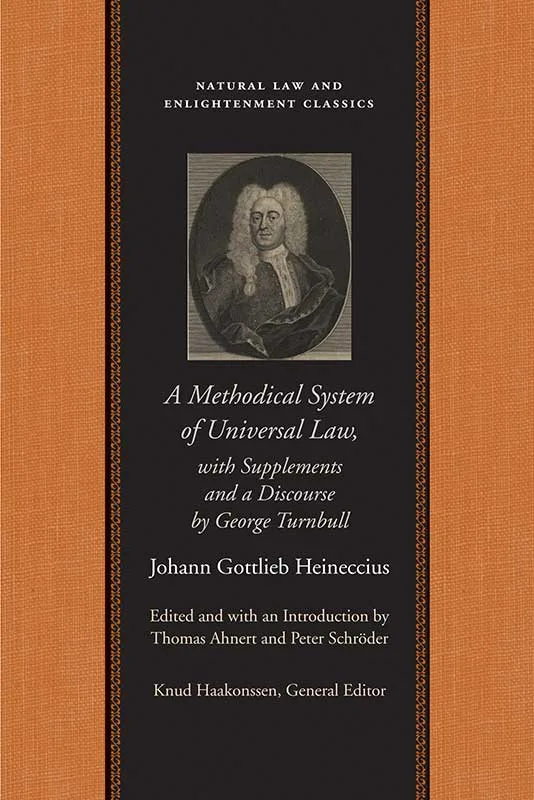
Johann Gottlieb Heineccius · 1738
The natural law theory of Johann Gottlieb Heineccius was one of the most influential to emerge from the early German Enlightenment. Heineccius continued and, in important respects, modified the ideas of his…
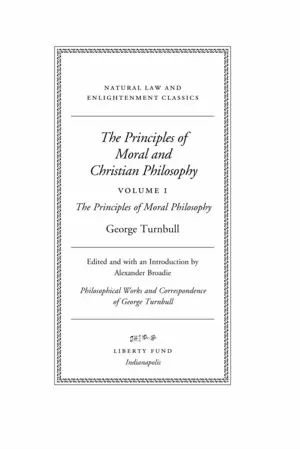
George Turnbull · 1740
The Principles of Moral and Christian Philosophy presents the first masterpiece of Scottish Common Sense philosophy. This two-volume treatise is important for its wide range of insights about the nature of the human…
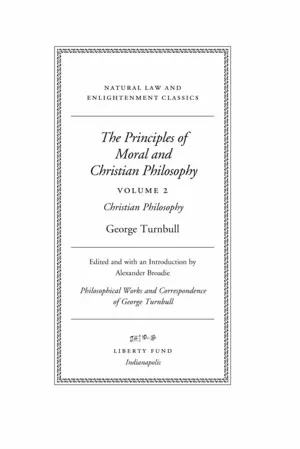
George Turnbull · 1740
The Principles of Moral and Christian Philosophy presents the first masterpiece of Scottish Common Sense philosophy. This two-volume treatise is important for its wide range of insights about the nature of the human…
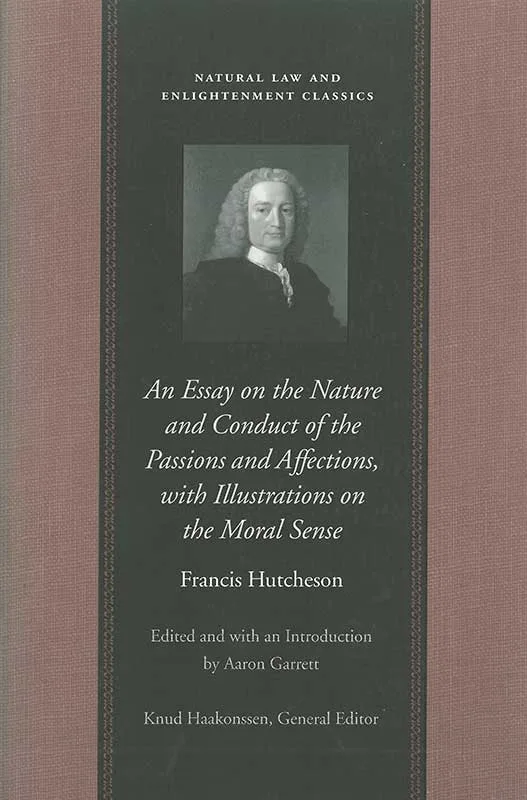
Francis Hutcheson · 1742
The first half of the work presents a rich moral psychology built on a theory of the passions and an account of motivation deepening and augmenting the doctrine of moral sense developed in the Inquiry. The second half…
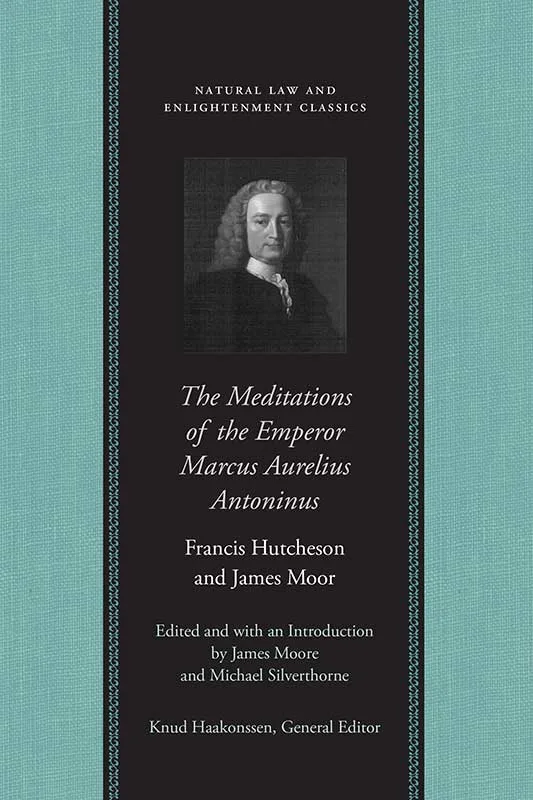
Marcus Aurelius Antoninus · 1742
This influential classical work offers a vision of a universe governed by a natural law that obliges us to love mankind and to govern our lives in accordance with the natural order of things. Editors Hutcheson and Moor…
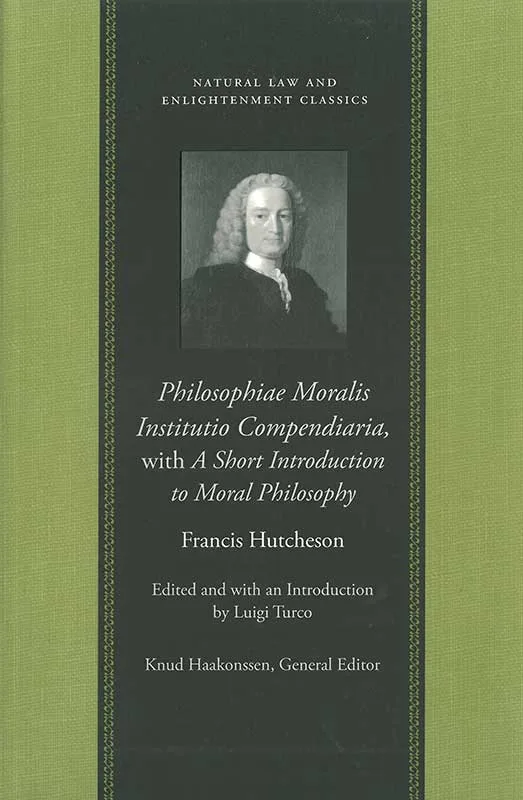
Francis Hutcheson · 1747
This Liberty Fund publication of Philosophiae Moralis Institutio Compendiaria is a parallel edition of the English and Latin versions of a book designed by Hutcheson for use in the classroom.
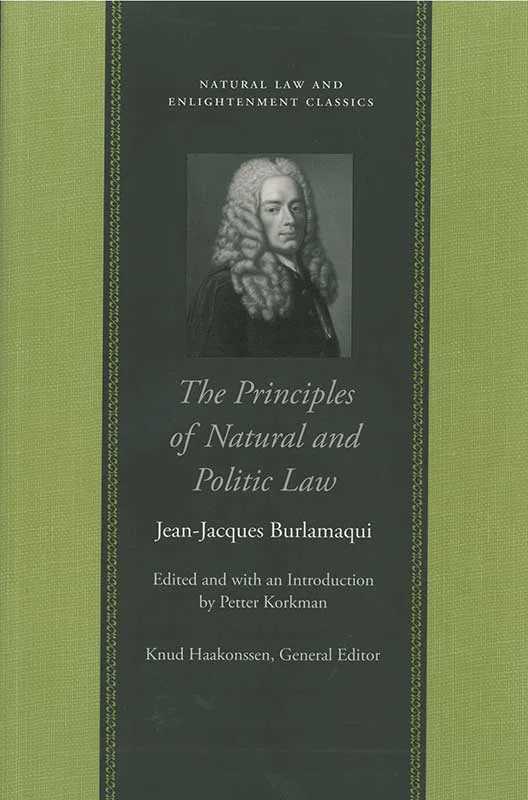
Jean-Jacques Burlamaqui · 1747
The basis of this version of The Principles of Natural and Politic Law is Thomas Nugent’s 1763 English translation. The first scholarly work on Burlamaqui was written by an American, M. Ray Forrest Harvey, who in 1937…
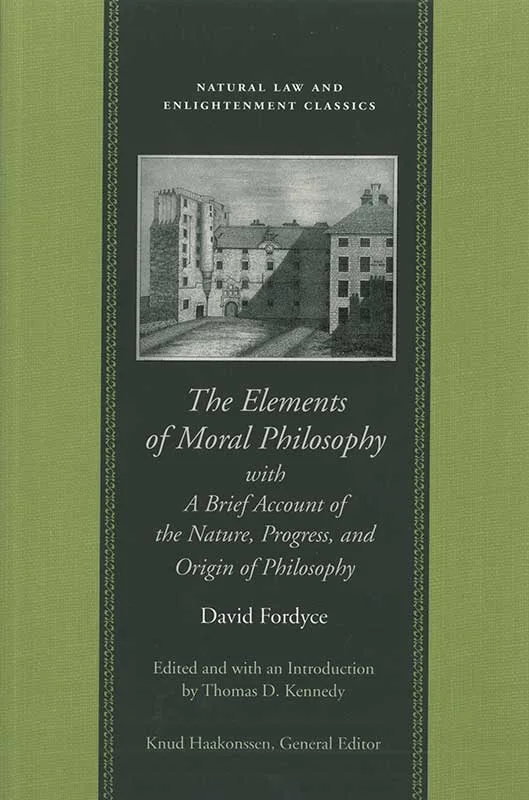
David Fordyce · 1754
Fordyce’s Elements of Moral Philosophy was a notable contribution to the curriculum in moral philosophy and was one of the most widely circulated texts in moral philosophy in the second half of the eighteenth century.
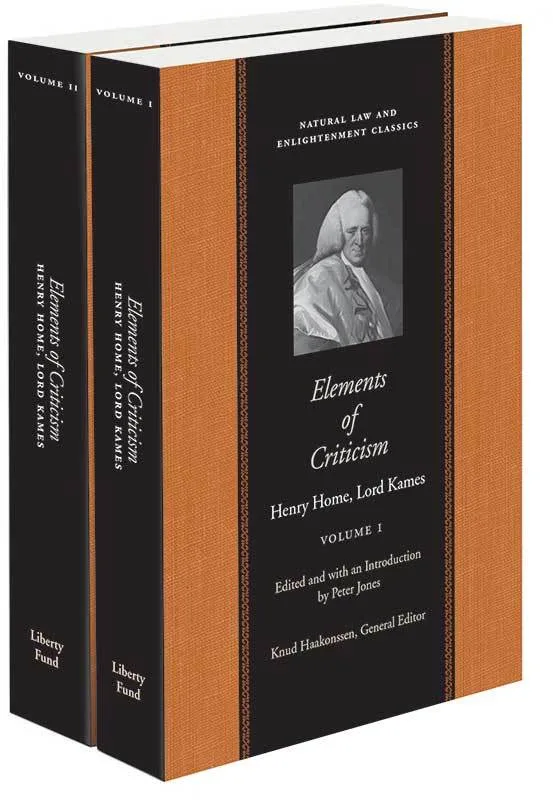
Henry Home, Lord Kames · 1762
Volume 1 of a two volume work on the “science of criticism” by one of the leading figures of the Scottish Enlightenment. Kames argues that criticism of art and literature is a rational science as well as a matter of…
Henry Home, Lord Kames · 1762
Volume 2 of a two volume work on the “science of criticism” by one of the leading figures of the Scottish Enlightenment. Kames argues that criticism of art and literature is a rational science as well as a matter of…
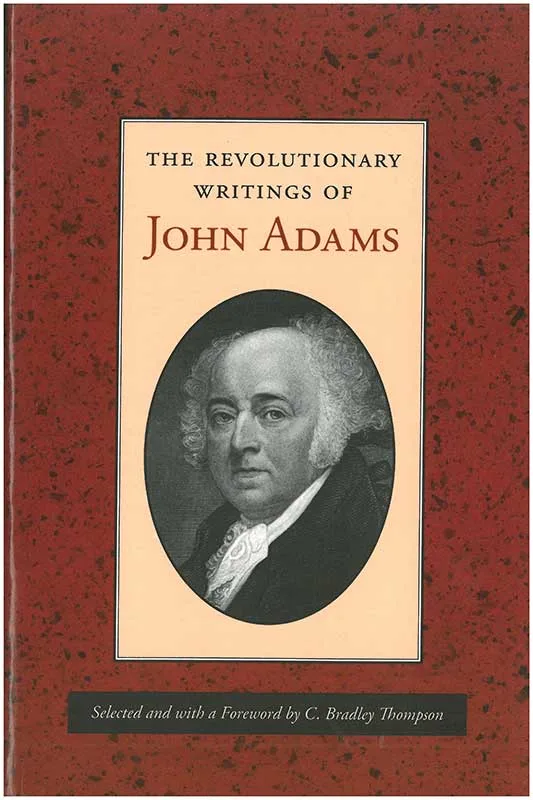
John Adams · 1763
This volume contains the principal shorter writings in which Adams addresses the prospect of revolution and the form of government proper to the new United States. There are pieces on the nature of the British…
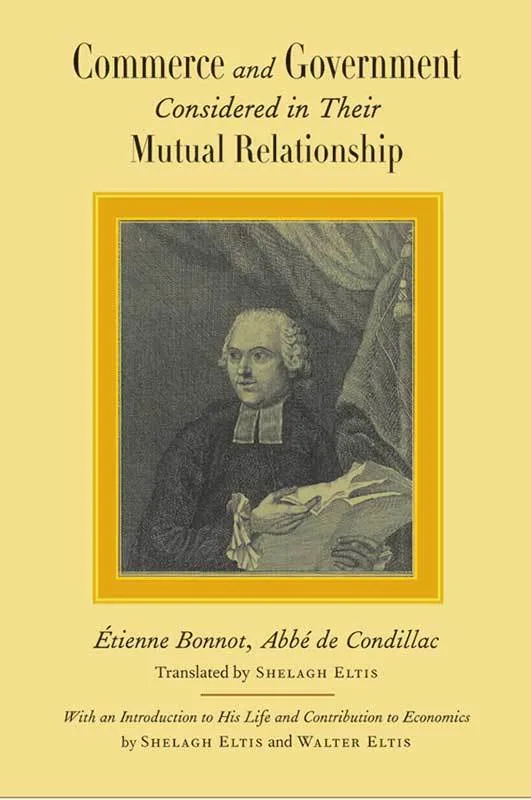
Étienne Bonnot, Abbé de Condillac · 1776
This text covers such topics as value, money, agriculture, domestic and foreign trade, war, labor, interest rates, luxuries, and the various government policies that affect these subjects.The theme that unites these…
Henry Home, Lord Kames · 1778
Written late in his life, this 3 volume work deals with the idea of human progress. Vol. 1 deals with progress in property law, commerce, the treatment of women, and luxury. Vol. 2 deals with the development of states,…
Henry Home, Lord Kames · 1778
Written late in his life, this 3 volume work deals with the idea of human progress. Vol. 1 deals with progress in property law, commerce, the treatment of women, and luxury. Vol. 2 deals with the development of states,…
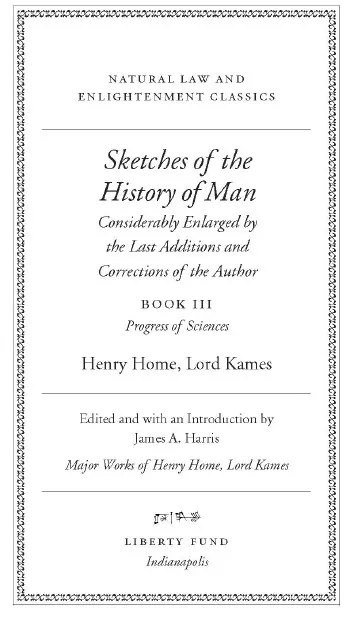
Henry Home, Lord Kames · 1778
Written late in his life, this 3 volume work deals with the idea of human progress. Vol. 1 deals with progress in property law, commerce, the treatment of women, and luxury. Vol. 2 deals with the development of states,…
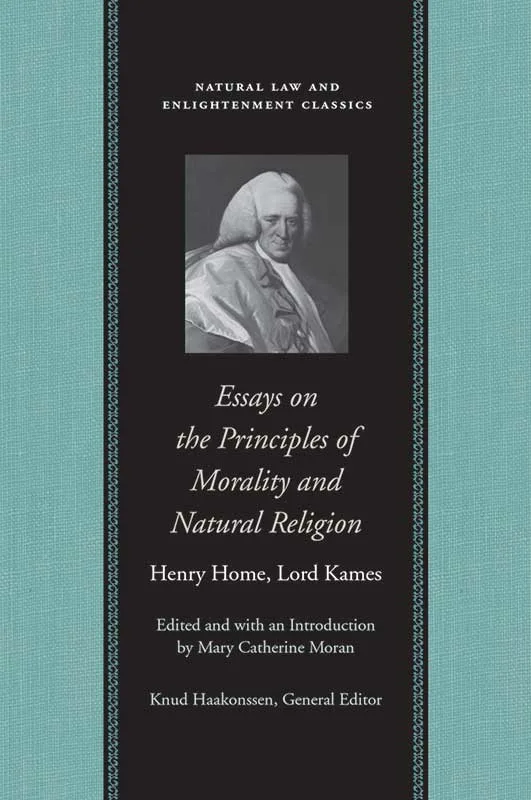
Henry Home, Lord Kames · 1779
The Essays is commonly considered Kames’s most important philosophical work. In the first part, he sets forth the principles and foundations of morality and justice, attacking Hume’s moral skepticism and addressing the…
William Paley · 1785
This classic work by William Paley was one of the most popular books in England and America in the early nineteenth century. Its significance lies in the fact that it marks an important point at which eighteenth century…
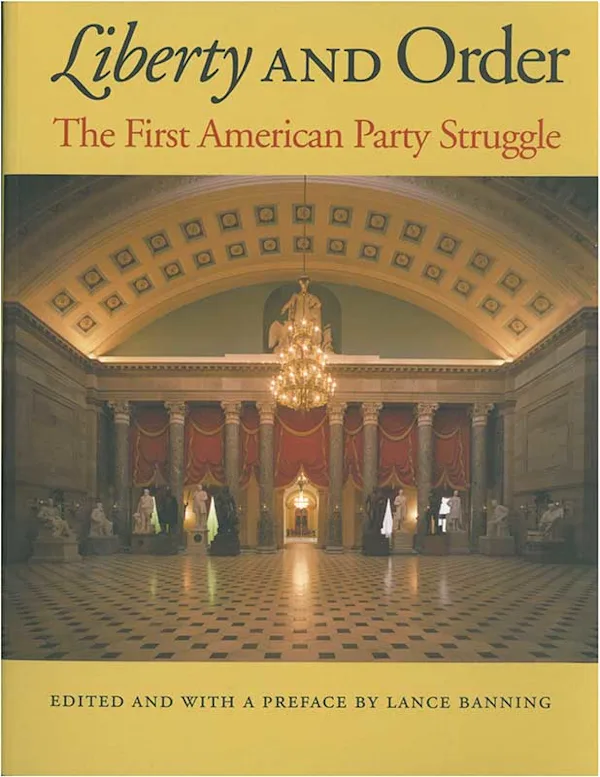
Lance Banning · 1787
An anthology of primary sources which documents the first great party struggle in American history between the Federalists and the Anti-Federalists over the proper construction of the new Constitution, political…
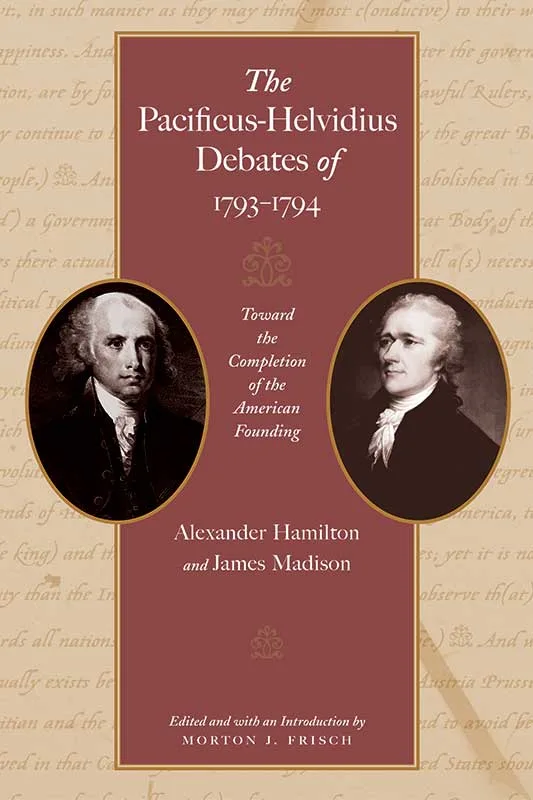
Alexander Hamilton · 1793
The Pacificus–Helvidius Debates of 1793–1794 matched Hamilton and Madison in the first chapter of an enduring discussion about the proper roles of the executive and legislative branches in the conduct of American…
David Ricardo · 1795
This volume is a collection of personal correspondence and recollections that focus on Ricardo’s life outside of his political economic endeavors. These missives concern Ricardo's character, his amiable and generous…
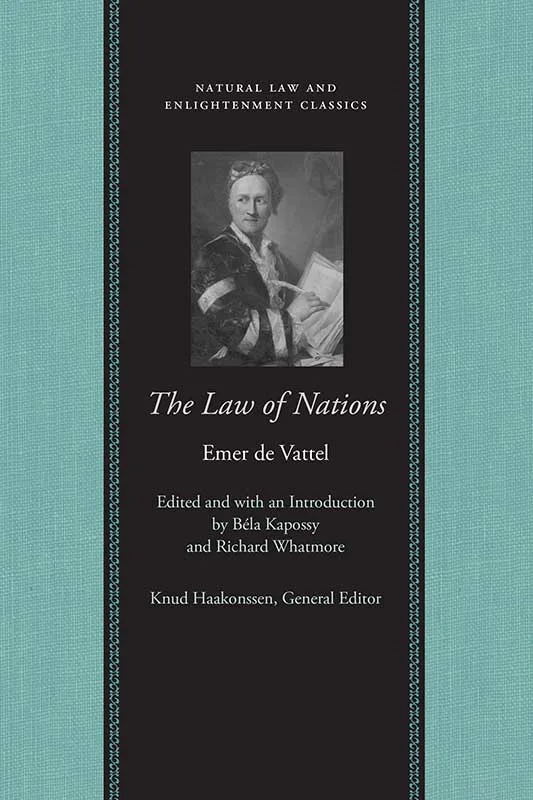
Emer de Vattel · 1797
A republication of the 1797 translation of Vattel’s work, along with new English translations of 3 early essays. Read the Liberty Classic on this title from Law & Liberty
David Ricardo · 1809
This volume focuses on Ricardo’s shorter essays printed in the Morning Chronicle, which deal with his thoughts on the inflationary monetary policy of the Bank of England and the Bullion Crises. In these essays, the…
David Ricardo · 1810
The last volume of this collection is a comprehensive index to the previous ten volumes of The Works and Correspondence of David Ricardo.
David Ricardo · 1810
Volume 6 is the introductory volume to the four volumes containing relevant letters between Ricardo and many influential thinkers of his age. Many of these letters influenced the development of Ricardo’s ideas on…
William Findley · 1812
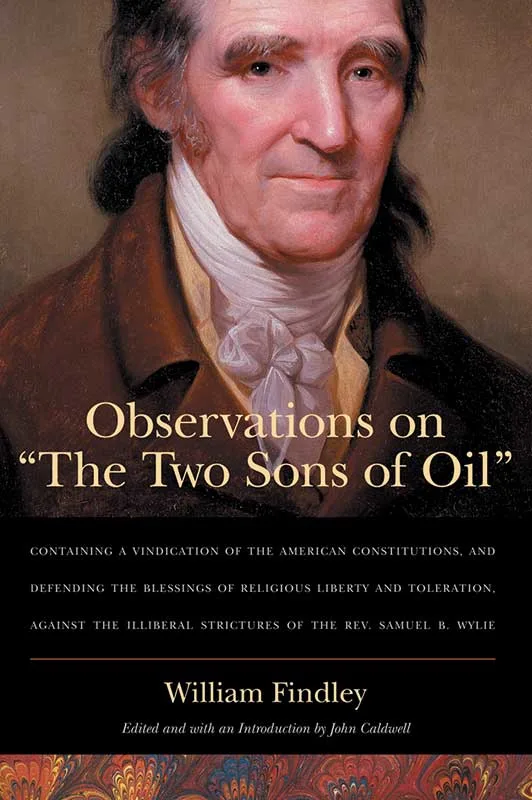
Observations on “The Two Sons of Oil” was written in 1811 in response to the Reverend Samuel B. Wylie’s work, The Two Sons of Oil, , Wylie pointed out what he considered to be deficiencies in the constitutions of both…
Benjamin Constant · 1815
In Principles of Politics, Constant “explores many subjects: law, sovereignty, and representation; power and accountability; government, property and taxation; wealth and poverty; war, peace, and the maintenance of…
David Ricardo · 1815
This volume contains a collection of assorted short essays written for publication in the latter part of David Ricardo’s life from 1815 to 1823. These essays include: An Essay on the Influence of a low Price of Corn on…
David Ricardo · 1816
Volume 7 is the second volume of four volumes comprising the collection of Ricardo's letters. It spans the years of Ricardo’s life from 1816 to 1818. This period saw the development and initial defense of his most…
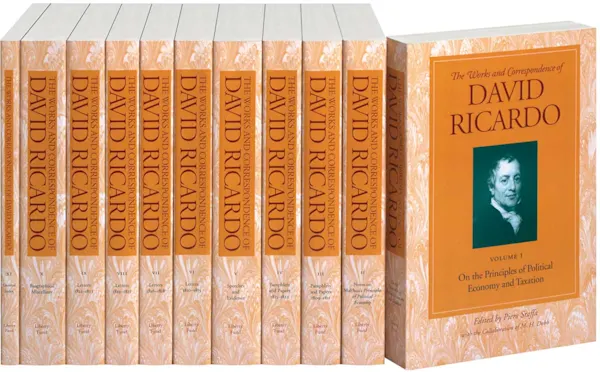
David Ricardo · 1817
On the Principles of Political Economy and Taxation provides analysis of the allocation of money between capitalists, landowners, and agricultural workers in Britain. Through this analysis, Ricardo came to advocate free…
David Ricardo · 1819
Speeches and Evidence contains the texts of Ricardo’s numerous speeches. It consists of his speeches given in the House of Commons and evidentiary advocacies before Parliamentary committees. The introduction provides…
David Ricardo · 1819
This period of Ricardo’s life witnessed his entrance into Parliament as a member of the House of Commons where he became an influential advocate of free trade through his opposition to Britain’s restrictive “Corn laws.”…
David Ricardo · 1820
David Ricardo and T. R. Malthus were friends despite a contentious divergence of opinion on many political economic issues. This volume contains the formal remnants of their differences. Ricardo analyzes,…
David Ricardo · 1821
The letters in this volume continue to cover Ricardo’s correspondence while a member of the House of Commons and provide subtle refinements and elaborations to his political economic thoughts. This volume includes a…
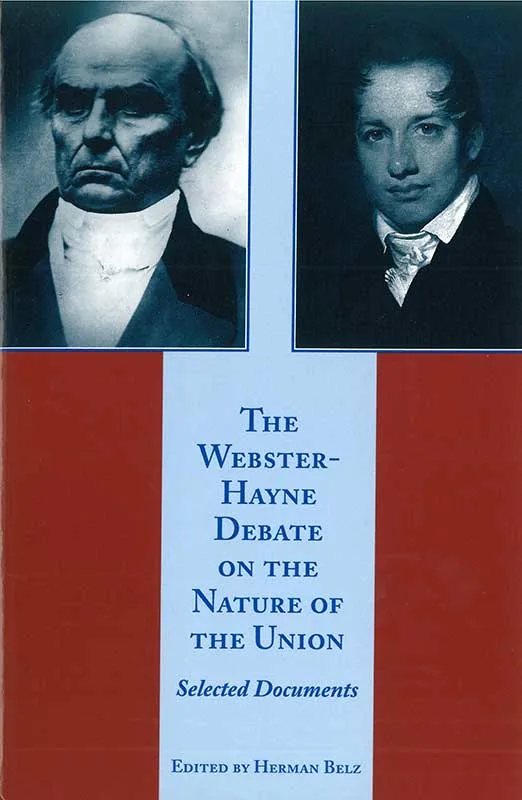
Edward Livingston · 1830
The debates between Daniel Webster and Robert Hayne gave utterance to the differing understandings of the nature of the American Union that had come to predominate in the North and the South by 1830. To Webster the…
Alexis de Tocqueville · 1835
A new 4 volume edition of Tocqueville’s classic text De la Démocratie en Amérique. The original was published in two large volumes, the first in 1835, the second in 1840. The first volume focused primarily on political…
Alexis de Tocqueville · 1835
A new 4 volume edition of Tocqueville’s classic text De la Démocratie en Amérique. The original was published in two large volumes, the first in 1835, the second in 1840. The first volume focused primarily on political…
John Marshall · 1838
A one volume abridgement of the first major biography of Washington by John Marshall who became the third Chief Justice of the Supreme Court. An influential conservative interpretation. The volume also contains 5 of the…
Alexis de Tocqueville · 1840
A new 4 volume edition of Tocqueville’s classic text De la Démocratie en Amérique. The original was published in two large volumes, the first in 1835, the second in 1840. The first volume focused primarily on political…
Alexis de Tocqueville · 1840
A new 4 volume edition of Tocqueville’s classic text De la Démocratie en Amérique. The original was published in two large volumes, the first in 1835, the second in 1840. The first volume focused primarily on political…
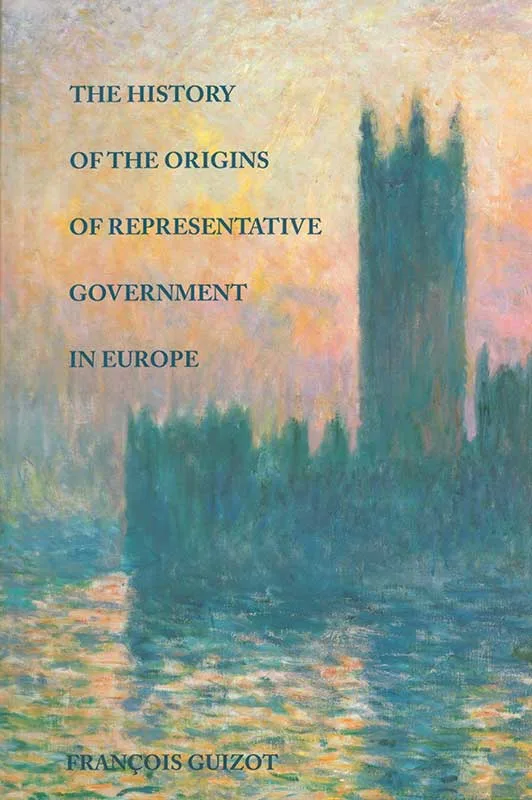
François Guizot · 1861
Guizot reflects on the principles, goals, and institutions of representative government in Europe from the fifth to the reign of the Tudors in England. In Part 1 he examines such topics as the “true” principles of…
Hippolyte Taine · 1878
The 1st volume of Hippolyte Taine’s 3 volume history of the French Revolution which is part of his history of modern France, The Origins of Contemporary France
Hippolyte Taine · 1878
The 2nd volume of Hippolyte Taine’s 3 volume history of the French Revolution which is part of his 5 part history of modern France, The Origins of Contemporary France.
Hippolyte Taine · 1878
The 3rd volume of Hippolyte Taine’s 3 volume history of the French Revolution which is part of his history of modern France, The Origins of Contemporary France.
Auberon Herbert · 1891
This collection of essays was originally published in 1891 in response to a collection of Fabian Essays on Socialism which advocated policies which would eventually lead to the modern welfare state. The theoretical and…
Thomas Mackay · 1891
This collection of essays was originally published in 1891 in response to a collection of Fabian Essays on Socialism which advocated policies which would eventually lead to the modern welfare state. The theoretical and…
Frederic William Maitland · 1898
First published in 1895, Sir Frederick Pollock and Frederic William Maitland’s legal classic The History of English Law before the Time of Edward I expanded the work of Sir Edward Coke and William Blackstone by…
Frederic William Maitland · 1898
First published in 1895, Sir Frederick Pollock and Frederic William Maitland’s legal classic The History of English Law before the Time of Edward I expanded the work of Sir Edward Coke and William Blackstone by…
Albert Venn Dicey · 1917
This volume brings together a series of lectures A. V. Dicey first gave at Harvard Law School on the influence of public opinion in England during the nineteenth century and its impact on legislation. It is an…
Ludwig von Mises · 1919
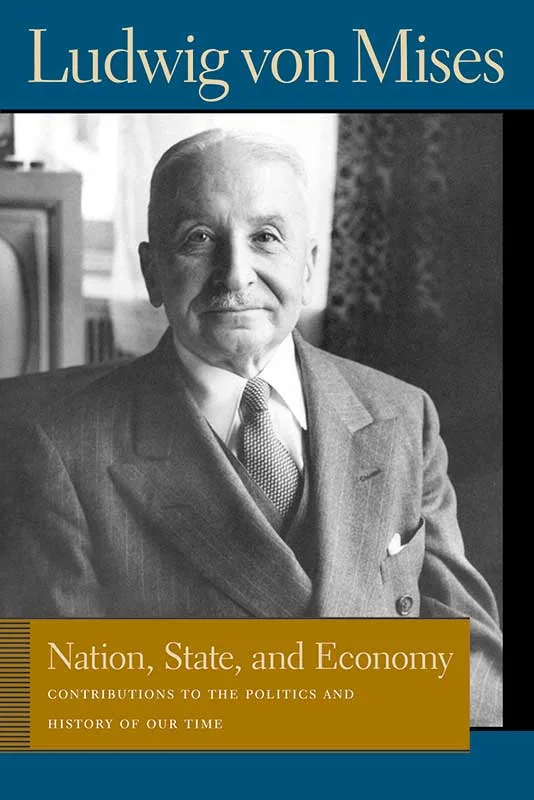
Nation, State, and Economy, published less than a year after Austria’s defeat in World War I, examines and compares prewar and postwar economic conditions and explicates Mises’s theory that each country’s prosperity…
Jacob Burckhardt · 1929
Judgments on History and Historians consists of records collected by Emil Dürr from Burckhardt’s lecture notes for history courses at the University of Basel from 1865 to 1885. The notes span five eras: Antiquity, the…
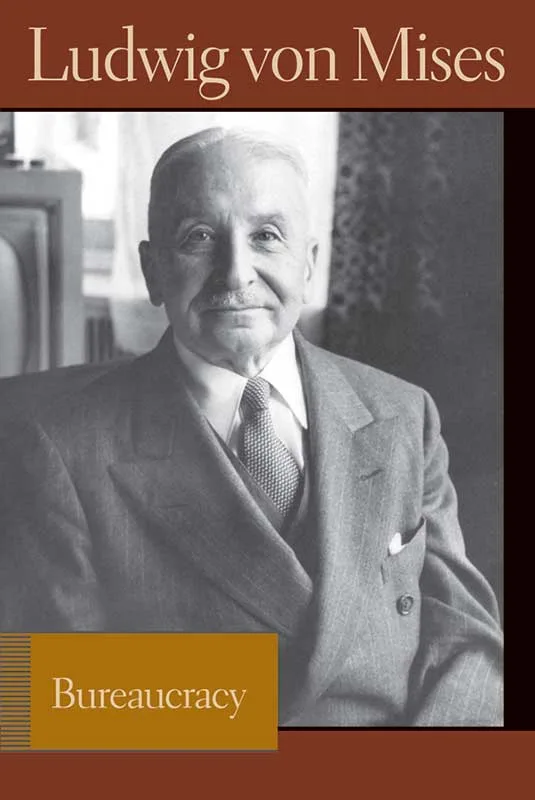
Ludwig von Mises · 1944
Originally published by Yale University Press in 1944, Bureaucracy is a classic fundamental examination of the nature of bureaucracies and free markets in juxtaposition to various political systems.
Charles Howard McIlwain · 1947
Constitutionalism: Ancient and Modern explores the very roots of liberty by examining the development of modern constitutionalism from its ancient and medieval origins. Derived from a series of lectures delivered by…
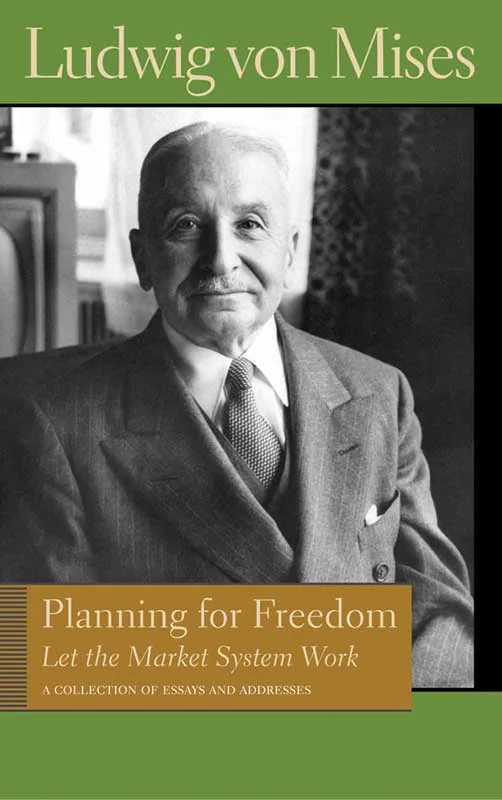
Ludwig von Mises · 1952
In this anthology, Mises offers an articulate and accessible introduction to and critique of two topics he considers especially important: inflation and government interventionism.
H.B. Acton · 1955
Written nearly fifty years ago, at a time when the world was still wrestling with the concepts of Marx and Lenin, The Illusion of the Epoch is the perfect resource for understanding the roots of Marxism-Leninism and its…
Ludwig von Mises · 1957
Theory and History is primarily a critique of Karl Marx, his materialism, and his prediction of the inevitability of socialism. This book discusses the theory of economics, i.e., the study of purposive human action, and…
James M. Buchanan · 1958
Vol. 2 of The Collected Works. One of James M. Buchanan’s most important and influential books which is based on the then (1958) radical idea that the burden of debt is not borne by the current generation, but is…
Roscoe Pound · 1958
Roscoe Pound, former dean of Harvard Law School, delivered a series of lectures at the University of Calcutta in 1948. In these lectures, he criticized virtually every modern mode of interpreting the law because he…
Ludwig von Mises · 1962
The great Austrian economist Ludwig von Mises provides a concise and tightly-argued one volume defense of classical liberalism, focusing on the core concepts of private property, limited government, peace, and the free…
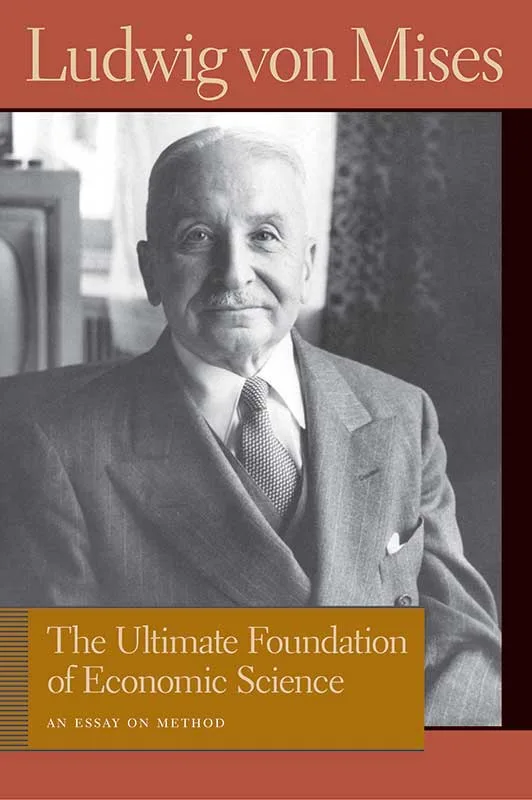
Ludwig von Mises · 1962
Written toward the end of Mises’s life, his last monograph, The Ultimate Foundation of Economic Science, returned to economics as a science based on human action.
Kenneth Minogue · 1963
Kenneth Minogue offers a brilliant and provocative exploration of liberalism in the Western world today: its roots and its influences, its present state, and its prospects in the new century. Minogue argues most…
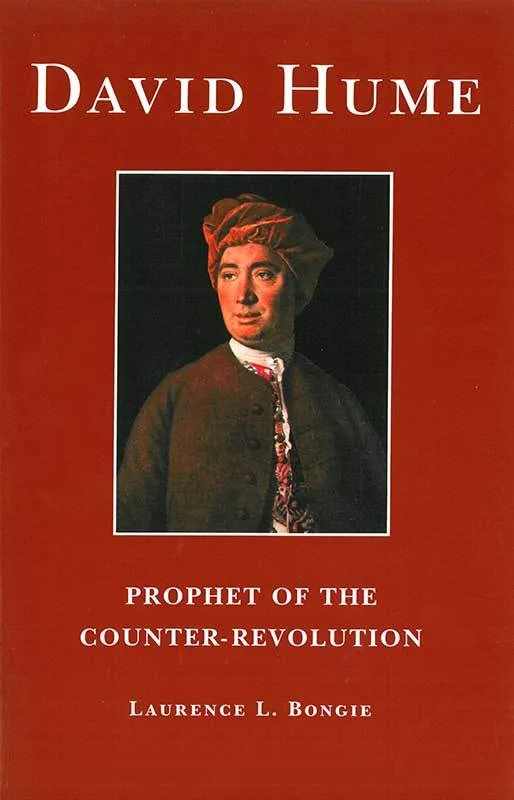
Laurence L. Bongie · 1965
The bulk of Bongie’s work consists of the writings of French readers of Hume who were confronted, first, by the ideology of human perfection and, finally, by the actual terrors of the French Revolution. These vitally…
Gordon Tullock · 1966
In The Organization of Inquiry, Gordon Tullock sets out to answer such questions as: how do scientists engage in apparently cooperative contributions in the absence of hierarchic organization and why are scientific…
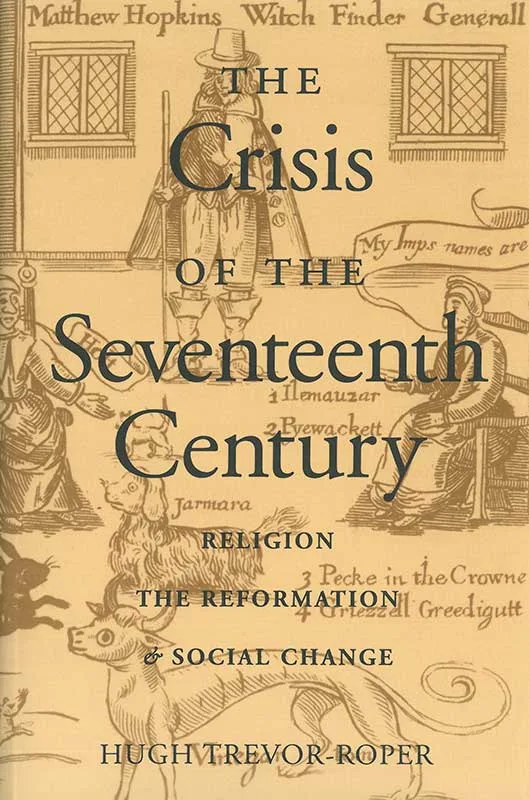
Hugh Trevor-Roper · 1967
The Crisis of the Seventeenth Century collects nine essays by Trevor-Roper on the themes of religion, the Reformation, and social change. As Trevor-Roper explains in his preface, “the crisis in government, society, and…
John Passmore · 1969
Thoroughly and elegantly, Passmore explores the history of the idea of perfectibility - manifest in the ideology of perfectibilism - and its consequences, which have invariably been catastrophic for individual liberty…
Michael Oakeshott · 1975
Hobbes on Civil Association consists of Oakeshott’s four principal essays on Hobbes and on the nature of civil association as civil association pertains to ordered liberty. The essays are “Introduction to Leviathan”…
James M. Buchanan · 1975
Vol. 7 of The Collected Works. The Limits of Liberty made James Buchanan’s name more widely known than ever before among political philosophers and theorists and established Buchanan, along with John Rawls and Robert…
Geoffrey Brennan · 1980
Vol. 9 of The Collected Works. Originally published in 1980, The Power to Tax was a much-needed answer to the tax revolts sweeping across the United States. The public-choice approach to taxation which Buchanan had…
James T. Schleifer · 1980
A model of intellectual history which documents where, when, and under what influences Alexis de Tocqueville wrote different sections of his Democracy in America and how the central themes of that work - democracy,…
James M. Buchanan · 1985
Vol. 10 of The Collected Works. In his foreword, Robert D. Tollison identifies the main objective of Geoffrey Brennan and James M. Buchanan’s The Reason of Rules: ” . . a book-length attempt to focus the energies of…
Robert A. Nisbet · 1988
Nisbet examines the role of the United States in the world since World War I focusing on the threats that the unprecedented militarization of American life in the decades after 1914, bureaucracy, centralization, and…
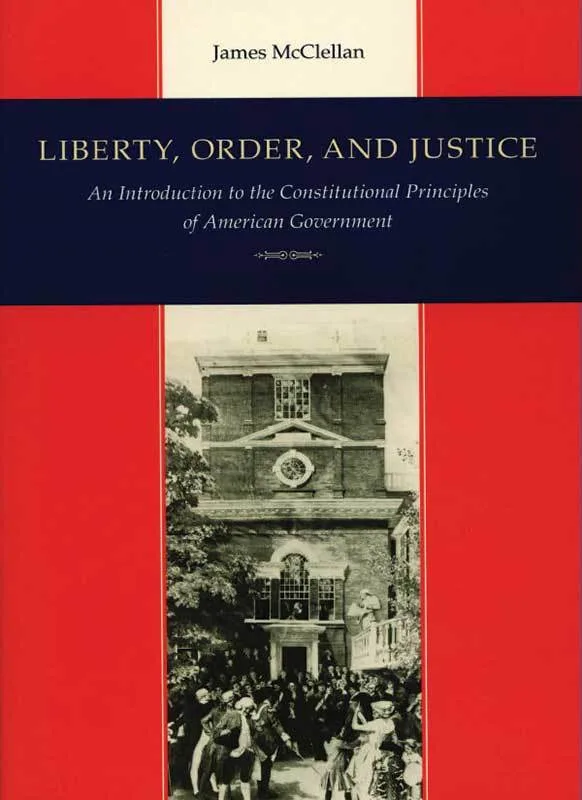
James McClellan · 1989
Liberty, Order, and Justice seeks to familiarize students with the basic principles of the Constitution, and to explain their origin, meaning, and purpose. Particular emphasis is placed on federalism and the separation…
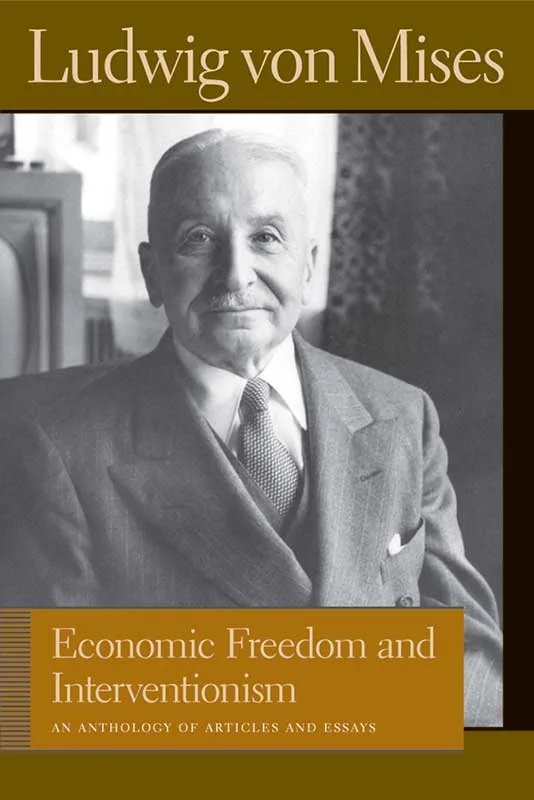
Ludwig von Mises · 1990
Economic Freedom and Interventionism is a primer of the thought of Ludwig von Mises and an anthology of his writings. This volume contains forty-seven articles edited by Mises scholar Bettina Bien Greaves. Among them…
John Phillip Reid · 1993
This is a critical collection of essays on the origin and nature of the idea of liberty. The authors explore the development of English ideas of liberty and the relationship those ideas hold to modern conceptions of…
Ludwig von Mises · 1996
In the foreword to Human Action: A Treatise on Economics, Mises explains complex market phenomena as “the outcomes of countless conscious, purposive actions, choices, and preferences of individuals, each of whom was…
Ludwig von Mises · 1996
In the foreword to Human Action: A Treatise on Economics, Mises explains complex market phenomena as “the outcomes of countless conscious, purposive actions, choices, and preferences of individuals, each of whom was…
Ludwig von Mises · 1996
In the foreword to Human Action: A Treatise on Economics, Mises explains complex market phenomena as “the outcomes of countless conscious, purposive actions, choices, and preferences of individuals, each of whom was…
Ludwig von Mises · 1996
The 4th and final volume contains a brief appendix by Mises on the work of Boehm-Bawerk and a glossary of terms prepared by the editor.
Joyce Lee Malcolm · 1999
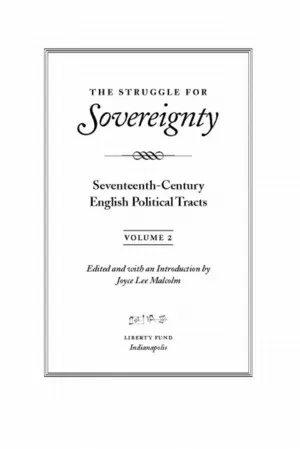
The political tracts of the English peoples in the seventeenth century established principles of governance and of liberty that benefited not only themselves but the founders of the American republic. These writings, by…
Joyce Lee Malcolm · 1999
The political tracts of the English peoples in the seventeenth century established principles of governance and of liberty that benefited not only themselves but the founders of the American republic. These writings, by…
Dane Starbuck · 2001
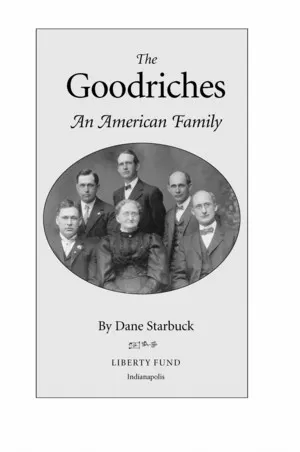
A biography of one of Indiana’s most prominent twentieth-century families. It begins with the birth of James P. Goodrich in 1864 and continues through the death of his son Pierre F. Goodrich in 1973. James Goodrich…

Anthony de Jasay · 2002
Author of The State, Anthony de Jasay, has been described as one of the few genuinely original minds in modern political philosophy. He breaks new ground with Justice and Its Surroundings - a new collection of essays…
Bruce Frohnen · 2002
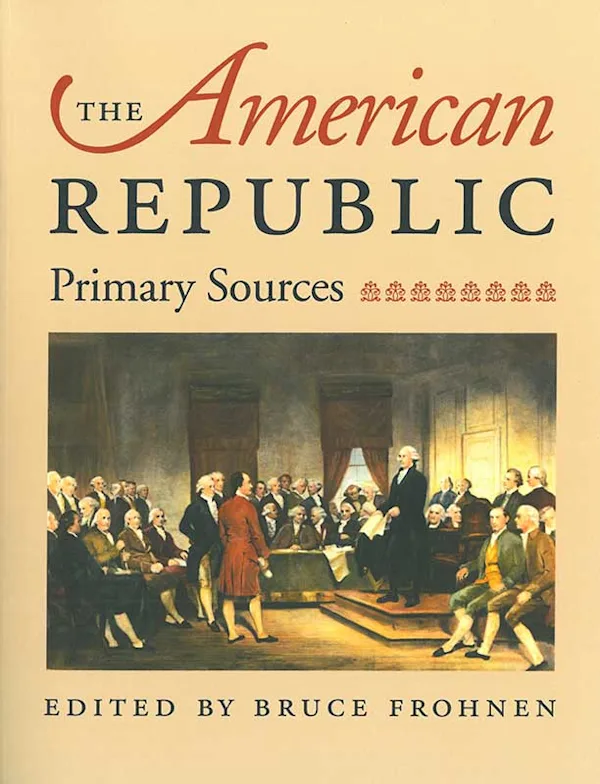
The American Republic is an excellent textbook for classroom use which provides, in a single volume, critical, original documents revealing the character of American discourse on the nature and importance of local…
Henry C. Clark · 2003
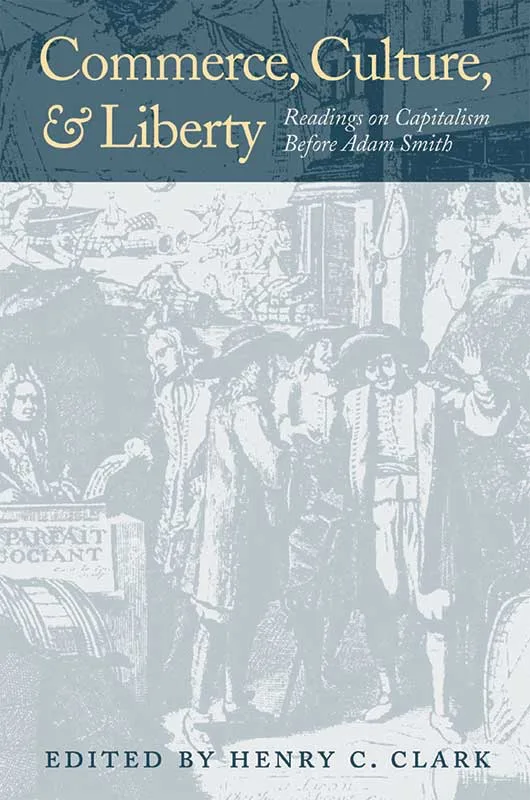
In this Liberty Fund book the editor has compiled some of the more important writings on economics before the appearance of Smith’s Wealth of Nations in 1776. It is particularly strong on the French contribution. Not…
Arthur Seldon · 2004
The Virtues of Capitalism, lays the foundation of Seldon’s views and theories of capitalism and its alternatives. The first part, Corrigible Capitalism; Incorrigible Socialism, was first published in 1980. It explains…
Arthur Seldon · 2005
This is the fourth volume in Liberty Fund’s The Collected Works of Arthur Seldon. It brings together six of Seldon’s essays that discuss his alternative proposals for paying for “public” services rather than through…
Arthur Seldon · 2005
In the fifth volume of The Collected Works of Arthur Seldon, Arthur Seldon uses public choice economics research to support his theory of over-government. The term “over-government” was coined by Seldon and is defined…

Arthur Seldon · 2005
Volume 6 of The Collected Works of Arthur Seldon examines the failure of state-supported welfare programs to benefit the people most in need of help. The eight articles and one book in this volume encompass almost forty…
Arthur Seldon · 2005
Volume 7 of The Collected Works of Arthur Seldon includes six works that discuss the role of the Institute of Economic Affairs, where Seldon spent most of his working life. For copyright reasons, only “The Making of the…
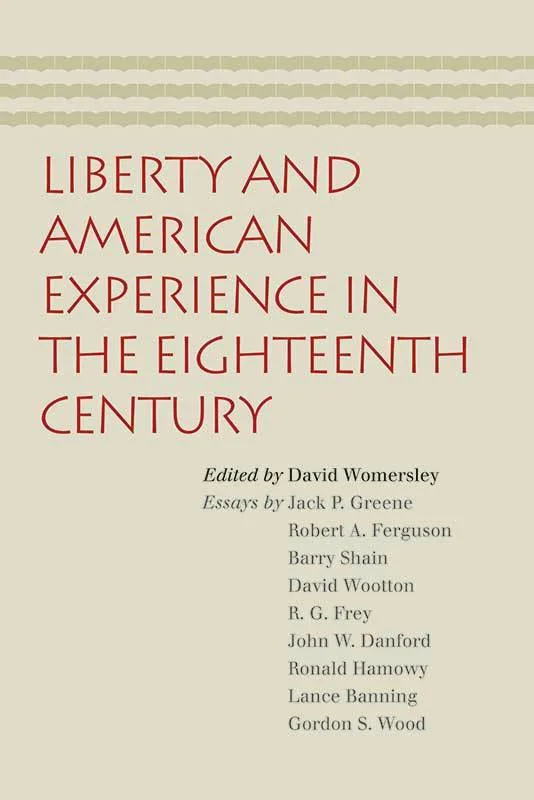
David Womersley · 2006
This collection examines themes and ideologies central to the formation of the United States including Edmund Burke’s theories on property rights and government, the influence of Jamaica on the American colonies, the…
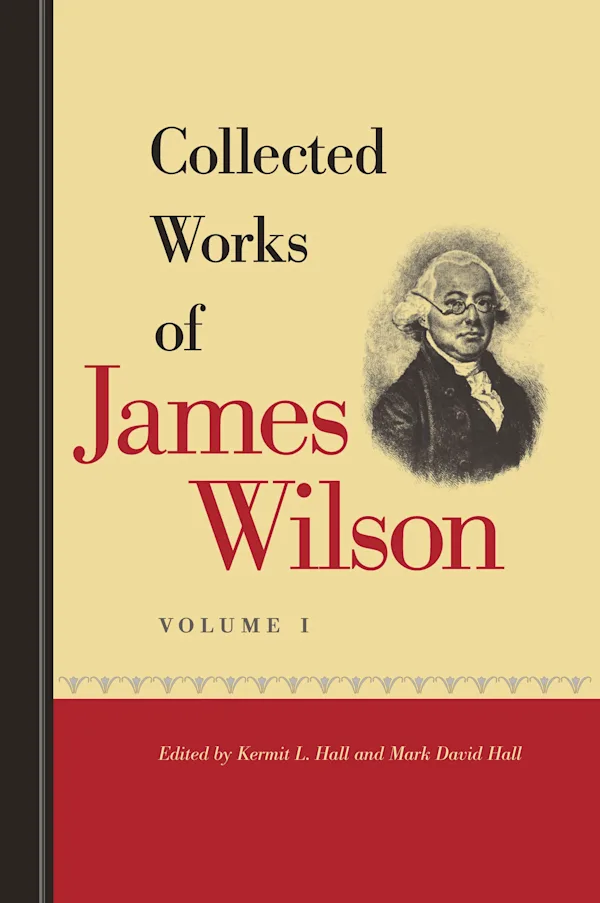
James Wilson · 2007
This two-volume set brings together a collection of writings and speeches of James Wilson, one of only six signers of both the Declaration of Independence and the Constitution, and one of the most influential members of…
James Wilson · 2007
This two-volume set brings together a collection of writings and speeches of James Wilson, one of only six signers of both the Declaration of Independence and the Constitution, and one of the most influential members of…
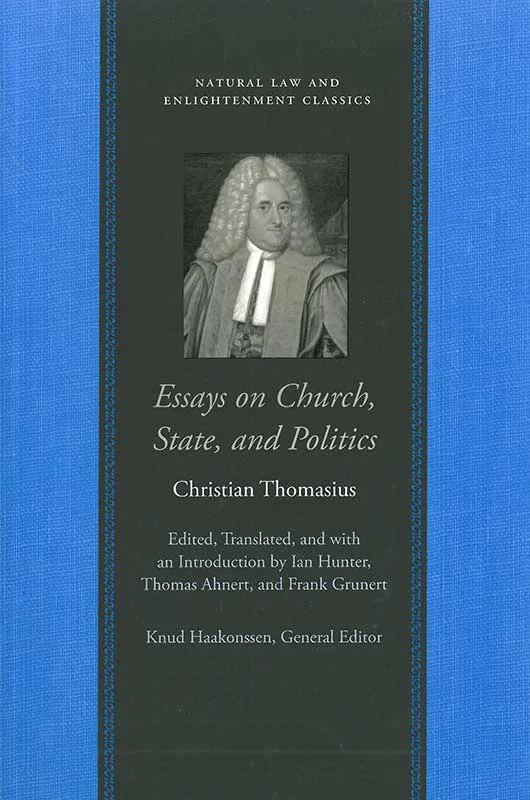
Christian Thomasius · 2007
The essays selected here for translation derive largely from Thomasius’s work on Staatskirchenrecht, or the political jurisprudence of church law. These works, originating as disputations, theses, and pamphlets, were…
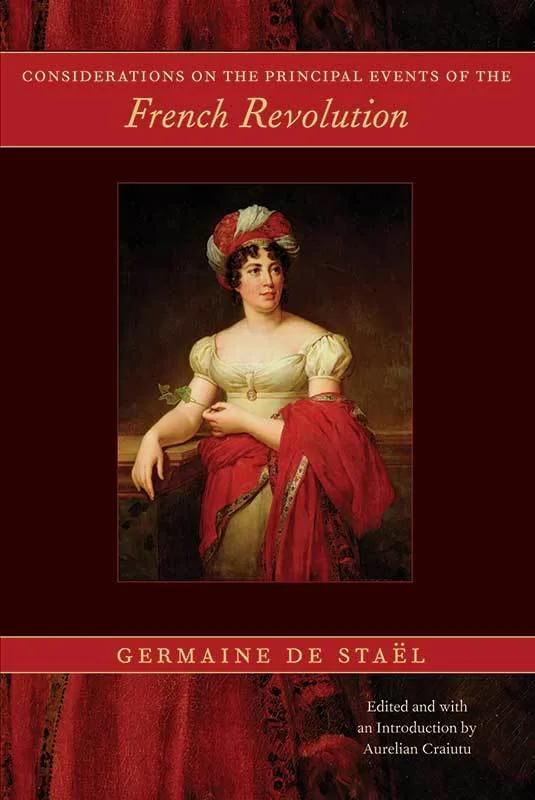
Germaine de Staël · 2008
Considerations is considered de Staël’s magnum opus and sheds renewed light on the familiar figures and events of the Revolution, among them, the financier and statesman Jacques Necker, her father.
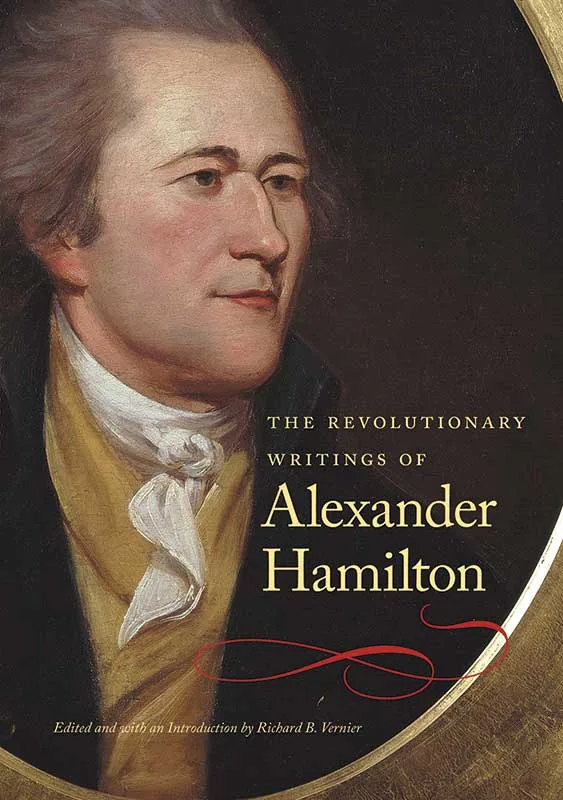
Alexander Hamilton · 2008
This is a comprehensive collection of Hamilton’s early writings, from the period before and during the Revolutionary War, and includes The Continentalist, lettters by Publius, and Remarks on the Quebec Bill.
In this collection
Authors, editors and translators of these titles, most titles first.
1917–2019 · 11 titles

1772–1823 · 11 titles

1881–1973 · 11 titles

1898–1983 · 11 titles

1696–1782 · 6 titles

1916–2005 · 5 titles
b. 1960 · 5 titles

1583–1645 · 5 titles
b. 1942 · 5 titles

1805–1859 · 4 titles

4 titles

1694–1746 · 4 titles

1919–2013 · 4 titles
1900–1976 · 4 titles

1671–1713 · 3 titles

b. 1950 · 3 titles

1944–2022 · 3 titles

1698–1748 · 3 titles

1828–1893 · 3 titles
3 titles
3 titles

1674–1744 · 3 titles
1822–1908 · 3 titles
3 titles
b. 1949 · 3 titles

1632–1694 · 3 titles

1552–1634 · 3 titles
b. 1963 · 3 titles

b. 1942 · 2 titles

1757–1804 · 2 titles

1853–1921 · 2 titles

1838–1906 · 2 titles
b. 1966 · 2 titles

1761–1805 · 2 titles
1857–1909 · 2 titles
1834–1923 · 2 titles

2 titles

1850–1906 · 2 titles

1900–1989 · 2 titles

1833–1910 · 2 titles

1820–1903 · 2 titles

1742–1798 · 2 titles

b. 1941 · 2 titles
1944–2006 · 2 titles
2 titles

b. 1966 · 2 titles
2 titles

1810–1871 · 2 titles

1845–1937 · 2 titles
b. 1971 · 2 titles

1849–1912 · 2 titles

1847–1914 · 2 titles
1 title
b. 1965 · 1 title

1835–1922 · 1 title
1 title
1 title

1925–2019 · 1 title

1767–1830 · 1 title

b. 1962 · 1 title
b. 1959 · 1 title
1871–1968 · 1 title

b. 1939 · 1 title

1655–1728 · 1 title

1 title
1919–2002 · 1 title
1 title

b. 1956 · 1 title

1782–1852 · 1 title
b. 1965 · 1 title

1711–1751 · 1 title

b. 1957 · 1 title

1939–2014 · 1 title

1 title
1645–1699 · 1 title

1764–1836 · 1 title

b. 1931 · 1 title

1714–1767 · 1 title

1714–1780 · 1 title
1 title

1787–1874 · 1 title
1 title
b. 1904 · 1 title

1732–1799 · 1 title

1766–1817 · 1 title

1672–1729 · 1 title

1922–2014 · 1 title

1908–1974 · 1 title
1923–2001 · 1 title

b. 1949 · 1 title

b. 1951 · 1 title

b. 1937 · 1 title
1 title

1914–2003 · 1 title
b. 1949 · 1 title

1818–1897 · 1 title
1922–2014 · 1 title

1751–1836 · 1 title
1937–2005 · 1 title
1712–1779 · 1 title

1694–1748 · 1 title
1 title

1681–1741 · 1 title

1735–1826 · 1 title
b. 1926 · 1 title

1796–1856 · 1 title

1755–1835 · 1 title
b. 1947 · 1 title

1914–2004 · 1 title
b. 1930 · 1 title

1773–1843 · 1 title
1 title

1929–2016 · 1 title

1930–2013 · 1 title

1942–2006 · 1 title

b. 1929 · 1 title

1924–2018 · 1 title
1 title

121–180 · 1 title
b. 1968 · 1 title
1 title
b. 1950 · 1 title

1901–1990 · 1 title
1 title

1619–1651 · 1 title

b. 1939 · 1 title

1 title
b. 1937 · 1 title
b. 1956 · 1 title
1 title
b. 1970 · 1 title
1 title

1632–1718 · 1 title
1553–1616 · 1 title
1 title

1 title
b. 1959 · 1 title

1913–1996 · 1 title

1942–2016 · 1 title
1 title

1791–1839 · 1 title

1870–1964 · 1 title
b. 1937 · 1 title
b. 1960 · 1 title
1 title

1654–1715 · 1 title
b. 1957 · 1 title
b. 1955 · 1 title

1782–1858 · 1 title
1700–1777 · 1 title
b. 1933 · 1 title
1880–1945 · 1 title

1742–1821 · 1 title

1743–1805 · 1 title

1762–1840 · 1 title
1578–1622 · 1 title
Passages from titles in this collection, chosen by OLL editors.
After having thus taken each individual one by one into its powerful hands, and having molded him as it pleases, the sovereign power extends its arms over the entire society; it covers the surface of society with a network of small, complicated, minute, and uniform rules, which the most original minds and the most vigorous souls cannot break through to go beyond the crowd; it does not break wills, but it softens them, bends them and directs them; it rarely forces action, but it constantly opposes your acting; it does not destroy, it prevents birth; it does not tyrannize, it hinders, it represses, it enervates, it extinguishes, it stupifies, and finally it reduces each nation to being nothing more than a flock of timid and industrious animals, of which the government is the shepherd.
I have always believed that this sort of servitude, regulated, mild and peaceful, of which I have just done the portrait, could be combined better than we imagine with some of the external forms of liberty, and that it would not be impossible for it to be established in the very shadow of the sovereignty of the people.
When citizens can associate only in certain cases, they regard association as a rare and singular process, and they hardly think of it.
When you allow them to associate freely in everything, they end up seeing in association the universal and, so to speak, unique means that men can use to attain the various ends that they propose. Each new need immediately awakens the idea of association. The art of association then becomes, as I said above, the mother science; everyone studies it and applies it.
What most strikes the European who travels across the United States is the absence of what among us we call government or administration. In America, you see written laws; you see their daily execution; everything is in motion around you, and the motor is nowhere to be seen. The hand that runs the social machine escapes at every moment...
The Revolution in the United States was produced by a mature and thoughtful taste for liberty, and not by a vague and undefined instinct for independence. It was not based upon passions for disorder; on the contrary, it proceeded with love of order and of legality.
I have shown that equality suggested to men the thought of a unique, uniform and strong government. I have just shown that it gives them the taste for it; so today nations are tending toward a government of this type. The natural inclination of their mind and heart leads them to it, and it is enough for them not to hold themselves back in order to reach it.
I think that, in the democratic centuries that are going to open up, individual independence and local liberties will always be a product of art. Centralization will be the natural government.

Language and Literature
282 titles · 6 publications · 321 people
Economics
11 titles · 3 people

Textbooks
3 titles · 6 people · 4 quotes
Language and Literature
6 titles · 8 people

Language and Literature
17 titles · 3 publications · 40 people
Law
49 titles · 1 publication · 69 people