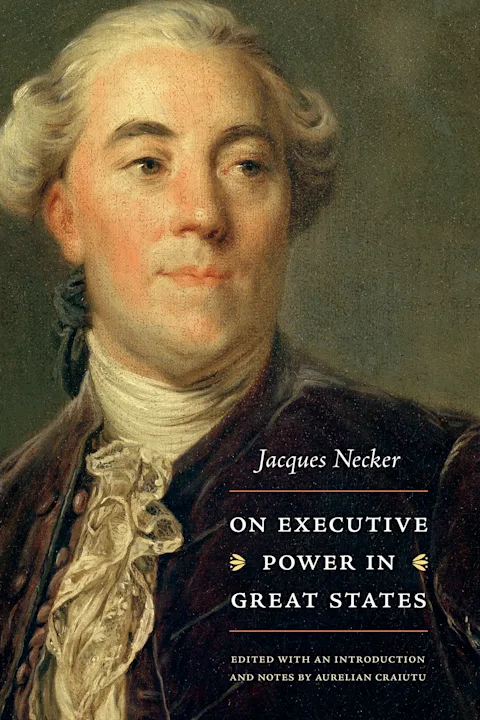
On Executive Power in Great States
- Jacques Necker(author)
- Aurelian Craiutu(editor)
On Executive Power in Great States (1792) is arguably one of the most important texts ever written on the issue of executive power in modern society. It includes memorable formulations regarding liberty and public spirit among the English and the Americans, the relation between economic prosperity and political freedom, and the seminal influence of religion and morals on liberty. Necker provides a defense of representative government and offers an examination of the French political system, which he compares on several occasions with England and America. Before Tocqueville, Necker understood the importance of America for the Old World as the first successful example of popular self-government and free institutions.
About This Edition
Citation
Necker, Jacques. On Executive Power in Great States. Indianapolis: Liberty Fund, 2020.
Necker, Jacques. On Executive Power in Great States. Edited by Aurelian Craiutu, Liberty Fund, 2020. Online Library of Liberty, https://oll.libertyfund.org/titles/on-executive-power-in-great-states.
Necker, J. (2020). On Executive Power in Great States. Liberty Fund. https://oll.libertyfund.org/titles/on-executive-power-in-great-states
@book{necker2020states,
  author = {Jacques Necker},
  editor = {Aurelian Craiutu},
  title = {On Executive Power in Great States},
  publisher = {Liberty Fund},
  address = {Indianapolis},
  year = {2020},
  url = {https://oll.libertyfund.org/titles/on-executive-power-in-great-states},
  note = {Online Library of Liberty}
}TY - BOOK AU - Necker, Jacques A2 - Craiutu, Aurelian TI - On Executive Power in Great States PY - 2020 CY - Indianapolis PB - Liberty Fund UR - https://oll.libertyfund.org/titles/on-executive-power-in-great-states DB - Online Library of Liberty ER -
Copyright
The copyright to this edition, in both print and electronic forms, is held by Liberty Fund, Inc.

About the author
Jacques Necker 1732–1804
Jacques Necker was a Swiss banker and statesman who served as finance minister for Louis XVI.
Related People
Germaine de Staël
Author
She was his daughter and considered one of the most influential political thinkers and literary figures of the late Enlightenment and Napoleonic era.
Lafayette supported Necker as a reform-minded minister who could stabilize France’s finances without overturning the monarchy.
Jean-Jacques Rousseau
Author
Both Rousseau and Necker were Genevan by origin (or closely tied to Geneva) and part of the broader Swiss Protestant Enlightenment. They shared concerns about civic virtue, moral reform, and corruption of modern society.
Benjamin Constant
Author
Necker’s household emphasized constitutionalism, moral responsibility in government, and limits on arbitrary power. Constant developed these ideas further, becoming one of the key theorists of liberal constitutional government in the post-Revolutionary period. In this sense, Constant is often seen as an intellectual heir to Necker’s moderate reformism, filtered through Madame de Staël.


Critical Responses
Works that answer or challenge this text.
 Journal Article
On Executive Power in Great States by Jacques Necker (review)
Henry C. ClarkVisit site ↗Clark’s article is useful because it explicitly flags reasons to be skeptical of big claims about the book’s stature and helps you see where Necker departs from Montesquieu and the American founders (e.g., giving the executive more weight; preferring “interlacing” over strict separation).
 Book
Four Moderation and the “Intertwining of Powers”: Jacques Necker’s Constitutionalism
Aurelian CraiutuVisit site ↗Craiutu’s framing helps you isolate Necker’s distinctive move (collaboration/links between branches rather than strict separation) and, by doing so, clarifies exactly what a Madisonian/Montesquieuian or radical-republican critique would target.
Connected Readings
What to read next.
 Book
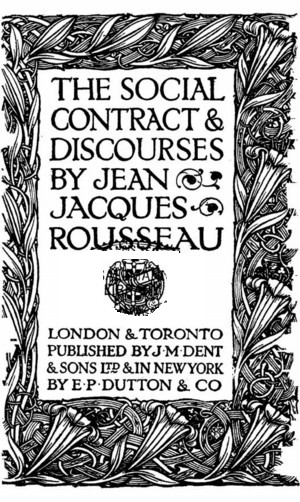
The Social Contract and Discourses
Jean-Jacques RousseauView title >Necker’s argument for a strong but limited executive can be read as a moderate corrective to Rousseau’s emphasis on popular sovereignty and legislative supremacy.
 Book
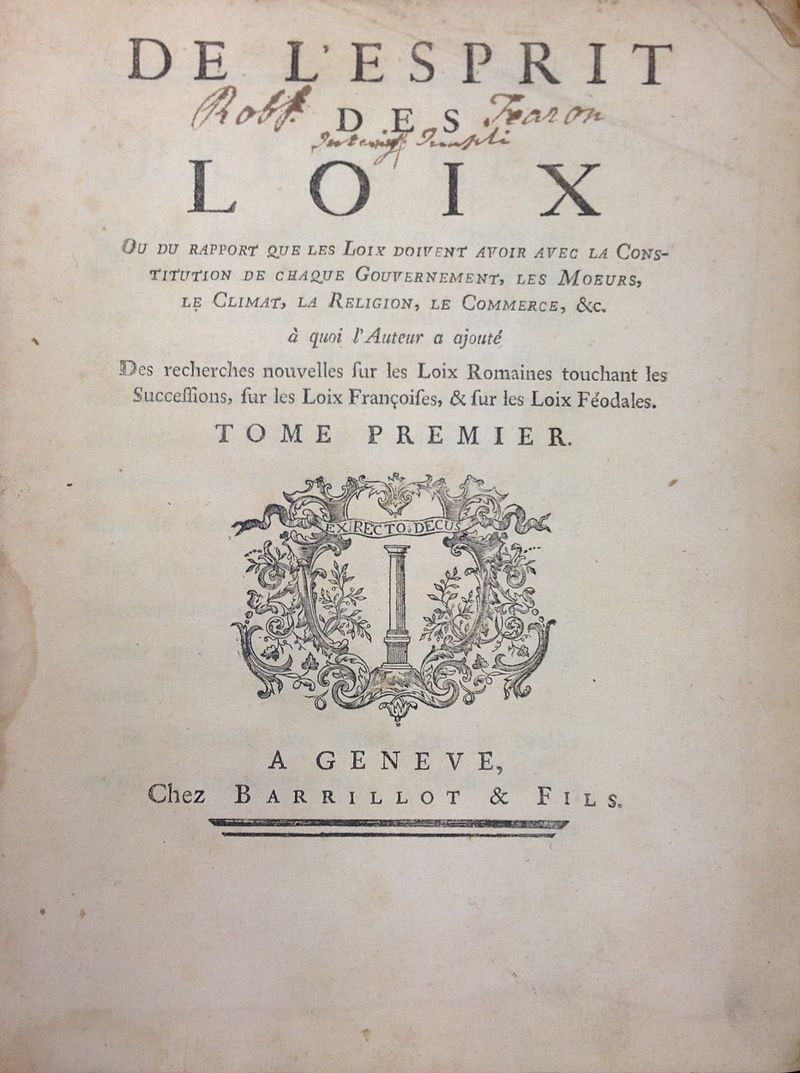
Complete Works, vol. 1 The Spirit of Laws
Charles Louis de Secondat, Baron de MontesquieuView title >This is the most important theoretical backdrop. Necker’s concern with balance and moderation draws heavily on Montesquieu’s separation of powers, though Necker is more executive-friendly.
 OLL Essay
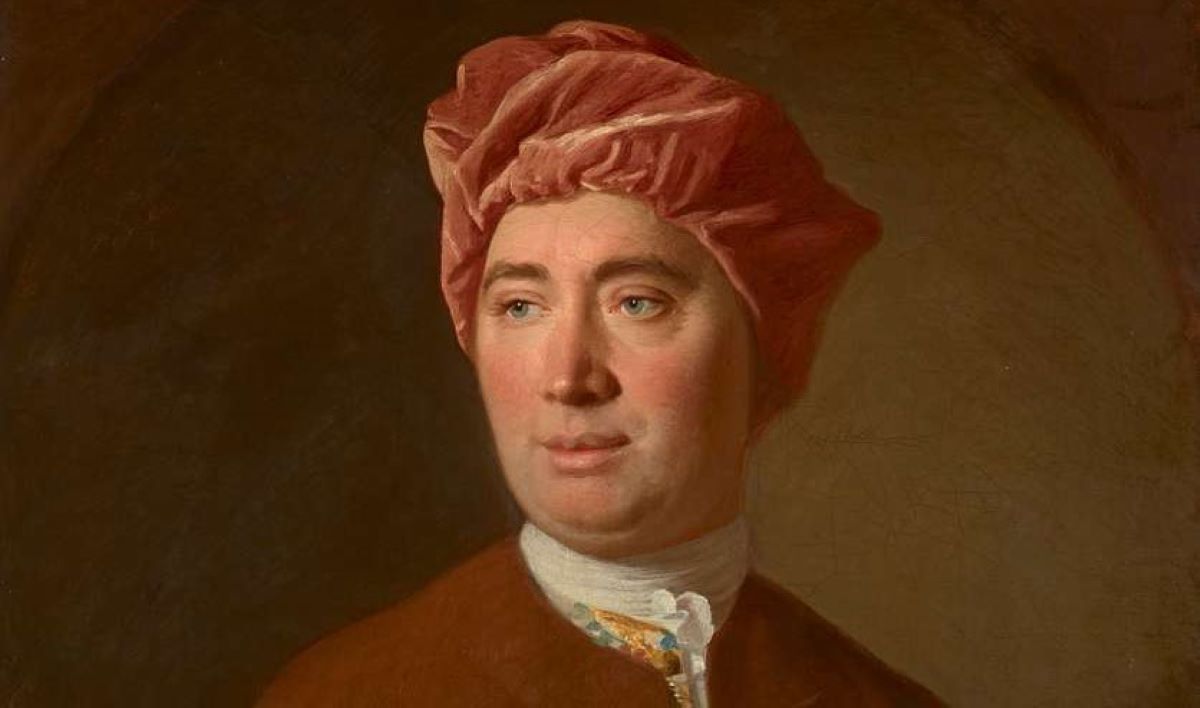
Hume on the Origin of Government
OLL EditorView title >Hume’s skepticism about pure popular rule parallels Necker’s worries about instability in large modern states.
 Book
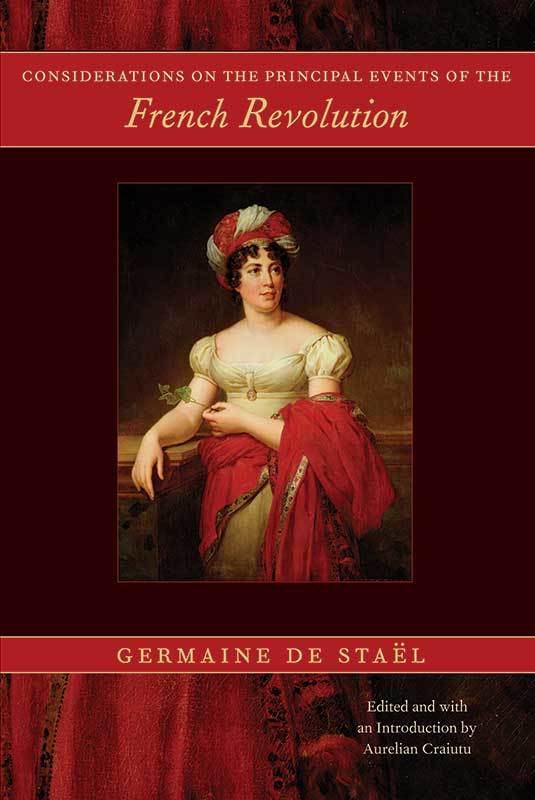
Considerations on the Principal Events of the French Revolution (LF ed.)
Germaine de StaëlView title >With this book, Madame de Staël develops and refines Necker’s moderate constitutionalism while critiquing both absolutism and revolutionary excess.
 Book
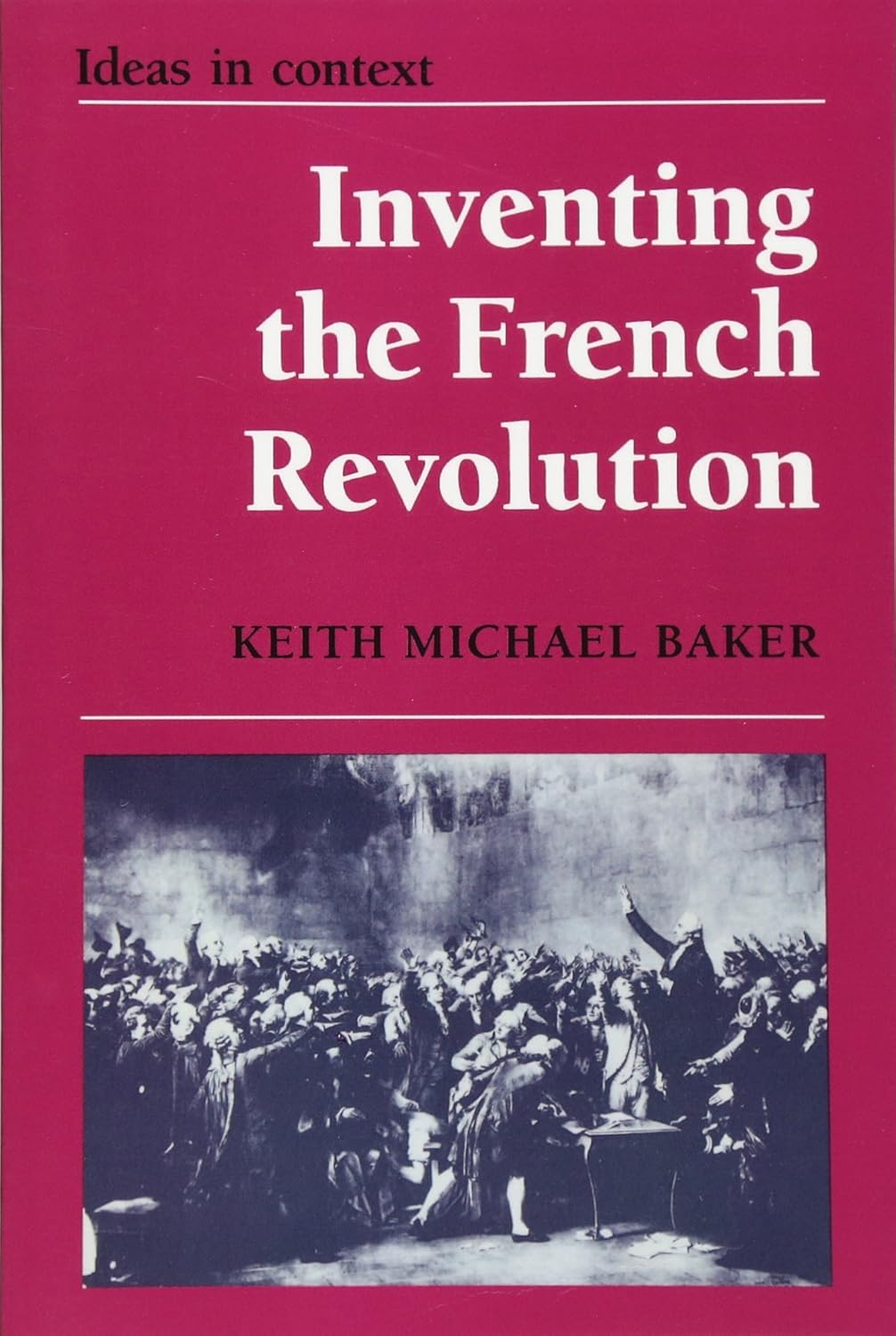
Inventing the French Revolution `: Essays on French Political Culture in the Eighteenth Century
Keith Michael BakerVisit site ↗Baker’s book gives excellent understanding of the conceptual stakes of executive vs. legislative power in revolutionary France.
More in Political Science
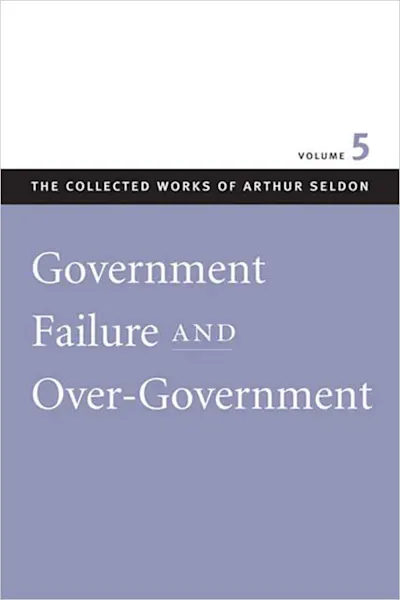
See all >The Collected Works of Arthur Seldon, vol. 5 - Government Failure and Over-Government
Arthur SeldonThe American Commonwealth, vol. 1
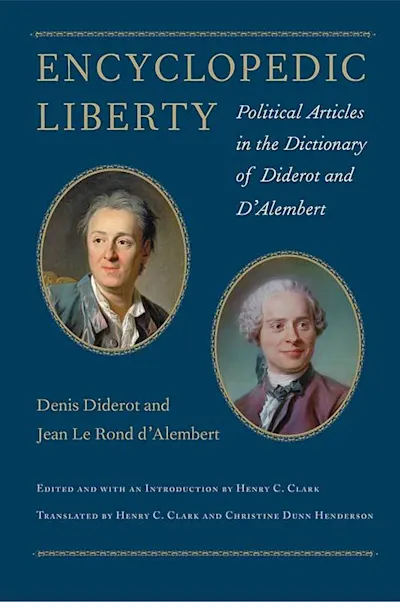
Viscount James BryceEncyclopedic Liberty: Political Articles in the Dictionary of Diderot and D’Alembert
Denis DiderotBureaucracy
Ludwig von MisesThe History of the Origins of Representative Government in Europe
François GuizotAmerican Political Writing During the Founding Era: 1760-1805, vol. 2
Charles S. HynemanAmerican Political Writing During the Founding Era: 1760-1805, vol. 1
Charles S. HynemanThe Calculus of Consent: Logical Foundations of Constitutional Democracy
James M. BuchananAmerican Political Writing During the Founding Era: 1760-1805, 2 vols.
Charles S. Hyneman