

Mortimer J. Adler
1902–2001
Mortimer J. Adler (1902-2001) was an American philosopher and educator who worked within the Aristotelian and Thomistic traditions. He…


Philosophy (General)
456 items in this collection
What does it mean to be a human? What is the best life to live, and how can we live it? These questions, and the texts which explore them, have long guided humanity in its struggle to understand itself.
In this collection
184 titles, earliest first.
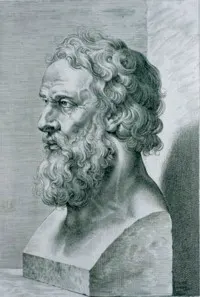
Plato · 387 BC
A 5 volume edition of Plato by the great English Victorian Greek scholar, Benjamin Jowett. The scholarly apparatus is immense and detailed. The online version preserves the marginal comments of the printed edition and…
Plato · 370 BC
A stand-alone version of “The Republic” taken from Volume 3 of a 5 volume edition of Plato by the great English Victorian Greek scholar, Benjamin Jowett. The scholarly apparatus is immense and detailed. The online…
Marcus Tullius Cicero · 45 BC
Cicero’s detailed discussion of the Greeks’ theories of God and religion.
Marcus Tullius Cicero · 44 BC
Part of a collection of Cicero’s writings which includes On Old Age, On Friendship, Officius, and Scipio’s Dream.
Marcus Tullius Cicero · 44 BC
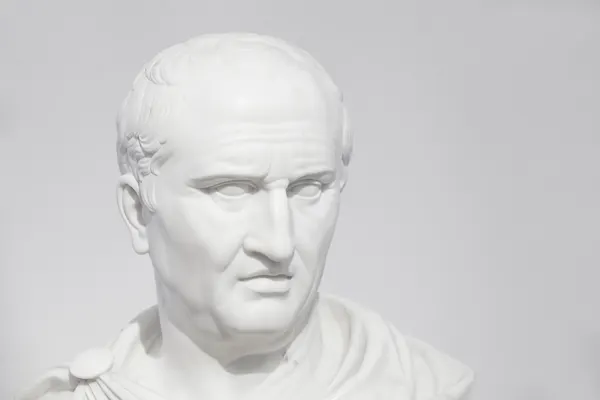
Part of a collection of Cicero’s writings which includes On Old Age, On Friendship, Officius, and Scipio’s Dream.
Marcus Tullius Cicero · 44 BC
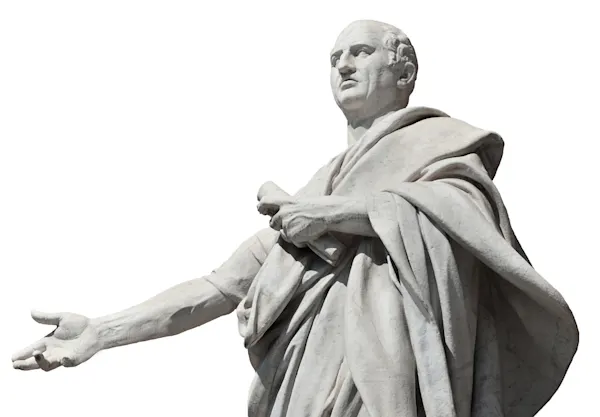
In On Old Age, Cicero offers a thoughtful and dignified defense of aging, arguing that old age, far from being a burden, brings wisdom, peace, and opportunity for continued contribution to society. Written as a…
David Hume · 0
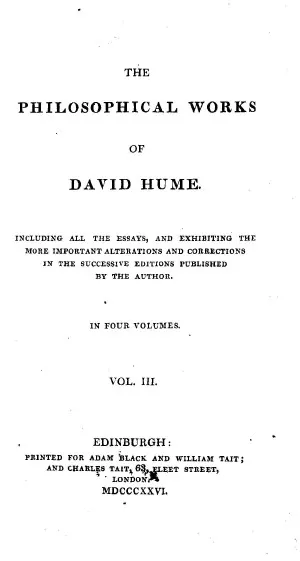
An 1828 edition of the Essays, Moral, Political and Literary.
Epictetus · 100
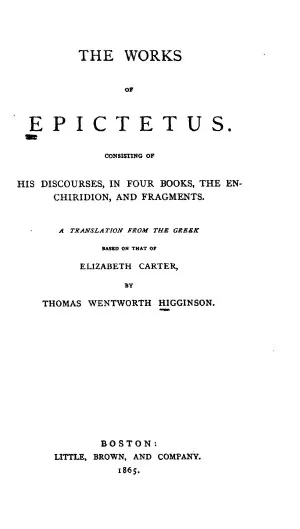
The philosophical writings of the ex-Roman slave who turned to Stoicism. It contains his Discourses, the Enchiridion, and several Fragments attributed to him.
Plotinus · 253
Plotinus is primarily remembered for his teachings, which were collected by Porphyry into a volume called the Enneads. This work gives Plotinus’s accounts of the religions and cults of his age. He was interested in the…
Plotinus · 253
Plotinus is primarily remembered for his teachings, which were collected by Porphyry into a volume called the Enneads. This work gives Plotinus’s accounts of the religions and cults of his age. He was interested in the…
Plotinus · 253
Plotinus is primarily remembered for his teachings, which were collected by Porphyry into a volume called the Enneads. This work gives Plotinus’s accounts of the religions and cults of his age. He was interested in the…
Plotinus · 253
Plotinus is primarily remembered for his teachings, which were collected by Porphyry into a volume called the Enneads. This work gives Plotinus’s accounts of the religions and cults of his age. He was interested in the…
Plotinus · 253
Plotinus is primarily remembered for his teachings, which were collected by Porphyry into a volume called the Enneads. This work gives Plotinus’s accounts of the religions and cults of his age. He was interested in the…
Plotinus · 253
Plotinus is primarily remembered for his teachings, which were collected by Porphyry into a volume called the Enneads. This work gives Plotinus’s accounts of the religions and cults of his age. He was interested in the…
Plato · 387
Volume 1 (with 9 dialogues) of a 5 volume edition of Plato by the great English Victorian Greek scholar, Benjamin Jowett. The scholarly apparatus is immense and detailed. The online version preserves the marginal…
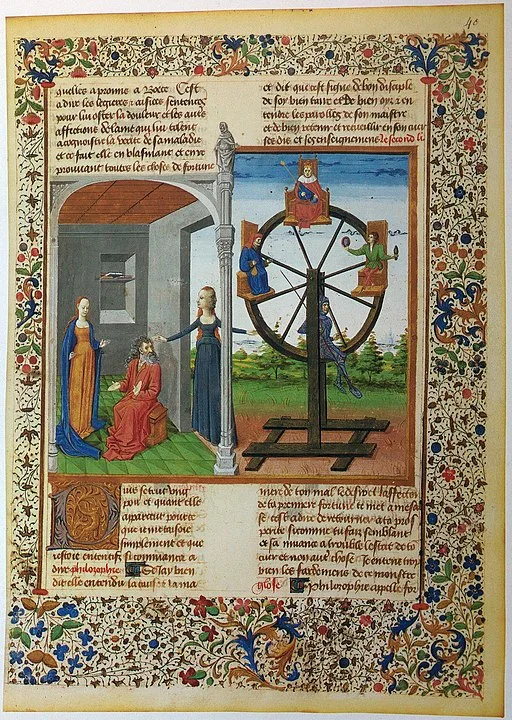
Boethius · 520
While under arrest and awaiting execution by King Theodoric for threatening his position by attempting to reconcile a schism between Rome and Constantinople in 524, Boethius wrote his best know work, The Consolation of…
Averroes (Ibn Rushd) · 1160
A collection of Averroes’ shorter works on religion, including the relation between religion and philosophy, the nature of eternal knowledge, and methods of argument and faith.
St. Thomas Aquinas · 1256
Vol. 1 of a multi-volume collection of Aquinas’ greatest work on philosophy and theology.
St. Thomas Aquinas · 1256
Vol. 3 of a multi-volume collection of Aquinas’ greatest work on philosophy and theology.
St. Thomas Aquinas · 1256
Vol. 4 of a multi-volume collection of Aquinas’ greatest work on philosophy and theology.
St. Thomas Aquinas · 1256
Vol. 2 of a multi-volume collection of Aquinas’ greatest work on philosophy and theology.
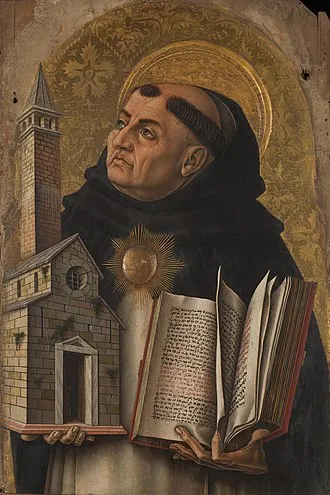
St. Thomas Aquinas · 1256
A multi-volume collection of Aquinas’ greatest work on philosophy and theology.
St. Thomas Aquinas · 1274
A translation of the principal portions of the second part of the Summa Theologica.
St. Thomas Aquinas · 1274
A translation of the principal portions of the second part of the Summa Theologica.
St. Thomas Aquinas · 1274
A translation of the principal portions of the second part of the Summa Theologica.
Jan Huss · 1411
Huss’s most famous work for which he was burnt at the stake for claiming that Christ was the founder of the Church not Peter.
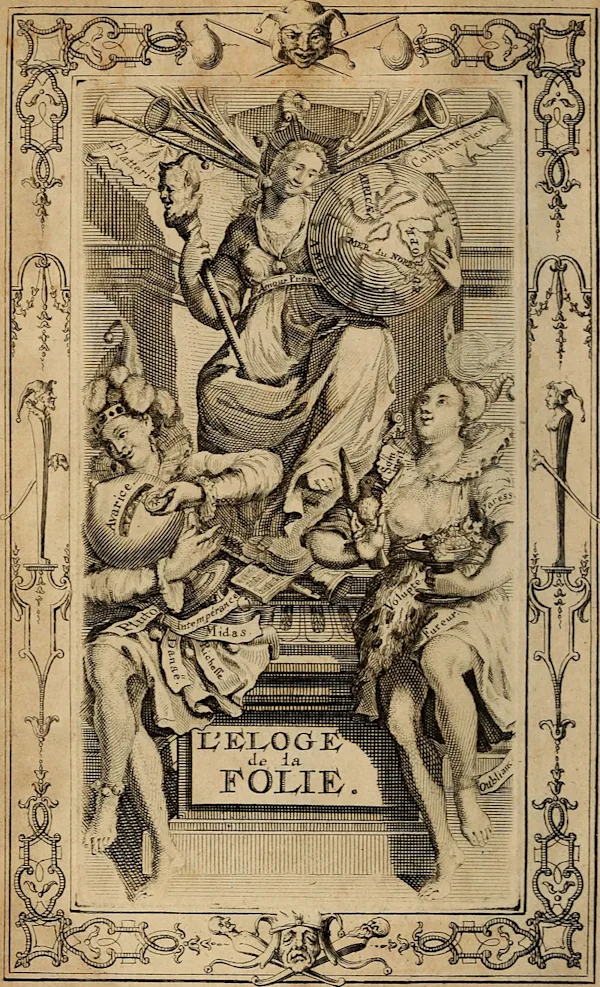
Desiderius Erasmus · 1511
The personification of Folly comes to earth to expose the follies, foibles, and failings of humans. Illustrated with 77 woodcuts by Hans Holbein.
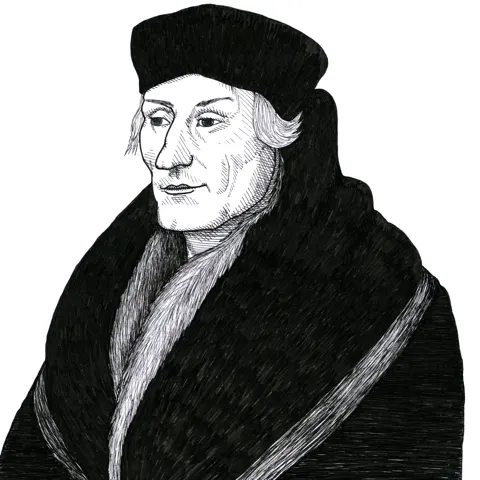
Desiderius Erasmus · 1518
In the guise of a school textbook on sound Latin prose Erasmus is able to mix sound language teaching, homilies on Christian ethics, and social criticism of some of the injustices and follies of his day.
Desiderius Erasmus · 1518
In the guise of a school textbook on sound Latin prose Erasmus is able to mix sound language teaching, homilies on Christian ethics, and social criticism of some of the injustices and follies of his day.
Desiderius Erasmus · 1518
In the guise of a school textbook on sound Latin prose Erasmus is able to mix sound language teaching, homilies on Christian ethics, and social criticism of some of the injustices and follies of his day.
Desiderius Erasmus · 1521
The Reformation scholar Desiderius Erasmus portrays Peace visiting to earth to deliver her verdict on the human race. She chastises kings and princes, church leaders, noblemen and ordinary soldiers alike for betraying…
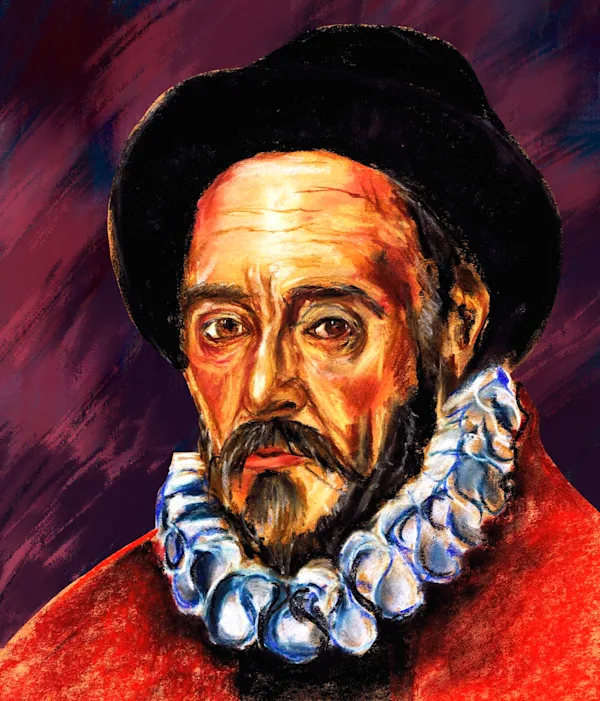
Michel de Montaigne · 1580
This edition presents a full ten-volume set of Michel de Montaigne’s Essays, translated into English in the 17th century by Charles Cotton and later revised by William Carew Hazlitt. Volumes 1 through 9 consist of the…
Michel de Montaigne · 1580
Volume 1 of a 10 volume collection of Montaigne’s famous essays in the 17th century English translation by Charles Cotton.
Michel de Montaigne · 1580
Volume 2 of a 10 volume collection of Montaigne’s famous essays in the 17th century English translation by Charles Cotton.
Michel de Montaigne · 1580
Volume 3 of a 10 volume collection of Montaigne’s famous essays in the 17th century English translation by Charles Cotton.
Michel de Montaigne · 1580
Volume 4 of a 10 volume collection of Montaigne’s famous essays in the 17th century English translation by Charles Cotton.
Michel de Montaigne · 1580
Volume 5 of a 10 volume collection of Montaigne’s famous essays in the 17th century English translation by Charles Cotton.
Michel de Montaigne · 1580
Volume 6 of a 10 volume collection of Montaigne’s famous essays in the 17th century English translation by Charles Cotton.
Michel de Montaigne · 1580
Volume 7 of a 10 volume collection of Montaigne’s famous essays in the 17th century English translation by Charles Cotton.
Michel de Montaigne · 1580
Volume 8 of a 10 volume collection of Montaigne’s famous essays in the 17th century English translation by Charles Cotton.
Michel de Montaigne · 1580
Volume 9 of a 10 volume collection of Montaigne’s famous essays in the 17th century English translation by Charles Cotton.
Sir Francis Bacon · 1605
The first of Bacon’s writings on the nature of science and the scientific method. He also had a view of the unity of knowledge, both scientific and non-scientific.
Sir Francis Bacon · 1620
Part of a larger but incomplete magnum opus in which Bacon demonstrates the use of the scientific method to discover knowledge about the natural world. Many of the examples in this volume concern the nature of heat and…
René Descartes · 1637
A collection of three of Descatres philosophical works: the Discourse of Method, the Meditations, and selections from his Principles of Philosophy.
Nathaniel Culverwell · 1652
An Elegant and Learned Discourse of the Light of Nature is a concerted effort to find a middle way between the two extremes that dominated the religious dispute of the English civil war in the seventeenth century.…
Benedict de Spinoza · 1662
Volume 2 contains Spinoza’s ethical writings and selected letters.
Blaise Pascal · 1669
The collection of writings known as “Thoughts” were not published in Pascal’s lifetime. They consist of his musings about life, religion, god, sin, miracles, and other matters.
Benedict de Spinoza · 1670
A 2 volume collection of Spinoza’s most important works. Vol. 1 contains the Theologico-Political Treatise and the posthumous Political Treatise. Vol. 2 contains On Improvement of Understanding, Ethicas, and Letters.
Benedict de Spinoza · 1670
This volume contains 2 of Spinoza’s most important political works, the Theologico-Political Treatise and the posthumous Political Treatise.
Richard Cumberland · 1672
A Treatise of the Laws of Nature, first appeared in 1672 as a theoretical response to a range of issues that came together during the late 1660s. It argued that science might offer an effective means of demonstrating…
Samuel von Pufendorf · 1673
The Whole Duty of Man (first published in Latin in 1673), was among the first works to suggest a purely conventional basis for natural law. Rejecting scholasticism’s metaphysical theories, Pufendorf found the source of…
John Locke · 1689
The first part of Locke’s most important work of philosophy. Continued in volume 2.
John Locke · 1689
The second part of Locke’s most important work of philosophy. Continued from volume 1. It also contains some of his shorter writings, especially the Elements of Natural Philosophy.
John Locke · 1696
Locke’s responses to criticism of his Essay of Human Understanding by the Bishop of Worcester.
Gershom Carmichael · 1724
Carmichael was a Scottish jurist and philosopher who became the first Professor of Moral Philosophy at the University of Glasgow in 1727. His writings on natural rights theory, theology, and logic were very influential.
Francis Hutcheson · 1726
A seminal text of the Scottish Enlightenment which was written as a critical response to the work of Bernard Mandeville and as a defense of the ideas of Anthony Ashley Cooper, Lord Shaftesbury. It consists of two…
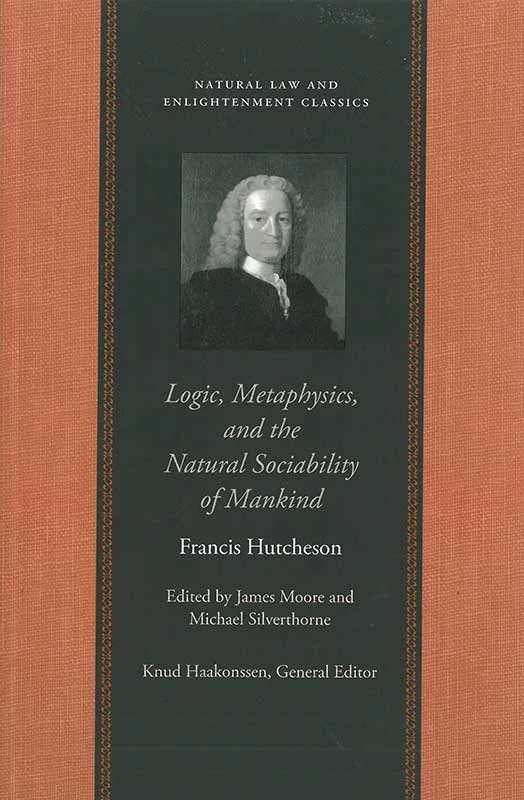
Francis Hutcheson · 1730
Until the publication of this Liberty Fund edition, all but one of the works contained in Logic, Metaphysics, and the Natural Sociability of Mankind were available only in Latin. In the words of the editors:…
Bernard Mandeville · 1732
Mandeville is a witty satirist who used a poem to make the profound economic point that “private vices” (or self-interest) lead to “publick benefits” (such as orderly social structures like law, language, and markets).
Bernard Mandeville · 1732
Mandeville is a witty satirist who used a poem to make the profound economic point that “private vices” (or self-interest) lead to “publick benefits” (such as orderly social structures like law, language, and markets).
Bernard Mandeville · 1732
Mandeville is a witty satirist who used a poem to make the profound economic point that “private vices” (or self-interest) lead to “publick benefits” (such as orderly social structures like law, language, and markets).
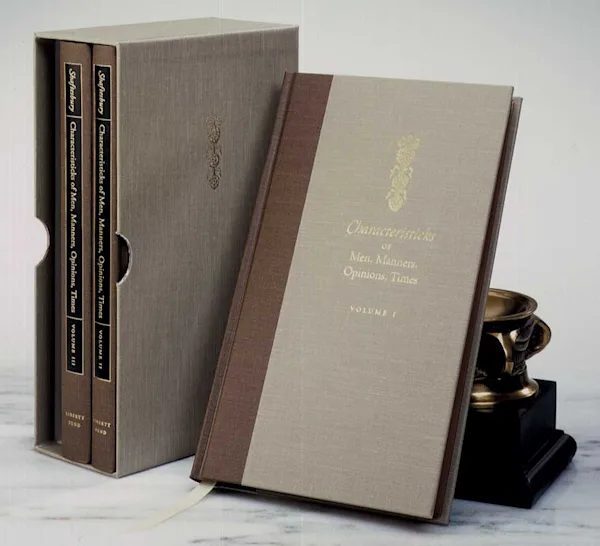
Anthony Ashley Cooper, Earl of Shaftesbury · 1737
The Liberty Fund edition of Characteristicks presents the complete 1732 text of this classic work of philosophy and political theory. Also included are faithful reproductions of the stirring engravings that Shaftesbury…
Anthony Ashley Cooper, Earl of Shaftesbury · 1737
The Liberty Fund edition of Characteristicks presents the complete 1732 text of this classic work of philosophy and political theory. Also included are faithful reproductions of the stirring engravings that Shaftesbury…
Anthony Ashley Cooper, Earl of Shaftesbury · 1737
The Liberty Fund edition of Characteristicks presents the complete 1732 text of this classic work of philosophy and political theory. Also included are faithful reproductions of the stirring engravings that Shaftesbury…
Anthony Ashley Cooper, Earl of Shaftesbury · 1737
The Liberty Fund edition of Characteristicks presents the complete 1732 text of this classic work of philosophy and political theory. Also included are faithful reproductions of the stirring engravings that Shaftesbury…
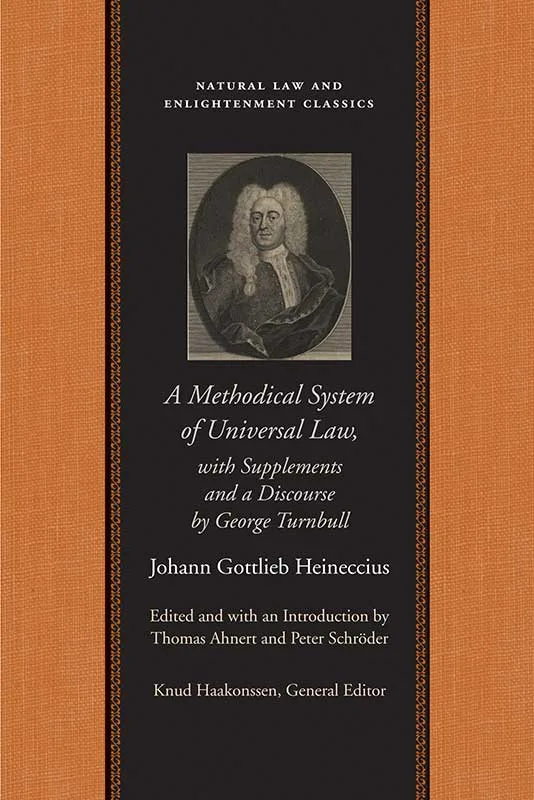
Johann Gottlieb Heineccius · 1738
The natural law theory of Johann Gottlieb Heineccius was one of the most influential to emerge from the early German Enlightenment. Heineccius continued and, in important respects, modified the ideas of his…
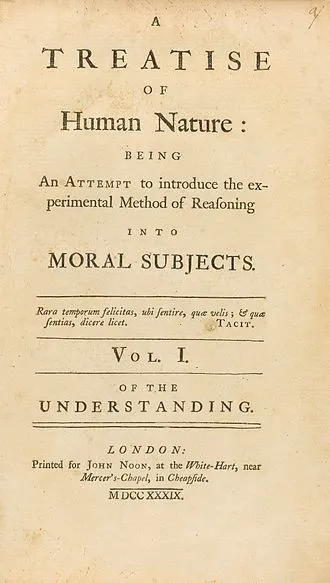
David Hume · 1739
Hume’s first major work of philosophy was published in 1739 when he was just 28 years old. It is made up of three books entitled “Of the Understanding”, “Of the Passions”, and “Of Morals”. In the book he uses his…
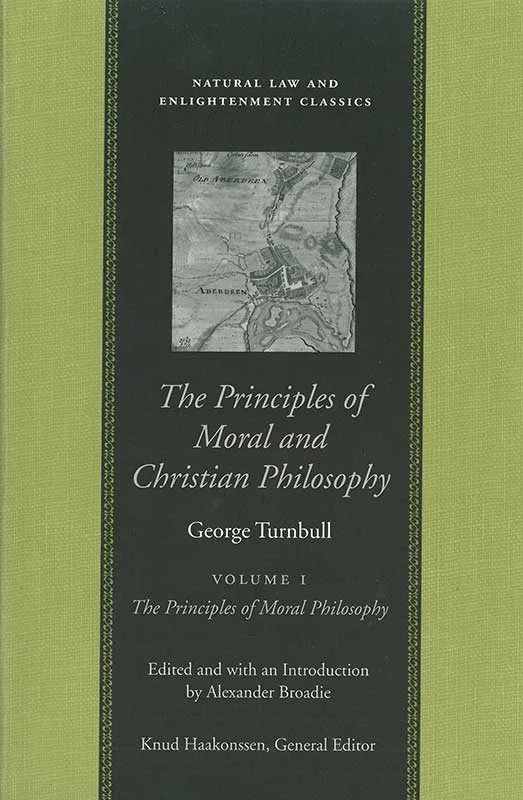
George Turnbull · 1740
The Principles of Moral and Christian Philosophy presents the first masterpiece of Scottish Common Sense philosophy. This two-volume treatise is important for its wide range of insights about the nature of the human…
George Turnbull · 1740
The Principles of Moral and Christian Philosophy presents the first masterpiece of Scottish Common Sense philosophy. This two-volume treatise is important for its wide range of insights about the nature of the human…
George Turnbull · 1740
The Principles of Moral and Christian Philosophy presents the first masterpiece of Scottish Common Sense philosophy. This two-volume treatise is important for its wide range of insights about the nature of the human…
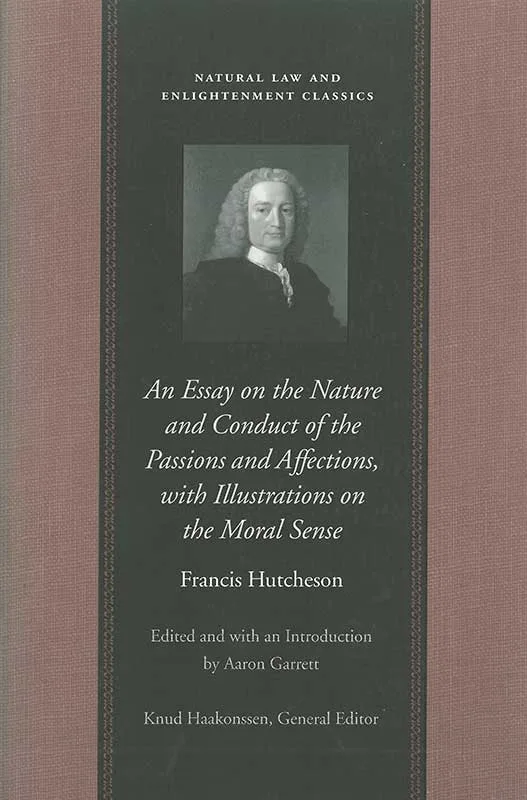
Francis Hutcheson · 1742
The first half of the work presents a rich moral psychology built on a theory of the passions and an account of motivation deepening and augmenting the doctrine of moral sense developed in the Inquiry. The second half…
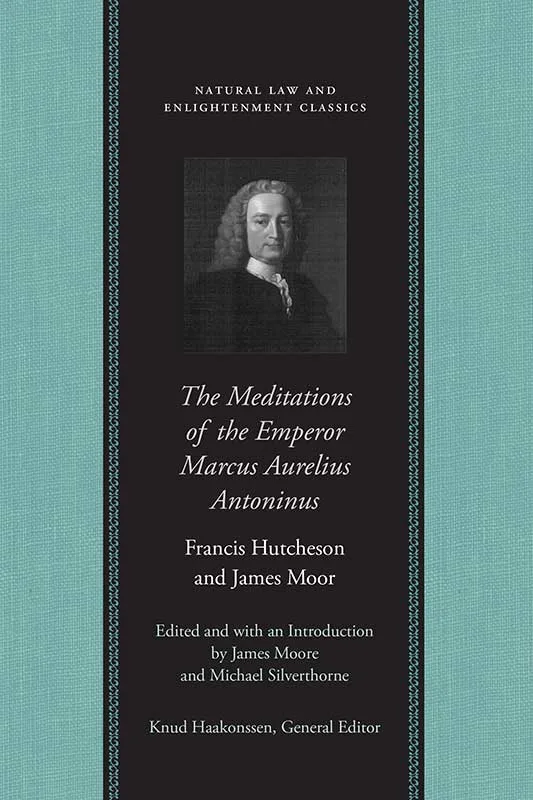
Marcus Aurelius Antoninus · 1742
This influential classical work offers a vision of a universe governed by a natural law that obliges us to love mankind and to govern our lives in accordance with the natural order of things. Editors Hutcheson and Moor…
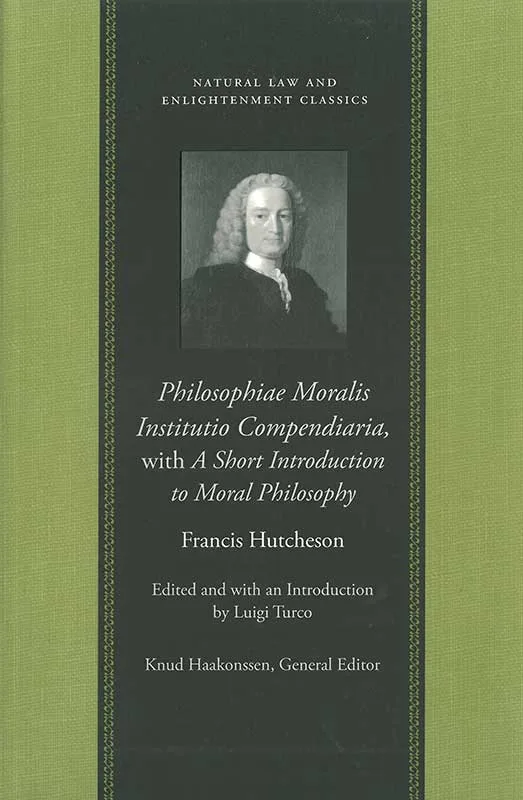
Francis Hutcheson · 1747
This Liberty Fund publication of Philosophiae Moralis Institutio Compendiaria is a parallel edition of the English and Latin versions of a book designed by Hutcheson for use in the classroom.
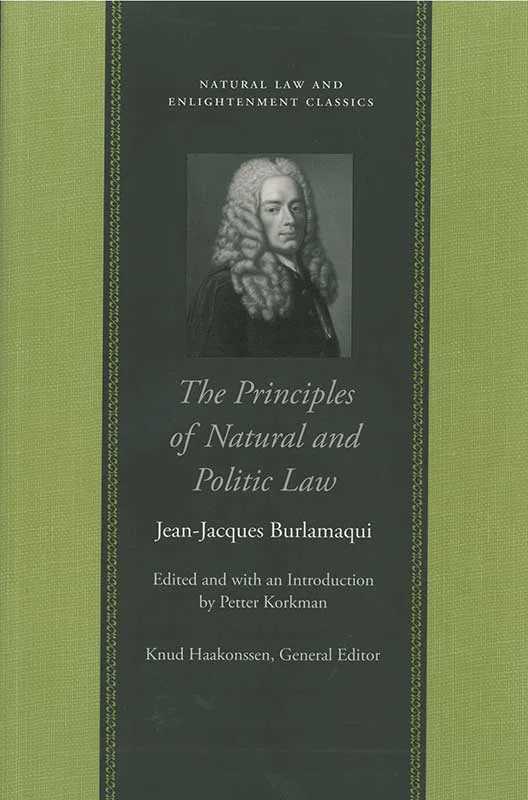
Jean-Jacques Burlamaqui · 1747
The basis of this version of The Principles of Natural and Politic Law is Thomas Nugent’s 1763 English translation. The first scholarly work on Burlamaqui was written by an American, M. Ray Forrest Harvey, who in 1937…
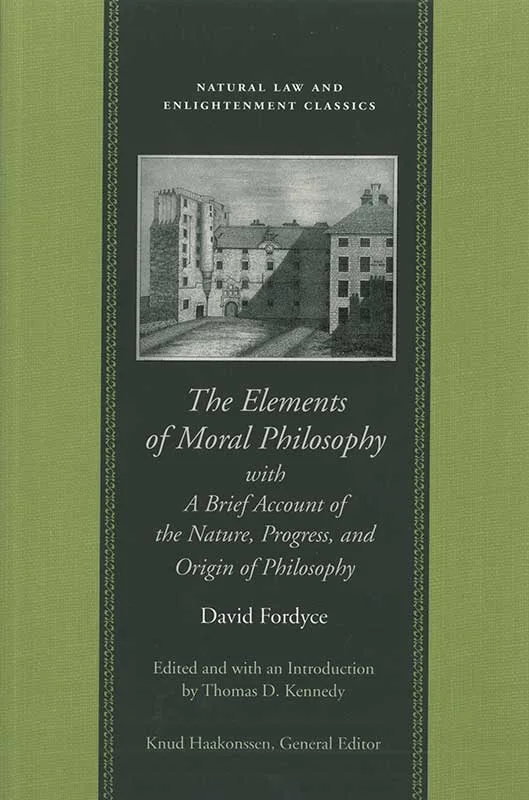
David Fordyce · 1754
Fordyce’s Elements of Moral Philosophy was a notable contribution to the curriculum in moral philosophy and was one of the most widely circulated texts in moral philosophy in the second half of the eighteenth century.
David Hume · 1756
Letters from Hume to William Strahan covering a number of topics including his trip to France, his thoughts on recently published books (by Smith and Gibbon), and generally about his relationships with leading members…
David Hume · 1757
In The Natural History of Religion and in the Dialogues Concerning Natural Religion Hume provides a sustained philosophical and historical analysis of religion.
Adam Smith · 1759
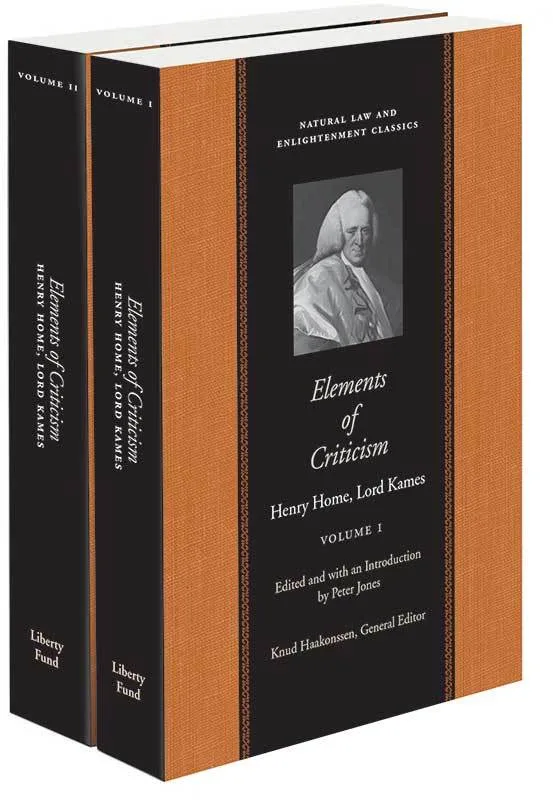
Henry Home, Lord Kames · 1762
A two volume work on the “science of criticism” by one of the leading figures of the Scottish Enlightenment. Kames argues that criticism of art and literature is a rational science as well as a matter of taste. In…
Henry Home, Lord Kames · 1762
Volume 1 of a two volume work on the “science of criticism” by one of the leading figures of the Scottish Enlightenment. Kames argues that criticism of art and literature is a rational science as well as a matter of…
Henry Home, Lord Kames · 1762
Volume 2 of a two volume work on the “science of criticism” by one of the leading figures of the Scottish Enlightenment. Kames argues that criticism of art and literature is a rational science as well as a matter of…
Voltaire · 1764
Volume 1 of the Philosophical Dictionary with entries from “A to Calends” The Philosophical Dictionary first appeared in 1764 in a “pocket edition” designed to be carried about one’s person. It consists of a series of…
Voltaire · 1764
Volume 2 of the Philosophical Dictionary with entries from “Cannibals” to the “Falsity of Human Virtues.” The Philosophical Dictionary first appeared in 1764 in a pocket edition. It consists of a series of short essays…
Voltaire · 1764
Volume 3 of the Philosophical Dictionary with entries from “Fanaticism” to the “Job.” The Philosophical Dictionary first appeared in 1764 in a “pocket edition” designed to be carried about one’s person. It consists of a…
Voltaire · 1764
Volume 4 of the Philosophical Dictionary with entries from "Joseph" to the "Privileges." The Philosophical Dictionary* first appeared in 1764 in a "pocket edition" designed to be carried about one’s person. It consists…
David Hume · 1777
Two of David Hume’s most important works of moral philosophy, epistemology, and psychology which together were supposed to make up Hume’s “science of man”. They are a revised version of his earlier work A Treatise of…
David Hume · 1777
This edition of Hume's much neglected philosophical essays contains the thirty-nine essays included in Essays, Moral, and Literary, that made up Volume I of the 1777 posthumous Essays and Treatises on Several Subjects.…
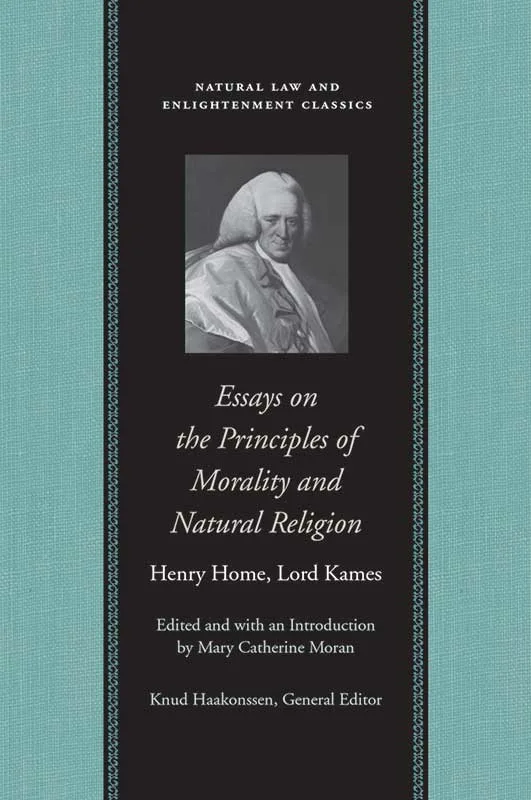
Henry Home, Lord Kames · 1779
The Essays is commonly considered Kames’s most important philosophical work. In the first part, he sets forth the principles and foundations of morality and justice, attacking Hume’s moral skepticism and addressing the…
Immanuel Kant · 1783
It is here and in the Critique of Pure Reason that Kant attempted to rebuild modern philosophy from its foundations up in order to demonstrate that philosophers (like the rationalists Leibnitz and Descartes) and…
Immanuel Kant · 1785
This is an 1889 edition which includes many of Kant’s most important works such as the Fundamental Principles of the Metaphysics of Morals, the Critique of Practical Reason, the Introduction to the Metaphysic of Morals,…
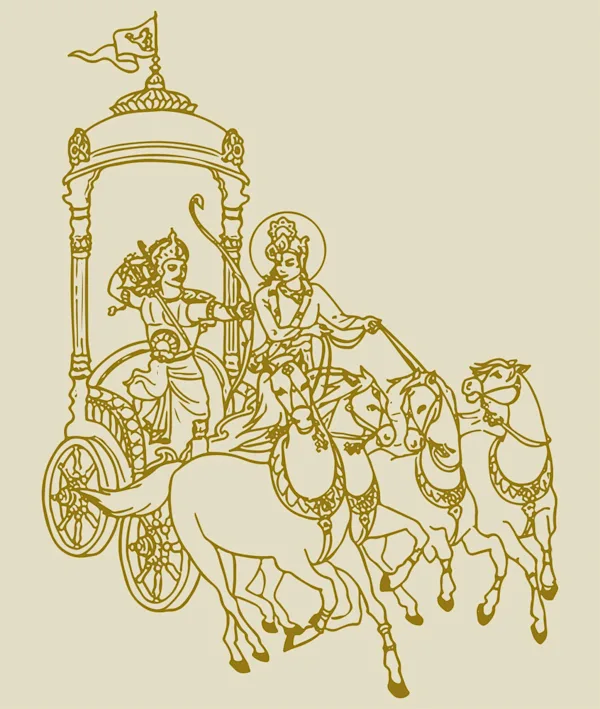
Charles Wilkins · 1785
The Bhagavad Gita is perhaps the greatest and most beautiful of the Hindu scriptures. It is mainly in the form of a dialogue between the warrior Prince Arjuna and his friend Krishna (the earthly incarnation of the god…
William Paley · 1785
This classic work by William Paley was one of the most popular books in England and America in the early nineteenth century. Its significance lies in the fact that it marks an important point at which eighteenth century…
Immanuel Kant · 1796
A work which contains 4 major pieces on metaphysics and ethics: the Groundwork of a Metaphysic of Ethics, an Inquiry into the a priori Operation of the Will (an extract from the Critique of Practical Reason), an…
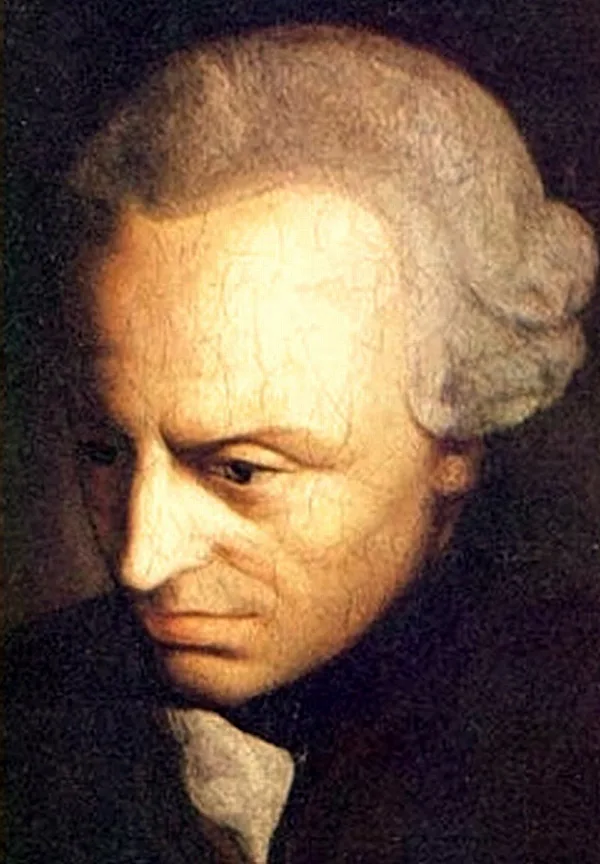
Immanuel Kant · 1796
This 1887 translation contains Kant’s General Introduction to the Metaphysic of Morals and both parts of The Science of Right.
Immanuel Kant · 1803
One of the leading figures of the Enlightenment gives his thoughts on the issue of education.
Jeremy Bentham · 1823
One of Bentham’s most important works in which he develops his theory of ‘utility’ at considerable length and discusses how the penal system (especially punishments) could be based on this theory. One of the founding…
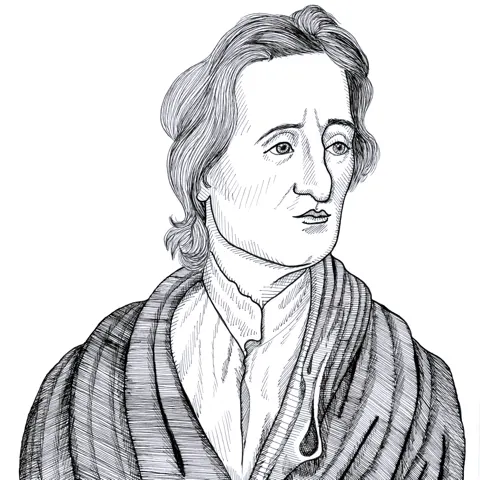
John Locke · 1824
A nine volume collection of the works of John Locke.
John Stuart Mill · 1827
Vol. 31 of the 33 vol. Collected Works contains Mill’s writings on botany and reviews of medical books. It also contains his edition of Bentham’s Rationale of Judicial Evidence and his father’s Analysis of the Phenomena…
David Hume · 1828
Vol. 1 - Treatise of Human Nature Bk 1; Vol. 2 - Treatise of Human Nature Bk 2 and 3; Vol. 3 - Essays Moral, Political and Literary; Vol. 4 An Inquiry Concerning the Human Understanding, An Inquiry Concerning the…
John Stuart Mill · 1828
Vol. 11 of the 33 vol. Collected Works contains a number of Mill’s essays on philosophy, Plato, Aristotle, and the history of Greece.
David Hume · 1828
An 1828 edition of Book I of the Treatise of Human Nature.
David Hume · 1828
An 1828 edition of Books II and II of the Treatise of Human Nature and The Dialogues concerning Natural Religion.
David Hume · 1828
An 1828 edition of An Inquiry Concerning the Human Understanding, An Inquiry Concerning the Principles of Morals, The Natural History of Religion, and additional essays.
John Stuart Mill · 1833
Vol. 10 of the 33 vol. Collected Works contains a number of Mill’s essays on religion and moral philosophy as well as his works on Utilitarianism and Auguste Comte.
James Mill · 1835
Mill's critique of Sir James Mackintosh's "Dissertation on the Progress of Ethical Philosophy" was originally published in the seventh edition of the Encyclopædia Britannica. Mill comments on Mackintosh's interpretation…
Thomas Hobbes · 1839
An 11 volume collection of the English works of Thomas Hobbes which includes his best known work of philosophy and history as well as his notable translations of Thucydides and Homer.
Thomas Hobbes · 1839
A collection of some of Hobbes’ shorter works on philosophy and history.
John Stuart Mill · 1843
Vol. 7 of the 33 vol. Collected Works contains Part 1 of Mill’s System of Logic. It contains chapters on reasoning, induction, the laws of nature, causation, and disbelief.
John Stuart Mill · 1843
Vol. 8 of the 33 vol. Collected Works contains Part 2 of Mill’s System of Logic. It contains chapters on fallacies, methodology of the social sciences, and the science of history.
Jeremy Bentham · 1843
An 11 volume collection of the works of Jeremy Bentham edited by the philosophic radical and political reformer John Bowring.
Herbert Spencer · 1854
Volume 2 of a three volume collection of Spencer’s essays which cover political philosophy, sociology, science, and current affairs.
Herbert Spencer · 1855
In this volume Spencer elaborates his views on reasoning, perception, the nature of life, intelligence, feeling, and the will.
Herbert Spencer · 1861
The President of Harvard University has some positive things to say in his edition of Spencer’s writings on education. In addition to republishing 4 essays which first appeared in the 1850s, Eliot also includes other…
John Stuart Mill · 1865
Vol. 9 of the 33 vol. Collected Works contains Mill’s book on William Hamilton’s philosophy.
Herbert Spencer · 1867
Spencer attempts a synthesis of his thought and expounds the first systematic theory of evolution in this work.
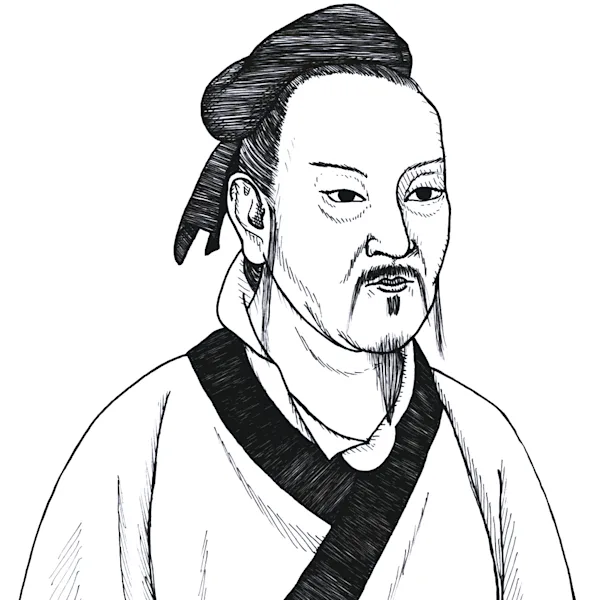
Mencius · 1869
Legge provides lengthy introductions to leading Chinese philosophical works and is own translations.

Confucius · 1869
Legge provides lengthy introduction to Confucius’ life and thought, and to three major works: the Analects, Of the Great Learning, and The Doctrine of the Mean. The numerous indexes at the back of the book have not been…
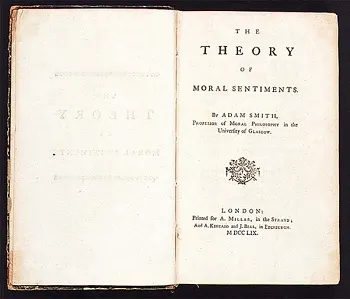
Adam Smith · 1869
This edition contains an abridged biographical essay by Dugald Stewart, the Theory of Moral Sentiments, and seven "Essays on Philosophical Subjects."
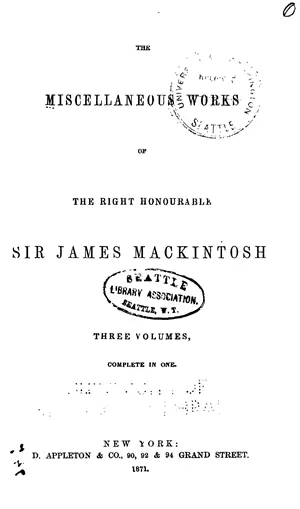
Sir James Mackintosh · 1871
This collections contains his philosophical writings on Locke, natural law, Thomas More, and Machiavelli; his historical writings on the Glorious Revolution, his defence of the French Revolution Vindiciae Gallicae; and…
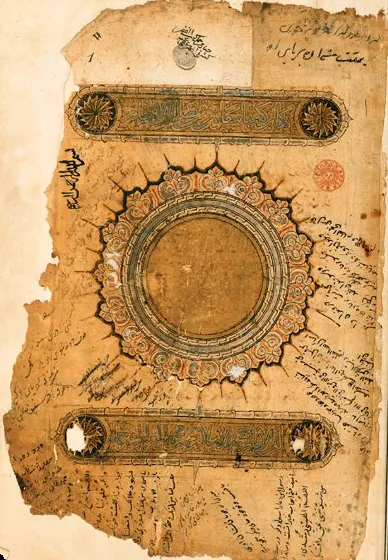
Al Ghazali · 1873
Al Ghazali attempted to reconcile the Muslim faith with Aristotelian logic in this work on simple piety.
Mencius · 1875
This volume contains a long introduction on the life and works of Mencius, following by 7 books from his writings. The 2 indexes have not been reproduced in the HTML version of the file but can be viewed in the…
Plutarch · 1878
A massive 5 volume work in which Plutarch muses on all manner of topics ranging from virtue and vice, friendship, flattery, the nature of love, stoic philosophy, fate, to the nature of government.
Plutarch · 1878
Vol. 1 of a massive 5 volume work in which Plutarch muses on all manner of topics ranging from virtue and vice, friendship, flattery, the nature of love, stoic philosophy, fate, to the nature of government.
Plutarch · 1878
Vol. 2 of a massive 5 volume work in which Plutarch muses on all manner of topics ranging from virtue and vice, friendship, flattery, the nature of love, stoic philosophy, fate, to the nature of government.
Plutarch · 1878
Vol. 3 of a massive 5 volume work in which Plutarch muses on all manner of topics ranging from virtue and vice, friendship, flattery, the nature of love, stoic philosophy, fate, to the nature of government.
Plutarch · 1878
Vol. 4 of a massive 5 volume work in which Plutarch muses on all manner of topics ranging from virtue and vice, friendship, flattery, the nature of love, stoic philosophy, fate, to the nature of government.
Plutarch · 1878
Vol. 5 of a massive 5 volume work in which Plutarch muses on all manner of topics ranging from virtue and vice, friendship, flattery, the nature of love, stoic philosophy, fate, to the nature of government.
Herbert Spencer · 1879
Spencer’s most developed version of his political philosophy which grounds his theory of the state on an idea of justice based on certain rights of physical integrity, movement, property, and exchange. He then expands…
Herbert Spencer · 1879
Spencer continues his exploration of individualist moral philosophy in this book. He examines the nature of human conduct, different ways in which conduct might be judged, the conflict between egoism and altruism, and…
Confucius · 1879
Part of a collection of volumes dealing with the works of the Confucian School. This volume contains collections of historical documents, the poetry known as the Shih King, and the classic of filial piety.
Friedrich Max Müller · 1879
A massive 50 volume collection of translations of Asian texts under the general editorship of the Oxford philologist Max Müller.
Lao Tzu · 1879
Part of a collection of volumes dealing with the works of Taoism. This volume contains Tao Teh King (or Tao Te Ching by Lao Tsu) and the Writings of Kwang Ze (or Zhuangzi).
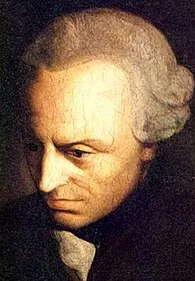
Immanuel Kant · 1881
One of Kant’s most important philosophical works and one of the most important of the Enlightenment as well. In it he argues that the world that we know is structured by the way that we perceive and think about the…
Confucius · 1885
Part of a collection of volumes dealing with the works of Confucius. This volume is subtitled “a collection of treatises on the role of propriety or ceremonial usage.”
Marcus Tullius Cicero · 1887
A collection of Cicero’s writings which includes On Old Age, On Friendship, Officius, and Scipio’s Dream.
Percy Bysshe Shelley · 1888
A 2 volume collection of prose writings. Vol. 1 includes 2 youthful prose romances, the Refutation of Deism, his Declaration of Rights, an essay on electoral reform, and other short pieces. Vol. 2 includes A Defence of…
Percy Bysshe Shelley · 1888
Vol. 2 of a 2 volume collection of prose writings. Vol. 2 includes A Defence of Poetry, On a Future State, Speculations on Metaphysics, and Letters from Italy.
Herbert Spencer · 1891
A three volume collection of Spencer’s essays which cover political philosophy, sociology, science, and current affairs.
Plato · 1892
Volume 3 (with “The Republic” and 2 other dialogues) of a 5 volume edition of Plato by the great English Victorian Greek scholar, Benjamin Jowett. The scholarly apparatus is immense and detailed. The online version…
Plato · 1892
Volume 4 (with 5 dialogues) of a 5 volume edition of Plato by the great English Victorian Greek scholar, Benjamin Jowett. The scholarly apparatus is immense and detailed. The online version preserves the marginal…
Plato · 1892
Volume 5 (with the Laws, Index to the Writings of Plato) of a 5 volume edition of Plato by the great English Victorian Greek scholar, Benjamin Jowett. The scholarly apparatus is immense and detailed. The online version…
Immanuel Kant · 1892
One of Kant’s major works of philosophy which were designed to place the discipline on a sound rational footing. This volume deals with aesthetic and teleological questions.
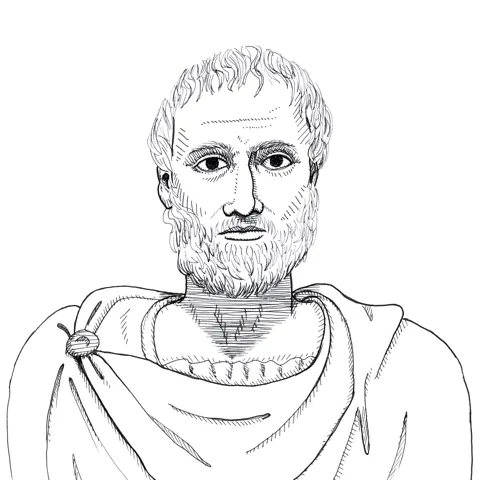
Aristotle · 1893
In his ethical treatises Aristotle offers a defense of the idea of eudaimonism (human flourishing or happiness) which is achieved as a result of human choice in search of excellence and the good life.
Lewis Amherst Selby-Bigge · 1897
Vol. 1 contains selections from the work of Shaftesbury, Hutcheson, Butler, Adam Smith, and Bentham. Vol. 2 contains works by Samuel Clarke, Balguy, Richard Price, Hobbes, Kames, Locke, Wollaston, and others.
Jeremy Bentham · 1897
Vol. 1 contains selections from the work of Shaftesbury, Hutcheson, Butler, Adam Smith, and Bentham.
Thomas Hobbes · 1897
Vol. 2 contains works by Samuel Clarke, Balguy, Richard Price, Hobbes, Kames, Locke, Wollaston, and others.
Herbert Spencer · 1897
A two volume work which Spencer considered to be his finest work. In volume I he covers the data of ethics, the inductions of ethics, and the ethics of individual life. In the second volume he covers the ethics of…
Herbert Spencer · 1897
Vol. I of a two volume work which Spencer considered to be his finest work. In volume I he covers the data of ethics, the inductions of ethics, and the ethics of individual life. Read the Liberty Classic on this title…
Herbert Spencer · 1897
Spencer considered The Principles of Ethics to be his finest work. In the second volume he covers the ethics of social life (or justice), negative beneficence, positive beneficence, and a number of topics in several…
Aristotle · 1901
Aristotle sets out the conditions under which scientific arguments will provide true knowledge; where true conclusions are deduced from first principles and basic principles are used to explain more complex ones.
Herbert Spencer · 1904
A 2 volume work. In volume 1 Spencer talks about the period from his early childhood up to 1856 soon after he left work on The Economist and was working on his second book. In volume 2 he covers the period from 1856 to…
Herbert Spencer · 1904
Volume 1 of a 2 volume work. In volume 1 Spencer talks about the period from his early childhood up to 1856 soon after he left work on The Economist and was working on his second book.
Herbert Spencer · 1904
Volume 2 of a 2 volume work. In volume 2 Spencer covers the period from 1856 to 1889 soon after he had completed his trip to the United States.
Zarathushtra (Zoroaster) · 1905
A collection of extracts of the most important writings and sayings of Zarathushstra the founder of the Zoroastrian religion.
Hesiod · 1908
A collection of Hesiod’s poems and fragments, including Theogony which are stories of the gods, and the Works and Days which deals with peasant life.
Ralph Waldo Emerson · 1909
The 12 volume Fireside edition of the works of Emerson.
Ralph Waldo Emerson · 1909
Vol. 1 of the 12 volume Fireside edition of the works of Emerson.
Ralph Waldo Emerson · 1909
Vol. 10 of the 12 volume Fireside edition of the works of Emerson.
Ralph Waldo Emerson · 1909
Vol. 12 of the 12 volume Fireside edition of the works of Emerson.
Ralph Waldo Emerson · 1909
Vol. 2 of the 12 volume Fireside edition of the works of Emerson.
Ralph Waldo Emerson · 1909
Vol. 3 of the 12 volume Fireside edition of the works of Emerson. The second series of essays were originally published in 1844.
Ralph Waldo Emerson · 1909
Vol. 4 of the 12 volume Fireside edition of the works of Emerson.
Ralph Waldo Emerson · 1909
Vol. 6 of the 12 volume Fireside edition of the works of Emerson.
Ralph Waldo Emerson · 1909
Vol. 7 of the 12 volume Fireside edition of the works of Emerson.
Ralph Waldo Emerson · 1909
Vol. 8 of the 12 volume Fireside edition of the works of Emerson.
Michel de Montaigne · 1910
Volume 10 of a 10 volume collection of Montaigne’s famous essays in the 17th century English translation by Charles Cotton.
Titus Lucretius Carus · 1910
Lucretius expounds the Epicurian view that the world can be explained by the operation of material forces and natural laws and thus one should not fear the gods or death. He had a considerable influence on writers such…
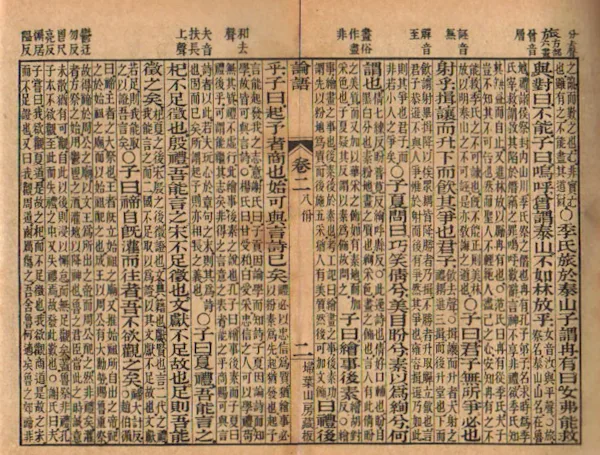
Confucius · 1910
A 1,000 page book which includes the original Chinese text, a translation, and commentaries.
Misc (Upanishads) · 1914
A selection from the very many Upanishads in the Indian tradition. These are based upon themes such as the Vedanta, physiological, mantras, Sannyasa, and Yoga.
Dugald Stewart · 1915
Johnston introduces his selection of some representative works of the Scottish School of Common Sense by Thomas Reid, Adam Ferguson, James Beattie, and Dugald Stewart.
Confucius · 1915
A collection of Confucius’ ethical writings on topics such as the superior man, self-development, human relations, the family, the state, the cultivation of the fine arts, and religion.
Al Ghazali · 1921
A selection of passages taken from Ghazzali’s longer works.
Misc (Upanishads) · 1921
These are commentaries on the Hindu sacred texts known as the Vedas.
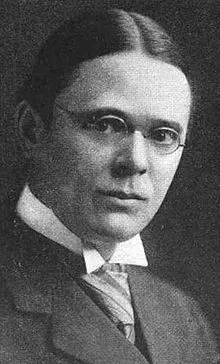
Roscoe Pound · 1930
A series of lectures given in the William L. Storrs lecture series in 1921 at the Yale University Law School.
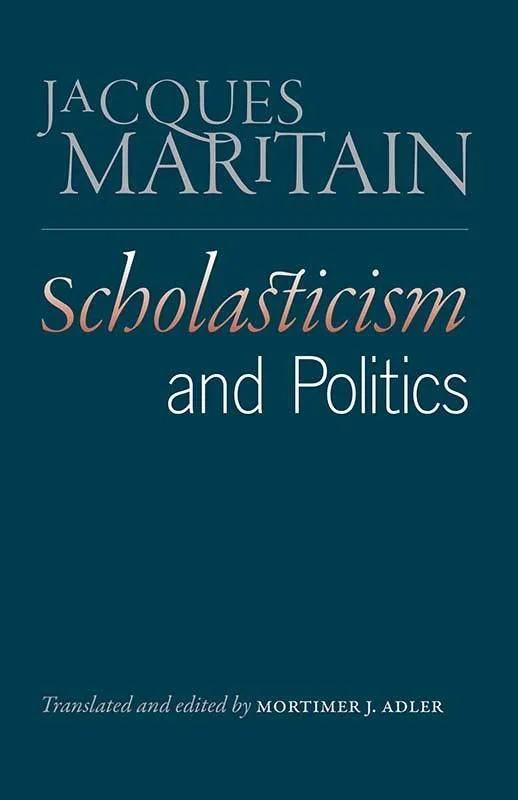
Jacques Maritain · 1940
Scholasticism and Politics, first published in 1940, is a collection of nine lectures Jacques Maritain delivered at the University of Chicago in 1938. Maritain championed the cause of what he called personalist…
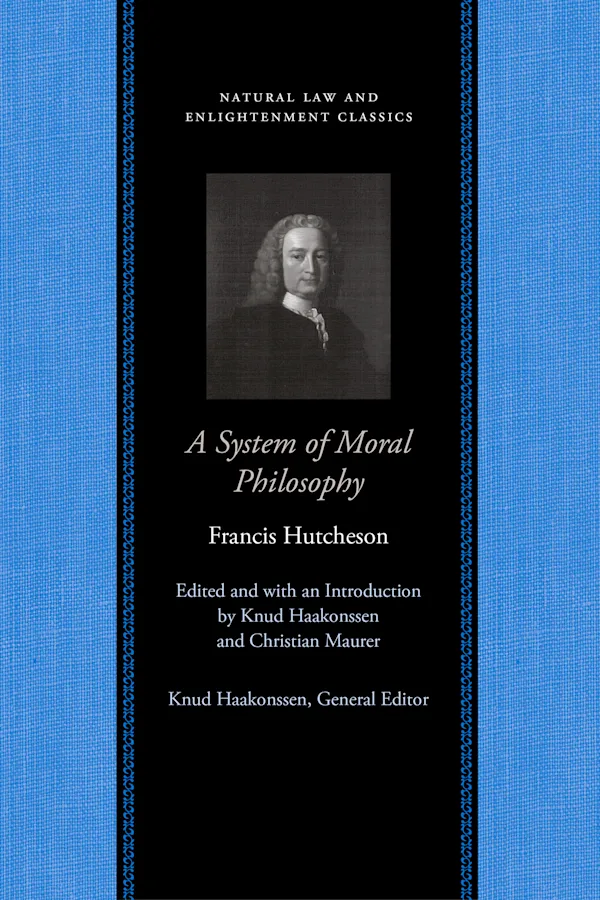
Francis Hutcheson · 1947
A System of Moral Philosophy is the major synthesis of the moral, social, and political thought of Francis Hutcheson (1694–1746). He is one of the most influential figures of the Scottish Enlightenment, and this work is…
Rhazes · 1950
Rhazes’ medical works were important source books for Western physicians until the rise of modern medicine in the nineteenth century. His most acclaimed work on human psychology and spirituality was The Spiritual Physic.
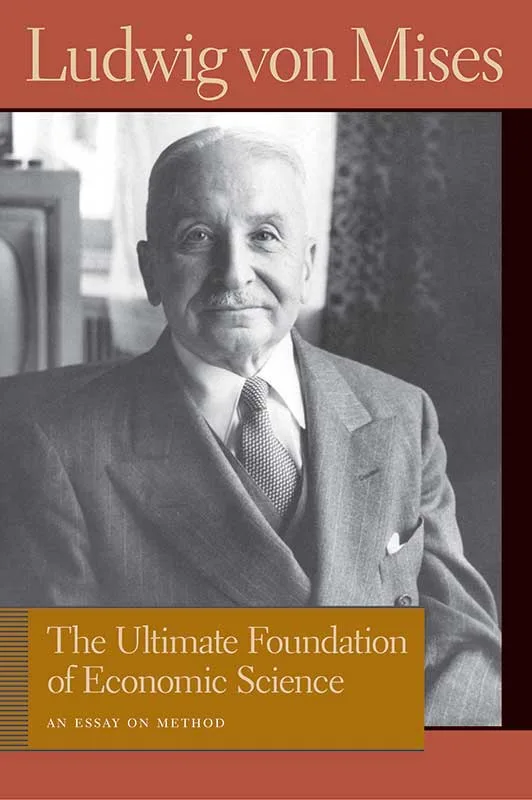
Ludwig von Mises · 1962
Written toward the end of Mises’s life, his last monograph, The Ultimate Foundation of Economic Science, returned to economics as a science based on human action.
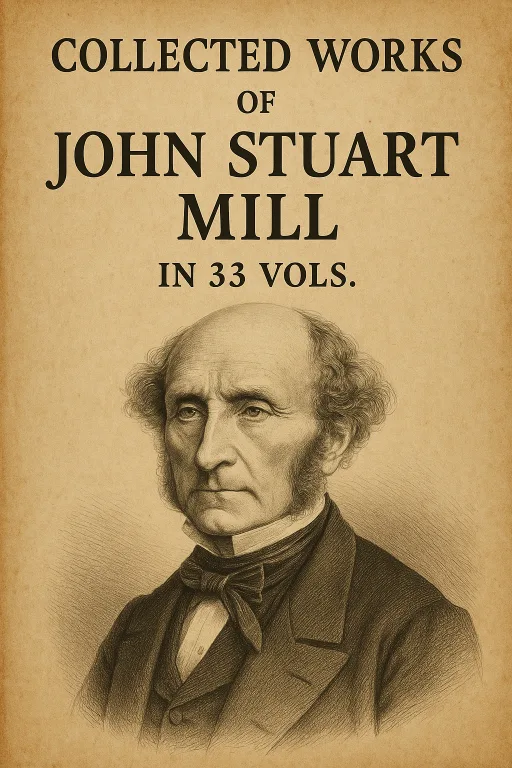
John Stuart Mill · 1963
The Collected Works of John Stuart Mill consists of 33 volumes which contain the writings of one of the leading classical liberals of the 19th century. Mill wrote works of political economy, philosophy, history,…
John Passmore · 1969
Thoroughly and elegantly, Passmore explores the history of the idea of perfectibility - manifest in the ideology of perfectibilism - and its consequences, which have invariably been catastrophic for individual liberty…
Helmut Schoeck · 1987
This classic study is one of the few books to explore extensively the many facets of envy—“a drive which lies at the core of man’s life as a social being.” Ranging widely over literature, philosophy, psychology, and the…
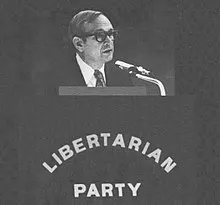
John Hospers · 2001
John Hospers talks about his interests in moral philosophy, aesthetics, the nature of liberty, and his activity as the first Libertarian Party candidate for President in 1972.
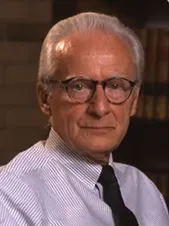
Ralph McInerny · 2002
Ralph McInerny talks about his work on Thomas Aquinas, catholic political and religious thought, and his best-selling Father Dowling mystery novels.
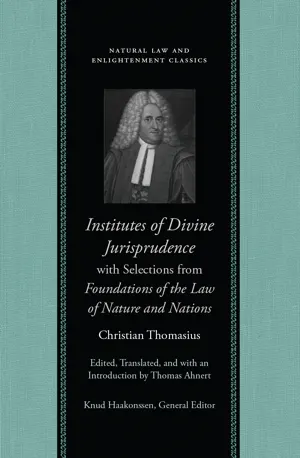
Christian Thomasius · 2011
First published in 1688, Thomasius’s Institutes attempted to draw a clear distinction between natural and revealed law and to emphasize that human reason was able to know the precepts of natural law without the aid of…
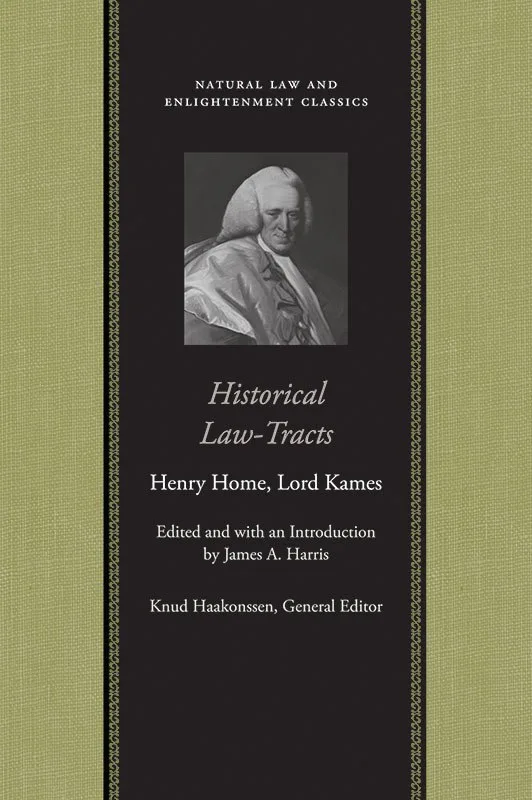
Henry Home, Lord Kames · 2019
In Historical Law-Tracts, Kames combined the natural law framework that underlies his Essays on the Principles of Morality and Natural Religion with the “conjectural,” or philosophical, approach to history that would…
In this collection
109 people central to Philosophy.
1902–2001
Mortimer J. Adler (1902-2001) was an American philosopher and educator who worked within the Aristotelian and Thomistic traditions. He…

356 BC–323 BC
Alexander the Great (356 BC - 323 BC) was a king of the ancient Greek kingdom of Macedonia. During his reign, he overthrew the Persian…

121–180
Marcus Aurelius (121-180) was Emperor of Rome and a leading figure in the Stoic school of philosophy.
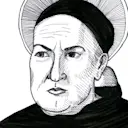
1225–1274
Aquinas was born near Aquino, Sicily and was an Italian Dominican theologian whose scholarship propelled him to the first rank among the…

384 BCE–322 BCE
Aristotle was an ancient Greek philosopher who set up a rival academy, The Lyceum, to challenge Plato’s Academy. Aristotle wrote…
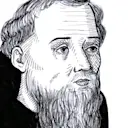
354–430
Saint Augustine was bishop of Hippo in Roman Africa from 396 to 430 and may have been the most important theologian of the early Christian…
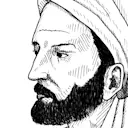
980–1037
Avicenna (Ibn Sina) was a Persian philosopher and physician during the Islamic Golden Age, A devout Muslim, Avicenna was keen to prove the…

1735–1803
Beattie was professor of moral philosophy at the University of Aderdeen and a member of the Scottish School of Common Sense philosophy.

1748–1832
Jeremy Bentham (1748-1832) trained as a lawyer and founded the early 19th century school of political thought known as “Benthamism” later…

470–524
Boethius was an important Neoplatonist philosopher who helped craft the theology and philosophy of the early medieval church. He served the…

b. 1960
Hardy Bouillon, extracurricular professor of philosophy at Trier University, Germany, studied philosophy and art history at the…

Andrea Branchi is a professor at the American University in Rome.

b. 1942
Alexander Broadie is Professor of Logic and Rhetoric at the University of Glasgow.


b. 1939
Nicholas Capaldi is the Legendre-Soule Distinguished Chair in Business Ethics at Loyola University, New Orleans, and was Professor at the…

1672–1729
Gershom Carmichael (1672-1729) was the first professor of moral philosophy at the University of Glasgow, the predecessor of Francis…

David Carrithers (Ph.D. NYU, 1972) is Adolph Ochs Professor Emeritus at the University of Tennessee, Chattanooga, where he taught in the…

1852–1919
Carus was born and studied philosophy in Germany before leaving the country to come to the U.S.A. when Bismarck was in power. He was the…

99 BC–55
Lucretius was a Roman poet and Epicurian philosopher. Only one of his works is known to have survived, On the Nature of Things.

1800–1890
Chadwick was the literary assistant to Jeremy Bentham before having a career as an influential reformer of the English government. He was…

551 BC–479 BC
Confucius is China’s most famous teacher, philosopher, and political theorist. In a time of great political upheaval, he sought an…

b. 1947
David Conway is Emeritus Professor of Philosophy at Middlesex University, England, where he taught for over thirty years. He has also…
Maia Cummings is a recent graduate of St. John’s College. She has obtained her bachelor degree in philosophy.

1596–1650
Descartes was an influential philosopher and mathematician who developed the idea of rationalism in opposition to British empiricism.

Daniel L. Dreisbach is a professor at American University in Washington, D.C. He earned a Doctor of Philosophy degree from Oxford…

55–135
Epictetus was born to a slave of one of Nero’s bodyguards and became a freedman only later in his life. As a child, Epictetus was…

b. 1977
Rachel Ferguson is the Director of the Free Enterprise Center at Concordia University Chicago, Assistant Dean of the College of Business,…

b. 1961
Samuel Fleischacker is a Professor of Philosophy at the University of Illinois Chicago. He studied at Yale University, receiving his PhD in…

Jennifer Frey is an Associate Professor of philosophy at the University of South Carolina and the Peter and Bonnie McCausland faculty…
Aaron Garrett is Professor of Philosophy at Boston University.

1756–1836
William Godwin (1757-1836) was an English radical political philosopher and novelist. He was married to Mary Wollstonecraft.

Samuel Gregg is Distinguished Fellow in Political Economy and Senior Research Faculty at the American Institute for Economic Research. He…

Khalil M. Habib is Associate Professor of Politics at Hillsdale College, where he teaches political philosophy and American political…
b. 1951
Ralph Hancock teaches the tradition of political philosophy as well as contemporary political theory. His research and writing focus on the…

1588–1679
Thomas Hobbes (1588-1679) was an English philosopher who lived during the English Revolution. He is most famous for his work of political…

b. 1985
Benjamin Hoffmann is an assistant professor of early modern French Studies at The Ohio State University. His research focuses on…

b. 1969
Michael Huemer received his BA from UC Berkeley in 1992 and his PhD from Rutgers University in 1998. He is presently professor of…

1694–1746
Francis Hutcheson (1694-1746) was educated at the University of Glasgow, where he assumed the chair of Moral Philosophy in 1729.

1724–1804
Kant was a German philosopher who taught for many years at the University of Koenigsberg. He made pivotal contributions to the study of…

Brian Kogelmann is an Assistant Professor of Philosophy at the University of Maryland, College Park. He is also a Faculty Affiliate at the…

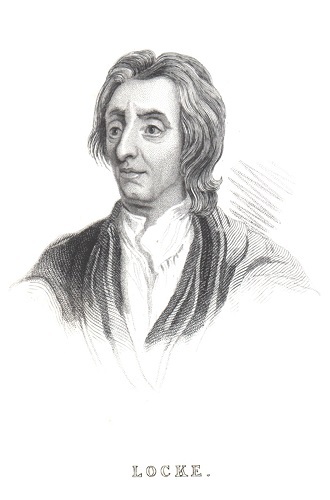
1632–1704
John Locke (1632-1704) was an English philosopher who is considered to be one of the first philosophers of the Enlightenment and the father…

b. 1964
Roderick T. Long is Professor of Philosophy at Auburn University, President of the Molinari Institute and Molinari Society, and a Senior…
b. 1960
Carlo Lottieri is a Professor of Philosophy of Law at the University of Verona, after twenty years at the University of Siena. He holds a…

Rebecca Lowe is a philosopher with a particular interest in freedom and rights. She is Philosophy Senior Research Fellow at the Mercatus…

b. 1939
Tibor R. Machan is a Hoover research fellow, Professor Emeritus, Department of Philosophy, Auburn University, Alabama, and holds the R. C.…


1765–1832
James Mackintosh was a prominent Scottish Whig politician, a moral philosopher, and a historian of England.
Christian Maurer teaches philosophy at the Collège St-Michel, Fribourg, Switzerland, and he is an associate member of the research center…

1929–2010
Ralph McInerny is among the most noted Catholic philosophers and authors of our day. He taught at the University of Notre Dame since 1955,…

b. 1963
Peter Carl Mentzel studied Philosophy and History at the University of Connecticut, and went on to get his Ph.D. in History at the…

1773–1836
James Mill (1773-1836) was an early 19th century Philosophic Radical, journalist, and editor from Scotland. He was very influenced by…
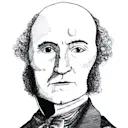
1806–1873
John Stuart Mill (1806-1873) was the precocious child of the Philosophical Radical and Benthamite James Mill. Taught Greek, Latin, and…

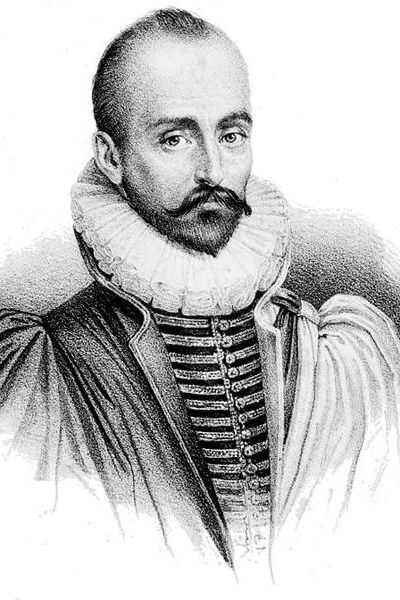
1533–1592
Michel de Montaigne (1533-1592) was a French Renaissance sceptic and humanist who is best known for his Essays in which he explored the…
Peter C. Myers is Professor of Political Science, specializing in political philosophy and U.S. constitutional law, at the University of…

b. 1936
Jan Narveson is Distinguished Professor Emeritus of the University of Waterloo in Canada.

b. 1953
Mark Packer earned his Ph.D. in Philosophy from Northwestern University and has held faculty appointments at Vanderbilt University,…

185 BC–109 BC
Panaetius (185 BC - 109 BC) was a Greek stoic philosopher. His important ethical treatise On the Appropriate was Cicero’s model for the…

1623–1662
Blaise Pascal (1623-1662) was a French mathematician and philosopher of the scientific method who became increasingly religious as he grew…

1914–2004
John Passmore served for many years as a Professor of Philosophy at the Australian National University in Canberra.

429 BC–347 BC
Plato is, by any reckoning, one of the most dazzling writers in the Western literary tradition and one of the most penetrating,…

205–270
Plotinus is regarded by many modern philosophers as one of the founders of Neoplatonism. He is primarily remembered for his teachings,…

46–125
Plutarch was active in politics and traveled to Rome several times as a public servant. In Rome, he was a popular philosopher and public…

1891–1976

b. 1960
Virginia Postrel is a visiting fellow at the Smith Institute for Political Economy and Philosophy at Chapman University.

1905–1982
Ayn Rand (1905 –1982) was a Russian-American novelist and philosopher. She wrote several books and plays including The Fountainhead and…

1710–1796
Reid was the professor of moral philosophy at the University of Edinburgh and founder of the Scottish School of Common Sense.

865–923
Rhazes (865-923) was a renowned alchemist, physician, and Muslim philosopher who lived and worked when the Abbasid Empire was at its height.
1845–1932
Rickaby was a Jesuit priest who translated the works of Thomas Aquinas into English and wrote several books on moral philosophy. He was…

1712–1778
Jean-Jacques Rousseau (1712-1778) was a Swiss philosopher and novelist who was an important figure in the Enlightenment. In his novels and…

b. 1969
Brian Satterfield has been a professor at Villanova University since 2008, where he taught courses that examined the nature of freedom and…

b. 1971
Eric’s (PhD, The University of Chicago, 2002) research encompasses a variety of themes, ranging from the history of philosophy and the…
1922–1993
Helmut Schoeck was a German sociologist and philosopher best known for his work on envy and its impact on society.His most influential…
Scoble translated Guizot’s History of the Origins of Representative Government which was used for the Liberty Fund edition.
Peter Paul Seaton Jr. teaches philosophy at St. Mary’s Seminary and University in Baltimore. His scholarly interests focus on the…
b. 1950
Michael J. Seidler is Professor of Philosophy at Western Kentucky University.
1860–1951
Selby-Bigge was a British philosopher who wrote on British moralists and edited various works of Hume.
Semple was an advocate and translator of Kant.

1671–1713
Anthony Ashley Cooper, the Third Earl of Shaftesbury (1671-1713) was the grandson of a founder and leader of the English Whigs, and was…

b. 1948
Jeremy Shearmur is Emeritus Fellow in the School of Philosophy, Australian National University. He has published The Political Thought of…
1843–1906
Shuckburgh translated the letters of Cicero for the Harvard Classics.
Silverthorne is professor of classics at McGill University in Montreal. He is recognized as one of the foremost translators of neo-Latin…

b. 1964
Aeon J. Skoble is the Bruce and Patricia Bartlett Chair in Free Speech and Expression at Bridgewater State University. He is also Professor…

1723–1790
Adam Smith (1723-1790) is commonly regarded as the first modern economist with the publication in 1776 of The Wealth of Nations. He wrote…

Craig Smith is Professor of the History of Political Thought in the School of Social and Political Sciences at The University of Glasgow.
1814–1886
Campbell Smith tanslated and wrote a lengthy introduction to Kant's Perpetual Peace.
Pogson Smith was the editor of the 1909 edition of Hobbes’s Leviathan and wrote an introduction on the philosophy of Hobbes.

470 BC–399 BC
Socrates is often considered the first great philosopher of the ancient world. Although Socrates never wrote, he influenced later…
b. 1926
Sparshott was professor of philosophy at Victoria College, University of Toronto.

1632–1677
Spinoza was one of the leading rationalist philosophers of the 17th century.
Elaine Sternberg is the Philosophy and Corporate Governance Fellow of the (UK) Institute of Economic Affairs, and a Visiting Research…

1753–1828
Stewart was a Scottish philosopher who studied at Edinburgh University, becoming first professor of mathematics and then later succeeding…

Galen Strawson MA. BPhil, DPhil, currently holds the President’s Chair in Philosophy at the University of Texas at Austin. He taught at the…

1548–1617
Francisco Suárez (1548–1617) was the greatest metaphysician and moral theorist of sixteenth- and seventeenth-century scholasticism.

Thales is a pre-Socratic philosopher from Miletus who is credited by the Greeks with successfully predicting the eclipse of the sun during…

b. 1967
Charlotte “Charlie” Thomas is the Executive Director of the Association for Core Texts and Courses (ACTC) and a Professor of Philosophy at…

Winston Tingle is currently at the Institute for Liberal Studies (ILS).

Oliver Traldi is an assistant professor at the University of Toledo's Institute of American Constitutional Thought and Leadership.
Luigi Turco is Professor of Philosophy at the University of Bologna.

370 BC–301 BC
Chuang Tzu (or Zhuangzi or Kwang Ze) was a philosopher in the Taoist tradition. Very little is known of his life.
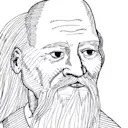
b. 600 BC
Lao Tzu (or Laozi) is remembered as the first philosopher of Taoism. He is often cited as a contributor to, if not the author of, the…
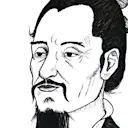
Mo Tzu was a philosopher whose ideas rose to prominence in the third and second centuries BCE and briefly rivaled Confucianism as the…

b. 1950
Douglas Den Uyl has for many years been a Professor of Philosophy at Bellarmine College, Louisville, and is Vice President of Educational…
b. 1952
Peter Vallentyne is Florence G. Kline Professor of Philosophy at the University of Missouri.

1911–1999
Henry Babcock Veatch (1911-1999) was born in Evansville, Indiana, and educated at Harvard. He was recognized as one of the leading…

Bas van der Vossen is Associate Professor in the Smith Institute of Political Economy and Philosophy, and the Philosophy Department at…
b. 1955
Stuart D. Warner is Assistant Professor of Philosophy at Roosevelt University in Chicago.

b. 1969
Dr. Jack Russell Weinstein is a Chester Fritz Distinguished Professor of Philosophy and the Director of the Institute for Philosophy in…

Matt Zwolinski an associate professor of philosophy at the University of San Diego, a co-director of USD’s Institute for Law and Philosophy.
In this collection
From The Reading Room, Liberty Matters and the library’s other publications.
Peter Carl Mentzel · Mar 30, 2025

Peter Carl Mentzel · Feb 28, 2025

Walter Donway · May 09, 2024

Walter Donway · May 07, 2024



Peter Carl Mentzel · Jan 25, 2024
Walter Donway · Dec 27, 2023




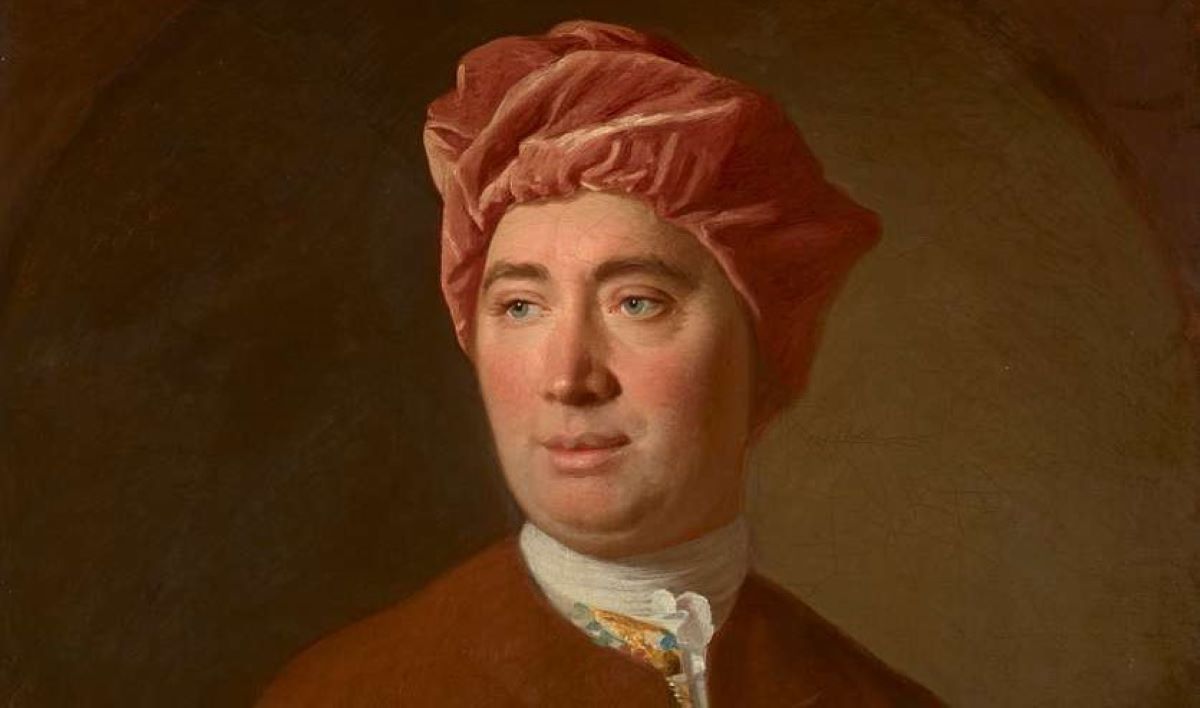
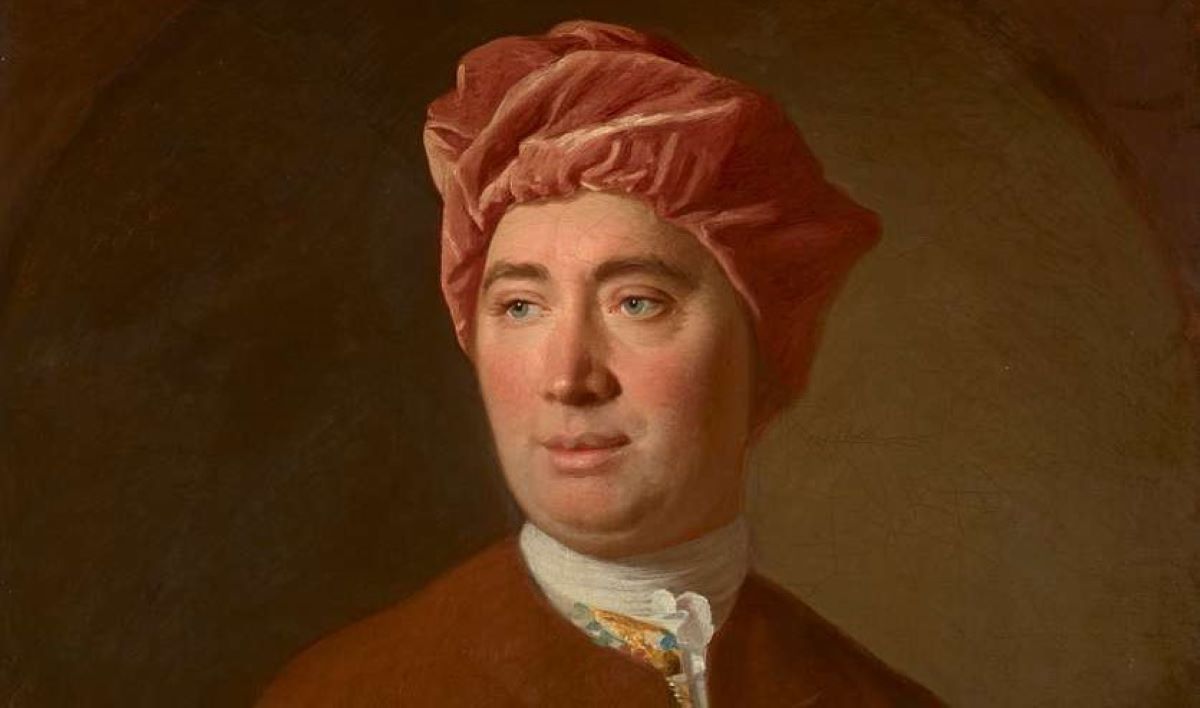
Walter Donway · Oct 25, 2023
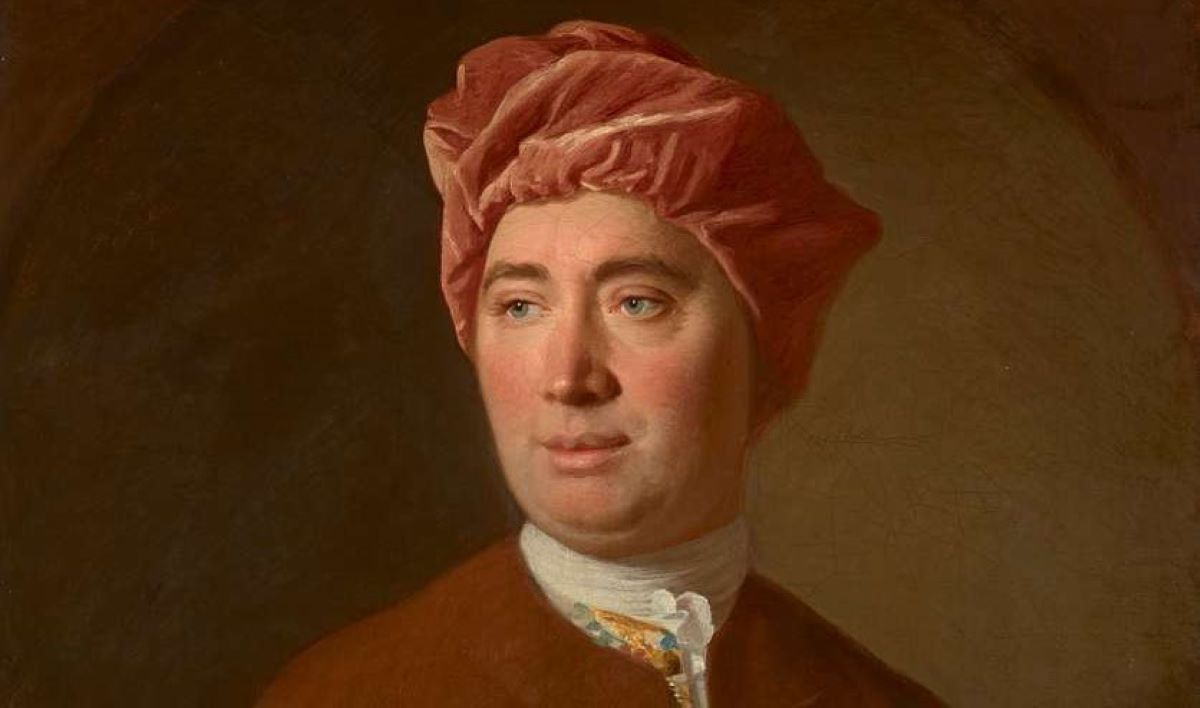

Nathaniel Birzer · Oct 22, 2023

John Alcorn · Oct 21, 2023
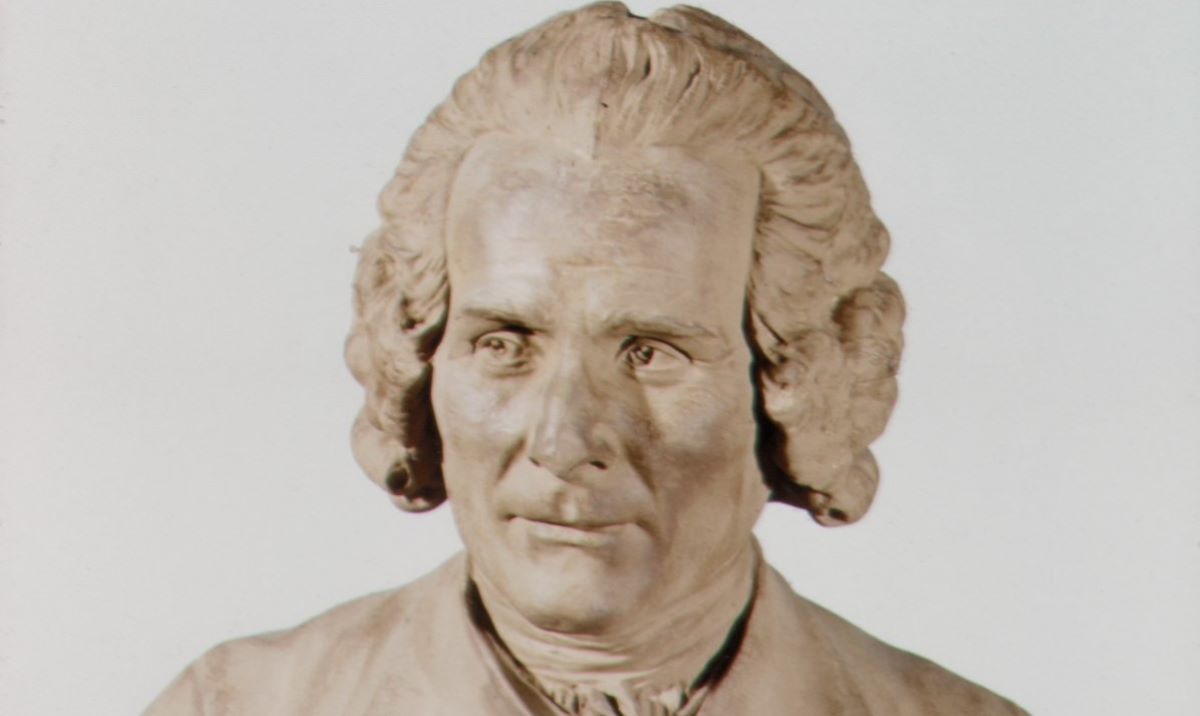
Nathaniel Birzer · Oct 15, 2023
Walter Donway · Aug 02, 2023
Peter Carl Mentzel · Jun 30, 2023
Walter Donway · Jun 07, 2023
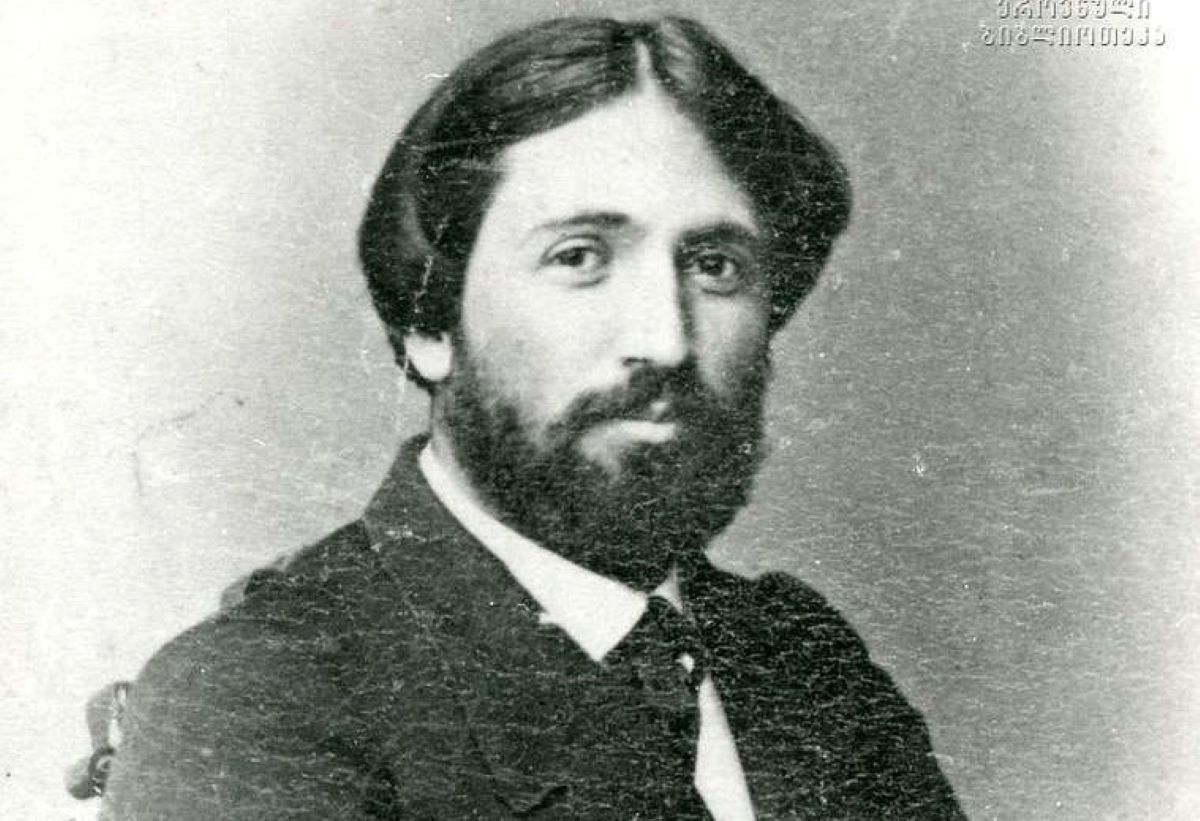
Irakli Javakhishvili · May 26, 2023
Peter Carl Mentzel · May 24, 2023
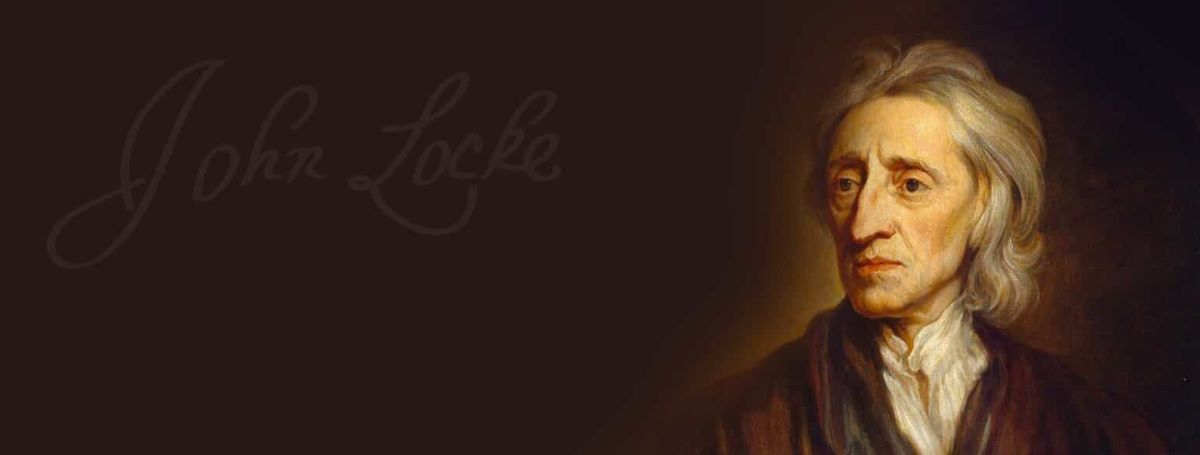
Walter Donway · Apr 26, 2023
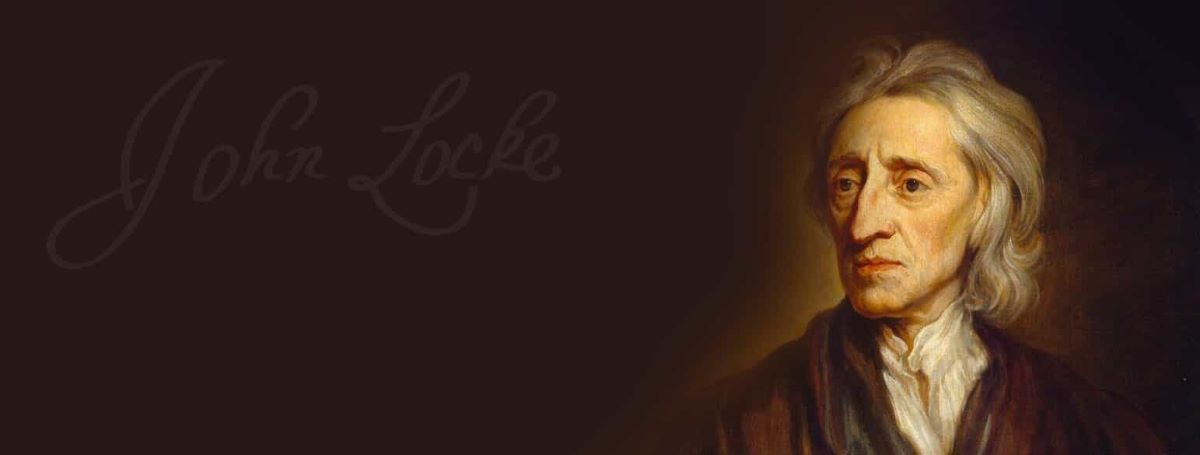
Walter Donway · Apr 19, 2023

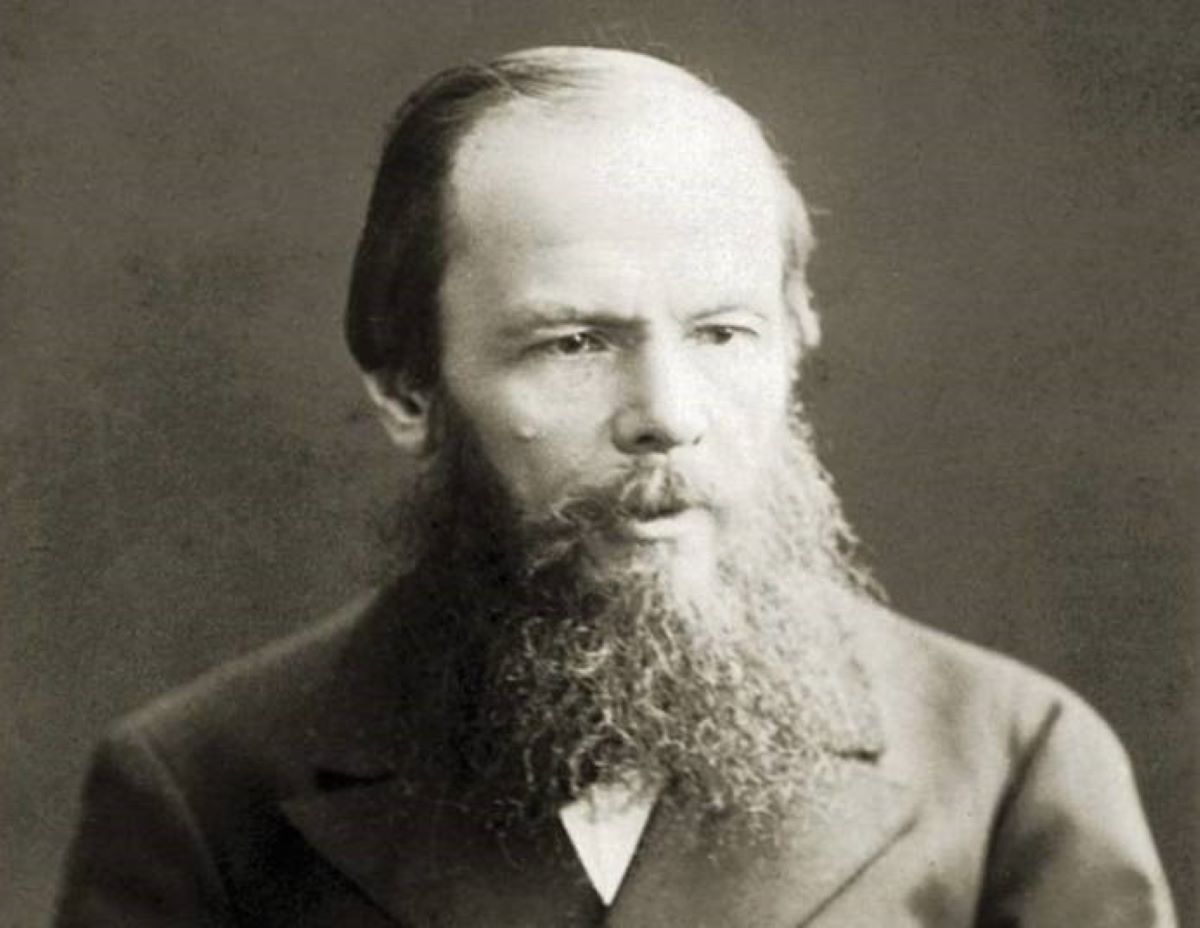
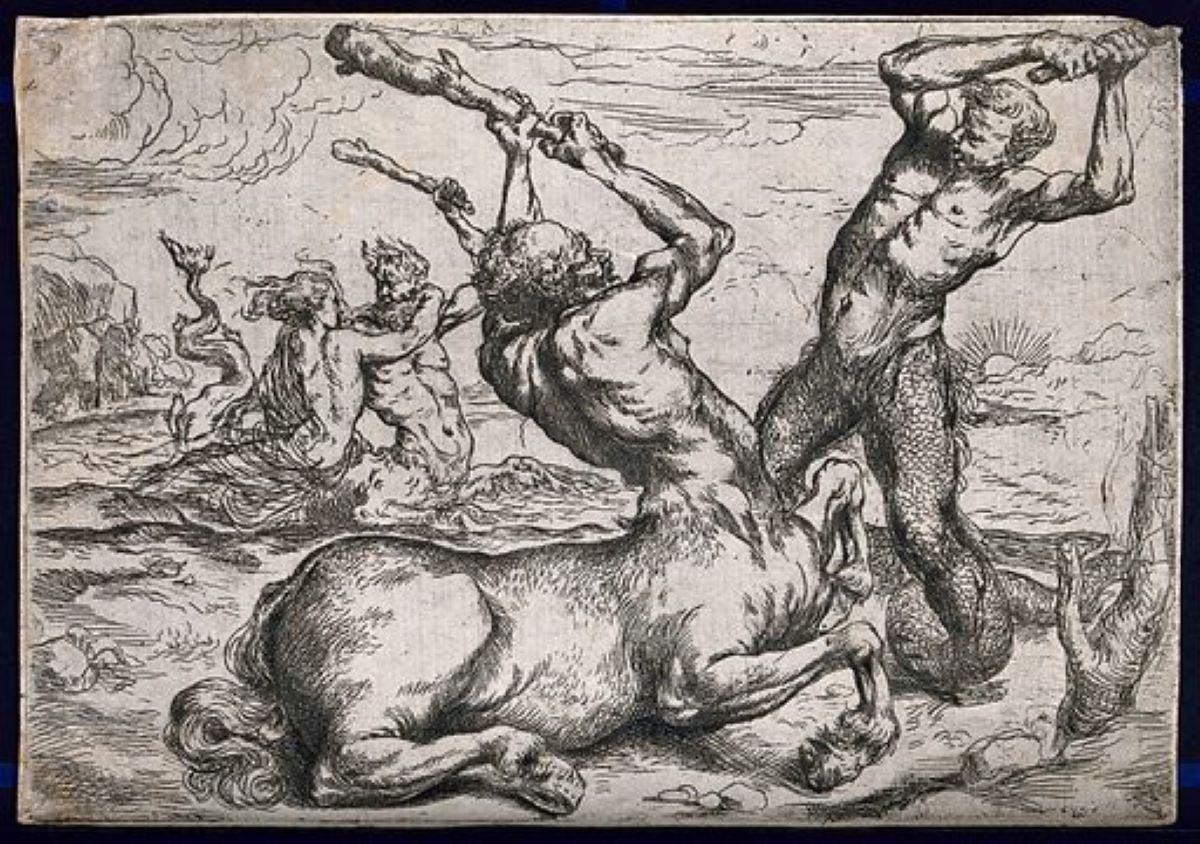
Richard Gunderman · Mar 22, 2023

Peter Carl Mentzel · Feb 22, 2023
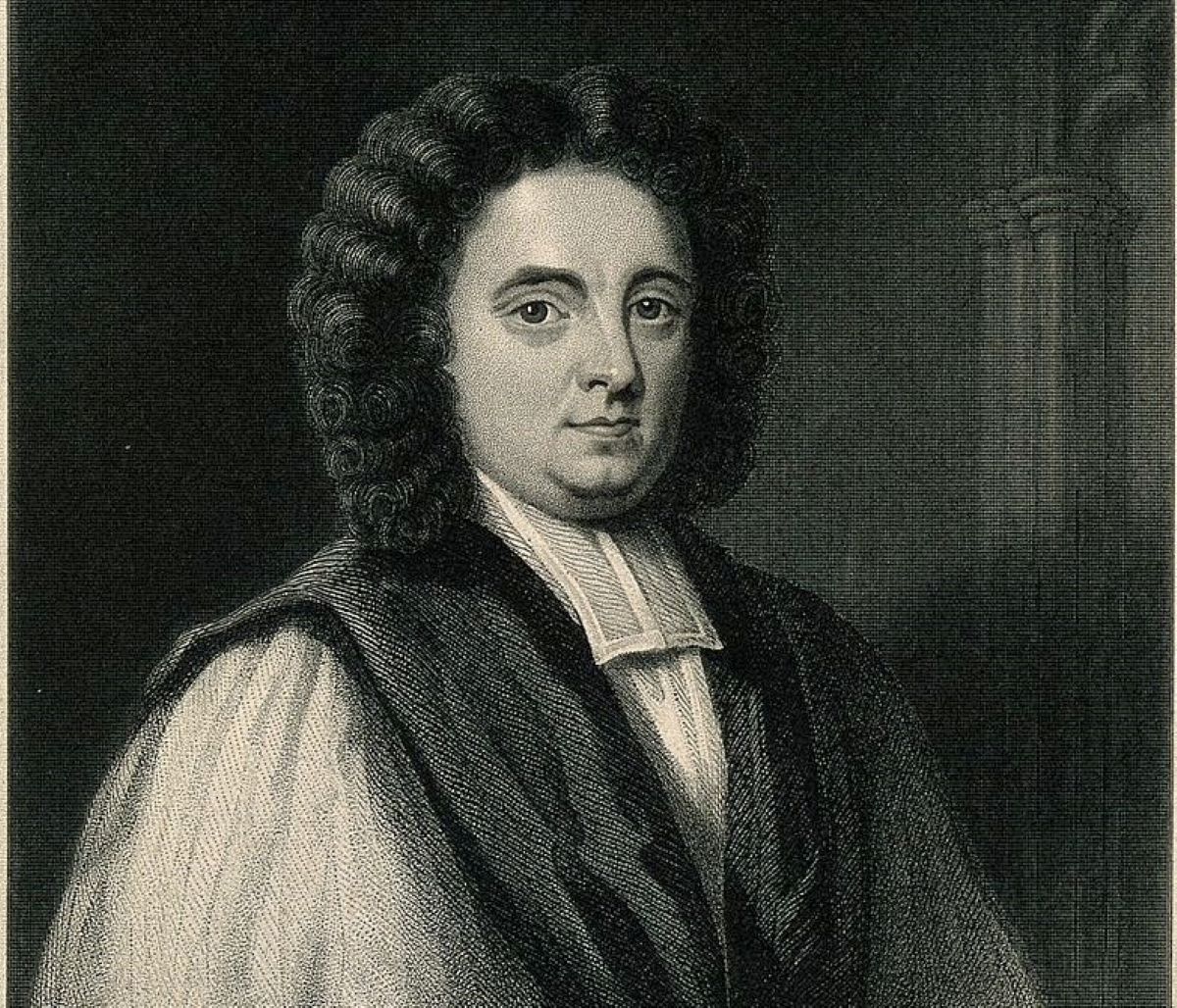

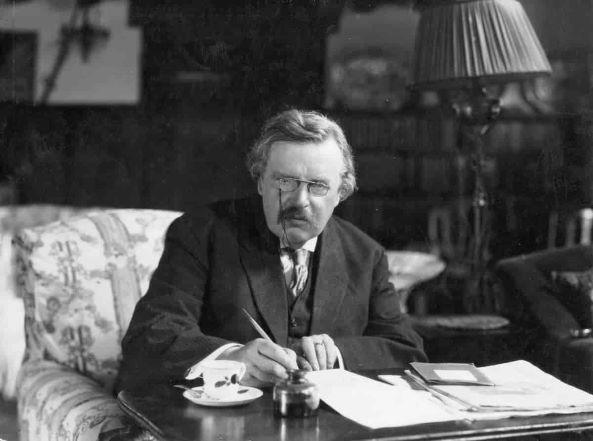
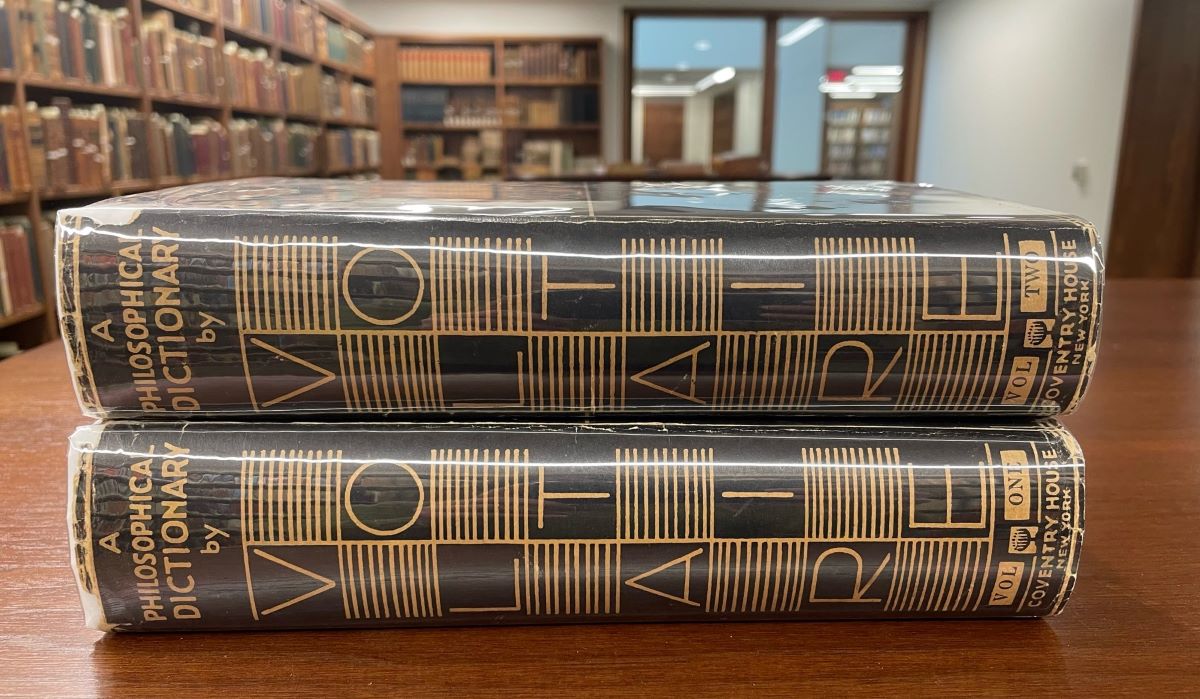
Sarah Skwire · Jan 06, 2023
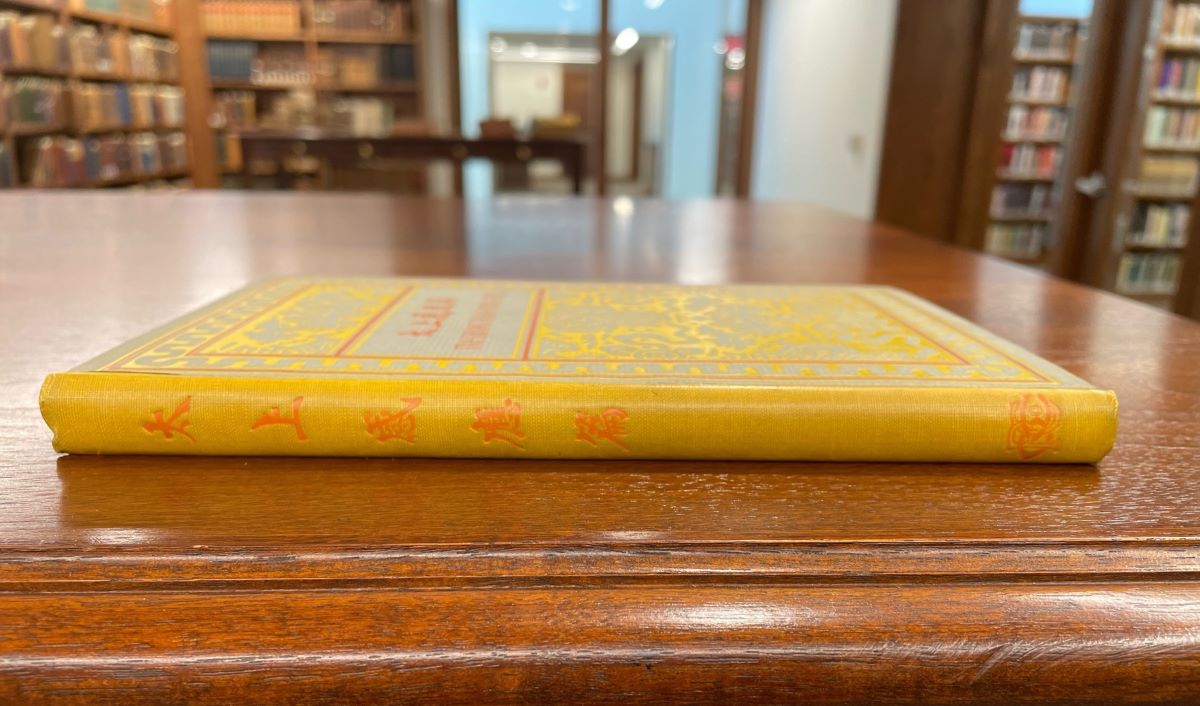
Sarah Skwire · Oct 28, 2022
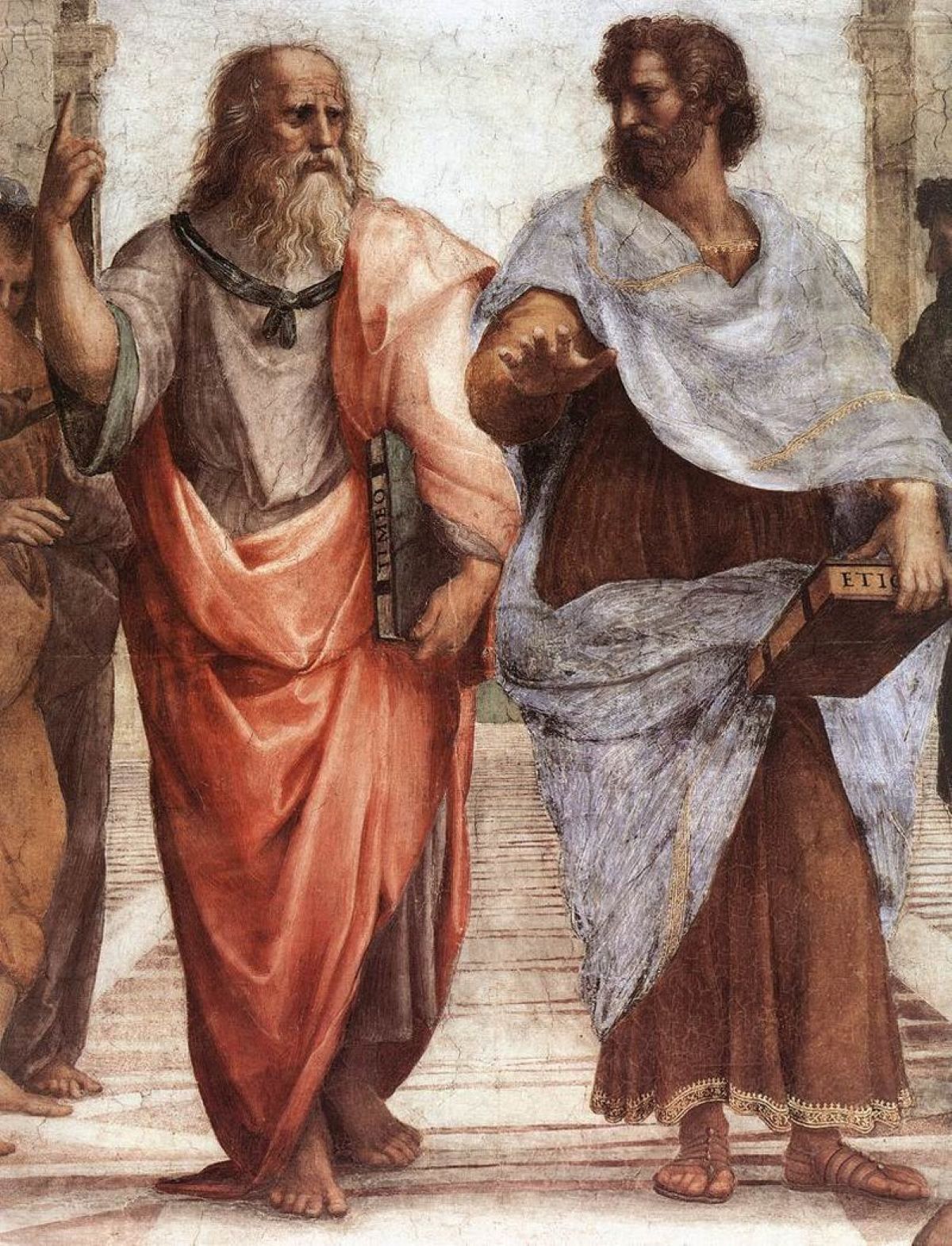
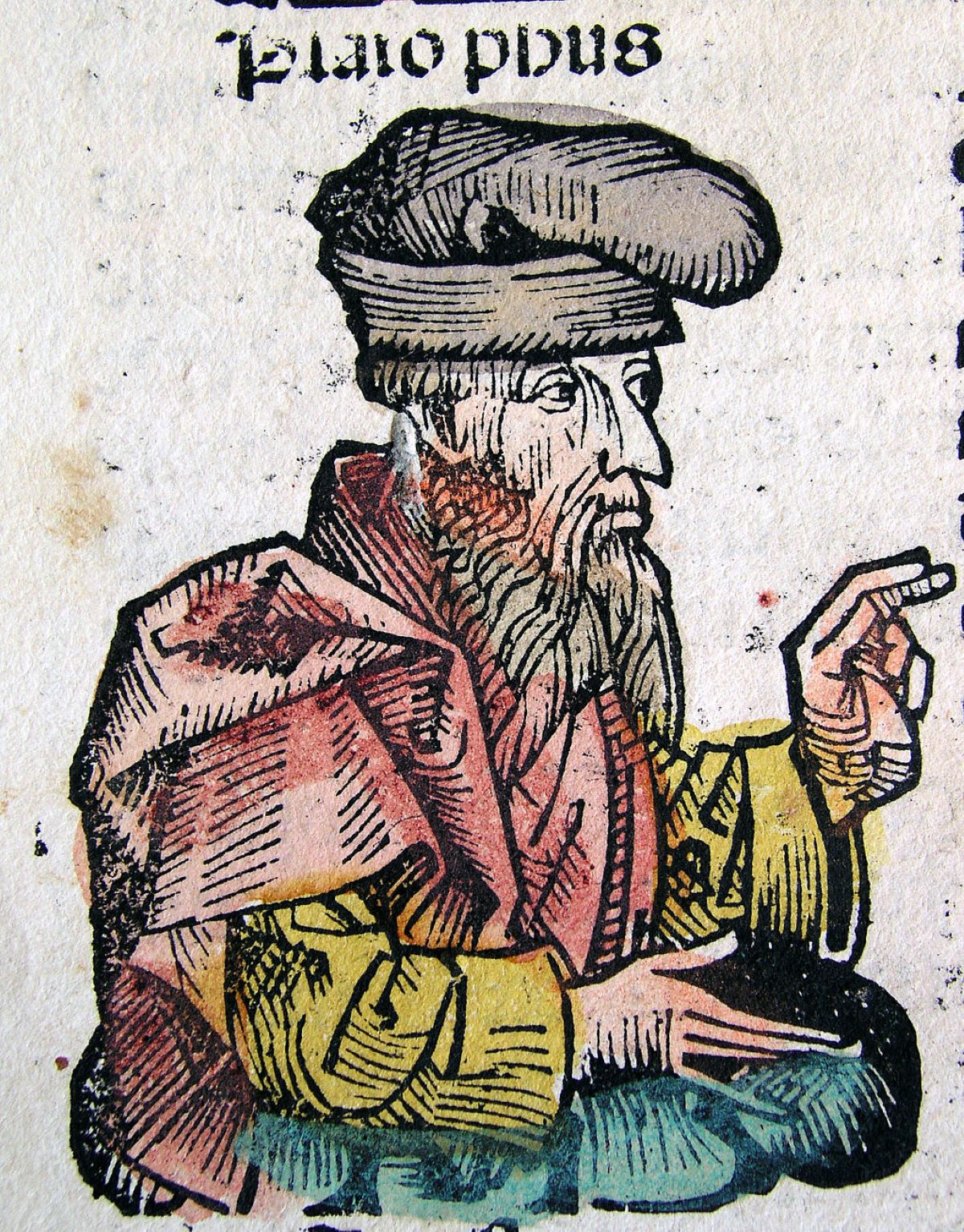
Billy Christmas · May 03, 2022
Bill Glod · Apr 12, 2022

Sarah Skwire, Jacob T. Levy, Aeon J. Skoble · Mar 29, 2022
Peter Carl Mentzel · Mar 22, 2022
Caroline Breashears · Oct 04, 2021

Passages on this subject, chosen by OLL editors.
Mr. Montesquieu has pointed out the sentiments or maxims from which men must be supposed to act under these different governments.
In democracy, they must love equality; they must respect the rights of their fellow-citizens; they must unite by the common ties of affection to the state. In forming personal pretensions, they must be satisfied with that degree of consideration they can procure by their abilities fairly measured with those of an opponent; they must labour for the public without hope of profit; they must reject every attempt to create a personal dependence. Candour, force, and elevation of mind, in short, are the props of democracy; and virtue is the principle of conduct required to its preservation.
How beautiful a pre-eminence on the side of popular government! and how ardently should mankind wish for the form, if it tended to establish the principle, or were, in every instance, a sure indication of its presence!
(From: SECT. X.: The same Subject continued.)
Love is an affection which carries the attention of the mind beyond itself, and is the sense of a relation to some fellow-creature as to its object. Being a complacency and a continued satisfaction in this object, it has, independent of any external event, and in the midst of disappointment and sorrow, pleasures and triumphs unknown to those who are guided by mere considerations of interest.
The opinion which we entertain of our own character depends entirely on our judgments concerning our past conduct. It is so disagreeable to think ill of ourselves, that we often purposely turn away our view from those circumstances which might render that judgment unfavourable. He is a bold surgeon, they say, whose hand does not tremble when he performs an operation upon his own person; and he is often equally bold who does not hesitate to pull off the mysterious veil of self-delusion, which covers from his view the deformities of his own conduct. Rather than see our own behaviour under so disagreeable an aspect, we too often, foolishly and weakly, endeavour to exasperate anew those unjust passions which had formerly misled us; we endeavour by artifice to awaken our old hatreds, and irritate afresh our almost forgotten resentments: we even exert ourselves for this miserable purpose, and thus persevere in injustice, merely because we once were unjust, and because we are ashamed and afraid to see that we were so. (TMS III.iv.4)
This disposition to admire, and almost to worship, the rich and the powerful, and to despise, or, at least, to neglect persons of poor and mean condition, though necessary both to establish and to maintain the distinction of ranks and the order of society, is, at the same time, the great and most universal cause of the corruption of our moral sentiments. (TMS I.iii.3.1)
Happiness consists in tranquillity and enjoyment. Without tranquillity there can be no enjoyment; and where there is perfect tranquillity there is scarce any thing which is not capable of amusing. But in every permanent situation, where there is no expectation of change, the mind of every man, in a longer or shorter time, returns to its natural and usual state of tranquillity. In prosperity, after a certain time, it falls back to that state; in adversity, after a certain time, it rises up to it. (FROM: Chap. III.—: Of the Influence and Authority of Conscience) - Adam Smith
The man whose public spirit is prompted altogether by humanity and benevolence, will respect the established powers and privileges even of individuals, and still more those of the great orders and societies, into which the state is divided. Though he should consider some of them as in some measure abusive, he will content himself with moderating what he often cannot annihilate without great violence. When he cannot conquer the rooted prejudices of the people by reason and persuasion, he will not attempt to subdue them by force; but will religiously observe what, by Cicero, is justly called the divine maxim of Plato, never to use violence to his country no more than to his parents. He will accommodate, as well as he can, his public arrangements to the confirmed habits and prejudices of the people; and will remedy, as well as he can, the inconveniencies which may flow from the want of those regulations which the people are averse to submit to. When he cannot establish the right, he will not disdain to ameliorate the wrong; but like Solon, when he cannot establish the best system of laws, he will try to establish the best that the people can bear. (TMS VI.ii.2.16)
These natural hopes, and fears, and suspicions, were propagated by sympathy, and confirmed by education; and the gods were universally represented and believed to be the rewarders of humanity and mercy, and the avengers of perfidy and injustice. And thus religion, even in its rudest form, gave a sanction to the rules of morality, long before the age of artificial reasoning and philosophy. That the terrors of religion should thus enforce the natural sense of duty, was of too much importance to the happiness of mankind, for nature to leave it dependent upon the slowness and uncertainty of philosophical researches. (FROM: Chap. V.—: Of the Influence and Authority of the general Rules of Morality, and that they are justly regarded as the Laws of the Deity) - Adam Smith
The man of system, on the contrary, is apt to be very wise in his own conceit; and is often so enamoured with the supposed beauty of his own ideal plan of government, that he cannot suffer the smallest deviation from any part of it. He goes on to establish it completely and in all its parts, without any regard either to the great interests, or to the strong prejudices which may oppose it. He seems to imagine that he can arrange the different members of a great society with as much ease as the hand arranges the different pieces upon a chess–board. He does not consider that the pieces upon the chess–board have no other principle of motion besides that which the hand impresses upon them; but that, in the great chess–board of human society, every single piece has a principle of motion of its own, altogether different from that which the legislature might chuse to impress upon it.
See also the extracts, chapters, and introductions in the Philosophy section of the Ideas page.
8 titles · 6 people
Law
49 titles · 1 publication · 69 people

Political Science
17 titles · 1 publication · 35 people

Philosophy, Psychology, and Religion
209 titles · 81 publications · 198 people

Language and Literature
25 titles · 1 publication · 24 people

Fine Arts
7 titles · 12 publications · 8 people