Ethics1897
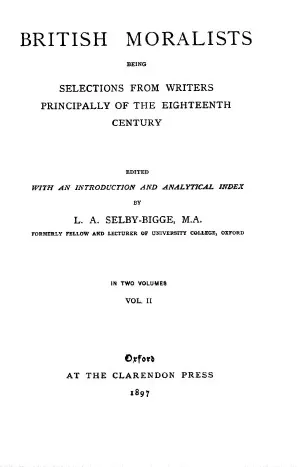
British Moralists, being Selections from Writers principally of the Eighteenth Century, vol. 2
Part of British Moralists, being Selections from Writers principally of the Eighteenth Century, 2 vols.
- Thomas Hobbes(author)
- Henry Home, Lord Kames(author)
- John Locke(author)
- Bernard Mandeville(author)
- William Paley(author)
- William Wollaston(author)
- Richard Price(author)
- Lewis Amherst Selby-Bigge(editor)
Vol. 2 contains works by Samuel Clarke, Balguy, Richard Price, Hobbes, Kames, Locke, Wollaston, and others.
Key Quotes
Passages from this text chosen by OLL editors.
- Property Rights“
If a body of soldiers, seeing another body approach, should fire upon them, would not this action declare that they were enemies; and if they were not enemies, would not this military language declare what was false? No, perhaps it may be said; this can only be called a mistake... Suppose then, instead of this firing, some officer to have said they were enemies, when indeed they were friends: would not that sentence affirming them to be enemies be false, notwithstanding he who spoke it was mistaken?... I lay this down then as a fundamental maxim, That whoever acts as if things were so, or not so, doth by his acts declare, that they are so, or not so; as plainly as he could by words, and with more reality. And if the things are otherwise, his acts contradict those propositions, which assert them to be as they are.
About This Edition
Citation
Hobbes, Thomas. British Moralists, being Selections from Writers principally of the Eighteenth Century, edited with an Introduction and analytical Index by L.A. Shelby-Bigge in two volumes (Oxford: Clarendon Press, 1897). Vol. 2.
Hobbes, Thomas, et al. British Moralists vol. 2. Edited by Lewis Amherst Selby-Bigge, Clarendon Press, 1897. Online Library of Liberty, https://oll.libertyfund.org/titles/wollaston-british-moralists-vol-2.
Hobbes, T., Kames, H. H. L., Locke, J., Mandeville, B., Paley, W., Wollaston, W., & Price, R. (1897). British Moralists vol. 2. Clarendon Press. https://oll.libertyfund.org/titles/wollaston-british-moralists-vol-2
@book{hobbes18972,
  author = {Thomas Hobbes and Henry Home, Lord Kames and John Locke and Bernard Mandeville and William Paley and William Wollaston and Richard Price},
  editor = {Lewis Amherst Selby-Bigge},
  title = {British Moralists vol. 2},
  publisher = {Clarendon Press},
  address = {Oxford},
  year = {1897},
  url = {https://oll.libertyfund.org/titles/wollaston-british-moralists-vol-2},
  note = {Online Library of Liberty}
}TY - BOOK AU - Hobbes, Thomas AU - Kames, Henry Home, Lord AU - Locke, John AU - Mandeville, Bernard AU - Paley, William AU - Wollaston, William AU - Price, Richard A2 - Selby-Bigge, Lewis Amherst TI - British Moralists vol. 2 PY - 1897 CY - Oxford PB - Clarendon Press UR - https://oll.libertyfund.org/titles/wollaston-british-moralists-vol-2 DB - Online Library of Liberty ER -
Copyright
The text is in the public domain.

About the author
Thomas Hobbes 1588–1679
Thomas Hobbes (1588-1679) was an English philosopher who lived during the English Revolution. He is most famous for his work of political philosophy The Leviathan.
More in Ethics
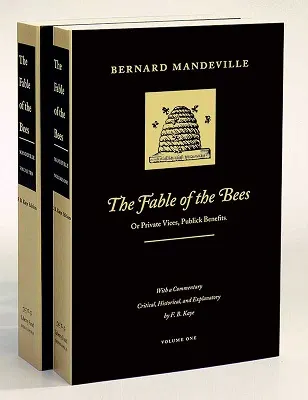
See all >The Fable of the Bees or Private Vices, Publick Benefits, 2 vols.
Bernard MandevilleThe Nicomachean Ethics
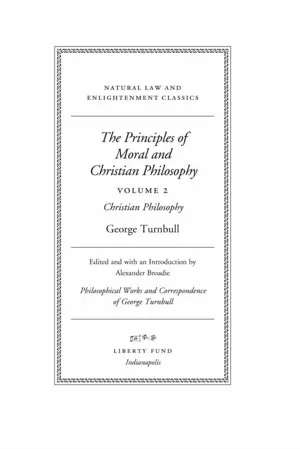
AristotleThe Principles of Moral and Christian Philosophy. Vol. 2: Christian Philosophy
George TurnbullThe Principles of Moral and Christian Philosophy. Vol. 1
George TurnbullA Fragment on Mackintosh (1870)
James MillAn Inquiry into the Original of Our Ideas of Beauty and Virtue (1726, 2004)
Francis HutchesonEssays on the Principles of Morality and Natural Religion
Henry Home, Lord KamesAn Inquiry into the Original of Our Ideas of Beauty and Virtue (old version)
Francis HutchesonThe Fable of the Bees or Private Vices, Publick Benefits, Vol. 2
Bernard Mandeville