


Philosophy, Psychology, and Religion
Religion
397 items in this collection
About this collection
Liberty is an idea and an idealized state of being that can be traced through many of the religious traditions of the world. Across time periods, theological differences, and cultural contexts, many different religious thinkers have arrived at an understanding of the importance of liberty--coupled with some form of moral responsibility--in the organization and conduct of human affairs. We encourage you to explore the quotations in this collection to discover more about the connection between liberty and religion.
In this collection
Titles
209 titles, earliest first.
Marcus Tullius Cicero · 45 BC
On the Nature of the Gods
Cicero’s detailed discussion of the Greeks’ theories of God and religion.
Plotinus · 253
Ethical Treatises; the Books of the Fourth Ennead
Plotinus is primarily remembered for his teachings, which were collected by Porphyry into a volume called the Enneads. This work gives Plotinus’s accounts of the religions and cults of his age. He was interested in the…
Plotinus · 253
On the One and Good; being the Treatises of the Sixth Ennead
Plotinus is primarily remembered for his teachings, which were collected by Porphyry into a volume called the Enneads. This work gives Plotinus’s accounts of the religions and cults of his age. He was interested in the…
Plotinus · 253
Psychic and Physical Treatises; comprising the Second and Third Enneads
Plotinus is primarily remembered for his teachings, which were collected by Porphyry into a volume called the Enneads. This work gives Plotinus’s accounts of the religions and cults of his age. He was interested in the…
Plotinus · 253
The Divine Mind; being the Treatises of the Fifth Ennead
Plotinus is primarily remembered for his teachings, which were collected by Porphyry into a volume called the Enneads. This work gives Plotinus’s accounts of the religions and cults of his age. He was interested in the…
Plotinus · 253
The Ethical Treatises, being the Treatises of the First Ennead
Plotinus is primarily remembered for his teachings, which were collected by Porphyry into a volume called the Enneads. This work gives Plotinus’s accounts of the religions and cults of his age. He was interested in the…
Ambrose · 387
On the Mysteries and the Treatise on the Sacraments
A volume with two of Ambrose's most influential writings: On the Mysteries, which are addresses given by Ambrose, Bishop of Milan, to the newly-baptised in Easter week on the nature of the ceremonies and the doctrinal…
Averroes (Ibn Rushd) · 1160
The Philosophy and Theology of Averroes
A collection of Averroes’ shorter works on religion, including the relation between religion and philosophy, the nature of eternal knowledge, and methods of argument and faith.
Moses Maimonides · 1186
A Guide for the Perplexed
Maimonides was one of the foremost intellectuals of medieval Judaism. He became physician to Sultan Saladin, the famous Islamic military leader. While in Cairo he wrote many volumes on Jewish legal tradition and…
St. Thomas Aquinas · 1256
The “Summa Theologica” of St. Thomas Aquinas. Part I QQ I.-XXVI. Vol. 1.
Vol. 1 of a multi-volume collection of Aquinas’ greatest work on philosophy and theology.
St. Thomas Aquinas · 1256
The “Summa Theologica” of St. Thomas Aquinas. Part I QQ L.-LXXIV. Vol. 3
Vol. 3 of a multi-volume collection of Aquinas’ greatest work on philosophy and theology.
St. Thomas Aquinas · 1256
The “Summa Theologica” of St. Thomas Aquinas. Part I QQ LXXV._CII. Vol. 4 (Treatise on Man)
Vol. 4 of a multi-volume collection of Aquinas’ greatest work on philosophy and theology.
St. Thomas Aquinas · 1256
The “Summa Theologica” of St. Thomas Aquinas. Part I QQ XXVII-XLIX. Vol. 2
Vol. 2 of a multi-volume collection of Aquinas’ greatest work on philosophy and theology.
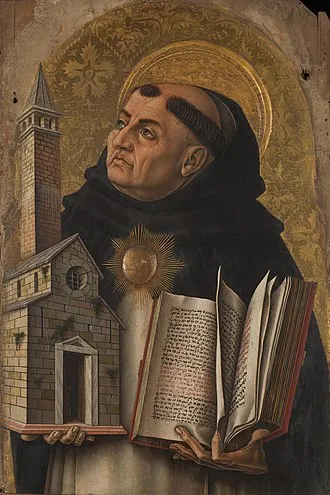
St. Thomas Aquinas · 1256
The “Summa Theologica” of St. Thomas Aquinas. Part I. 10 vols.
A multi-volume collection of Aquinas’ greatest work on philosophy and theology.
St. Thomas Aquinas · 1274
Aquinas Ethicus: or, the Moral Teaching of St. Thomas, 2 vols.
A translation of the principal portions of the second part of the Summa Theologica.
St. Thomas Aquinas · 1274
Aquinas Ethicus: or, the Moral Teaching of St. Thomas, vol. 1
A translation of the principal portions of the second part of the Summa Theologica.
St. Thomas Aquinas · 1274
Aquinas Ethicus: or, the Moral Teaching of St. Thomas, vol. 2
A translation of the principal portions of the second part of the Summa Theologica.
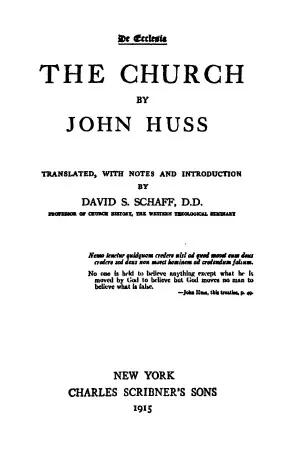
Jan Huss · 1411
The Church
Huss’s most famous work for which he was burnt at the stake for claiming that Christ was the founder of the Church not Peter.
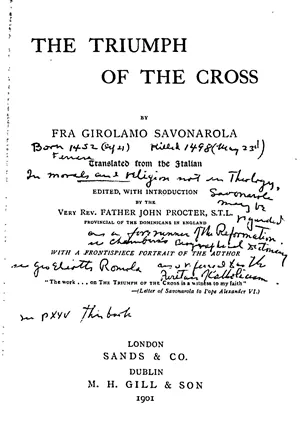
Girolamo Savonarola · 1497
The Triumph of the Cross
in this book Savonarola refutes the accusation of heresy and schism, which had been laid to his charge by his adversaries.
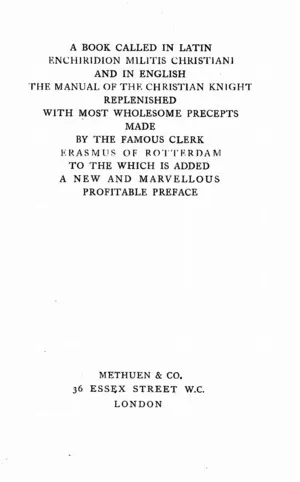
Desiderius Erasmus · 1501
The Manual of a Christian Knight
Erasmus’s very popular 16th century guide book on how to live a moral, Christian life while avoiding formal ritual and observances.
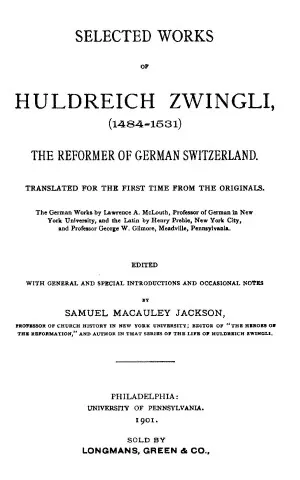
Huldrych Zwingli · 1522
Selected Works of Huldrich Zwingli
A collection of the Swiss Reformer’s major works.
John Calvin · 1537
The Institutes of the Christian Religion
in 1535 John Calvin published the initial version of the Institutes. The importance of the Institutes lies with its inclusive and systematic explication of Protestant doctrine. It forcefully presents the Protestants’…
John Calvin · 1539
Commentaries on the Epistles of Paul to the Romans
One of Calvin’s very influential commentaries on books of the New Testament which had a decisive impact on the course of the Reformation.
John Calvin · 1548
Commentaries on the Epistles of Paul to the Galatians and the Ephesians
Calvin’s detailed commentaries on imortant books of the New Testament.
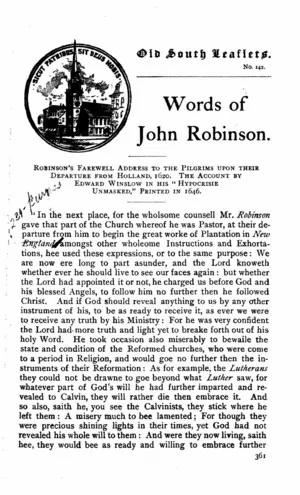
John Robinson · 1620
Words of John Robinson. Robinson’s Farewell Address to the Pilgrims
A collection of sermons by the English Puritan minister John Robinson who was the pastor to the Pilgrim Fathers.
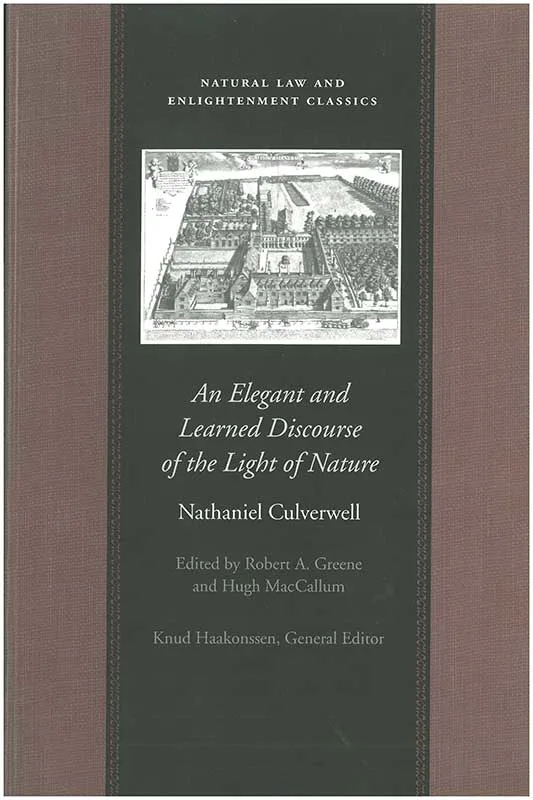
Nathaniel Culverwell · 1652
An Elegant and Learned Discourse of the Light of Nature
An Elegant and Learned Discourse of the Light of Nature is a concerted effort to find a middle way between the two extremes that dominated the religious dispute of the English civil war in the seventeenth century.…
Blaise Pascal · 1669
The Thoughts of Blaise Pascal
The collection of writings known as “Thoughts” were not published in Pascal’s lifetime. They consist of his musings about life, religion, god, sin, miracles, and other matters.
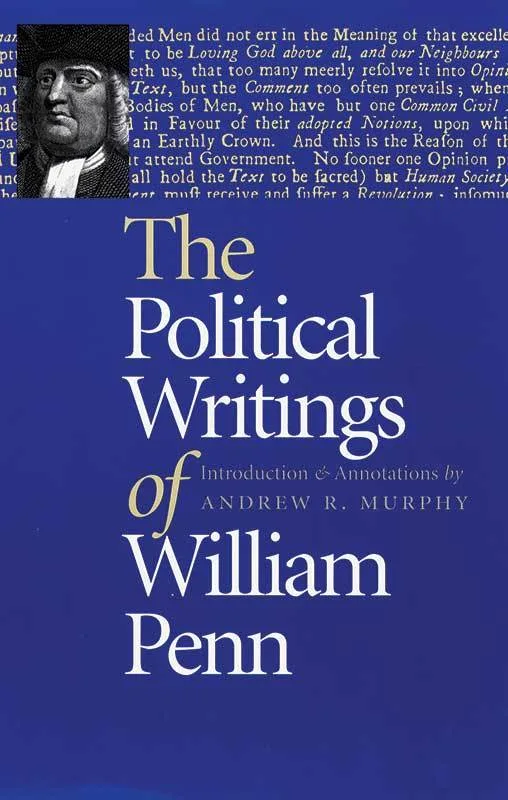
William Penn · 1670
The Political Writings of William Penn
This volume illuminates the origins and development of Penn’s thought by presenting complete and annotated texts of all his important political works. Penn’s early political writings illuminate the Whig understanding of…
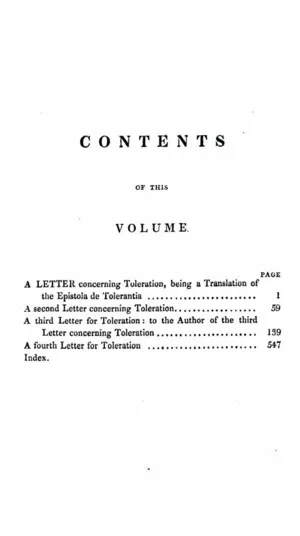
John Locke · 1685
The Works, vol. 5 Four Letters concerning Toleration
Locke was an early advocate of religious toleration. Collected in this volume are his letters or essays on this topic.
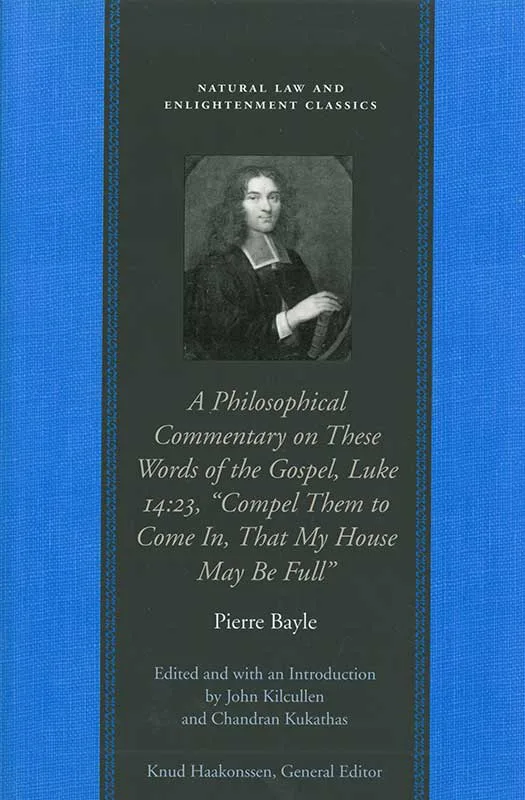
Pierre Bayle · 1686
A Philosophical Commentary on These Words of the Gospel
In this defence of religious toleration, Bayle discusses the words attributed to Jesus Christ in Luke 14:23, “And the Lord said unto the servant, Go out into the highways and hedges, and compel them to come in, that my…
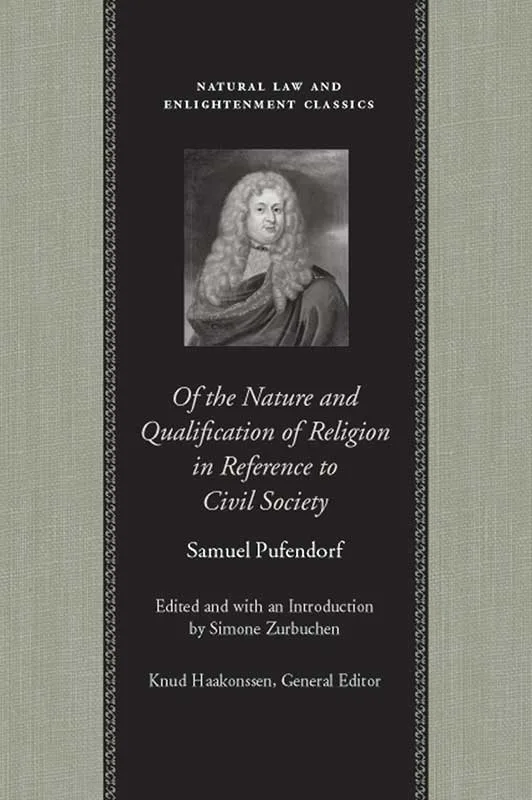
Samuel von Pufendorf · 1687
Of the Nature and Qualification of Religion, in Reference to Civil Society
In this work Pufendorf argues for the separation of politics and religion. Written in response to the revocation of the Edict of Nantes by the French king, Louis XIV, Pufendorf contests the right of the sovereign to…
John Locke · 1690
The Works, vol. 8 (Some Thoughts Concerning Education, Posthumous Works, Familiar Letters)
This volume contains Some Thoughts Concerning Education, his posthumous works, and a number of letters.
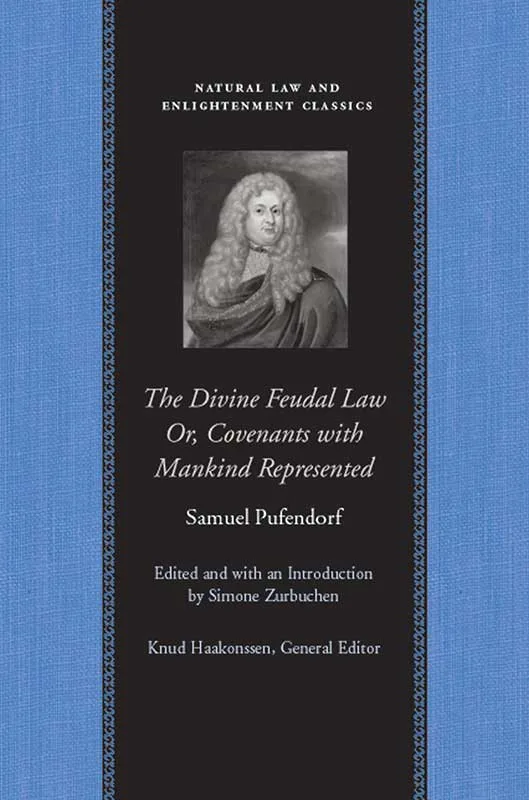
Samuel von Pufendorf · 1695
The Divine Feudal Law: Or, Covenants with Mankind, Represented
The Divine Feudal Law sets forth Pufendorf’s basis for the reunion of the Lutheran and Calvinist confessions. This attempt to seek a “conciliation” between the confessions complements the concept of toleration discussed…
John Locke · 1695
The Works, vol. 6 (The Reasonableness of Christianity)
This volume contains three pieces by Locke on the reasonableness of Christian belief.
Thomas Gordon · 1720
The Independent Whig, 4 vols. (1720, 1743)
Trenchard and Gordon wrote articles for this weekly journal during the period 1720-21 just before they began work on their better known periodical Cato’s Letters which appeared 1720-23. In a total of 53 essays they…
Thomas Gordon · 1720
The Independent Whig, vol. 1 (7th ed. 1743)
Trenchard and Gordon wrote articles for this weekly journal during the period 1720-21 just before they began work on their better known periodical Cato’s Letters which appeared 1720-23. In a total of 53 essays they…
Thomas Gordon · 1720
The Independent Whig, vol. 2 (7th ed. 1743)
Trenchard and Gordon wrote articles for this weekly journal during the period 1720-21 just before they began work on their better known periodical Cato’s Letters which appeared 1720-23. In a total of 53 essays they…
Thomas Gordon · 1720
The Independent Whig, vol. 3 (2nd ed. 1741)
Trenchard and Gordon wrote articles for this weekly journal during the period 1720-21 just before they began work on their better known periodical Cato’s Letters which appeared 1720-23. In a total of 53 essays they…
Gershom Carmichael · 1724
The Writings of Gershom Carmichael
Carmichael was a Scottish jurist and philosopher who became the first Professor of Moral Philosophy at the University of Glasgow in 1727. His writings on natural rights theory, theology, and logic were very influential.
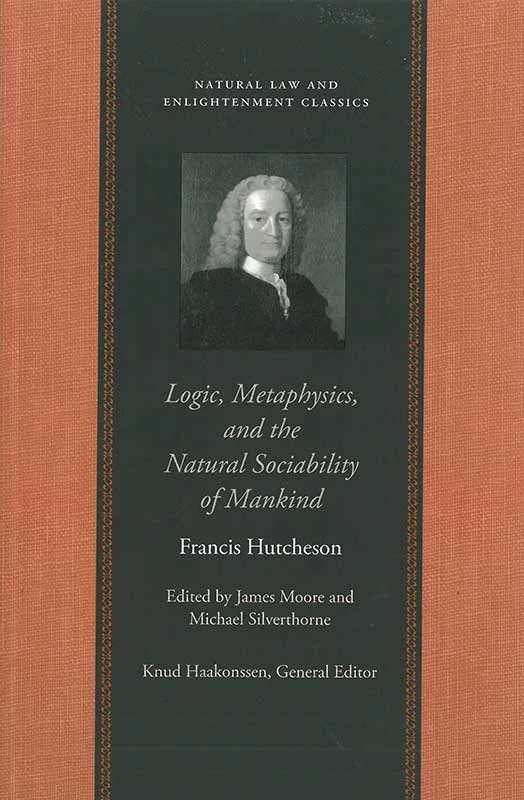
Francis Hutcheson · 1730
Logic, Metaphysics, and the Natural Sociability of Mankind
Until the publication of this Liberty Fund edition, all but one of the works contained in Logic, Metaphysics, and the Natural Sociability of Mankind were available only in Latin. In the words of the editors:…
George Turnbull · 1740
The Principles of Moral and Christian Philosophy, 2 vols.
The Principles of Moral and Christian Philosophy presents the first masterpiece of Scottish Common Sense philosophy. This two-volume treatise is important for its wide range of insights about the nature of the human…
George Turnbull · 1740
The Principles of Moral and Christian Philosophy. Vol. 1
The Principles of Moral and Christian Philosophy presents the first masterpiece of Scottish Common Sense philosophy. This two-volume treatise is important for its wide range of insights about the nature of the human…
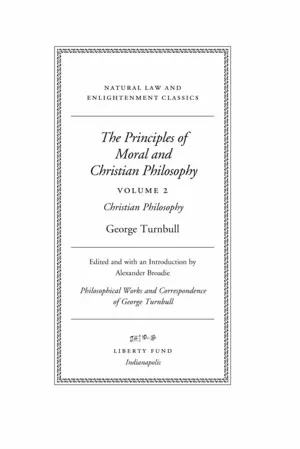
George Turnbull · 1740
The Principles of Moral and Christian Philosophy. Vol. 2: Christian Philosophy
The Principles of Moral and Christian Philosophy presents the first masterpiece of Scottish Common Sense philosophy. This two-volume treatise is important for its wide range of insights about the nature of the human…
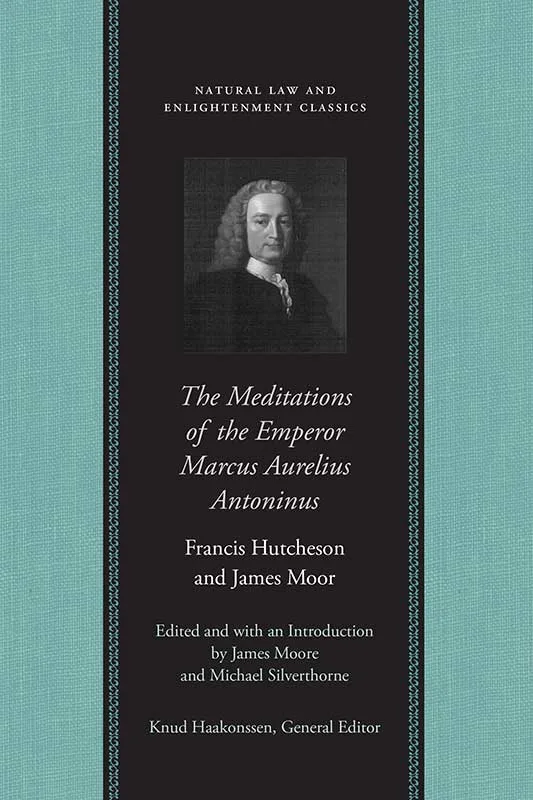
Marcus Aurelius Antoninus · 1742
The Meditations of the Emperor Marcus Aurelius Antoninus (2008)
This influential classical work offers a vision of a universe governed by a natural law that obliges us to love mankind and to govern our lives in accordance with the natural order of things. Editors Hutcheson and Moor…
Thomas Gordon · 1747
The Independent Whig, vol. 4 (1747)
The contents of vol. 4 are essays written by Gordon “during the Late Rebellion” meaning the Jacobite Rebellion of 1745. There are 32 essays.
Thomas Gordon · 1751
A Collection of Tracts, 2 vols. (1751)
A two part collection of essays by Trenchard and Gordon which includes essays on standing armies, religion, British politics, and economics.
Thomas Gordon · 1751
A Collection of Tracts, vol. 2
Volume 2 of a two part collection of essays by Trenchard and Gordon which includes essays on British politics, religion, the creed of an Independent Whig, and prefaces to Cato’s Letters.
Thomas Gordon · 1751
A Collection of Tracts, vol. I
Volume 1 of a two part collection of essays by Trenchard and Gordon which includes essays on standing armies, various sermons, on debt, taxation, and religion.
Voltaire · 1755
Toleration and Other Essays
This collection of essays by Voltaire contains a long essay on the Jean Calas case, several shorter essays on religious topics, and his famous poem on the Lisbon earthquake.
David Hume · 1757
The Natural History of Religion
In The Natural History of Religion and in the Dialogues Concerning Natural Religion Hume provides a sustained philosophical and historical analysis of religion.
Voltaire · 1764
The Works of Voltaire, Vol. III (Philosophical Dictionary Part 1)
Volume 1 of the Philosophical Dictionary with entries from “A to Calends” The Philosophical Dictionary first appeared in 1764 in a “pocket edition” designed to be carried about one’s person. It consists of a series of…
Voltaire · 1764
The Works of Voltaire, Vol. IV (Philosophical Dictionary Part 2)
Volume 2 of the Philosophical Dictionary with entries from “Cannibals” to the “Falsity of Human Virtues.” The Philosophical Dictionary first appeared in 1764 in a pocket edition. It consists of a series of short essays…
Voltaire · 1764
The Works of Voltaire, Vol. V (Philosophical Dictionary Part 3)
Volume 3 of the Philosophical Dictionary with entries from “Fanaticism” to the “Job.” The Philosophical Dictionary first appeared in 1764 in a “pocket edition” designed to be carried about one’s person. It consists of a…
Voltaire · 1764
The Works of Voltaire, Vol. VI (Philosophical Dictionary Part 4)
Volume 4 of the Philosophical Dictionary with entries from "Joseph" to the "Privileges." The Philosophical Dictionary* first appeared in 1764 in a "pocket edition" designed to be carried about one’s person. It consists…
Voltaire · 1764
The Works of Voltaire, Vol. VII (Philosophical Dictionary Part 5)
Volume 5 of the Philosophical Dictionary with entries from “Property” to the “Zoroaster.” The Philosophical Dictionary first appeared in 1764 in a “pocket edition” designed to be carried about one’s person. It consists…
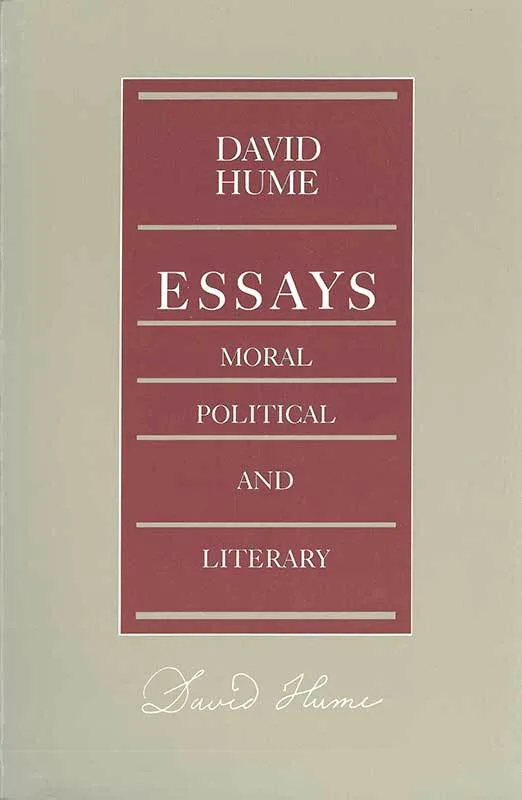
David Hume · 1777
Essays Moral, Political, Literary (LF ed.)
This edition of Hume's much neglected philosophical essays contains the thirty-nine essays included in Essays, Moral, and Literary, that made up Volume I of the 1777 posthumous Essays and Treatises on Several Subjects.…
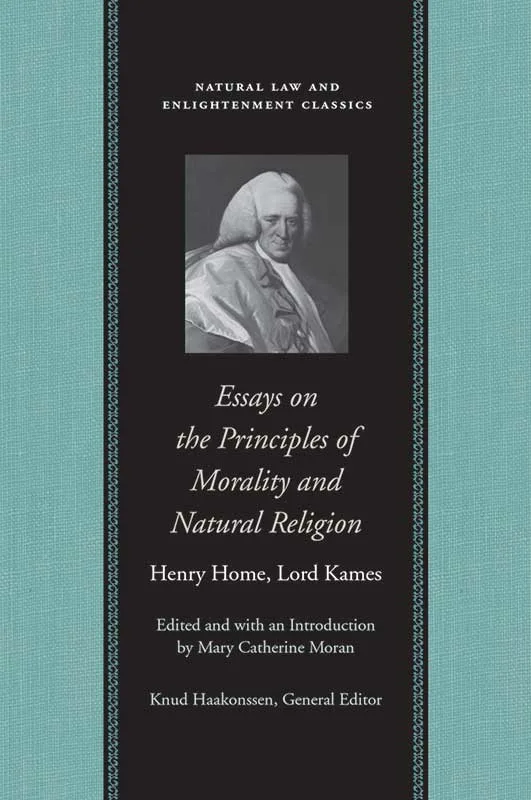
Henry Home, Lord Kames · 1779
Essays on the Principles of Morality and Natural Religion
The Essays is commonly considered Kames’s most important philosophical work. In the first part, he sets forth the principles and foundations of morality and justice, attacking Hume’s moral skepticism and addressing the…
Immanuel Kant · 1785
Kant’s Critique of Practical Reason and Other Works on the Theory of Ethics
This is an 1889 edition which includes many of Kant’s most important works such as the Fundamental Principles of the Metaphysics of Morals, the Critique of Practical Reason, the Introduction to the Metaphysic of Morals,…
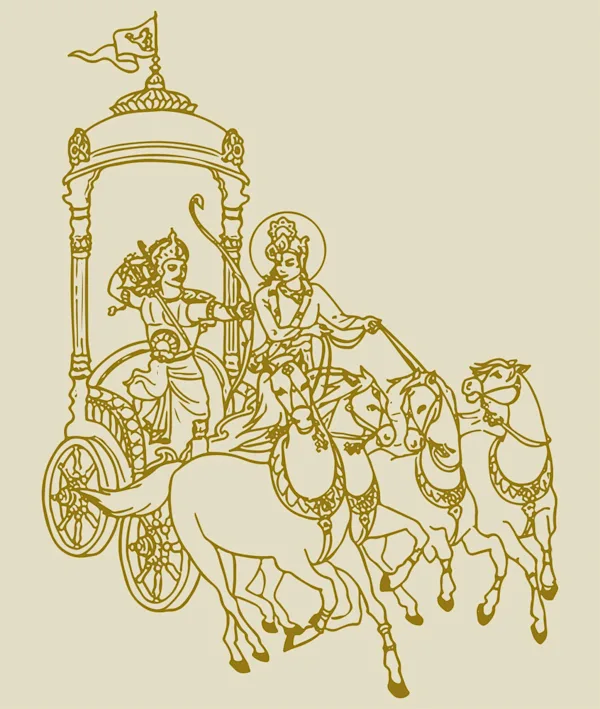
Charles Wilkins · 1785
The Bhagvat-Geeta, or Dialogues of Kreeshna and Arjoon
The Bhagavad Gita is perhaps the greatest and most beautiful of the Hindu scriptures. It is mainly in the form of a dialogue between the warrior Prince Arjuna and his friend Krishna (the earthly incarnation of the god…
Thomas Paine · 1791
The Writings of Thomas Paine, Vol. IV (1791-1804)
Vol. 4 of a 4 vol. collection of the works of Thomas Paine. Vol. 4 (1791-1804) contains The Age of Reason and various appendices.
William Findley · 1812
Observations on “The Two Sons of Oil” (1812 ed.)
Observations on “The Two Sons of Oil” was written in 1811 in response to the Reverend Samuel B. Wylie’s work, The Two Sons of Oil, which was published in 1803. Wylie pointed out what he considered to be deficiencies in…
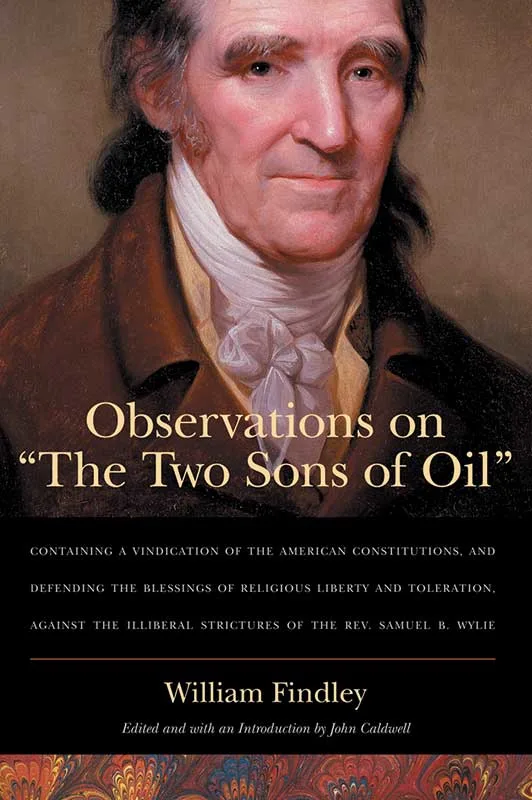
William Findley · 1812
Observations on “The Two Sons of Oil” (LF ed.)
Observations on “The Two Sons of Oil” was written in 1811 in response to the Reverend Samuel B. Wylie’s work, The Two Sons of Oil, , Wylie pointed out what he considered to be deficiencies in the constitutions of both…
William Blake · 1823
Blake’s Illustrations of the Book of Job
The book contains a lengthy introduction to the life and work of Blake by Norton as well as full page black and white copies of the etchings which Blake made between 1823 and 1826 for his illustrated edition of the Book…
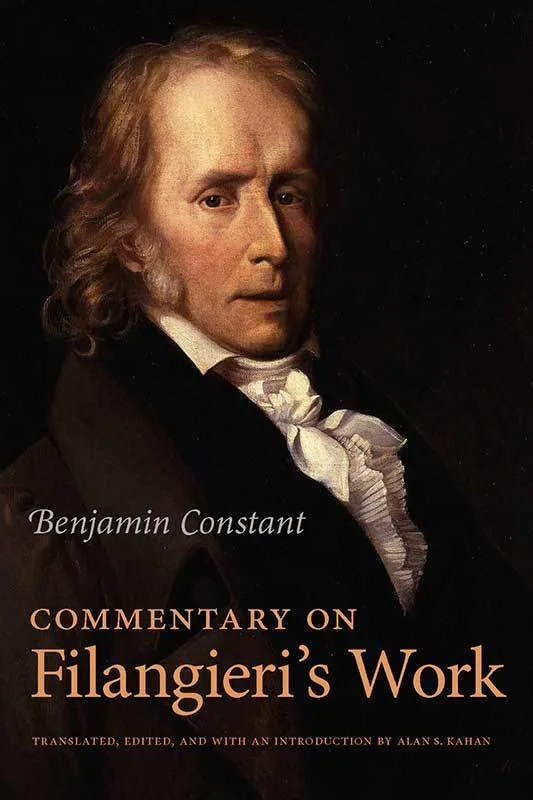
Benjamin Constant · 1824
Commentary on Filangieri’s Work
The Commentary is Constant's most extensive treatment of economic matters. It is a response to a multi-volume work by the Italian jurist Gaetano Filangiero, The Science of Legislation (1780-88). Constant defends limited…
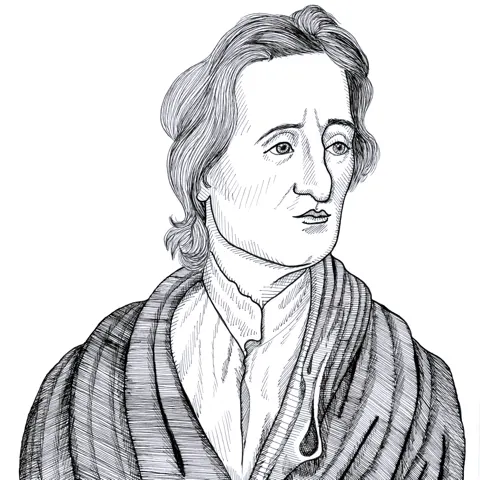
John Locke · 1824
The Works of John Locke in Nine Volumes
A nine volume collection of the works of John Locke.
Vicesimus Knox · 1824
The Works of Vicesimus Knox, vol. 6
This volume contains Knox’s sermons on various passages of the Bible as well as Sermon 25 on the possibilities of perpetual peace.
John Locke · 1824
The Works, vol. 7 (Essays and Notes on St. Paul’s Epistles)
This volume contains what Locke calls his paraphrases and notes on Paul’s Epistles.
David Hume · 1828
The Philosophical Works of David Hume, vol. 2 (1828 ed.)
An 1828 edition of Books II and II of the Treatise of Human Nature and The Dialogues concerning Natural Religion.
David Hume · 1828
The Philosophical Works of David Hume, vol. 4 (1828 ed.)
An 1828 edition of An Inquiry Concerning the Human Understanding, An Inquiry Concerning the Principles of Morals, The Natural History of Religion, and additional essays.
John Wade · 1832
Extraordinary Black Book: An Exposition of Abuses in Church and State (1832)
An extraordinary document which details the corruption and financial abuses of the British government ax well as the sinecures and privileges of the army, church, and other groups. It was drawn up by John Wade as part…
John Stuart Mill · 1833
The Collected Works of John Stuart Mill, Volume X - Essays on Ethics, Religion, and Society
Vol. 10 of the 33 vol. Collected Works contains a number of Mill’s essays on religion and moral philosophy as well as his works on Utilitarianism and Auguste Comte.
John Wade · 1835
The Black Book: An Exposition of Abuses in Church and State (1835)
An extraordinary document which details the corruption and financial abuses of the British government as well as the sinecures and privileges of the army, church, and other groups. It was drawn up by John Wade as part…
Saint Bede · 1843
The Complete Works of Venerable Bede, 8 vols.
An 8 volume collection of the works of Bede including his poetry, letters, Ecclesiastical history, historical and scientific tracts, homilies, and commentaries on the scriptures. Vol. 1 includes a Life (in English),…
Saint Bede · 1843
The Complete Works of Venerable Bede, 8 vols.
An 8 volume collection of the works of Bede including his poetry, letters, Ecclesiastical history, historical and scientific tracts, homilies, and commentaries on the scriptures. Vol. 8 contains numerous commentaries on…
Saint Bede · 1843
The Complete Works of Venerable Bede, 8 vols.
An 8 volume collection of the works of Bede including his poetry, letters, Ecclesiastical history, historical and scientific tracts, homilies, and commentaries on the scriptures. Vol. 7 contains numerous commentaries on…
Saint Bede · 1843
The Complete Works of Venerable Bede, 8 vols.
An 8 volume collection of the works of Bede including his poetry, letters, Ecclesiastical history, historical and scientific tracts, homilies, and commentaries on the scriptures. Vol. 5 contains numerous homilies in…
Saint Bede · 1843
The Complete Works of Venerable Bede, 8 vols.
An 8 volume collection of the works of Bede including his poetry, letters, Ecclesiastical history, historical and scientific tracts, homilies, and commentaries on the scriptures. Vol. 4 contains several historical…
Saint Bede · 1843
The Complete Works of Venerable Bede, 8 vols.
An 8 volume collection of the works of Bede including his poetry, letters, Ecclesiastical history, historical and scientific tracts, homilies, and commentaries on the scriptures. Vol. 3 contain Ecclesiastical History…
Saint Bede · 1843
The Complete Works of Venerable Bede, 8 vols.
An 8 volume collection of the works of Bede including his poetry, letters, Ecclesiastical history, historical and scientific tracts, homilies, and commentaries on the scriptures. Vol. 2 contain Ecclesiastical History…
Saint Bede · 1843
The Complete Works of Venerable Bede, 8 vols.
An 8 volume collection of the works of Bede including his poetry, letters, Ecclesiastical history, historical and scientific tracts, homilies, and commentaries on the scriptures.
John Wyclife · 1845
Tracts and Treatises of John de Wycliffe
A translation of some of Wyclif’s shorter Latin works, his Treatise Trialogus, his Treatise against Orders of Friars, and other shorter works.
John Milton · 1847
The Prose Works of John Milton, 2 vols.
A mid-19th century 2 volume collection of Milton’s most significant prose works.
John Milton · 1847
The Prose Works of John Milton, vol. 1
Vol. 1 of a mid-19th century 2 volume of Milton’s most significant prose works. Vol. 1 contains Areopagitica, The Tenure of Kings and Magistrates.
John Milton · 1847
The Prose Works of John Milton, vol. 2
Vol. 2 of a mid-19th century 2 volume of Milton’s most significant prose works. Vol. 2 contains The Ready and Easy way to Establish a Free Commonwealth, The History of Britain, Of True Religion, and other works.
John Robinson · 1851
The Works of John Robinson 3 vols.
A 3 volume collection of this influential English Puritan minister’s writings, including his A Justification of Separation from the Church of England.
John Robinson · 1851
The Works of John Robinson, vol. 1
Vol. 1 of a 3 volume collection of this influential English Puritan minister’s writings, including his A Justification of Separation from the Church of England.
John Robinson · 1851
The Works of John Robinson, vol. 2
Vol. 2 of a 3 volume collection of this influential English Puritan minister’s writings, including his A Justification of Separation from the Church of England.
John Robinson · 1851
The Works of John Robinson, vol. 3
Vol. 3 of a 3 volume collection of this influential English Puritan minister’s writings, including his A Justification of Separation from the Church of England.
William Edward Hartpole Lecky · 1865
History of the Rise and Influence of the Spirit of Rationalism in Europe, 2 vols.
Lecky discusses the decline in the belief of magic and miracles, the rise of religious persecution, the gradual secularisation of politics, and the rise of toleration and rationalism.
William Edward Hartpole Lecky · 1865
History of the Rise and Influence of the Spirit of Rationalism in Europe, vol. 1
Lecky discusses the decline in the belief of magic and miracles, the rise of religious persecution, the gradual secularisation of politics, and the rise of toleration and rationalism.
William Edward Hartpole Lecky · 1865
History of the Rise and Influence of the Spirit of Rationalism in Europe, vol. 2
Lecky discusses the decline in the belief of magic and miracles, the rise of religious persecution, the gradual secularisation of politics, and the rise of toleration and rationalism.
William Edward Hartpole Lecky · 1869
History of European Morals from Augustus to Charlemagne, 2 vols.
As Lecky stated, this work is an attempt to use the historical method to uderstand the merits of certain theological opionions from the beginning of the Roman Empire to the Middle Ages.
William Edward Hartpole Lecky · 1869
History of European Morals from Augustus to Charlemagne, vol. 1
As Lecky stated, this work is an attempt to use the historical method to understand the merits of certain theological opinions from the beginning of the Roman Empire to the Middle Ages.
William Edward Hartpole Lecky · 1869
History of European Morals from Augustus to Charlemagne, vol. 2
As Lecky stated, this work is an attempt to use the historical method to understand the merits of certain theological opinions from the beginning of the Roman Empire to the Middle Ages. Volume 2 has a lengthy chapter on…
John Wyclife · 1869
Select English Works of John Wyclif
A three volume collection of Wyclife’s writings edited by Thomas Arnold in the original Middle English. Volume 1 contains sermons on the gospels; volume 2 contains gospel and epistle sermons; volume 3 contains numerous…
John Wyclife · 1869
Select English Works of John Wyclif, Vol. I
Volume 1 of a three volume collection of Wyclife’s writings edited by Thomas Arnold in the original Middle English. Volume 1 contains sermons on the gospels; volume 2 contains gospel and epistle sermons; volume 3…
John Wyclife · 1871
Select English Works of John Wyclif, Vol. II
Volume 2 of a three volume collection of Wyclife’s writings in the original Middle English edited by Thomas Arnold. Volume 1 contains sermons on the gospels; volume 2 contains gospel and epistle sermons; volume 3…
John Wyclife · 1871
Select English Works of John Wyclif, Vol. III Miscellaneous Works
Volume 3 of a three volume collection of Wyclife’s writings in the original Middle English edited by Thomas Arnold. Volume 1 contains sermons on the gospels; volume 2 contains gospel and epistle sermons; volume 3…
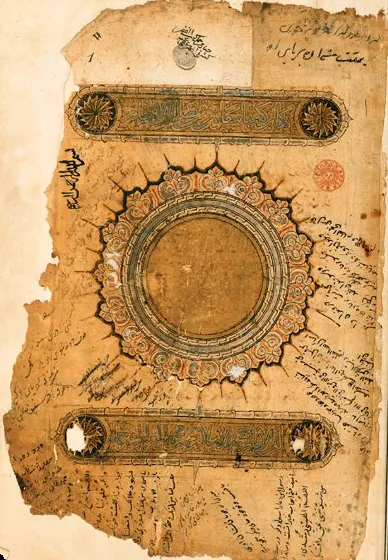
Al Ghazali · 1873
The Alchemy of Happiness
Al Ghazali attempted to reconcile the Muslim faith with Aristotelian logic in this work on simple piety.
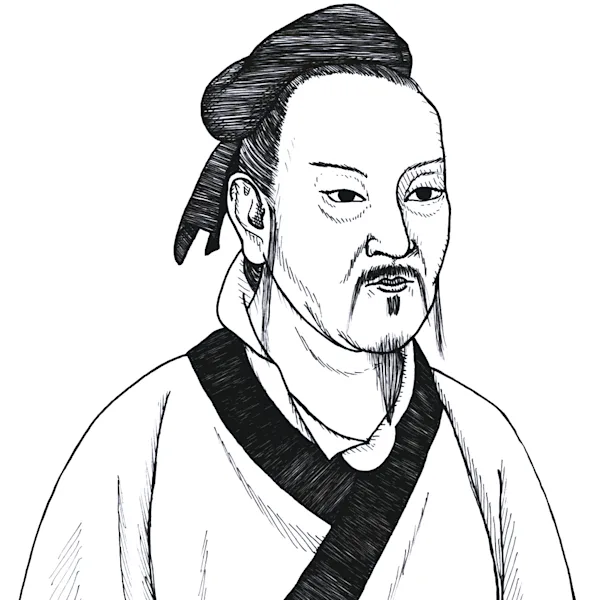
Mencius · 1875
The Chinese Classics: Vol. 2 The Life and Teachings of Mencius
This volume contains a long introduction on the life and works of Mencius, following by 7 books from his writings. The 2 indexes have not been reproduced in the HTML version of the file but can be viewed in the…
Confucius · 1879
The Sacred Books of China: The Texts of Confucianism. Part I
Part of a collection of volumes dealing with the works of the Confucian School. This volume contains collections of historical documents, the poetry known as the Shih King, and the classic of filial piety.
Friedrich Max Müller · 1879
The Sacred Books of the East, 50 vols.
A massive 50 volume collection of translations of Asian texts under the general editorship of the Oxford philologist Max Müller.
Lao Tzu · 1879
The Texts of Taoism, Part I
Part of a collection of volumes dealing with the works of Taoism. This volume contains Tao Teh King (or Tao Te Ching by Lao Tsu) and the Writings of Kwang Ze (or Zhuangzi).
Martin Luther · 1883
First Principles of the Reformation (1883)
This is an 1883 collection of Luther’s major works which helped begin the reformation in Europe: the “95 Theses”, his “Address to the Nobility of the German Nation”, “Concerning Christian Liberty”, and the “Babylonish…
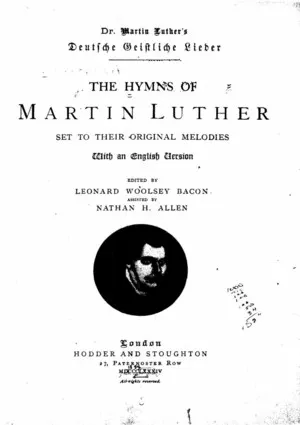
Martin Luther · 1884
The Hymns of Martin Luther
A nice 1884 edition of Luther’s hymns with parallel German-English versions and musical scores of some 36 hymns.
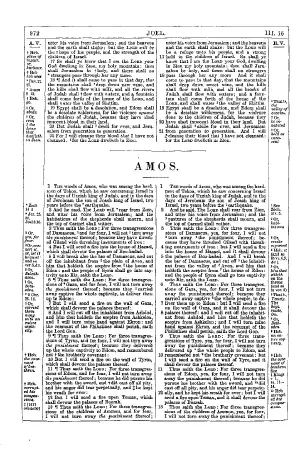
Amos · 1885
Amos (KJV)
Amos was among the earliest of the Hebrew prophets to have a biblical book named after him. he taught that God’s justice extends to all men regardless of their nationality and that all men are expected to pursue…
Arthur Cleveland Coxe · 1885
Ante-Nicene Fathers: The Writings of the Fathers down to A.D. 325, 10 vols
A 10 volume compilation of dozens of lesser known religious works from the early centuries of the Christian church.
Arthur Cleveland Coxe · 1885
Ante-Nicene Fathers: Volume 1: The Apostolic Fathers, Justin Martyr, Irenaeus
Volume 1 of a 10 volume compilation of dozens of lesser known religious works from the early centuries of the Christian church.
Arthur Cleveland Coxe · 1885
Ante-Nicene Fathers. Volume 2: Fathers of the Second Century
Volume 2 of a 10 volume compilation of dozens of lesser known religious works from the early centuries of the Christian church.
Tertullian · 1885
Ante-Nicene Fathers. Volume 3: Latin Christianity
Volume 3 of a 10 volume compilation of dozens of lesser known religious works from the early centuries of the Christian church. Volume three contains works by Tertullian.
Origen · 1885
Ante-Nicene Fathers. Volume 4
Volume 4 of a 10 volume compilation of dozens of lesser known religious works from the early centuries of the Christian church.
Hosea · 1885
Hosea (KJV)
The main theme of Hosea is God’s power of forgiveness for the sins of Israel as witnessed in his redemption of Hosea. He argued that Israel would certainly feel the wrath of God for her sinful encounter with Canaanite…
Micah · 1885
Micah (KJV)
Micah’s book warns that God will punish idolaters, those who are unjust to men of lesser station, and religious men who use their profession for financial gain. The latter half of the work, also called the “Promises,”…
Saint Luke · 1885
The Acts of the Apostles (KJV)
The Book of Acts is profoundly important because of its account of early church history and its guidance on ecclesiastical matters such as the Trinity, the Eucharist, and baptism.
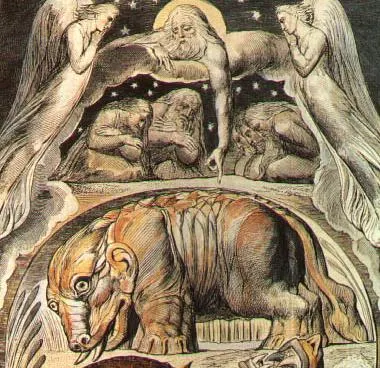
Job · 1885
The Book of Job (KJV)
Job is the central character in an ancient story written down as the Book of Job in either the fifth or sixth century B.C. This work is acclaimed as one of the great masterpieces of early literature and a fundamental…
Old Testament (Various Authors) · 1885
The Book of Joshua (KJV)
The King James only version from the Oxford parallel version of the Old and New Testaments with the King James Version in one column and the revised Version in another column.
Old Testament (Various Authors) · 1885
The Book of Judges (KJV)
The King James only version from the Oxford parallel version of the Old and New Testaments with the King James Version in one column and the revised Version in another column.
Old Testament (Various Authors) · 1885
The Book of Proverbs (KJV)
Attributed to King Solomon, son of King David. The proverbs are made of a wise sayings or “wisdom literature” which were used in education.
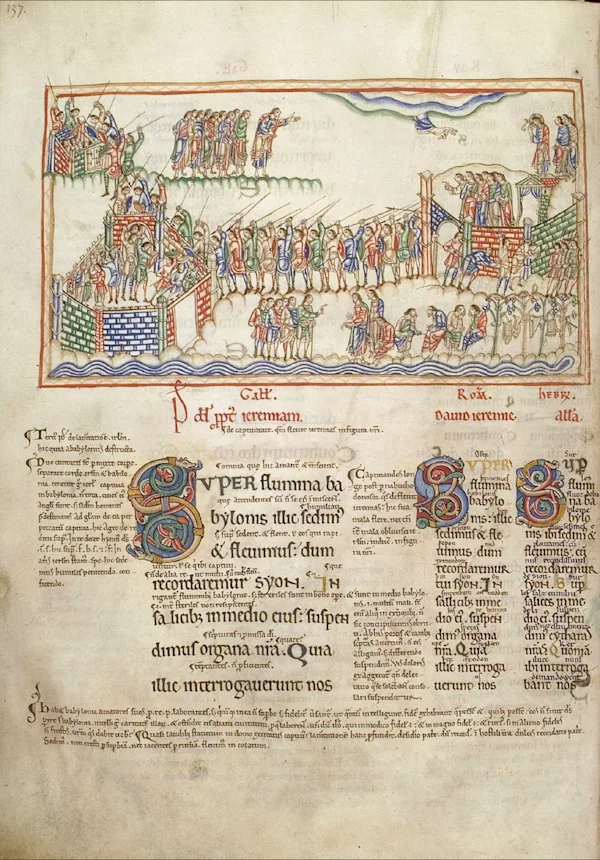
1885
The Book of Psalms (KJV)
A collection of 150 songs, prayers, and other compositions which make up the 19th book of the Old Testament. Traditionally ascribed to King David, the Psalms have played an important role for millennia in religious…
Isaiah · 1885
The Book of the Prophet Isaiah (KJV)
Isaiah was a contemporary of the prophet Amos. Like Amos, he prophesied that Israel was doomed because of the sins of her people. A distinct mark of Isaiah’s theology is the degree to which it emphasizes God’s…
Jeremiah · 1885
The Book of the Prophet Jeremiah (KJV)
Much of the Book of Jeremiah refers directly to the sensitive political situation of Judah in the late seventh and early sixth centuries B.C. Like the other prophets, Jeremiah abhorred the sin and idolatry prevalent in…
Saint Paul · 1885
The Epistle of Paul the Apostle to the Romans (KJV)
Paul the Apostle has been the most influential of the early members of the church. His writings make up nearly one-third of the New Testament. Paul's role as an apostle of the church gave him the opportunity to…
Moses · 1885
The Fifth Book of Moses, called Deuteronomy (KJV)
The fifth book of the Pentateuch (the first five books of the Hebrew Bible), also called The Law of Moses, which contains a speech given by Moses to the Israelites in Moab as they prepare to cross the Jordan river to…
Old Testament (Various Authors) · 1885
The First Book of Kings (KJV)
The King James only version from the Oxford parallel version of the Old and New Testaments with the King James Version in one column and the revised Version in another column.
Moses · 1885
The First Book of Moses, called Genesis (KJV)
The first book of the Pentateuch (the first five books of the Hebrew Bible), also called The Law of Moses, which contains an account of the beginnings of the world, of the people of Israel and their religious faith, and…
Old Testament (Various Authors) · 1885
The First Book of Samuel (KJV)
The two Books of Samuel deal with the close of the period of judges and the rise of the monarchy in Israel, especially Saul and David. The first book deals with the life of Samuel as a judge, different accounts of the…
Saint Paul · 1885
The First Epistle of Paul the Apostle to the Corinthians (KJV)
Paul the Apostle has been the most influential of the early members of the church. His writings make up nearly one-third of the New Testament. Paul’s role as an apostle of the church gave him the opportunity to…
Saint John · 1885
The Gospel According to S. John (KJV)
The Fourth Gospel of the New Testament. A parallel version with the King James Version in one column and the revised Version in another column. The Fourth Gospel and the epistles appear to have been written with a…
Saint Luke · 1885
The Gospel According to S. Luke (KJV)
The Third Gospel of the New Testament. A parallel version with the King James Version in one column and the revised Version in another column. Luke's writings stress the universality of the Christian faith, saying “that…
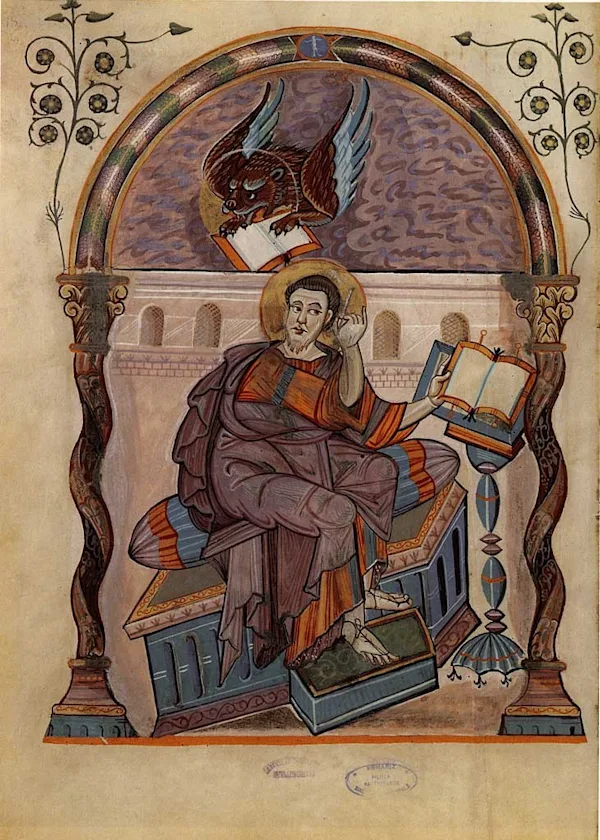
Saint Mark · 1885
The Gospel According to S. Mark (KJV)
The second Gospel in the New Testament. The Gospel According to Mark is generally accepted as the earliest of the four accounts of the life of Jesus contained in the Christian New Testament. It was written at the end of…
Saint Matthew · 1885
The Gospel according to S. Matthew (KJV)
The First Gospel of the New Testament. A parallel version with the King James Version in one column and the revised Version in another column. Unlike the apostle Paul, who focused his efforts on the Gentiles of the…
1885
The Parallel Bible. New Testament (KJV)
A parallel version of the New Testament with the King James Version in one column and the revised Version in another column. This title is also available in HTML in just the King James Version.
1885
The Parallel Bible. New Testament (Revised Version)
A parallel version of the New Testament with the King James Version in one column and the revised Version in another column. This title is also available in HTML in just the Revised Version.
1885
The Parallel Bible. Old and New Testaments (KJV and Revised Version) (PDF only)
A parallel version of the Old and New Testaments with the King James Version in one column and the revised Version in another column. This title is available only in PDF because of the enormous file size, HTML versions…
Old Testament (Various Authors) · 1885
The Parallel Bible. Old Testament (KJV)
A parallel version of the Old Testament with the King James Version in one column and the revised Version in another column. This title is also available in HTML in just the King James Version.
1885
The Parallel Bible. Old Testament (Revised Version)
A parallel version of the Old Testament with the King James Version in one column and the revised Version in another column. This title is also available in HTML in just the Revised Version.
1885
The Parallel New Testament (KJV and Revised V)
A parallel version of the New Testament with the King James Version in one column and the revised Version in another column.
1885
The Parallel Old Testament (KJV and Revised V)
A parallel version of the Old Testament with the King James Version in one column and the revised Version in another column.
Confucius · 1885
The Sacred Books of China. The Texts of Confucianism, Part IV. The Li Ki, XI-XLVI
Part of a collection of volumes dealing with the works of Confucius. This volume is subtitled “a collection of treatises on the role of propriety or ceremonial usage.”
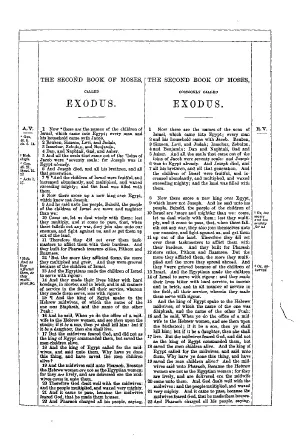
Moses · 1885
The Second Book of Moses, called Exodus (KJV)
The second book of the Pentateuch (the first five books of the Hebrew Bible), also called The Law of Moses, which contains the story of Moses who is called by God to rescue his people from oppression in Egypt. After…
Old Testament (Various Authors) · 1885
The Second Book of Samuel (KJV)
The two Books of Samuel deal with the close of the period of judges and the rise of the monarchy in Israel, especially Saul and David. The first book deals with the life of Samuel as a judge, different accounts of the…
Saint Paul · 1885
The Second Epistle of Paul the Apostle to the Corinthians (KJV)
Paul the Apostle has been the most influential of the early members of the church. His writings make up nearly one-third of the New Testament. Paul’s role as an apostle of the church gave him the opportunity to…
Philip Schaff · 1886
A Select Library of the Nicene and Post-Nicene Fathers of the Christian Church, 14 vols.
This 14 volume set contains works by Augustine and Chrysostom.
Saint Augustine · 1886
A Select Library of the Nicene and Post-Nicene Fathers of the Christian Church, Vol. 1
This volume contains St. Augustine’s famous “Confessions” and numerous letters.
Arthur Cleveland Coxe · 1886
Ante-Nicene Fathers. Volume 5: Hippolytus, Cyprian, Caius, Novatian, Appendix
Volume 5 of a 10 volume compilation of dozens of lesser known religious works from the early centuries of the Christian church.
Arthur Cleveland Coxe · 1886
Ante-Nicene Fathers. Volume 6
Volume 6 of a 10 volume compilation of dozens of lesser known religious works from the early centuries of the Christian church.
Arthur Cleveland Coxe · 1886
Ante-Nicene Fathers. Volume 7
Volume 7 of a 10 volume compilation of dozens of lesser known religious works from the early centuries of the Christian church.
Arthur Cleveland Coxe · 1886
Ante-Nicene Fathers. Volume 8
Volume 8 of a 10 volume compilation of dozens of lesser known religious works from the early centuries of the Christian church.
Saint Augustine · 1887
A Select Library of the Nicene and Post-Nicene Fathers of the Christian Church, Vol. 2
This volume contains St. Augustine’s famous work on political philosophy City of God and On Christian Doctrine.
Saint Augustine · 1887
A Select Library of the Nicene and Post-Nicene Fathers of the Christian Church, Vol. 4
This volume contains St. Augustine’s writings against the Manichaeans and against the Donatists.
Saint Augustine · 1887
A Select Library of the Nicene and Post-Nicene Fathers of the Christian Church, Vol. 5
This volume contains St. Augustine’s writings against the Pelagians.
Saint Augustine · 1887
A Select Library of the Nicene and Post-Nicene Fathers of the Christian Church. Vol. 3
This volume contains St. Augustine’s On the Holy Trinity, Doctrinal Treatises on Faith, Believing; Moral Treatises on Holy Virginity, Widowhood, Lying, Patience.
Arthur Cleveland Coxe · 1887
Ante-Nicene Fathers. Volume 10: Biographical Synopsis and Indexes
Volume 10 of a 10 volume compilation of dozens of lesser known religious works from the early centuries of the Christian church. This volume contains indexes of the previous 9 volumes
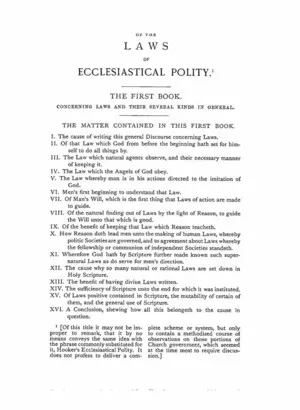
Richard Hooker · 1888
The Works of Richard Hooker, vol. 1
Volume 1 of the writings of Richard Hooker, including the editor’s introduction and the first 4 Books of his best known work Of the Laws of Ecclesiastical Polity (1594-97).
Richard Hooker · 1888
The Works of Richard Hooker, vol. 2
Volume 2 of the writings of Richard Hooker, including Book 5 of his best known work Of the Laws of Ecclesiastical Polity (1594-97).
Richard Hooker · 1888
The Works of Richard Hooker, vol. 3
Volume 3 of the writings of Richard Hooker, including Books 6-8 of his best known work Of the Laws of Ecclesiastical Polity (1594-97) and several sermons.
Richard Hooker · 1888
The Works of that Learned and Judicious Divine Mr. Richard Hooker
A three volume collection of the works of Richard Hooker.
Herbert Spencer · 1891
Essays: Scientific, Political and Speculative, 3 vols. (1891)
A three volume collection of Spencer’s essays which cover political philosophy, sociology, science, and current affairs.
Benjamin Jowett · 1894
Essays on The Epistles of St. Paul
The companion volume to the great Victorian English Greek scholar Benajmin Jowett’s translation of Paul’s Epistles. It contains many essays on the interpretation of scripture, prophecy, natural religion, faith, sin,…
Saint Paul · 1894
The Epistles of St. Paul, vol. 0 (Jowett trans.)
St. Paul’s Epistles translated by the famous Victorian Greek scholar Benjamin Jowett. Also contains much commentary and analysis by Jowett.
Saint Paul · 1894
The Epistles of St. Paul, vol. 1 (Jowett trans.)
St. Paul’s Epistles translated by the famous Victorian Greek scholar Benjamin Jowett. Also contains much commentary and analysis by Jowett.
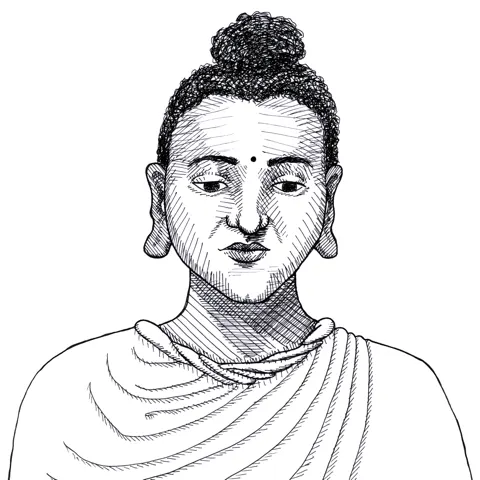
Buddha · 1894
The Gospel of Buddha
Carus was a tireless popularizer of Buddha’s thought and this is a good example of his work. It relates the life of Buddha, contains many examples of his parables, and is lavishly illustrated with numerous etchings by…
Origen · 1896
Ante-Nicene Fathers. Volume 9
Volume 9 of a 10 volume compilation of dozens of lesser known religious works from the early centuries of the Christian church.

Muhammad · 1896
The Quran, 4 vols.
Tradition holds that during the last decades of Muhammad’s life he received revelations from the angel Gabriel. Muhammad was instructed to repeat these revelations to his community as warnings or instructions from God.…
Muhammad · 1896
The Quran, vol. 1
Vol. 1 of a 4 volume edition of the Quran based upon Sale’s translation of 1734 with later commentary and notes by Wherry. Vol. 1 contains Sale’s lengthy introduction.
Muhammad · 1896
The Quran, vol. 2
Vol. 2 of a 4 volume edition of the Quran based upon Sale’s translation of 1734 with later commentary and notes by Wherry.
Muhammad · 1896
The Quran, vol. 3
Vol. 3 of a 4 volume edition of the Quran based upon Sale’s translation of 1734 with later commentary and notes by Wherry.
Muhammad · 1896
The Quran, vol. 4
Vol. 4 of a 4 volume edition of the Quran based upon Sale’s translation of 1734 with later commentary and notes by Wherry.
Thomas Hobbes · 1897
British Moralists vol. 2
Vol. 2 contains works by Samuel Clarke, Balguy, Richard Price, Hobbes, Kames, Locke, Wollaston, and others.
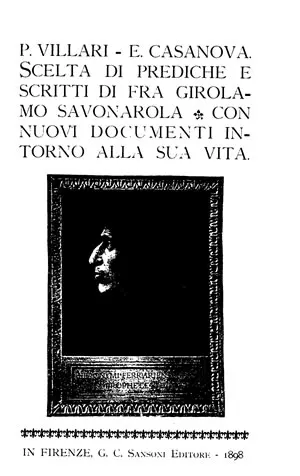
Girolamo Savonarola · 1898
Scelta de prediche e scritti
An Italian language collection of Savonarola’s sermons, poems, letters, and his major political and religious tracts.
Saint Anselm · 1903
Proslogium; Monologium; An Appendix in Behalf of the Fool by Gaunilon; and Cur Deus Homo
A collection of St. Anselm’s major religious and philosophical writings including the Proslogium in which he provides his ontological defence for the existence of God.
Jan Huss · 1904
The Letters of John Huss
A collection of Huss’ letters from 1408 to 1415.
Zarathushtra (Zoroaster) · 1905
The Teachings of Zoroaster and the Philosophy of the Parsi Religion
A collection of extracts of the most important writings and sayings of Zarathushstra the founder of the Zoroastrian religion.
Samuel Rawson Gardiner · 1906
The Constitutional Documents of the Puritan Revolution, 1625-1660
A collection of constitutional documents from the English Revolution of the mid-17th century. They include parliamentary speeches, letters and declarations by the monarch, legal proceedings, and other documents. They…
Saint Francis of Assisi · 1906
The Writings of Saint Francis of Assisi
A collection of St Francis’s writings, including various rules, letters, and prayers.
Titus Lucretius Carus · 1910
On the Nature of Things
Lucretius expounds the Epicurian view that the world can be explained by the operation of material forces and natural laws and thus one should not fear the gods or death. He had a considerable influence on writers such…
Saint Augustine · 1910
The Soliloquies
A more intimate and immediate view of Augustine at the time of his conversion to Christianity than is given by the later work The Confessions.
Misc (Upanishads) · 1914
Thirty Minor Upanishads
A selection from the very many Upanishads in the Indian tradition. These are based upon themes such as the Vedanta, physiological, mantras, Sannyasa, and Yoga.
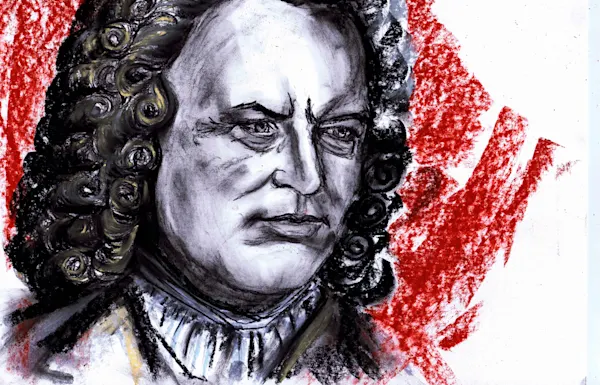
Johann Sebastian Bach · 1915
Bach’s Chorals, 3 vols.
A three volume work on Bach’s Chorals with detailed commentary, melodies, translations, and analysis of these great pieces of music. Vol. 1 contains The Hymns and Hymn Melodies of the “Passions” and Oratorios; vol. 2…
Johann Sebastian Bach · 1915
Bach’s Chorals, vol. 1 The Hymns and Hymn Melodies of the “Passions” and Oratorios
Part of a three volume work on Bach’s Chorals with detailed commentary, melodies, translations, and analysis of these great pieces of music. Vol. 1 contains The Hymns and Hymn Melodies of the “Passions” and Oratorios;…
Walter Bagehot · 1915
The Works and Life of Walter Bagehot, vol. 6
This volume contains Lombard Street, essays on Guizot & Cairnes, and The Depreciation of Silver.
Saint Bede · 1916
The Ecclesiastical History of the English Nation (and Lives of Saints and Bishops)
The Venerable Saint Bede was an important Anglo-Saxon theologian and historian. He is generally best remembered for his Ecclesiastical History of the English Nation, a work considered to be one of the best sources for…
Misc (Rigveda) · 1917
A Vedic Reader for Students
To see the original Sanskrit version of the hymns please see the facsimile PDF version of the text.
Johann Sebastian Bach · 1917
Bach’s Chorals, vol. 2 The Hymns and Hymn Melodies of the Cantatas and Motetts
Part of a three volume work on Bach’s Chorals with detailed commentary, melodies, translations, and analysis of these great pieces of music. Vol. 1 contains The Hymns and Hymn Melodies of the “Passions” and Oratorios;…
John Emerich Edward Dalberg, Lord Acton · 1917
Selections from the Correspondence of the First Lord Acton, Vol. I
A selection from Acton’s large mass of correspondence including a number to Gladstone on the budget, foreign affairs, Acton’s library, and women’s suffrage.
Mahabharata · 1917
The Ramayana and the Mahabharata
A condensed version (in verse) of two Indian classics of religious poetry.
John Cecil Cadoux · 1919
The Early Christian Attitude to War
Published shortly after the First World War, this book is an examination of Christian ethics regarding war and peace which begins with the teachings of Jesus and continues through the first 2 centuries of the Christian…

Muhammad · 1920
The Holy Qur-an (Koran) (Arabic and English)
Tradition holds that during the last decades of Muhammad’s life he received revelations from the angel Gabriel. Muhammad was instructed to repeat these revelations to his community as warnings or instructions from God.…
Johann Sebastian Bach · 1921
Bach’s Chorals, vol. 3 The Hymns and Hymn Melodies of the Organ Works
Part of a three volume work on Bach’s Chorals with detailed commentary, melodies, translations, and analysis of these great pieces of music. Vol. 1 contains The Hymns and Hymn Melodies of the “Passions” and Oratorios;…
Al Ghazali · 1921
Some Religious and Moral Teachings
A selection of passages taken from Ghazzali’s longer works.
Misc (Upanishads) · 1921
The Thirteen Principal Upanishads
These are commentaries on the Hindu sacred texts known as the Vedas.
Saint Benedict · 1931
The Rule of St. Benedict
The Benedictine Rule was much more than a spiritual plan; it was a complete administrative package that included a workable daily regime. Moreover, Saint Benedict recognized the limitations of humanity and provided for…
John Calvin · 1938
Puritanism and Liberty, being the Army Debates (1647-9)
This collection contains the Putney Debates, the Whitehall Debates, and numerous other documents about Puritan religious and political views during the English Revolution. The collection has pieces by many authors…
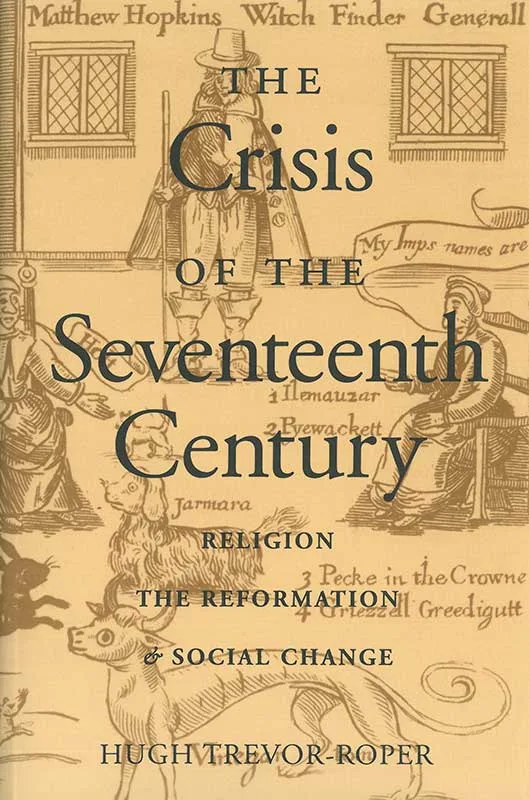
Hugh Trevor-Roper · 1967
The Crisis of the Seventeenth Century
The Crisis of the Seventeenth Century collects nine essays by Trevor-Roper on the themes of religion, the Reformation, and social change. As Trevor-Roper explains in his preface, “the crisis in government, society, and…
Ellis Sandoz · 1991
Political Sermons of the American Founding Era. Vol. 1 (1730-1788)
Volume I of a large two volume collection of sermons written between 1730-1805 by people such as Jonathan Mayhew, John Wesley, Moses Mather, John Witherspoon, Richard Price, Jonathan Edwards, and Noah Webster.
William Emerson · 1991
Political Sermons of the American Founding Era. Vol. 2 (1789-1805)
Volume 2 of a large two volume collection of sermons written between 1730-1805 by people such as Jonathan Mayhew, John Wesley, Moses Mather, John Witherspoon, Richard Price, Jonathan Edwards, and Noah Webster.
Ralph McInerny · 2002
The Intellectual Portrait Series: A Conversation with Ralph McInerny
Ralph McInerny talks about his work on Thomas Aquinas, catholic political and religious thought, and his best-selling Father Dowling mystery novels.
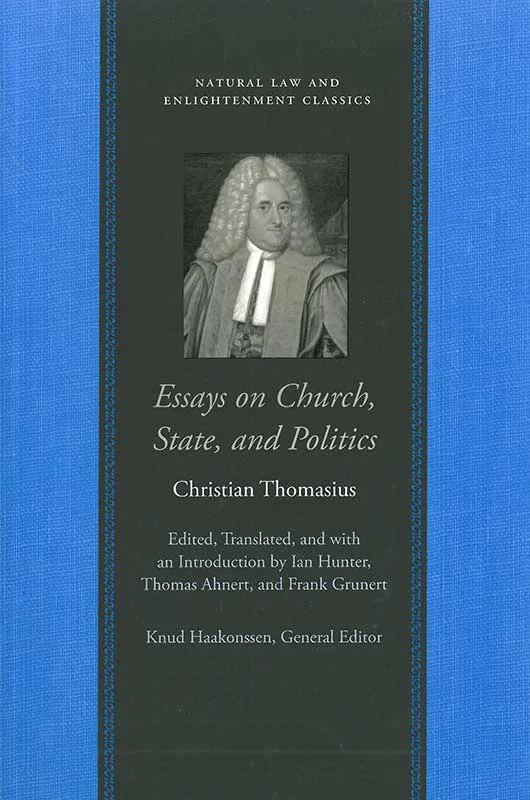
Christian Thomasius · 2007
Essays on Church, State, and Politics
The essays selected here for translation derive largely from Thomasius’s work on Staatskirchenrecht, or the political jurisprudence of church law. These works, originating as disputations, theses, and pamphlets, were…
Paul Heyne · 2008
“Are Economists Basically Immoral?” and Other Essays on Economics, Ethics, and Religion
Heyne’s writings are unique in that he takes the critics of the free market order seriously and addresses their arguments directly, showing how they are defective in their understanding of economics and in their ethical…
John Locke · 2010
A Letter concerning Toleration and Other Writings
Part of the Thomas Hollis Library published by Liberty Fund. This volume contains A Letter Concerning Toleration, excerpts of the Third Letter, An Essay on Toleration, and various fragments.
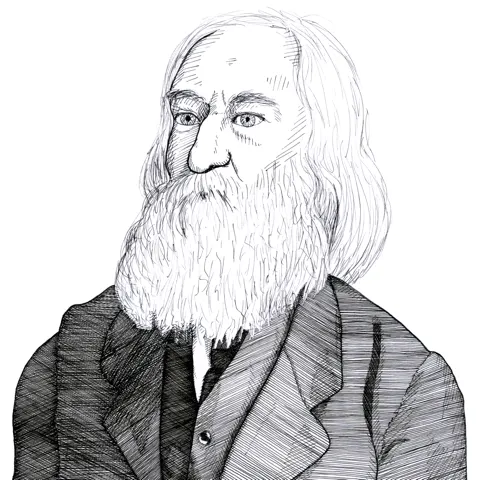
Lysander Spooner · 2010
The Shorter Works and Pamphlets of Lysander Spooner, 2 vols. (1834-1884)
This is a compilation of Spooner’s shorter works and pamphlets. Vol. 1 contains works on deism, law, poverty, the post office, and money, which were published between 1834 and 1861. Vol. 2 contains works on money and…
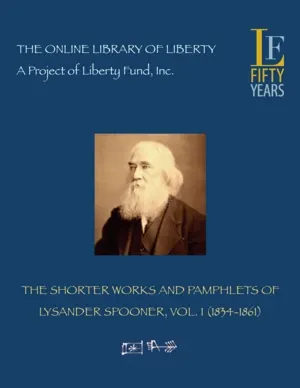
Lysander Spooner · 2010
The Shorter Works and Pamphlets of Lysander Spooner, Vol. 1 (1834-1861)
This is a compilation of Spooner’s shorter works on deism, law, poverty, the post office, and money, which were published between 1834 and 1861.
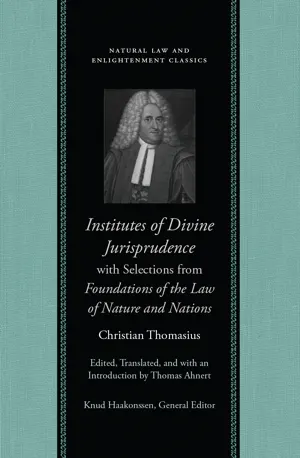
Christian Thomasius · 2011
Institutes of Divine Jurisprudence. With Selections from Foundations of the Law of Nature and Nations
First published in 1688, Thomasius’s Institutes attempted to draw a clear distinction between natural and revealed law and to emphasize that human reason was able to know the precepts of natural law without the aid of…
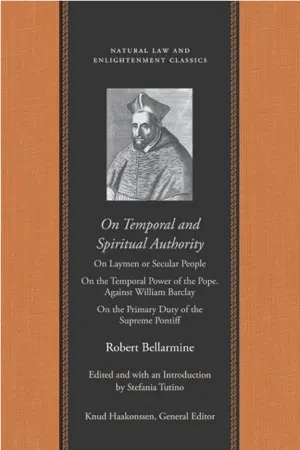
Robert Bellarmine · 2012
On Temporal and Spiritual Authority
The political thought of Bellarmine was at the center of post-Reformation debates on the relationship between state and church; on the nature, aim, and limits of temporal government; and on the relation between religion…
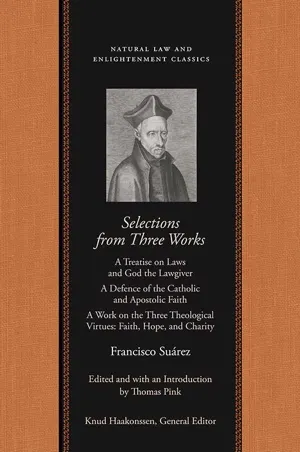
Francisco Suárez · 2015
Selections from Three Works
The bulk of the selections in this volume are from A Treatise on Laws and God the Lawgiver (1612). In the Treatise Suárez presented a systematic account of human moral activity in all its dimensions, synthesizing the…
Lysander Spooner · 2015
The Collected Works of Lysander Spooner (1834-1886), in one vol.
This a draft of the second edition of the collected works of the 19th century American legal theorist and abolitionist Lysander Spooner in chronological order of the year of publication. It is in a single large file in…
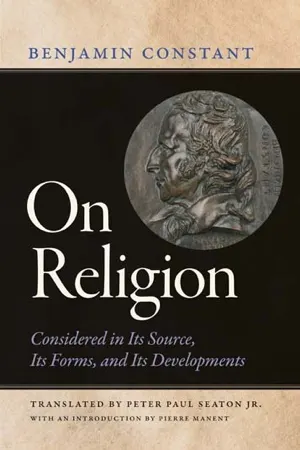
Benjamin Constant · 2017
On Religion Considered in Its Source, Its Forms, and Its Developments
Constant worked on this study of humanity’s religious forms and development throughout his life, publishing five volumes between 1824 and 1831. He sought to relate religious forms to historical contexts and…
Lysander Spooner · 2018
The Collected Works of Lysander Spooner (1834-1886), in 5 vols.
This is a five volume collection of the works of the 19th century American legal theorist and abolitionist Lysander Spooner. It is in chronological order of the year of publication. A full list of Spooner's works in…
Lysander Spooner · 2018
The Collected Works of Lysander Spooner (1834-1886), vol. 1 (1834-1850)
This a 5 volume collection of the works of the 19th century American legal theorist and abolitionist in chronological order of the year of publication. Vol. 1 contains 10 pieces from the period 1834-1850.
In this collection
Key People
79 people central to Religion.

Mustafa Akyol
b. 1972
Mustafa Akyol is a senior fellow at the Cato Institute, where he focuses on the intersection of public policy, Islam, and modernity.
Maulvi Muhammed Ali
1874–1951
Maulvi Muhammed Ali translated the Koran into English early in the 20th century. His edition was a bilingual one and contained a lengthy…

Ambrose
339–397
Ambrose is one of the four traditional Fathers of the Christian church. While he was serving as the governor of Milan, Ambrose was drafted…
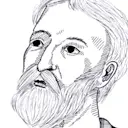
Amos
d. 745 BC
Amos was among the earliest of the Hebrew prophets to have a biblical book named after him. He was born in the kingdom of Judah sometime in…
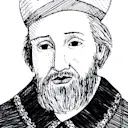
Saint Anselm
1033–1109
Saint Anselm of Canterbury (1033-1109) is generally considered to be the founder of the philosophical school of Scholasticism. He was a…
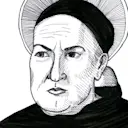
St. Thomas Aquinas
1225–1274
Aquinas was born near Aquino, Sicily and was an Italian Dominican theologian whose scholarship propelled him to the first rank among the…
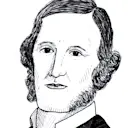
Thomas Henry Arnold (the younger)
1823–1900
Arnold taught at the University of Oxford and edited the works of John Wyclif. He is the grandfather of author Aldous Huxley.
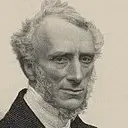
Robert Ashton
1798–1878
Ashton was the Secretary of the Congregational Board in London in the mid-19th century.

Saint Francis of Assisi
1181–1226
Saint Francis of Assisi founded the Franciscan order and was an important participant in the religious revival of the late Middle Ages.
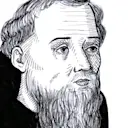
Saint Augustine
354–430
Saint Augustine was bishop of Hippo in Roman Africa from 396 to 430 and may have been the most important theologian of the early Christian…
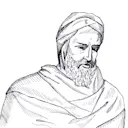
Averroes (Ibn Rushd)
1126–1198
Averroes (also Ibn Rushd) is best known for his numerous commentaries on Aristotle and Plato. Born into a good family with a distinguished…
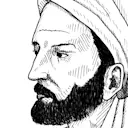
Avicenna
980–1037
Avicenna (Ibn Sina) was a Persian philosopher and physician during the Islamic Golden Age, A devout Muslim, Avicenna was keen to prove the…
Saint Bede
672–735
The Venerable Saint Bede was an important Anglo-Saxon theologian and historian. He is generally best remembered for his Ecclesiastical…
Robert Bellarmine
1542–1621
Robert Bellarmine (1542–1621) was a Jesuit cardinal and a celebrated professor of theology at the Roman College, of which he became rector…
Saint Benedict
480–547
Saint Benedict 480-547) is generally considered to be the father of Western monasticism. His founding of the monastery at Monte Cassino and…
John Brown
1715–1766
John Brown studied at Cambridge and took orders shortly thereafter. He defended the Whig cause both in the battle of Carlisle in 1745 and…
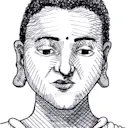
Buddha
560 BC–480 BC
The person known generally as the Buddha (500 BC) is credited with beginning a spiritual movement that shaped the institutional and…

Jesus Christ
3 BC–30
Jesus of Nazareth is the name of the prophet believed by his followers to be the Son of God and the Messiah whose coming was prophesied in…
Commodianus
Commodianus was a Latin poet who wrote in defence of Chistianity.

Confucius
551 BC–479 BC
Confucius is China’s most famous teacher, philosopher, and political theorist. In a time of great political upheaval, he sought an…
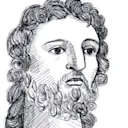
King David
1010 BC–970 BC
King David was the most powerful king of biblical Israel who ruled from 1010 BC to 970 BC. He expanded the size of his kingdom, created a…
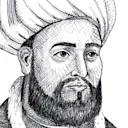
Al Ghazali
1058–1111
Al Ghazali is known as one of the great philosophers and theologians of Islam. He wrote on various subjects, including a critique of…

Daniel Ross Goodman
Daniel Ross Goodman is a writer, rabbi, and scholar from western Massachusetts. He holds a Ph.D. from the Jewish Theological Seminary of…

Steven Grosby
Steven Grosby is Professor Emeritus of Religion at Clemson University.
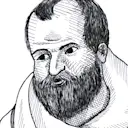
Hosea
b. 800 BC
Hosea, a minor prophet, wrote the first of the twelve prophetic books of the Old Testament. He preached in the kingdom of Israel about the…
Isaiah
d. 7 BC
Isaiah was a contemporary of the prophet Amos. Like Amos, he prophesied that Israel was doomed because of the sins of her people. The two…
Job
b. 600 BC
Job is the central character in an ancient story written down as the Book of Job in either the fifth or sixth century B.C.
Saint John
John the Apostle is traditionally considered to be the author of the three Epistles of John, the Fourth Gospel, and Revelation.
Shapurji Aspaniarji Kapadia
b. 1857
Kapadia wrote on Buddhism and Zorastrianism in the early 20th century.
Saint Luke
d. 84
Among Christians, Luke is customarily regarded as the author of the Third Gospel and the Acts of the Apostles. He was a companion of the…

Martin Luther
1483–1546
Martin Luther, an Augustinian priest, biblical scholar, and linguist, was born and died in Eisleben, Saxony, a duchy in northwestern…
Mahabharata
1400 BC–1000 BC
Based on events from about 1400-1000 B.C., the Mahabharata (the great epic of the Bharata dynasty) is one of the two major epics of India.
Daniel J. Mahoney
b. 1960
Daniel J. Mahoney holds the Augustine Chair in Distinguished Scholarship at Assumption University and is a Senior Writer at Law & Liberty.
Moses Maimonides
1135–1204
Moses Maimonides was one of the foremost intellectuals of medieval Judaism. He was born in the city of Córdoba in Islamic Spain, and he…
Saint Mark
Mark was born sometime in the first century A.D. and is said to have died in Alexandria, Egypt. Information about his life is fragmentary.…

Melissa Matthes
b. 1964
Melissa Matthes is currently full professor at the United States Coast Guard Academy where she teaches courses in religion and politics,…
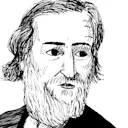
Saint Matthew
d. 74
One of the Twelve Apostles, Matthew is traditionally considered the author of the first of the three synoptic Gospels. Very little is known…

Mencius
371 BC–289 BC
Mencius was born into a minor noble family in the small state of Tsou in the present-day province of Shandong, As a young scholar Mencius…
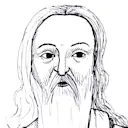
Micah
740 BC–670 BC
Micah wrote the sixth of the twelve prophetic books of the Old Testament and was active in the last half of the eighth century B.C.
Sir Thomas More
1478–1535
Sir Thomas More (1478-1535) was an English lawyer, privy councillor, and Speaker of the House of Parliament before he ran afoul of the…
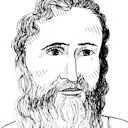
Moses
Moses was the Hebrew leader and prophet who delivered his people from Egyptian slavery in the thirteenth century B.C. He was successful in…
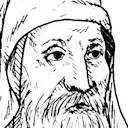
Origen
185–254
Origen was one of the most important theologians and biblical scholars of the early Greek church.
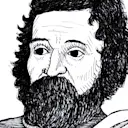
Saint Paul
10–67
St. Paul the Apostle (10-67) was one of the most influential members of the early Christian church whose writings make up nearly one-third…
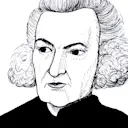
Richard Price
1723–1791
Richard Price was a Welsh-born liberal Presbyterian minister and moral philosopher. Price is perhaps best known for his vigorous defence of…
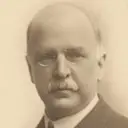
Ernest Cushing Richardson
1860–1939
Richardson collaborated on the 10 volume edition of the Ante-Nicene Fathers.
Joseph Rickaby, S.J.
1845–1932
Rickaby was a Jesuit priest who translated the works of Thomas Aquinas into English and wrote several books on moral philosophy. He was…
Alexander Roberts
1826–1901
One of the editors of the 10 volume collection of writings of the Anti-Nicen Fathers.
Father Paschal Robinson
1870–1948
Fr. Robinson taught at a Franciscan Convent in Paterson, New Jersey in the early 20th century. He also translated the works of St. Francis…
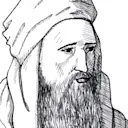
Samuel
1070 BC–1010 BC
Samuel was important in the transition of Israel from a tribal existence under the judges to the establishment of a monarchy. He is…
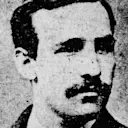
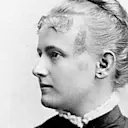
Vida Dutton Scudder
1861–1954
Vida Scudder was a prolific author who published in the early 20th century on topics as diverse as English literature, Christianity, and…
Reverend J.F. Shaw
Shaw translated Augustine's *On Christian Doctrine" for Schaff's edition of the Nicene fathers.
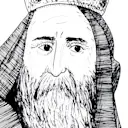
King Solomon
990 BC–931 BC
King Solomon, the son of King David, was renowned for his wisdom and many of his sayings were collected in the Book of Proverbs, a book of…
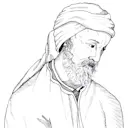
Tertullian
155–230
Tertullian was born in Carthage (modern Tunisia) and one of the leaders of the early Christian church.
New Testament
Firstly, the New Testament is often known as a collection of writings by Matthew, Mark, Luke, John, Paul, James, and Jude. There is much…
Rev. T. Thompson
d. 1917
Not much is known about Thompson, except that he was commissioned by the Society for Promoting Christian Knowledge to translate a work by…

Obbie Tyler Todd
b. 1986
Obbie Tyler Todd is the pastor of Third Baptist Church of Marion, Illinois and serves as adjunct professor of theology at Luther Rice…
Stefania Tutino
b. 1977
Stefania Tutino is a Professor of History and Religious Studies, University of California, Santa Barbara.
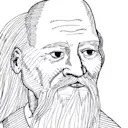
Lao Tzu
b. 600 BC
Lao Tzu (or Laozi) is remembered as the first philosopher of Taoism. He is often cited as a contributor to, if not the author of, the…

Mo Tzu
Mo Tzu was a philosopher whose ideas rose to prominence in the third and second centuries BCE and briefly rivaled Confucianism as the…
Misc (Upanishads)
The Upanishads, the commentaries in verse of the great teachers of Hinduism on the sacred texts of the Vedas, are central to the Hindu…

Francisco de Vitoria
1483–1546
Francisco de Vitoria (1483 –1546) was a Spanish friar and writer. He is best remembered for defending the rights of the New World Indians…
John Wade
1788–1875
John Wade (1788-1875) was a member of the English radicals which formed around Francis Place and Jeremy Bentham in the early 19th century.
Rev. Elwood Morris Wherry
1843–1927
Wherry was an Anglican minister who did missionary work in India and edited an English translation of the Quran.
Charles Wilkins
1749–1836
Charles Wilkins (1749-1836) trained as a printer before working for the East India company. He became an expert in oriental languages…
Elisha Williams
1694–1755
Elisha Williams (1694-1755) was educated at Harvard and served as the 4th Rector of Yale College from 1726-39. He was a minister, jurist,…
Roger Williams
1603–1683
Roger Williams (1603 – 1683) was a Puritan minister, theologian, and the founder of Rhode Island. He was a staunch advocate for religious…
Arthur Sutherland Pigott Woodhouse
1895–1964
Woodhouse wrote on Milton and edited a collection of documents and manuscripts on the Puritan Revolution in England.
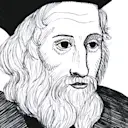
John Wyclife
1330–1384
Wycliffe was a member of the faculty of Oxford University and an early crusader for Christian reform in England.
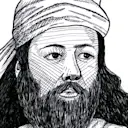
Zarathushtra (Zoroaster)
628 BC–522 BC
Zarathushtra founded Zoroastrianism, which was a prominent religious force and the official faith under the later Achaemenian Kings…
Simone Zurbuchen
b. 1960
Simone Zurbuchen is Professor of Philosophy at the University of Fribourg, Switzerland. Zurbuchen is the author of Naturrecht und…
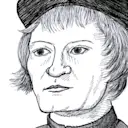
Huldrych Zwingli
1484–1531
Huldrych Zwingli was a leading figure in the Protestant Reformation in Switzerland. Unlike Martin Luther’s movement, however, Zwingli’s…
In this collection
Essays and Publications
From The Reading Room, Liberty Matters and the library’s other publications.
 Reading Room
Dante, Statius, Virgil and the Nature of Being in Dante’s Divine Comedy
Alexander Schmid · May 07, 2025
 Reading Room
OLL's March Birthday: Maimonides (30 March 1135 [?] – 12 December 1204)
Peter Carl Mentzel · Mar 30, 2025
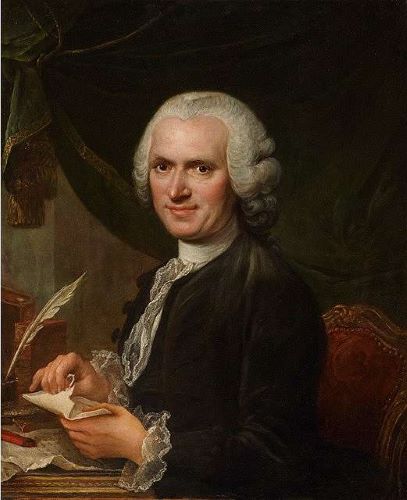
 Reading Room
Dante and the Symbolic Meaning of the Colors of Christmas
Alexander Schmid · Dec 15, 2023



 Reading Room
The Institutes of the Christian Religion and Calvin’s Lasting Reforms
Philip D. Bunn · Nov 08, 2023
 Reading Room
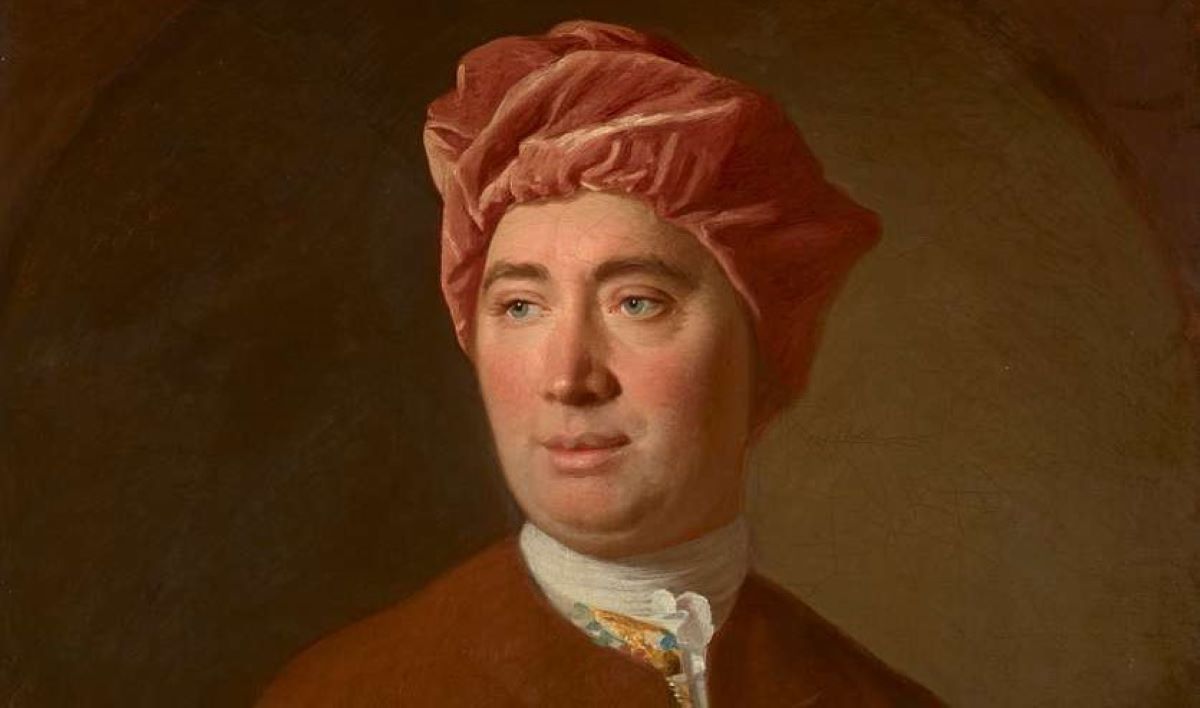
David Hume’s Great Work on Religion Is Banned, Along with All His Books
Walter Donway · Oct 25, 2023
 Reading Room
The Knight’s Tale and its Critics: Chaucer’s Response to Boethius’ Consolation of Philosophy
Nathaniel Birzer · Oct 22, 2023
 Reading Room
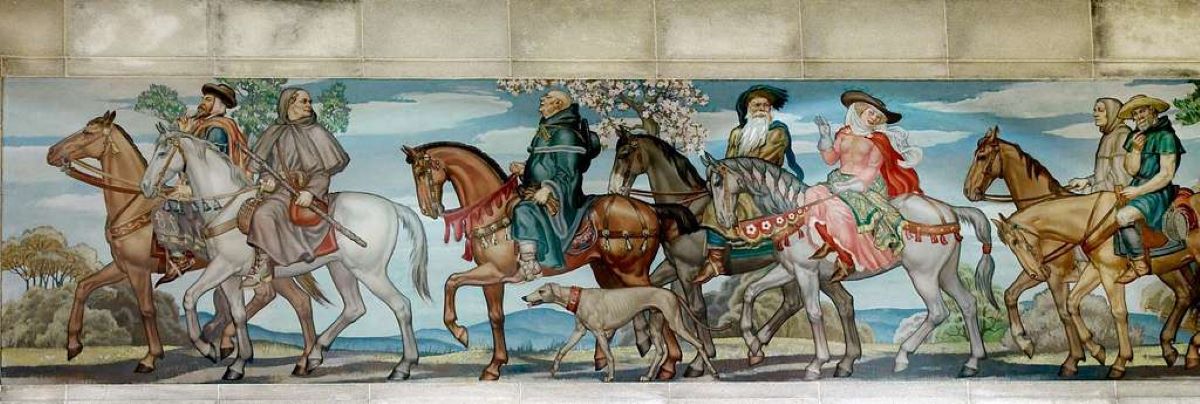
Character Description in the Prologue: Chaucer’s Challenge and Threat to England’s Religious
Nathaniel Birzer · Oct 15, 2023
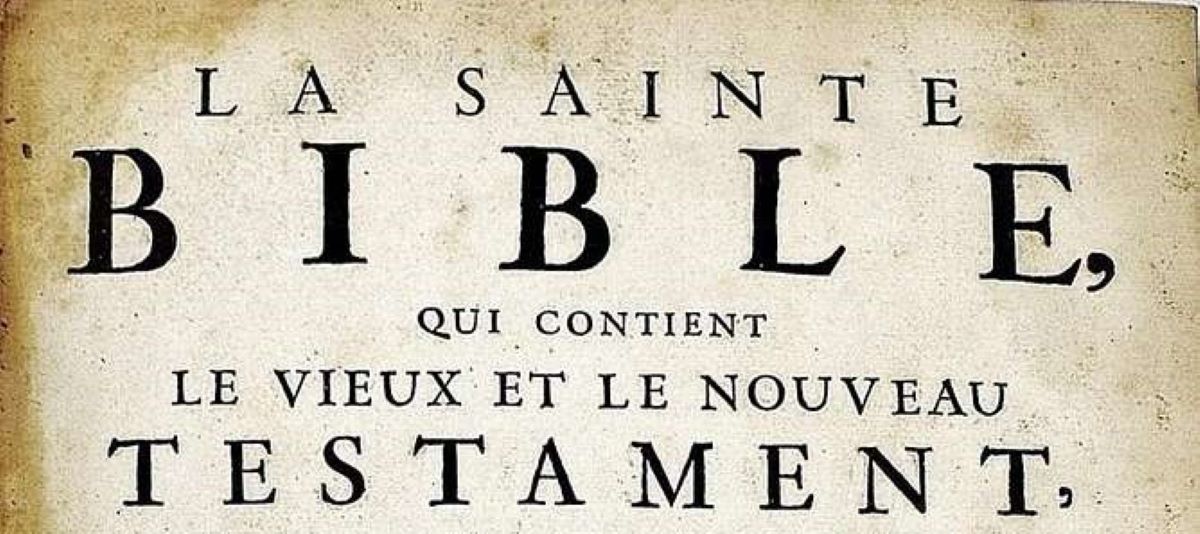 Reading Room
The Continuing Story of the Banning and Censoring of the Bible
David V. Urban · Oct 05, 2023
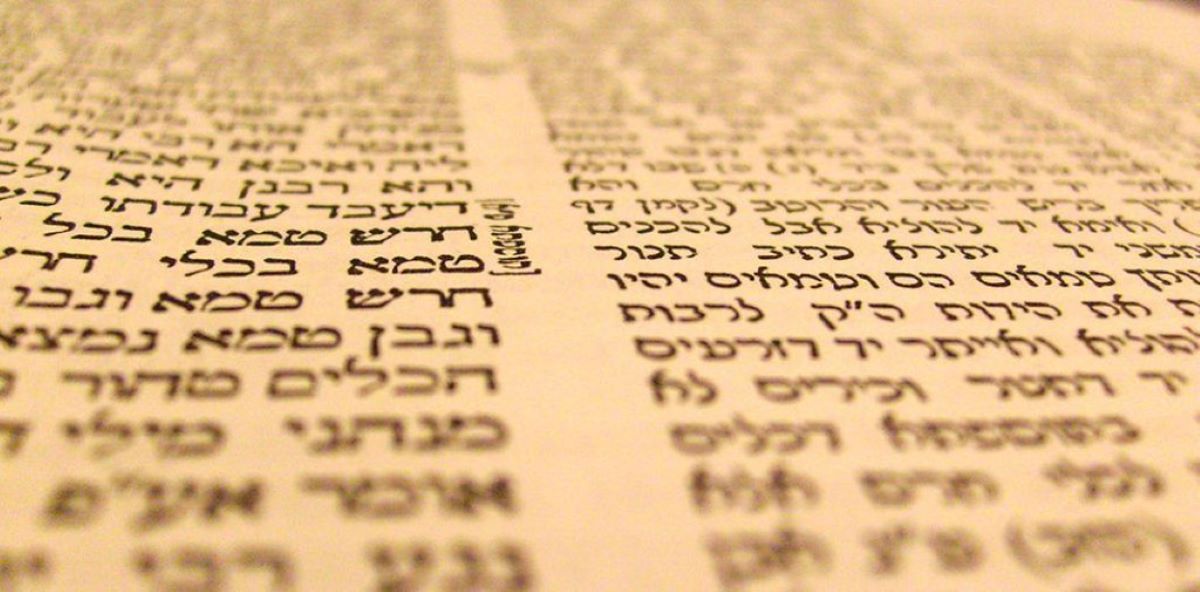
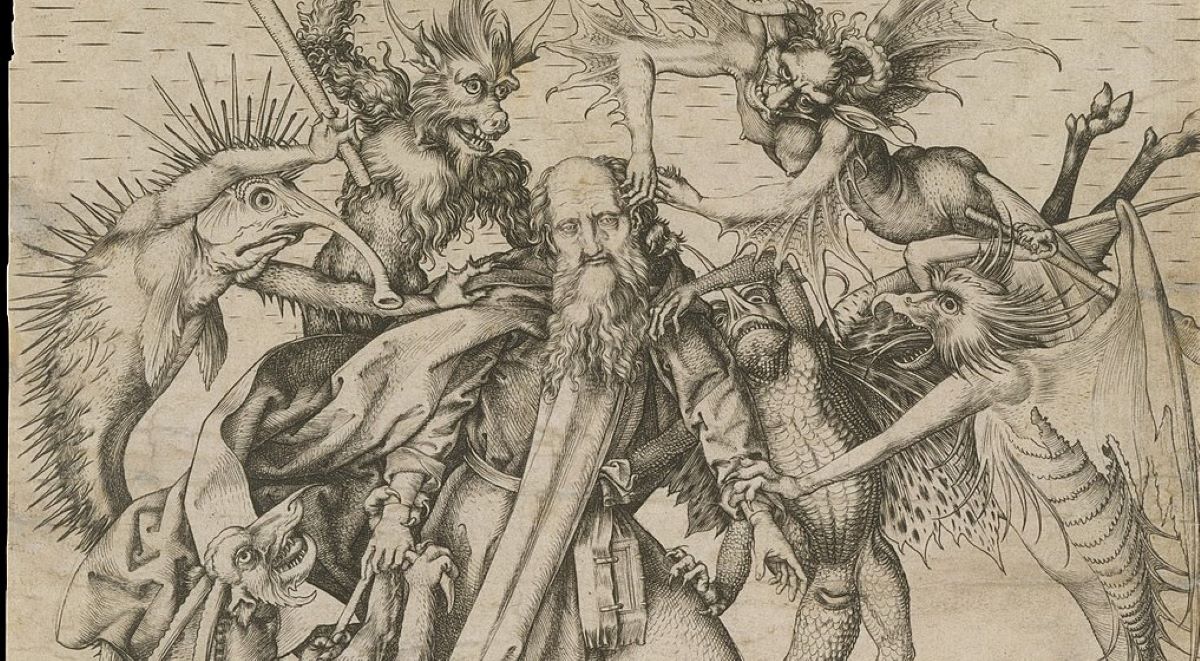 Reading Room
Nefarious Letters: the Rhetoric of the Diabolic in “Nefarious”
Nathaniel Birzer · Sep 07, 2023
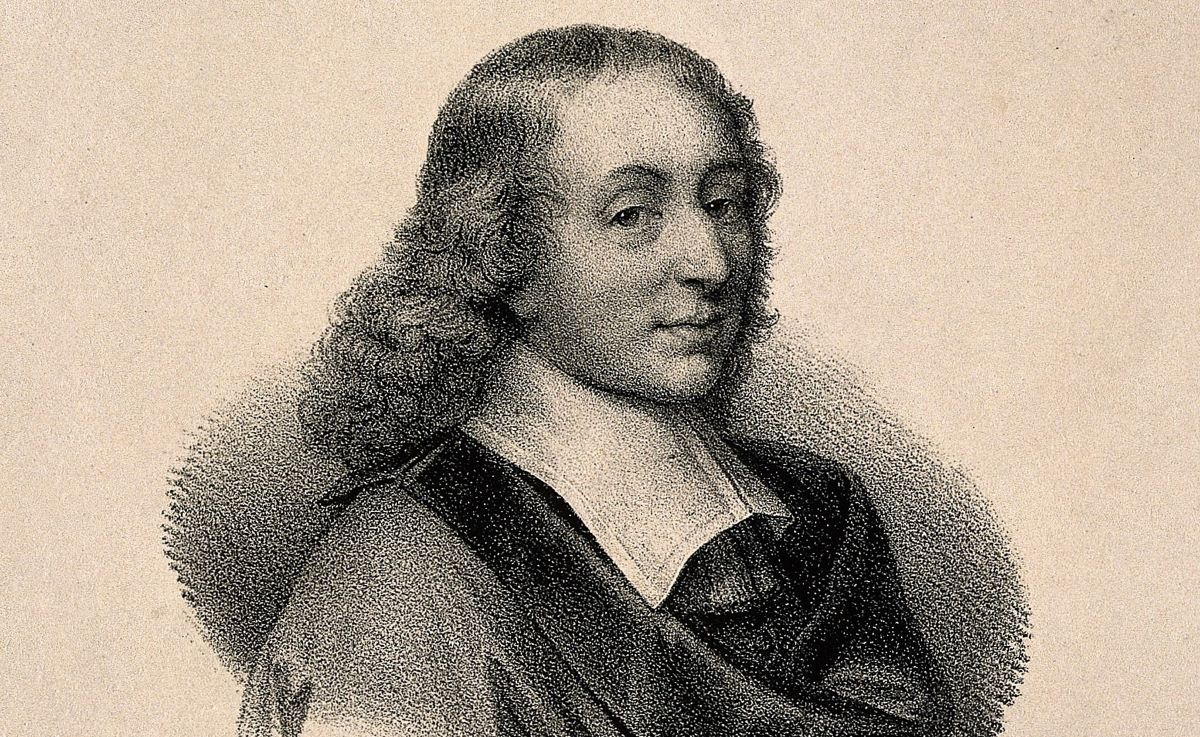
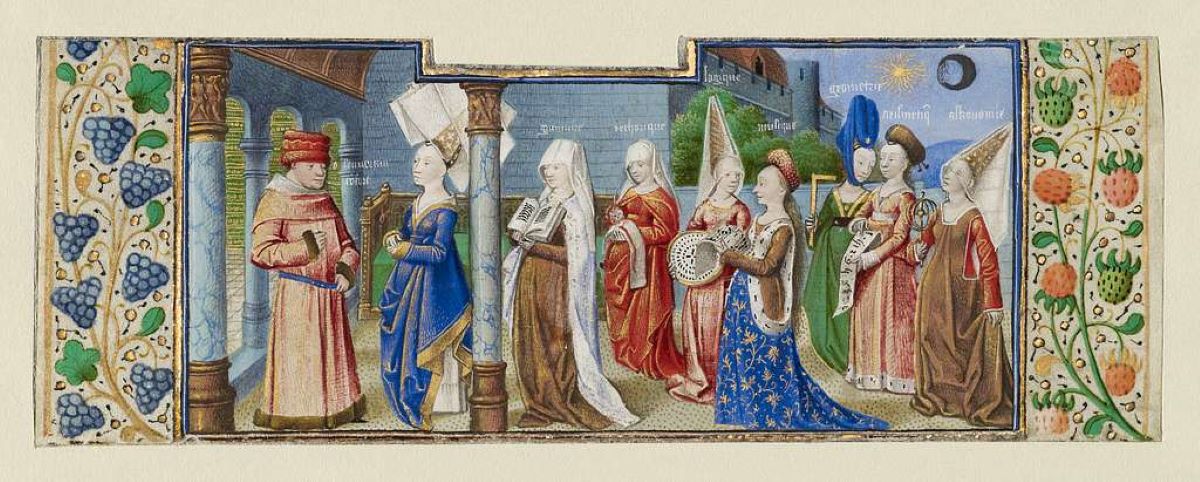 Reading Room
Scholasticism: How a Philosophical Monopoly Succumbs to New Ideas
Walter Donway · Jul 19, 2023

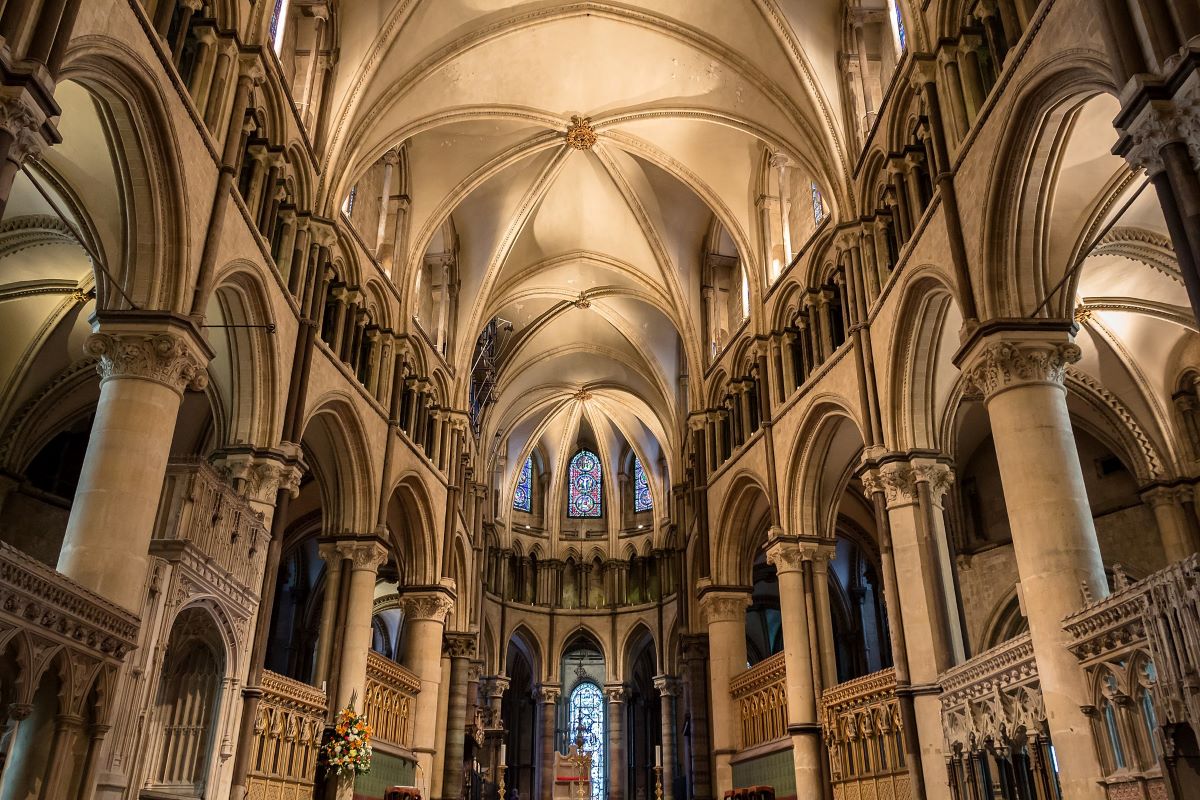 Reading Room
T.S. Eliot’s Merging of the Classical and the Christian in Drama
Nathaniel Birzer · Apr 06, 2023
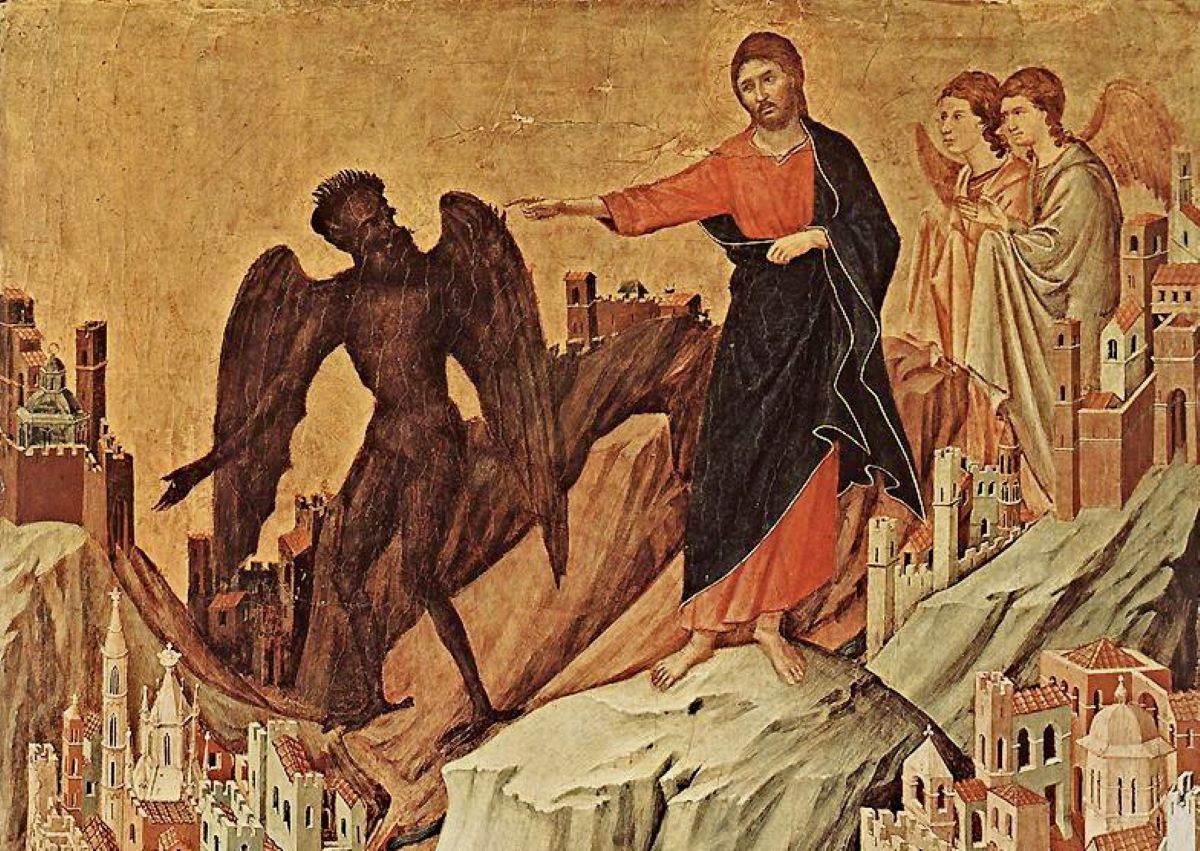
 Reading Room
John Toland's Tetradymus: From the Liberty Fund Rare Book Room
Sarah Skwire · Feb 17, 2023
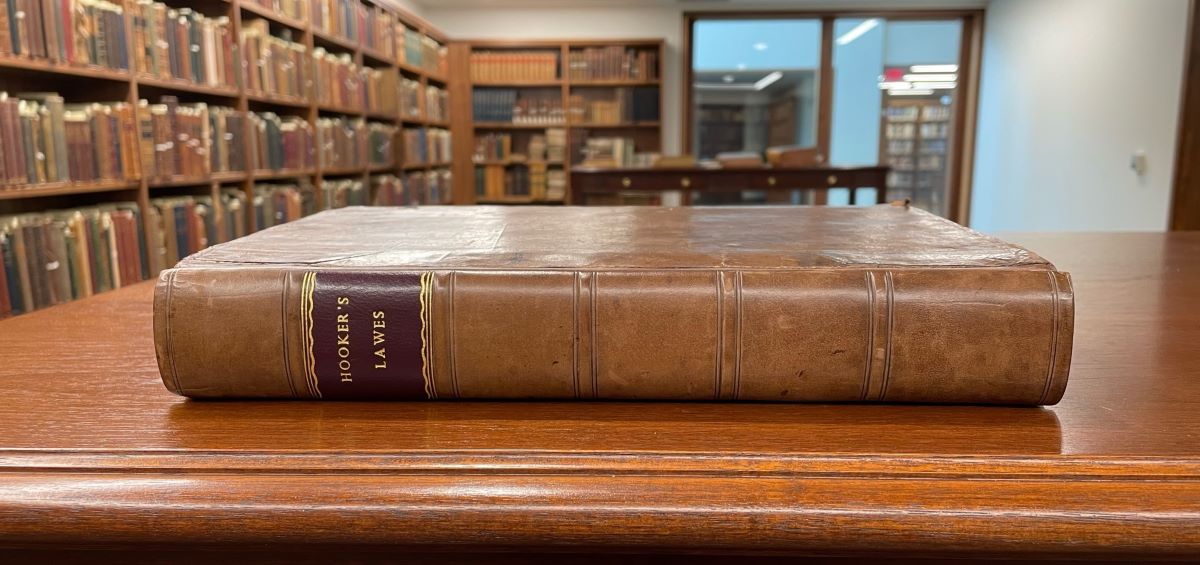 Reading Room
Hooker's Lawes of Ecclesiastical Polity: From the Liberty Fund Rare Book Room
Sarah Skwire · Jan 27, 2023
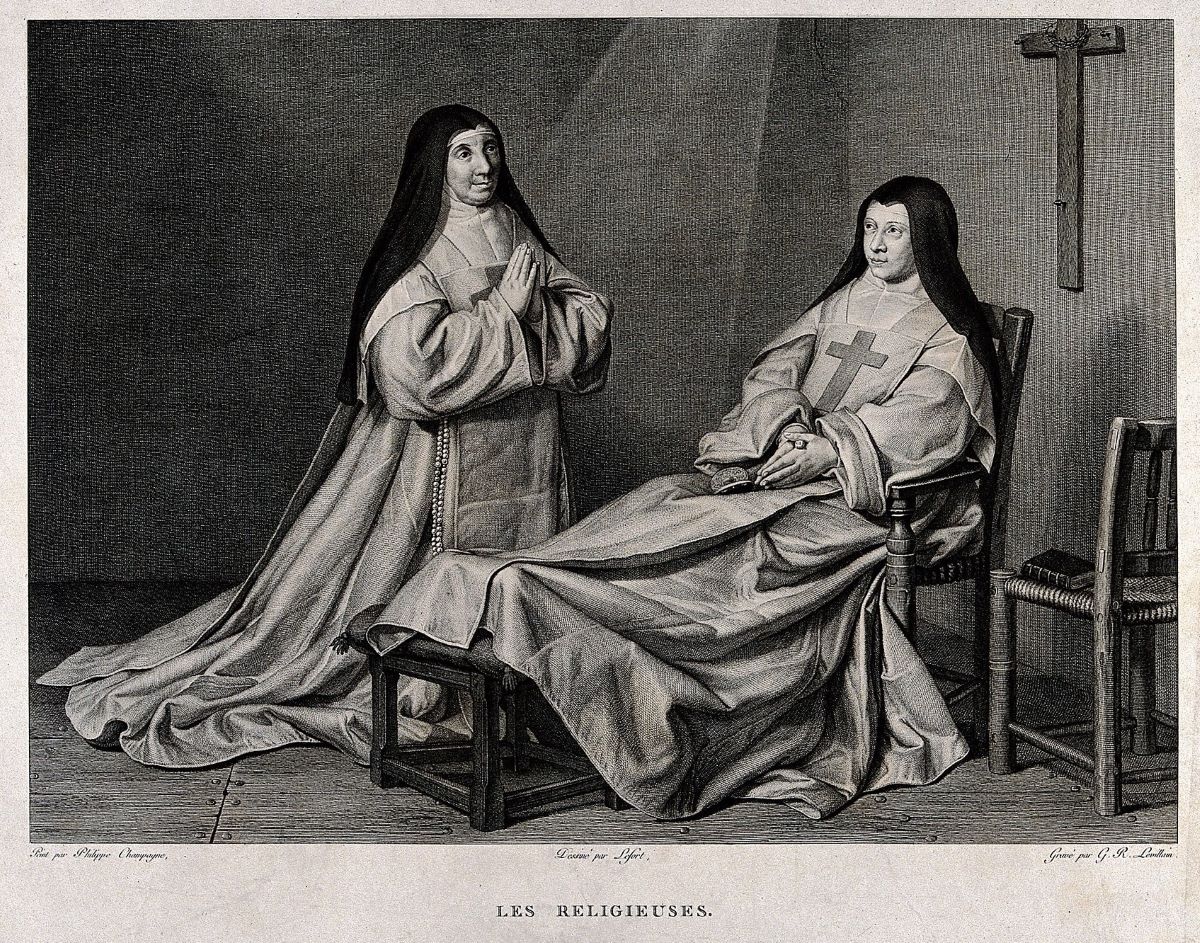
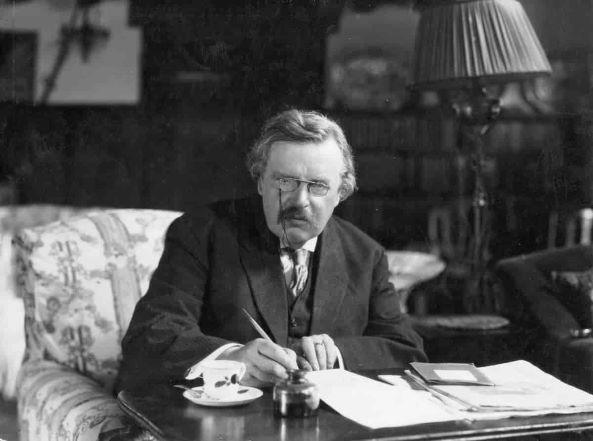
 Reading Room
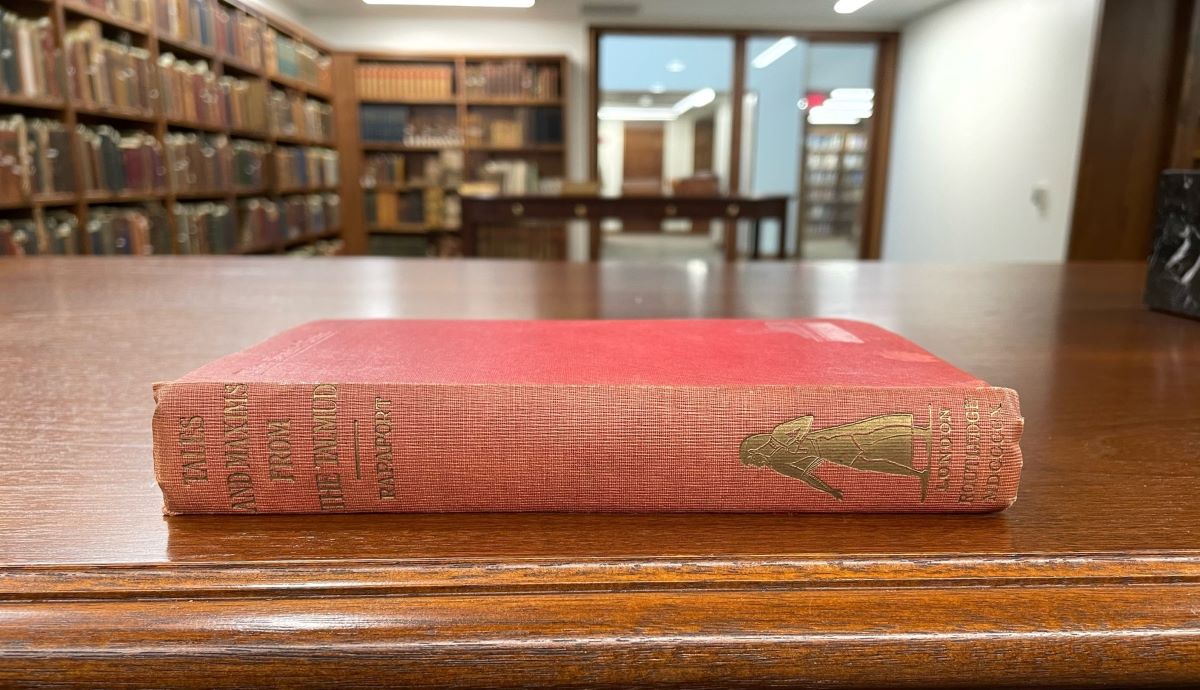
Tales and Maxims from the Talmud: From the Liberty Fund Rare Book Room
Sarah Skwire · Dec 16, 2022
 Reading Room
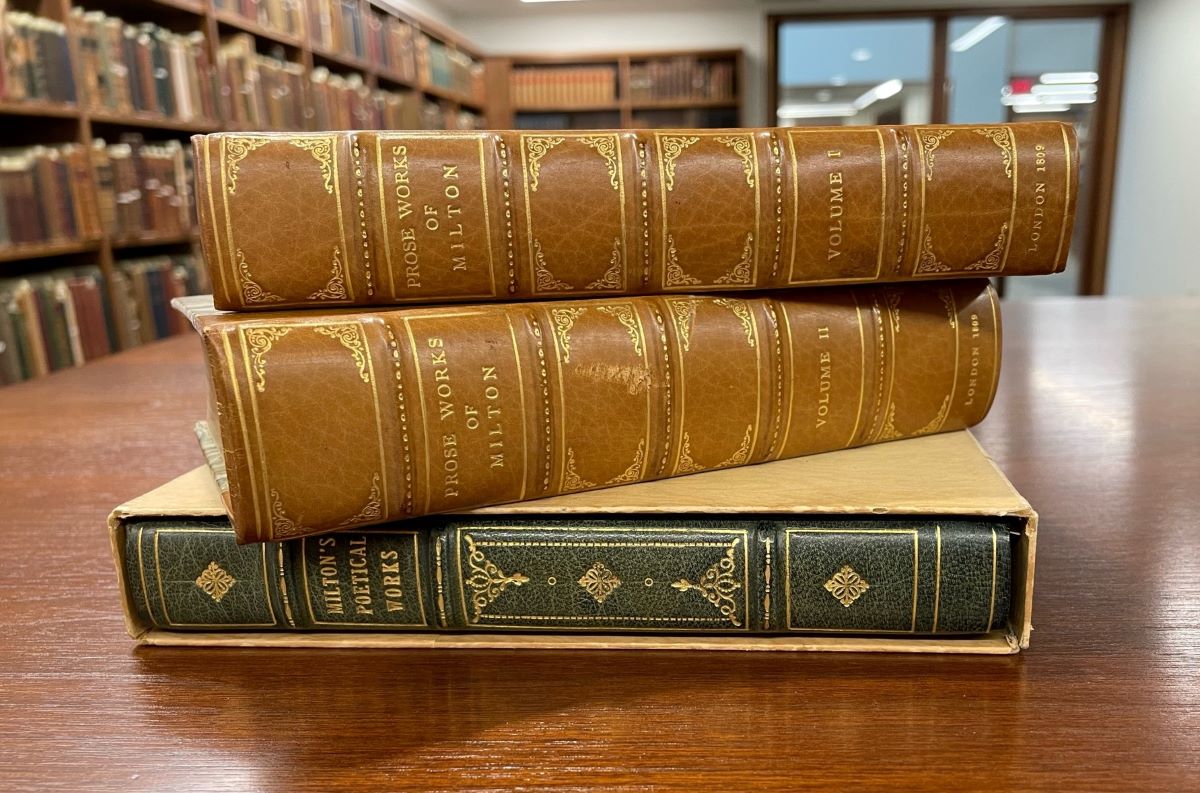
Milton's Poetry and Prose: From the Liberty Fund Rare Book Room
Sarah Skwire · Dec 09, 2022

 Reading Room
Viva Dante 700: Che può insegnarci il Sommo Poeta sul lavoro, l'amore, l'arte e la vita: Inferno, Canto VI, Parte 2: Fino a che punto si estendono i nostri doveri civici?
Daniel Ross Goodman · Dec 23, 2021
 Reading Room
Dante at 700: What the Supreme Poet can teach us about work, love, art, and life: Inferno, Canto VI, Part 2: How Far Do Our Civic Duties Extend?
Daniel Ross Goodman · Dec 22, 2021
 Reading Room
Viva Dante 700: Che può insegnarci il Sommo Poeta sul lavoro, l'amore, l'arte e la vita: Inferno, Canto VI: Perché la gola è un peccato?
Daniel Ross Goodman · Dec 16, 2021
 Reading Room
Dante at 700: What the Supreme Poet can teach us about work, love, art, and life: Inferno, Canto VI: Why is Gluttony a Sin?
Daniel Ross Goodman · Dec 14, 2021
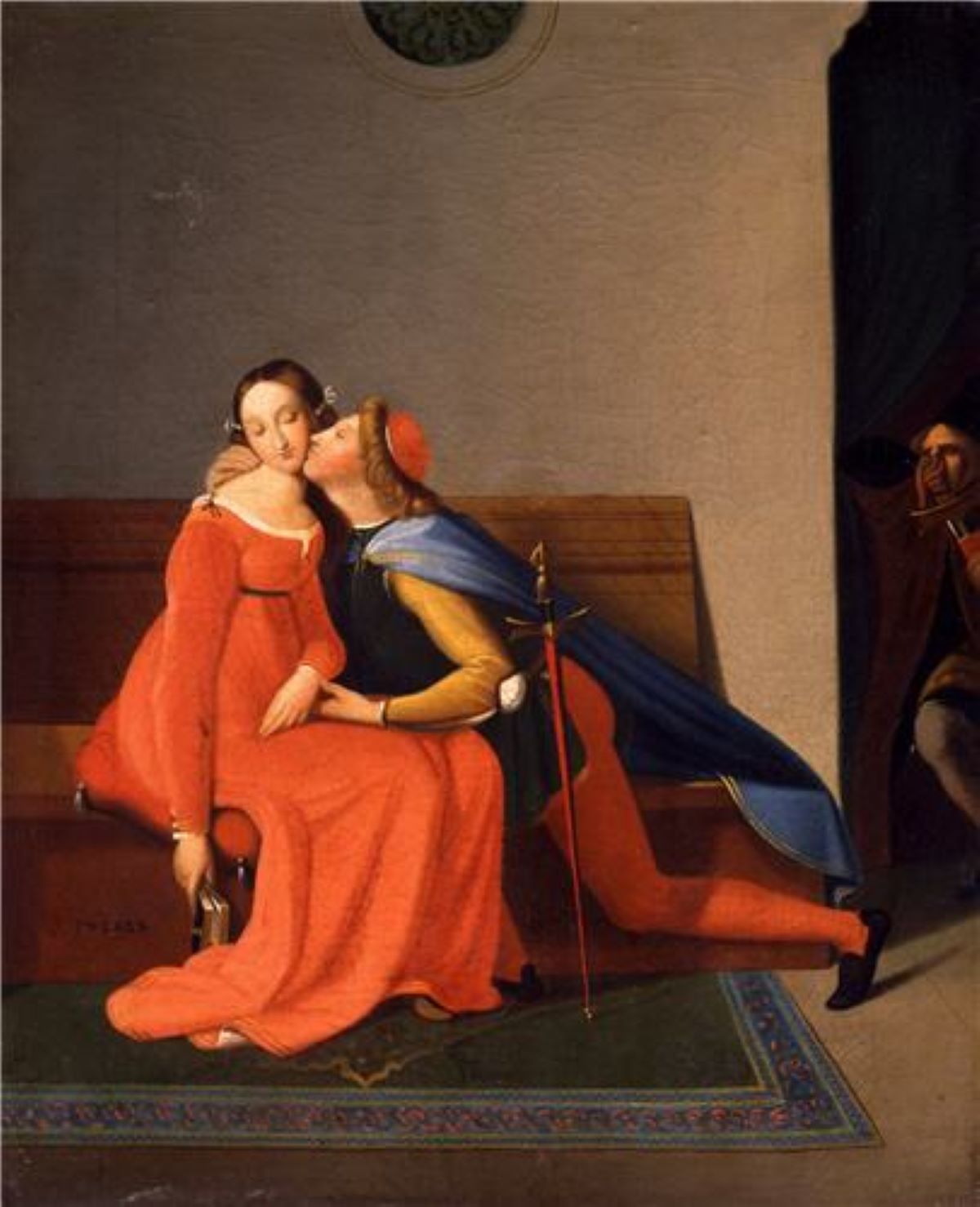 Reading Room
Viva Dante 700: Che può insegnarci il Sommo Poeta sul lavoro, l'amore, l'arte e la vita:Inferno, Canto IV, Parte 2: Sii discernente nella tua lettura
Daniel Ross Goodman · Dec 12, 2021
- Reading Room
Dante at 700: What the Supreme Poet can teach us about work, love, art, and life: Inferno Canto V Part 2: Be Discerning in Your Reading
Daniel Ross Goodman · Dec 07, 2021
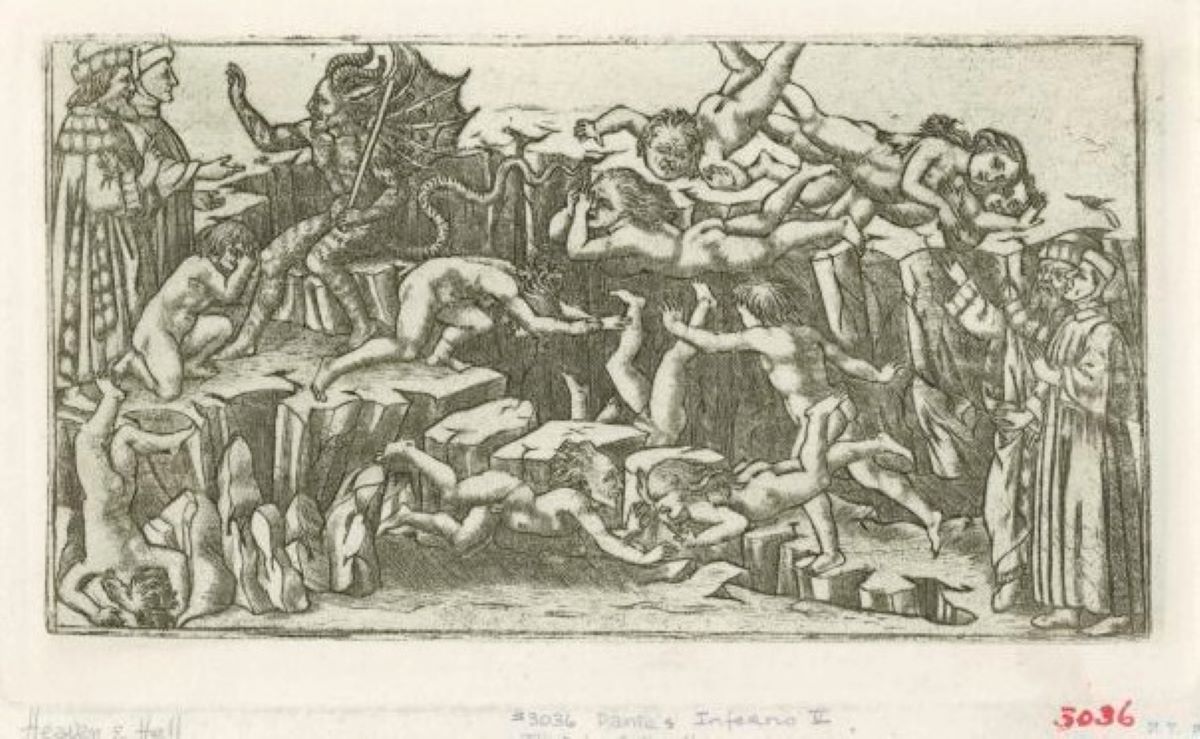 Reading Room
Viva Dante 700: Che può insegnarci il Sommo Poeta sul lavoro, l'amore, l'arte e la vita : Inferno, Canto IV: Sii discernimento nell'amore
Daniel Ross Goodman · Dec 02, 2021
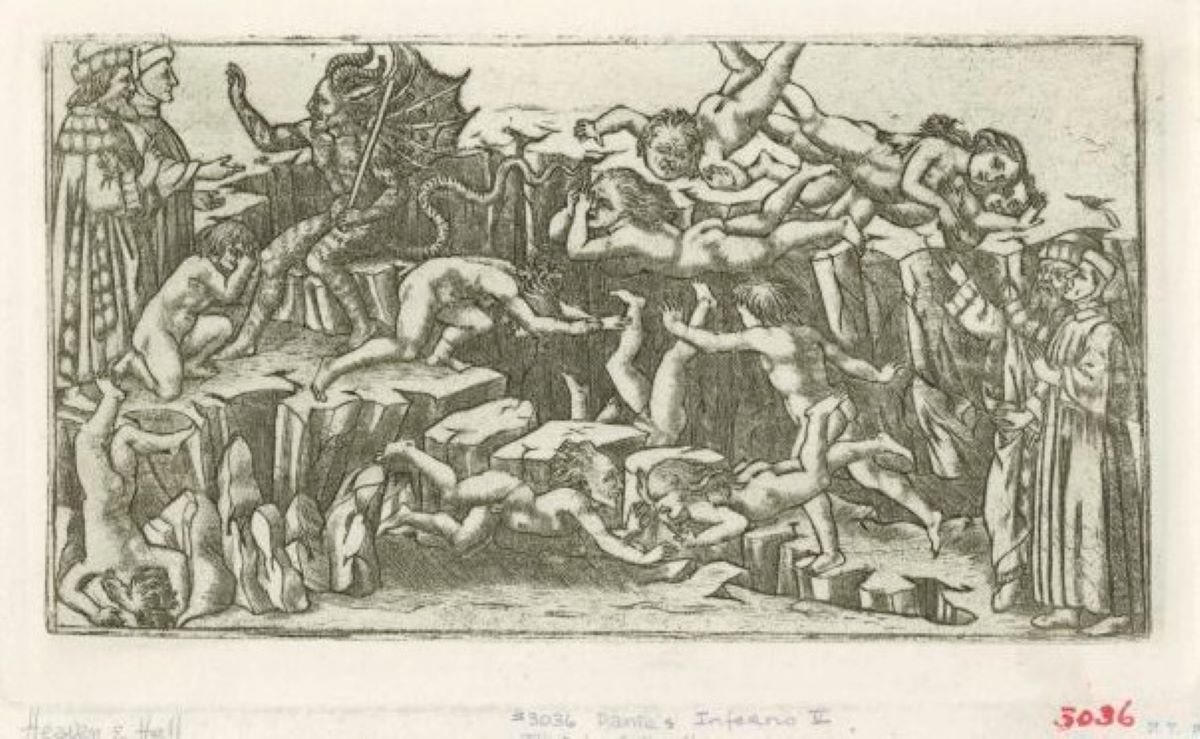 Reading Room
Dante at 700: What the Supreme Poet can teach us about work, love, art, and life : Inferno, Canto V: Be Discerning in Love
Daniel Ross Goodman · Nov 30, 2021
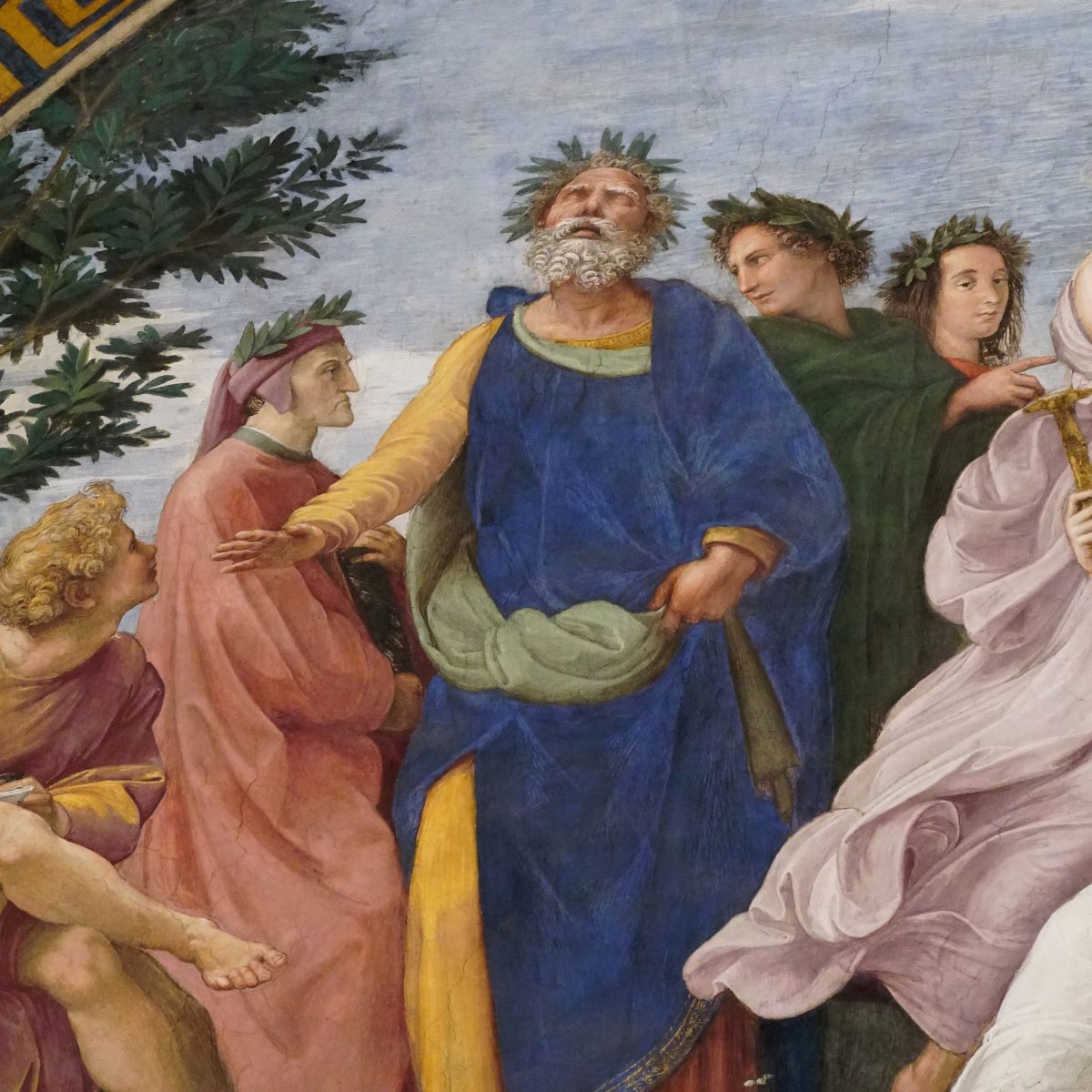 Reading Room
Viva Dante 700: Che può insegnarci il Sommo Poeta sul lavoro, l'amore, l'arte e la vita: : Inferno, Canto IV, Parte 2: Il posto dell'intelletto nella vita di fede
Daniel Ross Goodman · Nov 25, 2021
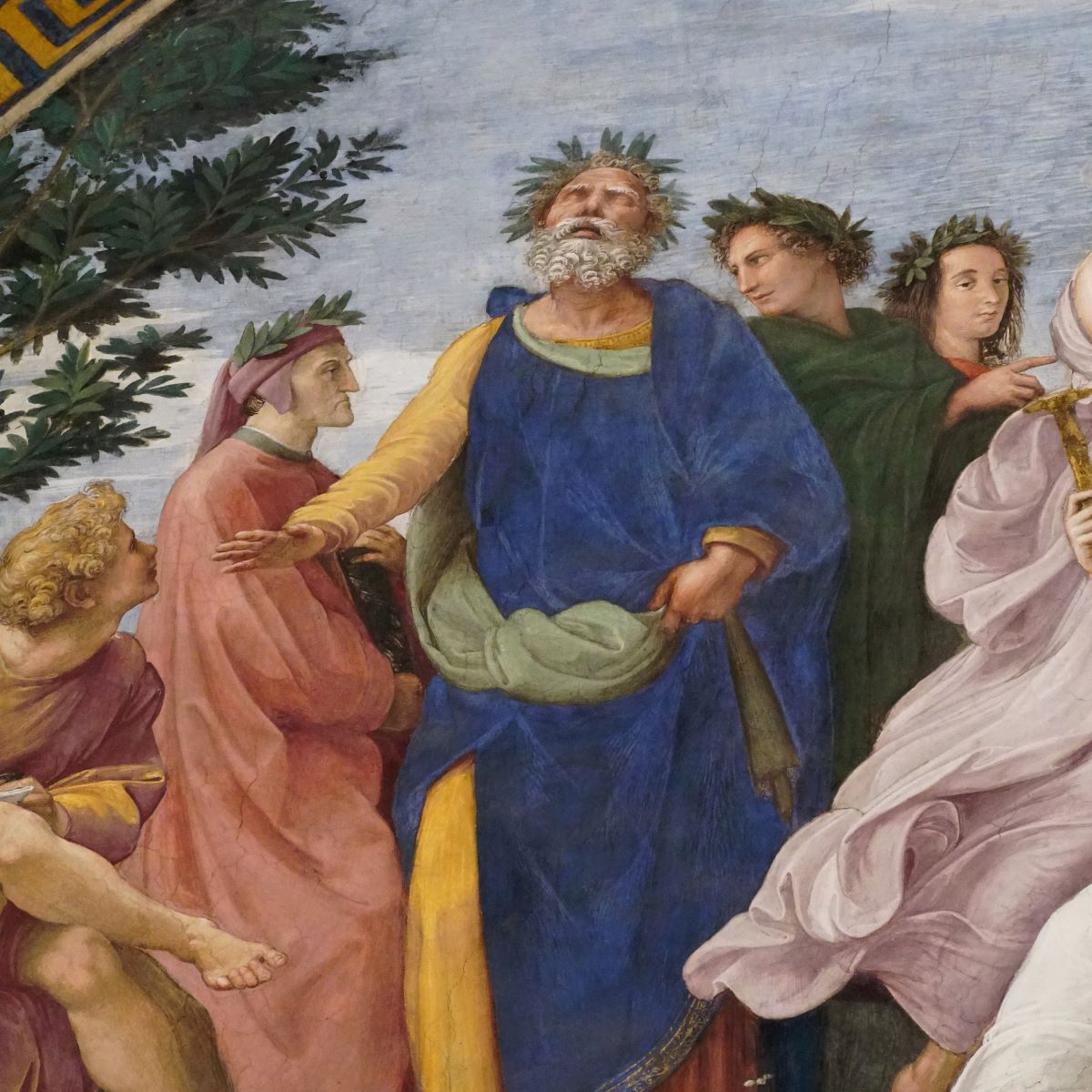 Reading Room
Dante at 700: What the Supreme Poet can teach us about work, love, art, and life: Inferno, Canto IV, Part 2
Daniel Ross Goodman · Nov 23, 2021
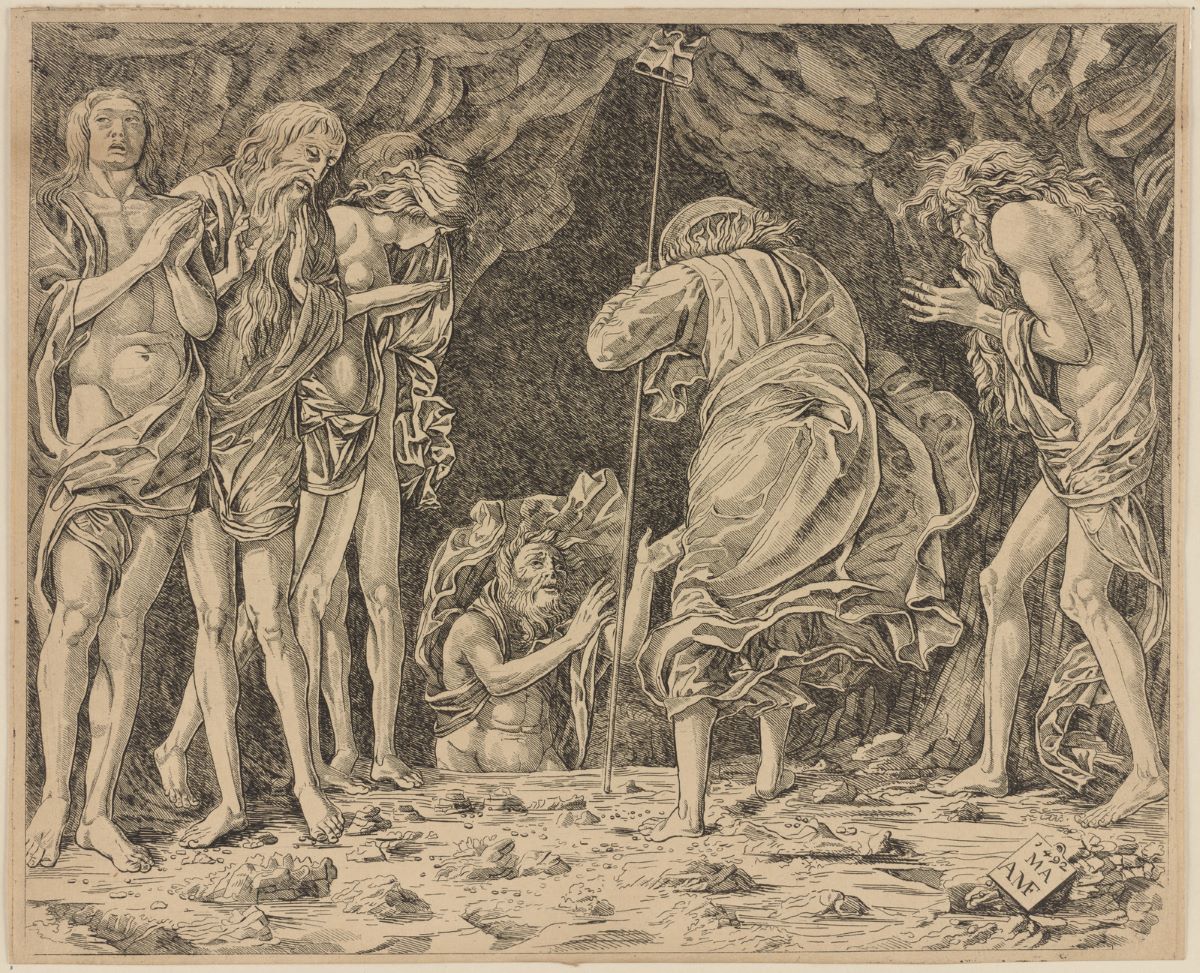 Reading Room
Viva Dante 700: Che può insegnarci il Sommo Poeta sul lavoro, l'amore, l'arte e la vita: lInferno, Canto IV: Scappando dal limbo
Daniel Ross Goodman · Nov 18, 2021
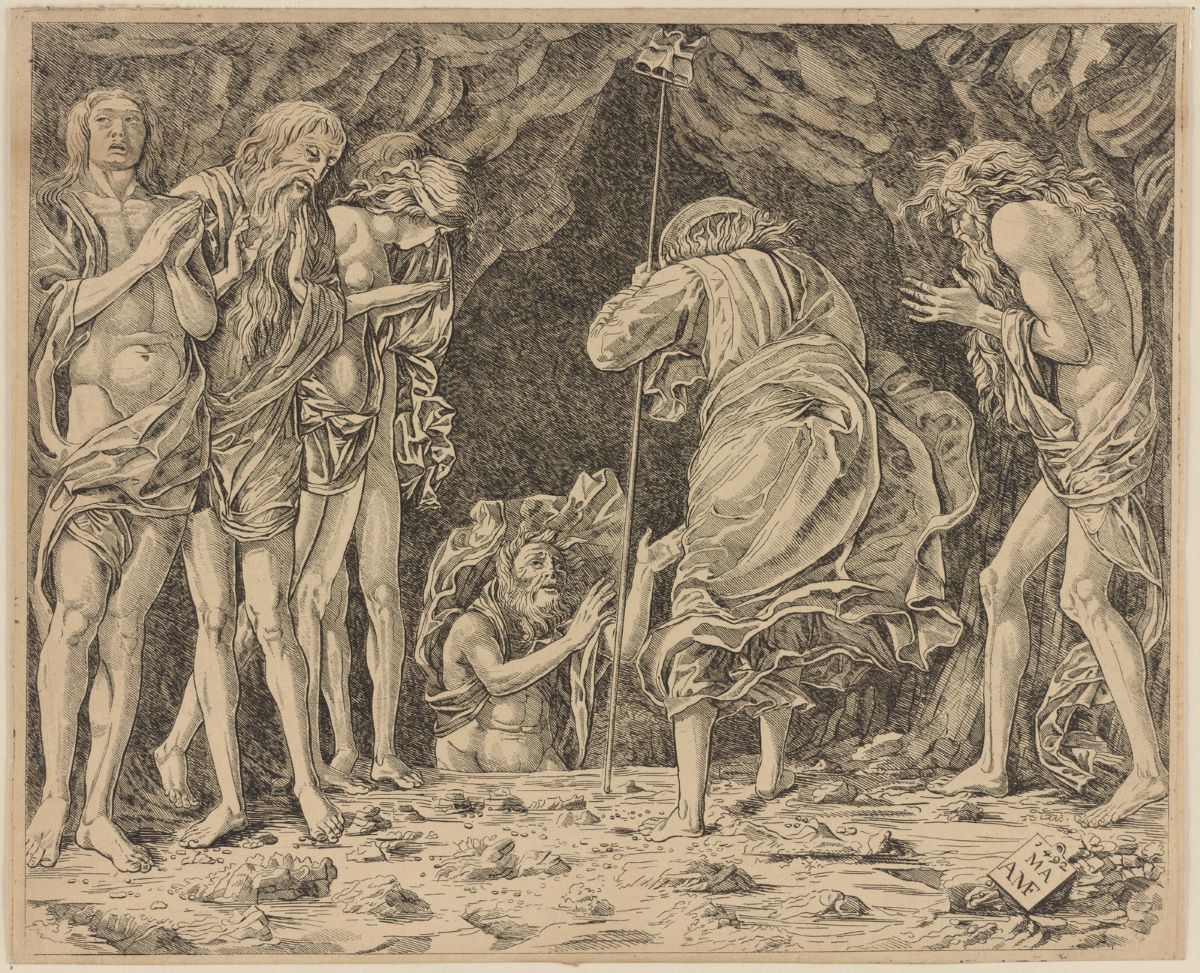 Reading Room
Dante at 700: What the Supreme Poet can teach us about work, love, art, and life : Inferno, Canto IV: Escaping Limbo
Daniel Ross Goodman · Nov 16, 2021
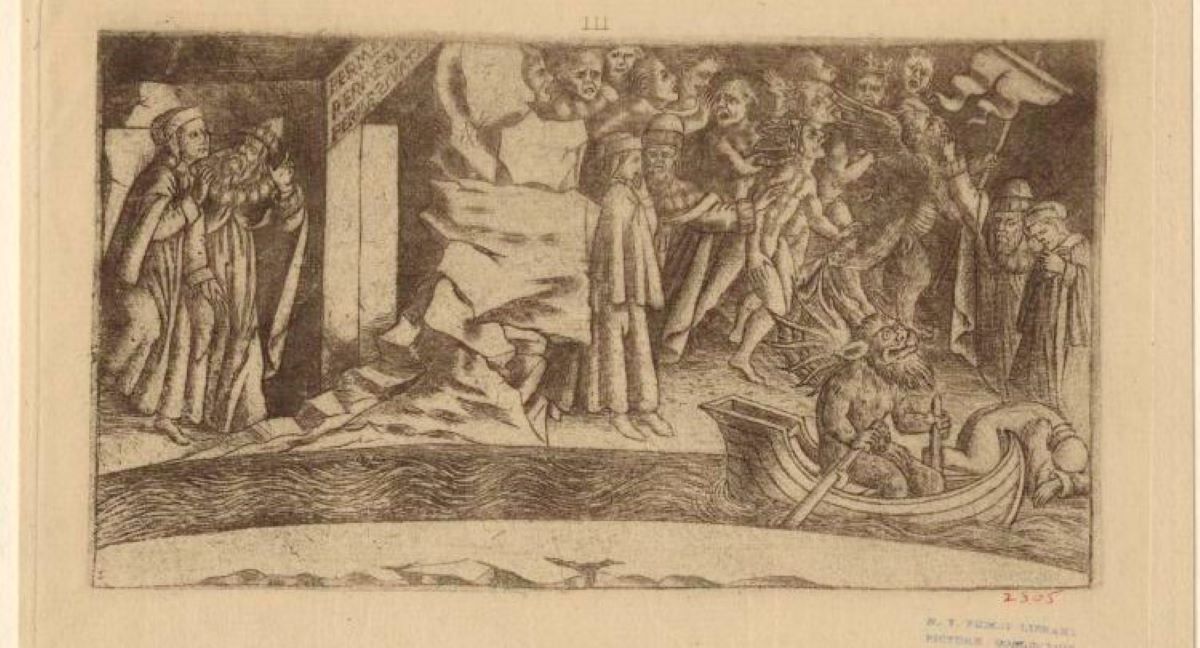 Reading Room
Viva Dante 700: Che può insegnarci il Sommo Poeta sul lavoro, l'amore, l'arte e la vita: Inferno, Canto III, Parte 2: La fallacia della neutralità
Daniel Ross Goodman · Nov 11, 2021
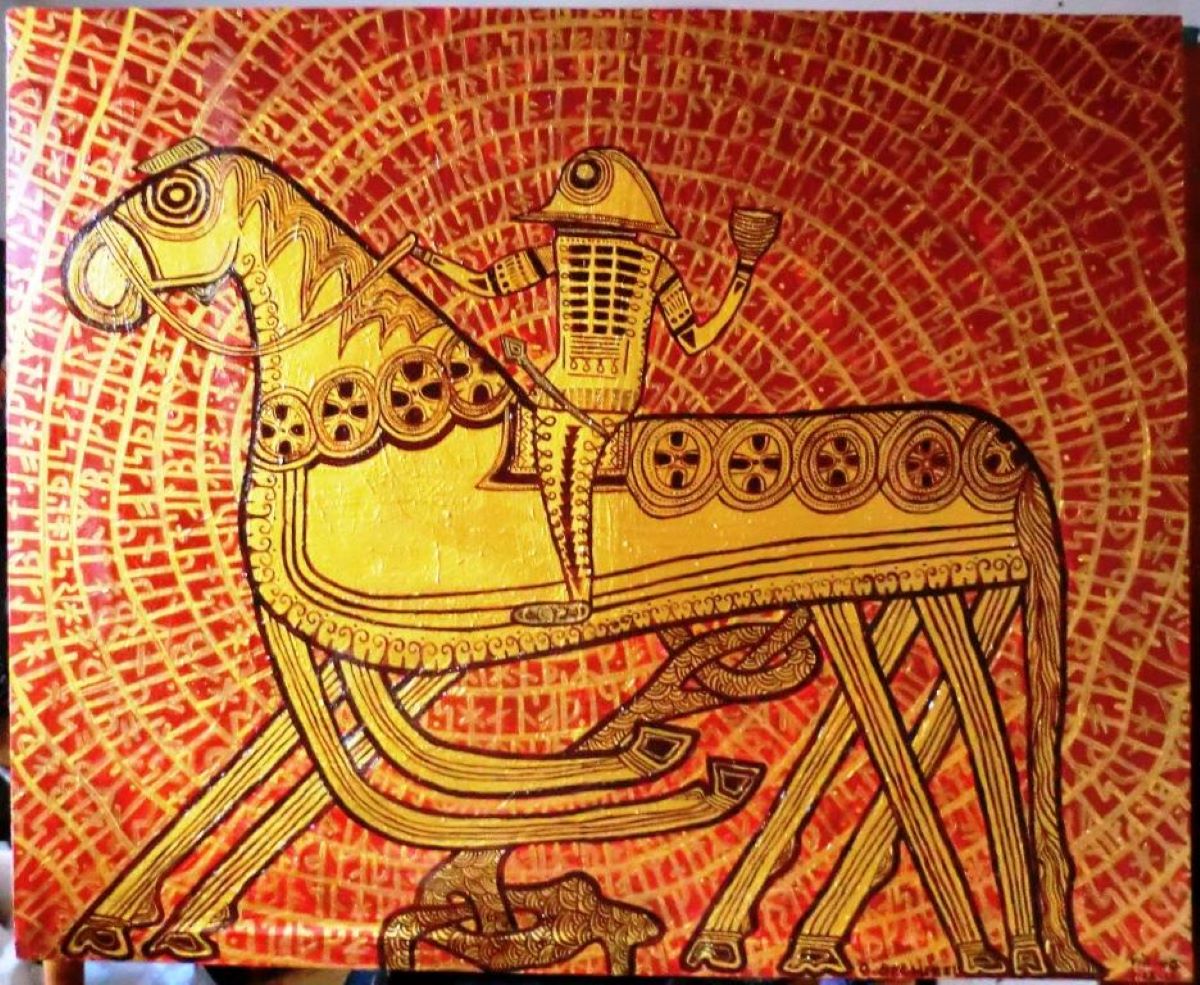 Reading Room
Loki, Marvel, and Snorre Sturlason: The Weirdness of the World
Sarah Skwire · Nov 10, 2021
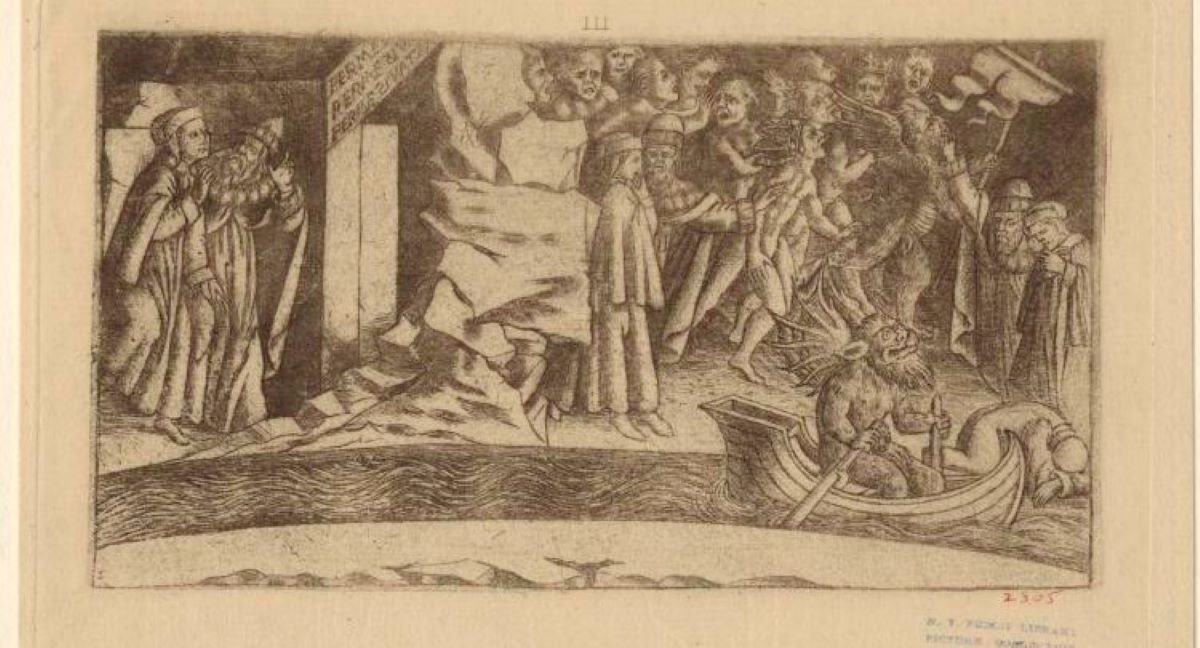 Reading Room
Dante at 700: What the Supreme Poet can teach us about work, love, art, and life: Inferno, Canto III, Part 2: The Fallacy of Neutrality e:
Daniel Ross Goodman · Nov 09, 2021
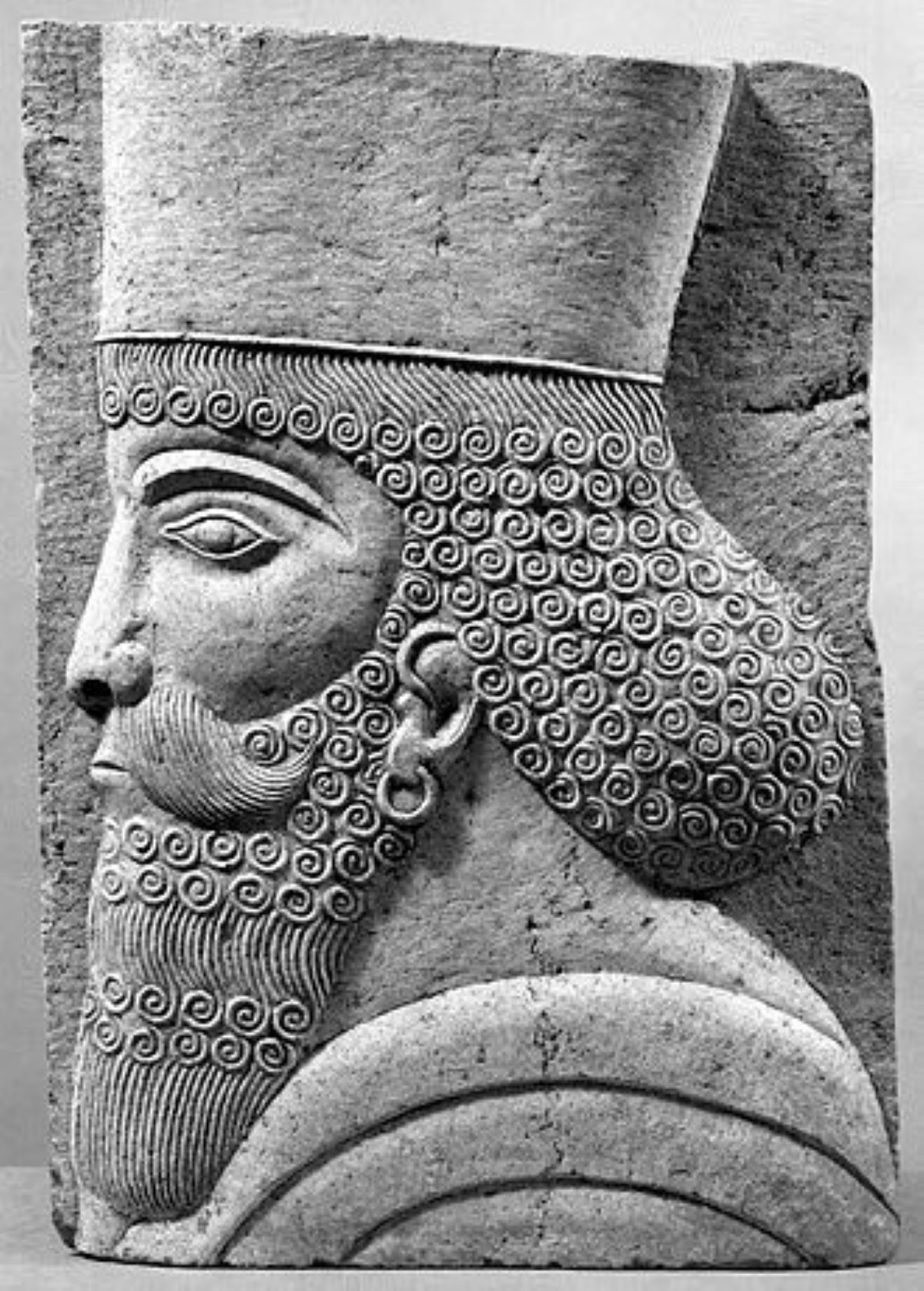
 Reading Room
Viva Dante 700: Che può insegnarci il Sommo Poeta sul lavoro, l'amore, l'arte e la vita : Inferno, Canto III: Dante Alighieri, Rapsodista della Libertà
Daniel Ross Goodman · Nov 04, 2021
 Reading Room
Dante at 700: What the Supreme Poet can teach us about work, love, art, and life: Inferno, Canto III: Dante Alighieri, Rhapsodist of Liberty
Daniel Ross Goodman · Nov 02, 2021
 Reading Room
Viva Dante 700: Che può insegnarci il Sommo Poeta sul lavoro, l'amore, l'arte e la vita: Inferno, Canto II: Il potere delle donne rette la vita
Daniel Ross Goodman · Oct 28, 2021
 Reading Room
Dante at 700: What the Supreme Poet can teach us about work, love, art, and life
Daniel Ross Goodman · Oct 26, 2021
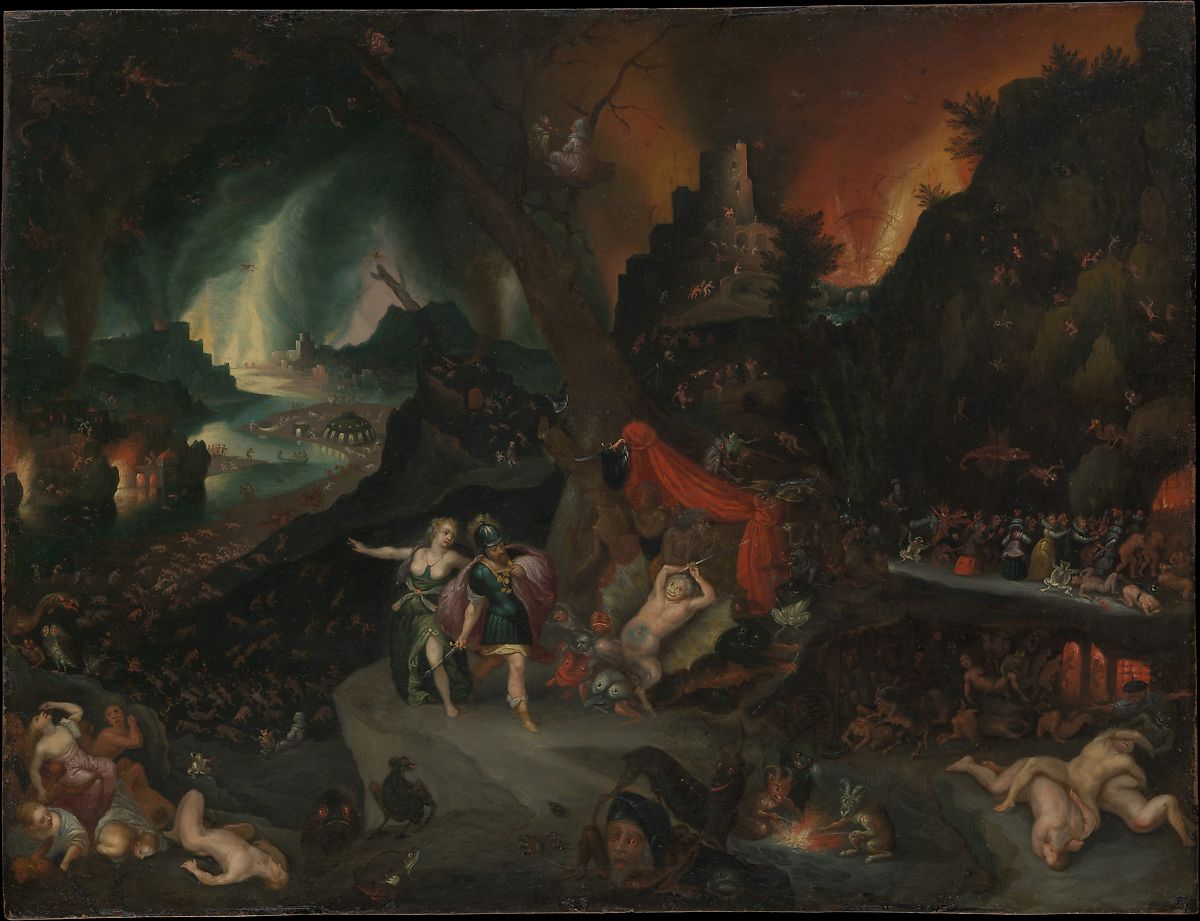 Reading Room
Viva Dante 700: Che può insegnarci il Sommo Poeta sul lavoro, l'amore, l'arte e la vita: Inferno, Canto II: Surmonter le syndrome de l'imposteura vita :
Daniel Ross Goodman · Oct 22, 2021
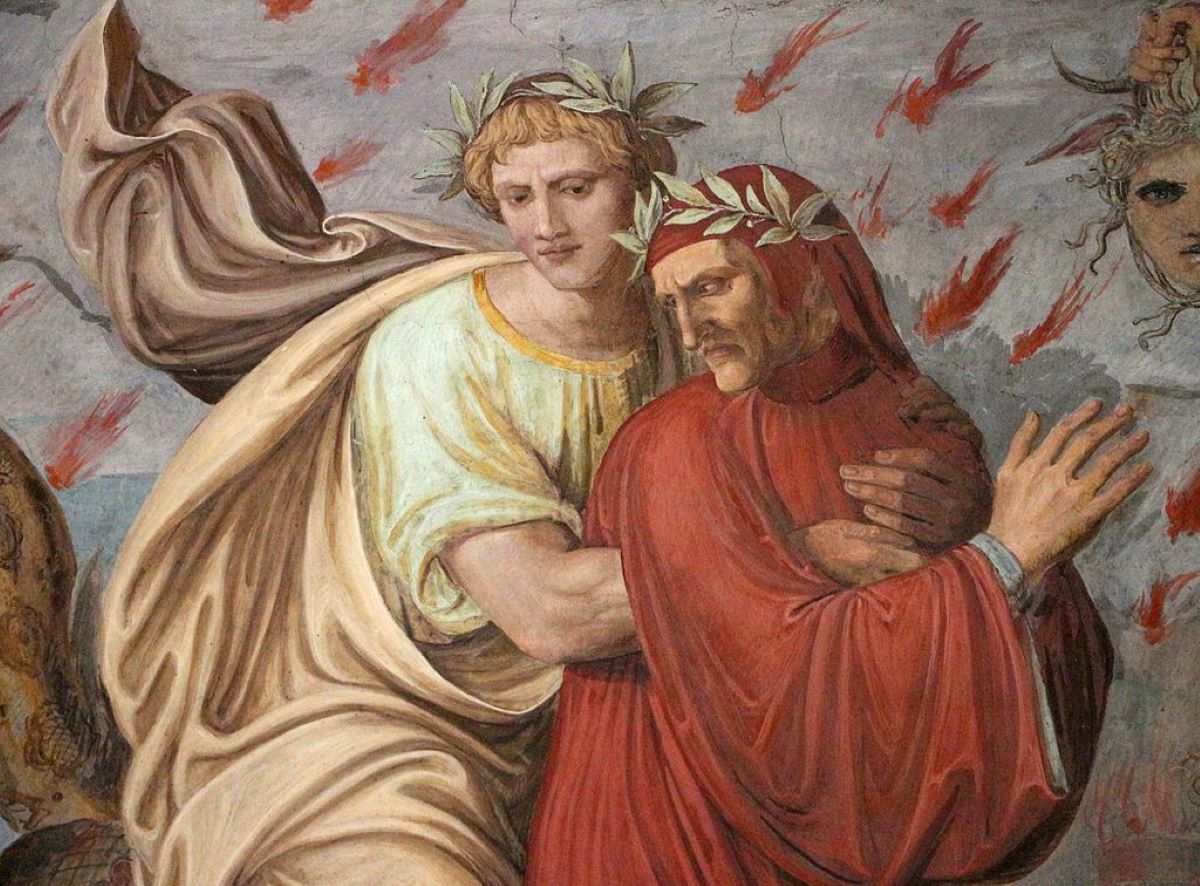 Reading Room
Viva Dante 700: Che può insegnarci il Sommo Poeta sul lavoro, l'amore, l'arte e la vita: Inferno, Canto I: il viaggio della nostra vita e l'importanza dei classici
Daniel Ross Goodman · Oct 14, 2021
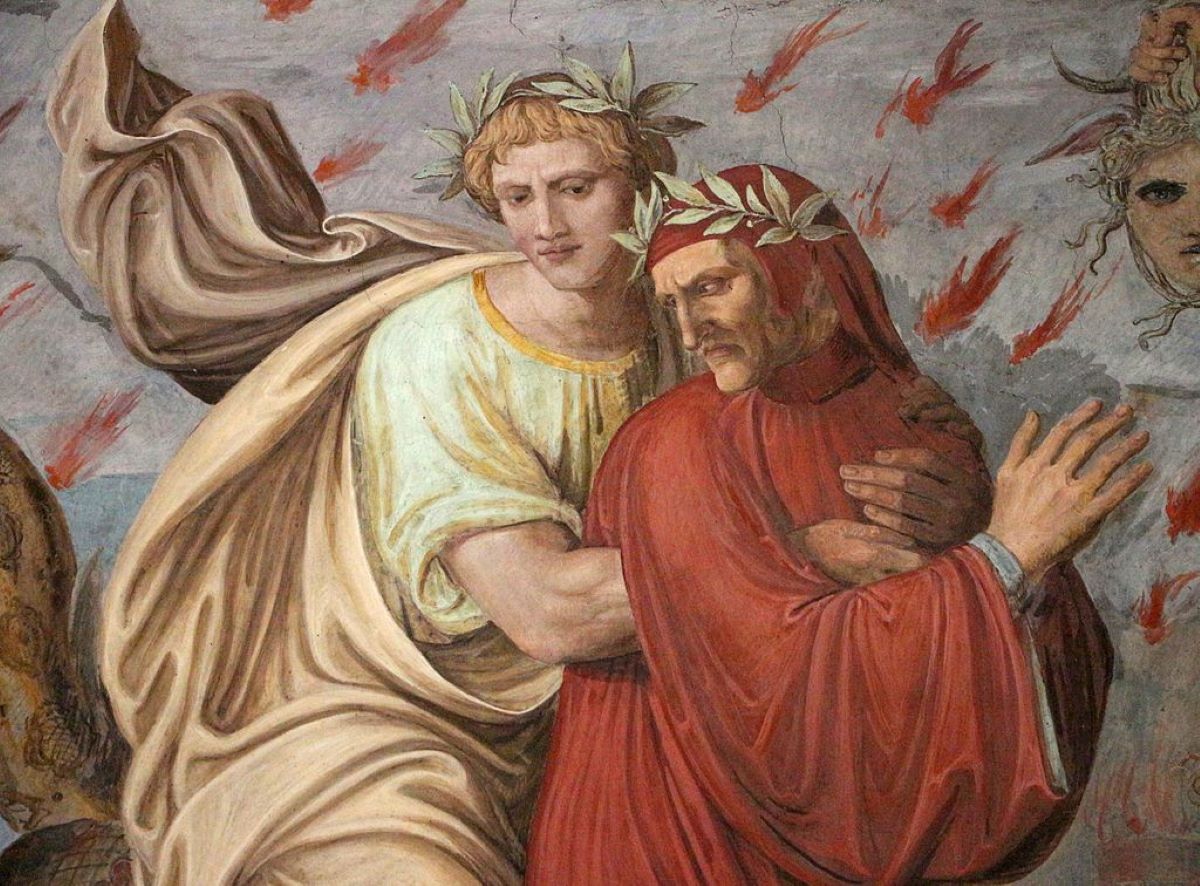 Reading Room
Dante at 700: What the Supreme Poet can teach us about work, love, art, and life: Canto One
Daniel Ross Goodman · Oct 12, 2021
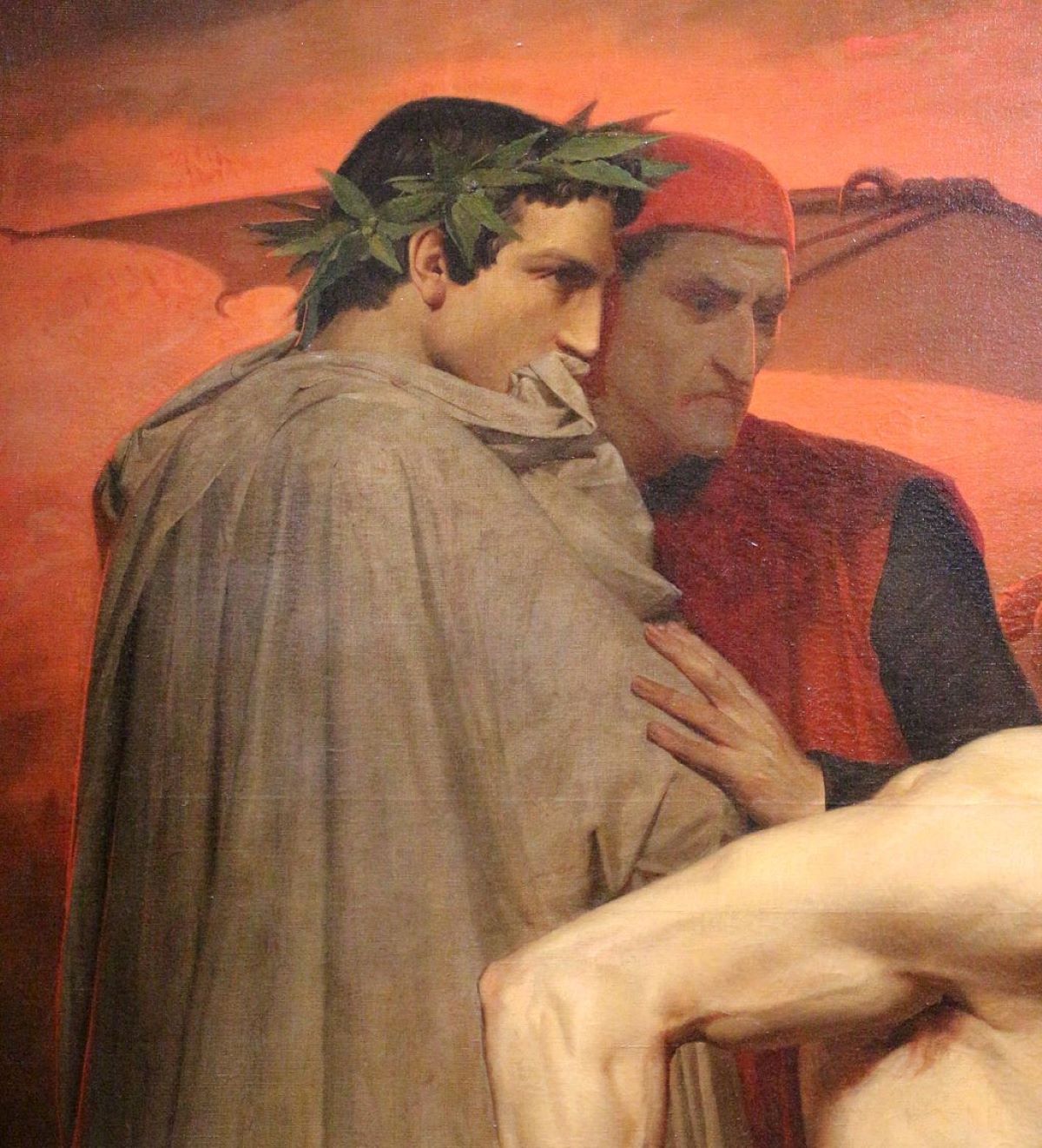 Reading Room
Viva Dante 700: Che può insegnarci il Sommo Poeta sul lavoro, l'amore, l'arte e la vita: Inferno, Canto 1
Daniel Ross Goodman · Oct 07, 2021
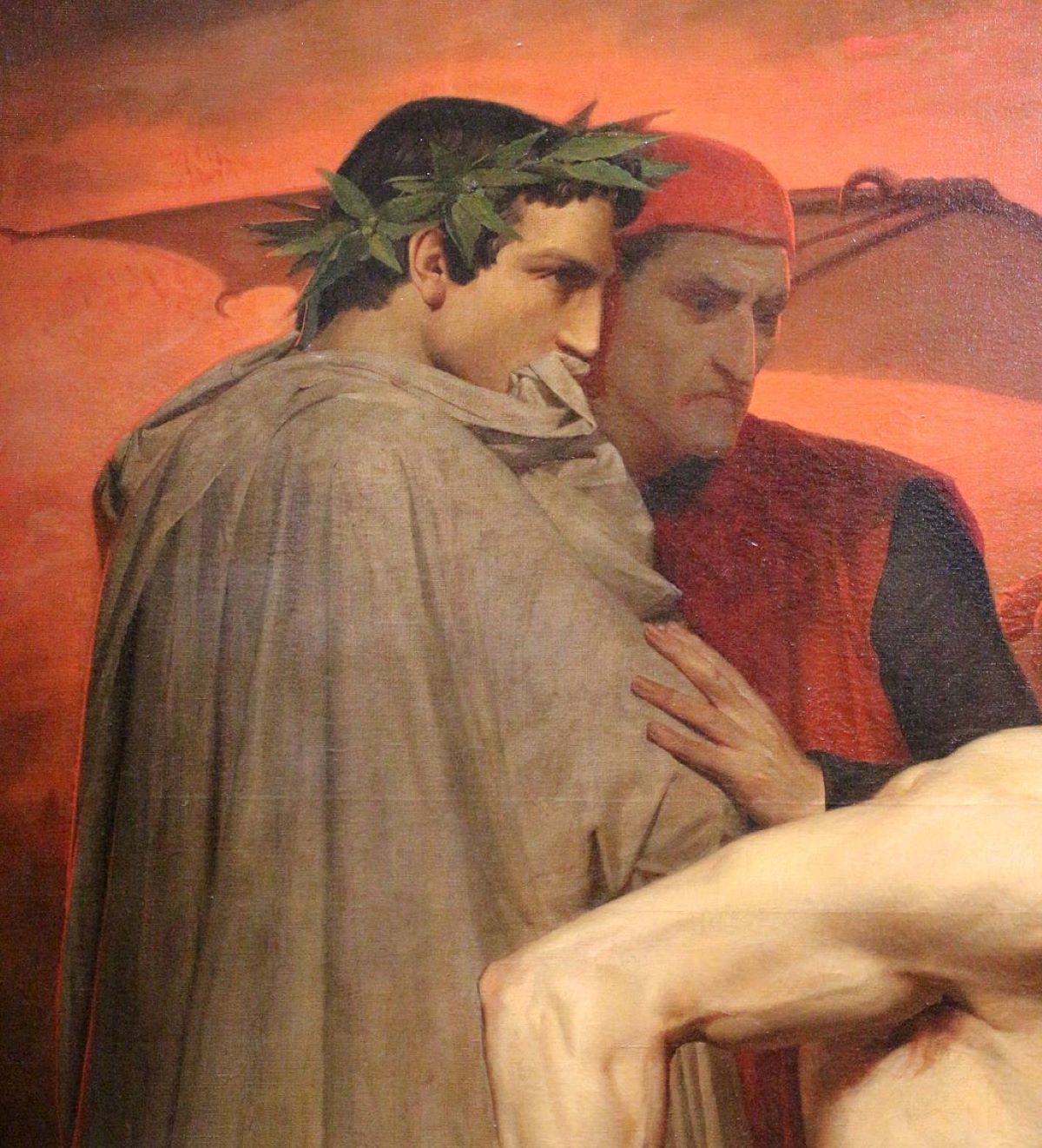 Reading Room
Dante at 700: What the Supreme Poet can teach us about work, love, art, and life, Inferno: Canto I
Daniel Ross Goodman · Oct 05, 2021
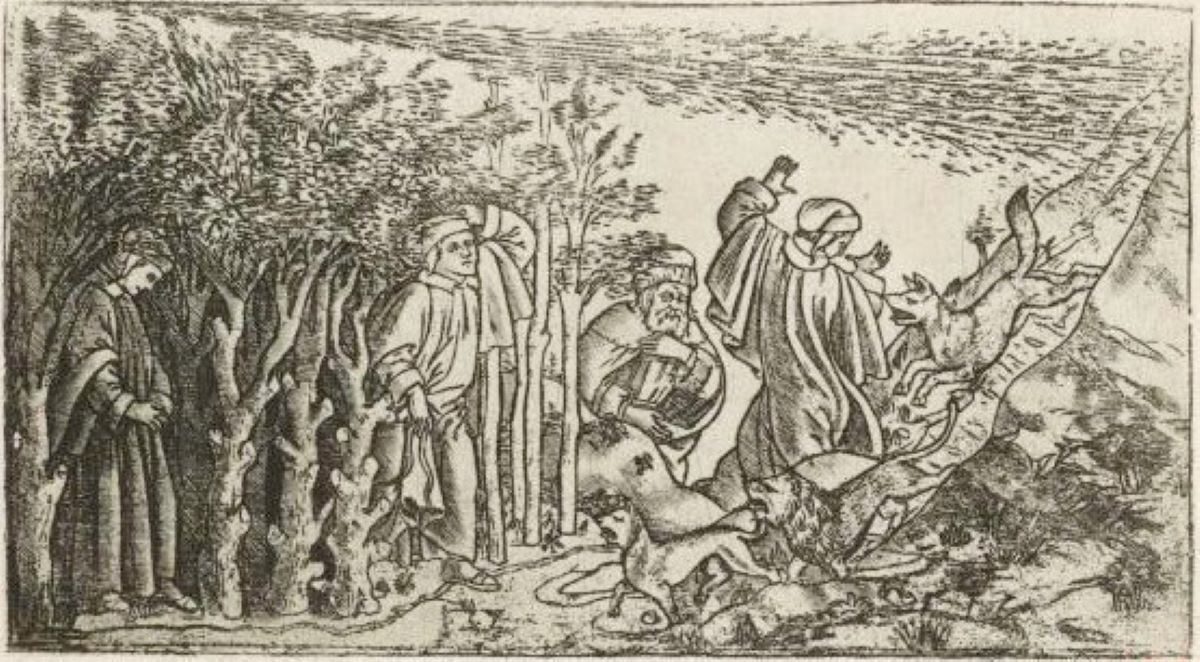 Reading Room
Dante at 700: What the Supreme Poet can teach us about work, love, art, and life: Inferno, Canto I: The Importance of Imagination
Daniel Ross Goodman · Sep 28, 2021
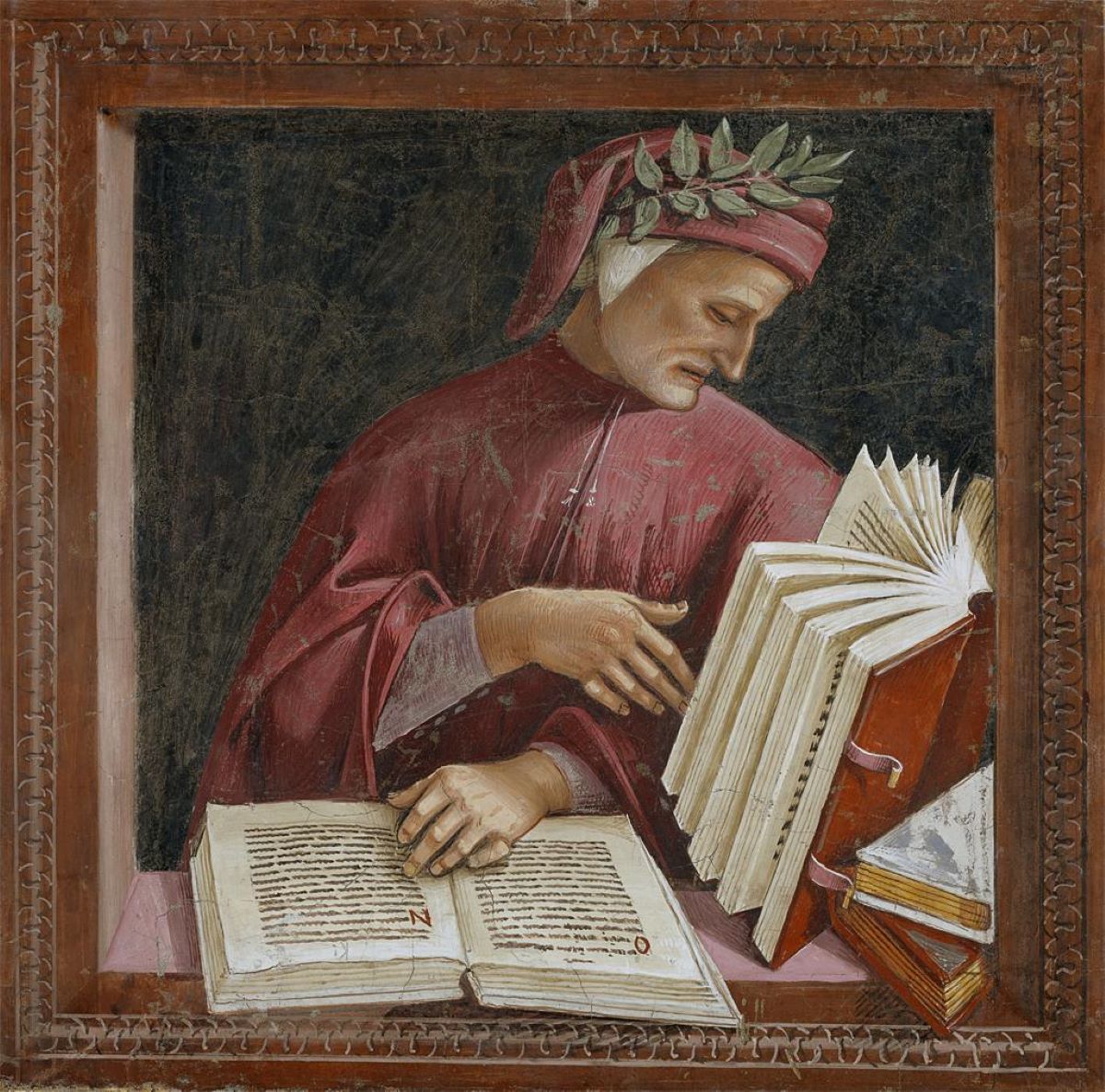 Reading Room
Viva Dante 700: Che può insegnarci il Sommo Poeta sul lavoro, l'amore, l'arte. e la vita ,Introduzione, seconda parte
Daniel Ross Goodman · Sep 23, 2021
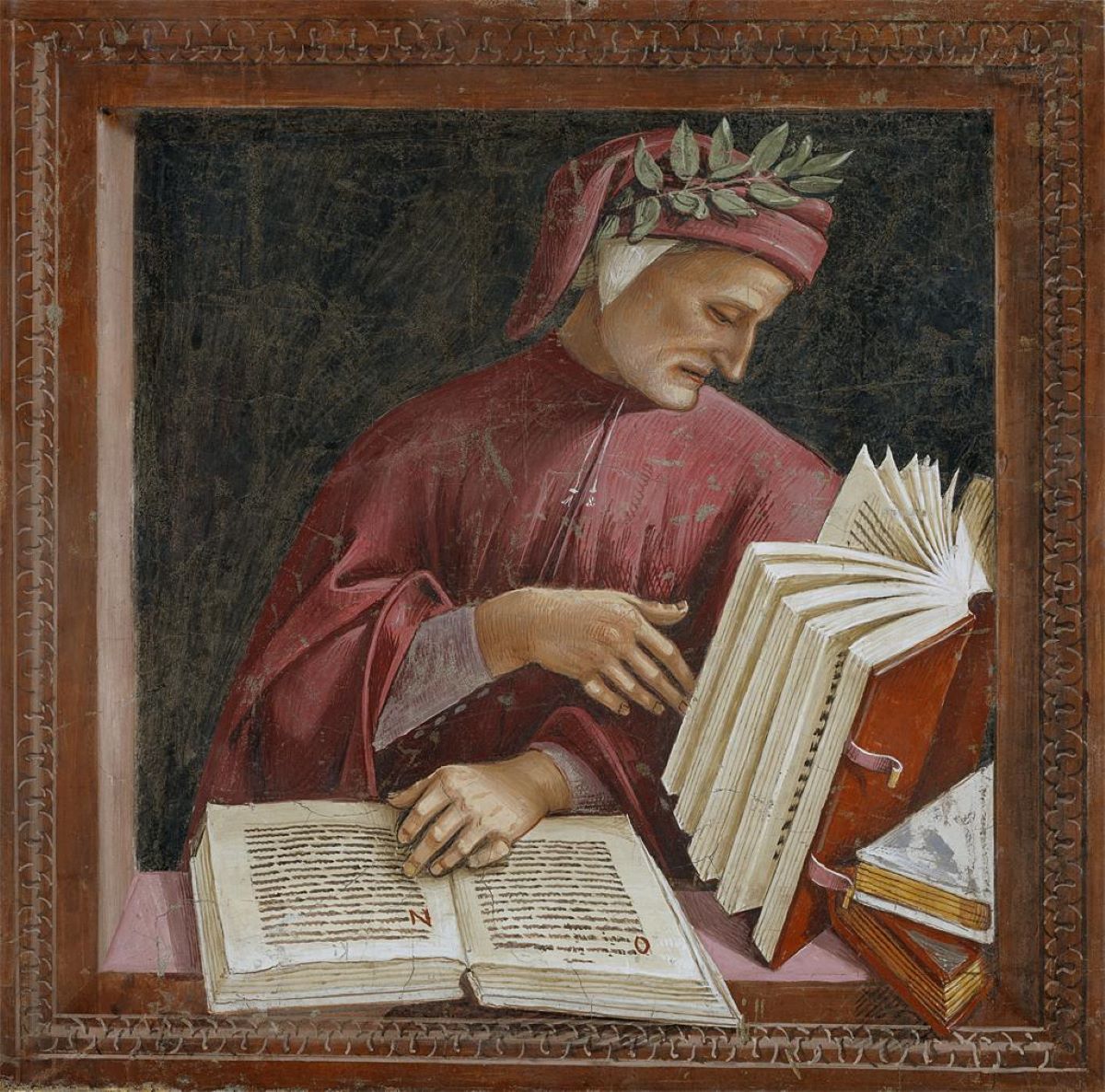 Reading Room
Dante at 700: What the Supreme Poet can teach us about work, love, art, and life, Introduction Part Two
Daniel Ross Goodman · Sep 21, 2021
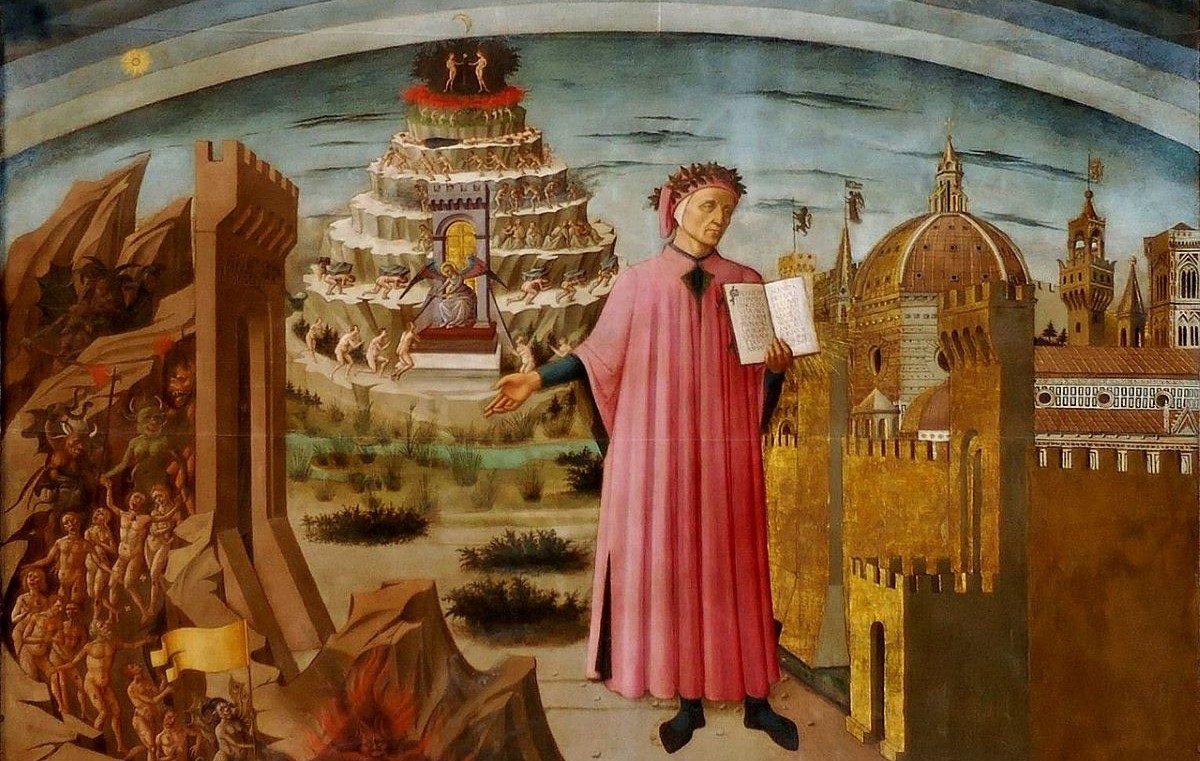 Reading Room
Viva Dante 700: Che può insegnarci il Sommo Poeta sul lavoro, l'amore, l'arte e la vita
Daniel Ross Goodman · Sep 16, 2021
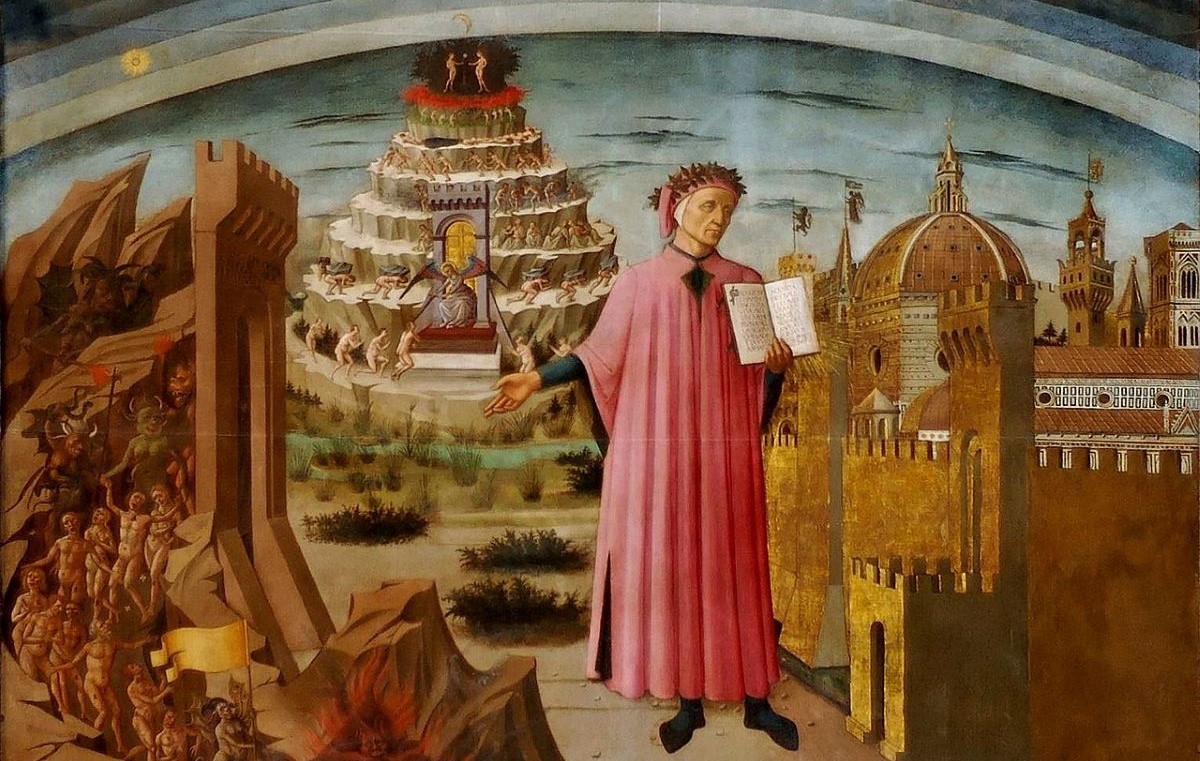 Reading Room
Dante at 700: What the Supreme Poet can teach us about work, love, art, and life
Daniel Ross Goodman · Sep 14, 2021
 Timeline
Chronology of John Locke's Life
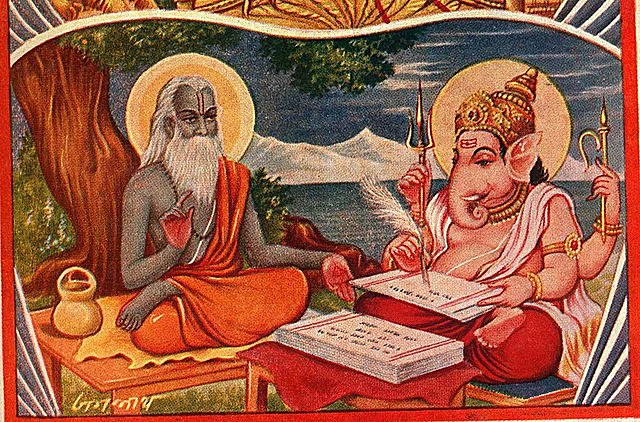 Biography
Mahabharata
 Biography
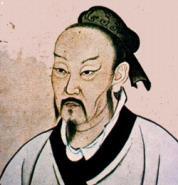
Mencius: A Life
- Biography
Penn: Life and Times and Work
- Biography
Robinson, John: A Memoir
Quotes
Passages on this subject, chosen by OLL editors.
- Philosophy“
These natural hopes, and fears, and suspicions, were propagated by sympathy, and confirmed by education; and the gods were universally represented and believed to be the rewarders of humanity and mercy, and the avengers of perfidy and injustice. And thus religion, even in its rudest form, gave a sanction to the rules of morality, long before the age of artificial reasoning and philosophy. That the terrors of religion should thus enforce the natural sense of duty, was of too much importance to the happiness of mankind, for nature to leave it dependent upon the slowness and uncertainty of philosophical researches. (FROM: Chap. V.—: Of the Influence and Authority of the general Rules of Morality, and that they are justly regarded as the Laws of the Deity) - Adam Smith
- Religion & Toleration“
I exhort you to avoid the ten evils:
I. Kill not, but have regard for life.
II. Steal not, neither do ye rob; but help everybody to be master of the fruits of his labor.
III. Abstain from impurity, and lead a life of chastity.
IV. Lie not, but be truthful. Speak the truth with discretion, fearlessly and in a loving heart.
V. Invent not evil reports, neither do ye repeat them. Carp not, but look for the good sides of your fellow-beings, so that ye may with sincerity defend them against their enemies.
VI. Swear not, but speak decently and with dignity.
VII. Waste not the time with gossip, but speak to the purpose or keep silence.
VIII. Covet not, nor envy, but rejoice at the fortunes of other people.
IX. Cleanse your heart of malice and cherish no hatred, not even against your enemies; but embrace all living beings with kindness.
X. Free your mind of ignorance and be anxious to learn the truth, especially in the one thing that is needful, lest you fall a prey either to scepticism or to errors. Scepticism will make you indifferent and errors will lead you astray, so that you shall not find the noble path that leads to life eternal.
(FROM: XLVI: AVOIDING THE TEN EVILS) - Buddha - Religion & Toleration“
“Faithful is he who is possessed of knowledge, seeing the way that leads to Nirvāna; he who is not a partisan; he who is pure and virtuous, and has removed the veil from his eyes. Such a one will wander rightly in the world.”
- Parties & Elections“
... the grand question of all is, whether or no it be the property of every individual person in the kingdom to have a vote in election[s]; and the ground [on which it is claimed] is the Law of Nature, which, for my part, I think to be that law which is the ground of all constitutions. Yet really properties are the foundation of constitutions, [and not constitutions of property]. For if so be there were no constitutions, yet the Law of Nature does give a principle [for every man] to have a property of what he has, or may have, which is not another man’s. This [natural right to] property is the ground of meum and tuum. Now there may be inconveniencies on both hands, but not so great freedom [on either as is supposed—not] the greater freedom, as I conceive, that all may have whatsoever [they have a mind to]. And if it come to pass that there be a difference, and that the one [claimant] doth oppose the other, then nothing can decide it but the sword, which is the wrath of God.
- Religion & Toleration“
[V]irtue, knowledge, love of liberty, are the qualities which call down the fatal vengeance of inquisitors; and when expelled, leave the society in the most shameful ignorance, corruption, and bondage. The illegal murder of one man by a tyrant is more pernicious than the death of a thousand by pestilence, famine, or any undistinguishing calamity.
- Presidents, Kings, Tyrants, & Despots“
People: Why do you prohibit what God commands us to do?
Pope: No, I do not prohibit, but rather I command you not to do what God prohibits you to do. I am the shepherd, established by Christ who is the Lord of the flock. You people are the little sheep; your kings are the rams. And therefore, as long as your kings continue to be rams, I allow them to rule and direct you, but if they become wolves, will it be right that I allow the sheep of my Lord to be directed by wolves? Therefore, rightfully I prohibit your following them, as the Lord prohibits this also, since with too great danger are the sheep ruled by the wolves.
- Freedom of Speech“
The rights of conscience are sacred and equal in all, and **strictly speaking unalienable. This right of judging every one for himself in matters of religion results from the nature of man, and is so inseperably connected therewith, that a man can no more part with it than he can with his power of thinking.
- “
I have met many good religious coloured people at the South, who were under the delusion that God required them to submit to slavery, and to wear their chains with meekness and humility. I could entertain no such nonsense as this; and I quite lost my patience when I found a coloured man weak enough to believe such stuff. Nevertheless, eager as I was to partake of the tree of knowledge, [59] its fruits were bitter as well as sweet. “Slaveholders,” thought I, “are only a band of successful robbers, who, leaving their own homes, went into Africa for the purpose of stealing and reducing my people to slavery.” I loathed them as the meanest and the most wicked of men. (FROM CHAPTER XI.: GROWING IN KNOWLEDGE)
Related Collections
 Explore →
Religious Toleration
5 titles · 4 publications · 7 people
 Explore →
Political Science
Natural Law and Natural Rights
17 titles · 1 publication · 35 people
- Explore →
Law
Natural Law and Enlightenment Series
49 titles · 1 publication · 69 people
 Explore →
Philosophy (General)
Philosophy
184 titles · 74 publications · 159 people
 Explore →
History of scholarship and learning. The humanities
Goodrich Seminar Room
9 titles · 4 publications · 92 people
 Explore →
Language and Literature
Intellectual Portrait Series
25 titles · 1 publication · 24 people