Ethical Writings II (On Old Age)
- Marcus Tullius Cicero(author)
- Andrew P. Peabody(translator)
In On Old Age, Cicero offers a thoughtful and dignified defense of aging, arguing that old age, far from being a burden, brings wisdom, peace, and opportunity for continued contribution to society. Written as a dialogue, the work reflects on how to live virtuously and gracefully in life's later years, celebrating the enduring value of experience, friendship, and intellectual activity.
About This Edition
Citation
Cicero De Senectute (On Old Age), translated with an Introduction and Notes by Andrew P. Peabody (Boston: Little, Brown, and Co., 1887).
Cicero, Marcus Tullius. On Old Age (De Senectute). translated by Andrew P. Peabody, Little, Brown, and Company, 1887. Online Library of Liberty, https://oll.libertyfund.org/titles/cicero-on-old-age-de-senectute.
Cicero, M. T. (1887). On Old Age (De Senectute). Little, Brown, and Company. https://oll.libertyfund.org/titles/cicero-on-old-age-de-senectute
@book{cicero1887senectute,
  author = {Marcus Tullius Cicero},
  title = {On Old Age (De Senectute)},
  publisher = {Little, Brown, and Company},
  address = {Boston},
  year = {1887},
  url = {https://oll.libertyfund.org/titles/cicero-on-old-age-de-senectute},
  note = {Online Library of Liberty}
}TY - BOOK AU - Cicero, Marcus Tullius A3 - Peabody, Andrew P. TI - On Old Age (De Senectute) PY - 1887 CY - Boston PB - Little, Brown, and Company UR - https://oll.libertyfund.org/titles/cicero-on-old-age-de-senectute DB - Online Library of Liberty ER -
Copyright
The text is in the public domain.

About the author
Marcus Tullius Cicero 106 BC–43 BC
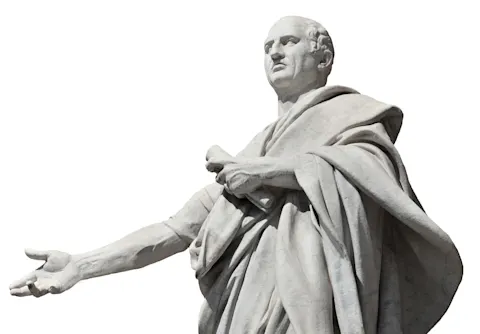
Marcus Tullius Cicero (106-43 BC) was a Roman lawyer and statesman who was active during the late Republic in resisting the rise of dictatorship. His polished style of writing Latin greatly influenced later generations.
Related People
Lucius Annaeus Seneca
Author
Although younger and more strictly Stoic, Seneca shares Cicero’s concern with ethics, statesmanship, and how to live wisely amid political chaos.
Socrates
Author
Cicero admired Socrates’ method of questioning and moral seriousness. His dialogues often mirror the Socratic style, aiming at uncovering deeper truths through conversation.
Saint Augustine
Author
Early Christian thinkers like Augustine were heavily influenced by Cicero, especially his ideas about natural law, the nature of the republic, and the importance of virtue.


Critical Responses
Works that answer or challenge this text.
 Book
Plutarch's Morals
"On the Control of Anger" and "Whether an Old Man Should Engage in Public Affairs"
View title >While respectful of Cicero’s broader tradition, Plutarch often challenges overly optimistic portrayals of aging, offering a more psychologically complex and sometimes tragic view.
 Book
Aging Thoughtfully: Conversations about Retirement, Romance, Wrinkles, and Regret
Martha Nussbaum and Saul LevmoreVisit site ↗ Book
The Coming of Age
Simone de BeauvoirVisit site ↗A major modern critique. Beauvoir argues that society marginalizes the old in ways that ancient philosophers, including Cicero, ignore or romanticize. She views old age not just as a personal triumph of virtue, but as a socially fraught condition.
 Book
Montaigne's Essays
Michel de MontaigneEspecially "Of the Affection of Fathers to Their Children"
View title >Montaigne often praises Cicero but is also skeptical of overly idealized portraits of old age. He questions whether old age naturally brings wisdom and peace, highlighting the frailties and indignities Cicero tends to gloss over.
Connected Readings
What to read next.
 Book
On Friendship (De Amicitia)
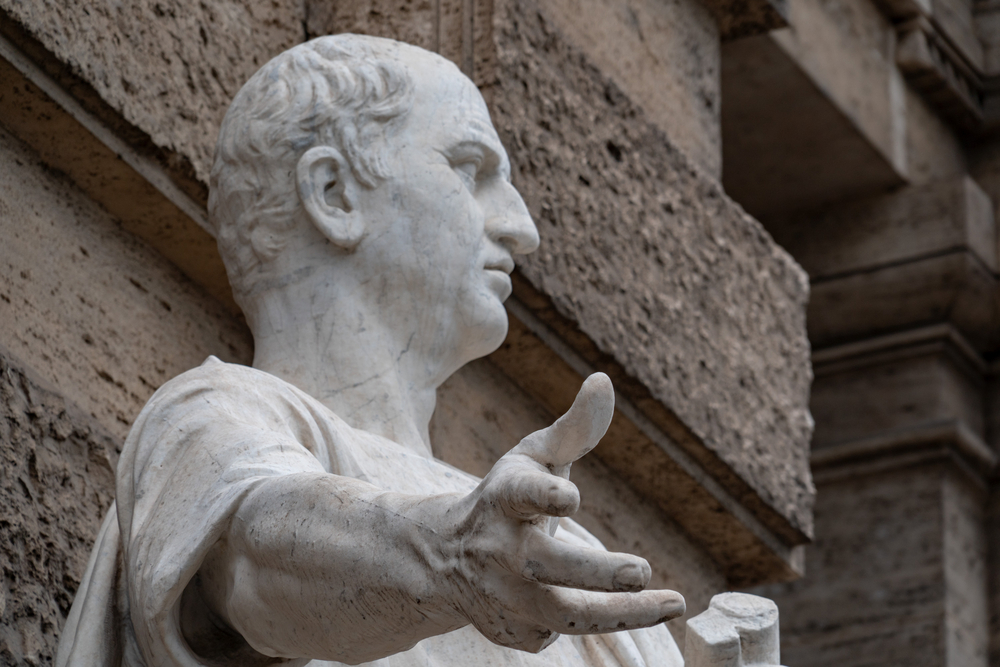
Marcus Tullius CiceroView title >Another of Cicero’s dialogues, this one celebrates the importance of friendship in a good and virtuous life. It pairs beautifully with On Old Age because both explore what makes life meaningful beyond youth and ambition.
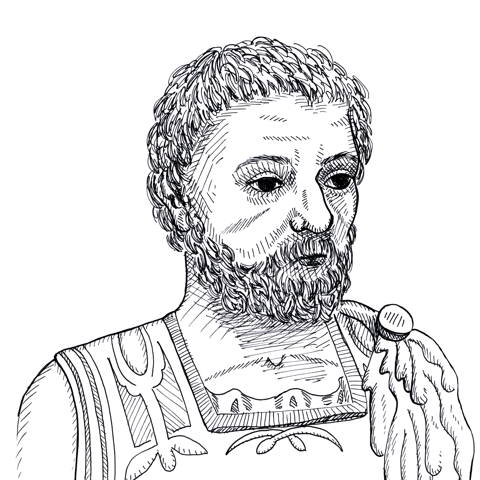 Book
The Meditations of the Emperor Marcus Aurelius Antoninus (2008)
Marcus Aurelius AntoninusView title >A Roman emperor’s private reflections on virtue, aging, mortality, and duty. Meditations offers a powerful, personal take on how to live well as time passes.
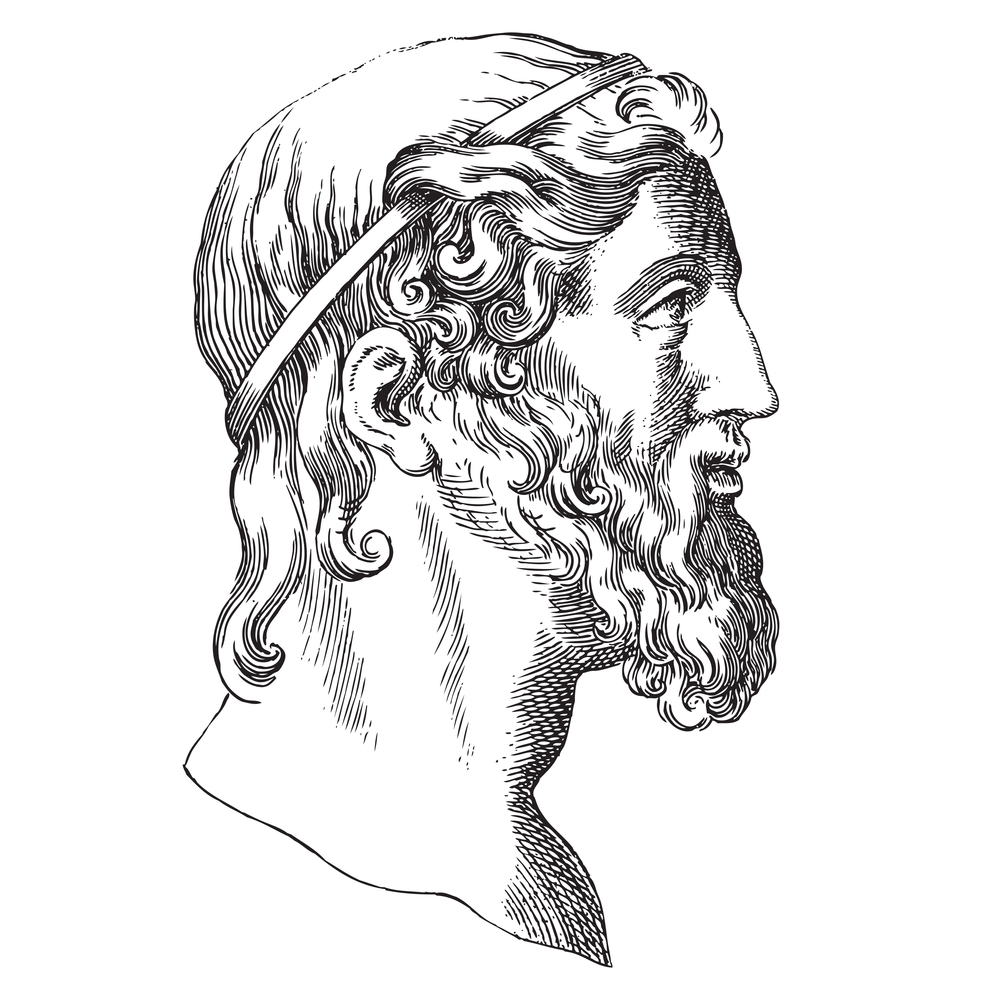 Book
The Nicomachean Ethics
AristotleView title >These sections (especially Books VIII–IX) on friendship and virtue offer a deep philosophical background that Cicero draws on. Aristotle's ideas heavily influenced Cicero's own vision of a good life.
 Book
Letters on Ethics: To Lucilius
SenecaVisit site ↗Especially letters dealing with aging, death, and the pursuit of wisdom. Seneca’s Stoic perspective complements Cicero’s, with a stronger focus on internal peace and self-mastery.
More in Philosophy, Psychology, and Religion
See all >The Chief Works of Benedict de Spinoza, vol 1
Benedict de SpinozaThe Philosophical Works of David Hume, vol. 3 (Essays Moral, Political, and Literary) (1828 ed.)
David HumeThe English Works, vol. X (Iliad and Odyssey)
HomerDialogues, vol. 5 - Laws, Index to the Writings of Plato
PlatoDialogues, vol. 4 - Parmenides, Theaetetus, Sophist, Statesman, Philebus
PlatoDialogues, vol. 3 - Republic, Timaeus, Critias
PlatoDialogues, vol. 2
PlatoThe Works of John Locke, vol. 4 Economic Writings and Two Treatises of Government
John LockeThe Works, vol. 2 An Essay concerning Human Understanding Part 2 and Other Writings
John Locke