

Joseph Addison
1672–1719
Joseph Addison (1672-1719) was educated at Oxford, served as a member of Parliament, and became widely known as an essayist, playwright,…


Language and Literature
600 items in this collection
Serious discussions of liberty are not limited to academic works. Poets, playwrights, and novelists have had much to contribute as well.
In this collection
203 titles, earliest first.
David Hume · 0
An 1828 edition of the Essays, Moral, Political and Literary.
Suetonius Tranquillus · 120
Suetonius’ most famous work of the lives of the 12 Caesars along with his shorter biographies of famous grammarians, rheoticians and poets.
Publius Cornelius Tacitus · 120
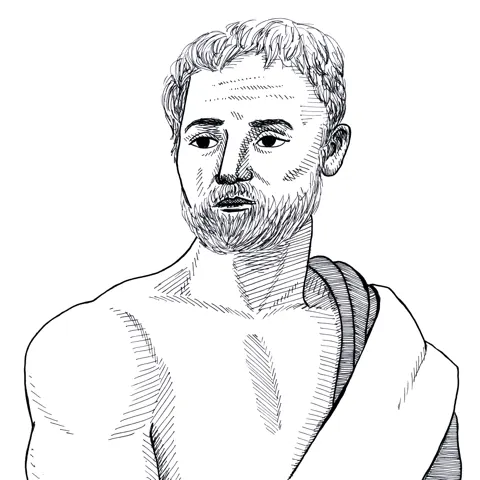
The historical works of Tacitus are a history of the period from A.D. 14 to 96 in thirty volumes. Although many of the works were lost (only books 1-5 of the Histories and 1-6 and 11-16 of the Annals survive), enough…
Kalidasa · 400
A collection of Sanskrit plays by Kalidasa who influenced late eighteenth- and early nineteenth-century European literature. His work is noted for its portrayal of the unity of duty to one’s family, religion, and…
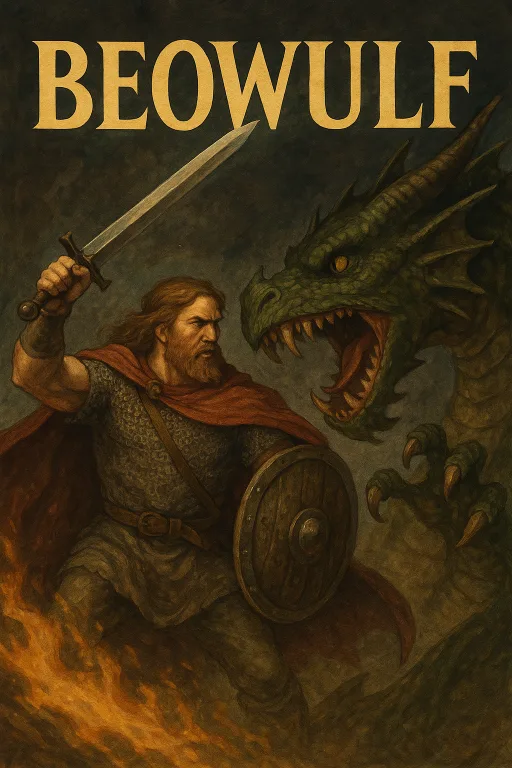
Beowulf · 750
An edition of the tale in the original Old English with an extensive glossary. Beowulf is one of the first literary masterpieces of the English language, written in Old English in the eleventh century. The story itself…
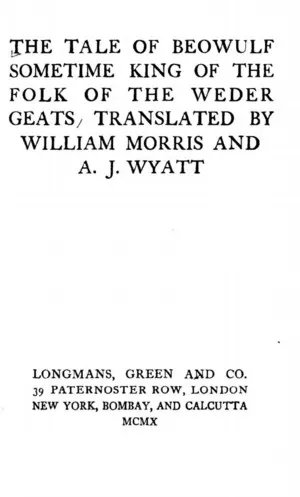
Beowulf · 750
An English translation of the tale. Beowulf is one of the first literary masterpieces of the English language, written in Old English in the eleventh century. The story itself is thought to have been originally composed…
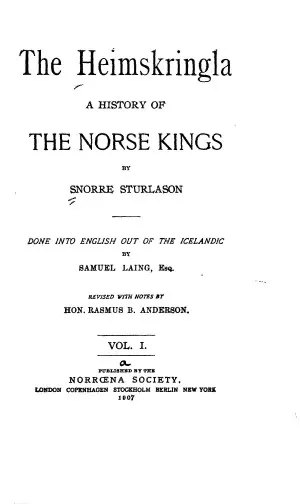
Snorre Sturlason · 1220
The Heimskringla presents the German mythical god, Odin, as an actual historical figure and the first Norse king. Sturluson traced the history of sixteen famous Nordic kings from this ancient figure through Halvdan the…
Snorre Sturlason · 1220
Vol. 1 of 3. The Heimskringla presents the German mythical god, Odin, as an actual historical figure and the first Norse king. Sturluson traced the history of sixteen famous Nordic kings from this ancient figure through…
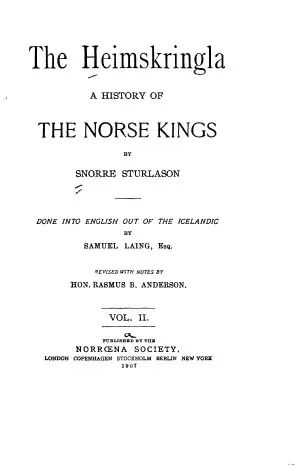
Snorre Sturlason · 1220
Vol. 2 of 3. The Heimskringla presents the German mythical god, Odin, as an actual historical figure and the first Norse king. Sturluson traced the history of sixteen famous Nordic kings from this ancient figure through…
Snorre Sturlason · 1220
Vol. 3 of 3. The Heimskringla presents the German mythical god, Odin, as an actual historical figure and the first Norse king. Sturluson traced the history of sixteen famous Nordic kings from this ancient figure through…
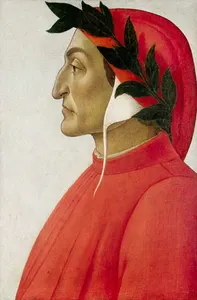
Dante Alighieri · 1321
Dante’s masterwork is a 3 volume work written in Italian rather than Latin. Vol. 1 (Inferno (Hell) describes what happens to the souls of the wicked who are condemned to suffer the torments of Hell. Vol. 2 Purgatorio…
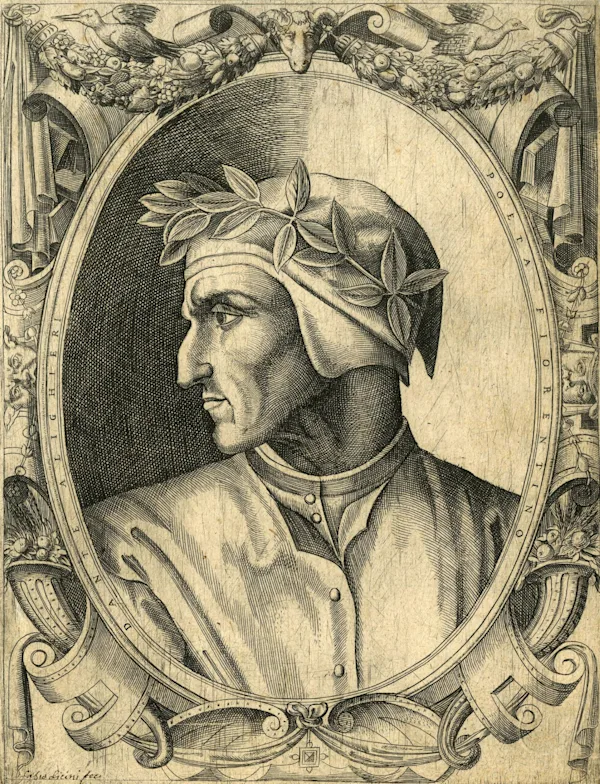
Dante Alighieri · 1321
Dante’s masterwork is a 3 volume work written in Italian rather than Latin. It embraces human individuality and happiness in a way which suggests the beginning of the Renaissance. This edition contains a side-by-side…
Dante Alighieri · 1321
Dante’s masterwork is a 3 volume work written in Italian rather than Latin. It embraces human individuality and happiness in a way which suggests the beginning of the Renaissance. This edition contains the English…
Dante Alighieri · 1321
Dante’s masterwork is a 3 volume work written in Italian rather than Latin. It embraces human individuality and happiness in a way which suggests the beginning of the Renaissance. This edition contains the Italian…
Dante Alighieri · 1321
Dante’s masterwork is a 3 volume work written in Italian rather than Latin. It embraces human individuality and happiness in a way which suggests the beginning of the Renaissance. This is a bilingual Italian and English…
Dante Alighieri · 1321
Dante’s masterwork is a 3 volume work written in Italian rather than Latin. It embraces human individuality and happiness in a way which suggests the beginning of the Renaissance. This is a bilingual Italian and English…
Dante Alighieri · 1321
Dante’s masterwork is a 3 volume work written in Italian rather than Latin. It embraces human individuality and happiness in a way which suggests the beginning of the Renaissance. This is a bilngual Italian and English…
Dante Alighieri · 1321
Dante’s masterwork is a 3 volume work written in Italian rather than Latin. It embraces human individuality and happiness in a way which suggests the beginning of the Renaissance. This voume contains the English…
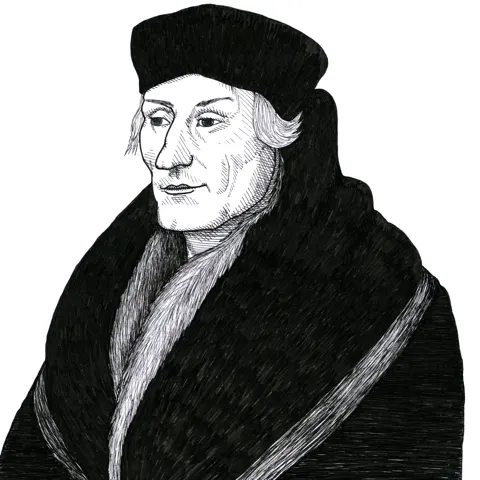
Desiderius Erasmus · 1518
In the guise of a school textbook on sound Latin prose Erasmus is able to mix sound language teaching, homilies on Christian ethics, and social criticism of some of the injustices and follies of his day.
Dante Alighieri · 1559
The great Italian poet turns his hand to political thought and defends the reign of a single monarch ruling over a universal empire. He believed that peace was only achievable when a single monarch replaced divisive and…
Plutarch · 1579
A 2 volume selection of the works of Plutarch which Shakespeare used in the writing of Julius Caesar, Anthony and Cleopatra, and Coriolanus.
Plutarch · 1579
Vol. 2 of a 2 volume selection of the works of Plutarch which Shakespeare used in the writing of Julius Caesar, Anthony and Cleopatra, and Coriolanus. Vol. 2 contains the main sources of Anthony and Cleopatra and of…
Plutarch · 1579
Vol. 1 of a 2 volume selection of the works of Plutarch which Shakespeare used in the writing of Julius Caesar, Anthony and Cleopatra, and Coriolanus. Vol. I contains the main sources of Julius Caesar.
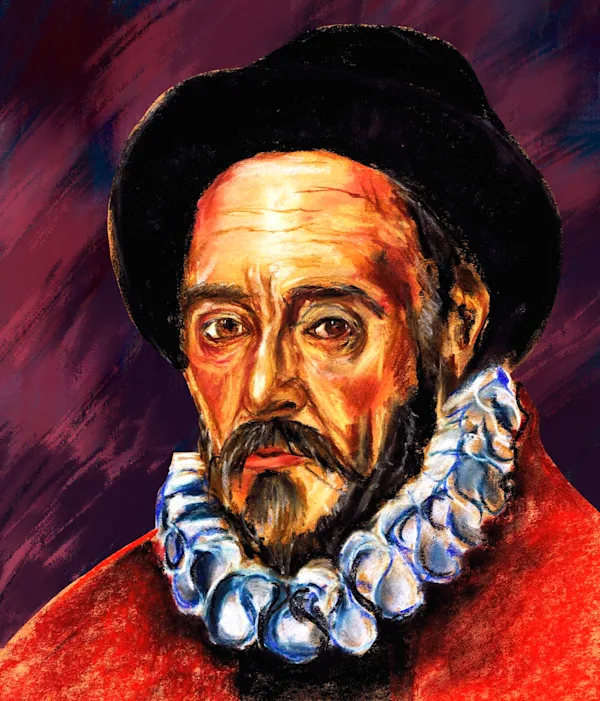
Michel de Montaigne · 1580
This edition presents a full ten-volume set of Michel de Montaigne’s Essays, translated into English in the 17th century by Charles Cotton and later revised by William Carew Hazlitt. Volumes 1 through 9 consist of the…
Michel de Montaigne · 1580
Volume 1 of a 10 volume collection of Montaigne’s famous essays in the 17th century English translation by Charles Cotton.
Michel de Montaigne · 1580
Volume 2 of a 10 volume collection of Montaigne’s famous essays in the 17th century English translation by Charles Cotton.
Michel de Montaigne · 1580
Volume 3 of a 10 volume collection of Montaigne’s famous essays in the 17th century English translation by Charles Cotton.
Michel de Montaigne · 1580
Volume 4 of a 10 volume collection of Montaigne’s famous essays in the 17th century English translation by Charles Cotton.
Michel de Montaigne · 1580
Volume 5 of a 10 volume collection of Montaigne’s famous essays in the 17th century English translation by Charles Cotton.
Michel de Montaigne · 1580
Volume 6 of a 10 volume collection of Montaigne’s famous essays in the 17th century English translation by Charles Cotton.
Michel de Montaigne · 1580
Volume 7 of a 10 volume collection of Montaigne’s famous essays in the 17th century English translation by Charles Cotton.
Michel de Montaigne · 1580
Volume 8 of a 10 volume collection of Montaigne’s famous essays in the 17th century English translation by Charles Cotton.
Michel de Montaigne · 1580
Volume 9 of a 10 volume collection of Montaigne’s famous essays in the 17th century English translation by Charles Cotton.
Christopher Marlowe · 1590
A three volume collection of of Marlowe’s plays and poetry.
Christopher Marlowe · 1590
Three of Marlowe’s plays - Tamburlaine parts 1 and 2, and Dr. Faustus.
Christopher Marlowe · 1593
Vol.2 contains the following plays - the Jew of Malta, Edward the Second, the Massacre at Paris, the Tradegy of Dido.
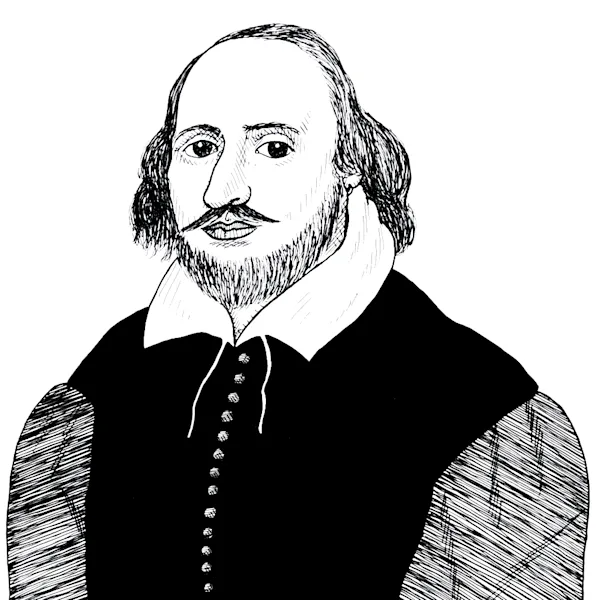
William Shakespeare · 1594
One of the plays in the 1916 Oxford University Press edition of all of Shakespeare’s plays and poems.
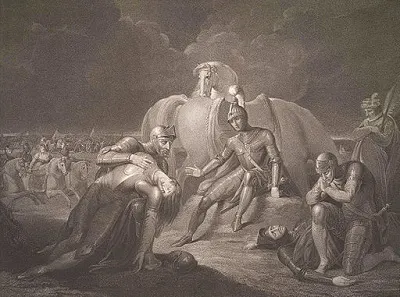
William Shakespeare · 1594
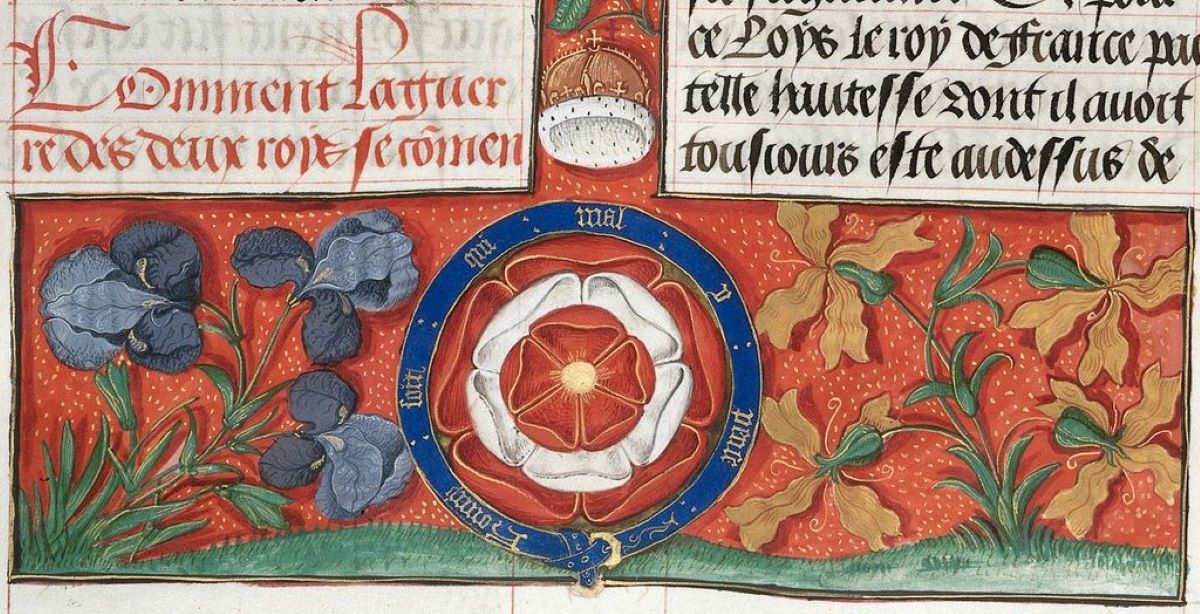
Shakespeare’s three plays about Henry VI trace the tumultuous years of the Wars of the Roses, as the houses of York (whose symbol was a white rose) and Lancaster (symbolized by a red rose) battled for the crown of…
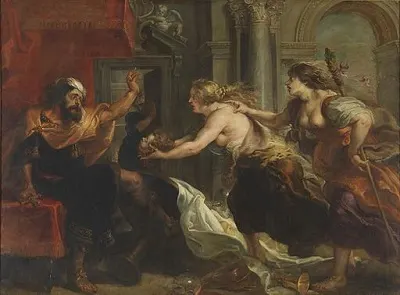
William Shakespeare · 1594
Shakespeare’s Titus Andronicus is famously the bloodiest and most violent of Shakespeare’s often bloody and violent tragedies.Its horrors reflect the collapse and decay of the Roman empire and the fear that failure…
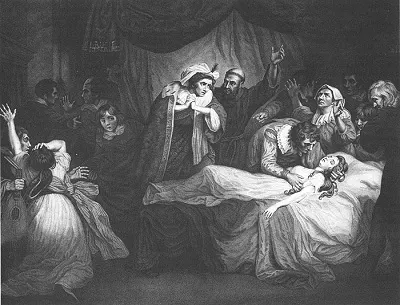
William Shakespeare · 1597
Shakespeare’s Romeo and Juliet may be his most familiar play. Its tragic story of young love gone awry in a world of family conflict is a perennial favorite, and has inspired endless imitators. This edition comes from…
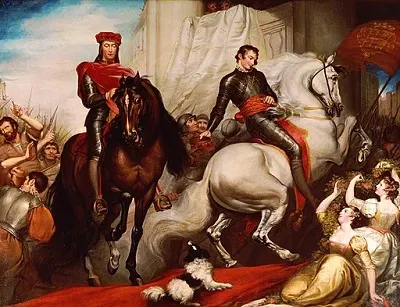
William Shakespeare · 1597
Shakespeare’s Richard II is a puzzling play about a puzzling historical figure. Is Richard II a weak king who is shamefully deposed? Is he a noble king who chooses to abdicate to spare his people the horrors of war?…
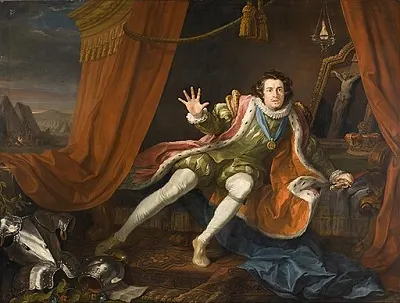
William Shakespeare · 1597
Shakespeare’s Richard III is a compelling portrait of the lengths to which ambition can drive a man. But is the play--despite its popularity--merely Tudor propaganda? This edition comes from the 1916 Oxford University…
William Shakespeare · 1598
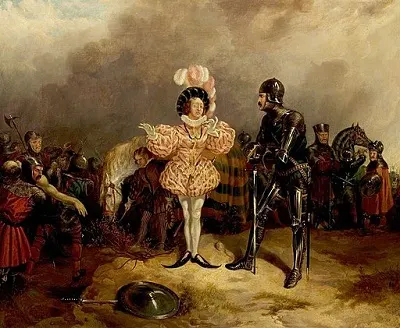
Shakespeare’s King Henry IV, Part One focuses not only on powerful political drama, but on the way that political drama is echoed in the relationship of a father and son. Henry IV has risked everything, including his…
Christopher Marlowe · 1598
Vol. 3 contains Hero and Leander and other poetry.
William Shakespeare · 1600
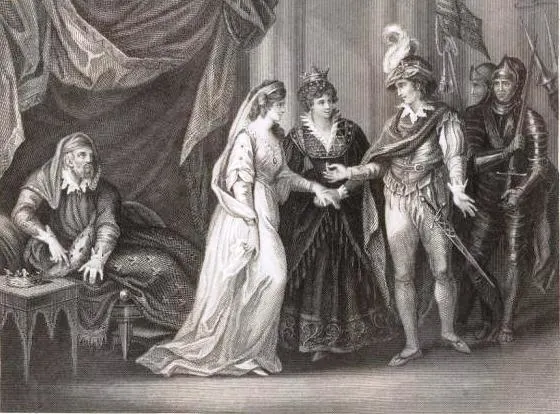
One of Shakespeare’s most popular plays, Henry V has spoken to generation after generation because its complex view of military action has allowed for each generation of readers to interpret the play’s stance on war…
William Shakespeare · 1600
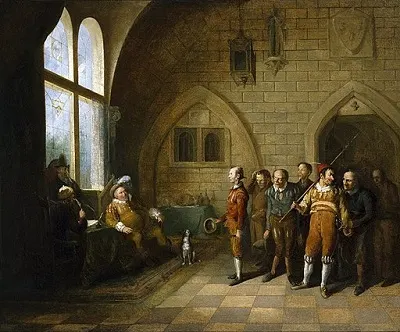
Henry IV, Part Two continues the complicated political and family dynamics that marked Henry IV, Part One. This play, though, provides a lesson in the power of diplomacy in the place of battle. This edition comes from…
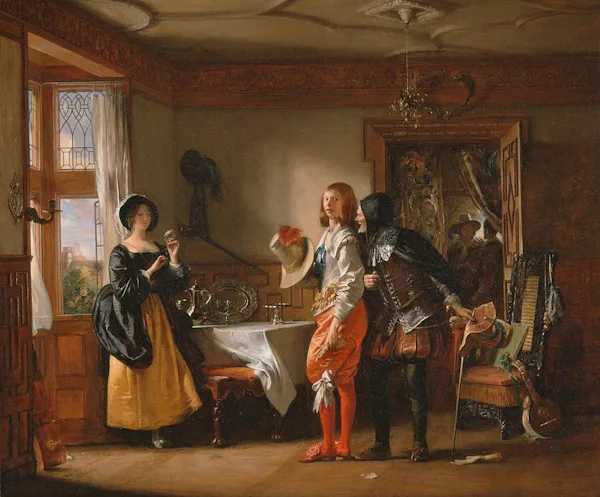
William Shakespeare · 1602
Theatrical tradition (probably spurious) has it that Shakespeare wrote Merry Wives of Windsor in response to Queen Elizabeth’s demand to see a play with Falstaff in love. This edition comes from the 1916 Oxford…
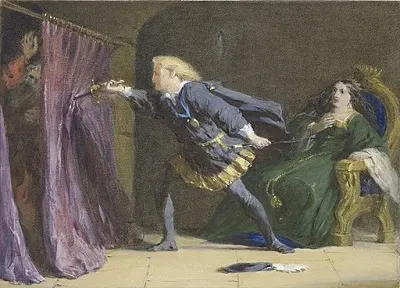
William Shakespeare · 1603
Shakespeare’s Hamlet is one of the great English language tragedies. It wrangles with themes of revenge, despair, indecision, and mortality and questions about the place of the individual human being in the sweep of…
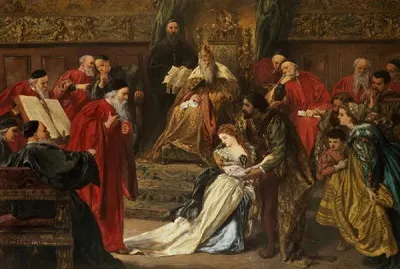
William Shakespeare · 1608
Shakespeare’s King Lear may be his greatest tragedy. It presents a dark picture of aging, of an uncaring universe, and the dangers of an unstable king struggling to understand his own power. This edition comes from the…
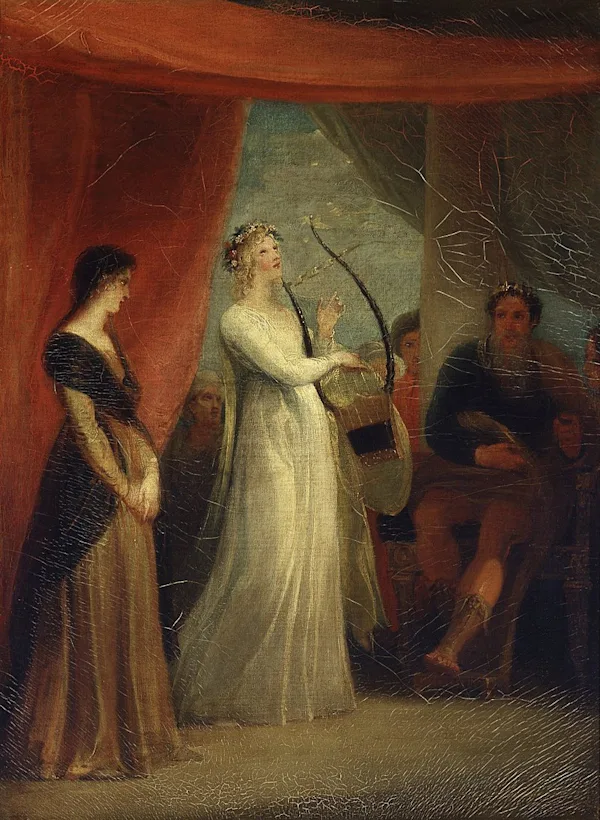
William Shakespeare · 1609
Pericles, Prince of Tyre is unique among Shakespeare’s plays, as it imports a famous medieval poet, John Gower, to serve as the narrator and interpreter of the play’s events. Neither a tragedy nor a comedy, but…
William Shakespeare · 1609
A good modern edition of all of Shakespeare’s sonnets and A Lover’s Complaint accompanied by a scholarly introduction and notes on the poems.
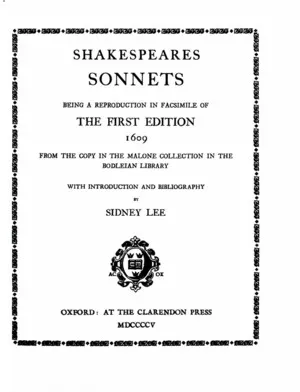
William Shakespeare · 1609
A facsimile of the original 1609 edition of all of Shakespeare’s sonnets and A Lover’s Complaint accompanied by a lengthy scholarly introduction.
William Shakespeare · 1609
Troilus and Cressida sits uneasily somewhere between comedy and tragedy. The tale of young lovers, set against the backdrop of the Trojan War is often driven by satire and humor, but the play’s end is unsettlingly dark.…
William Shakespeare · 1622
Shakespeare’s Othello has always been an interesting play, but its considerations of race, rank, and romance may have become more interesting as our cultural contexts have changed around it. This edition comes from the…
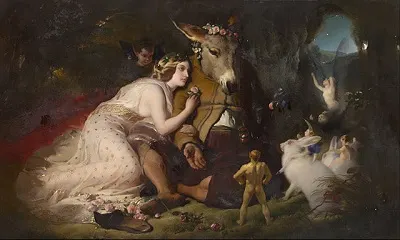
William Shakespeare · 1623
A Midsummer Night’s Dream is one of Shakespeare’s most performed comedies.Fairy magic, feuding pairs of lovers, and a bumbling amateur theater troupe combine to produce comedy, romance, and a little mayhem. This edition…
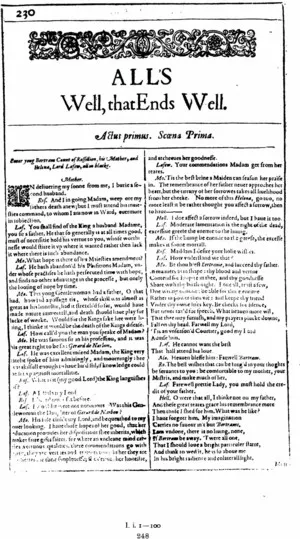
William Shakespeare · 1623
All’s Well that Ends Well has defied categorization for centuries. The winning of a reluctant husband by an over-eager bride, and the subsequent bed-trick that secures their continued marriage are morally complicated in…
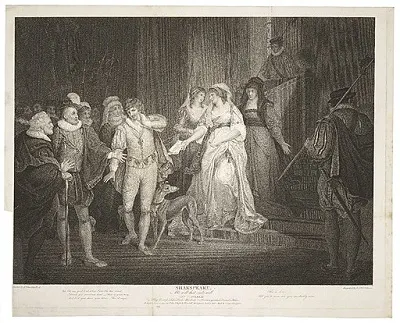
William Shakespeare · 1623
All’s Well that Ends Well has defied categorization for centuries. The winning of a reluctant husband by an over-eager bride, and the subsequent bed-trick that secures their continued marriage are morally complicated in…
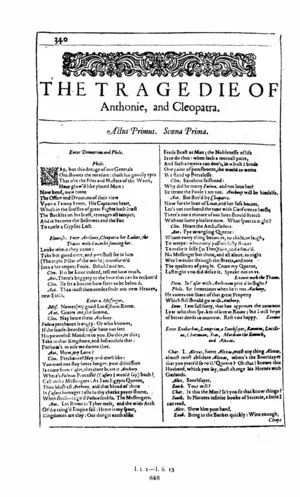
William Shakespeare · 1623
Shakespeare’s Antony and Cleopatra is a famously difficult play to stage. It’s complicated plot and constant shifting of scenes make the action hard to follow. It may now be as well known for the flop starring Elizabeth…
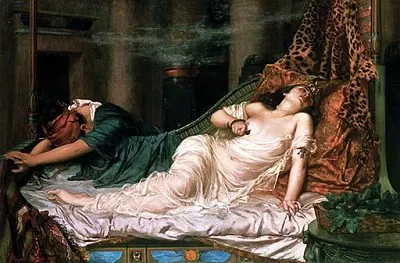
William Shakespeare · 1623
Shakespeare’s Antony and Cleopatra is a famously difficult play to stage. It’s complicated plot and constant shifting of scenes make the action hard to follow. It may be as well known for the flop starring Elizabeth…
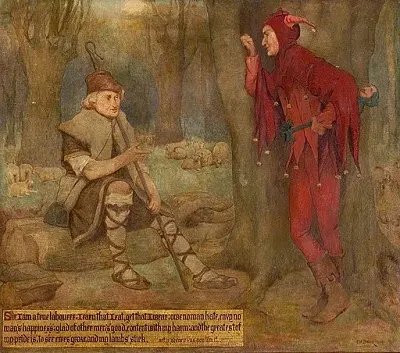
William Shakespeare · 1623
The physical action of As You LIke It, where Rosalind and Celia are exiled from their home into the forest mirrors the psychological action, as characters find their way through confusion and pain to love and happiness.…
William Shakespeare · 1623
The physical action of As You LIke It, where Rosalind and Celia are exiled from their home into the forest mirrors the psychological action, as characters find their way through confusion and pain to love and happiness.…
William Shakespeare · 1623
Shakespeare’s Coriolanus is a dramatic tragedy about a hero who is famously resistant to theatricality and performance as a part of political life. It takes on the question of whether one’s deeds should be enough to…
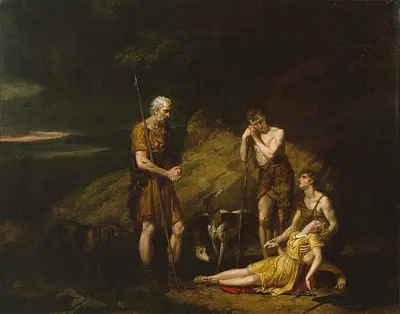
William Shakespeare · 1623
Shakespeare’s Cymbeline is one of his least-performed plays. Its retelling of a famous tale from Boccaccio explores themes of marriage, seduction, trust, and women’s honor that are frequent focuses of other plays, like…
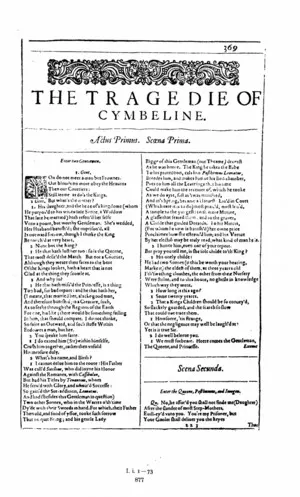
William Shakespeare · 1623
Shakespeare’s Cymbeline is one of his least-performed plays. Its retelling of a famous tale from Boccaccio explores themes of marriage, seduction, trust, and women’s honor that are frequent focuses of other plays, like…
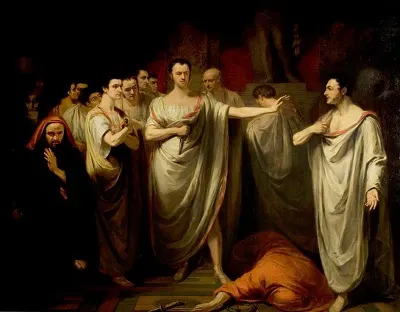
William Shakespeare · 1623
Shakespeare’s Julius Caesar is the best known and most widely read of his Roman plays. Its portraits of ambition, loyalty, and treachery remain evergreen. The funeral orations by Brutus and Mark Antony remain some of…
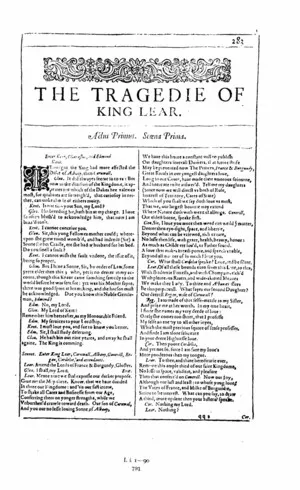
William Shakespeare · 1623
Shakespeare’s King Lear may be his greatest tragedy. It presents a dark picture of aging, of an uncaring universe, and the dangers of an unstable king struggling to understand his own power. This is a facsimile edition…
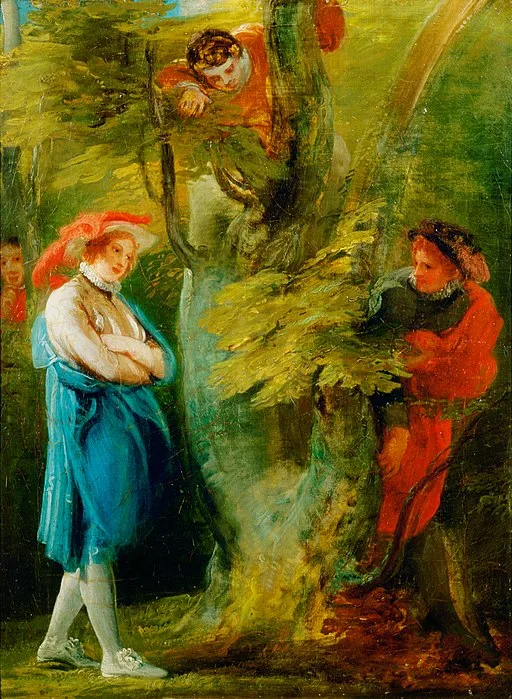
William Shakespeare · 1623
Written for an educated, courtly audience, performed for Elizabeth I, Love’s Labour’s Lost is one of Shakespeare’s most linguistically spectacular comedies. This edition comes from the 1916 Oxford University Press…
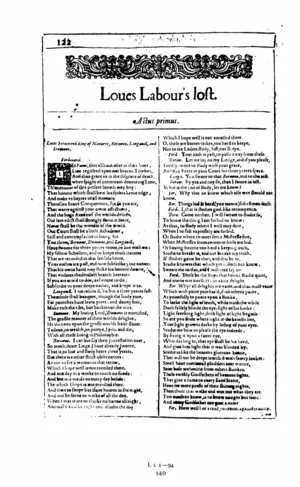
William Shakespeare · 1623
Written for an educated, courtly audience, performed for Elizabeth I, Love’s Labour’s Lost is one of Shakespeare’s most linguistically spectacular comedies. This is a facsimile edition of the play from the First Folio…
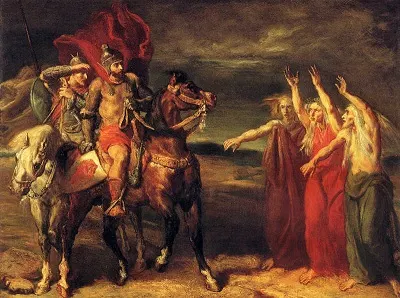
William Shakespeare · 1623
Shakespeare’s Macbeth explores questions of fate, free will, and tyranny. This edition comes from the 1916 Oxford University Press edition of all of Shakespeare’s plays and poems.
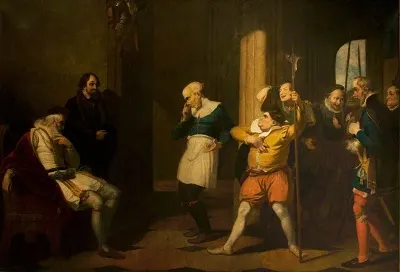
William Shakespeare · 1623
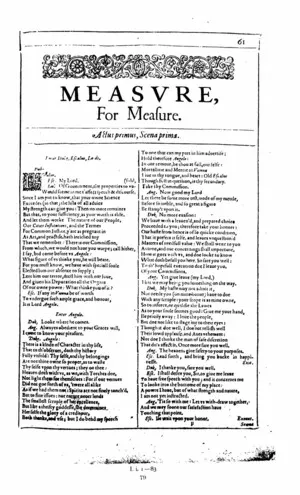
Measure for Measure considers questions of law, justice, and the nature of promises and vows. Like The Merchant of Venice it is one of Shakespeare’s legal plays, with a trial scene at the peak of the action. This…
William Shakespeare · 1623
Measure for Measure considers questions of law, justice, and the nature of promises and vows. Like The Merchant of Venice it is one of Shakespeare’s legal plays, with a trial scene at the peak of the action. This is a…
William Shakespeare · 1623
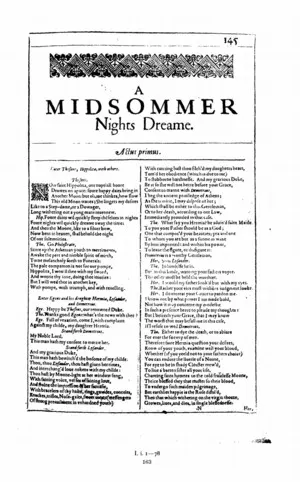
A Midsummer Night’s Dream is one of Shakespeare’s most performed comedies.Fairy magic, feuding pairs of lovers, and a bumbling amateur theater troupe combine to produce comedy, romance, and a little mayhem. This is a…
William Shakespeare · 1623
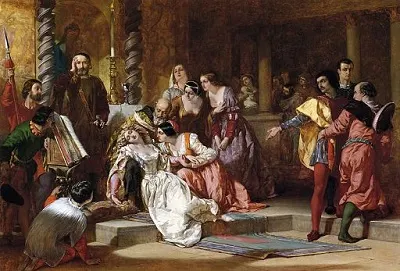
Charles I famously crossed the title Much Ado About Nothing off his copy of the play and replaced it with “Beatrice and Benedick.” But entertaining and moving as these two bantering lovers are, it is the dangerous,…
William Shakespeare · 1623
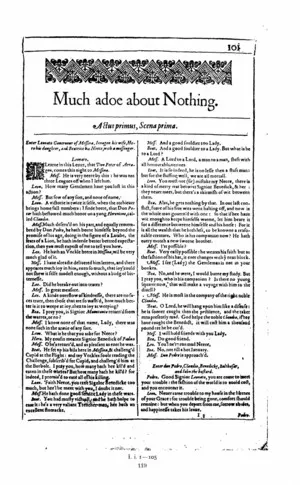
Charles I famously crossed the title Much Ado About Nothing off his copy of the play and replaced it with “Beatrice and Benedick.” But entertaining and moving as these two bantering lovers are, it is the dangerous,…
William Shakespeare · 1623
Shakespeare’s Othello has always been an interesting play, but its considerations of race, rank, and romance may have become more interesting as our cultural contexts have changed around it. This is a facsimile edition…
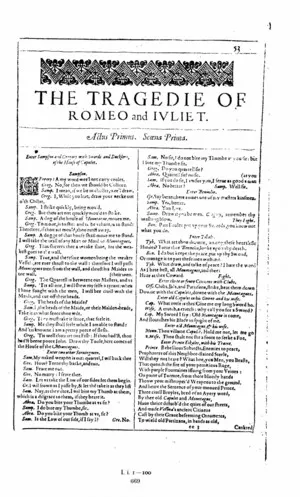
William Shakespeare · 1623
Shakespeare’s Romeo and Juliet may be his most familiar play. Its tragic story of young love gone awry in a world of family conflict is a perennial favorite, and has inspired endless imitators. This is a facsimile…
William Shakespeare · 1623
A facsimile edition of the complete plays of Shakespeare, taken from the First Folio edition of 1623 and with a modern introduction by the Shakespeare Scholar Sidney Lee.
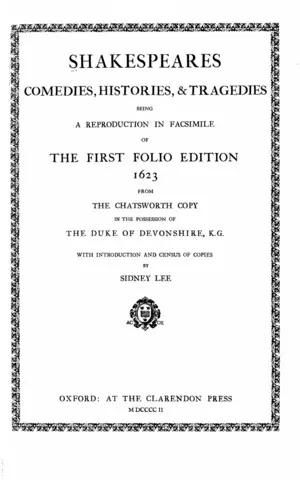
William Shakespeare · 1623
A facsimile edition of the complete plays of Shakespeare, taken from the First Folio edition of 1623 and with a modern introduction by the Shakespeare Scholar Sidney Lee.
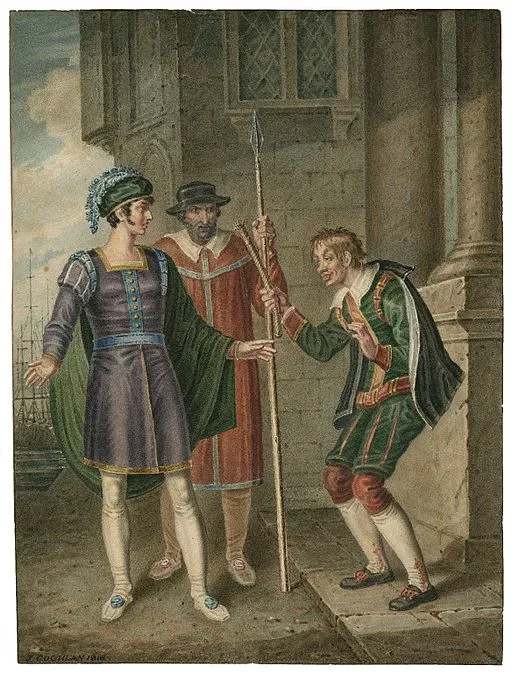
William Shakespeare · 1623
Shakespeare’s Comedy of Errors is a comic farce about two identical sets of twins and their misadventures. This edition comes from the 1916 Oxford University Press edition of all of Shakespeare’s plays and poems.
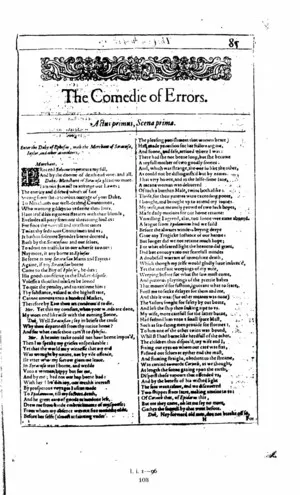
William Shakespeare · 1623
Shakespeare’s Comedy of Errors is a comic farce about two identical sets of twins and their misadventures. This is a facsimile edition of the play from the First Folio edition of 1623.
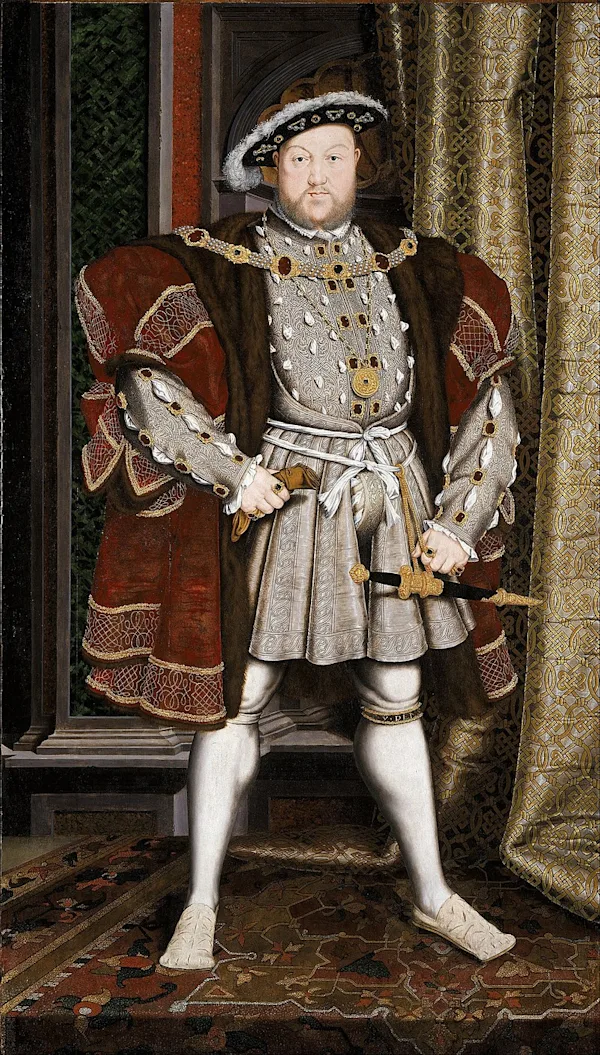
William Shakespeare · 1623
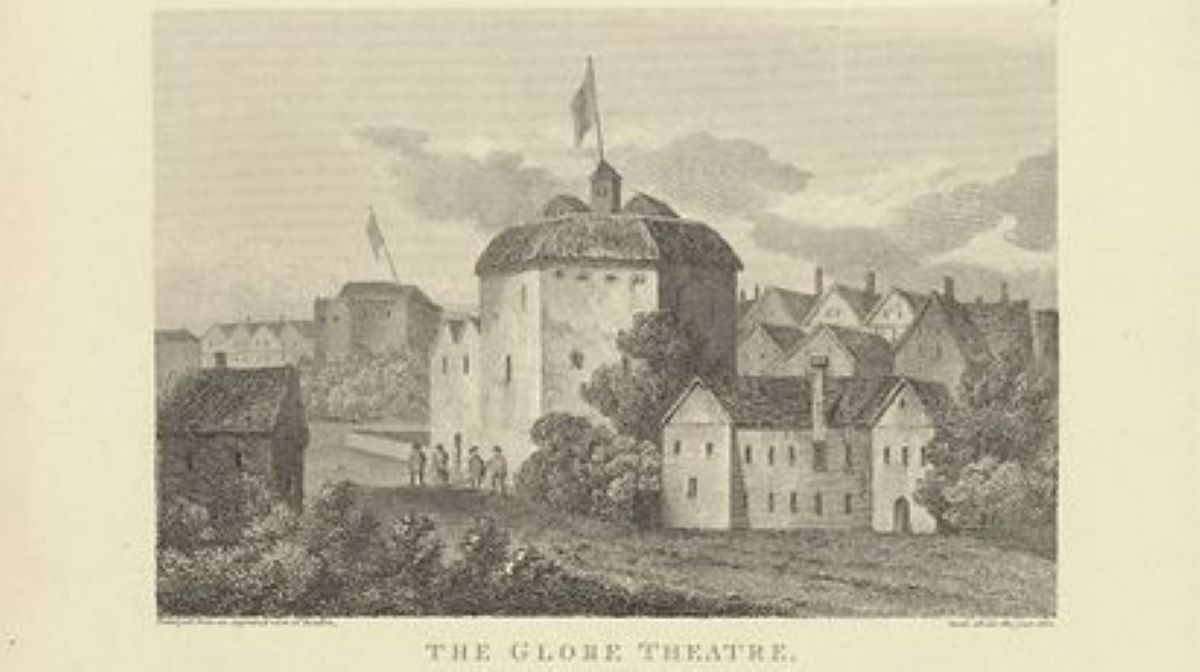
Shakespeare’s Henry VIII may be best known not for its plot or poetry, but because during one of its earliest performances a cannon, shot for special effects, caught the theater’s thatched roof on fire, and the Globe…
William Shakespeare · 1623
Shakespeare’s King Henry IV, Part One focuses not only on powerful political drama, but on the way that political drama is echoed in the relationship of a father and son. Henry IV has risked everything, including his…
William Shakespeare · 1623
Shakespeare’s three plays about Henry VI trace the tumultuous years of the Wars of the Roses, as the houses of York (whose symbol was a white rose) and Lancaster (symbolized by a red rose) battled for the crown of…
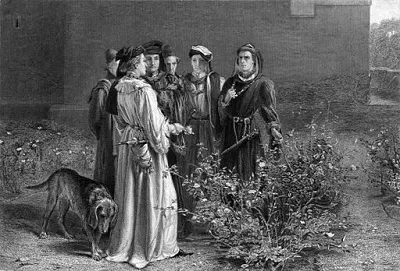
William Shakespeare · 1623
Shakespeare’s three plays about Henry VI trace the tumultuous years of the Wars of the Roses, as the houses of York (whose symbol was a white rose) and Lancaster (symbolized by a red rose) battled for the crown of…
William Shakespeare · 1623
Shakespeare’s Julius Caesar is the best known and most widely read of his Roman plays. Its portraits of ambition, loyalty, and treachery remain evergreen. The funeral orations by Brutus and Mark Antony remain some of…
William Shakespeare · 1623
The contest for the crown at the center of King John is a bloody and violent one, with a surprising hero in the figure of the illegitimate Richard Plantagenet. This edition comes from the 1916 Oxford University Press…
William Shakespeare · 1623
The contest for the crown at the center of King John is a bloody and violent one, with a surprising hero in the figure of the illegitimate Richard Plantagenet. This is a facsimile edition of the play from the First…
William Shakespeare · 1623
Shakespeare’s Richard II is a puzzling play about a puzzling historical figure. Is Richard II a weak king who is shamefully deposed? Is he a noble king who chooses to abdicate to spare his people the horrors of war?…
William Shakespeare · 1623
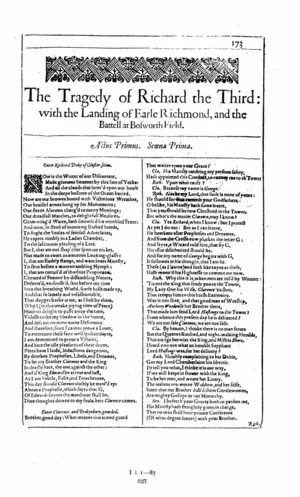
Shakespeare’s Richard III is a compelling portrait of the lengths to which ambition can drive a man. But is the play--despite its popularity--merely Tudor propaganda? This is a facsimile edition of the play from the…
William Shakespeare · 1623
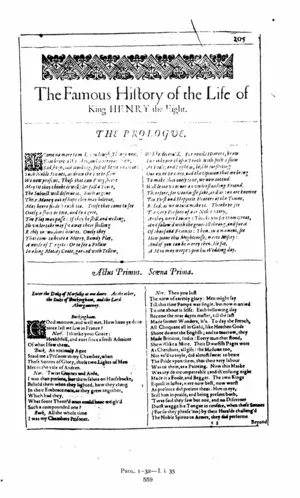
Shakespeare’s Henry VIII may be best known not for its plot or poetry, but because during one of its earliest performances a cannon, shot for special effects, caught the theater’s thatched roof on fire, and the Globe…
William Shakespeare · 1623
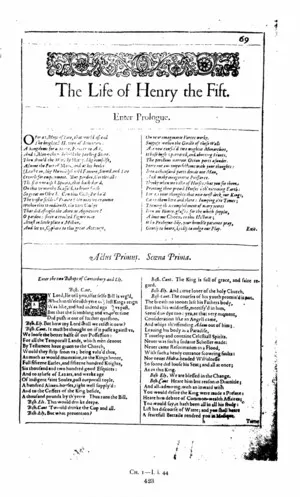
One of Shakespeare’s most popular plays, Henry V has spoken to generation after generation because its complex view of military action has allowed for each generation of readers to interpret the play’s stance on war…
William Shakespeare · 1623
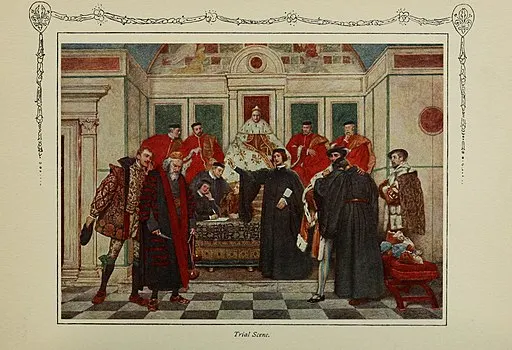
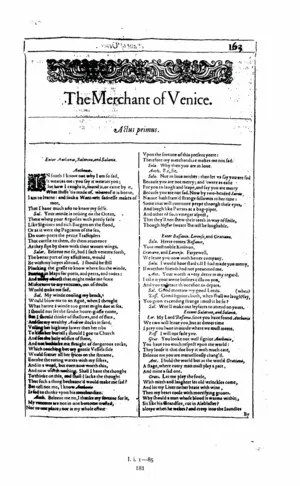
The Merchant of Venice famously depicts the bargain between Antonio and Shylock to secure a monetary loan with the promise of “a pound of flesh” if the loan is not repaid. In doing so, it explores the complex issues of…
William Shakespeare · 1623
The Merchant of Venice famously depicts the bargain between Antonio and Shylock to secure a monetary loan with the promise of “a pound of flesh” if the loan is not repaid. In doing so, it explores the complex issues of…
William Shakespeare · 1623
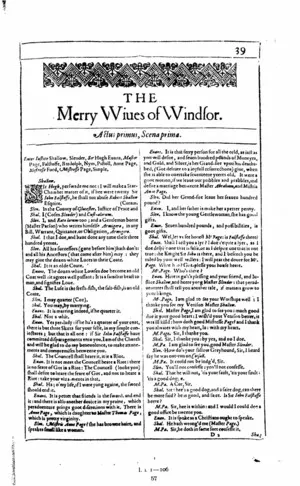
Theatrical tradition (probably spurious) has it that Shakespeare wrote Merry Wives of Windsor in response to Queen Elizabeth’s demand to see a play with Falstaff in love. This is a facsimile edition of the play from the…
William Shakespeare · 1623
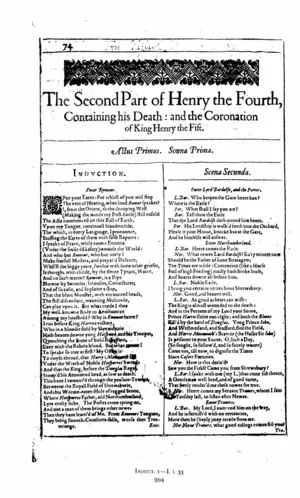
Henry IV, Part Two continues the complicated political and family dynamics that marked Henry IV, Part One. This play, though, provides a lesson in the power of diplomacy in the place of battle. This is a facsimile…
William Shakespeare · 1623
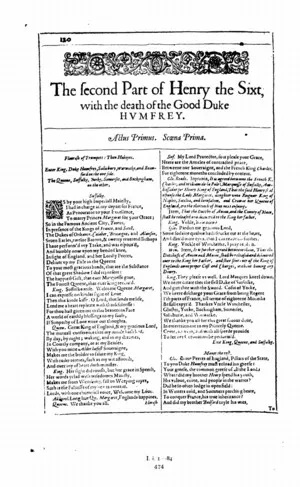
One of Shakespeare’s history plays. A facsimile edition of the play from the First Folio edition of 1623.
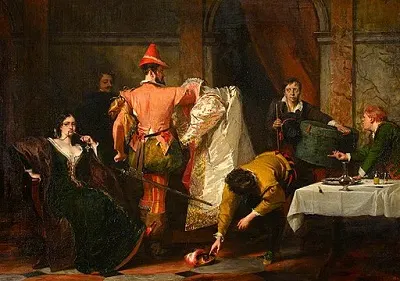
William Shakespeare · 1623
The Taming of the Shrew and its story of an overbearing husband taming a shrewish wife may not have aged particularly well, but critics have long debated how seriously it is meant to be taken, and whether or not Kate…
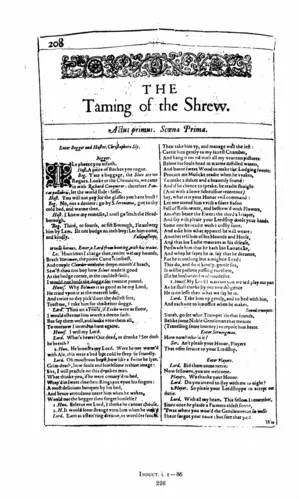
William Shakespeare · 1623
The Taming of the Shrew and its story of an overbearing husband taming a shrewish wife may not have aged particularly well, but critics have long debated how seriously it is meant to be taken, and whether or not Kate…
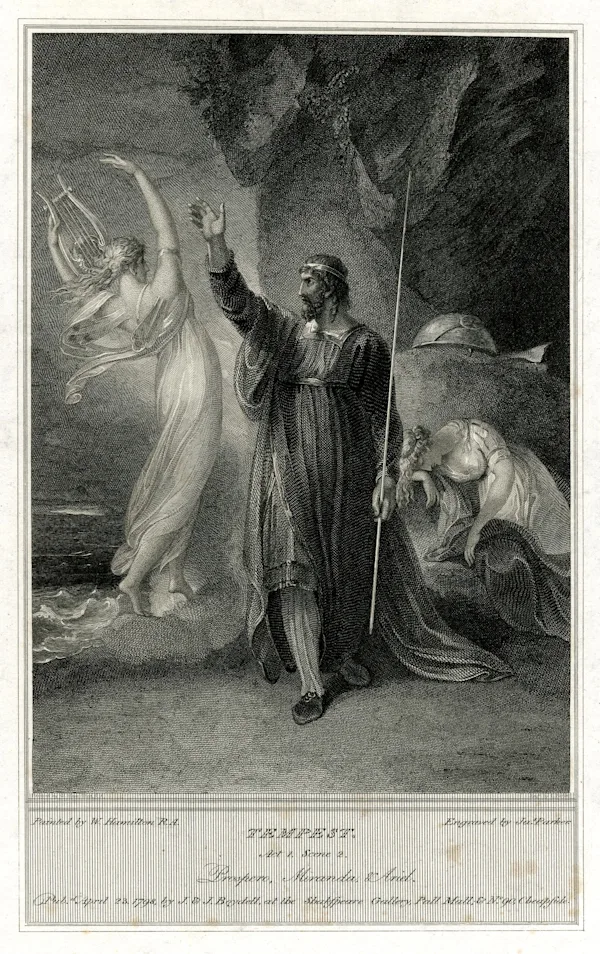
William Shakespeare · 1623
Thought to be one of Shakespeare’s latest plays, The Tempest is haunted by magic and by images of humans at their best and their worst. Many critics read Prospero’s farewell to his books at the play’s end as conveying,…
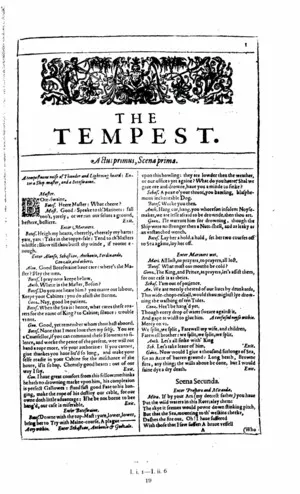
William Shakespeare · 1623
Thought to be one of Shakespeare’s latest plays, The Tempest is haunted by magic and by images of humans at their best and their worst. Many critics read Prospero’s farewell to his books at the play’s end as conveying,…
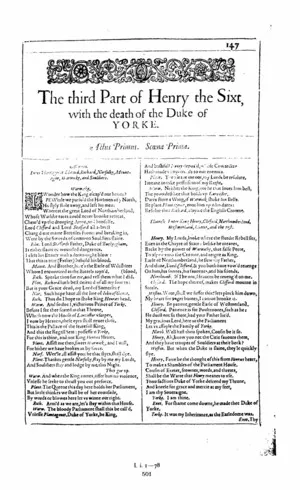
William Shakespeare · 1623
Shakespeare’s three plays about Henry VI trace the tumultuous years of the Wars of the Roses, as the houses of York (whose symbol was a white rose) and Lancaster (symbolized by a red rose) battled for the crown of…
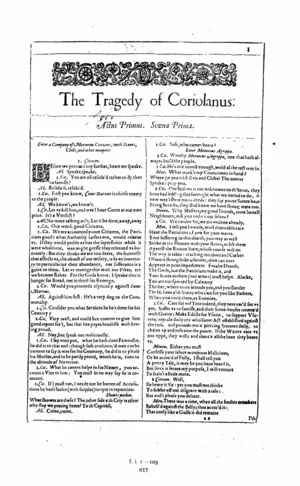
William Shakespeare · 1623
Shakespeare’s Coriolanus is a dramatic tragedy about a hero who is famously resistant to theatricality and performance as a part of political life. It takes on the question of whether one’s deeds should be enough to…
William Shakespeare · 1623
Shakespeare’s Hamlet is one of the great English language tragedies. It wrangles with themes of revenge, despair, indecision, and mortality and questions about the place of the individual human being in the sweep of…
William Shakespeare · 1623
Shakespeare’s Macbeth explores questions of fate, free will, and tyranny. This is a facsimile edition of the play from the First Folio edition of 1623.
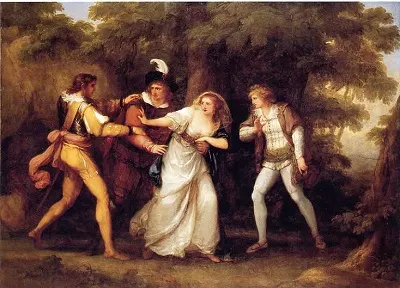
William Shakespeare · 1623
Possibly Shakespeare’s earliest, and definitely one of his least popular plays, Two Gentlemen of Verona winds its way through young love, betrayal, violence, treachery, and even pirates before settling on a happy…
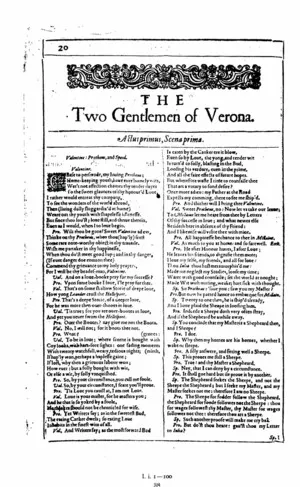
William Shakespeare · 1623
Possibly Shakespeare’s earliest, and definitely one of his least popular plays, Two Gentlemen of Verona winds its way through young love, betrayal, violence, treachery, and even pirates before settling on a happy…
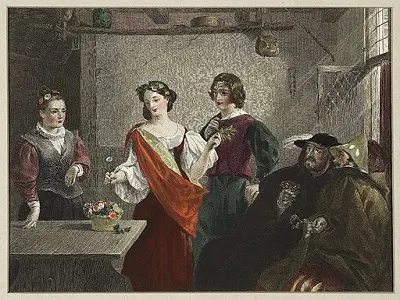
William Shakespeare · 1623
Like Much Ado About Nothing and Othello, the plot of The Winter’s Tale turns on false accusations against a faithful woman. This edition comes from the 1916 Oxford University Press edition of all of Shakespeare’s plays…
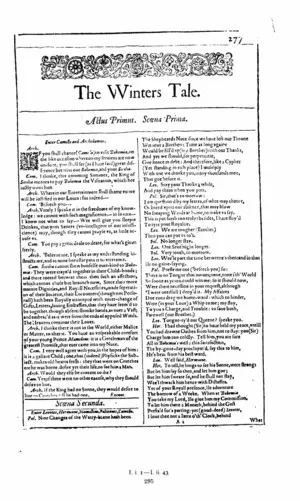
William Shakespeare · 1623
Like Much Ado About Nothing and Othello, the plot of The Winter’s Tale turns on false accusations against a faithful woman. This is a facsimile edition of the play from the First Folio edition of 1623.
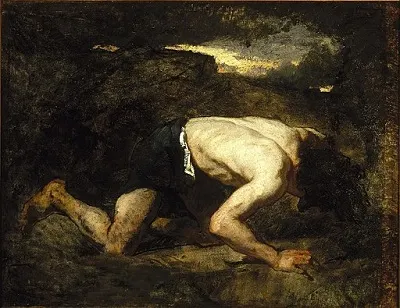
William Shakespeare · 1623
Shakespeare’s Timon of Athens is a study in misanthropy. The generous Timon believes that his gifts to his nation and his friends will secure him their faithfulness and support, but he is deserted at every turn. At…
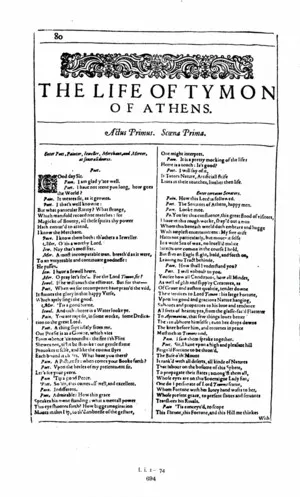
William Shakespeare · 1623
One of Shakespeare’s tragedies. A facsimile edition of the play from the First Folio edition of 1623.
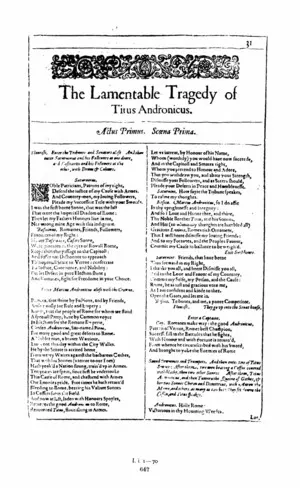
William Shakespeare · 1623
Shakespeare’s Titus Andronicus is famously the bloodiest and most violent of Shakespeare’s often bloody and violent tragedies. ts horrors reflect the collapse and decay of the Roman empire and the fear that failure…
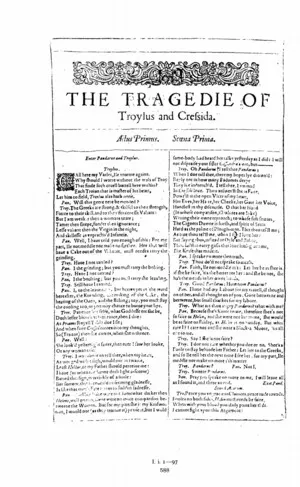
William Shakespeare · 1623
Troilus and Cressida sits uneasily somewhere between comedy and tragedy. The tale of young lovers, set against the backdrop of the Trojan War is often driven by satire and humor, but the play’s end is unsettlingly dark.…
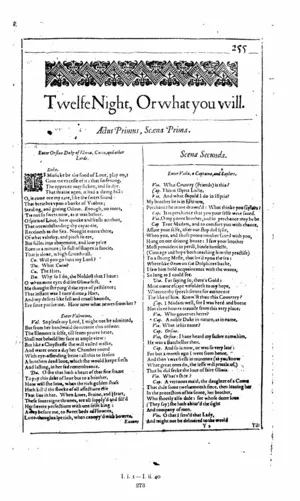
William Shakespeare · 1623
One of Shakespeare’s comedies. A facsimile edition of the play from the First Folio edition of 1623.
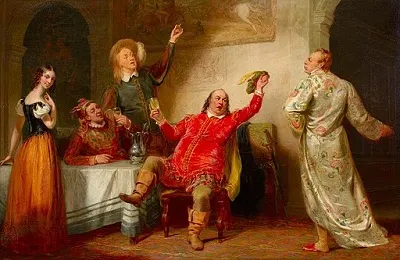
William Shakespeare · 1623
Complicated, merry, and slightly mad, the convoluted disguises and secret identities of Twelfth Night capture the pains and comic madness of love. This edition comes from the 1916 Oxford University Press edition of all…
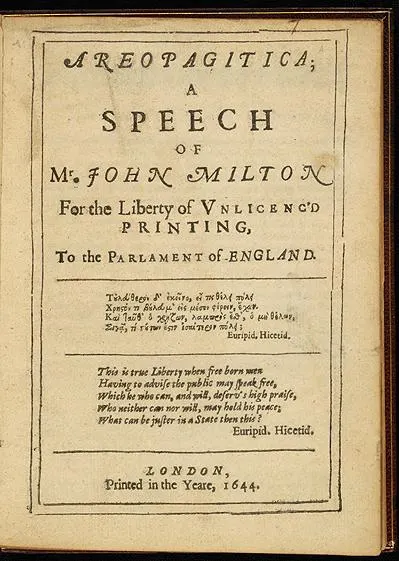
John Milton · 1644
This is Milton's famous defense of freedom of speech and the press, in an edition based upon Sir Richard Jebb’s lectures at Cambridge in 1872, with extensive notes and commentaries. Mlton's work was a protest against…
Virgil · 1697
Virgil’s epic poem, The Aeneid, has been of continuing importance to Western literature. Although it was commissioned by the emperor Augustus, the poem is more than early imperial propaganda. It proclaims the divine…
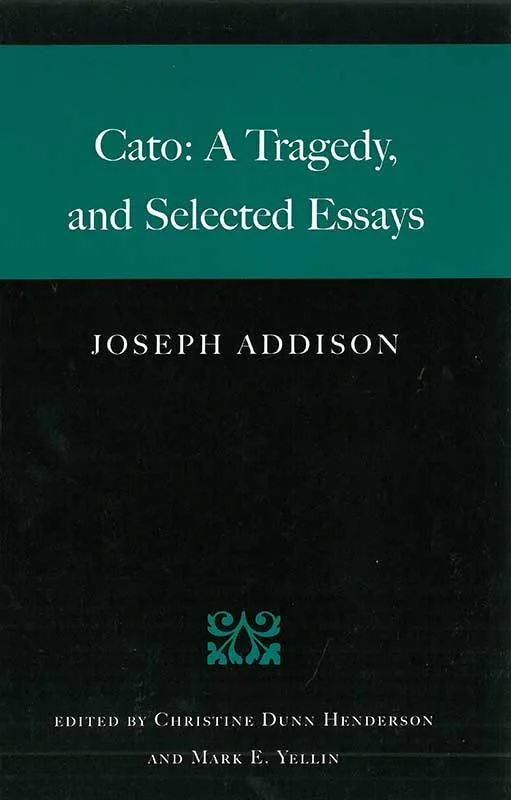
Joseph Addison · 1710
First produced in 1713, Cato, A Tragedy inspired generations toward a pursuit of liberty. Liberty Fund’s new edition of Cato: A Tragedy, and Selected Essays brings together Addison’s dramatic masterpiece along with a…
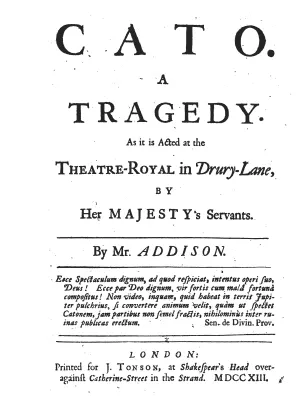
Joseph Addison · 1713
The first printed edition of Addison’s play which also contains 4 short pamphlets on Cato the historical figure and analyses of Addison’s play by anonymous authors.
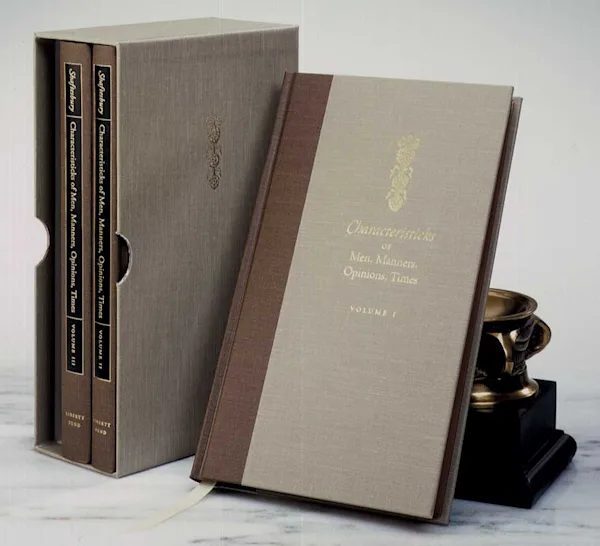
Anthony Ashley Cooper, Earl of Shaftesbury · 1737
The Liberty Fund edition of Characteristicks presents the complete 1732 text of this classic work of philosophy and political theory. Also included are faithful reproductions of the stirring engravings that Shaftesbury…
Anthony Ashley Cooper, Earl of Shaftesbury · 1737
The Liberty Fund edition of Characteristicks presents the complete 1732 text of this classic work of philosophy and political theory. Also included are faithful reproductions of the stirring engravings that Shaftesbury…
Anthony Ashley Cooper, Earl of Shaftesbury · 1737
The Liberty Fund edition of Characteristicks presents the complete 1732 text of this classic work of philosophy and political theory. Also included are faithful reproductions of the stirring engravings that Shaftesbury…
Anthony Ashley Cooper, Earl of Shaftesbury · 1737
The Liberty Fund edition of Characteristicks presents the complete 1732 text of this classic work of philosophy and political theory. Also included are faithful reproductions of the stirring engravings that Shaftesbury…
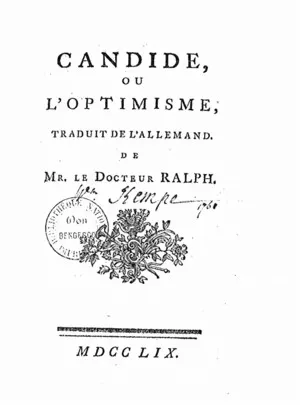
Voltaire · 1759
Voltaire’s “philosophic tale” is a clever satire of France in the mid-18th century. He makes fun of religious intolerance, the destructiveness of war, and the foibles of mankind. He concludes with a plea that we should…
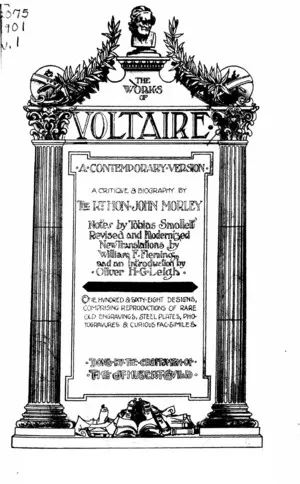
Voltaire · 1759
Taken from the 21 volume 1901 edition of the Complete Works, this is Voltaire’s most famous “philosophic tale” in which he makes fun of the idea that “this is the best of all possible worlds” by showing how much…
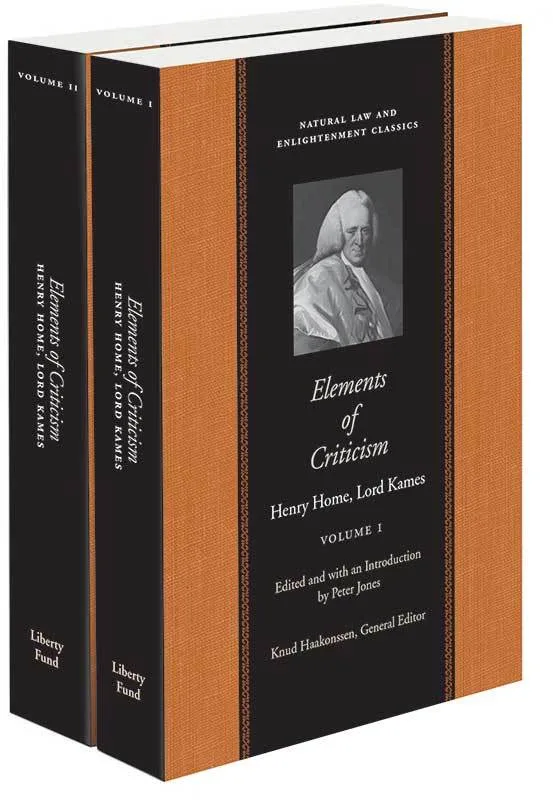
Henry Home, Lord Kames · 1762
A two volume work on the “science of criticism” by one of the leading figures of the Scottish Enlightenment. Kames argues that criticism of art and literature is a rational science as well as a matter of taste. In…
Henry Home, Lord Kames · 1762
Volume 1 of a two volume work on the “science of criticism” by one of the leading figures of the Scottish Enlightenment. Kames argues that criticism of art and literature is a rational science as well as a matter of…
Henry Home, Lord Kames · 1762
Volume 2 of a two volume work on the “science of criticism” by one of the leading figures of the Scottish Enlightenment. Kames argues that criticism of art and literature is a rational science as well as a matter of…
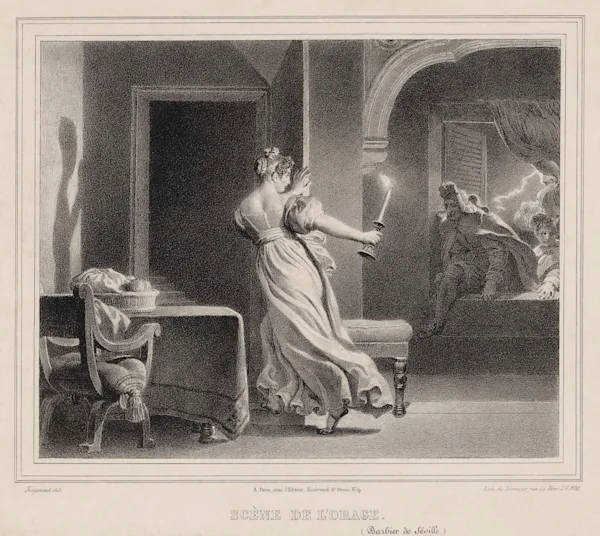
Pierre-Augustin Caron de Beaumarchais · 1775
The first of 3 plays Beaumarchais wrote about a master-servant relationship, Count Almaviva and Figaro, during the social upheavals on the eve of the French revolution.
Charles Louis de Secondat, Baron de Montesquieu · 1777
A 4 volume collection of the Works of Montesquieu.
Pierre-Augustin Caron de Beaumarchais · 1784
The second of 3 plays Beaumarchais wrote about a master-servant relationship, Count Almaviva and Figaro, during the social upheavals on the eve of the French revolution. In this play they become rivals for the…
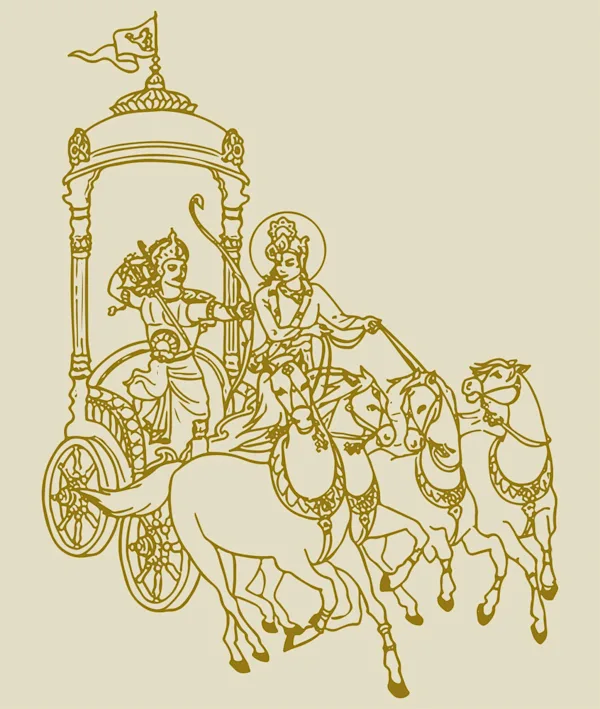
Charles Wilkins · 1785
The Bhagavad Gita is perhaps the greatest and most beautiful of the Hindu scriptures. It is mainly in the form of a dialogue between the warrior Prince Arjuna and his friend Krishna (the earthly incarnation of the god…
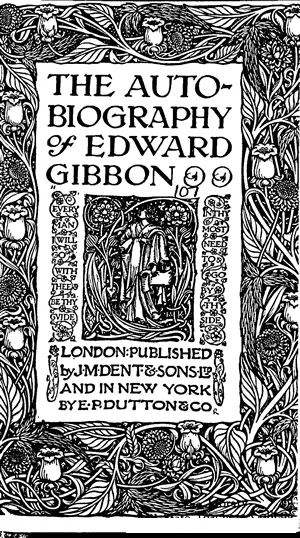
Edward Gibbon · 1795
Shortly after Gibbon finished his magnum opus on the Decline and Fall of the Roman Empire he wrote the first draft of his autobiography in 1788. It is an important chronicle of intellectual life in the late 18th century.
Thomas Babington, Lord Macaulay · 1823
The first volume of a two volume collection of Macaulay’s essays. The first volume contains his essays from Knight’s Quarterly Magazine written during the mid-1820s. The second volume contains essays published in the…
Thomas Babington, Lord Macaulay · 1823
A two volume collection of Macaulay’s essays. The first volume contains his essays from Knight’s Quarterly Magazine written during the mid-1820s. The second volume contains essays published in the Edinburgh Review in…
Percy Bysshe Shelley · 1824
A volume of poems published after Shelley’s death in 1822 with a preface by Mary Wollstonecraft Shelley.
John Stuart Mill · 1824
Vol. 1 of the 33 vol. Collected Works contains Mill’s autobiography and some literary essays mostly from the 1830s.
Thomas Babington, Lord Macaulay · 1825
Collected in these three volumes are essays and book reviews Macaulay wrote between 1825 and 1841 for the Edinburgh Review.
Thomas Babington, Lord Macaulay · 1825
Essays which appeared in the Edinburgh Review between 1825-1831. They are on such topics as Milton, Machiavelli, Southey, Johnson, and other topics.
Thomas Babington, Lord Macaulay · 1830
The second volume of a two volume collection of Macaulay’s essays. The first volume contains his essays from Knight’s Quarterly Magazine written during the mid-1820s. The second volume contains essays published in the…
Thomas Hobbes · 1839
An 11 volume collection of the English works of Thomas Hobbes which includes his best known work of philosophy and history as well as his notable translations of Thucydides and Homer.
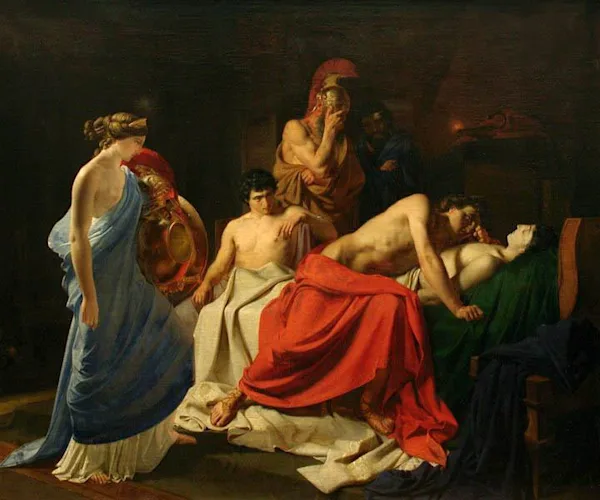
Homer · 1839
Hobbes’s translation of Homer’s epic poems the Iliad and the Odyssey. The Iliad is about the warriors and heroes who are involved in the Trojan war, what happens to men in combat, and the consequences of pride,…
Harriet Martineau · 1855
Thinking she was close to death Martineau wrote her autobiography in 1855 but lived for another 20 years. She recounts her activities in various mid-19th century reform movements, her struggle to become a professional…
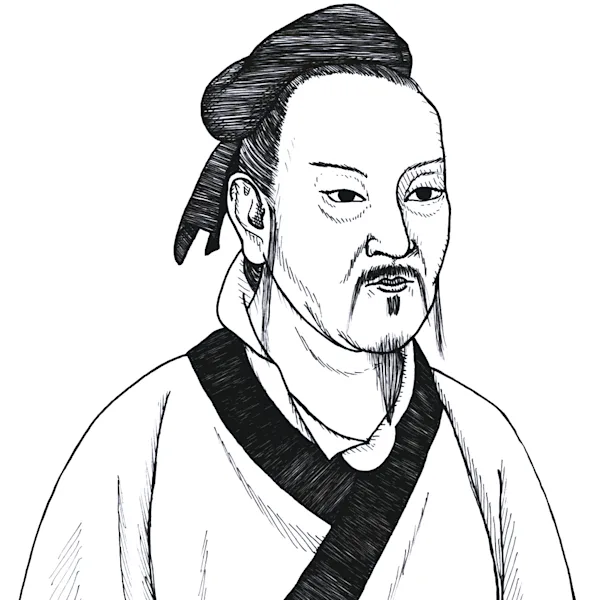
Mencius · 1869
Legge provides lengthy introductions to leading Chinese philosophical works and is own translations.
Oliver Herbrand Gordon Leigh · 1872
Vol. 22 of Voltaire’s collected works contains an index to the entire set and an appreciation of the life and work of Voltaire by Oliver Leigh.
Confucius · 1879
Part of a collection of volumes dealing with the works of the Confucian School. This volume contains collections of historical documents, the poetry known as the Shih King, and the classic of filial piety.
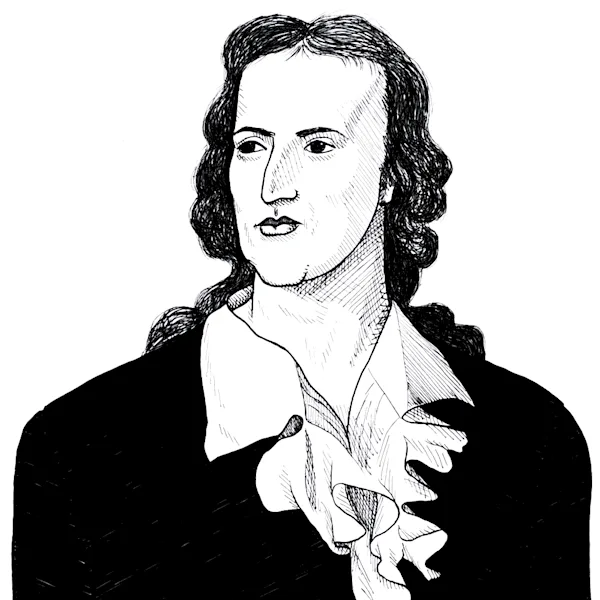
Friedrich Schiller · 1883
A lavishly illustrated English edition of Schiller's poems and plays.
Johann Wolfgang von Goethe · 1885
A five volume collection of Goethe’s works. This edition is sumptuously illustrated. and includes a life of Goethe in vol. 1.
Johann Wolfgang von Goethe · 1885
Volume 1 of a five volume collection of Goethe’s works. This edition is sumptuously illustrated. Vol. 1 contains Goethe’s poems and a life of Goethe by Dr. Boyesen.
Johann Wolfgang von Goethe · 1885
Volume 2 of a five volume collection of Goethe’s works. This edition is sumptuously illustrated. Vol. 2 contains Goethe’s plays.
Johann Wolfgang von Goethe · 1885
Volume 3 of a five volume collection of Goethe’s works. This edition is sumptuously illustrated. Vol. 2 contains Goethe’s plays.
Johann Wolfgang von Goethe · 1885
Volume 4 of a five volume collection of Goethe’s works. This edition is sumptuously illustrated. Vol. 4 contains Goethe’s Recreations of the German Emigrants, Wilhelm Meister’s Apprenticeship).
Johann Wolfgang von Goethe · 1885
Volume 5 of a five volume collection of Goethe’s works. This edition is sumptuously illustrated. Vol. 5 contains Goethe’s Wilhelm Meister’s Travels and Elective Affinities.
Job · 1885
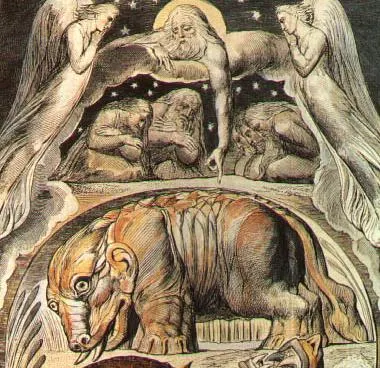
Job is the central character in an ancient story written down as the Book of Job in either the fifth or sixth century B.C. This work is acclaimed as one of the great masterpieces of early literature and a fundamental…
1885
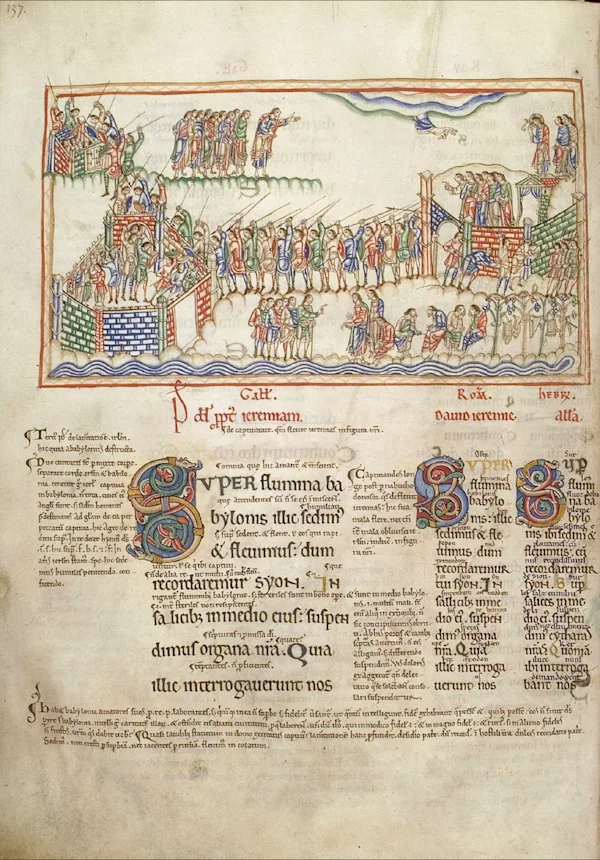
A collection of 150 songs, prayers, and other compositions which make up the 19th book of the Old Testament. Traditionally ascribed to King David, the Psalms have played an important role for millennia in religious…
Percy Bysshe Shelley · 1888
Vol. 1 of a 2 volume collection of prose writings, including 2 youthful prose romances, the Refutation of Deism, his Declaration of Rights, an essay on electoral reform, and other short pieces.
Percy Bysshe Shelley · 1888
A 2 volume collection of prose writings. Vol. 1 includes 2 youthful prose romances, the Refutation of Deism, his Declaration of Rights, an essay on electoral reform, and other short pieces. Vol. 2 includes A Defence of…
Percy Bysshe Shelley · 1888
Vol. 2 of a 2 volume collection of prose writings. Vol. 2 includes A Defence of Poetry, On a Future State, Speculations on Metaphysics, and Letters from Italy.
Confucius · 1891
The Shih Ching (The book of poetry) predates Confucius by some three centuries, although he is often credited with arranging it into its current form sometime around 520 B.C. This work is a compilation of some three…
Etienne de la Boétie · 1892
A late 19th century colletcion of Boetie's Works with a long introductory essay. It contains Boétie’s best known work, the “Discourse of Voluntary Servitude” where he explores why the majority too often willingly…
Geoffrey Chaucer · 1897
The late 19th century Skeat edition with copious scholarly notes and a good introduction to the texts.
Geoffrey Chaucer · 1899
Skeat’s copious scholarly notes to his edition of The Canterbury Tales make up all of vol. 5 of The Works of Chaucer.
Geoffrey Chaucer · 1899
A monumental scholarly work by the leading Chaucer scholar of the late 19th century. Filled with copious notes.
Geoffrey Chaucer · 1899
The late 19th century Skeat edition with copious scholarly notes and a good introduction to the texts.
Geoffrey Chaucer · 1899
The late 19th century Skeat edition with copious scholarly notes and a good introduction to the texts.
Geoffrey Chaucer · 1899
The late 19th century Skeat edition with copious scholarly notes and a good introduction to the texts.
Geoffrey Chaucer · 1899
The late 19th century Skeat edition with copious scholarly notes and a good introduction to the text. The Tales are in their original Middle English.
Geoffrey Chaucer · 1899
The late 19th century Skeat edition with copious scholarly notes and a good introduction to the texts.
John Milton · 1900
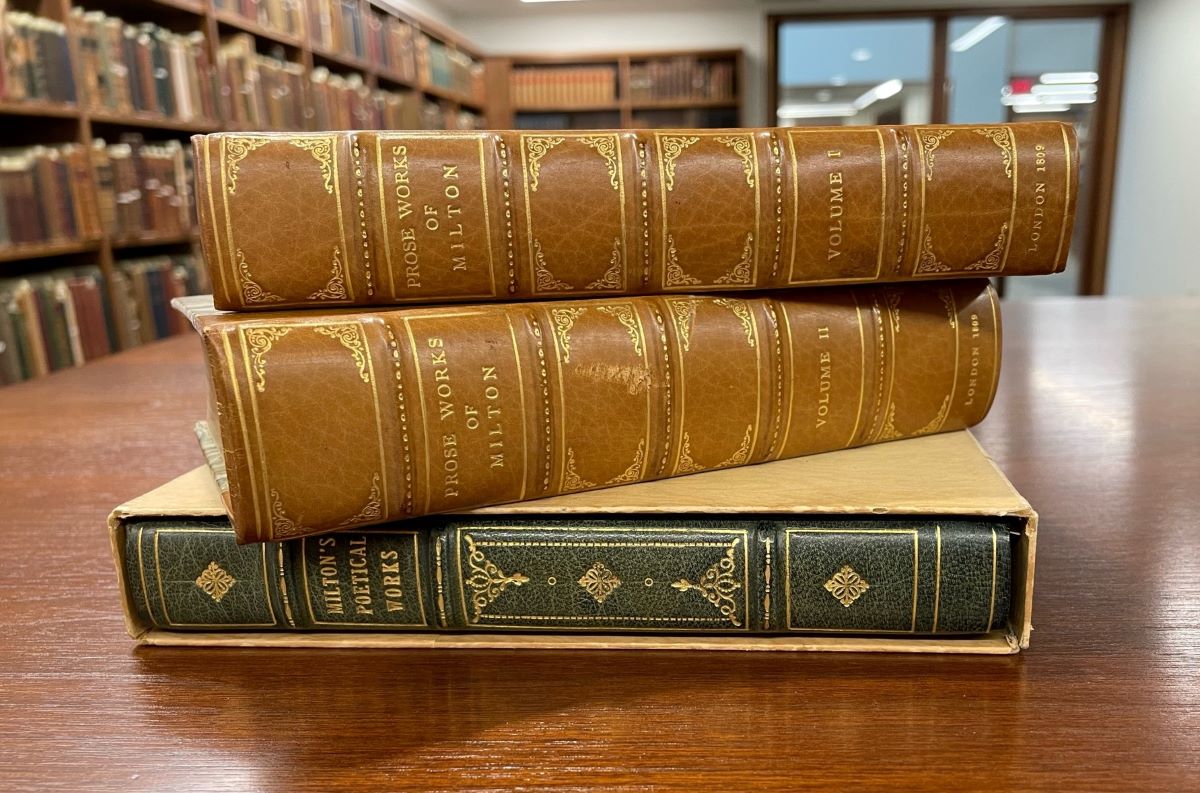
A modern edition of the major poems of Milton. It contains the shorter poems, Paradise Lost and Regained, and Samson Agonistes.
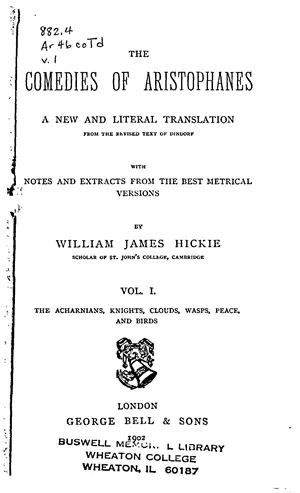
Aristophanes · 1901
A two volume collection of the Comedies of Aristophanes. Vol. 1 contains The Archanians, Knights, Clouds, Wasps, Peace, and Birds. Vol. 2 contains Lysistrata, The Thesmophoriazusae, Frogs, Ecclesiazusae, and Plutus.
Aristophanes · 1901
Vol. 1 of a two volume collection. It contains the plays The Archanians, Knights, Clouds, Wasps, Peace, and Birds.
Aristophanes · 1901
Vol. 2 of a two volume collection. It contains the plays Lysistrata, The Thesmophoriazusae, Frogs, Ecclesiazusae, and Plutus.
Voltaire · 1901
Volume 9 of the 21 volume 1901 edition of the Complete Works. It contains 9 plays: Alzire, Orestes, Sémiramis, Catiline, Pandora, The Scotch Woman, Nanine, The Prude, The Tatler.
Voltaire · 1901
Volume 8 of the 21 volume 1901 edition of the Complete Works. It contains 9 plays: Mérope, Olympia, The Orphan of China, Brutus, Mahomet, Amelia, Oedipus, Mariamne, Socrates.
Voltaire · 1901
Volume 10 of the 21 volume 1901 edition of the Complete Works. It contains 3 plays: Zaire, Caesar, The Prodigal, Prefaces to his plays, and a collection of his poetry.
Voltaire · 1901
A 21 volume collected works of the writings of Voltaire with a biographical volume by the English Liberal MP John Morley and notes by the 18th century Scottish novelist Tobias Smollett.
Francesco Petrarch · 1903
A collection of Petrarch’s sonnets translated by Thomas Wentworth Higginson.
Alexander Pope · 1903
This collection includes Pope’s poems, translations of Ovid and Homer, An Essay on Criticism, The Rape of the Lock, An Essay on Man, and his Moral Essays.
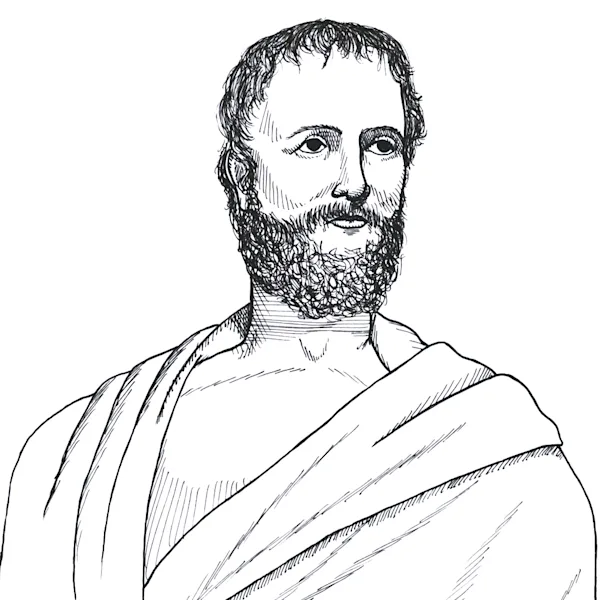
Sophocles · 1904
A collection of Sophocles’ 7 surviving plays including Oedipus Rex and Antigone.
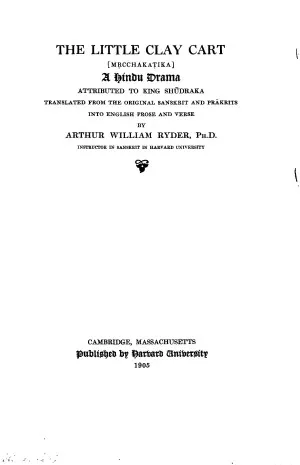
King Shudraka · 1905
One of the earliest Indian plays written in Sanskrit. It is a comedy set in a royal court in which love and mistaken identity play a part.
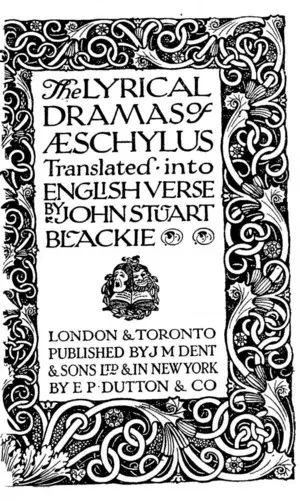
Aeschylus · 1906
A collection of the major plays of the great Athenian playwright Aeschylus.
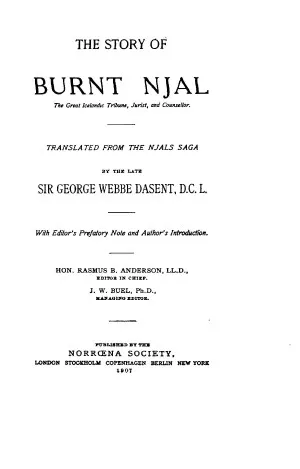
Burnt Njal · 1907
A translation of the Icelandic saga, the main character of which is Burnt Njal, which was first written down in the 13th century.
Hesiod · 1908
A collection of Hesiod’s poems and fragments, including Theogony which are stories of the gods, and the Works and Days which deals with peasant life.
Ralph Waldo Emerson · 1909
Vol. 10 of the 12 volume Fireside edition of the works of Emerson.
Ralph Waldo Emerson · 1909
Vol. 11 of the 12 volume Fireside edition of the works of Emerson.
Ralph Waldo Emerson · 1909
Vol. 12 of the 12 volume Fireside edition of the works of Emerson.
Ralph Waldo Emerson · 1909
Vol. 8 of the 12 volume Fireside edition of the works of Emerson.
Ralph Waldo Emerson · 1909
Vol. 9 of the 12 volume Fireside edition of the works of Emerson.
Virgil · 1912
A bi-lingual edition with facing Latin and English pages.
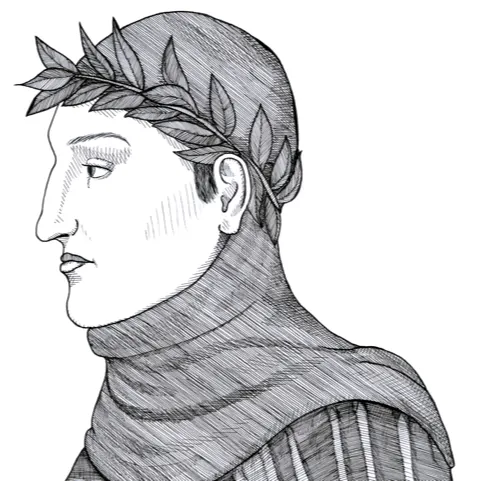
Francesco Petrarch · 1915
Explore the poetic brilliance of Petrarch, the father of Renaissance humanism. "Some Love Songs" offers a selection of his most famous sonnets, capturing the beauty, longing, and complexity of love that inspired…
Walter Bagehot · 1915
This 10 volume collection consists of 9 volumes of Bagehot’s collected writings and a volume of biography.
Walter Bagehot · 1915
This volume contains two memoirs of his life and work and a number of early essays on the French coup d’état of 1851, Coleridge, Shakespeare, and Butler.
Walter Bagehot · 1915
This volume contains essays on Macaulay, Gibbon, Peel, Shelley, and two essays on banking and the currency crisis.
Walter Bagehot · 1915
This volume contains essays on Scott, Dickens, Milton and two on parliamentary reform and the American Constitution.
Walter Bagehot · 1915
This volume contains essays on Pitt, Bolingbroke, Thackeray, and Cobden.
William Shakespeare · 1916
The 1916 Oxford University Press edition of all of Shakespeare’s plays and poems.
William Shakespeare · 1916
The 1916 Oxford University Press edition of all of Shakespeare’s plays and poems. It was published on the 300th anniversary of Shakespeare’s death in 1616. Because of the large size of this file the book has been split…
William Shakespeare · 1916
This section contains Shakespeare’s major poems such as Venus and Adonis, The Rape of Lucrece, A Lover’s Complaint, The Passionate Pilgrim, and the Phoenix and the Turtle, as well as the Sonnets.
Misc (Rigveda) · 1917
To see the original Sanskrit version of the hymns please see the facsimile PDF version of the text.
Mahabharata · 1917
A condensed version (in verse) of two Indian classics of religious poetry.
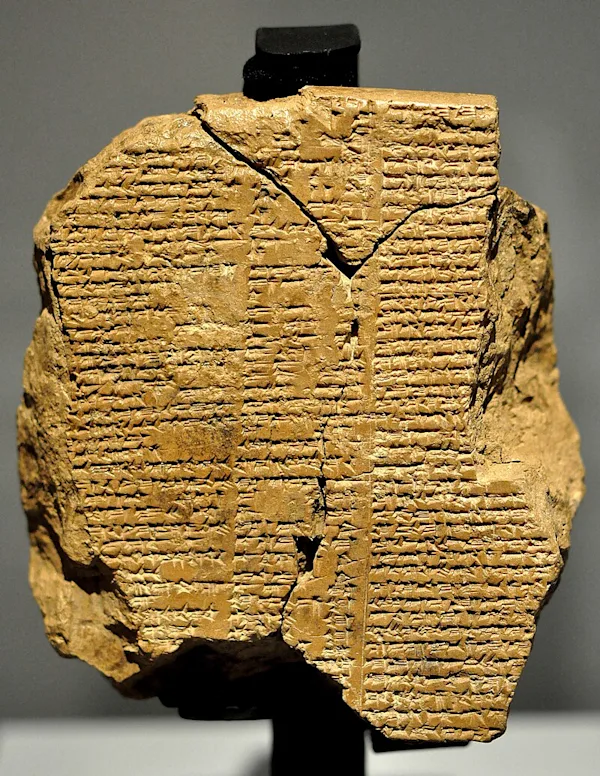
Gilgamesh · 1920
The book contains two fragments of a Babylonian version of the Gilgamesh epic, the Pennsylvanian tablet” and the “Yale table”, with translation, commentary and images of the tablets.
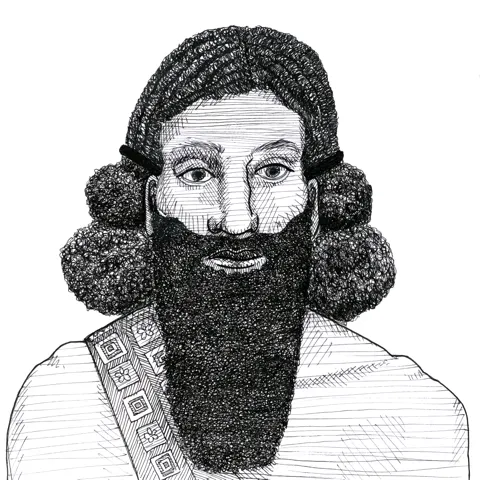
Sir Ernest Alfred Wallis Budge · 1920
This book attempts to reconstruct two ancient Sumerian stories from photographs of the stone tablets on which they were originally written: one story concerns an ancient account of a deluge (or flood) which destroyed…
William Shakespeare · 1922
A selection of 25 of Shakespeare’s Sonnets in a bibliophile edition of 1922 from Stratford-upon-Avon and Oxford.
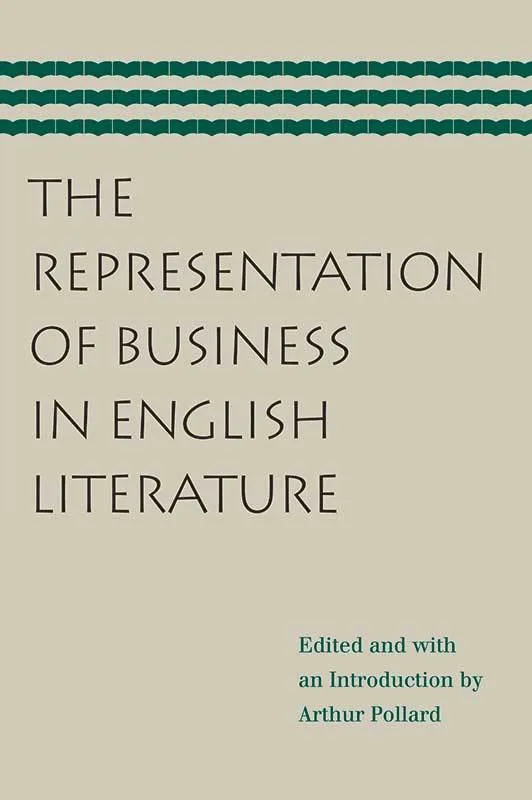
Arthur Pollard · 2000
In The Representation of Business in English Literature, five scholars of different periods of English literature produce original essays on how business and businesspeople have been portrayed by novelists, starting in…
In this collection
80 people central to Literature.
1672–1719
Joseph Addison (1672-1719) was educated at Oxford, served as a member of Parliament, and became widely known as an essayist, playwright,…

525 BC–456 BC
Aeschylus was the first of the great Athenian dramatists and playwrights. Aeschylus fought and was wounded at Marathon and took part in the…

John Alcorn is Principal Lecturer in Formal Organizations, Shelby Cullom Davis Endowment, Trinity College, Connecticut.

Lucie Alden is a Ph.D Candidate in English at the University of Virginia where she specializes in early modern literature, book history,…

1944–2019
John Alvis was a Professor of English at the University of Dallas and the Institute for Philosophic Studies.

1846–1936
Anderson was an historian with interests in the Norse discovery of North America and Norse mythology and who translated several sagas into…

446 BC–386 BC
Aristophanes (c. 446 – c. 386 BC) was a playwright who was best known for his witty and sometimes bawdy comedies. Most of his work has not…
Nathaniel Birzer is a freelance writer from Indiana. He is a graduate from Hillsdale College.

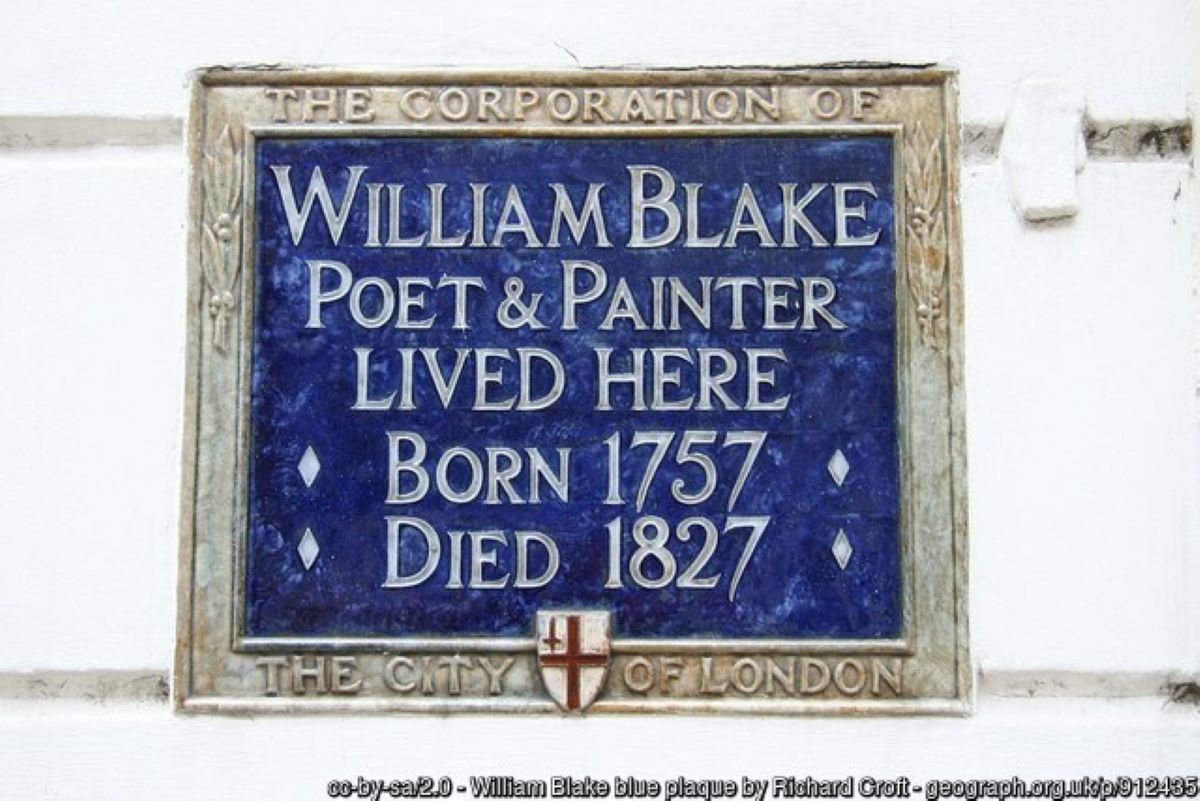
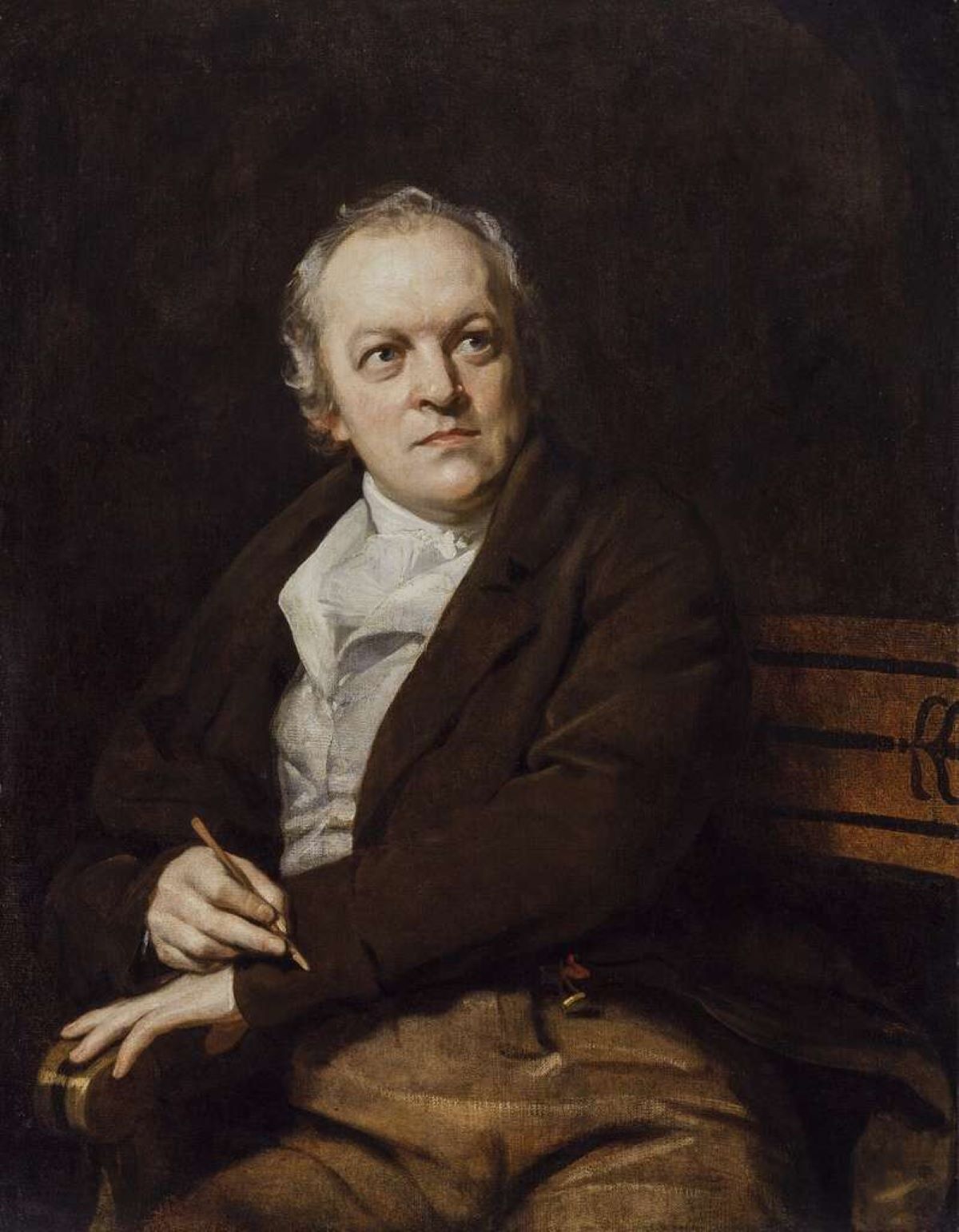
1757–1827
Blake was an English poet and illustrator. He was influenced by the ideas of the American and French Revolutions and mixed in radical…

1530–1563
Estienne de la Boétie (1530-1563) was a friend of Montaigne and made a name for himself with his poetry and translations of ancient Greek…

1971–2025
Garth Bond was an Associate Professor and the current Chair of the English Department at Lawrence University in Appleton, WI, and a former…

Caroline Breashears is a Professor of English at St. Lawrence University.


Susan Carlile is a professor of English at California State University, Long Beach. She has published on the literary marketplace of the…

1340–1400
Chaucer was born in London and is often considered the father of English literature and the best English poet before Shakespeare. Chaucer…
Commodianus was a Latin poet who wrote in defence of Chistianity.

1265–1321
Dante Alighieri (1265-1321) was a Florentine poet and philosopher who wrote at the end of the Medieval period and the beginning of the…

b. 1944
Walter Donway has published more than a dozen books, available on Amazon, including Not Half Free:The Myth that America is Capitalist and…

1631–1700
Dryden was an influential English poet, translator and dramatist who lived during the Restoration of the Stuart monarchy.

1803–1882
Ralph Waldo Emerson (1803-1882) was a famous writer, orator, and abolitionist. He studied at Harvard Divinity School but made his living as…

480 BC–406 BC
Euripides (480 BC - 406 BC) was a Greek playwright and was one of the last three great tragedians of classical Greece. He is best known for…
b. 1969
David French is a Senior editor of The Dispatch. He’s also a columnist for The Atlantic.

d. 2700 BC
Gilgamesh may have been an actual king of early Sumeria, but his deeds have been cast in such heroic proportions that some argue that he is…

Bill Glod is a freelance writer and editor based in Durham, NC. For many years, he was Senior Program Officer at the Institute for Humane…

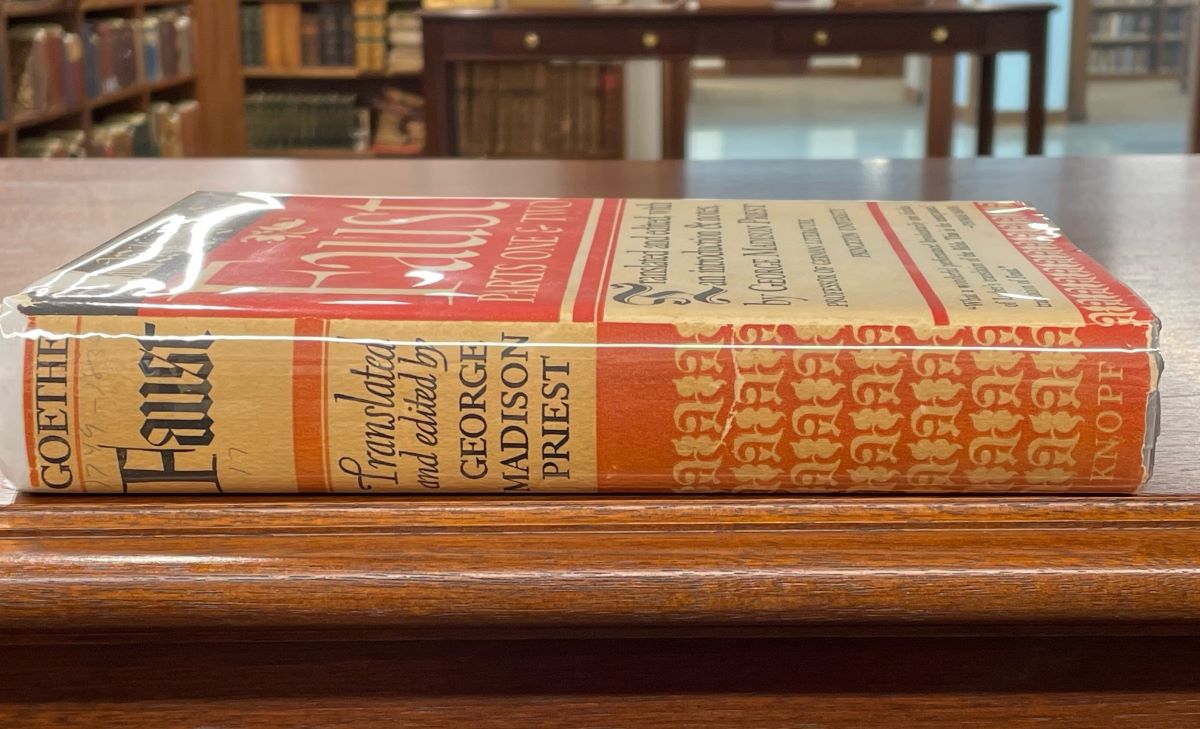
1749–1832
Goethe is often ranked with Shakespeare and Dante as one of the three most important poets in history. He spent the most important part of…

700 BC–700 BC
The early Greek poet Hesiod is credited with the invention of didactic poetry around 700 B.C. His surviving works are the Theogony ,…

b. 1985
Benjamin Hoffmann is an assistant professor of early modern French Studies at The Ohio State University. His research focuses on…

900 BC–900 BC
Homer was an ancient Greek poet who is credited with authoring the Iliad and the Odyssey . Very little is known about his personal life.

1802–1885
Hugo was one of France's leading literary figures during the 19th century. He wrote plays, poetry, essays, and novels (such as The…

Elizabeth M. Hull is Professor of English and Dr. Robert L. Martin Chair of English Literature at Bethany College, where she has served for…

Freya Johnston is Pro-Vice-Chancellor (Education) at the University of Oxford.

500–500
A poet and dramatist who flourished in the fifth century A.D., Kalidasa, who wrote in Sanskrit, was a master of several genres and possibly…

Paulina Kewes is Professor of English Literature and Fellow of Jesus College, University of Oxford, and Fellow of the Royal Historical…

Dan Kirklin grew up on a farm in Johnson County, Indiana, graduated without distinction from Indiana University, with a major in German and…

Scott W. Klein is Professor of English at Wake Forest University in North Carolina.
1400 BC–1000 BC
Based on events from about 1400-1000 B.C., the Mahabharata (the great epic of the Bharata dynasty) is one of the two major epics of India.

1564–1593
Marlowe was a contemporary of William Shakespeare and famous for his dissolute life and his wonderful play about Faust.

Matthew McCaffrey is assistant professor of enterprise at the University of Manchester and editor of the scholarly journal Libertarian…

Gary McGath is a freelance writer and retired software developer. He has written for the Foundation for Economic Education, Aristos,…

1608–1674
John Milton (1608-1674) ranks among the greatest poets of the English language. He is best known for the epic poem Paradise Lost (1667),…

1304–1374
Francesco Petrarca was an Italian scholar and poet who is regarded by many scholars as being among the first humanists. He contributed to…

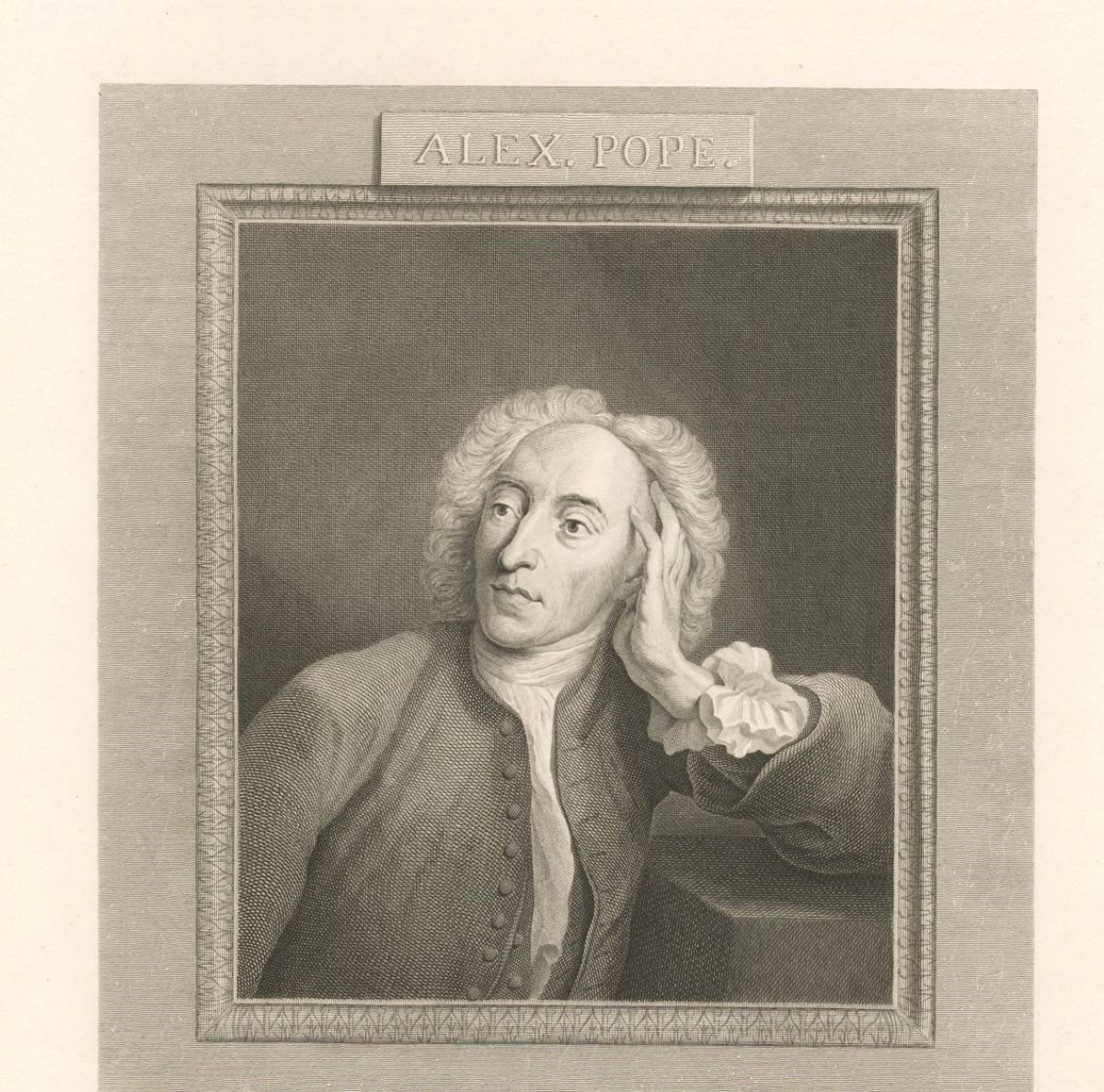
1688–1744
Alexander Pope (1688-1744) was an English poet and satirist. As a Catholic he suffered oppression and discrimination but became one of the…

1494–1553
François Rabelais (1494 –1553) was a French writer, monk, physician, humanist, and a Greek scholar. His written masterpiece Gargantua and…

1905–1982
Ayn Rand (1905 –1982) was a Russian-American novelist and philosopher. She wrote several books and plays including The Fountainhead and…

b. 1927
Robson was a professor of English at the University of Toronto and was the chief editor of the monumental University of toronto edition of…

1857–1920
Rolleston (1857-1920) was an Irish poet and writer who was interested in Celtic myths and complied an important collection of stories which…

Tracey S. Rosenberg has published a historical novel and four poetry collections; the most recent, The Soup of my Ancestors (Stewed Rhubarb…

1716–1803
Jean-François, Marquis de Saint-Lambert was a poet, soldier, and friend of Voltaire and Diderot. His plays and, especially, his highly…

1759–1805
Schiller was one of Germany’s leading poets and playwrights. Many of his greatest plays dealt with the themes of leadership, rebellion, and…

Alexander Schmid is a late-stage doctoral student in the Comparative Literature Program and Political Science Department at Louisiana State…
1861–1954
Vida Scudder was a prolific author who published in the early 20th century on topics as diverse as English literature, Christianity, and…

b. 1964
Catriona Seth, FBA, is the Marshal Foch Professor of French Literature at the University of Oxford and a fellow of All Souls College. She…

1564–1616
William Shakespeare (1564-1616) is probably the best known poet and playwright of the English language. He is considered by many to be the…

1856–1950
The playwright George Bernard Shaw, along with the writers and educators Sidney and Beatrice Webb, the feminist Emmeline Pankhurst, and the…

1797–1851
Mary Shelley was the daughter of Mary Wollstonecraft and William Godwin and was married to the romantic poet Percy Shelley. She is the…

1792–1822
Shelley was one of the leading English romantic poets who had a strong feeling for individual liberty.
1842–1895
Shepherd was a prolific editor and bibliographer of English poets and writers, especially of Percy Shelley.

200–251
Little is known about this ancient Indian King and author who wrote in Sanskrit during the Vedic period.

1835–1912
Skeat was Erlington and Bosworth Professor of Anglo-Saxon and Fellow of Christ's College, Cambridge.

b. 1971
Sarah Skwire is a Senior Program Officer at Liberty Fund, Inc. Sarah has published a range of academic articles on subjects from…

1721–1771
Smollett was a picaresque novelist, historian, and wrote notes to the Works of Voltaire.

496 BC–406 BC
Perhaps the greatest of Athens’s playwrights Sophocles is known to have written at least 123 dramas, of which only 7 survive. His…

Hannah Spahn is an associated scholar at the Department of English and American Studies, Universität Potsdam, Germany, and principal…

1552–1599
Edmund Spenser (1552 - 1599) was an English poet who is considered to be one of the preeminent poets of the English language. He is best…
b. 1931
Jack Stillinger was Professor of English at the University of Illinois at Urbana-Champaign.

1179–1241
Snorre Sturlason (1179-1241) was an Icelandic chief and scholar who collected and wrote down sagas about the first Kings of Norway.
1688–1744
Lewis Theobald was a prominent Shakespearean commentator and classical scholar in the early eighteenth century. The popularity of Addison’s…

1817–1862
Henry David Thoreau (1817 - 1862) was an American poet, essayist, and philosopher. He was an important contributor to the American literary…

1892–1973
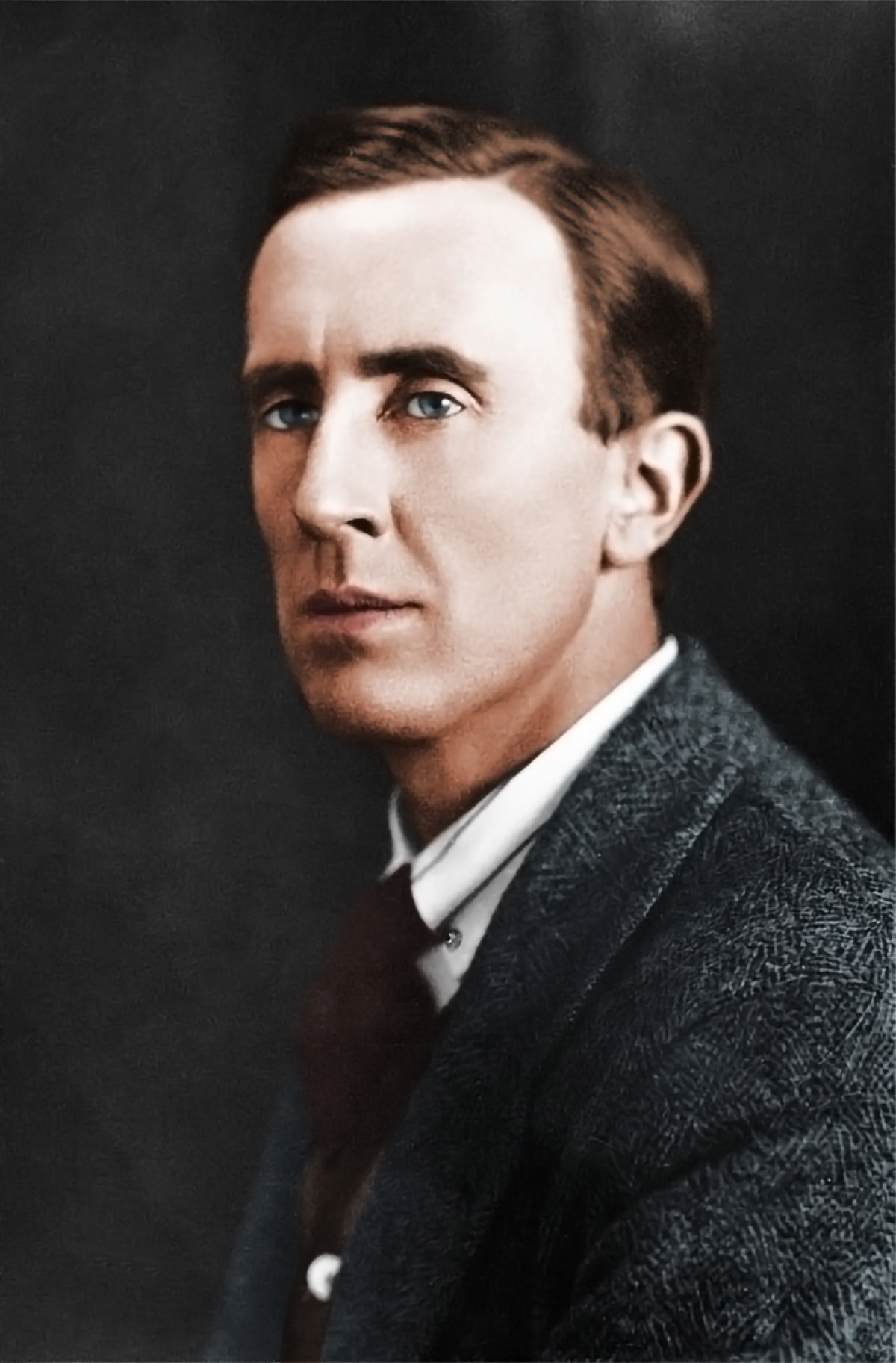
John Ronald Reuel Tolkien (1892 – 1973) was a philologist and English writer best known for his novels The Hobbit and The Lord of the…
David V. Urban is a professor of English at Calvin College. He co-edited Visionary Milton: Essays on Prophecy and Violence (Duquesne…

70 BC–19 BC
Virgil is regarded as the greatest of the Roman poets. His epic poem, the Aeneid , has been of continuing importance to Western literature.…


b. 1957
David Womersley is the Thomas Warton Professor of English Literature at the University of Oxford. His monographs include Divinity and State…

1770–1850
William Wordsworth (1770 - 1850) was an English poet and one of the founders of English Romanticism. He, along with Samuel Taylor…

Brian Young is Professor of Intellectual History at Oxford, where he is Charles Stuart Tutor at Christ Church. He is the author of Religion…
b. 1942
Michael Zuckert is Nancy R. Dreux Professor of Political Science at University of Notre Dame. He is the author of many studies on early…
In this collection
From The Reading Room, Liberty Matters and the library’s other publications.

Caroline Breashears · Mar 10, 2026

Anna Leman · Dec 03, 2025
Daniel Ross Goodman · Nov 12, 2025
Carlos Alejandro Noyola Contreras · Aug 22, 2025



Alexander Schmid · May 07, 2025
Alexander Schmid · Feb 19, 2025
Peter Carl Mentzel · Nov 29, 2024
Nathaniel Birzer · Sep 25, 2024
Nathaniel Birzer · May 31, 2024
Alexander Schmid · Apr 22, 2024
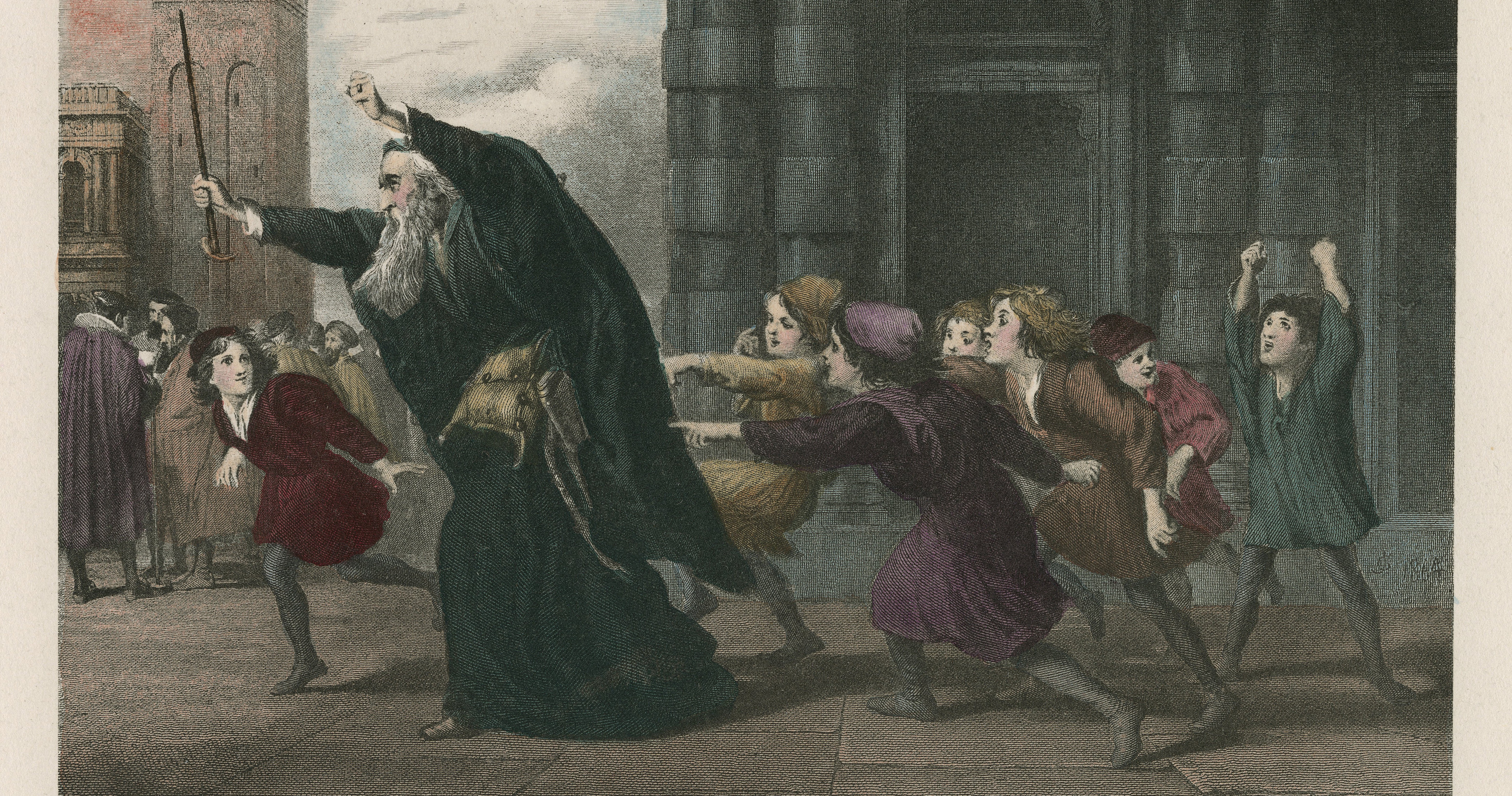
Lucie Alden · Feb 21, 2024

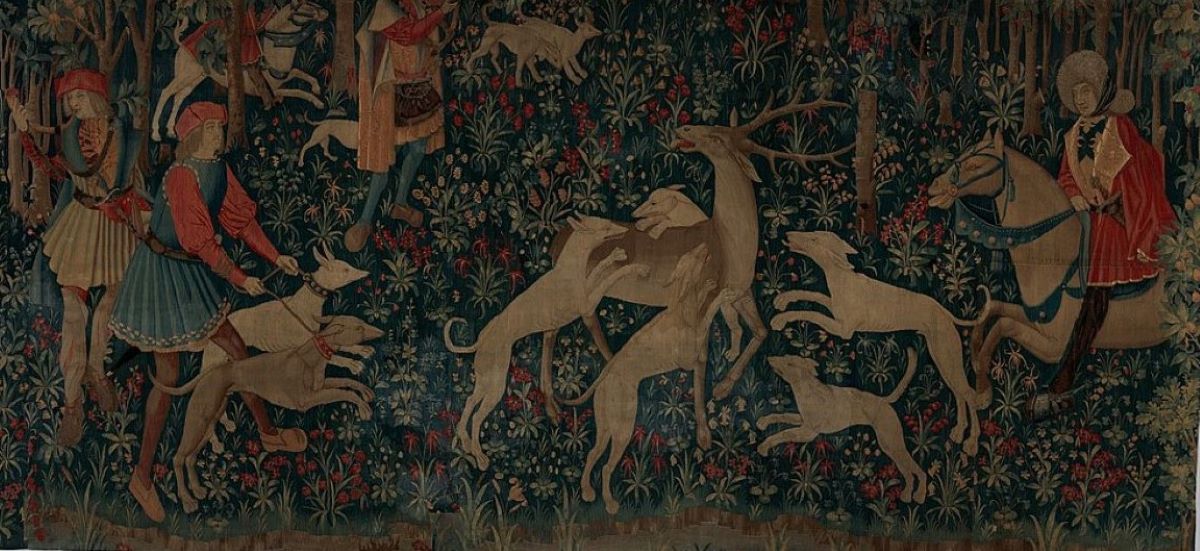
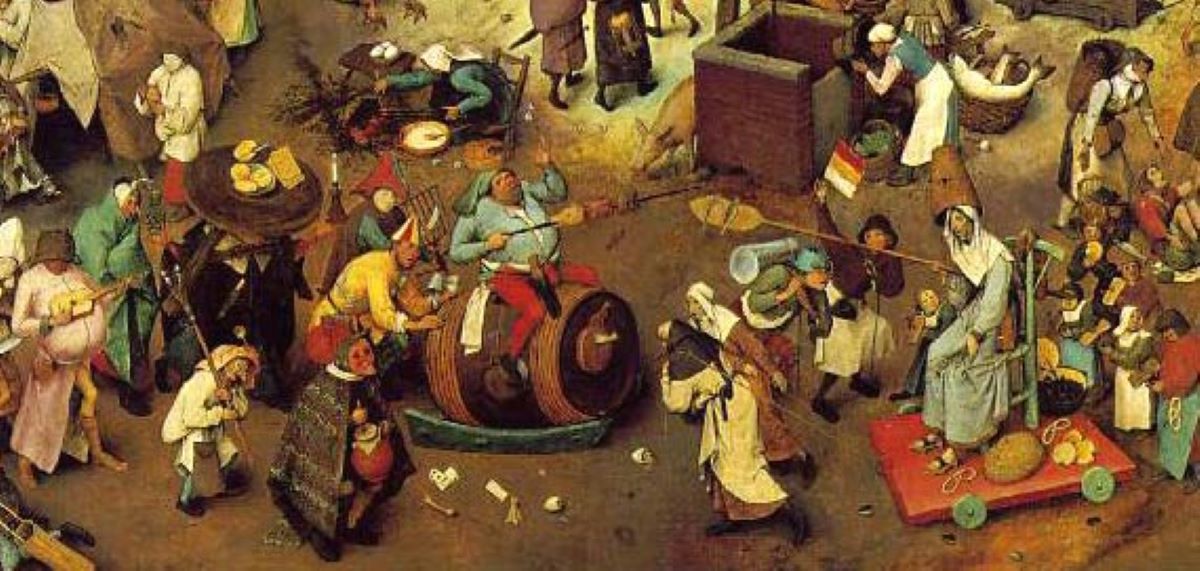
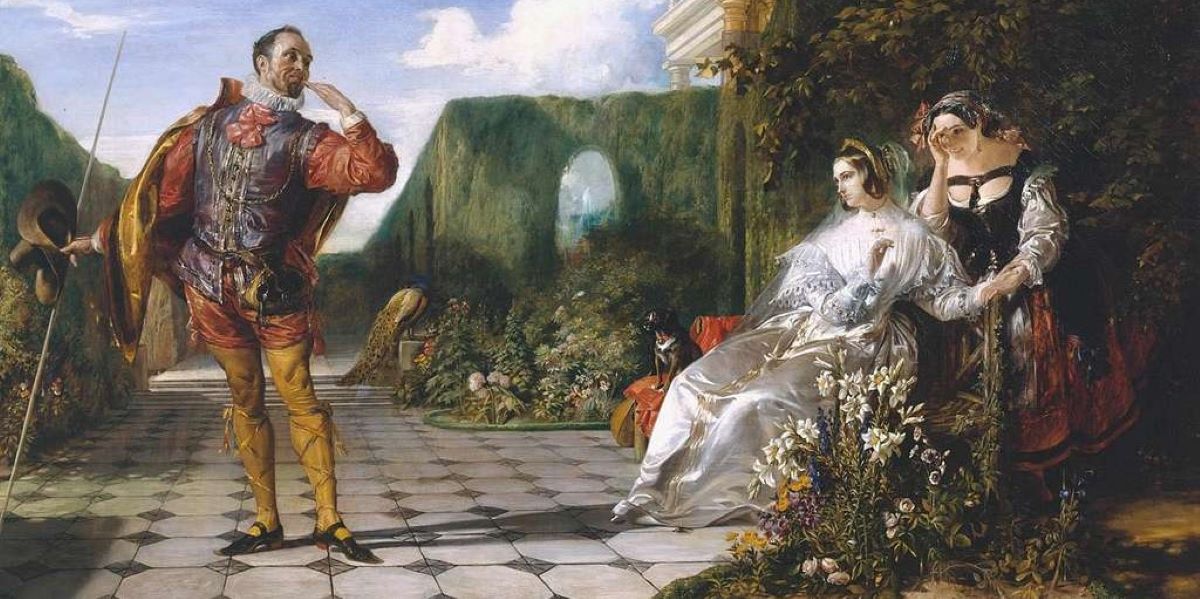
Carlos Alejandro Noyola Contreras · Jan 10, 2024


Alexander Schmid · Dec 15, 2023

Shannon Chamberlain · Dec 01, 2023

Nathaniel Birzer · Nov 30, 2023

Nathaniel Birzer · Nov 27, 2023

Daniel Ross Goodman · Nov 10, 2023
Walter Donway · Nov 01, 2023
Nathaniel Birzer · Oct 22, 2023
Walter Donway · Oct 18, 2023
Nathaniel Birzer · Oct 15, 2023
Caroline Breashears · Oct 03, 2023

Alexander Schmid · Sep 28, 2023
Peter Carl Mentzel · Sep 26, 2023

Nathaniel Birzer · Sep 07, 2023
Nathaniel Birzer · Sep 05, 2023
Alexander Schmid · Sep 01, 2023

Alexander Schmid · Aug 25, 2023


Alexander Schmid · Jul 27, 2023
Anna Leman · Jul 20, 2023
Alexander Schmid · Jul 13, 2023
Daniel Ross Goodman · Jun 20, 2023
David V. Urban · Jun 13, 2023
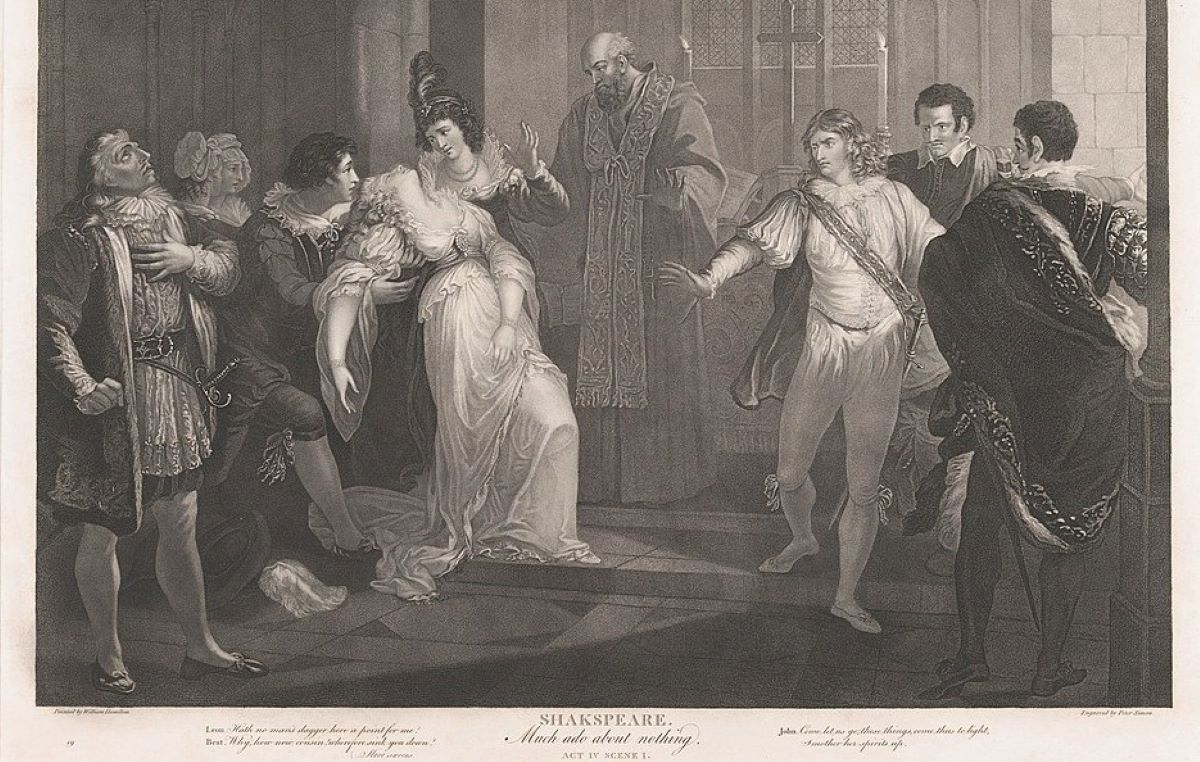
David V. Urban · Jun 06, 2023
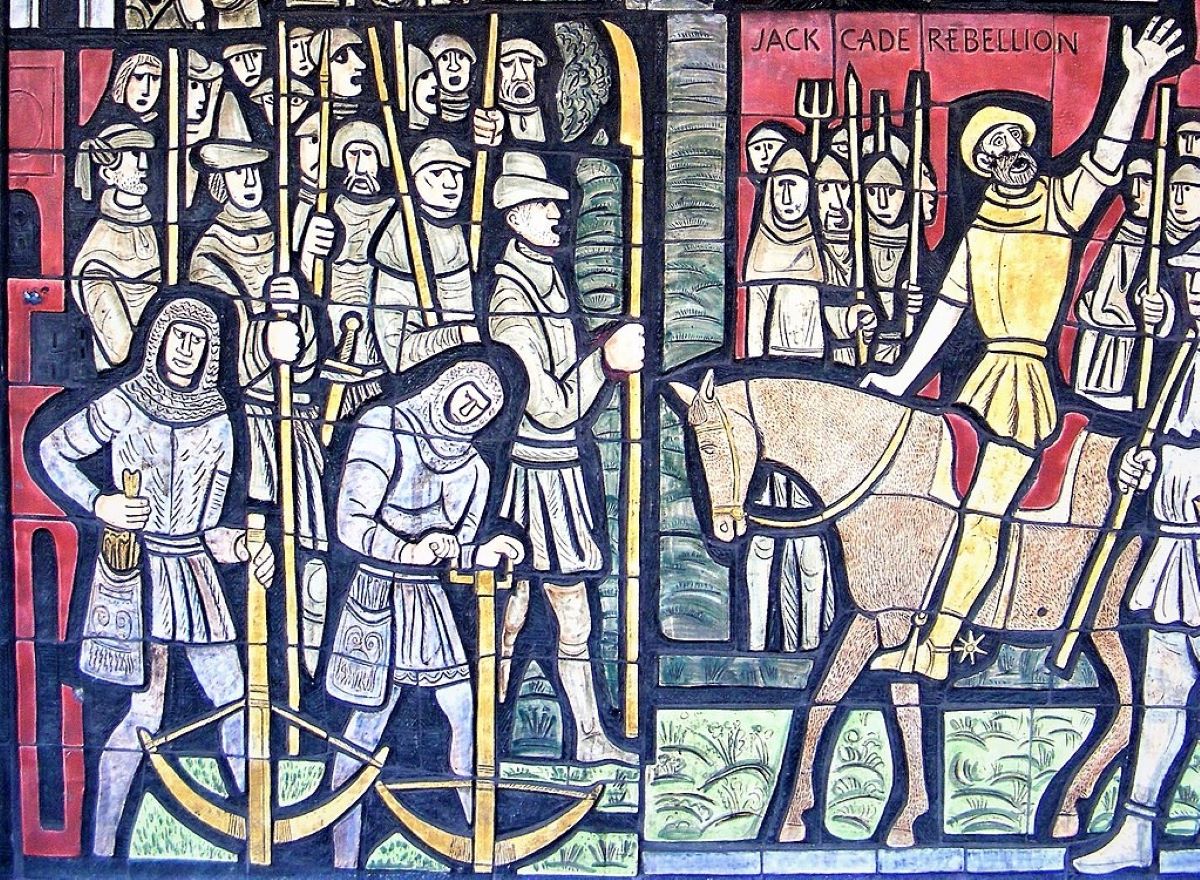
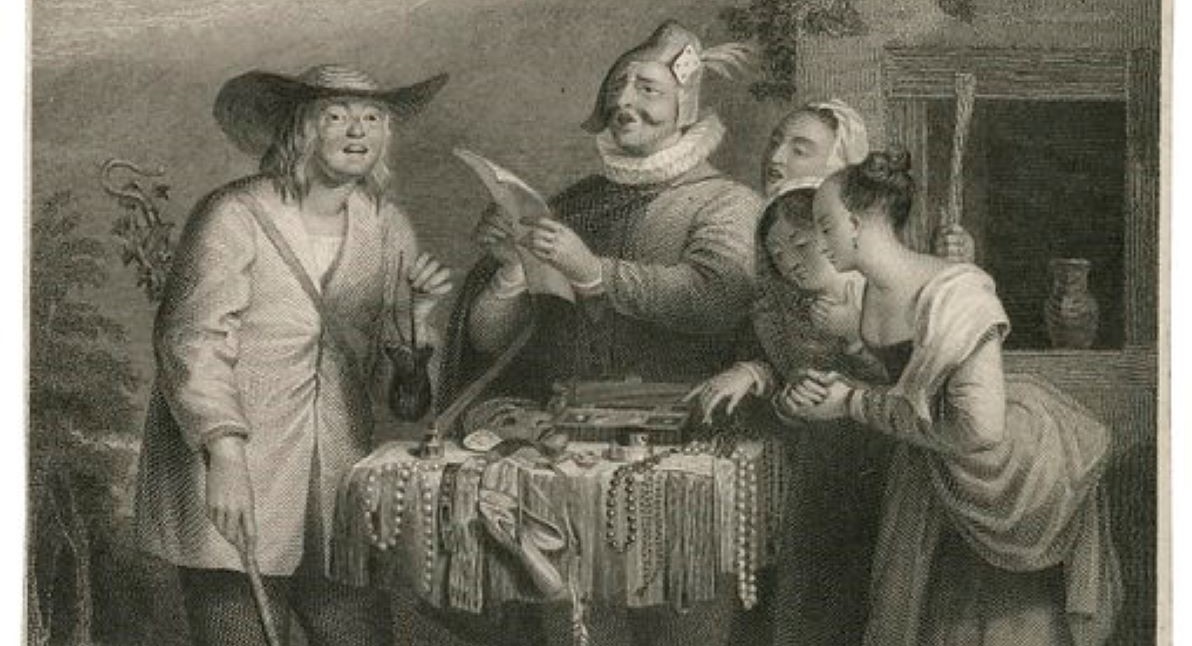
David V. Urban · May 30, 2023
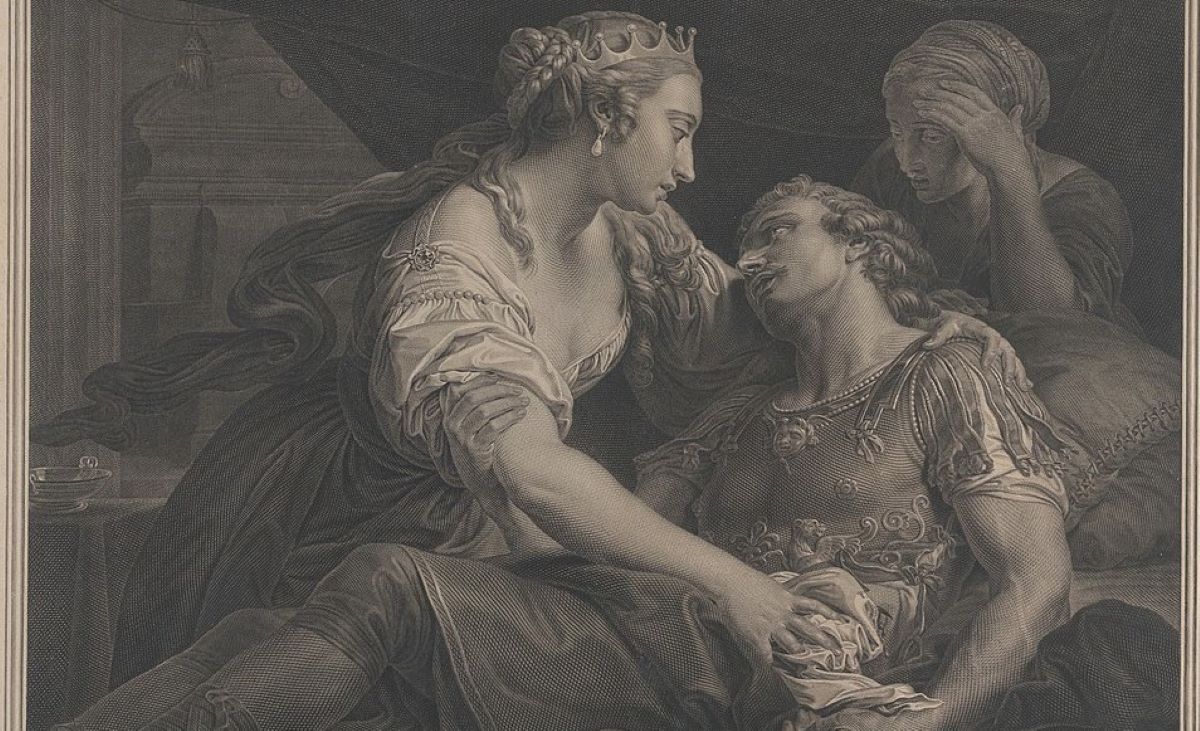
Peter Carl Mentzel · May 24, 2023
Michael C. Munger · May 16, 2023

Jonathan Den Hartog · Apr 25, 2023

Nathaniel Birzer · Apr 06, 2023

Sarah Skwire · Jan 20, 2023
Walter Donway · Jan 17, 2023

Peter Carl Mentzel · Dec 26, 2022

Alexander Schmid · Dec 20, 2022
Sarah Skwire · Dec 09, 2022
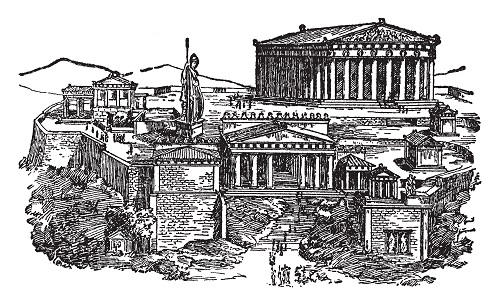
Roosevelt Montás and others · 2022

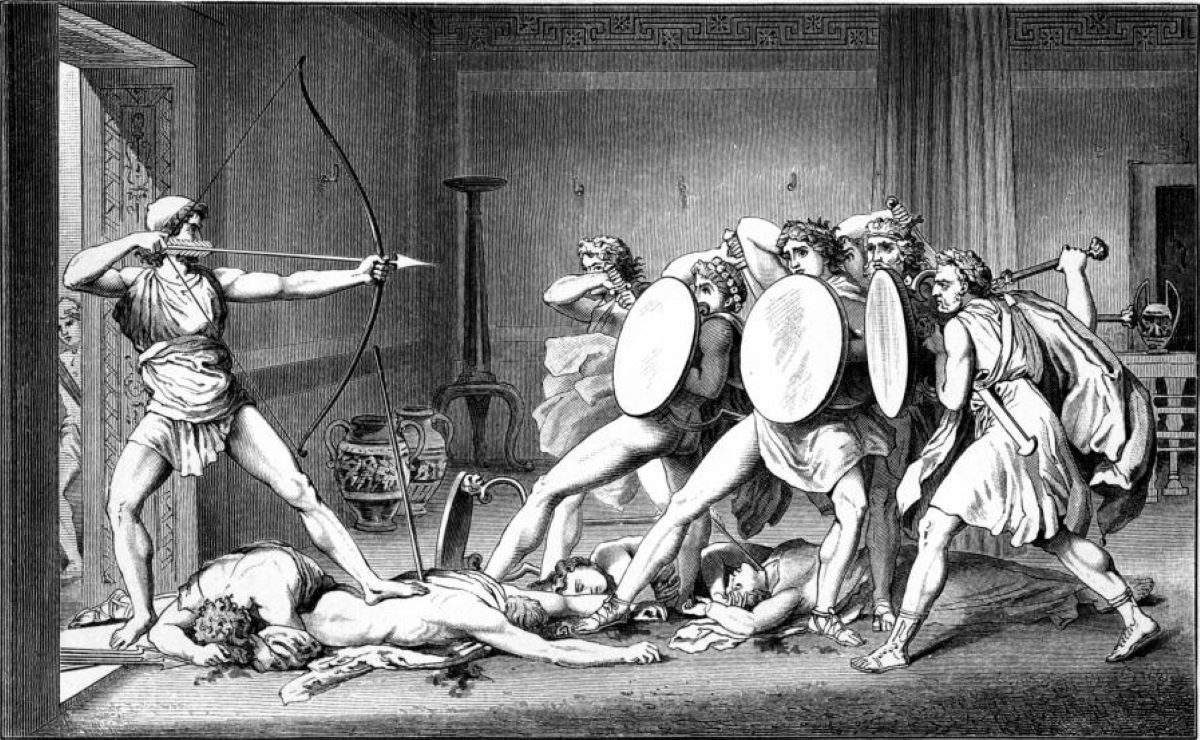
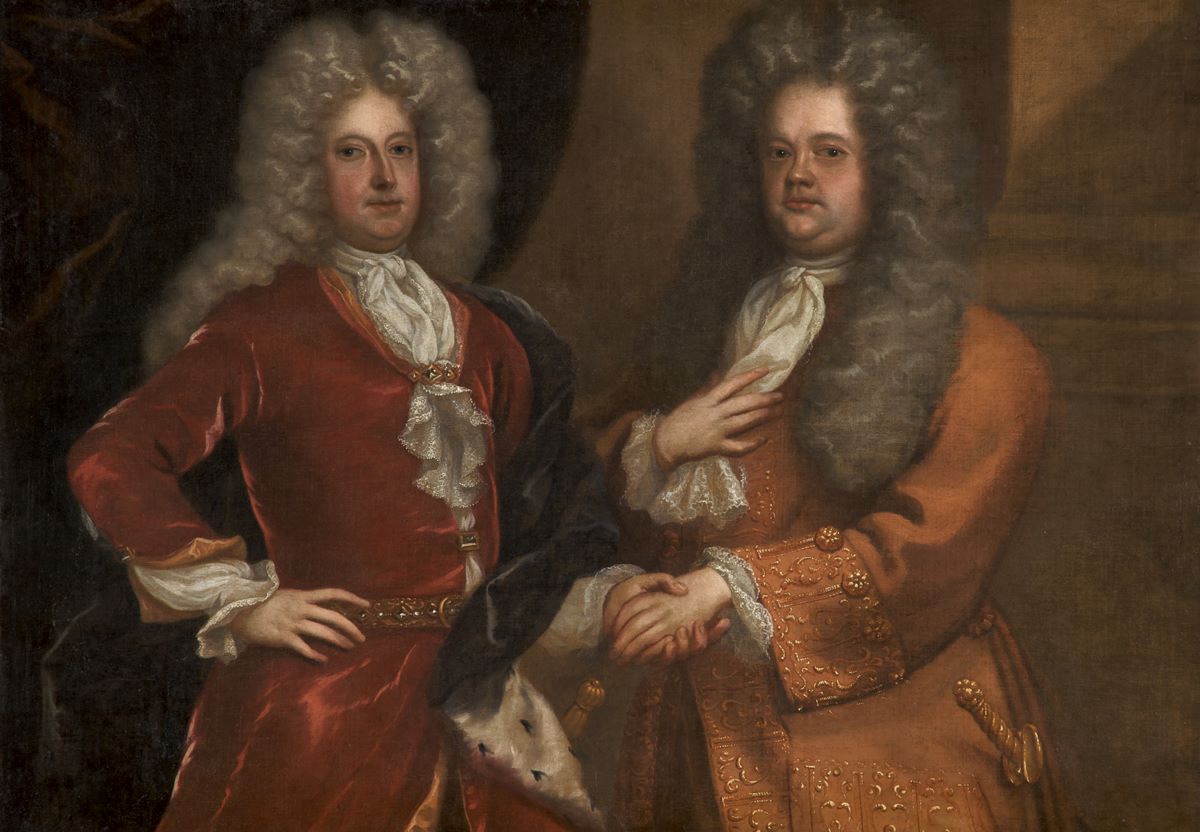
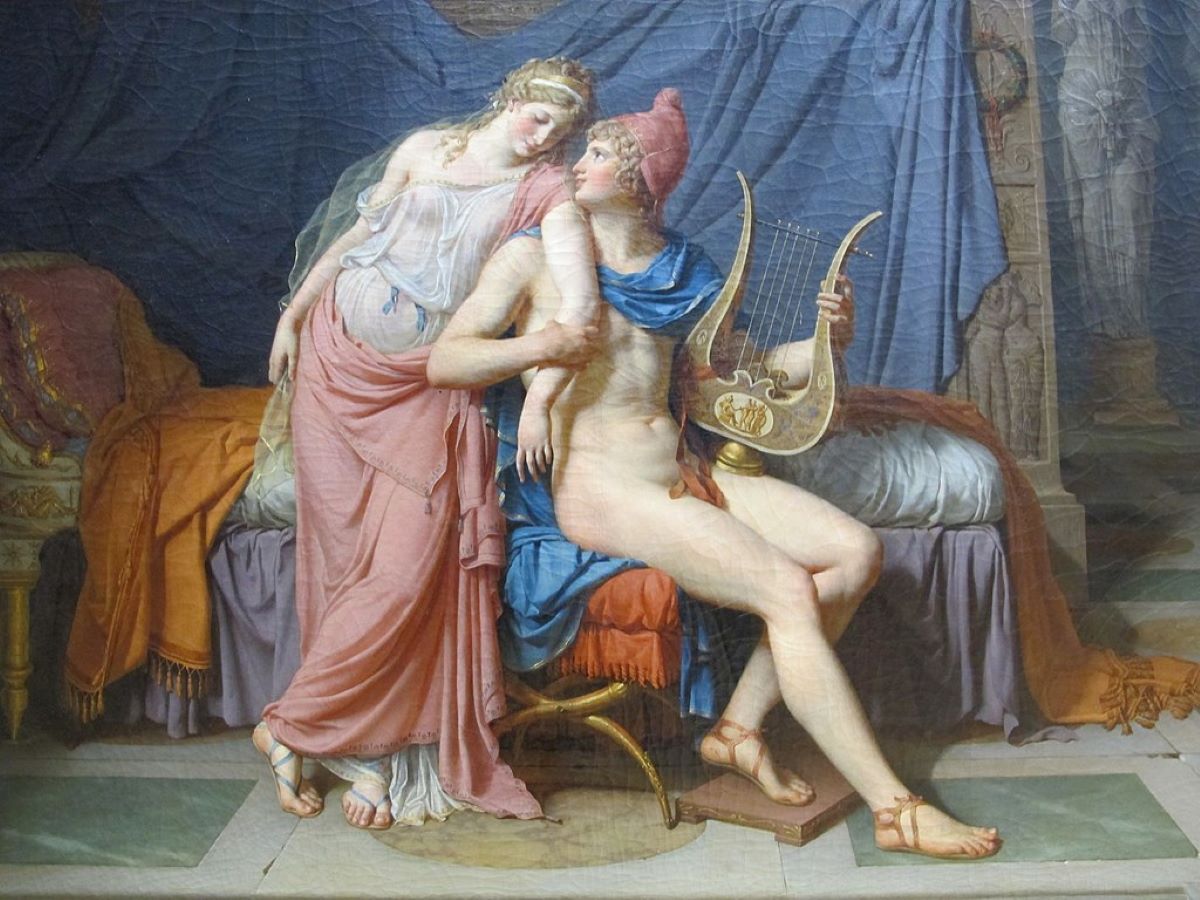

Caroline Breashears · Oct 31, 2022
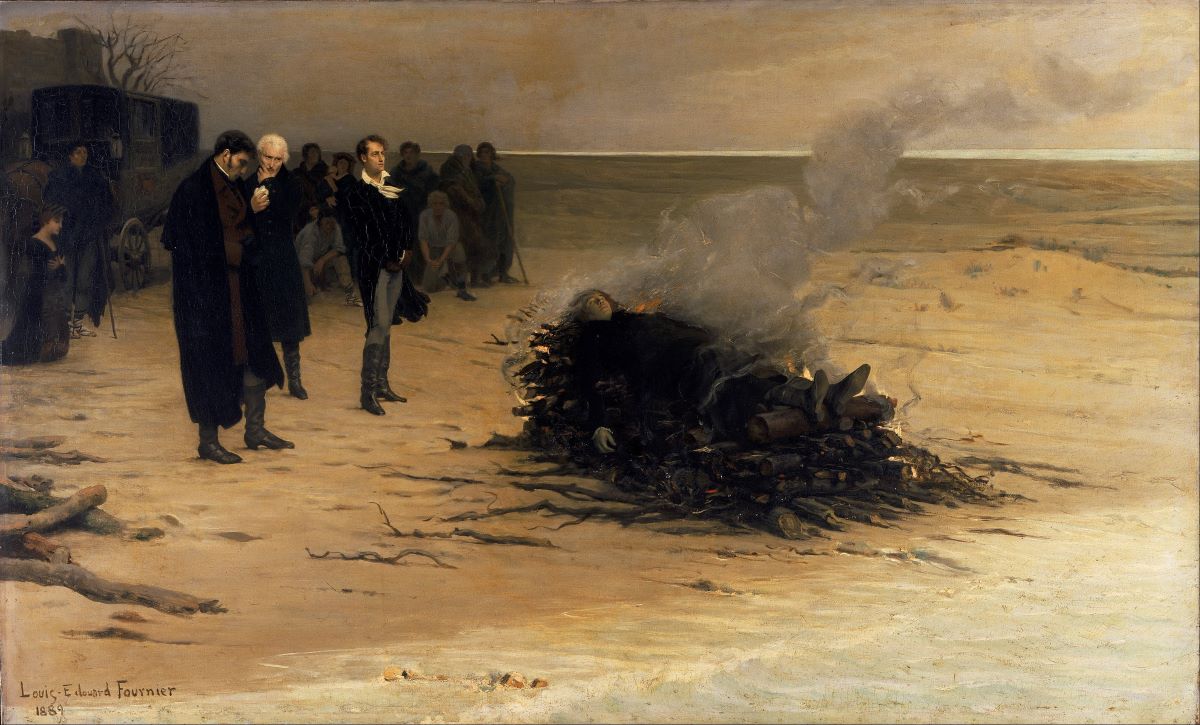
Walter Donway · Oct 26, 2022
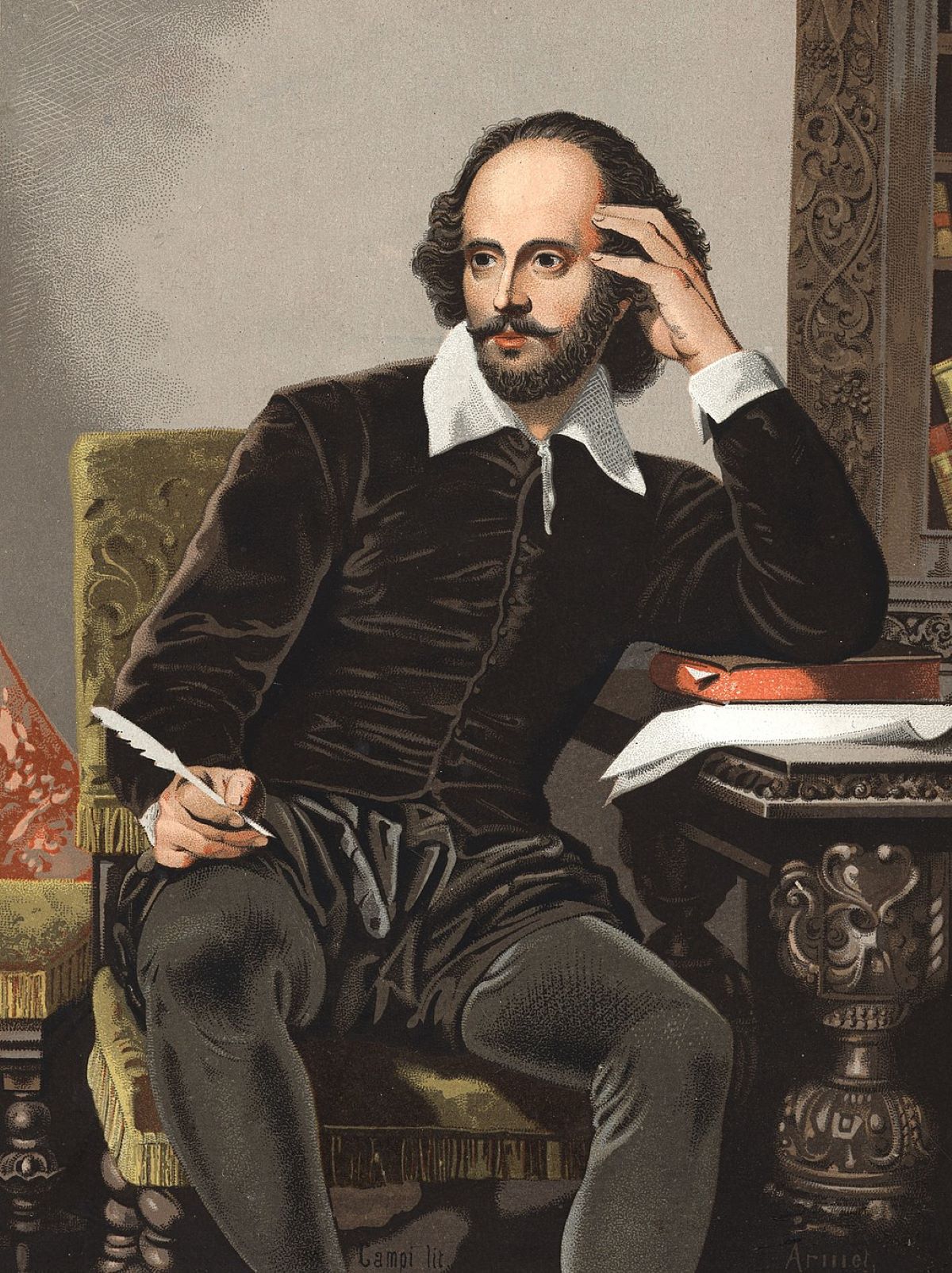
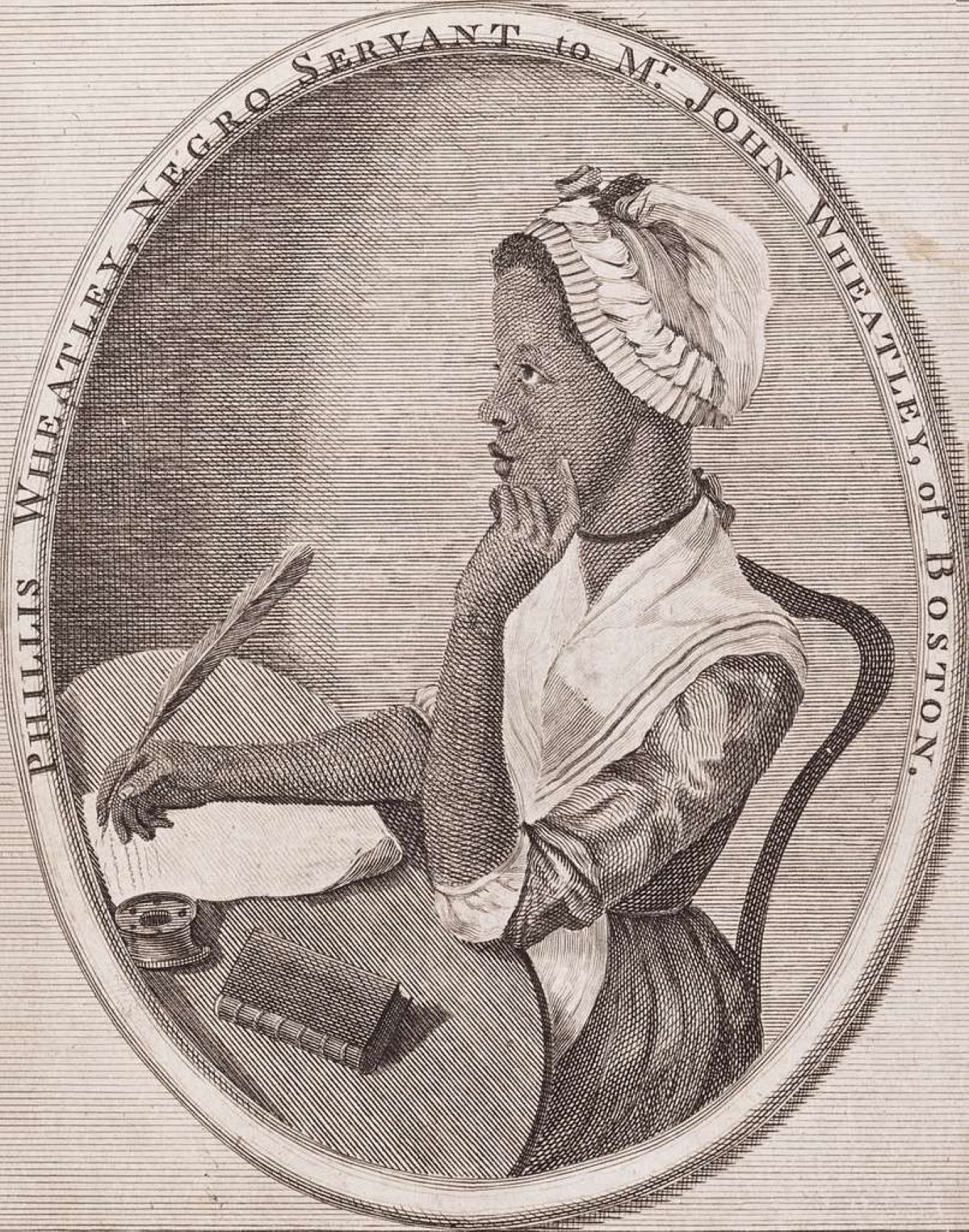
Walter Donway · Sep 14, 2022
Sarah Skwire · Sep 02, 2022
Caroline Breashears · Aug 31, 2022
Peter Carl Mentzel · Aug 26, 2022
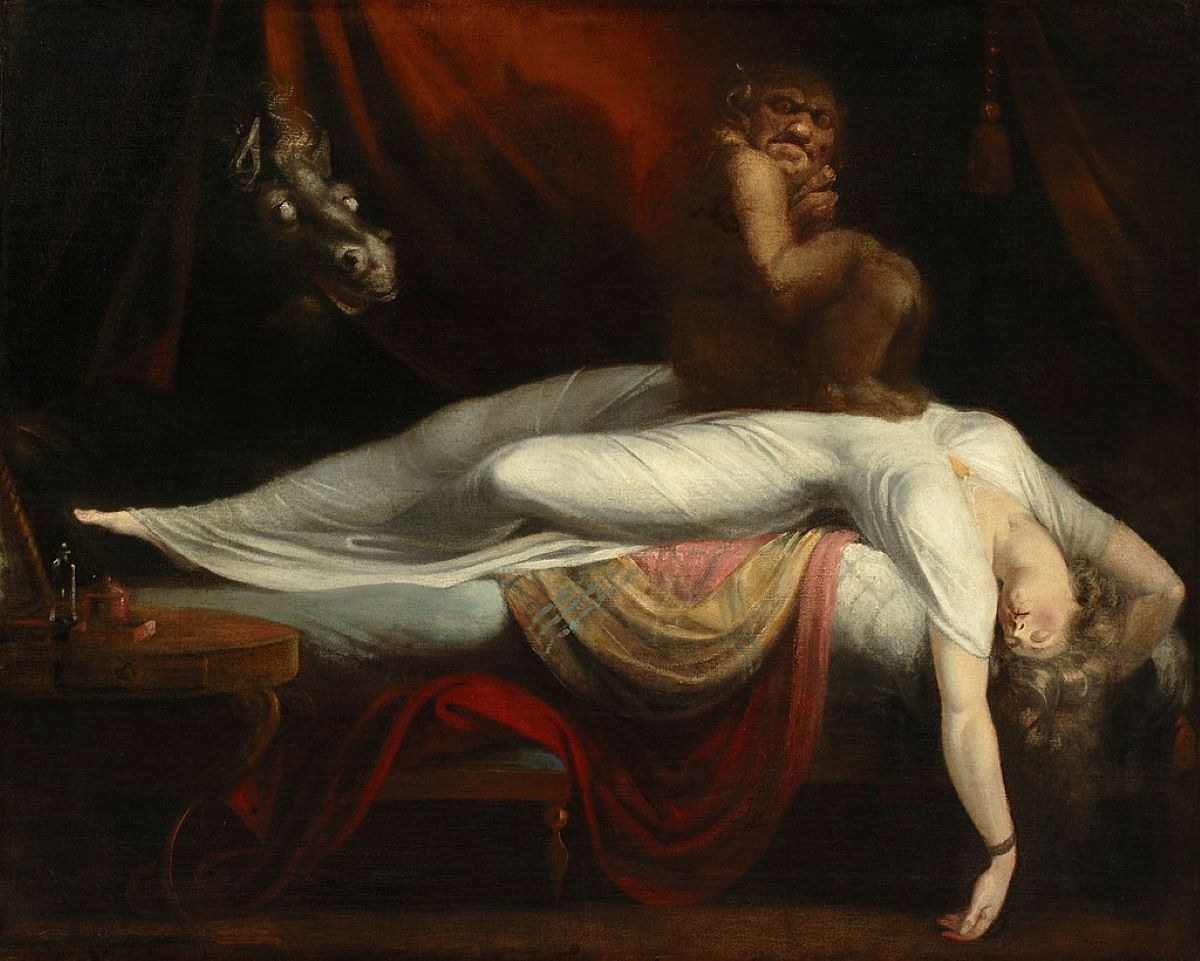

Peter Carl Mentzel · Jul 25, 2022

Joy Buchanan · Jul 13, 2022
Caroline Breashears · Mar 31, 2022
Nathaniel Birzer · Mar 10, 2022
Tracey S. Rosenberg · Mar 01, 2022

Nathaniel Birzer · Feb 15, 2022
Caroline Breashears · Feb 10, 2022


Sarah Skwire · Dec 27, 2021
Daniel Ross Goodman · Dec 23, 2021
Daniel Ross Goodman · Dec 22, 2021
Daniel Ross Goodman · Dec 16, 2021
Daniel Ross Goodman · Dec 14, 2021
Daniel Ross Goodman · Dec 12, 2021
Daniel Ross Goodman · Dec 07, 2021
Daniel Ross Goodman · Dec 02, 2021
Daniel Ross Goodman · Nov 30, 2021
Daniel Ross Goodman · Nov 25, 2021
Daniel Ross Goodman · Nov 23, 2021
Daniel Ross Goodman · Nov 18, 2021
Caren S. Oberg · Nov 17, 2021
Daniel Ross Goodman · Nov 16, 2021
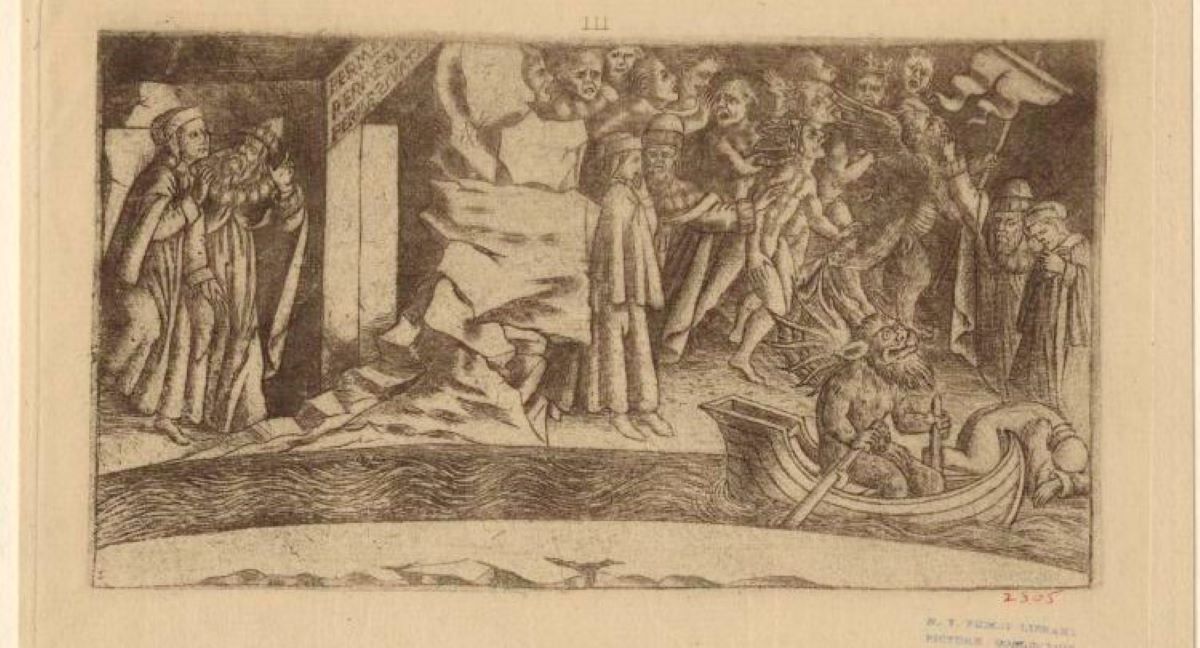
Daniel Ross Goodman · Nov 11, 2021
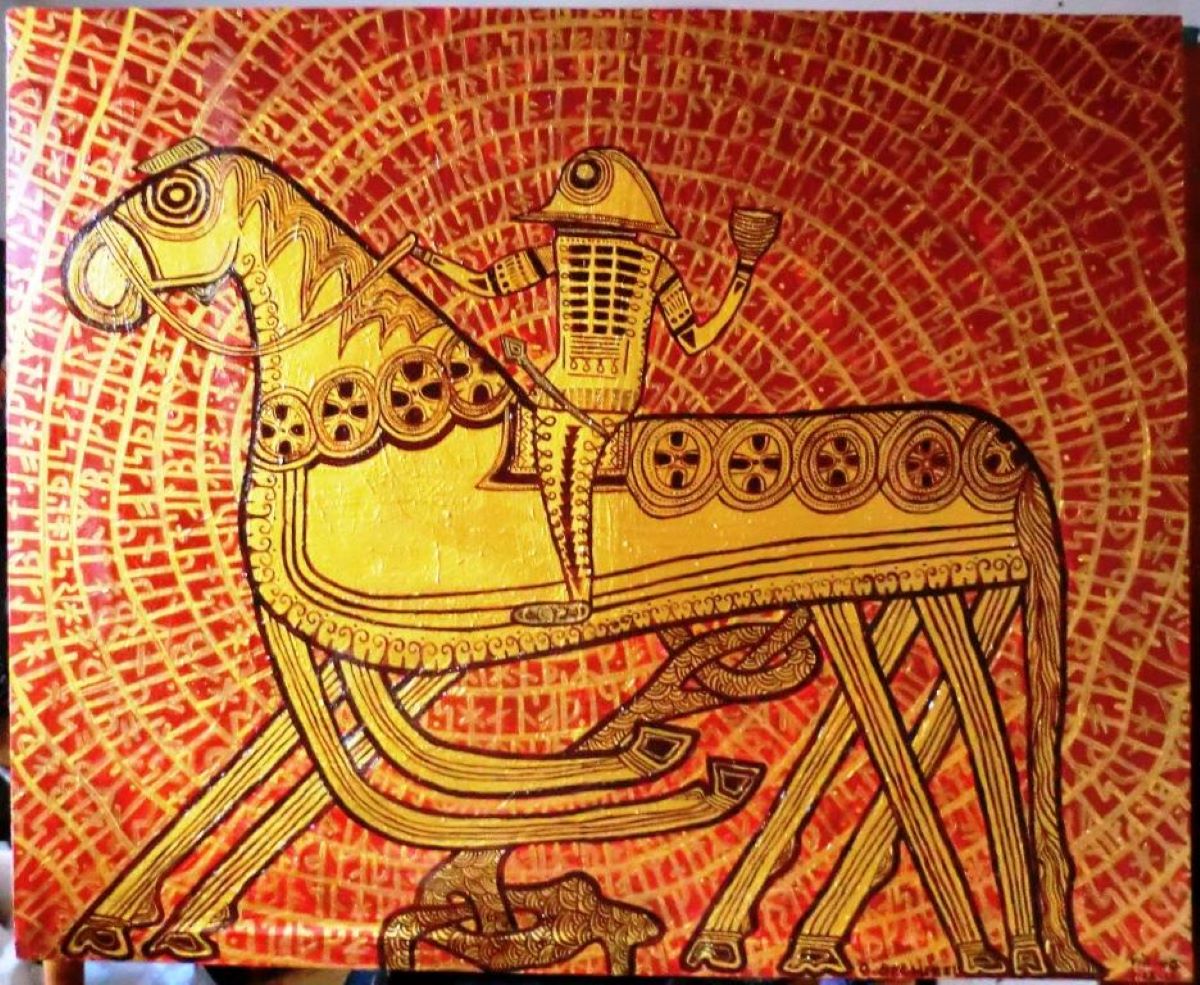
Sarah Skwire · Nov 10, 2021
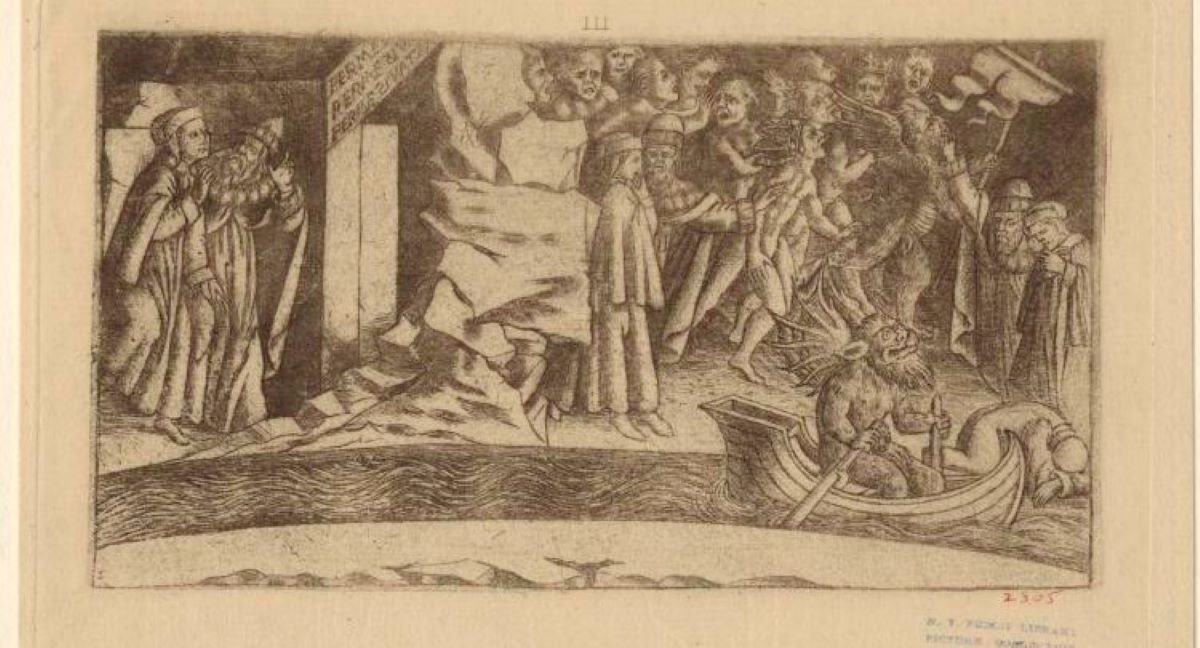
Daniel Ross Goodman · Nov 09, 2021
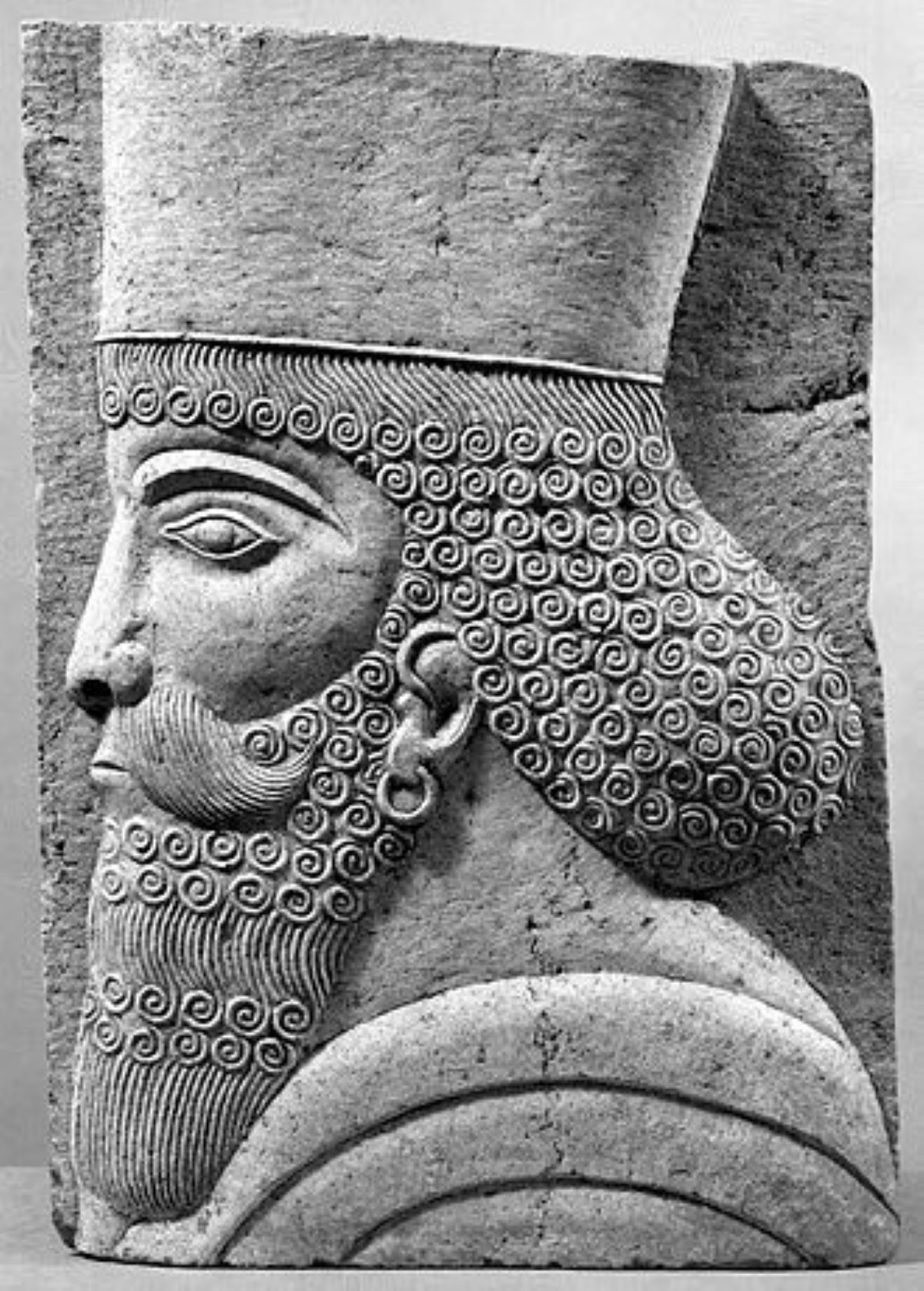
Daniel Ross Goodman · Nov 04, 2021
Daniel Ross Goodman · Nov 02, 2021
Daniel Ross Goodman · Oct 28, 2021
Daniel Ross Goodman · Oct 26, 2021
Daniel Ross Goodman · Oct 22, 2021
Garth Bond · Oct 18, 2021
Daniel Ross Goodman · Oct 14, 2021
Daniel Ross Goodman · Oct 12, 2021
Daniel Ross Goodman · Oct 07, 2021

Daniel Ross Goodman · Oct 05, 2021
Caroline Breashears · Oct 04, 2021
Daniel Ross Goodman · Sep 28, 2021
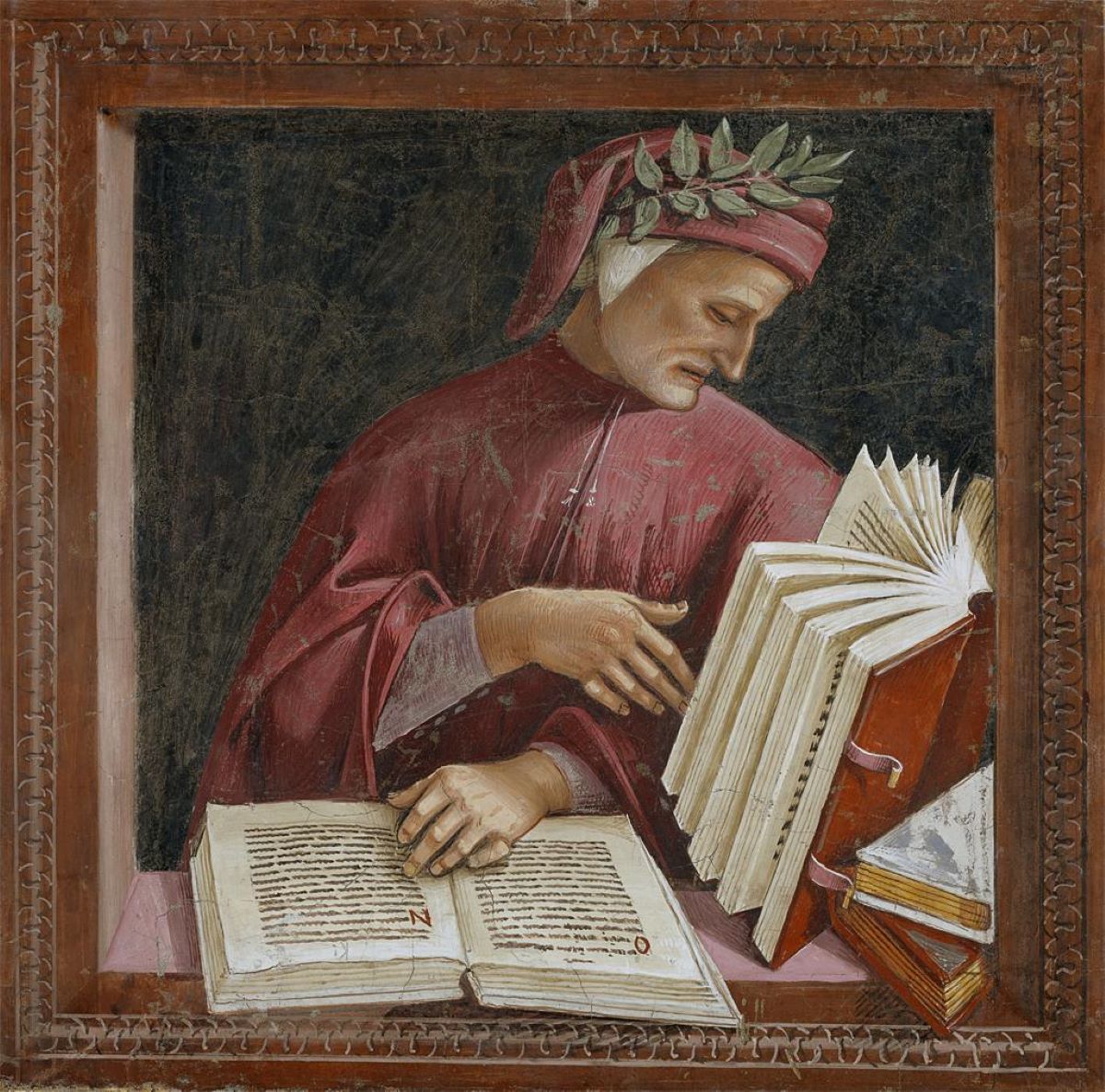
Daniel Ross Goodman · Sep 23, 2021
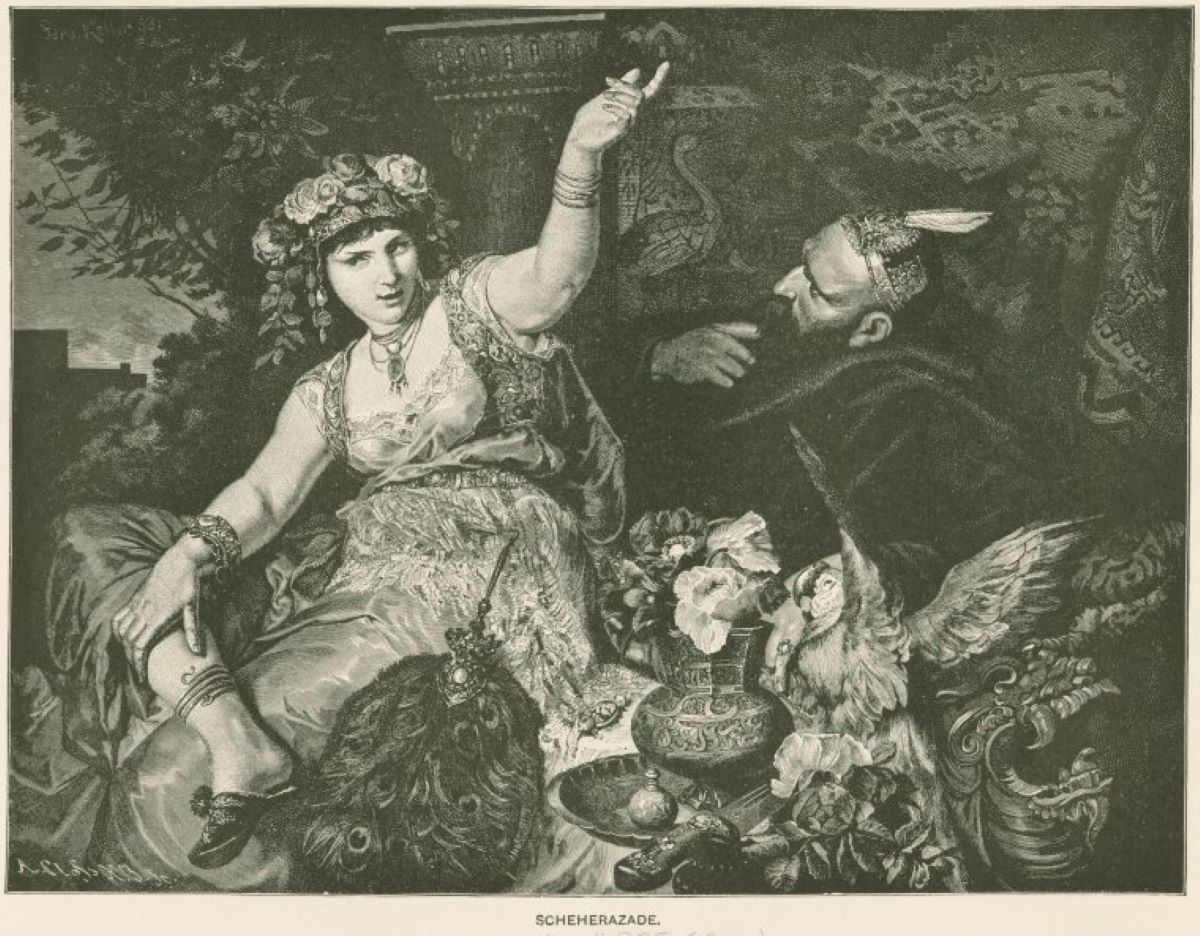
Daniel Ross Goodman · Sep 21, 2021
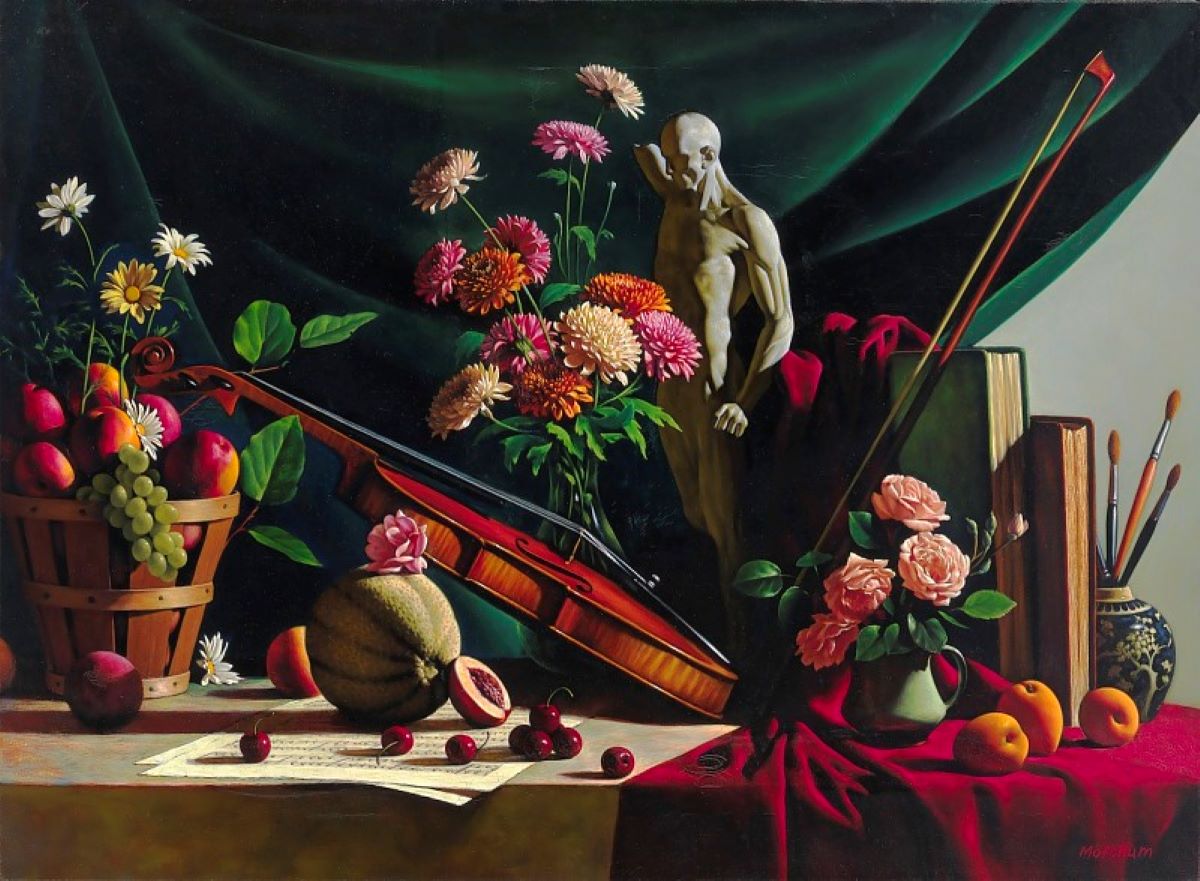
Sarah Skwire · Sep 20, 2021
Daniel Ross Goodman · Sep 16, 2021
Daniel Ross Goodman · Sep 14, 2021
Caroline Breashears · Sep 08, 2021

Passages on this subject, chosen by OLL editors.
By my Titan soul, I swear it!
Though with harsh chains now he mocks me,
Even now the hour is ripening,
When this haughty lord of Heaven
Shall embrace my knees, beseeching
Me to unveil the new-forged counsels
That shall hurl him from his throne.
But no honey-tongued persuasion,
No smooth words of artful charming,
No stout threats shall loose my tongue,
Till he loose these bonds of insult,
And himself make just atonement
For injustice done to me.
But admitt, that monarchy of it self may be convenient to som nations, yet to us who have thrown it out, received back again, it cannot but prove pernicious. For [the] kings to com, never forgetting thir former ejection, will be sure to fortifie and arme themselves sufficiently for the future against all such attempts heerafter from the people: who shall be then so narrowly watch’d and kept so low, [as that besides the loss of all thir blood, and treasure spent to no purpose,], that though they would never so fain and at the same rate of thir blood and treasure, they never shall be able to regain what they now have purchasd and may enjoy, or to free themselves from any yoke impos’d upon them. nor will they dare to go about it; utterly disheartn’d for the future, if these thir highest attempts prove unsuccesfull; which will be the triumph of all tyrants heerafter over any people that shall resist oppression; and thir song will then be, to others, how sped the rebellious English? to our posteritie, how sped the rebells your fathers?
So drives Self-love thro’ just and thro’ unjust, [269]
To one man’s power, ambition, lucre, lust:
The same Self-love in all becomes the cause
Of what restrains him, government and laws.
For, what one likes if others like as well,
What serves one will, when many wills rebel?
How shall he keep what, sleeping or awake,
A weaker may surprise, a stronger take?
His safety must his liberty restrain:
All join to guard what each desires to gain.
Forc’d into virtue thus by self-defence,
Ev’n kings learn’d justice and benevolence: [280]
Self-love forsook the path it first pursued,
And found the private in the public good.
Thy steady temper, Portius,
Can look on guilt, rebellion, fraud, and Caesar,
In the calm lights of mild philosophy;
I’m tortured ev’n to madness, when I think
On the proud victor: every time he’s named
Pharsalia rises to my view!—I see
The insulting tyrant, prancing o’er the field
Strowed with Rome’s citizens, and drenched in slaughter,
His horse’s hoofs wet with Patrician blood!
Oh, Portius! is there not some chosen curse,
Some hidden thunder in the stores of heaven,
Red with uncommon wrath, to blast the man
Who owes his greatness to his country’s ruin?
Yellow birds, yellow birds!
Do not crowd the tree-tops;
Come not pecking our crops.—
From the folk of this land
We unwelcoming win;
Up, let us return
To our country and kin.
If at any time it comes into my head that a present is due from me to somebody, I am puzzled what to give, until the opportunity is gone. Flowers and fruits are always fit presents; flowers, because they are a proud assertion that a ray of beauty outvalues all the utilities of the world. These gay natures contrast with the somewhat stern countenance of ordinary nature: they are like music heard out of a work-house. Nature does not cocker us; we are children, not pets; she is not fond; everything is dealt to us without fear or favor, after severe universal laws. Yet these delicate flowers look like the frolic and interference of love and beauty. Men use to tell us that we love flattery even though we are not deceived by it, because it shows that we are of importance enough to be courted. Something like that pleasure, the flowers give us: what am I to whom these sweet hints are addressed?..
Next to things of necessity, the rule for a gift, which one of my friends prescribed, is that we might convey to some person that which properly belonged to his character, and was easily associated with him in thought. But our tokens of compliment and love are for the most part barbarous. Rings and other jewels are not gifts, but apologies for gifts. The only gift is a portion of thyself. Thou must bleed for me. Therefore the poet brings his poem; the shepherd, his lamb; the farmer, corn; the miner, a gem; the sailor, coral and shells; the painter, his picture; the girl, a handkerchief of her own sewing. This is right and pleasing, for it restores society in so far to the primary basis, when a man's biography is conveyed in his gift, and every man's wealth is an index of his merit.
But, lay hands on another
To coin his labor and sweat,
He goes in pawn for his victim
For eternal years in debt.
To-day unbind the captive,
So only are ye unbound;
Lift up a people from the dust,
Trump of their rescue, sound!
Pay ransom to the owner
And fill the bag to the brim.
Who is the owner? The slave is owner,
And ever was. Pay him.
Austin: And you, my Christian, that I may return the Compliment, seem to have been Scholar to Epicurus, or brought up in the Catian School. For what’s more delicate or nice than your Palate?
Christian: Nor indeed would I myself, who am but an ordinary Man, change my Philosophy for Diogenes’s; and I believe your Catius would refuse to do it too. The Philosophers of our Time are wiser, who are content to dispute like Stoicks, but in living out–do even Epicurus himself. And yet for all that, I look upon Philosophy to be one of the most excellent Things in Nature, if used moderately. I don’t approve of philosophising too much, for it is a very jejune, barren, and melancholy Thing. When I fall into any Calamity or Sickness, then I betake myself to Philosophy, as to a Physician; but when I am well again, I bid it farewell.
Austin: I like your Method. You do philosophize very well. Your humble Servant, Mr. Philosopher; not of the Stoick School, but the Kitchen.
Christian: If I understood Oratory so well as I do Cookery, I’d challenge Cicero himself.
Austin: Indeed if I must be without one, I had rather want Oratory than Cookery.
Christian: I am entirely of your Mind, you judge gravely, wisely, and truly. For what is the Prattle of Orators good for, but to tickle idle Ears with a vain Pleasure? But Cookery feeds and repairs the Palate, the Belly, and the whole Man, let him be as big as he will. Cicero says, Concedat laurea linguæ; but both of them must give place to Cookery. I never very well liked those Stoicks, who referring all things to their (I can’t tell what) honestum, thought we ought to have no regard to our Persons and our Palates. Aristippus was wiser than Diogenes beyond Expression in my Opinion.
Austin: I despise the Stoicks with all their Fasts. But I praise and approve Epicurus more than that Cynic Diogenes, who lived upon raw Herbs and Water; and therefore I don’t wonder that Alexander, that fortunate King, had rather be Alexander than Diogenes.
See also the extracts, chapters, and introductions in the Literature section of the Ideas page.

History of scholarship and learning. The humanities
9 titles · 4 publications · 92 people

Language and Literature
43 titles · 36 publications · 60 people

Fine Arts
7 titles · 12 publications · 8 people

Language and Literature
282 titles · 6 publications · 321 people
Language and Literature
112 titles · 156 people

Language and Literature
73 titles · 10 publications · 81 people