

Mustafa Akyol
b. 1972
Mustafa Akyol is a senior fellow at the Cato Institute, where he focuses on the intersection of public policy, Islam, and modernity.


Language and Literature
84 items in this collection
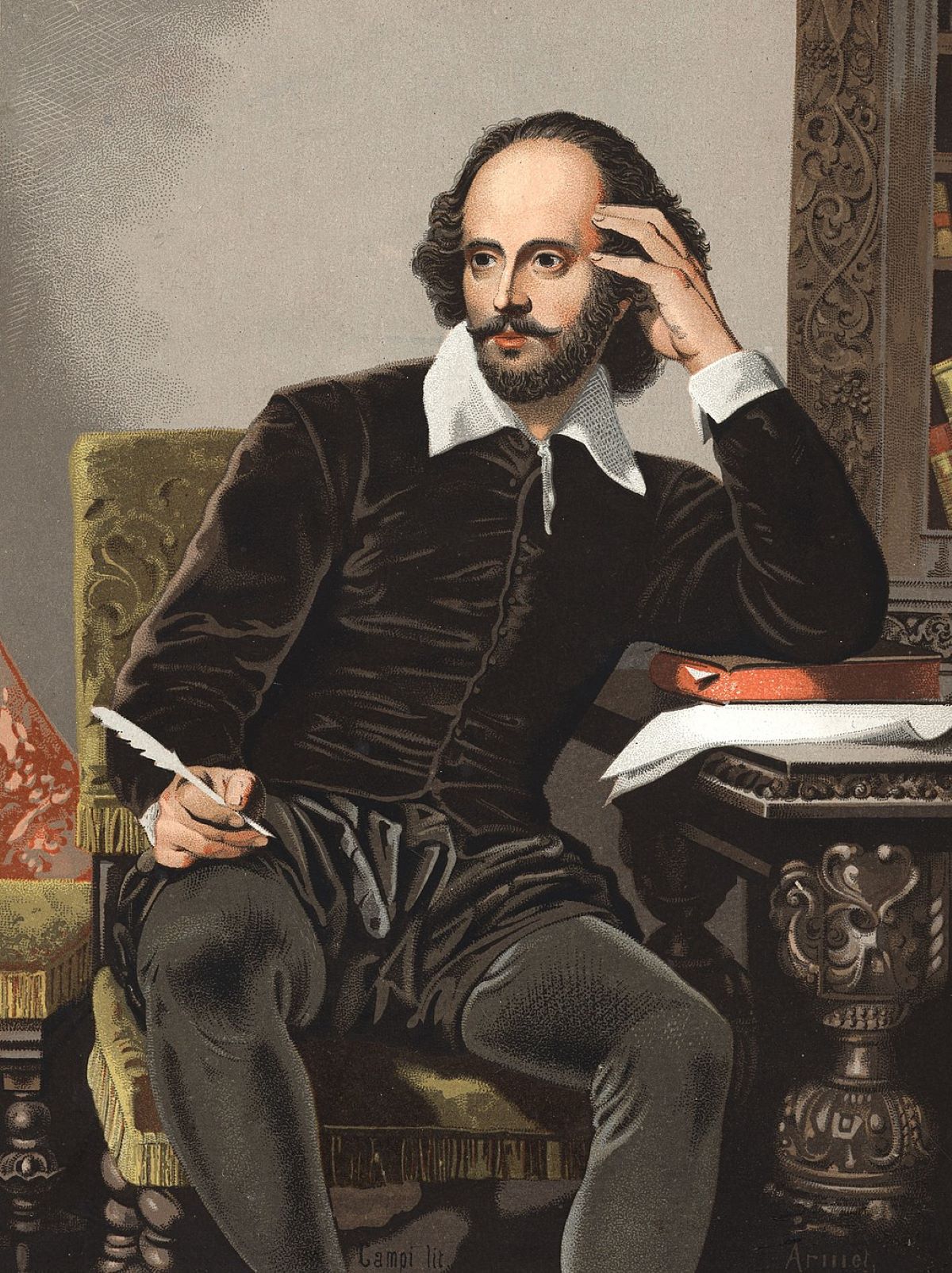
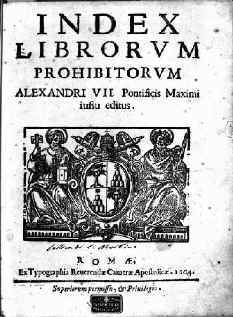
Many of the works in the Online Library of Liberty have been banned or censored at various times by governments, established churches, and pubic schools for their content.
This list has been compiled from the following sources:
In this collection
43 titles, earliest first.
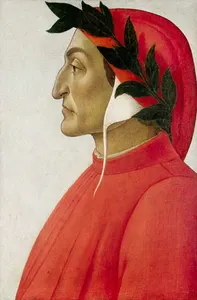
Dante Alighieri · 1321
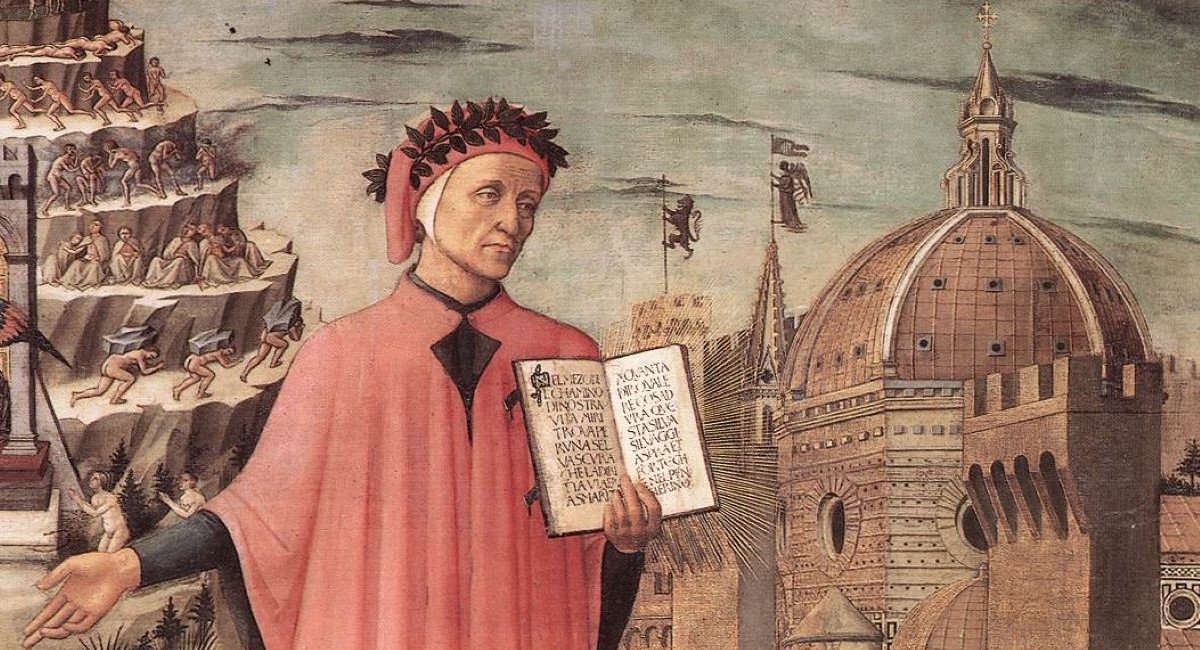
Dante’s masterwork is a 3 volume work written in Italian rather than Latin. Vol. 1 (Inferno (Hell) describes what happens to the souls of the wicked who are condemned to suffer the torments of Hell. Vol. 2 Purgatorio…
Desiderius Erasmus · 1501
Erasmus’s very popular 16th century guide book on how to live a moral, Christian life while avoiding formal ritual and observances.
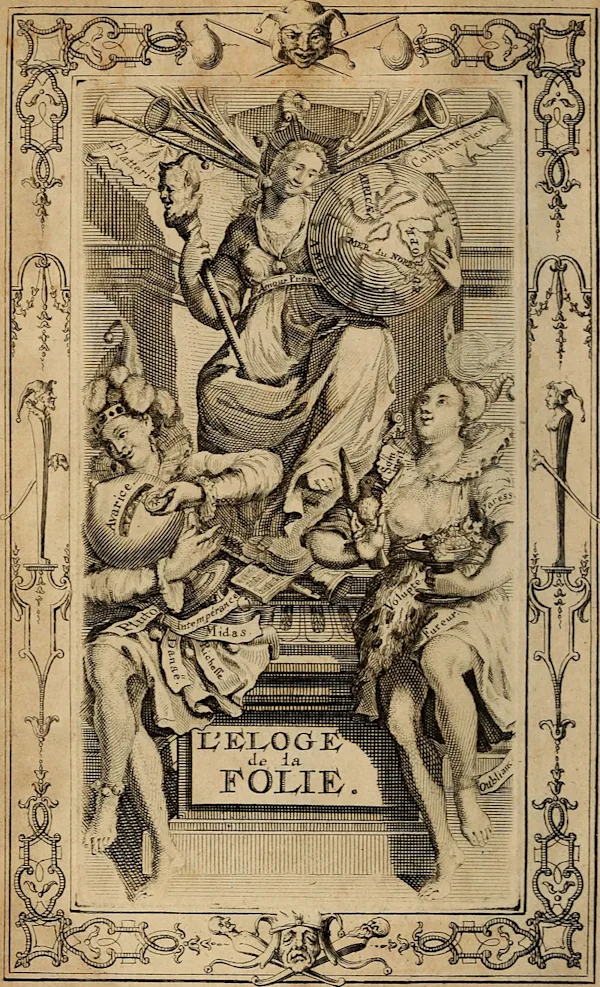
Desiderius Erasmus · 1511
The personification of Folly comes to earth to expose the follies, foibles, and failings of humans. Illustrated with 77 woodcuts by Hans Holbein.
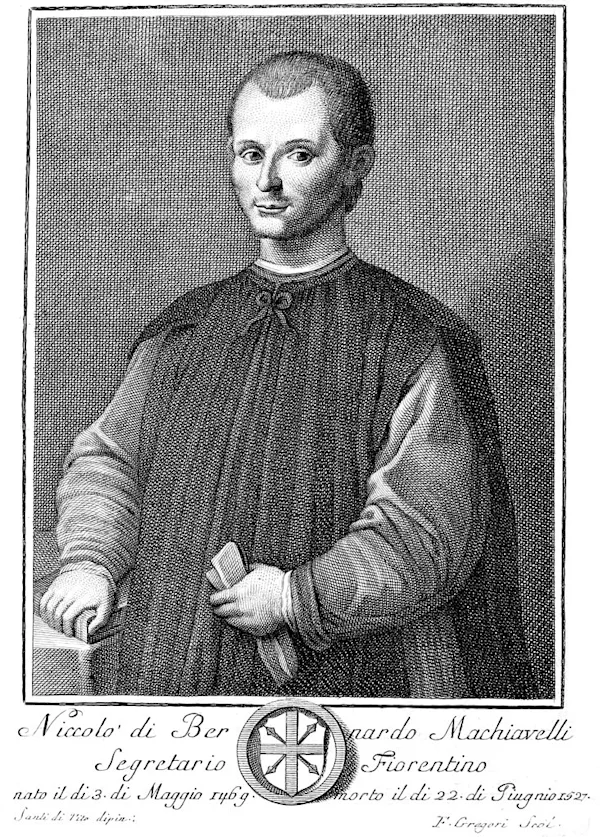
Niccolo Machiavelli · 1513
Volume 2 of a 4 volume set of Machiavelli’s writings which contains a lengthy introduction on the life of Machiavelli, the History of Florence, The Prince, Discourses on Livy, and his letters and papers from his time as…
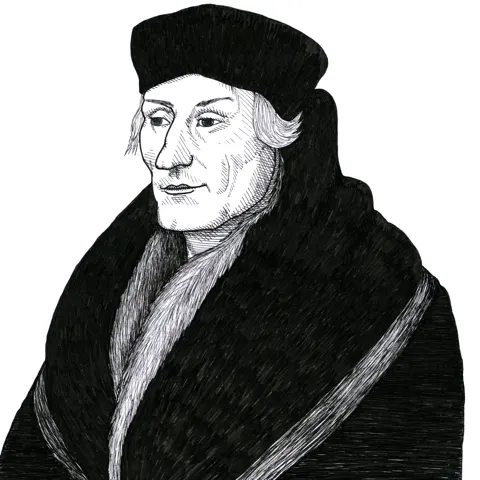
Desiderius Erasmus · 1518
In the guise of a school textbook on sound Latin prose Erasmus is able to mix sound language teaching, homilies on Christian ethics, and social criticism of some of the injustices and follies of his day.
Desiderius Erasmus · 1521
The Reformation scholar Desiderius Erasmus portrays Peace visiting to earth to deliver her verdict on the human race. She chastises kings and princes, church leaders, noblemen and ordinary soldiers alike for betraying…
John Calvin · 1537
in 1535 John Calvin published the initial version of the Institutes. The importance of the Institutes lies with its inclusive and systematic explication of Protestant doctrine. It forcefully presents the Protestants’…
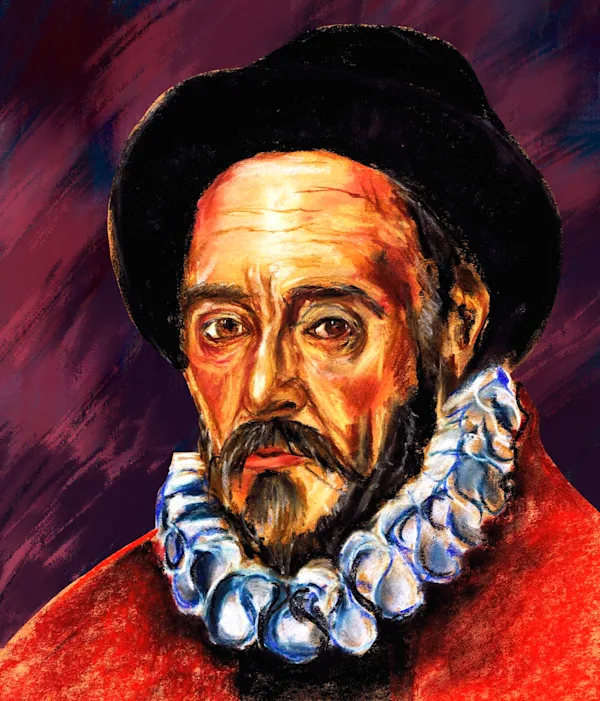
Michel de Montaigne · 1580
This edition presents a full ten-volume set of Michel de Montaigne’s Essays, translated into English in the 17th century by Charles Cotton and later revised by William Carew Hazlitt. Volumes 1 through 9 consist of the…
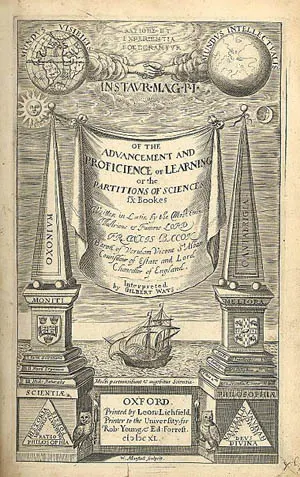
Sir Francis Bacon · 1605
The first of Bacon’s writings on the nature of science and the scientific method. He also had a view of the unity of knowledge, both scientific and non-scientific.
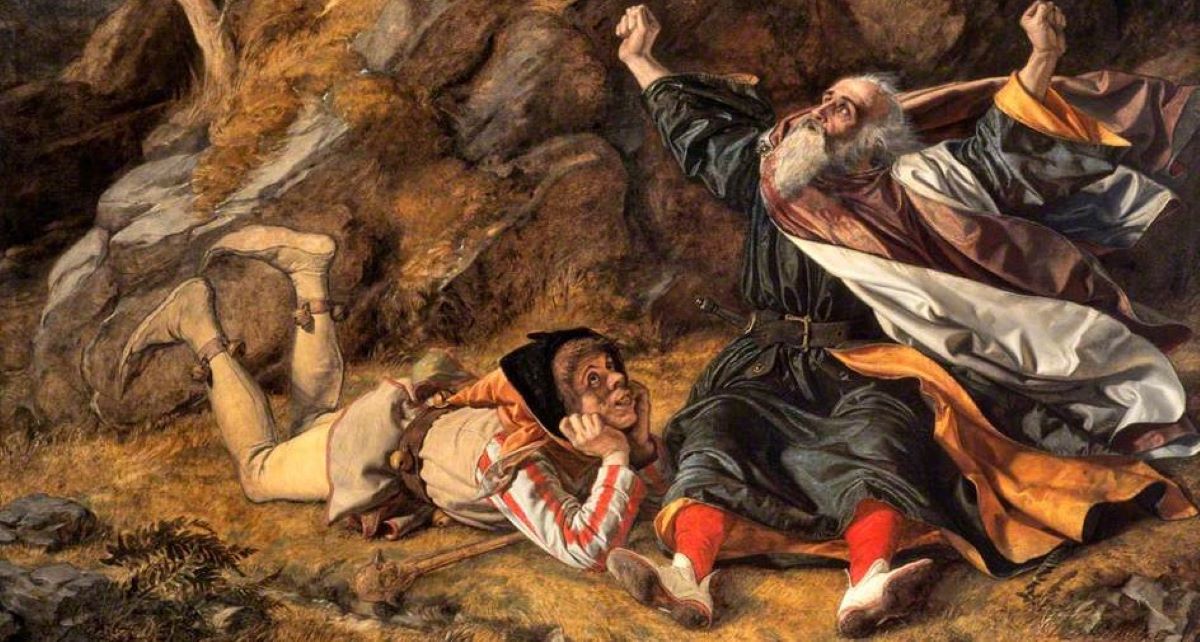
William Shakespeare · 1608
Shakespeare’s King Lear may be his greatest tragedy. It presents a dark picture of aging, of an uncaring universe, and the dangers of an unstable king struggling to understand his own power. This edition comes from the…
Sir Francis Bacon · 1620
Part of a larger but incomplete magnum opus in which Bacon demonstrates the use of the scientific method to discover knowledge about the natural world. Many of the examples in this volume concern the nature of heat and…
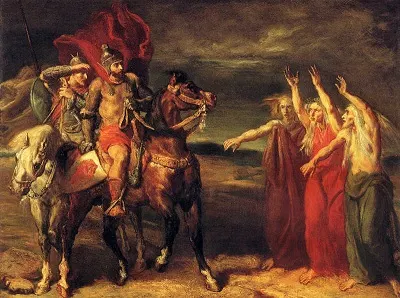
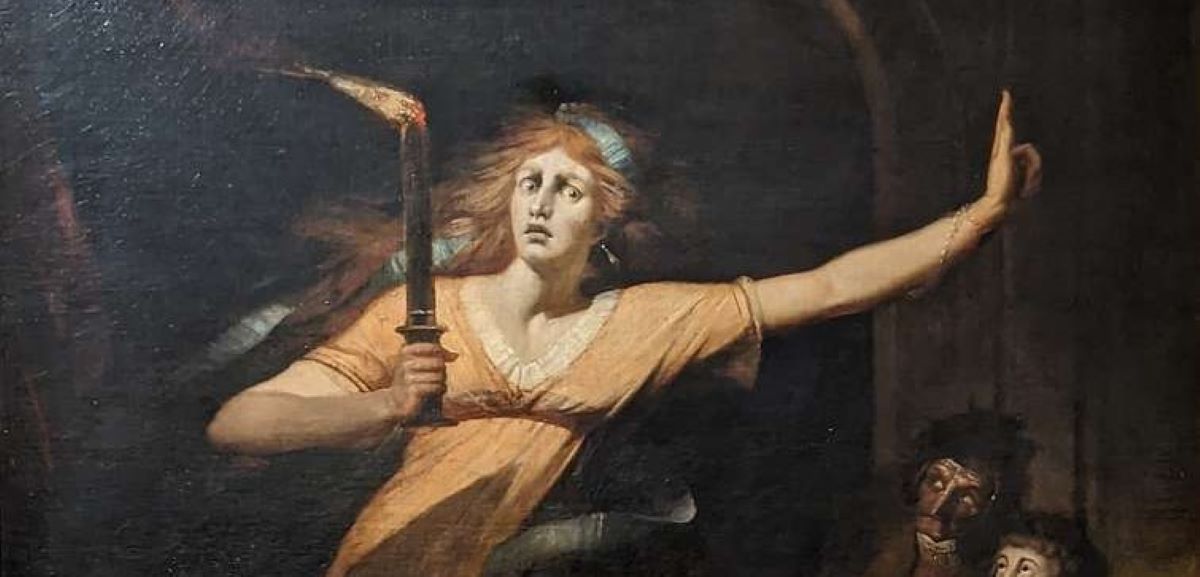
William Shakespeare · 1623
Shakespeare’s Macbeth explores questions of fate, free will, and tyranny. This edition comes from the 1916 Oxford University Press edition of all of Shakespeare’s plays and poems.
William Shakespeare · 1623
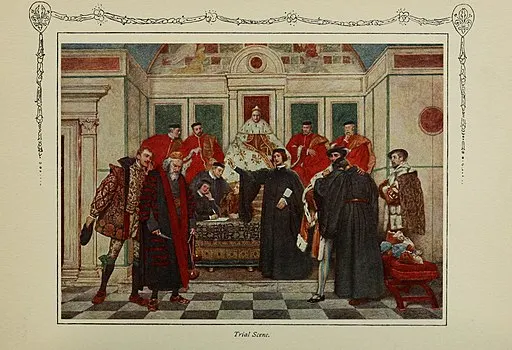
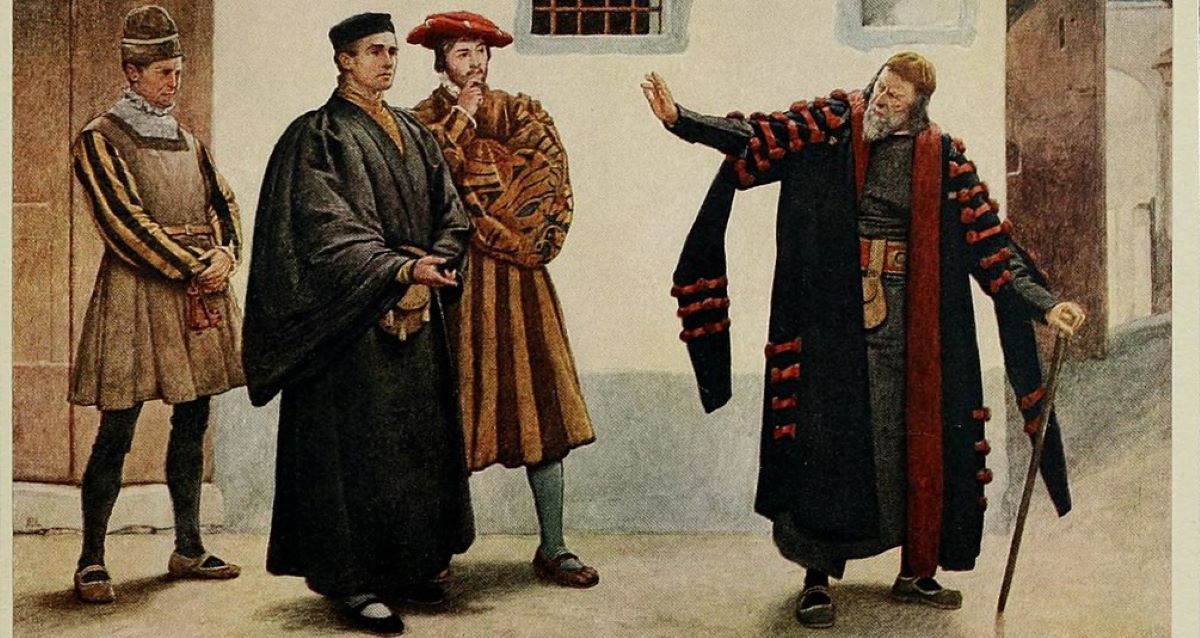
The Merchant of Venice famously depicts the bargain between Antonio and Shylock to secure a monetary loan with the promise of “a pound of flesh” if the loan is not repaid. In doing so, it explores the complex issues of…
William Shakespeare · 1623
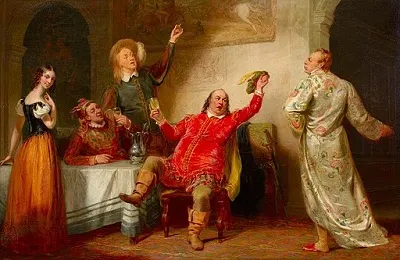
Complicated, merry, and slightly mad, the convoluted disguises and secret identities of Twelfth Night capture the pains and comic madness of love. This edition comes from the 1916 Oxford University Press edition of all…
René Descartes · 1637
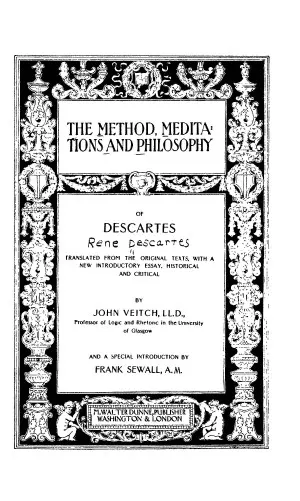
A collection of three of Descatres philosophical works: the Discourse of Method, the Meditations, and selections from his Principles of Philosophy.
John Milton · 1644
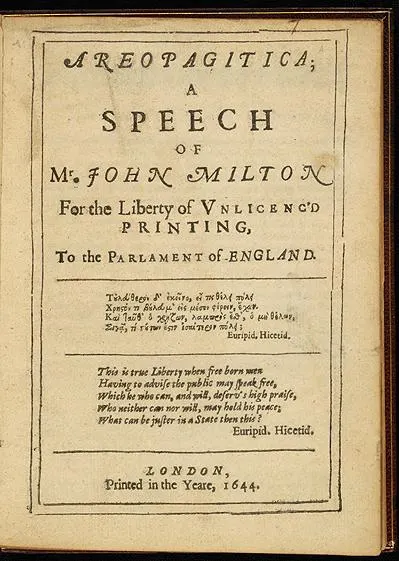
This is Milton's famous defense of freedom of speech and the press, in an edition based upon Sir Richard Jebb’s lectures at Cambridge in 1872, with extensive notes and commentaries. Mlton's work was a protest against…
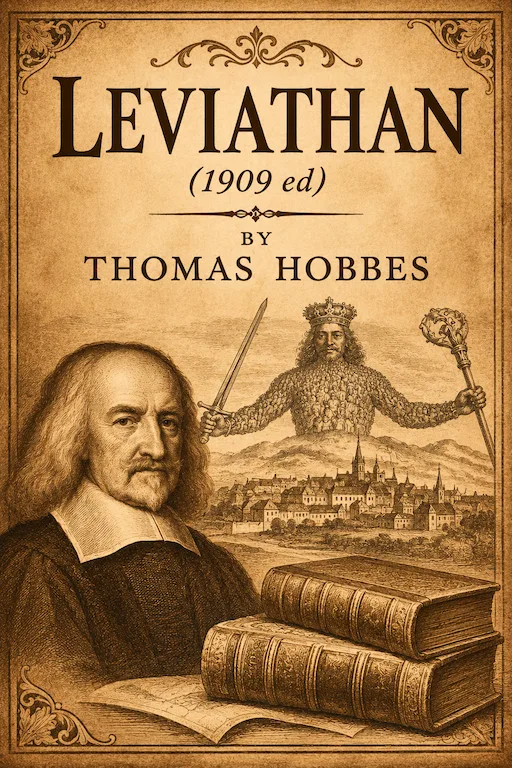
Thomas Hobbes · 1651
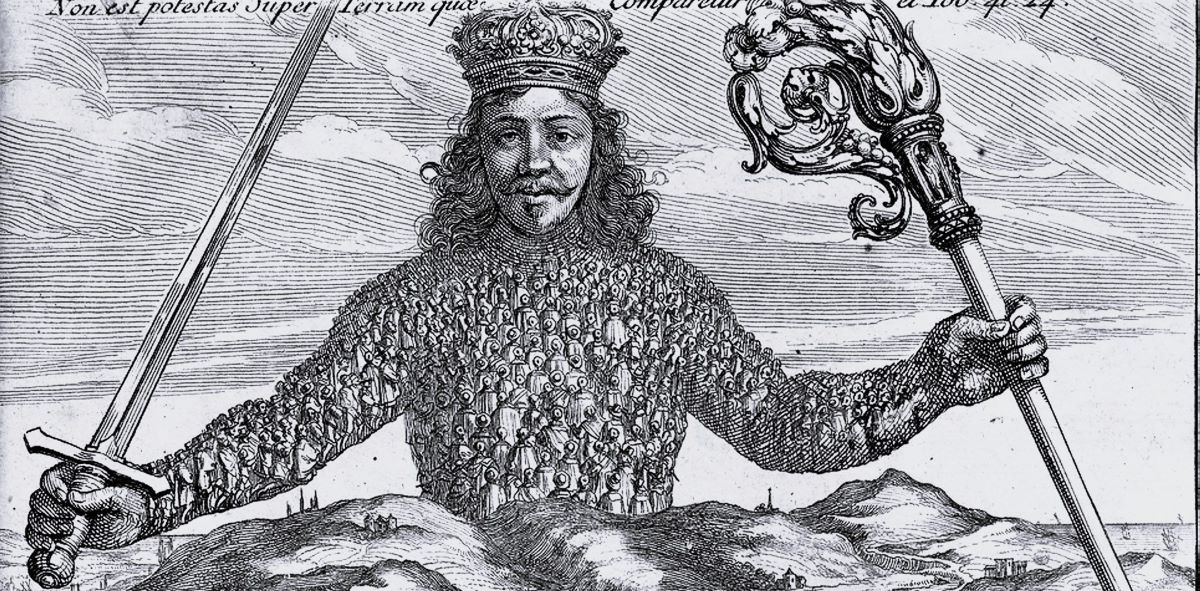
The 1909 edition of Hobbe’s best known work of political philosophy is the edition used by Michael Oakeshott in his discussion of Hobbe’s ideas in Hobbes on Civil Association (1937, 1975 Liberty Fund).
Benedict de Spinoza · 1670
This volume contains 2 of Spinoza’s most important political works, the Theologico-Political Treatise and the posthumous Political Treatise.
John Locke · 1689
The first part of Locke’s most important work of philosophy. Continued in volume 2.
Charles Louis de Secondat, Baron de Montesquieu · 1721
This is volume 3 from the Complete Works. It contains his piece on the Grandeur and Declension of the Roman Empire, a short Dialogue between Sylla and Eucrates, and the Persian Letters.
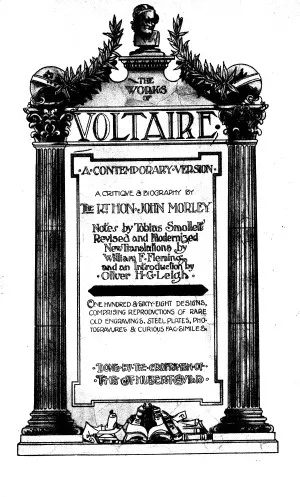
Voltaire · 1733
Taken from the 21 volume 1901 edition of the Complete Works, this is an early work by Voltaire of social and political analysis. Forced to go into exile in England, he was very impressed with the practice of religious…
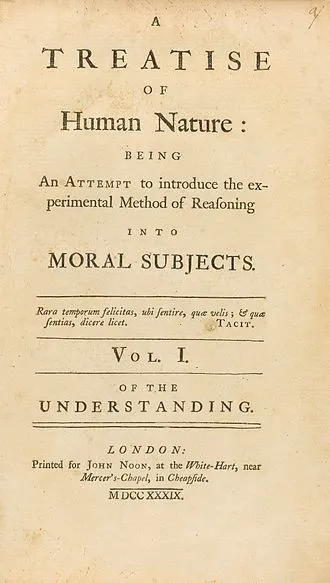
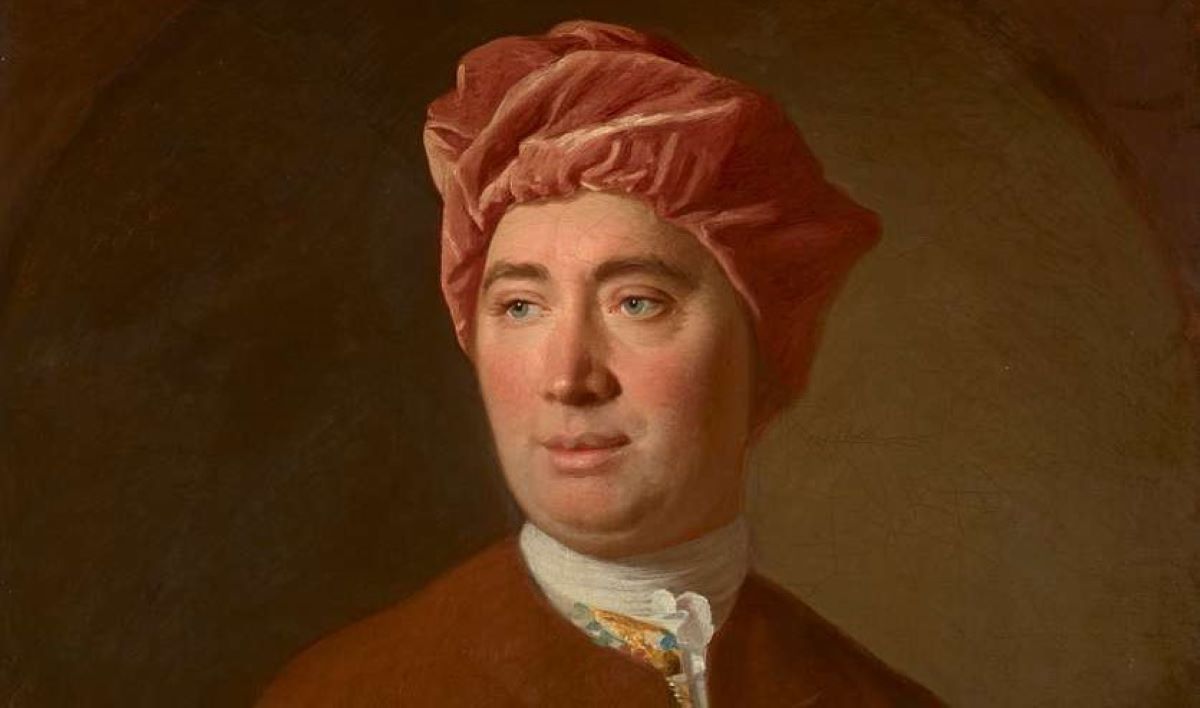
David Hume · 1739
Hume’s first major work of philosophy was published in 1739 when he was just 28 years old. It is made up of three books entitled “Of the Understanding”, “Of the Passions”, and “Of Morals”. In the book he uses his…
David Hume · 1757
In The Natural History of Religion and in the Dialogues Concerning Natural Religion Hume provides a sustained philosophical and historical analysis of religion.
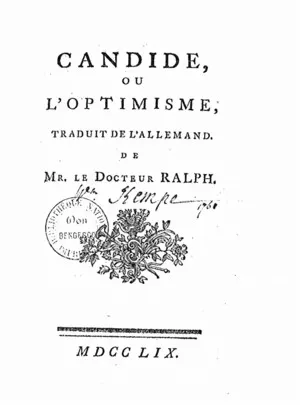
Voltaire · 1759
Voltaire’s “philosophic tale” is a clever satire of France in the mid-18th century. He makes fun of religious intolerance, the destructiveness of war, and the foibles of mankind. He concludes with a plea that we should…
Voltaire · 1759
Taken from the 21 volume 1901 edition of the Complete Works, this is Voltaire’s most famous “philosophic tale” in which he makes fun of the idea that “this is the best of all possible worlds” by showing how much…
Jean-Jacques Rousseau · 1761
This 1913 edition of Rousseau’s works includes the famous Social Contract as well as 3 discourses on Arts and Sciences, the Origin of Inequality, and Political Economy. Rousseau’s writings inspired liberals and…
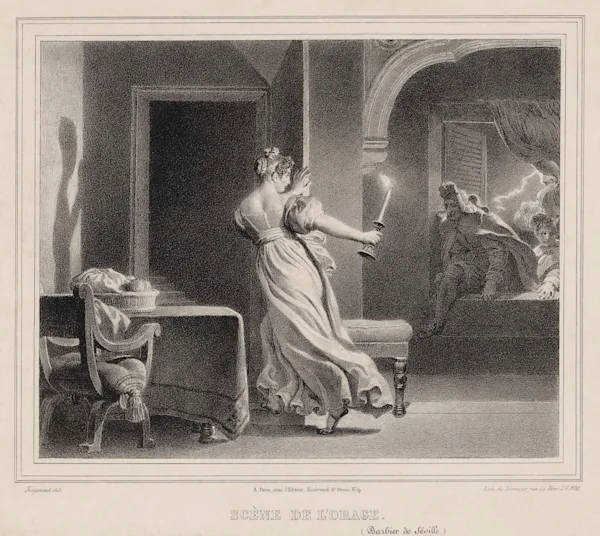
Pierre-Augustin Caron de Beaumarchais · 1775
The first of 3 plays Beaumarchais wrote about a master-servant relationship, Count Almaviva and Figaro, during the social upheavals on the eve of the French revolution.
Edward Gibbon · 1776
A 12 volume set of Gibbon’s magisterial history of the end of the Roman Empire, one of the greatest works of history written during the Enlightenment.
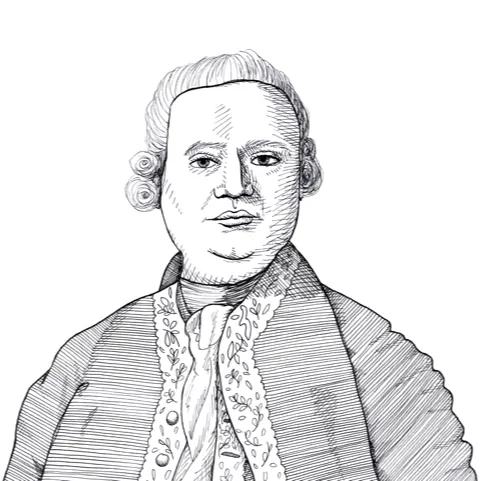
David Hume · 1777
Two of David Hume’s most important works of moral philosophy, epistemology, and psychology which together were supposed to make up Hume’s “science of man”. They are a revised version of his earlier work A Treatise of…
Thomas Paine · 1779
Vol. 2 of a 4 vol. collection of the works of Thomas Paine. Vol. 2 (1779-1792) contains the Letter to Abbey Raynal, Dissertations on Government, The Rights of Man (1 and 2) and various articles.
Pierre-Augustin Caron de Beaumarchais · 1784
The second of 3 plays Beaumarchais wrote about a master-servant relationship, Count Almaviva and Figaro, during the social upheavals on the eve of the French revolution. In this play they become rivals for the…
Thomas Paine · 1791
Vol. 4 of a 4 vol. collection of the works of Thomas Paine. Vol. 4 (1791-1804) contains The Age of Reason and various appendices.
Marie-Jean-Antoine-Nicolas Caritat, Marquis de Condorcet · 1795
Condorcet wrote this while in prison awaiting execution by the Jacobins. It is an optimistic view of the progress the human race will undergo when political and economic liberty are gradually introduced.
David Hume · 1828
Vol. 1 - Treatise of Human Nature Bk 1; Vol. 2 - Treatise of Human Nature Bk 2 and 3; Vol. 3 - Essays Moral, Political and Literary; Vol. 4 An Inquiry Concerning the Human Understanding, An Inquiry Concerning the…
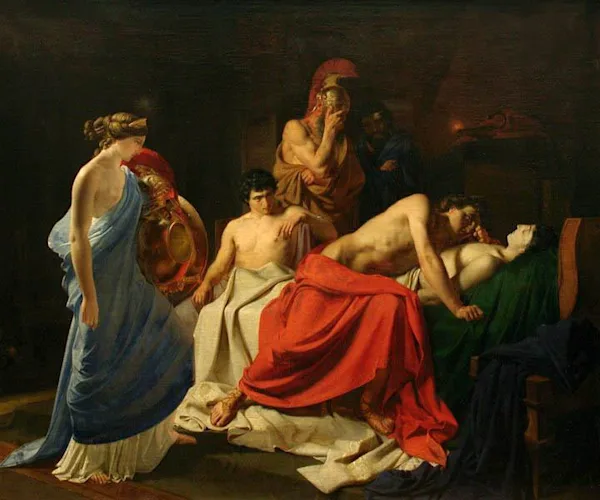
Homer · 1839
Hobbes’s translation of Homer’s epic poems the Iliad and the Odyssey. The Iliad is about the warriors and heroes who are involved in the Trojan war, what happens to men in combat, and the consequences of pride,…
John Stuart Mill · 1848
Principles of Political Economy, with some of their Applications to Social Philosophy was published in 1848 in London and was republished with changes and updates a total of seven times in Mill’s lifetime. The edition…
John Stuart Mill · 1848
Vol. 2 of the 33 vol. Collected Works contains Part 1 of Mill’s Principles of Political Economy.
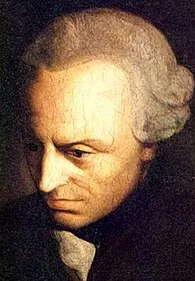
Immanuel Kant · 1881
One of Kant’s most important philosophical works and one of the most important of the Enlightenment as well. In it he argues that the world that we know is structured by the way that we perceive and think about the…
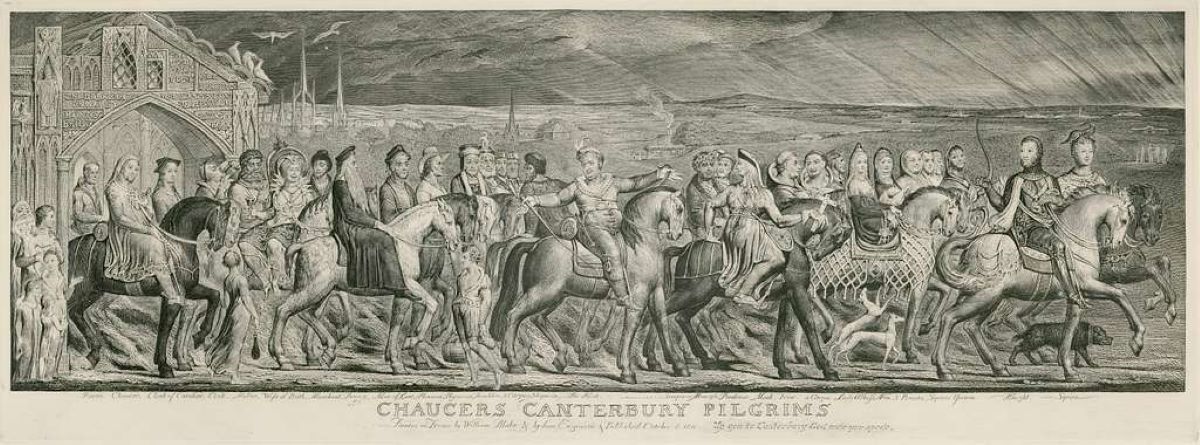
Geoffrey Chaucer · 1899
The late 19th century Skeat edition with copious scholarly notes and a good introduction to the text. The Tales are in their original Middle English.
John Milton · 1900
A modern edition of the major poems of Milton. It contains the shorter poems, Paradise Lost and Regained, and Samson Agonistes.
Sir Francis Bacon · 1901
A collection of 4 of the best known works about utopias: Rousseau’s Social Contract, More’s Utopia, Bacon’s New Atlantis, and Campanella’s City of the Sun.
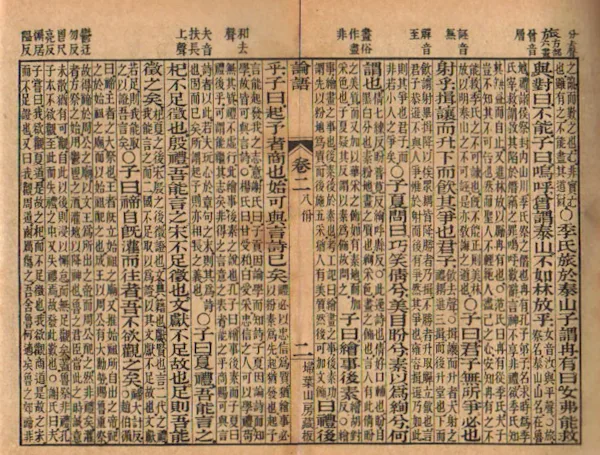
Confucius · 1910
A 1,000 page book which includes the original Chinese text, a translation, and commentaries.

Muhammad · 1920
Tradition holds that during the last decades of Muhammad’s life he received revelations from the angel Gabriel. Muhammad was instructed to repeat these revelations to his community as warnings or instructions from God.…
In this collection
2 people central to Banned Books.
b. 1972
Mustafa Akyol is a senior fellow at the Cato Institute, where he focuses on the intersection of public policy, Islam, and modernity.

1596–1650
Descartes was an influential philosopher and mathematician who developed the idea of rationalism in opposition to British empiricism.
In this collection
From The Reading Room, Liberty Matters and the library’s other publications.

Sabine El-Chidiac · Oct 15, 2025
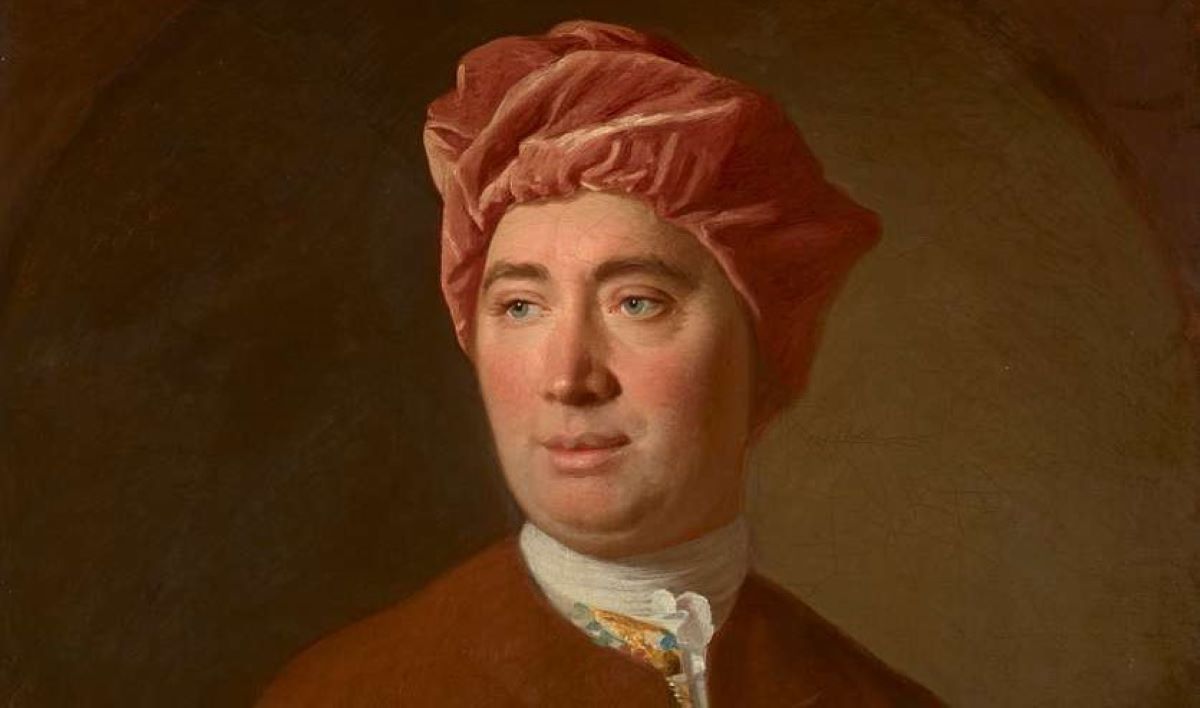

Walter Donway · Nov 01, 2023
Walter Donway · Oct 25, 2023
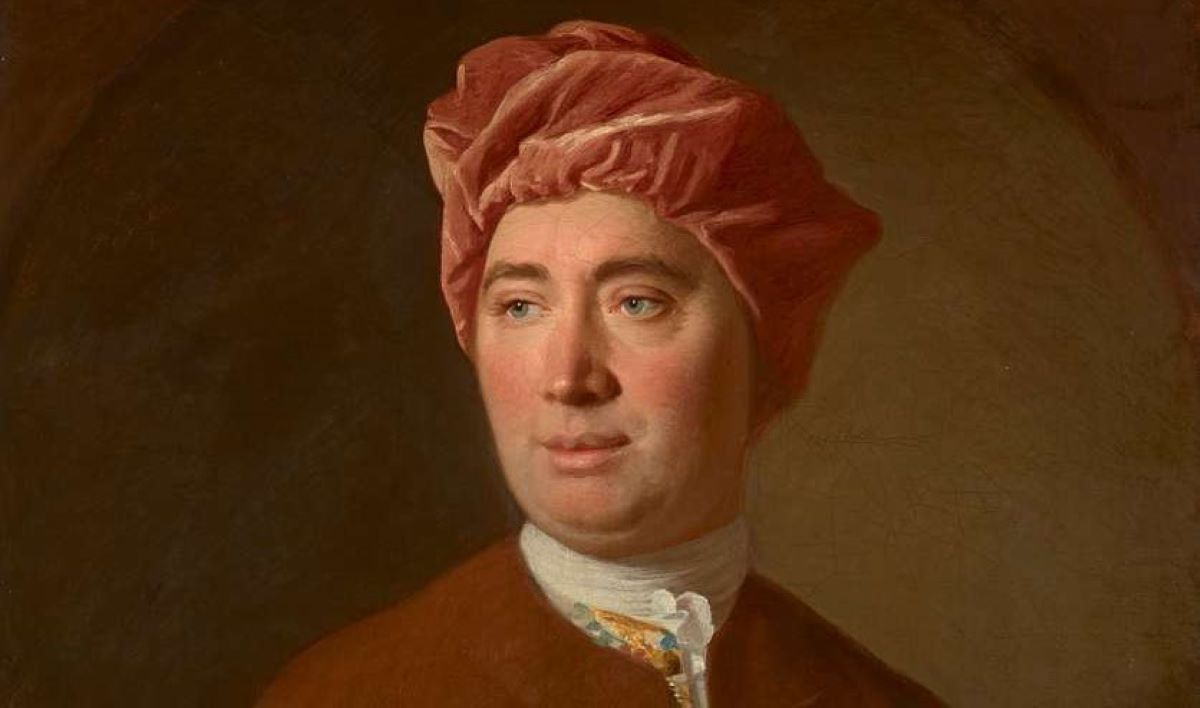

Nathaniel Birzer · Oct 22, 2023

John Alcorn · Oct 21, 2023
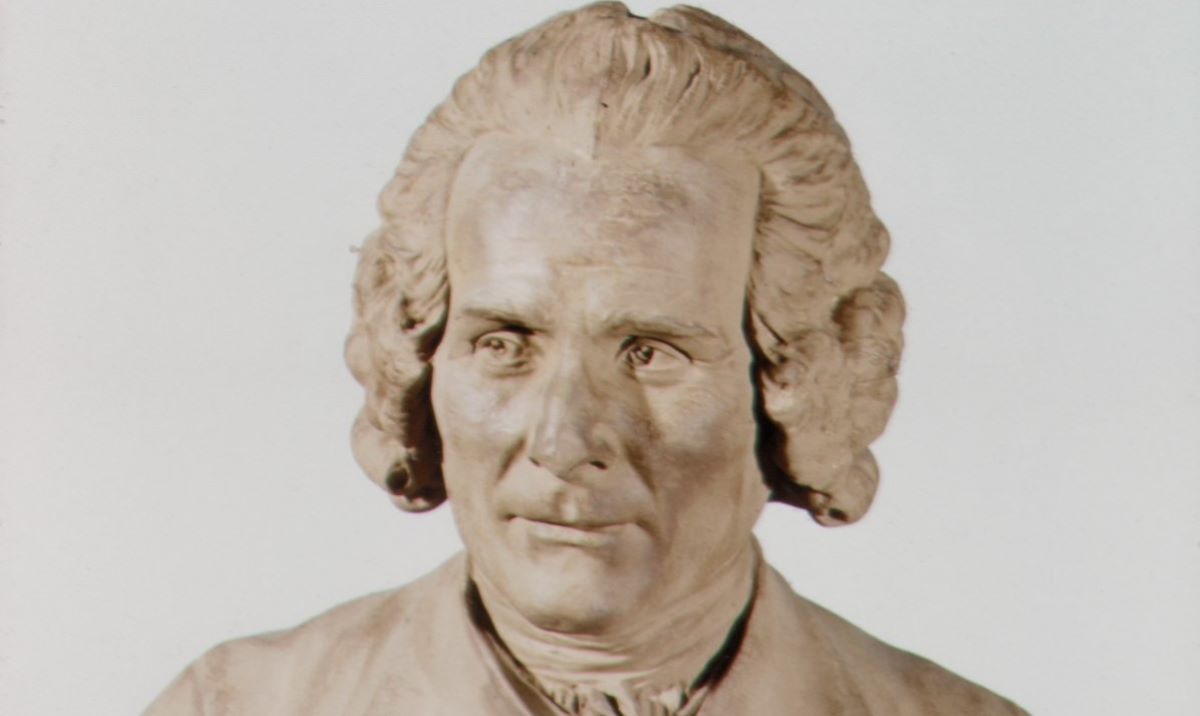

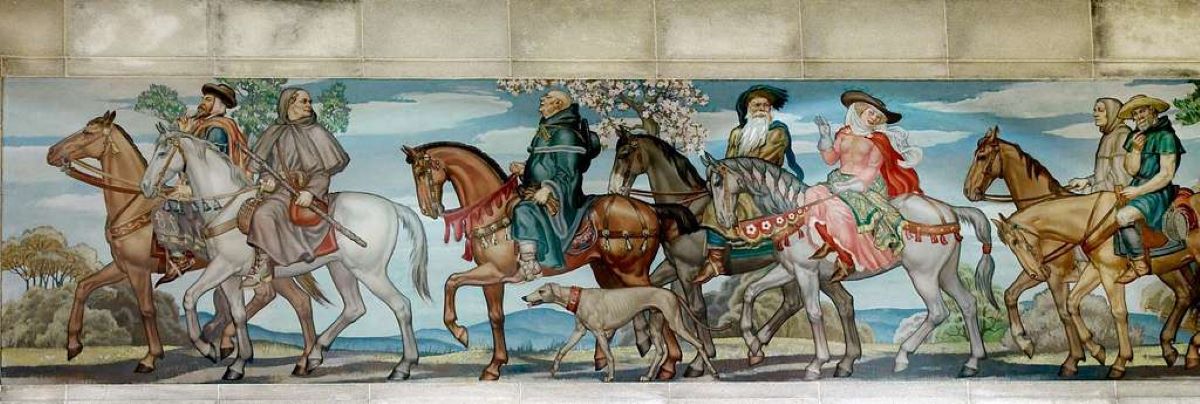
Nathaniel Birzer · Oct 15, 2023
Aeon J. Skoble · Oct 12, 2023
Walter Donway · Oct 11, 2023
David V. Urban · Oct 05, 2023
Caroline Breashears · Oct 03, 2023

Peter Carl Mentzel · Oct 02, 2023

Passages on this subject, chosen by OLL editors.
... The Light of humane minds is Perspicuous Words, but by exact definitions first snuffed, and purged from ambiguity; Reason is the pace; Encrease of Science, the way; and the Benefit of man-kind, the end. And on the contrary, Metaphors, and senslesse and ambiguous words, are like ignes fatui; and reasoning upon them, is wandering amongst innumerable absurdities; and their end, contention, and sedition, or contempt.
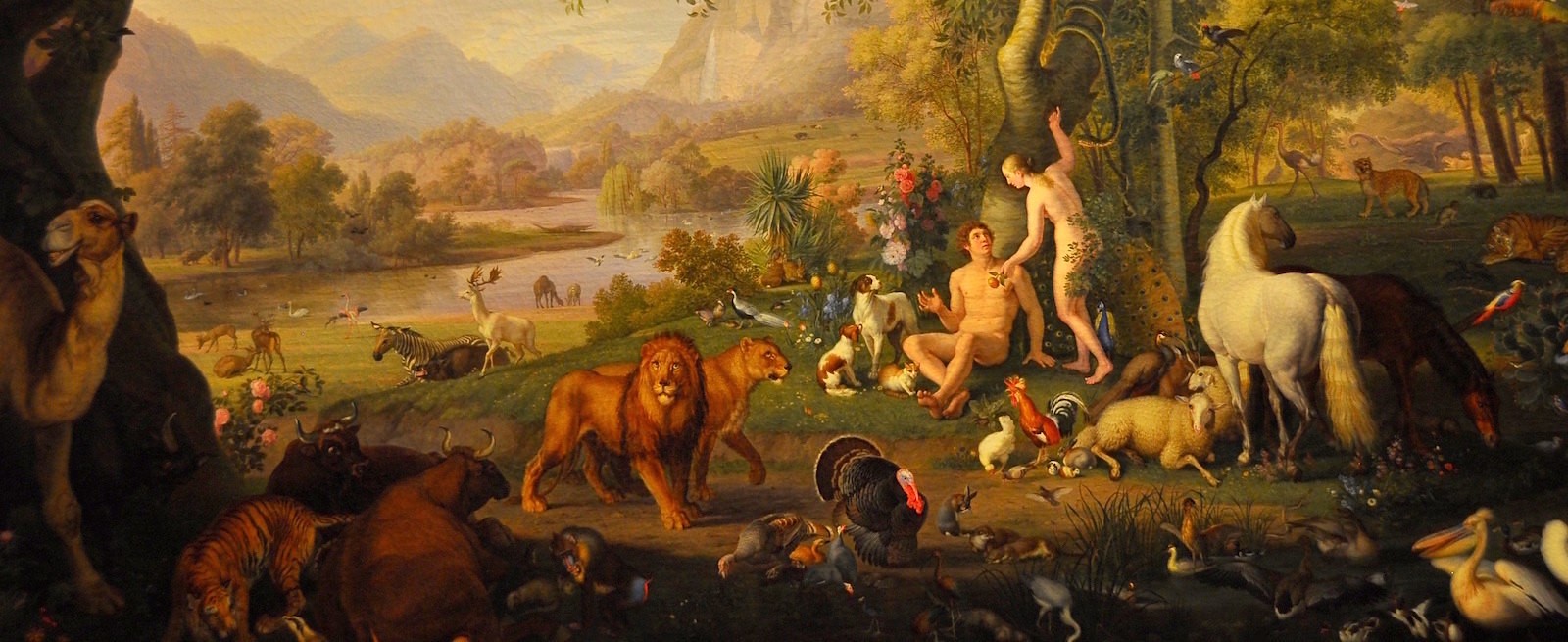
Candide, as he was returning home, made profound reflections on the Turk’s discourse. “This good old man,” said he to Pangloss and Martin, “appears to me to have chosen for himself a lot much preferable to that of the six kings with whom we had the honor to sup.” ... “Neither need you tell me,” said Candide, “that we must take care of our garden.” “You are in the right,” said Pangloss; “for when man was put into the garden of Eden, it was with an intent to dress it: and this proves that man was not born to be idle.” “Work then without disputing,” said Martin; “it is the only way to render life supportable.”
As soon as they had recovered from their surprise and fatigue they walked towards Lisbon; with what little money they had left they thought to save themselves from starving after having escaped drowning.
Scarcely had they ceased to lament the loss of their benefactor and set foot in the city, when they perceived that the earth trembled under their feet, and the sea, swelling and foaming in the harbor, was dashing in pieces the vessels that were riding at anchor. Large sheets of flames and cinders covered the streets and public places; the houses tottered, and were tumbled topsy-turvy even to their foundations, which were themselves destroyed, and thirty thousand inhabitants of both sexes, young and old, were buried beneath the ruins...
The next day, in searching among the ruins, they found some eatables with which they repaired their exhausted strength. After this they assisted the inhabitants in relieving the distressed and wounded. Some, whom they had humanely assisted, gave them as good a dinner as could be expected under such terrible circumstances. The repast, indeed, was mournful, and the company moistened their bread with their tears...

Language and Literature
203 titles · 256 publications · 108 people

Language and Literature
17 titles · 3 publications · 40 people

Language and Literature
282 titles · 6 publications · 321 people

Language and Literature
73 titles · 10 publications · 81 people
Language and Literature
112 titles · 156 people

Language and Literature
25 titles · 1 publication · 24 people