


Author
William Shakespeare
1564–1616
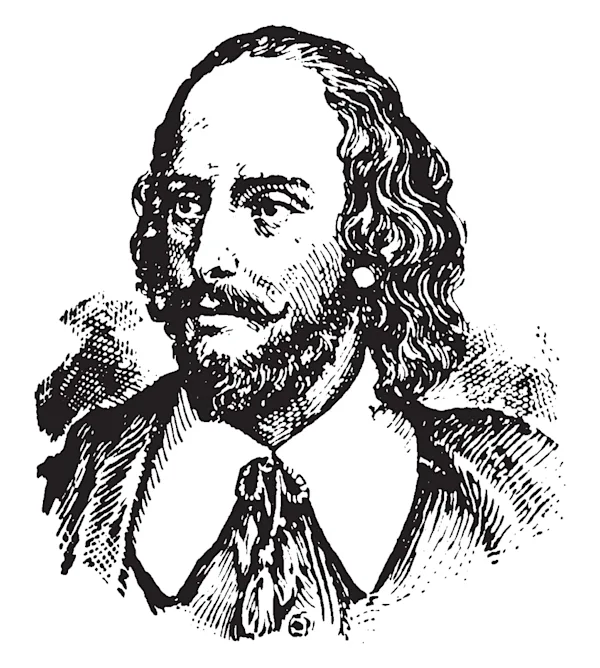
William Shakespeare (1564-1616) is probably the best known poet and playwright of the English language. He is considered by many to be the greatest poet and dramatist of all time. The plays he wrote nearly four hundred years ago for a small theater in London are now performed in more countries and more often than those of any other playwright.
Biography
See the Liberty Matters online discussion on The Corrupting Influence of Power in Shakespeare's Plays
Works by William Shakespeare
81 titles in the library
William Shakespeare · 1623
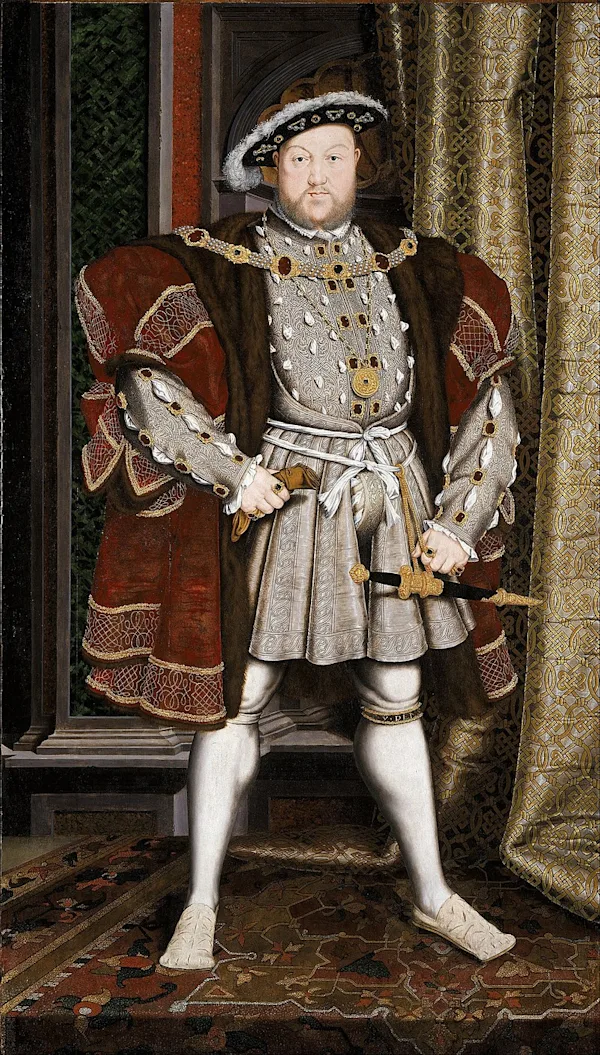
The Famous History of the Life of King Henry the Eighth
Shakespeare’s Henry VIII may be best known not for its plot or poetry, but because during one of its earliest performances a cannon, shot for special effects, caught the theater’s thatched roof on fire, and the Globe…
William Shakespeare · 1623
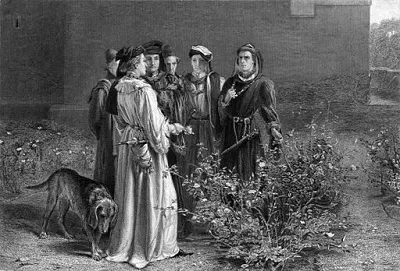
The First Part of King Henry the Sixth
Shakespeare’s three plays about Henry VI trace the tumultuous years of the Wars of the Roses, as the houses of York (whose symbol was a white rose) and Lancaster (symbolized by a red rose) battled for the crown of…
William Shakespeare · 1597
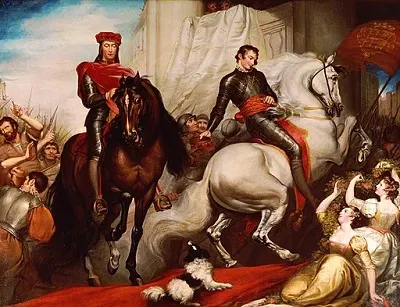
The Tragedy of King Richard the Second
Shakespeare’s Richard II is a puzzling play about a puzzling historical figure. Is Richard II a weak king who is shamefully deposed? Is he a noble king who chooses to abdicate to spare his people the horrors of war?…
William Shakespeare · 1603
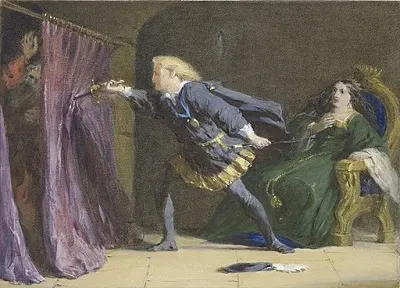
Hamlet Prince of Denmark
Shakespeare’s Hamlet is one of the great English language tragedies. It wrangles with themes of revenge, despair, indecision, and mortality and questions about the place of the individual human being in the sweep of…
William Shakespeare · 1598
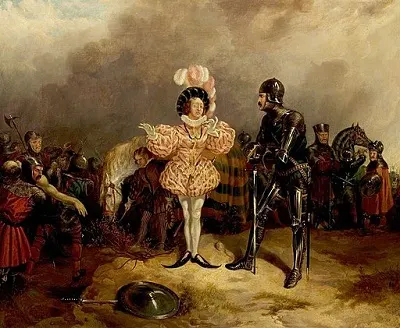
The First Part of King Henry the Fourth
Shakespeare’s King Henry IV, Part One focuses not only on powerful political drama, but on the way that political drama is echoed in the relationship of a father and son. Henry IV has risked everything, including his…
William Shakespeare · 1623
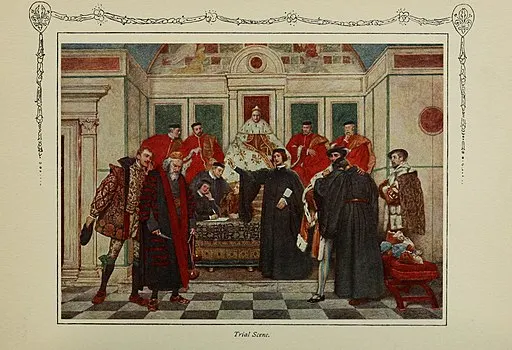
The Merchant of Venice
The Merchant of Venice famously depicts the bargain between Antonio and Shylock to secure a monetary loan with the promise of “a pound of flesh” if the loan is not repaid. In doing so, it explores the complex issues of…
William Shakespeare · 1594
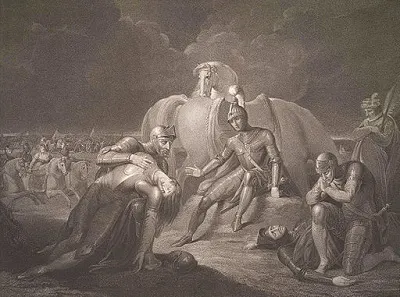
The Third Part of King Henry the Sixth
Shakespeare’s three plays about Henry VI trace the tumultuous years of the Wars of the Roses, as the houses of York (whose symbol was a white rose) and Lancaster (symbolized by a red rose) battled for the crown of…
William Shakespeare · 1623
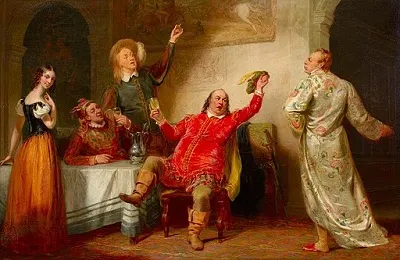
Twelfth-Night: or, What You Will
Complicated, merry, and slightly mad, the convoluted disguises and secret identities of Twelfth Night capture the pains and comic madness of love. This edition comes from the 1916 Oxford University Press edition of all…
William Shakespeare · 1600
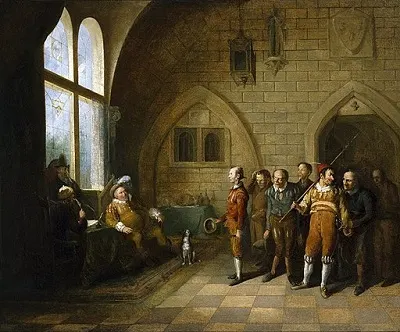
The Second Part of King Henry the Fourth
Henry IV, Part Two continues the complicated political and family dynamics that marked Henry IV, Part One. This play, though, provides a lesson in the power of diplomacy in the place of battle. This edition comes from…
William Shakespeare · 1623
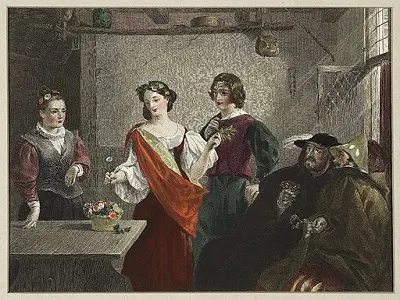
The Winter’s Tale
Like Much Ado About Nothing and Othello, the plot of The Winter’s Tale turns on false accusations against a faithful woman. This edition comes from the 1916 Oxford University Press edition of all of Shakespeare’s plays…
William Shakespeare · 1623
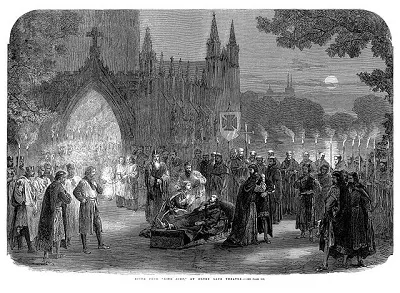
The Life and Death of King John
The contest for the crown at the center of King John is a bloody and violent one, with a surprising hero in the figure of the illegitimate Richard Plantagenet. This edition comes from the 1916 Oxford University Press…
William Shakespeare · 1623
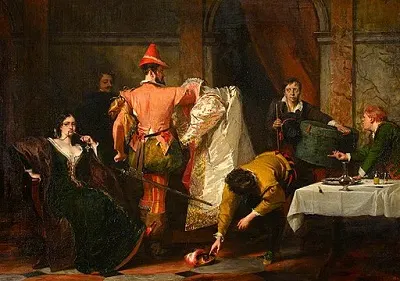
The Taming of the Shrew
The Taming of the Shrew and its story of an overbearing husband taming a shrewish wife may not have aged particularly well, but critics have long debated how seriously it is meant to be taken, and whether or not Kate…
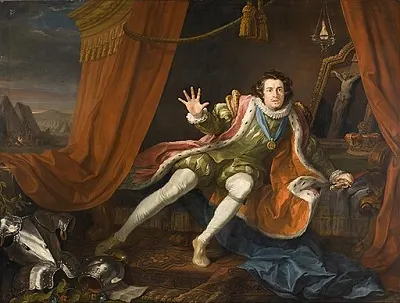
William Shakespeare · 1597
The Tragedy of King Richard the Third
Shakespeare’s Richard III is a compelling portrait of the lengths to which ambition can drive a man. But is the play--despite its popularity--merely Tudor propaganda? This edition comes from the 1916 Oxford University…
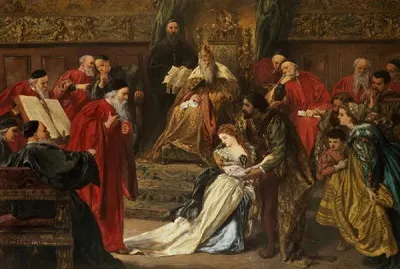
William Shakespeare · 1608
King Lear
Shakespeare’s King Lear may be his greatest tragedy. It presents a dark picture of aging, of an uncaring universe, and the dangers of an unstable king struggling to understand his own power. This edition comes from the…
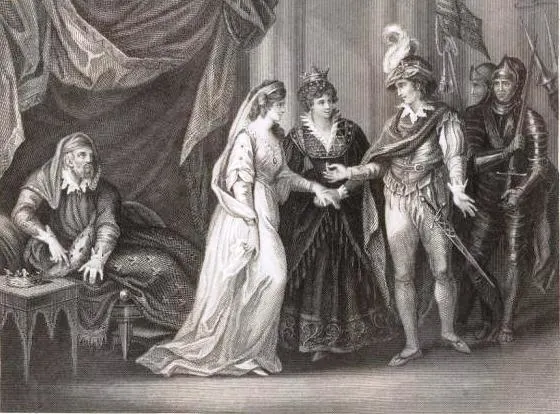
William Shakespeare · 1600
The Life of King Henry the Fifth
One of Shakespeare’s most popular plays, Henry V has spoken to generation after generation because its complex view of military action has allowed for each generation of readers to interpret the play’s stance on war…
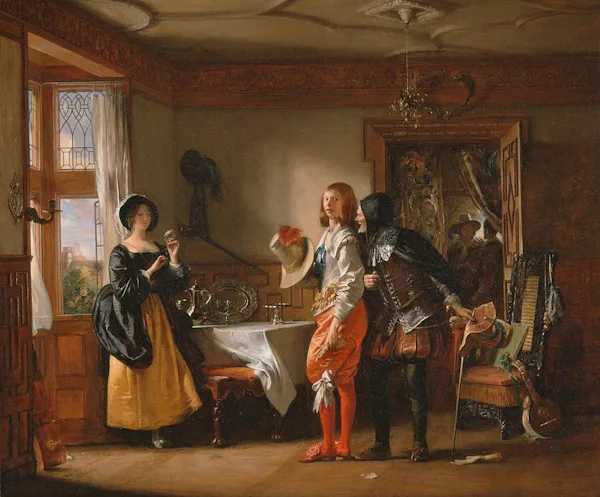
William Shakespeare · 1602
The Merry Wives of Windsor
Theatrical tradition (probably spurious) has it that Shakespeare wrote Merry Wives of Windsor in response to Queen Elizabeth’s demand to see a play with Falstaff in love. This edition comes from the 1916 Oxford…
William Shakespeare · 1623
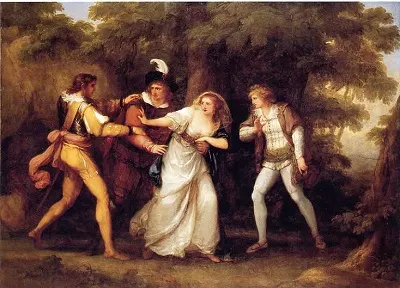
The Two Gentlemen of Verona
Possibly Shakespeare’s earliest, and definitely one of his least popular plays, Two Gentlemen of Verona winds its way through young love, betrayal, violence, treachery, and even pirates before settling on a happy…
William Shakespeare · 1623
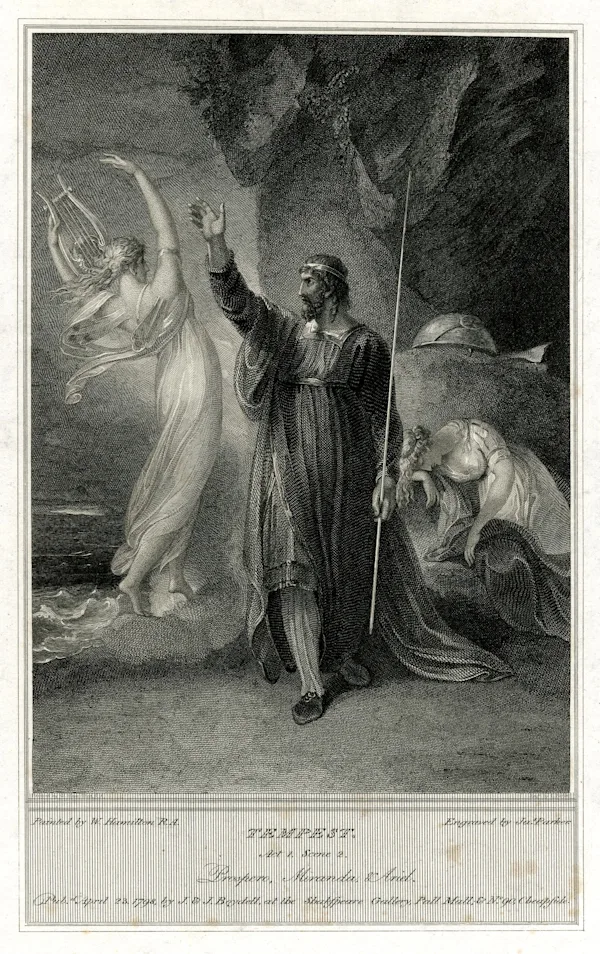
The Tempest
Thought to be one of Shakespeare’s latest plays, The Tempest is haunted by magic and by images of humans at their best and their worst. Many critics read Prospero’s farewell to his books at the play’s end as conveying,…
William Shakespeare · 1622
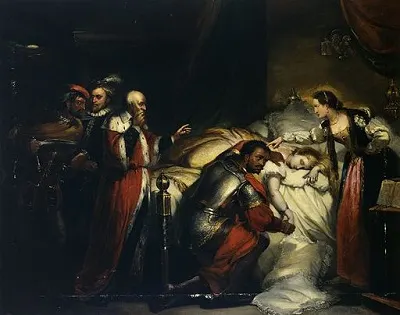
Othello the Moor of Venice
Shakespeare’s Othello has always been an interesting play, but its considerations of race, rank, and romance may have become more interesting as our cultural contexts have changed around it. This edition comes from the…
William Shakespeare · 1623
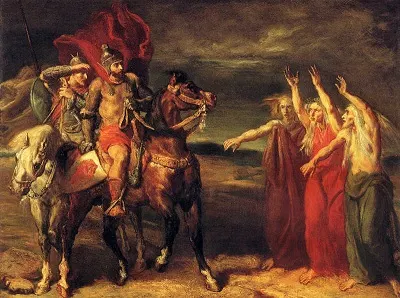
Macbeth
Shakespeare’s Macbeth explores questions of fate, free will, and tyranny. This edition comes from the 1916 Oxford University Press edition of all of Shakespeare’s plays and poems.
William Shakespeare · 1594
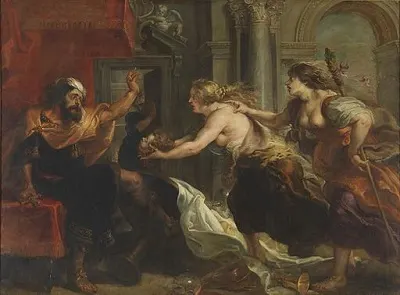
Titus Andronicus
Shakespeare’s Titus Andronicus is famously the bloodiest and most violent of Shakespeare’s often bloody and violent tragedies.Its horrors reflect the collapse and decay of the Roman empire and the fear that failure…
William Shakespeare · 1597
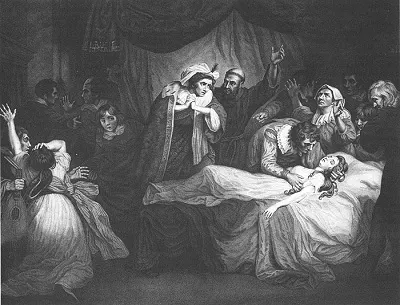
Romeo and Juliet
Shakespeare’s Romeo and Juliet may be his most familiar play. Its tragic story of young love gone awry in a world of family conflict is a perennial favorite, and has inspired endless imitators. This edition comes from…
William Shakespeare · 1609
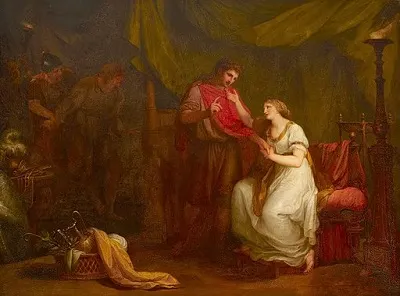
Troilus and Cressida
Troilus and Cressida sits uneasily somewhere between comedy and tragedy. The tale of young lovers, set against the backdrop of the Trojan War is often driven by satire and humor, but the play’s end is unsettlingly dark.…
William Shakespeare · 1623
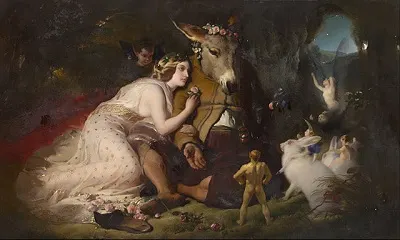
A Midsummer-Night's Dream
A Midsummer Night’s Dream is one of Shakespeare’s most performed comedies.Fairy magic, feuding pairs of lovers, and a bumbling amateur theater troupe combine to produce comedy, romance, and a little mayhem. This edition…
William Shakespeare · 1623
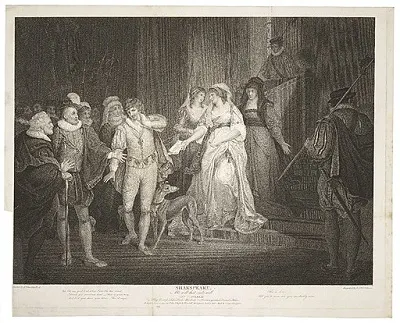
All’s Well that Ends Well
All’s Well that Ends Well has defied categorization for centuries. The winning of a reluctant husband by an over-eager bride, and the subsequent bed-trick that secures their continued marriage are morally complicated in…
William Shakespeare · 1623
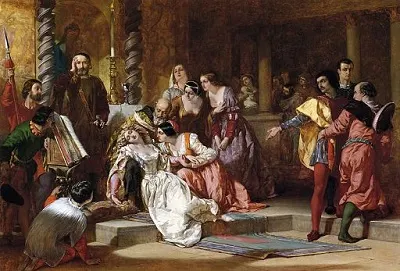
Much Ado About Nothing
Charles I famously crossed the title Much Ado About Nothing off his copy of the play and replaced it with “Beatrice and Benedick.” But entertaining and moving as these two bantering lovers are, it is the dangerous,…
William Shakespeare · 1623
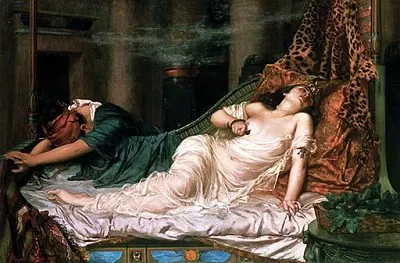
Antony and Cleopatra
Shakespeare’s Antony and Cleopatra is a famously difficult play to stage. It’s complicated plot and constant shifting of scenes make the action hard to follow. It may be as well known for the flop starring Elizabeth…
William Shakespeare · 1623
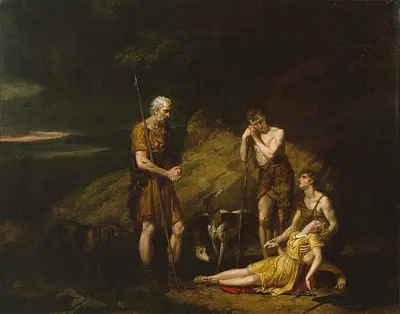
Cymbeline
Shakespeare’s Cymbeline is one of his least-performed plays. Its retelling of a famous tale from Boccaccio explores themes of marriage, seduction, trust, and women’s honor that are frequent focuses of other plays, like…
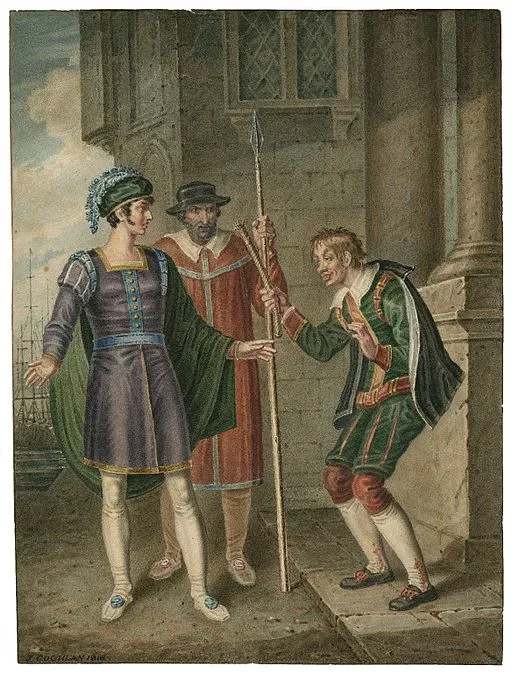
William Shakespeare · 1623
The Comedy of Errors
Shakespeare’s Comedy of Errors is a comic farce about two identical sets of twins and their misadventures. This edition comes from the 1916 Oxford University Press edition of all of Shakespeare’s plays and poems.
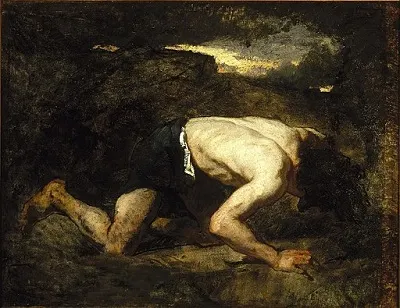
William Shakespeare · 1623
Timon of Athens
Shakespeare’s Timon of Athens is a study in misanthropy. The generous Timon believes that his gifts to his nation and his friends will secure him their faithfulness and support, but he is deserted at every turn. At…
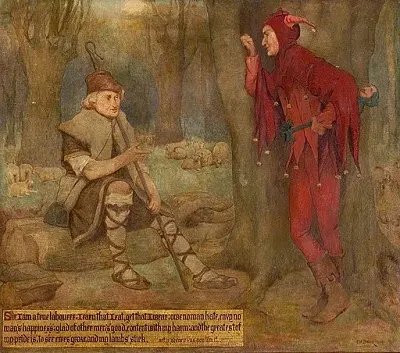
William Shakespeare · 1623
As You Like It
The physical action of As You LIke It, where Rosalind and Celia are exiled from their home into the forest mirrors the psychological action, as characters find their way through confusion and pain to love and happiness.…
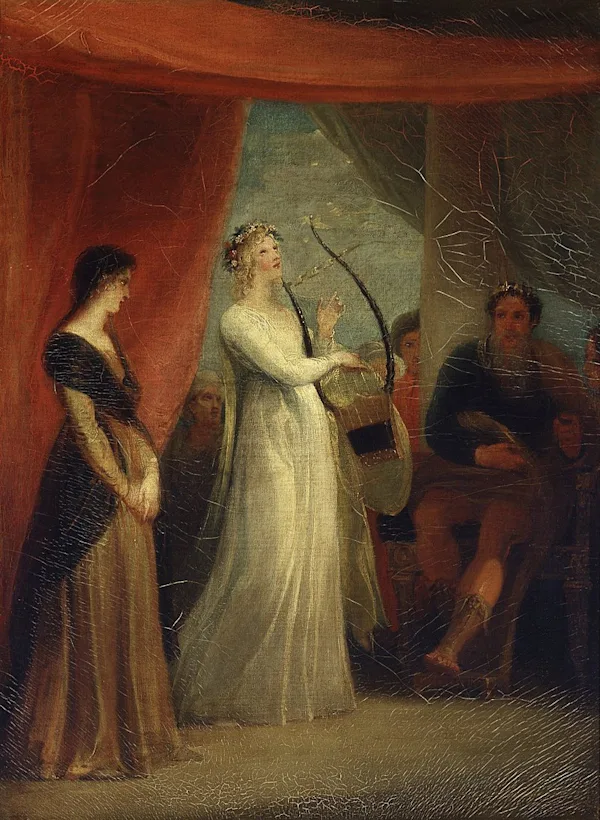
William Shakespeare · 1609
Pericles Prince of Tyre
Pericles, Prince of Tyre is unique among Shakespeare’s plays, as it imports a famous medieval poet, John Gower, to serve as the narrator and interpreter of the play’s events. Neither a tragedy nor a comedy, but…
William Shakespeare · 1623
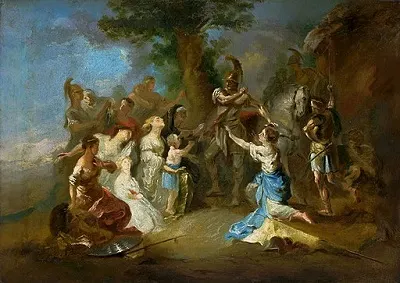
Coriolanus
Shakespeare’s Coriolanus is a dramatic tragedy about a hero who is famously resistant to theatricality and performance as a part of political life. It takes on the question of whether one’s deeds should be enough to…
William Shakespeare · 1623
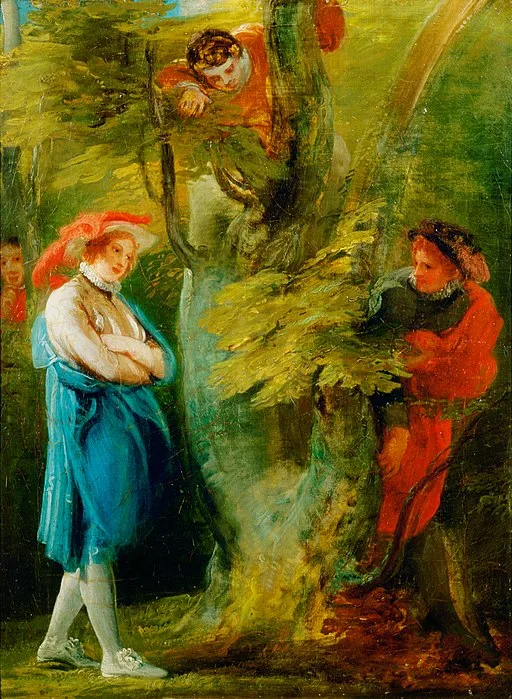
Love's Labour's Lost
Written for an educated, courtly audience, performed for Elizabeth I, Love’s Labour’s Lost is one of Shakespeare’s most linguistically spectacular comedies. This edition comes from the 1916 Oxford University Press…
William Shakespeare · 1623
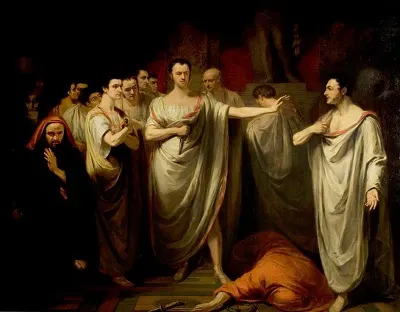
Julius Cæsar
Shakespeare’s Julius Caesar is the best known and most widely read of his Roman plays. Its portraits of ambition, loyalty, and treachery remain evergreen. The funeral orations by Brutus and Mark Antony remain some of…
William Shakespeare · 1623
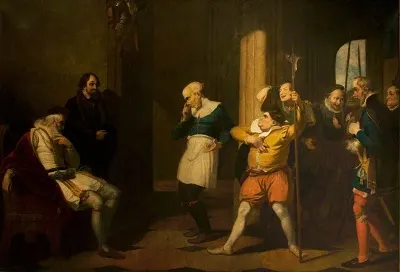
Measure for Measure
Measure for Measure considers questions of law, justice, and the nature of promises and vows. Like The Merchant of Venice it is one of Shakespeare’s legal plays, with a trial scene at the peak of the action. This…
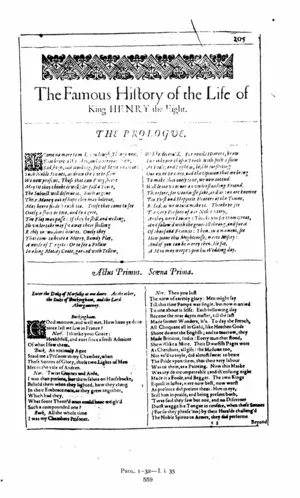
William Shakespeare · 1623
The Life of King Henry the Eight (facs. 1st Folio 1623)
Shakespeare’s Henry VIII may be best known not for its plot or poetry, but because during one of its earliest performances a cannon, shot for special effects, caught the theater’s thatched roof on fire, and the Globe…
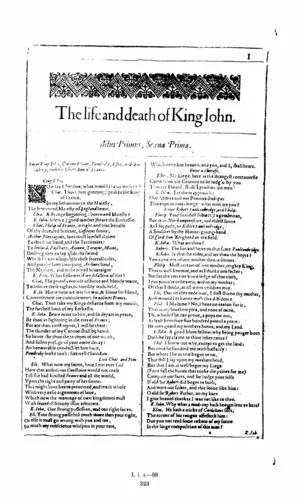
William Shakespeare · 1623
The Life and Death of King John (facs. 1st Folio 1623)
The contest for the crown at the center of King John is a bloody and violent one, with a surprising hero in the figure of the illegitimate Richard Plantagenet. This is a facsimile edition of the play from the First…
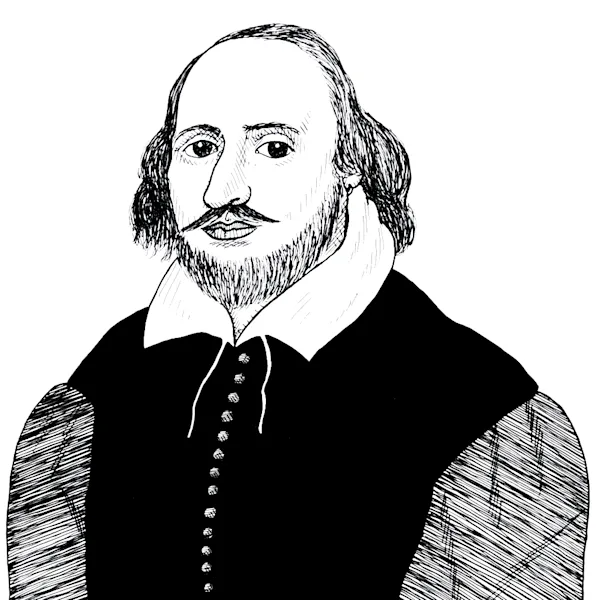
William Shakespeare · 1916
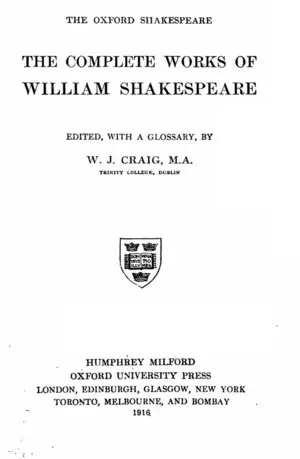
The Complete Works of William Shakespeare (The Oxford Shakespeare)
The 1916 Oxford University Press edition of all of Shakespeare’s plays and poems.
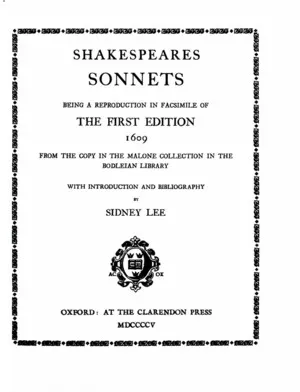
William Shakespeare · 1609
Shakespeares Sonnets (facs. ed. 1609 )
A facsimile of the original 1609 edition of all of Shakespeare’s sonnets and A Lover’s Complaint accompanied by a lengthy scholarly introduction.
William Shakespeare · 1609
Shakespeare’s Sonnets And A Lover’s Complaint
A good modern edition of all of Shakespeare’s sonnets and A Lover’s Complaint accompanied by a scholarly introduction and notes on the poems.
William Shakespeare · 1916
The Poems and Glossary (Oxford ed.)
This section contains Shakespeare’s major poems such as Venus and Adonis, The Rape of Lucrece, A Lover’s Complaint, The Passionate Pilgrim, and the Phoenix and the Turtle, as well as the Sonnets.
William Shakespeare · 1922
Twenty-Five Sonnets of Shakespeare
A selection of 25 of Shakespeare’s Sonnets in a bibliophile edition of 1922 from Stratford-upon-Avon and Oxford.
William Shakespeare · 1623
Shakespeares Comedies, Histories, and Tragedies (facs. 1st Folio 1623)
A facsimile edition of the complete plays of Shakespeare, taken from the First Folio edition of 1623 and with a modern introduction by the Shakespeare Scholar Sidney Lee.
William Shakespeare · 1594
The Second Part of King Henry the Sixth
One of the plays in the 1916 Oxford University Press edition of all of Shakespeare’s plays and poems.
William Shakespeare · 1916
The Complete Works of William Shakespeare Part 1 (The Oxford Shakespeare)
The 1916 Oxford University Press edition of all of Shakespeare’s plays and poems. It was published on the 300th anniversary of Shakespeare’s death in 1616. Because of the large size of this file the book has been split…
William Shakespeare · 1623
The Tragedy of Macbeth (facs. 1st Folio 1623)
Shakespeare’s Macbeth explores questions of fate, free will, and tyranny. This is a facsimile edition of the play from the First Folio edition of 1623.
William Shakespeare · 1623
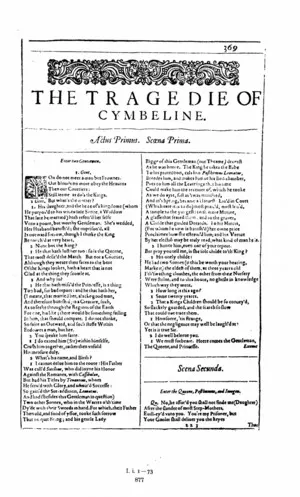
Cymbeline King of Britaine (facs. 1st Folio 1623)
Shakespeare’s Cymbeline is one of his least-performed plays. Its retelling of a famous tale from Boccaccio explores themes of marriage, seduction, trust, and women’s honor that are frequent focuses of other plays, like…
William Shakespeare · 1623
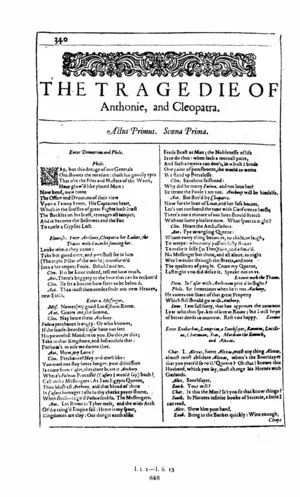
Anthony and Cleopatra (facs. 1st Folio 1623)
Shakespeare’s Antony and Cleopatra is a famously difficult play to stage. It’s complicated plot and constant shifting of scenes make the action hard to follow. It may now be as well known for the flop starring Elizabeth…
William Shakespeare · 1623
Othello, the Moore of Venice (facs. 1st Folio 1623)
Shakespeare’s Othello has always been an interesting play, but its considerations of race, rank, and romance may have become more interesting as our cultural contexts have changed around it. This is a facsimile edition…
William Shakespeare · 1623
The Tragedy of Hamlet (facs. 1st Folio 1623)
Shakespeare’s Hamlet is one of the great English language tragedies. It wrangles with themes of revenge, despair, indecision, and mortality and questions about the place of the individual human being in the sweep of…
William Shakespeare · 1623
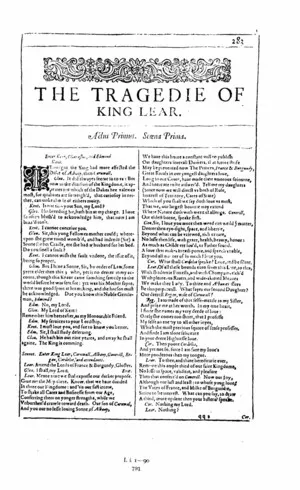
King Lear (facs. 1st Folio 1623)
Shakespeare’s King Lear may be his greatest tragedy. It presents a dark picture of aging, of an uncaring universe, and the dangers of an unstable king struggling to understand his own power. This is a facsimile edition…
William Shakespeare · 1623
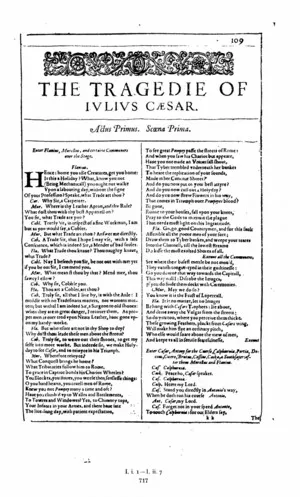
The Life and Death of Julius Caesar (facs. 1st Folio 1623)
Shakespeare’s Julius Caesar is the best known and most widely read of his Roman plays. Its portraits of ambition, loyalty, and treachery remain evergreen. The funeral orations by Brutus and Mark Antony remain some of…
William Shakespeare · 1623
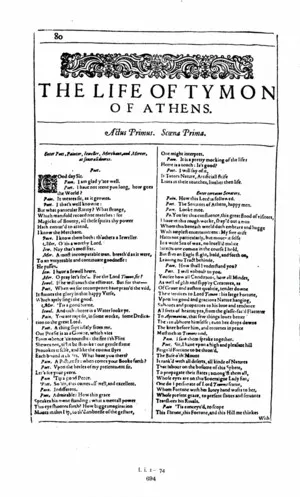
Timon of Athens (facs. 1st Folio 1623)
One of Shakespeare’s tragedies. A facsimile edition of the play from the First Folio edition of 1623.
William Shakespeare · 1623
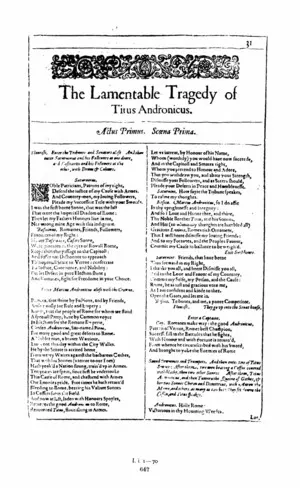
Titus Andronicus (facs. 1st Folio 1623)
Shakespeare’s Titus Andronicus is famously the bloodiest and most violent of Shakespeare’s often bloody and violent tragedies. ts horrors reflect the collapse and decay of the Roman empire and the fear that failure…
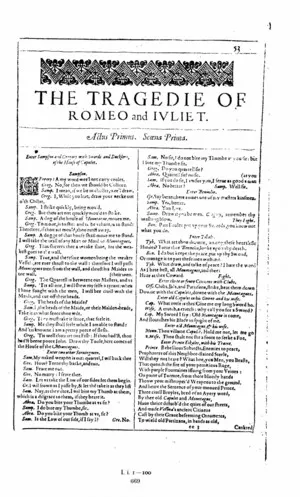
William Shakespeare · 1623
Romeo and Juliet (facs. 1st Folio 1623)
Shakespeare’s Romeo and Juliet may be his most familiar play. Its tragic story of young love gone awry in a world of family conflict is a perennial favorite, and has inspired endless imitators. This is a facsimile…
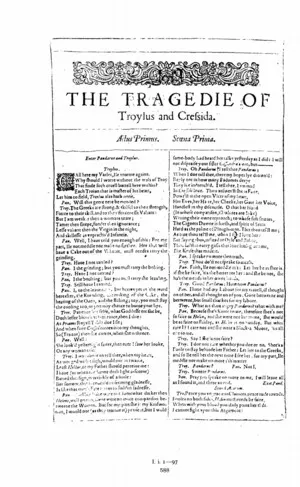
William Shakespeare · 1623
Troylus and Cresida (facs. 1st Folio 1623)
Troilus and Cressida sits uneasily somewhere between comedy and tragedy. The tale of young lovers, set against the backdrop of the Trojan War is often driven by satire and humor, but the play’s end is unsettlingly dark.…
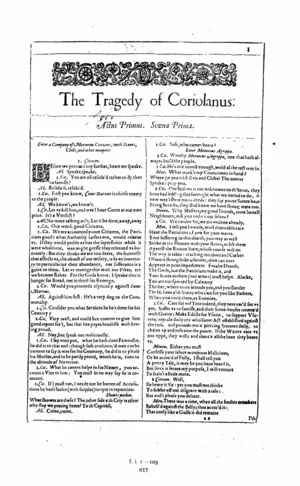
William Shakespeare · 1623
The Tragedy of Coriolanus (facs. 1st Folio 1623)
Shakespeare’s Coriolanus is a dramatic tragedy about a hero who is famously resistant to theatricality and performance as a part of political life. It takes on the question of whether one’s deeds should be enough to…
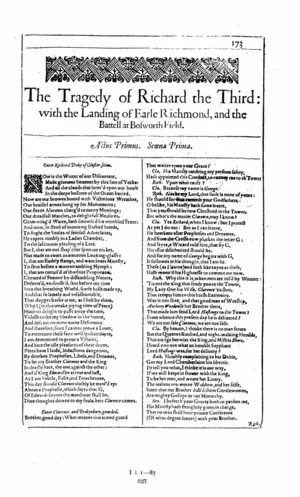
William Shakespeare · 1623
The Life and Death of Richard the Third (facs. 1st Folio 1623)
Shakespeare’s Richard III is a compelling portrait of the lengths to which ambition can drive a man. But is the play--despite its popularity--merely Tudor propaganda? This is a facsimile edition of the play from the…
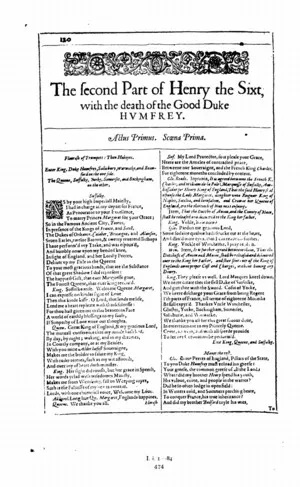
William Shakespeare · 1623
The Second part of King Henry the Sixt (facs. 1st Folio 1623)
One of Shakespeare’s history plays. A facsimile edition of the play from the First Folio edition of 1623.
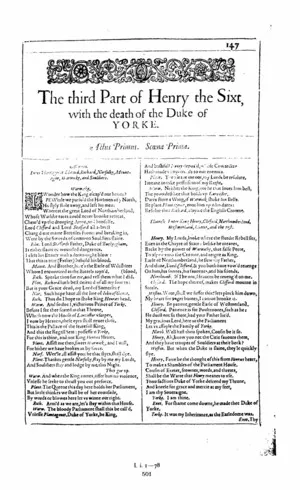
William Shakespeare · 1623
The Third part of King Henry the Sixt (facs. 1st Folio 1623)
Shakespeare’s three plays about Henry VI trace the tumultuous years of the Wars of the Roses, as the houses of York (whose symbol was a white rose) and Lancaster (symbolized by a red rose) battled for the crown of…
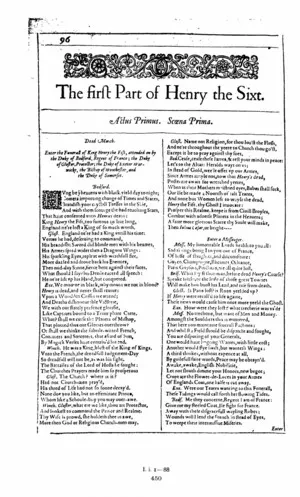
William Shakespeare · 1623
The First part of King Henry the Sixt (facs. 1st Folio 1623)
Shakespeare’s three plays about Henry VI trace the tumultuous years of the Wars of the Roses, as the houses of York (whose symbol was a white rose) and Lancaster (symbolized by a red rose) battled for the crown of…
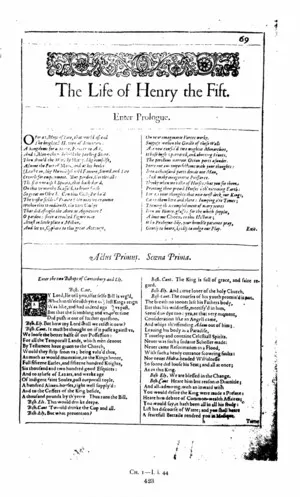
William Shakespeare · 1623
The Life of King Henry the Fift (facs. 1st Folio 1623)
One of Shakespeare’s most popular plays, Henry V has spoken to generation after generation because its complex view of military action has allowed for each generation of readers to interpret the play’s stance on war…
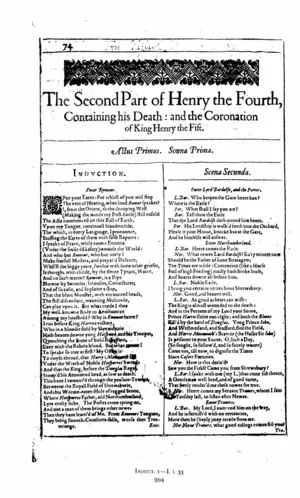
William Shakespeare · 1623
The Second part of King Henry the fourth (facs. 1st Folio 1623)
Henry IV, Part Two continues the complicated political and family dynamics that marked Henry IV, Part One. This play, though, provides a lesson in the power of diplomacy in the place of battle. This is a facsimile…
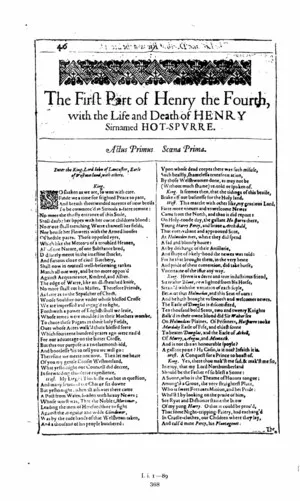
William Shakespeare · 1623
The First part of King Henry the fourth (facs. 1st Folio 1623)
Shakespeare’s King Henry IV, Part One focuses not only on powerful political drama, but on the way that political drama is echoed in the relationship of a father and son. Henry IV has risked everything, including his…
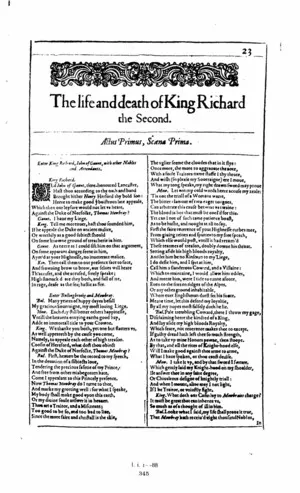
William Shakespeare · 1623
The Life and Death of Richard the Second (facs. 1st Folio 1623)
Shakespeare’s Richard II is a puzzling play about a puzzling historical figure. Is Richard II a weak king who is shamefully deposed? Is he a noble king who chooses to abdicate to spare his people the horrors of war?…
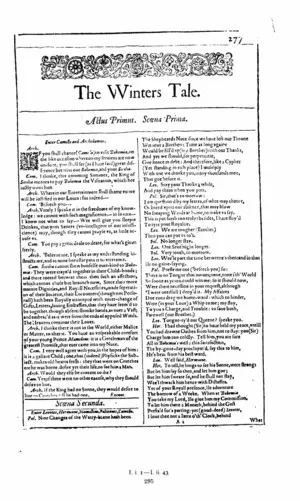
William Shakespeare · 1623
The Winters Tale (facs. 1st Folio 1623)
Like Much Ado About Nothing and Othello, the plot of The Winter’s Tale turns on false accusations against a faithful woman. This is a facsimile edition of the play from the First Folio edition of 1623.
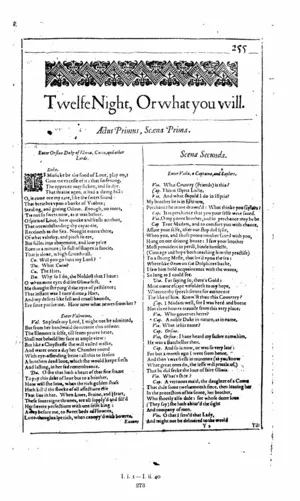
William Shakespeare · 1623
Twelfe Night, or what you will (facs. 1st Folio 1623)
One of Shakespeare’s comedies. A facsimile edition of the play from the First Folio edition of 1623.
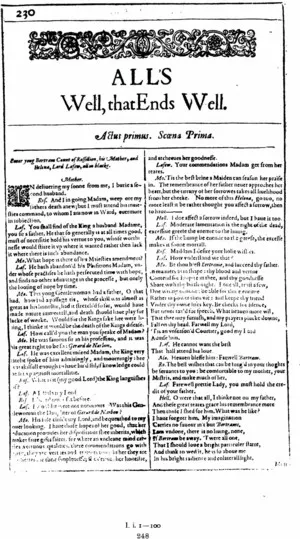
William Shakespeare · 1623
All is well, that Ends well (facs. 1st Folio 1623)
All’s Well that Ends Well has defied categorization for centuries. The winning of a reluctant husband by an over-eager bride, and the subsequent bed-trick that secures their continued marriage are morally complicated in…
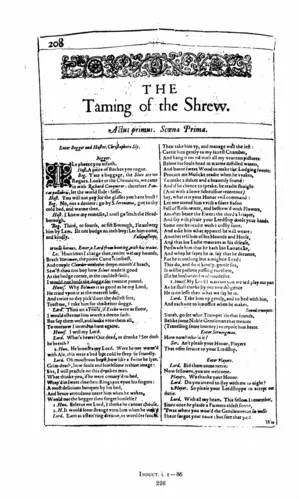
William Shakespeare · 1623
The Taming of the Shrew (facs. 1st Folio 1623)
The Taming of the Shrew and its story of an overbearing husband taming a shrewish wife may not have aged particularly well, but critics have long debated how seriously it is meant to be taken, and whether or not Kate…
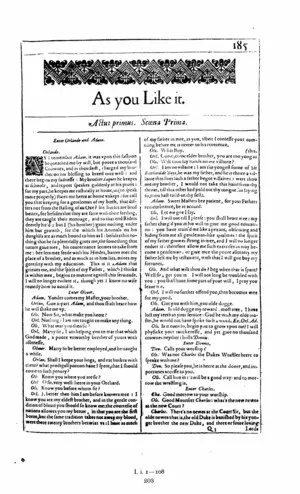
William Shakespeare · 1623
As you Like it (facs. 1st Folio 1623)
The physical action of As You LIke It, where Rosalind and Celia are exiled from their home into the forest mirrors the psychological action, as characters find their way through confusion and pain to love and happiness.…
William Shakespeare · 1623
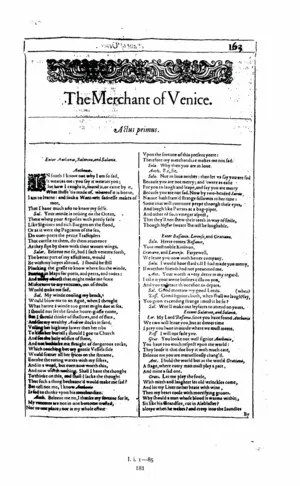
The Merchant of Venice (facs. 1st Folio 1623)
The Merchant of Venice famously depicts the bargain between Antonio and Shylock to secure a monetary loan with the promise of “a pound of flesh” if the loan is not repaid. In doing so, it explores the complex issues of…
William Shakespeare · 1623
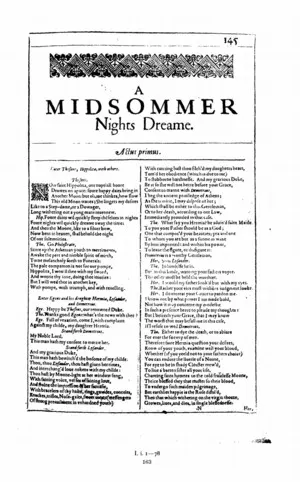
Midsommer Nights Dreame (facs. 1st Folio 1623)
A Midsummer Night’s Dream is one of Shakespeare’s most performed comedies.Fairy magic, feuding pairs of lovers, and a bumbling amateur theater troupe combine to produce comedy, romance, and a little mayhem. This is a…
William Shakespeare · 1623
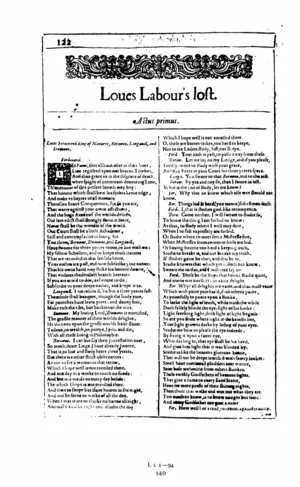
Loves Labour lost (facs. 1st Folio 1623)
Written for an educated, courtly audience, performed for Elizabeth I, Love’s Labour’s Lost is one of Shakespeare’s most linguistically spectacular comedies. This is a facsimile edition of the play from the First Folio…
William Shakespeare · 1623
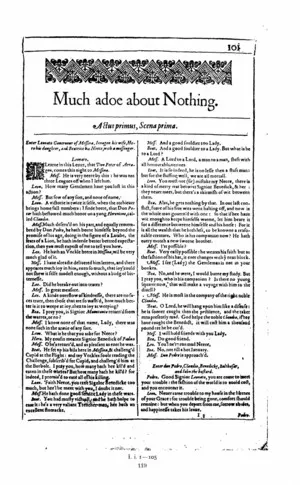
Much adoo about Nothing (facs. 1st Folio 1623)
Charles I famously crossed the title Much Ado About Nothing off his copy of the play and replaced it with “Beatrice and Benedick.” But entertaining and moving as these two bantering lovers are, it is the dangerous,…
William Shakespeare · 1623
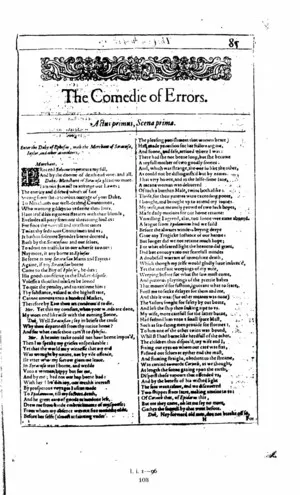
The Comedy of Errours (facs. 1st Folio 1623)
Shakespeare’s Comedy of Errors is a comic farce about two identical sets of twins and their misadventures. This is a facsimile edition of the play from the First Folio edition of 1623.
William Shakespeare · 1623
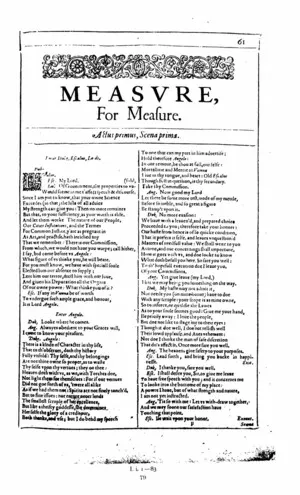
Measure for Measure (facs. 1st Folio 1623)
Measure for Measure considers questions of law, justice, and the nature of promises and vows. Like The Merchant of Venice it is one of Shakespeare’s legal plays, with a trial scene at the peak of the action. This is a…
William Shakespeare · 1623
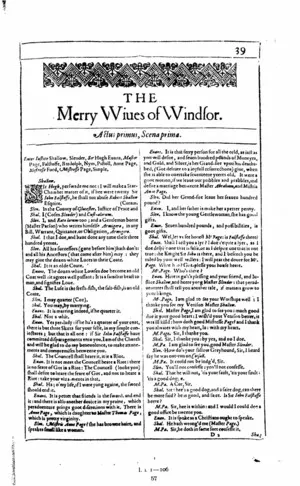
The Merry Wives of Windsor (facs. 1st Folio 1623)
Theatrical tradition (probably spurious) has it that Shakespeare wrote Merry Wives of Windsor in response to Queen Elizabeth’s demand to see a play with Falstaff in love. This is a facsimile edition of the play from the…
William Shakespeare · 1623
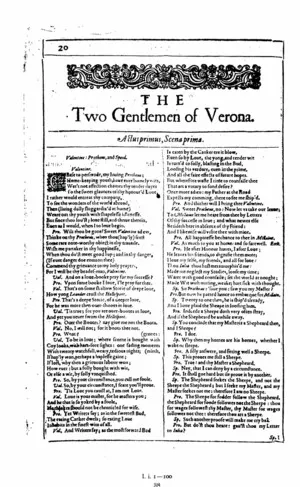
The two Gentlemen of Verona (facs. 1st Folio 1623)
Possibly Shakespeare’s earliest, and definitely one of his least popular plays, Two Gentlemen of Verona winds its way through young love, betrayal, violence, treachery, and even pirates before settling on a happy…
William Shakespeare · 1623
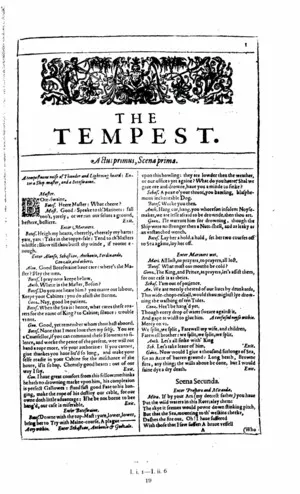
The Tempest (facs. 1st Folio 1623)
Thought to be one of Shakespeare’s latest plays, The Tempest is haunted by magic and by images of humans at their best and their worst. Many critics read Prospero’s farewell to his books at the play’s end as conveying,…
William Shakespeare · 1623
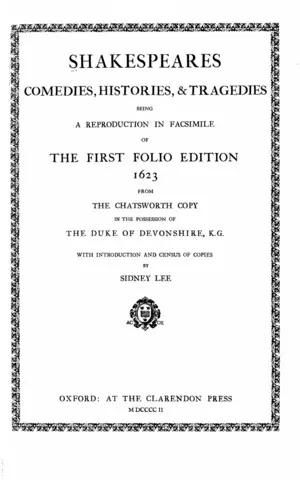
Shakespeares Comedies, Histories, and Tragedies (facs. 1st Folio 1623)
A facsimile edition of the complete plays of Shakespeare, taken from the First Folio edition of 1623 and with a modern introduction by the Shakespeare Scholar Sidney Lee.
Quotes from William Shakespeare
10 quotes from the library