The Winter’s Tale
Part of The Complete Works of William Shakespeare (The Oxford Shakespeare)
- William Shakespeare(author)
- William James Craig(editor)
Like Much Ado About Nothing and Othello, the plot of The Winter’s Tale turns on false accusations against a faithful woman. This edition comes from the 1916 Oxford University Press edition of all of Shakespeare’s plays and poems.
About This Edition
Citation
The Complete Works of William Shakespeare (The Oxford Shakespeare), ed. with a glossary by W.J. Craig M.A. (Oxford University Press, 1916).
Shakespeare, William. The Winter’s Tale. Edited by William James Craig, Oxford University Press, 1916. Online Library of Liberty, https://oll.libertyfund.org/titles/craig-the-winter-s-tale.
Shakespeare, W. (1916). The Winter’s Tale. Oxford University Press. https://oll.libertyfund.org/titles/craig-the-winter-s-tale
@book{shakespeare1916tale,
  author = {William Shakespeare},
  editor = {William James Craig},
  title = {The Winter’s Tale},
  publisher = {Oxford University Press},
  address = {Oxford},
  year = {1916},
  url = {https://oll.libertyfund.org/titles/craig-the-winter-s-tale},
  note = {Online Library of Liberty}
}TY - BOOK AU - Shakespeare, William A2 - Craig, William James TI - The Winter’s Tale PY - 1916 CY - Oxford PB - Oxford University Press UR - https://oll.libertyfund.org/titles/craig-the-winter-s-tale DB - Online Library of Liberty ER -
Copyright
The text is in the public domain.

About the author
William Shakespeare 1564–1616
William Shakespeare (1564-1616) is probably the best known poet and playwright of the English language. He is considered by many to be the greatest poet and dramatist of all time. The plays he wrote nearly four hundred years ago for a small theater in London are now performed in more countries and more often than those of any other playwright.
Related People
Geoffrey Chaucer
Author
The greatest English writer before Shakespeare, Chaucer pioneered the use of English, rather than French or Latin, for serious literary works. He also brought all classes of society onto the page together, particularly in his masterwork, The Canterbury Tales.

Critical Responses
Works that answer or challenge this text.
 Behind the Scenes
The Winter's Tale Dramaturg's Notes
Folger Shakespeare LibraryVisit site ↗For a look behind the scenes at a modern performance of The Winter’s Tale you can read the Dramaturg’s notes from a performance from the Folger Library.
 Painting
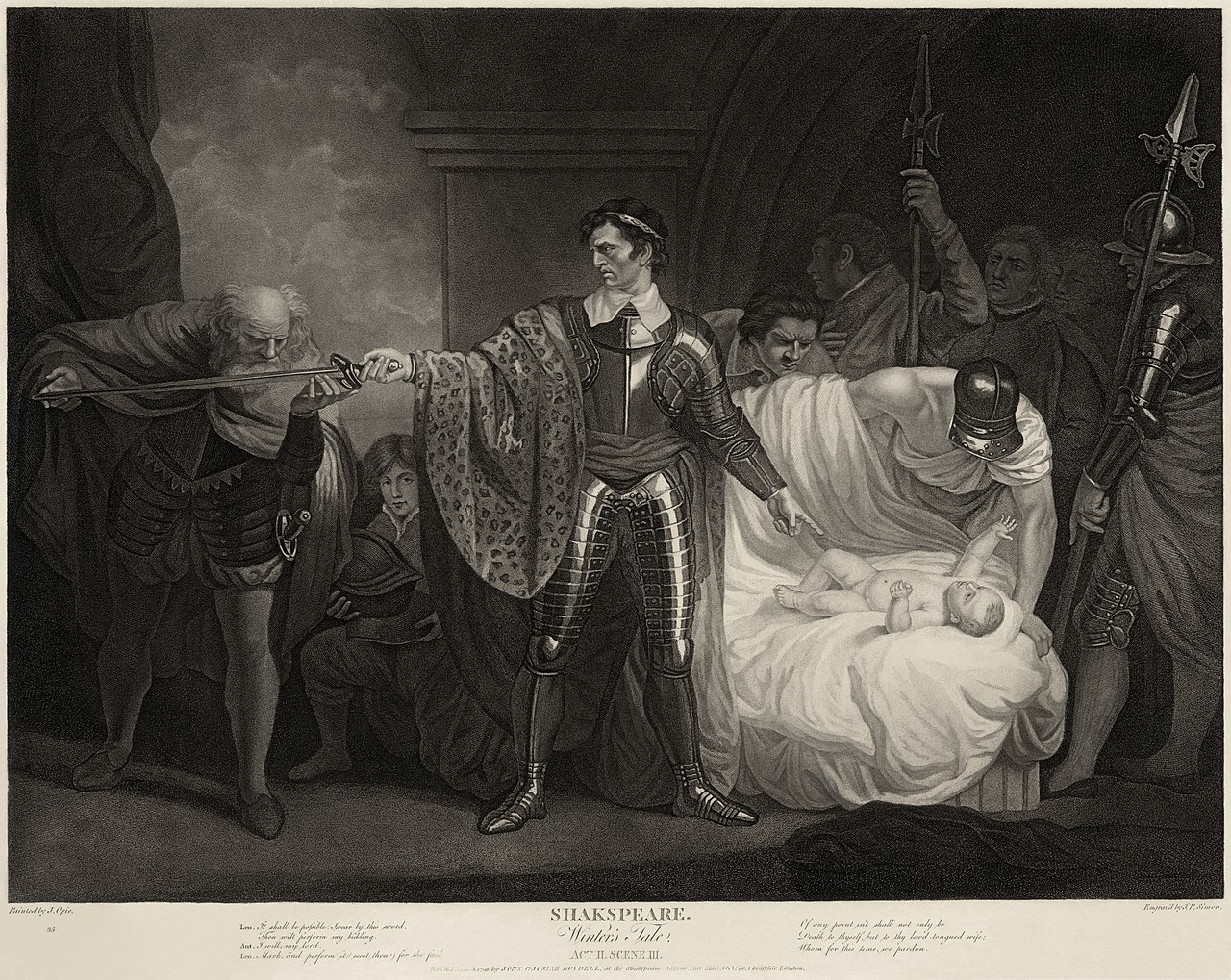
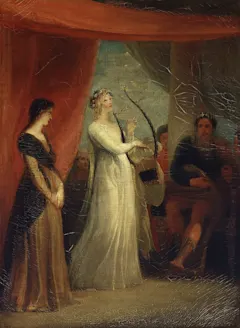
Shakespeare: A Winter's Tale
Robert ThewNational Galleries Scotland
Visit site ↗Hermione’s return to her family as her statue “comes back to life” is one of the great special effects moments in Shakespeare, and always a popular moment for depiction in art.
Connected Readings
What to read next.
Pandosto
Robert GreeneVisit site ↗Robert Greene’s popular 16th century tale Pandosto provided Shakespeare with the outline of the action of The Winter’s Tale.
 What to read next.
Pericles Prince of Tyre
William ShakespeareView title >The darkness and romance that tangle together in The Winter’s Tale may remind readers of another neglected Shakespearean romance, Pericles.
 Book
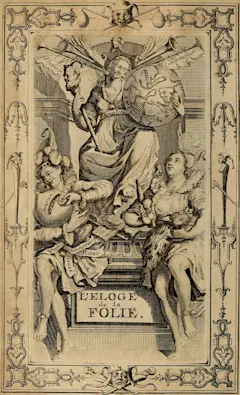
In Praise of Folly
Desiderius ErasmusView title >Shakespeare’s comedies are known for their use of the “fool.” His fools are sometimes truly foolish, and sometimes foolish in a way that reveals a deep and important wisdom. Inspiration for the wise fool can be traced to Erasmus’s Praise of Folly.
More in English literature
See all >The First Part of King Henry the Sixth
William ShakespeareThe Tragedy of King Richard the Second
William ShakespeareHamlet Prince of Denmark
William ShakespeareThe First Part of King Henry the Fourth
William ShakespeareThe Merchant of Venice
William ShakespeareThe Third Part of King Henry the Sixth
William ShakespeareTwelfth-Night: or, What You Will
William ShakespeareThe Second Part of King Henry the Fourth
William ShakespeareThe Life and Death of King John
William Shakespeare