

Aeschylus
525 BC–456 BC
Aeschylus was the first of the great Athenian dramatists and playwrights. Aeschylus fought and was wounded at Marathon and took part in the…


History of scholarship and learning. The humanities
106 items in this collection
-><-
In the Goodrich Seminar Room in the Lilly Library at Wabash College, Crawfordsville, Indiana the limestone walls are engraved with the names of the political and legal documents and authors which Pierre Goodrich, the founder of Liberty Fund, believed had most contributed to our understanding of what it means to be free and responsible individuals. At the center of the large room is a circular table around which the seminar participants sit and discuss these ideas. The room was an attempt to demonstrate through space and time the inter-relationships that exist between individuals and the ideas they hold, based upon the innovative design of the central circular discussion table and the arrangement of the names engraved on the walls of the seminar room.
See our online version of the Goodrich Seminar Room in the Lilly Library at Wabash College, Indiana, and the biography of Pierre Goodrich by Dane Starbuck.
In this collection
9 titles, earliest first.
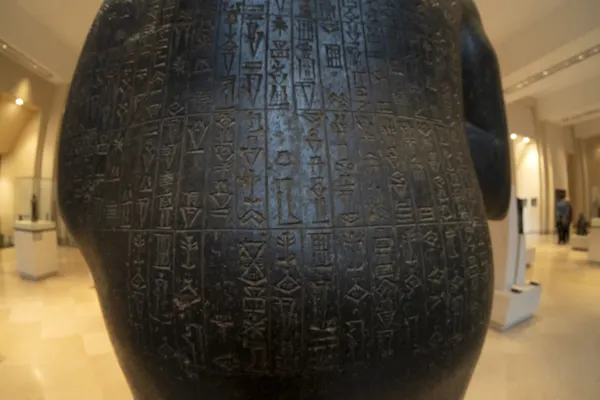
Hammurabi · 2250 BC
The Code of Hammurabi is a collection of the King of Babylon’s laws which were inscribed on stone columns towards the end of his reign. The 282 case laws include economic provisions (prices, tariffs, trade, and…
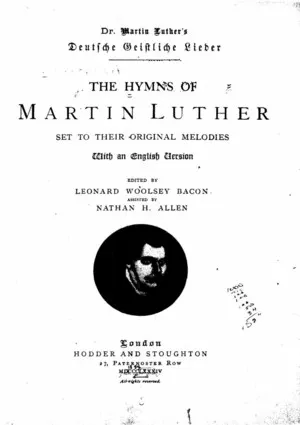
Martin Luther · 1884
A nice 1884 edition of Luther’s hymns with parallel German-English versions and musical scores of some 36 hymns.
Edmund G. Hurley · 1907
A book which introduces the performance of Gregorian Chants for schools and church choirs with copious musical illustrations and explanations.
Misc (Upanishads) · 1914
A selection from the very many Upanishads in the Indian tradition. These are based upon themes such as the Vedanta, physiological, mantras, Sannyasa, and Yoga.
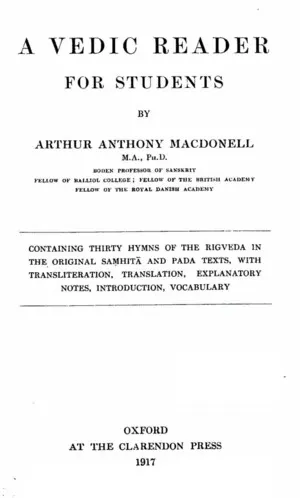
Misc (Rigveda) · 1917
To see the original Sanskrit version of the hymns please see the facsimile PDF version of the text.
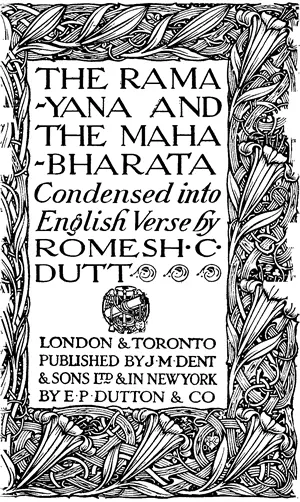
Mahabharata · 1917
A condensed version (in verse) of two Indian classics of religious poetry.
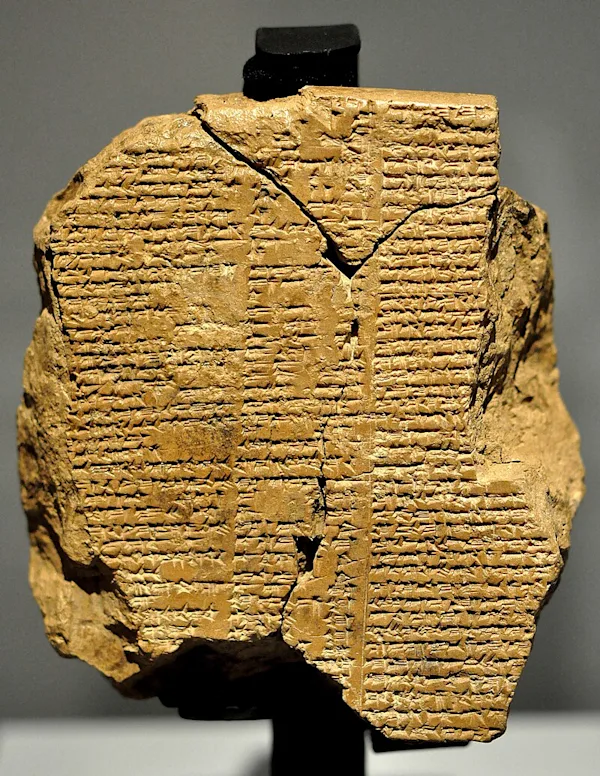
Gilgamesh · 1920
The book contains two fragments of a Babylonian version of the Gilgamesh epic, the Pennsylvanian tablet” and the “Yale table”, with translation, commentary and images of the tablets.
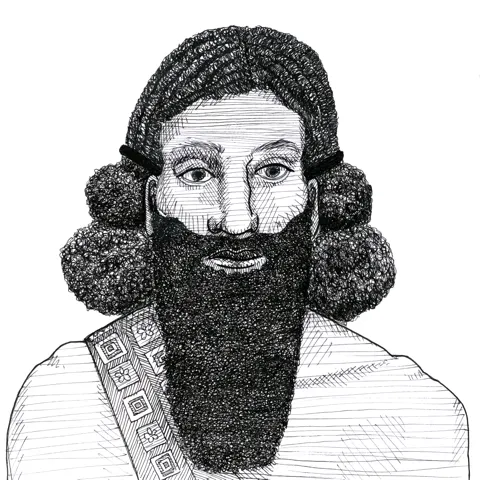
Sir Ernest Alfred Wallis Budge · 1920
This book attempts to reconstruct two ancient Sumerian stories from photographs of the stone tablets on which they were originally written: one story concerns an ancient account of a deluge (or flood) which destroyed…
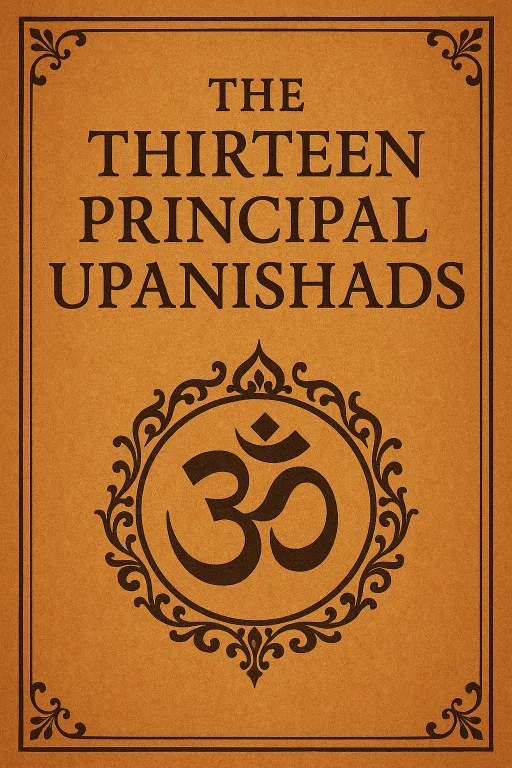
Misc (Upanishads) · 1921
These are commentaries on the Hindu sacred texts known as the Vedas.
In this collection
92 people central to Goodrich Seminar Room.
525 BC–456 BC
Aeschylus was the first of the great Athenian dramatists and playwrights. Aeschylus fought and was wounded at Marathon and took part in the…
339–397
Ambrose is one of the four traditional Fathers of the Christian church. While he was serving as the governor of Milan, Ambrose was drafted…
d. 745 BC
Amos was among the earliest of the Hebrew prophets to have a biblical book named after him. He was born in the kingdom of Judah sometime in…
1033–1109
Saint Anselm of Canterbury (1033-1109) is generally considered to be the founder of the philosophical school of Scholasticism. He was a…
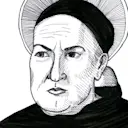
1225–1274
Aquinas was born near Aquino, Sicily and was an Italian Dominican theologian whose scholarship propelled him to the first rank among the…

290 BC–0
Archimedes was a renowned mathematician and inventor of the ancient world. He is most famous for discovering the relationship between the…

384 BCE–322 BCE
Aristotle was an ancient Greek philosopher who set up a rival academy, The Lyceum, to challenge Plato’s Academy. Aristotle wrote…
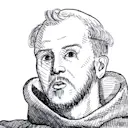
1181–1226
Saint Francis of Assisi founded the Franciscan order and was an important participant in the religious revival of the late Middle Ages.
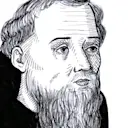
354–430
Saint Augustine was bishop of Hippo in Roman Africa from 396 to 430 and may have been the most important theologian of the early Christian…
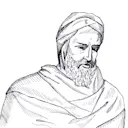
1126–1198
Averroes (also Ibn Rushd) is best known for his numerous commentaries on Aristotle and Plato. Born into a good family with a distinguished…
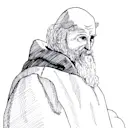
672–735
The Venerable Saint Bede was an important Anglo-Saxon theologian and historian. He is generally best remembered for his Ecclesiastical…
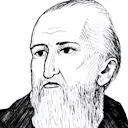
480–547
Saint Benedict 480-547) is generally considered to be the father of Western monasticism. His founding of the monastery at Monte Cassino and…

975–1010
Beowulf is one of the first literary masterpieces of the English language, written in Old English in the eleventh century. Although certain…

1723–1780
Sir William Blackstone’s (1723-1780) four-volume Commentaries on the Laws of England assures him a place in history as one of the greatest…

470–524
Boethius was an important Neoplatonist philosopher who helped craft the theology and philosophy of the early medieval church. He served the…
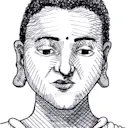
560 BC–480 BC
The person known generally as the Buddha (500 BC) is credited with beginning a spiritual movement that shaped the institutional and…

1729–1797
Edmund Burke (1729-1797) was an English political philosopher who is often seen as laying the foundations of modern conservatism. Although…

1509–1564
John Calvin (1509-1564) was one of the most important Protestant reformers of the sixteenth century. A theologian and ecclesiastical…

1340–1400
Chaucer was born in London and is often considered the father of English literature and the best English poet before Shakespeare. Chaucer…
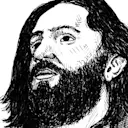
3 BC–30
Jesus of Nazareth is the name of the prophet believed by his followers to be the Son of God and the Messiah whose coming was prophesied in…

106 BC–43 BC
Marcus Tullius Cicero (106-43 BC) was a Roman lawyer and statesman who was active during the late Republic in resisting the rise of…

2112 BC–2094 BC
The Code of Ur-Nammu was written during the reign of Ur-Nammu (ca. 2100 – 2050 B.C.) during what is also called the Third Dynasty of Ur.…

1552–1634
Sir Edward Coke (pronounced cook) (1552-1634) was a lawyer, Member of Parliament, and judge of great renown. He is considered one of the…

551 BC–479 BC
Confucius is China’s most famous teacher, philosopher, and political theorist. In a time of great political upheaval, he sought an…

1265–1321
Dante Alighieri (1265-1321) was a Florentine poet and philosopher who wrote at the end of the Medieval period and the beginning of the…
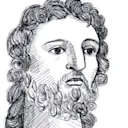
1010 BC–970 BC
King David was the most powerful king of biblical Israel who ruled from 1010 BC to 970 BC. He expanded the size of his kingdom, created a…

55–135
Epictetus was born to a slave of one of Nero’s bodyguards and became a freedman only later in his life. As a child, Epictetus was…

1466–1536
Desiderius Erasmus (1466-1536) was a Christian, humanist scholar; the first editor of the New Testament; a classicist; and a leading voice…

365 BC–300 BC
Euclid’s treatise on geometry, Elements, has made him one of the best-known mathematicians of the ancient world. Greek sources attribute a…

130–180
Gaius (130-180) was a Roman jurist whose writings became authoritative legal texts during the late Roman Empire. Gaius made one of the…

129–199
Galen, the founder of experimental physiology, was one of the most distinguished physicians of antiquity.

1564–1642
Galileo Galilei, an Italian mathematician, astronomer, and physicist, is considered a founder of the experimental method. His conflict with…
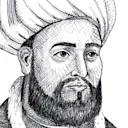
1058–1111
Al Ghazali is known as one of the great philosophers and theologians of Islam. He wrote on various subjects, including a critique of…

d. 2700 BC
Gilgamesh may have been an actual king of early Sumeria, but his deeds have been cast in such heroic proportions that some argue that he is…

1749–1832
Goethe is often ranked with Shakespeare and Dante as one of the three most important poets in history. He spent the most important part of…

1894–1973
Pierre F. Goodrich (1894-1973) was a successful Indiana businessman and lawyer who founded Liberty Fund in 1960. His aim was to promote…

1583–1645
Hugo Grotius (1583-1645) was a Dutch scholar and jurist whose legal masterpiece, De Jure Belli ac Pacis (On the law of war and peace)…

1792 BC–1750 BC
King Hammurabi ruled Babylon from 1792-1750 B.C. Towards the end of his reign his legal decisions were collected and inscribed on a diorite…

460 BC–377 BC
Hippocrates is traditionally regarded as the father of medicine. The famous Hippocratic Oath was inspired by later admirers of Hippocrates…

900 BC–900 BC
Homer was an ancient Greek poet who is credited with authoring the Iliad and the Odyssey . Very little is known about his personal life.
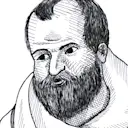
b. 800 BC
Hosea, a minor prophet, wrote the first of the twelve prophetic books of the Old Testament. He preached in the kingdom of Israel about the…

1711–1776
David Hume (1711-1776) was a moral philosopher and historian and a leading member of the Scottish Enlightenment.

1372–1415
Jan Huss, born in the city of Husinec in Bohemia in 1372, was perhaps the most important Czech religious reformer of the early fifteenth…
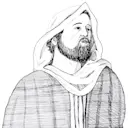
d. 7 BC
Isaiah was a contemporary of the prophet Amos. Like Amos, he prophesied that Israel was doomed because of the sins of her people. The two…

1743–1826
Thomas Jefferson (1743-1826), a Virginian, was the author of the American Declaration of Independence (1776), an active participant in the…

b. 655 BC
We know more about Jeremiah than we know about other biblical prophets. Significant portions of the Book of Jeremiah refer directly to the…
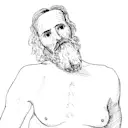
b. 600 BC
Job is the central character in an ancient story written down as the Book of Job in either the fifth or sixth century B.C.
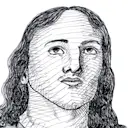
John the Apostle is traditionally considered to be the author of the three Epistles of John, the Fourth Gospel, and Revelation.

500–500
A poet and dramatist who flourished in the fifth century A.D., Kalidasa, who wrote in Sanskrit, was a master of several genres and possibly…

1724–1804
Kant was a German philosopher who taught for many years at the University of Koenigsberg. He made pivotal contributions to the study of…

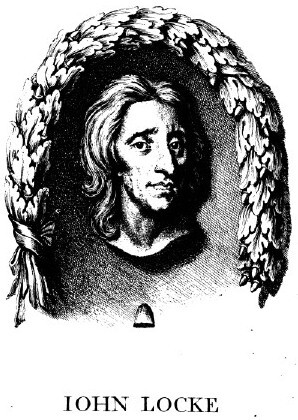
1632–1704
John Locke (1632-1704) was an English philosopher who is considered to be one of the first philosophers of the Enlightenment and the father…
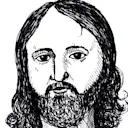
d. 84
Among Christians, Luke is customarily regarded as the author of the Third Gospel and the Acts of the Apostles. He was a companion of the…
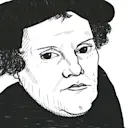
1483–1546
Martin Luther, an Augustinian priest, biblical scholar, and linguist, was born and died in Eisleben, Saxony, a duchy in northwestern…
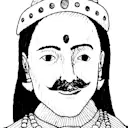
1400 BC–1000 BC
Based on events from about 1400-1000 B.C., the Mahabharata (the great epic of the Bharata dynasty) is one of the two major epics of India.
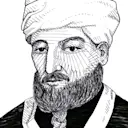
1135–1204
Moses Maimonides was one of the foremost intellectuals of medieval Judaism. He was born in the city of Córdoba in Islamic Spain, and he…
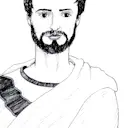
Mark was born sometime in the first century A.D. and is said to have died in Alexandria, Egypt. Information about his life is fragmentary.…
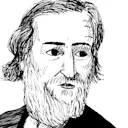
d. 74
One of the Twelve Apostles, Matthew is traditionally considered the author of the first of the three synoptic Gospels. Very little is known…
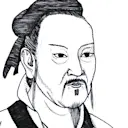
371 BC–289 BC
Mencius was born into a minor noble family in the small state of Tsou in the present-day province of Shandong, As a young scholar Mencius…
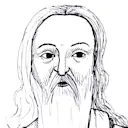
740 BC–670 BC
Micah wrote the sixth of the twelve prophetic books of the Old Testament and was active in the last half of the eighth century B.C.

1608–1674
John Milton (1608-1674) ranks among the greatest poets of the English language. He is best known for the epic poem Paradise Lost (1667),…
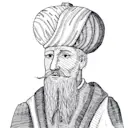
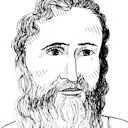
Moses was the Hebrew leader and prophet who delivered his people from Egyptian slavery in the thirteenth century B.C. He was successful in…

1642–1727
Sir Isaac Newton was one of the greatest scientific minds of all time. His work laid the foundations for modern physics, astronomy, and,…
Burnt Njal was the leading figure in the Icelandic Sagas of Burnt Njal which were written down in the 13th century.
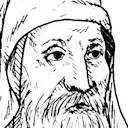
185–254
Origen was one of the most important theologians and biblical scholars of the early Greek church.
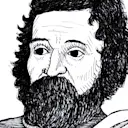
10–67
St. Paul the Apostle (10-67) was one of the most influential members of the early Christian church whose writings make up nearly one-third…

1304–1374
Francesco Petrarca was an Italian scholar and poet who is regarded by many scholars as being among the first humanists. He contributed to…

429 BC–347 BC
Plato is, by any reckoning, one of the most dazzling writers in the Western literary tradition and one of the most penetrating,…

205–270
Plotinus is regarded by many modern philosophers as one of the founders of Neoplatonism. He is primarily remembered for his teachings,…

46–125
Plutarch was active in politics and traveled to Rome several times as a public servant. In Rome, he was a popular philosopher and public…
Many French and German Protestants rendered into musical form biblical works, such as the Psalms, and are the basis of most early…

865–923
Rhazes (865-923) was a renowned alchemist, physician, and Muslim philosopher who lived and worked when the Abbasid Empire was at its height.

The Rigveda, the oldest of the Hindu scriptures, date back to the early Aryan invasions of northern India (ca. 1500-1200 B.C.) The Sanskrit…
1575–1625
Robinson (1575-1625) was an English Puritan minister who was known as the pastor to the Pilgrim fathers before and after their journey to…
Roman, or Gregorian, chant, the liturgical chant of the Roman Catholic church, has been practiced in various forms since approximately the…

1452–1498
Girolamo Savonarola (1452-1498) is best known for his attempt to reform Renaissance Florence society and the Catholic church from the vices…

1564–1616
William Shakespeare (1564-1616) is probably the best known poet and playwright of the English language. He is considered by many to be the…

1723–1790
Adam Smith (1723-1790) is commonly regarded as the first modern economist with the publication in 1776 of The Wealth of Nations. He wrote…

470 BC–399 BC
Socrates is often considered the first great philosopher of the ancient world. Although Socrates never wrote, he influenced later…

496 BC–406 BC
Perhaps the greatest of Athens’s playwrights Sophocles is known to have written at least 123 dramas, of which only 7 survive. His…

1179–1241
Snorre Sturlason (1179-1241) was an Icelandic chief and scholar who collected and wrote down sagas about the first Kings of Norway.

56–120
Tacitus was a Roman orator, lawyer, public official, and historian. He is considered to be among the greatest prose stylists to write in…

Thales is a pre-Socratic philosopher from Miletus who is credited by the Greeks with successfully predicting the eclipse of the sun during…

460 BC–400 BC
Thucydides, who lived during the second half of the fifth century B.C., is considered the greatest of the ancient Greek historians. His…
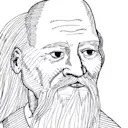
b. 600 BC
Lao Tzu (or Laozi) is remembered as the first philosopher of Taoism. He is often cited as a contributor to, if not the author of, the…
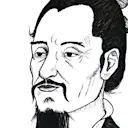
Mo Tzu was a philosopher whose ideas rose to prominence in the third and second centuries BCE and briefly rivaled Confucianism as the…
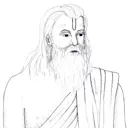
The Upanishads, the commentaries in verse of the great teachers of Hinduism on the sacred texts of the Vedas, are central to the Hindu…

b. 2350 BC
Urukagina, the leader of the Sumerian city-state of Girsu/Lagash, led a popular movement that resulted in the reform of the oppressive…

70 BC–19 BC
Virgil is regarded as the greatest of the Roman poets. His epic poem, the Aeneid , has been of continuing importance to Western literature.…
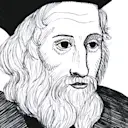
1330–1384
Wycliffe was a member of the faculty of Oxford University and an early crusader for Christian reform in England.
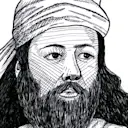
628 BC–522 BC
Zarathushtra founded Zoroastrianism, which was a prominent religious force and the official faith under the later Achaemenian Kings…
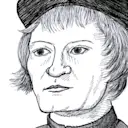
1484–1531
Huldrych Zwingli was a leading figure in the Protestant Reformation in Switzerland. Unlike Martin Luther’s movement, however, Zwingli’s…
In this collection
From The Reading Room, Liberty Matters and the library’s other publications.
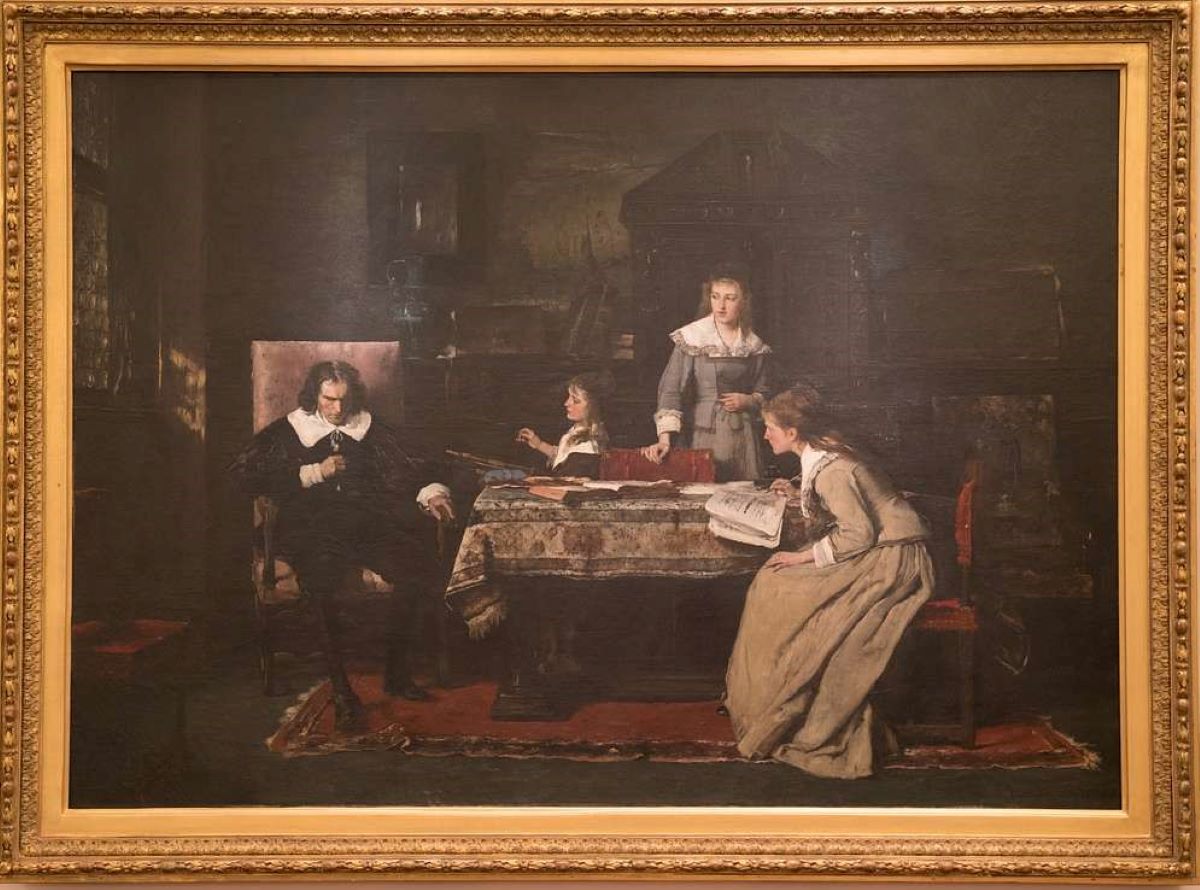
Peter Carl Mentzel · Dec 26, 2022
Passages on this subject, chosen by OLL editors.
Again with gladsome feet Zephyr returns
Mid grass and flowers, his goodly family
And Procne chatters, Philomela mourns,
While Spring comes forth in all her finery.
The meadows laugh; the skies are bright and fair,
And Aphrodite wins the smile of Jove,
While full of passion is the earth and air
And every creature turns his thoughts to love.
For me, alas! these vernal days are shorn
Of all delight and laden with the sighs
Which from my heart's recesses she hath torn
Who bore its hopes and pangs to Paradise!
Till birds and flowers and woman's graces mild
To me are but a desert, stern and wild.

Language and Literature
203 titles · 256 publications · 108 people

History of the Americas
343 titles · 67 publications · 239 people

Philosophy, Psychology, and Religion
209 titles · 81 publications · 198 people

Language and Literature
282 titles · 6 publications · 321 people
Language and Literature
112 titles · 156 people

Language and Literature
73 titles · 10 publications · 81 people