

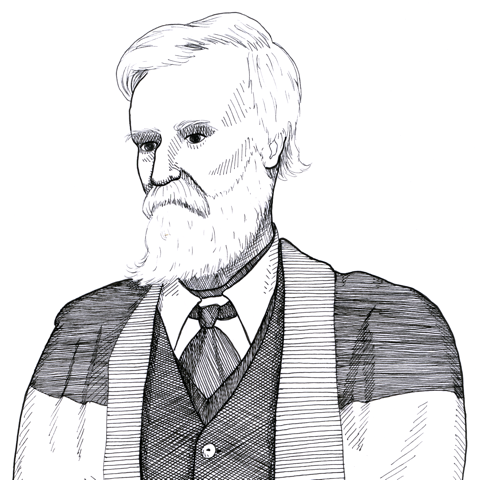
Jonathan H. Adler
b. 1969
Jonathan H. Adler is the inaugural Johan Verheij Memorial Professor of Law and the Director of the Coleman P. Burke Center for…


Law
274 items in this collection
From the earliest written legal codes to the beginnings of modern constitutionalism, the history of law is the story of our working out how personal liberties interact with responsibilities to others.
In this collection
140 titles, earliest first.

Hammurabi · 2250 BC
The Code of Hammurabi is a collection of the King of Babylon’s laws which were inscribed on stone columns towards the end of his reign. The 282 case laws include economic provisions (prices, tariffs, trade, and…
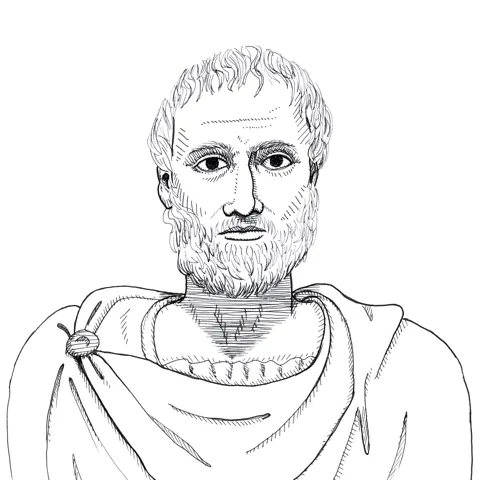
Aristotle · 320 BC
Probably written by a pupil of Aristotle, it is the first history of Athens as a model democracy, how it came into existence, and how it operated in practice.
Marcus Tullius Cicero · 51 BC
The Treatise on the laws is Cicero’s imitation of Plato’s dialogue The Laws where he develops a Stoic theory of natural law as right reason. This book became very influential during the middle ages.
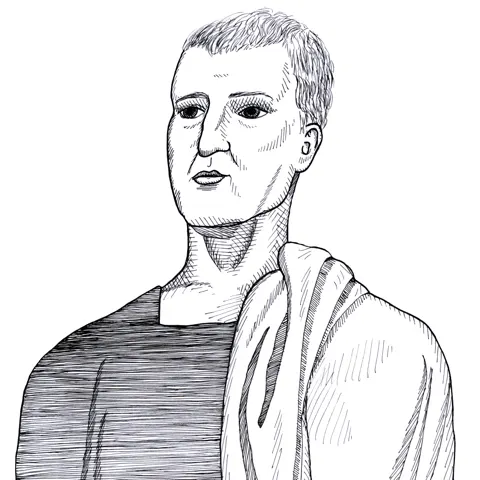
Gaius · 160
An edition with Latin, English translations, and extensive editorial commentary. The Institutes of Roman Law is Gaius’ best known work which became the authoritative legal text during the late Roman Empire. It was the…
John Lackland (King John) · 1215
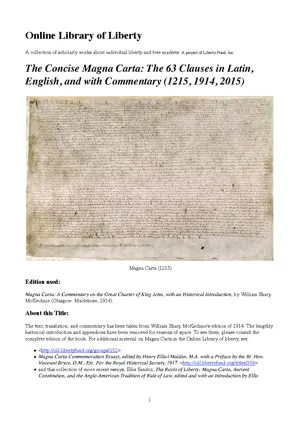
This is a detailed and meticulous edition of Magna Carta with each clause in the original Latin, followed by an English translation and heavily annotated by the editor.
David M. Hart · 1215
The text, translation, and commentary have been taken from William Sharp McKechnie's edition of 1914. The lengthly historical introduction and appendices have been removed for reasons of space. The 63 clauses are in…
Desiderius Erasmus · 1521
The Reformation scholar Desiderius Erasmus portrays Peace visiting to earth to deliver her verdict on the human race. She chastises kings and princes, church leaders, noblemen and ordinary soldiers alike for betraying…
Sir Edward Coke · 1593
Vol. 3 of a 3 vol. set of The Selected Writings. This volume contains Coke’s speech in Parliament (including the Petition of Right), a number of official acts related to Coke’s career, and other matters.
Sir Edward Coke · 1600
A 3 vol. set of The Selected Writings. Vol. 1 contains a long introduction by the editor and 13 parts of the Reports. Vol. 2 contains Coke’s Speech at Norwich, excerpts from the small treatises, and excerpts from the 4…
Sir Edward Coke · 1600
Vol. 1 of a 3 vol. set of The Selected Writings. This volume contains a long introduction by the editor and 13 parts of the Reports.
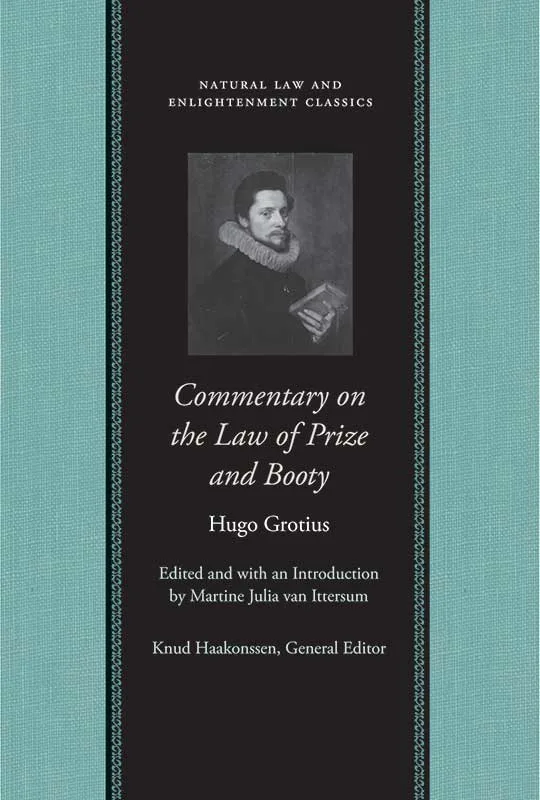
Hugo Grotius · 1603
Commentary on the Law of Prize and Booty was written in justification of the capture of the Portuguese merchantman Santa Catarina in the Strait of Singapore in February 1603. The Liberty Fund edition is based on the one…
Sir Edward Coke · 1606
Vol. 2 of a 3 vol. set of The Selected Writings. This volume contains Coke’s Speech at Norwich, excerpts from the small treatises, and excerpts from the 4 parts of the Institutes.
Hugo Grotius · 1608
This edition of Grotius’ defense of the right of all nations (especially the Dutch) to use the international sea lanes for trade, was published during World War One by the Carnegie Endowment for International Peace as…
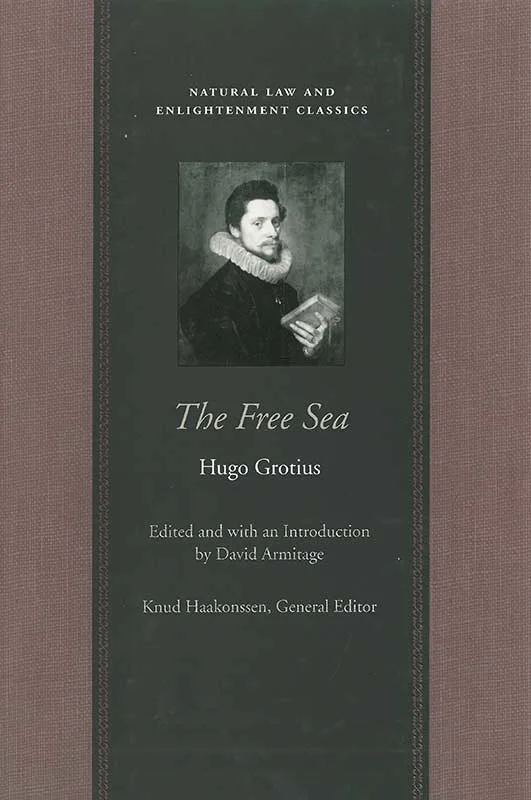
Hugo Grotius · 1609
Grotius’s influential argument in favor of freedom of navigation, trade, and fishing in Richard Hakluyt’s translation. The book also contains William Welwod’s critque and Grotius’s reply to Welwod.
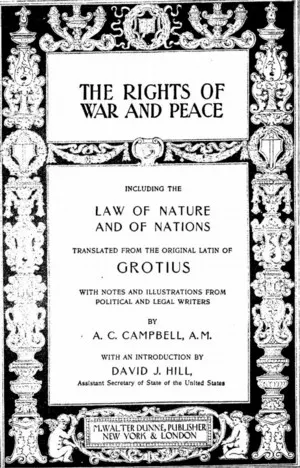
Hugo Grotius · 1625
Grotius’s magnum opus on international law and the laws of war and peace. He wrote this volume while the Thirty Years’ War raged around him in the hope that rational human beings might be able to agree to legal limits…
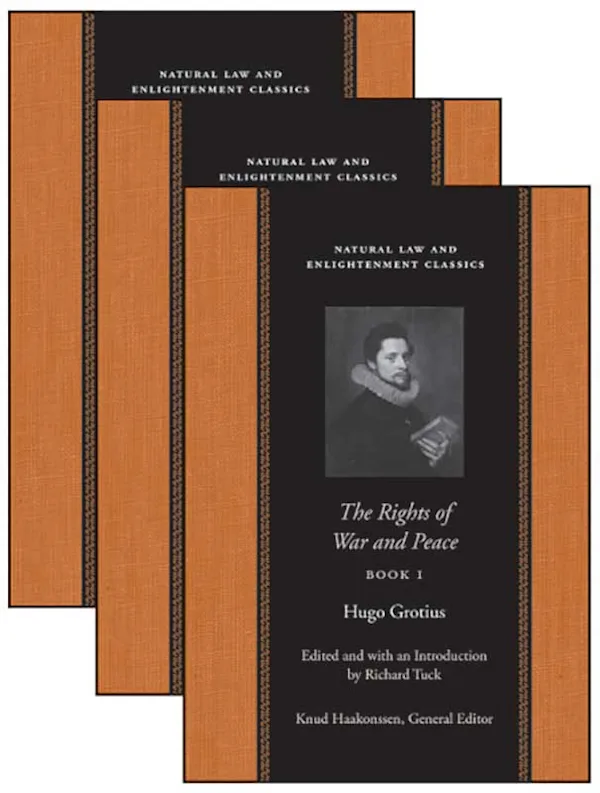
Hugo Grotius · 1625
Grotius’s Rights of War and Peace is a classic of modern public international law which lays the foundation for a universal code of law and which strongly defends the rights of individual agents - states as well as…
Hugo Grotius · 1625
Grotius’s Rights of War and Peace is a classic of modern public international law which lays the foundation for a universal code of law and which strongly defends the rights of individual agents - states as well as…
Hugo Grotius · 1625
Grotius’s Rights of War and Peace is a classic of modern public international law which lays the foundation for a universal code of law and which strongly defends the rights of individual agents - states as well as…
Hugo Grotius · 1625
Grotius’s Rights of War and Peace is a classic of modern public international law which lays the foundation for a universal code of law and which strongly defends the rights of individual agents - states as well as…
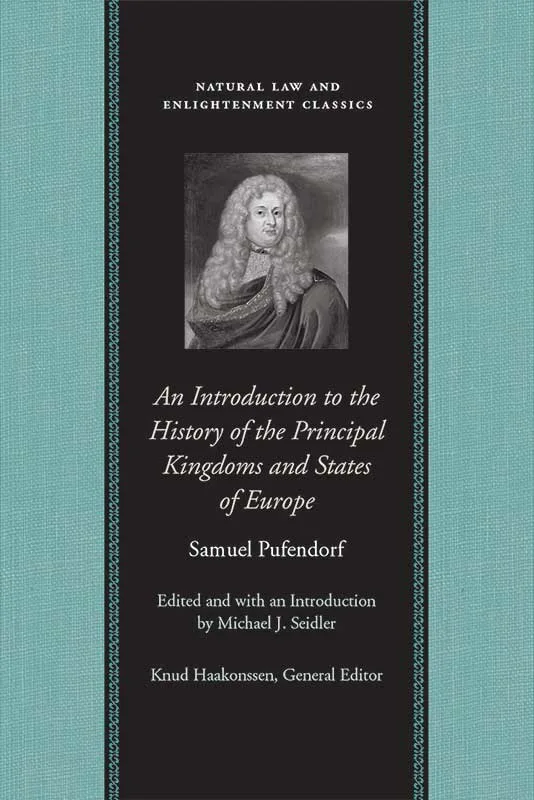
Samuel von Pufendorf · 1695
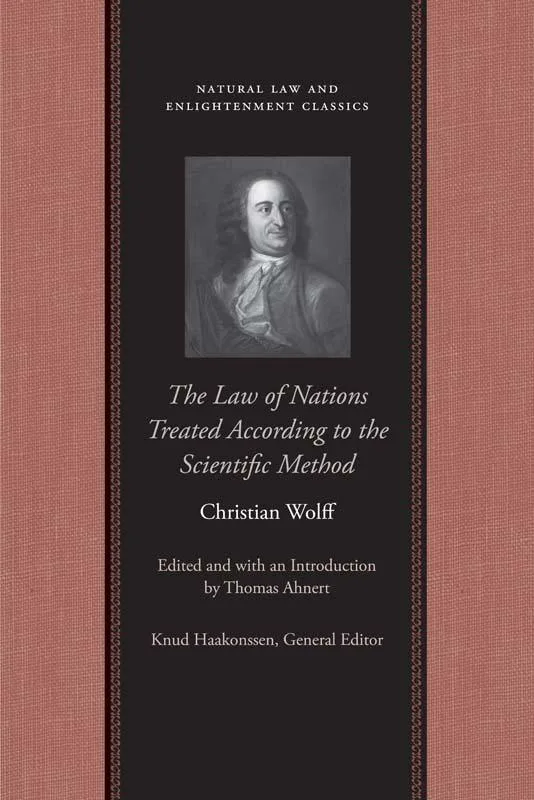
Christian Wolff · 1729
Christian Wolff’s The Law of Nations is a cornerstone of eighteenth-century thought. A treatise on the philosophy of human action, on the foundations of political communities, and on international law, it influenced…
Sir William Blackstone · 1753
A two volume edition of the classic work on English law by Blackstone. This edition is interesting because it includes the commentaries of at least 5 previous editors of Blackstone’s work along with additional notes by…
Sir William Blackstone · 1753
A two volume edition of the classic work on English law by Blackstone. This edition is interesting because it includes the commentaries of at least 5 previous editors of Blackstone’s work along with additional notes by…
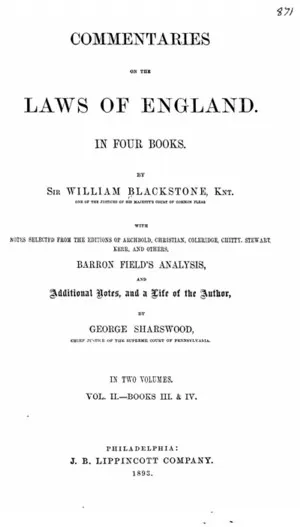
Sir William Blackstone · 1753
A two volume edition of the classic work on English law by Blackstone. This edition is interesting because it includes the commentaries of at least 5 previous editors of Blackstone’s work along with additional notes by…
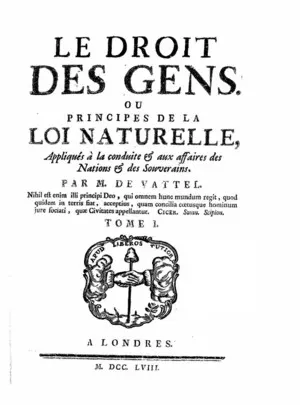
Emer de Vattel · 1758
A 2 volume work in which Vattel explores the application of natural law to the conduct of states and sovereigns. He discusses the rights of obligation of the state itself, those of the sovereign power, the nature of…
Emer de Vattel · 1758
Volume 1 of a 2 volume work in which Vattel explores the application of natural law to the conduct of states and sovereigns. He discusses the rights of obligation of the state itself, those of the sovereign power, the…
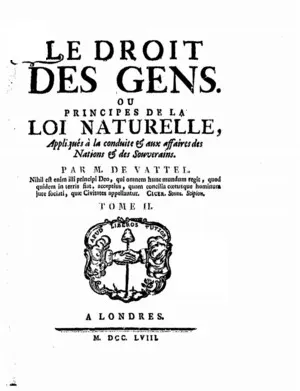
Emer de Vattel · 1758
Volume 2 of a 2 volume work in which Vattel explores the application of natural law to the conduct of states and sovereigns. He discusses the nature of war, that laws of war, neutrality, just and unjust wars, peace…
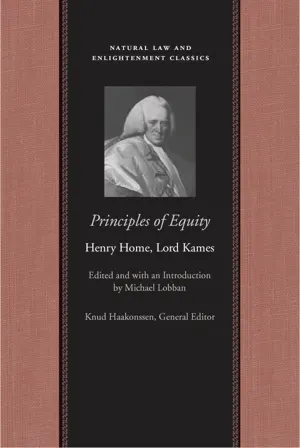
Henry Home, Lord Kames · 1760
Principles of Equity is Kames's most lasting contribution to jurisprudence. He sought to explain the distinction between the nature of equity and common law and to address related questions, such as whether equity…
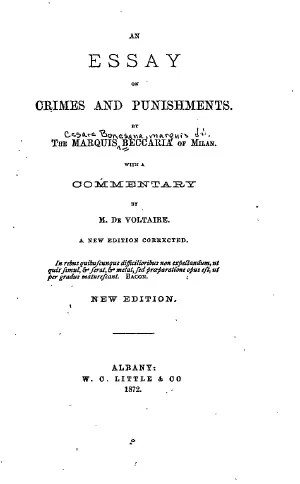
Cesare Bonesana di Beccaria · 1764
An extremely influential Enlightenment treatise on legal reform in which Beccaria advocates the ending of torture and the death penalty. The book also contains a lengthy commentary by Voltaire which is an indication of…
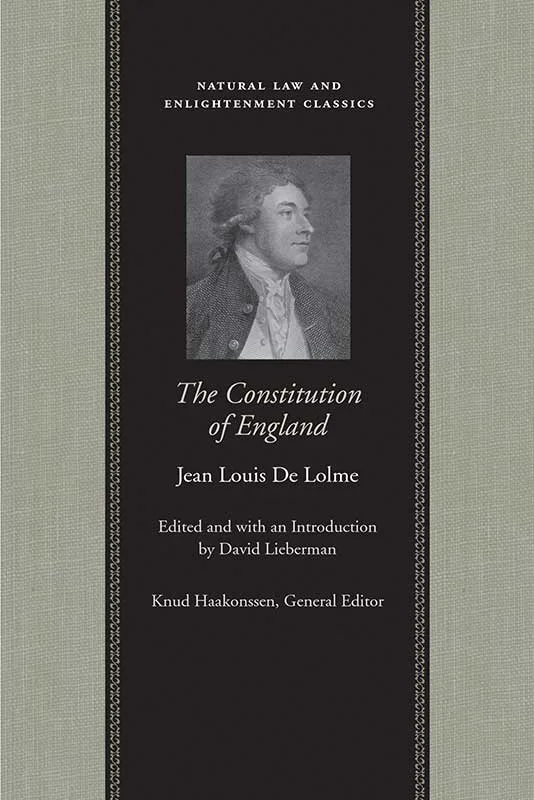
Jean Louis De Lolme · 1784
The Constitution of England is one of the most distinguished eighteenth-century treatises on English political liberty. Like Montesquieu’s Spirit of the Laws (1748) and Blackstone’s Commentaries on the Laws of England…
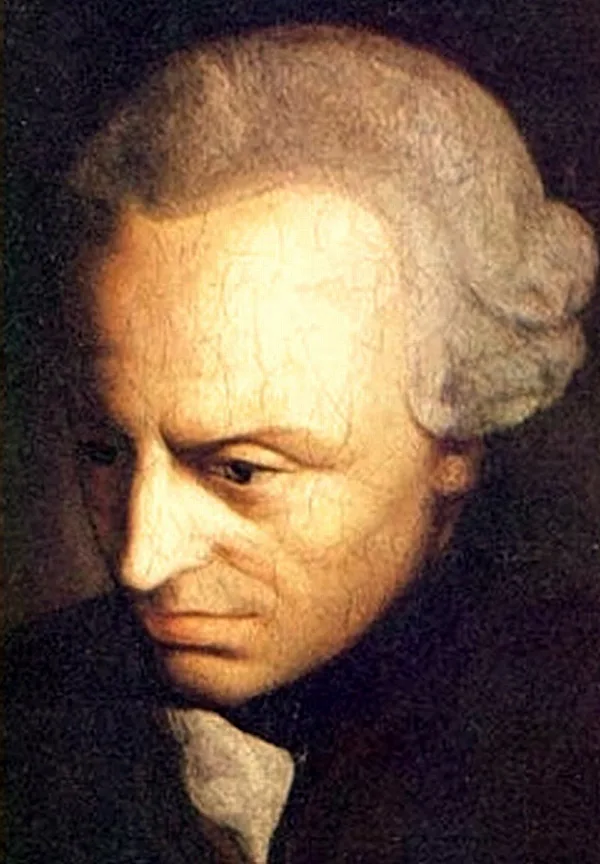
Immanuel Kant · 1796
This 1887 translation contains Kant’s General Introduction to the Metaphysic of Morals and both parts of The Science of Right.
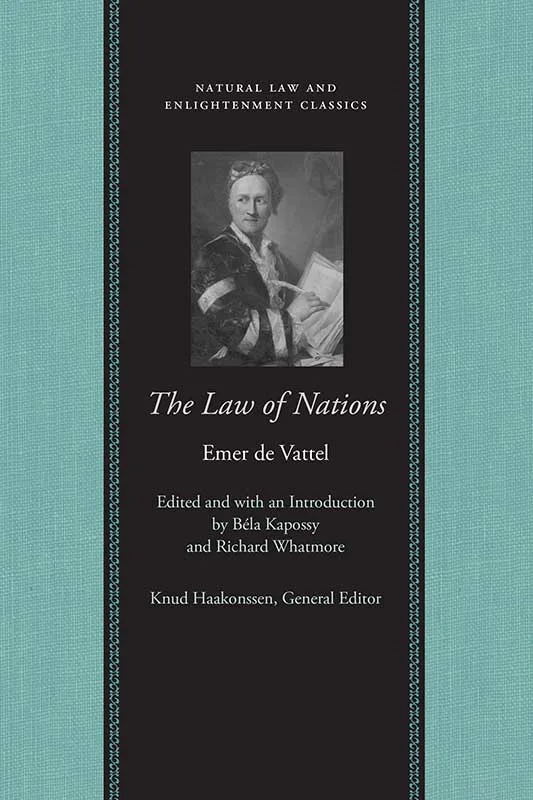
Emer de Vattel · 1797
A republication of the 1797 translation of Vattel’s work, along with new English translations of 3 early essays. Read the Liberty Classic on this title from Law & Liberty
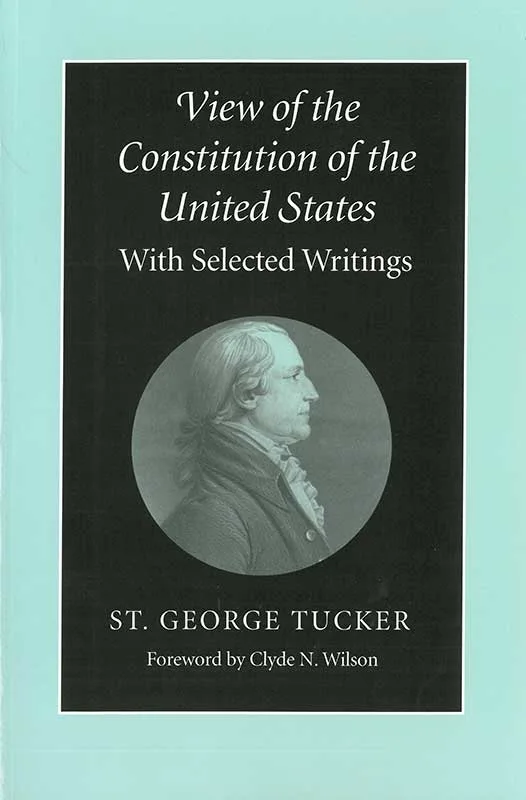
St. George Tucker · 1803
View of the Constitutionwas the first extended, systematic commentary on the United States Constitution after its ratification and later its amendment by the Bill of Rights. As Clyde N. Wilson notes, “Tucker is the…
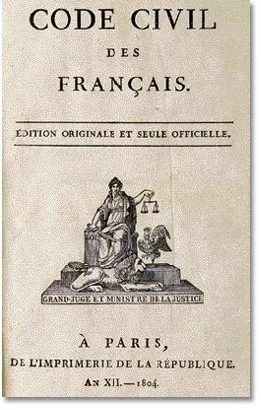
Napoléon Bonaparte · 1804
The first official publication of the French Civil Code which was produced under the direction of Emperor Napoleon. [Source: Gallica/BNF gallica.bnf.fr/ark:/12148/cb339642859].
Antoine Louis Claude, Comte Destutt de Tracy · 1817
A French version of Destutt de Tracy’s extended commentary on Montesquieu which so impressed Jefferson that he translated it himself.
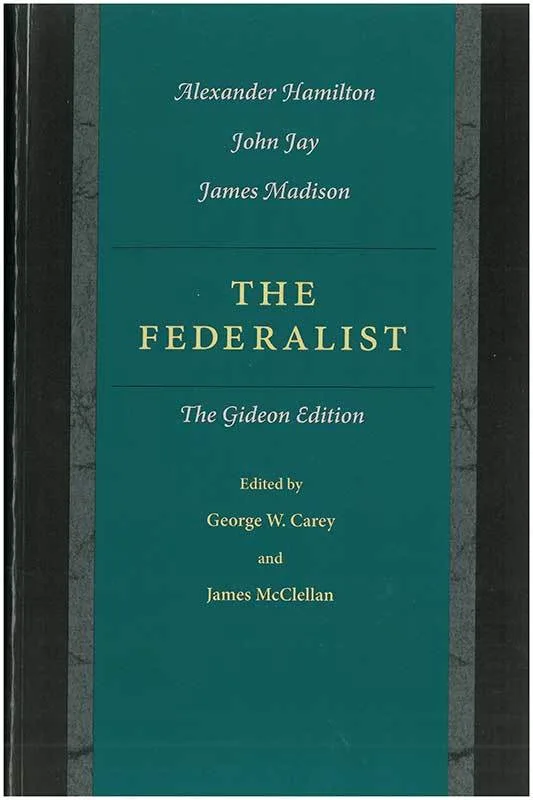
Alexander Hamilton · 1818
The Federalist, by Alexander Hamilton, James Madison, and John Jay, constitutes a text central to the American political tradition. Published in newspapers in 1787 and 1788 to explain and promote ratification of the…
John Taylor · 1820
Taylor defends a strict “states rights” interpretation of the U.S. Constitution and advocates limited republican government.
Jeremy Bentham · 1823
One of Bentham’s most important works in which he develops his theory of ‘utility’ at considerable length and discusses how the penal system (especially punishments) could be based on this theory. One of the founding…
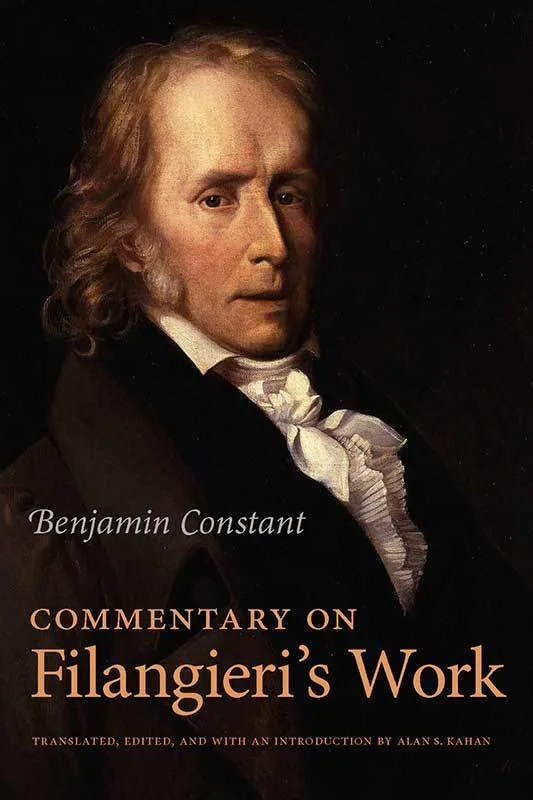
Benjamin Constant · 1824
The Commentary is Constant's most extensive treatment of economic matters. It is a response to a multi-volume work by the Italian jurist Gaetano Filangiero, The Science of Legislation (1780-88). Constant defends limited…
James Mill · 1825
One of the articles James Mill wrote for the Encyclopedia Britannica.
James Mill · 1825
One of the articles James Mill wrote for the Encyclopedia Britannica.
John Stuart Mill · 1825
Vol. 21 of the 33 vol. Collected Works contains a number of Mill’s essays on the law, women and children, the American Civil War, and his book on The Subjection of Women. It also contains in the Appendix Harriet…
Napoléon Bonaparte · 1827
An English translation of the French Civil Code by an anonymous English barrister.
John Stuart Mill · 1827
Vol. 31 of the 33 vol. Collected Works contains Mill’s writings on botany and reviews of medical books. It also contains his edition of Bentham’s Rationale of Judicial Evidence and his father’s Analysis of the Phenomena…
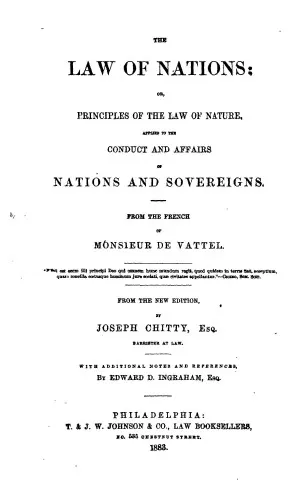
Emer de Vattel · 1833
An influential English translation of a work which had a profound impact on the ideas of the American founders. Chitty brought it to the attention of 19th century English readers and it was brought up to date with…
Jeremy Bentham · 1843
An 11 volume collection of the works of Jeremy Bentham edited by the philosophic radical and political reformer John Bowring.
Jeremy Bentham · 1843
An 11 volume collection of the works of Jeremy Bentham edited by the philosophic radical and political reformer John Bowring. Vol. 10 contains Memoirs Of Jeremy Bentham (Chaps I-XXII). For a complete list of the titles…
Jeremy Bentham · 1843
An 11 volume collection of the works of Jeremy Bentham edited by the philosophic radical and political reformer John Bowring. Vol. 11 contains Memoirs of Bentham Part II and an analytical index to the Works. The Index…
Jeremy Bentham · 1843
An 11 volume collection of the works of Jeremy Bentham edited by the philosophic radical and political reformer John Bowring.
Jeremy Bentham · 1843
An 11 volume collection of the works of Jeremy Bentham edited by the philosophic radical and political reformer John Bowring.
Jeremy Bentham · 1843
An 11 volume collection of the works of Jeremy Bentham edited by the philosophic radical and political reformer John Bowring.
Jeremy Bentham · 1843
An 11 volume collection of the works of Jeremy Bentham edited by the philosophic radical and political reformer John Bowring.
Jeremy Bentham · 1843
An 11 volume collection of the works of Jeremy Bentham edited by the philosophic radical and political reformer John Bowring. Vol. 6 contains An Introductory View Of The Rationale Of Evidence; Rationale Of Judicial…
Jeremy Bentham · 1843
An 11 volume collection of the works of Jeremy Bentham edited by the philosophic radical and political reformer John Bowring. Vol. 7 contains Rationale Of Judicial Evidence. (Books V-X). For a complete list of the…
Jeremy Bentham · 1843
An 11 volume collection of the works of Jeremy Bentham edited by the philosophic radical and political reformer John Bowring.
Jeremy Bentham · 1843
An 11 volume collection of the works of Jeremy Bentham edited by the philosophic radical and political reformer John Bowring. Vol. 9 contains Constitutional Code. For a complete list of the titles in The Works of Jeremy…
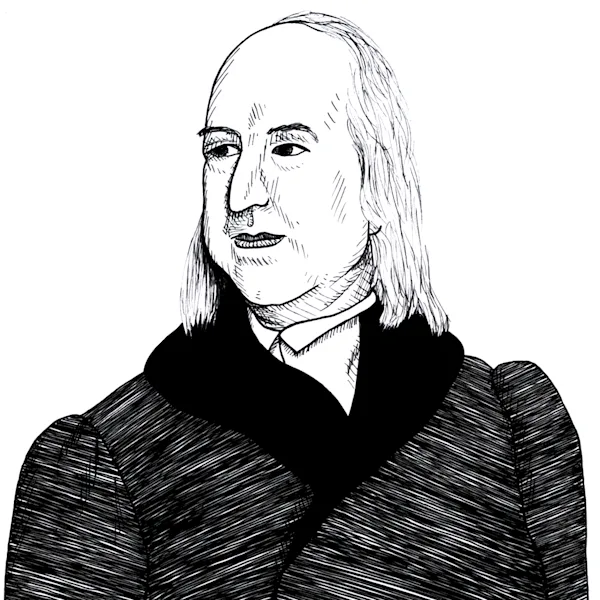
Jeremy Bentham · 1843
An 11 volume collection of the works of Jeremy Bentham edited by the philosophic radical and political reformer John Bowring. For a complete list of the titles in The Works of Jeremy Bentham see this page. ### Vol. 1…
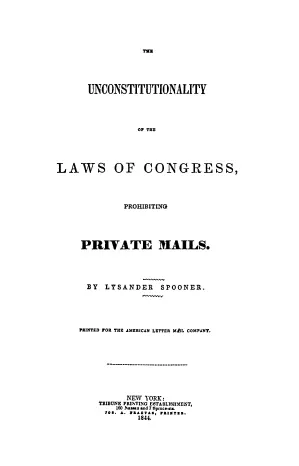
Lysander Spooner · 1844
Spooner challenged the US postal monopoly by starting his own mail company to deliver letters and by writing a short book arguing that it was wrong on legal and constitutional grounds.
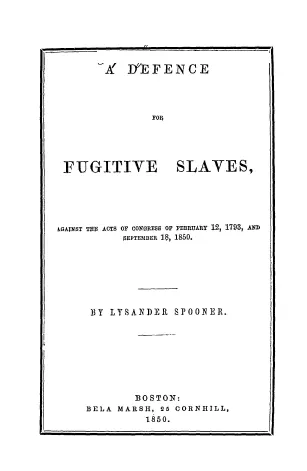
Lysander Spooner · 1850
Since, in Spooner’s view, slavery was both unjust and unconstitutional, men and women held in slavery had the right to flee, and other people had the right and the duty to help the runaway slaves escape to freedom. This…
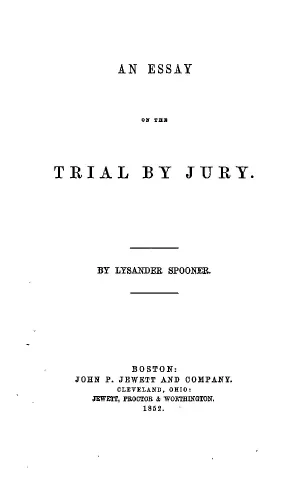
Lysander Spooner · 1852
Spooner argues that it is principle in English law going back to Magna Carta that juries had the right to determine the justice of the laws under which a person might be tried, as well as whether or not the accused is…
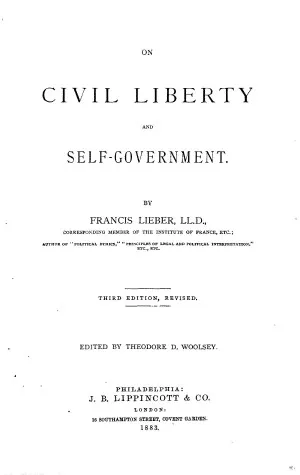
Francis Lieber · 1853
Lieber discusses the nature of civil iberty, its history, the rule of law, parliament, the independence of the judiciary, and includes a nuber of English, American, and French constitutinal documents.
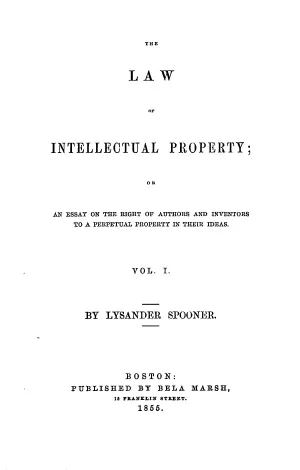
Lysander Spooner · 1855
Although this is entitled volume 1 and a proposed list of contents for a volume 2 was appended to the work, no volume 2 ever appeared. Spooner takes a strong position on the property right of an author to his ideas in…
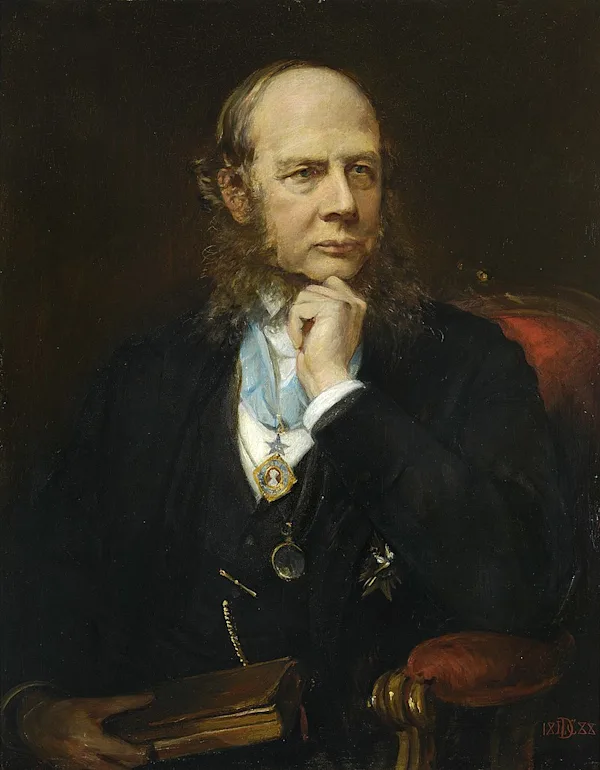
Sir Henry Sumner Maine · 1861
A classic work on the history of law by one of the great English jurists of the 19th century. Another great English jurist, Sir Frederick Pollock wrote an introduction and extensive notes.
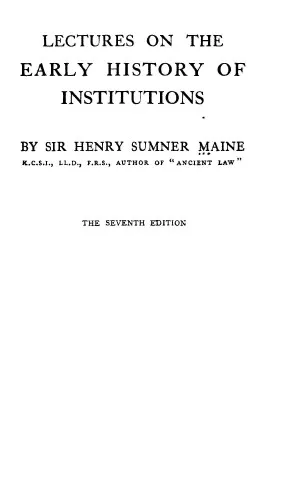
Sir Henry Sumner Maine · 1874
The sequel to his more famous book on *Ancient Law” in which Maine examines kinship, tribal society, early legal remedies and sovereignty.
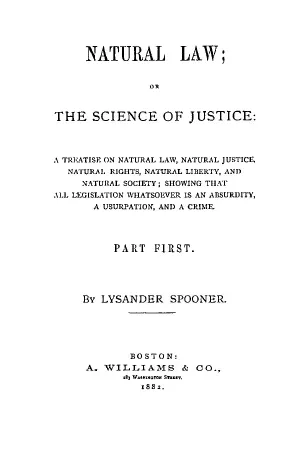
Lysander Spooner · 1882
Even this is entitled “The First” it is the only part Spooner published. It was meant to be the opening section of a much larger treatise on natural law. It is interesting because Spooner outlines the basic principles…
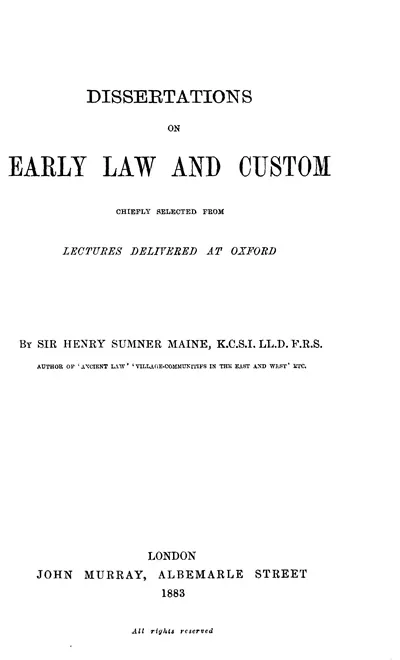
Sir Henry Sumner Maine · 1883
A third volume consisting of Maine’s lectures at the University of Oxford. The first was Village Communities in the East and West”; the second was The Early History of Institutions. This volume is drawn from a number of…
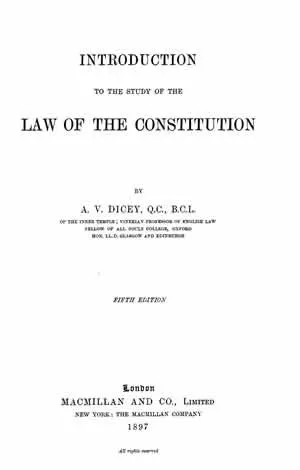
Albert Venn Dicey · 1885
Dicey’s most famous work on English constitutional law in which he defended the idea of the sovereignty of parliament under an independent judiciary and the rule of law.
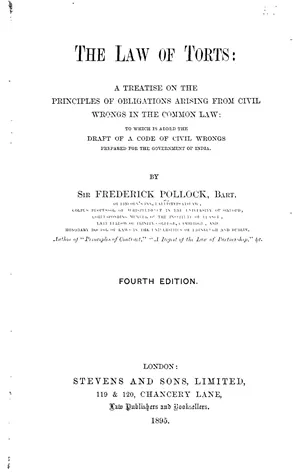
Sir Frederick Pollock · 1886
One of Pollock’s more substantial works which also contains his draft on a law of torts prepared for the government of India.
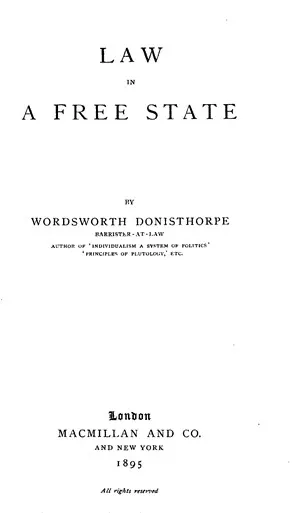
Wordsworth Donisthorpe · 1895
A collection of essays by a radical individualist political thinker on a range of topics which he called "the hardest nuts to crack", in other words, topics which pushed the theory of individual liberty to its limits.…
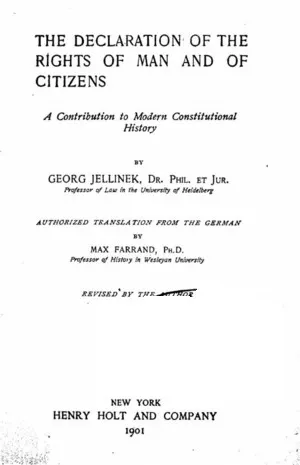
Georg Jellinek · 1895
An analysis of the French Declaration of the Rights of Man and the Citizen showing the impact which American practice and theory had on French thinking about constitutional law.
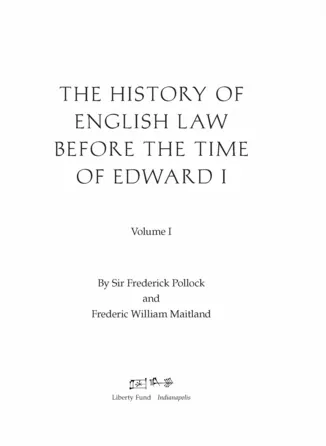
Frederic William Maitland · 1898
First published in 1895, Sir Frederick Pollock and Frederic William Maitland’s legal classic The History of English Law before the Time of Edward I expanded the work of Sir Edward Coke and William Blackstone by…
Frederic William Maitland · 1898
First published in 1895, Sir Frederick Pollock and Frederic William Maitland’s legal classic The History of English Law before the Time of Edward I expanded the work of Sir Edward Coke and William Blackstone by…
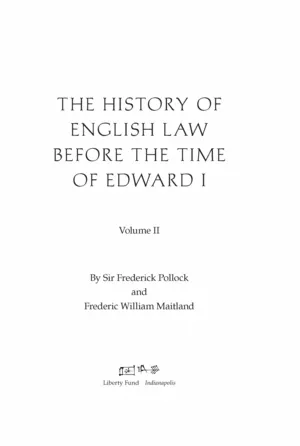
Frederic William Maitland · 1898
First published in 1895, Sir Frederick Pollock and Frederic William Maitland’s legal classic The History of English Law before the Time of Edward I expanded the work of Sir Edward Coke and William Blackstone by…
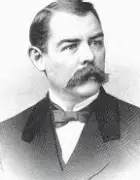
Christopher G. Tiedeman · 1900
A 2 volume work which examines the power of the government over individual personal and property rights under the US constitution. It is an expansion of a 1 vol. work on Limitations of Police Power published originally…
Christopher G. Tiedeman · 1900
A 2 volume work which examines the power of the government over individual personal and property rights under the US constitution. It is an expansion of a 1 vol. work on Limitations of Police Power published originally…
Christopher G. Tiedeman · 1900
A 2 volume work which examines the power of the government over individual personal and property rights under the US constitution. It is an expansion of a 1 vol. work on Limitations of Police Power published originally…
Viscount James Bryce · 1901
A two volume collection of Bryce’s essays and articles on the Roman and British Empires, constitutional history and theory, obedience, sovereignty, the law of nature , and legal history.
Viscount James Bryce · 1901
Vol. 1 of a two volume collection of Bryce’s essays and articles on the Roman and British Empires, constitutional history and theory, obedience, sovereignty, the law of nature , and legal history.
Viscount James Bryce · 1901
Vol. 2 of a two volume collection of Bryce’s essays and articles on the Roman and British Empires, constitutional history and theory, obedience, sovereignty, the law of nature , and legal history.
Hammurabi · 1904
The book contains the code of Hammurabi, the prologue and epilogue, letters by Hammurabi and other political leaders, as well as a detailed discussion of the historical and legal background of Babylonian and Assyrian…
Albert Venn Dicey · 1905
A series of lectures Dicey gave at Harvard Law School on the rise of collectivism in England during the 19th century and its impact on legislation.
Committee of the Association of American Law Schools · 1907
A massive three volume collection of essays by leading American and English legal experts which surveys the entire body of Anglo-American law.
John Maxcy Zane · 1907
A massive three volume collection of essays by leading American and English legal experts which surveys the entire body of Anglo-American law. Volume 1 is a general survey.
Sir William Searle Holdsworth · 1907
A massive three volume collection of essays by leading American and English legal experts which surveys the entire body of Anglo-American law. Volume 2 covers particular topics such as the sources of English law, the…
Viscount James Bryce · 1909
A massive three volume collection of essays by leading American and English legal experts which surveys the entire body of Anglo-American law. Volume 3 covers particular topics such as commercial law, torts, property,…
Francis Newton Thorpe · 1909
Thorpe was commissioned by the U.S. Congress to edit a 7 volume collection of Colonial, Federal and State constitutions in 1906. The volumes are in alphabetical order, with Volume 1 dealing with United…
A Pearce Higgins · 1909
This volume contains the text (often in both French and English) of the major conventions concerning peace and the laws of warfare from the Declaration of Paris (1856), the Geneva Convention of 1864, of the two Peace…
Frederic William Maitland · 1911
A 3 volume collection of Maitland's shorter pieces on English law.
Frederic William Maitland · 1911
Vol. 1 of a three volume collection of the shorter works of the great English legal historian, including in vol. 1 his “Historical Sketch of Liberty and Equality”, an essay on Herbert Spencer, and essays on aspects of…
Frederic William Maitland · 1911
Vol. 2 of a three volume collection of the shorter works of the great English legal historian, including many essays on aspects of medieval law.
Frederic William Maitland · 1911
Vol. 3 of a three volume collection of the shorter works of the great English legal historian, including many essays on aspects of medieval law and some biographical essays.
Sir Frederick Pollock · 1912
The Carpentier Lectures delivered at Columbia University in 1911. They are an introduction to the history and ideas behind the English Common Law.
Marcus Tullius Cicero · 1913
Vol. 3 of a 4 volume collection of Cicero’s orations which consisted of his political and legal speeches in which he often expressed his political views. In Vol. 3. Orations for his House, Plancius, Sextius, Coelius,…
Marcus Tullius Cicero · 1913
Vol. 4 of a 4 volume collection of Cicero’s orations which consisted of his political and legal speeches in which he often expressed his political views. In vol. 4. The Fourteen Orations against Marcus Antonius; to…
Marcus Tullius Cicero · 1913
A 4 volume collection of Cicero’s orations which consisted of his political and legal speeches in which he often expressed his political views.
Albert Venn Dicey · 1915
Liberty Fund’s edition of Dicey’s most famous work on English constitutional law in which he defended the idea of the sovereignty of parliament under an independent judiciary and the rule of law.
Walter Bagehot · 1915
This volume contains essays on Money, Grote, and The English Constitution.
Marcus Tullius Cicero · 1916
Vol. 1 of a 4 volume collection of Cicero’s orations which consisted of his political and legal speeches in which he often expressed his political views. In vol. 1 there are his Orations for Quintius, Sextus Roscius,…
Albert Venn Dicey · 1917
This volume brings together a series of lectures A. V. Dicey first gave at Harvard Law School on the influence of public opinion in England during the nineteenth century and its impact on legislation. It is an…
Henry Elliot Malden · 1917
A collection of essays about the history and continuing significance of Magna Carta.
Marcus Tullius Cicero · 1917
Vol. 2 of a 4 volume collection of Cicero’s orations which consisted of his political and legal speeches in which he often expressed his political views. In vol. 2. Three Orations on the Agrarian Law, the four against…
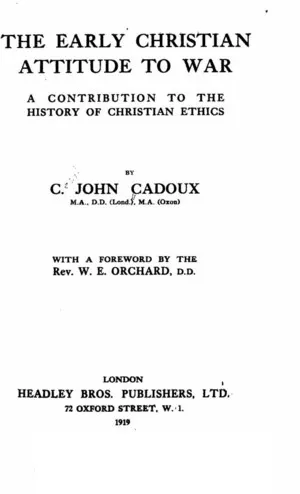
John Cecil Cadoux · 1919
Published shortly after the First World War, this book is an examination of Christian ethics regarding war and peace which begins with the teachings of Jesus and continues through the first 2 centuries of the Christian…
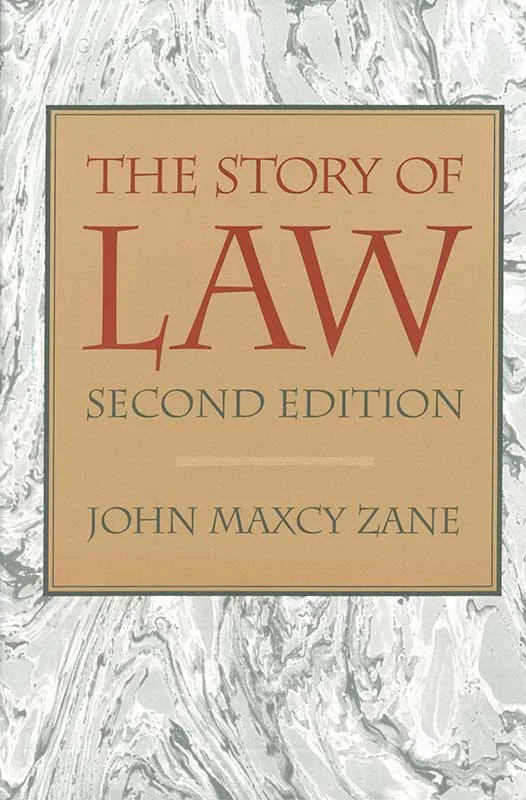
John Maxcy Zane · 1927
Written for the layman as well as the attorney, The Story of Law is the only complete outline history of the law ever published. Zane lucidly describes the growth and improvement of the law over thousands of years, and…
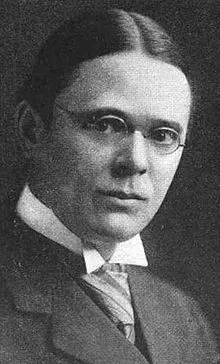
Roscoe Pound · 1930
A series of lectures given in the William L. Storrs lecture series in 1921 at the Yale University Law School.
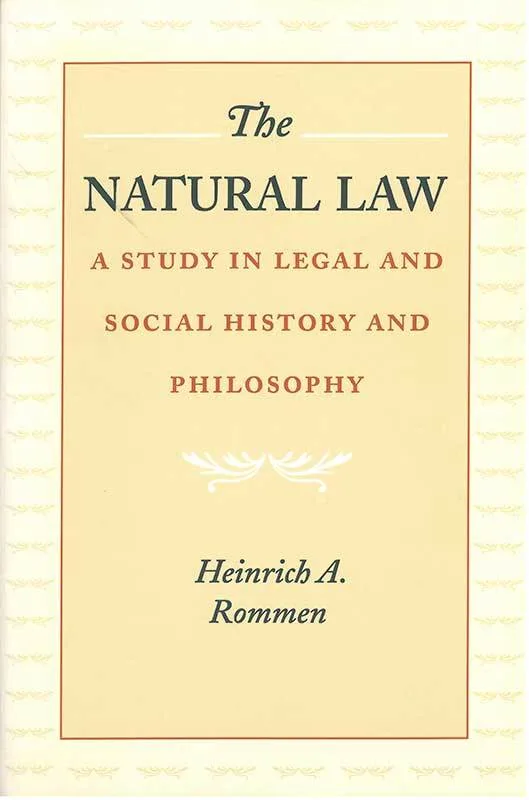
Heinrich Rommen · 1936
Originally published in German in 1936, The Natural Law is the first work to clarify the differences between traditional natural law as represented in the writings of Cicero, Aquinas, and Hooker and the revolutionary…
Charles Howard McIlwain · 1947
Constitutionalism: Ancient and Modern explores the very roots of liberty by examining the development of modern constitutionalism from its ancient and medieval origins. Derived from a series of lectures delivered by…
Theodore Frank Thomas Plucknett · 1956
Plucknett’s work provides a common-law understanding of individual rights, not in theory only, but protected through the confusing and messy evolution of courts, and their administration as they struggled to resolve…
Roscoe Pound · 1958
Roscoe Pound, former dean of Harvard Law School, delivered a series of lectures at the University of Calcutta in 1948. In these lectures, he criticized virtually every modern mode of interpreting the law because he…
Bruno Leoni · 1961
The first edition of this book. The greatest obstacle to rule of law in our time, contends the author of this thought-provoking work, is the problem of overlegislation. In modern democratic societies, legislative bodies…
Bruno Leoni · 1961
The greatest obstacle to rule of law in our time, contends Bruno Leoni, is the problem of overlegislation. In modern democratic societies, legislative bodies are increasingly usurping functions that were and should be…
Raoul Berger · 1977
It is the thesis of this monumentally argued book that the United States Supreme Court - largely through abuses of the Fourteenth Amendment to the Constitution has embarked on “a continuing revision of the Constitution,…
James M. Buchanan · 1985
Vol. 10 of The Collected Works. In his foreword, Robert D. Tollison identifies the main objective of Geoffrey Brennan and James M. Buchanan’s The Reason of Rules: ” . . a book-length attempt to focus the energies of…
George W. Carey · 1989
In Defense of the Constitution refutes modern critics of the Constitution who assail it as “reactionary” or “undemocratic.” The author argues that modern disciples of Progressivism are determined to centralize political…
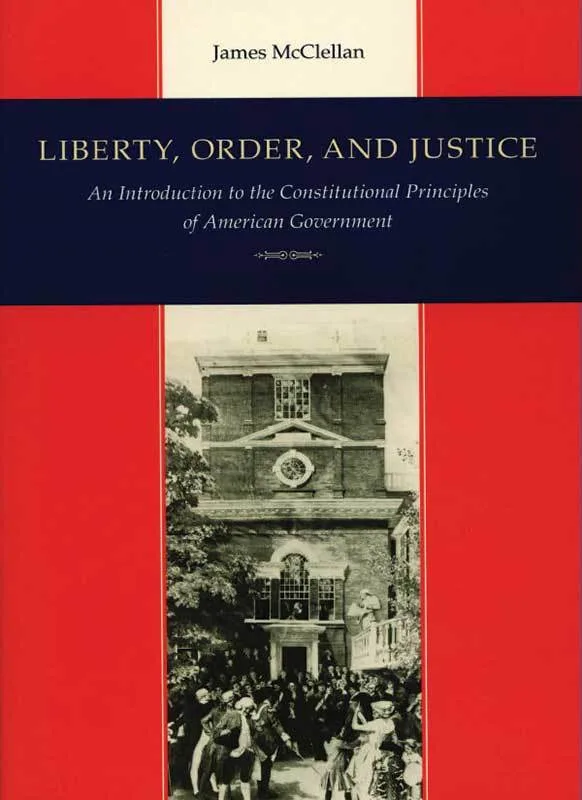
James McClellan · 1989
Liberty, Order, and Justice seeks to familiarize students with the basic principles of the Constitution, and to explain their origin, meaning, and purpose. Particular emphasis is placed on federalism and the separation…
John Phillip Reid · 1993
This is a critical collection of essays on the origin and nature of the idea of liberty. The authors explore the development of English ideas of liberty and the relationship those ideas hold to modern conceptions of…
Donald S. Lutz · 1998
A collection of eighty documents which demonstrate how local government in colonial America was the seedbed of American constitutionalism. Most of these documents, commencing with the Agreement of the Settlers at Exeter…
Colleen A. Sheehan · 1998
A collection of pamphlets, speeches, and other pro-ratification writings of George Washington, Benjamin Rush, Nicholas Collin, John Dickinson, James Wilson, Tench Coxe, Benjamin Franklin, Noah Webster, Roger Sherman,…
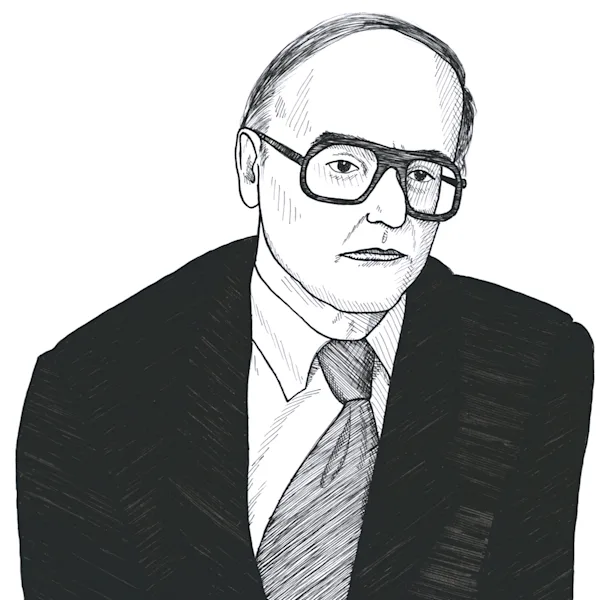
Ernest van den Haag · 2000
Dutch-born criminologist Ernest van den Haag talks about his work on criminology, criminal justice, punishment, and the foundations of a free society.
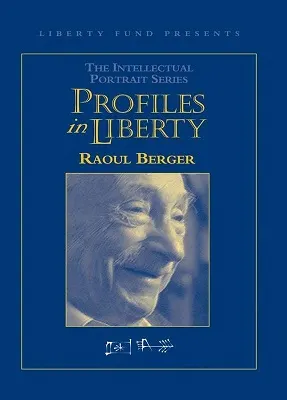
Raoul Berger · 2000
Raoul Berger, an expert in constitutional law, talks about his earliest days as a young Russian émigré in Chicago, his first career in music, and his later fascination with the legal underpinnings of a free society.…
Ronald H. Coase · 2002
Ronald Coase talks about his life work, his contributions to economics, and the law and economics movement which he helped create as editor of the Journal of law of Economics from 1964 to 1982. Watch the video and…
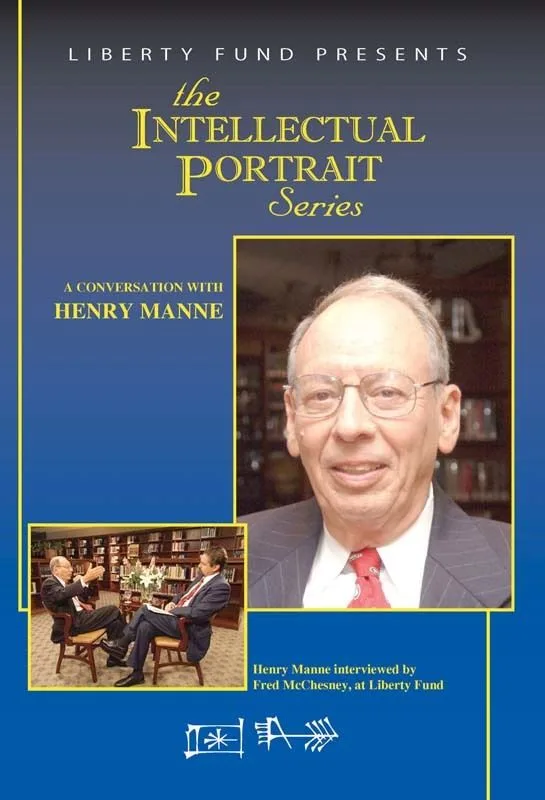
Henry Manne · 2006
Fred McChesney, the James B. Haddad Professor at Northwestern University School of Law, interviews Henry Manne who founded the Center for Law and Economics, now at George Mason University, and has directed scores of law…
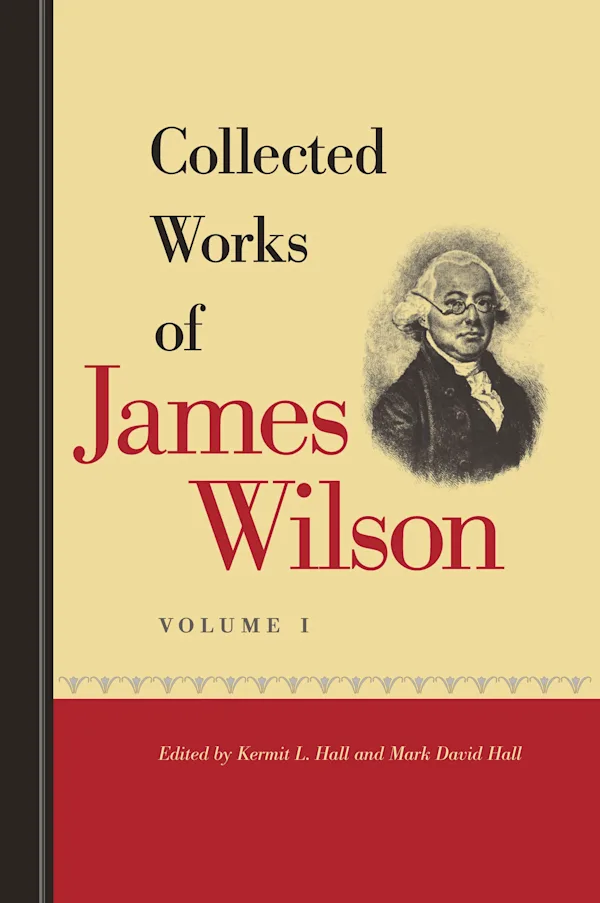
James Wilson · 2007
This two-volume set brings together a collection of writings and speeches of James Wilson, one of only six signers of both the Declaration of Independence and the Constitution, and one of the most influential members of…
James Wilson · 2007
This two-volume set brings together a collection of writings and speeches of James Wilson, one of only six signers of both the Declaration of Independence and the Constitution, and one of the most influential members of…
James Wilson · 2007
This two-volume set brings together a collection of writings and speeches of James Wilson, one of only six signers of both the Declaration of Independence and the Constitution, and one of the most influential members of…
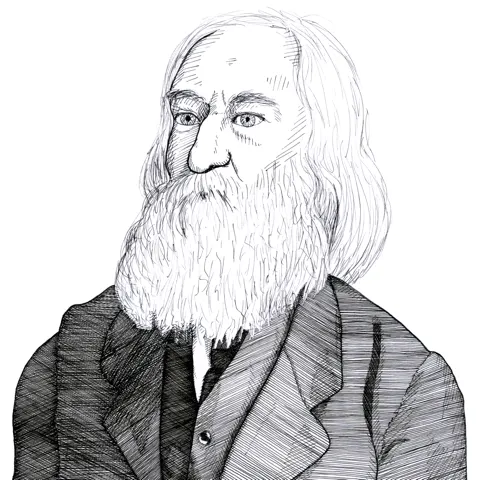
Lysander Spooner · 2010
This is a compilation of Spooner’s shorter works and pamphlets. Vol. 1 contains works on deism, law, poverty, the post office, and money, which were published between 1834 and 1861. Vol. 2 contains works on money and…
Lysander Spooner · 2010
This is a compilation of Spooner’s shorter works on deism, law, poverty, the post office, and money, which were published between 1834 and 1861.
Lysander Spooner · 2010
This is a compilation of Spooner’s shorter works and pamphlets. Vol. 2 contains works on money and banking, copyright, law, and political philosophy, which were published between 1861 and 1884. The essay “Vices are not…
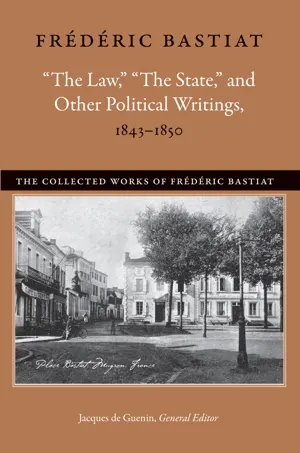
Frédéric Bastiat · 2012
Volume 2 of a collection of the works of the 19th century French political economist Frédéric Bastiat. This volume contains 19 essays on political theory, including “The State,” “The Law,” and “Property and Plunder.” A…
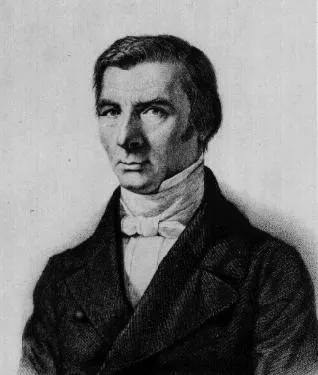
Frédéric Bastiat · 2013
The Best of Bastiat (BOB) is a collection of some of the best material in Liberty Fund’s 6 volume edition of The Collected Works of Frédéric Bastiat (2011-). They are chapter length extracts and have been edited as…
Fernando R. Tesón · 2014
In this online discussion, Fernando R. Tesón explores what Grotius thought about the proper relationship between the laws of nature and the laws of nations, what limits (if any) can be legitimately and rightly placed on…
Justin Champion · 2015
This Liberty Matters discussion invited four leading historians to explain what Magna Carta was, why it has appealed to so many people over the years, the impact it has had on the development of Anglo-American legal and…
Lysander Spooner · 2015
This a draft of the second edition of the collected works of the 19th century American legal theorist and abolitionist Lysander Spooner in chronological order of the year of publication. It is in a single large file in…
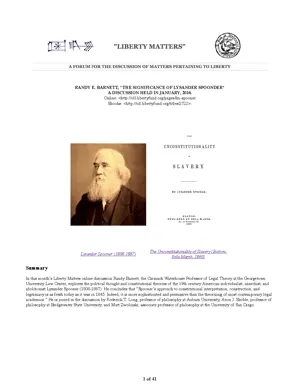
Randy E. Barnett · 2016
In this discussion Randy Barnett explores the political thought and constitutional theories of the 19th century American individualist, anarchist, and abolitionist Lysander Spooner (1808-1887). He concludes that…
Lysander Spooner · 2018
This is a five volume collection of the works of the 19th century American legal theorist and abolitionist Lysander Spooner. It is in chronological order of the year of publication. A full list of Spooner's works in…
Lysander Spooner · 2018
This a 5 volume collection of the works of the 19th century American legal theorist and abolitionist in chronological order of the year of publication. Vol. 1 contains 10 pieces from the period 1834-1850.
Lysander Spooner · 2018
This a 5 volume collection of the works of the 19th century American legal theorist and abolitionist in chronological order of the year of publication. Vol. 2 contains material from 1852-1855, namely An Essay on the…
Lysander Spooner · 2018
This a 5 volume collection of the works of the 19th century American legal theorist and abolitionist in chronological order of the year of publication. Vol. 3 contains material from 1858-1862, including works on the…
Lysander Spooner · 2018
This a 5 volume collection of the works of the 19th century American legal theorist and abolitionist in chronological order of the year of publication. Vol. 4 contains material from 1863-1873.
Lysander Spooner · 2018
This a 5 volume collection of the works of the 19th century American legal theorist and abolitionist in chronological order of the year of publication. Vol. 5 contains material from 1875-1886. The essay "Vices are not…
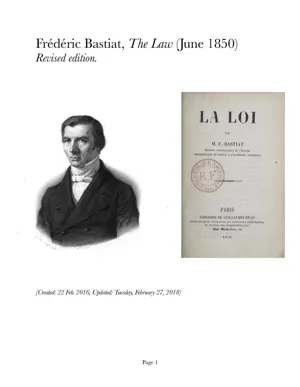
Frédéric Bastiat · 2018
This is a revised edition of Liberty Fund's translation of Bastiat's famous essay on The State which was one of the last things he wrote before he died in 1850.
In this collection
74 people central to Law.
b. 1969
Jonathan H. Adler is the inaugural Johan Verheij Memorial Professor of Law and the Director of the Coleman P. Burke Center for…

b. 1952
Randy E. Barnett is the Carmack Waterhouse Professor of Legal Theory at the Georgetown University Law Center, where he teaches…

1738–1794
Beccaria was an Italian legal philosopher, political economist and politician who was much influenced by the French philosophes. In Milan…

1901–2000
Raoul Berger retired in 1976 as Charles Warren Senior Fellow in American Legal History, Harvard University.

1723–1780
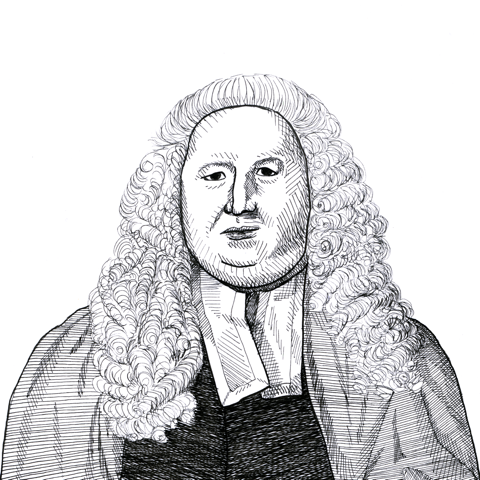
Sir William Blackstone’s (1723-1780) four-volume Commentaries on the Laws of England assures him a place in history as one of the greatest…

For nearly 20 years, Jonathan Blanks has provided a unique voice on policing, the courts, the U.S. Constitution, and cultural issues.

1769–1821
Napoléon Bonaparte (1769-1821) was an artillery officer in the French Army during the French Revolution before becoming First Consul in…


1856–1941
Louis Brandeis (1856 - 1941) was an American lawyer and Associate Justice of the United States Supreme Court. He helped develop the “right…

1838–1922
Viscount James Bryce (1838-1922) was a British jurist, historian, and statesman. From 1907 to 1913 he was England’s ambassador to the…

Gary Chartier is an American legal scholar who currently serves as Distinguished Professor of Law and Business Ethics and Associate Dean of…

1552–1634
Sir Edward Coke (pronounced cook) (1552-1634) was a lawyer, Member of Parliament, and judge of great renown. He is considered one of the…

David Davenport is a research fellow emeritus at the Hoover Institution of Stanford University and is the former president of Pepperdine…

Brandon R. Davis is an Assistant Professor of Law and Society at The School of Public Affairs and Administration at The University of…

1835–1922
Albert Venn Dicey (1835-1922) was a leading constitutional lawyer and Vinerian Professor of English Law at Oxford University from 1882 to…

b. 1962
Bruce Frohnen is assistant professor of law at the Ave Maria School of Law in Ann Arbor, Michigan.

130–180
Gaius (130-180) was a Roman jurist whose writings became authoritative legal texts during the late Roman Empire. Gaius made one of the…
b. 1956
Michael S. Greve is a Professor of law at Antonin Scalia Law School and author of The Upside-Down Constitution (Harvard University Press,…
b. 1947
Stephen P. Halbrook, an attorney in Fairfax, Virginia, is author of The Founders’ Second Amendment and That Every Man Be Armed, among other…

1792 BC–1750 BC
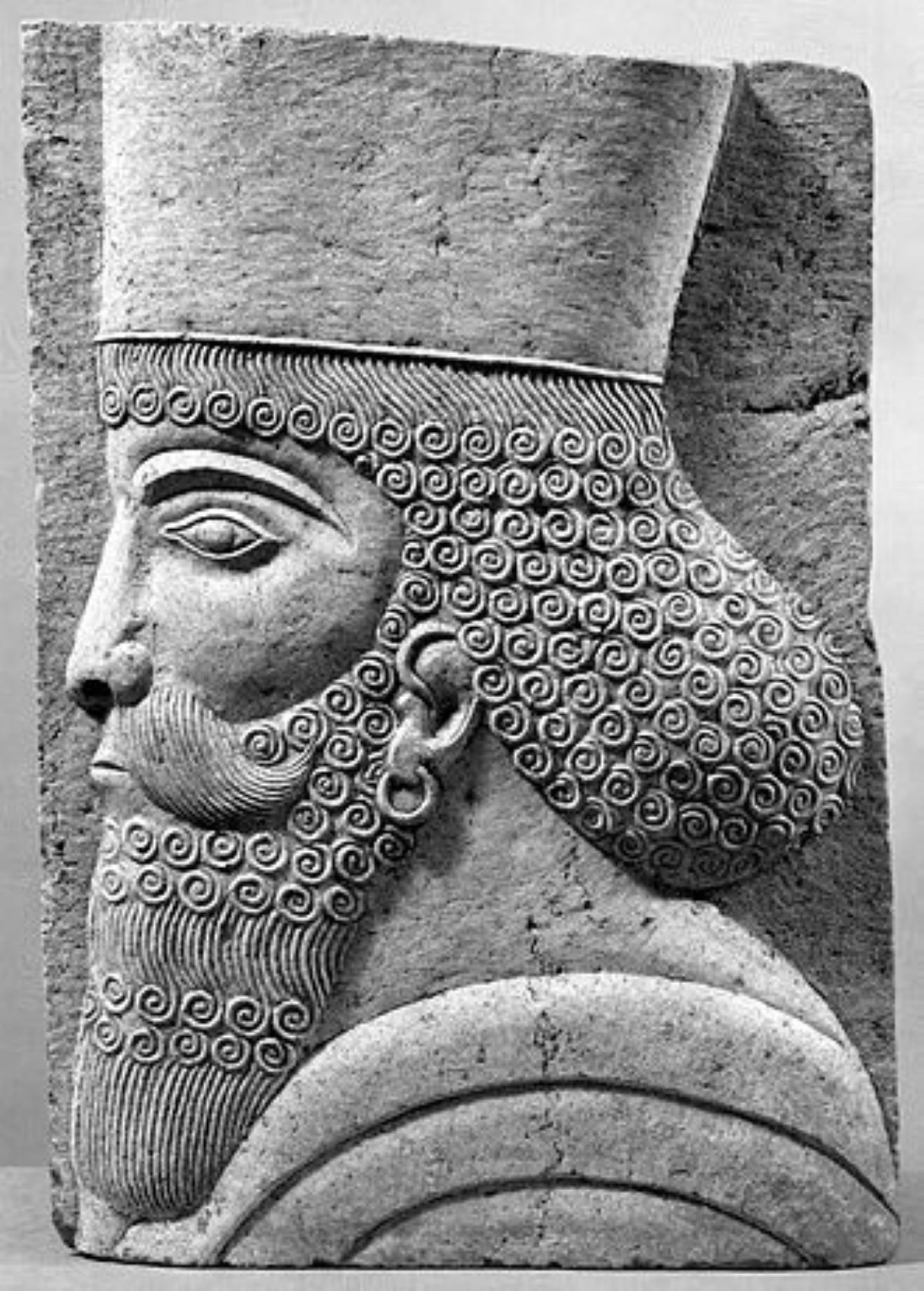
King Hammurabi ruled Babylon from 1792-1750 B.C. Towards the end of his reign his legal decisions were collected and inscribed on a diorite…

1681–1741
Johann Gottlieb Heineccius (1681–1741) studied theology at Leipzig and later law at the newly founded (1694) University at Halle, where he…
b. 1940
Richard H. Helmholz (1940 - ) is the Ruth Wyatt Rosenson Distinguished Service Professor of Law at the University of Chicago.

1871–1944
Holdsworth was the Vinerian Professor of English Law at the University of Oxford.

1851–1911
Georg Jellinek (1851-1911) was a German legal historian and theorist who wrote on human and civil rights, electoral law, and the rights of…

1857–1920
Johns was a lecturer at Queen's College, Cambridge and King's College, London and a prolific author of books on ancient law codes.

1696–1782
Henry Home, Lord Kames, one of the leaders of the Scottish Enlightenment, was a judge in the supreme courts of Scotland and wrote…

1841–1899
Lalor is best known as the editor of the mammoth three volume cyclopedia of economics and political science which he published in the late…

1913–1967
Bruno Leoni (1913-1967) was Professor of Legal Theory and the Theory of the State at the University of Pavia, a practicing lawyer, founder…

1798–1872
Franz (Francis) Lieber was a German-American legal theorist and political philosopher. He fought with the Prussian army against Napoleon…

Adam J. Macleod is Professor of Law at Faulkner University, Jones School of Law and the author of Property and Practical Reason (Cambridge…

1822–1888
Sir Henry Sumner Maine (1822-1888) was one of the great intellects of the Victorian era. He trained as a lawyer, taught Civil Law at…

1850–1906
Frederic William Maitland (1850–1906) was an English jurist and historian who, like Pollock, attended Eton and then Trinity College,…

b. 1928
Henry Manne was one of the early proponents of the study of law and economics. He founded the Center for Law and Economics, now at George…

1755–1835
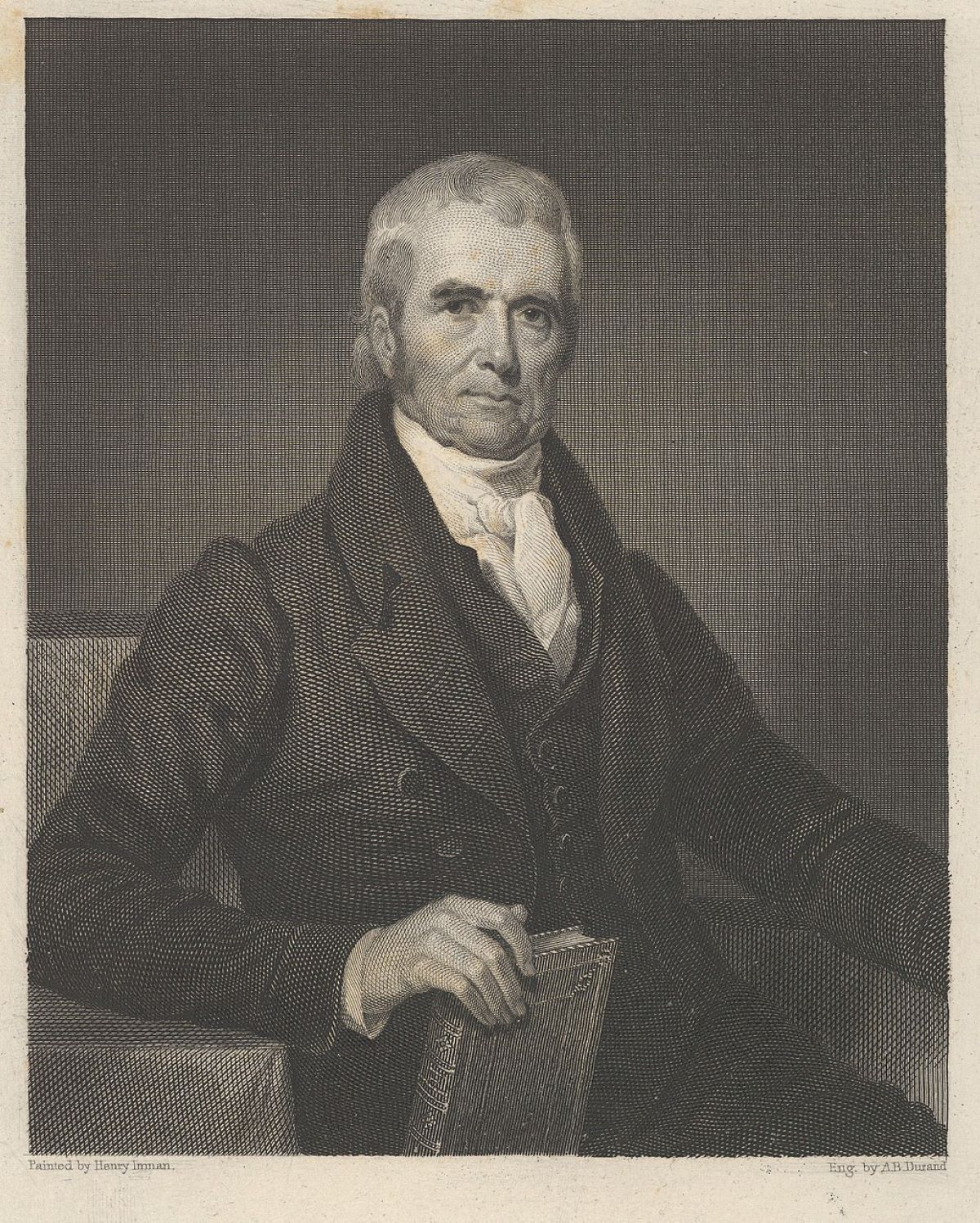
John Marshall was the Third Chief Justice of the United States and was chosen by George Washington’s executor to write an authorized…
1937–2005
Prior to his appointment in 1999 as James Bryce Visiting Fellow in American Studies at the Institute of United States Studies of the…

1735–1801
Millar attended the University of Glasgow where he heard Adam Smith lecture. He became an advocate in 1760, and in 1761 he accepted the…

Henry Olsen is a Senior Fellow at the Ethics and Public Policy Center and a columnist at The Washington Post. He has previously served as a…

142–212
Aemilius (Papinian) Papinianus (142 – 212) was one of the classical Roman jurist. He authored fifty-six books on legal questions and…

1897–1965
Theodore Plucknett (1897-1965) was an English legal historian. In 1923 he was appointed by Roscoe Pound as professor of legal history at…

1845–1937
Sir Frederick Pollock (1845–1937) was educated at Eton before going to Trinity College, Cambridge. He was admitted to the bar in 1871 and…

1870–1964
Roscoe Pound (1870-1964) is universally recognized as one of the most important legal minds of the early twentieth century. Considered by…

1632–1694
Samuel Pufendorf was born in Saxony in 1632, the son of a Lutheran clergyman. He studied at Leipzig and Jena and held the first modern…
David Reed is the founder at Center for Public Administrators. I am an Associate Editor of the peer-reviewed journal Public Integrity.
Charles J. Reid, Jr., is a professor of law at Emory University School of Law, Atlanta.
b. 1930
Reid is Professor of Legal History at the New York University School of Law. He has held fellowships with the Guggenheim Foundation and the…

1897–1967
Heinrich Rommen was a Catholic German lawyer who practised in Germany during the Weimar Republic before fleeing to the United States in…

1773–1843
John Rowan was born in Pennsylvania in 1773. He studied law in Lexington, was admitted to the bar in 1795, and became a successful criminal…
David Saunders is Professor Emeritus in the Faculty of Arts at Griffith University.

1779–1861
Friedrich Carl von Savigny (1779 - 1861) was a German jurist and historian. He was one of the founders of the influential “historical…
This committee oversaw the editing of a massive 3 volume survey of American and English law with articles by the leading authorities of the…
1811–1859
Theodore Sedgwick (1811-1859) was the US Attorney for the southern district of New York and edited the political writings of the Jacksonian…

1810–1883
Sharswood was the Chief Justice of the Supreme Court of Pennsylvania and the editor of an American edition of Blackstone's Commentaries on…
b. 1963
Steve Sheppard is a professor at the School of Law, University of Arkansas. He writes on constitutional history and theory, legal history,…

1658–1701
Bartholomew Shower (1658 – 1701) was an English lawyer and politician. He was also prominent in promoting measures for moral reform. In…

1920–2016
Trained in both economics and law, Ljubo Sirc united the perspective of a scholar with personal experience to observe firsthand the dangers…

1851–1937
Bruce Smith (1851-1937) was an Australian Barrister and a Member of the Parliament of New South Wales in the late 19th and early 20th…

1762–1840
William Smith was born in South Carolina in 1762. He was elected as a Republican to the state senate from 1803 to 1808, and was elected…

Ilya Somin is Professor of Law at George Mason University and B. Kenneth Simon Chair in Constitutional Studies at the Cato Institute.

1808–1887
Lysander Spooner (1808-1887) was a legal theorist, abolitionist, and radical individualist who started his own mail company in order to…

b. 1956
Dane Starbuck is a native of Winchester, Indiana, an attorney practicing law in Carmel, Indiana, and serves as a director of Liberty Fund,…
b. 1926
Stein was Regius Professor of Civil Law in the University of Cambridge and a Fellow of Queen's College. He wrote on legal history, Roman…

1758–1832
James Stephen (1758 – 1832) was an English lawyer and abolitionist. He was a defender of the mercantile system and government controlled…

b. 1955
James R. Stoner, Jr. is the Hermann Moyse, Jr. Professor and Director of the Eric Voegelin Institute in the Department of Political Science…
b. 1950
Fernando R. Tesón is the Simon Eminent Scholar at Florida State University College of Law.

1655–1728
Christian Thomasius (1655-1728) was professor of natural law at Leipzig University. He was a follower of Hugo Grotius and an ardent…

1857–1926
Francis Thorpe (1857-1926) was a member of the Pennsylvania Bar and a Professor of American Constitutional History at the University of…

1857–1903
Christopher Tiedeman (1857-1903) was a conservative American legal scholar who was part of the group known as the “laisser-faire…

1752–1827
St. George Tucker was an officer in the American Revolutionary Army, a Professor of Law, justice of the Supreme Court of Virginia,

b. 2350 BC
Urukagina, the leader of the Sumerian city-state of Girsu/Lagash, led a popular movement that resulted in the reform of the oppressive…
1679–1754
Christian Wolff was a prominent German philosopher, mathematician, and jurist, recognized as a leading figure in the Enlightenment and a…

1863–1937
John Zane was a leading lawyer in Utah and Chicago in the late 19th and early 20th centuries. He wrote on the the law of banking, Roman…

Michael Zigismund is a Senior Associate Attorney and Director of the Immigration Law Department at The Law Offices of Robert Tsigler. He…
In this collection
From The Reading Room, Liberty Matters and the library’s other publications.





Walter Donway · Apr 05, 2023

Sarah Skwire, Jacob T. Levy, Aeon J. Skoble · Mar 29, 2022

Sir William Blackstone · Mar 12, 2013
Passages on this subject, chosen by OLL editors.
One example of this change in political opinion is to be found in the altered attitude of the public towards peace and economy. During the era of Benthamism “peace and retrenchment” were the watchwords of all serious statesmen. This formula has now fallen out of remembrance.
The point to be noted is that this fact is significant of a very profound revolution in political belief. The demand for peace abroad and economy at home stood in very close connection with the passion for individual freedom of action which was a leading characteristic of Benthamite liberalism. Peace ought to mean light, and war certainly does mean heavy taxation, but heavy taxation whether justifiable, as it often is, or not, always must be a curtailment of each citizen’s power to employ his property in the way he himself chooses.
The Habeas Corpus Act is also a great security against oppression, as by it any one can procure triall at Westminster within 40 days who can afford to transport himself thither. Before this Act the Privy Councill could put any one they pleased into prison and detain him at pleasure without bringing him to triall. Now no one can be imprisoned anywhere but in the county gaol or the nearest to it where the crime is said to have been committed; he cant be sent out of Britain to Jersey, | Guernsey, or the plantations, that is, alway[s] within the extent of the Hab. Corp. Act.—This sufficiently secures the liberty of the people; for tho many could not afford the expense, yet it is not such who will be in greatest danger from the king. The rich and powerfull are most obnoxious to his displeasure; tis rich and not poor folk who are sent to the Bastile in France. No judge can oppose the Habeas Corpus Act; infamy and a high penalty are the punishment which attend it. No influence of the king could ever induce them to make any such attem[p]t. And so strict is this Act that in the time of rebellions or other exigencies of the state, when it is necessary to imprison without such speedy triall, it is commonly taken off for 6 months. But it will never be allowed to be reppealed, as that would destroy in a great measure the liberty of the subject.
It is in Britain alone that any consent of the people is required, and God knows it is but a very figurative metaphoricall consent which is given here. And in Scotland still more than in England, as but very few have a vote for a Member of Parliament | who give this metaphoricall consent; and yet this is not any where reckoned a sufficient cause of rebellion. No doubt the raising of a very exorbitant tax, as the raising as much in peace as in war, or the half or even the fifth of the wealth of the nation, would, as well as any other gross abuse of power, justify resistance in the people.
Man is an anxious animal and must have his care swept off by something that can exhilarate the spirits. It is alledged that this tax upon beer is an artificial security against drunkeness, but if we attend to it, we shall find that it by no means prevents it. In countries where strong liquors are cheap, as in France and Spain, the people are generally sober. But in northern countries, where they are dear, they do not get drunk with beer but with spirituous liquors. No body presses his friend to a glass of beer unless he choose it.
By this we may see what a miserable life the slaves must have led; their life and their property intirely at the mercy of another, and their liberty, if they could be said to have any, at his disposall also. But besides these hardships which are commonly taken notice of by writers, they laboured under severall others which are not so generally attended to. (FROM LJ(A) iii.94) - Adam Smith
SECTION 11: That which is not just, is not Law; and that which is not Law, ought not to be obeyed.
… the directive power of the law, which is certain, and grounded upon the inherent good and rectitude that is in it, is that alone which has a power over the conscience, whereas the coercive is merely contingent; and the most just powers commanding the most just things, have so often fallen under the violence of the most unjust men, commanding the most execrable villainies, that if they were therefore to be obeyed, the consciences of men must be regulated by the success of a battle or conspiracy, than which nothing can be affirmed more impious and absurd….
If this were so, the governments of the world might be justly called magna latrocinia; and men laying aside all considerations of reason or justice, ought only to follow those who can inflict the greatest punishments, or give the greatest rewards. But since the reception of such opinions would be the extirpation of all that can be called good, we must look for another rule of our obedience, and shall find that to be the law, which being, as I said before, sanctio recta, must be founded upon that eternal principle of reason and truth, from whence the rule of justice which is sacred and pure ought to be deduced, and not from the depraved will of man, which fluctuating according to the different interests, humors and passions that at several times reign in several nations, one day abrogates what had been enacted the other. The sanction therefore that deserves the name of a law, which derives not its excellency from antiquity, or from the dignity of the legislators, but from an intrinsick equity and justice, ought to be made in pursuance of that universal reason to which all nations at all times owe an equal veneration and obedience.
We have seen in the preceding lecture that notwithstanding many similarities that may exist between voters on the one hand and market operators on the other, the actions of the two are far from actually being similar. No procedural rule seems able to allow voters to act in the same flexible, independent, consistent, and efficient way as operators employing individual choice in the market. While it is true that both voting and operating in the market are individual actions, we are compelled, however, to conclude that voting is a kind of individual action that almost inevitably undergoes a kind of distortion in its use.
Unless I am wrong, there is more than an analogy between the market economy and a judiciary or lawyers' law, just as there is much more than an analogy between a planned economy and legislation. If one considers that the market economy was most successful both in Rome and in the Anglo-Saxon countries within the framework of, respectively, a lawyers' and a judiciary law, the conclusion seems to be reasonable that this was not a mere coincidence.
| |
-------------- | -------------- | --------------
Cicero(106-43 BC) | Edward Coke (1552-1634) | Bruno Leoni (1913-1967)
See also the extracts, chapters, and introductions in the Law section of the Ideas page.

Law
7 titles · 14 people · 4 quotes
Law
20 titles · 7 publications · 25 people
12 titles · 1 publication · 11 people
2 titles · 6 people
Law
41 titles · 25 publications · 75 people

Political Science
17 titles · 1 publication · 35 people