
Arthur John Arberry
1905–1969
Arberry was the Sir Thomas Adams's Professor of Arabic in the University of Cambridge.


Science
63 items in this collection
The right to inquire freely about questions of science is an important part of a free society. The discoveries that arise from this kind of open inquiry often help to build the free society even as they arise from it.
In this collection
23 titles, earliest first.
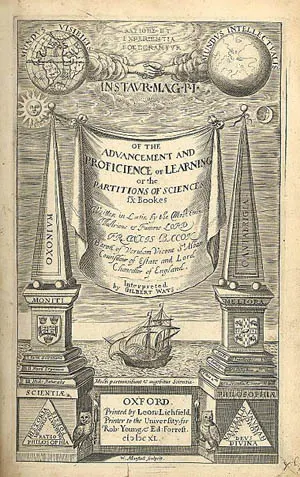
Sir Francis Bacon · 1605
The first of Bacon’s writings on the nature of science and the scientific method. He also had a view of the unity of knowledge, both scientific and non-scientific.
Sir Francis Bacon · 1620
Part of a larger but incomplete magnum opus in which Bacon demonstrates the use of the scientific method to discover knowledge about the natural world. Many of the examples in this volume concern the nature of heat and…
Galileo Galilei · 1638
A treatise on physics in the form of a dialogue. It deals with how solid bodies resist fracturing, the behavior of bodies in motion, the nature of acceleration, and projectile motion.
Sir Isaac Newton · 1687
Newton’s most famous work Principia (1687) explains the laws governing the motion of physical objects. Principia rests on the new branch of mathematics that Newton invented simultaneously with Leibniz (1646-1716),…
Immanuel Kant · 1783
It is here and in the Critique of Pure Reason that Kant attempted to rebuild modern philosophy from its foundations up in order to demonstrate that philosophers (like the rationalists Leibnitz and Descartes) and…
John Stuart Mill · 1827
Vol. 31 of the 33 vol. Collected Works contains Mill’s writings on botany and reviews of medical books. It also contains his edition of Bentham’s Rationale of Judicial Evidence and his father’s Analysis of the Phenomena…
Saint Bede · 1843
An 8 volume collection of the works of Bede including his poetry, letters, Ecclesiastical history, historical and scientific tracts, homilies, and commentaries on the scriptures. Vol. 6 contains numerous scientific…
Hippocrates · 1846
A detailed summary of the major writings of two of the leading doctors of the ancient Greek and Roman world by one of the pioneering doctors of the early American Republic.
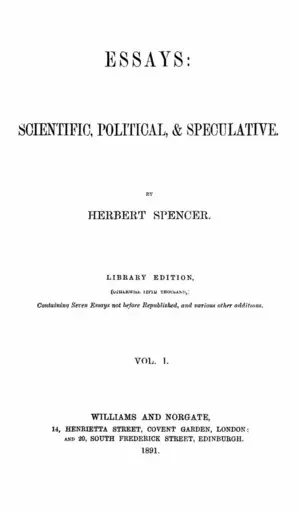
Herbert Spencer · 1852
Volume 1 of a three volume collection of Spencer’s essays which cover political philosophy, sociology, science, and current affairs.
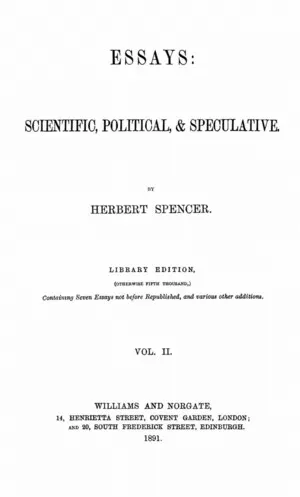
Herbert Spencer · 1854
Volume 2 of a three volume collection of Spencer’s essays which cover political philosophy, sociology, science, and current affairs.
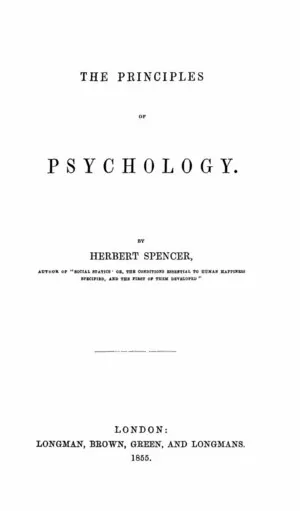
Herbert Spencer · 1855
In this volume Spencer elaborates his views on reasoning, perception, the nature of life, intelligence, feeling, and the will.
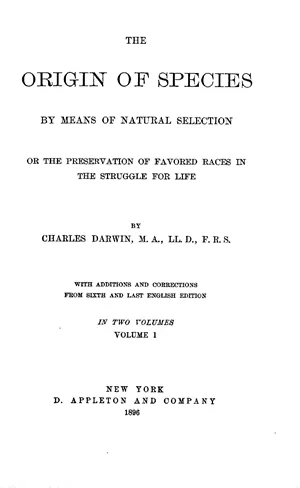
Charles Darwin · 1859
This is Darwin’s most famous book. Here he puts forward the idea that all species evolve over time from common ancestors by a process which he called “natural selection.” It was based upon the evidence he had…
Charles Darwin · 1859
Vol. 1 of a two volume set. This is Darwin’s most famous book. Here he puts forward the idea that all species evolve over time from common ancestors by a process which he called “natural selection.” It was based upon…
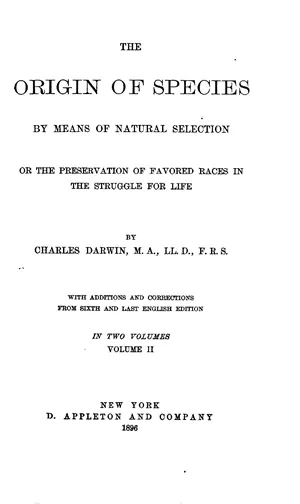
Charles Darwin · 1859
Vol. 2 of a two volume set. This is Darwin’s most famous book. Here he puts forward the idea that all species evolve over time from common ancestors by a process which he called “natural selection.” It was based upon…
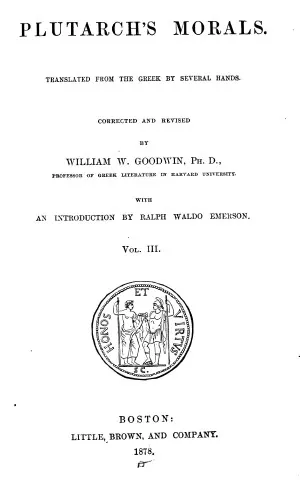
Plutarch · 1878
Vol. 3 of a massive 5 volume work in which Plutarch muses on all manner of topics ranging from virtue and vice, friendship, flattery, the nature of love, stoic philosophy, fate, to the nature of government.
Herbert Spencer · 1891
A three volume collection of Spencer’s essays which cover political philosophy, sociology, science, and current affairs.
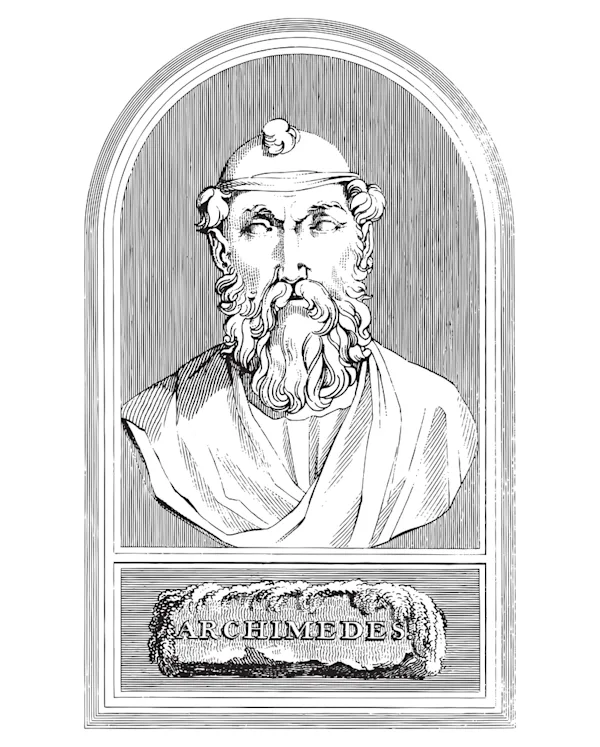
Archimedes · 1897
A comprehensive edition of the major writings of the ancient Greek mathematician and inventor Archimedes, this volume presents his works in modern notation along with extensive introductory chapters by Heath.
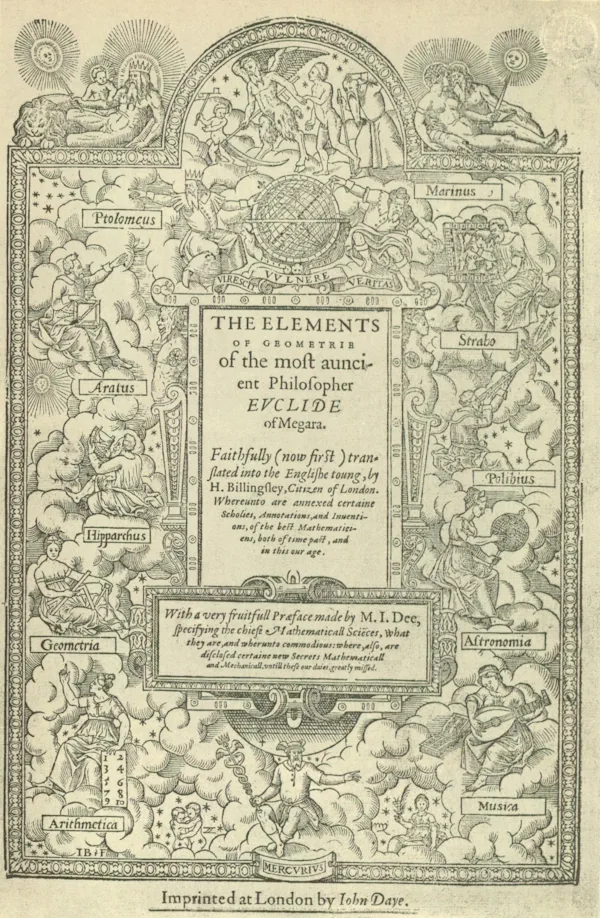
Euclid · 1898
A late 19th century edition of Euclid’s work on geometry for use in English schools.
Geoffrey Chaucer · 1899
The late 19th century Skeat edition with copious scholarly notes and a good introduction to the texts.
Aristotle · 1901
Aristotle sets out the conditions under which scientific arguments will provide true knowledge; where true conclusions are deduced from first principles and basic principles are used to explain more complex ones.
Benjamin Franklin · 1904
Volume 2 of a 12 volume collection of the works of Franklin edited by the New York lawyer and politician John Bigelow. Vol. 2 contains a essays and letters written between 1735 and 1753.
Titus Lucretius Carus · 1910
Lucretius expounds the Epicurian view that the world can be explained by the operation of material forces and natural laws and thus one should not fear the gods or death. He had a considerable influence on writers such…
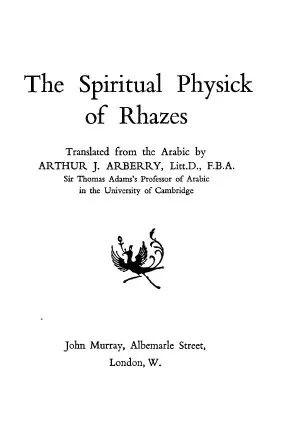
Rhazes · 1950
Rhazes’ medical works were important source books for Western physicians until the rise of modern medicine in the nineteenth century. His most acclaimed work on human psychology and spirituality was The Spiritual Physic.
In this collection
16 people central to Science.
1905–1969
Arberry was the Sir Thomas Adams's Professor of Arabic in the University of Cambridge.

290 BC–0
Archimedes was a renowned mathematician and inventor of the ancient world. He is most famous for discovering the relationship between the…

1561–1626
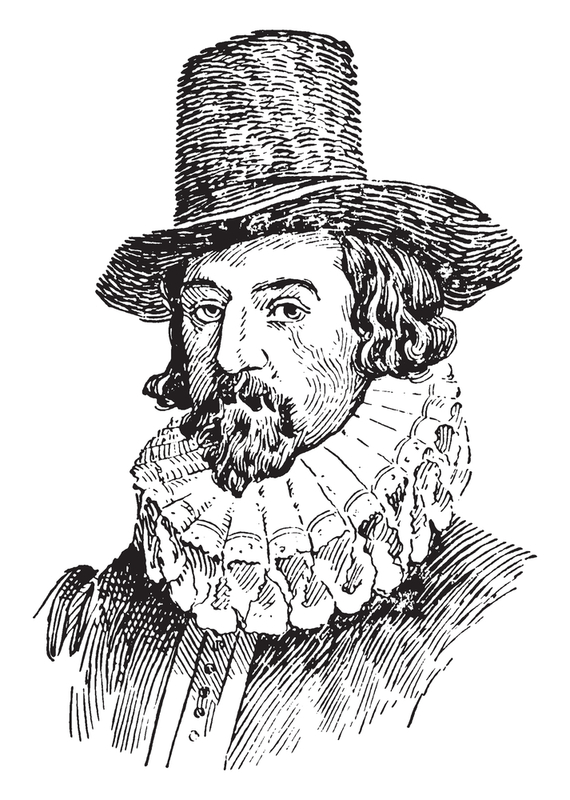
Sir Francis Bacon (1561-1626) was trained as a lawyer but made a name for himself as one of the clearest exponents of the scientific method…

1809–1882
Darwin studied medicine at the University of Edinburgh and then theology at Cambridge before deciding to travel on the H.M.S. Beagle to…

365 BC–300 BC
Euclid’s treatise on geometry, Elements, has made him one of the best-known mathematicians of the ancient world. Greek sources attribute a…

1847–1922
Favaro was an Italian physicist who edited the complete works of Galileo in 1890.

129–199
Galen, the founder of experimental physiology, was one of the most distinguished physicians of antiquity.

1564–1642
Galileo Galilei, an Italian mathematician, astronomer, and physicist, is considered a founder of the experimental method. His conflict with…

460 BC–377 BC
Hippocrates is traditionally regarded as the father of medicine. The famous Hippocratic Oath was inspired by later admirers of Hippocrates…

1769–1858
Jane Haldimand Marcet (1769-1858) was home-educated and became an author of popular works of chemistry, botany, religion, and economics.…

1642–1727
Sir Isaac Newton was one of the greatest scientific minds of all time. His work laid the foundations for modern physics, astronomy, and,…

1623–1662
Blaise Pascal (1623-1662) was a French mathematician and philosopher of the scientific method who became increasingly religious as he grew…

1891–1976
Stevens was a scholar of Queen's College, Oxford and the editor of Euclid's Elements.
1673–1732
Andrew Tooke (1673–1732) was headmaster of Chaterhouse School and professor of geometry at Gresham College, London.
1679–1754
Christian Wolff was a prominent German philosopher, mathematician, and jurist, recognized as a leading figure in the Enlightenment and a…
In this collection
From The Reading Room, Liberty Matters and the library’s other publications.

Carlos Alejandro Noyola Contreras · Jan 07, 2026
Walter Donway · Dec 27, 2023

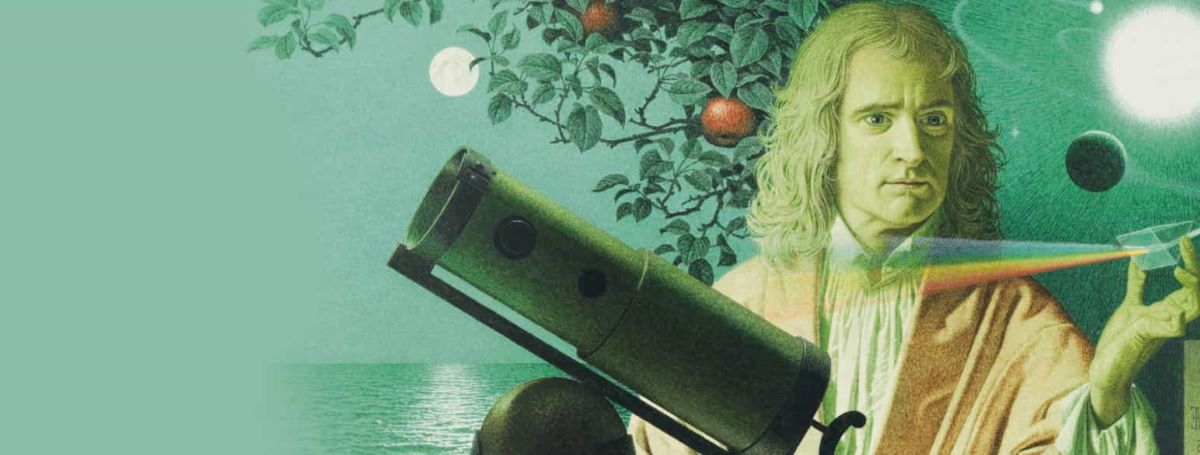
Walter Donway · Jun 28, 2023
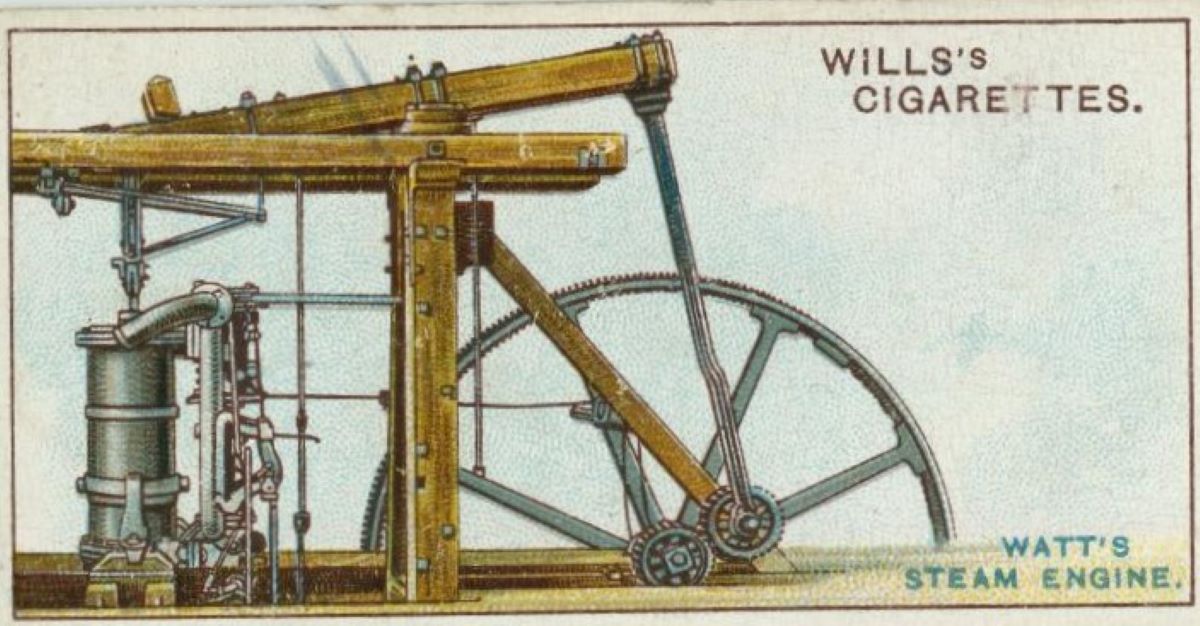
Walter Donway · Jun 07, 2023
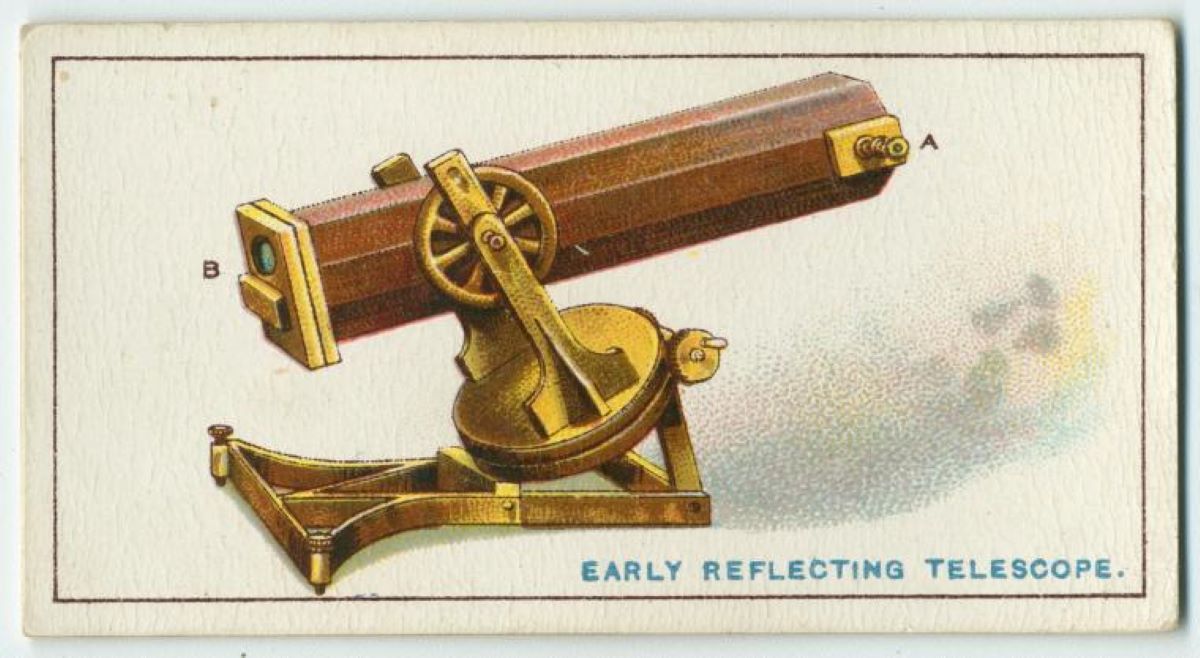
Walter Donway · May 31, 2023

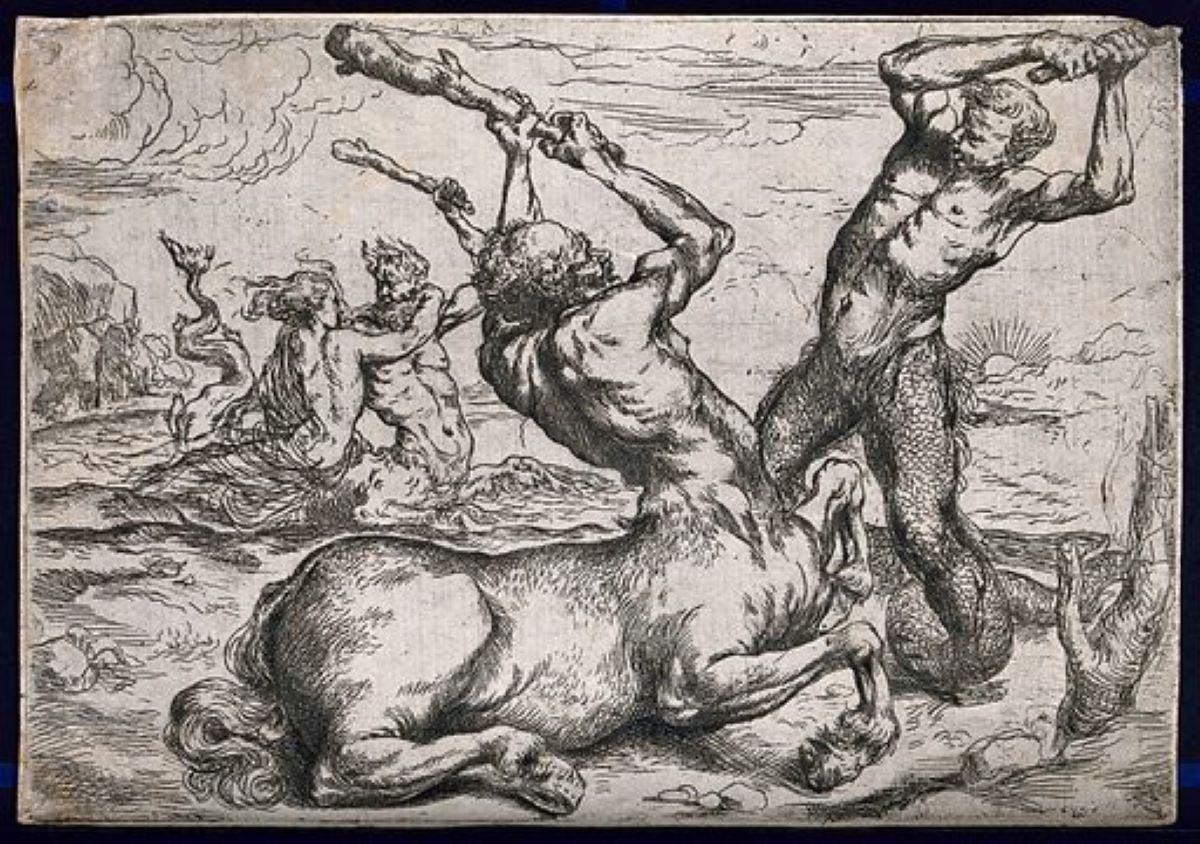
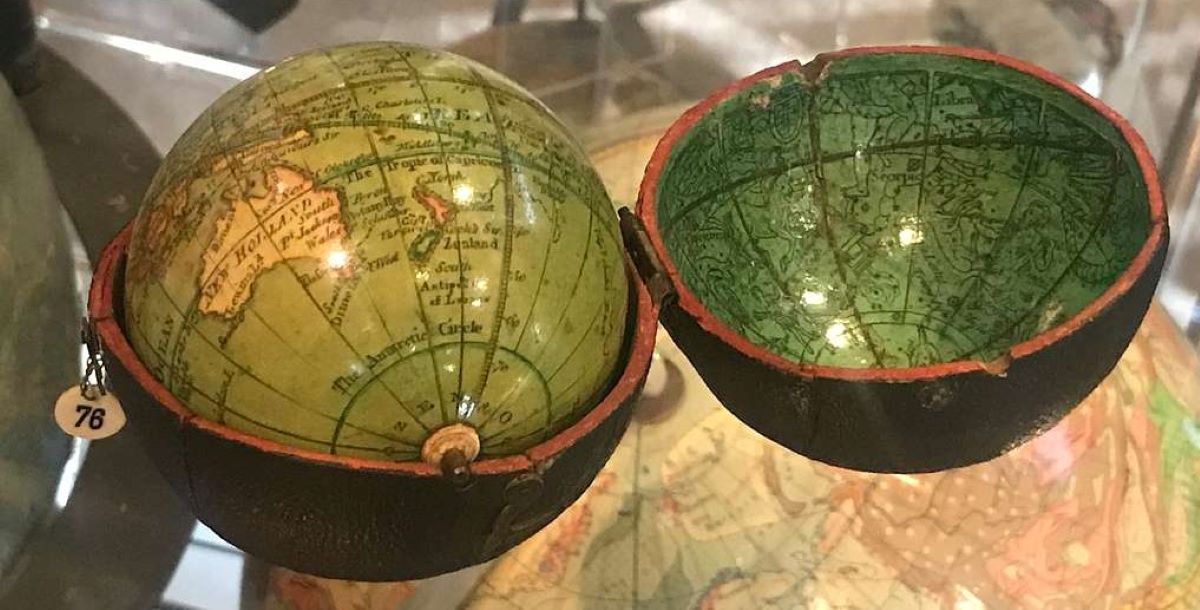
Richard Gunderman · Mar 22, 2023

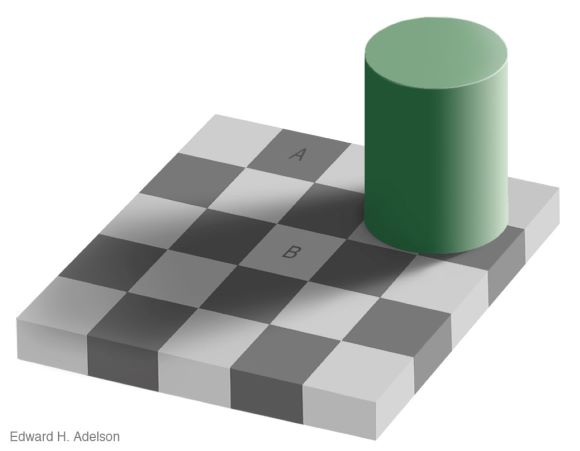
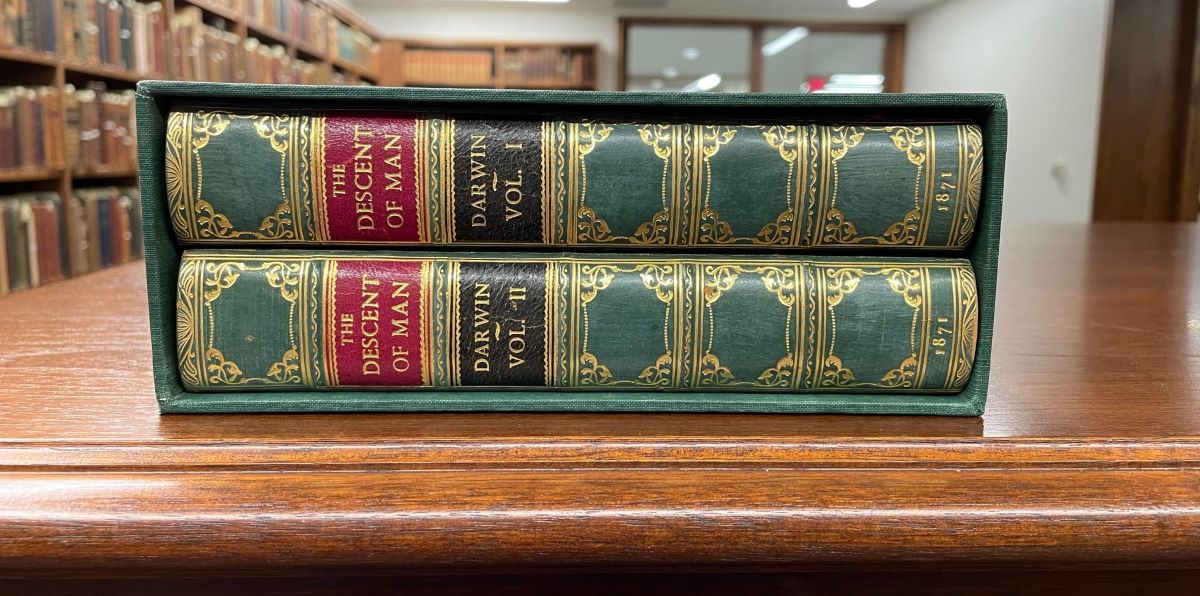
Sarah Skwire · Jan 13, 2023
Passages on this subject, chosen by OLL editors.
We wonder at all extraordinary and uncommon objects, at all the rarer phaenomena of nature, at meteors, comets, eclipses, at singular plants and animals, and at every thing, in short, with which we have before been either little or not at all acquainted; and we still wonder, though forewarned of what we are to see.
It is interesting to contemplate a tangled bank, clothed with many plants of many kinds, with birds singing on the bushes, with various insects flitting about, and with worms crawling through the damp earth, and to reflect that these elaborately constructed forms, so different from each other, and dependent upon each other in so complex a manner, have all been produced by laws acting around us... Thus, from the war of nature, from famine and death, the most exalted object which we are capable of conceiving, namely, the production of the higher animals, directly follows. There is grandeur in this view of life, with its several powers, having been originally breathed by the Creator into a few forms or into one; and that, whilst this planet has gone cycling on according to the fixed law of gravity, from so simple a beginning endless forms most beautiful and most wonderful have been, and are being evolved.
Another error is, an impatience of doubting and a blind hurry of asserting without a mature suspension of judgment. For the two ways of contemplation are like the two ways of action so frequently mentioned by the ancients; the one plain and easy at first, but in the end impassable; the other rough and fatiguing in the entrance, but soon after fair and even: so in contemplation, if we begin with certainties, we shall end in doubts; but if we begin with doubts, and are patient in them, we shall end in certainties. (FROM: ON THE DIGNITY AND ADVANCEMENT OF LEARNING, FIRST BOOK)

Philosophy (General)
184 titles · 74 publications · 159 people

Political Science
618 titles · 60 publications · 383 people

Education
11 titles · 13 publications · 18 people

Philosophy, Psychology, and Religion
209 titles · 81 publications · 198 people

Sociology
62 titles · 3 publications · 35 people

Language and Literature
43 titles · 36 publications · 60 people