

A merchant of London
Pseudonym of one who wished to convey familiarity with practical commercial matters.


Collection
180 items in this collection
As C. Bradley Thompson notes in the Liberty Fund edition of Adams Revolutionary Writings: Upon his return from the Continental Congress in the fall of 1774, Adams was met with a series of powerful and lucid essays in the Massachusetts Gazette defending the principles and policies of British officialdom and challenging the claims of the American Whigs. Writing over the pseudonym Massachusettensis, Daniel Leonard argued that the constitutional authority of Parliament did and must extend to the colonies. Theoretically, the colonies must be under the sovereignty of Parliament, Leonard insisted, because two supreme or independent authorities cannot exist in the same state. Such an imperium in imperio was absurd and a contradiction in terms. According to Leonard, there could be no possible medium between absolute independence on the one hand, and subjection to the authority of Parliament on the other. Historians have long recognized the importance of Adamss Novanglus letters to the Revolutionary cause. They were not only a close, point-by-point refutation of Leonards argument, but they represent the most advanced Patriot argument against British imperial policy. The Novanglus letters were a systematic attempt by Adams to describe the origins, nature, and jurisdictional boundaries of the imperial British constitution. The central question that sparked Adams to write was clear and simple: Does the authority of Parliament extend to the colonies? In exhaustive and sometimes painstaking detail, Adams plumbs the depths of English and colonial legal history to demonstrate that the provincial legislatures are fully sovereign over their own internal affairs, and that the colonies are connected to Great Britain only through a modified feudal allegiance with the person of the King.
In this collection
8 titles, earliest first.
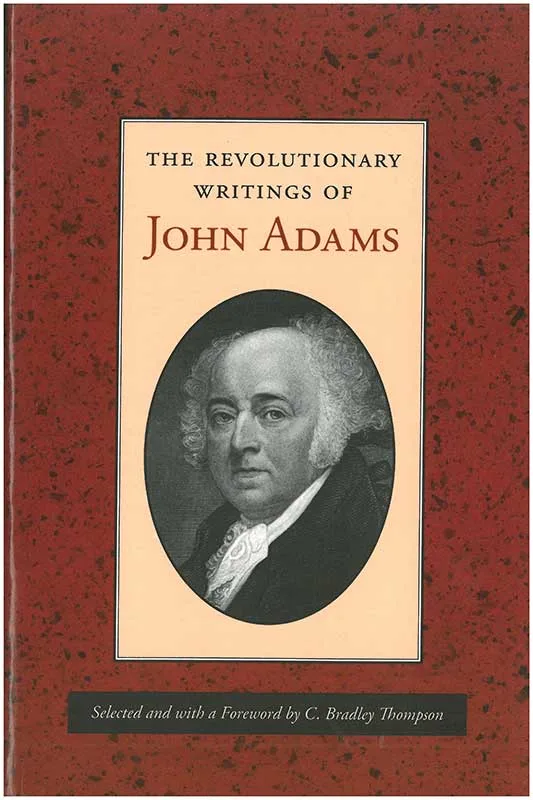
John Adams · 1763
This volume contains the principal shorter writings in which Adams addresses the prospect of revolution and the form of government proper to the new United States. There are pieces on the nature of the British…
William Young · 1764
This pamphlet is a part of The Pamphlet Debate on the American Question in Great Britain, 1764-1776: A Digital Collection, edited by Jack P. Greene.
A Gentleman in London · 1765
Published in 1765, this 32-page political pamphlet was written at a pivotal moment of tension between Britain and its American colonies — the same year the Stamp Act was passed. The work examines the scope of…
L. At Richmond · 1767
The essay argues against Parliament’s taxation of America, contending that “subordinate states,” whether Wales or the “palatinates of Chester and Durham” or the colonies, can only be taxed by representatives of their…
Americanus · 1775
It is widely accepted that the pseudonym Americanus was used here to protect the identity of Caleb Evans, the Welsh Baptist theologian and educator. The pamphlet examines the contested matter of British taxes on the…
Anonymous (Sincerus) · 1775
This text is among the most entertaining responses to Samuel Johnson and reveals a powerful link between a sense of natural justice on the one hand and pragmatic common sense on the other. Siding with the Americans in…
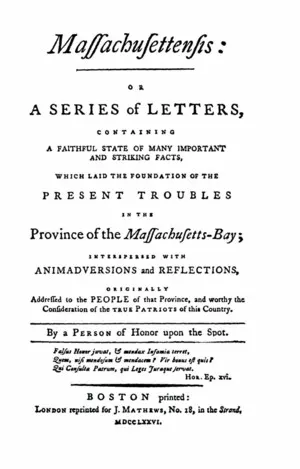
Daniel Leonard · 1776
A legalistic defense of the Loyalist opposition to the right of the American colonies to seek independence from Britain. This work was the subject of John Adam’s lengthy rebuttal in “Novanglus”.
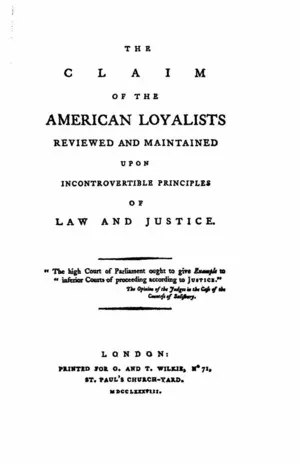
Joseph Galloway · 1788
Having lost his valuable estate in Pennsylvania during the American Revolution, the Loyalist Galloway spent the rest of his years in exile in Britain lobbying the government for compensation and writing books like this…
In this collection
123 people central to Loyalists and Patriots Debate the American Revolution.
Pseudonym of one who wished to convey familiarity with practical commercial matters.
William Allen, Esq. is the author of at least one Revolutionary War era pamphlet, "The American Crisis: A Letter, Addressed by Permission…
Americanus was a common pseudonym for supporters of the American cause. It was used by writers such as Benjamin Franklin and Caleb Evans…

“An American” was a pseudonym commonly used to signal an author’s intention of defending the arguments of the colonies against direct…
It is likely that the pseudonym was selected because of Janus’ role as the god of beginnings, choices, doorways, and moments of transition.
This is a pseudonym to reference the famous highly cultured Roman who claimed to be above the factions causing civil strife at the time of…

1745–1821
American physician, chemist, and double agent for the Americans and the British, Edward Bancroft was mentored by Benjamin Franklin and…


1721–1791
Poet and scholar who had trained for the ministry but was rejected by the parish on account of prejudice against blindness.
1710–1776
William Bollan, born and educated in England, was hired to serve as colonial agent for Massachusetts from about 1746 to 1762.
1722–1772
Nicholas Bourke was a lawyer and member of the Jamaican Assembly from the late 1750s until 1770.

Nom de plume taken by an anonymous writer in reference to the original proprietor of Maryland who obtained a charter from Charles the…
1730–1771
Father of the Prime Minister by the same name, George Canning Sr. was a writer and Barrister.
1740–1824
Major John Cartwright claimed authorship of the letters entitled “American Independence The Interest and Glory of Great Britain” in a…
Cato was a common pseudonym of eighteenth-century political writers famously deployed by the Old Whig essayists of the 1720s, John…
A writer often seen as advocating compromise.

1688–1776
Physician and colonial administrator of New York, serving in various capacities Lieutenant Governor, Acting Governor and Governor at…
“A Gentleman” or “A Country Gentleman” were common appellations for writers spanning from the 17th to the 19th centuries wishing to…

Manasseh Dawes was a writer trained in the law and a member of the Inner Temple, another of the four English “Inns of Court,” who, like…

1721–1787
Lieutenant General, hero of the Seven Years War, and an innovator of the rules of the game of cricket.
1736–1795
Samuel Estwick (?1736-1795) was closely connected to Barbados and referred to himself as assistant agent for that colony. In earlier works…

1712–1780
John Fothergill was a prominent Quaker and Physician who wrote the earliest known instruction for mouth to mouth resuscitation.

1731–1803
Galloway was a Loyalist during the American Revolution and lost a sizable estate in Pennsylvania.
Pseudonym connotes a person of objective unbiased legal judgement.
Writer wishing to convey the judgments of one familiar with commercial and financial interests, even if no longer dependent on those…

Many pamphlets written on the eve of the Revolutionary War were published with a pseudonym. This was sometimes done to protect writers'…
Obscure poet with considerable knowledge of the history of England and the lore concerning ancient Saxon liberties.
Historian Thomas Adams associated this name with the person of John Grey who lived from 1724 to 1777 and was a Member of Parliament from…
1723–1781
An Irish Barrister with ties to Lord Shelburne. He was a possible contributor to the Whig essays of Junius.
A thinly veiled reference to the island of Grenada. Such spellings were often used to add a further level of deniability against possible…


Little is known about Obadiah Hulme beyond his authorship of two pamphlets, the 1771 Historical Essay on the English Constitution (of which…

1711–1780
Thomas Hutchinson (1711-1780) was a businessman, historian, and a prominent Loyalist politician of the Province of Massachusetts Bay in the…

Due to the initials, “J.M. of the Inner-Temple,” some library catalogues have suggested Jasper Mauduit as the author behind this pseudonym.…
1704–1787
Soame Jenyns was an MP for Cambridgeshire and a commissioner of the Board of Trade.

1663–1712
Poet, miscellaneous writer, and satirist associated with the early Tory and High Church party.
1732–1810
William Knox was one of the most insightful commentators in England on American independence.
1729–1811
Hercules Langrishe was a lifelong friend of Edmund Burke and wrote about American independence and local self-government.

1740–1792
A member of a prominent Virginia family, Arthur Lee was educated at Eton College in England, later took a degree in medicine at the…

1733–1781
Lawyer, Royal Attorney-General of the colony of South Carolina, and tobacco farmer.
1737–1781
A lawyer who opposed the American colonial cause and wrote several pamphlets on the American Question.
1735–1773
Private secretary to George Grenville, a clerk of the Treasury and tutor to Grenville’s children.

Many pamphlets written on the eve of the Revolutionary War were published with no author's name attached, or were signed, "Anonymous." The…

1744–1779
A British MP who strongly advocated for the rights of the crown against the American colonies.

1731–1824
Francis Masères was an English lawyer, mathematician, judge, member of the Royal Society, a baron of the exchequer and the attorney general…

1708–1787
Brother of Jasper Mauduit, Israel Mauduit was a prominent London based merchant and occasional colonial agent.
1696–1771
Jasper Mauduit succeeded William Bollan as the official agent of Massachusetts in 1762.

1736–1796
James McPherson was among a set of able writers employed by the British government to defend its policies over the colonies.
1725–1790
A minor Baron, a Member of Parliament, and Lord of the Admiralty from 1765 to 1766.
1705–1771
William Mildmay was a Commissioner to France who wrote several books on politics, travel, and trade.
William Moore is the name of a critic of the ministerial government of George III who had written other earlier pieces such as the North…

1730–1810
Vice-Consul for the Austrian Netherlands (1762-1768) and writer on finance and political economy.

Hildebrand Oaktree is a pseudonym to convey a sense of working or yeoman class virtues, with sturdy martial discipline and bravery in the…

Many pamphlets written on the eve of the Revolutionary War were published with no author's name attached, or were signed, "Anonymous." This…
Many pamphlets written on the eve of the Revolutionary War were published with no author's name attached, or were signed, "Anonymous." This…
Many pamphlets written on the eve of the Revolutionary War were published with no author's name attached, or were signed, "Anonymous." This…
Many pamphlets written on the eve of the Revolutionary War were published with no author's name attached, or were signed, "Anonymous." This…
Many pamphlets written on the eve of the Revolutionary War were published with no author's name attached, or were signed, "Anonymous." This…
Many pamphlets written on the eve of the Revolutionary War were published with no author's name attached, or were signed, "Anonymous." This…
Many pamphlets written on the eve of the Revolutionary War were published with no author's name attached, or were signed, "Anonymous." This…
Many pamphlets written on the eve of the Revolutionary War were published with no author's name attached, or were signed, "Anonymous." This…
Many pamphlets written on the eve of the Revolutionary War were published with no author's name attached, or were signed, "Anonymous." This…
Many pamphlets written on the eve of the Revolutionary War were published with no author's name attached, or were signed, "Anonymous." This…
Many pamphlets written on the eve of the Revolutionary War were published with no author's name attached, or were signed, "Anonymous." This…
Many pamphlets written on the eve of the Revolutionary War were published with no author's name attached, or were signed, "Anonymous." This…
Many pamphlets written on the eve of the Revolutionary War were published with no author's name attached, or were signed, "Anonymous." This…
Thomas Parker was a writer on law, finance and trade, knowledgeable about the various settlements and regions of the British Empire. He was…

The pseudonym N. T. Pharmacopola is of an unknown satirical author seeking to “remedy” the tensions between England and her colonies by…
Undersecretary of State for Lord Sandwich and later Lord Hillsborough.
Theophilus Philadelphus was a pseudonym used by a number of writers both in England and Germany dating back to the Reformation to convey…

The writer has assumed a synonym to show familiarity with colonial conditions of the West Indies, and most particularly the Island of…

1713–1784
Painter and polymath famous for his portraits of great personages including King George III who was his most prominent patron.
This pseudonym, “L. of Richmond,” implies residency in an aristocratic area of southwest London, home to one of the oldest royal…


1709–1788
Surgeon, Physician, Satirist, and Tory writer for the Grenville Administration.


1714–1788
Dr. Jonathan Shipley (1714 – 1788), the bishop of St. Asaph, was the only bishop of the English Church to speak out against Parliament’s…
“Sincerus” was one of a number of anonymous writers attempting to respond to Samuel Johnson’s essay "Taxation no Tyranny," published early…
1700–1796
Joshua Steele, born in Ireland, was a successful Barbados planter, a writer on prosody and an advocate of abolition.
1732–1807
Influential English High Church layman, writer, and successful London textile merchant.

1738–1813
Rector of St. Stephens parish in Cold Norton, Essex, and a radical English clergyman who championed religious and political liberty.
An English attorney, notary public, and antiquary based in Knottingley in west Yorkshire.

1697–1771
Robert Wallace was known by contemporaries as a leading light of Scottish philosophical circles, along with Henry Home, Hugh Blair and…
Little is known of this individual except that he was a loyalist and likely a Virginian. The nineteenth century bibliographer, Lorenzo…

1737–1816
Bishop of Llandaff, academic, and chemist who pursued innovative scientific research and supported religious and political liberties.
A military chaplain who served first in the Royal Navy and then later under the command of Right Honorable Earl Harcourt. Little else is…

John Wesley was an English theologian who was the primary leader of the revival movement known as Methodism, which became the modern…
Mathew Wheelock was one of a number of writers defending the imperial administration of the colonies.

1725–1797
John Wilkes was a radical British politician, writer, journalist. and magistrate. He was a strong supporter of the American side in the…
A late 18th-century Liverpool merchant who appears to have been involved in the transatlantic slave trade. Wycliffe nevertheless advocated…
1724–1788
Sir William Young was a conservative member of parliament, a strong pro-slavery advocate, and a plantation owner in St Vincent and Tobago,
Y.Z. was a common alias among pamphlet writers during the debate over the American question.
In this collection
From The Reading Room, Liberty Matters and the library’s other publications.
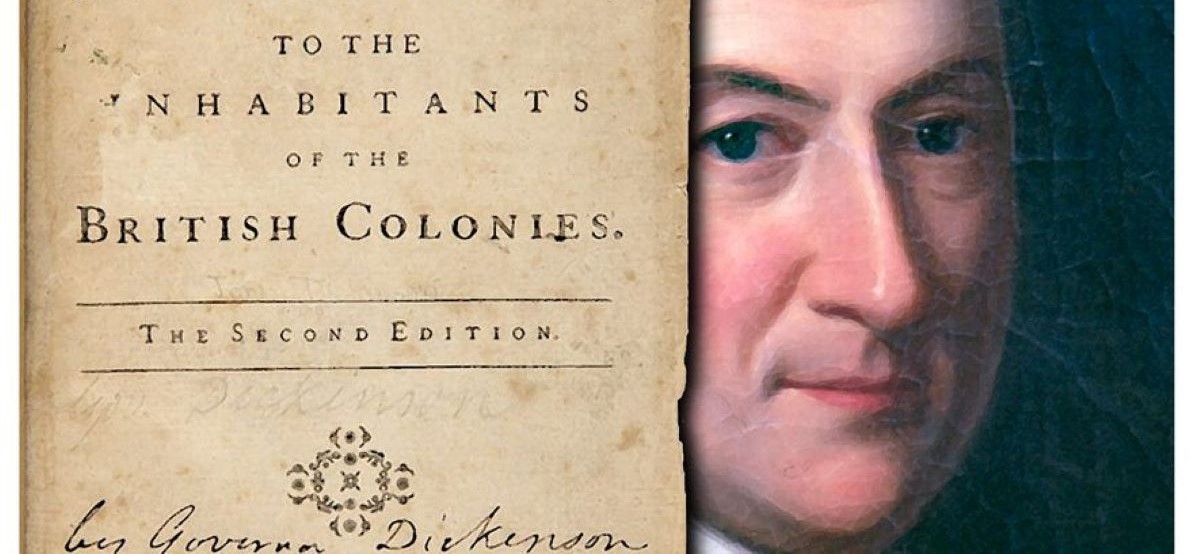
William Reddinger · Dec 07, 2023
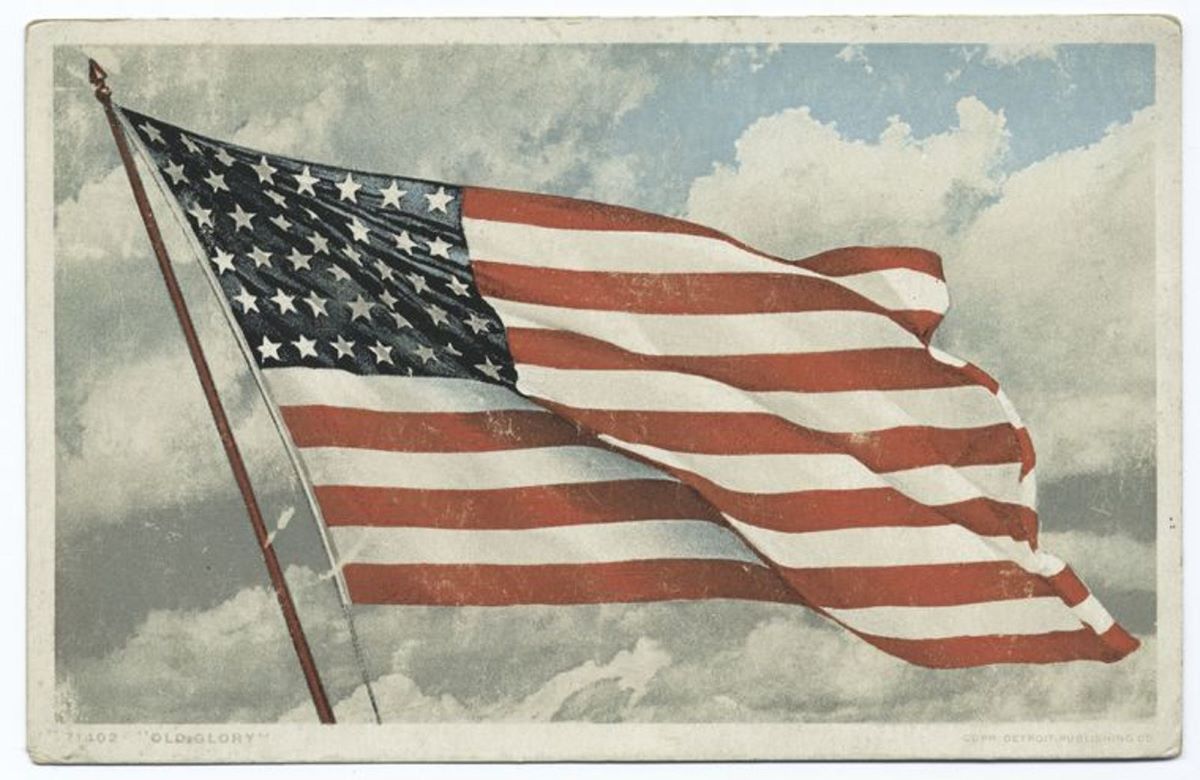
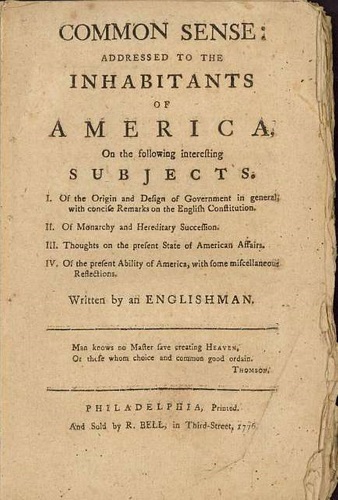
Walter Donway · Jan 11, 2023
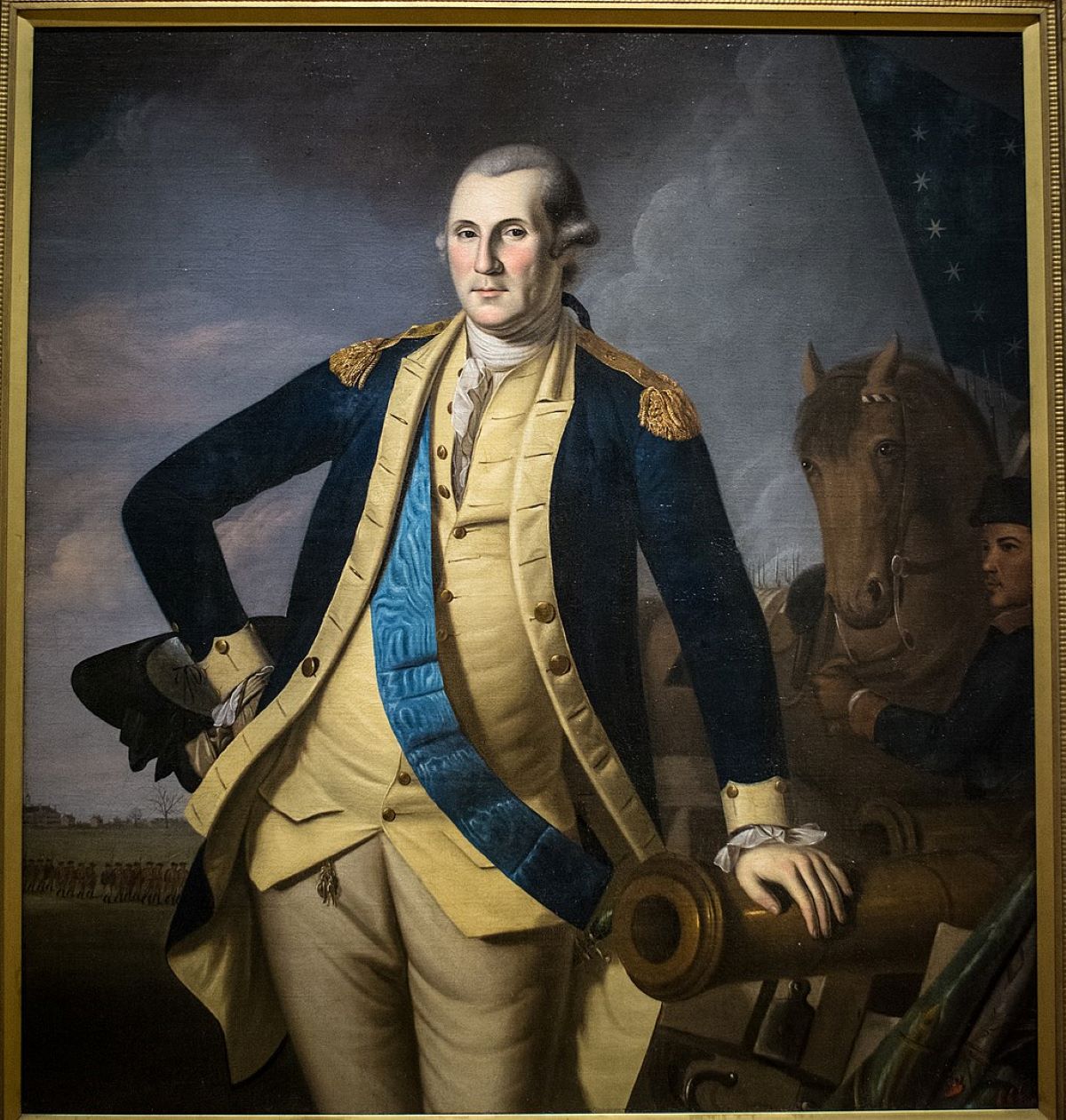
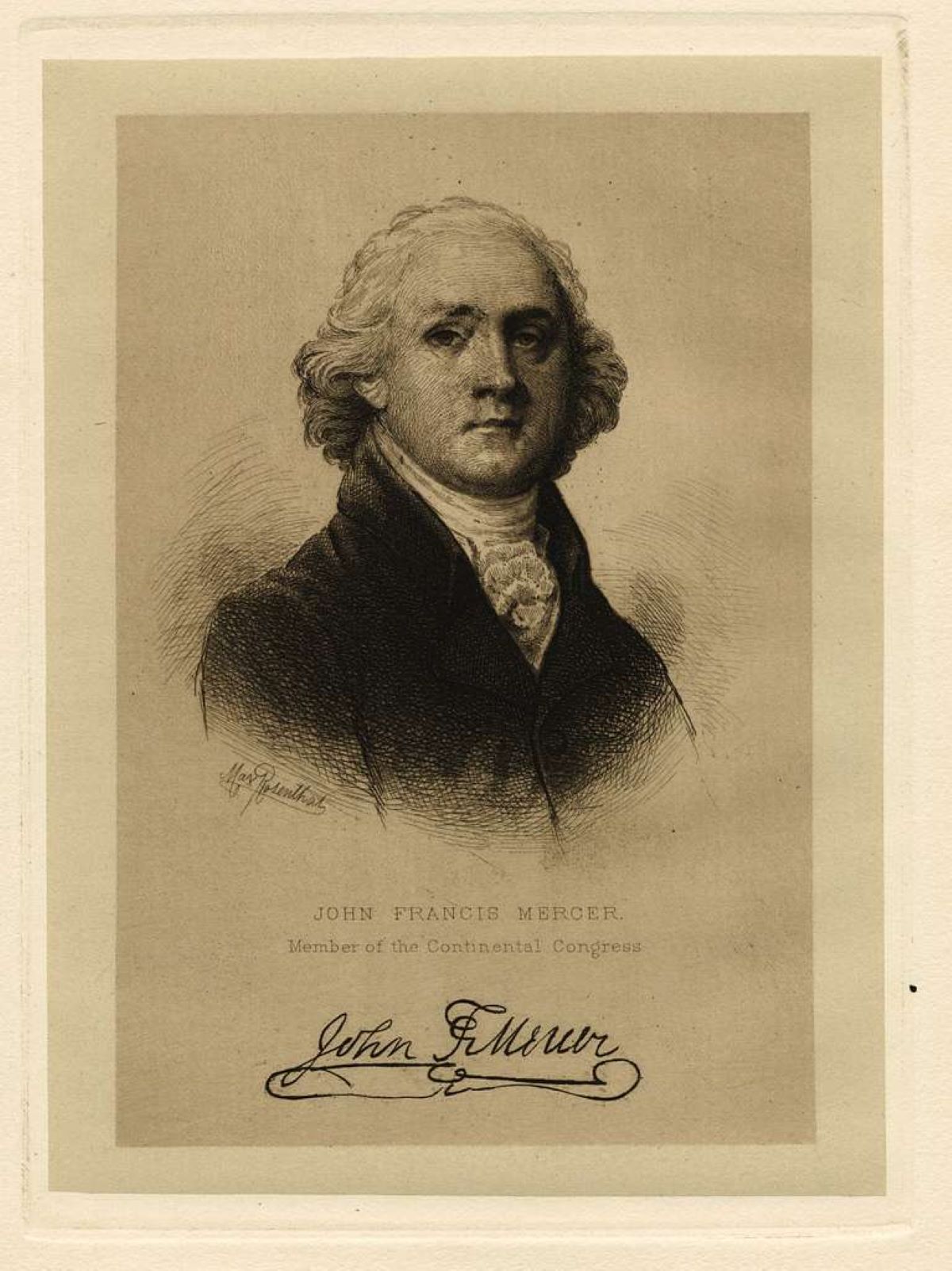
Hans Eicholz · Oct 25, 2022
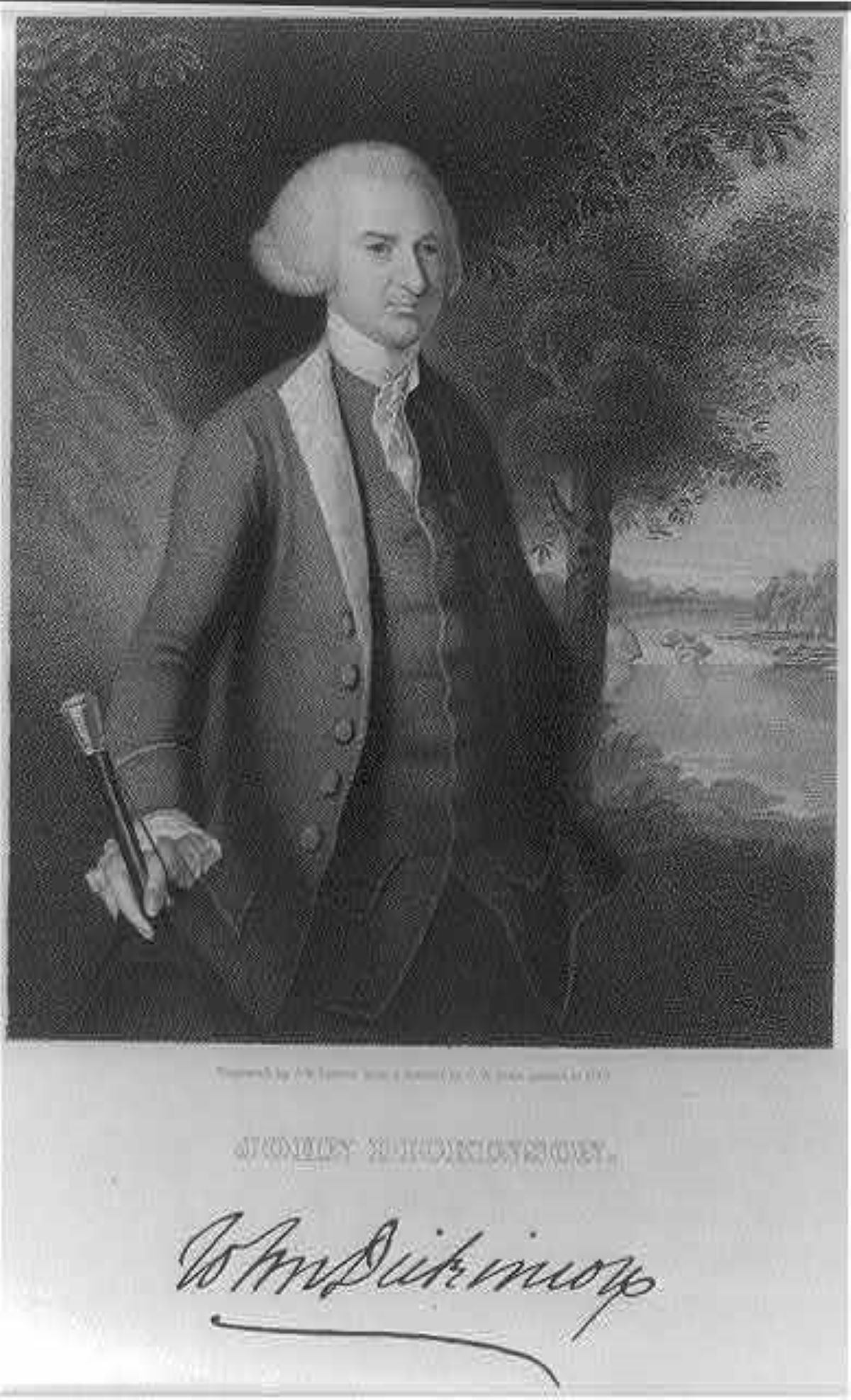
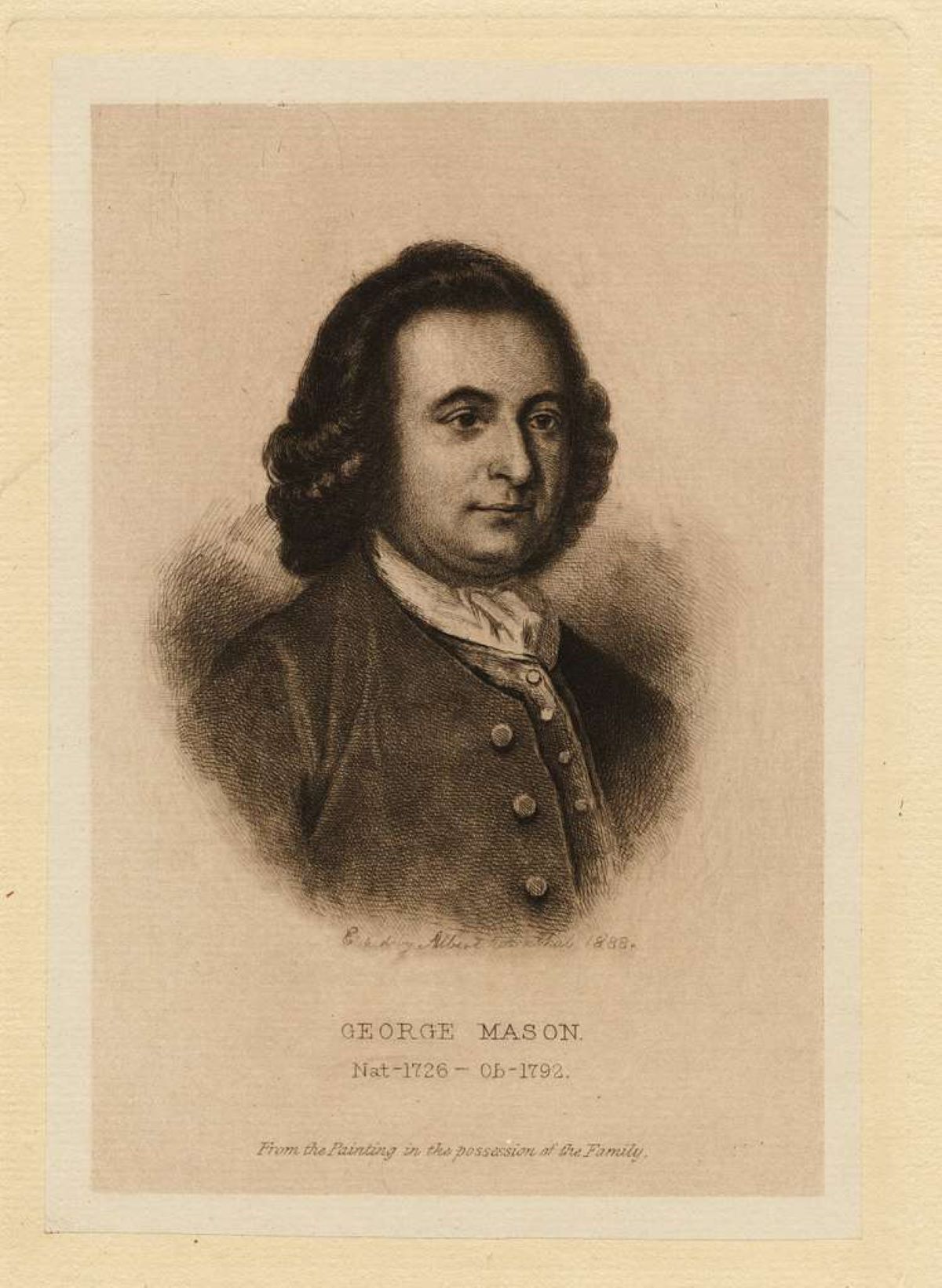
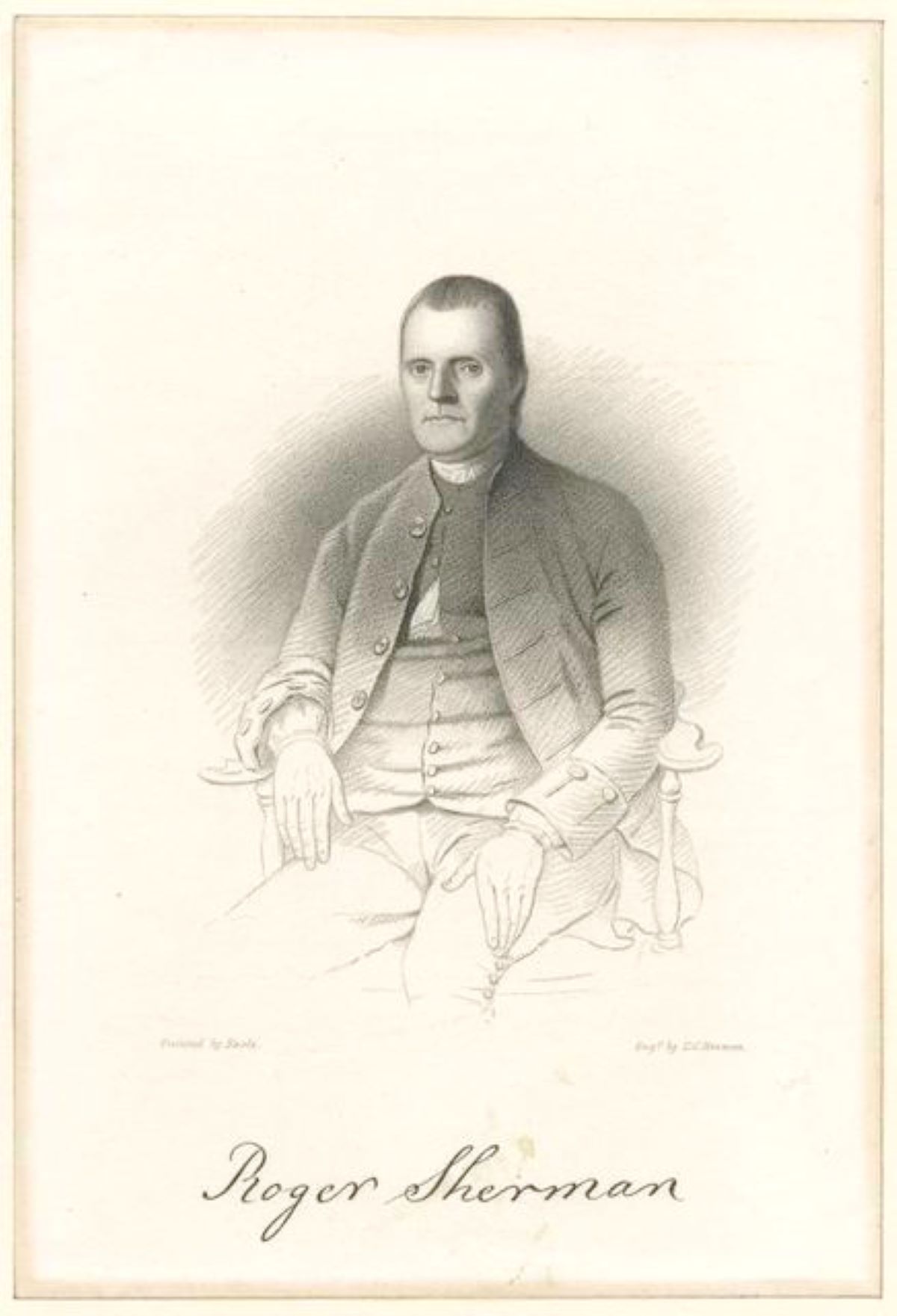
Mark David Hall · Oct 13, 2022
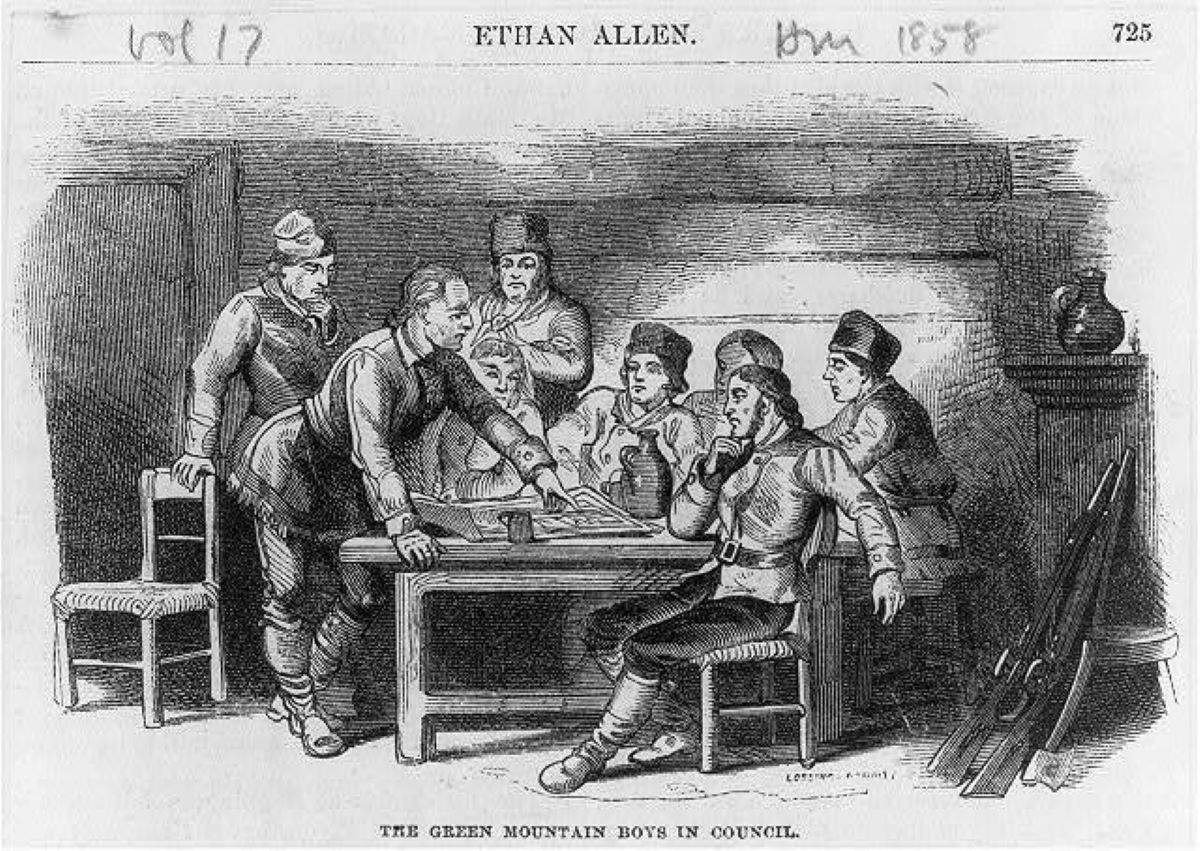
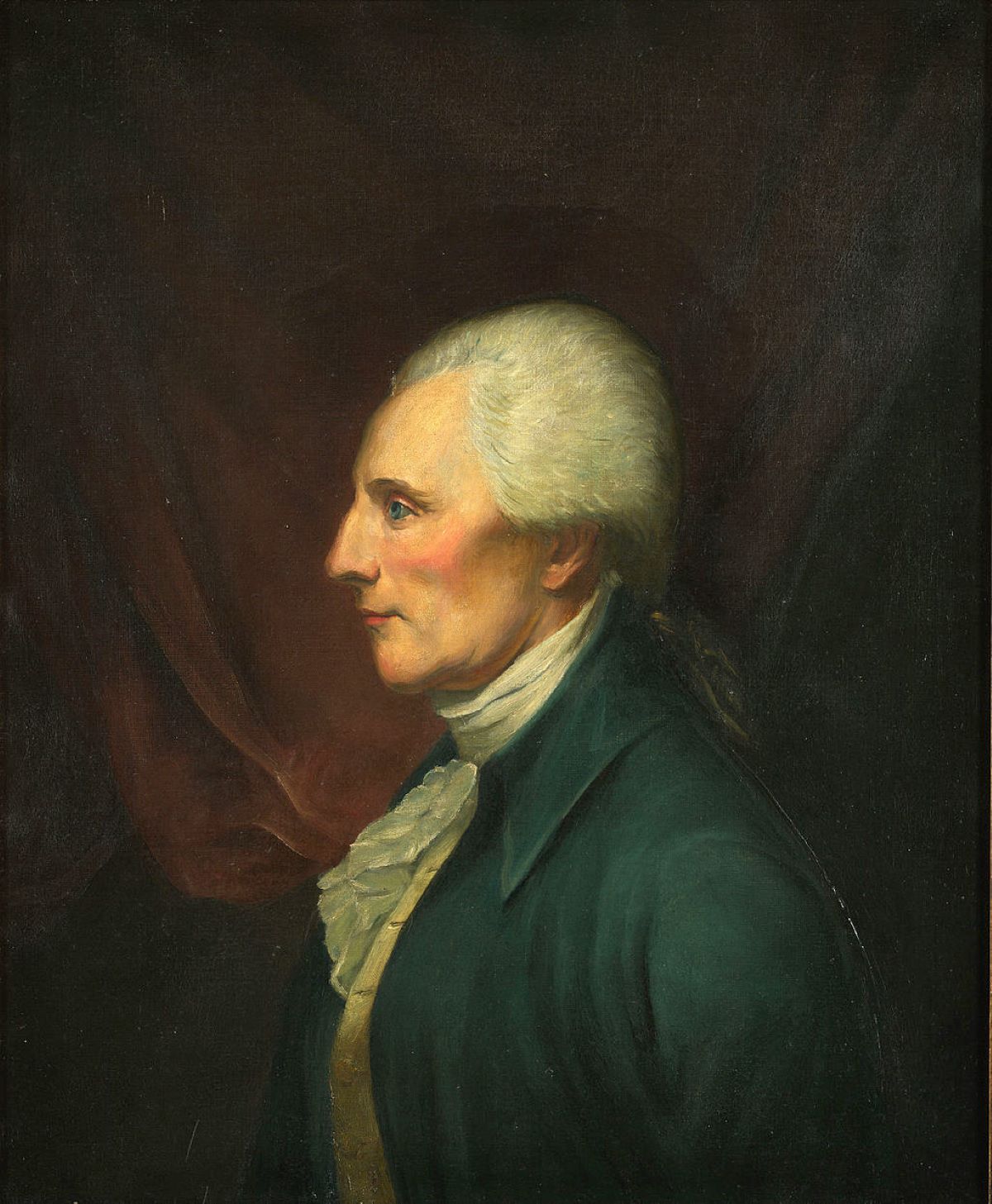
Isadore Johnson · Sep 27, 2022
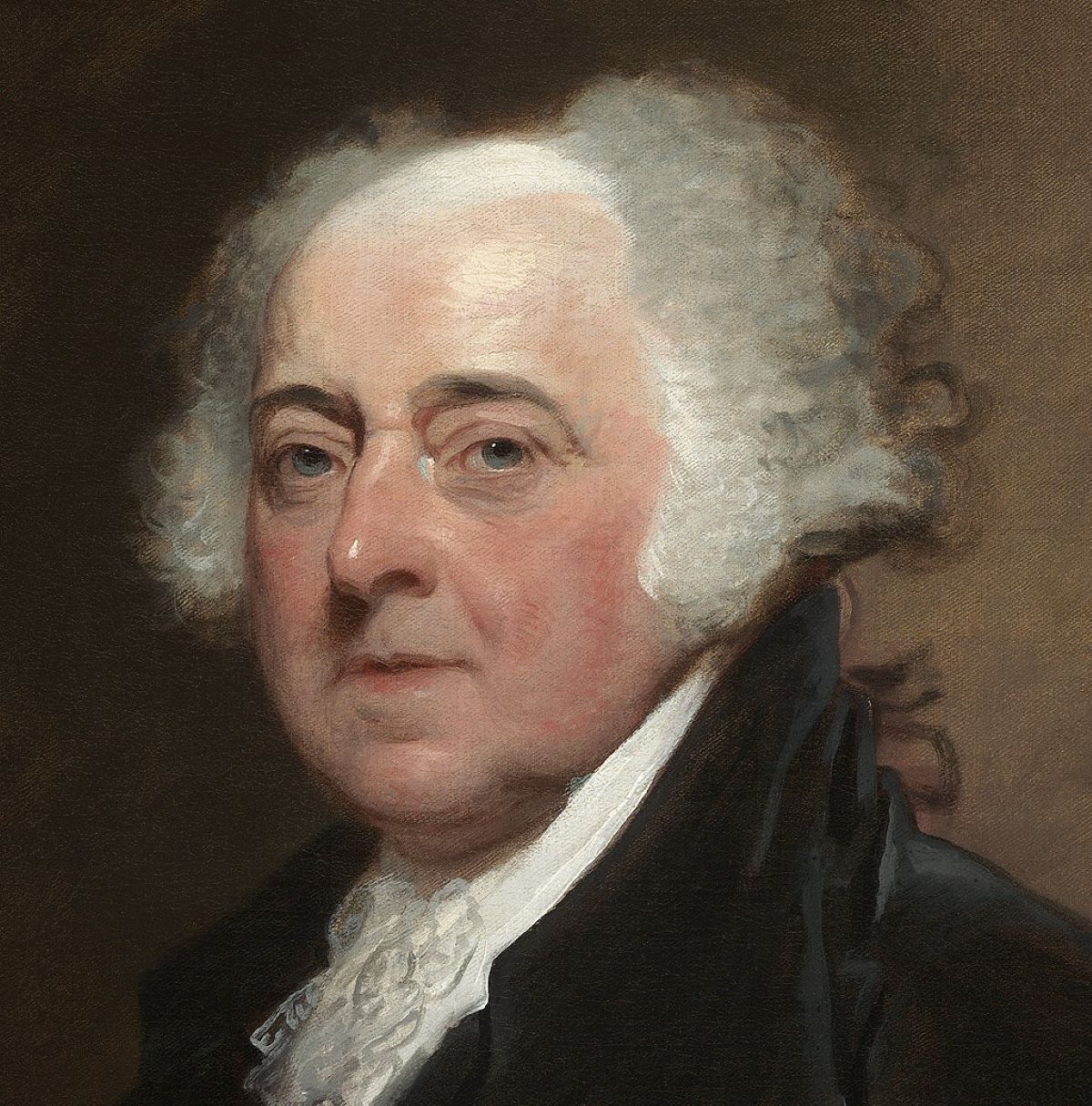
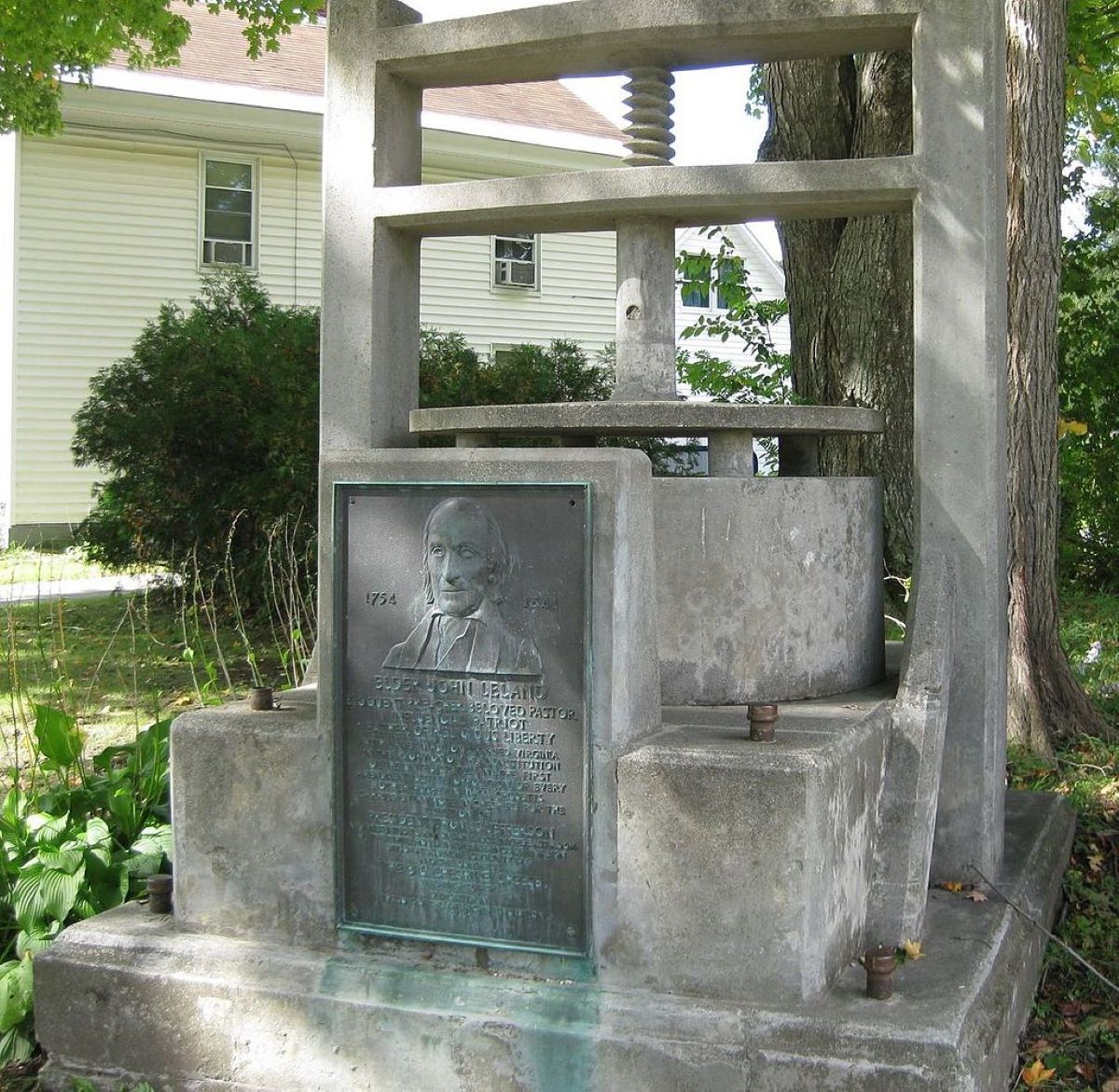
Isadore Johnson · Sep 15, 2022
Sarah Morgan Smith · Sep 13, 2022
Paul A. Cleveland · Aug 16, 2022
Kirstin Anderson Birkhaug · Aug 09, 2022
Jane E. Calvert · Jul 21, 2022
Melanie Randolph Miller · Jul 14, 2022
Melanie Randolph Miller · Jul 12, 2022
Melissa Matthes · Jun 30, 2022
Megan Marie Russo · Jun 28, 2022
Dennis C. Rasmussen · Jun 23, 2022
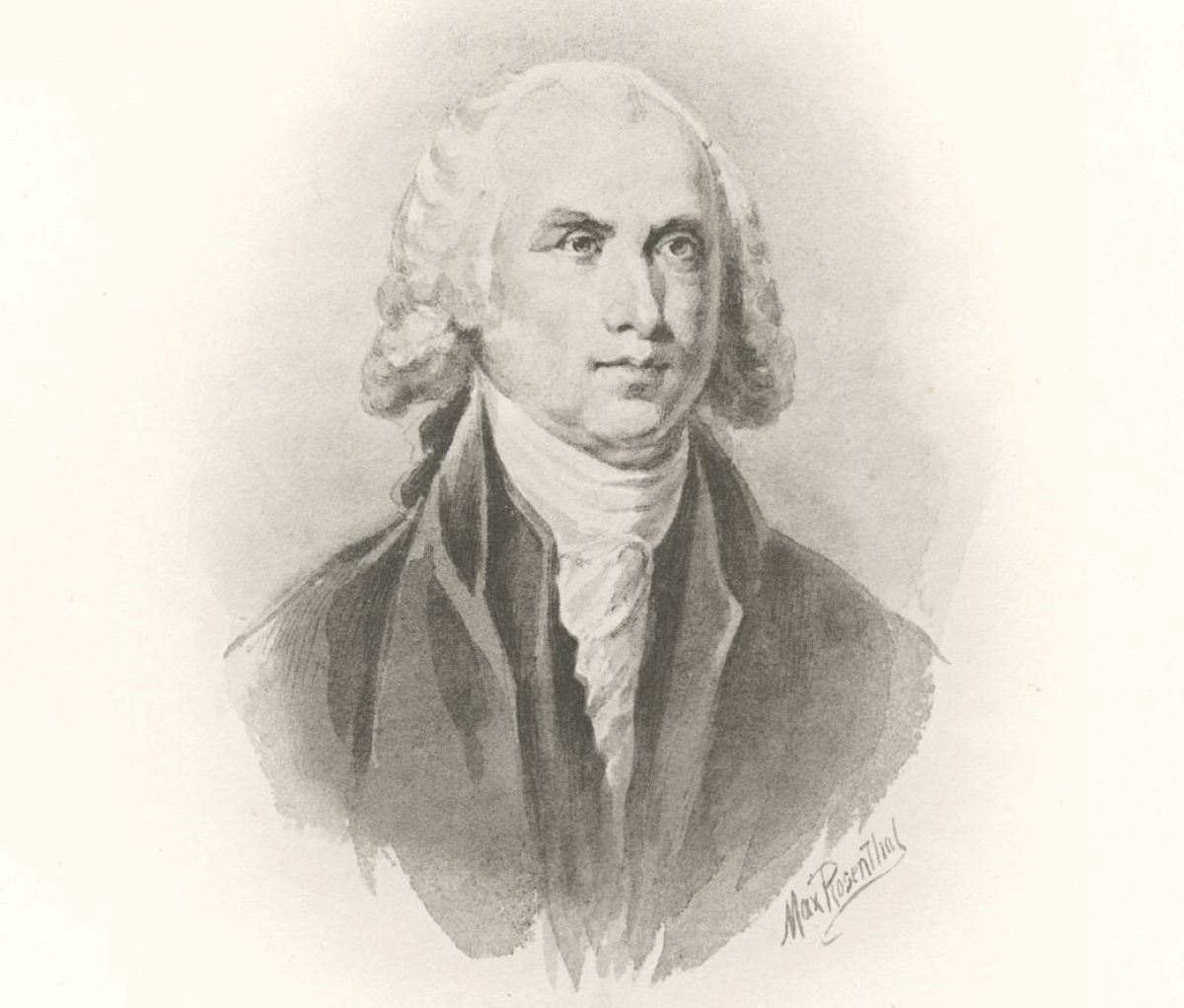
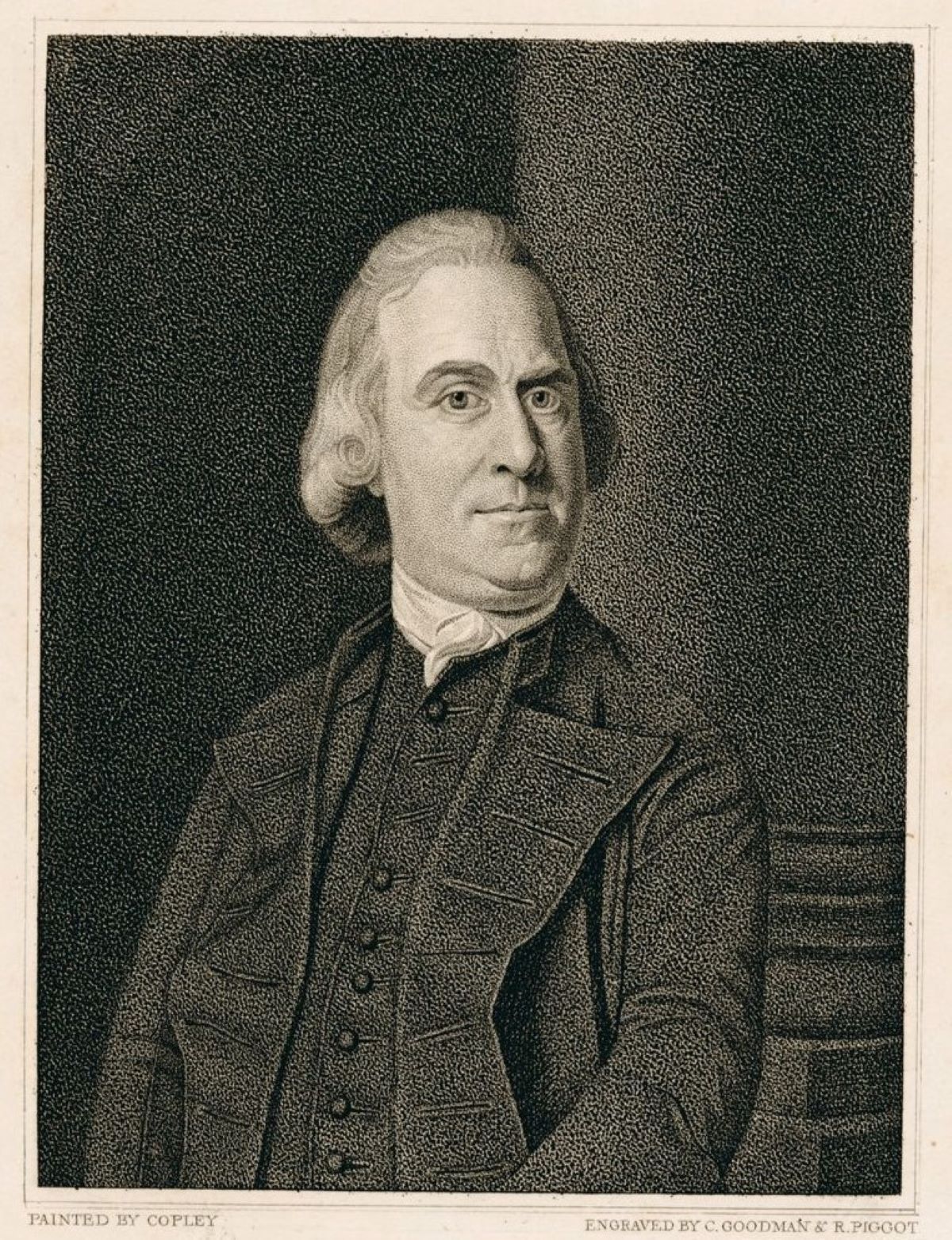
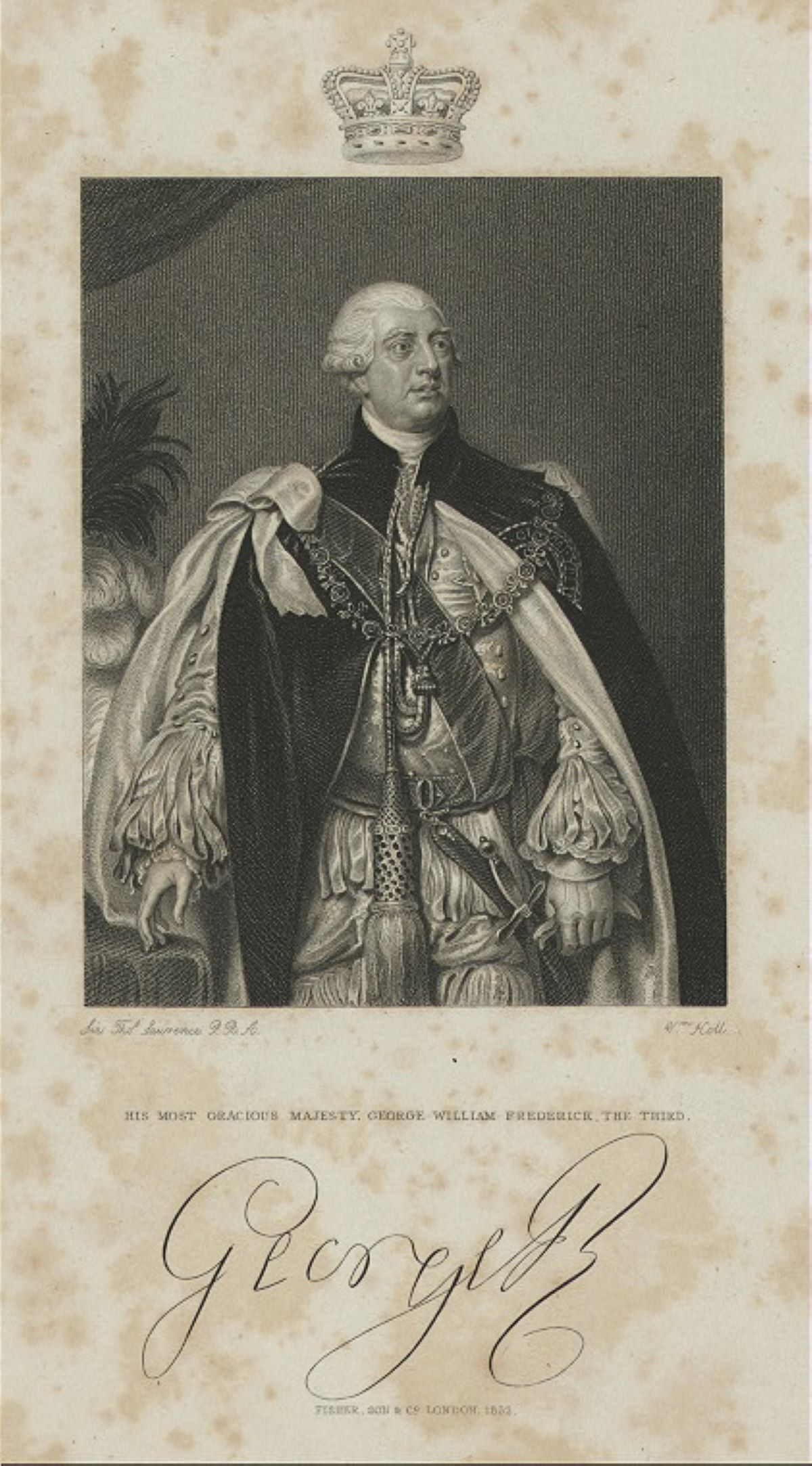
Passages from titles in this collection, chosen by OLL editors.
[T]he British constitution is much more like a republic than an empire. They define a republic to be a government of laws, and not of men. If this definition be just, the British constitution is nothing more nor less than a republic, in which the king is first magistrate. This office being hereditary, and being possessed of such ample and splendid prerogatives, is no objection to the government’s being a republic, as long as it is bound by fixed laws, which the people have a voice in making, and a right to defend. An empire is a despotism, and an emperor a despot, bound by no law or limitation but his own will; it is a stretch of tyranny beyond absolute monarchy.
Obsta principiis, nip the shoots of arbitrary power in the bud, is the only maxim which can ever preserve the liberties of any people. When the people give way, their deceivers, betrayers, and destroyers press upon them so fast, that there is no resisting afterwards. The nature of the encroachment upon the American constitution is such, as to grow every day more and more encroaching. Like a cancer, it eats faster and faster every hour. The revenue creates pensioners, and the pensioners urge for more revenue. The people grow less steady, spirited, and virtuous, the seekers more numerous and more corrupt, and every day increases the circles of their dependents and expectants, until virtue, integrity, public spirit, simplicity, and frugality, become the objects of ridicule and scorn, and vanity, luxury, foppery, selfishness, meanness, and downright venality swallow up the whole society.
For additional information about the American Founding see the following:

History of the Americas
181 titles · 80 publications · 149 people
America
238 titles · 1 publication · 150 people

Political Science
618 titles · 60 publications · 383 people

History of the Americas
343 titles · 67 publications · 239 people

Language and Literature
282 titles · 6 publications · 321 people
Language and Literature
112 titles · 156 people