

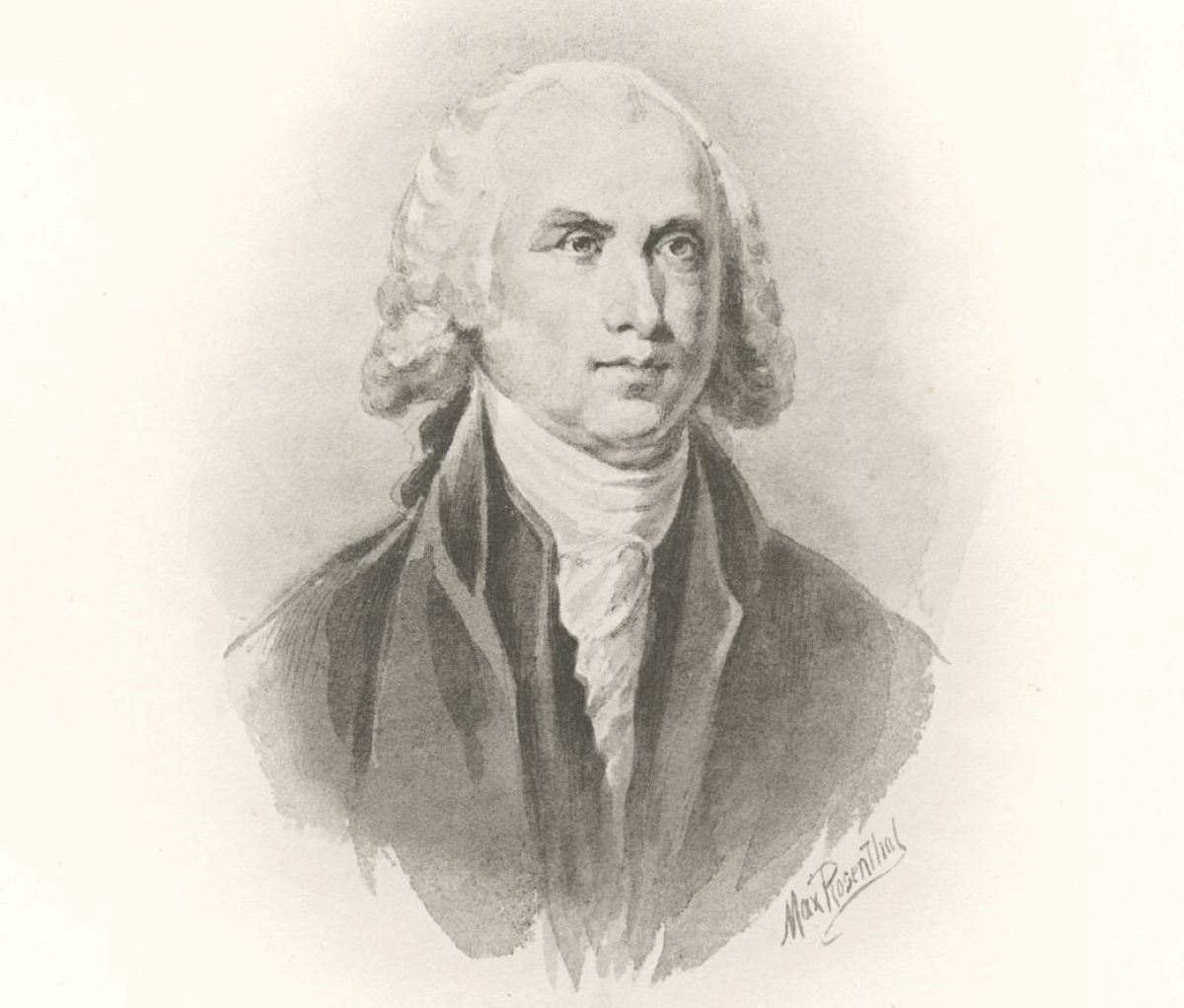
Why bother to read and study Madison today? No one individual in US history played a bigger role in helping to shape the institutional arrangements that have been the source of so much discussion and debate since the 2016 election. If you want to understand why the US system was designed as it was, you have to read his work.
Madison is perhaps best known as one of our nation’s first Presidents, one of the co-authors of the Federalist Papers, ally of Thomas Jefferson and good friend of George Washington. But he also was an instrumental figure in the Constitutional Convention, writing the only surviving notes we have of the meeting. He is the historical lens through which we view the shaping of the Constitution as well as one of its most famous public defenders.
The most obvious reason to continue to study Madison today is because he is the author of the most well known of the Federalist Papers, Federalist #10. In that widely cited and read essay he coined the phrase “the mischief of factions.” What are factions and why are they important? Madison uses the term “faction” to describe groups of like-minded people in a self-governing political system who act on their group’s interest. The concern that Madison and the Founders were trying to address was that of self-interest in a large and extended republic.
It’s important to recall two things when understanding the importance of faction and Madison’s essay. The first is that many political thinkers had concluded that representative self-government, in the form of a direct democracy, a republic, or some other form like that of Venice, could survive because the interests of the citizens in a smaller geographic area would align or largely be similar. The difficulty of scaling up to a large country with different regional interests seemed intractable. How could a large polity self-govern if they had many different interests at odds with each other across a large territory?
The second thing to remember is that a lot of contemporary research has confirmed Madison’s recognition of the critical danger that factions pose to democratic governance. Much of the early application of contemporary public choice in politics examined the role that organized interests could play in constitutional formation, agenda setting in committee settings as well as extracting government privileges in legislatures, what came to be known as rent seeking. Madison and the Founders were correct to be worried about factions, and they built their unique and successful system as a way to curtail the power that factions would attempt to wield.
Today students of American politics often equate factions with interest groups, but the term really applies to any group with shared interests, for example political parties, which only evolved after the ratification of the Constitution. It is perhaps somewhat humorous to note that while Madison is America’s most famous political thinker of the risks of factions, he was also one of the founders of one of the two first political parties - the Democratic Republican party that opposed the Federalist Party. Perhaps he warned the public about factions because he understood exactly how likely it was that our system would be subject to their influence.


