

Roosevelt Montás
Roosevelt Montás is Senior Lecturer in American Studies at Columbia University and director of the Freedom and Citizenship Program, which…


General Works
42 items in this collection
The following texts have been selected for being among the most important and influential books in the development of the idea of individual liberty, limited government, and the free market. Each author is represented by only one title in order to have as broad a range of authors as possible. Clicking on the author's name will take you to that author's bio page where additional works by that author are listed.
In this collection
37 titles, earliest first.
Marcus Tullius Cicero · 54 BC
The Treatise on the Commonwealth is Cicero’s imitation of Plato’s dialogue The Republic where he uses Stoic philosophy to explain Roman constitutional theory. He makes a connection between moral government and…
John Lackland (King John) · 1215
This is a detailed and meticulous edition of Magna Carta with each clause in the original Latin, followed by an English translation and heavily annotated by the editor.
Sir Edward Coke · 1606
Vol. 2 of a 3 vol. set of The Selected Writings. This volume contains Coke’s Speech at Norwich, excerpts from the small treatises, and excerpts from the 4 parts of the Institutes.
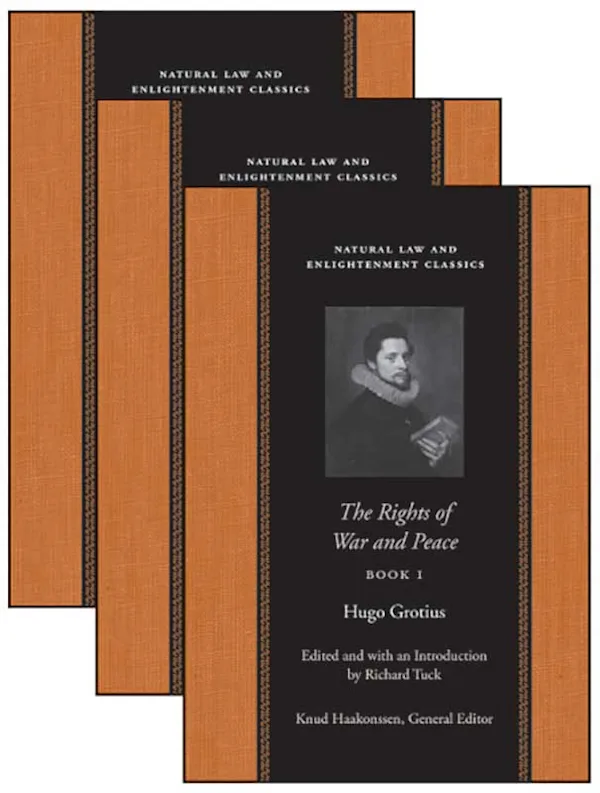
Hugo Grotius · 1625
Grotius’s Rights of War and Peace is a classic of modern public international law which lays the foundation for a universal code of law and which strongly defends the rights of individual agents - states as well as…
Hugo Grotius · 1625
Grotius’s Rights of War and Peace is a classic of modern public international law which lays the foundation for a universal code of law and which strongly defends the rights of individual agents - states as well as…
Hugo Grotius · 1625
Grotius’s Rights of War and Peace is a classic of modern public international law which lays the foundation for a universal code of law and which strongly defends the rights of individual agents - states as well as…
John Milton · 1644
This is Milton's famous defense of freedom of speech and the press, in an edition based upon Sir Richard Jebb’s lectures at Cambridge in 1872, with extensive notes and commentaries. Mlton's work was a protest against…
John Locke · 1689
Locke’s most famous work of political philosophy began as a reply to Filmer’s defense of the idea of the divine right of kings and ended up becoming a defense of natural rights, especially property rights, and of…
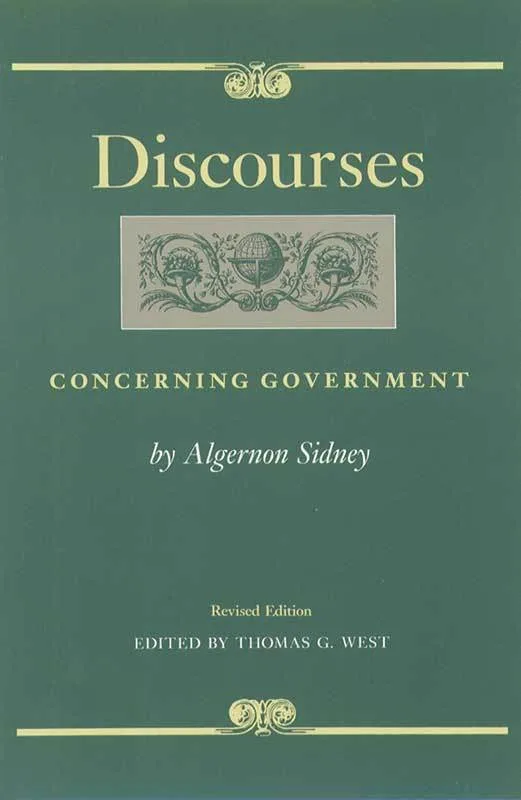
Algernon Sidney · 1698
Written in response to Sir Robert Filmer’s Patriarcha (1680), the Discourses Concerning Government is a classic defense of republicanism and popular government. Sidney rejected Filmer’s theories of royal absolutism and…
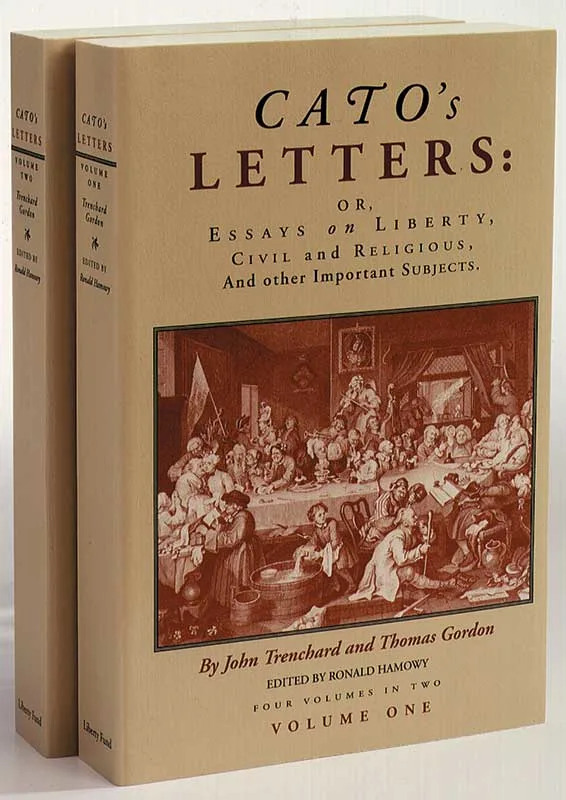
Thomas Gordon · 1724
Thomas Gordon was the joint author with John Trenchard of these 4 volumes. Almost a generation before Washington, Henry, and Jefferson were even born, two Englishmen, concealing their identities with the honored ancient…
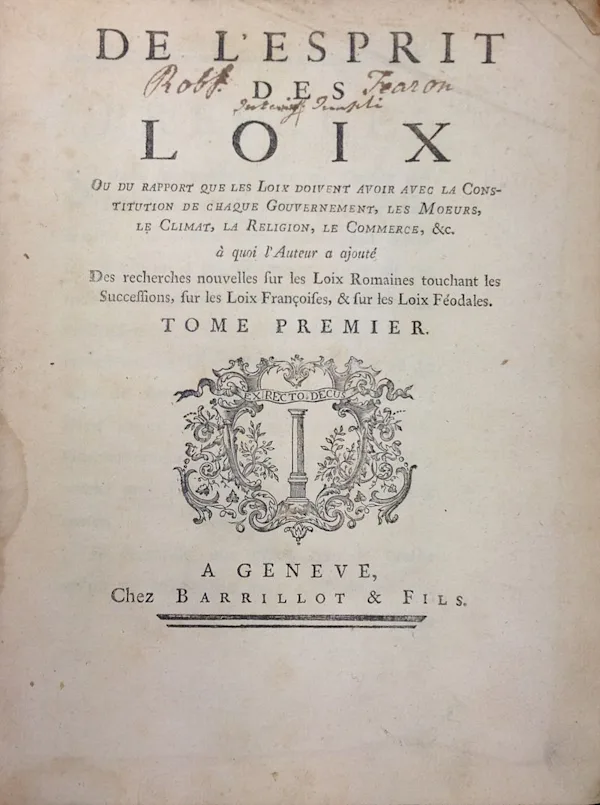
Charles Louis de Secondat, Baron de Montesquieu · 1748
This is volume 1 from the Complete Works. The Spirit of Laws is Montesquieu’s best known work in which he reflects on the influence of climate on society, the separation of political powers, and the need for checks on a…
Voltaire · 1759
Taken from the 21 volume 1901 edition of the Complete Works, this is Voltaire’s most famous “philosophic tale” in which he makes fun of the idea that “this is the best of all possible worlds” by showing how much…
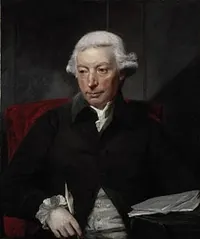
Adam Ferguson · 1767
A pioneering work of the Scottish Enlightenment in the field of “philosophical history”, or what we would today call sociology. It deals with the social, political, economic, intellectual, and legal changes which…
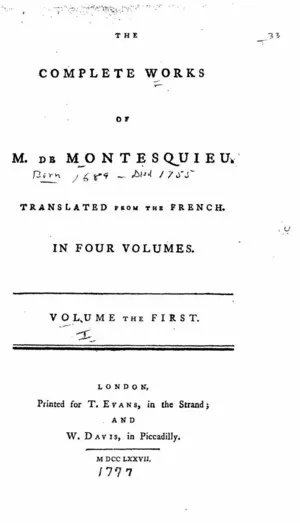
Charles Louis de Secondat, Baron de Montesquieu · 1777
A 4 volume collection of the Works of Montesquieu.
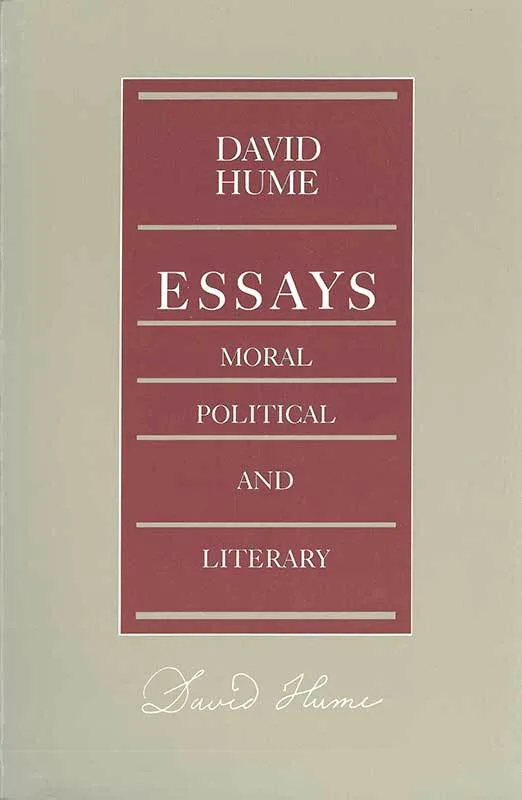
David Hume · 1777
This edition of Hume's much neglected philosophical essays contains the thirty-nine essays included in Essays, Moral, and Literary, that made up Volume I of the 1777 posthumous Essays and Treatises on Several Subjects.…
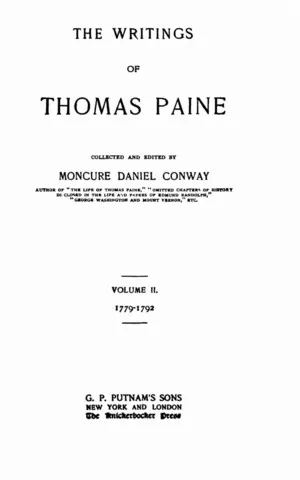
Thomas Paine · 1779
Vol. 2 of a 4 vol. collection of the works of Thomas Paine. Vol. 2 (1779-1792) contains the Letter to Abbey Raynal, Dissertations on Government, The Rights of Man (1 and 2) and various articles.
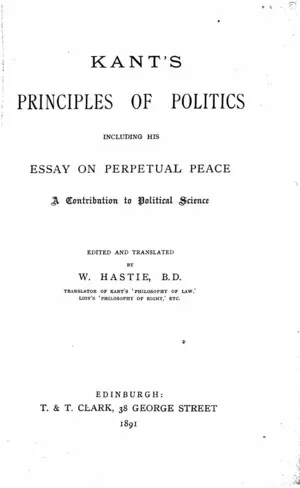
Immanuel Kant · 1784
This 1891 translation includes a number of Kant’s shorter pieces on Universal History, Political Right, Principle of Progress, and Perpetual Peace.
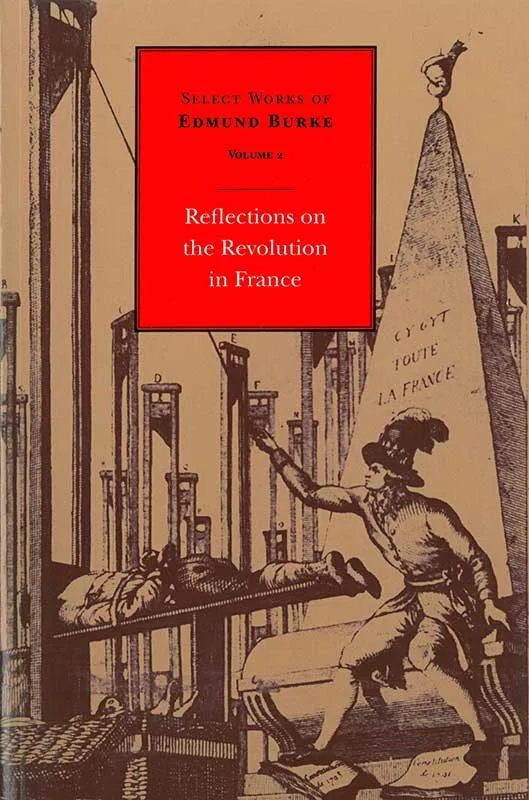
Edmund Burke · 1790
Burke’s classic criticism of the French Revolution. It provoked many replies and Burke returned to the issue again and again.
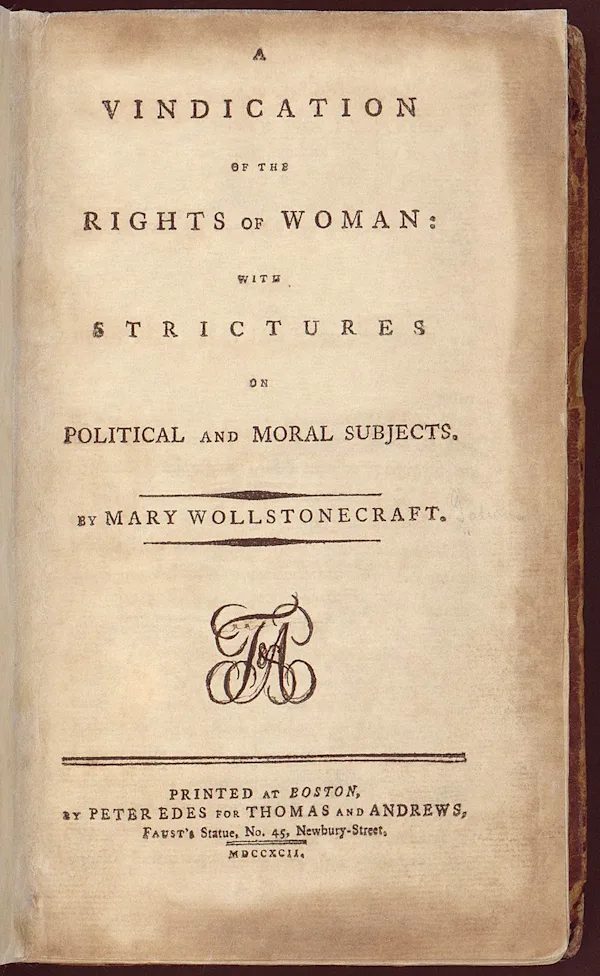
Mary Wollstonecraft · 1792
Wollstonecraft first defended the rights of men in response to Burke’s pamphlet on the French Revolution, then turned to the rights of woman a couple of years later. It is one of the key texts of modern feminist thought.
Wilhelm von Humboldt · 1792
In The Limits of State Action Humboldt explores the role that liberty plays in individual development, discusses criteria for permitting the state to limit individual actions, and suggests ways of confining the state to…
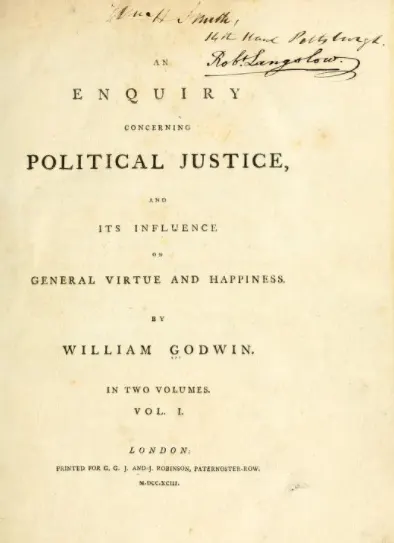
William Godwin · 1793
Godwin’s best known work of political theory. Written in the early years of the French Revolution before the Terror had begun, Godwin provides a devastating critique of unjust government institutions and optimistically…
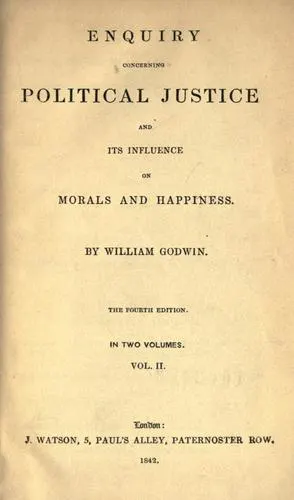
William Godwin · 1793
Godwin’s best known work of political theory. Written in the early years of the French Revolution before the Terror had begun, Godwin provides a devastating critique of unjust government institutions and optimistically…
Jean-Baptiste Say · 1803
One of the most influential works on Political Economy in the 19thC. It set the stage for the development of the study of political economy in France and an early translation into English helped make it become the most…
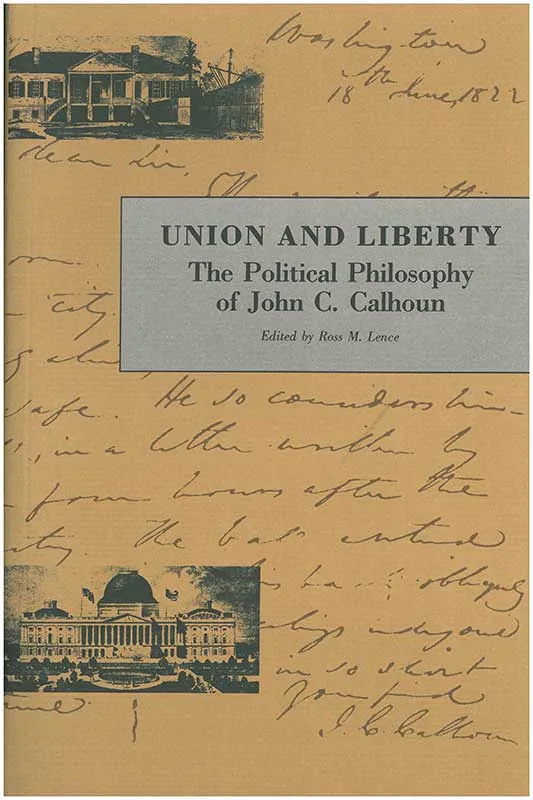
John C. Calhoun · 1811
These writings address such issues as states’ rights and nullification, slavery, the growth of the Federal judicial power, and Calhoun’s doctrine of the “concurrent majority.” This selection presents twelve notable…
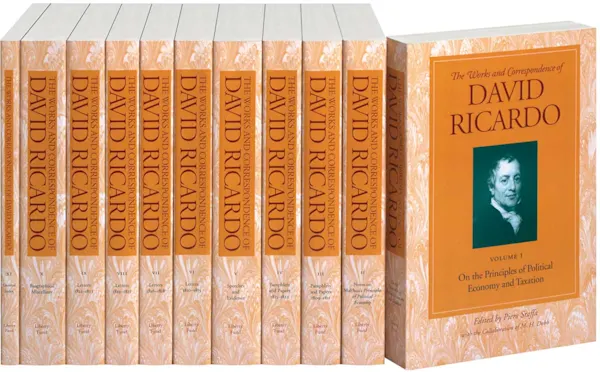
David Ricardo · 1817
On the Principles of Political Economy and Taxation provides analysis of the allocation of money between capitalists, landowners, and agricultural workers in Britain. Through this analysis, Ricardo came to advocate free…
Alexander Hamilton · 1818
The Federalist, by Alexander Hamilton, James Madison, and John Jay, constitutes a text central to the American political tradition. Published in newspapers in 1787 and 1788 to explain and promote ratification of the…
Thomas Hodgskin · 1832
In this series of letters to Lord Braugham, Hodgskin distinguishes between the natural right of property (based upon Lockean principles of natural law) and the artificial right of property (which is decreed by…
Frédéric Bastiat · 1850
This is the translation by the Foundation for Economic Education of Bastiat’s longest and best known work Economic Harmonies. A new translation of this work by Liberty Fund is in progress. See the Summary of the Bastiat…
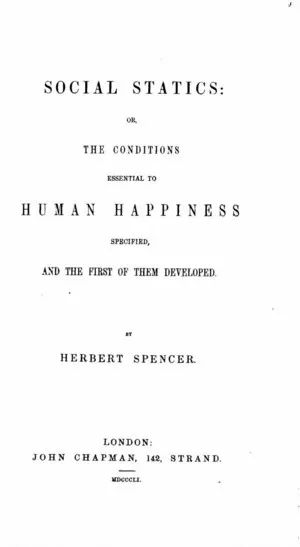
Herbert Spencer · 1851
Spencer’s first major work of political philosophy in which he attempts to lay the basis for a limited state on a rigorous development of a doctrine of natural rights. He begins with a defense of his “first principle”…
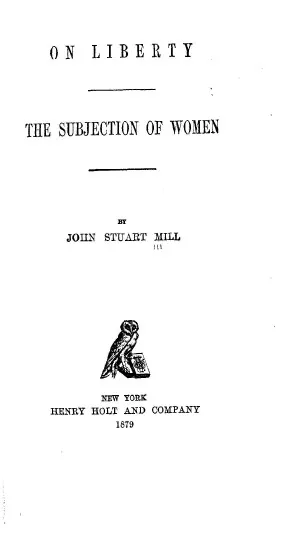
John Stuart Mill · 1859
Mill had been somewhat coy about publishing The Subjection of Women during his lifetime because he feared the condemnation of his peers for daring to apply the general notions of individual liberty which he had clearly…
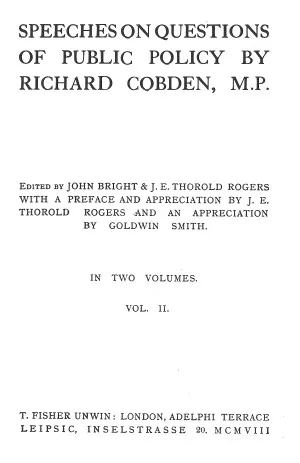
Richard Cobden · 1870
Volume 2 of a two volume collection of Cobden’s speeches on Free Trade, Finance, War, Foreign Policy, and Parliamentary Reform.
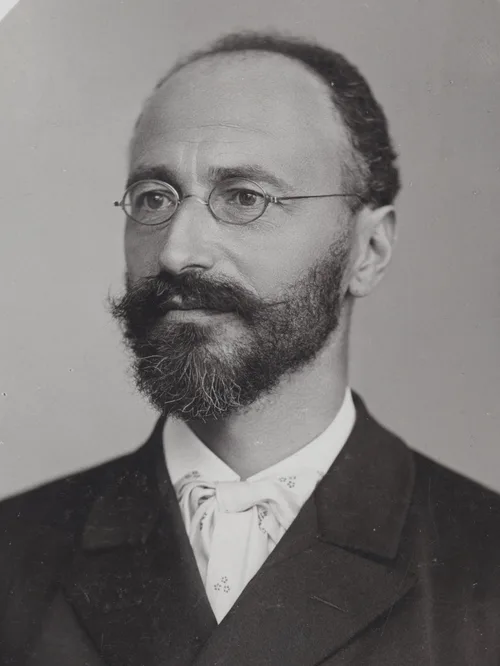
Eugen von Böhm-Bawerk · 1884
Ludwig von Mises described this as a “monumental work” which “is the most eminent contribution to economic theory”. He further stated that “a man not perfectly familiar with all the ideas advanced in theses three…
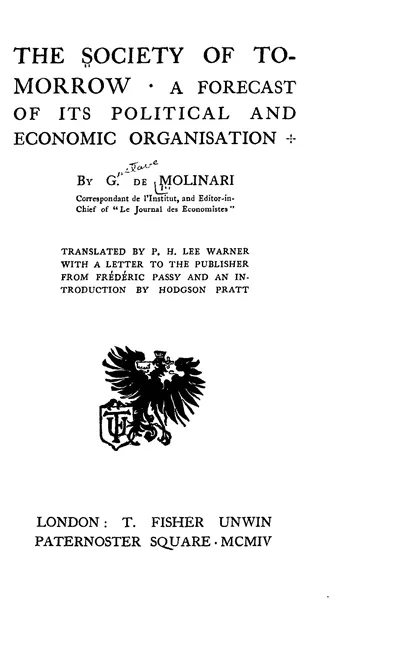
Gustave de Molinari · 1899
In this vision of a future society, the Belgian laissez-faire economist Molinari suggests how many, if not most, public goods could be provided by the free market or by radically decentralized local governments.
Thomas Jefferson · 1905
Volume 2 of the “Federal Edition” of Jefferson’s works in 12 volumes edited by Paul Leicester Ford in 1904-05. This volume contains Correspondence and Miscellaneous writings between 1771 and 1779, including the Summary…
John Emerich Edward Dalberg, Lord Acton · 1907
Acton never completed his projected History of Liberty. The collection contains two chapters from this planned history - on liberty in antiquity and Christianity - and many book reviews where one can piece together…
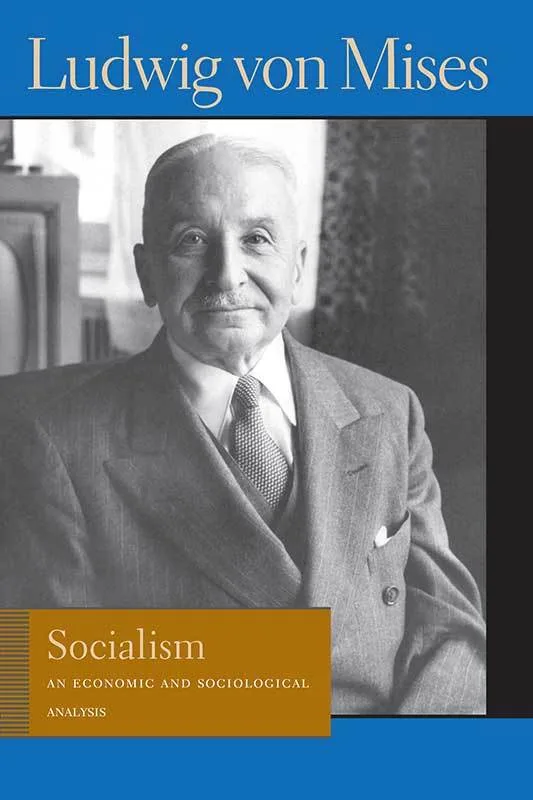
Ludwig von Mises · 1922
This is a newly annotated edition of the classic first published in German in 1922. It is the definitive refutation of nearly every type of socialism ever devised. Mises presents a wide-ranging analysis of society,…
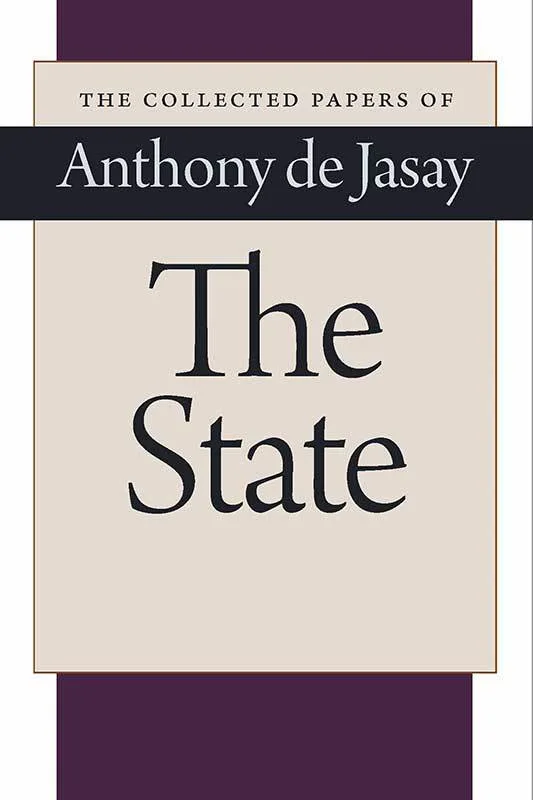
Anthony de Jasay · 1985
The State is a brilliant analysis of modern political arrangements that views the state as acting in its own interest contrary to the interests of individuals and even of an entire society. Read the Liberty Classic on…
In this collection
2 people central to Classics of Liberty.
Roosevelt Montás is Senior Lecturer in American Studies at Columbia University and director of the Freedom and Citizenship Program, which…

b. 1988
Marco Romani Mistretta is Director of European Operations at the Paideia Institute for Humanistic Study, where he manages a portfolio of…
In this collection
From The Reading Room, Liberty Matters and the library’s other publications.

Sabine El-Chidiac · Oct 15, 2025


Passages from titles in this collection, chosen by OLL editors.
The political liberty of the subject is a tranquillity of mind arising from the opinion each person has of his safety. In order to have this liberty, it is requisite the government be so constituted as one man need not be afraid of another.
When the legislative and executive powers are united in the same person, or in the same body of magistrates, there can be no liberty; because apprehensions may arise, lest the same monarch or senate should enact tyrannical laws, to execute them in a tyrannical manner.
As soon as they had recovered from their surprise and fatigue they walked towards Lisbon; with what little money they had left they thought to save themselves from starving after having escaped drowning.
Scarcely had they ceased to lament the loss of their benefactor and set foot in the city, when they perceived that the earth trembled under their feet, and the sea, swelling and foaming in the harbor, was dashing in pieces the vessels that were riding at anchor. Large sheets of flames and cinders covered the streets and public places; the houses tottered, and were tumbled topsy-turvy even to their foundations, which were themselves destroyed, and thirty thousand inhabitants of both sexes, young and old, were buried beneath the ruins...
The next day, in searching among the ruins, they found some eatables with which they repaired their exhausted strength. After this they assisted the inhabitants in relieving the distressed and wounded. Some, whom they had humanely assisted, gave them as good a dinner as could be expected under such terrible circumstances. The repast, indeed, was mournful, and the company moistened their bread with their tears...
Candide, as he was returning home, made profound reflections on the Turk’s discourse. “This good old man,” said he to Pangloss and Martin, “appears to me to have chosen for himself a lot much preferable to that of the six kings with whom we had the honor to sup.” ... “Neither need you tell me,” said Candide, “that we must take care of our garden.” “You are in the right,” said Pangloss; “for when man was put into the garden of Eden, it was with an intent to dress it: and this proves that man was not born to be idle.” “Work then without disputing,” said Martin; “it is the only way to render life supportable.”
Every step and every movement of the multitude, even in what are termed enlightened ages, are made with equal blindness to the future; and nations stumble upon establishments, which are indeed the result of human action, but not the execution of any human design.
Language and Literature
6 titles · 8 people

Political Science
618 titles · 60 publications · 383 people

Language and Literature
25 titles · 1 publication · 24 people

History of scholarship and learning. The humanities
9 titles · 4 publications · 92 people

World History
4 titles · 6 people · 1 quote
Education (General)
2 titles · 1 publication · 2 people