

Pierre Bayle
1647–1706
Pierre Bayle (1647-1706) was a Protestant philosopher and critic who was born in France. In 1675 he became professor of philosophy at Sedan…


Law
18 items in this collection
The 17th century was an important period in the development of natural law theories. The crises and revolutions of the mid-century prompted many thinkers to see civil and economic relations as being based on natural law and natural rights, independent of the monarch or the church. These thinkers laid the foundation for the further secularization of natural law theories in the Enlightenment of the 18th century and the revolutions which came out of that, namely the American and French Revolutions.
In this collection
9 people central to 17th Century Natural Rights Theorists.
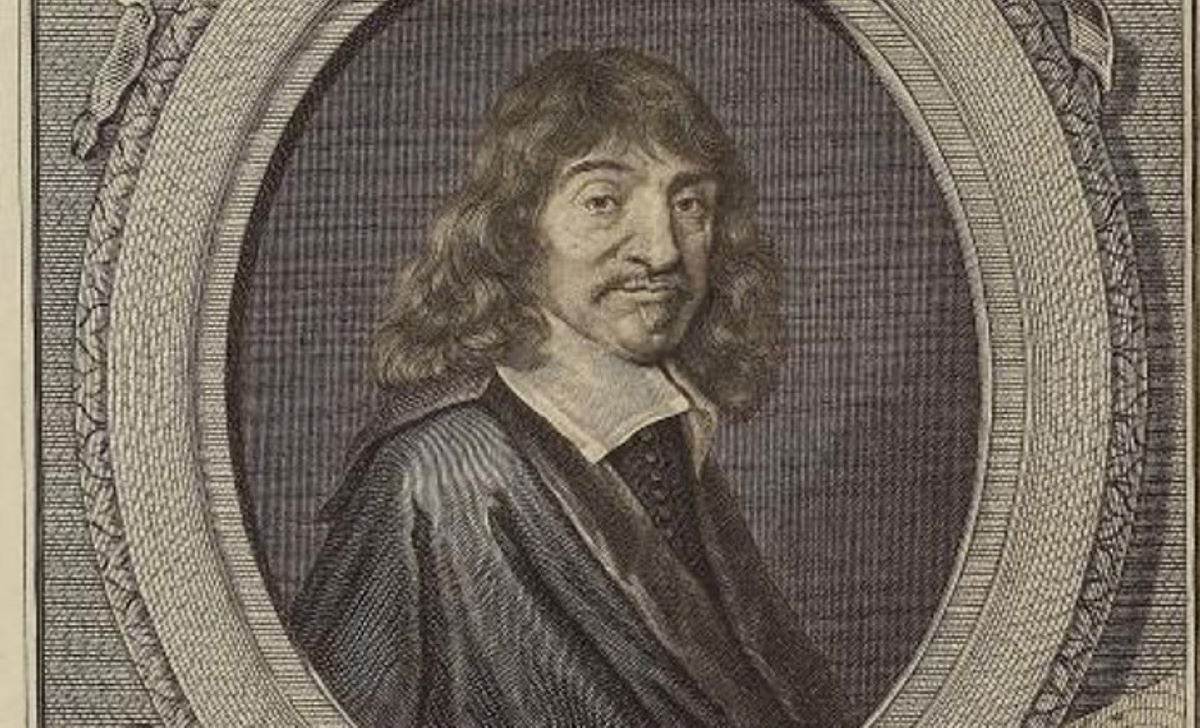
1647–1706
Pierre Bayle (1647-1706) was a Protestant philosopher and critic who was born in France. In 1675 he became professor of philosophy at Sedan…

1672–1729
Gershom Carmichael (1672-1729) was the first professor of moral philosophy at the University of Glasgow, the predecessor of Francis…

1619–1651
Nathaniel Culverwell (1619-51) was a student and later a fellow of Emmanuel College, Cambridge.

1632–1718
Richard Cumberland (1632-1718) is perhaps one of the unsung heroes of the natural law tradition. He was a liberal Anglican theologian and…

1583–1645
Hugo Grotius (1583-1645) was a Dutch scholar and jurist whose legal masterpiece, De Jure Belli ac Pacis (On the law of war and peace)…

1632–1704
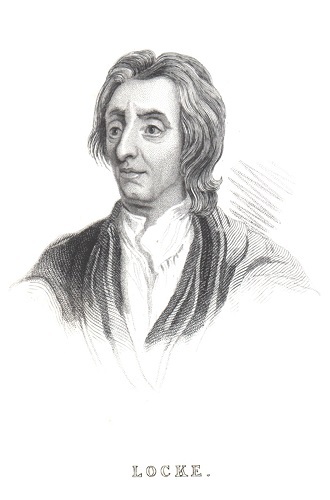
John Locke (1632-1704) was an English philosopher who is considered to be one of the first philosophers of the Enlightenment and the father…

1632–1694
Samuel Pufendorf was born in Saxony in 1632, the son of a Lutheran clergyman. He studied at Leipzig and Jena and held the first modern…

1622–1683
Algernon Sidney (1622-1683) was a radical English republican political theorist who challenged Filmer’s theory of the divine right of…
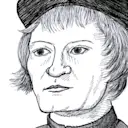
1484–1531
Huldrych Zwingli was a leading figure in the Protestant Reformation in Switzerland. Unlike Martin Luther’s movement, however, Zwingli’s…
In this collection
From The Reading Room, Liberty Matters and the library’s other publications.
Peter Carl Mentzel · Apr 10, 2024
Walter Donway · Dec 27, 2023
Walter Donway · Aug 02, 2023
Walter Donway · Apr 26, 2023
Walter Donway · Apr 19, 2023
Passages on this subject, chosen by OLL editors.
Contending for the rights of women, my main argument is built upon this simple principle, that if she be not prepared by education to become the companion of man, she will stop the progress of knowledge and virtue; for truth must be common to all, or it will be inefficacious with respect to its influence on general practice. And how can women be expected to co-operate unless she knows why she ought to be virtuous? unless freedom strengthens her reason till she comprehends her duty, and see in what manner is connected with her real good. If children are to be educated to understand the true principle of patriotism, their mother must be a patriot; and the love of mankind, from which an orderly train of virtues spring, can only be produced by considering the moral and civil interest of mankind; but the education and situation of woman at present shuts her out from such investigations.
--Mary Wollstonecraft, A Vindication of the Rights of Women
For more information see:

Philosophy, Psychology, and Religion
209 titles · 81 publications · 198 people

Philosophy (General)
184 titles · 74 publications · 159 people

Law
140 titles · 14 publications · 134 people
Law
49 titles · 1 publication · 69 people
Law
41 titles · 25 publications · 75 people

Language and Literature
25 titles · 1 publication · 24 people