

Charles Francis Adams
1807–1886
Grandson of the President John Adams, Charles Francis was a U.S. Congressman, ambassador, and editor of his grandfather’s papers.


History of the Americas
142 items in this collection
The "Founders" refers to that generation of men and women who were active in the American Revolution and the formation of the early American Republic and the Constitution.
In this collection
27 people central to Founders of the U.S. Constitution.
1807–1886
Grandson of the President John Adams, Charles Francis was a U.S. Congressman, ambassador, and editor of his grandfather’s papers.

1735–1826
John Adams (1735-1826) was one of the principal framers of the American republic and the successor to Washington as president. Before the…

1722–1803
Samuel Adams was a pivotal figure in the American Revolution and one of the most influential Founding Fathers.


b. 1970
Jane E. Calvert earned her BA in German and English at Earlham College and her PhD from the University of Chicago. She is founder,…

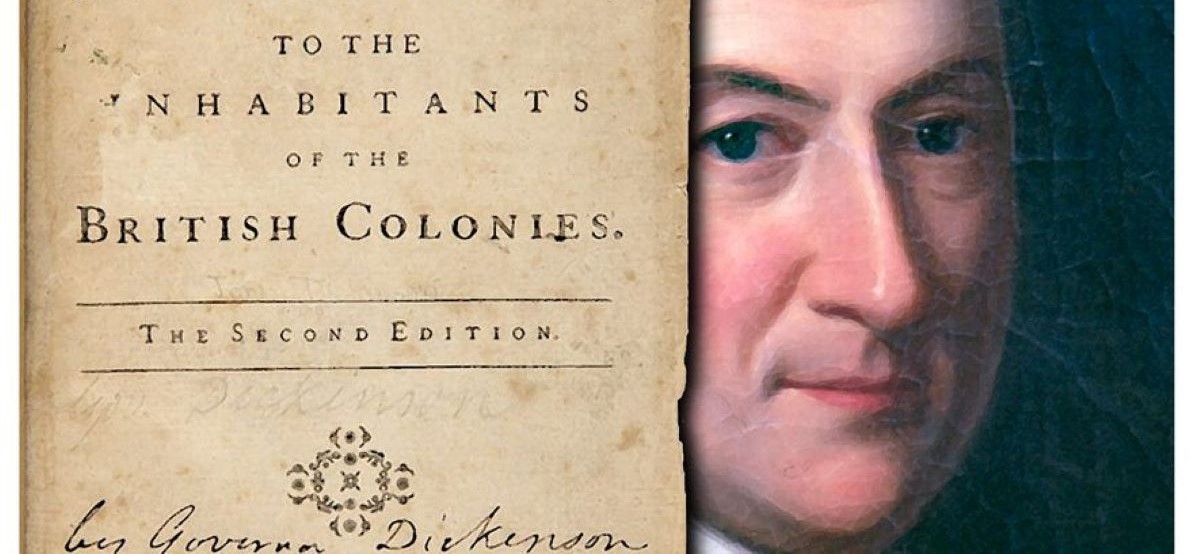
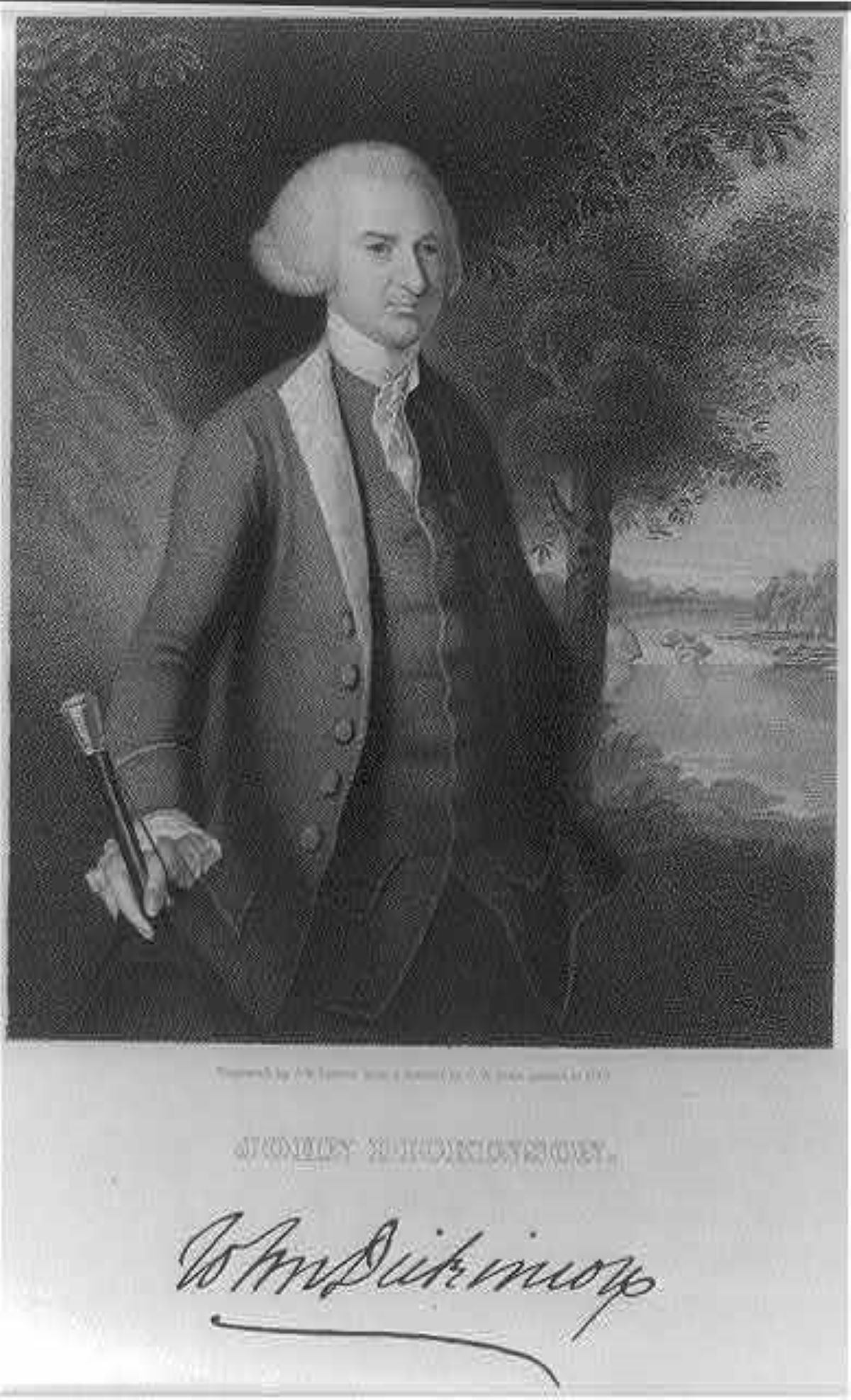
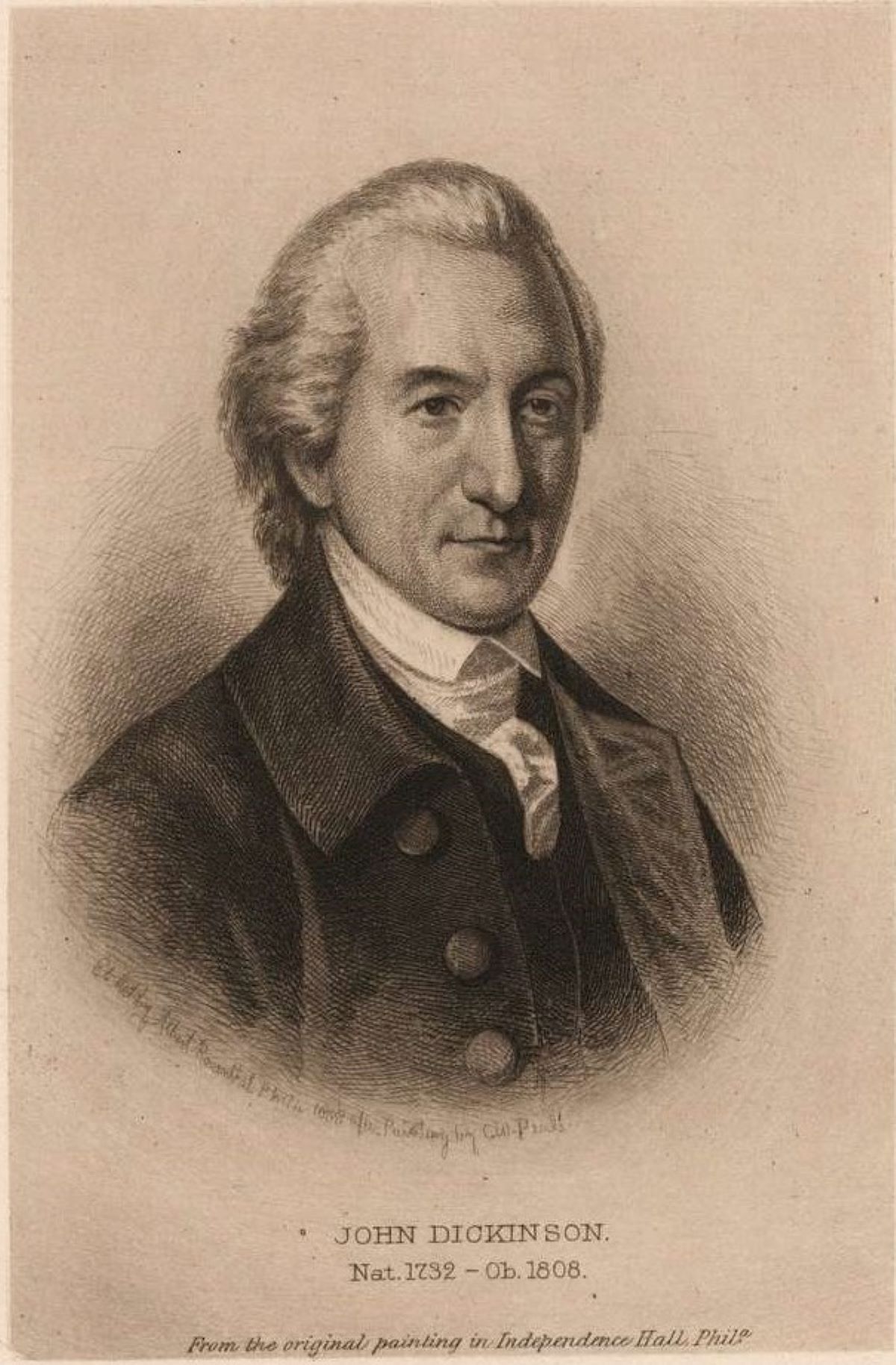
1732–1808
John Dickinson was a successful Philadelphia lawyer who agitated against the Stamp Act and for the independence of the colonies on the eve…

Hans Eicholz is a historian and Liberty Fund Senior Fellow.

Todd Estes is Professor of History and has taught at Oakland since 1995, serving as Department Chair from 2012-2018. He holds the B.A.…

1742–1821
William Findley (1742-1821) was an important, if lesser-known, politician during the early national period of American history.
1935–2011
Foley edited the massive Jeffersonian Cyclopedia which is a 1,000 page alphabetical compilation of the thoughts of Thomas Jefferson. The…

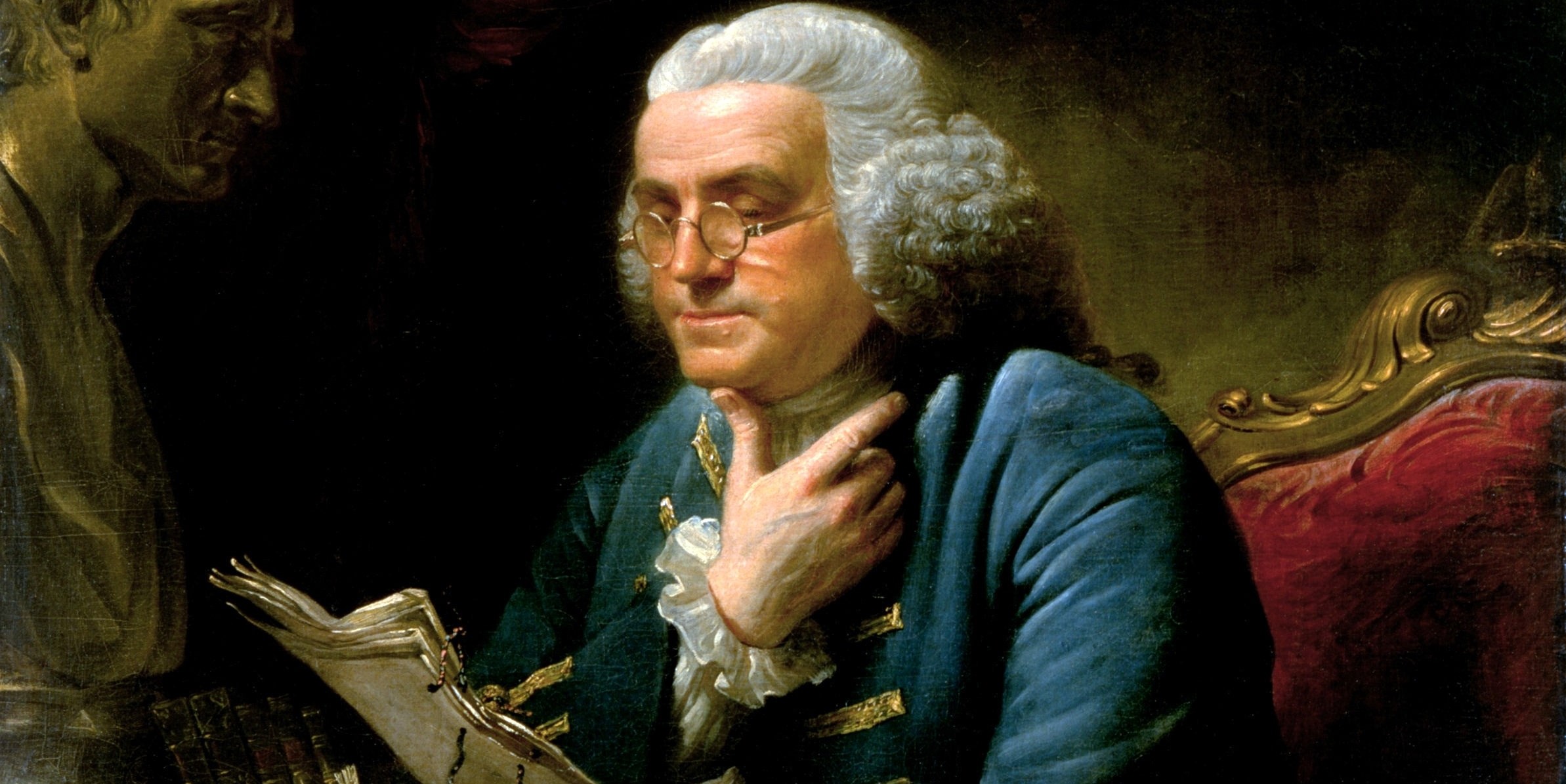
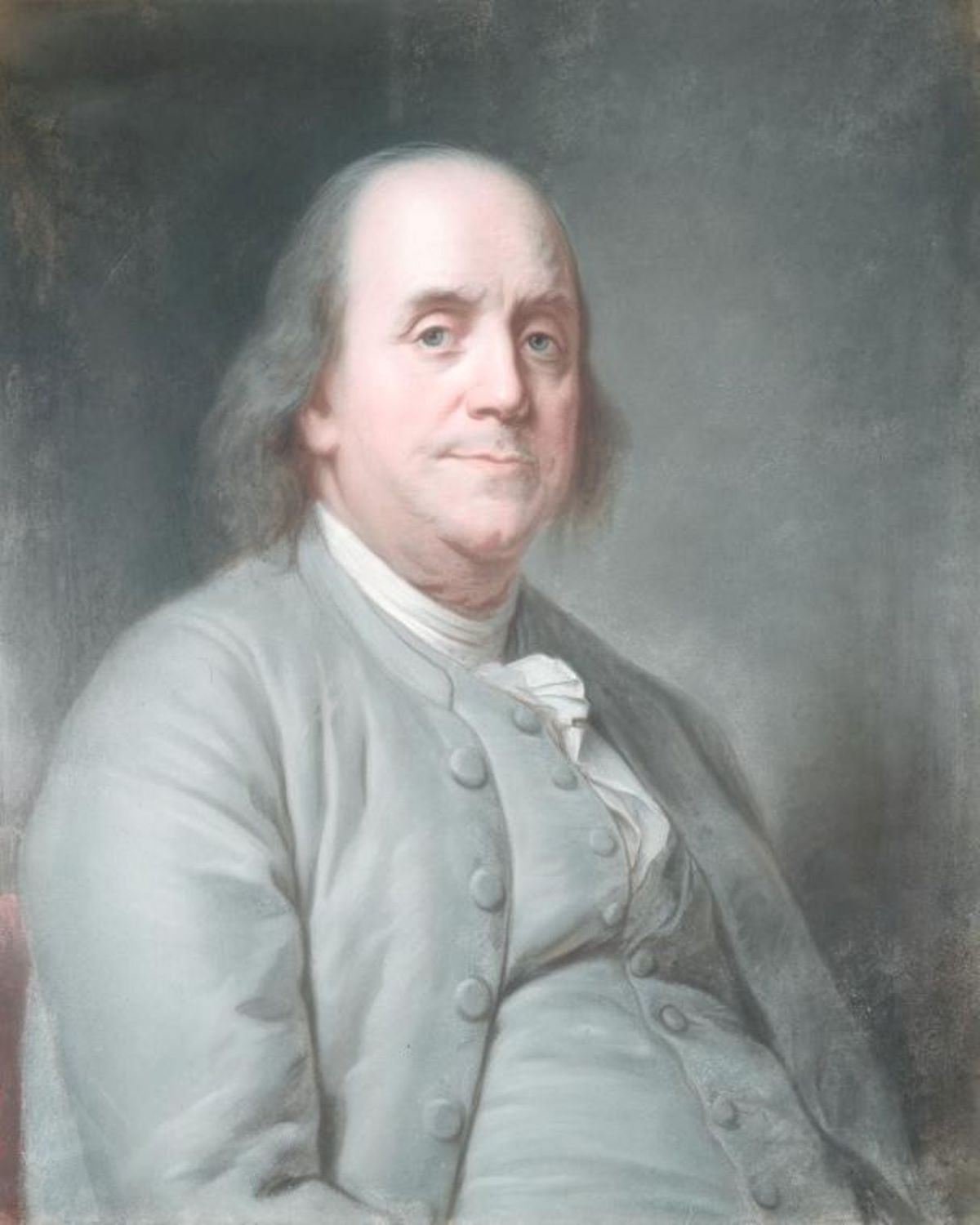
1706–1790
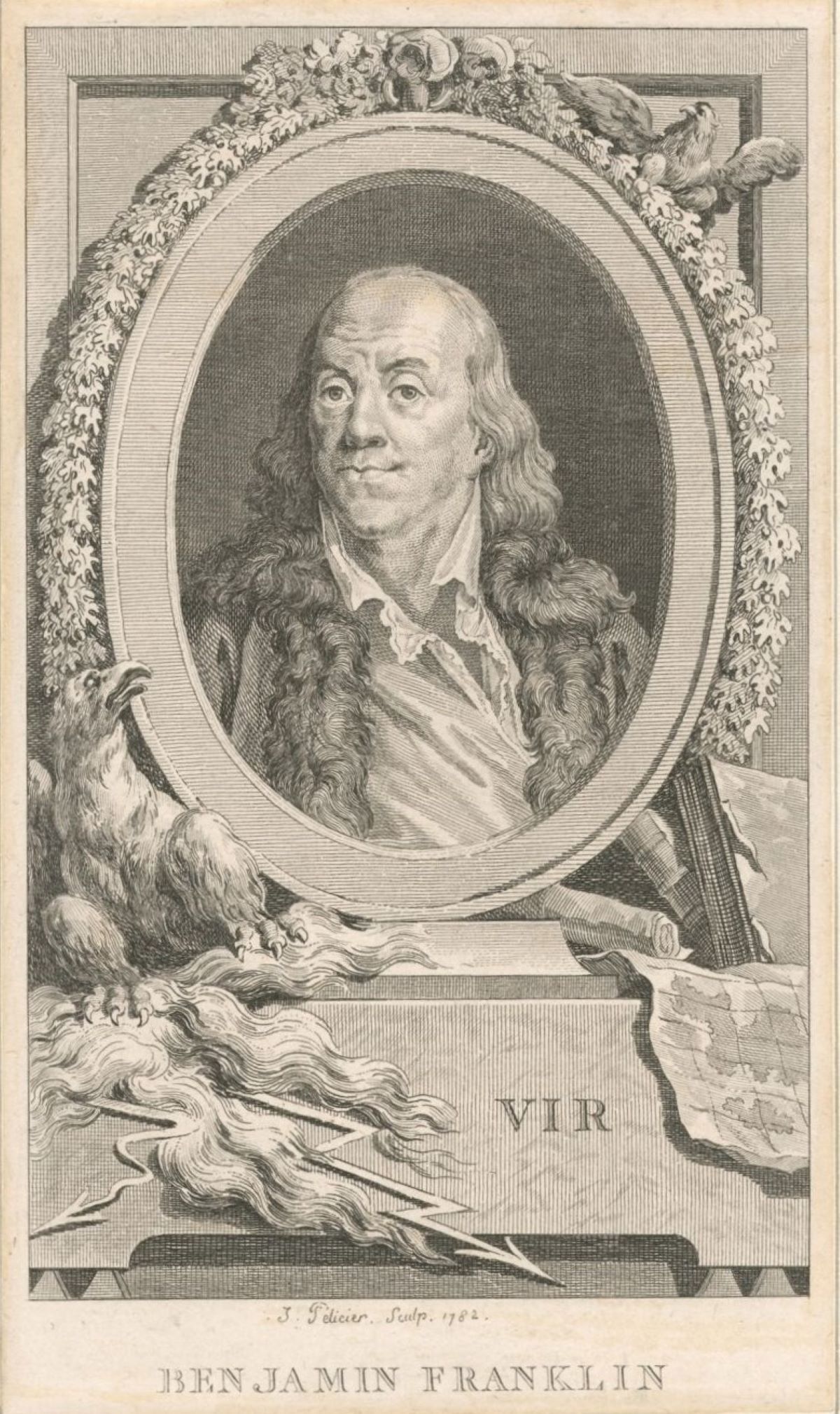
Benjamin Franklin (1706-1790) was a Founding Father of the American republic, an author, inventor, and diplomat whose life and ideas came…

1757–1804
Alexander Hamilton (1755-1804) was secretary and aide-de-camp to Washington in 1777-81, a member of the Continental Congress in 1782-83 and…

1736–1799
Patrick Henry (1736 – 1799), one of the Founding Fathers, was an attorney, politician and great orator who is best known for his…

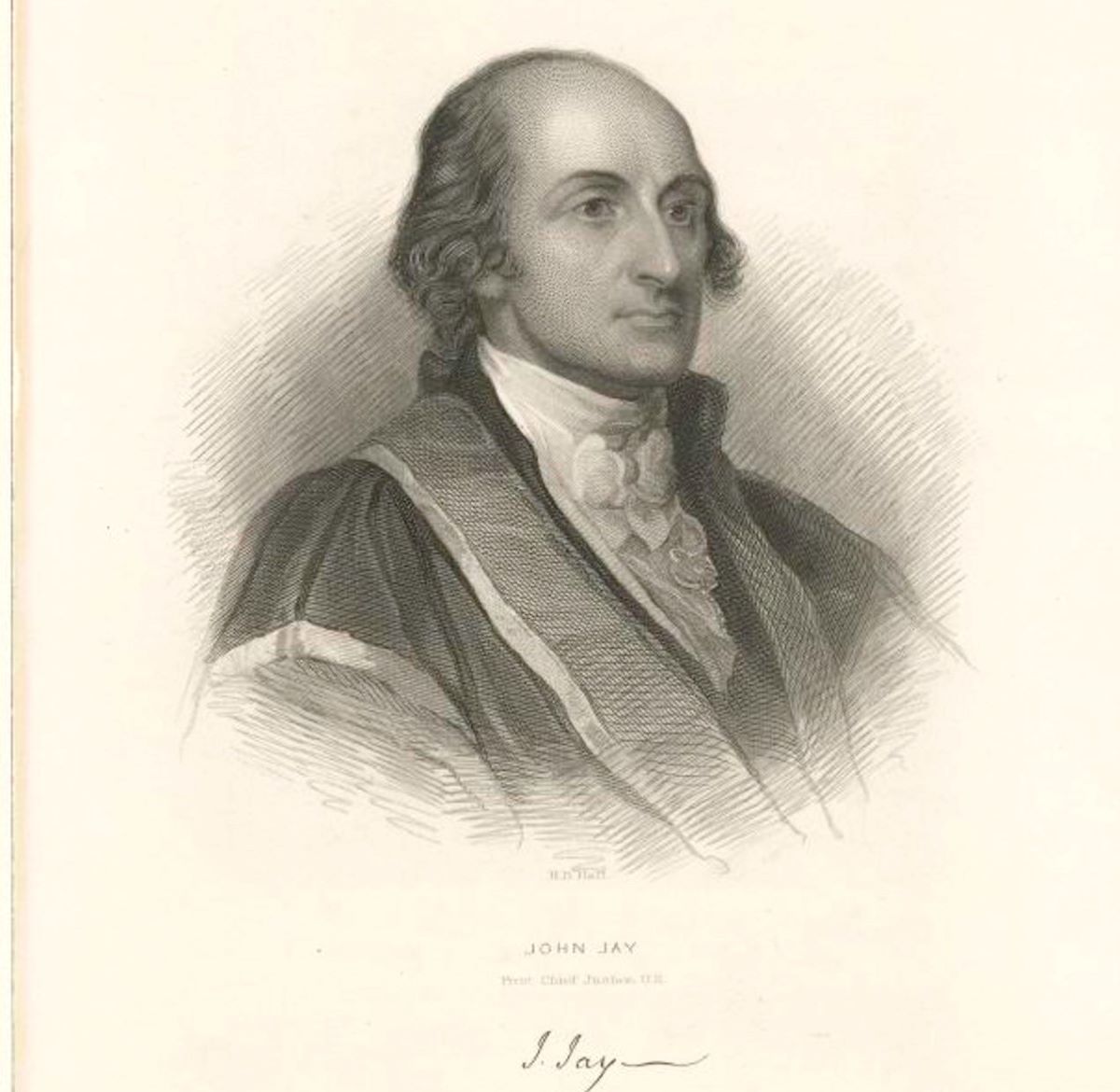
1745–1829
John Jay (1745-1829) was a member of the Continental Congress in 1774 through 1779 and its president in 1778-79, drafter of New York’s…

1743–1826
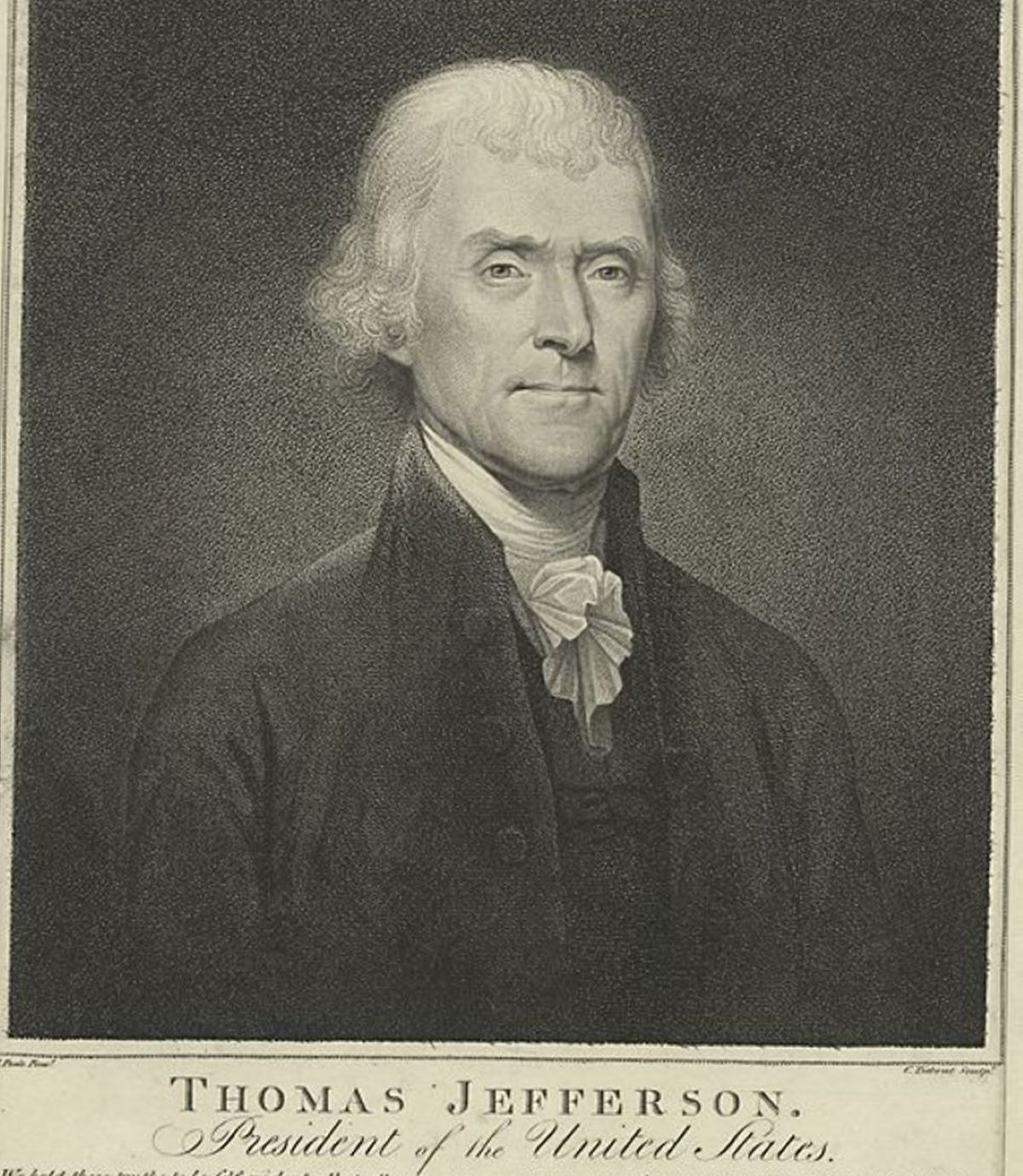
Thomas Jefferson (1743-1826), a Virginian, was the author of the American Declaration of Independence (1776), an active participant in the…

1732–1794
Richard Henry Lee was a Virginia aristocrat who opposed the ratification of the US constitution on the grounds that it took power away from…

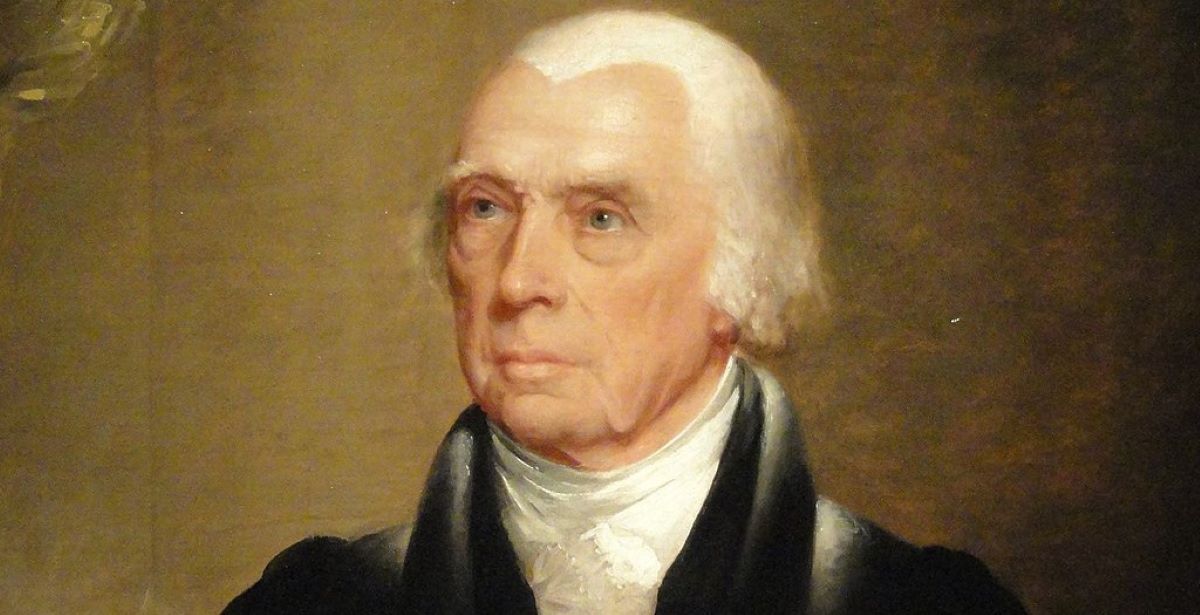
1751–1836
James Madison (1751-1836) was a member of the Virginia legislature in 1776-80 and 1784-86, of the Continental Congress in 1780-83, and of…

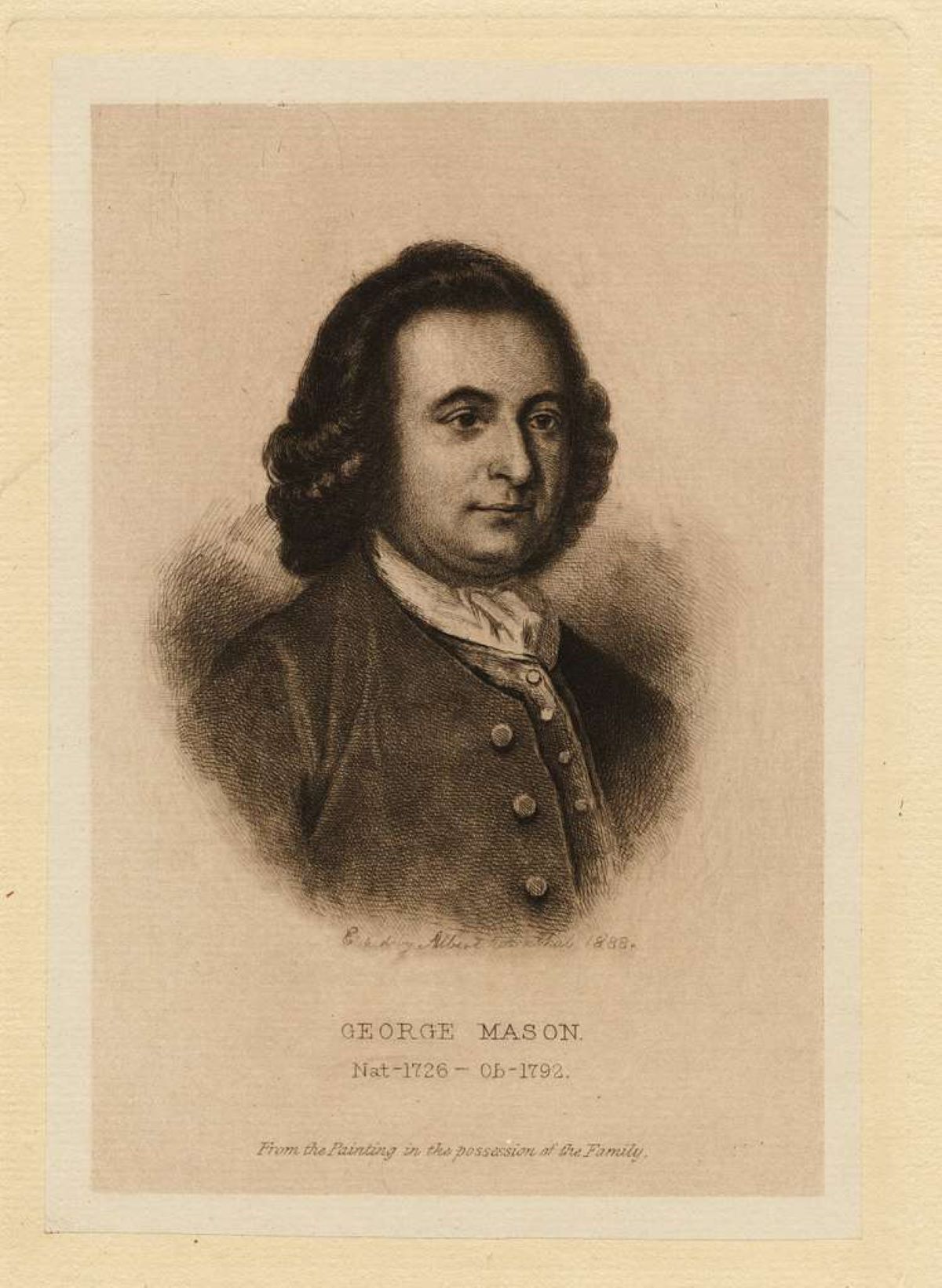
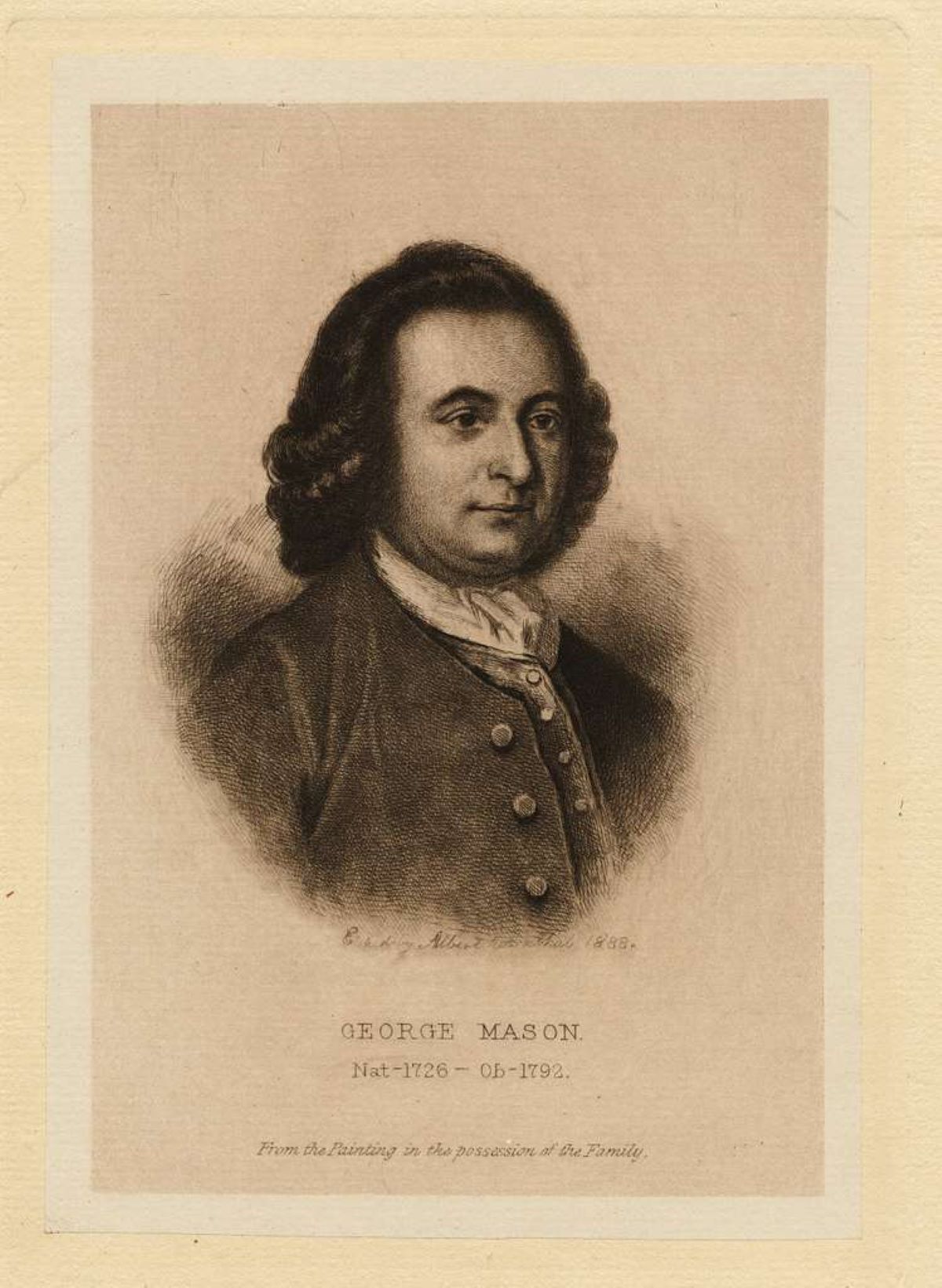
1725–1792
George Mason was a member of the Federal Convention, but refused to sign the Constitution, and was a leader of the opposition to its…

b. 1970
Christine has over twenty-five years’ experience in education as a teacher, historian, and administrator. She holds a bachelor’s degree…

Melanie Miller has been the editor of the Gouverneur Morris Papers, a project supported by the NEH Scholarly Editions program, since 2007.

1737–1809
Thomas Paine (1737-1809) was a vigorous defender of and participant in both the American and French Revolutions. His most famous work is…

1721–1793
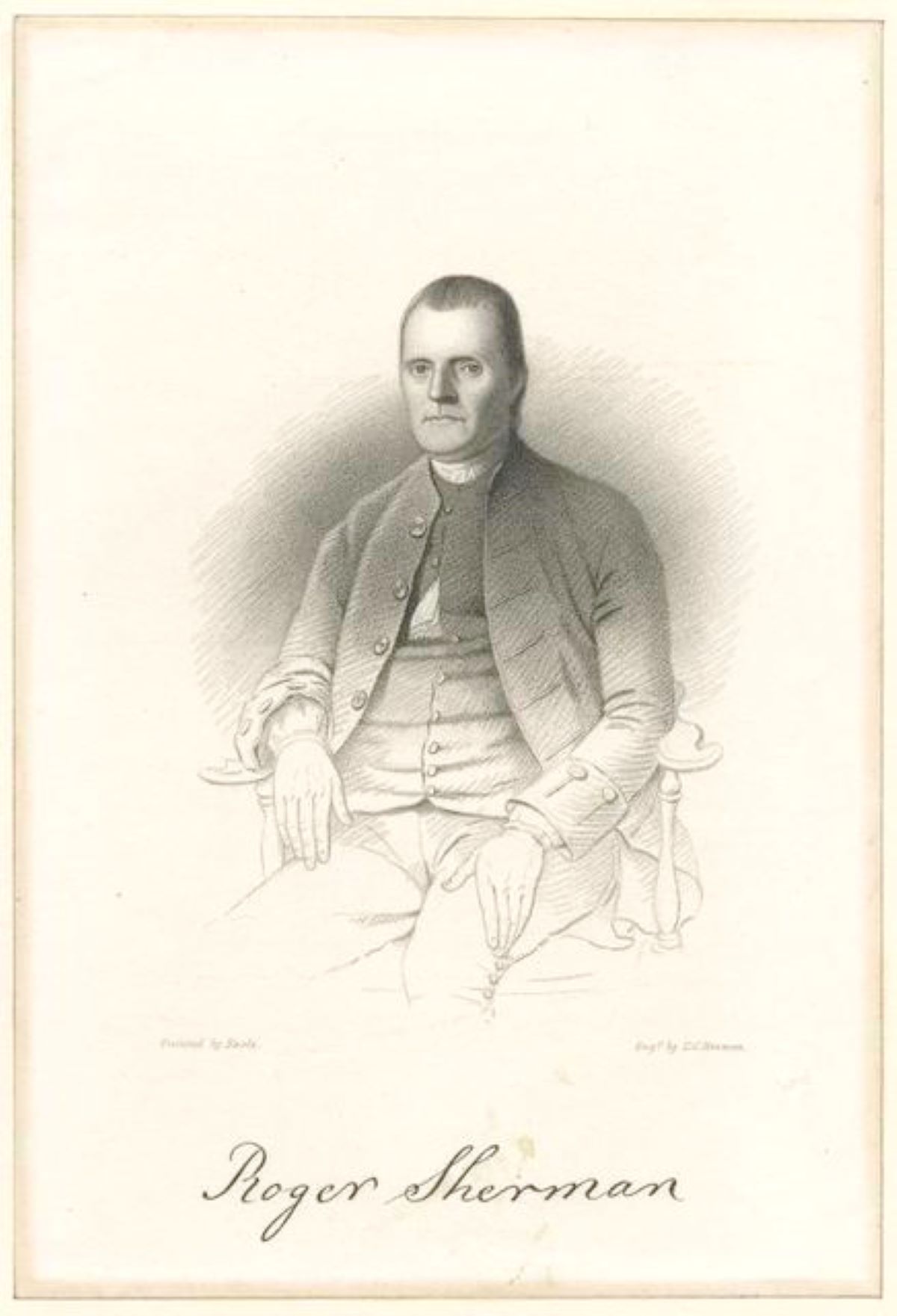
Roger Sherman (1721 – 1793), one of the Founding Fathers, was an important figure during our Revolution. He helped draft the Articles of…

Cara Rogers Stevens is an Associate Professor of History at Ashland University, where she also co-directs the Ashbrook Scholar Program. She…

1728–1814
Mercy Otis Warren (1728-1814) was one of the most formidable female intellectuals in 18th century America. She wrote plays, poetry,…

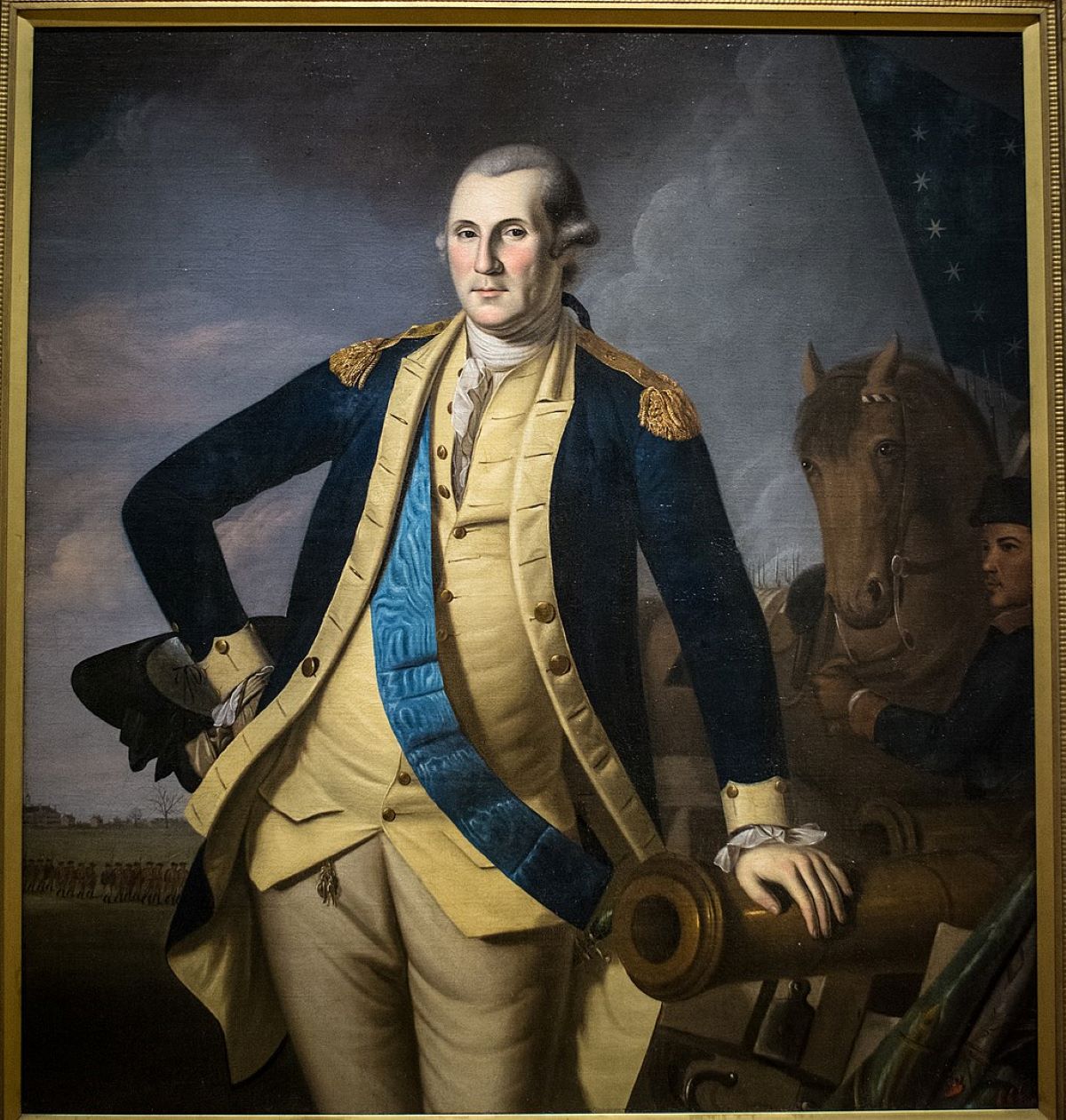
1732–1799
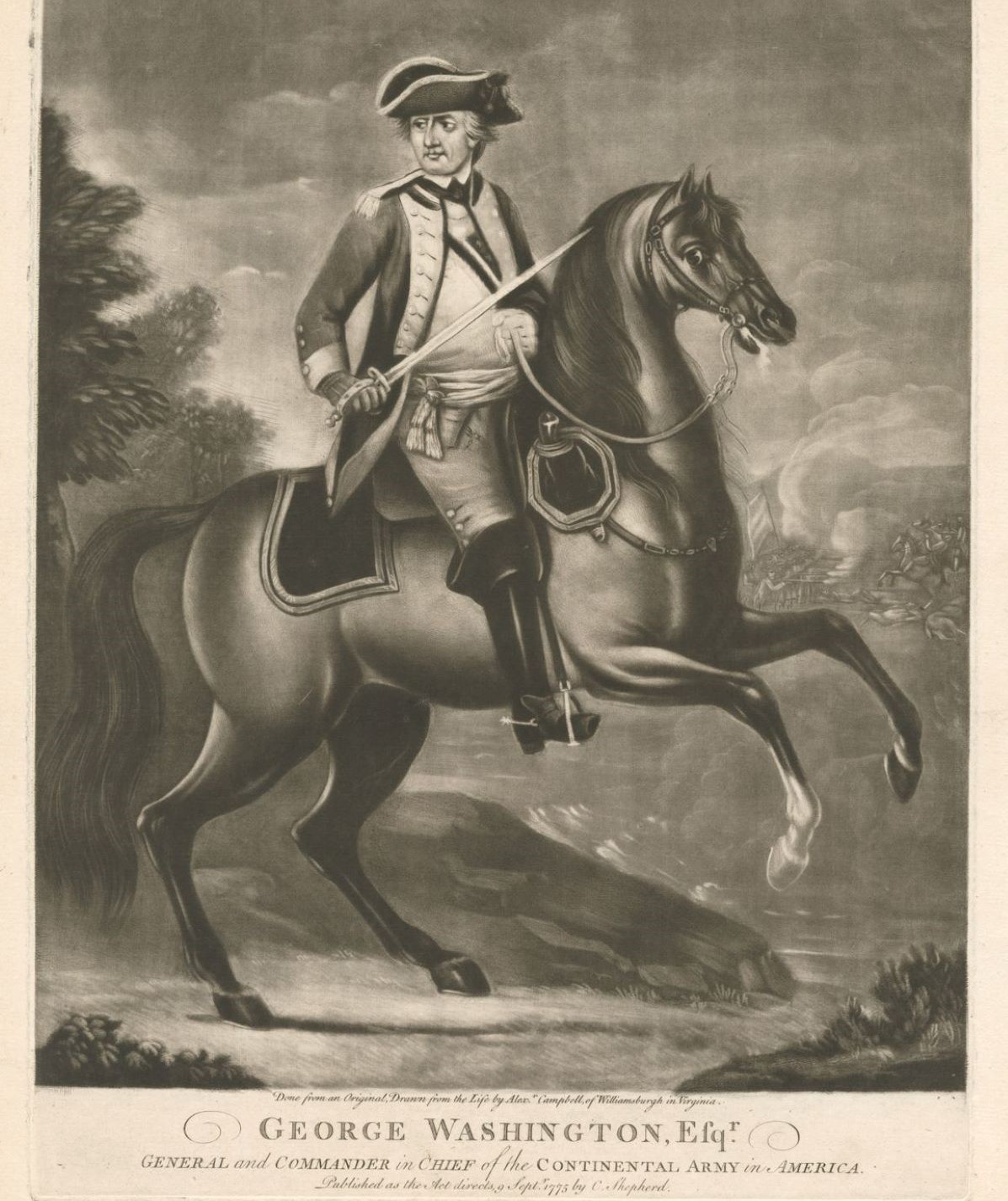
George Washington (1732-1799) was the military leader of the American revolutionary armies and became the first president of the United…

1758–1843
Noah Webster (1758-1843) was an ardent Federalist, lexicographer, and political writer in the early American republic.

1742–1798
James Wilson (1742-1798) signed the Declaration of Independence and was twice elected to the Continental Congress. He played a leading role…
In this collection
From The Reading Room, Liberty Matters and the library’s other publications.
William Reddinger · Dec 07, 2023
Walter Donway · Apr 12, 2023
Hans Eicholz · Oct 25, 2022
Mark David Hall · Oct 13, 2022
Isadore Johnson · Sep 27, 2022
Isadore Johnson · Sep 15, 2022
Sarah Morgan Smith · Sep 13, 2022
Paul A. Cleveland · Aug 16, 2022
Kirstin Anderson Birkhaug · Aug 09, 2022
Jane E. Calvert · Jul 21, 2022
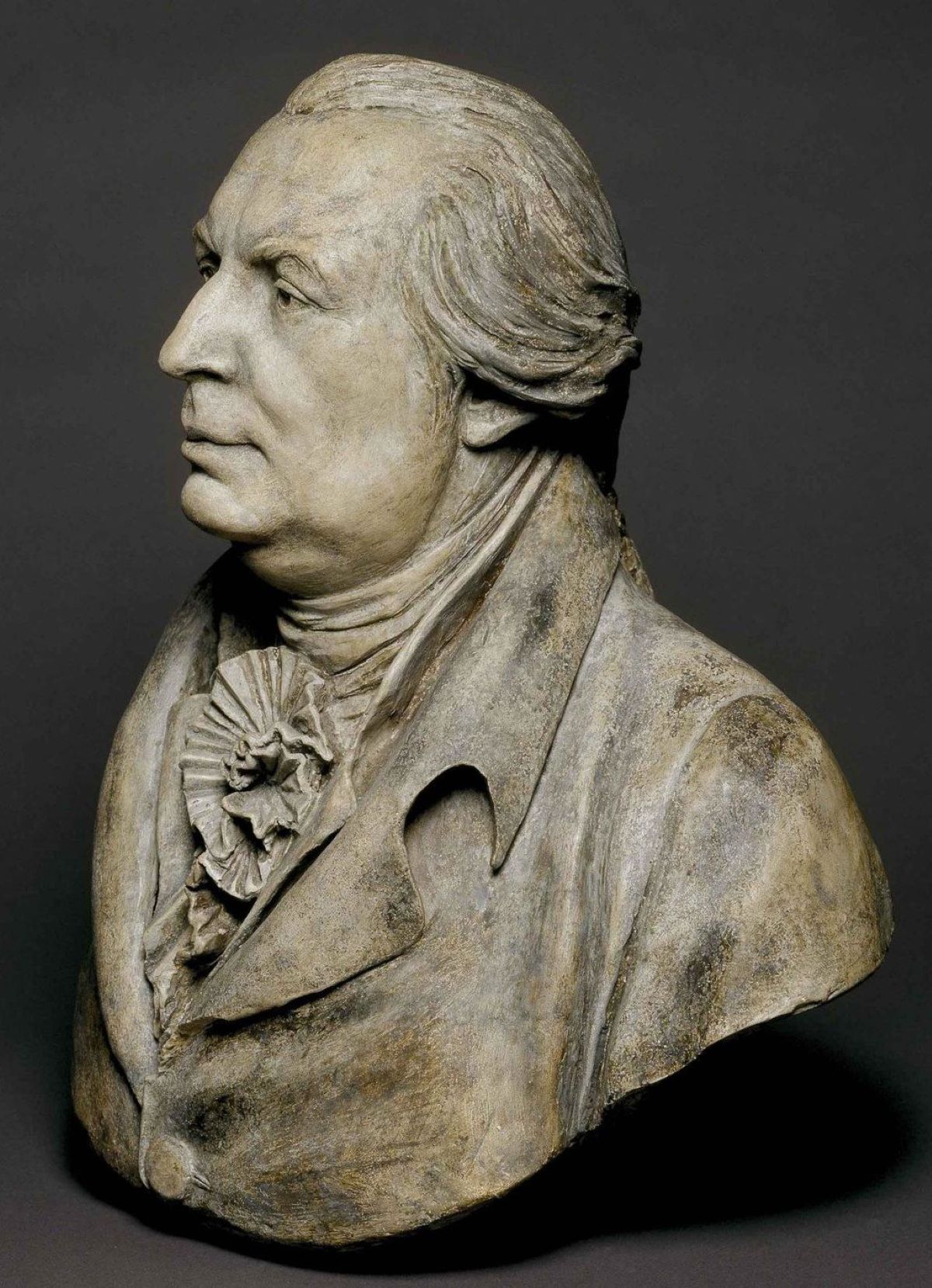
Melanie Randolph Miller · Jul 14, 2022
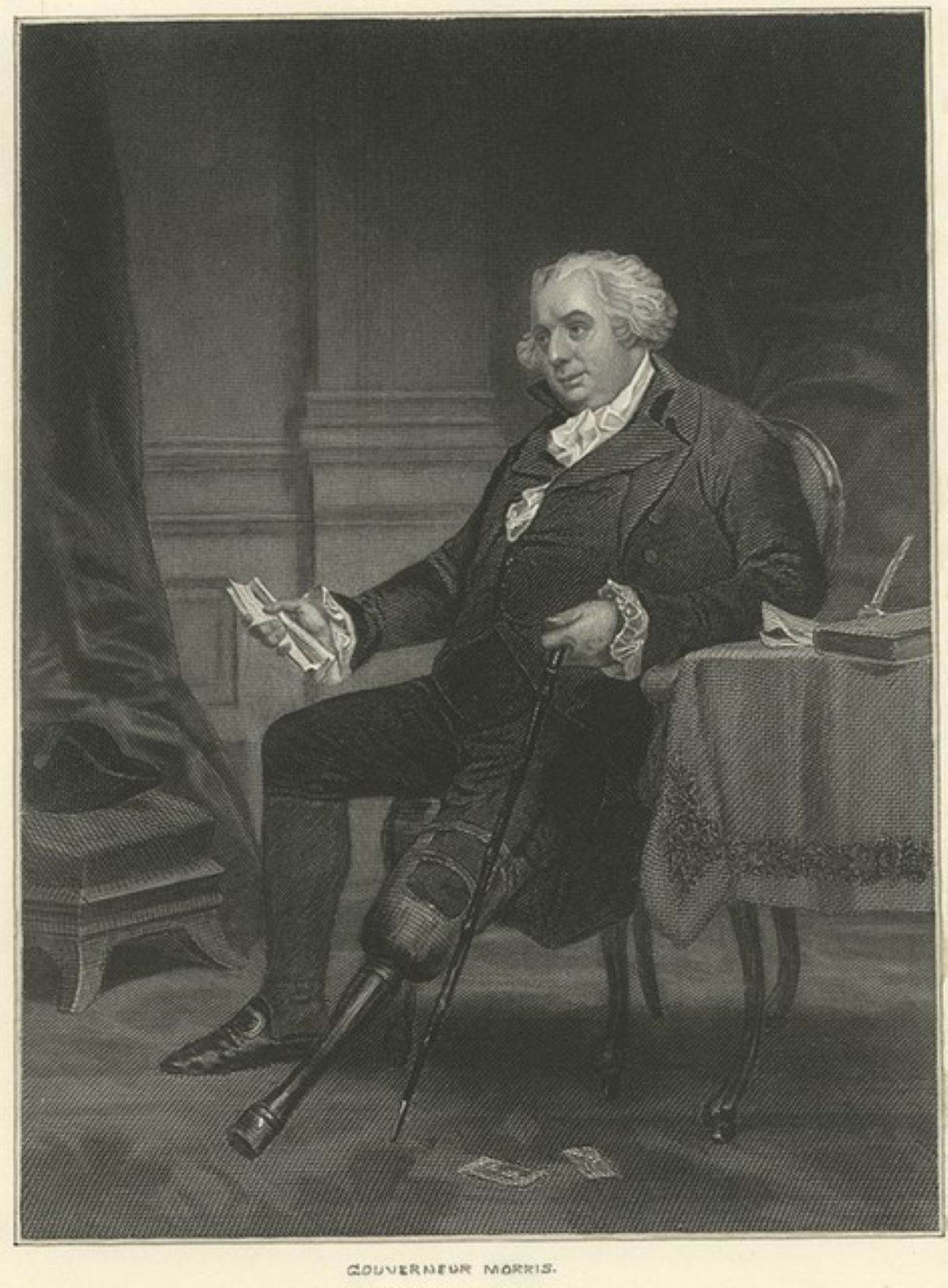
Melanie Randolph Miller · Jul 12, 2022
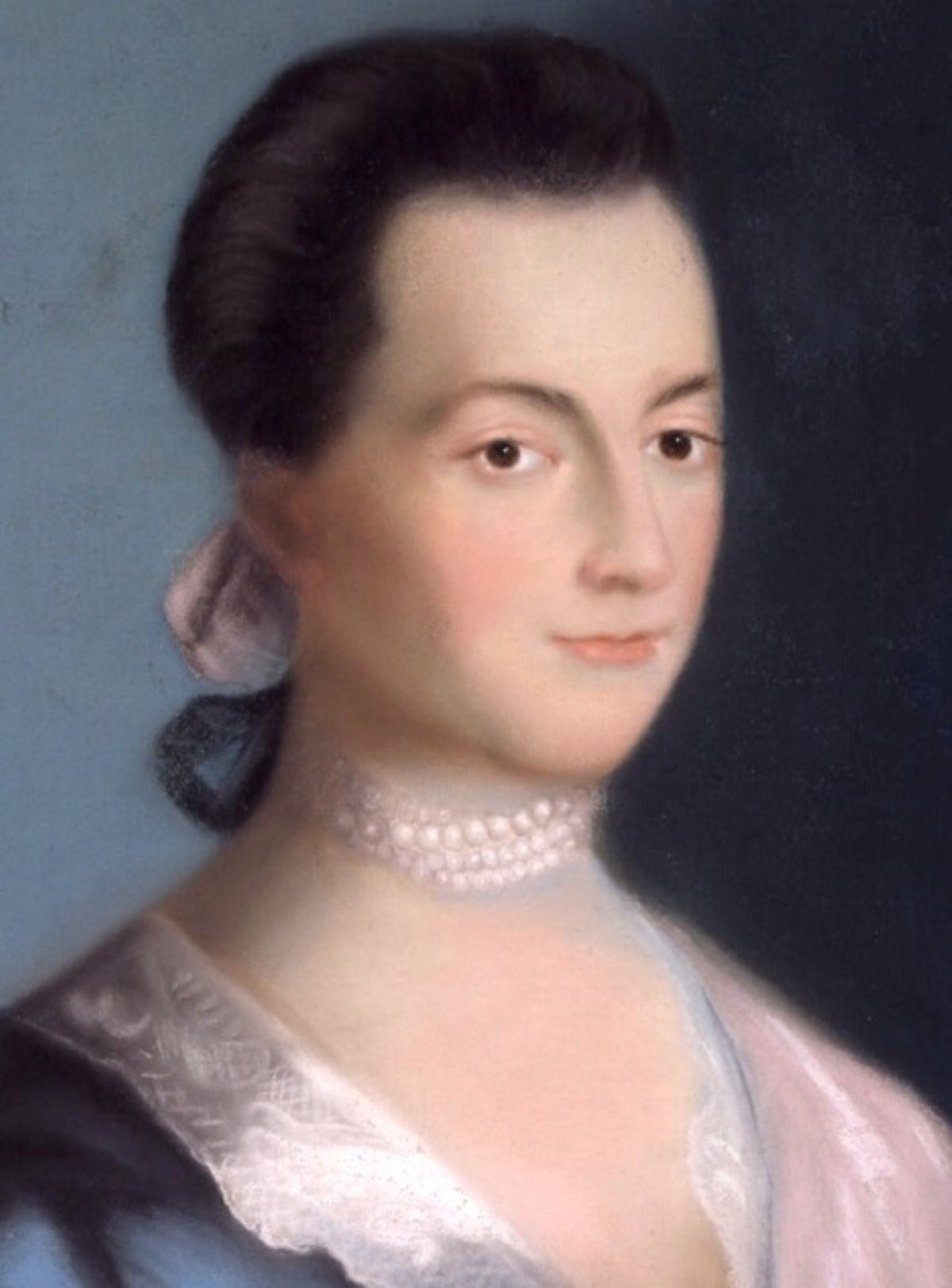
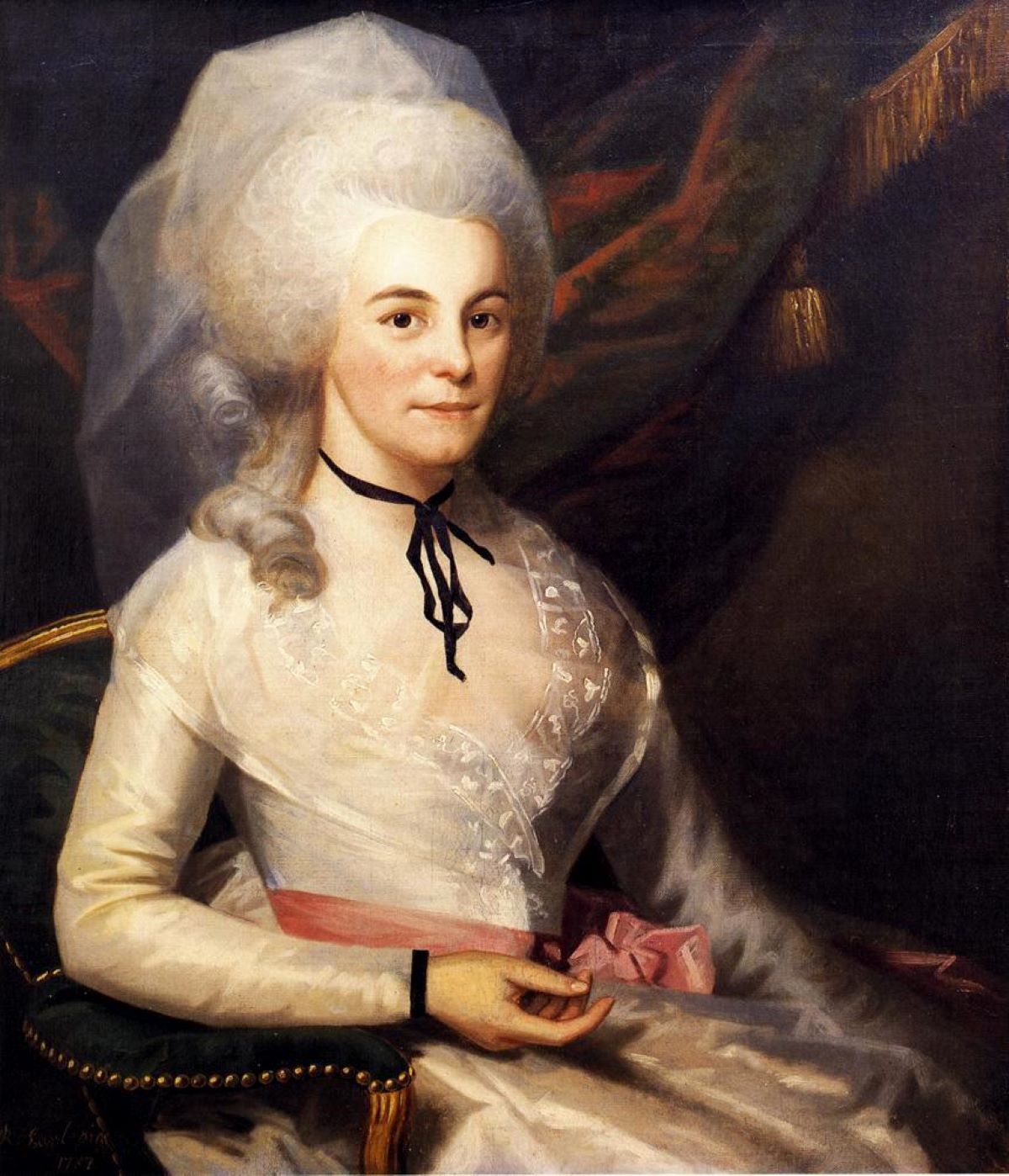
Melissa Matthes · Jun 30, 2022
Megan Marie Russo · Jun 28, 2022
Dennis C. Rasmussen · Jun 23, 2022
Dennis C. Rasmussen · Nov 29, 2021
Hans Eicholz and others · 2021
Passages on this subject, chosen by OLL editors.
1. Adams to Jefferson, Quincy, 15 August, 1823: I am no king killer, merely because they are kings. Poor creatures! they know no better; they sincerely and conscientiously believe that God made them to rule the world. I would not, therefore, behead them, or send them to St. Helena to be treated like Napoleon; but I would shut them up like the man in the mask, feed them well, and give them as much finery as they please, until they could be converted to right reason and common sense.
2. Jefferson to Adams, Monticello, September 4, 1823: The generation which commences a revolution rarely completes it. Habituated from their infancy to passive submission of body and mind to their kings and priests, they are not qualified when called on to think and provide for themselves; and their inexperience, their ignorance and bigotry make them instruments often, in the hands of the Bonapartes and Iturbides, to defeat their own rights and purposes. This is the present situation of Europe and Spanish America. But it is not desperate. … The kings and the rabble, of equal ignorance, have not yet received its rays; but it continues to spread, and while printing is preserved, it can no more recede than the sun return on his course. A first attempt to recover the right of self-government may fail, so may a second, a third, &c. But as a younger and more instructed race comes on, the sentiment becomes more and more intuitive, and a fourth, a fifth, or some subsequent one of the ever renewed attempts will ultimately succeed.
3. Adams to Jefferson, Quincy, 17 September, 1823: It is melancholy to contemplate the cruel wars, desolations of countries, and oceans of blood, which must occur before rational principles and rational systems of government can prevail and be established; but as these are inevitable, we must content ourselves with the consolations which you from sound and sure reasons so clearly suggest. These hopes are as well founded as our fears of the contrary evils. On the whole, the prospect is cheering. I have lately undertaken to read Algernon Sidney on Government There is a great difference in reading a book at four-and-twenty and at eighty-eight …
In every community where industry is encouraged, there will be a division of it into the few and the many. Hence, separate interests will arise. There will be debtors and creditors, etc. Give all power to the many, they will oppress the few. Give all power to the few, they will oppress the many. Both, therefore, ought to have the power, that each may defend itself against the other. (FROM: SPEECHES IN THE FEDERAL CONVENTION, Monday, June 18, 1787) - Alexander Hamilton
“Now it appears to the Secretary of the Treasury that this general principle is inherent in the very definition of government, and essential to every step of the progress to be made by that of the United States, namely: That every power vested in a government is in its nature sovereign, and includes, by force of the term, a right to employ all the means requisite and fairly applicable to the attainment of the ends of such power, and which are not precluded by restrictions and exceptions specified in the Constitution, or not immoral, or not contrary to the essential ends of political society.” (FROM: Hamilton to Washington, February 23, 1791
The Confederation gives the States, individually, too much influence in the affairs of the army. They should have nothing to do with it. The entire formation and disposal of our military forces ought to belong to Congress. It is an essential cement of the union; and it ought to be the policy of Congress to destroy all ideas of State attachments in the army, and make it look up wholly to them. For this purpose all appointments, promotions, and provisions, whatsoever, ought to be made by them. It may be apprehended that this may be dangerous to liberty. But nothing appears more evident to me than that we run much greater risk of having a weak and disunited federal government, than one which will be able to usurp upon the rights of the people. (FROM: Alexander Hamilton to James Duane, September 3, 1780)
But in a country, where the perpetual menacings of danger oblige the government to be always prepared to repel it, her armies must be numerous enough for instant defence. The continual necessity for his services enhances the importance of the soldier, and proportionably degrades the condition of the citizen. The military state becomes elevated above the civil. The inhabitants of territories often the theatre of war, are unavoidably subjected to frequent infringements on their rights, which serve to weaken their sense of those rights; and by degrees, the people are brought to consider the soldiery not only as their protectors, but as their superiors.
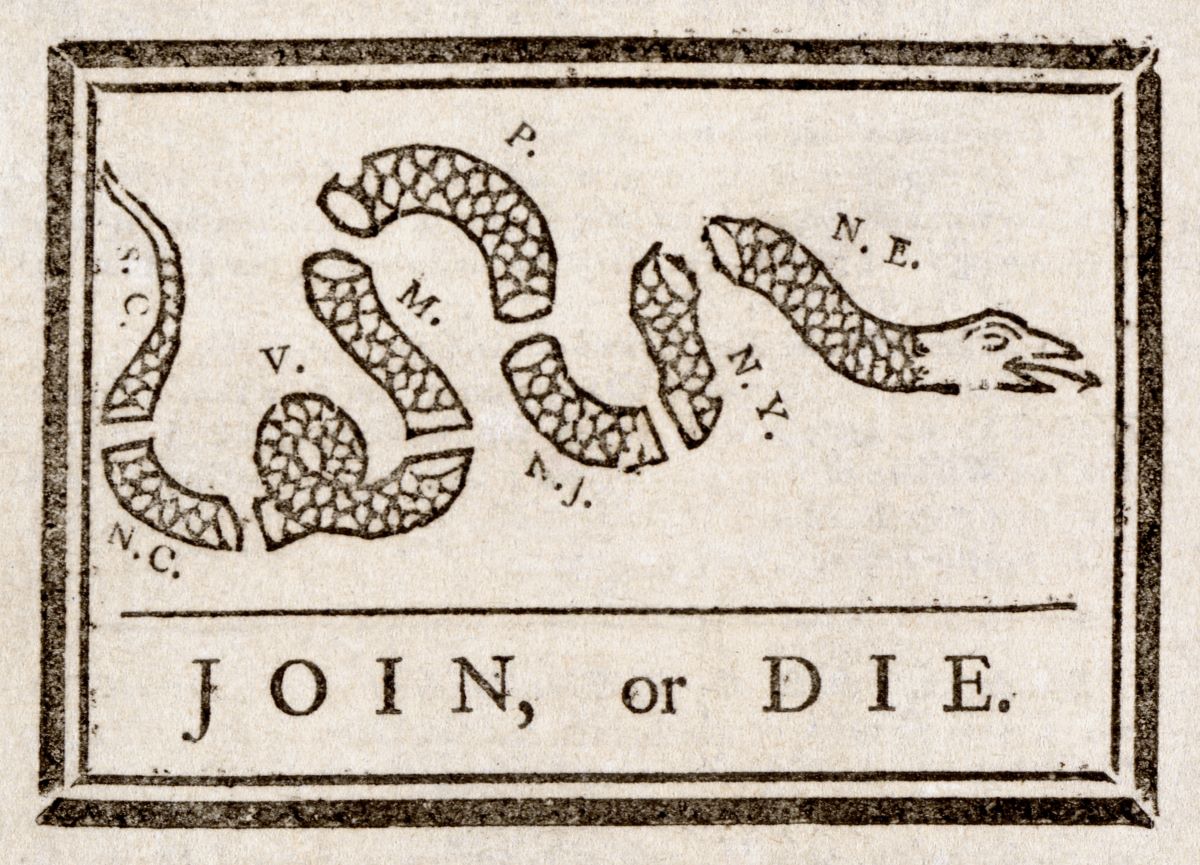
...I imagine such an union might thereby be made and established; for reasonable, sensible men, can always make a reasonable scheme appear such to other reasonable men, if they take pains, and have time and opportunity for it; unless from some circumstances their honesty and good intentions are suspected. A voluntary union entered into by the colonies themselves, I think, would be preferable to one imposed by parliament; for it would be perhaps not much more difficult to procure, and more easy to alter and improve, as circumstances should require and experience direct. It would be a very strange thing, if Six Nations of ignorant savages should be capable of forming a scheme for such an union, and be able to execute it in such a manner, as that it has subsisted ages, and appears indissoluble; and yet that a like union should be impracticable for ten or a dozen English colonies, to whom it is more necessary and must be more advantageous, and who cannot be supposed to want an equal understanding of their interests. (FROM: Philadelphia, March 20, 1751)
Government is aptly compared to architecture; if the superstructure is too heavy for the foundation the building totters, though assisted by outward props of art. But leaving it to everybody to mould the similitude according to his particular fancy, I shall only observe that the people have made the most considerable part of the legislature in every free state; which has been more or less so in proportion to the share they have had in the administration of affairs. The English constitution is fixed on the strongest basis; we choose whomsoever we please for our representatives, and thus we have all the advantages of a democracy without any of its inconveniences.
As to the other two acts, (i.e. 16. The American admiralty courts reduced to the same powers they have in England, and the acts establishing them to be reënacted in America; and 17. All powers of internal legislation in the colonies to be disclaimed by Parliament) the Massachusetts (sic) must suffer all the hazards and mischiefs of war rather than admit the alteration of their charters and laws by Parliament. ‘They who can give up essential liberty to obtain a little temporary safety, deserve neither liberty nor safety.’
For more information see:
For additional information about the American Founding see the following:

History of the Americas
343 titles · 67 publications · 239 people
America
238 titles · 1 publication · 150 people

History of the Americas
181 titles · 80 publications · 149 people

Language and Literature
73 titles · 10 publications · 81 people

History of the Americas
17 titles · 39 people

World History
21 publications · 12 people · 21 quotes