

Sir Francis Bacon
1561–1626
Sir Francis Bacon (1561-1626) was trained as a lawyer but made a name for himself as one of the clearest exponents of the scientific method…


American literature
30 items in this collection
Donald Lutz drew up a list of the most frequently cited authors by members of the Founding Generation of the American Republic. A full list can be found here
and there is a bibliographical essay on this topic by Forrest McDonald.
In this collection
27 people central to Founding Fathers' Library.
1561–1626
Sir Francis Bacon (1561-1626) was trained as a lawyer but made a name for himself as one of the clearest exponents of the scientific method…

106 BC–43 BC
Marcus Tullius Cicero (106-43 BC) was a Roman lawyer and statesman who was active during the late Republic in resisting the rise of…

1552–1634
Sir Edward Coke (pronounced cook) (1552-1634) was a lawyer, Member of Parliament, and judge of great renown. He is considered one of the…

1692–1750
Thomas Gordon (1692-1750) was a radical Whig and Commonwealthman who, along with his collaborator John Trenchard (1662-1723), were…

1583–1645
Hugo Grotius (1583-1645) was a Dutch scholar and jurist whose legal masterpiece, De Jure Belli ac Pacis (On the law of war and peace)…

1611–1677
James Harrington (1611-1677) was a leading English Republican political theorist of the 17th century. His views on voting by ballot and the…

1588–1679
Thomas Hobbes (1588-1679) was an English philosopher who lived during the English Revolution. He is most famous for his work of political…

1711–1776
David Hume (1711-1776) was a moral philosopher and historian and a leading member of the Scottish Enlightenment.

59 BC–17
Titus Livius (Livy) (59 BC - 17 AD) is best known for his massive (but largely lost) History of Rome from its founding up to the reign of…

1632–1704
John Locke (1632-1704) was an English philosopher who is considered to be one of the first philosophers of the Enlightenment and the father…

1469–1527
Niccolo Machiavelli (1469-1527) was an Italian Renaissance political philosopher who wrote a famous piece of advice to The Prince on how to…

1608–1674
John Milton (1608-1674) ranks among the greatest poets of the English language. He is best known for the epic poem Paradise Lost (1667),…

1689–1755
Charles Louis de Secondat, Baron de Montesquieu (1689-1755) was one of the most influential legal theorists and political philosophers of…
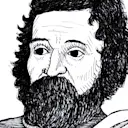
10–67
St. Paul the Apostle (10-67) was one of the most influential members of the early Christian church whose writings make up nearly one-third…

429 BC–347 BC
Plato is, by any reckoning, one of the most dazzling writers in the Western literary tradition and one of the most penetrating,…

46–125
Plutarch was active in politics and traveled to Rome several times as a public servant. In Rome, he was a popular philosopher and public…
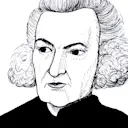
1723–1791
Richard Price was a Welsh-born liberal Presbyterian minister and moral philosopher. Price is perhaps best known for his vigorous defence of…

1632–1694
Samuel Pufendorf was born in Saxony in 1632, the son of a Lutheran clergyman. He studied at Leipzig and Jena and held the first modern…
1713–1796
Guillaume-Thomas-François, abbé Raynal (1713-1796) was an Enlightened historian who wrote on the Dutch Stadholderate and the English…
1575–1625
Robinson (1575-1625) was an English Puritan minister who was known as the pastor to the Pilgrim fathers before and after their journey to…

1712–1778
Jean-Jacques Rousseau (1712-1778) was a Swiss philosopher and novelist who was an important figure in the Enlightenment. In his novels and…

1564–1616
William Shakespeare (1564-1616) is probably the best known poet and playwright of the English language. He is considered by many to be the…

1622–1683
Algernon Sidney (1622-1683) was a radical English republican political theorist who challenged Filmer’s theory of the divine right of…

56–120
Tacitus was a Roman orator, lawyer, public official, and historian. He is considered to be among the greatest prose stylists to write in…

1662–1723
John Trenchard (1662-1723) was a radical Whig and Commonwealthman who, along with his collaborator Thomas Gordon (1692-1750), were…

1714–1767
Emer de Vattel (1714-1767) was one of the foremost theorists of natural law in the 18th century. His writings were widely read in the…

In this collection
From The Reading Room, Liberty Matters and the library’s other publications.
Passages on this subject, chosen by OLL editors.
Differences in political opinions are as unavoidable as, to a certain point, they may, perhaps, be necessary; but it is exceedingly to be regretted that subjects cannot be discussed with temper on the one hand, or decisions submitted to without having the motives which led to them improperly implicated on the other: and this regret borders on chagrin when we find that men of abilities, zealous patriots, having the same general objects in view, and the same upright intentions to prosecute them, will not excercise more charity in deciding on the opinions and actions of one another. When matters get to such lengths, the natural inference is, that both sides have strained the Cords beyond their bearing, and, that a middle course would be found the best, until experience shall have decided on the right way, or, which is not to be expected, because it is denied to mortals, there shall be some infallible rule by which we could fore-judge events. (FROM TO THE SECRETARY OF THE TREASURY (Alexander Hamilton) August 26, 1792)
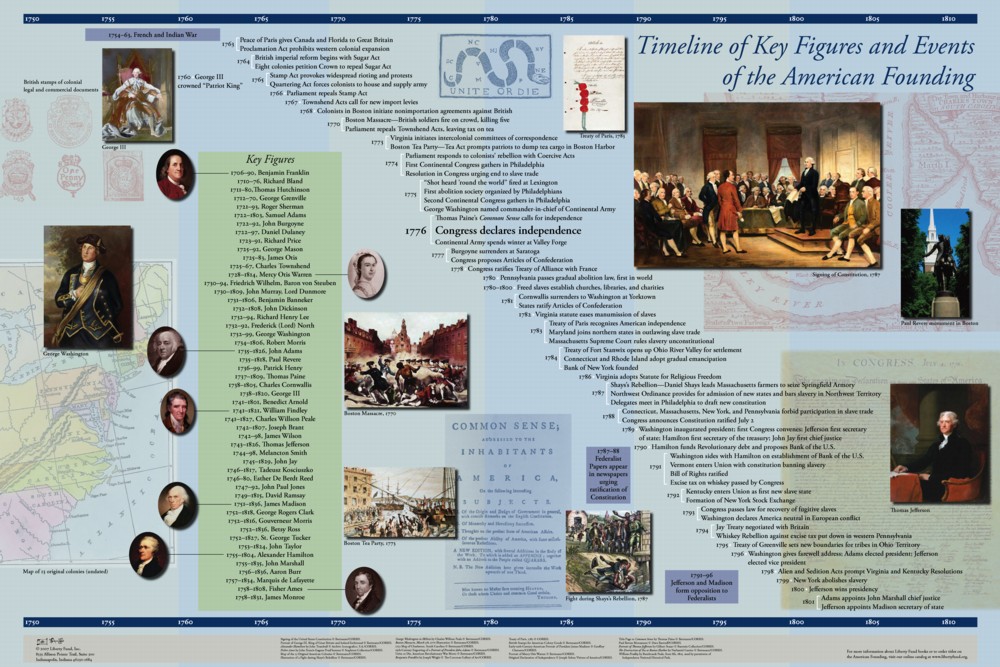
For additional information about the American Founding see the following:

Political Science
618 titles · 60 publications · 383 people
Economic theory. Demography
473 titles · 88 publications · 293 people

History of the Americas
343 titles · 67 publications · 239 people

Language and Literature
282 titles · 6 publications · 321 people
America
238 titles · 1 publication · 150 people

Language and Literature
203 titles · 256 publications · 108 people