Government
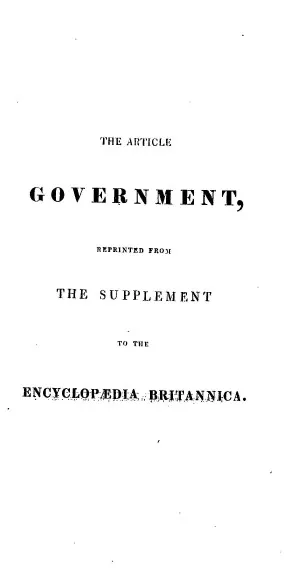
Part of Articles in the Supplement to the Encyclopedia Britannica
- James Mill(author)
One of the articles James Mill wrote for the Encyclopedia Britannica.
Key Quotes
Passages from this text chosen by OLL editors.
- Class“
We have seen already, that if one man has power over others placed in his hands, he will make use of it for an evil purpose; for the purpose of rendering those other men the abject instruments of his will. If we, then, suppose, that one man has the power of choosing the Representatives of the people, it follows, that he will choose men, who will use their power as Representatives for the promotion of this his sinister interest.
We have likewise seen, that when a few men have power given them over others, they will make use of it exactly for the same ends, and to the same extent, as the one man. It equally follows, that, if a small number of men have the choice of the Representatives, such Representatives will be chosen as will promote the interests of that small number, by reducing, if possible, the rest of the community to be the abject and helpless slaves of their will.
About This Edition
Citation
Mill, James. Supplement to the Encyclopedia Britannica (London: J. Innes, 1825).
Mill, James. Government. J. Innes, 1825. Online Library of Liberty, https://oll.libertyfund.org/titles/mill-government.
Mill, J. (1825). Government. J. Innes. https://oll.libertyfund.org/titles/mill-government
@book{mill1825government,
  author = {James Mill},
  title = {Government},
  publisher = {J. Innes},
  address = {London},
  year = {1825},
  url = {https://oll.libertyfund.org/titles/mill-government},
  note = {Online Library of Liberty}
}TY - BOOK AU - Mill, James TI - Government PY - 1825 CY - London PB - J. Innes UR - https://oll.libertyfund.org/titles/mill-government DB - Online Library of Liberty ER -
Copyright
The text is in the public domain.

About the author
James Mill 1773–1836
James Mill (1773-1836) was an early 19th century Philosophic Radical, journalist, and editor from Scotland. He was very influenced by Jeremy Bentham’s ideas about utilitarianism which he applied to the study of British India, political economy, and electoral reform.
More in Political Science
See all >The Collected Works of Arthur Seldon, vol. 5 - Government Failure and Over-Government
Arthur SeldonThe American Commonwealth, vol. 1
Viscount James BryceOn Executive Power in Great States
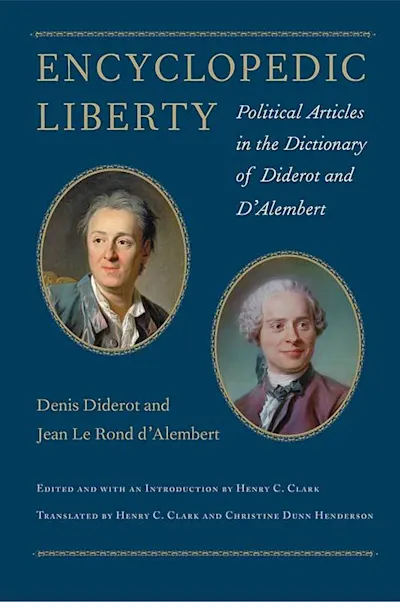
Jacques NeckerEncyclopedic Liberty: Political Articles in the Dictionary of Diderot and D’Alembert
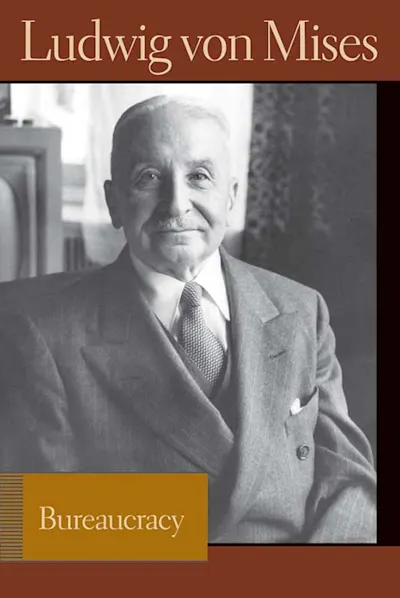
Denis DiderotBureaucracy
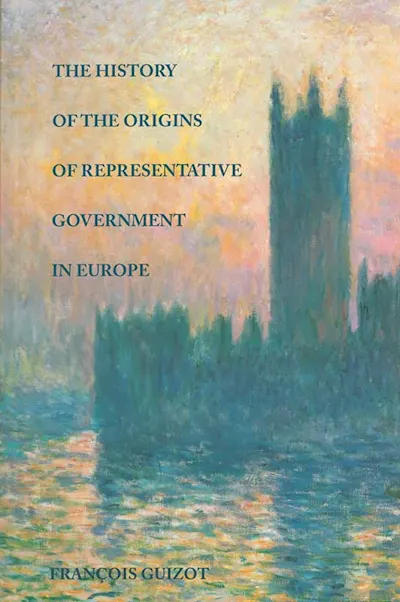
Ludwig von MisesThe History of the Origins of Representative Government in Europe
François GuizotAmerican Political Writing During the Founding Era: 1760-1805, vol. 2
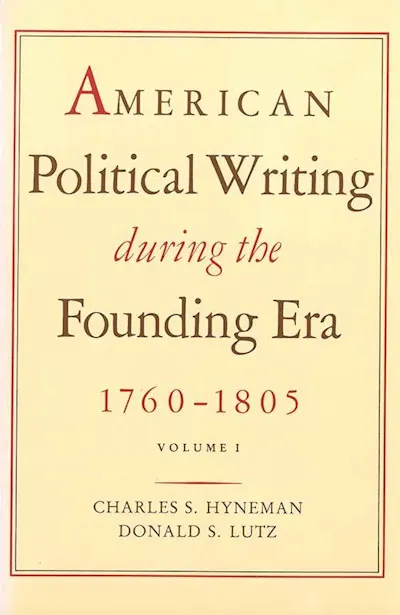
Charles S. HynemanAmerican Political Writing During the Founding Era: 1760-1805, vol. 1
Charles S. HynemanThe Calculus of Consent: Logical Foundations of Constitutional Democracy
James M. Buchanan