

Johann Sebastian Bach
1685–1750
Bach was one of the most prolific and original composers in the Western classical tradition. His cantatas, passions and oratorios played an…


Music
38 items in this collection
From historic changes in form to the choice of what texts to set to music, the art of music has long been a vital force in the expression of the human desire for liberty.
In this collection
11 titles, earliest first.
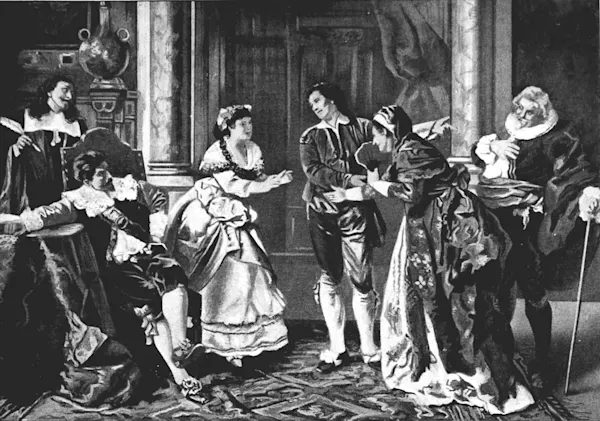
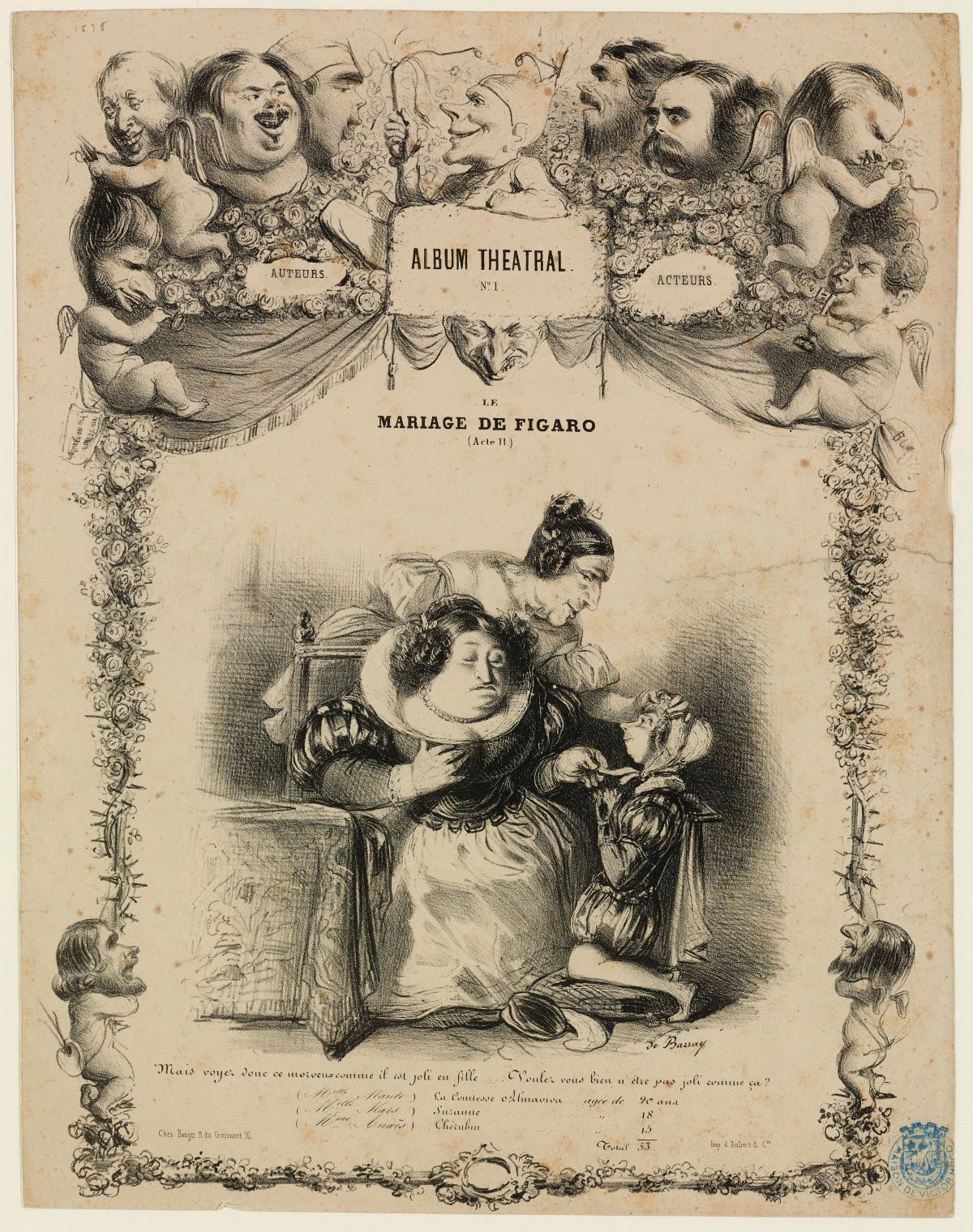
Wolfgang Amadeus Mozart · 1786
One of Mozart’s most popular operas, with a libretto by Lorenzo da Ponte, based upon the notorious play by Beaumarchais. The play had been banned in 1786 because it questioned the legitimacy and rationality of the…
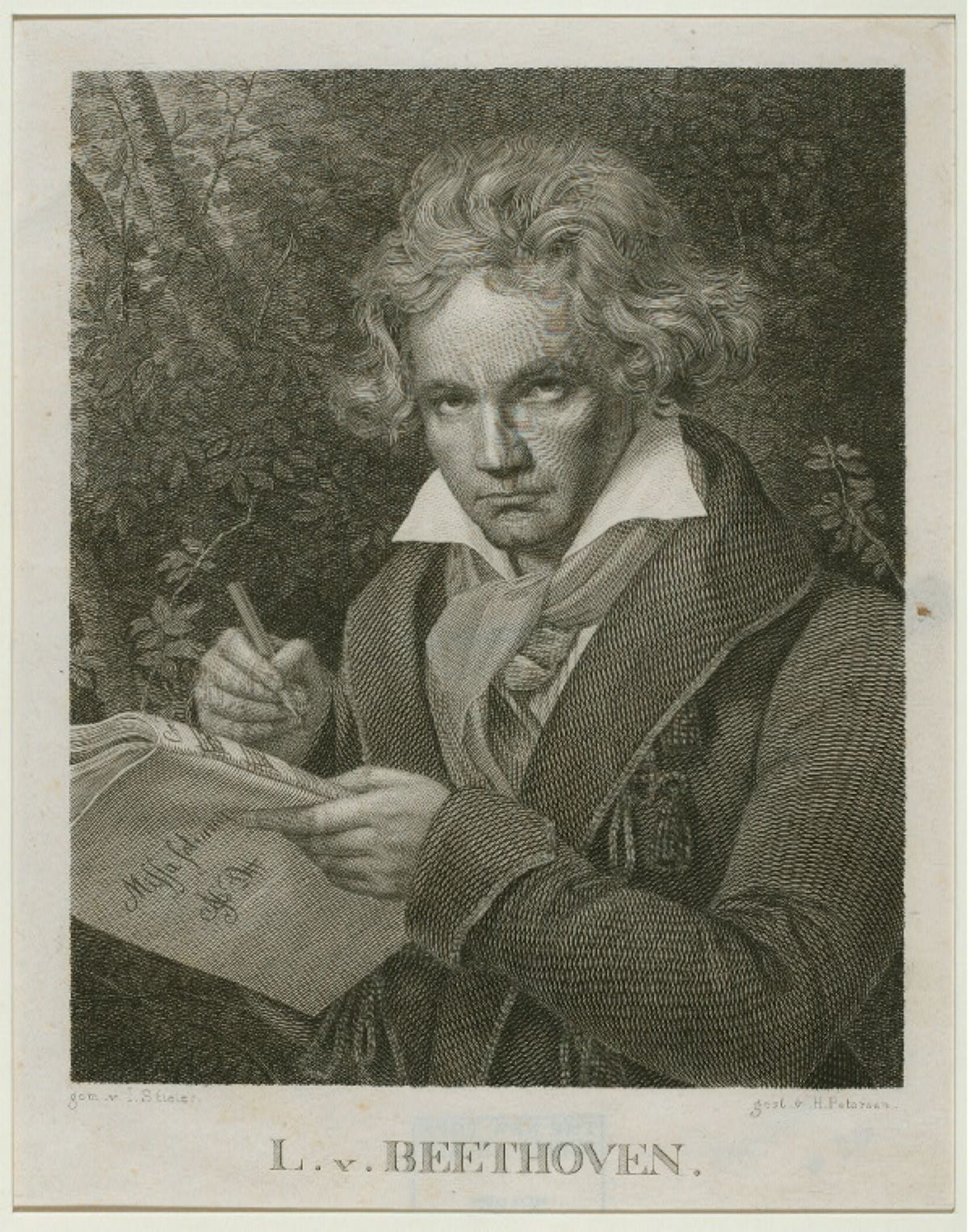
Ludwig van Beethoven · 1805
Beethoven was one of the great European classical composers of the first part of the 19th century. He was influenced by the Enlightenment and in his only opera, Fidelio, he addressed the problem of individual liberty in…
Victor Hugo · 1851
Jealous courtiers decide to play a trick on the court jester, Rigoletto, who has been mocking them for being the victims of the Duke’s seductions. However, Rigoletto’s own daughter Gilda has also been wooed by the Duke.…
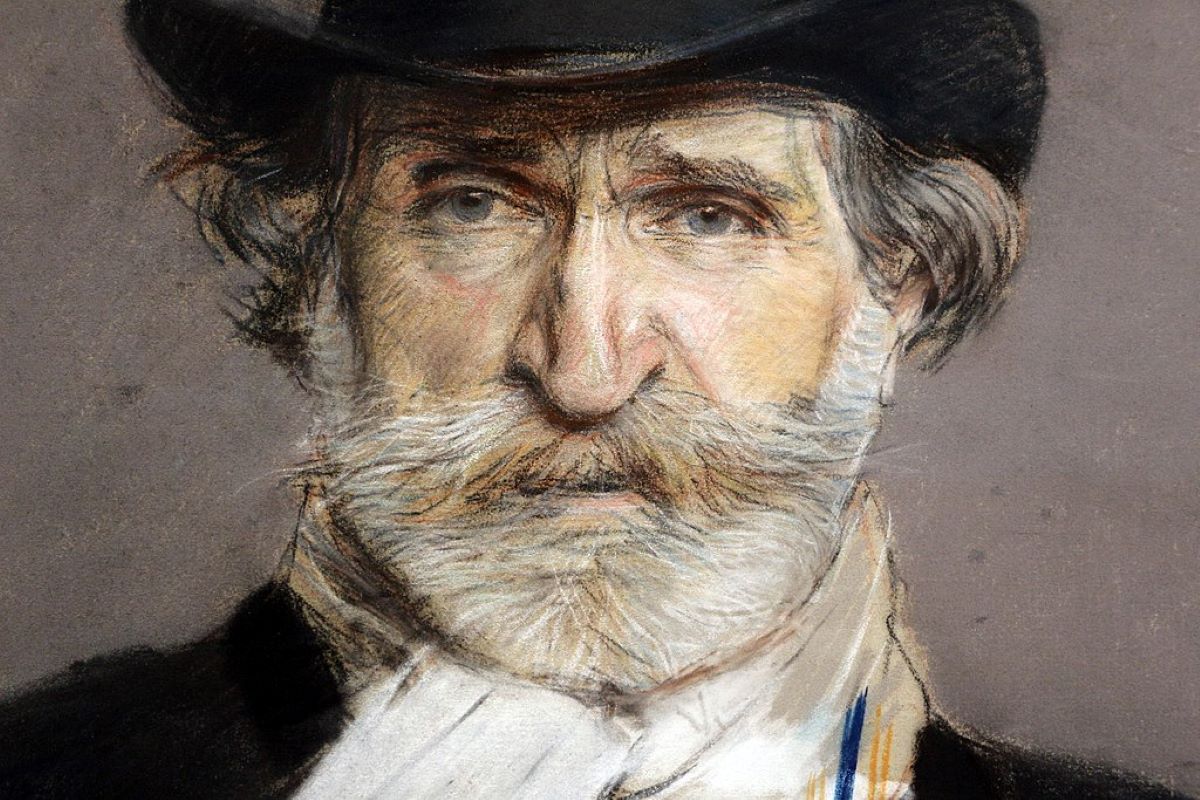
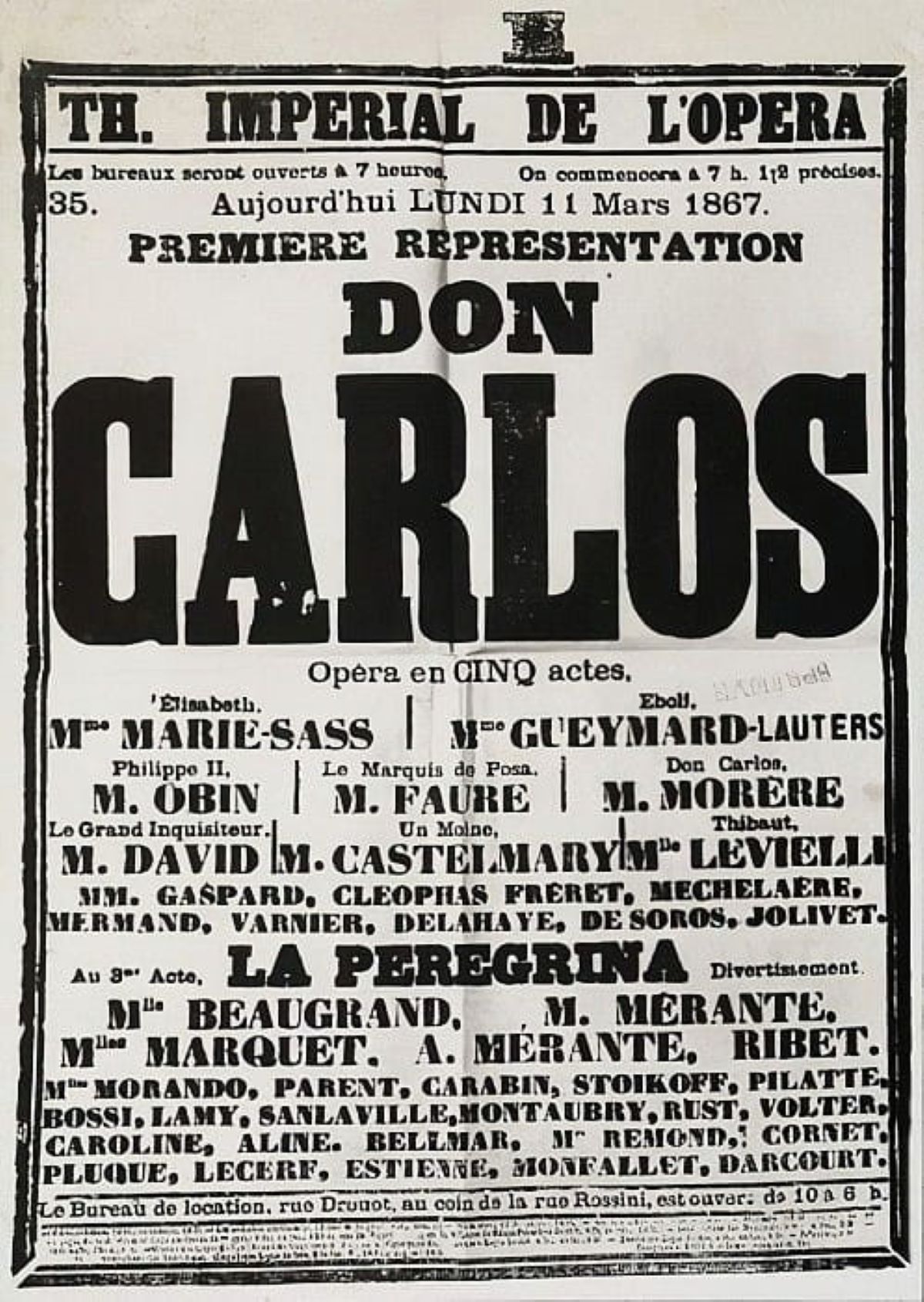
Giuseppe Verdi · 1867
Based on a play by Friedrich Schiller. Don Carlos, the Crown Prince of Spain, is in conflict with his father, Philip II and King of Spain over his love for Elizabeth, the daughter of Henry II, King of France. Don Carlos…
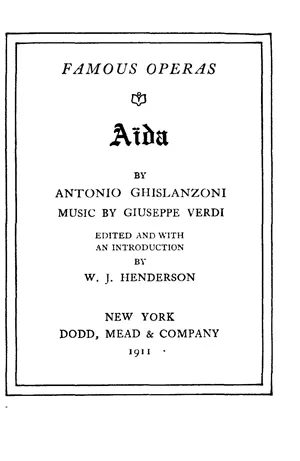
Antonio Ghislanzoni · 1871
A side-by-side Italian and English edition of the libretto. Famously first performed in Egypt in 1871, Aida, an Ethiopian princess, has been enslaved in Egypt. Her father has invaded Egypt in order to free her but he is…
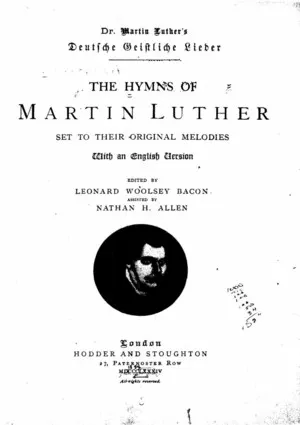
Martin Luther · 1884
A nice 1884 edition of Luther’s hymns with parallel German-English versions and musical scores of some 36 hymns.
Edmund G. Hurley · 1907
A book which introduces the performance of Gregorian Chants for schools and church choirs with copious musical illustrations and explanations.
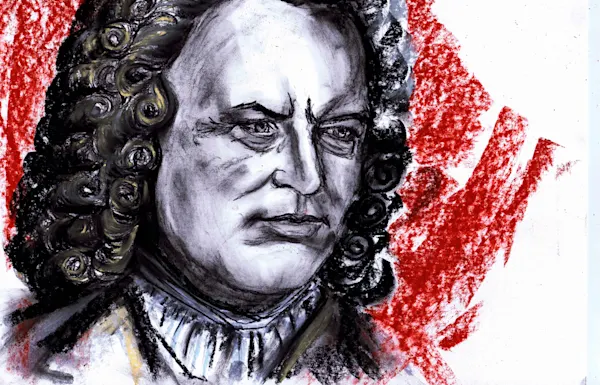
Johann Sebastian Bach · 1915
A three volume work on Bach’s Chorals with detailed commentary, melodies, translations, and analysis of these great pieces of music. Vol. 1 contains The Hymns and Hymn Melodies of the “Passions” and Oratorios; vol. 2…
Johann Sebastian Bach · 1915
Part of a three volume work on Bach’s Chorals with detailed commentary, melodies, translations, and analysis of these great pieces of music. Vol. 1 contains The Hymns and Hymn Melodies of the “Passions” and Oratorios;…
Johann Sebastian Bach · 1917
Part of a three volume work on Bach’s Chorals with detailed commentary, melodies, translations, and analysis of these great pieces of music. Vol. 1 contains The Hymns and Hymn Melodies of the “Passions” and Oratorios;…
Johann Sebastian Bach · 1921
Part of a three volume work on Bach’s Chorals with detailed commentary, melodies, translations, and analysis of these great pieces of music. Vol. 1 contains The Hymns and Hymn Melodies of the “Passions” and Oratorios;…
In this collection
10 people central to Music.
1685–1750
Bach was one of the most prolific and original composers in the Western classical tradition. His cantatas, passions and oratorios played an…


1732–1799
Pierre-Augustin Caron de Beaumarchais (1732-1799) was a watchmaker and a court musician, before he turned to writing plays. He is best…

1770–1827
Ludwig van Beethoven (1770-1827) was one of the great European classical composers of the first half of the 19th century. He wrote a number…

1824–1893
Ghislanzoni was a writer, especially of libretti for opera. He was inspired by the liberal ideas of Mazzini during the 1848 revolution. He…
Hurley was the organist and choirmaster of the Church of St. Paul the Apostle in New York City.

1756–1791
One of the most gifted classical composers who died tragically young. Mozart was very much influenced by the Enlightenment and was active…

1749–1838
A prolific Venetian librettist who wrote the libretto for Mozart’s Marriage of Figaro (based upon a play by Beaumarchais) and Cosi fan…

1864–1936
Terry edited and commented in great detail on Bach's Chorals in an edition published in 1915.

1813–1901
Giuseppe Verdi (1813-1901) is one of the most important opera composers. His liberal political views and his strong Italian nationalism…
In this collection
From The Reading Room, Liberty Matters and the library’s other publications.
Passages on this subject, chosen by OLL editors.
1) Liebster Gott, wann werd’ ich sterben?
Meine Zeit läuft immer hin,
Und des alten Adams Erben,
Unter denen ich auch bin,
Haben dies zum Vatertheil,
Dass sie eine kleine Weil
Arm und elend sein auf Erden.
Und dann selber Erde werden.[Dearest God, when will I die?
My time runs away continually,
and the old legacy of Adam,
which includes me as well,
has this as its inheritance;
for a little time
to be poor and wretched on the earth
and then to become earth itself.]6) Herrscher uber Tod und Leben,
Mach’ einmal mein Ende gut,
Lehre mich den Geist aufgeben
Mit recht wohlgefasstem Muth.
Hilf, dass ich ein ehrlich Grab
Neben frommen Christen hab’
Und auch endlich in der Erde
Nimmermehr zu Schanden werde.[Sovereign over death and life,
make my end a good one,
teach me to resign my spirit
with a well-composed courage.
Help, that I might have an honorable grave
next to righteous Christians
and also at last, in the earth,
nevermore be dishonored!]
Alas! what darkness dense!
What horrid stillness!
Here in this dark tomb, is nothing known
But my deep anguish! Oh, most cruel torture!
Oh, Heavenly Providence, how much longer
Will this my misery last!In the bright morning of life
My liberty, alas! was lost:
These chains are the reward
Of true and open speaking.
But what avails my lamentations?
Hopeless is my condition:
The only solace for my torments
Rests on my conscious innocence.
A stronghold sure our God remains,
A shield and hope unfailing;
In need His help our freedom gains,
'er all we fear prevailing.
Our old malignant foe
Would fain work us woe.
With craft and great might
He doth against us fight;
On earth is not one like him.
Oh! could we from death but recover
Those hearts as they bounded before,
In the face of high heav'n to fight over
That combat for freedom once more.
Could the chain for an instant be riven
Which tyranny flung round us then,
No; 'tis not in man, nor in Heaven,
To let Tyranny bind it again!
But 'tis past—and, tho' blazon'd in story
The name of our victor may be,
Accurst is the march of that glory
Which treads 'er the hearts of the free.
Far dearer the grave or the prison,
Illumed by one patriot name,
Than the trophies of all who have risen
On liberty's ruins to fame.


