

Jean Le Rond d’ Alembert
1717–1783
Jean Le Rond d’Alembert was born illegitimately to the salon hostess Madame de Tencin and the military officer Chevalier Destouches.…


Political Science
27 items in this collection
During the 18th century there emerged in the French-speaking world a widespread movement of criticism of existing institutions and beliefs which came to be called the "Enlightenment". The objects of enlightened criticism ranged from the established church, judicial practice, freedom of speech, art, literature and manners in general, the role of the King, and economic reform.
In this collection
16 people central to French Enlightenment.
1717–1783
Jean Le Rond d’Alembert was born illegitimately to the salon hostess Madame de Tencin and the military officer Chevalier Destouches.…

1732–1799
Pierre-Augustin Caron de Beaumarchais (1732-1799) was a watchmaker and a court musician, before he turned to writing plays. He is best…
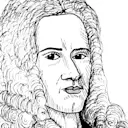
1694–1748
Jean-Jacques Burlamaqui (1694-1748) was born in Geneva to a wealthy and politically well-connected patrician family. He became professor of…

1714–1780
Étienne Bonnot, Abbé de Condillac (1714-1780) was a French priest, philosopher, and economist and a member of the French Academy. He was an…

1743–1794
Condorcet was a mathematician, a philosopher, permanent secretary of the French Academy of Sciences (from 1776), and a politician during…

1713–1784
Denis Diderot, 1713–84 was born in Langres, in eastern France, into a cutler’s family, In the 1740s, he lived mainly by translating several…

1715–1771
Helvétius was a French philosopher who defended a materialist theory of human nature in which all human action is determined by the…

1741–1806
Jean Louis De Lolme (1741-1806) was born in Geneva and became an advocate there. Criticism of the political authorities led him to seek…

1709–1785
The Abbé de Mably (1709-1785) was the brother of Condillac and a noted French political writer of republican sympathies who thought the…

1689–1755
Charles Louis de Secondat, Baron de Montesquieu (1689-1755) was one of the most influential legal theorists and political philosophers of…

1739–1817
Du Pont de Nemours was interested in everything from the natural sciences to literature. He was a member of the Physiocratic school in the…
1713–1796
Guillaume-Thomas-François, abbé Raynal (1713-1796) was an Enlightened historian who wrote on the Dutch Stadholderate and the English…

1712–1778
Jean-Jacques Rousseau (1712-1778) was a Swiss philosopher and novelist who was an important figure in the Enlightenment. In his novels and…

1716–1803
Jean-François, Marquis de Saint-Lambert was a poet, soldier, and friend of Voltaire and Diderot. His plays and, especially, his highly…

1727–1781
Jacques Turgot, French economist and statesman, was the administrator for Limoges under Louis XV, and Minister of Finance under Louis XVI…

In this collection
From The Reading Room, Liberty Matters and the library’s other publications.
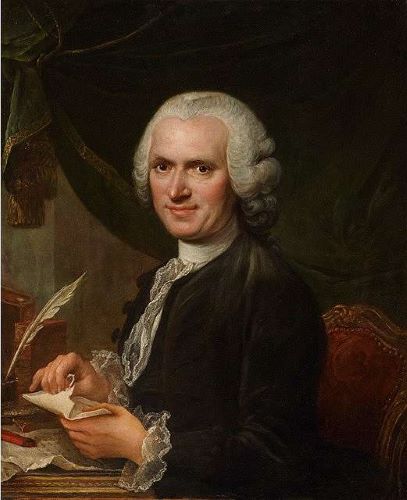

Peter Carl Mentzel · Oct 23, 2024
Walter Donway · Dec 20, 2023

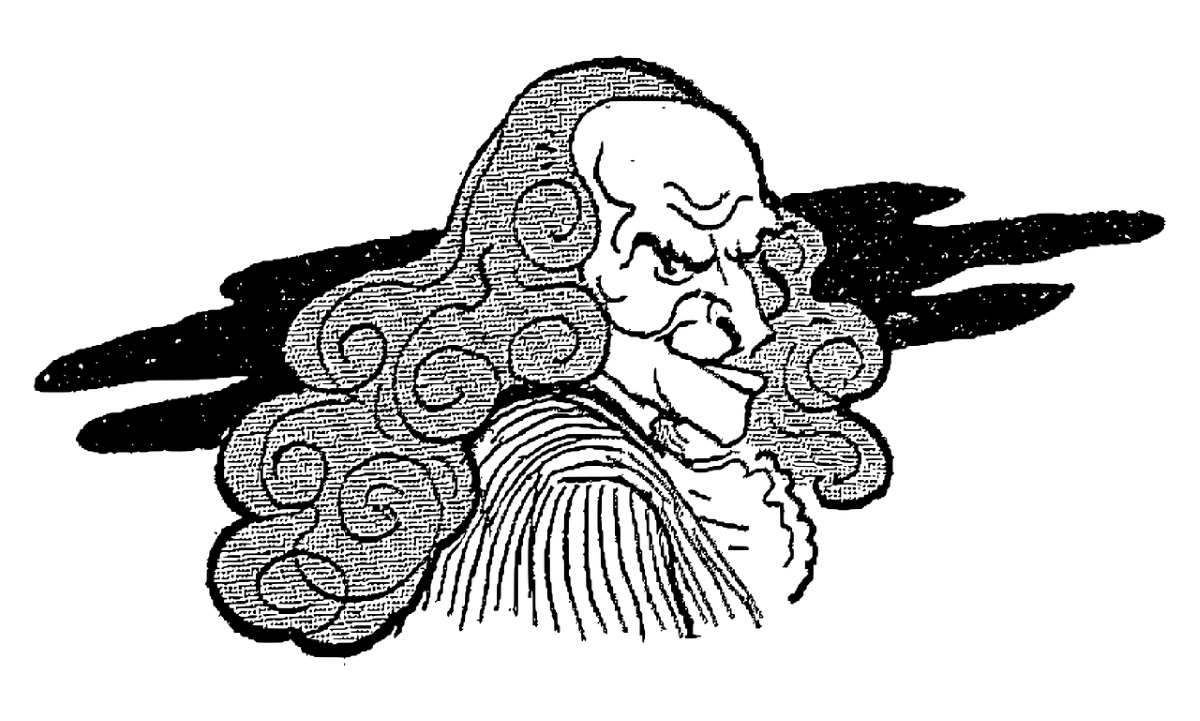

Walter Donway · May 03, 2023
Passages on this subject, chosen by OLL editors.
First, when the prince ceases to administer the State in accordance with the laws, and usurps the Sovereign power. A remarkable change then occurs: not the government, but the State, undergoes contraction; I mean that the great State is dissolved, and another is formed within it, composed solely of the members of the government, which becomes for the rest of the people merely master and tyrant. So that the moment the government usurps the Sovereignty, the social compact is broken, and all private citizens recover by right their natural liberty, and are forced, but not bound, to obey.
For more information see:

Political Science
618 titles · 60 publications · 383 people
Economic theory. Demography
473 titles · 88 publications · 293 people

History of the Americas
343 titles · 67 publications · 239 people

Language and Literature
73 titles · 10 publications · 81 people
Law
49 titles · 1 publication · 69 people

France - Andorra - Monaco
46 titles · 5 publications · 44 people