

Abigail Adams
1744–1818
Abigail Adams (1744 – 1818) was a former first lady. She is one of only two women who have been the wife and mother to a United States…

Collection
61 items in this collection
Many women authors have contributed to our understanding of the nature of individual liberty and limited government through their writings about history, economics, and political philosophy.
In this collection
25 people central to Women on Liberty.
1744–1818
Abigail Adams (1744 – 1818) was a former first lady. She is one of only two women who have been the wife and mother to a United States…

Giandomenica Becchio (Ph.D. University of Florence) is Professor of history of economic thought, methodology of economics, and theory of…

1806–1885
Chapman was an abolitionist and Christian reformer who also edited the American edition of Harriet Martineau's Autobiography.

1748–1793
Marie Gouze (1748-1793), who wrote under the name of Marie-Olympe de Gouges, was the daughter of a butcher who became a playwright and…

1917–2019
Bettina Bien Greaves attended Ludwig von Mises’s New York University seminar, compiled Mises: An Annotated Bibliography, and also edited…

Heather King is a full Professor of English at the University of Redlands in Southern California. Her academic research addresses women’s…

1731–1791
Macaulay was a radical republican historian who wrote a poplar 8 volume History of England which argued that English history was a failed…


1769–1858
Jane Haldimand Marcet (1769-1858) was home-educated and became an author of popular works of chemistry, botany, religion, and economics.…

1802–1876
Harriet Martineau (1802-1876) was unusual for being a professional full-time writer at a time when few women were able to pursue such a…

b. 1964
Melissa Matthes is currently full professor at the United States Coast Guard Academy where she teaches courses in religion and politics,…
Mary Catherine Moran was a Post-doctoral Fellow at the University of Edinburgh in 1999-2001. She teaches in the department of history at…

Mikayla Novak is Senior Fellow, F. A. Hayek Program for Advanced Study in Philosophy, Politics and Economics, at the Mercatus Center at…
1754–1793
Madame de Roland (1754-1793) was a supporter of the French Revolution and active in the liberal Gironde group. She was arrested and…

1903–1999
Caroline Robbins (1903–1999) was educated at the University of London, receiving her Ph.D. there before going to the United States. She…
b. 1931
Ann Robson has written on the mid-19th century factory controversy, the parliamentary career of JS Mill, and has edited a volume of…

Megan M. Russo is a contributor to the Reading Room.

1797–1851
Mary Shelley was the daughter of Mary Wollstonecraft and William Godwin and was married to the romantic poet Percy Shelley. She is the…

b. 1971
Sarah Skwire is a Senior Program Officer at Liberty Fund, Inc. Sarah has published a range of academic articles on subjects from…

Stephanie Slade is senior editor at Reason magazine. In 2016, she was selected to the Robert Novak Journalism Fellowship. In 2013, she was…

1766–1817
Madame Germaine de Staël (née Necker) (1766-1817) was the daughter of the last Controller-General of France before the Revolution and was…

1807–1858
Harriet Taylor was the long-time companion and eventually the wife of John Stuart Mill. She had a great influence on his thinking about the…

1728–1814
Mercy Otis Warren (1728-1814) was one of the most formidable female intellectuals in 18th century America. She wrote plays, poetry,…

1759–1797
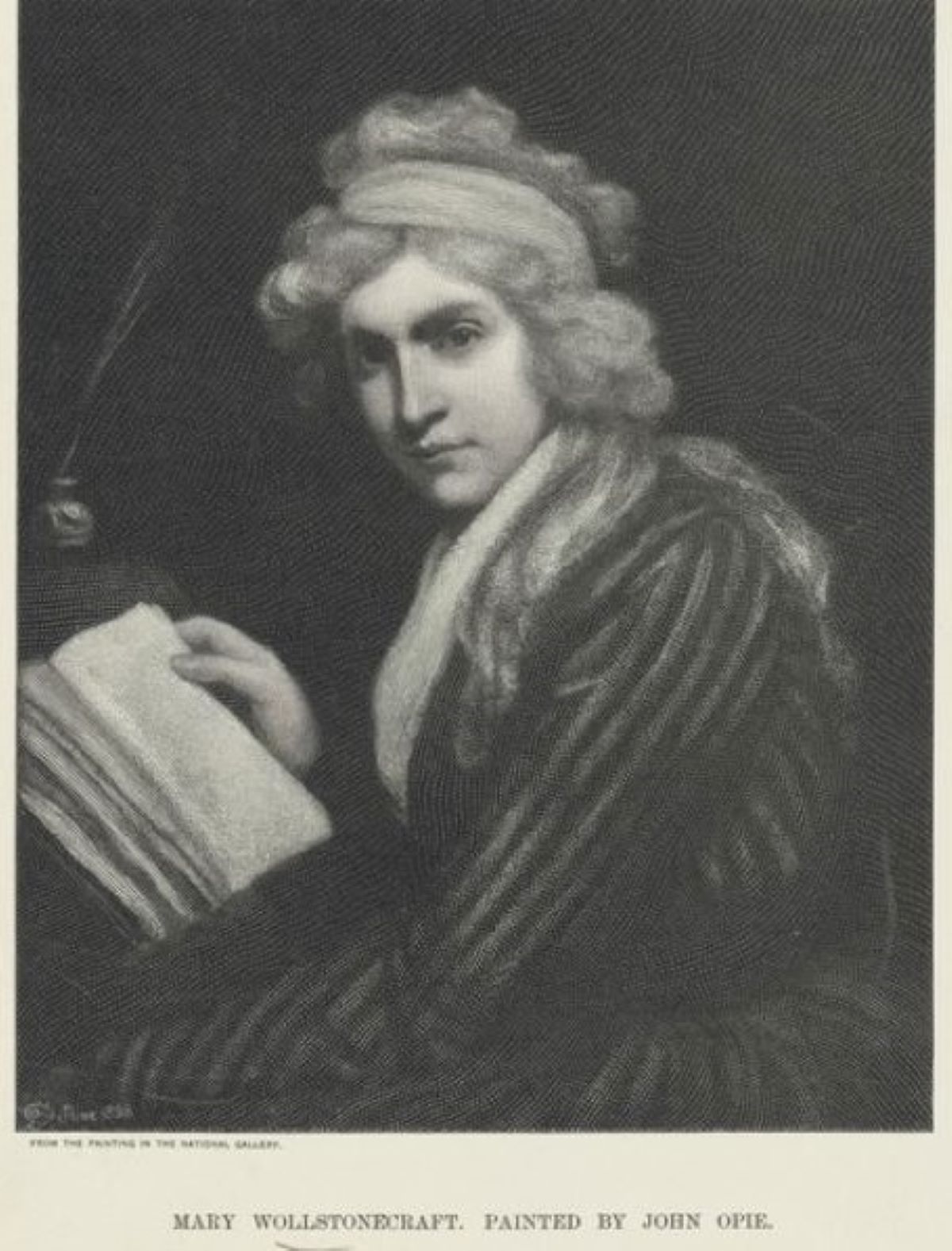
Wollstonecraft was an English author who rose to prominence with a very quick response to Burke’s Reflections on the Revolution in France .…
b. 1960
Simone Zurbuchen is Professor of Philosophy at the University of Fribourg, Switzerland. Zurbuchen is the author of Naturrecht und…
In this collection
From The Reading Room, Liberty Matters and the library’s other publications.
Irakli Javakhishvili · Dec 11, 2023



Giandomenica Becchio and others · 2023
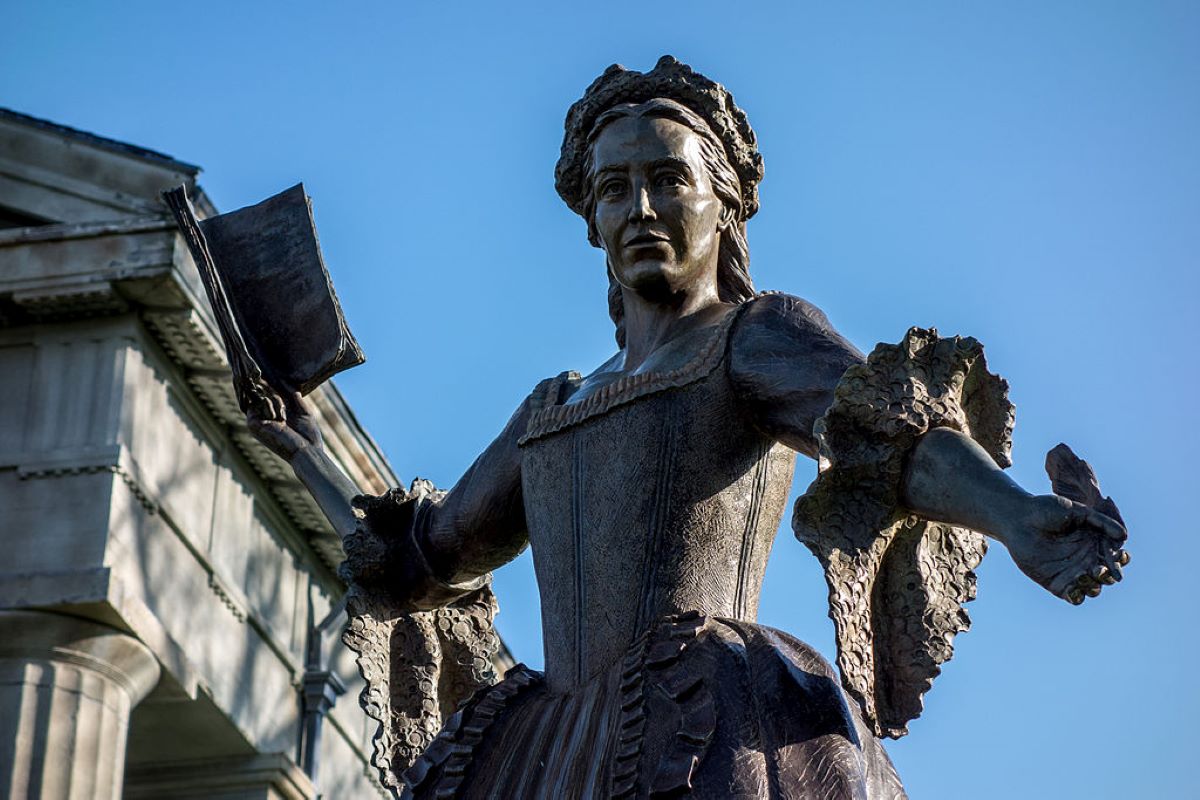
Sarah Morgan Smith · Sep 13, 2022
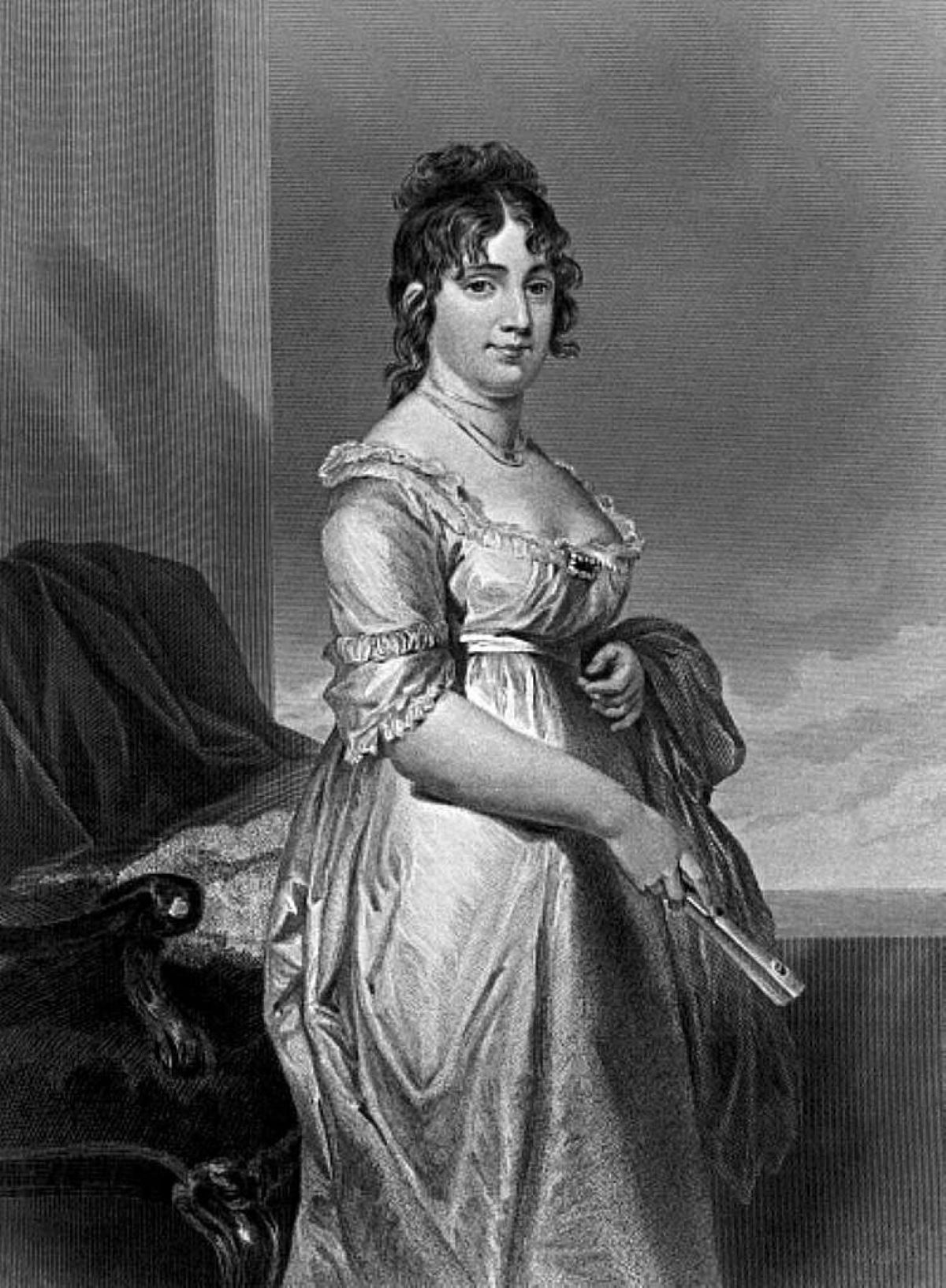
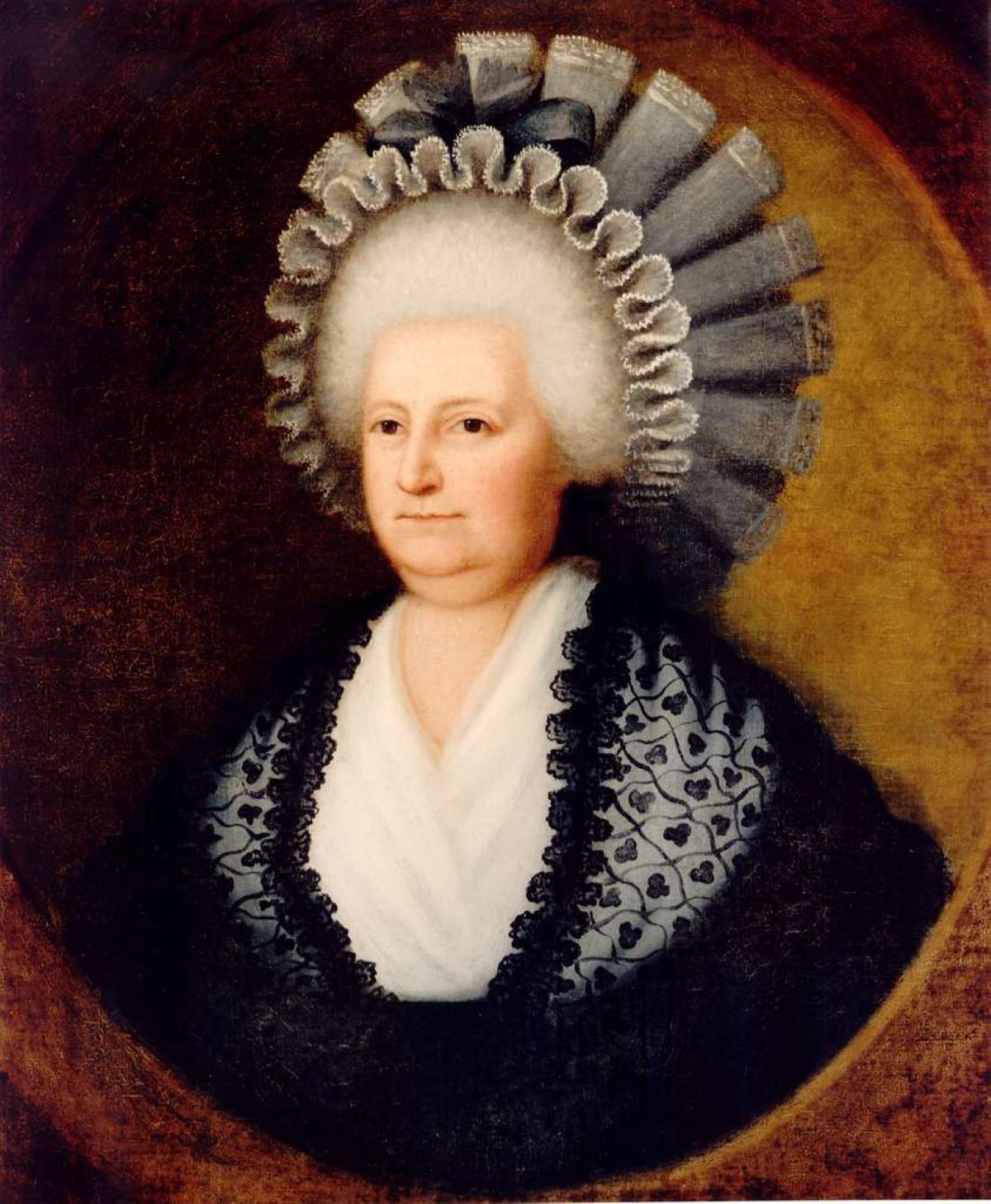
Kirstin Anderson Birkhaug · Aug 09, 2022
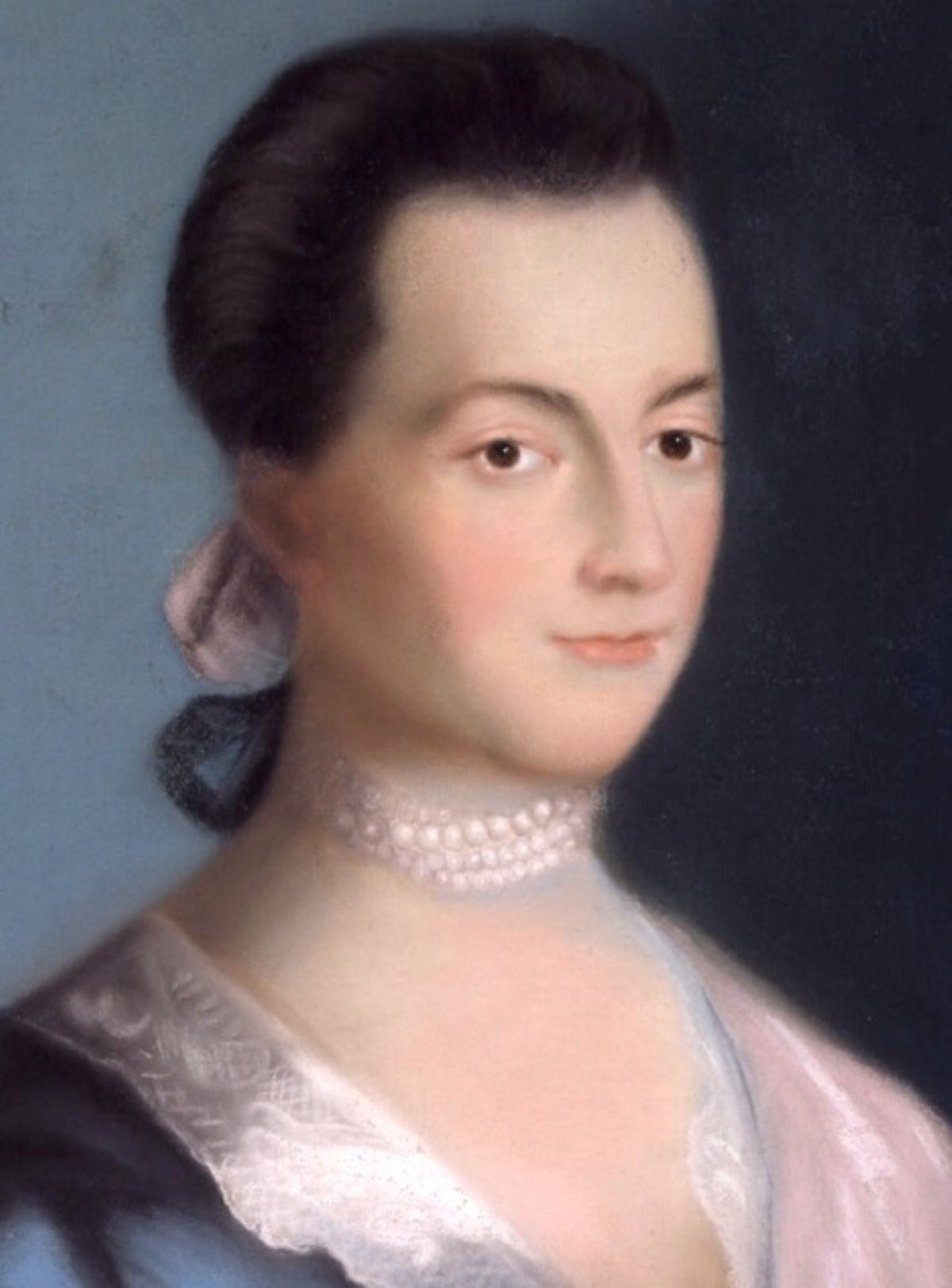
Melissa Matthes · Jun 30, 2022
Peter Carl Mentzel · Apr 26, 2022
Tracey S. Rosenberg · Mar 01, 2022

Sarah Skwire · Dec 27, 2021
Caroline Breashears · Oct 04, 2021
Passages on this subject, chosen by OLL editors.
Trades and occupations have almost everywhere ceased to be privileges. Thus exclusion after exclusion has disappeared, until privilege has ceased to be the general rule, and tends more and more to become the exception: it now no longer seems a matter of course that there should be an exclusion, but it is conceded that freedom and admissibility ought to prevail, wherever there is not some special reason for limiting them. Whoever considers how immense a change this is from primitive opinions and feelings, will think it nothing less than the very most important advance which has hitherto been made in human society. It is nothing less than the beginning of the reign of justice, or the first dawn of it at least. It is the introduction of the principle that distinctions, and inequalities of rights, are not good things in themselves, and that none ought to exist for which there is not a special justification, grounded on the greatest good of the whole community, privileged and excluded taken together.
It is generally after long civil troubles that tyranny is established, because it offers the hope of shelter to all the exhausted and timorous factions. Bonaparte said of himself with reason that he could play admirably upon the instrument of power. In truth, as he is attached to no principles, nor restrained by any obstacles, he presents himself in the arena of circumstances like a wrestler, no less supple than vigorous, and discovers at the first glance the points in every man or association of men which may promote his private designs. His scheme for arriving at the dominion of France rested upon three principal bases—to satisfy men’s interests at the expense of their virtues, to deprave public opinion by sophisms, and to give the nation war for an object instead of liberty.
It is of importance to repeat to those who are the advocates of rights founded on the past, that it is liberty which is ancient, and despotism which is modern. In all the European states founded at the commencement of the middle age, the power of the king was limited by that of the nobles. The Diets in Germany, in Sweden, in Denmark before its charter of servitude, the Parliaments in England, the Cortes in Spain, the intermediate bodies of all kinds in Italy, prove that the northern tribes brought with them institutions which confined the power to one class, but which were in no respect favorable to despotism.
Far from recovering my confidence by seeing Bonaparte more frequently, he constantly intimidated me more and more. I had a confused feeling that no emotion of the heart could act upon him. He regards a human being as an action or a thing, not as a fellow-creature. He does not hate more than he loves; for him nothing exists but himself; all other creatures are ciphers. The force of his will consists in the impossibility of disturbing the calculations of his egoism; he is an able chess-player, and the human race is the opponent to whom he proposes to give checkmate. His successes depend as much on the qualities in which he is deficient as on the talents which he possesses. Neither pity, nor allurement, nor religion, nor attachment to any idea whatsoever could turn him aside from his principal direction. He is for his self-interest what the just man should be for virtue; if the end were good, his perseverance would be noble.
That woman is naturally weak, or degraded by a concurrence of circumstances, is, I think, clear. But this position I shall simply contrast with a conclusion, which I have frequently heard fall from sensible men in favour of an aristocracy: that the mass of mankind cannot be any thing, or the obsequious slaves, who patiently allow themselves to be driven forward, would feel their own consequence, and spurn their chains. Men, they further observe, submit every where to oppression, when they have only to lift up their heads to throw off the yoke; yet, instead of asserting their birthright, they quietly lick the dust, and say, let us eat and drink, for to-morrow we die. Women, I argue from analogy, are degraded by the same propensity to enjoy the present moment; and, at last, despise the freedom which they have not sufficient virtue to struggle to attain.
Standing armies can never consist of resolute, robust men; they may be well disciplined machines, but they will seldom contain men under the influence of strong passions, or with very vigorous faculties. And as for any depth of understanding, I will venture to affirm, that it is as rarely to be found in the army as amongst women; and the cause, I maintain, is the same. It may be further observed, that officers are also particularly attentive to their persons, fond of dancing, crowded rooms, adventures, and ridicule. Like the fair sex, the business of their lives is gallantry. – They were taught to please, and they only live to please. Yet they do not lose their rank in the distinction of sexes, for they are still reckoned superior to women, though in what their superiority consists, beyond what I have just mentioned, it is difficult to discover.
These may be termed utopian dreams. – Thanks to that Being who impressed them on my soul, and gave me sufficient strength of mind to dare to exert my own reason, till, becoming dependent only on him for the support of my virtue, I view, with indignation, the mistaken notions that enslave my sex.
I love man as my fellow; but his scepter, real, or usurped, extends not to me, unless the reason of an individual demands my homage; and even then the submission is to reason, and not to man. In fact, the conduct of an accountable being must be regulated by the operations of its own reason; or on what foundation rests the throne of God?
Indeed, the necessity of a master’s giving the parents some sample of the boys abilities, which during the vacation is shewn to every visitor, is productive of more mischief than would at first be supposed. For it is seldom done entirely, to speak with moderation, by the child itself; thus the master countenances falsehood, or winds the poor machine up to some extraordinary exertion, that injures the wheels, and stops the progress of gradual improvement. The memory is loaded with unintelligible words, to make a shew of, without the understanding’s acquiring any distinct ideas: but only that education deserves emphatically to be termed cultivation of mind, which teaches young people how to begin to think. The imagination should not be allowed to debauch the understanding before it gained strength, or vanity will become the forerunner of vice: for every way of exhibiting the acquirements of a child is injurious to its moral character. (FROM: CHAPTER XII: on national education)