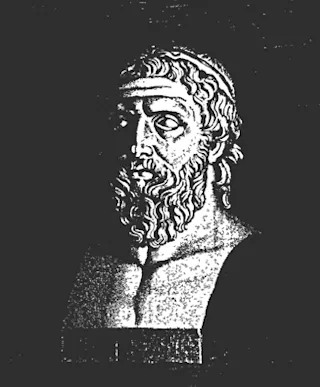
THE GEORGICS OF VIRGIL IN ENGLISH VERSE.
London
MACMILLAN AND CO., LIMITED NEW YORK: THE MACMILLAN CO.
1912
The Latin text is based on a collation of Conington’s edition with that of the Pitt Press. The spelling of the former has been generally preferred; but in punctuation the translator has used his own judgment.
P. VERGILI MARONIS GEORGICON
LIBER PRIMUS.
- Quid faciat laetas segetes, quo sidere terram
- Vertere, Maecenas, ulmisque adiungere vites
- Conveniat, quae cura boum, qui cultus habendo
- Sit pecori, apibus quanta experientia parcis,
- Hinc canere incipiam. Vos, o clarissima mundiWay1912: 5
- Lumina, labentem caelo quae ducitis annum;
- Liber et alma Ceres, vestro si munere tellus
- Chaoniam pingui glandem mutavit aristis,
- Poculaque inventis Acheloia miscuit uvis;
- Et vos, agrestum praesentia numina, Fauni,Way1912: 10
- Ferte simul Faunique pedem Dryadesque puellae:
- Munera vestra cano. Tuque o, cui prima frementem
- Fudit equum magno tellus percussa tridenti,
- Neptune; et cultor nemorum, cui pinguia Ceae
- Ter centum nivei tondent dumeta iuvenci;Way1912: 15
- Ipse nemus linquens patrium saltusque Lycaei
- Pan, ovium custos, tua si tibi Maenala curae,
- Adsis, o Tegeaee, favens, oleaeque Minerva
- Inventrix, uncique puer monstrator aratri,
- Et teneram ab radice ferens, Silvane, cupressum;Way1912: 20
- Dique deaeque omnes, studium quibus arva tueri,
- Quique novas alitis non ullo semine fruges,
- Quique satis largum caelo demittitis imbrem;
- Tuque adeo, quem mox quae sint habitura deorum
- Concilia, incertum est—urbesne invisere, Caesar,Way1912: 25
- Terrarumque velis curam, et te maximus orbis
- Auctorem frugum tempestatumque potentem
- Accipiat, cingens materna tempora myrto,
- An deus immensi venias maris ac tua nautae
- Numina sola colant, tibi serviat ultima Thule,Way1912: 30
- Teque sibi generum Tethys emat omnibus undis;
- Anne novum tardis sidus te mensibus addas,
- Qua locus Erigonen inter chelasque sequentes
- Panditur; ipse tibi iam bracchia contrahit ardens
- Scorpius, et caeli iusta plus parte reliquit;Way1912: 35
- Quidquid eris—nam te nec sperant Tartara regem,
- Nec tibi regnandi veniat tam dira cupido;
- Quamvis Elysios miretur Graecia campos
- Nec repetita sequi curet Proserpina matrem—
- Da facilem cursum, atque audacibus adnue coeptis,Way1912: 40
- Ignarosque viae mecum miseratus agrestes
- Ingredere et votis iam nunc adsuesce vocari.
- Vere novo, gelidus canis cum montibus humor
- Liquitur, et Zephyro putris se glaeba resolvit,
- Depresso incipiat iam tum mihi taurus aratroWay1912: 45
- Ingemere, et sulco attritus splendescere vomer.
- Illa seges demum votis respondet avari
- Agricolae, bis quae solem, bis frigora sensit;
- Illius immensae ruperunt horrea messes.
- At prius ignotum ferro quam scindimus aequor,Way1912: 50
- Ventos et varium caeli praediscere morem
- Cura sit, ac patrios cultusque habitusque locorum,
- Et quid quaeque ferat regio, et quid quaeque recuset.
- Hic segetes, illic veniunt felicius uvae;
- Arborei fetus alibi, atque iniussa virescuntWay1912: 55
- Gramina. Nonne vides, croceos ut Tmolus odores,
- India mittit ebur, molles sua tura Sabaei,
- At Chalybes nudi ferrum, virosaque Pontus
- Castorea, Eliadum palmas Epiros equarum?
- Continuo has leges aeternaque foedera certisWay1912: 60
- Imposuit natura locis, quo tempore primum
- Deucalion vacuum lapides iactavit in orbem,
- Unde homines nati, durum genus. Ergo age, terrae
- Pingue solum primis extemplo a mensibus anni
- Fortes invertant tauri, glaebasque iacentesWay1912: 65
- Pulverulenta coquat maturis solibus aestas;
- At si non fuerit tellus fecunda, sub ipsum
- Arcturum tenui sat erit suspendere sulco:
- Illic, officiant laetis ne frugibus herbae,
- Hic, sterilem exiguus ne deserat humor arenam.Way1912: 70
- Alternis idem tonsas cessare novales,
- Et segnem patiere situ durescere campum;
- Aut ibi flava seres mutato sidere farra,
- Unde prius laetum siliqua quassante legumen
- Aut tenuis fetus viciae tristisque lupiniWay1912: 75
- Sustuleris fragiles calamos silvamque sonantem.
- Urit enim lini campum seges, urit avenae,
- Urunt Lethaeo perfusa papavera somno:
- Sed tamen alternis facilis labor; arida tantum
- Ne saturare fimo pingui pudeat sola, neveWay1912: 80
- Effetos cinerem immundum iactare per agros.
- Sic quoque mutatis requiescunt fetibus arva;
- Nec nulla interea est inaratae gratia terrae.
- Saepe etiam steriles incendere profuit agros,
- Atque levem stipulam crepitantibus urere flammis:Way1912: 85
- Sive inde occultas vires et pabula terrae
- Pinguia concipiunt, sive illis omne per ignem
- Excoquitur vitium, atque exsudat inutilis humor,
- Seu plures calor ille vias et caeca relaxat
- Spiramenta, novas veniat qua sucus in herbas;Way1912: 90
- Seu durat magis, et venas adstringit hiantes,
- Ne tenues pluviae, rapidive potentia solis
- Acrior, aut Boreae penetrabile frigus adurat.
- Multum adeo, rastris glaebas qui frangit inertes
- Vimineasque trahit crates, iuvat arva, neque illumWay1912: 95
- Flava Ceres alto nequiquam spectat Olympo;
- Et qui, proscisso quae suscitat aequore terga,
- Rursus in obliquum verso perrumpit aratro,
- Exercetque frequens tellurem, atque imperat arvis.
- Humida solstitia atque hiemes orate serenas,Way1912: 100
- Agricolae: hiberno laetissima pulvere farra,
- Laetus ager; nullo tantum se Mysia cultu
- Iactat, et ipsa suas mirantur Gargara messes.
- Quid dicam, iacto qui semine comminus arva
- Insequitur, cumulosque ruit male pinguis arenae,Way1912: 105
- Deinde satis fluvium inducit rivosque sequentes,
- Et, cum exustus ager morientibus aestuat herbis,
- Ecce supercilio clivosi tramitis undam
- Elicit? Illa cadens raucum per levia murmur
- Saxa ciet, scatebrisque arentia temperat arva.Way1912: 110
- Quid qui, ne gravidis procumbat culmus aristis,
- Luxuriem segetum tenera depascit in herba,
- Cum primum sulcos aequant sata, quique paludis
- Collectum humorem bibula deducit arena,
- Praesertim incertis si mensibus amnis abundansWay1912: 115
- Exit, et obducto late tenet omnia limo,
- Unde cavae tepido sudant humore lacunae?
- Nec tamen, haec cum sint hominumque boumque labores
- Versando terram experti, nihil improbus anser
- Strymoniaeque grues et amaris intuba fibrisWay1912: 120
- Officiunt aut umbra nocet. Pater ipse colendi
- Haud facilem esse viam voluit, primusque per artem
- Movit agros, curis acuens mortalia corda,
- Nec torpere gravi passus sua regna veterno.
- Ante Iovem nulli subigebant arva coloni;Way1912: 125
- Ne signare quidem aut partiri limite campum
- Fas erat: in medium quaerebant, ipsaque tellus
- Omnia liberius nullo poscente ferebat.
- Ille malum virus serpentibus addidit atris,
- Praedarique lupos iussit, pontumque moveri,Way1912: 130
- Mellaque decussit foliis, ignemque removit,
- Et passim rivis currentia vina repressit,
- Ut varias usus meditando extunderet artes
- Paullatim, et sulcis frumenti quaereret herbam,
- Ut silicis venis abstrusum excuderet ignem.Way1912: 135
- Tunc alnos primum fluvii sensere cavatas;
- Navita tum stellis numeros et nomina fecit,
- Pleiadas, Hyadas, claramque Lycaonis Arcton;
- Tum laqueis captare feras, et fallere visco
- Inventum, et magnos canibus circumdare saltus;Way1912: 140
- Atque alius latum funda iam verberat amnem,
- Alta petens, pelagoque alius trahit humida lina;
- Tum ferri rigor atque argutae lamina serrae,
- (Nam primi cuneis scindebant fissile lignum)
- Tum variae venere artes. Labor omnia vicitWay1912: 145
- Improbus, et duris urguens in rebus egestas.
- Prima Ceres ferro mortales vertere terram
- Instituit, cum iam glandes atque arbuta sacrae
- Deficerent silvae et victum Dodona negaret.
- Mox et frumentis labor additus, ut mala culmosWay1912: 150
- Esset robigo, segnisque horreret in arvis
- Carduus: intereunt segetes, subit aspera silva,
- Lappaeque tribolique, interque nitentia culta
- Infelix lolium et steriles dominantur avenae.
- Quod nisi et adsiduis herbam insectabere rastris,Way1912: 155
- Et sonitu terrebis aves, et ruris opaci
- Falce premes umbras, votisque vocaveris imbrem,
- Heu magnum alterius frustra spectabis acervum,
- Concussaque famem in silvis solabere quercu.
- Dicendum et, quae sint duris agrestibus arma,Way1912: 160
- Quis sine nec potuere seri nec surgere messes:
- Vomis et inflexi primum grave robur aratri,
- Tardaque Eleusinae matris volventia plaustra,
- Tribulaque traheaeque, et iniquo pondere rastri;
- Virgea praeterea Celeï vilisque supellex,Way1912: 165
- Arbuteae crates et mystica vannus Iacchi.
- Omnia quae multo ante memor provisa repones,
- Si te digna manet divini gloria ruris.
- Continuo in silvis magna vi flexa domatur
- In burim, et curvi formam accipit ulmus aratri.Way1912: 170
- Huic a stirpe pedes temo protentus in octo,
- Binae aures, duplici aptantur dentalia dorso.
- Caeditur et tilia ante iugo levis altaque fagus,
- Stivaque, quae currus a tergo torqueat imos.
- Et suspensa focis explorat robora fumus.Way1912: 174
- Possum multa tibi veterum praecepta referre,
- Ni refugis tenuesque piget cognoscere curas.
- Area cum primis ingenti aequanda cylindro
- Et vertenda manu et creta solidanda tenaci,
- Ne subeant herbae, neu pulvere victa fatiscat,Way1912: 180
- Tum variae inludant pestes: saepe exiguus mus
- Sub terris posuitque domos atque horrea fecit,
- Aut oculis capti fodere cubilia talpae,
- Inventusque cavis bufo, et quae plurima terrae
- Monstra ferunt, populatque ingentem farris acervumWay1912: 185
- Curculio, atque inopi metuens formica senectae.
- Contemplator item, cum se nux plurima silvis
- Induet in florem et ramos curvabit olentes:
- Si superant fetus, pariter frumenta sequentur,
- Magnaque cum magno veniet tritura calore;Way1912: 190
- At si luxuria foliorum exuberat umbra,
- Nequiquam pingues palea teret area culmos.
- Semina vidi equidem multos medicare serentes,
- Et nitro prius et nigra perfundere amurca,
- Grandior ut fetus siliquis fallacibus esset,Way1912: 195
- Et, quamvis igni exiguo, properata maderent.
- Vidi lecta diu et multo spectata labore
- Degenerare tamen, ni vis humana quotannis
- Maxima quaeque manu legeret. Sic omnia fatis
- In peius ruere ac retro sublapsa referri,Way1912: 200
- Non aliter quam qui adverso vix flumine lembum
- Remigiis subigit, si bracchia forte remisit,
- Atque illum in praeceps prono rapit alveus amni.
- Praeterea tam sunt Arcturi sidera nobis
- Haedorumque dies servandi et lucidus Anguis,Way1912: 205
- Quam quibus in patriam ventosa per aequora vectis
- Pontus et ostriferi fauces tentantur Abydi.
- Libra die somnique pares ubi fecerit horas,
- Et medium luci atque umbris iam dividit orbem,
- Exercete, viri, tauros, serite hordea campisWay1912: 210
- Usque sub extremum brumae intractabilis imbrem;
- Nec non et lini segetem et Cereale papaver
- Tempus humo tegere et iamdudum incumbere aratris
- Dum sicca tellure licet, dum nubila pendent.
- Vere fabis satio; tum te quoque, medica, putresWay1912: 215
- Accipiunt sulci, et milio venit annua cura,
- Candidus auratis aperit cum cornibus annum
- Taurus, et adverso cedens Canis occidit astro.
- At si triticeam in messem robustaque farra
- Exercebis humum, solisque instabis aristis,Way1912: 220
- Ante tibi Eoae Atlantides abscondantur,
- Cnosiaque ardentis decedat stella Coronae,
- Debita quam sulcis committas semina, quamque
- Invitae properes anni spem credere terrae.
- Multi ante occasum Maiae coepere; sed illosWay1912: 225
- Expectata seges vanis elusit aristis.
- Si vero viciamque seres vilemque phaselum,
- Nec Pelusiacae curam aspernabere lentis,
- Haud obscura cadens mittet tibi signa Bootes:
- Incipe et ad medias sementem extende pruinas.Way1912: 230
- Idcirco certis dimensum partibus orbem
- Per duodena regit mundi sol aureus astra.
- Quinque tenent caelum zonae: quarum una corusco
- Semper sole rubens et torrida semper ab igni;
- Quam circum extremae dextra laevaque trahunturWay1912: 235
- Caerulea glacie concretae atque imbribus atris;
- Has inter mediamque duae mortalibus aegris
- Munere concessae divom, et via secta per ambas,
- Obliquus qua se signorum verteret ordo.
- Mundus, ut ad Scythiam Rhipaeasque arduus arcesWay1912: 240
- Consurgit, premitur Libyae devexus in austros.
- Hic vertex nobis semper sublimis; at illum
- Sub pedibus Styx atra videt Manesque profundi.
- Maximus hic flexu sinuoso elabitur Anguis
- Circum perque duas in morem fluminis Arctos,Way1912: 245
- Arctos Oceani metuentes aequore tingui.
- Illic, ut perhibent, aut intempesta silet nox
- Semper et obtenta densentur nocte tenebrae;
- Aut redit a nobis Aurora diemque reducit,
- Nosque ubi primus equis Oriens adflavit anhelis,Way1912: 250
- Illic sera rubens accendit lumina Vesper.
- Hinc tempestates dubio praediscere caelo
- Possumus, hinc messisque diem tempusque serendi,
- Et quando infidum remis impellere marmor
- Conveniat, quando armatas deducere classes,Way1912: 255
- Aut tempestivam silvis evertere pinum:
- Nec frustra signorum obitus speculamur et ortus
- Temporibusque parem diversis quattuor annum.
- Frigidus agricolam si quando continet imber,
- Multa, forent quae mox caelo properanda sereno,Way1912: 260
- Maturare datur: durum procudit arator
- Vomeris obtunsi dentem, cavat arbore lintres,
- Aut pecori signum aut numeros impressit acervis.
- Exacuunt alii vallos furcasque bicornes,
- Atque Amerina parant lentae retinacula viti.Way1912: 265
- Nunc facilis rubea texatur fiscina virga;
- Nunc torrete igni fruges, nunc frangite saxo.
- Quippe etiam festis quaedam exercere diebus
- Fas et iura sinunt: rivos deducere nulla
- Relligio vetuit, segeti praetendere saepem,Way1912: 270
- Insidias avibus moliri, incendere vepres,
- Balantumque gregem fluvio mersare salubri.
- Saepe oleo tardi costas agitator aselli
- Vilibus aut onerat pomis, lapidemque revertens
- Incusum aut atrae massam picis urbe reportat.Way1912: 275
- Ipsa dies alios alio dedit ordine Luna
- Felices operum. Quintam fuge: pallidus Orcus
- Eumenidesque satae; tum partu Terra nefando
- Coeumque Iapetumque creat saevumque Typhoea
- Et coniuratos caelum rescindere fratres.Way1912: 280
- Ter sunt conati imponere Pelio Ossam
- Scilicet, atque Ossae frondosum involvere Olympum;
- Ter pater exstructos disiecit fulmine montes.
- Septima post decimam felix et ponere vitem
- Et prensos domitare boves et licia telaeWay1912: 285
- Addere. Nona fugae melior, contraria furtis.
- Multa adeo gelida melius se nocte dedere,
- Aut cum sole novo terras irrorat Eous.
- Nocte leves melius stipulae, nocte arida prata
- Tondentur, noctes lentus non deficit humor.Way1912: 290
- Et quidam seros hiberni ad luminis ignes
- Pervigilat, ferroque faces inspicat acuto;
- Interea longum cantu solata laborem
- Arguto coniunx percurrit pectine telas,
- Aut dulcis musti Volcano decoquit humoremWay1912: 295
- Et foliis undam trepidi despumat aheni.
- At rubicunda Ceres medio succiditur aestu,
- Et medio tostas aestu terit area fruges.
- Nudus ara, sere nudus; hiemps ignava colono.
- Frigoribus parto agricolae plerumque fruuntur,Way1912: 300
- Mutuaque inter se laeti convivia curant.
- Invitat genialis hiemps curasque resolvit,
- Ceu pressae cum iam portum tetigere carinae,
- Puppibus et laeti nautae imposuere coronas.
- Sed tamen et quernas glandes tum stringere tempusWay1912: 305
- Et lauri bacas oleamque cruentaque myrta;
- Tum gruibus pedicas et retia ponere cervis,
- Auritosque sequi lepores; tum figere dammas
- Stuppea torquentem Balearis verbera fundae,
- Cum nix alta iacet, glaciem cum flumina trudunt.Way1912: 310
- Quid tempestates autumni et sidera dicam,
- Atque, ubi iam breviorque dies et mollior aestas,
- Quae vigilanda viris? vel cum ruit imbriferum ver,
- Spicea iam campis cum messis inhorruit, et cum
- Frumenta in viridi stipula lactentia turgent?Way1912: 315
- Saepe ego, cum flavis messorem induceret arvis
- Agricola et fragili iam stringeret hordea culmo,
- Omnia ventorum concurrere proelia vidi,
- Quae gravidam late segetem ab radicibus imis
- Sublimem expulsam eruerent, ita turbine nigroWay1912: 320
- Ferret hiemps culmumque levem stipulasque volantes.
- Saepe etiam immensum caelo venit agmen aquarum,
- Et foedam glomerant tempestatem imbribus atris
- Collectae ex alto nubes; ruit arduus aether,
- Et pluvia ingenti sata laeta boumque laboresWay1912: 325
- Diluit; implentur fossae et cava flumina crescunt
- Cum sonitu, fervetque fretis spirantibus aequor.
- Ipse Pater media nimborum in nocte corusca
- Fulmina molitur dextra; quo maxima motu
- Terra tremit, fugere ferae, et mortalia cordaWay1912: 330
- Per gentes humilis stravit pavor: ille flagranti
- Aut Athon aut Rhodopen aut alta Ceraunia telo
- Deiicit; ingeminant Austri et densissimus imber:
- Nunc nemora ingenti vento, nunc litora plangunt.
- Hoc metuens, caeli menses et sidera serva,Way1912: 335
- Frigida Saturni sese quo stella receptet,
- Quos ignis caelo Cyllenius erret in orbes.
- In primis venerare deos, atque annua magnae
- Sacra refer Cereri laetis operatus in herbis,
- Extremae sub casum hiemis, iam vere sereno.Way1912: 340
- Tum pingues agni et tum mollissma vina,
- Tum somni dulces densaeque in montibus umbrae.
- Cuncta tibi Cererem pubes agrestis adoret;
- Cui tu lacte favos et miti dilue Baccho,
- Terque novas circum felix eat hostia fruges,Way1912: 345
- Omnis quam chorus et socii comitentur ovantes,
- Et Cererem clamore vocent in tecta; neque ante
- Falcem maturis quisquam supponat aristis,
- Quam Cereri torta redimitus tempora quercu
- Det motus incompositos et carmina dicat.Way1912: 350
- Atque haec ut certis possemus discere signis,
- Aestusque pluviasque et agentes frigora ventos,
- Ipse Pater statuit, quid menstrua luna moneret,
- Quo signo caderent Austri, quid saepe videntes
- Agricolae propius stabulis armenta tenerent.Way1912: 355
- Continuo ventis surgentibus aut freta ponti
- Incipiunt agitata tumescere et aridus altis
- Montibus audiri fragor, aut resonantia longe
- Litora misceri et nemorum increbrescere murmur.
- Iam sibi tum curvis male temperat unda carinis,Way1912: 360
- Cum medio celeres revolant ex aequore mergi
- Clamoremque ferunt ad litora, cumque marinae
- In sicco ludunt fulicae, notasque paludes
- Deserit atque altam supra volat ardea nubem.
- Saepe etiam stellas, vento impendente, videbisWay1912: 365
- Praecipites caelo labi, noctisque per umbram
- Flammarum longos a tergo albescere tractus;
- Saepe levem paleam et frondes volitare caducas,
- Aut summa nantes in aqua colludere plumas.
- At Boreae de parte trucis cum fulminat, et cumWay1912: 370
- Eurique Zephyrique tonat domus, omnia plenis
- Rura natant fossis, atque omnis navita ponto
- Humida vela legit. Numquam imprudentibus imber
- Obfuit: aut illum surgentem vallibus imis
- Aëriae fugere grues, aut bucula caelumWay1912: 375
- Suspiciens patulis captavit naribus auras,
- Aut arguta lacus circumvolitavit hirundo,
- Et veterem in limo ranae cecinere querellam.
- Saepius et tectis penetralibus extulit ova
- Angustum formica terens iter, et bibit ingensWay1912: 380
- Arcus, et e pastu decedens agmine magno
- Corvorum increpuit densis exercitus alis.
- Iam variae pelagi volucres, et quae Asia circum
- Dulcibus in stagnis rimantur prata Caystri,
- Certatim largos humeris infundere rores,Way1912: 385
- Nunc caput obiectare fretis, nunc currere in undas
- Et studio incassum videas gestire lavandi.
- Tum cornix plena pluviam vocat improba voce
- Et sola in sicca secum spatiatur arena.
- Ne nocturna quidem carpentes pensa puellaeWay1912: 390
- Nescivere hiemem, testa cum ardente viderent
- Scintillare oleum et putres concrescere fungos.
- Nec minus ex imbri soles et aperta serena
- Prospicere et certis poteris cognoscere signis:
- Nam neque tum stellis acies obtunsa videtur,Way1912: 395
- Nec fratris radiis obnoxia surgere Luna,
- Tenuia nec lanae per caelum vellera ferri;
- Non tepidum ad solem pennas in litore pandunt
- Dilectae Thetidi alcyones, non ore solutos
- Immundi meminere sues iactare maniplos.Way1912: 400
- At nebulae magis ima petunt campoque recumbunt,
- Solis et occasum servans de culmine summo
- Nequiquam seros exercet noctua cantus.
- Apparet liquido sublimis in aëre Nisus,
- Et pro purpureo poenas dat Scylla capillo:Way1912: 405
- Quacumque illa levem fugiens secat aethera pennis,
- Ecce inimicus atrox magno stridore per auras
- Insequitur Nisus; qua se fert Nisus ad auras,
- Illa levem fugiens raptim secat aethera pennis.
- Tum liquidas corvi presso ter gutture vocesWay1912: 410
- Aut quater ingeminant, et saepe cubilibus altis,
- Nescio qua praeter solitum dulcedine laeti,
- Inter se in foliis strepitant; iuvat imbribus actis
- Progeniem parvam dulcesque revisere nidos:
- Haud equidem credo, quia sit divinitus illisWay1912: 415
- Ingenium aut rerum fato prudentia maior;
- Verum ubi tempestas et caeli mobilis humor
- Mutavere vias et Iuppiter uvidus Austris
- Denset erant quae rara modo, et quae densa relaxat,
- Vertuntur species animorum, et pectora motusWay1912: 420
- Nunc alios, alios dum nubila ventus agebat,
- Concipiunt: hinc ille avium concentus in agris,
- Et laetae pecudes et ovantes gutture corvi.
- Si vero solem ad rapidum lunasque sequentes
- Ordine respicies, numquam te crastina falletWay1912: 425
- Hora, neque insidiis noctis capiere serenae.
- Luna, revertentes cum primum colligit ignes,
- Si nigrum obscuro comprenderit aëra cornu,
- Maximus agricolis pelagoque parabitur imber:
- At si virgineum suffuderit ore ruborem,Way1912: 430
- Ventus erit; vento semper rubet aurea Phoebe.
- Sin ortu quarto—namque is certissimus auctor—
- Pura neque obtunsis per caelum cornibus ibit,
- Totus et ille dies, et qui nascentur ab illo
- Exactum ad mensem, pluvia ventisque carebunt,Way1912: 435
- Votaque servati solvent in litore nautae
- Glauco et Panopeae et Inoo Melicertae.
- Sol quoque et exoriens et cum se condet in undas,
- Signa dabit; solem certissima signa sequuntur,
- Et quae mane refert et quae surgentibus astris.Way1912: 440
- Ille ubi nascentem maculis variaverit ortum
- Conditus in nubem, medioque refugerit orbe,
- Suspecti tibi sint imbres; namque urguet ab alto
- Arboribusque satisque Notus pecorique sinister.
- Aut ubi sub lucem densa inter nubila seseWay1912: 445
- Diversi rumpent radii, aut ubi pallida surget
- Tithoni croceum linquens Aurora cubile,
- Heu male tum mites defendet pampinus uvas;
- Tam multa in tectis crepitans salit horrida grando.
- Hoc etiam, emenso cum iam decedit Olympo,Way1912: 450
- Profuerit meminisse magis; nam saepe videmus
- Ipsius in vultu varios errare colores,
- Caeruleus pluviam denuntiat, igneus Euros.
- Sin maculae incipient rutilo immiscerier igni,
- Omnia tum pariter vento nimbisque videbisWay1912: 455
- Fervere. Non illa quisquam me nocte per altum
- Ire, neque a terra moneat convellere funem.
- At si, cum referetque diem condetque relatum,
- Lucidus orbis erit, frustra terrebere nimbis,
- Et claro silvas cernes Aquilone moveri.Way1912: 460
- Denique, quid vesper serus vehat, unde serenas
- Ventus agat nubes, quid cogitet humidus Auster,
- Sol tibi signa dabit. Solem quis dicere falsum
- Audeat? Ille etiam caecos instare tumultus
- Saepe monet, fraudemque et operta tumescere bella.Way1912: 465
- Ille etiam exstincto miseratus Caesare Romam,
- Cum caput obscura nitidum ferrugine texit,
- Impiaque aeternam timuerunt saecula noctem.
- Tempore quamquam illo tellus quoque et aequora ponti,
- Obscenaeque canes importunaeque volucresWay1912: 470
- Signa dabant. Quotiens Cyclopum effervere in agros
- Vidimus undantem ruptis fornacibus Aetnam,
- Flammarumque globos liquefactaque volvere saxa!
- Armorum sonitum toto Germania caelo
- Audiit; insolitis tremuerunt motibus Alpes.Way1912: 475
- Vox quoque per lucos volgo exaudita silentes
- Ingens, et simulacra modis pallentia miris
- Visa sub obscurum noctis, pecudesque locutae,
- Infandum! sistunt amnes terraeque dehiscunt,
- Et maestum illacrimat templis ebur, aeraque sudant.Way1912: 480
- Proluit insano contorquens vertice silvas
- Fluviorum rex Eridanus, camposque per omnes
- Cum stabulis armenta tulit. Nec tempore eodem
- Tristibus aut extis fibrae apparere minaces
- Aut puteis manare cruor cessavit, et altaeWay1912: 485
- Per noctem resonare lupis ululantibus urbes.
- Non alias caelo ceciderunt plura sereno
- Fulgura, nec diri totiens arsere cometae.
- Ergo inter sese paribus concurrere telis
- Romanas acies iterum videre Philippi;Way1912: 490
- Nec fuit indignum superis, bis sanguine nostro
- Emathiam et latos Haemi pinguescere campos.
- Scilicet et tempus veniet, cum finibus illis
- Agricola, incurvo terram molitus aratro,
- Exesa inveniet scabra robigine pila,Way1912: 495
- Aut gravibus rastris galeas pulsabit inanes,
- Grandiaque effossis mirabitur ossa sepulchris.
- Di patrii, indigetes, et Romule Vestaque mater,
- Quae Tuscum Tiberim et Romana Palatia servas,
- Hunc saltem everso iuvenem succurrere saecloWay1912: 500
- Ne prohibete. Satis iam pridem sanguine nostro
- Laomedonteae luimus periuria Troiae:
- Iam pridem nobis caeli te regia, Caesar,
- Invidet, atque hominum queritur curare triumphos,
- Quippe ubi fas versum atque nefas: tot bella per orbem,Way1912: 505
- Tam multae scelerum facies: non ullus aratro
- Dignus honos; squalent abductis arva colonis,
- Et curvae rigidum falces conflantur in ensem.
- Hinc movet Euphrates, illinc Germania bellum;
- Vicinae ruptis inter se legibus urbesWay1912: 510
- Arma ferunt; saevit toto Mars impius orbe;
- Ut cum carceribus sese effudere quadrigae,
- Addunt in spatia, et frustra retinacula tendens
- Fertur equis auriga, neque audit currus habenas.
THE GEORGICS OF VIRGIL.
BOOK I.
- What maketh the harvests’ golden laughter, what star-clusters guide
- The yeoman for turning the furrow, for wedding the elm to his bride,
- All rearing of cattle, all tending of flocks, all mysteries
- By old experience taught of the treasure-hoarding bees—
- These shall be theme of my song. O ye bright stars of the sphere,Way1912: 5
- Who pilot, as softly it glides o’er the sea of the heavens, the year;
- Bacchus and fostering Ceres, if earth, through your kindness, in scorn
- Turned from the acorns wild to the glory and gold of the corn,
- And mingled her water-chalice with grapes of your bounty born;
- And ye, Fauns, Gods of the country-folk, ever mighty to aid,Way1912: 10
- Draw nigh, O Fauns, and with you draw nigh each Dryad-maid;
- For yours are the gifts that I chant; and thou, at whose trident-stroke
- Snorting the first of steeds from the earth like a fountain broke,
- Neptune; and Orchard-haunter, for whom by the Cyclad Sea
- Steers snow-white are browsing the fertile copses by hundreds three;Way1912: 15
- Thou too from thy forest-cradle, from glades of Lycaeus, draw near
- Pan, Tegea’s Lord, O Guardian of sheep—if thou holdest dear
- Maenala, graciously come! Minerva, creator thou
- Of the olive; and thou, young hero, sire of the curvèd plough;
- And, Wood-king, thou, with a slim young cypress uptorn in thine hand.Way1912: 20
- Come, Gods and Goddesses all who are zealous to ward tilth-land;
- Come, ye who nurture the new-born crops that no hands sow;
- Come, ye who cause from the heavens the plenteous showers to flow!
- And thou—O thou!—none knows what place in the courts of the sky
- Thou, Caesar, wilt choose. To our cities wilt thou descend from on high,Way1912: 25
- And watch o’er the weal of the world?—shall the lands’ vast circle adore
- Thee, as the Giver of Increase, the Lord of the Seasons Four,
- A monarch whose head is wreathed with his Mother’s myrtle-spray?
- Wilt thou come to be god of the limitless main, and shall seafarers pray
- To thy godhead alone, and uttermost Thule be thrall to thy power,Way1912: 30
- And the Sea-queen give thee her daughter with all her waves for dower?
- Or a new star, guiding the slowly-rolling months, wilt thou be,
- Where ’twixt the Virgin and Claws a wide space opens for thee:—
- Lo, now the Scorpion is drawing aside his arms of flame,
- And hath left thee more than the space that a single Sign doth claim!Way1912: 35
- Whichsoe’er thou wilt be—not Tartarus hopes thee to sit on her throne;
- And God forbid thou shouldst covet that awful crown for thine own!
- Though Greece may dream of a Paradise there, an Elysian Plain,
- Though oft-sought Proserpine care not to follow her mother again;—
- O speed my course, O smile upon this my bold emprise!Way1912: 40
- Look on the peasant who knows not the way with compassionate eyes!
- Come! Hear and answer prayer even now, ere thou mount to the skies!
- In the birth-tide of spring, when melt from the mountains the ice and the snow,
- And the crumbling clods are breaking down as the west-winds blow,
- Then let the bull begin to groan, at the plough deep-thrustWay1912: 45
- As he strains, let the share gleam bright as the furrows scour it of rust.
- That field will grant to the prayers of the greediest husbandman more
- Than all, which twice to the sunglare, and twice to the winter frore
- Hath been bared: his barns ever burst with their measureless golden store.
- But, or ever we cleave with the share this chartless sea of good,Way1912: 50
- The winds let us heedfully learn, and the sky’s ever-changing mood,
- The inherited needs for nurture and dressing of soil and soil,
- What fruits each region will yield, and what deny to our toil.
- Here corn-crops, yonder grapes in richer abundance glow,
- Otherwhere offspring of trees, or unbidden the green tides flowWay1912: 55
- Of the grass. Mark Tmolus—the odours of saffron are streaming thence:
- Her ivory India sends, Sabaeans their frankincense,
- The bare-armed Chalybes iron, and Pontus the beaver’s balm,
- And Epirus the mares that win in the race the Olympian palm.
- Such laws and abiding covenant-pledges did Nature layWay1912: 60
- On the several lands ordained, yea, since that far-off day
- When Deucalion first cast stones o’er a world unpeopled yet,
- Whence sprang this flint-heart race of men. O come then, set
- Thy sturdy steers with the year’s first months to upturn with the share
- The mould of a rich soil: then, when the clods are so laid bare,Way1912: 65
- Let summer scorch them to dust with her ripening suns’ hot glare.
- But if fertile the soil be not, will a shallow furrow suffice
- For throwing it up in ridges light ere Arcturus rise:—
- Treat rich soils so, lest choking weeds mid the glad corn stand,
- And poor, lest the moisture fail, and leave them a waste of sand.Way1912: 70
- In years alternate withal shalt thou let thy reaped field bide
- Fallow: the face of the sleeping plain let a hard crust hide.
- Else, sow ’neath the stars of a diverse season the golden corn
- Where erst the pods of the glad pulse danced in the wind of morn,
- Or where the progeny slender-limbed of the weak vetch climbed,Way1912: 75
- Or the frail stalks stood and the bells of the bitter lupine chimed:
- Not flax or oats!—for their harvest burns out the sap of the plain,
- So likewise do poppies drenched with oblivion’s slumber-rain.
- Yet thy toil by rotation is made more light: but forbear not of pride
- From mulching with fattening dung parched soil, nor from scattering wide
- The ash-grime over the fields whence the nature and strength has died.
- So also by change of crop land gains the rest that is sought,
- Nor left untilled the while is the soil, and thankful for naught.
- Oft, too, hath it much availed to fire the barren lands,
- And to smite with the sword of flame the stubble’s light-armed bands:Way1912: 85
- Whether mysterious strength and nourishment be given
- To the soil thereby, or whether all evil and poisonous leaven
- Be scorched therefrom, and useless moisture be steamed away,
- Or that many a channel and pore long hidden from light of day
- Is unsealed by the heat, wherethrough to the young blades sap may rise;Way1912: 90
- Or that rather it hardens, and closes the clefts that gape to the skies,
- Lest the searching rains or a scorching sun’s too vehement stress,
- Or the north-wind’s piercing cold may blast it to barrenness.
- And greatly he helpeth his land, who shatters the torpid clods
- With the mattock, and drags with-harrows across;—from the home of the GodsWay1912: 95
- Looks golden Ceres down upon him with favouring brow;—
- He too, who, after his field’s first furrowing, turneth the plough
- Athwart, and breaks through the sides of the ridges, with ceaseless toil
- Laboureth ever the earth, and is despot over the soil.
- For drizzling summers and sunny winters, husbandmen, pray;Way1912: 100
- For a winter of dust with a glorious robe of corn will array
- Thy glorying field: this, more than all tillage of man, makes proud
- Mysia, makes Gargara marvel bedraped with her golden cloud.
- Can I praise him enough, who casteth his seed, then hand to hand
- Charges the field, and levels its hillocks of barren sand,Way1912: 105
- Then leads a brimming brook and its following rills o’er the land?
- When fevered the parched land lies, and the corn-blades dying sink,
- Lo, he is luring the wave from its hillside-channel’s brink—
- O see it, where falling it wakes amid pebbles smooth and round
- Hoarse murmurs, and cools with its gushings the burning lips of the ground!Way1912: 110
- He is wise who, lest ’neath the ears’ weight earthward the stalks be flung,
- Grazes the lush growth down while green is the blade and young,
- Soon as the crops to the furrows’ level have risen; and he
- Who drains and cleanses through filtering sand the wet-clogged lea;
- Then most, if a river swelling in months of unsettled skiesWay1912: 115
- Overflows, and a veil of slime over all the lowland lies,
- And from pools in every hollow upsteaming the vapours rise.
- Yet, yet, when the labours of men and of oxen have done all this
- For the land, much mischief is wrought by the goose with her shameless hiss,
- By norland cranes, by the bitter-rooted succory killedWay1912: 120
- Is the corn, or by shade is stunted. Allfather himself hath willed
- That the pathway of tillage be thorny. He first by man’s art broke
- Earth’s crust, and by care for the morrow made keen the wits of her folk,
- Nor suffered his kingdom to drowse ’neath lethargy’s crushing chain.
- No husbandman tamed the savage fields before Jove’s reign.Way1912: 125
- To mark for one’s own a plot of land, to divide the plain
- By a boundary-line, was a sin: all winnings in common were won.
- Earth of herself bare all things freely, and bidden of none.
- It was Jove who bestowed their deadly venom on serpents fell,
- Who bade wolves ravin for prey, and the sea in tempest swell,Way1912: 130
- Who dashed from the leaves their honey, who made fire flee away,
- Who stilled the brooks that with wine were wont to hurry and stray,
- That Thought on experience’ anvil might shape arts manifold,
- And might seek in the furrow the blade that is pledge of the harvest’s gold,
- And smite from the veins of flint the fire-soul hidden there.Way1912: 135
- Then first of the hollowed alder-shell were the rivers ware:
- Then shipmen numbered the stars, and gave unto each his name,
- As the Pleiads, the Hyads, the Huntress-bear’s bright points of flame.
- Then how wild things are snared, and with birdlime how betrayed
- Men found, and how with the hounds to compass the forest-glade.Way1912: 140
- And now one lashes a broad stream’s face with a casting-net,
- Searching the depths, one drags from the sea seines dripping-wet.
- Then came the unyielding iron, the saw-blade’s hissing scream—
- For with wedges the first men cleft from the tree the rough-hewn beam:—
- Then followed manifold arts: unflinching toil ever wonWay1912: 145
- Triumphs: in hardship’s school stern need still drave men on.
- By Ceres were men first taught with iron to upheave the ground,
- When acorns now and arbute-berries were no more found,
- And Dodona denied the food erst scattered freely round.
- But trouble and travail soon fell on the corn: by noisome rustWay1912: 150
- Were the stalks devoured: the lazy thistle his dense spears thrust
- Mid the wheat-ranks: perish the crops; uprises a thicket of thorn,
- Of caltrops, of burrs, and over the gleaming gold of the corn
- The fruitless darnel lords it, the barren oat is king.
- Then unless thou assail the weeds with the mattock’s tireless swing,Way1912: 155
- And scare with clangour the birds, and thin with thine hook the shade
- Of thy farm overgloomed, and with vows call down the rain to thine aid,
- Alas for thee! thou wilt eye thy neighbour’s pile in vain,
- And wilt shake the oak in the woods to allay thine hunger’s pain.
- Now named be the weapons meet for the sturdy yeoman’s toil,Way1912: 160
- Without which never could harvests be sown nor spring from the soil.
- The share and the ponderous strength of the curved plough first do I name,
- And the wains slow-rolling, the gift of Eleusis’ Goddess-dame,
- The sledge and the drag withal, and the mattock of grievous weight,
- And old King Celeus’ invention, the costless wattled crate,Way1912: 165
- Hurdles of arbute, Iacchus’ fan, the mystic sign.
- Forget not betimes to provide all these, and to store, if thine
- Is to be at the last a glory worthy the land divine.
- The elm in the woods from the first is by main force made to bow
- To the plough-stock’s arch, and receives the shape of the curvèd plough.Way1912: 170
- Eight feet forward the pole from the stock thereof must run:
- Two mould-boards and share-beams of twofold ridge are fitted thereon.
- For the yoke hath a linden light been felled, a towering beech
- For the handle, the which to thy car her earth-hidden course shall teach.
- O’er the hearth hang all, that the smoke may search through the fibres of each.Way1912: 175
- Many a maxim could I recount of the men of old,
- If thou start not back, and begrudge of lowly cares to be told.
- With the giant roller levelled must be thy threshing-floor,
- Firm-paved with clay, by handwork kneaded and oft turned o’er,
- Lest weeds spring up, lest it crack in the hot dust’s triumphing-hour,Way1912: 180
- And manifold vermin mock thy toil. Her barn and her bower
- Oft hath the pigmy mouse built under the earth’s smooth face,
- Or the eyeless mole hath scooped thereunder a slumber-place,
- And in crannies the toad is found, and all things hideous and vile
- Earth spawns: of thy corn will the weevil ravage a mighty pile,Way1912: 185
- And the ant, by dread of an age of want spurred on to toil.
- Mark, too, when the wide-spreading walnut amidst of the woods in a cloud
- Of blossoms arrays her, and earthward her odorous arms are bowed,
- If the most of them set into fruit, even so shall thine harvest be;
- Great shall be summer’s heat, great labour of threshing for thee.Way1912: 190
- But if leaves in lavish greenness and broad shade gloom around,
- In vain shall thy floor bruise haulms that in naught but chaff abound.
- Many men have I known drug seeds ere they trusted them to the soil;
- In natron they wont to steep them, and dark thick lees of oil,
- That fuller the fruit might swell in the pod that so oft is a liar,Way1912: 195
- And quickly might seethe and soften, how scant soever the fire.
- I have seen seeds chosen through years, and with infinite labour scanned,
- Degenerate notwithstanding, unless each season by hand
- Men picked out ever the finest. So, by the law of Fate
- Haste all things from good to worse, slip downhill soon or late.Way1912: 200
- It is even as when against the stream with might and main
- One roweth a boat; if he haply relax his arms’ strong strain,
- Headlong adown the river the current sweeps him again.
- We yeomen, moreover, must watch Arcturus’ star, and the rise
- Of the Kids, and the gleaming Serpent, with no less heedful eyesWay1912: 205
- Than do they who over the wind-scourged waters homeward-bound
- On Pontus venture their lives, and Abydos’ oyster-ground.
- When the hours of day and of slumber the Balance hath equal made,
- And now hath parted the world in twain ’twixt light and shade,
- Goad, yeomen, your steers to their toil, wide sow with barley the plainWay1912: 210
- To the very verge of baffling winter’s stormy rain.
- Then too is the time when the flax and the poppy of Ceres should lie
- Earth-veiled, and ere then, while thou canst, while yet the ground is dry,
- Bend over the plough, while the clouds burst not, but still hang high.
- For beans is the sowing-time spring; then, child of the East, lucerne,Way1912: 215
- Soft furrows receive thee, and care for the millet must yearly return
- When gleaming-white the Bull with his golden horns thrusts wide
- The gates of the year, and the Dogstar backward sinks in the tide.
- But if for a harvest of wheat and of sturdy spelt thou wilt till
- The ground, and on naught but the golden ears hast fixed thy will,Way1912: 220
- Let the morning setting of Atlas’ Daughters be seen of thee,
- And the eventide plunge of the stars of the flaming Crown in the sea,
- Or ever thou yield to the furrows their debt of seed, and ere
- Thou haste to entrust to the grudging earth the hope of the year.
- Many before the setting of Maia begin, but theyWay1912: 225
- See their dream of a harvest vanish in empty ears away.
- But and if it be vetch thou wilt sow, and the bean of little price,
- And the care of the Nile-born lentil be not contemned in thine eyes,
- Boötes’ setting will flash unto thee no doubtful token:
- Begin, and till frost’s mid-season thy sowing may stretch unbroken.Way1912: 230
- For our guidance the sun directeth his golden car’s career
- In portions fixed, measured out through the twelve great Signs of the sphere.
- Five Zones span all the heaven, whereof one flusheth aye
- Red in the flame of the sun, and is scorched by his fire alway;
- And around this far to the right and far to the left sweep twainWay1912: 235
- Stiff-frozen with pale-blue ice, and dark with stormy rain.
- ’Twixt these and the midmost are twain bestowed by the bounty of Heaven
- On afflicted mortals, and through them a highway celestial is driven
- Where slantwise wheels the procession of Signs for seasons given.
- High as the world towers up toward norland hills of snow,Way1912: 240
- So low doth it slope and sink toward Libya’s torrid glow.
- This pole hangeth over our heads evermore: that other, ’tis told,
- Dark Styx and the netherworld Ghosts far under their feet behold.
- With sinuous coiling here doth the giant Serpent glide,
- And around and between the Bears in river-fashion slide—Way1912: 245
- The Bears that fearfully shrink from plunging in Ocean’s tide.
- There, as they tell—we know not—is hush of the dead of night
- Ever, and gloom made thicker by darkness palling the light;
- Or haply from us returning Aurora to them brings day,
- And on us when the breath of the panting steeds of Dawn doth play,Way1912: 250
- The Evening-star in the gloaming is kindling there her ray.
- Hence storms, whereunto the face of the heavens gives no clue,
- Are foreknown, and the day of harvest, the time unto sowing due,
- And when with the oar to smite the smooth bright treacherous main
- Shall be safe, and when to launch on the deep armadas again,Way1912: 255
- Or to lay the forest-pine in its season low on the plain.
- Nor for naught do we watch the Signs as they rise or sink from the sky,
- And note the Seasons that quarter the year so evenly.
- Whensoever by sleety rain the yeoman is prisoned fast,
- Much work that, when skies are fair, must needs be wrought in haste,Way1912: 260
- May be done betimes; for then the ploughman sharpens and shapes
- His blunted share’s hard fang, from the tree carves troughs for the grapes,
- He sets his mark on his flock, his tallies on grain-heaps lays;
- Some point vine-stakes the while, and double-horned vine-stays,
- And prepare for the vine-shoots bands of pliant willow-sprays.Way1912: 265
- Now is the flexible basket woven of briar or rush;
- Now parch o’er the fire your grain, and now with the millstone crush.
- Nay, even on holy-days the laws of God and man
- Permit some works to be done: no scruple hath laid its ban
- On leading the runnels over the crops, on fencing the corn,Way1912: 270
- On laying snares for birds, on burning briar and thorn,
- On plunging into the health-giving river the bleating sheep.
- And the ass’s driver often with oil or with apples cheap
- Then ladeth the slow beast’s sides, and returning bringeth back
- From the town an indented millstone or pitch-mass glossy-black.Way1912: 275
- The Moon herself hath allotted days of blessing and bale
- For thy diverse works. The fifth shun thou; then Orcus the pale
- And the Furies were born; then Earth brought forth that spawn of hell,
- Coeus, Iapetus bare she, the giant Typhoeus the fell,
- And the brethren leagued to raze the shining walls of Heaven.Way1912: 280
- Thrice upon Pelion to pile up Ossa these had striven,
- And on Ossa to roll Olympus up with his forest-crown:
- Thrice by Allfather’s bolts was their mountain-pile dashed down.
- For planting the vine the seventeenth day good fortune gives,
- And for tying the loops to the warp, and for catching and breaking beeves.Way1912: 285
- Propitious to runaway slaves is the ninth, but adverse to thieves.
- Many a task, in sooth, is fitlier done in the night,
- Or when the Daystar bedeweth the earth, ere the sun is bright.
- Better by night light stubble is cut, parched meads better mown
- By night, when with plenteous night-dews springy the grass hath grown.Way1912: 290
- By his winter-fire’s red glow one keeps late vigil, with knife
- Keen-whetted pointing him torchwood slivers, the while his wife
- Brightens the long monotonous household-toil with singing,
- While racing athwart her web is the shuttle shrilly ringing,
- Or over the Fire-king’s flame she boils down thick sweet must,Way1912: 295
- And skims with leaves the quivering caldron’s white foam-crust.
- But the ruddy corn with the sickle is cut in the midnoon heat,
- And the chaff from the grain in the midnoon glare doth the threshing-floor beat.
- All cloakless plough, sow cloakless: in winter the yeoman may rest;
- Mid its cold do the husbandmen ever enjoy their storehouses’ best.Way1912: 300
- They make merry together, and neighbours for neighbours the feast prepare.
- It is hospitality’s high-tide, it loosens the fetters of care;
- As when keels deep-laden have won to the haven for which they yearn,
- And the gladsome mariners wreathe with garlands every stern.
- Yet then is the season for stripping of acorns the oak in the wood,Way1912: 305
- The berries of laurel and olive and myrtle red as blood,
- The season to snare the cranes, the nets for the stag to spread,
- To course the long-eared hare, to whirl around the head
- The sling of the Western Isles, and to smite the deer with the stone,
- When the snow lies deep, when the rivers are driving the ice-pack on.Way1912: 310
- What of the stormy stars of autumn-tide shall I say,
- How watchful men must be, when shorter now is the day,
- And tempered the heat?—or when Spring pours down in torrents of rain,
- When the harvest of spears bristles over the fields, when every grain
- Is swelling, milky yet, in the green stalks thronging the plain?Way1912: 315
- Oft I, when the yeoman was bringing his reapers into the field
- Of gold, was in act to strip the frail-stalked barley’s yield,
- Have seen the embattled hosts of the winds all clash in the fray,
- Tearing the heavy-eared crop from its hold on the earth away,
- Whirling it up through the air, till the stubble and stalk of the cornWay1912: 320
- Are flying like birds on the tempest’s black tornado borne.
- A Titan battalion of waters oft sweeps from the welkin down,
- And the huddled clouds roll up on the storm’s malignant frown
- Black deluge of rain: the firmament crashes to earth from the height,
- And floods with its measureless downpour the crops late smiling bright,Way1912: 325
- And the toil of the steers: brim trenches, the swelling rivers roar
- In their gorges; the sea is boiling o’er leagues of steaming shore.
- In the midst of the night of clouds Allfather himself is shaking
- His bolts in his gleaming hand: the earth’s huge mass is quaking
- At the rush of them: fled have the beasts; men’s hearts through every landWay1912: 330
- By grovelling panic are cowed, while He with his blazing brand
- Hurls Athos or Rhodope down, or the Cape of the Thunder-strand.
- Ever louder the south-wind howls, the rain pours thick and fast;
- Now shrieketh the forest, now waileth the shore in the mighty blast.
- In fear of this, mark well heaven’s stars and the months that they light;Way1912: 335
- Note whither the shivering planet of Saturn shrinks from sight,
- What orbits in heaven Mercury’s wandering fire makes bright.
- Before all things worship the Gods: thy yearly sacrifice bring
- Unto Ceres; on glad green grass pay thou thine offering
- When the last sun of winter has set, when calm is the smile of Spring.Way1912: 340
- Fat are the lambkins then, then wines are mellowest,
- Then slumber is sweet, and thick is the shade on the mountain’s breast.
- Thou shalt see all lads of the country-side Queen Ceres adore.
- Milk blended with honey and mellow wine unto her do thou pour:
- Around the young crops thrice let the victim propitious pace,Way1912: 345
- And let all the array of the neighbours attend it with gladsome face,
- And call upon Ceres with outcry loud—“To our homes draw near!”
- And let no man lay the sickle unto the ripened ear
- Or ever to Ceres, with temples wreathed with the twined oak-bough,
- He present the uncouth dance, and chant the Hymn of the Plough.Way1912: 350
- That by tokens sure these things may still be of us foretold—
- The sultry heat and the rain, and the winds that waft the cold,—
- Allfather appointed what warnings the monthly moon should bring,
- What sign should betoken the south-wind’s lulling, what oft-seen thing
- Bid husbandmen gather their flocks more nigh to the fold from the lea.Way1912: 355
- Soon as the winds are rising, begins on the gulfs of the sea
- A tossing and surging; rings from the high hills suddenly
- A crash as of dry wood snapping; or far-resounding the shore
- Is a turmoil of echoes: more loud is the moan of the woods evermore.
- No longer the breakers forbear to buffet the keels, when flyWay1912: 360
- Swiftly the sea-mews back from the outsea, bearing the cry
- Of the troubled deep to the land, and when the sea-coots play
- On the wave-forsaken strand, when the heron afar doth stray
- From her home in the fens, and over the high clouds soareth away.
- When wind is imminent, oft shalt thou see a sudden starWay1912: 365
- Slip headlong down from the sky, and behind it a long white bar
- Lies on the blackness of night, a splendour trailing afar.
- Light straws and fallen leaves oft flutter in fairy race,
- Or feathers cling together, and sport on the water’s face.
- But when from the realm of the fierce North-wind it lightens, and whenWay1912: 370
- The East and the West-wind’s cloudy halls are thundering, then
- All trenches are brimming, the land is flooded, all seafaring men
- Furl streaming sails. Never cometh a storm unheralded:
- Sometimes, as it rolls through the mountain-gorges, the cranes have fled
- High-soaring before it: the heifer, her eyes upturned to the sky,Way1912: 375
- With wide-spread nostrils hath snuffed the breeze rushing gustily by:
- Shrill-crying around the pools the swallow her flight hath been winging:
- Their immemorial plaint the frogs in the fen have been singing:
- Tunnelling oft a strait path, forth from her earth-roofed shrines
- The ant hath borne her eggs: the bow, on the cloud as it shines,Way1912: 380
- Drinks vapour up: the battalion of rooks, from their feeding-ground flying,
- With clashing of wings come thronging, with sound of a multitude crying.
- All manner of deep-sea birds, and the marish-fowl that feed
- Through many a pleasant pool in Cayster’s Asian mead—
- Thou shalt see them with showers of spray their shoulders eagerly splashing,Way1912: 385
- Now meeting the surf with their heads, now into the billows dashing,
- And aimlessly revelling on, as it were in a passion of washing.
- The trumpet-tongued rogue raven shouts to the rain his command,
- And stalks, sole sentinel he of the sea-forsaken sand.
- Yea, even the handmaids, carding the wool in nightlong toil,Way1912: 390
- Foresee the storm, when they mark in the burning lamp the oil
- Sputter and flash, and a shroud around the lamp-wick coil.
- Yea, sunshine too after rain, and the cloudless sky’s return
- Canst thou foresee, and by sure and certain tokens discern.
- For the sharp spear-points of the stars seem then not dulled to thine eyes,Way1912: 395
- Nor appeareth the moon to her brother’s rays beholden to rise,
- Nor delicate fleeces of cloud drift over the heaven’s face,
- Nor halcyons dear to the Sea-queen expand to the sun’s warm rays
- Their wings on the shore; and swine, the unclean beasts, in their jaws
- Forget to toss to and fro loose wisps of hay and straws.Way1912: 400
- But the clouds sink down to the hollows, and lie as asleep on the plain.
- Keeping time with the sunset, the owl from her watchtower’s height in vain
- Calls through the gloaming, repeating her one monotonous strain.
- High up, a speck in the limpid air, doth Nisus soar,
- And Scylla suffers vengeance for that bright lock that she shore.Way1912: 405
- Wheresoever she cleaves with her pinions in flight the impalpable air,
- Lo, vengeful, relentless, with hiss of the rushing of wings is he there,
- Nisus, hard on her tracks: when he for his swoop towers high,
- Cleaving impalpable air with wings terror-blown doth she fly.
- Then, as with voices suppressed, do the rooks three times repeat,Way1912: 410
- Yea, four, their low clear notes: with some strange rapture sweet
- Exulting, again and again amidst their high-built bowers
- They clamour through screens of leaves: they rejoice, now that past are the showers,
- To return to their tiny fledglings again and their happy nests.
- It is not, I trow, that heaven hath implanted within their breastsWay1912: 415
- Wit more than man’s, or Fate foreknowledge of things to be.
- No, but when storm and the sky’s ever varying vapour-sea
- Have shifted their channels, and heaven, with the south-wind’s burden wet,
- Closes the pores late open, and loosens the erst close-set,
- Then the form of their minds is altered, their breasts with emotions are stirredWay1912: 420
- Far other than when the blast drave onward the black cloud-herd.
- Hence cometh the chorus of birds that make meads ring with their notes,
- Hence cometh the joy of the cattle, the rooks’ exultant throats.
- But and if thou wilt mark the sun’s swift race, and the moons that go
- In procession one after other, thou never shalt fail to foreknowWay1912: 425
- The morrow, shalt never be duped by a fair night’s treacherous show.
- If the moon, as she gathers her fires when anew they return to the sky,
- Have enclosed ’twixt her horns bedimmed a space black utterly,
- For the husbandman and for the seaman are torrents of rain in store:
- But if with a maiden blush her face be mantled o’er,Way1912: 430
- Wind cometh: Phoebe the golden for wind glows red evermore.
- But if on her fourth night’s rising—for this is the sign most sure—
- Through the heaven with horns unblunted she rides in radiance pure,
- Then all that day, and its offspring that follow in its train
- On to the end of the month, shall be free from wind and from rain:Way1912: 435
- And the shipmen, from peril delivered, shall pay their vows by the sea
- Unto Glaucus, to Ino’s son Melicerta, and Panope.
- The sun too—at rising, and when mid the billows his course is run—
- Shall give to thee tokens; the surest of tokens attend the sun,
- Alike at morning-tide and when stars rise over the earth.Way1912: 440
- When he blurreth his splendour with fleck and stain at its very birth,
- Cloud-hidden, and out from the midst of his disc his glory flees,
- Then fear thou rain; for the south-wind, mischief-boding to trees
- And to harvest-fields and to flocks, presseth onward fast from the deep.
- Or when on the verge of daybreak his rays wide-parted leapWay1912: 445
- Forth through rifts in the clouds, or when from Tithonus’ bed
- Pale riseth the Dawn, from the couch with saffron petals spread,
- Ah then for the mellowing grapes will the tendril’s shield be frail,
- So thick and fast on the house-roof crackles the arrowy hail.
- This too shall it profit yet more to remember—when now from the skyWay1912: 450
- He sinks, having traversed his course, full oftentimes then we espy
- Over the face of the sun the changeful colours trail.
- Sea-green giveth warning of rain, flame-red of an easterly gale:
- But if on his ruddy fire dark spots shall begin to lie,
- One seething fury of wind and cloud shall be earth and sky.Way1912: 455
- Let no man counsel me on a night like that from the land
- To launch on the deep, nor to pluck from the shore the hawser-band!
- But if, when at morn he brings and at eventide buries the day,
- His disc shall be clear and bright, thee let no clouds dismay,
- For against the blue shalt thou see the trees in a north-wind sway.Way1912: 460
- What evening brings at the waning of day, from whence drive fast
- The fairweather clouds on the wind, what plotteth the rain-laden blast,
- Hereof shall the sun give tokens. Who dares arraign the Sun
- For a liar? Oft, when rebellion’s foot moves stealthily on,
- He warns, and when treason and veiled war onward-surging come.Way1912: 465
- He too, when Caesar was murdered, had pity on orphaned Rome.
- In lurid gloom did he shroud his face’s glory-light,
- Till shuddered a godless world with dread of eternal night.
- Nor he alone—earth too and the sea-plains in that hour,
- Yea, hounds unclean and birds whose shriek hath ominous power,Way1912: 470
- Gave token. How oft have we seen the forges where Cyclopes toil
- Burst, and o’er plains ’neath Etna the waves of lava boil
- Whirling up fire-balls and molten rocks like flaming oil!
- Germany heard o’er her skies a thunder of battle roar:
- Shuddered the Alps with earthquake, and shook as never before:Way1912: 475
- Dim, utter-silent woods heard suddenly far-ringing cries
- As of multitudes: phantoms haggard and pale in wondrous wise
- In the darkness appeared: from the throats of brutes did a man’s voice sound—
- ’Twas awful!—the earth yawned wide, swift rivers stopped spell-bound:
- In temples ivory wept, and bronzes in sweat were drowned.Way1912: 480
- Poured over his banks Eridanus, monarch of rivers, and whirled
- Whole woods on his madding crest, and o’er all the lowlands hurled
- Herds with their steadings. Nor ceased through all those days of fear
- Dark doom-denouncing threads in the victims’ flesh to appear,
- Nor the wells to flow with blood, nor the cities builded on highWay1912: 485
- To ring through the shuddering night with the howling wolves’ long cry.
- Never before from heavens of cloudless blue fell more
- Thunderbolts, never blazed dread comets so oft before.
- No marvel that ranks of Rome by Philippi were seen again
- Clashing with brother-arms in the grapple of battle-strain.Way1912: 490
- This horror the Gods endured, that our blood should fertilize
- Emathia-land and the far-stretching fields of Haemus twice.
- Ay, and a day shall come, when the yeoman, plying his toil,
- As on those far borders with curved ploughshare he upheaveth the soil,
- Shall light upon pikes by rust made one red honeycomb:Way1912: 495
- His ponderous mattock shall clang upon helms filled only with loam;
- He shall marvelling stare at the giant bones in their rifted tomb.
- Gods of our sires, of our birth-land, Romulus, Mother divine,
- Vesta, who wardest Tiber and Rome’s own Palatine,
- That in any wise this our Hero should succour a world laid lowWay1912: 500
- Forbid not ye! Our blood hath expiated enow
- Troy’s broken troth and Laomedon’s perjury long ago.
- Long have the halls of the skies, O Caesar, been jealous that we
- Possess thee, and murmur that triumphs of earth should be dear unto thee,
- In a world where right and wrong are reversed, in a world of war,Way1912: 505
- Of multitudinous forms of crime, whence banished afar
- Is respect for the plough: the yeomen are marched from a mourning land,
- The sickle’s gracious curve is reforged to the grim straight brand.
- Here doth Euphrates waken the war, Germania there:
- Treaties are broken by neighbour cities: arms these bearWay1912: 510
- Against those: unnatural strife is raging the whole world o’er.
- ’Tis as when through the wide-flung barriers racing chariots pour:
- Lap by lap do they quicken, the driver vainly strains
- At the curb, hurried on by his steeds, neither hearkens the car to the reins.
P. VERGILI MARONIS GEORGICON
LIBER SECUNDUS.
- Hactenus arvorum cultus et sidera caeli;
- Nunc te, Bacche, canam, nec non silvestria tecum
- Virgulta et prolem tarde crescentis olivae.
- Huc, pater o Lenaee; tuis hic omnia plena
- Muneribus, tibi pampineo gravidus autumnoWay1912: 5
- Floret ager, spumat plenis vindemia labris;
- Huc, pater o Lenaee, veni, nudataque musto
- Tingue novo mecum direptis crura cothurnis.
- Principio arboribus varia est natura creandis.
- Namque aliae, nullis hominum cogentibus, ipsaeWay1912: 10
- Sponte sua veniunt camposque et flumina late
- Curva tenent, ut molle siler, lentaeque genistae,
- Populus et glauca canentia fronde salicta;
- Pars autem posito surgunt de semine, ut altae
- Castaneae, nemorumque Iovi quae maxima frondetWay1912: 15
- Aesculus, atque habitae Graiis oracula quercus.
- Pullulat ab radice aliis densissima silva,
- Ut cerasis ulmisque; etiam Parnasia laurus
- Parva sub ingenti matris se subiicit umbra.
- Hos natura modos primum dedit; his genus omneWay1912: 20
- Silvarum fruticumque viret nemorumque sacrorum.
- Sunt alii, quos ipse via sibi repperit usus.
- Hic plantas tenero abscindens de corpore matrum
- Deposuit sulcis; hic stirpes obruit arvo,
- Quadrifidasque sudes, et acuto robore vallos;Way1912: 25
- Silvarumque aliae pressos propaginis arcus
- Expectant et viva sua plantaria terra;
- Nil radicis egent aliae, summumque putator
- Haud dubitat terrae referens mandare cacumen.
- Quin et caudicibus sectis—mirabile dictu—Way1912: 30
- Truditur e sicco radix oleagina ligno.
- Et saepe alterius ramos impune videmus
- Vertere in alterius, mutatamque insita mala
- Ferre pirum, et prunis lapidosa rubescere corna.
- Quare agite o, proprios generatim discite cultus,Way1912: 35
- Agricolae, fructusque feros mollite colendo,
- Neu segnes iaceant terrae. Iuvat Ismara Baccho
- Conserere, atque olea magnum vestire Taburnum.
- Tuque ades, inceptumque una decurre laborem,
- O decus, o famae merito pars maxima nostrae,Way1912: 40
- Maecenas, pelagoque volans da vela patenti.
- Non ego cuncta meis amplecti versibus opto,
- Non, mihi si linguae centum sint oraque centum,
- Ferrea vox; ades et primi lege litoris oram;
- In manibus terrae: non hic te carmine fictoWay1912: 45
- Atque per ambages et longa exorsa tenebo.
- Sponte sua quae se tollunt in luminis oras,
- Infecunda quidem, sed laeta et fortia surgunt;
- Quippe solo natura subest. Tamen haec quoque, si quis
- Inserat, aut scrobibus mandet mutata subactis,Way1912: 50
- Exuerint silvestrem animum, cultuque frequenti
- In quascumque voles artes haud tarda sequentur.
- Nec non et sterilis quae stirpibus exit ab imis,
- Hoc faciet, vacuos si sit digesta per agros:
- Nunc altae frondes et rami matris opacantWay1912: 55
- Crescentique adimunt fetus, uruntque ferentem.
- Iam, quae seminibus iactis se sustulit arbos,
- Tarda venit, seris factura nepotibus umbram,
- Pomaque degenerant sucos oblita priores,
- Et turpes avibus praedam fert uva racemos.Way1912: 60
- Scilicet omnibus est labor impendendus, et omnes
- Cogendae in sulcum ac multa mercede domandae.
- Sed truncis oleae melius, propagine vites
- Respondent, solido Paphiae de robore myrtus;
- Plantis et durae coryli nascuntur, et ingensWay1912: 65
- Fraxinus, Herculeaeque arbos umbrosa coronae,
- Chaoniique Patris glandes; etiam ardua palma
- Nascitur et casus abies visura marinos.
- Inseritur vero et fetu nucis arbutus horrida,
- Et steriles platani malos gessere valentes;Way1912: 70
- Castaneae fagus, ornusque incanuit albo
- Flore piri, glandemque sues fregere sub ulmis.
- Nec modus inserere atque oculos imponere simplex:
- Nam qua se medio trudunt de cortice gemmae
- Et tenues rumpunt tunicas, angustus in ipsoWay1912: 75
- Fit nodo sinus: huc aliena ex arbore germen
- Includunt, udoque docent inolescere libro:
- Aut rursum enodes trunci resecantur, et alte
- Finditur in solidum cuneis via, deinde feraces
- Plantae immittuntur: nec longum tempus, et ingensWay1912: 80
- Exiit ad caelum ramis felicibus arbos,
- Miraturque novas frondes et non sua poma.
- Praeterea genus haud unum, nec fortibus ulmis,
- Nec salici lotoque, neque Idaeis cyparissis,
- Nec pingues unam in faciem nascuntur olivae,Way1912: 85
- Orchades et radii et amara pausia baca,
- Pomaque et Alcinoi silvae, nec surculus idem
- Crustumiis Syriisque piris gravibusque volemis.
- Non eadem arboribus pendet vindemia nostris,
- Quam Methymnaeo carpit de palmite Lesbos;Way1912: 90
- Sunt Thasiae vites, sunt et Mareotides albae,
- Pinguibus hae terris habiles, levioribus illae;
- Et passo Psithia utilior, tenuisque Lageos
- Tentatura pedes olim vincturaque linguam;
- Purpureae preciaeque; et quo te carmine dicam,Way1912: 95
- Rhaetica? Nec cellis ideo contende Falernis.
- Sunt et Aminaeae vites, firmissima vina,
- Tmolius assurgit quibus et rex ipse Phanaeus;
- Argitisque minor, cui non certaverit ulla
- Aut tantum fluere aut totidem durare per annos.Way1912: 100
- Non ego te, dis et mensis accepta secundis,
- Transierim, Rhodia, et tumidis, Bumaste, racemis.
- Sed neque quam multae species, nec nomina quae sint,
- Est numerus: neque enim numero comprendere refert;
- Quem qui scire velit, Libyci velit aequoris idemWay1912: 105
- Discere quam multae Zephyro turbentur arenae,
- Aut ubi navigiis violentior incidit Eurus,
- Nosse quot Ionii veniant ad litora fluctus.
- Nec vero terrae ferre omnes omnia possunt.
- Fluminibus salices crassisque paludibus alniWay1912: 110
- Nascuntur, steriles saxosis montibus orni;
- Litora myrtetis laetissima; denique apertos
- Bacchus amat colles, Aquilonem et frigora taxi.
- Aspice et extremis domitum cultoribus orbem
- Eoasque domos Arabum pictosque Gelonos:Way1912: 115
- Divisae arboribus patriae. Sola India nigrum
- Fert ebenum, solis est turea virga Sabaeis.
- Quid tibi odorato referam sudantia ligno
- Balsamaque et bacas semper frondentis acanthi?
- Quid nemora Aethiopum molli canentia lana,Way1912: 120
- Velleraque ut foliis depectant tenuia Seres;
- Aut quos Oceano propior gerit India lucos,
- Extremi sinus orbis, ubi aëra vincere summum
- Arboris haud ullae iactu potuere sagittae?
- Et gens illa quidem sumptis non tarda pharetris.Way1912: 125
- Media fert tristes sucos tardumque saporem
- Felicis mali, quo non praesentius ullum,
- Pocula si quando saevae infecere novercae,
- Miscueruntque herbas et non innoxia verba,
- Auxilium venit ac membris agit atra venena.Way1912: 130
- Ipsa ingens arbos faciemque simillima lauro;
- Et, si non alium late iactaret odorem,
- Laurus erat: folia haud ullis labentia ventis;
- Flos ad prima tenax; animas et olentia Medi
- Ora fovent illo et senibus medicantur anhelis.Way1912: 135
- Sed neque Medorum silvae, ditissima terra,
- Nec pulcher Ganges atque auro turbidus Hermus
- Laudibus Italiae certent, non Bactra, neque Indi,
- Totaque turiferis Panchaia pinguis arenis.
- Haec loca non tauri spirantes naribus ignemWay1912: 140
- Invertere satis immanis dentibus hydri,
- Nec galeis densisque virum seges horruit hastis;
- Sed gravidae fruges et Bacchi Massicus humor
- Implevere; tenent oleae armentaque laeta.
- Hinc bellator equus campo sese arduus infert;Way1912: 145
- Hinc albi, Clitumne, greges et maxima taurus
- Victima, saepe tuo perfusi flumine sacro,
- Romanos ad templa deum duxere triumphos.
- Hic ver adsiduum atque alienis mensibus aestas:
- Bis gravidae pecudes, bis pomis utilis arbos.Way1912: 150
- At rabidae tigres absunt et saeva leonum
- Semina, nec miseros fallunt aconita legentes,
- Nec rapit immensos orbes per humum, neque tanto
- Squameus in spiram tractu se colligit anguis.
- Adde tot egregias urbes operumque laborem,Way1912: 155
- Tot congesta manu praeruptis oppida saxis,
- Fluminaque antiquos subter labentia muros.
- An mare quod supra memorem, quodque adluit infra?
- Anne lacus tantos?—te, Lari maxime, teque,
- Fluctibus et fremitu adsurgens Benace marino?Way1912: 160
- An memorem portus Lucrinoque addita claustra
- Atque indignatum magnis stridoribus aequor,
- Iulia qua ponto longe sonat unda refuso,
- Tyrrhenusque fretis immittitur aestus Avernis?
- Haec eadem argenti rivos aerisque metallaWay1912: 165
- Ostendit venis atque auro plurima fluxit.
- Haec genus acre virum, Marsos pubemque Sabellam,
- Adsuetumque malo Ligurem, Volscosque verutos
- Extulit; haec Decios, Marios, magnosque Camillos,
- Scipiadas duros bello, et te, maxime Caesar,Way1912: 170
- Qui nunc extremis Asiae iam victor in oris
- Inbellem avertis Romanis arcibus Indum.
- Salve, magna parens frugum, Saturnia tellus,
- Magna virum: tibi res antiquae laudis et artis
- Ingredior, sanctos ausus recludere fontes,Way1912: 175
- Ascraeumque cano Romana per oppida carmen.
- Nunc locus arvorum ingeniis, quae robora cuique,
- Quis color, et quae sit rebus natura ferendis.
- Difficiles primum terrae collesque maligni,
- Tenuis ubi argilla et dumosis calculus arvis,Way1912: 180
- Palladia gaudent silva vivacis olivae.
- Indicio est tractu surgens oleaster eodem
- Plurimus et strati bacis silvestribus agri.
- At quae pinguis humus dulcique uligine laeta,
- Quique frequens herbis et fertilis ubere campus—Way1912: 185
- Qualem saepe cava montis convalle solemus
- Despicere; huc summis liquuntur rupibus amnes
- Felicemque trahunt limum—quique editus Austro
- Et filicem curvis invisam pascit aratris:
- Hic tibi praevalidas olim multoque fluentesWay1912: 190
- Sufficiet Baccho vites, hic fertilis uvae,
- Hic laticis, qualem pateris libamus et auro,
- Inflavit cum pinguis ebur Tyrrhenus ad aras,
- Lancibus et pandis fumantia reddimus exta.
- Sin armenta magis studium vitulosque tueri,Way1912: 195
- Aut ovium fetum, aut urentes culta capellas,
- Saltus et saturi petito longinqua Tarenti,
- Et qualem infelix amisit Mantua campum,
- Pascentem niveos herboso flumine cycnos:
- Non liquidi gregibus fontes, non gramina deerunt;Way1912: 200
- Et quantum longis carpent armenta diebus,
- Exigua tantum gelidus ros nocte reponet.
- Nigra fere et presso pinguis sub vomere terra,
- Et cui putre solum,—namque hoc imitamur arando—
- Optima frumentis: non ullo ex aequore cernesWay1912: 205
- Plura domum tardis decedere plaustra iuvencis;
- Aut unde iratus silvam devexit arator
- Et nemora evertit multos ignava per annos,
- Antiquasque domos avium cum stirpibus imis
- Eruit: illae altum nidis petiere relictis,Way1912: 210
- At rudis enituit impulso vomere campus.
- Nam ieiuna quidem clivosi glarea ruris
- Vix humiles apibus casias roremque ministrat;
- Et tofus scaber et nigris exesa chelydris
- Creta negant alios aeque serpentibus agrosWay1912: 215
- Dulcem ferre cibum et curvas praebere latebras.
- Quae tenuem exhalat nebulam fumosque volucres,
- Et bibit humorem et, cum vult, ex se ipsa remittit,
- Quaeque suo semper viridis se gramine vestit,
- Nec scabie et salsa laedit robigine ferrum,Way1912: 220
- Illa tibi laetis intexet vitibus ulmos,
- Illa ferax oleo est, illam experiere colendo
- Et facilem pecori et patientem vomeris unci.
- Talem dives arat Capua et vicina Vesevo
- Ora iugo et vacuis Clanius non aequus Acerris.Way1912: 225
- Nunc quo quamque modo possis cognoscere dicam.
- Rara sit an supra morem si densa requires,—
- Altera frumentis quoniam favet, altera Baccho,
- Densa magis Cereri, rarissima quaeque Lyaeo,—
- Ante locum capies oculis, alteque iubebisWay1912: 230
- In solido puteum demitti, omnemque repones
- Rursus humum, et pedibus summas aequabis arenas.
- Si deerunt, rarum, pecorique et vitibus almis
- Aptius uber erit; sin in sua posse negabunt
- Ire loca et scrobibus superabit terra repletis,Way1912: 235
- Spissus ager: glaebas cunctantes crassaque terga
- Expecta, et validis terram proscinde iuvencis.
- Salsa autem tellus et quae perhibetur amara,
- Frugibus infelix—ea nec mansuescit arando,
- Nec Baccho genus aut pomis sua nomina servat—Way1912: 240
- Tale dabit specimen: tu spisso vimine qualos
- Colaque prelorum fumosis deripe tectis;
- Huc ager ille malus dulcesque a fontibus undae
- Ad plenum calcentur: aqua eluctabitur omnis
- Scilicet, et grandes ibunt per vimina guttae;Way1912: 245
- At sapor indicium faciet manifestus, et ora
- Tristia temptantum senso torquebit amaror.
- Pinguis item quae sit tellus, hoc denique pacto
- Discimus: haud umquam manibus iactata fatiscit,
- Sed picis in morem ad digitos lentescit habendo.Way1912: 250
- Humida maiores herbas alit, ipsaque iusto
- Laetior. Ah, nimium ne sit mihi fertilis illa,
- Nec se praevalidam primis ostendat aristis!
- Quae gravis est ipso tacitam se pondere prodit,
- Quaeque levis. Promptum est oculis praediscere nigram,Way1912: 255
- Et quis cui color. At sceleratum exquirere frigus
- Difficile est: piceae tantum taxique nocentes
- Interdum aut hederae pandunt vestigia nigrae.
- His animadversis, terram multo ante memento
- Excoquere et magnos scrobibus concidere montes,Way1912: 260
- Ante supinatas Aquiloni ostendere glaebas,
- Quam laetum infodias vitis genus. Optima putri
- Arva solo: id venti curant gelidaeque pruinae
- Et labefacta movens robustus iugera fossor.
- Ac si quos haud ulla viros vigilantia fugit,Way1912: 265
- Ante locum similem exquirunt, ubi prima paretur
- Arboribus seges, et quo mox digesta feratur,
- Mutatam ignorent subito ne semina matrem.
- Quin etiam caeli regionem in cortice signant,
- Ut quo quaeque modo steterit, qua parte caloresWay1912: 270
- Austrinos tulerit, quae terga obverterit axi,
- Restituant: adeo in teneris consuescere multum est.
- Collibus an plano melius sit ponere vitem,
- Quaere prius. Si pinguis agros metabere campi.
- Densa sere; in denso non segnior ubere Bacchus;Way1912: 275
- Sin tumulis adclive solum collesque supinos,
- Indulge ordinibus; nec setius omnis in unguem
- Arboribus positis secto via limite quadret.
- Ut saepe ingenti bello cum longa cohortes
- Explicuit legio, et campo stetit agmen aperto,Way1912: 280
- Directaeque acies, ac late fluctuat omnis
- Aere renidenti tellus, necdum horrida miscent
- Proelia, sed dubius mediis Mars errat in armis:
- Omnia sint paribus numeris dimensa viarum;
- Non animum modo uti pascat prospectus inanem,Way1912: 285
- Sed quia non aliter vires dabit omnibus aequas
- Terra, nec in vacuum poterunt se extendere rami.
- Forsitan et scrobibus quae sint fastigia quaeras:
- Ausim vel tenui vitem committere sulco.
- Altior ac penitus terrae defigitur arbos,Way1912: 290
- Aesculus in primis, quae quantum vertice ad auras
- Aetherias, tantum radice in Tartara tendit;
- Ergo non hiemes illam, non flabra neque imbres
- Convellunt: immota manet, multosque nepotes,
- Multa virum volvens durando saecula vincit.Way1912: 295
- Tum fortis late ramos et bracchia pandens
- Huc illuc, media ipsa ingentem sustinet umbram.
- Neve tibi ad solem vergant vineta cadentem;
- Neve inter vites corylum sere; neve flagella
- Summa pete, aut summa defringe ex arbore plantas,—Way1912: 300
- Tantus amor terrae—neu ferro laede retunso
- Semina; neve oleae silvestres insere truncos:
- Nam saepe incautis pastoribus excidit ignis,
- Qui, furtim pingui primum sub cortice tectus,
- Robora comprendit, frondesque elapsus in altasWay1912: 305
- Ingentem caelo sonitum dedit; inde secutus
- Per ramos victor perque alta cacumina regnat,
- Et totum involvit flammis nemus, et ruit atram
- Ad caelum picea crassus caligine nubem,
- Praesertim si tempestas a vertice silvisWay1912: 310
- Incubuit, glomeratque ferens incendia ventus.
- Hoc ubi, non a stirpe valent caesaeque reverti
- Possunt atque ima similes revirescere terra:
- Infelix superat foliis oleaster amaris.
- Nec tibi tam prudens quisquam persuadeat auctorWay1912: 315
- Tellurem Borea rigidam spirante moveri.
- Rura gelu tum claudit hiemps; nec semine iacto
- Concretam patitur radicem affigere terrae.
- Optima vinetis satio, cum vere rubenti
- Candida venit avis longis invisa colubris,Way1912: 320
- Prima vel autumni sub frigora, cum rapidus Sol
- Nondum hiemem contingit equis, iam praeterit aestas.
- Ver adeo frondi nemorum, ver utile silvis;
- Vere tument terrae et genitalia semina poscunt.
- Tum pater omnipotens fecundis imbribus AetherWay1912: 325
- Coniugis in gremium laetae descendit, et omnes
- Magnus alit magno commixtus corpore fetus.
- Avia tum resonant avibus virgulta canoris,
- Et Venerem certis repetunt armenta diebus;
- Parturit almus ager, Zephyrique tepentibus aurisWay1912: 330
- Laxant arva sinus; superat tener omnibus humor;
- Inque novos soles audent se germina tuto
- Credere, nec metuit surgentes pampinus Austros
- Aut actum caelo magnis Aquilonibus imbrem,
- Sed trudit gemmas et frondes explicat omnes.Way1912: 335
- Non alios prima crescentis origine mundi
- Inluxisse dies aliumve habuisse tenorem
- Crediderim: ver illud erat, ver magnus agebat
- Orbis, et hibernis parcebant flatibus Euri,
- Cum primae lucem pecudes hausere, virumqueWay1912: 340
- Ferrea progenies duris caput extulit arvis,
- Immissaeque ferae silvis et sidera caelo.
- Nec res hunc tenerae possent perferre laborem,
- Si non tanta quies iret frigusque caloremque
- Inter, et exciperet caeli indulgentia terras.Way1912: 345
- Quod superest, quaecumque premes virgulta per agros
- Sparge fimo pingui, et multa memor occule terra,
- Aut lapidem bibulum aut squalentes infode conchas:
- Inter enim labentur aquae, tenuisque subibit
- Halitus, atque animos tollent sata. Iamque reperti,Way1912: 350
- Qui saxo super atque ingentis pondere testae
- Urguerent: hoc effusos munimen ad imbres,
- Hoc, ubi hiulca siti findit Canis aestifer arva.
- Seminibus positis, superest diducere terram
- Saepius ad capita, et duros iactare bidentes,Way1912: 355
- Aut presso exercere solum sub vomere, et ipsa
- Flectere luctantes inter vineta iuvencos;
- Tum leves calamos et rasae hastilia virgae
- Fraxineasque aptare sudes furcasque valentes,
- Viribus eniti quarum et contemnere ventosWay1912: 360
- Adsuescant, summasque sequi tabulata per ulmos.
- Ac dum prima novis adolescit frondibus aetas,
- Parcendum teneris, et dum se laetus ad auras
- Palmes agit laxis per purum immissus habenis,
- Ipsa acie nondum falcis temptanda, sed uncisWay1912: 365
- Carpendae manibus frondes, interque legendae.
- Inde ubi iam validis amplexae stirpibus ulmos
- Exierint, tum stringe comas, tum bracchia tonde:
- Ante reformidant ferrum; tum denique dura
- Exerce imperia, et ramos compesce fluentes.Way1912: 370
- Texendae saepes etiam et pecus omne tenendum,
- Praecipue dum frons tenera imprudensque laborum;
- Cui super indignas hiemes solemque potentem
- Silvestres uri adsidue capreaeque sequaces
- Inludunt, pascuntur oves avidaeque iuvencae.Way1912: 375
- Frigora nec tantum cana concreta pruina
- Aut gravis incumbens scopulis arentibus aestas,
- Quantum illi nocuere greges durique venenum
- Dentis et admorso signata in stirpe cicatrix.
- Non aliam ob culpam Baccho caper omnibus arisWay1912: 380
- Caeditur, et veteres ineunt proscaenia ludi,
- Praemiaque ingeniis pagos et compita circum
- Thesidae posuere, atque inter pocula laeti
- Mollibus in pratis unctos saluere per utres.
- Nec non Ausonii, Troia gens missa, coloniWay1912: 385
- Versibus incomptis ludunt risuque soluto,
- Oraque corticibus sumunt horrenda cavatis,
- Et te, Bacche, vocant per carmina laeta, tibique
- Oscilla ex alta suspendunt mollia pinu.
- Hinc omnis largo pubescit vinea fetu,Way1912: 390
- Complentur vallesque cavae saltusque profundi,
- Et quocumque deus circum caput egit honestum.
- Ergo rite suum Baccho dicemus honorem
- Carminibus patriis, lancesque et liba feremus,
- Et ductus cornu stabit sacer hircus ad aram,Way1912: 395
- Pinguiaque in veribus torrebimus exta colurnis.
- Est etiam ille labor curandis vitibus alter,
- Cui numquam exhausti satis est; namque omne quotannis
- Terque quaterque solum scindendum, glaebaque versis
- Aeternum frangenda bidentibus, omne levandumWay1912: 400
- Fronde nemus. Redit agricolis labor actus in orbem,
- Atque in se sua per vestigia volvitur annus.
- Ac iam olim, seras posuit cum vinea frondes,
- Frigidus et silvis Aquilo decussit honorem,
- Iam tum acer curas venientem extendit in annumWay1912: 405
- Rusticus, et curvo Saturni dente relictam
- Persequitur vitem attondens fingitque putando.
- Primus humum fodito, primus devecta cremato
- Sarmenta, et vallos primus sub tecta referto;
- Postremus metito. Bis vitibus ingruit umbra,Way1912: 410
- Bis segetem densis obducunt sentibus herbae;
- Durus uterque labor: laudato ingentia rura,
- Exiguum colito. Nec non etiam aspera rusci
- Vimina per silvam et ripis fluvialis arundo
- Caeditur, incultique exercet cura salicti.Way1912: 415
- Iam vinctae vites, iam falcem arbusta reponunt,
- Iam canit effectos extremus vinitor antes:
- Sollicitanda tamen tellus, pulvisque movendus,
- Et iam maturis metuendus Iuppiter uvis.
- Contra non ulla est oleis cultura; neque illaeWay1912: 420
- Procurvam exspectant falcem rastrosque tenaces,
- Cum semel haeserunt arvis aurasque tulerunt;
- Ipsa satis tellus, cum dente recluditur unco,
- Sufficit humorem et gravidas cum vomere fruges.
- Hoc pinguem et placitam Paci nutritor olivam.Way1912: 425
- Poma quoque, ut primum truncos sensere valentes
- Et vires habuere suas, ad sidera raptim
- Vi propria nituntur opisque haud indiga nostrae.
- Nec minus interea fetu nemus omne gravescit,
- Sanguineisque inculta rubent aviaria bacis.Way1912: 430
- Tondentur cytisi, taedas silva alta ministrat,
- Pascunturque ignes nocturni et lumina fundunt.
- Et dubitant homines serere atque impendere curam?
- Quid maiora sequar? Salices humilesque genistae
- Aut illae pecori frondem aut pastoribus umbramWay1912: 435
- Sufficiunt, saepemque satis et pabula melli.
- Et iuvat undantem buxo spectare Cytorum
- Naryciaeque picis lucos, iuvat arva videre
- Non rastris, hominum non ulli obnoxia curae.
- Ipsae Caucaseo steriles in vertice silvae,Way1912: 440
- Quas animosi Euri adsidue franguntque feruntque,
- Dant alios aliae fetus, dant utile lignum
- Navigiis pinos, domibus cedrumque cupressosque.
- Hinc radios trivere rotis, hinc tympana plaustris
- Agricolae, et pandas ratibus posuere carinas.Way1912: 445
- Viminibus salices, fecundae frondibus ulmi,
- At myrtus validis hastilibus et bona bello
- Cornus; Ituraeos taxi torquentur in arcus.
- Nec tiliae leves aut torno rasile buxum
- Non formam accipiunt ferroque cavantur acuto.Way1912: 450
- Nec non et torrentem undam levis innatat alnus
- Missa Pado; nec non et apes examina condunt
- Corticibusque cavis vitiosaeque ilicis alvo.
- Quid memorandum aeque Baccheia dona tulerunt?
- Bacchus et ad culpam causas dedit; ille furentesWay1912: 455
- Centauros leto domuit, Rhoecumque Pholumque
- Et magno Hylaeum Lapithis cratere minantem.
- O fortunatos nimium, sua si bona norint,
- Agricolas, quibus ipsa procul discordibus armis
- Fundit humo facilem victum iustissima tellus!Way1912: 460
- Si non ingentem foribus domus alta superbis
- Mane salutantum totis vomit aedibus undam,
- Nec varios inhiant pulchra testudine postes,
- Inlusasque auro vestes Ephyreiaque aera,
- Alba neque Assyrio fucatur lana veneno,Way1912: 465
- Nec casia liquidi corrumpitur usus olivi;
- At secura quies et nescia fallere vita,
- Dives opum variarum, at latis otia fundis,
- Speluncae, vivique lacus, at frigida Tempe,
- Mugitusque boum, mollesque sub arbore somniWay1912: 470
- Non absunt; illic saltus ac lustra ferarum,
- Et patiens operum exiguoque adsueta iuventus,
- Sacra deum, sanctique patres: extrema per illos
- Iustitia excedens terris vestigia fecit.
- Me vero primum dulces ante omnia Musae,Way1912: 475
- Quarum sacra fero ingenti percussus amore,
- Accipiant, caelique vias et sidera monstrent,
- Defectus solis varios, lunaeque labores;
- Unde tremor terris, qua vi maria alta tumescant
- Obicibus ruptis rursusque in se ipsa residant,Way1912: 480
- Quid tantum Oceano properent se tinguere soles
- Hiberni, vel quae tardis mora noctibus obstet.
- Sin, has ne possim naturae accedere partes,
- Frigidus obstiterit circum praecordia sanguis,
- Rura mihi et rigui placeant in vallibus amnes;Way1912: 485
- Flumina amem silvasque inglorius. O ubi campi
- Spercheosque et virginibus bacchata Lacaenis
- Taygeta! o qui me gelidis convallibus Haemi
- Sistat, et ingenti ramorum protegat umbra?
- Felix, qui potuit rerum cognoscere causas,Way1912: 490
- Atque metus omnes et inexorabile fatum
- Subiecit pedibus strepitumque Acherontis avari!
- Fortunatus et ille, deos qui novit agrestes,
- Panaque Silvanumque senem Nymphasque sorores.
- Illum non populi fasces, non purpura regumWay1912: 495
- Flexit et infidos agitans discordia fratres,
- Aut coniurato descendens Dacus ab Histro,
- Non res Romanae perituraque regna: neque ille
- Aut doluit miserans inopem aut invidit habenti.
- Quos rami fructus, quos ipsa volentia ruraWay1912: 500
- Sponte tulere sua, carpsit, nec ferrea iura
- Insanumque forum aut populi tabularia vidit.
- Sollicitant alii remis freta caeca, ruuntque
- In ferrum, penetrant aulas et limina regum;
- Hic petit exeidiis urbem miserosque penates,Way1912: 505
- Ut gemma bibat et Sarrano dormiat ostro;
- Condit opes alius, defossoque incubat auro;
- Hic stupet attonitus Rostris; hunc plausus hiantem
- Per cuneos geminatus enim plebisque patrumque
- Corripuit; gaudent perfusi sanguine fratrum,Way1912: 510
- Exsilioque domos et dulcia limina mutant,
- Atque alio patriam quaerunt sub sole iacentem.
- Agricola incurvo terram dimovit aratro:
- Hinc anni labor, hinc patriam parvosque penates
- Sustinet, hinc armenta boum meritosque iuvencos.Way1912: 515
- Nec requies, quin aut pomis exuberet annus
- Aut fetu pecorum aut Cerealis mergite culmi,
- Proventuque oneret sulcos atque horrea vincat.
- Venit hiemps: teritur Sicyonia baca trapetis,
- Glande sues laeti redeunt, dant arbuta silvae:Way1912: 520
- Et varios ponit fetus autumnus, et alte
- Mitis in apricis coquitur vindemia saxis.
- Interea dulces pendent circum oscula nati,
- Casta pudicitiam servat domus, ubera vaccae
- Lactea dimittunt, pinguesque in gramine laetoWay1912: 525
- Inter se adversis luctantur cornibus haedi.
- Ipse dies agitat festos, fususque per herbam,
- Ignis ubi in medio et socii cratera coronant,
- Te libans, Lenaee, vocat, pecorisque magistris
- Velocis iaculi certamina ponit in ulmo,Way1912: 530
- Corporaque agresti nudant praedura palaestrae.
- Hanc olim veteres vitam coluere Sabini,
- Hanc Remus et frater, sic fortis Etruria crevit
- Scilicet, et rerum facta est pulcherrima Roma,
- Septemque una sibi muro circumdedit arces.Way1912: 535
- Ante etiam sceptrum Dictaei regis, et ante
- Impia quam caesis gens est epulata iuvencis,
- Aureus hanc vitam in terris Saturnus agebat;
- Necdum etiam audierant inflari classica, necdum
- Impositos duris crepitare incudibus enses.Way1912: 540
- Sed nos immensum spatiis confecimus aequor,
- Et iam tempus equum fumantia solvere colla.
THE GEORGICS OF VIRGIL.
BOOK II.
- Thus far of the culture of fields and the stars of the sky have I sung:
- Now sing I, Bacchus, of thee, of the copses thou movest among,
- Of the offspring born of the slowly-growing olive-tree.
- Hither, O Lord of the Winepress!—of bounty lavished by thee
- Here all things are full: heavy-laden the land is in greenness blowingWay1912: 5
- With autumn tendrils: the winefat foams with lips overflowing—
- Hither, O Lord of the Winepress, come: cast thou aside
- Thy buskins; with me in the new-spilt juice be thy white limbs dyed!
- Manifold be the ways of Nature in bringing her trees to birth:
- There be some that by no compulsion of any man from the earthWay1912: 10
- Of their own will spring, wide-thronging the plain and the river that strays
- Far-winding, as gently-curving osiers, the broom’s lithe sprays,
- The poplar, the willow whose grey shows white in the wind as it sways.
- From seed in the earth dropped some rise up, as the chestnut’s tower,
- As Jove’s tree, king of the woods where spreadeth its broad green bower,Way1912: 15
- And the oak, which of Greeks was accounted an oracle of Jove.
- There sprouts from the roots of others a crowded under-grove,
- As the cherry, the elm; so likewise the bay in Parnassian glade
- Shelters itself like a child ’neath its mother’s ample shade.
- In such mould from the beginning did Nature cast them; the broodWay1912: 20
- Of the forest and copse so burgeon, and every hallowed wood.
- There be methods on which by her own path man’s experience came:
- One severeth cuttings of trees from the mother’s tender frame,
- And setteth in furrows: another grower will earth up a line
- Of root-stocks, stakes four-cleft, or pales to a point cut fine.Way1912: 25
- While some plantations await green arches of layered shoots
- And living nurseries clinging to earth with unsevered roots,
- There be others that need no root, nor the pruner doubts to restore
- To the earth her own, and to trust to her lap top-shoots that he shore.
- Nay more, men cleave into truncheons an olive-stem—wondrous to say—Way1912: 30
- And an oil-bearing root from the dry wood soon is pushing its way.
- And we oft see one tree’s branches—and none the less will they bear—
- Transferred to another, see grafted apples borne on a pear
- Transformed, see stony cornels with red plums flushing fair.
- Come then, learn, yeomen, the training to each tree due from its birth;Way1912: 35
- Make mellow by culture meet the wilding fruits of the earth.
- Let the land lie not idle! O joy to plant with the vine’s green pride
- Ismara, clothe with the olive Taburnus’ mighty side!
- Come thou, on the steep path speed whereon I have set my feet,
- O thou my glory, O more than the half of my fame, as is meet,Way1912: 40
- Maecenas! O spread thy flying sails o’er the far sea-line.
- I look not to compass all this theme in verses of mine:
- Ah no, though a hundred tongues I had, and mouths five-score,
- And an iron voice! Come, sail by the verge of the uttermost shore,
- With the land close by. I will hold thee not here with fabulous song,Way1912: 45
- I will not in mazes of words detain thee, nor prelude long.
- Such plants as uplift themselves unbidden to borders of day,
- Fruitless indeed, but lusty and strong in their springing are they:
- For under the soil stirs nature’s strength. Yet even these,
- If ye graft, or transplant into spade-worked trenches the natural trees,Way1912: 50
- Cast off their wildwood spirit: by tillage untiring controlled
- Will they follow thee unreluctant, reshaped as thy will may mould.
- Nay, barren suckers withal, at the parent’s base which stand,
- Will do this, so they be planted wide upon clear clean land:
- But now tall frondage and boughs of the mother-tree overgloomWay1912: 55
- And rob it of fruit as it grows, and blast it in act to bloom.
- Moreover, the tree that springs from seed in the earth’s lap laid
- Groweth slowly: thy far-off children’s children perchance shall it shade:
- Its fruits degenerate, wholly forgetting the savour they bare,
- And the vine bears clusters unsightly, fit spoil for birds of the air.Way1912: 60
- In sooth upon all must labour be spent, their characters framed
- In the school of the trench, at uncounted cost must their wildness be tamed.
- But better in truncheons do olives answer, and vines in layers:
- For the myrtle of Paphos stakes of the heart-wood the grower prepares.
- From slips tough-fibred hazels spring, and the huge ash-trees,Way1912: 65
- And the trunks broad-shaded whose leaves are the garland of Hercules:
- The Chaonian Father’s acorns, the palm-tree’s stately daughters
- Are thus born, yea, and the fir that shall look upon perils of waters.
- Nay more, the shaggy arbute is grafted with babe-slips ta’en
- From the walnut; vigorous apples are grown on the barren plane.Way1912: 70
- A beech bears chestnuts, a mountain-ash the silver-shine
- Of pear-blossom; under an elm have acorns been crushed by swine.
- Not one and the same are the methods of grafting and insetting “eyes:”
- For where, pushing forth from the midst of the bark, the soft buds rise,
- And burst their filmy coats, even here in the knot’s mid-woodWay1912: 75
- Is a slit made: deeply in this from an alien tree is a bud
- Enclosed, and the life of the bark and its sap is it taught to share:
- Or again, cut open are knotless stems, and a path cleft there
- With wedges into the heart-wood; therein doth the gardener place
- Slips of a fruit-bearing tree: thereafter in no long spaceWay1912: 80
- With fertile branches a noble tree hath skyward grown,
- And marvels at stranger boughs and fruits that seem not her own.
- Moreover, of no one kind all sturdy elm-trees are,
- Nor willow, nor lotus, nor cypresses born upon Ida afar;
- Nor do olives in all their fatness after one pattern grow:Way1912: 85
- There be round-berried, spindle-berried, and Pausians bitter enow.
- Nor Alcinous’ orchards have apples alike, nor the same shoot bears
- Crustumian pears and Syrian, and heavy warden-pears.
- Nor hangs from our nursing-trees the selfsame vintage-fruit
- As Lesbos plucketh away from Methymna’s green vine-shoot.Way1912: 90
- There be vines of Thasos, and vines Mareotic whose grapes are white,
- These for a rich loam meet, and those for a soil more light.
- The Psithian is fitter for raisin-wine, the Lagean is thin,
- Yet nets for the feet and snares for the babbling tongue are therein.
- There be purple grapes and the early:—O Rhaetian, in what high strainWay1912: 95
- Shall I hymn thee? Yet vie not with wines that Falernian vaults contain.
- Aminaean vines are there also, whose wines be the soundest of all;
- Before them the Tmolian and royal Phanaean in reverence fall;
- And the lesser Argitis: none with the flowing abundance may vie
- Of its juice, nor in strength to last while years on years go by.Way1912: 100
- O Rhodian, dear to the Gods and to banqueters merry with wine,
- Let me pass thee not by, nor Bumastus the heavy-clustered vine.
- But of all the manifold kinds, nay, even of the names they bear,
- No number there is; yea, even to count them none need care.
- Let who wishes to know them inquire how many grains of sandWay1912: 105
- Are tossed and whirled by the west-wind over the Libyan land:
- Let him learn, when the east-wind swoops on the ships with maddened roar,
- How many waves on Ionia’s sea roll up to the shore.
- Nor in sooth can all lands bear all manner of trees for men.
- By the river the willow is born, and amidst of the miry fenWay1912: 110
- The alder; the barren ashes on rock-strewn mountains grow;
- Sea-shores are with myrtles gay; hills bare to the sun’s warm glow
- The vine loves; dear to the yew is the north with its ice and snow.
- Mark how the world to her uttermost bounds is by tillers subdued,
- Unto Araby’s morningland homes, to the painted Gelonians rude.Way1912: 115
- Each several land hath its trees. Black ebony groweth alone
- In India; only Sabaeans the wand of frankincense own.
- Why should I tell thee the story of balms from an odorous stem
- That ooze?—of the evergreen thorn which shining berries begem?
- Why tell of the Aethiop woods all silvered with gossamer wool?—Way1912: 120
- What filmy fleeces from leaves the Serians comb and cull?—
- Of the forests that nigher than all unto Ocean in India grow
- By the uttermost gulf of the world, where no shaft shot from a bow
- Can speed through the highways of air its flight over any tree?
- Yet deft are the folk of the land in the quiver’s mastery.Way1912: 125
- The citron’s sharp sour juice, whose taste long lingereth,
- Media bears. There is naught more potent to save thee from death,
- Whensoever the cup hath been drugged by a ruthless stepdame’s spite,
- And poison-herbs have been mingled with spells of deadly might;
- Then it comes to thine help, and the baleful venom it drives from thy frame.Way1912: 130
- Like a giant laurel the tree is, in outward show the same;
- And, but for the strange sweet scent wide-flung on the air all round,
- A laurel it were: its leaves can no wind cast to the ground:
- Its flower cleaves close: with its essences Medes are wont to scent
- Rank breath, and relief to the asthma of age thereby is lent.Way1912: 135
- But neither the Median forests, how rich soever their land,
- Neither Ganges the lovely, nor Hermus cloudy with golden sand,
- With Italy’s glories may vie, nor Bactria, no, nor Ind,
- Nor Eldorado, whose incense-dust breathes rich on the wind.
- This land no bulls outsnorting flame ever furrowed, whenWay1912: 140
- Therein had been sown the teeth of the monster Worm of the Fen,
- Nor a harvest hath bristled with helmets and serried spears of men.
- But her burden is heavy fruitage, with blood of the Massic vine
- Is she filled; she is thronged with olives, she laugheth with herds of kine.
- Here proudly paceth and pranceth the war-steed over the plain:Way1912: 145
- Thy milk-white cattle, Clitumnus, thy stately bull, to be slain
- On the altar, oft-times bathed in thine hallowing waters, come
- To lead to the high Gods’ temples the triumph-processions of Rome.
- Here is eternal spring, and in strange months summer’s glow:
- Twice yearly the cattle breed, and the trees with fruit bend low.Way1912: 150
- No ravening tigers be there, no ruthless lion-brood;
- No aconite cheateth the hapless who gather them herbs for food.
- No scale-clad python’s measureless coils like lightning sweep
- O’er the earth, nor he gathers his trailing spires for the deadly leap.
- O think of all those goodly cities uppiled by the handWay1912: 155
- Of toiling man, of the burgs on her scarpéd cliffs that stand,
- Of the rivers that side ’neath their walls, the streams of a storied land!
- Shall I tell of her wave-washed coasts, of her western, her eastern sea,
- Of her far-spread lakes?—of thee, O mighty Larius, thee,
- Benacus, whose waves heave sea-like, and roar in stormy glee?Way1912: 160
- Shall I tell of thine havens, the barriers set to the Lucrine mere,
- Of the sea with indignant crash of his waters clamouring near,
- Where echoes the Julian wave to the back-recoiling sweep
- Of the main, and through straits of Avernus flow tides of the Tyrrhene deep?
- Streamlets of silver and ores of copper hath this land showedWay1912: 165
- In gleaming veins, yea, also with gold hath abundantly flowed.
- She hath reared her a race of heroes, of Marsians, Sabines strong,
- Of the hardship-inured Ligurians, the Volscian spearman-throng,
- Reared many a Decius, Marius, Camillus great in war,
- Reared Scipios battle-steadfast, and thee, her mightiest far,Way1912: 170
- Conqueror Caesar, who now, where on Asia’s far verge foam
- The seas, dost beat back craven Indians from ramparts of Rome.
- Hail, mighty mother of harvests! Hail, Saturnian soil,
- Mother of Heroes! Thy story of old renown and of toil
- I begin. I have dared to unseal the Muses’ holy spring,Way1912: 175
- And the song that Hesiod sang through Roman towns do I sing.
- Now of the characters of diverse soils, of their power,
- Will we speak, of their colours, the fruits they can bear by nature’s dower.
- First, then, ground unresponsive, and hill-slopes evil-willed,
- Where lean marl lies, and with pebbles the thorny copses are filled,Way1912: 180
- Yet joy in plantations of long-lived olives to Pallas dear.
- ’Tis a sign thereof when on that same tract groweth far and near
- The oleaster, and fields with its wilding berries are strown.
- But where there is rich soil, gladdened with moisture sweet, overgrown
- With herbage, levels fat with fertility—such as we spyWay1912: 185
- Oft, where far down ’twixt the mountains cup-like hollows lie,
- And whither from crag-crests streams trickle down, and the drift-mud silted
- Cometh fertility-laden;—and land to the south uptilted,
- Which nourisheth wiry ferns that trammel the curved ploughshare,
- Vigorous vines that shall stream with wine enough and to spareWay1912: 190
- This soil shall hereafter yield thee: of grapes shall it bear good store,
- Good store of the juice that from golden chalices forth we pour
- When the full-fed Tuscan blows by the altar his ivory horn,
- And on trenchers broad is the steaming flesh of our offerings borne.
- But and if thy desire be rather to kine, and their calves thou wouldst keep,Way1912: 195
- Or goats which ruin the vineyard, or fain wouldst breed thee sheep,
- Hie thee to glades by Tarentum the fertile stretching afar,
- And to meads such as Mantua lost to her sorrow after the war,
- Which feed the snow-white swans with the grasses that trail in the river.
- There limpid fountains shall fail not thy flocks, nor pasture-grass ever;Way1912: 200
- And how much soever the cattle may crop in a long day’s space,
- All this shall the cool dewfall of one short night replace.
- Earth black and seeming-greasy beneath the ploughshare’s weight,
- And whose soil is crumbly—for this by ploughing we imitate,—
- Is for corn-crops best,—from no manner of tilth-land shalt thou seeWay1912: 205
- Thy steers to the homestead draw more wains heaped heavily—
- Or the land which the wrathful ploughman hath swept of timber clear,
- And hath felled the trees that have idly stood through many a year,
- And ancient homes of birds by the roots from the earth doth he tear:
- Forsaking their ruined nests they have fled to the heights of the air,Way1912: 210
- But the plain untilled ere this is gleaming bright ’neath the share.
- But the hungry gravel-soils on the slope of a hill that lie,
- Dwarf-spurge and rosemary for thy bees shall scarce supply.
- And the rugged tufa and chalk, where the viper hath gnawed her a nest,
- Defy all other lands to furnish the food loved bestWay1912: 215
- Of serpents, and labyrinthine dens for the venomous pest.
- A soil that breathes out phantom mists and a fume light-flying,
- That drinks in rain and restores it untrenched, of its own will drying,
- Which arrayeth itself in a mantle of grass that is green evermore,
- Nor marreth iron with a scurf of salt rust scaling it o’er,Way1912: 220
- That land shall garland thine elms with the gems of the jubilant vine,
- Of oil shall be prodigal: thou shalt prove it by tillage of thine
- Kindly unto thy flock; it shall welcome the tusk of the plough.
- Such land rich Capua tills, and the shore ’neath Vesuvius’ brow,
- And Clanius ever unkind to Acerrae dispeopled now.Way1912: 225
- Now will I tell how the nature of diverse soils may be known,
- Be it light or unwontedly stiff that thou seekest for needs of thine own.
- For corn-crops meet is the one, the other shall flow with wine:
- The stiff is for Ceres, the lightest be all for the Lord of the Vine.
- Choose thou a spot with thine eyes, bid sink thee a pit down deepWay1912: 230
- In ground unbroken; thereafter throw back all that heap
- Of mould thereinto, and trample the surface down of the pit.
- If it sink below the brim, for the gracious vine is it fit
- And for pasture; but if it refuse to return to its place again,
- And when thou hast filled thy trench a mound of earth remain,Way1912: 235
- For a stiff soil’s stubborn clods and for massive ridges prepare,
- And strong be the steers that shall cleave that tilth-land with the share.
- But land that is salt—“sour land” the yeoman accounteth the same—
- Is for crops unmeet; no ploughing its evil nature may tame,
- Nor grapes grown there nor fruits will answer true to their name.Way1912: 240
- Now this is the sign thereof: pluck down from thy smoke-grimed roof
- Baskets and straining-sieves of the plaited osier tough;
- These fill with the evil soil, and with fountain-water sweet
- Soak it, and tread down. All that water from ’neath thy feet
- Shall struggle in great drops forth, and out through the wickerwork press:Way1912: 245
- And its savour shall give clear token, shall warp with loathing’s stress
- The mouths of such as essay to taste its bitterness.
- What soil moreover is fat by this device do we know:
- It breaks not apart when tossed from hand to hand to and fro,
- But in fashion of pitch to the fingers it cleaves when they deal with it so.Way1912: 250
- On damp soil taller the weeds are, and all too rankly grow.
- Ah, not by excess of fertility thus be my land betrayed,
- Nor with over-lusty life may it quicken the new-born blade!
- By the silent test of weight what soil is heavy is learned,
- Or what is light. By thine eyes black soil at a glance is discerned,Way1912: 255
- Yea, the colours of all. But of blasting cold the traces be few
- In a soil: yet sometimes there pitch-pines and the baleful yew,
- Or the dark-leaved ivy’s spreading fingers shall lend thee a clue.
- Note all these things, and bethink thee betimes in the sun to dry
- Thy land, with trenches and furrows to score the hill-slopes high,Way1912: 260
- And to lay the upturned clods all bare to the north-wind cold,
- Ere thou plant the vine’s glad children. Fields of crumbling mould
- Be the best: the wind and the chill frost work to render them so
- With the brawny delver who tosseth and stirreth the earth to and fro.
- Nay, men who will let slip no device of watchful careWay1912: 265
- Choose out betimes a place, and prepare them a nursery there
- Of soil like that where the vines shall soon be orderly ranged,
- Lest the babe-trees recognise not the mother suddenly changed.
- Nay, even the quarters of heaven do men on the young bark score,
- That, according as each tree faced, which side soever boreWay1912: 270
- The heat of the south, and turned its back to the northern pole,
- So they might plant it, so potent is early habit’s control.
- If on hills or on level ground thy vine-rows better shall stand
- Ask thyself first. For a fertile plain if thy vineyard be planned,
- Plant closely; from vines set thick no scantier harvests we reap.Way1912: 275
- But on sloping ground of knolls and on hillsides couched as in sleep
- Give ample space to the ranks: yet still each alley of vines
- Must be planned with angles squared, must be drawn with straight-ruled lines.
- As often in strife Titanic when legions in long array
- Deploy their cohorts, and columns are ranged in the plain for the fray,Way1912: 280
- Drawn out is the battle-line; like a billowy sea earth shows
- As the bronze flashes back to the sun, nor as yet do the grim fronts close
- In the grapple, but wavers the War-god as doubtful between two foes.
- Let alleys in equal measurement meted to all be assigned,
- Not merely to pleasure the eye, nor for joy of a vacant mind;Way1912: 285
- But only thus impartially earth upon all will bestow
- Of her strength, and through clear air-space their branches the vines will throw.
- Thou wouldst haply inquire what depth and dip to a trench we grant.
- A vine in never so shallow a furrow I fearlessly plant;
- But deeper-set is the tree, is rooted in earth far down,Way1912: 290
- The oak above all: as high to the heaven as it lifteth its crown
- Through the air, so deeply its roots through the darkness Hadesward go;
- And so no wintry storms, no rains, no blasts that blow
- Can upwrench it: unmoved it abides, sees children’s children die
- Through long generations of men as the victor years roll by.Way1912: 295
- He spreadeth his arms in his strength and his boughs on every side,
- And his central tower upbears a forest of shade flung wide.
- See that thou let not thy vineyards slope to the dying day,
- Nor plant thou the hazel between the vines, neither prune away
- The highest shoots, nor break from the tree any topmost spray,—Way1912: 300
- So strong is their love of earth,—neither bruise the tender bud
- With a blunt knife: plant not between them truncheons of wild olive-wood;
- For oftentimes by the heedless shepherd is dropped a spark
- Which, stealthily hiding at first beneath the oily bark,
- Layeth hold on the heart-wood: forth over leaf and spray doth it glide,Way1912: 305
- Till loudly it crackles skyward: along the boughs doth it ride
- Victorious, and stretcheth from tree-top to tree-top its sceptre of fire,
- Wraps all the plantation in flames, and streams ever thicker and higher
- Uptossing an eddying cloud of pitchy gloom to the sky;
- Then chiefly, if on the forest a tempest have swooped from on high,Way1912: 310
- And a great wind rolleth and sweepeth the conflagration on.
- Thereafter the tree-stocks have no strength; their power is gone,
- Though ye cut them back, of reviving, of springing green from the ground
- As before: oleaster barren and bitter reigns all round.
- Hold no man so wise that his counsel should move thee to break with the shareWay1912: 315
- The frost-stiffened earth when the north-wind is breathing death through the air.
- Then winter prisons the land in ice; yea, seed may ye fling,
- But he suffereth not the frost-numbed root to the earth to cling.
- ’Tis the vine’s best planting-season, when cometh in spring’s blush-glow
- The radiant snow-white bird, the long-backed viper’s foe;Way1912: 320
- Or hard on the Fall’s first chill, when the fiery-footed team
- Of the sun not yet touch winter, when summer fleets as a dream.
- With blessing to woodland-frondage and forest Spring returns.
- In spring earth heaves with desire, for the seed life-laden she yearns:
- Then Heaven, the Father almighty, in quickening showers descendsWay1912: 325
- Into the lap of his gladsome bride: in his might he blends
- With her mighty frame, and to all her offspring life doth he bring;
- Then pathless copses with music of birds re-echoing ring;
- And the beasts are rekindled with love in the days ordained of the Spring.
- The land with her boons is in travail, to west-winds warmly blowingWay1912: 330
- Fields open their arms; all things are with delicate sap overflowing.
- In the suns new-born all seedlings safely and fearlessly trust.
- No vine-shoot dreadeth the south-wind’s suddenly rising gust,
- Or the rain-storm that over the sky the mighty north-wind hurls:
- But each pushes gem-buds forth, and her green leaf-banners unfurls.Way1912: 335
- None other, I fain would believe, were the sunlit days that began
- In the dawn of the infant creation, nor other the course that they ran.
- Ah, that was a spring indeed! Spring’s festival-tide was kept
- By the whole world’s round: all wintry blasts of the east-wind slept
- When the first-born cattle drank in like wine the sunlight, and stoodWay1912: 340
- With heads erect on the earth’s firm floor man’s iron brood.
- Wild things were let loose in the forests, stars blossomed in fields of the sky.
- Those soft young lives ’neath their burden of toil would faint and die,
- Had not so blessèd a restful space ’twixt cold been given
- And heat, and earth been embraced by the grace and the mercy of Heaven.Way1912: 345
- For the rest, whatsoever plantations throughout thy lands thou wilt set,
- To spread rich dung and to bury it deeply thou shalt not forget,
- Nor to dig in porous stone or the sea-shell rugged of scale;
- For the rains will sink between them, and phantom vapours exhale,
- And so shall the slips take courage: and ere now men have I knownWay1912: 350
- To press them down ’neath the weight of a massy tile or a stone.
- This they devised for a screen against wide-streaming rain,
- Or the Dogstar’s heat, when gapeth with thirsty lips the plain.
- When the seedlings are set, it remaineth again and again to throw
- The mounded earth to their crowns, and to swing the stubborn hoe,Way1912: 355
- Or to labour the ground with the deep-driven share, and to wheel to and fro
- Thy straining steers between thy vines, through row after row,
- And, again, to fit smooth reeds together, and wand-shafts peeled,
- And ashwood staves, and props whose forked heads will not yield,
- By the strength whereof they shall upward strain, and shall learn to despiseWay1912: 360
- The winds, and from story to story of those elm-towers shall rise.
- In the growing-time of the early youth of the young green things,
- Be to their tenderness gentle, and while the glad shoot springs
- Upward, as though sped on loose-reined through cloudless air,
- Not yet with the edge of the pruning-hook be it touched, but with careWay1912: 365
- Pluck away with thy fingers the shoots, and thin the foliage there.
- Then, when they have clasped the elm with wiry trailer and stem,
- And have shot up, strip their tresses, and lop the arms of them.
- Till then do they dread the steel, but now at the last do thou raise
- Authority’s standard, and crush the rebellion of trailing sprays.Way1912: 370
- Thou must weave for thee hurdles, and barriers of these against all sheep set.
- While the tender leaf of the labours awaiting it dreams not yet,
- Nor how worse than unmerited storms or than tyrannous suns are the roes
- Persistently trespassing: out of the woods come buffaloes
- To mock its endeavours: sheep will make it their grazing-ground,Way1912: 375
- And greedy heifers. Nor winter with hoary frost hard-bound,
- Nor summer, on scorched rocks heavily brooding, do such despite
- To the vine, as the flocks, for their poisonous teeth with a pestilence smite
- The plants: there is death in the scar that is left on the stem by their bite.
- For none other crime on the Wine-god’s altar the goat do they slay,Way1912: 380
- What time on the stage steps forth the immemorial play,
- And through village and hamlet the sons of Theseus ordain the prize
- For the contest of wits, and blithe of heart from the wine-cup rise
- To dance on the wine-skin oiled, on the mead’s soft grass which lies.
- And Ausonia’s yeomen, whose sires were the remnant from Troy that remained,
- With uncouth verses sport and with laughter unrestrained.
- They don misfeatured masks of the hollowed bark of the tree,
- And in pauses of jubilant song, O Bacchus, they call upon thee;
- And soft babe-faces of thee do they hang from the lofty pine.
- Herefrom with abundant increase bloometh ever the vine;Way1912: 390
- And filled is the cup-like valley, the mountain-cradled dell,
- Wheresoever the God’s sweet face turns, casting fertility’s spell.
- Meetly therefore the honour to Bacchus due will we sing
- In hymns ancestral, the platters of cakes unto him will we bring:
- And led by the horns shall the doomed he-goat by the altar stand,Way1912: 395
- And on hazelwood spits fat inwards shall broil o’er the blazing brand.
- For the care of thy vines remaineth withal that other toil
- Whereon no labour expended sufficeth; for all the soil
- Must thrice and four times yearly be ploughed, and ever and aye
- With the swinging mattock the clods must be broken, and stripped awayWay1912: 400
- The leaves’ excess. The husbandman’s toil is an endless round
- Ever renewed as the feet of the year are on old tracks found.
- Ay, even when vines have cast late-lingering leaves to the ground,
- And the chill North strippeth the woods of their crown of glory bare;
- Even then is the tireless yeoman onward stretching his careWay1912: 405
- To the coming year, presses onward with Saturn’s curving bill
- To lop the leafless vine, and by pruning shape to his will.
- Be the first to dig the soil, be the first on the balefire to cast
- Waste loppings, and first to house vine-props when the vintage is past;
- But be latest to gather the grapes. Twice yearly the shade thickens close,
- Twice yearly with thistle and thorn the weed-growth smothers the rows:
- Sore toil both lay upon thee. Ay, dream broad acres be good,
- But few do thou till! Moreover, the rough broom-sprays in the wood
- Must be cut, and the reed on the bank beside the river’s flow:
- And the osier-bed, albeit untilled, needs care enow.Way1912: 415
- At last are the vines tied up, the pruning-knife drops from the hand,
- The last vinedresser sings o’er the rows that finished stand—
- Yet rest cometh not; the soil must be humoured, the mould must be stirred,
- And in fancy the rush of the rain on the ripened clusters is heard.
- Contrariwise, no need have olives of culture; theyWay1912: 420
- Nor look for the pruning-hook’s sweep, nor the mattock’s unyielding sway,
- When once they are rooted in earth, and have stood the rush of the air.
- The earth herself, when her breast is laid by the curved plough bare,
- Giveth moisture in plenty, the touch of the share breeds heavy increase.
- So shalt thou nurture the olive whose fatness is dear unto Peace.Way1912: 425
- Orchard-trees too, so soon as they feel through their stems strength rise,
- And have gotten them vigour, upward swiftly, as seeking the skies,
- By their own power climb, and they have no need of human aid.
- Nor less with fruit are the boughs of all woods earthward weighed;
- Wild haunts of birds are flushing with berries red as blood:Way1912: 430
- Mown is the cytisus, torches are given by the tall pine-wood,
- And the nightlong fires are fed; far streams their ruddy glare.
- And hesitate men to plant and to lavish on trees all care?
- Why dwell on the great trees only?—the osier, the lowly broom
- Yield leaves for the flock and the shepherd with cool shade overgloom:Way1912: 435
- Hedges for crops they supply, and they pasture the honey-bees.
- Fain would I gaze on Cytorus’ billows of dark box-trees,
- On groves of Narycian pine: full fain over fields would I gaze
- That owe no debt to the mattock, nor any of mortal race!
- Yea, even the fruitless forests high upon Caucasus’ crest,Way1912: 440
- Which the furious east-winds shatter and toss to and fro without rest,
- Give each what he beareth; wood for the service of man they bestow,
- Give pines for the ships, and for dwellings the cedar and cypress they grow.
- From one do the husbandmen turn wheel-spokes, from one solid wheels
- For wains, from another they lay for the ships long curving keels.Way1912: 445
- Withs spring from the hazels, in leafage the elm-trees fruitful are,
- In strong spear-shafts the myrtle and cornel trusty in war.
- Bent are the limbs of the yew into Ituraean bows:
- On the linden smooth and on lathe-turned box such form we impose
- As we will, and the steel of the chisel hollows the yielding wood.Way1912: 450
- Yea, also the alder-trunk swims light on the rushing flood
- Sped down the Po; yea, also the bees hide swarm and comb
- Deep in the caverned bark or the heart of a mouldering holm.
- What boons more worthy of praise doth Bacchus’ bounty bestow?
- Nay, Bacchus hath given occasion for blame: it was he laid lowWay1912: 455
- The Centaurs in death, and Rhoecus, to hell sped Pholus’ soul,
- Slew Hylaeus in act to hurl at the Lapiths the huge wine-bowl.
- Ah, knew they their happiness, all too favoured the yeomen are,
- They for whom earth most righteous, from clash of arms afar,
- From the soil doth outlavish ungrudged for all life’s needs of her store!Way1912: 460
- What though no stately mansion through lordly portals pour
- Morning by morning a sea of clients from court and hall,
- Nor with parted lips on the cloudy shell upon door-posts tall
- Men gaze, nor on vests gold-broidered, nor bronzes from Ephyre’s strand,
- Nor on white wool dyed with the poison-drug of Morning-land,Way1912: 465
- Nor by casia spoiled oil-olive from lawful service is banned.
- But theirs is the peace unharassed, the life that has nothing to hide,
- That has manifold store, the restfulness of landscapes wide,
- Dim caverns and spring-fed meres, cool Tempe’s whispering glade,
- Slumbrous lowing of cattle, and balmy sleep ’neath the shade,Way1912: 470
- All, all are there—wood-lawns and coverts where wild things lie,
- Men that are strong to labour, are hardened to poverty.
- There Gods are worshipped, there age is revered. Or ever she passed
- From earth, amid these folk Justice imprinted her footfalls last.
- But chiefly me may the Muses, to me above all things dear,Way1912: 475
- Who have thrilled me with deep strong love, whose sacred things I bear,
- Receive, show the highways of heaven, the stars, tell wherefore at noon
- The sun dies, wherefore in travail is darkened the face of the moon,
- Whence cometh the quaking of earth, by what force heave deep seas
- Dashing their barriers down, and thereafter sink to peace,Way1912: 480
- Why hasten so swiftly the suns of winter to quench their heat
- In ocean, what hindrance trammels the night’s slow-trailing feet.
- But and if I may not draw near great Nature’s mysteries,
- For that clogged is mine heart with the blood whose channels around it freeze,
- Dear to me then be the fields, be the streams through the valleys that flow,Way1912: 485
- My fameless love upon rivers be set, and on forests:—and oh
- For the low-lying meads by Spercheius, for revels of Spartan maids
- On Taygetus! Oh were I standing mid Haemus’ cool green glades,
- That he covered mine head with the Titan shield of his forest-shades!
- Oh happy, whose heart hath attained Creation’s secret to know,Way1912: 490
- Who hath trampled all haunting fears underfoot, nor dreadeth the blow
- Of Fate the relentless, the roar of insatiate Acheron’s flow!
- Oh favoured is he who knoweth the Gods of the green wild land,
- The Lords of the Forest and Grove, and the Nymphs, their sister-band!
- He stoops not to consuls’ axes, he bows not to purple of kings,Way1912: 495
- He recks not of hate that the hearts of faithless brethren wrings,
- Nor of leagues by the Danube, or Dacians that down from their mountains descend,
- Nor hath trembled for Rome’s dark fortune, for empires nigh to their end.
- No poverty sees he to pity, no rich men to envy for aught.
- He hath gathered the fruits of the tree-bough, the willing tribute broughtWay1912: 500
- By the fields, he hath seen no statutes as iron unyielding-wrought,
- Nor hath looked on the madding Forum, the archives destiny-fraught.
- Others may tempt with oars the printless sea, may fling
- Their lives to the sword, may press through portals and halls of a king.
- This traitor hath ruined his country, hath blasted her homes, therebyWay1912: 505
- To drink from a jewelled chalice, on Orient purple to lie:
- That fool hoards up his wealth, and broods o’er his buried gold:
- That simple-one gazes rapt on the rostra: the loud cheers rolled
- Down the theatre-seats, as Fathers and people acclaiming stood,
- Have entranced yon man: men drench them with joy in their brethren’s blood:Way1912: 510
- Into exile from home and its sweet, sweet threshold some have gone
- Seeking a country that lieth beneath an alien sun.
- But the husbandman furrows the land with his curved ploughshare; herefrom
- Comes the toil of his year; ’tis the stay of his country and lowly home;
- It feedeth the herds of his kine and the steers that earn their keep;Way1912: 515
- And her fruits without surcease doth the year in his bosom heap.
- With offspring of flocks she dowers him, with sheaves from Ceres’ store;
- With increase she loadeth the furrows, till barns can hold no more.
- Cometh winter—the berry of Sicyon crushed in the oil-press streams;
- Swine troop home fat from the acorns, in woods the arbute gleams.Way1912: 520
- Fruits manifold autumn lays at his feet: on the rock sun-glowing
- High up is the vintage hanging, to mellow ripeness growing.
- His sweet little children the while around him for kisses cling.
- The home is a stronghold of modesty chaste. To the byre kine bring
- Udders that heavily droop: fat kids on the lush grass play,Way1912: 525
- As one with another they wrestle with horns in mimic fray.
- Himself upon feast-days resteth: outstretched on the grass-grown ground,
- Where crackles the fire in the midst, and the bowl by his comrades is crowned,
- With libations he calleth on thee, O Winefat-lord. On the bark
- Of the elm for the swift dart-throwing of shepherds he scoreth a mark;Way1912: 530
- And they bare their iron limbs for the rustic wrestlers’ strife.
- In far-off days did the olden Sabines live such life;
- So Remus lived, and his brother; Etruria thus waxed strong
- Of a surety, and Rome became a glory the nations among.
- Of cities alone with a rampart she girdled citadels seven.Way1912: 535
- Yea, ere the King Dictaean had grasped the sceptre of Heaven,
- Ere an impious race for their banquets of blood the oxen slew,
- Such life as this upon earth King Saturn the Golden knew.
- Nor yet had they heard war-clarions blown, nor hearkened the clang
- Of the forging, when laid on the stubborn anvils the sword-blades rang.Way1912: 540
- But now in the course have we covered a boundless breadth of plain:
- Time is it from reeking necks of the horses to loosen the rein.
P. VERGILI MARONIS GEORGICON
LIBER TERTIUS.
- Te quoque, magna Pales, et te memorande canemus
- Pastor ab Amphryso, vos, silvae amnesque Lycaei.
- Cetera, quae vacuas tenuissent carmine mentes,
- Omnia iam volgata: quis aut Eurysthea durum,
- Aut inlaudati nescit Busiridis aras?Way1912: 5
- Cui non dictus Hylas puer, et Latonia Delos,
- Hippodameque, humeroque Pelops insignis eburno,
- Acer equis? temptanda via est, qua me quoque possim
- Tollere humo victorque virum volitare per ora.
- Primus ego in patriam mecum, modo vita supersit,Way1912: 10
- Aonio rediens deducam vertice Musas;
- Primus Idumaeas referam tibi, Mantua, palmas,
- Et viridi in campo templum de marmore ponam
- Propter aquam, tardis ingens ubi flexibus errat
- Mincius, et tenera praetexit harundine ripas.Way1912: 15
- In medio mihi Caesar erit templumque tenebit.
- Illi victor ego et Tyrio conspectus in ostro
- Centum quadriiugos agitabo ad flumina currus.
- Cuncta mihi, Alpheum linquens lucosque Molorchi,
- Cursibus et crudo decernet Graecia caestu.Way1912: 20
- Ipse caput tonsae foliis ornatus olivae
- Dona feram. Iam nunc sollemnes ducere pompas
- Ad delubra iuvat caesosque videre iuvencos;
- Vel scaena ut versis discedat frontibus, utque
- Purpurea intexti tollant aulaea Britanni.Way1912: 25
- In foribus pugnam ex auro solidoque elephanto
- Gangaridum faciam victorisque arma Quirini,
- Atque hic undantem bello magnumque fluentem
- Nilum, ac navali surgentes aere columnas.
- Addam urbes Asiae domitas pulsumque NiphatenWay1912: 30
- Fidentemque fuga Parthum versisque sagittis,
- Et duo rapta manu diverso ex hoste tropaea
- Bisque triumphatas utroque ab litore gentes.
- Stabunt et Parii lapides, spirantia signa,
- Assaraci proles demissaeque ab Iove gentisWay1912: 35
- Nomina, Trosque parens et Troiae Cynthius auctor.
- Invidia infelix Furias amnemque severum
- Cocyti metuet, tortosque Ixionis angues
- Immanemque rotam, et non exsuperabile saxum.
- Interea Dryadum silvas saltusque sequamurWay1912: 40
- Intactos, tua, Maecenas, haud mollia iussa.
- Te sine nil altum mens incohat; en age segnes
- Rumpe moras; vocat ingenti clamore Cithaeron
- Taygetique canes domitrixque Epidaurus equorum,
- Et vox adsensu nemorum ingeminata remugit.Way1912: 45
- Mox tamen ardentes accingar dicere pugnas
- Caesaris, et nomen fama tot ferre per annos,
- Tithoni prima quot abest ab origine Caesar.
- Seu quis, Olympiacae miratus praemia palmae,
- Pascit equos, seu quis fortes ad aratra iuvencos,Way1912: 50
- Corpora praecipue matrum legat. Optima torvae
- Forma bovis, cui turpe caput, cui plurima cervix,
- Et crurum tenus a mento palearia pendent;
- Tum longo nullus lateri modus; omnia magna,
- Pes etiam; et camuris hirtae sub cornibus aures.Way1912: 55
- Nec mihi displiceat maculis insignis et albo,
- Aut iuga detractans interdumque aspera cornu,
- Et faciem tauro propior, quaeque ardua tota,
- Et gradiens ima verrit vestigia cauda.
- Aetas Lucinam iustosque pati hymenaeosWay1912: 60
- Desinit ante decem, post quattuor incipit annos:
- Cetera nec feturae habilis nec fortis aratris.
- Interea, superat gregibus dum laeta iuventas,
- Solve mares; mitte in Venerem pecuaria primus,
- Atque aliam ex alia generando suffice prolem.Way1912: 65
- Optima quaeque dies miseris mortalibus aevi
- Prima fugit; subeunt morbi tristisque senectus
- Et labor, et durae rapit inclementia mortis.
- Semper erunt, quarum mutari corpora malis:
- Semper enim refice ac, ne post amissa requiras,Way1912: 70
- Anteveni, et subolem armento sortire quotannis.
- Nec non et pecori est idem delectus equino.
- Tu modo, quos in spem statues submittere gentis,
- Praecipuum iam inde a teneris impende laborem.
- Continuo pecoris generosi pullus in arvisWay1912: 75
- Altius ingreditur et mollia crura reponit;
- Primus et ire viam et fluvios temptare minantes
- Audet, et ignoto sese committere ponti,
- Nec vanos horret strepitus. Illi ardua cervix
- Argutumque caput, brevis alvus obesaque terga,Way1912: 80
- Luxuriatque toris animosum pectus. Honesti
- Spadices glaucique, color deterrimus albis
- Et gilvo. Tum, si qua sonum procul arma dedere,
- Stare loco nescit, micat auribus et tremit artus,
- Collectumque fremens volvit sub naribus ignem.Way1912: 85
- Densa iuba, et dextro iactata recumbit in armo;
- At duplex agitur per lumbos spina, cavatque
- Tellurem et solido graviter sonat ungula cornu.
- Talis Amyclaei domitus Pollucis habenis
- Cyllarus et, quorum Graii meminere poetae,Way1912: 90
- Martis equi biiuges et magni currus Achilli.
- Talis et ipse iubam cervice effudit equina
- Coniugis adventu pernix Saturnus, et altum
- Pelion hinnitu fugiens implevit acuto.
- Hunc quoque, ubi aut morbo gravis aut iam segnior annisWay1912: 95
- Deficit, abde domo, nec turpi ignosce senectae.
- Frigidus in Venerem senior, frustraque laborem
- Ingratum trahit, et, si quando ad proelia ventum est,
- Ut quondam in stipulis magnus sine viribus ignis,
- Incassum furit. Ergo animos aevumque notabisWay1912: 100
- Praecipue; hinc alias artes, prolemque parentum,
- Et quis cuique dolor victo, quae gloria palmae.
- Nonne vides, cum praecipiti certamine campum
- Corripuere, ruuntque effusi carcere currus,
- Cum spes arrectae iuvenum, exultantiaque hauritWay1912: 105
- Corda pavor pulsans? illi instant verbere torto
- Et proni dant lora, volat vi fervidus axis;
- Iamque humiles, iamque elati sublime videntur
- Aëra per vacuum ferri atque adsurgere in auras;
- Nec mora nec requies; at fulvae nimbus arenaeWay1912: 110
- Tollitur, humescunt spumis flatuque sequentum:
- Tantus amor laudum, tantae est victoria curae.
- Primus Erichthonius currus et quattuor ausus
- Iungere equos, rapidusque rotis insistere victor.
- Frena Pelethronii Lapithae gyrosque dedereWay1912: 115
- Impositi dorso, atque equitem docuere sub armis
- Insultare solo et gressus glomerare superbos.
- Aequus uterque labor, aeque iuvenemque magistri
- Exquirunt calidumque animis et cursibus acrem,
- Quamvis saepe fuga versos ille egerit hostes,Way1912: 120
- Et patriam Epirum referat fortesque Mycenas,
- Neptunique ipsa deducat origine gentem.
- His animadversis instant sub tempus, et omnes
- Impendunt curas denso distendere pingui,
- Quem legere ducem et pecori dixere maritum;Way1912: 125
- Florentesque secant herbas fluviosque ministrant
- Farraque, ne blando nequeat superesse labori,
- Invalidique patrum referant ieiunia nati.
- Ipsa autem macie tenuant armenta volentes,
- Atque, ubi concubitus primos iam nota voluptasWay1912: 130
- Sollicitat, frondesque negant et fontibus arcent.
- Saepe etiam cursu quatiunt et sole fatigant,
- Cum graviter tunsis gemit area frugibus, et cum
- Surgentem ad Zephyrum paleae iactantur inanes.
- Hoc faciunt, nimio ne luxu obtunsior ususWay1912: 135
- Sit genitali arvo et sulcos oblimet inertes,
- Sed rapiat sitiens Venerem interiusque recondat.
- Rursus cura patrum cadere et succedere matrum
- Incipit. Exactis gravidae cum mensibus errant,
- Non illas gravibus quisquam iuga ducere plaustris,Way1912: 140
- Non saltu superare viam sit passus et acri
- Carpere prata fuga fluviosque innare rapaces.
- Saltibus in vacuis pascunt et plena secundum
- Flumina, muscus ubi et viridissima gramine ripa,
- Speluncaeque tegant et saxea procubet umbra.Way1912: 145
- Est lucos Silari circa ilicibusque virentem
- Plurimus Alburnum volitans, cui nomen asilo
- Romanum est, oestrum Graii vertere vocantes,
- Asper, acerba sonans, quo tota exterrita silvis
- Diffugiunt armenta; furit mugitibus aetherWay1912: 150
- Concussus silvaeque et sicci ripa Tanagri.
- Hoc quondam monstro horribiles exercuit iras
- Inachiae Iuno pestem meditata iuvencae.
- Hunc quoque, nam mediis fervoribus acrior instat,
- Arcebis gravido pecori, armentaque pascesWay1912: 155
- Sole recens orto aut noctem ducentibus astris.
- Post partum cura in vitulos traducitur omnis;
- Continuoque notas et nomina gentis inurunt,
- Et quos aut pecori malint submittere habendo,
- Aut aris servare sacros, aut scindere terramWay1912: 160
- Et campum horrentem fractis invertere glaebis.
- Cetera pascuntur virides armenta per herbas.
- Tu quos ad studium atque usum formabis agrestem,
- Iam vitulos hortare, viamque insiste domandi,
- Dum faciles animi iuvenum, dum mobilis aetas.Way1912: 165
- Ac primum laxos tenui de vimine circlos
- Cervici subnecte; dehinc, ubi libera colla
- Servitio adsuerint, ipsis e torquibus aptos
- Iunge pares, et coge gradum conferre iuvencos;
- Atque illis iam saepe rotae ducantur inanesWay1912: 170
- Per terram, et summo vestigia pulvere signent;
- Post valido nitens sub pondere faginus axis
- Instrepat, et iunctos temo trahat aereus orbes.
- Interea pubi indomitae non gramina tantum
- Nec vescas salicum frondes ulvamque palustrem,Way1912: 175
- Sed frumenta manu carpes sata; nec tibi fetae
- More patrum nivea implebunt mulctraria vaccae,
- Sed tota in dulces consument ubera natos.
- Sin ad bella magis studium turmasque feroces,
- Aut Alphea rotis praelabi flumina Pisae,Way1912: 180
- Et Iovis in luco currus agitare volantes,
- Primus equi labor est, animos atque arma videre
- Bellantum, lituosque pati, tractuque gementem
- Ferre rotam, et stabulo frenos audire sonantes;
- Tum magis atque magis blandis gaudere magistriWay1912: 185
- Laudibus et plausae sonitum cervicis amare.
- Atque haec iam primo depulsus ab ubere matris
- Audeat, inque vicem det mollibus ora capistris
- Invalidus etiamque tremens, etiam inscius aevi.
- At tribus exactis ubi quarta accesserit aestas,Way1912: 190
- Carpere mox gyrum incipiat gradibusque sonare
- Compositis, sinuetque alterna volumina crurum,
- Sitque laboranti similis; tum cursibus auras,
- Tum vocet, ac per aperta volans ceu liber habenis
- Aequora vix summa vestigia ponat arena;Way1912: 195
- Qualis Hyperboreis Aquilo cum densus ab oris
- Incubuit, Scythiaeque hiemes atque arida differt
- Nubila: tum segetes altae campique natantes
- Lenibus horrescunt flabris, summaeque sonorem
- Dant silvae, longique urguent ad litora fluctus;Way1912: 200
- Ille volat simul arva fuga, simul aequora verrens.
- Hinc vel ad Elei metas et maxima campi
- Sudabit spatia, et spumas aget ore cruentas,
- Belgica vel molli melius feret esseda collo.
- Tum demum crassa magnum farragine corpusWay1912: 205
- Crescere iam domitis sinito: namque ante domandum
- Ingentes tollent animos, prensique negabunt
- Verbera lenta pati et duris parere lupatis.
- Sed non ulla magis vires industria firmat,
- Quam Venerem et caeci stimulos avertere amoris,Way1912: 210
- Sive boum sive est cui gratior usus equorum.
- Atque ideo tauros procul atque in sola relegant
- Pascua post montem oppositum et trans flumina lata,
- Aut intus clausos satura ad praesepia servant.
- Carpit enim vires paulatim uritque videndoWay1912: 215
- Femina, nec nemorum patitur meminisse nec herbae—
- Dulcibus illa quidem inlecebris,—et saepe superbos
- Cornibus inter se subigit decernere amantes.
- Pascitur in magna Sila formosa iuvenca:
- Illi alternantes multa vi proelia miscentWay1912: 220
- Volneribus crebris; lavit ater corpora sanguis,
- Versaque in obnixos urguentur cornua vasto
- Cum gemitu; reboant silvaeque et longus Olympus.
- Nec mos bellantes una stabulare, sed alter
- Victus abit, longeque ignotis exsulat oris,Way1912: 225
- Multa gemens ignominiam plagasque superbi
- Victoris, tum, quos amisit inultus, amores;
- Et stabula aspectans regnis excessit avitis.
- Ergo omni cura vires exercet, et inter
- Dura iacet pernox instrato saxa cubili,Way1912: 230
- Frondibus hirsutis et carice pastus acuta,
- Et temptat sese, atque irasci in cornua discit
- Arboris obnixus trunco, ventosque lacessit
- Ictibus, et sparsa ad pugnam proludit arena.
- Post, ubi collectum robur viresque refectae,Way1912: 235
- Signa movet, praecepsque oblitum fertur in hostem;
- Fluctus uti, medio coepit cum albescere ponto,
- Longius ex altoque sinum trahit, utque volutus
- Ad terras immane sonat per saxa, neque ipso
- Monte minor procumbit, at ima exaestuat undaWay1912: 240
- Vorticibus nigramque alte subiectat arenam.
- Omne adeo genus in terris hominumque ferarumque,
- Et genus aequoreum, pecudes pictaeque volucres,
- In furias ignemque ruunt: amor omnibus idem.
- Tempore non alio catulorum oblita leaenaWay1912: 245
- Saevior erravit campis, nec funera volgo
- Tam multa informes ursi stragemque dedere
- Per silvas; tum saevus aper, tum pessima tigris;
- Heu male tum Libyae solis erratur in agris.
- Nonne vides, ut tota tremor, pertemptet equorumWay1912: 250
- Corpora, si tantum notas odor attulit auras?
- Ac neque eos iam frena virum, neque verbera saeva,
- Non scopuli rupesque cavae atque obiecta retardant
- Flumina correptosque unda torquentia montes.
- Ipse ruit dentesque Sabellicus exacuit sus,Way1912: 255
- Et pede prosubigit terram, fricat arbore costas,
- Atque hinc atque illinc humeros ad volnera durat.
- Quid iuvenis, magnum cui versat in ossibus ignem
- Durus amor? nempe abruptis turbata procellis
- Nocte natat caeca serus freta; quem super ingensWay1912: 260
- Porta tonat caeli, et scopulis inlisa reclamant
- Aequora; nec miseri possunt revocare parentes,
- Nec moritura super crudeli funere virgo.
- Quid lynces Bacchi variae et genus acre luporum
- Atque canum? quid, quae inbelles dant proelia cervi?Way1912: 265
- Scilicet ante omnes furor est insignis equarum;
- Et mentem Venus ipsa dedit, quo tempore Glauci
- Potniades malis membra absumpsere quadrigae.
- Illas ducit amor trans Gargara transque sonantem
- Ascanium; superant montes et flumina tranant.Way1912: 270
- Continuoque avidis ubi subdita flamma medullis,—
- Vere magis, quia vere calor redit ossibus—illae
- Ore omnes versae in Zephyrum stant rupibus altis,
- Exceptantque leves auras, et saepe sine ullis
- Coniugiis vento gravidae—mirabile dictu—Way1912: 275
- Saxa per et scopulos et depressas convalles
- Diffugiunt, non, Eure, tuos, neque solis ad ortus,
- In Borean Caurumque, aut unde nigerrimus Auster
- Nascitur et pluvio contristat frigore caelum.
- Hic demum, hippomanes vero quod nomine dicuntWay1912: 280
- Pastores, lentum destillat ab inguine virus,
- Hippomanes, quod saepe malae legere novercae,
- Miscueruntque herbas et non innoxia verba.
- Sed fugit interea, fugit inreparabile tempus,
- Singula dum capti circumvectamur amore.Way1912: 285
- Hoc satis armentis: superat pars altera curae,
- Lanigeros agitare greges hirtasque capellas.
- Hic labor, hinc laudem fortes sperate coloni.
- Nec sum animi dubius, verbis ea vincere magnum
- Quam sit, et anguistis hunc addere rebus honorem;Way1912: 290
- Sed me Parnasi deserta per ardua dulcis
- Raptat amor; iuvat ire iugis, qua nulla priorum
- Castaliam molli devertitur orbita clivo.
- Nunc, veneranda Pales, magno nunc ore sonandum.
- Incipiens stabulis edico in mollibus herbamWay1912: 295
- Carpere oves, dum mox frondosa reducitur aestas,
- Et multa duram stipula felicumque maniplis
- Sternere subter humum, glacies ne frigida laedat
- Molle pecus, scabiemque ferat turpesque podagras.
- Post hinc digressus iubeo frondentia caprisWay1912: 300
- Arbuta sufficere et fluvios praebere recentes,
- Et stabula a ventis hiberno opponere soli
- Ad medium conversa diem, cum frigidus olim
- Iam cadit extremoque inrorat Aquarius anno.
- Hae quoque non cura nobis leviore tuendae,Way1912: 305
- Nec minor usus erit, quamvis Milesia magno
- Vellera mutentur Tyrios incocta rubores:
- Densior hinc suboles, hinc largi copia lactis;
- Quam magis exhausto spumaverit ubere mulctra,
- Laeta magis pressis manabunt flumina mammis.Way1912: 310
- Nec minus interea barbas incanaque menta
- Cinyphii tondent hirci saetasque comantes
- Usum in castrorum et miseris velamina nautis.
- Pascuntur vero silvas et summa Lycaei
- Horrentesque rubos et amantes ardua dumos:Way1912: 315
- Atque ipsae memores redeunt in tecta, suosque
- Ducunt, et gravido superant vix ubere limen.
- Ergo omni studio glaciem ventosque nivales,
- Quo minor est illis curae mortalis egestas,
- Avertes, victumque feres et virgea laetusWay1912: 320
- Pabula, nec tota claudes faenilia bruma.
- At vero Zephyris cum laeta vocantibus aestas
- In saltus utrumque gregem atque in pascua mittet,
- Luciferi primo cum sidere frigida rura
- Carpamus, dum mane novum, dum gramina canent,Way1912: 325
- Et ros in tenera pecori gratissimus herba.
- Inde ubi quarta sitim caeli collegerit hora
- Et cantu querulae rumpent arbusta cicadae,
- Ad puteos aut alta greges ad stagna iubebo
- Currentem ilignis potare canalibus undam;Way1912: 330
- Aestibus at mediis umbrosam exquirere vallem,
- Sicubi magna Iovis antiquo robore quercus
- Ingentes tendat ramos, aut sicubi nigrum
- Ilicibus crebris sacra nemus accubet umbra;
- Tum tenues dare rursus aquas et pascere rursusWay1912: 335
- Solis ad occasum, cum frigidus aëra vesper
- Temperat, et saltus reficit iam roscida luna,
- Litoraque alcyonem resonant, acalanthida dumi.
- Quid tibi pastores Libyae, quid pascua versu
- Prosequar et raris habitata mapalia tectis?Way1912: 340
- Saepe diem noctemque et totum ex ordine mensem
- Pascitur itque pecus longa in deserta sine ullis
- Hospitiis: tantum campi iacet. omnia secum
- Armentarius Afer agit, tectumque laremque
- Armaque Amyclaeumque canem Cressamque pharetram;Way1912: 345
- Non secus ac patriis acer Romanus in armis
- Iniusto sub fasce viam cum carpit, et hosti
- Ante expectatum positis stat in agmine castris.
- At non, qua Scythiae gentes Maeotiaque unda,
- Turbidus et torquens flaventes Hister arenas,Way1912: 350
- Quaque redit medium Rhodope porrecta sub axem.
- Illic clausa tenent stabulis armenta, neque ullae
- Aut herbae campo apparent aut arbore frondes;
- Sed iacet aggeribus niveis informis et alto
- Terra gelu late, septemque adsurgit in ulnas.Way1912: 355
- Semper hiemps, semper spirantes frigora Cauri.
- Tum Sol pallentes haud umquam discutit umbras,
- Nec cum invectus equis altum petit aethera, nec cum
- Praecipitem Oceani rubro lavit aequore currum.
- Concrescunt subitae currenti in flumine crustaeWay1912: 360
- Undaque iam tergo ferratos sustinet orbes,
- Puppibus illa prius, patulis nunc hospita plaustris;
- Aeraque dissiliunt ultro, vestesque rigescunt
- Indutae, caeduntque securibus humida vina,
- Et totae solidam in glaciem vertere lacunae,Way1912: 365
- Stiriaque inpexis induruit horrida barbis.
- Interea toto non setius aëre ninguit:
- Intereunt pecudes, stant circumfusa pruinis
- Corpora magna boum, confertoque agmine cervi
- Torpent mole nova et summis vix cornibus extant.Way1912: 370
- Hos non immissis canibus, non cassibus ullis
- Puniceaeve agitant pavidos formidine pennae,
- Sed frustra oppositum trudentes pectore montem
- Comminus obtruncant ferro, graviterque rudentes
- Caedunt, et magno laeti clamore reportant.Way1912: 375
- Ipsi in defossis specubus secura sub alta
- Otia agunt terra, congestaque robora totasque
- Advolvere focis ulmos ignique dedere.
- Hic noctem ludo ducunt, et pocula laeti
- Fermento atque acidis imitantur vitea sorbis.Way1912: 380
- Talis Hyperboreo septem subiecta trioni
- Gens effrena virum Rhipaeo tunditur Euro,
- Et pecudum fulvis velatur corpora saetis.
- Si tibi lanitium curae, primum aspera silva
- Lappaeque tribolique absint; fuge pabula laeta;Way1912: 385
- Continuoque greges villis lege mollibus albos.
- Illum autem, quamvis aries sit candidus ipse,
- Nigra subest udo tantum cui lingua palato,
- Reiice, ne maculis infuscet vellera pullis
- Nascentum, plenoque alium circumspice campo.Way1912: 390
- Munere sic niveo lanae, si credere dignum est,
- Pan deus Arcadiae captam te, Luna, fefellit
- In nemora alta vocans; nec tu aspernata vocantem.
- At cui lactis amor, cytisum lotosque frequentes
- Ipse manu salsasque ferat praesepibus herbas.Way1912: 395
- Hinc et amant fluvios magis, et magis ubera tendunt,
- Et salis occultum referunt in lacte saporem.
- Multi iam excretos prohibent a matribus haedos,
- Primaque ferratis praefigunt ora capistris.
- Quod surgente die mulsere horisque diurnis,Way1912: 400
- Nocte premunt; quod iam tenebris et sole cadente,
- Sub lucem; exportans calathis adit oppida pastor,
- Aut parco sale contingunt hiemique reponunt.
- Nec tibi cura canum fuerit postrema, sed una
- Velocis Spartae catulos acremque MolossumWay1912: 405
- Pasce sero pingui. Numquam custodibus illis
- Nocturnum stabulis furem incursusque luporum
- Aut inpacatos a tergo horrebis Hiberos.
- Saepe etiam cursu timidos agitabis onagros,
- Et canibus leporem, canibus venabere dammas;Way1912: 410
- Saepe volutabris pulsos silvestribus apros
- Latratu turbabis agens, montesque per altos
- Ingentem clamore premes ad retia cervum.
- Disce et odoratam stabulis accendere cedrum,
- Galbaneoque agitare graves nidore chelydros.Way1912: 415
- Saepe sub immotis praesepibus aut mala tactu
- Vipera delituit caelumque exterrita fugit,
- Aut tecto adsuetus coluber succedere et umbrae,
- Pestis acerba boum, pecorique aspergere virus,
- Fovit humum. Cape saxa manu, cape robora, pastor,Way1912: 420
- Tollentemque minas et sibila colla tumentem
- Deiice. Iamque fuga timidum caput abdidit alte,
- Cum medii nexus extremaeque agmina caudae
- Solvuntur, tardosque trahit sinus ultimus orbes.
- Est etiam ille malus Calabris in saltibus anguis,Way1912: 425
- Squamea convolvens sublato pectore terga
- Atque notis longam maculosus grandibus alvum,
- Qui, dum amnes ulli rumpuntur fontibus et dum
- Vere madent udo terrae ac pluvialibus austris,
- Stagna colit, ripisque habitans hic piscibus atramWay1912: 430
- Improbus ingluviem ranisque loquacibus explet;
- Postquam exusta palus, terraeque ardore dehiscunt,
- Exsilit in siccum, et flammantia lumina torquens
- Saevit agris, asperque siti atque exterritus aestu.
- Ne mihi tum molles sub divo carpere somnosWay1912: 435
- Neu dorso nemoris libeat iacuisse per herbas,
- Cum positis novus exuviis nitidusque iuventa
- Volvitur, aut catulos tectis aut ova relinquens
- Arduus ad solem, et linguis micat ore trisulcis.
- Morborum quoque te causas et signa docebo.Way1912: 440
- Turpis oves temptat scabies, ubi frigidus imber
- Altius ad vivum persedit et horrida cano
- Bruma gelu, vel cum tonsis inlotus adhaesit
- Sudor, et hirsuti secuerunt corpora vepres.
- Dulcibus idcirco fluviis pecus omne magistriWay1912: 445
- Perfundunt, udisque aries in gurgite villis
- Mersatur, missusque secundo defluit amni;
- Aut tonsum tristi contingunt corpus amurca,
- Et spumas miscent argenti vivaque sulfura
- Idaeasque pices et pingues unguine cerasWay1912: 450
- Scillamque elleborosque graves nigrumque bitumen.
- Non tamen ulla magis praesens fortuna laborum est,
- Quam si quis ferro potuit rescindere summum
- Ulceris os: alitur vitium vivitque tegendo,
- Dum medicas adhibere manus ad volnera pastorWay1912: 455
- Abnegat, et meliora deos sedet omina poscens.
- Quin etiam, ima dolor balantum lapsus ad ossa
- Cum furit atque artus depascitur arida febris,
- Profuit incensos aestus avertere et inter
- Ima ferire pedis salientem sanguine venam,Way1912: 460
- Bisaltae quo more solent acerque Gelonus;
- Cum fugit in Rhodopen atque in deserta Getarum
- Et lac concretum cum sanguine potat equino.
- Quam procul aut molli succedere saepius umbrae
- Videris, aut summas carpentem ignavius herbas,Way1912: 465
- Extremamque sequi, aut medio procumbere campo
- Pascentem, et serae solam decedere nocti;
- Continuo culpam ferro compesce, priusquam
- Dira per incautum serpant contagia volgus.
- Non tam creber agens hiemem ruit aequore turbo,Way1912: 470
- Quam multae pecudum pestes. Nec singula morbi
- Corpora corripiunt, sed tota aestiva repente,
- Spemque gregemque simul cunctamque ab origine gentem.
- Tum sciat, aërias Alpes et Norica si quis
- Castella in tumulis et Iapydis arva TimaviWay1912: 475
- Nunc quoque post tanto videat desertaque regna
- Pastorum et longe saltus lateque vacantes.
- Hic quondam morbo caeli miseranda coorta est
- Tempestas, totoque autumni incanduit aestu,
- Et genus omne neci pecudum dedit, omne ferarum,Way1912: 480
- Corrupitque lacus, infecit pabula tabo.
- Nec via mortis erat simplex, sed ubi ignea venis
- Omnibus acta sitis miseros adduxerat artus,
- Rursus abundabat fluidus liquor omniaque in se
- Ossa minutatim morbo conlapsa trahebat.Way1912: 485
- Saepe in honore deum medio stans hostia ad aram,
- Lanea dum nivea circumdatur infula vitta,
- Inter cunctantes cecidit moribunda ministros.
- Aut si quam ferro mactaverat ante sacerdos,
- Inde neque impositis ardent altaria fibrisWay1912: 490
- Nec responsa potest consultus reddere vates,
- Ac vix suppositi tinguntur sanguine cultri
- Summaque ieiuna sanie infuscatur arena.
- Hinc laetis vituli volgo moriuntur in herbis,
- Et dulces animas plena ad praesepia reddunt;Way1912: 495
- Hinc canibus blandis rabies venit, et quatit aegros
- Tussis anhela sues ac faucibus angit obesis.
- Labitur infelix studiorum atque immemor herbae
- Victor equus fontesque avertitur et pede terram
- Crebra ferit; demissae aures, incertus ibidemWay1912: 500
- Sudor et ille quidem morituris frigidus, aret
- Pellis et ad tactum tractanti dura resistit.
- Haec ante exitium primis dant signa diebus;
- Sin in processu coepit crudescere morbus,
- Tum vero ardentes oculi atque attractus ab altoWay1912: 505
- Spiritus, interdum gemitu gravis, imaque longo
- Ilia singultu tendunt, it naribus ater
- Sanguis et obsessas fauces premit aspera lingua.
- Profuit inserto latices infundere cornu
- Lenaeos; ea visa salus morientibus una;Way1912: 510
- Mox erat hoc ipsum exitio, furiisque refecti
- Ardebant, ipsique suos iam morte sub aegra—
- Di meliora piis erroremque hostibus illum!—
- Discissos nudis laniabant dentibus artus.
- Ecce autem duro fumans sub vomere taurusWay1912: 515
- Concidit et mixtum spumis vomit ore cruorem
- Extremosque ciet gemitus. It tristis arator
- Maerentem abiungens fraterna morte iuvencum,
- Atque opere in medio defixa relinquit aratra.
- Non umbrae altorum nemorum, non mollia possuntWay1912: 520
- Prata movere animum, non qui per saxa volutus
- Purior electro campum petit amnis; at ima
- Solvuntur latera, atque oculos stupor urguet inertes,
- Ad terramque fluit devexo pondere cervix.
- Quid labor aut benefacta iuvant? quid vomere terrasWay1912: 525
- Invertisse graves? atqui non Massica Bacchi
- Munera, non illis epulae nocuere repostae:
- Frondibus et victu pascuntur simplicis herbae,
- Pocula sunt fontes liquidi atque exercita cursu
- Flumina, nec somnos abrumpit cura salubres.Way1912: 530
- Tempore non alio dicunt regionibus illis
- Quaesitas ad sacra boves Iunonis, et uris
- Imparibus ductos alta ad donaria currus.
- Ergo aegre rastris terram rimantur, et ipsis
- Unguibus infodiunt fruges, montesque per altosWay1912: 535
- Contenta cervice trahunt stridentia plaustra.
- Non lupus insidias explorat ovilia circum,
- Nec gregibus nocturnus obambulat; acrior illum
- Cura domat; timidi dammae cervique fugaces
- Nunc interque canes et circum tecta vagantur.Way1912: 540
- Iam maris immensi prolem et genus omne natantum
- Litore in extremo, ceu naufraga corpora, fluctus
- Proluit; insolitae fugiunt in flumina phocae.
- Interit et curvis frustra defensa latebris
- Vipera, et attoniti squamis adstantibus hydri.Way1912: 545
- Ipsis est aër avibus non aequus, et illae
- Praecipites alta vitam sub nube relinquunt.
- Praeterea iam nec mutari pabula refert,
- Quaesitaeque nocent artes; cessere magistri,
- Phillyrides Chiron Amythaoniusque Melampus.Way1912: 550
- Saevit et in lucem Stygiis emissa tenebris
- Pallida Tisiphone Morbos agit ante Metumque,
- Inque dies avidum surgens caput altius effert.
- Balatu pecorum et crebris mugitibus amnes
- Arentesque sonant ripae collesque supini.Way1912: 555
- Iamque catervatim dat stragem atque aggerat ipsis
- In stabulis turpi dilapsa cadavera tabo,
- Donec humo tegere ac foveis abscondere discunt.
- Nam neque erat coriis usus nec viscera quisquam
- Aut undis abolere potest aut vincere flamma;Way1912: 560
- Ne tondere quidem morbo inluvieque peresa
- Vellera nec telas possunt attingere putres;
- Verum etiam invisos si quis temptarat amictus,
- Ardentes papulae atque immundus olentia sudor
- Membra sequebatur, nec longo deinde morantiWay1912: 565
- Tempore contactos artus sacer ignis edebat.
THE GEORGICS OF VIRGIL.
BOOK III.
- Thee too, great Pales, and Shepherd Amphrysian, worthy our praise,
- You, forests and rivers Lycaean, of you our song will we raise.
- Other themes that had held mere vacant minds with the spell of the bard
- Are by this outworn. Who knows not Eurystheus the taskmaster hard?
- Who knows not Busiris’ altars damned to eternal shame?Way1912: 5
- Who hath heard not of Hylas the Boy?—of Latonian Delos’ fame?—
- Of Hippodame?—Pelops in splendour of ivory shoulder who drove
- Furiously? A path will I try that shall lift me above
- This earth, and from lip to lip of men my triumphant flight
- Will I wing. I first to my fatherland—if I behold life’s lightWay1912: 10
- So long—from the Mount Aonian returning, the Muses with me
- Will I lead; I will bring to thee, Mantua, palms of Araby;
- And a temple of solid marble on that green plain will I raise
- By the water, where Mincius broad with lazy winding strays,
- And hath fringed with the softly-bending reed his rippling lane.Way1912: 15
- In the midst thereof shall be Caesar; his presence shall fill thy fane.
- In his honour arrayed in the conqueror’s Tyrian purple-gleam
- Will I lead a procession of five-score four-horsed cars to thy stream.
- All Greece shall forsake Alpheius’ lists and Molorchus’ grove
- At my summons, shall strive in the race, and with raw-hide fighting-glove.Way1912: 20
- Even I, my brows enwreathed with the olive, the conqueror’s meed,
- Will bring him my gifts. Even now with exultation I lead
- To his shrine the solemn procession, at altars will see steers bleed,
- See the stage dispart as the scenes swing round, and inwoven there
- See painted Britons the purple tapestry-folds upbear.Way1912: 25
- At the portals in gold and in solid ivory carved shall be found
- The fight with the sons of the Ganges, and Rome’s arms victory-crowned.
- And here, upsurging to war, and with vast flood battleward roaring,
- Nile, and the columns of triumph with prows of bronze upsoaring,
- And cities of Asia subdued, and Niphates, from fight as he fled,Way1912: 30
- And the Parthian who trusteth in flight and the arrows backward sped;
- And, wrested from diverse enemies, victory-trophies twain,
- And foes twice led in triumph from either side of the main.
- There Parian marbles, statues that verily breathe, shall shine;
- The sons of Assaracus, names of a Jove-descended line,Way1912: 35
- And our forefather Tros, and the Founder of Troy, the Cynthian King,
- And accursèd Disloyalty’s form at the Furies shuddering,
- At relentless Cocytus, Ixion’s wild wheel horribly twined
- With serpents, and Sisyphus’ stone that never the summit shall find.
- Till that day comes, will we track the Dryad-haunted gladeWay1912: 40
- And wood, hard task upon me by thee, Maecenas, laid.
- Without thee no high emprise my spirit essays:—fling aside
- All dull delay! With challenging shouts hath Cithaeron cried,
- Taygetus’ hounds, Epidaurus who quelleth steeds with the rein,
- And echo-redoubled the forest’s acclaiming rings again.Way1912: 45
- Yet soon will I gird me of Caesar’s fiery fights to sing,
- And through years no fewer to bear his renown upon fame’s strong wing
- Than divide from Tithonus Caesar, the winter of earth from her spring.
- Whether, ambitious of palms of Olympia, ye fain would rear
- Horses, or oxen strong through tilthland-furrows to shear,Way1912: 50
- The dams with good heed to their points must ye choose. The best brood-cow
- Hath a lowering look, coarse head, and a neck that is massive enow,
- And down below her knees from her throat doth the dewlap fall.
- No limit there is to the length of her side, she is huge-framed all,
- Even her feet. She hath horns incurved, ears shaggy with hair.Way1912: 55
- For her colour—though she be dappled with white flecks—nothing I care,
- Nor care though she spurn the yoke, with her horns push viciously,
- Have a head more like to a bull, and a frame throughout built high,
- While her tail as she paces is sweeping the dust behind her feet.
- The season for service to wedlock, the age for the Travail-queen meet,Way1912: 60
- Before the tenth year endeth, and entereth in at the fourth.
- Younger or older for calving or ploughing be nothing-worth.
- In the mid-space, while unspent is the lusty youth of the herd,
- Restrain not the males, nay, to Venus’s sport be thy cattle upstirred.
- So by breeding replace thou ever the first by a second and third.Way1912: 65
- Ah me, life’s fairest days be ever the first to fly
- From hapless mortals! Diseases and dreary eld draw nigh;
- Toil wastes them, and stern death’s ruthlessness hurries them hence in a day!
- There will ever be some in thine herd with whose form thou canst not away:
- Then still be recruiting thy stock, lest losses too late thou rue:Way1912: 70
- Prevent all such; young lives for thine herd choose yearly anew.
- For thine horse-stud too must thy choice be made with no less heed.
- Yea, such as thou shalt determine to rear as the hope of the breed,
- Upon these from their tenderest youth shalt thou lavish especial pains.
- From the first doth the foal of a high-bred stock, as he paceth the plains,Way1912: 75
- Lift high his feet, and he planteth on earth a springy limb.
- Ever he leadeth the way for the rest: no terrors for him
- Hath the threatening torrent; he trusteth himself to the untried bridge:
- He is scared not at meaningless noises. His neck is a high-arched ridge:
- Clean-cut is his head, full-fleshed is his back, and his barrel short;Way1912: 80
- His high-mettled chest is billowy with muscle. The comelier sort
- Be the bay and the grey: of all coats worst be the dun and the white.
- Once more, if from far away arms clash as in grapple of fight,
- He cannot be still, pricks ears, his limbs are quivering,
- From his nostrils the volumed breath like smoke from a fire doth he fling.Way1912: 85
- He tosseth a dense mane back o’er his rightward shoulder to sweep.
- His spine is a valley between two ridges: his hoofs dint deep
- The earth, and the solid horn wakes thunder at every leap.
- Such Cyllarus was, who was tamed by the curb of Amyclae’s king
- Pollux, and they of whom the Grecian poets sing,Way1912: 90
- The chariot-pair of Mars, and mighty Achilles’ team.
- So likewise seemed fleet Saturn, when over his neck to stream
- He tossed his mane as his queen drew near, and, fleeing away,
- Filled sky-encountering Pelion’s glens with his clarion neigh.
- Him also, when bowed by disease, or by years made sluggish now,Way1912: 95
- He fails, pen up; his inglorious eld indulge not thou.
- Age chills him for Venus’s service; o’er labour vainly wrought
- And thankless, he lingers: if e’er he essay the encounter, for naught
- He rages, as sometimes rushes through stubble a wide-spread fire
- That is strengthless. Note thou therefore the spirit and age of a sireWay1912: 100
- First, other qualities then, and the strain of his sires, the shame
- Each showed in the hour of defeat, the pride in victory’s fame.
- Hast marked not, in headlong-reckless contention tearing o’er
- The plain, the torrent of chariots that forth of the barriers pour,
- With the hopes of their drivers at highest, with throbbing eagerness drainingWay1912: 105
- The hearts exultant? Onward with circling lash are they straining:
- Forward they lean loose-reined: hot axles stormily fly,
- And now low-skimming they glide, now seem they, bounding high,
- To shoot through the empty air, to soar mid the winds on-rolled.
- No stint, no stay!—uptossed is a cloud as of dust of gold.Way1912: 110
- They are wet with the foam and the breath of pursuers following near;
- So hot is the passion for victory, fame to their hearts so dear.
- Erichthonius first o’er a fourfold team dared cast the band
- Of the yoke, and in speed triumphant above the wheels to stand.
- The Lapiths of Pelethron mounted the back of the charger, and swayedWay1912: 115
- His course to and fro with the reins, taught riders armour-arrayed
- To bound o’er the earth, curvetting with proudly arching knees.
- Over car-steed and saddle-horse pains alike must be taken; for these
- The trainers alike seek youth, high mettle, and speed in the race,
- Though the veteran oft may have held a flying foe in chase,Way1912: 120
- For his birth-land Epirus may boast, or Mycenae strong under shield,
- Though his lineage he trace to the charger that Neptune’s trident revealed.
- These things men note, and when near is the time, they bestir them: the steed
- With their utmost endeavour they seek into firm-fleshed fatness to feed,
- The stallion chosen for chieftain, and named for the mate of the stud.Way1912: 125
- They mow for him flowering grass, give him drink from the fresh-flowing flood,
- And corn, that he fail not of aught that his labour of love requires,
- And that weakling sons prove not starved copies of starveling sires.
- But the brood-mares of purpose by stinting their food unto leanness they bring,
- And so soon as of union’s delightsome instinct they feel the sting,Way1912: 130
- They deny to them foliage fresh, they drive them back from the spring,
- Oft shake their frames in the gallop, and tire them in midnoon heat
- When the threshing-floor groans as the flails are heavily lashing the wheat,
- And the chaff is tossed to the west-wind’s freshening blast therethrough.
- This do they for fear high living should dull the service dueWay1912: 135
- Of the field of generation, should smother its furrows asleep
- Which should thirstily swallow the procreant rain, and should hide it deep.
- Now waneth our care for the sires, our care for the dams hath begun.
- When at last they wander in foal, when the tale of the months hath run,
- These let none suffer to pull at the yoke of the ponderous wain,Way1912: 140
- Nor to clear at a bound the highway, in fiery race to strain
- Far over the meadow-land, nor in rushing floods to be swimming.
- Upon treeless lawns let them graze, and beside slow brooks full-brimming,
- Where the moss billows softly, the bank is in deepest greenness arrayed.
- By caves be they sheltered, and overscreened by the rocks’ cool shade.Way1912: 145
- By Silarus’ groves and Alburnus green with his holm-oaks tall
- A winged thing swarms, which the sons of Rome the “asilus” call,
- But the Greeks to the selfsame pest a new name, “oestrus,” have given,
- It is fierce, harsh-buzzing; before it whole herds panic-driven
- Flee wide through the forests; with bellowings maddened and stunned is the air,Way1912: 150
- And the woods, and the banks of waterless Tanager everywhere.
- With this horror did Juno wreak her hideous vengeance of yore,
- When for Inachus’ daughter, the Heifer-maid, she had ruin in store.
- From this, which attacks most fiercely when noonday heat is at height,
- Thou wilt shield the teeming herd, wilt let them graze when the light
- Of the sun is but newly risen, or stars usher in the night.
- When the calves have come to the birth, all care is to them transferred.
- Men brand them with ownership’s mark, with the name of their strain, from the herd
- Choose which they will rear for breeding the hope of a coming day,
- Or for sacrifice consecrate, or set to cleave the clayWay1912: 160
- Till the furrowed field shows like to a roughly ridging sea:
- The rest in great herds pasture along the grassy lea.
- Such as for work thou wilt fashion, to bring forth labour’s fruit,
- While yet they are calves, do thou school, and on discipline’s path set foot,
- While docile their young minds are in the first year’s pliant days.Way1912: 165
- At the first with loose light rings of the osier’s slender sprays
- Do thou loop their necks; thereafter, when shoulders aforetime free
- Are to thraldom used, let well-matched couples be yoked of thee
- With those same collars, and trained to step on side by side.
- In drawing of wains unladen now let them oft be tried,Way1912: 170
- When but lightly marked is the track o’er the surface-dust of the plain.
- Ere long ’neath a mighty load may the beechen axle strain
- And shriek, and the brass-bound shaft shall drag the twinned wheels on.
- Ere then, for their untamed youth thou shalt mow not grass alone,
- Nor starveling sprays of willow, nor bladed sedge of the fen,Way1912: 175
- But green corn plucked with thine hand. Nor the mothers shalt thou cause then
- In olden fashion to brim the milk-pails white as snow:
- But all their udders’ wealth on their dear babes let them bestow.
- But if thy desire be to fiery squadrons and grapple of war,
- Or to glide by Alpheius’ Pisan streams on the wheels of the car,Way1912: 180
- And the flying chariot in Jupiter’s hallowed grove to speed,
- In beholding the fury of fight the training begins of the steed,
- In enduring the clarion’s peal, and in bearing the rushing din
- Of wheels, and in hearing the jingling of harness his stall within;
- Then, more and more to delight in kindly tones and praiseWay1912: 185
- Of his lord, and to love the caressing hand on his neck that plays.
- Thus far let him venture when first he is weaned from the mother’s teat:
- In due course then with his mouth the halter soft shall he meet,
- While short of his full strength, starting with all youth’s ignorant fear.
- But when summers three shall be past, when now the fourth is here,Way1912: 190
- In the ring let him learn to curvet, beat time with measured pace,
- And one after other to curve his limbs in arches of grace,
- And to show like a worker indeed. Then, then let him challenge the blast
- Of the wind to the race; as uncurbed by the rein, o’er the plain flying fast,
- Scarce let him print with his footfalls the face of the level sand;Way1912: 195
- As when Aquilo dark with the cloud-pack comes from the far north-land
- Down-swooping, and Scythia’s storms and rainless clouds are hurled
- Before him; the tall corn-crops, the billowy water-world
- Are with light gusts rippled and ruffled, the crests of the forest sigh,
- And shoreward the long sea-rollers are crowding tumultuously;Way1912: 200
- Over field, over flood wide-sweeping his pinions onward strain.
- Hereafter to goals of Olympia, o’er limitless reaches of plain,
- Sweat-bathed shall the steed race, fling from his mouth the foam blood-flecked,
- Or the Belgian chariot the better shall speed on docile-necked.
- Then at the last with fattening mash do thou suffer his frameWay1912: 205
- To wax great, now he is broken in; for, ere one tame
- Their spirit, their mettle is high, they will scorn, when the task ye essay,
- To submit to the pliant lash, and the merciless curb to obey.
- Howbeit no tendance will stablish more surely his strength and his fire
- Than to shield him from Venus’s frenzy, from stings of blind desire,Way1912: 210
- Whether one’s heart be set on the training of cattle or steeds.
- Therefore men banish the bull unto far lone pasture-meads,
- Beyond some mountain-barrier, some broad-flowing river’s sweep,
- Or they pen him within four walls, and his manger abundantly heap.
- By the sight of the female slowly his strength is consumed and decayed,Way1912: 215
- And he cannot endure to think of the grass nor the woodland glade—
- So winsome is her allurement—and oft will jealousy drive
- Those haughty lovers with clashing horns in contention to strive.
- The beauteous heifer is grazing on Sila’s mountain-height;
- But the bulls in alternate onset crash with giant might,Way1912: 220
- And with wound upon wound: their frames are bathed in the dark blood’s flow:
- With levelled horns each thrusteth against his struggling foe
- With thunderous bellowing; echo the woods and the broad-arched sky.
- Nor together the rivals are wont to stall them: the vanquished will fly
- From the field, and will pass into exile afar amid scenes unknown,Way1912: 225
- And for shame and the blows of the haughty victor shall oft-times groan,
- Yea, more for his loss unavenged, and for anguish of thwarted desire.
- Old realms hath he left, oft backward gazing at stall and byre.
- Therefore with ceaseless training he disciplines his powers:
- On a hard rock-couch uncushioned he lies through the long night-hours:Way1912: 230
- Upon prickly leaves he feedeth, he croppeth the sword-like sedge:
- He testeth his strength, he learneth to set his fury’s edge
- On his horns, as he thrusts at a tree, and assails the air with blows,
- And the sand, as in prelude to battle, his spurning hoof up-throws.
- At last, when his powers are upgathered, at last, when his strength is reborn
- He breaks camp; headlong he swoops on the foe that forgat him in scorn.
- Like a billow he comes, that upheaves in the outsea a crest white-flashing,
- Drags broader-swelling a curve from the deep, and on-rolling and crashing
- Shoreward, through reefs it roars terrific, and down on the land
- Topples huge as a mountain, while whirlpool-abysses boil over the strandWay1912: 240
- Up-belching out of the depths of darkness the swart sea-sand.
- Yea, all—all tribes of earth, all men, all cattle-herds,
- Wild beasts of the forest, the brood of the sea, plume-painted birds,
- Into flames of passion rush; all hearts are in one net taken.
- At none other time doth the lioness, even her whelps forsaken,Way1912: 245
- More savagely prowl o’er the plains, nor shag-haired formless bears
- Spread death and destruction more widely around their forest-lairs.
- Most fierce is the boar, most fell is the tigress in those mad days.
- Ah, it is ill for him then who in Libya’s solitudes strays!
- Hast marked not with what wild thrill the steed’s whole frame will shake,Way1912: 250
- At the first gust wafted to him of the odour he cannot mistake?
- Then him no curbs of men nor merciless whips may delay,
- Neither rocks nor cliffs overarching, nor rivers that bar his way
- Though they tear up mountains and whirl them adown in their waves’ wild play.
- On charges the Sabine boar, and he whets his tusks for the fray,Way1912: 255
- Ploughs up with his feet the ground, and chafes against a tree
- His sides, and either shoulder against wounds hardeneth he.
- What of the youth, when Love the relentless fans in his breast
- A great flame? He, though the tempest burst, though in wild unrest
- Waves toss, through the starless night belated he swims, while crashWay1912: 260
- Thunders from heaven’s huge gate: great seas, on the rocks as they dash,
- Shout, warning him thence: yea, his wretched parents in vain to him cry
- “Return!” and the maiden doomed on his woeful pyre to die.
- What of the Wine-god’s dappled lynx?—of the scourge of the wold,
- The wolf?—of the hound?—of the battles of stags unwarlike-souled?Way1912: 265
- But pre-eminent surely beyond the rest is the rage of the mare.
- ’Twas the frenzy inspired by a Goddess, when Potniae’s car-team tare
- And devoured the limbs of Glaucus in Venus’s vengeance-day.
- Over Gargara’s steep, over roaring Ascanius hurried are they
- By passion; they scale the mountain, they swim the rushing river.Way1912: 270
- Soon as their eager fibres with thrills of its wildfire quiver,—
- Chiefly in spring, when their inward flame is to new life fanned,—
- On the brow of a towering cliff all westward-facing stand,
- And they snuff the unsubstantial breeze, and it oft doth betide
- That unmated—a marvel to tell!—by the wind are they fructified.Way1912: 275
- Then over crag, over scaur, over deep-dipping valleys they fly
- Scattering, not to the east-wind’s birth, nor the dayspring-sky,
- But to north or to north-west bound, or thither where utter-black
- Uprises the south overglooming the sky with his chill cloud-rack.
- Then, then that viscid slime trickles down from the groins of theseWay1912: 280
- Which only is rightly named of the shepherds hippomanes—
- Hippomanes, gathered oft by stepdames on mischief bent,
- And with baleful herbs and with muttered spells most deadly blent.
- But the time meanwhile is fleeting, is fleeting past recall,
- While we hover around each flower of the field that holds us in thrall.Way1912: 285
- For the herds let this suffice; remaineth my second care
- To deal with the fleece-laden sheep, with the goats of shaggy hair.
- Here truly is toil; yet hence, stout yeomen, look for renown.
- I mistake not how hard is the task to set triumphantly down
- My precepts in verse, and so lowly a theme with honour to crown.Way1912: 290
- But o’er steeps of Parnassus untrod in a rapture I speed afar:
- It is joy to traverse the heights where no forerunner’s car
- Hath followed the track down the smooth-falling slope unto Castaly’s spring.
- Now, Pales worship-worthy, in stately strain must I sing.
- I ordain at the outset that sheep in sheltered pens should feedWay1912: 295
- Till leafy summer—’twill not be long—come back to the mead.
- With abundance of straw and with handfuls of fern be the hard ground spread
- Beneath, that the icy cold may strike not up through their bed
- To the tender flock, bringing scab and the foot-rot foul to see.
- Now pass I on, and I bid thee cast from the arbute-treeWay1912: 300
- Leaves to thy goats in plenty, and water fresh from the brook.
- Turn from the wind their pens, to the winter sun let them look
- Facing the midnoon sky, when Aquarius cold and drear
- At last is setting, and sprinkles the skirts of the flying year.
- With no less care must we shield these too in the stormy tide;Way1912: 305
- Nor our profit of these shall be less—yea, fleeces Milesian dyed
- In purple of Tyre be exchanged for a princely price, I know;
- Yet from goats more abundant increase, of milk a stintless flow
- Is won; and the fuller the milk-pails foam, when their udders ye drain,
- The richer the flood shall stream when ye press the teats again.Way1912: 310
- Moreover, the shepherds shear the beard and the reverend chin
- Of the goat of Cinyphian breed; of his long coarse hair they spin
- Tents for the camp, and storm-scourged mariners cloak them therein.
- Through forests, o’er heights Arcadian they pasture, and not as the sheep,
- But the thorny bramble they crop, and the thickets that love the steep,Way1912: 315
- And undriven forget not home to return, and their kids they bring,
- And their burdened udders over the threshold scarce can they swing.
- Little of man’s care need they, but this let them fail not to find:
- Thou with all diligence screen them from frost and the snow-laden wind.
- Be bounteous in bringing them fodder, be leaf-laden branches supplied,Way1912: 320
- And bar not against them thy hayloft through all the winter-tide.
- But when at the call of the west-wind jubilant summer shall speed
- Forth to the woodland-glade the goats, the sheep to the mead,
- With the morning-star’s first gleam to the pastures cool let us pass,
- Let us range them, while young is the morning, while overpearled is the grass,Way1912: 325
- When the dew on the tender herb is unto the flock most sweet.
- Thereafter, when heaven’s fourth hour hath gathered thirst from the heat,
- And cicadas are rending the copse as their song’s wild wail they repeat,
- Then will I bid that thy flock by the well or the deep clear pool
- Drink from the hollowed ilex the running water cool.Way1912: 330
- But in midnoon heat seek out some leaf-shadowed dell for them,
- Where Jove’s huge oak from the immemorial strength of his stem
- Outstretcheth giant arms, or where, with the thronging holm
- Darkened, the grove like a sleeper lieth in hallowed gloom.
- Then give them again of the thin-threaded stream, and again let them grazeWay1912: 335
- Till set of the sun, when the gloaming-tide’s cool breath allays
- The feverous air, when the dew-dripping moon requickens the glade,
- When the shores with the halcyon ring, with the warbler the copse’s shade.
- What need of the shepherds of Libya, what need of their pastures to tell
- In song?—of the widely-scattered hamlets wherein they dwell?Way1912: 340
- Oft nightlong, daylong, yea, through a whole month, day after day
- Pasture their flocks, far-roaming the waste land’s trackless way
- Never folded; before them lie such limitless plains. His all
- That Afric herdman carries with him—the sheltering wall
- Of his home, his wolf-hound warder of sheep, his quiver and bow.Way1912: 345
- The valiant Roman, arrayed in ancestral arms, even so
- Plods on and on ’neath his tyrannous knapsack-burden; and lo,
- Ere they look for him, pitched is his camp, and his columns face the foe.
- Far other it is, where Scythian hordes by Maeotis shiver,
- Where whirled are the tawny sands down Danube the turbid river,Way1912: 350
- Where right beneath the pole far-stretched bends Rhodope round.
- There pent in the stalls men keep their herds; for nowhere is found
- Any grass in the fields, and nowhere a leaf do the tree-boughs show,
- But far and wide is the landscape blurred with the mounded snow
- And with thick-ribbed ice, a crust whose depth is in seven ells told.Way1912: 355
- ’Tis eternal winter; the blasts evermore blow icy-cold.
- Never the grey cloud-pall by a shaft of the sun is riven,
- Neither when borne on his chariot he climbs to the height of the heaven,
- Nor yet when he plunges it headlong in ocean ruddy-glowing.
- There sudden ice-films curdle on streams in the midst of their flowing,Way1912: 360
- And iron-bound wheels on its frozen face the water sustains;
- Erewhile it gave welcome to ships, but now unto broad-beamed wains.
- Vessels of brass unsmitten are rifted, on wearers’ backs
- Stiffens the raiment; the wines men drink must be cleft with the axe.
- In a solid mass from floor to surface freezes the lake:Way1912: 365
- Bright daggers that hang from the unkempt beard doth the hard ice make.
- Meanwhile without ceasing it snows, that the air is all one cloud:
- The sheep are dying, the huge-framed steers in a cold white shroud
- Stand wrapped: the forest-deer crouch numbed, a huddled rout,
- ’Neath the ’wildering avalanche; scarce do the tips of their horns peep out.Way1912: 370
- Upon these men slip not the hounds from the leash, nor with nets do they snare,
- Nor drive them into the toils with the crimson feather-scare;
- But, as vainly their breasts against that mountain-barrier strain,
- They close on them, hew with the steel, while they bell in their terror and pain,
- And with clamour loud and exultant homeward they bear the slain.Way1912: 375
- That people in caves deep-delved under earth fleet carelessly
- A holiday-time: heaped logs and many a whole elm-tree
- Are rolled to their broad hearth-stones, and high on the flames up-piled.
- Here while they away the night in sport, and in revelry wild
- With ale and with cider sour do they mimic the southland wines.Way1912: 380
- In the land at the North-wind’s back, where the Bear in the zenith shines,
- So liveth a savage race, by the east-wind buffeted aye,
- And in shaggy fells of their dun-hued goats their frames they array.
- But if thy desire be for wool, each thorny brake do thou clear,
- All caltrops and burrs; unto rank-growing pasturage draw not near.Way1912: 385
- From the first let white sheep silky-fleeced be chosen of thee:
- But the ram, how white soever his outward form may be,
- Reject, if but under his mouth’s moist roof a black tongue lie,
- Lest he blur with dark-hued spots each fleece of his progeny:
- Look round in the teeming plain for another hornèd chief.Way1912: 390
- With wool so snowy for gift—if the tale be worthy belief—
- Thee, Moon-goddess, Pan, Arcadia’s God, did beguile and enthrall,
- To the deep woods summoning thee, nor didst thou despise his call.
- But who coveteth milk, lucerne and lotus-bloom let him bear
- With his own hands unto the pens, and salt-strewn grass lay there:Way1912: 395
- Thus more they desire to drink of the flood, and their udders swell
- The more, and a half-veiled savour of salt in the milk shall dwell.
- Some men from the very birth the mother’s teat forbid,
- With iron muzzle arming the yeanling mouth of the kid.
- Of the milk that was drawn when the sunrise wakened the day, that nightWay1912: 400
- Are they wringing the curds, that milked in the sunset’s failing light
- At dawn do they press: the shepherd in crates to the town bears this,
- Or lightly besprinkled with salt stored up for the winter it is.
- Nor last in thy thoughts be the care of thy dogs, but alike do thou breed
- Swift wolf-hounds of Sparta and fierce Molossian mastiffs, and feedWay1912: 405
- On the fattening whey. When thou hast such warders of kine and sheep,
- Thou shalt dread not the thief in the night, nor the wolf’s swift stealthy leap,
- Nor the Spanish outlaw who darts unforeseen from his lurking-place.
- Often withal shalt thou hold the shy wild ass in chase,
- And with hounds shalt thou hunt the hare, and with hounds the fallow-deer.Way1912: 410
- Oft too from his forest-wallows with sound of their baying anear
- Shalt thou rouse and drive the boar, and oft through the mountains high
- From their clamour full on thy nets the stately stag shall fly.
- Learn also to burn in thy stalls the cedar’s scented wood,
- And to banish with galbanum-fumes the noisome water-snake’s brood.Way1912: 415
- Oft under sheds long undisturbed close-hidden doth lie
- A viper deadly to touch, shrinking scared from the light of the sky;
- Or an adder,—that pestilent scourge of the kine,—that is wont to creep
- ’Neath the shadowing thatch, and bespatter with venom oxen and sheep,
- Hath his nest in the ground. Snatch stones and staves, O shepherd thou!Way1912: 420
- As he rears a threatening crest, as his hissing throat swells now,
- Down dash him!—he flees!—hidden deep is his head, no longer bold,
- While his back’s mid-wreaths and the train of his tail’s last joints are unrolled,
- And the last of his coils drags out a slowly-trailing fold.
- In Calabrian glens withal is a snake, that most fell pest,Way1912: 425
- Who rolleth and writheth a scale-armed back, who upreareth a breast
- And a belly exceeding long with great spots closely set,
- Who, while yet there are streams overbrimming from full well-heads, while yet
- With the dewy spring and the south-wind’s rains the meadows are wet,
- Haunteth the pools; on their banks he dwelleth; he gorgeth hereWay1912: 430
- His ravening maw with fish and with babbling frogs of the mere.
- But, when scorched dry is the fen, and rifted with heat earth lies,
- Forth darts to the waterless land, and, rolling blazing eyes,
- Goes ranging over the fields, thirst-fevered and frenzied with heat.
- Not then be I tempted to woo ’neath the blue sky slumber sweet,Way1912: 435
- Nor to lie outstretched on the grass of the wood’s ridge careless-dreaming,
- When, reborn from his cast-off slough, in youth’s renewal gleaming,
- Coiling he comes, and hath left in his lair his eggs or his young,
- And sunward uprears him, and darts from his mouth a three-forked tongue!
- Diseases, their causes and tokens, will I unto thee make plain.Way1912: 440
- Our sheep by a noisome scab are assailed, when the chilling rain
- And the frost, with its daggers of gleaming ice, have pierced down deep
- To the seat of life, or when the sweat to the late-sheared sheep
- Hath cloven unwashed, and prickly brambles have torn the flesh.
- Therefore do flockmasters bathe in running water freshWay1912: 445
- The whole flock: plunged is the ram in a swirling river-pool,
- And sent down-stream slow-sailing, freighted with drenchèd wool.
- Or their new-shorn bodies the shepherd anointeth with oil-lees sour
- Mingled with silver-scum and with virgin sulphur-flour,
- And with pitch from Ida’s pines and with wax oil-softened blent,Way1912: 450
- And with squills and bitumen black, and with hellebore heavy of scent.
- Yea, for healing of their affliction there comes no happier chance
- Than this, if one hath the wit and the strength with the steel to lance
- The ulcer’s head: the mischief is fostered and lives by concealing,
- While the shepherd refuses to lay on the sore the hand of healing,Way1912: 455
- And idly sitting prays to the Gods for hopefuller signs.
- Nay more, when the pain with the very bones of the bleater twines,
- When it rages, and parching fever on joint and on limb doth prey,
- Much hath it availed by bleeding that fiery heat to allay,
- And to pierce in the cleft of the hoof the vein hard-throbbing with blood,Way1912: 460
- As use the Bisaltae to do, and Gelonians fierce of mood,
- When to Rhodope’s ridge and the wastes of the Getan folk they have fled,
- And with curdled milk, with the steed’s blood mingled, their cups brim red.
- What sheep soever thou markest that languidly steals to the shade,
- Or that bites not close, but listlessly crops but the tip of the blade,Way1912: 465
- Or that lies down tired in the mead as she pastures, and last of all
- Ever lags, and alone and late comes home at the evenfall,
- Then help there is none, but with steel thou must stamp out the plague, ere the dread,
- The cureless taint through the unsuspecting flock shall have spread.
- For not so thick with disaster a whirlwind sweeps from the seasWay1912: 470
- Bringing storm, as the manifold murrains. Not single victims disease
- Clutcheth: whole summer-pastures are suddenly swept away—
- The flock and the hope of the flock, a whole race gone in a day!
- Let him be my witness, who gazes on Alps that float on the sky,
- On Noric towers crag-built, on meads by Timavus that lie,Way1912: 475
- And sees now, long, long after the ruin, desolate made
- The realms of the shepherds, and leagues on leagues of unpeopled glade.
- Here, dropped from a tainted sky, a season of misery came
- On a land that fainted and drooped under autumn’s fever-flame,
- Dealing death to all manner of cattle, to every beast of the wild.Way1912: 480
- It poisoned the pools, with its venom the very grass was defiled.
- Nor plain was the pathway to death, but when through every vein
- Coursing, the fiery thirst had cramped each limb with pain,
- Once more did a watery humour flood the frame; each bone,
- By disease to a pulp broken down, it absorbed and made its own.Way1912: 485
- In mid-sacrifice oft the victim brought to the altar-side,
- While its brows were wreathed with the woollen fillet with white bands tied,
- Midst the faltering ministers fell to the earth in the last death-throe;
- Or, if haply the priest had dealt with the axe ere then the blow,
- When the entrails were laid on the altar, the fat refused to burn,Way1912: 490
- Nor, when asked of the will of the Gods, could the seer any answer return.
- The pale blood scarce can redden the knife at the throat that gleams,
- And the sand’s mere surface is darkly flushed with the thin life-streams.
- Here mid lush pastures the calves are dying on every hand,
- And render up sweet life by the full-heaped cribs as they stand.Way1912: 495
- Man’s lover, the dog, goeth mad; and racked are the sickening swine
- With a gasping cough; half-strangled with swollen throats they pine.
- In his strivings baffled staggers the once victorious steed,
- Forgetting to graze, from the fountain shrinking, and spurning the mead
- Oft with his hoof: his ears droop, sweat breaks out therebyWay1912: 500
- Fitful and chill, a forerunner of death: his coat is dry;
- Touch it, and tense and unyielding beneath thine hand doth it lie.
- Such death-signs are given in early days of the malady;
- But when, in its onward course, the disease grows virulent,
- Then are his eyes ablaze, and laboured, as though deep-pent,Way1912: 505
- Is his breathing, and laden with moans sometimes: the flanks from below
- Are straining with long-drawn sobs: from the nostrils a dark blood-flow
- Oozes: the rough tongue’s tip to the choked throat seems to grow.
- Relief hath been given by thrusting a horn ’twixt the teeth, wherethrough
- They poured wine—such was the only help for the dying they knew.Way1912: 510
- But this soon proved their destruction: with madness’s energy burning,
- With false strength even in the faintness of imminent death returning,—
- God save from such frenzy the good, and visit it on Rome’s foes!—
- Their bared teeth mangled and tore their limbs in the last death-throes.
- Lo, where the ox, as he reeketh upturning the stubborn loam,Way1912: 515
- Drops in his tracks; from his mouth blood spurteth mingled with foam,
- As he heaveth his dying groans. The hind sore sorroweth,
- And unyokes the steer that stands and grieves for his brother’s death:
- And there in the half-finished furrow buried he leaves the plough.
- No shades of the woodland-towers, no soft-grassed meadows nowWay1912: 520
- Shall avail to requicken his heart, nor the hill-stream amber-brown
- That over his rock-shelves combing plainward hurrieth down.
- But unstrung are his flanks, his languid eyes ’neath a stupor droop:
- By its own weight downward borne doth his faint neck earthward stoop.
- What avail him his labours, his services?—what, that he toiled so hardWay1912: 525
- Turning the furrows? Yet never the strength of his frame was marred
- By the Massic gifts of the Wine-god, by course after course at the feast;
- But on leaves and on grass unadulterate feedeth the pure-lived beast:
- The limpid spring and the racing brook his chalices are,
- Nor by cares are his healthful slumbers broken and banished afar.Way1912: 530
- Never before, men say, were oxen sought in vain
- In that country for sacrifice unto Juno; never the wain
- Was by ill-matched buffaloes drawn to her high-built treasury-fane.
- Therefore with mattocks they painfully scratch the earth, with their nails
- Bury the seed in the soil: the yeoman straining hales,Way1912: 535
- The yoke on his own neck, waggons across the mountain’s brow.
- No wolf about the sheepfold lurketh in ambush now,
- Nor stalketh the flock in the darkness: a keener terror daunts
- The spoiler. Shy fallow-deer and timorous stags from their haunts
- Come down, and mid hounds and around men’s homes are they wandering.Way1912: 540
- Yea, the brood of the limitless sea, and every swimming thing
- On the verge of the strand, like corpses from shipwreck, are washed up high
- By the surf: to the rivers strangely the seals for refuge fly.
- Even the viper in vain doth his winding lair protect,
- But he dies, and the water-snake, his scales in terror erect.Way1912: 545
- To the very birds is the air unkind, for headlong they fall
- Down, leaving their life high up beneath the clouds’ dark pall.
- No change of diet availeth: remedies have but recoiled
- In ruin on them that have sought them; the masters of healing are foiled,
- Melampus of Amythaon, and Chiron, Phillyra’s son.Way1912: 550
- Unkennelled from Stygian gloom to the light rusheth raging on
- Ghastly Tisiphone, herding before her Disease and Dread,
- And higher day by day uplifts her insatiate head.
- With bleating of sheep and with multitudinous lowing the rivers
- And parched banks echo; the moaning along the hill-slopes shivers.Way1912: 555
- To whole herds now is she dealing destruction, their corpses are piled
- In the very stalls; they are rotting, with putrid horrors defiled,
- Till in pits men learn to hide them, and veil their corruption with soil;
- For utterly useless the skins were: it was but wasted toil
- With water to wash the flesh, or its purging with fire to essay.Way1912: 560
- Nay, they could shear not the fleeces, so eaten through were they
- By the plague and its foul discharge; nor the rotting web could they wear:
- Yea, if to don that deadly vesture any should dare,
- O’er the limbs spread burning pustules and sweat unclean and sour:
- And short was the respite granted before that awful hourWay1912: 565
- Of the Fire Accurst, of the fangs that the living flesh devour.
P. VERGILI MARONIS GEORGICON
LIBER QUARTUS.
- Protinus aërii mellis caelestia dona
- Exsequar. Hanc etiam, Maecenas, aspice partem.
- Admiranda tibi levium spectacula rerum,
- Magnanimosque duces totiusque ordine gentis
- Mores et studia et populos et proelia dicam.Way1912: 5
- In tenui labor; at tenuis non gloria, si quem
- Numina laeva sinunt auditque vocatus Apollo.
- Principio sedes apibus statioque petenda,
- Quo neque sit ventis aditus —nam pabula venti
- Ferre domum prohibent—neque oves haedique petulciWay1912: 10
- Floribus insultent, aut errans bucula campo
- Decutiat rorem et surgentes atterat herbas.
- Absint et picti squalentia terga lacerti
- Pinguibus a stabulis, meropesque, aliaeque volucres,
- Et manibus Procne pectus signata cruentis;Way1912: 15
- Omnia nam late vastant ipsasque volantes
- Ore ferunt dulcem nidis inmitibus escam.
- At liquidi fontes et stagna virentia musco
- Adsint, et tenuis fugiens per gramina rivus,
- Palmaque vestibulum aut ingens oleaster inumbret,Way1912: 20
- Ut, cum prima novi ducent examina reges
- Vere suo, ludetque favis emissa iuventus,
- Vicina invitet decedere ripa calori,
- Obviaque hospitiis teneat frondentibus arbos.
- In medium, seu stabit iners seu profluet humor,Way1912: 25
- Transversas salices et grandia coniice saxa,
- Pontibus ut crebris possint consistere et alas
- Pandere ad aestivum solem, si forte morantes
- Sparserit aut praeceps Neptuno inmerserit Eurus.
- Haec circum casiae virides et olentia lateWay1912: 30
- Serpylla et graviter spirantis copia thymbrae
- Floreat, inriguumque bibant violaria fontem.
- Ipsa autem, seu corticibus tibi suta cavatis,
- Seu lento fuerint alvaria vimine texta,
- Angustos habeant aditus; nam frigore mellaWay1912: 35
- Cogit hiemps, eademque calor liquefacta remittit.
- Utraque vis apibus pariter metuenda; neque illae
- Nequiquam in tectis certatim tenuia cera
- Spiramenta linunt, fucoque et floribus oras
- Explent, collectumque haec ipsa ad munera glutenWay1912: 40
- Et visco et Phrygiae servant pice lentius Idae.
- Saepe etiam effossis, si vera est fama, latebris
- Sub terra fovere larem, penitusque repertae
- Pumicibusque cavis exesaeque arboris antro.
- Tu tamen et levi rimosa cubilia limoWay1912: 45
- Ungue fovens circum et raras superiniice frondes.
- Neu propius tectis taxum sine, neve rubentes
- Ure foco cancros, altae neu crede paludi,
- Aut ubi odor caeni gravis, aut ubi concava pulsu
- Saxa sonant vocisque offensa resultat imago.Way1912: 50
- Quod superest, ubi pulsam hiemem sol aureus egit
- Sub terras caelumque aestiva luce reclusit,
- Illae continuo saltus silvasque peragrant
- Purpureosque metunt flores et flumina libant
- Summa leves. Hinc nescio qua dulcedine laetaeWay1912: 55
- Progeniem nidosque fovent, hinc arte recentes
- Excudunt ceras et mella tenacia fingunt.
- Hinc ubi iam emissum caveis ad sidera caeli
- Nare per aestatem liquidam suspexeris agmen
- Obscuramque trahi vento mirabere nubem,Way1912: 60
- Contemplator: aquas dulces et frondea semper
- Tecta petunt. Huc tu iussos adsperge sapores,
- Trita melisphylla et cerinthae ignobile gramen,
- Tinnitusque cie et Matris quate cymbala circum:
- Ipsae consident medicatis sedibus, ipsaeWay1912: 65
- Intima more suo sese in cunabula condent
- Sin autem ad pugnam exierint—nam saepe duobus
- Regibus incessit magno discordia motu;
- Continuoque animos volgi et trepidantia bello
- Corda licet longe praesciscere; namque morantesWay1912: 70
- Martius ille aeris rauci canor increpat, et vox
- Auditur fractos sonitus imitata tubarum;
- Tum trepidae inter se coeunt, pennisque coruscant,
- Spiculaque exacuunt rostris aptantque lacertos,
- Et circa regem atque ipsa ad praetoria densaeWay1912: 75
- Miscentur, magnisque vocant clamoribus hostem.
- Ergo ubi ver nactae sudum camposque patentes,
- Erumpunt portis: concurritur, aethere in alto
- Fit sonitus, magnum mixtae glomerantur in orbem
- Praecipitesque cadunt; non densior aëre grando,Way1912: 80
- Nec de concussa tantum pluit ilice glandis.
- Ipsi per medias acies insignibus alis
- Ingentes animos angusto in pectore versant,
- Usque adeo obnixi non cedere, dum gravis aut hos
- Aut hos versa fuga victor dare terga subegit.Way1912: 85
- Hi motus animorum atque haec certamina tanta
- Pulveris exigui iactu compressa quiescunt.
- Verum ubi ductores acie revocaveris ambo,
- Deterior qui visus, eum, ne prodigus obsit,
- Dede neci; melior vacua sine regnet in aula.Way1912: 90
- Alter erit maculis auro squalentibus ardens;
- Nam duo sunt genera: hic melior, insignis et ore
- Et rutilis clarus squamis; ille horridus alter
- Desidia, latamque trahens inglorius alvum.
- Ut binae regum facies, ita corpora plebis.Way1912: 95
- Namque aliae turpes horrent, ceu pulvere ab alto
- Cum venit et sicco terram spuit ore viator
- Aridus; elucent aliae et fulgore coruscant,
- Ardentes auro et paribus lita corpora guttis.
- Haec potior suboles; hinc caeli tempore certoWay1912: 100
- Dulcia mella premes, nec tantum dulcia, quantum
- Et liquida et durum Bacchi domitura saporem.
- At cum incerta volant caeloque examina ludunt
- Contemnuntque favos et frigida tecta relinquunt,
- Instabiles animos ludo prohibebis inani.Way1912: 105
- Nec magnus prohibere labor: tu regibus alas
- Eripe; non illis quisquam cunctantibus altum
- Ire iter aut castris audebit vellere signa.
- Invitent croceis halantes floribus horti
- Et custos furum atque avium cum falce salignaWay1912: 110
- Hellespontiaci servet tutela Priapi.
- Ipse thymum pinosque ferens de montibus altis
- Tecta serat late circum, cui talia curae;
- Ipse labore manum duro terat, ipse feraces
- Figat humo plantas et amicos inriget imbres.Way1912: 115
- Atque equidem, extremo ni iam sub fine laborum
- Vela traham et terris festinem advertere proram,
- Forsitan et, pingues hortos quae cura colendi
- Ornaret, canerem, biferique rosaria Paesti,
- Quoque modo potis gauderent intiba rivisWay1912: 120
- Et virides apio ripae, tortusque per herbam
- Cresceret in ventrem cucumis; nec sera comantem
- Narcissum aut flexi tacuissem vimen acanthi,
- Pallentesque hederas et amantes litora myrtos.
- Namque sub Oebaliae memini me turribus altis,Way1912: 125
- Qua niger humectat flaventia culta Galaesus,
- Corycium vidisse senem, cui pauca relicti
- Iugera ruris erant, nec fertilis illa iuvencis,
- Nec pecori opportuna seges, nec commoda Baccho;
- Hic rarum tamen in dumis olus albaque circumWay1912: 130
- Lilia verbenasque premens vescumque papaver,
- Regum aequabat opes animis, seraque revertens
- Nocte domum dapibus mensas onerabat inemptis.
- Primus vere rosam atque autumno carpere poma,
- Et cum tristis hiemps etiamnum frigore saxaWay1912: 135
- Rumperet et glacie cursus frenaret aquarum,
- Ille comam mollis iam tondebat hyacinthi
- Aestatem increpitans seram zephyrosque morantes.
- Ergo apibus fetis idem atque examine multo
- Primus abundare et spumantia cogere pressisWay1912: 140
- Mella favis; illi tiliae atque uberrima pinus;
- Quotque in flore novo pomis se fertilis arbos
- Induerat, totidem autumno matura tenebat.
- Ille etiam seras in versum distulit ulmos
- Eduramque pirum et spinos iam pruna ferentes,Way1912: 145
- Iamque ministrantem platanum potantibus umbras.
- Verum haec ipse equidem spatiis exclusus iniquis
- Praetereo atque aliis post me memoranda relinquo.
- Nunc age, naturas apibus quas Iuppiter ipse
- Addidit, expediam, pro qua mercede canorosWay1912: 150
- Curetum sonitus crepitantiaque aera secutae
- Dictaeo caeli regem pavere sub antro.
- Solae communes natos, consortia tecta
- Urbis habent, magnisque agitant sub legibus aevum,
- Et patriam solae et certos novere penates;Way1912: 155
- Venturaeque hiemis memores aestate laborem
- Experiuntur et in medium quaesita reponunt.
- Namque aliae victu invigilant et foedere pacto
- Exercentur agris; pars intra saepta domorum
- Narcissi lacrimam et lentum de cortice glutenWay1912: 160
- Prima favis ponunt fundamina, deinde tenaces
- Suspendunt ceras; aliae spem gentis adultos
- Educunt fetus; aliae purissima mella
- Stipant, et liquido distendunt nectare cellas.
- Sunt, quibus ad portas cecidit custodia sorti,Way1912: 165
- Inque vicem speculantur aquas et nubila caeli,
- Aut onera accipiunt venientum, aut agmine facto
- Ignavum fucos pecus a praesepibus arcent.
- Fervet opus, redolentque thymo fragrantia mella.
- Ac veluti lentis Cyclopes fulmina massisWay1912: 170
- Cum properant, alii taurinis follibus auras
- Accipiunt redduntque, alii stridentia tingunt
- Aera lacu; gemit inpositis incudibus Aetna;
- Illi inter sese magna vi bracchia tollunt
- In numerum, versantque tenaci forcipe ferrum:Way1912: 175
- Non aliter, si parva licet componere magnis,
- Cecropias innatus apes amor urguet habendi,
- Munere quamque suo. Grandaevis oppida curae
- Et munire favos et daedala fingere tecta.
- At fessae multa referunt se nocte minores,Way1912: 180
- Crura thymo plenae; pascuntur et arbuta passim
- Et glaucas salices casiamque crocumque rubentem
- Et pinguem tiliam et ferrugineos hyacinthos.
- Omnibus una quies operum, labor omnibus unus.
- Mane ruunt portis; nusquam mora; rursus easdemWay1912: 185
- Vesper ubi e pastu tandem decedere campis
- Admonuit, tum tecta petunt, tum corpora curant;
- Fit sonitus, mussantque oras et limina circum.
- Post, ubi iam thalamis se composuere, siletur
- In noctem, fessosque sopor suus occupat artus.Way1912: 190
- Nec vero a stabulis pluvia impendente recedunt
- Longius, aut credunt caelo adventantibus euris;
- Sed circum tutae sub moenibus urbis aquantur,
- Excursusque breves temptant, et saepe lapillos,
- Ut cymbae instabiles fluctu iactante saburram,Way1912: 195
- Tollunt; his sese per inania nubila librant.
- Illum adeo placuisse apibus mirabere morem,
- Quod neque concubitu indulgent, nec corpora segnes
- In Venerem solvunt, aut fetus nixibus edunt;
- Verum ipsae e foliis natos, e suavibus herbisWay1912: 200
- Ore legunt, ipsae regem parvosque Quirites
- Sufficiunt, aulasque et cerea regna refigunt.
- Saepe etiam duris errando in cotibus alas
- Attrivere, ultroque animam sub fasce dedere:
- Tantus amor florum et generandi gloria mellis.Way1912: 205
- Ergo ipsas quamvis angusti terminus aevi
- Excipiat—neque enim plus septima ducitur aestas—
- At genus immortale manet, multosque per annos
- Stat fortuna domus, et avi numerantur avorum.
- Praeterea regem non sic Aegyptos et ingensWay1912: 210
- Lydia nec populi Parthorum aut Medus Hydaspes
- Observant. Rege incolumi mens omnibus una est;
- Amisso rupere fidem, constructaque mella
- Diripuere ipsae et crates solvere favorum.
- Ille operum custos, illum admirantur, et omnesWay1912: 215
- Circumstant fremitu denso stipantque frequentes;
- Et saepe attollunt umeris et corpora bello
- Obiectant, pulchramque petunt per volnera mortem.
- His quidam signis atque haec exempla secuti
- Esse apibus partem divinae mentis et haustusWay1912: 220
- Aetherios dixere; deum namque ire per omnes
- Terrasque tractusque maris caelumque profundum;
- Hinc pecudes, armenta, viros, genus omne ferarum,
- Quemque sibi tenues nascentem arcessere vitas;
- Scilicet huc reddi deinde ac resoluta referriWay1912: 225
- Omnia, nec morti esse locum, sed viva volare
- Sideris in numerum atque alto succedere caelo.
- Si quando sedem angustam servataque mella
- Thesauris relines, prius haustu sparsus aquarum
- Ora fove, fumosque manu praetende sequaces.Way1912: 230
- Bis gravidos cogunt fetus, duo tempora messis,
- Taygete simul os terris ostendit honestum
- Plias, et Oceani spretos pede reppulit amnes,
- Aut eadem sidus fugiens ubi Piscis aquosi
- Tristior hibernas caelo descendit in undas.Way1912: 235
- Illis ira modum supra est, laesaeque venenum
- Morsibus inspirant, et spicula caeca relinquunt
- Adfixae venis, animasque in volnere ponunt.
- Sin duram metues hiemem parcesque futuro,
- Contunsosque animos et res miserabere fractas,Way1912: 240
- At suffire thymo cerasque recidere inanes
- Quis dubitet? nam saepe favos ignotus adedit
- Stellio, et lucifugis congesta cubilia blattis,
- Immunisque sedens aliena ad pabula fucus;
- Aut asper crabro inparibus se inmiscuit armis,Way1912: 245
- Aut dirum tiniae genus, aut invisa Minervae
- Laxos in foribus suspendit aranea casses.
- Quo magis exhaustae fuerint, hoc acrius omnes
- Incumbent generis lapsi sarcire ruinas,
- Complebuntque foros et floribus horrea texent.Way1912: 250
- Si vero, quoniam casus apibus quoque nostros
- Vita tulit, tristi languebunt corpora morbo—
- Quod fam non dubiis poteris cognoscere signis:
- Continuo est aegris alius color; horrida voltum
- Deformat macies; tum corpora luce carentumWay1912: 255
- Exportant tectis et tristia funera ducunt;
- Aut illae pedibus connexae ad limina pendent,
- Aut intus clausis cunctantur in aedibus, omnes
- Ignavaeque fame et contracto frigore pigrae;
- Tum sonus auditur gravior, tractimque susurrant,Way1912: 260
- Frigidus ut quondam silvis inmurmurat Auster,
- Ut mare sollicitum stridit refluentibus undis,
- Aestuat ut clausis rapidus fornacibus ignis:—
- Hic iam galbaneos suadebo incendere odores
- Mellaque harundineis inferre canalibus, ultroWay1912: 265
- Hortantem et fessas ad pabula nota vocantem.
- Proderit et tunsum gallae admiscere saporem
- Arentesque rosas, aut igni pinguia multo
- Defruta, vel psithia passos de vite racemos,
- Cecropiumque thymum et grave olentia centaurea.Way1912: 270
- Est etiam flos in pratis, cui nomen amello
- Fecere agricolae, facilis quaerentibus herba;
- Namque uno ingentem tollit de caespite silvam,
- Aureus ipse, sed in foliis, quae plurima circum
- Funduntur, violae sublucet purpura nigrae;Way1912: 275
- Saepe deum nexis ornatae torquibus arae;
- Asper in ore sapor; tonsis in vallibus illum
- Pastores et curva legunt prope flumina Mellae.
- Huius odorato radices incoque Baccho,
- Pabulaque in foribus plenis adpone canistris.Way1912: 280
- Sed si quem proles subito defecerit omnis,
- Nec, genus unde novae stirpis revocetur, habebit,
- Tempus et Arcadii memoranda inventa magistri
- Pandere, quoque modo caesis iam saepe iuvencis
- Insincerus apes tulerit cruor. Altius omnemWay1912: 285
- Expediam prima repetens ab origine famam.
- Nam qua Pellaei gens fortunata Canopi
- Accolit effuso stagnantem flumine Nilum,
- Et circum pictis vehitur sua rura phaselis,
- Quaque pharetratae vicinia Persidis urguet,Way1912: 290
- Et diversa ruens septem discurrit in ora
- Usque coloratis amnis devexus ab Indis,
- Et viridem Aegyptum nigra fecundat harena;
- Omnis in hac certam regio iacit arte salutem.
- Exiguus primum atque ipsos contractus in ususWay1912: 295
- Eligitur locus; hunc angustique imbrice tecti
- Parietibusque premunt artis, et quattuor addunt,
- Quattuor a ventis obliqua luce fenestras.
- Tum vitulus bima curvans iam cornua fronte
- Quaeritur; huic geminae nares et spiritus orisWay1912: 300
- Multa reluctanti obstruitur, plagisque perempto
- Tunsa per integram solvuntur viscera pellem.
- Sic positum in clauso linquunt, et ramea costis
- Subiiciunt fragmenta, thymum casiasque recentes.
- Hoc geritur Zephyris primum inpellentibus undas,Way1912: 305
- Ante novis rubeant quam prata coloribus, ante
- Garrula quam tignis nidum suspendat hirundo.
- Interea teneris tepefactus in ossibus humor
- Aestuat, et visenda modis animalia miris
- Trunca pedum primo, mox et stridentia pennis,Way1912: 310
- Miscentur, tenuemque magis magis aëra carpunt,
- Donec, ut aestivis effusus nubibus imber,
- Erupere, aut ut, nervo pulsante, sagittae,
- Prima leves ineunt si quando proelia Parthi.
- Quis deus hanc, Musae, quis nobis extudit artem?Way1912: 315
- Unde nova ingressus hominum experientia cepit?
- Pastor Aristaeus fugiens Peneia Tempe,
- Amissis, ut fama, apibus morboque fameque,
- Tristis ad extremi sacrum caput adstitit amnis,
- Multa querens, atque hac adfatus voce parentem:Way1912: 320
- “Mater, Cyrene mater, quae gurgitis huius
- Ima tenes, quid me praeclara stirpe deorum—
- Si modo, quem perhibes, pater est Thymbraeus Apollo—
- Invisum fatis genuisti? aut quo tibi nostri
- Pulsus amor? quid me caelum sperare iubebas?Way1912: 325
- En etiam hunc ipsum vitae mortalis honorem,
- Quem mihi vix frugum et pecudum custodia sollers
- Omnia temptanti extuderat, te matre relinquo.
- Quin age et ipsa manu felices erue silvas,
- Fer stabulis inimicum ignem atque interfice messes,Way1912: 330
- Ure sata, et duram in vites molire bipennem,
- Tanta meae si te ceperunt taedia laudis.”
- At mater sonitum thalamo sub fluminis alti
- Sensit. Eam circum Milesia vellera Nymphae
- Carpebant hyali saturo fucata colore,Way1912: 335
- Drymoque Xanthoque Ligeaque Phyllodoceque,
- Caesariem effusae nitidam per candida colla,
- Nesaee Spioque Thaliaque Cymodoceque,
- Cydippeque et flava Lycorias, altera virgo,
- Altera tum primos Lucinae experta labores,Way1912: 340
- Clioque et Beroe soror, Oceanitides ambae,
- Ambae auro, pictis incinctae pellibus ambae,
- Atque Ephyre atque Opis et Asia Deiopea,
- Et tandem positis velox Arethusa sagittis,
- Inter quas curam Clymene narrabat inanemWay1912: 345
- Volcani, Martisque dolos et dulcia furta,
- Aque Chao densos divom numerabat amores.
- Carmine quo captae dum fusis mollia pensa
- Devolvunt, iterum maternas impulit aures
- Luctus Aristaei, vitreisque sedilibus omnesWay1912: 350
- Obstipuere; sed ante alias Arethusa sorores
- Prospiciens summa flavum caput extulit unda,
- Et procul: “O gemitu non frustra exterrita tanto,
- Cyrene soror, ipse tibi, tua maxuma cura,
- Tristis Aristaeus Penei genitoris ad undamWay1912: 355
- Stat lacrimans, et te crudelem nomine dicit.”
- Huic percussa nova mentem formidine mater,
- “Duc, age, duc ad nos; fas illi limina divom
- Tangere” ait. Simul alta iubet discedere late
- Flumina, qua iuvenis gressus inferret. At illumWay1912: 360
- Curvata in montis faciem circumstetit unda,
- Accepitque sinu vasto misitque sub amnem.
- Iamque domum mirans genetricis et humida regna
- Speluncisque lacus clausos lucosque sonantes
- Ibat, et ingenti motu stupefactus aquarumWay1912: 365
- Omnia sub magna labentia flumina terra
- Spectabat diversa locis, Phasimque Lycumque,
- Et caput, unde altus primum se erumpit Enipeus,
- Saxosusque sonans Hypanis, Mysusque Caicus,
- Unde pater Tiberinus, et unde Aniena fluenta,Way1912: 370
- Et gemina auratus taurino cornua voltu
- Eridanus, quo non alius per pinguia culta
- In mare purpureum violentior effluit amnis.
- Postquam est in thalami pendentia pumice tecta
- Perventum, et nati fletus cognovit inanesWay1912: 375
- Cyrene, manibus liquidos dant ordine fontes
- Germanae, tonsisque ferunt mantelia villis;
- Pars epulis onerant mensas, et plena reponunt
- Pocula, Panchaeis adolescunt ignibus arae,
- Et mater, “Cape Maeonii carchesia Bacchi:Way1912: 380
- Oceano libemus” ait. Simul ipsa precatur
- Oceanumque patrem rerum Nymphasque sorores,
- Centum quae silvas, centum quae flumina servant,
- Ter liquido ardentem perfudit nectare Vestam,
- Ter flamma ad summum tecti subiecta reluxit.Way1912: 385
- Omine quo firmans animum sic incipit ipsa:
- “Est in Carpathio Neptuni gurgite vates,
- Caeruleus Proteus, magnum qui piscibus aequor
- Et iuncto bipedum curru metitur equorum.
- Hic nunc Emathiae portus patriamque revisitWay1912: 390
- Pallenen; hunc et Nymphae veneramur et ipse
- Grandaevus Nereus; novit namque omnia vates,
- Quae sint, quae fuerint, quae mox ventura trahantur;
- Quippe ita Neptuno visum est, immania cuius
- Armenta et turpes pascit sub gurgite phocas.Way1912: 395
- Hic tibi, nate, prius vinclis capiendus, ut omnem
- Expediat morbi causam eventusque secundet.
- Nam sine vi non ulla dabit praecepta, neque illum
- Orando flectes; vim duram et vincula capto
- Tende; doli circum haec demum frangentur inanes.Way1912: 400
- Ipsa ego te, medios cum sol accenderit aestus,
- Cum sitiunt herbae, et pecori iam gratior umbra est,
- In secreta senis ducam, quo fessus ab undis
- Se recipit, facile ut somno adgrediare iacentem.
- Verum ubi correptum manibus vinclisque tenebis,Way1912: 405
- Tum variae eludent species atque ora ferarum.
- Fiet enim subito sus horridus, atraque tigris,
- Squamosusque draco, et fulva cervice leaena,
- Aut acrem flammae sonitum dabit atque ita vinclis
- Excidet, aut in aquas tenues dilapsus abibit.Way1912: 410
- Sed quanto ille magis formas se vertet in omnes,
- Tanto, nate, magis contende tenacia vincla,
- Donec talis erit mutato corpore, qualem
- Videris, incepto tegeret cum lumina somno.”
- Haec ait, et liquidum ambrosiae diffundit odorem,Way1912: 415
- Quo totum nati corpus perduxit; at illi
- Dulcis compositis spiravit crinibus aura,
- Atque habilis membris venit vigor. Est specus ingens
- Exesi latere in montis, quo plurima vento
- Cogitur inque sinus scindit sese unda reductos,Way1912: 420
- Deprensis olim statio tutissima nautis;
- Intus se vasti Proteus tegit obiice saxi.
- Hic iuvenem in latebris aversum a lumine Nympha
- Collocat; ipsa procul nebulis obscura resistit.
- Iam rapidus torrens sitientes Sirius IndosWay1912: 425
- Ardebat caelo, et medium sol igneus orbem
- Hauserat; arebant herbae, et cava flumina siccis
- Faucibus ad limum radii tepefacta coquebant:
- Cum Proteus consueta petens e fluctibus antra
- Ibat; eum vasti circum gens humida pontiWay1912: 430
- Exultans rorem late dispergit amarum;
- Sternunt se somno diversae in litore phocae:
- Ipse, velut stabuli custos in montibus olim,
- Vesper ubi e pastu vitulos ad tecta reducit,
- Auditisque lupos acuunt balatibus agni,Way1912: 435
- Considit scopulo medius, numerumque recenset.
- Cuius Aristaeo quoniam est oblata facultas,
- Vix defessa senem passus componere membra,
- Cum clamore ruit magno, manicisque iacentem
- Occupat. Ille suae contra non immemor artisWay1912: 440
- Omnia transformat sese in miracula rerum,
- Ignemque horribilemque feram fluviumque liquentem.
- Verum ubi nulla fugam reperit fallacia, victus
- In sese redit atque hominis tandem ore locutus:
- “Nam quis te, iuvenum confidentissime, nostrasWay1912: 445
- Iussit adire domos? quidve hinc petis?” inquit. At ille:
- “Scis, Proteu; scis ipse; neque est te fallere quicquam;
- Sed tu desine velle. Deum praecepta secuti
- Venimus, hinc lassis quaesitum oracula rebus.”
- Tantum effatus. Ad haec vates vi denique multaWay1912: 450
- Ardentes oculos intorsit lumine glauco,
- Et graviter frendens sic fatis ora resolvit:
- “Non te nullius exercent numinis irae;
- Magna luis commissa: tibi has miserabilis Orpheus
- Haudquaquam ob meritum poenas, ni fata resistant,Way1912: 455
- Suscitat, et rapta graviter pro coniuge saevit.
- Illa quidem, dum te fugeret per flumina praeceps,
- Immanem ante pedes hydrum moritura puella
- Servantem ripas alta non vidit in herba.
- At chorus aequalis Dryadum clamore supremosWay1912: 460
- Implerunt montes; flerunt Rhodopeiae arces,
- Altaque Pangaea, et Rhesi Mavortia tellus,
- Atque Getae atque Hebrus et Actias Orithyia.
- Ipse cava solans aegrum testudine amorem
- Te, dulcis coniunx, te solo in litore secum,Way1912: 465
- Te veniente die, te decedente canebat.
- Taenarias etiam fauces, alta ostia Ditis,
- Et caligantem nigra formidine lucum
- Ingressus, manesque adiit regemque tremendum,
- Nesciaque humanis precibus mansuescere corda.Way1912: 470
- At cantu commotae Erebi de sedibus imis
- Umbrae ibant tenues simulacraque luce carentum,
- Quam multa in foliis avium se milia condunt,
- Vesper ubi aut hibernus agit de montibus imber,
- Matres atque viri defunctaque corpora vitaWay1912: 475
- Magnanimum heroum, pueri innuptaeque puellae,
- Impositique rogis iuvenes ante ora parentum;
- Quos circum limus niger et deformis harundo
- Cocyti tardaque palus inamabilis unda
- Alligat, et noviens Styx interfusa coercet.Way1912: 480
- Quin ipsae stupuere domus atque intima Leti
- Tartara caeruleosque implexae crinibus angues
- Eumenides, tenuitque inhians tria Cerberus ora,
- Atque Ixionii vento rota constitit orbis.
- Iamque pedem referens casus evaserat omnes,Way1912: 485
- Redditaque Eurydice superas veniebat ad auras
- Pone sequens,—namque hanc dederat Proserpina legem—
- Cum subita incautum dementia cepit amantem,
- Ignoscenda quidem, scirent si ignoscere Manes:
- Restitit, Eurydicenque suam iam luce sub ipsaWay1912: 490
- Immemor heu! victusque animi respexit. Ibi omnis
- Effusus labor, atque immitis rupta tyranni
- Foedera, terque fragor stagnis auditus Avernis.
- Illa ‘Quis et me,’ inquit, ‘miseram et te perdidit, Orpheu,
- Quis tantus furor? En iterum crudelia retroWay1912: 495
- Fata vocant, conditque natantia lumina somnus.
- Iamque vale: feror ingenti circumdata nocte
- Invalidasque tibi tendens, heu non tua, palmas!’
- Dixit, et ex oculis subito, ceu fumus in auras
- Commixtus tenues, fugit diversa, neque illum,Way1912: 500
- Prensantem nequiquam umbras et multa volentem
- Dicere, praeterea vidit, nec portitor Orci
- Amplius obiectam passus transire paludem.
- Quid faceret? quo se rapta bis coniuge ferret?
- Quo fletu Manes, qua numina voce moveret?Way1912: 505
- Illa quidem Stygia nabat iam frigida cumba.
- Septem illum totos perhibent ex ordine menses
- Rupe sub aëria deserti ad Strymonis undam
- Flevisse, et gelidis haec evolvisse sub antris,
- Mulcentem tigris et agentem carmine quercus;Way1912: 510
- Qualis populea maerens philomela sub umbra
- Amissos queritur fetus, quos durus arator
- Observans nido implumes detraxit; at illa
- Flet noctem, ramoque sedens miserabile carmen
- Integrat, et maestis late loca questibus implet.Way1912: 515
- Nulla Venus, non ulli animum flexere hymenaei.
- Solus Hyperboreas glacies Tanaimque nivalem
- Arvaque Rhipaeis numquam viduata pruinis
- Lustrabat, raptam Eurydicen atque inrita Ditis
- Dona querens; spretae Ciconum quo munere matresWay1912: 520
- Inter sacra deum nocturnique orgia Bacchi
- Discerptum latos iuvenem sparsere per agros.
- Tum quoque marmorea caput a cervice revolsum
- Gurgite cum medio portans Oeagrius Hebrus
- Volveret, Eurydicen vox ipsa et frigida linguaWay1912: 525
- ‘Ah miseram Eurydicen!’ anima fugiente vocabat;
- Eurydicen toto referebant flumine ripae.”
- Haec Proteus, et se iactu dedit aequor in altum,
- Quaque dedit, spumantem undam sub vertice torsit.
- At non Cyrene; namque ultro adfata timentem:Way1912: 530
- “Nate, licet tristes animo deponere curas.
- Haec omnis morbi causa, hinc miserabile Nymphae,
- Cum quibus illa choros lucis agitabat in altis,
- Exitium misere apibus. Tu munera supplex
- Tende, petens pacem, et faciles venerare Napaeas;Way1912: 535
- Namque dabunt veniam votis, irasque remittent.
- Sed modus orandi qui sit, prius ordine dicam.
- Quattuor eximios praestanti corpore tauros,
- Qui tibi nunc viridis depascunt summa Lycaei,
- Delige, et intacta totidem cervice iuvencas.Way1912: 540
- Quattuor his aras alta ad delubra dearum
- Constitue, et sacrum iugulis demitte cruorem,
- Corporaque ipsa boum frondoso desere luco.
- Post, ubi nona suos Aurora ostenderit ortus,
- Inferias Orphei Lethaea papavera mittes,Way1912: 545
- Et nigram mactabis ovem, lucumque revisens
- Placatam Eurydicen vitula venerabere caesa.”
- Haud mora; continuo matris praecepta facessit;
- Ad delubra venit, monstratas excitat aras;
- Quattuor eximios praestanti corpore taurosWay1912: 550
- Ducit, et intacta totidem cervice iuvencas.
- Post, ubi nona suos Aurora induxerat ortus,
- Inferias Orphei mittit, lucumque revisit.
- Hic vero subitum ac dictu mirabile monstrum
- Aspiciunt, liquefacta boum per viscera totoWay1912: 555
- Stridere apes utero et ruptis effervere costis
- Immensasque trahi nubes, iamque arbore summa
- Confluere et lentis uvam demittere ramis.
- Haec super arvorum cultu pecorumque canebam
- Et super arboribus, Caesar dum magnus ad altumWay1912: 560
- Fulminat Euphraten bello, victorque volentes
- Per populos dat iura, viamque adfectat Olympo.
- Illo Vergilium me tempore dulcis alebat
- Parthenope, studiis florentem ignobilis oti,
- Carmina qui lusi pastorum, audaxque iuventa,Way1912: 565
- Tityre, te patulae cecini sub tegmine fagi.
THE GEORGICS OF VIRGIL.
BOOK IV.
- Next will I tell of the air-borne honey, a gift from the skies.
- Unto this part too of my song, Maecenas, turn thine eyes.
- A world in miniature thine admiration claims:
- Its chiefs heroic-hearted, its people’s life, their aims,
- Their tribes, their wars—in order will I unfold to thee all.Way1912: 5
- Slight is the theme—not slight the glory, if but no wall
- Of hindrance by Gods be raised, if Apollo hearken my call.
- First, for thy bees a home of an aspect meet must thou find
- Access whereunto the winds win not—for against the wind
- Can they sail not home with their spoils—nor where kids, ever butting in play,Way1912: 10
- Nor sheep tread down the flowers, nor kine, o’er the meads as they stray,
- Brush away dew, and trample down the herbs as they spring.
- Banished be spangled lizards with backs scale-glistering
- From the full-fraught hives, all bee-eating birds through the woods that flit,
- And the swallow, with murder’s tale on her breast by her own hands writ;Way1912: 15
- For they spread on all sides havoc, they pounce on the bees in mid-air,
- And their beaks to their ruthless nestlings that delicate morsel bear.
- But limpid springs, and pools that mirror the green-cushioned moss
- Be there hard by, and a lawn with a thin stream fleeting across.
- O’er their porch let a huge wild olive or palm stretch shadowing arms,Way1912: 20
- That, when in the dear spring new kings lead forth first-born swarms,
- And their youth, from the combs unprisoned, are dancing to and fro,
- The near stream’s bank may woo them away from the sun’s hot glow,
- And its green hospitality full in their path that tree may bestow.
- Mid the water—or standing pool, or racing brooklet’s flow—Way1912: 25
- Branches of willow to span it, and island-stones do thou lay,
- That on many a bridge they may settle, and spread to the summer-sun’s ray
- Their wings, if the east-wind haply, as slowly they won their way,
- May have whelmed them in this their ocean, or splashed at the least with its spray.
- All round let casia green, and the thyme that afar doth flingWay1912: 30
- Its odours, and savory heavy of scent be blossoming
- In abundance, and clumps of the violet drink of the rippling spring.
- Let the hives—whether curving sheets of bark have been sewn to thy mind
- Together, or be they of pliant sprays of the osier twined—
- Have doorways narrow; for frozen solid by winter’s coldWay1912: 35
- Is the honey; by heat is it melted and spilt from the honeycomb-mould.
- By thy bees is either extreme alike to be feared; nor for naught
- Do they labour to smear thin rifts in their roofs with plaster wrought
- Of wax, and with pollen of flowers fill chinks and crevices:
- And for this same service they gather and store in their treasuriesWay1912: 40
- Gum closer-cleaving than birdlime or pitch from Ida brought.
- Oft, too, do they tunnel them lairs underground, if report lieth not,
- And make them a warm home there, and their nests have been found deep-sunk
- In sandstone-clefts or the cavernous heart of an old tree-trunk.
- Thou help them—with smooth clay oversmeared do thou warmly coverWay1912: 45
- Their crannied sleeping-bowers, and straw leaves thinly thereover.
- Suffer no yew-tree nigh to their house, nor crab-shells red
- Burn there on a hearth, and a deep-mired marsh for their sake do thou dread,
- And the fetid odour of slime, or where ring from shocks of sound
- Arched rocks, where phantom voices from cliffs cry-smitten rebound.Way1912: 50
- For the rest, when winter in rout by the golden sun is driven
- ’Neath the earth, and by summer’s light unbarred are the gates of heaven,
- Straightway through woodland-glade and forest they wing their flight,
- They harvest the splendour of flowers; from the stream’s face, hovering light,
- They sip, and thereafter, with some strange rapture joyful-souled,
- Nestlings and nest they cherish, and then do they cunningly mould
- Fresh wax, and fashion the cleaving honey’s molten gold.
- This done, when, pouring forth from their crypts to the stars of the sky,
- Through the clear summer air thou beholdest their army floating on high,
- And the marvellous dusky cloud trailed down the wind afar,Way1912: 60
- Mark well—by fresh-flowing waters ever attracted they are,
- And by leaf-laden bowers: the scents that I bid thee spread thou for them,
- Even these—bruised balm and the honeywort’s lightly accounted stem.
- Let the tinkling of brass, let the clash of the Great Mother’s cymbals upleap.
- Down on the odorous resting-place of themselves will they sweep;
- Into the cradling hive’s depths after their wont will they creep.
- But if they go forth to war—for jealousy ’twixt two kings
- Oft-times with turmoil vast her apple of discord flings—
- Thou shalt straightway discern from afar how their folk in their fury share,
- How their hearts are thrilling with war; for the strident clarion’s blare,Way1912: 70
- The voice of the War-god, cheereth the laggards on, and a cry
- Is heard like the shattering trumpet’s note shrilling wild and high.
- In hot haste then they muster: flicker and flash their wings;
- They make ready for action their arms, they whet on their beaks their stings:
- And around their lord by the royal pavilion the dense-thronged routWay1912: 75
- Rallies: they challenge the foe with multitudinous shout.
- They but wait for a bright spring day, for an open battle-field fair,
- Then pour through their gates. They meet in the battle-shock: high in air
- Clangour awakes: in a huge orbed cloud are they mingled and massed,
- Wherefrom ever headlong they fall; never hail more thick and fastWay1912: 80
- Descends, nor the acorns down from the shaken oak-tree cast.
- Through the heart of the clashing squadrons on wings resplendent fleet
- Their kings, for the hearts of giants in those small bosoms beat.
- So sternly straining, unflinching they bide, till the crushing might
- Of the victor constrain his foes to turn their backs in flight.Way1912: 85
- These tempests of passion, yea, such conflicts Titanic as these,
- By a handful of dust cast o’er them are quelled and hushed to peace.
- But when thou hast from the battle recalled those chieftains twain,
- Whichsoever seemeth the worse, lest he prove but a waster and bane,
- Slay; in an undisputed court let the better reign.Way1912: 90
- That one will be all aglow with spots like spangles of gold—
- For two kinds are there: this is noble of mien to behold,
- And bright with red-glowing scales; that seems as the sluggard in rags
- To be clothed, and an overgrown paunch like a very plebeian he drags.
- As king is diverse from king, even so is the follower’s frame:Way1912: 95
- Ungainly and ragged are these; ’tis as though some wayfarer came
- Parched from the track’s deep dust, and spat its powder of clay
- From his dry lips: those gleam bright, and flash in resplendent array,
- Ablaze with gold, and their backs do symmetrical blots overstrew.
- Ay, this is the better brood; from these in the season dueWay1912: 100
- Thou shalt strain sweet honey; nor yet is its sweetness all, so fine
- Is its limpid clearness, so well doth it mellow the roughness of wine.
- But when aimlessly fly the swarms, and sport through the sky at their will,
- Setting their combs at naught, and leaving their dwellings to chill,
- Their fickle spirits shalt thou restrain from their profitless play.Way1912: 105
- No hard task this, to restrain them; tear thou the pinions away
- From their kings: while they tarry, not one of the rest will dare to stray
- Through cloudland; to pluck up the marching-standard none will essay.
- Let gardens breathing with blossoms of saffron woo them to stay,
- And let him who against the thief and the bird stands sentinelWay1912: 110
- With willow-wood scythe, Priapus of Hellespont, ward them well.
- Let him whose heart is indeed in the work bring thyme and pines
- From the mountains, and plant them around their abodes in broad green lines.
- Let him chafe with labour his hand himself, himself in the ground
- Set fruit-bearing shoots, and sprinkle the grateful showers around.Way1912: 115
- Yea, I, were I not drawn near to the goal of my toils by now,
- And were striking sail, and were hasting to turn to the land my prow,
- Peradventure would sing by what careful tillage the garden grows
- To a thing of beauty, of Paestum where blooms twice yearly the rose,
- And how the endive rejoices in drinking the brook as it flows,Way1912: 120
- How the green banks joy in the parsley, how melons to full orbs swell
- As they wind through the grass; of the tardily blooming narcissus to tell
- Had I spared not; acanthus-sprays soft-curled like an infant’s hand
- Had I sung, and the ivy pale, and the myrtles that love the strand.
- For I call to mind how I saw a Corycian gardener old,Way1912: 125
- Where Galaesus the dark-flowing laveth the tilth-land’s rippling gold,
- ’Neath Oebalia’s high-built towers. Some roods of unclaimed soil
- Had he taken: too barren they were to be worth the ploughman’s toil,
- Too bare for the grazing of sheep, too stony for growing of vines;
- Yet garden-herbs had he sown mid its thickets in wide-set lines,Way1912: 130
- And silver lilies he planted and slim-stemmed poppies around,
- And, returning home in the gloaming, the wealth of kings he found
- In contentment of heart, and his board with unbought banquets heaped.
- First in the spring the rose, and in autumn the apple he reaped;
- And, while scowling winter was cleaving the rocks with his frost-wedge still,Way1912: 135
- And was setting his curb of ice on the onward-racing rill,
- He, he was already cropping the hyacinth silken-tressed,
- Was challenging laggard summer and loitering winds of the west.
- He first in the year had armies of breeding bees, for whom
- They swarmed multitudinous, harvested first from the down-pressed combWay1912: 140
- The frothing honey: lindens and pines thick-growing had he.
- All blooms that in blossoming hours of the spring overmantled the tree,
- All these were ripened fruit in the autumn, there failed of them none.
- He too could transplant into ordered rows elm-trees full-grown
- And pears age-hardened, and sloes already in fruitage arrayed,Way1912: 145
- And planes of size to shelter a banqueting group ’neath their shade.
- But myself from all these themes do my narrow limits withhold:
- I must pass them by, and leave them by future bards to be told.
- Lo, now what nature on bees was by Jove himself conferred
- Will I tell, and what guerdon they won when they followed the sound that they heard
- Of the music Curetes made when the cymbals’ clash rang high,
- And in Dicte’s cavern they fed with their honey the King of the Sky.
- They only have children in common: all homes of their city are one:
- To the majesty of Law subjected their life-days run.
- A fatherland and a settled home they only know.Way1912: 155
- They bethink them of coming winter, they toil through the summer-glow,
- And all that they win for the general use lay by in store.
- Some watch for the nation’s subsistence, by covenant bound, evermore:
- In the field some labour; within the home’s seclusion some
- Lay down the narcissus’ tears and the tree-bark’s viscid gumWay1912: 160
- For their honeycombs’ first foundations, then hang therefrom in their place
- The close-clinging wax of the cells. Some rear the hope of the race
- To full growth: honey, of sweet things purest, do others store
- Till with liquid nectar the straining cells are brimming o’er.
- Some are there, to whom ’tis allotted to ward the gates of the town:Way1912: 165
- In turn do they watch for the rain and the heaven’s cloud-knit frown:
- They receive the harvesters’ burdens, they close in phalanx of war,
- And they chase that thriftless rabble, the drones, from their precincts afar.
- ’Tis a fever of toil; thyme-scented the odorous honey-drops are.
- ’Tis as when the Cyclopes in haste from ingots tough red-glowingWay1912: 170
- Forge thunderbolts: some are indrawing the blast and anon outblowing
- From the bellows of bull-hide: others are plunging the hissing brass
- In the tank. Even Etna groans ’neath the anvil’s ponderous mass.
- Mightily swing they alternately up for the rhythmical blow
- Their arms; in the grip of the pincers the metal they turn to and fro.Way1912: 175
- Even so—if by giants’ work we may set things small as these—
- The gain-getter’s passion inborn spurs on the Cecropian bees,
- Each in his office. Their city’s ward is in charge of the old:
- They must build its combs, and its mansions cunningly fashioned must mould.
- But the young stream wearily home late, late in the gloaming-tide—Way1912: 180
- Their thighs from the thyme full-fraught—from pasturing far and wide
- On arbute, on silvery willow, on casia, on saffron in hue
- Like the rose, on the linden rich, on the hyacinth’s dusky blue.
- Unto all cometh one repose from toil, one labour to all.
- At morn from the gates they pour—no laggards! When evenfallWay1912: 185
- From their pasturing beckons them, warns them to quit their fields at length,
- Then homeward they hie them; with food and with rest they requicken their strength.
- Low humming and murmuring mutter their borders and thresholds around.
- Soon, when they have hushed them to rest in their bowers, there is heard no sound
- Nightlong, and in well-earned peace are their bodies slumber-bound.
- Not far from their steadings they stray when rain is threatening,
- Nor, when winds from the east draw near, do they trust to the welkin their wing;
- But in safety the water they draw ’neath their city’s ramparts found,
- And essay short flights; and pebbles they oft take up from the ground,
- Even as sea-rocked boats take ballast when waves toss high:Way1912: 195
- And with these self-balanced through unsubstantial clouds they fly.
- Nay more, thou wilt marvel that bees of this strange custom approve,
- That they will not cohabit, nor languidly couched in the bed of love
- Unbend their vigour, and bring forth young with travail-throe;
- But their own mouths gather from leaves and from all sweet herbs that blowWay1912: 200
- Babes: dead kings thus do they still replace and burghers small,
- And are ever renewing the waxen realm and its palace-hall.
- Oft, too, against jagged rocks do they fray, as they wander wide,
- Their wings, and they yield up their life ere they cast their burden aside;
- So love they the flowers, in begetting the honey such is their pride.Way1912: 205
- Therefore, though each one life be but for a little span,—
- That brief existence never its seventh summer outran,—
- Yet immortal abideth the race, and through years on years on-rolled
- The fortune stands of the house, and grandsires of grandsires are told.
- Moreover, they honour the king: nor Egypt nor Lydia the vast,Way1912: 210
- Nor the tribes of the Parthians, nor Medes by Hydaspes that dwell have surpassed
- The homage they render. While lives their king, one heart, one will
- Have all; when they lose him, they break their fealty, spoil and spill
- Their hoarded honey; their netted combs into fragments fall.
- He is their work’s overseer, him reverence they, and allWay1912: 215
- Close round him with multitudinous clamour, a thronged array:
- On their shoulders they bear him, their bodies shield him in battle’s day;
- Yea, wounds and a glorious death for him do they court in the fray.
- Some, taking for guide herein such multiplied token and sign,
- Have declared that on bees is bestowed some share in the soul divine,Way1912: 220
- Some draughts of the airs of heaven, for that God moves everywhere
- Through earth, the expanses of sea, and the limitless depths of air:
- From Him sheep, cattle, men, and all wild broods of the earth
- Drank in the ethereal draught of life in the hour of their birth:
- Yea, and to Him they return, for not unto Him do they dieWay1912: 225
- At dissolution: there is no death; but they live, and they fly
- To the ranks of starland, and enter the high-reared halls of the sky.
- If thou wilt unseal their narrow abode, wilt rifle thence
- The treasure-hoards of their honey, with water besprinkle thee, cleanse
- Thy mouth therewith: be searching smoke thy forerunner and shield.Way1912: 230
- Twice yearly men gather their harvest, and take two seasons’ yield;
- First, when the Pleiad Taygete lifts o’er the earth at morn
- Her fair face, spurning the Ocean-stream with her heel as in scorn,
- And again, when fast from the rain-laden Fish doth the same star flee,
- And sinks down saddened from heaven mid waves of a wintry sea.Way1912: 235
- Their wrath then knows no bounds; molested thus, through their sting
- Venom they breathe; in thy veins their darts invisible cling,
- And they leave them there, even life unto vengeance surrendering.
- If thou fear for them winter’s rigour, wouldst spare the hope of the state,
- Bruised hearts and shattered fortunes if thou wilt compassionate,Way1912: 240
- Yet to smoke them with thyme and to shear off empty cells at the least
- Who scruples?—for oft hath the newt consumed in secret feast
- The combs, and the light-loathing cockroach’s crowded bowers are there,
- And the work-hating drone sits down in the toiler’s banquet to share;
- Or the hornet grim on the bees by his might overmatched hath warred:Way1912: 245
- Or the moths’ fell tribe swarm there; or she by Minerva abhorred,
- The spider, hath hung her nets loose-woven afront of their door
- Yet, the more their hoards have been drained, with energy so much the more
- On will they press to repair the wreck of a race brought low,
- Will refill cell-rows, and from flowers fresh-woven shall granaries grow.Way1912: 250
- But if, seeing life cometh laden with sore mischances to bees
- As to men, their frames shall droop and pine with woeful disease,—
- And this shalt thou straightway discern by no uncertain signs:
- When they sicken, their colour changeth, with leanness’s haggard lines
- Are their visages marred: the forms of friends that will see not againWay1912: 255
- Life’s light, from their homes they bear in mournful funeral-train:
- Or in clusters they hang at their portal with clinging feet entwined,
- Or loiter within behind closed doors, all hunger-pined
- Unto utter listlessness, and with cramping cold made numb.
- Then is a dull sound heard, a low continuous hum,Way1912: 260
- As when the bleak South moans through shivering forest-trees,
- As when with recoiling surges snarl the troubled seas,
- As when ravening flames are raging in close-shut furnaces.
- Forthwith, I counsel thee, burn there odorous incense-gum,
- And through channels of reed pour honey in, and cry to them “Come,Way1912: 265
- O weary souls, to the food that ye know!”—in encouragement call.
- ’Twill be good to mingle therewith the savour of bruised oak-gall
- And rose-leaves dried, or, boiled o’er a slow fire, must of wine
- Till it thickens to syrup, or raisin-pulp of the Psithian vine;
- And thyme therewithal, and strong-smelling centaury see thou combine.Way1912: 270
- There is also a flower in the meads, our yeomen have named its name
- Starwort, and easily found by them that seek is the same;
- For a forest of dense-growing stalks it uprears from its turfy bed.
- Golden its flower is, the leaves that around it abundantly spread
- Are aglow with a dusky violet shot through with a crimson sheen.Way1912: 275
- The altars of Gods are oft festooned with its gold and green.
- In the mouth is its savour bitter; in close-cropped meads doth the hind
- Cull it, and where the curving streams of Mella wind.
- The roots of this in the Wine-god’s odorous nectar seethe,
- And in piled maunds lay at their doors, a food from which health shall breathe.Way1912: 280
- If one’s whole stock shall have suddenly perished, nor any seed
- Remaineth, wherefrom the life of a new generation may breed,
- It is time to unfold the device of the Master of all bee-lore,
- The Arcadian, in what wise oft ere now from the putrid gore
- Of a slain steer bees have been gendered. A legend of days of yoreWay1912: 285
- Will I trace far back to its primal birth as I tell it o’er.
- For where by Canopus the favoured race of Pellaean blood
- Dwell, by the lake-like overflow of the great Nile-flood,
- And in painted shallops around and above their farm-lands ride
- Where the marches of quivered Persia lie close on their eastern side,Way1912: 290
- And where into branches seven the rushing waters divide
- Of the river that sweepeth down from the swarthy Indians’ land,
- And fertilizeth Egypt the green with its black slime-sand,
- On this never-failing device doth the whole tract’s safety stand.
- First choose they a narrow space, and for this end straitened yet more:Way1912: 295
- With the tiling-stones of a low-pitched ceiling they roof it o’er:
- With narrowing walls they cramp that chamber; in these they place
- Four windows of slanting light, to the heaven’s four winds that face.
- A young steer two years old, whose brow is with curved horns crowned,
- Already is chosen; his nostrils and mouth are closely boundWay1912: [300
- From breathing, despite his furious struggles: by blows is he slain
- So that pounded and mashed is his flesh, though unbroken the hide must remains.
- So stretched on the earth in his prison they leave him: beneath him they lay
- Fragments of boughs, and thyme, and the fresh-plucked casia-spray.
- This do they when first the west-winds drive the waves to the shore,Way1912: 305
- Before the meadows are flushing with flower-colours, before
- The twittering swallow is hanging her nest ’neath the rafter-beam.
- Meanwhile in the softened bones those humours heat, and steam
- And ferment; and lo, living creatures of aspect weird to behold—
- Footless at first, but wings loud-buzzing soon they unfold—Way1912: 310
- Swarm out: through impalpable air ever faster and faster they leap,
- Until, like rain from the summer-clouds falling in cataract-sweep,
- All burst forth, swift as the arrow that bounds from the pulsing string,
- Fleet as the Parthian riders battleward hurrying.
- What God, O Muses, was he who forged for us this device?Way1912: 315
- Whence did such new adventure of man’s experience rise?
- Aristaeus the shepherd, fleeing from Tempe’s Peneian dells,
- When his bees by disease and famine were lost, as the legend tells,
- By the sacred head where Peneius had birth stood mournfully,
- And there on his mother he cried with a great and bitter cry:Way1912: 320
- “O mother, who hauntest the swirling deeps of the flood, mother mine,
- Cyrene, why didst thou bear me, a child of the high Gods’ line,—
- If indeed, as thou sayest, my sire is Thymbraean Apollo,—to be
- But Fortune’s fool? Oh whither is banished thy love for me?
- Ah why didst thou bid me hope to ascend at the last to the sky?Way1912: 325
- Lo now, of this the crown of my days of mortality,—
- Which my skilful wardship of corn-land and cattle had scarcely achieved
- With all mine endeavour,—though thou art my mother, am I bereaved!
- Ah come, and my fruitful plantations disroot with thine own hand;
- Lay to my stalls fell flame, and blast my corn-clothed land;Way1912: 330
- My seedlings burn, on my vines swing up the pitiless bill,
- If such deep loathing of my renown thine heart doth fill!”
- Far down in her bower ’neath the flood was heard that woeful sound
- By his mother. Combing Milesian fleeces her Nymphs sat round,
- Fleeces with deep rich hues of the sea’s own emerald dyed.Way1912: 335
- For Phyllodoce, Drymo, Ligeia, and Xantho were there at her side:
- Over their snowy necks did the shining tresses fall.
- Cymodoce, Spio, Nesaia were there, Thalia withal;
- Cydippe, Lycorias golden-haired, a maiden one;
- Of the other Lucina’s travail of late had been undergone:Way1912: 340
- Clio, her sister Beroe; daughters of Ocean were these,
- Vestured in fawnskins, gleaming with golden braveries;
- Ephyre, Opis, and Deïopeia of Asian race,
- And swift Arethusa, whose arrows at last had rest from the chase.
- Amidst them was Clymene singing of Vulcan’s heart-ache vain,Way1912: 345
- And the wiles and the stolen delights of Mars, and rang through the strain
- The roll of the countless loves of the Gods since Chaos’ reign.
- As, entranced by the song, from their spindles the fleecy coils they unrolled,
- Thrilled through the mother’s ears the wail of the sorrowful-souled
- Aristaeus; and all on their hyaline thrones sat terror-amazed.Way1912: 350
- But before her sisters her golden head Arethusa upraised
- Above the face of the waters, and shoreward afar she gazed,
- And she cried far down: “Not causelessly scared by such woeful moan,
- Cyrene my sister, art thou. Thy best-belovèd, thy son,
- Aristaeus, mournfully stands by Father Peneius’ stream;Way1912: 355
- And he weepeth, and nameth thy name, and calleth thee cruel to him?”
- At her words the heart of the mother was thrilled with unwonted dread:
- “O lead him, lead him to me! The thresholds of Gods may he tread!”
- She cried. Then bade she the deep floods cleave asunder wide
- For a path to her young son’s feet; and lo, upon either sideWay1912: 360
- Overbowed like a mountain-cliff the wave encompassing stood,
- And received ’neath its mighty arch, and ushered him in ’neath the flood.
- And now, in amaze at the realm of waters, his mother’s abode,
- At the pools cavern-pent, at the whispering river-groves, onward he strode.
- At the mighty march of the waters he gazed in wondering awe.Way1912: 365
- All rivers beneath the vast earth onward-gliding he saw
- To their several lands disparted: Phasis and Lycus were there,
- And the well-head whence deep Enipeus bursts to the upper air,
- And Hypanis crashing through crags, and Caïcus through Mysia that flows:
- There Father Tiber had birth, thence Anio’s swift rush rose,Way1912: 370
- And he, with the horns on his bull-brows overlaid with gold,
- Eridanus: none other stream through teeming tilth-lands rolled
- Into the violet sea with wilder sweep doth pour.
- When he came to the chamber with hanging lava raftered o’er,
- And the cause of the helpless tears of her son Cyrene knew,Way1912: 375
- For the washing of hands clear fountain-streams in order due
- Her sisters bear to him, napkins of pile close-shorn bring they:
- Some heap for the feast the board, and the brimming cups they array,
- And with incense of Araby they cause the altars to blaze.
- Then spake his mother: “A chalice of wine Maeonian upraise,Way1912: 380
- Let us pour a libation to Ocean.” Therewith she also prays
- Unto Ocean the father of all, to the Sisterhood of the Sea,
- In whose keeping forests a hundred and rivers a hundred be.
- Thrice down upon Vesta’s hearth the nectar clear did she dash,
- Thrice to the roof’s top-ridge did the flame updarting flash.Way1912: 385
- Then spake she, and strengthened his heart with the omen, and bade be of cheer:
- “In the Sea-god’s gulf Carpathian dwelleth a certain seer,
- Proteus the sea-azure-hued, who measures the far-stretching main
- With dolphins and twy-hoofed horses yoked to his swift sea-wain.
- Even now he revisits Pallene the land of his birth, and the shoreWay1912: 390
- Of Emathia. Him we Maids of the Sea with worship adore,
- Yea, that doth Nereus the Ancient; for all things are known to the Seer,
- Things that are now, that have been, things swiftly drawing near:
- For so hath Neptune ordained, whose monster ocean-kine
- And seals misshapen he pastures beneath the swirling brine.Way1912: 395
- He first must be seized, must be bound, my son, till to thee he make known
- The cause of the curse on thy bees, and a prosperous issue have shown.
- For, except enforced, will he give no counsels, nor ever by prayer
- Shalt thou bend him: with violence stern must thou seize him, and fetter him there.
- On thy bonds will his wiles be broken at last, will to emptiness fleet.Way1912: 400
- Lo, I myself, when the sun hath enkindled the noontide heat,
- Will guide thee, when herbs are athirst, when shade to the flock is sweet,
- To the place of his hiding, whither the Ancient is wont to retreat
- Wave-wearied: thou lightly mayst steal on him stretched asleep on the sands.
- But when in thy grip thou hast seized him, hast lapped him in compassing bands,Way1912: 405
- Then shapes ever-shifting shall baffle thee, fierce things’ forms shall repel.
- To a bristly boar will he suddenly turn, to a tigress fell,
- To a scale-clad serpent, a lioness tawny-necked anon,
- Or crackling and roaring in flames be at point from thy bonds to have gone,
- Or dissolved to impalpable water between thy fingers shall pour.Way1912: 410
- But, still as he turneth himself into shape after shape evermore,
- Ever tighter and tighter, my son, those close-clinging bonds do thou strain
- Till he change for the last time of all his shape, and appear again
- As at first thou didst see him, when dropped on his eyes the slumber-rain.”
- So speaking, she bade the limpid scent of ambrosia flowWay1912: 415
- Overstreaming the form of her son from head to foot, and lo,
- Its ravishing perfume breathed through his smooth-sleeked hair; each limb
- With sinewy vigour was thrilled. A cavern vast and dim
- Yawns in the tide-tunnelled cliff, whither many a wave, by the wind
- Thither herded, through rock-clefts far-withdrawn is parted and thinned.Way1912: 420
- There mariners storm-overtaken safe anchorage found of old.
- Within hides Proteus, a huge rock-barrier before him rolled.
- Here did the Sea-nymph ambush her son withdrawn from the light:
- Herself stood far aloof in a cloud-haze veiled from sight.
- The flashings of Sirius by this, as he blazed in the sky, ’gan parchWay1912: 425
- The Indians with thirst, and the sun had climbed unto heaven’s mid-arch:
- Scorched was the grass; with sun-chapped lips lay the deep-channelled streams
- Glowing with heat, while slowly baked their mud in his beams.
- Then, seeking his cavern-haunt, rose up from the billowy blue
- Proteus, around him the folk of the vast sea, wet with its dew,Way1912: 430
- Gambolling leapt, and were flinging afar the briny spray.
- Soon, scattered along the shore, the seal-herd slumbering lay.
- Himself—like a sheepfold’s warder amidst of the hills on a day,
- When the evening star bringeth homeward the calves from the pasture away,
- And keen grows the hunger of wolves hearing bleating of lambs in the fold,
- On a rock in their midst sat down, and their number he told and retold.
- Aristaeus, now that he saw so near the goal of his quest,
- Scarce suffered the Ancient to lay his weary limbs to rest,
- Ere he rushed with a shout on him: ere he could rise, round his limbs had he thrown
- His manacles. Proteus forgat not the craft so wholly his own,Way1912: 440
- But in change after change all marvellous creatures of earth did he seem;
- He was fire, was a hideous brute, was a swiftly-fleeting stream.
- But when no illusion availed him the net of the hunter to break,
- To his own true shape he returned, and at last with a man’s voice spake:
- “Now who, most presumptuous of youths, hath bidden thee trespass thusWay1912: 445
- On these our abodes?” he said. “What seekest thou here of us?”
- “Thou knowest, O Proteus, thou knowest: evasion can baffle not thee;
- Cease then to essay evasion. Gods’ counsels have guided me
- To come, for my stricken fortunes to seek thine oracles here.”
- No more he said: then in stormily vehement mood the SeerWay1912: 450
- Rolled on him sea-green eyes that blazed as with impotent hate,
- And grimly gnashing his teeth unlocked the lips of fate:
- “No mean power is it whose anger smites thee with these stern strokes.
- Heavy offence dost thou expiate. Orpheus the hapless invokes
- This vengeance—not half thy deserts!—and if Fate withstand not his will,Way1912: 455
- His wrath for the wife that was snatched from his arms shall be hard on thee still.
- She, fleeing in blind haste over the river from thy pursuit—
- Doomed girl!—saw not in the rank-grown grass afront of her foot
- The monster water-snake that haunted the banks of the stream.
- But the band of her age-mates the Dryads filled with scream on screamWay1912: 460
- All mountain-peaks: then wept crag-towers that on Rhodope stand,
- All heights Pangaean, and Rhesus’ domain, the War-god’s land,
- The Getans and Hebrus, and Oreithyia the Maid of the Strand.
- To lull with the hollow lyre love’s anguish Orpheus tried,
- And thee alone on the lonely beach, thee, darling bride,Way1912: 465
- Thee in the dayspring he sang, sang thee in the eventide.
- Yea, and through Taenarus’ gorge, the abysmal portal of Dis,
- Through the grove of the horror of darkness, the shrouded mysteries,
- He passed: to the Shadow-land, to the King of Terrors, he came,
- To the hearts that know not relenting, whom no man’s prayers can tame.Way1912: 470
- But thrilled by his song rose up from Erebus’ depths of night
- Bodiless shades, and phantoms of folk bereft of the light,
- Multitudinous they as the birds that under the leaf-screens hide
- From the hills down-driven by evening or rains of the winter-tide;
- Came matrons and husbands, and mighty-hearted heroes’ shadesWay1912: 475
- Who had lived their span of life; came lads and unwedded maids;
- Came youths, on the death-pyre laid before their parents’ eyes.
- The pitchy ooze, the loathly sedge of Cocytus lies
- About them; the sluggish wave of the Fen of Horror is sleeping
- Round the fettered ones held by the ninefold coils of Styx in keeping.Way1912: 480
- Yea, the halls and the innermost Hell of Death by his song spell-bound
- Were still, and the Furies whose hair is with livid snakes enwound.
- Cerberus bayed not; his triple jaws were agape, as rung
- The harp, and Ixion’s wheel on the wind all moveless hung.
- And now, retracing his steps, had he won of all risks clear,Way1912: 485
- And regiven Eurydice now to the upper air drew near
- As she followed behind,—that one condition had Proserpine made,—
- When a sudden frenzy of doubt the unwary lover betrayed.
- Forgiven it well might have been, if forgiveness to Hades were known.
- He stopped: upon daylight’s verge was Eurydice, almost his own!Way1912: 490
- Forgetting, and heart-overmastered he looked back! Ah, in that hour
- As water spilt was his toil, and the bond of the pitiless Power
- Cancelled. Thrice was a thunder-crash heard from Avernus’ fen!
- ‘What, oh, what utter madness hath ruined,’ she cried to him then,
- ‘Both me the all-hapless and thee, O Orpheus? Back am I calledWay1912: 495
- By the ruthless Fates, and with slumber my swimming eyes are palled.
- Farewell now! Compassed with limitless night am I swept away
- As I stretch to thee strengthless hands—ah, thine never more for aye!’
- So cried she, and lo, from his sight, as smoke with impalpable air
- Blent, far-fleeting she sped; nor, albeit he clutched in despairWay1912: 500
- At the shadows, albeit he yearned to pour out his soul in pleading,
- Did he see her thereafter. Orcus’ ferryman heard unheeding
- His prayer to cross that barrier-fen of Lethe’s flow.
- What should he do? Twice robbed of his wife, whitherward should he go?
- What tears could prevail with the Shades, what cry touch Hades’ King?Way1912: 505
- Ah, she in the Stygian barge even now swam shivering!
- Month after month, for seven whole months, as telleth the tale,
- ’Neath a cloud-capt rock by Strymon’s lonely stream did he wail,
- And deep in the ice-cold caverns unfolded all his pain,
- Taming the tigresses, making the oak-trees follow his strain:Way1912: 510
- As under a poplar’s shade doth the nightingale mourn and mourn,
- Bemoaning her nestlings lost, which a ruthless churl hath torn
- From the nest where his eye had marked them yet unfledged; but she
- Weeps nightlong. Crouched on a bough, her woeful melody
- Still she renews, and all through the land is her sad plaint heard.Way1912: 515
- No waking of love, no dream of a bridal, his spirit stirred.
- Alone through the norland ice, over Tanais veiled with snow,
- Over fields aye wedded to frosts Rhipaean, he roamed to and fro
- Bewailing the cancelled boon of Dis, and Eurydice torn
- From his arms, till the women Ciconian, who held love’s tribute for scornWay1912: 520
- Of themselves, mid their rites and the revels of Bacchus through darkness that reeled
- Tore him in pieces, and strewed with his young limbs many a field.
- Yet then, even then, when his head, from the neck’s white marble shorn,
- On the swirling mid-stream rolled down Oeagrian Hebrus was borne,
- The masterless voice ever shrieked ‘Eurydice!’ Cold in deathWay1912: 525
- The tongue crieth ‘Woe for Eurydice, woe!’ with fleeting breath:
- All down the stream each echoing bank ‘Eurydice!’ saith.”
- Thus Proteus; and lo, mid the deep with one swift bound had he sprung,
- And where he had vanished was foam on an eddy that swirled and swung.
- But Cyrene vanished not: straightway she spake to her trembling son:Way1912: 530
- “Son, bid thy sorrow and care from thine heart disburdened be gone.
- Herein is the one sole cause of thy plague. The Forest-maids,
- With whom she wont to glide in the dance ’neath wildwood shades,
- On thy bees sent this sore havoc. Bring gifts, and for pardon pray
- To the Wood-nymphs humbly, for easy to be entreated are they.Way1912: 535
- They will grant to thy prayers forgiveness, their wrath will they then forbear.
- But first will I tell thee in order the fashion of this thy prayer:—
- Four bulls, the choice of the herd, of peerless form, choose thou,
- Which on green Lycaeus’ heights for thy need are pasturing now;
- Choose also heifers as many, whose necks no yoke ever bore;Way1912: 540
- And for these by the Wood-nymphs’ high-built shrines rear altars four.
- There cause thou to stream the hallowed blood from the throats of the kine,
- And the victims’ carcases leave in the grove that embowers the shrine.
- When the Dawn, at her ninth uprising thereafter, to earth shall return,
- For death-dues to Orpheus, poppies, the flowers of oblivion, burn,Way1912: 545
- And a black ewe slay; and then to the grove returning again,
- Eurydice worship, appeased at last, with a young calf slain.”
- He tarried not: straightway he set him to do as his mother bade.
- He came to the shrine; the altars, as counselled of her, he arrayed;
- Choice bulls, of form unrivalled, thither he led down four,Way1912: 550
- And heifers as many withal, whose necks no yoke ever bore.
- When the ninth uprising of Dawn thereafter in splendour burned,
- The death-dues to Orpheus he paid, and again to the grove returned.
- But here do they look on a portent sudden and strange to be told—
- Through the putrefied flesh of the kine, even all that the hides enfold,Way1912: 555
- Bees buzzing come, from the rifted ribs like steam-clouds rolled,
- Clouds trailing on measureless clouds! They swarm to the tree-top now,
- And a cluster huge hangs down from every bending bough.
- Such strains of the tillage of fields, of the rearing of beasts, I sang,
- And of trees, while mighty Caesar’s thunder of battle rangWay1912: 560
- By Euphrates the deep, and laws by the conqueror’s right he gave
- Unto willing nations—yea, and his path unto Heaven did he pave.
- Through those great days was I cradled on pleasant Parthenope’s knees,
- I Virgil, embowered in the strenuous toils of inglorious peace,
- Who have chanted the Shepherds’ Songs, who with youth’s presumption have sung,
- Tityrus, thee ’neath the covert by broad beech-boughs overhung.