


Author
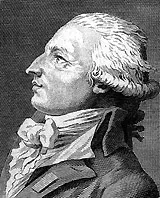
Antoine Louis Claude, Comte Destutt de Tracy
1754–1836
Destutt de Tracy (1754-1836) was a philosophe and one of the founders in the 1790s of the classical liberal republican group known as the Idéologues (which included Cabanis, Condorcet, Constant, Daunou, Say, Madame de Staël), a politician under several regimes spanning the Revolution and the Restoration, and an influential author.
Biography
His writings particularly impressed Thomas Jefferson, who translated an published 2 of them in America. While a member of the Senate, he opposed Napoleon, and also spoke out against the subsequent constitutional monarchy, and in support of American-style laissez-faire republicanism. He coined the term “ideology” while he was at the Institut National.
Works by Antoine Louis Claude, Comte Destutt de Tracy
4 titles in the library

Antoine Louis Claude, Comte Destutt de Tracy · 1817
A Treatise on Political Economy (LF ed.)
Destutt de Tracy's Treatise on Political Economy is a foundational text of nineteenth-century, free-market economic thought and remains one of the classics of nineteenth-century French economic liberalism. Destutt de…
Antoine Louis Claude, Comte Destutt de Tracy · 1817
A Treatise On Political Economy
An important work in the development of French liberal thought during the Napoleonic and post-Napoleonic period. Thomas Jefferson was very impressed with his writings and had them translated in English.
Antoine Louis Claude, Comte Destutt de Tracy · 1817
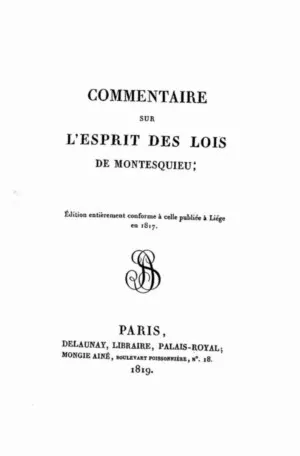
Commentaire sur l’Esprit des Lois de Montesquieu
A French version of Destutt de Tracy’s extended commentary on Montesquieu which so impressed Jefferson that he translated it himself.
Antoine Louis Claude, Comte Destutt de Tracy · 1811
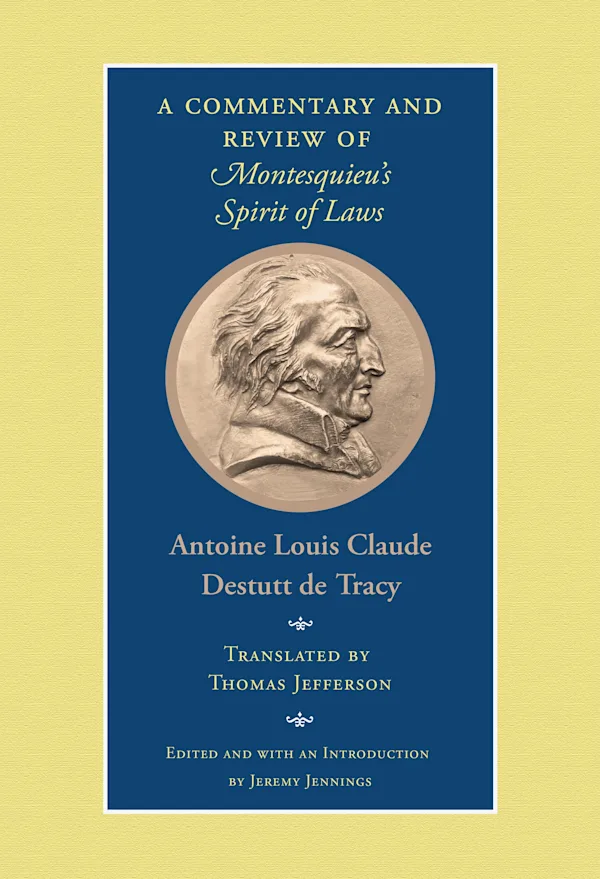
A Commentary and Review of Montesquieu’s ’Spirit of Laws’
One of two books by the French liberal Destutt de Tracy which were translated and published by Thomas Jefferson.
Quotes from Antoine Louis Claude, Comte Destutt de Tracy
3 quotes from the library