

The Online Library of Liberty

Search the library

Press Enter to see all results. Esc closes.

Freedom of Speech

Shaftesbury on the True Test of Bravery

"Nothing is more ridiculous than this it-self. The Vulgar, indeed, may swallow any sordid Jest, any mere Drollery or Buffoonery; but it must be a finer and truer Wit which takes with the Men of Sense and Breeding. How comes it to pass then, that we appear such Cowards in reasoning, and are so afraid to stand the Test of Ridicule?—O! say we, the Subjects are too grave.—Perhaps so: but let us see first whether they are really grave or no: for in the manner we may conceive ’em, they may peradventure be very grave and weighty in our Imagination; but very ridiculous and impertinent in their own nature."

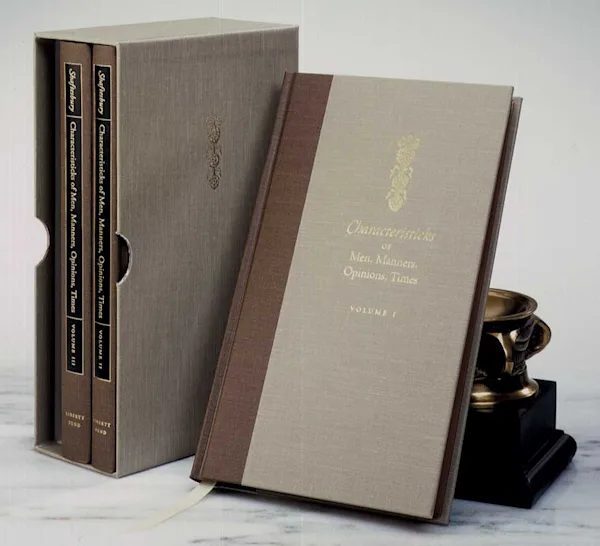
— Anthony Ashley Cooper, Earl of Shaftesbury, Characteristicks of Men, Manners, Opinions, Times, 3 vols.

Context

Further thoughts

More on Freedom of Speech

  • Freedom of Speech
    “The rights of conscience are sacred and equal in all, and *strictly speaking unalienable. This right of judging every one for himself in matters of religion* results from the nature of man, and is so inseperably connected therewith, that a man can no more part with it than he can with his power of thinking.”
  • Freedom of Speech
    “(N)o man’s mind can possibly lie wholly at the disposition of another, for no one can willingly transfer his natural right of free reason and judgment, or be compelled so to do. For this reason government which attempts to control minds is accounted tyrannical, and it is considered an abuse of sovereignty and a usurpation of the rights of subjects, to seek to prescribe what shall be accepted as true, or rejected as false, or what opinions should actuate men in their worship of God. All these questions fall within a man’s natural right, which he cannot abdicate even with his own consent.”
  • Freedom of Speech
    “Since, therefore, no one can abdicate his freedom of judgment and feeling; since every man is by indefeasible natural right the master of his own thoughts, it follows that men thinking in diverse and contradictory fashions, cannot, without disastrous results, be compelled to speak only according to the dictates of the supreme power. ... (T)he object of government is not to change men from rational beings into beasts or puppets, but to enable them to develope their minds and bodies in security, and to employ their reason unshackled; neither showing hatred, anger, or deceit, nor watched with the eyes of jealousy and injustice. In fact, the true aim of government is liberty.”