

Peter Lewin
Lead essay · Jul 01, 2018
Hans Eicholz
Response · Jul 05, 2018 · Own page
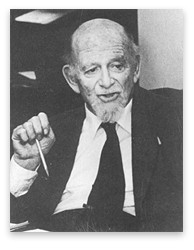
Peter Lewin has captured well the spirit of Ludwig Lachmann with the words enigmatic and controversial. For most Austrians, Lachmann is a curious mixture of both the familiar and the strange. On the one hand, they assent readily to his rejection of standard neoclassical equilibrium analysis and formalism. His views on the central importance of ends and means as the signal feature of human action resonate very much with the Austrian tradition's understanding of purposefulness.
Paul Lewis
Response · Jul 05, 2018 · Own page
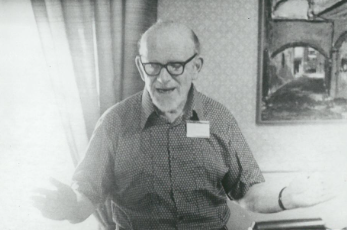
1. Varieties of Subjectivism
"a world of world of uncertainty clearly is not a world of chaos. To say that economic phenomena cannot be predicted in the sense we expect such an activity from a science is not to say that men are unable to form expectations about the future outcome of the actions they presently are planning." (1986, 139; also see Lachmann [1959] 1977, 84, 86.)
An institution provides a means of orientation to a large number of actors. It enables them to co-ordinate their actions by means of orientation to a common signpost. If the plan is a mental scheme in which the conditions of action are co-ordinated, we may regard institutions, as it were, as orientation schemes of the second order, to which planners orient their plans as actors orient their actions to a plan…. They enable each of us to rely on the actions of thousands of anonymous others about whose individual purposes and plans we can know nothing. They are nodal points of society, co-ordinating the actions of millions whom they relieve of the need to acquire and digest detailed knowledge about others and form detailed expectations about their future action. [Lachmann 1970, 49-50]
"While the analysis of individual planning is in a way an a priori system of logic, the empirical element enters in people learning about what other people do.… [Y]ou can't claim, as Mises does, that the whole theory of the market is an a priori system, because of the empirical factor which comes in that one person learns about what another person does." (Hayek, quoted in Caldwell 2004, 221).
Bill Tulloh
Response · Jul 09, 2018 · Own page
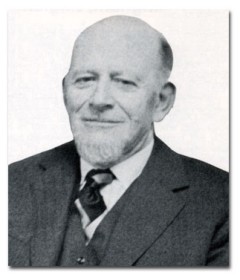
Peter Lewin, more than anyone, has been responsible for making Lachmann's work accessible to modern scholars. As my own understanding owes much to Peter, I find myself in the difficult position of finding an area where I disagree.
Mario J. Rizzo
Response · Jul 09, 2018 · Own page
In the Fall of 1976 I left the University of Chicago to accept a postdoctoral fellowship at New York University in the new Austrian program directed by Israel Kirzner. Although I had met Ludwig Lachmann earlier, it was only at NYU that I gained a true appreciation for his intellect and his work. My education at Chicago was deep but not broad. I learned, in its heyday, Chicago "price theory" and a monetarist slant on macroeconomics. Prior to my education at Chicago I had already studied the great Austrian writers, including Menger, Böhm-Bawerk, Kirzner, and Rothbard. But what I took away from them was primarily a static Austrian economics. This is true notwithstanding Kirzner's Competition and Entrepreneurship (1972), which at the time seemed perfectly consistent with the work that Harold Demsetz and Yale Brozen were doing on industrial concentration and profit rates. It seemed like a little dynamic spice in a basically comparative static framework.
Peter Lewin
Thoughts on Equilibrium and Weber · Jul 10, 2018
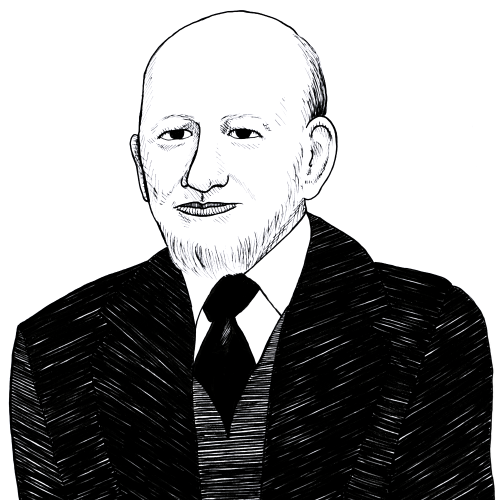
Methodology: WeberAn indication of the potential work still to be done on the second theme running through Lachmann's contributions that I mentioned in my previous posting, namely, the importance of the work of Max Weber for Austrians, is Lachmann's 1971 book (UK edition in 1970), The Legacy of Max Weber. Bill Tulloh, Hans Eicholz, and Paul Lewis cite this work, and Eicholz provides an extremely useful analysis of the relation of Weber's insights to Lachmann's work on "purpose" and also of Mises's view of Weber. This summary will be very helpful for those seeking an understanding of the "Weberian connection." There is more to be discovered, including the development of this theme from Lachmann's early German period.Of particular interest in Lachmann's book (revisited in his 1986 work, 151) is his introduction of the real type as distinguished from Weber's ideal type. The former refers to a category of social phenomena discernable from real historically specific events -- compared to the latter, a category of more or less "universally" valid social types. This bears on Lachmann's view of the relationship between economics and history, each one being necessary for the practice of the other, and how this compares, for example, to Mises's conceptions. (See Lachmann 1986, 148-56.)Lachmann also distinguishes between different types of social institutions – fundamental and secondary, as explained by Bill Tulloh in his response. Tulloh sees in this "many parallels to Hayek's abstract order. Fundamental institutions represent the abstract rules, while secondary institutions embody the abstract relations" (my italics). Indeed, Bill and his collaborators' work on the notion of "abstraction" is tantalizing and begs for further illumination to become fully understandable to those like me outside the technical computer community. I understand it imperfectly in relation to modularization, which I intend to discuss briefly in a later post, but know that there is more to it. Bill suggests further that "Institutions, according to Lachmann, do more than just serve as 'rules of the game.' While fundamental institutions might fit that characterization, secondary institutions do not." I don't immediately see this and would appreciate elucidation. Don't historical contingent institutions (which embody the more abstract and general rules of the games) define in more specific terms the application of the rules of the game?Methodology: Plan DisequilibriumEicholz aptly characterizes Lachmann's preoccupation as "the intersection of time and purpose." Lachmann describes the "thrust toward subjectivism" (Lachmann 1986, 148) that he pursued as occurring in three steps: first, the realization of the subjectivism of value, namely, the subjective nature of the ends pursued by human actors that constituted the purpose of their actions; secondly, the subjectivism of the means as well as the ends, in fact of the whole means-ends framework (from which a subjective theory of capital naturally emerges); and, thirdly and most prominently, the subjectivism of expectations. This tripartite subjectivism guarantees that individuals, in their preferences (ends, purposes), in their matching of means to ends subjectively evaluated, and in their expectations, will differ from one another. Means, ends, and expectations are all connected in the individual plan, the most important methodological/epistemological construct of all. There will be a divergence not only of preferences and the perception of how to best achieve them, but also of expectations. And this suggests that, in their interactions, human beings will commit errors. Among disparate expectations of the same future, at most one can be correct. (It is not, as Bill Tulloh suggests, that I "dislike" Hayek's view of plan coordination. I like it very much as an improvement on a conception of equilibrium in terms of physics. Equilibrium in economics is about individual plans or it is not economics. I merely note that such an equilibrium is a vanishingly unlikely event.)This is the root of the so-called "Lachmann problem." (Koppl 1998) Plan-equilibrium entails the consistency and continuing fulfilment of individual plans. (Hayek 1937; Lewin 1997) Human action presupposes causation, the use of means toward the achievement of ends. If the probability of plan-failure is high, as it would be in a dynamically changing world, the likelihood of such plan-equilibrium is severely imperiled. And, in fact, the coherence of human action itself is endangered if individuals cannot count on the reliability of the causal means-ends framework to inform their plans and actions.Paul Lewis discusses the resolution of this problem to which he and others have contributed in the identification of social institutions as constraints on the divergence of individual plans, ensuring that although plan-equilibrium will remain elusive, social outcomes will not be chaotic, but, rather, will be orderly. Most specifically in Lachmann's book on Weber, but also elsewhere, he points to the existence of social institutions as the essential explanation of order in the social world, an outcome "far from the nihilistic crowd." (Lewis 2011; also Lewis and Runde 2007)For a long time this account, while certainly correct and helpful, has seemed incomplete, and I've thought that a fuller understanding is to be had by "unpacking" the notion of expectations. When Lachmann (and Hayek) talk about divergent expectations, we should ask: expectations of what? The notion of expectations as a nonspecific catch-all is inadequate. What specifically do individuals form expectations about when they make plans? Likely candidates for types of expectations are not only the specific outcomes of their commercial ventures, their investments, evaluations, etc. but also, importantly, expectations about how people in various contingencies can be expected to act toward them, including the contingency of plan failure. And about this there is a high degree of certainty because "the rules of the game" are embodied in explicit and tacit institutionalized behaviors. There is a high probability of these expectations being fulfilled. We can count on people acting according to the laws governing property rights, contracts, and bankruptcy, and to exhibit generally civil (nonviolent) behavior. I think this is closely related to the distinction made between expectations of typical and unique events. (O'Driscoll and Rizzo 1985)Two important implications emerge from this. First, it is the existence of this "plan-equilibrium" at the institutional level that allows for the existence of a high degree of "plan-disequilibrium" at the level of entrepreneurial action broadly understood. Individual plans are multilayered, and some levels are likely to be very consistent across individuals while others are dramatically inconsistent. Individuals can plan effectively, relying on the institutional structure to constrain the downside of the probable failure of their commercial ventures in whole or in part. It is institutional stability that allows for the persistence of this dissonance without disorder. And, secondly, the existence of this discoordination of entrepreneurial plans is actually necessary for the market process to function properly and beneficially. A few highly valuable productive innovations are more likely to emerge out of a thousand entrepreneurial visions than out of a hundred. (Lewin 1997, 2016; also Loasby 1994) Diversity of viewpoints is desirable, at least up to a point, a point evolutionarily revealed through the market process itself. It is the institutional structure that most closely approximates the facilitation of "permissionless innovation" (see this: <http://permissionlessinnovation.org/>) that will prove most conducive to economic progress as we understand it. (Thierer 2016)Thus this drawing out of the implications of Lachmann's epistemology reveals an important policy implication.(In a later posting I will talk about "understanding Lachmann heterogeneously" in response to the comments by Rizzo and Tulloh.)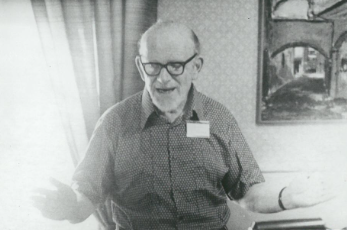
In my first contribution I argued that Lachmann should not be regarded as a nihilist because his commitment to radical subjectivism does not prevent him from offering an account of how social order is possible in decentralized market economies. In this contribution I wish to examine another way in which Lachmann has made a contribution to positive economic analysis, by exploring how his capital theory has helped to inform and inspire efforts to construct a distinctively Austrian approach to business strategy and entrepreneurship. In doing so, I shall take up Lewin's invitation to explore in greater detail Lachmann's thinking about capital and also build on some of Bill Tulloch's remarks on that topic.Lachmann on CapitalLachmann's is, of course, a subjectivist theory of capital. "The generic concept of capital … has no measurable counterpart among material objects," Lachmann ([1956] 1978, xv) writes. "Beer barrels and blast furnaces, harbour installations and hotel-room furniture are capital not by virtue of their physical properties but by virtue of their economic functions. Something is capital because the market, the consensus of entrepreneurial minds regards it as capable of yielding an income." More specifically, as Bill Tulloch observes, capital goods are defined by reference to their place in a subjectively defined production plan. Complementary capital goods fit together and contribute to a particular production plan in ways that are expected to add value and yield profits. Of course, executing that plan takes time; it involves entrepreneurs purchasing and using resources before the demand for, and the final price of, the output being produced is established. Hence, for Lachmann, entrepreneurs must act in the face of radical uncertainty, seeking to "wrest economic meaning from the market" (Lachmann 1977, 102) by using their judgment to identify how assets can be combined so as to produce goods and services that people are willing to buy at a price that makes the whole enterprise profitable. (In doing so, they also rely on social institutions, as described in earlier contributions to this conversation.)Uncertainty implies that the profitability of those plans cannot be definitively established ex ante. Ultimately, plans must be put to the market test. When—as must inevitably happen, given the diversity of views about the future held by entrepreneurs—some plans fail to live up to expectations and yield losses, entrepreneurs must decide whether assets need to be redeployed or scrapped. This is where the heterogeneity and multiple-specificity of capital goods becomes significant because those attributes mean there are limits to the combinations in which capital goods can be redeployed or regrouped if the initial plan is revealed to be unprofitable and in need of change. It is, once again, the entrepreneur who must exercise his or her judgement about how plans should be revised. As Lachmann writes, "We are living in a world of unexpected change; hence capital combinations … will be ever changing, will be dissolved and reformed. In this activity we find the real function of the entrepreneur." ([1956] 1978, 13) For Lachmann, therefore, it is the entrepreneurial search for profitable capital combinations that drives the ongoing process of capital development.Applications to Business StrategySignificantly, Lachmann's capital theory has been used by scholars in the field of business strategy to provide a framework for their work on entrepreneurship and organization studies. On this view, business strategy involves entrepreneurs seeking to penetrate the fog of uncertainty that clouds the future by using their imagination and judgment to identify ways in which assets can be (re)combined so as to produce goods and services that people can be persuaded to buy, thereby adding value and yielding profits. What is appealing about Lachmann's work is that it provides a single theoretical framework that brings together many of the features of the world emphasized, but in a fragmented way, by the strategic entrepreneurship literature: the importance of the entrepreneurial imagination, the centrality of the creative (re)combination of assets, the significance of time and uncertainty, the processual nature of the market, and the role of institutions in facilitating business activity. By showing how those ideas can be woven together to form a unified account of the entrepreneurially driven market process, centering on the imaginative but fallible creation, dissolution, and regrouping of complementary combinations of capital goods, Lachmann's theory promises to bring greater coherence and fresh insights to the field of strategic entrepreneurship and organization studies. If that is indeed the case—and there is a burgeoning literature arguing to that effect—then it provides further evidence for the claim that far from being nihilistic, Lachmann's radical subjectivist approach can inspire fruitful new lines of research on the topics of entrepreneurship, strategy, and the firm. (Chiles et al., 2007, 2010; Mathews 2010; Lewin and Baetjer 2011; Foss and Klein 2012; Endres and Harper 2013).Peter Lewin
Understanding Lachmann Heterogeneously · Jul 13, 2018
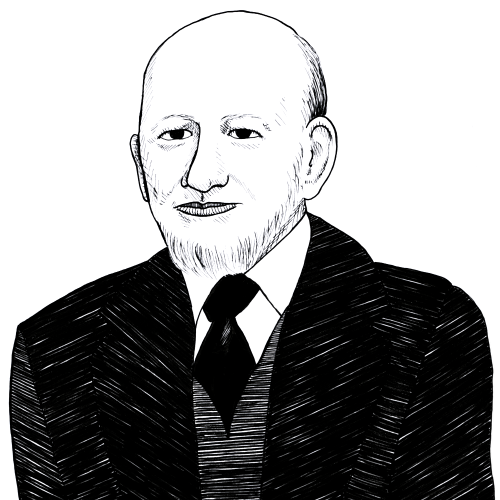
Mario Rizzo and I are both "Chicago Austrians." But in a significant way, our journeys went in exactly opposite directions. (See my "A Personal Tribute" at <https://thinkmarkets.wordpress.com/2018/07/06/a-personal-tribute/>.) Whereas, as he reports, he came to Chicago with a foundation in Austrian economics by way of the usual suspects, from Menger to Kirzner including Rothbard, my foundation in Austrian economics started with Lachmann and proceeded to Hayek, Böhm-Bawerk, and Menger. I had read little of Mises, and I don't think I knew of the existence of Rothbard.I was surprised to find in the "other Austrians" views much closer to the neoclassical paradigm than Lachmann's and views apparently devoid of his concerns about the implications of divergent expectations. But although we started from different ends of the spectrum as it were, I am amazed at the extent to which we ended up in the same place. In every significant respect I can think of, Mario's and my views on Lachmann coincide. I find nothing to disagree with in his work over the years extending Lachmann's insights, for example in his (and Jerry O'Driscoll's) 1985 classic, The Economics of Time and Ignorance, or in his work on law and economics or in his work (together with Glen Whitman) on the new behavioral economics to which he alludes in his response and which the reader is well advised to explore further for the best assessment of that literature that I know of. I agree also with his comments on methodology on both Mises and Lachmann. Perhaps in a later posting I may expand on what I think is the prevailing message for Austrians of Lachmann's radical subjectivism of divergent expectations.So if you consulted me or Mario Rizzo on Lachmann, you would probably get a very similar picture. This is not true for all Lachmann enthusiasts, and Lachmann would certainly relate to the observation that different people may emphasize different aspects of his work as central and motivating and that one's understanding and interpretation of writings is path-dependent on the experiences of the reader. For example, Bill Tulloh's experience contrasted interestingly with mine – and I am thankful it did, so I could be the recipient of his different viewpoint, which is so insightfully complementary to my own.I came to Lachmann as a clueless, but highly motivated undergraduate. For me he was all about the subjectivism of expectations, and I guess that entre has stayed with me ever since. It is ironic that in those very years when I was learning from him (1966-1971), he was busy with The Legacy of Max Weber, a project I learned about only later and about which I am still learning. Bill, on the other hand, as he reports, learnt of Lachmann during after Austrian revival and like many around him was greatly influenced by the insights of Don Lavoie, whose view of Lachmann was much more extensively based on his understanding of continental philosophy. Lavoie and Tulloh understood the milieu in which Lachmann's thinking was shaped – the very nature of which provoked Rothbard and others to be deeply suspicious of him. Others who came to Lachmann via Lavoie's personal influence were Steven Horwitz, Peter Boettke, David Prychitko, Howard Baetjer, and others. (HT: Steve Horwitz.)So Tulloh has a good point when he suggests that attention to the divergence of expectations (provoked by Hayek's "Economics and Knowledge") came later and that this matter was, in some important sense, derivative of Lachmann's more fundamental subjectivism based in both Menger and Weber and related works. But for many the expectations story is the more resonant and where Lachmann's influence on his fellow Austrians may be most noticeable.Lachmann Today – via His Epistemology and His Capital TheoryThat being said, continuing work on the implications of Lachmann's insights for modern-day conditions is highlighted by both his views on expectations and the fundamentals of his epistemology as grounded in the individual plan. And Bill Tulloh and his collaborators' work on connections to and applications of the digital age are apt and pregnant with potential. A poignant example being the blockchain technology and its applications. Another is the analogy between software and capital and how this illuminates the nature and role of knowledge in capital (Baetjer 1997, Lewin and Baetjer 2011), most particularly the importance of modularity – a digital (or physical) encapsulated capital-combination. (See also Bill's reference to the work of Hernando de Soto and the related literature on property rights and capital in economic development.)According to Lachmann, time and knowledge belong together in that it is inconceivable that time should pass and people's knowledge should remain the same. We may add that, consequently, knowledge is in effect connected to time. Each moment of time has its unique knowledge configuration (within and among individuals), and this punctuates the problem of coordinating individual actions because knowledge (as distinct from information or data) is subjective. One of the most significant achievements of the complex society is found in the existence of capital-goods (including software) that in effect embody the ready-to-use knowledge of anonymous others. A safety razor "knows how" to shave your face if you know how to hold and move it properly. (Baetjer 1997) That knowledge was purposely put there by painstaking efforts of the designer, who knows all about the angles, materials, connections, etc. that are needed for the resulting effects, but about which we the users need know nothing. It is the epitome of the division of knowledge about which Hayek spoke, but not found solely within an individual mind; rather it is extended by technology and applied by markets in a way that becomes useful to untold millions. Indeed, as Bill suggests, Lachmann's work may be "more relevant than ever."Hans Eicholz
A Bit More on Subjectivism · Jul 16, 2018
In this follow-up to Professor Lewin's insightful comments, I would like to address this thing called subjectivism and push a little deeper into the very interesting way Lachmann understood this concept and came to formulate his more complex or radical understanding of it.The idea of subjectivism has a much older history in economics than even that presented by Emil Kauder in his justly famous history of marginalism. And while many recall Rothbard's enthusiastic appraisal of Kauder's work as revealing an objectivist root in the Aristotelian vein, the reality is quite a bit different for the development of the sort of complex subjectivism from which Lachmann's understanding was derived.Mises certainly understood this other path of subjectivism, which is why he, more than any other student of Menger's work, strove to ensure the transference of the Austrian approach to a neo-Kantian foundation. Rothbard disparaged that approach for reasons already mentioned. For him, Mises was heading down a wrong path, and while Mises certainly saw dangers in historicism, from Rothbard's perspective, he should have done an immediate about-face and returned to Menger's more Catholic-Thomistic roots. For Lachmann, however, Mises's problem was that he had not traveled far enough down the logical implications of that road! Let's have a look at what that direction entails and why it might have produced the characteristic complex subjectivism for which Lachmann is rightly known.To be thoroughly subjectivist, an orientation must be relentlessly from the perspective of the acting agent under investigation. Presumably in the case of the social sciences, this means human agency, and for early 19th-century German scholarship, that meant looking to the meanings of actions as they were understood by those acting.Now certainly an idea of purposefulness is contained in the Aristotelianism of Menger. Telos after all was a leitmotif of Aristotle's explanation for the meaning of the good as it relates to the fundamental character of an object in nature, including man. Hume showed how difficult it was to understand that nature, however, and Kant set about to find another way to ensure, first and foremost, confidence in the natural sciences through the a priori, nonexperiential aspects of how we can know things. Far trickier was the realm of human actions in either their moral or scientific senses. The best that Kant could come up with was the categorical imperative and a general idea of progress through time. That difficulty in understanding the realm of human action, though, directed scholarly attention to the interiority of the minds of acting persons, to their aims and ideas and the sources of those thoughts.The economists of the marginal revolution took subjectivism only so far, to what is often said to be the subjectivism of wants or tastes. In Menger's case, it was to accept the notion that there need not be any special weight or objective importance granted to any particular aim, activity, or object but simply to the logical implications that follow from the pursuit of any want in the context of scarcity. But is there ever a time when this logic of choice is not enough to understand what is transpiring?Here was the crossroads, the intersection, at which Mises hesitated. One can see him hesitating around the interesting distinctions between praxeological and catallactic categories. But he left these undeveloped. In a fascinating but brief collection of letters between Lachmann and Mises, held at Grove City College, Lachmann tried to prompt Mises to go further—not to stop with the logical structures of the human mind where Kant had brought us—but to move further down that road to ask about the differences that divergent aims and expectations make to the economic process. In this, Lachmann was working through the implications of a Weberian understanding of the subjective.Two sides of the Historical School largely represented by Weber on the one hand and Sombart on the other can be seen in the degree to which they believed that individuals could possess the same thought patterns, or to put it in terms favored by Douglass North, the same mental models. Here Sombart was quite adamant that from specific plans (and he used the term) whole new coordinated institutions could come, and from these, whole new economic orders. This was Volksgeist of a very robust sort.Weber followed the lead of the historian Otto Hintze to question the degree to which interpersonal conceptual conformity could be said to characterize the content of our thoughts as individuals. Some interpersonal conformity was clearly possible and formed the basis for institutions, but not to the extent envisioned by Sombart. (Weber [1906] 2012. 16, 20) And here Lachmann followed Weber where the latter noted that the aim of interpretive understanding "remains the specific characteristic of the 'subjectivising' sciences, insofar as they are historical sciences and not normative disciplines." (Weber [1906] 2012, 57).Hans Eicholz
Austrian versus Chicago Formalism · Jul 16, 2018
Reading Lewin's second follow-up to the Lachmann exchange, I wonder how Austrians will react to this observation: "I was surprised to find in the "other Austrians" views much closer to the neoclassical paradigm than Lachmann's and views apparently devoid of his concerns about the implications of divergent expectations."This point fits perfectly with Lavoie's assertions about the logical formalism of the Austrianism of his day, a point which shocked many Austrians at the time who frequently cited their well-known criticisms of static equilibrium of the neoclassical sort.To my mind, and I am most definitely not an economist but an historian, one can begin to see just what Lavoie was driving at by examining one of the great debates between Kirzner and that premier Chicagoan, Gary Becker, in their justly famous exchange on the value of the idea of purposefulness in economic analysis.It seems clear that most people's evaluation of the outcome of that exchange hinges, as Lewin's remark suggests, on their different background assumptions. This is historian's territory, so let's apply a little Verstehen.In his original post, Lewin made this remark that has stayed with me for reasons about which I was not at first entirely clear, but that now, in light of the above quote, seem altogether understandable:Kirzner asked a simple question: if the existing price and quantity are not market-clearing, how does the market move toward equilibrium? Who makes this happen? And of course the answer is, anyone who sees an advantage in doing so, anyone who sees that the market price is likely too high or too low and acts accordingly, will move the market toward that market-clearing price. There is no guarantee that that market-clearing price is a fixed target. It may be changing. Yet as long as these entrepreneurial actions are successful in creating value for the actors, the price and quantity will move toward market-clearing.Notice the last sentence. That "market-clearing" price is an abstraction that would not exist in the absence of the subjective valuations of the actors and most especially of the "entrepreneurial actions" involved. That new price comes into being only when the entrepreneur recognizes the wants of persons within an existing set of exchanges and says, "I can do better." What results is a new market. Kizner knows this well, designating that moment as the entrepreneurial element.Yet the abstract concept of the "market clearing" point exists in the mind of economists as an entity in itself, by which they then explain formally "why" actions are adjusted. How difficult it must be, then, to maintain the Lachmannian focus when one's professional inclination is to explain by abstracting from a point that is presumed by the very terms of analysis to be already out there rather than reasoning from the interiority of the acting persons involved!I believe this explains much of what was going on between Becker and Kirzner. To recap that debate, Gary Becker, asserted that purposefulness in any form, whether in its more broadly formulated Misesian variety or the more traditional modes of rational self-interest, is entirely irrelevant to the analysis of markets because of budgetary constraints. Kirzner went to great lengths to contend that such a view leaves out valuable information: "If molecules," he wrote, "acted purposefully, no physicist would dare ignore the information which he could derive from this very fact." (Kirzner [1962] 2009, 219)But most of the profession, including Kirzner, was focused on the formal process of getting to that abstract equilibrium point, and so he made no further headway other than with those who already affirmed the value of purposefulness as a category.Here is where understanding Lachmann comes in. What would he have said? Well, we actually do not have to go very far to find out. As noted, Lachmann's essay on the significance of Austrianism gives his position clearly. We must dive into the content of purposes, in this case, entrepreneurial plans.The value of purposefulness is not in its categorical form. If that were all, the efficacy of the concept would be pretty meager, and Becker would win simply on the ground that purposes of any kind are superfluous to the running of his formulas. The key is to recognize the subjectivism of Kirzner's entrepreneurial element through the actual, and one might add, historical, creation of new markets, which is what actually occurs in real life.It is when an entrepreneur recognizes a consumer want or a perceived need and a means to fulfill that desire (i.e., that a want can be satisfied in another way via cost savings or technical innovation) that all the action of specific purposes and their importance come into focus. Becker's formalism is helpless to explain such innovation in either its Schumpeterian or Kirznerian forms. In the Chicago mode, entrepreneurship is just baked into the cake. It just happens.For most social scientists, and I would hope most economists, that sort of crude tautology could never amount to much of an explanation of anything. At best, it might give us a way of understanding exogenous changes to specific resource inputs of a given, fairly stagnant, and already existing market. But what does it tell us about the creation of anything really new? Exactly nothing.It is here that Lachmann's perspective ultimately rescues one of the central tenets of Austrianism, and it is why his work must continue to hold the attention of economists in general.Mario J. Rizzo
Expectations and Predictability · Jul 16, 2018
Peter Lewin raises an excellent point when he says that it is important to specify the content of expectations. "[W]e should ask: expectations of what?" (Lewin, "Thoughts on Equilibrium…"). At the most general level, economic agents are concerned with institutions of one sort or another and with the market behavior of other agents.1. What is the certainty of institutions? This is a complex subject but it is necessary to dispel some misconceptions. We are not or should not be thinking of fixed rules so much as hierarchies of rules with some degree of fixity or permanence. A clear example can be found in the traditional common law of negligence. Consider:A unintentionally hits B. A is liable if A is negligent, otherwise not. If A is negligent but B is also negligent, then A is not liable. But if A had the "last, clear chance" of stopping the accident despite B's negligence, then A is liable.
We could continue this progression and we could find other such progressions in other areas. There is no single fixed rule if by that we mean that any one of the above propositions is dispositive no matter what the circumstances. What is relatively fixed is the hierarchy or the stages of the pleading. This hierarchy has the advantage of being adaptable but in a systematic way to the emergence of new facts.2. The market behavior of other agents. We know that consumers do not always behave unpredictably. The aggregate demand for orange juice is stable over significant periods of time. In other cases, even with the development of new products, the implicit demand for certain attributes is fairly constant so that manufacturers will know, within some limits, what the demand will be for a small alteration in the product they have been selling.It is important in this discussion to make clear that, for example, neither Henri Bergson (nor Alfred North Whitehead nor William James) thought that every human decision was a totally free, creative and unpredictable act. Lachmann may not have been clear on this. We should be.Events can be broken down into many aspects and so too can predictions of events. People will buy orange juice but they may shift unexpectedly to pulp heavy from no pulp. People may buy the new i-Phone but may unexpectedly complain about a new feature thereby conveying information to manufacturers. Even with respect to the law, subtle changes may enter into the assignment of liability. For example, small negligence on the part of victims may be ignored and recovery allowed.And yet, of course, those big unpredictabilities may dominate – sometimes due to endogenous cascades of errors or to uncertainty generated by bad policy decisions. The latter may be unpredictable decisions by what Roger Koppl has called "big players." They may also be accommodative interest-rate policies that encourage people to take on unreasonable risks.The key to understanding what is going on is, of course, empirical evidence. This is what Lachmann was arguing for when he said that there are different kinds of markets. There are also given markets under different circumstances. Thus, there is no easy a priori way to determine how markets will function at the level of even intermediate detail. We cannot say, for example, that the market process will never exacerbate the errors entrepreneurs make. We may or may not doubt that this is the case in a particular situation but we will have to adduce evidence. We may have our presumptions but Lachmann's message is to go beyond that.
I'd like to elaborate on an interesting and insightful remark made by Peter Lewin in his post "Understanding Lachmann Heterogeneously" and connect it to a theme raised by Hans Eicholz, namely, the nature of subjectivism. Lewin refers to "Don Lavoie, whose view of Lachmann was much more extensively based on his understanding of continental philosophy." Lewin is referring here, I think, to the way in which Lavoie interpreted Lachmann's work through the lens provided by philosophical hermeneutics, perhaps most notably the work of Hans-Georg Gadamer ([1975] 1993), in order to develop a distinctive—and, I shall argue, extremely fruitful—interpretation of the nature of subjectivism.In essence, what Lavoie was trying to do was to encourage people to re-conceptualize subjectivism. The traditional conception of subjectivism, or verstehen, that informed the human sciences in the late 19th and early 20th centuries was as a specialized social scientific method that hinged on the ability of expert scholars empathetically to grasp the meanings people attributed to their circumstances and actions. In contrast, philosophical hermeneutics suggested that interpretive understanding is something that normal people accomplish with considerable success in everyday life. On this latter view, rather than being thought of in epistemic terms as a technique for studying human activity that is the exclusive preserve of specialist social scientists, verstehen is understood ontologically as an account of human nature; people are interpretive beings, who manage to understand one another very well in their everyday lives even without specialist training. (Lavoie 1991, 1994a, 1994b: 59-60; also see Prychitko 1994: 311-12 and Lewis 2011) The reason they are able to do so harks back to a point made by Lachmann in The Legacy of Max Weber and highlighted in my first contribution to this discussion, namely, that people are social beings whose interpretations of the world are shaped by shared social rules. And it is the fact that the inhabitants of a given society typically interpret the world using the same—or, at least, very similar—interpretive frameworks that makes it so easy for them to understand one another so much of the time.The interpretation of subjectivism developed by Lavoie has had another important implication, which has turned out to be significant for recent work in Austrian economics, for it suggests that meaning, rather than being hidden in people's minds, to be identified only through mysterious acts of empathy, is in fact publicly accessible (though observations of people's actions, archival documents, etc.). This line of thinking encouraged—and was explicitly designed to encourage—Austrians to do empirical work and has led to a stream of fine qualitative studies that explore how the shared interpretive rules and patterns of meaning, or "culture," within which people are embedded affect their behaviour in both market and nonmarket settings, thereby shaping the kinds of outcomes that emerge. (See, for example, Chamlee-Wright 2002, 2011; Chamlee-Wright and Storr 2009, 2011; Storr 2004.) In this way, as a very interesting recent essay has suggested, Lachmann has exerted considerable—albeit, one might add, sometimes indirect—influence over applied work in contemporary Austrian economics. (Storr 2018).Hans Eicholz
In Light of Hermeneutics, Which Way for Austrian Economics? · Jul 20, 2018

Professor Lewis's reference to Lavoie's interest in Hans-Georg Gadamer is a very significant observation and draws attention to what should be a major point of decision for Austrian economics. It is true that verstehen has roots in both historical and philosophical circles. But along which path should Austrian economics travel?The idea of verstehen grew out of much earlier textual interpretive techniques, as Professor Lewis indicated, and was first employed by biblical and classical scholars. It was from these origins that it spread to law and history. Wilhelm Roscher himself had studied, in part, with Leopold von Ranke, was interested in Friedrich Carl von Savigny's work in the law, and was himself originally a scholar of Greek antiquity. In this context, the notion of empathy was not anything particularly mysterious. It was a faculty to be cultivated by long study and application to texts and even intertextual comparisons.Max Weber took it upon himself to set this whole approach on a more conceptually and, by his lights, scientifically rigorous foundation. It seems clear to me that Lachmann favored this more workaday approach to interpretive understanding over the more highfalutin tradition out of which Gadamer was coming, but this would be an interesting subject for further investigation: in which direction should the concept be taken now?Peter Lewin
Lachmann's Legacy · Jul 24, 2018
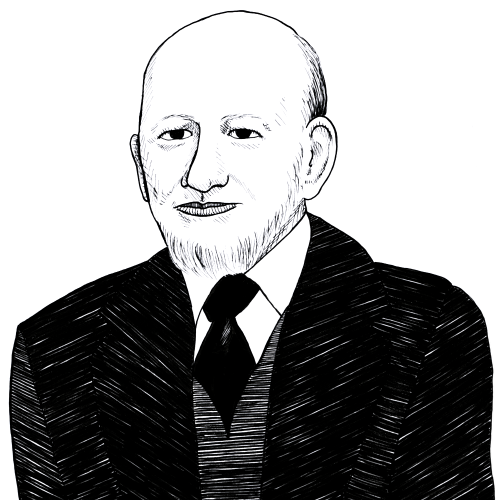
Friedrich Hayek famously said that "nobody can be a great economist who is only an economist—and I am even tempted to add that the economist who is only an economist is likely to become a nuisance if not a positive danger." Lachmann would certainly agree, and he personified that sentiment. His depth and range of matters historical, philosophical, sociological, and cultural were beyond impressive. Yet, unlike Hayek, he was never well-known, in spite of his many connections to the luminaries of the profession at the time. Some of these connections date from the LSE period when he was in a cohort with many future big names, including, most notably, John Hicks, whose work remained an inspiration to him throughout his life. (Not so well known is Lachmann's lesser but nevertheless influence on Hicks's thinking on capital.)After his death, Lachmann's name is perhaps no better known among economists in general than it was during his life. But his influence among Austrians is certainly strong and shows no signs of diminishing. This influence operates at both the conscious and unconscious levels. Modern Austrian economists unconsciously accept certain Lachmannian presumptions, and others very deliberately try to apply his insights. So much is indicated by the contributions to this discussion from the methodology of intersubjective understanding and interpretation: from Eichholz -- who helpfully and expertly places it in historical and conceptual context following Lewis's explanation of how the notion of verstehen was broadened by Lavoie and led to a particular understanding of what constitutes "normal science" in Austrian economics -- to Rizzo's extensive, often very specific applications of Lachmann's open-ended universe within evolving legal and other institutions, to the (so far the least-developed) implications of his capital-theory in the field of information technology (Tulloh).Related to the last mentioned, noted by Lewis, is the discovery of Lachmann by scholars in the field of management studies. Some years ago the management field embraced the insights of Israel Kirzner on entrepreneurship in a rather curious way. While enthusiastic about the prominence that Kirzner bestowed upon the entrepreneur as the "discoverer" of opportunities for innovation and profit (see Shane 2000, 2008 and Shane and Venkataraman 2000), they gradually became aware that Kirzner's entrepreneur was a rather limited and ephemeral figure. In fact, much work citing Kirzner used a notion of the entrepreneur which Kirzner himself (in his inevitably amiable way) disavowed. His entrepreneur was not a business manager or financier, he was rather an alert character who perceived an arbitrage opportunity that was hitherto unnoticed. Once noticed, the entrepreneurial function was over. This was "pure entrepreneurship."By contrast, Lachmann's entrepreneur, in his capital theory and in his "market as an economic process" work, was a real-life human being (a "real type"?) who was responsible for not only "seeing" an opportunity but also for putting together and managing the necessary (heterogeneous) resource combinations to bring the opportunity to fruition in the form of profits. In doing so he necessarily exercised his capacities for judgment and estimation (calculation). This is most fully spelled out in Lachmann (1986) where he investigates knowledge, expectations, calculation, and related themes in different types of markets and situations.So it is not surprising that, in a way extending from their examination of Kirzner, management scholars in turn discovered Lachmann and found his views much more congenial to understanding management in the dynamic world they sought to investigate. Some Austrians (notably Klein 2008, and Foss and Klein 2012) were also involved in this. Perhaps the most illuminating starting point into this literature is the article by Richard Langlois (2013). See also the reference in Lewin 2015.How far one can go with this remains to be seen. Lachmann, more than anyone, would affirm the conclusion that when it comes to entrepreneurship in an uncertain world, there are no formulas for success, no silver bullets. But there are in his work many interesting insights that may be of help to the scholar and practitioner in understanding her environment.Bill Tulloh
Lachmann on Fundamental and Secondary Institutions · Jul 24, 2018

Lachmann's theory of institutions deserves more attention; it represents his attempt to solve the "Lachmann problem." Unfortunately, his meaning is obscure. Yet, as Lewin points out, our effort (Tulloh and Miller 2006) to clarify the meaning also requires further clarification.Lachmann ([1950] 1977, 169) points to continuity of the social environment as a basis for plan coordination. He later (1971, 50) identifies institutions as the source of this continuity. But this creates a new problem: how does the institutional order maintains its coherence in the face of change? He proposes a distinction between "frequently mutable" secondary institutions and "almost immutable" fundamental institutions. Fundamental institutions are the rules of property and contract: "a market economy may adjust itself to changes of many kinds, but it rests unconditionally on the institutions of property and contract." (1971, 90) Secondary institutions "gradually evolve as a result of market processes and other forms of spontaneous individual action." (1971, 81)Lachmann seems to be groping for the right words. He first distinguishes between external and internal institutions before shifting to fundamental and secondary. Secondary institutions are referred to in terms of "nodal points," "interstices," and "orientation schemes of the second order." Interestingly, software developers have developed a set of concepts to think about distinctions of this sort.Programmers distinguish between two dimensions of abstraction -- abstraction layers (horizontal) and abstraction boundaries (vertical). Programming languages abstract from the details of the physical machine creating a layer where programmers can reason about the behavior of entities in terms of the rules of logic. Similarly, fundamental institutions abstract from the particular circumstances of time and place creating a layer of abstraction where actors can reason about the actions of others in terms of the rules of property and contract.But what does it mean to say that secondary institutions create abstraction boundaries? Lachmann gives us a clue with "interstices" -- the space between two objects. In software, objects at the same layer of abstraction are separated by interfaces through which they interact. Lachmann recognizes that in a world of social cooperation based on specialization, most of the means we need to achieve our ends are controlled by others. The interface connects separately controlled means with separately defined ends. Agents don't plan based on the concrete means and ends of others but according to the abstract interfaces existing between them.Let's compare a specific and abstract relationship. Claire wants to send a birthday card to her mom. Not being able to deliver it herself, she hopes to find someone who can. It turns out that Paul specializes in delivering birthday cards from Claire to Claire's mother. If they meet somehow, the plans are coordinated. Claire's purpose of sending her mom a birthday card is fulfilled by Paul's plan of delivering birthday cards from Claire to Claire's mom. But this relation is brittle; coordination only occurs in a specific circumstance. A slight variation and both plans fail. If Claire wants to send a birthday card to her sister, or if Paul only delivers birthday cards to Alice's mother, they are out of luck.Abstraction overcomes this brittleness. The interface of posting a letter generalizes from the specifics circumstances of Claire: Birthday Card -- Claire's Mom, to an abstract interface: [Sender] – [Envelope] – [Address]. A post office will deliver any letter from anyone to any address. By creating an abstract interface rather than a specific one, a greater range of plans can be coordinated (including many not yet foreseen).Note that the greater flexibility applies to both sides: the boundary coordinates a greater range of plans for sending letters and a greater range of plans for delivering them. We can now make sense of Lachmann when he writes "One is tempted to think of the institutional order as of an array of hinges: the institutions within each hinge can move a good deal, if within limits, but the hinges themselves cannot." (1979, 72)I can now explain my discomfort with viewing Lachmann's institutions as rules of the game. Fundamental institutions define the rules of the game for actors at a level of abstraction. While it is possible to think of the interface as defining the rules for "the game of posting a letter," I think this obscures the role of abstraction in coordinating plans between actors. Lachmann's great insight was to recognize that this process of creating secondary institutions is a crucial part of the market process; the creation of abstract interfaces is an endogenous part of the interplay between entrepreneurs and their customers.Hans Eicholz
Hermeneutics: A Clarification · Jul 24, 2018

Lest my last comment be thought a bit too opaque, I believe Roger Koppl's comment "No Methodological Holds Barred"on Peter Boettke's essay, "Hayek's Epistemic Economics," in a Liberty Matters conversation last year bears directly on this point about Austrian hermeneutics at the crossroads. Koppl wrote:This is not the place to express my dissatisfaction with the "universal hermeneutics of Heidegger and his followers. I will merely record my opinion that Alfred Schutz has given us the best available account of "understanding" in the classical hermeneutic tradition.Schutz was part of that more workaday approach to verstehen to my way of thinking.Bill Tulloh
Lachmann was a Hayekian · Jul 25, 2018
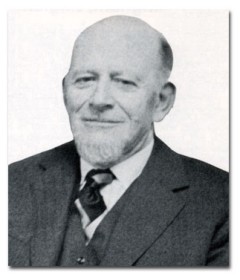
I would like to elaborate on what it means to say Lachmann was a Hayekian. My earlier comments were unclear, which caused Peter Lewin to misunderstand me.My point was not, as Peter writes, that Lachmann's "attention to the divergence of expectations (provoked by Hayek's 'Economics and Knowledge') came later and that this matter was, in some important sense, derivative of Lachmann's more fundamental subjectivism based in both Menger and Weber and related works." Rather it is that Lachmann's more fundamental subjectivism based primarily on Mises and Weber was provoked by Hayek's "Economics and Knowledge" (and the larger context from which it sprang), leading to rich story of intertemporal plan coordination of which divergent expectations were an integral part, but not the whole story.So, I agree that the "expectations story" has had the most noticeable influence on his fellow Austrians. However, I believe this is a "thin" reading of Lachmann's contributions which has often resulted in a facile lumping together of Lachmann and Shackle.Partly, I want to fill what I believe is a lacuna in the usual presentation of Lachmann's intellectual trajectory. Peter, in his lead essay, quotes from Mittermaier's informative biographical sketch of Lachmann. Mittermaier (1992, 9) notes that Lachmann was already a Hayekian upon his arrival at LSE. However, he goes on to explain that "being a Hayekian" had a narrower meaning back then -- referring to Austrian capital and trade-cycle theory. Similarly, Walter Grinder in his masterful overview of Lachmann's work (1977, 8) writes that by the time Lachmann arrived at LSE, his "basic theoretical formulation, with the possible exception of the role of changing expectations in economic life, had been worked out."While I think there is truth in both of these claims, I also think they obscure the important impact that Lachmann's time at LSE had on his thinking. What they miss is that his (and Hayek's) work on capital, trade cycle, and expectations occurred as part of a broader debate over intertemporal equilibrium. This debate raised fundamental questions about the relationship between knowledge and time, what Giocoli (2003) calls the "escape from perfect foresight." I think this explains Lachmann's later, frequent references to Hicks, Shackle, and the post-Keynesians. It was not that they had the right answers, but that they were the only ones still asking the right questions – questions about time and ignorance.My claim is that Hayek's reframing of this debate in terms of plan coordination and incomplete knowledge influenced Lachmann greatly, and most of his subsequent work can be seen as wrestling with the implications of this perspective. This, of course, does not mean that Lachmann agreed in all particulars with Hayek, but rather that the research program Lachmann pursued was very much a Hayekian one. For example, Lachmann ([1951] 1977, 101), in his review of Human Action, criticizes Mises in a way that echoes Hayek's criticism of Mises in "Economics and Knowledge": "if the transformation of knowledge is an essential element in the market process, then the latter cannot belong to the province of logical economics, for the acquisition of knowledge is not a logical process."Yet Lachmann saw in the work of Mises and Weber a way out of this dilemma. While Lachmann knew of their work from his days in Berlin, it was only after his move to Johannesburg that he studied their work closely. And it was Mises with whom he always claimed to have the greatest philosophical affinity. It was Mises's subjective approach to means and ends (shared with Weber) and his view of the market as a process that Lachmann saw as the most fruitful avenues for advancement. His emphasis on "plans" and "real types" were an attempt to integrate the empirical with the logical.So, yes, divergent expectations matter, but this is part of a larger story of knowledge transmission and intertemporal plan coordination, a story shared with Hayek. Hayek emphasized more the spatial challenges to plan coordination posed by dispersed knowledge. Lachmann emphasized more the temporal challenges to plan coordination posed by the unknown future. Both aspects matter.Mario J. Rizzo
More than Institutions · Jul 26, 2018
I have been following the posts with interest. I am not sure I really have much to add. But I do want to say something about institutions and expectations. If we take a very broad view of what an institution is, we run the danger of calling every regular course of action an "institution." Clearly, we do not want to do that. If Mary goes to the butcher every week and orders beef, pork, and lamb, is she an "institution?" Hardly. If we define institutions narrowly, then law and perhaps strong mores are included. "Secondary" institutions might be those entities or ways of behaving that are built on the "primary." For example, people create mechanism to fund retirement – like the 401(k) programs which are made possible by the provision of the IRS code after which the program is named.But intertemporal equilibrium – or perhaps better – the avoidance of intertemporal breakdown requires more than that. If there is a sudden increase in the demand for money and shifting of government expenditure priorities because people fear the oncoming of a war, many entrepreneurs will have produced the wrong things at the wrong prices. Perhaps no one was in the position to predict that. But at other times, a new financial product might have been invented which was thought to have little risk. But the ugly extreme tail in the distribution manifested itself and the financial system is damaged. Perhaps no one could have predicted that.Now it perfectly right to ask, especially in the second case, if monetary policy made things worse and caused greater financial panic than otherwise. Perhaps so. But we ought to keep in mind that these disruptive and unpredictable events can happen. I doubt if even the best institutions can prevent all of the discoordinating effects. So intertemporal equilibrium, even if achievable in a rough sense, is still brittle with respect to unusual events.In large part this explains why Lachmann was insistent that we need a "lender of last resort." Some institution to help bail us out when all other institutions have failed. Whether a competitive banking system has the ability to do this, I do not know. Perhaps it needs a J.P. Morgan to coordinate matters.Hans Eicholz
Lachmann and Mises · Jul 30, 2018
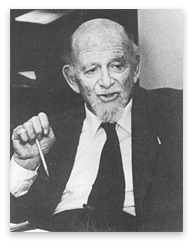
"And it was Mises with whom he always claimed to have the greatest philosophical affinity. It was Mises's subjective approach to means and ends (shared with Weber) and his view of the market as a process that Lachmann saw as the most fruitful avenues for advancement."
Bill Tulloh raises some really critical points in his comments. If only there were time to take them all up. But in the above quote my attention is riveted on the word "affinity."How did Lachmann see his relationship with Mises? I would say it was much like his appreciation of Shackle, Hicks, and Keynes, but in the other direction. Where he liked these thinkers for their questions, as Tulloh notes—for their relentless interrogation of the inconsistencies of individual plans--he appreciated Mises for his relentless application of purposefulness, of the ends/means relationship, to economic processes.Indeed, besides Mises, few other economists have made more of this concept purposefulness. It is no wonder, then, that Lachmann would see the natural affinity of Mises with Weber, even where the former would not!Throughout his writings Mises remained rigorously logical in his derivations from the category of purposeful human action, so much so that he ran his praxeological categories straight through his catallactic ones. It is why he could not ultimately accept the hermeneutical definition of understanding.With but slight modification of Weber's verstehen, however, Lachmann found Mises's theoretical articulations to be an analytically target-rich environment!Hans Eicholz
Equilibrium and Institutions · Jul 30, 2018

Mario Rizzo has raised something very interesting with respect to equilibrium and institutions, a theme that first got my attention when I recently read Lachmann's final response to Larry White in the Fall 1979 Austrian Economics Newsletter, "On the Recent Controversy Concerning Equilibration".It's worth a look, especially for how Lachmann raises the example of U.S. railroads in 1900 and the coordination of plans.Peter Lewin
Tulloh on Expectations and Institutions · Jul 30, 2018
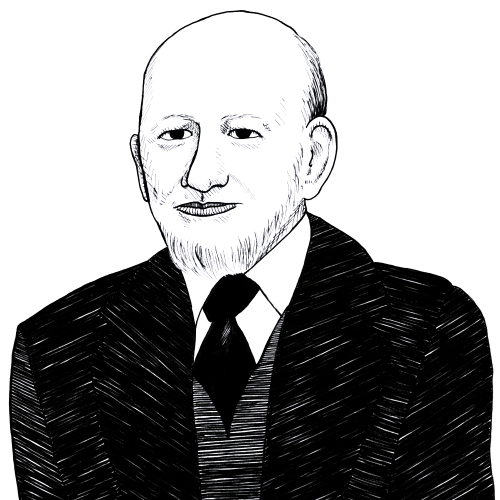
I found Bill Tulloh's most recent two posts very interesting, informative, and provocative of where future work on Lachmann might go.The application of Lachmann's work on institutions in computer science is, as I suspected, fascinating. The example that Bill provides is very helpful, evocative of Lachmann's own reference to the post office as an institution and the mailman as a "real type." The example of Claire using a third party, abstracted by degree, to mail her birthday card to her mother is very helpful. In general, I feel that this type of discussion could benefit from many more examples to focus the mind. I begin also to see the relationship between abstraction and modularization that Bill and I have talked about. I urge Austrian scholars to pursue more of this. Lachmann would be delighted.On the relation of Lachmann's work on expectations to his work on methodology and institutions, Bill sees the timeline this way: Hayek's "Economics and Knowledge" provoked Lachmann's work connecting Weber and Mises; in other words, Hayek's identification of the centrality of inconsistent plans made Lachmann aware of the importance of disparate expectations.I would guess Bill, who reads German, is in a better position than I to have an opinion on this. So I am willing at least to suspend judgment. I confess I had always seen it the other way – that Lachmann came to the LSE already familiar with Weber and proceeded after the LSE to rekindle that spark and integrate it into what he had learnt. But Bill may well be correct that I need to change my mind about this.It is certainly true that the 1930s at the LSE were years of frenetic research on business cycles, and that this included examining individual plans and decisions often within a capital-theoretic context. The whole Hayekian "stable" appears to have participated in this research, including representatives in Italy. Bill, Giampaolo Garzarelli, and I have written a short paper on an article published in Italian by Lachmann and one N. M. Neuman in 1934, an expatriate Polish scholar at the LSE, discussing the contributions of two Italian scholars on their variations of the Austrian business-cycle story. Hayek referred to this research in a couple of articles in 1934 and 1935. Our interpretation, from that joint article, is indeed that Lachmann at that stage had not yet formulated his theory of capital but was in the process of doing so. So there are certainly interesting history-of-thought questions to be answered.I want to turn to the question of Lachmann's theory of institutions. I feel like this part of his work, most fully developed in his 1971 book, The Legacy of Max Weber, is unlikely to be the object of much further attention. I may be wrong about this, but it seems to me that those studying Austrian economics look mostly to Hayek on this and his extensive work on institutions. Hayek sees institutions as phenomena resulting from complex processes of cultural evolution. Though I am not aware that Lachmann is anywhere on the record about this, I have heard from at least two sources (Karl Mittermaier and a letter Lachmann wrote to Don Lavoie) that Lachmann was not enamored of Hayek's work from the 1940s onwards on methodology and institutions. This may or may not be true, but it is curious that he never (as far as I know) explicitly referred to this work of Hayek's either positively or negatively. Is it not surprising that neither of the essays that deal with institutions in Lachmann's book on Weber has a single reference to or even a mention of Hayek? By that time Hayek had already written The Constitution of Liberty and many other works dealing with the evolution of institutions. One might even imagine, given the very few times he uses the word, that Lachmann was at pains to avoid using the concept evolution, though it is clearly implicit in his account.As I interpret him, Lachmann agrees broadly with Menger's distinction between designed and undesigned institutions (and connects this to aspects of Weber's work), but suggests very strongly that no designed institution is ever devoid of undesigned elements in a changing world. And though he spends a lot of time discussing the origins of institutions and even identifies a type of "institutional entrepreneur" (my term not his) as a necessary ingredient (though this is not clear), there seems to be a lot of spontaneous development going on. Why not a single reference to Hayek?Bill Tulloh
Some Final Thoughts on Secondary Institutions · Jul 30, 2018
Lachmann's distinction between fundamental and secondary institutions seems like a potentially fruitful approach to reconciling important issues that arise when moving towards a "looser" conception of plan coordination that can better cope with uncertainty. (O'Driscoll and Rizzo 1985, Lewin 2016) So I will take another stab at distinguishing between the rule-like nature of Lachmann's fundamental institutions and the "abstract interface" nature of Lachmann's secondary institutions.Professor Rizzo raises an important point by noting that "we … should not be thinking of fixed rules so much as hierarchies of rules." (Comment: "Expectations and Predictability") This concept of default hierarchies of rules (Holland et al. 1986, Rizzo 1999, Whitman 2009) provides a way to make sense of Lachmann's discussion of the "gapless" nature of the legal order. But as Lachmann points out, this does not apply to all institutions: "The legal order abhors a vacuum no less than nature does. In the wider institutional sphere, we find no parallel to this characteristic. Some institutions will be complementary to one another in that they require each other's services, like Post Office and railways or airlines." (1971, 77)Whether or not we want to call these "institutions," the distinction Lachmann makes is important. He is drawing our attention to the abstract interface that enables complementary services to connect. In essence he is directing our attention to the division of knowledge. As Lachmann (1971, 50) writes, "We know enough to make it serve our ends, though we may know next to nothing about the internal working order of these institutions."The abstract interface is the divide. It enables us to make use of the knowledge of others without having to know it ourselves; we specify what we want but not how to do it. We can think of this as the modularization of knowledge. The abstract interface between modules matters because we need to combine these productively as circumstances change.Modularity and abstraction bundle together several closely related concepts – information-hiding, encapsulation, interface, and types – which play important roles in plan coordination. Encapsulation ensures that the means under my control are not interfered with by others. Information-hiding ensures that my plans don't depend on the details of the means under the control of others. Interfaces are the abstract aspects that we can both rely on. Abstract interfaces also enable us to distinguish the typical from the unique.The interface defines a type. It defines what instances are members of this type (abstracting from the unique aspects that do not matter for this purpose), and it distinguishes this type of thing from all other things. The type helps us know when our expectations will be valid. We expect certain behavior from this type of thing.There is an interesting tradeoff here. We need enough knowledge of the actions of others to coordinate our plans; but too much knowledge limits our ability to cope with unexpected change. One way to think of this is in terms of "possible worlds" and Hayek's "adaptation to the unknown." Adaptiveness comes from being able to cope with multiple possible worlds; coordination comes from agreement on which of the possible worlds we are in. More knowledge means fewer possibilities we need to consider, thus making it easier to coordinate. But relying on too-detailed knowledge means there are fewer possible worlds in which we can coordinate. Abstract interfaces seek to balance the knowledge needed to coordinate while keeping maximum responsiveness to unforeseen possibilities.This reading of Lachmann suggests a possible reconciliation with the work of Alfred Schutz, whose discussion of types and degrees of anonymity (Schutz 1967) explores similar themes. It also connects to Don Lavoie's work (Lavoie 1991) to reconceptualize subjectivism, as highlighted by Professor Lewis (Comment: "Lachmann and his Followers on the Nature of Subjectivism"). Expectations are as much a question of institutions (fundamental and secondary) as they are of individual decisions.I will close by noting a certain discomfort with Hans Eicholz's characterization that one must make a choice between "highfalutin" Gadamer and "workaday" Schutz. The metaphor of a crossroads does not seem apt. One can learn much, as did Lavoie, from both roads (from their similarities and their differences).Bill Tulloh
Lachmann: Still a Puzzle · Jul 31, 2018
When comparing the works of great thinkers, one can choose to emphasize their differences or their similarities. Clearly, Lachmann had many differences with both Mises and Hayek, but many similarities as well. Questions of influence are even more fraught with difficulties, and ultimately, we must content ourselves with not being able to achieve definitive answers.I have always found Lachmann's work particularly puzzling. Given how often my own interpretation of his work has changed, I would be the last person to suggest that there is anything like a correct interpretation of his work. As I dig deeper into his work, it continues to surprise me.For example, it was only recently that I became aware of his involvement in the interwar debates in Germany on constitutional law, involving Hans Kelsen, Herman Heller, Carl Schmitt, and Rudolf Smend. This included writing about Smend, Schmitt and Heller in his dissertation and other works, and participating in Carl Schmitt's seminar in Berlin shortly before Lachmann was forced to leave Germany. This background has given me a new perspective on the "On Politics" chapter in The Legacy of Max Weber.Similarly, it was only after Hans Eicholz persuaded me to pay more attention to Werner Sombart's book on economic methodology, Die drei Nationalökonomien, which was written while Lachmann was his student, that I was able to make sense of a puzzling introductory section in Lachmann's article (1937) "Uncertainty and Liquidity Preference."I still think the differences that Lachmann had with Hayek have been overdrawn. Lachmann was clearly unwilling to follow Hayek into complex systems and evolutionary theory, but this was later in Hayek's career, not "from the 1940s." In correspondence, Lachmann shows great excitement for Hayek's work in the 1950s and 1960s. He was especially excited about Hayek's Constitution of Liberty, and his unfinished, New Look at Economic Theory. Lachmann also in their correspondence explained his work on the Legacy of Max Weber to Hayek.Lachmann published two work's that dealt explicitly with Hayek's Law, Legislation and Liberty. A 1980 review of volume three in the Journal of Economic Literature, and in his 1979 essay, "The Flow of Legislation and the Permanence of the Legal Order." While perhaps coincidental, it is interesting that Lachmann's early paper on institutions, (1963) "Wirtschaftsordung und wirtschaftliche Institutionen," was published in the University of Freiburg journal, Ordo, shortly after Hayek moved there.I will close with an excerpt from an interview that Lachmann gave on July 17, 1974 for the Institute for Humane Studies, which is available at the Hoover archives. This was Lachmann's response when asked about his impressions of and relations to Mises and Hayek:"I know Hayek better than Mises. He was my supervisor for the Ms. Com., and I have kept in close contact with him ever since.Mises, I only met three or four times. His work has strongly influenced me, Human Action has greatly influenced me. As regards the philosophical basis of economics, I think I feel nearer to Mises than to anybody else.I owe Hayek most of my economic ideas to him and that my work as an economist has been most strongly influenced by him than anyone else. I also entirely subscribe to his political views. I do think that his Constitution of Liberty is one of the great books of our time."
Peter Lewin
Lachmann, Unions, and Austrian-Business Cycle Theory · Jul 31, 2018
Lachmann's lifetime output was quite modest. As Don Lavoie noted, there were big messages contained in small packages. Bill Tulloh's post "Some Final Thoughts on Secondary Institutions" is an illustration of how big the message can be. Fascinating stuff, with tremendous relevance to our modern information society, that makes me wish for more. I'm hoping that Bill will provide it somewhere with numerous illustrative examples.I am glad Mario Rizzo mentioned monetary policy and intertemporal equilibrium. At least since Mises, the Austrians have always been very preoccupied with intertemporal disequilibrium, especially the kind that gives rise to cycles. It is from this preoccupation that much of their investigations into the role of knowledge in market processes comes from. Hayek's "Economics and Knowledge" arises directly out of questions about expectations in an uncertain world, the kind of world that Keynes suggested rendered the market economy vulnerable and prone to severe collapse.As Mario points out, on the matter of monetary policy, Lachmann supported enlightened central banking (my words). The little he said about free banking (competition in money supply) was critical and dismissive. Perhaps even more interesting, like Hayek he was focused on the power of labor unions. This is not surprising given the development in Britain of trade-union power – both he and Hayek were still much focused on Britain at that time. Lachmann believed that because of the unions' power, in the world in which we now live prices can go up but not down. He endorsed John Hicks's observation that we were in effect on a "labor-standard." The negotiated wage determined the level of the supply of money. So he was convinced that money was determined "endogenously" and, obviously, for that reason not very impressed by monetarism when it arrived.It is clear, and it became clear during his lifetime, that he was wrong about this. The power of unions has pretty much decreased monotonically since mid-20th century (for reasons that would be interesting to discuss but are beyond our scope here), and many prices certainly do fall, some of them a lot. Even wages fall as people become unemployed and accept lower-paying jobs.Lachmann's own framework is useful in analyzing this. Again from Hicks, he uses the important distinction between fix-price and flex-price situations. A demand-side shock can produce either and both in varying degrees over time. The stability of the system depends on there being enough flex-price response. A rigid fix-price situation is the one Keynes assumed. In his world all responses were in quantities of goods and employment. Lachmann realized that the ability of the system to adjust depended on there being enough price responsiveness so that Keynes's income-employment multiplier would be muted. He was interested always to examine every situation for the mix of fix- and flex-price.Lachmann never bought into the claims of the Austrian business-cycle theory (ABCT). He was steadfastly, if quietly, critical of them. The most obvious case is his brief and only interaction with Mises in the pages of Economica. His article "The Role of Expectations in Economics as a Social Science" (1943) was taken by Mises to be directed at him, specifically at the ABCT for assuming static expectations. But of course that criticism would apply equally to Hayek's version of the theory. In any case, Mises felt compelled to respond to the criticism in a note in Economica. (1943)Right at the very end of "Role" Lachmann tackles the nature of expectations within the ABCT. He points out, as was was pointed out many times after him, that for a business cycle to occur as a result of the credit expansion which reduces the interest rate, expectations must be elastic. In other words, investors must expect that the new interest rate will endure sufficiently long for them to want to change their investment decisions. By contrast, if investors know the ABCT and believe it, they will expect the interest rate to be unsustainably low and will not alter their investments in the manner suggested by the theory. It is clear from his words that Lachmann is skeptical about the ABCT.In his response Mises says that Lachmann's article "deserves careful attention" and that he fully agrees with him. (Mises 1943, 251) He goes on to say:But I want to point out that I did not fail to state the fact that my explanation of the trade cycle is based on such an assumption [of elastic expectations].… The economic consequences of credit expansion are due to the fact that it distorts one of the terms of the speculators and investors calculation, namely interest rates. He who does not see through this, falls victim to an illusion; his plans turn out wrong because they were based on falsified data. Nothing but a perfect familiarity with economic theory and the careful scrutiny of current monetary and credit phenomena can save a man from being deceived and lured into malinvestments. [252]These words by Mises are an important concession to Lachmann's skepticism and probably deserve more attention than they have received.***Thank you to Liberty Matters, to those unnamed behind the scenes, and to my participating colleagues. I have enjoyed it and hope it has proved interesting and useful to our readers.